SEASONAL ARCHIVE

Wild Birds of April

When and what wild birds might you see — a timeline sorted by date taken

  1. 2
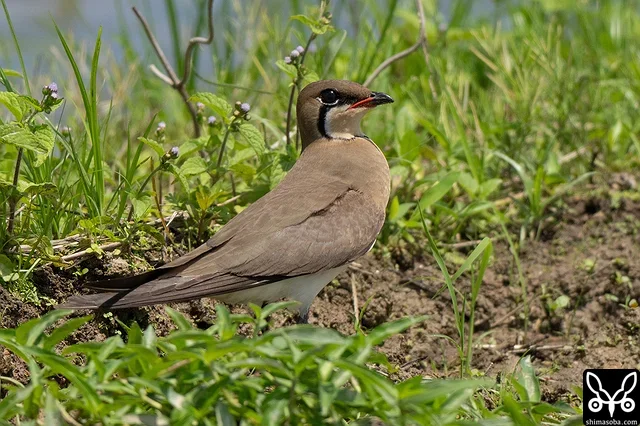
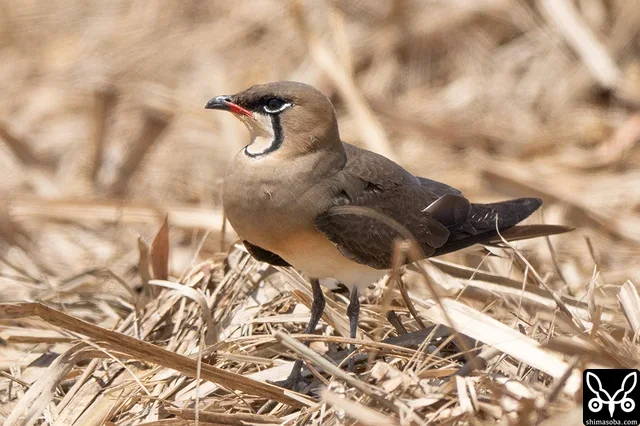
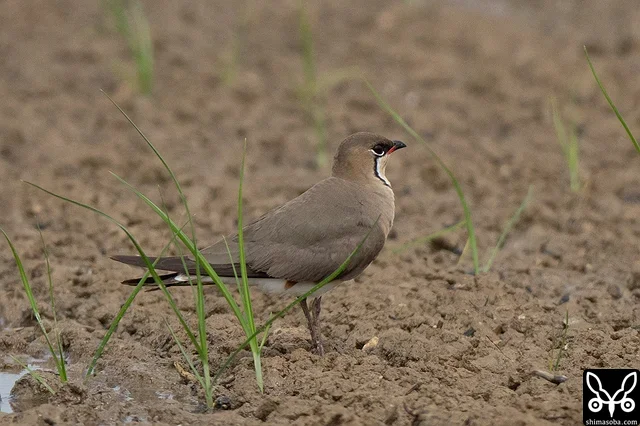
    A flock of a dozen or so Oriental Pratincoles is staying in a rice paddy. I expect breeding will be confirmed again this season.
    Oriental Pratincole
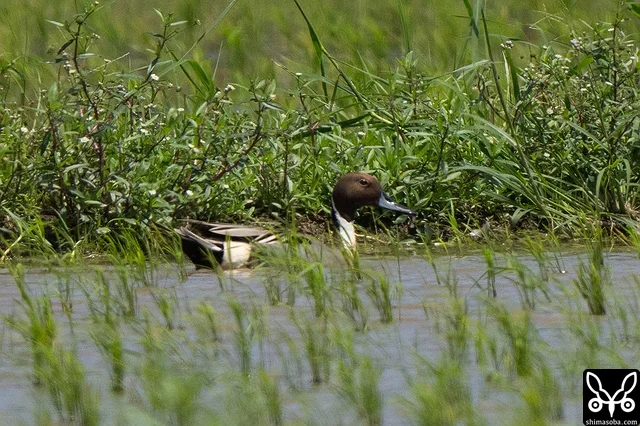
  2. There was also a pair of Northern Pintail. They are probably birds moving through on spring migration.
    Northern Pintail
  3. 3
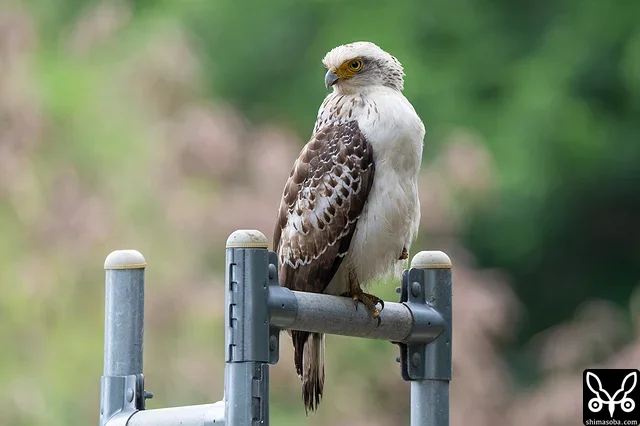
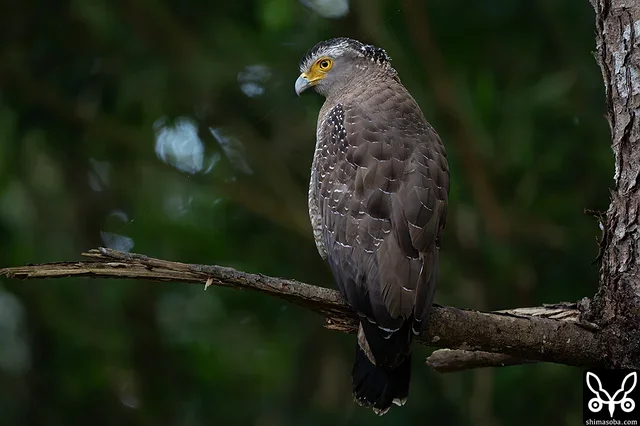
    A juvenile Crested Serpent Eagle. It looks like it managed to catch something — the crop is bulging.
    Crested Serpent Eagle
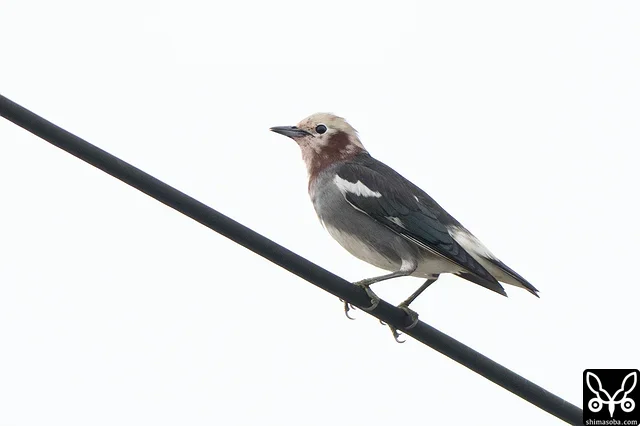
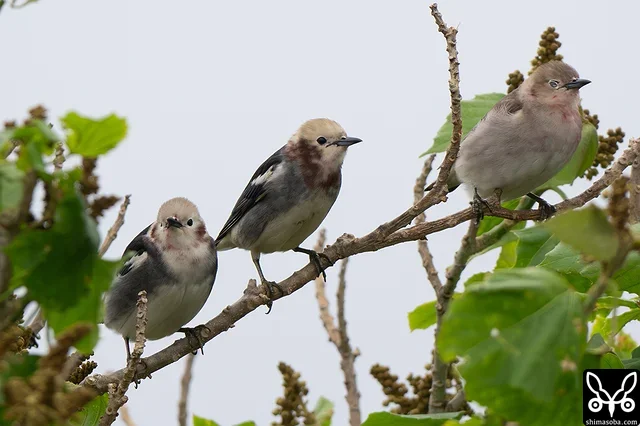
  4. A Chestnut-cheeked Starling that came to the car park at my workplace. They come to eat the fruit of Murraya paniculata. During the winter, White-shouldered Starlings, White-cheeked Starlings, and Asian Glossy Starlings also turned up regularly for the same berries. On Ishigaki, Chestnut-cheeked Starlings feel more like a spring bird than a wintering one.
    Chestnut-cheeked Starling
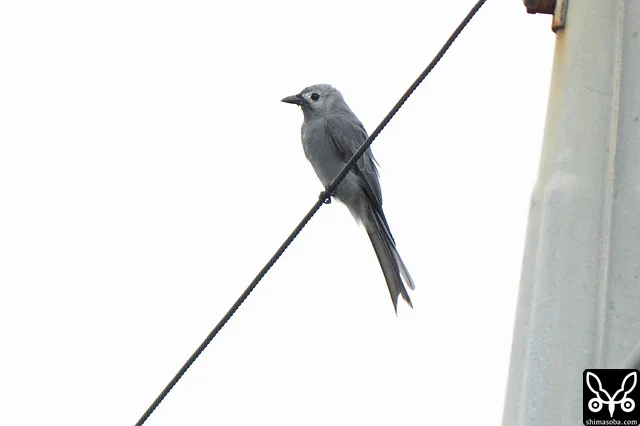
  5. The Ashy Drongo that has been wintering on Ishigaki Island for a record-length stay. This photo was taken on 3 April, but it was still being seen on the 9th. Just how long will this Ashy Drongo stay?
    Ashy Drongo
  6. 5
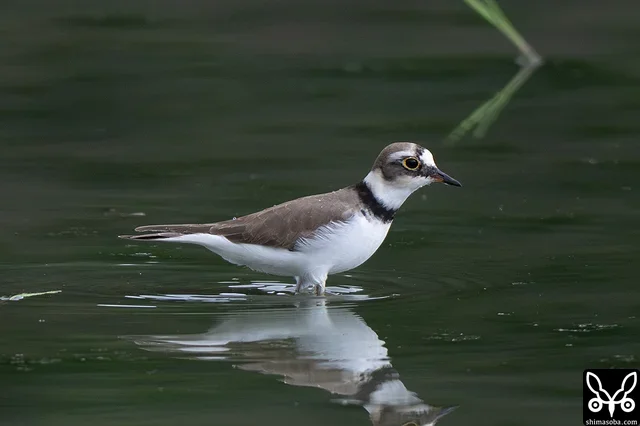
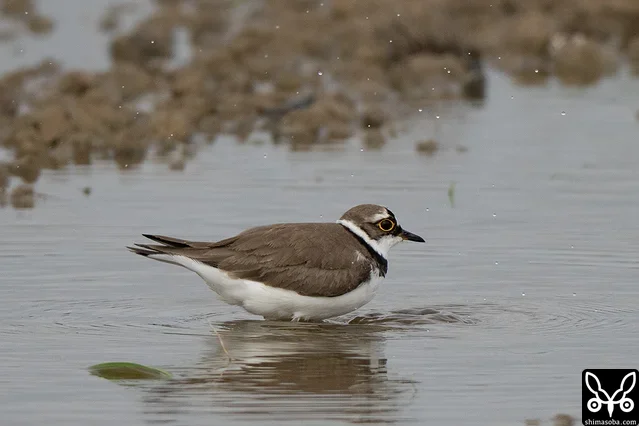
    There was a flock of 25 Little Ringed Plovers. I heard there had been a White-rumped Sandpiper among them, but by the time I arrived it was Little Ringed Plovers only.
    Little Ringed Plover
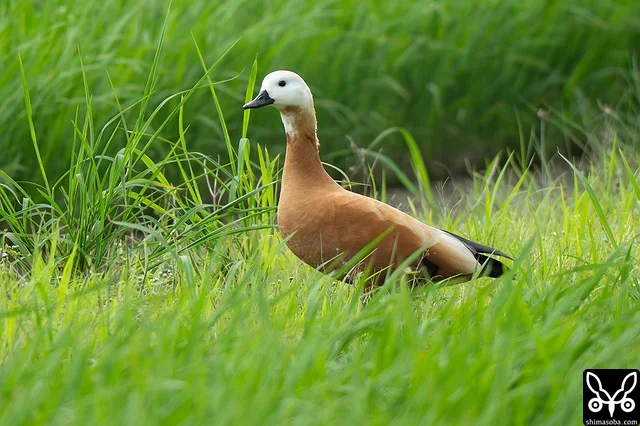
  7. The Ruddy Shelduck has nearly completed its moult from juvenile plumage into first breeding plumage. This was its third day of the stay.
    Ruddy Shelduck
  8. 6
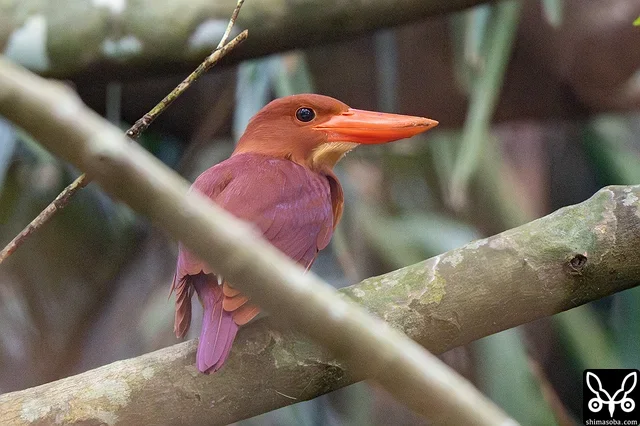
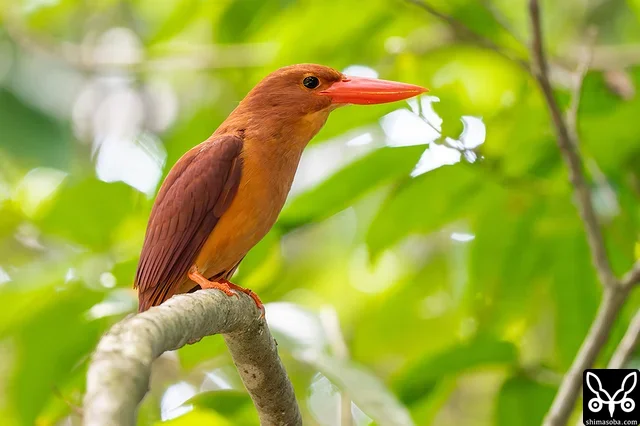
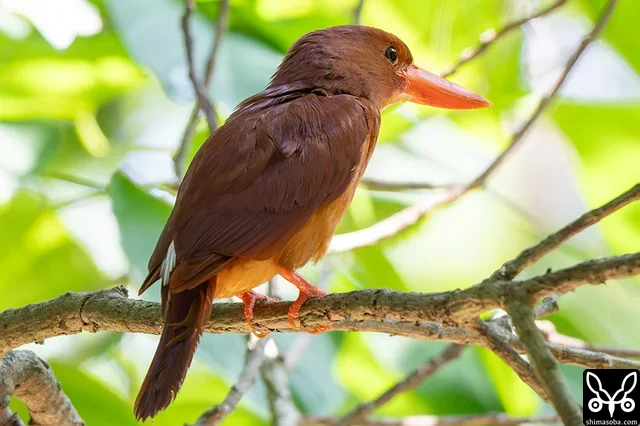
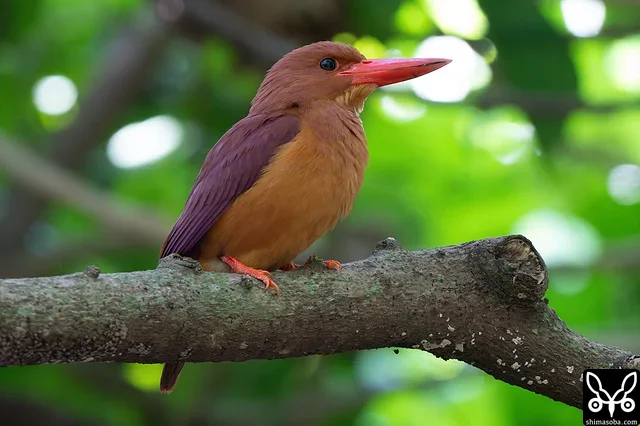
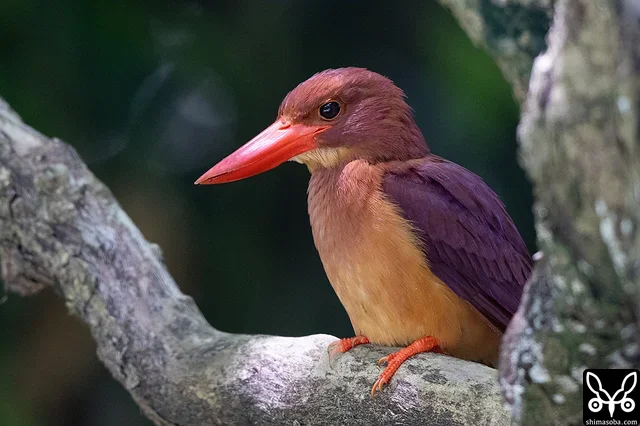
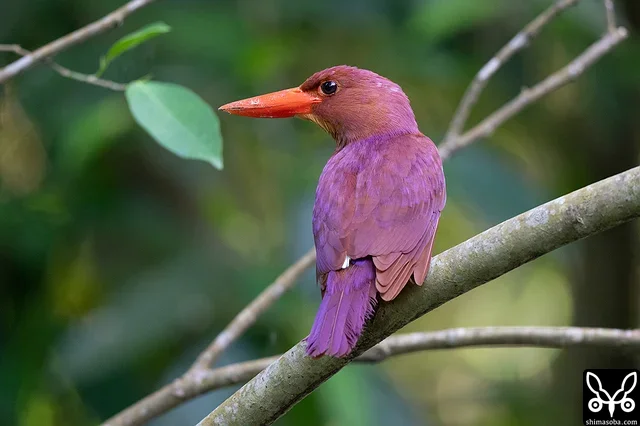
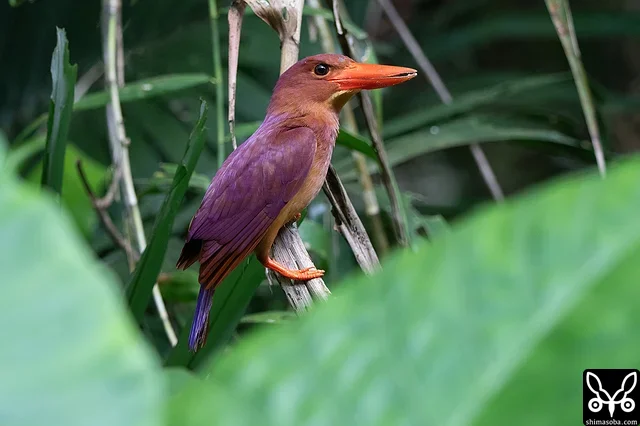
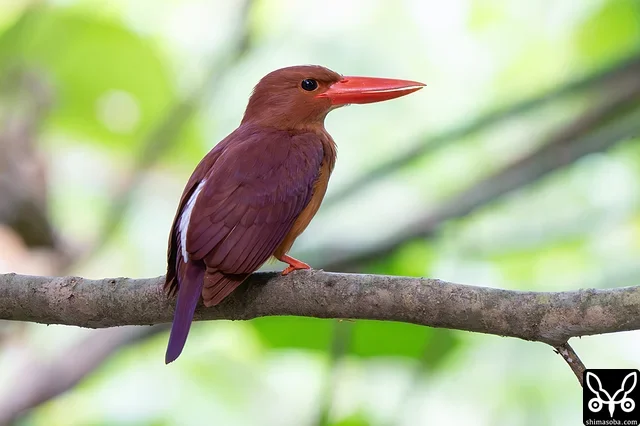
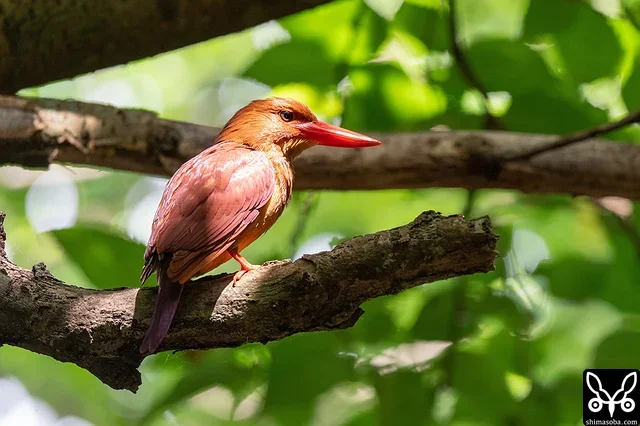
    The Ryukyu Ruddy Kingfisher arrived about a week earlier than usual this season — calls were already audible around 23 March. Numbers picked up toward the end of March. My first photos weren't until 6 April, a little later than usual, partly because I was away from the island on a trip.
    Ruddy Kingfisher
  9. 8
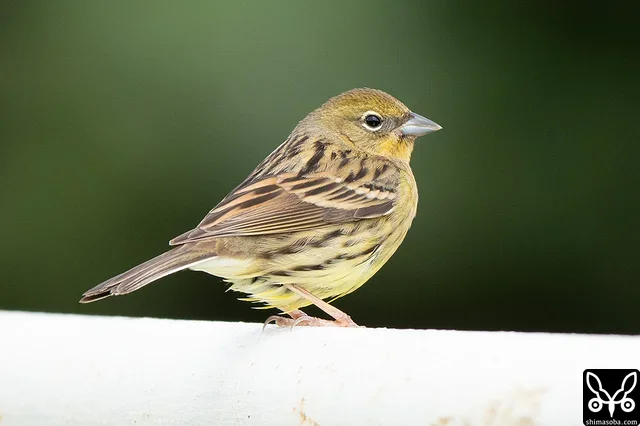
    Yellow-breasted Buntings arrived in a small flock.
    Jankowski's Bunting
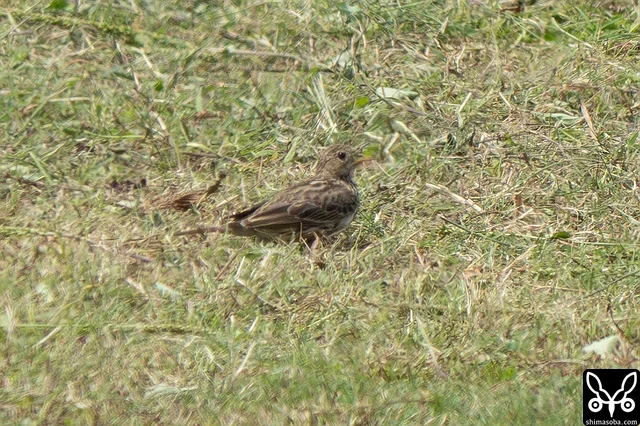
  10. A suspicious-looking pipit in the distance. The image quality is poor due to atmospheric shimmer, but I believe it is a Australasian Pipit.
    Buff-bellied Pipit
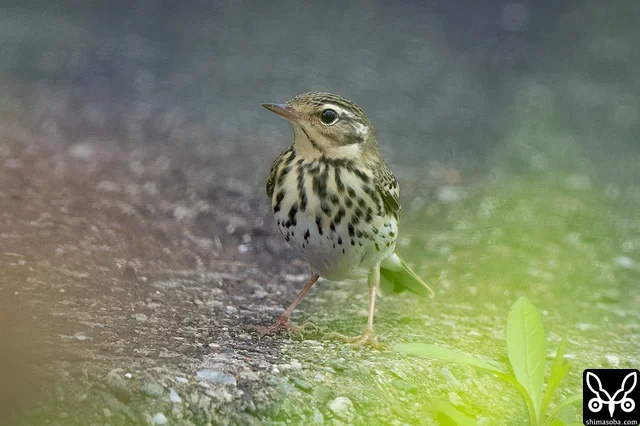
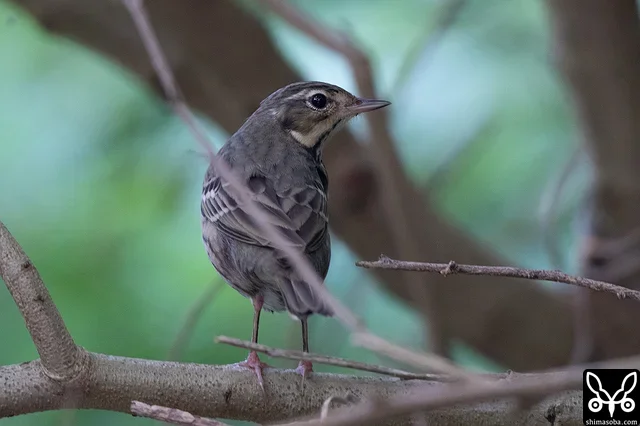
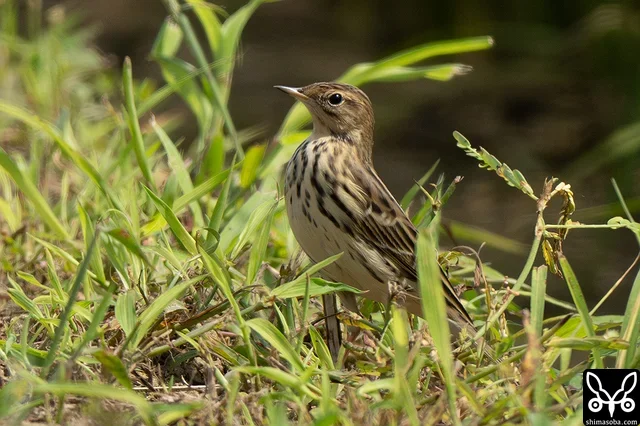
  11. I heard a call and went looking — found one Olive-backed Pipit.
    Olive-backed Pipit
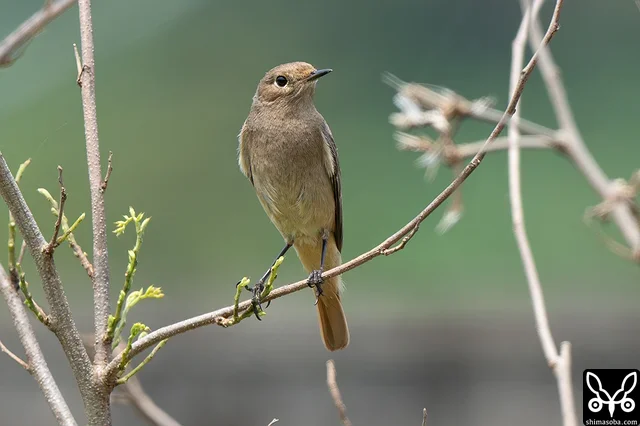
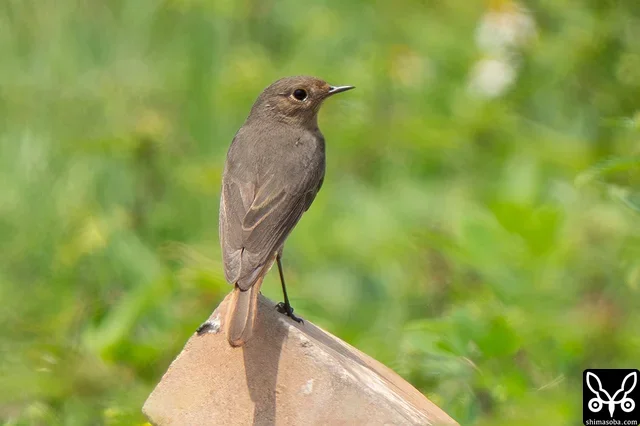
  12. A Daurian Redstart — recorded on Ishigaki Island only about twice in the past.
    Black Redstart
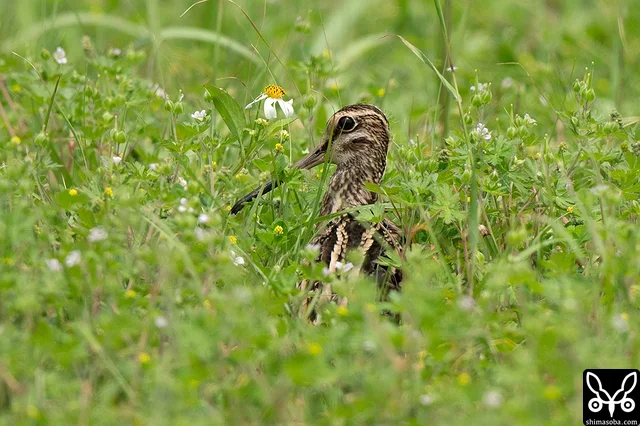
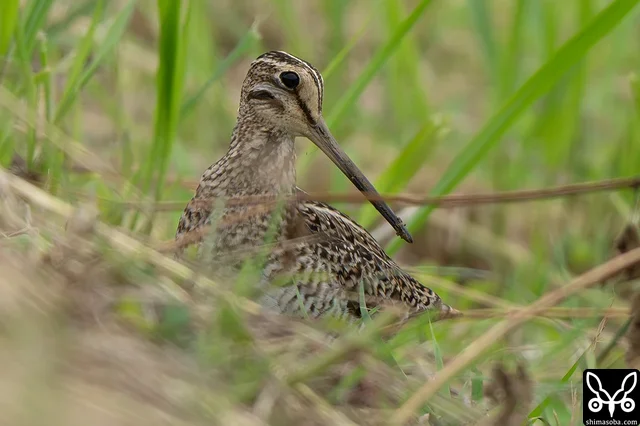
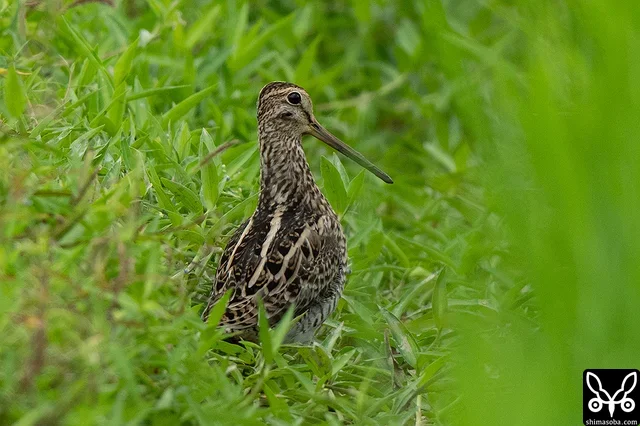
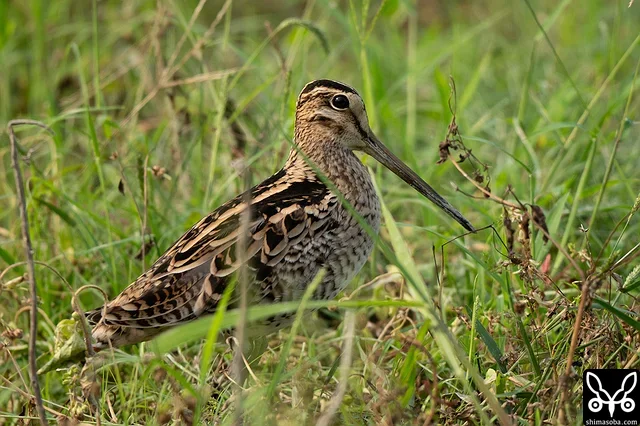
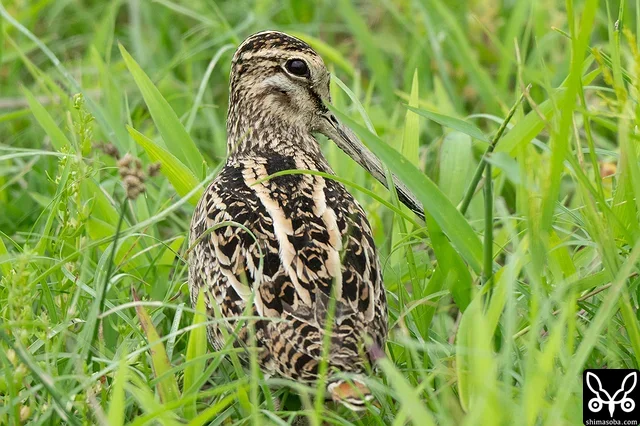
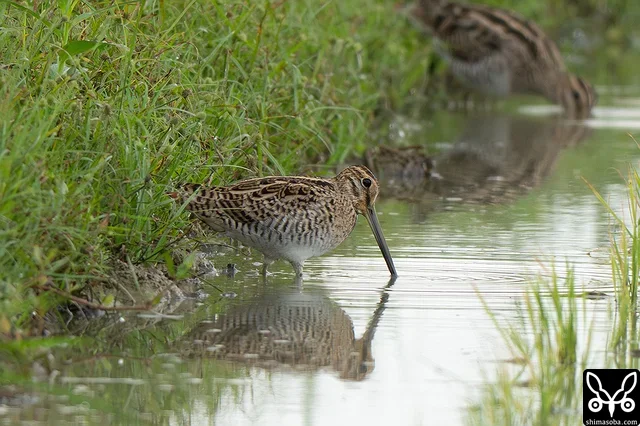
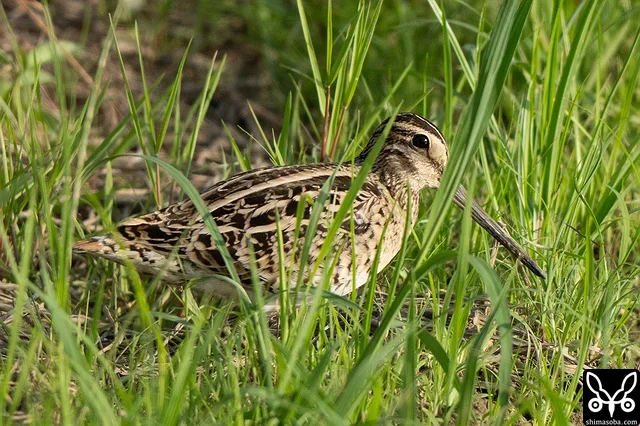
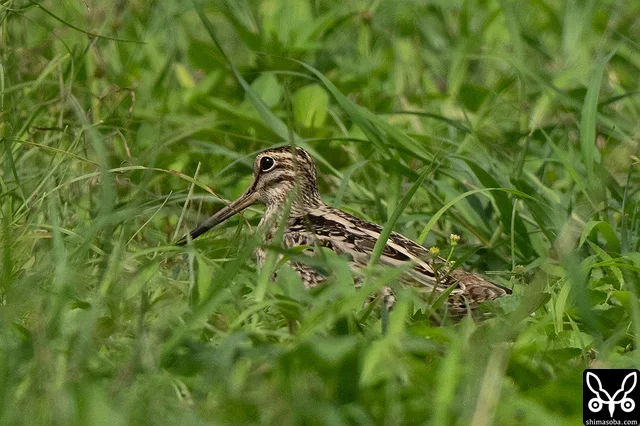
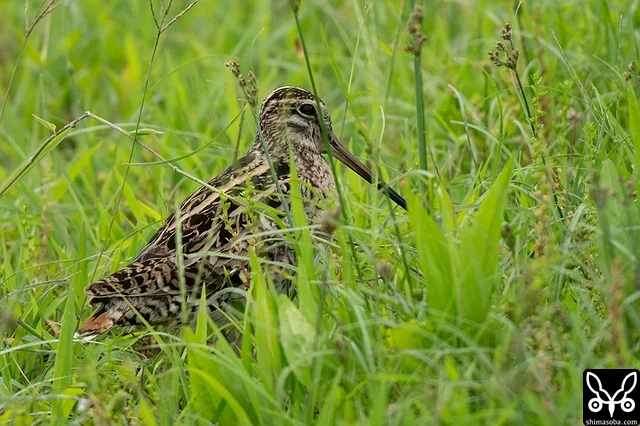
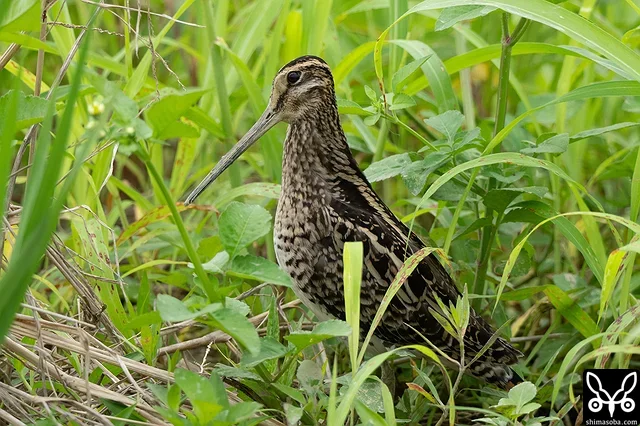
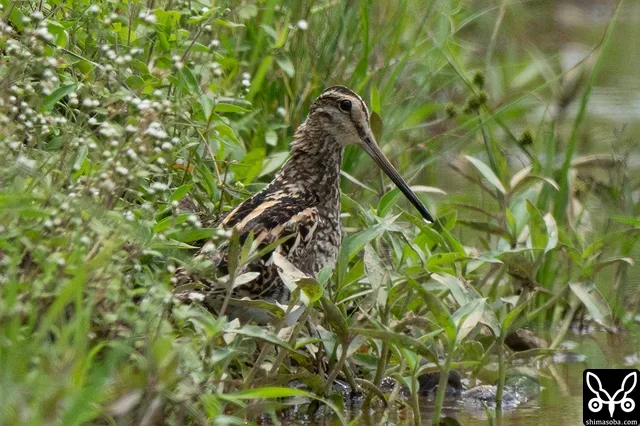
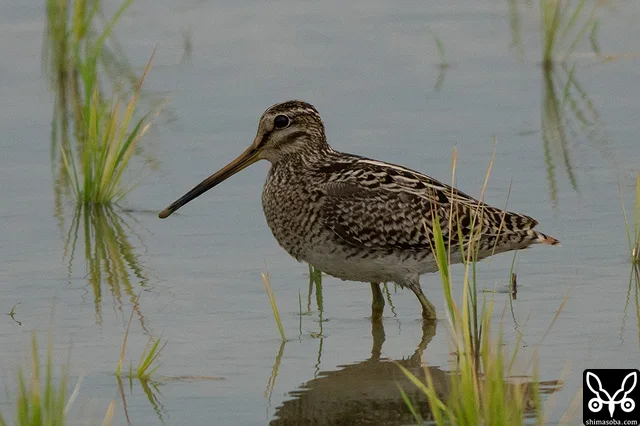
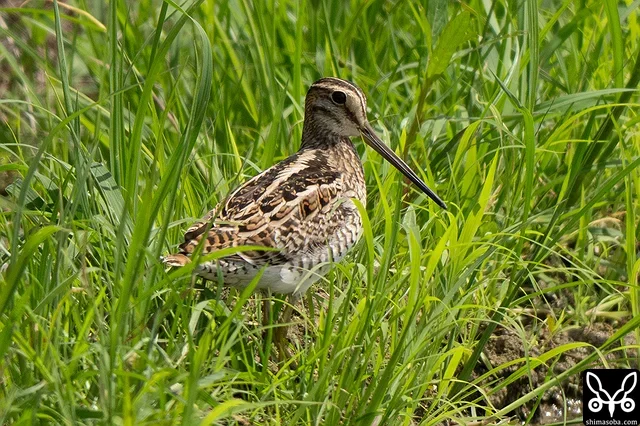
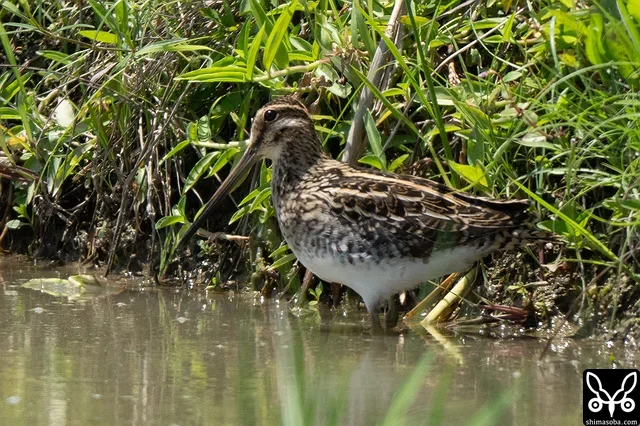
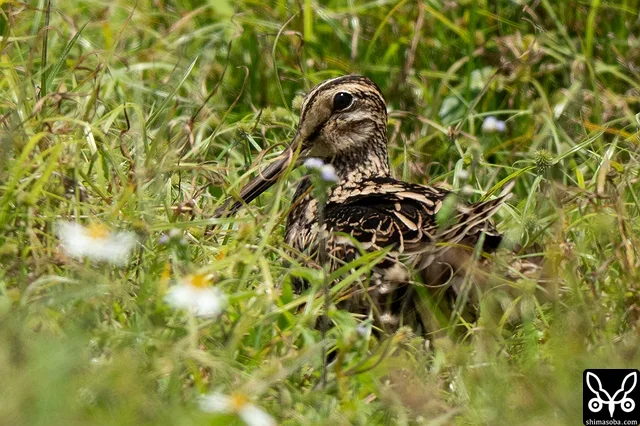
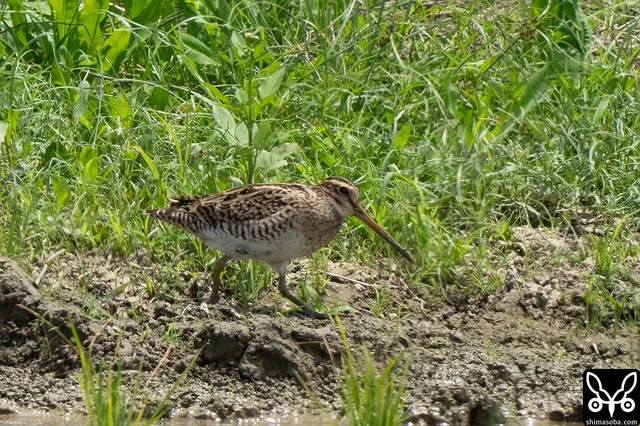
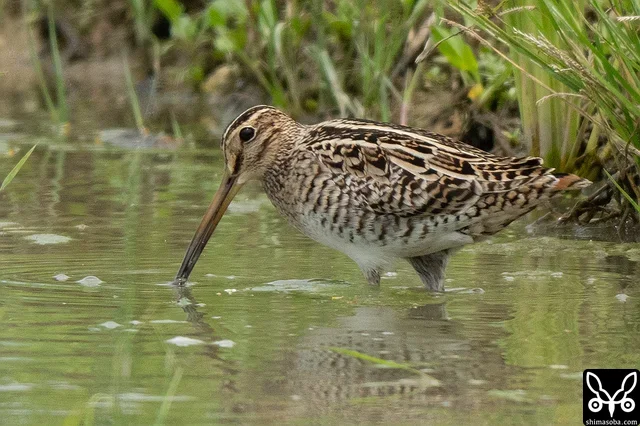
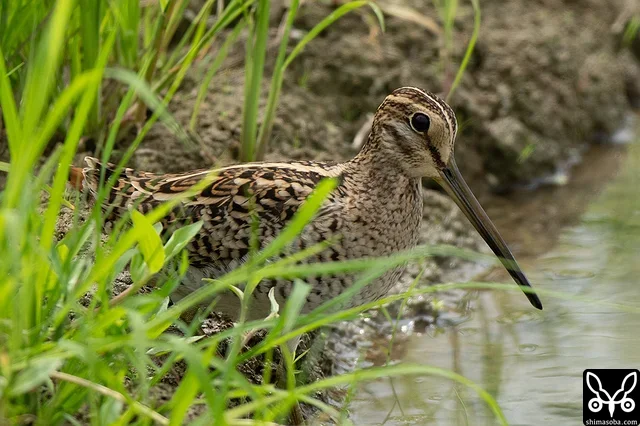
  13. A Pin-tailed Snipe on the lawn.
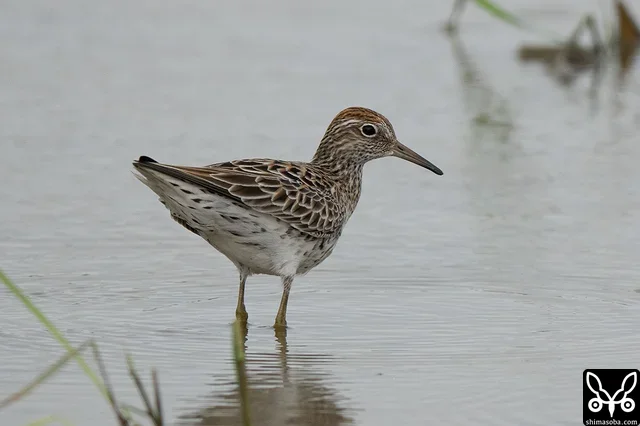
    Pin-tailed Snipe
  14. Same individual as above. It was moving between a ranch and the hedges of a private house. This female was at Hikawa, but apparently a male was also present at Sonai. I was given directions but couldn't find it….
    Black Redstart
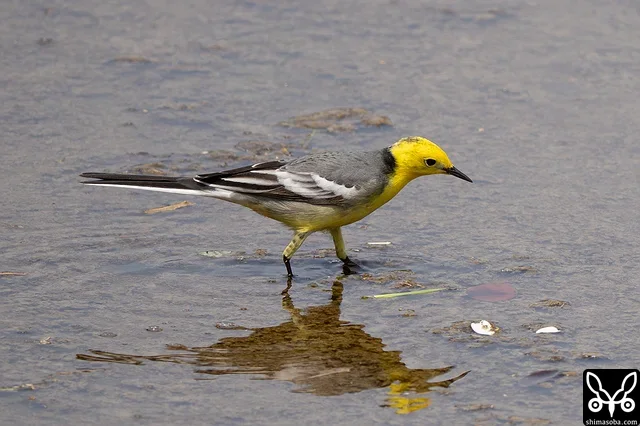
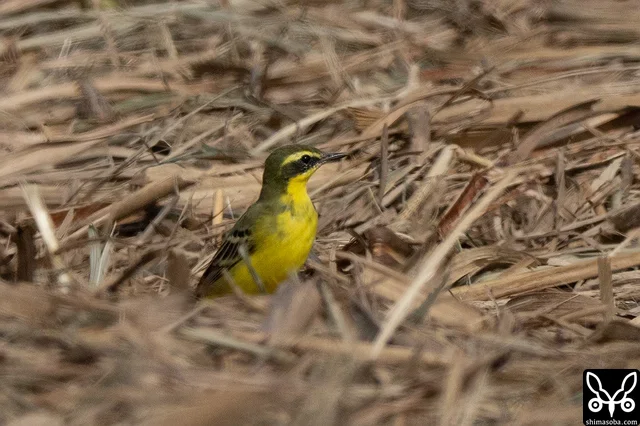
  15. There were four Citrine Wagtails on the island. A good spring migration here is heaven, but a bad one is hell. The old hands stay about a month every year, so they seem to have experienced both. ^^;
    Citrine Wagtail
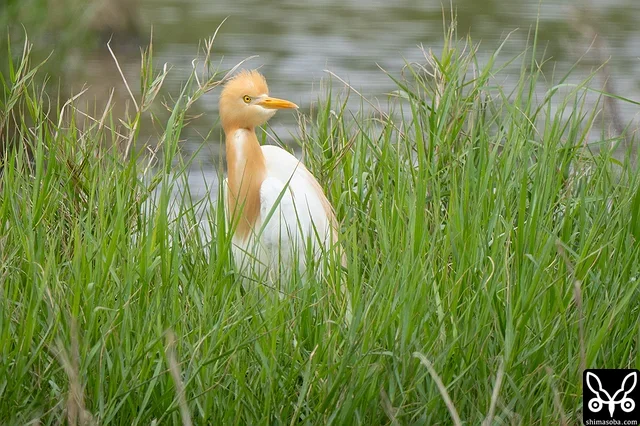
  16. The Eastern Cattle Egret is also beautiful in breeding plumage.
    Eastern Cattle Egret
  17. 9
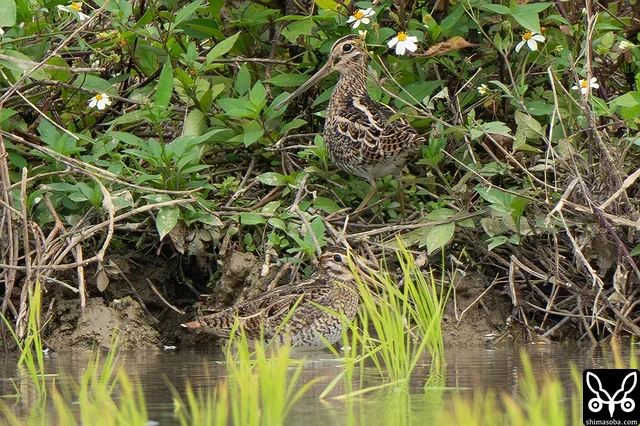
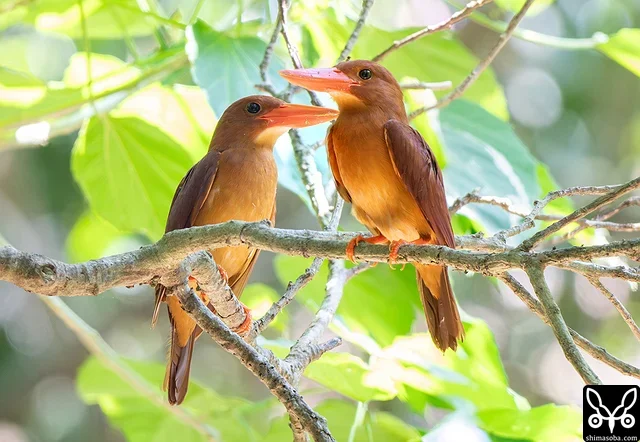
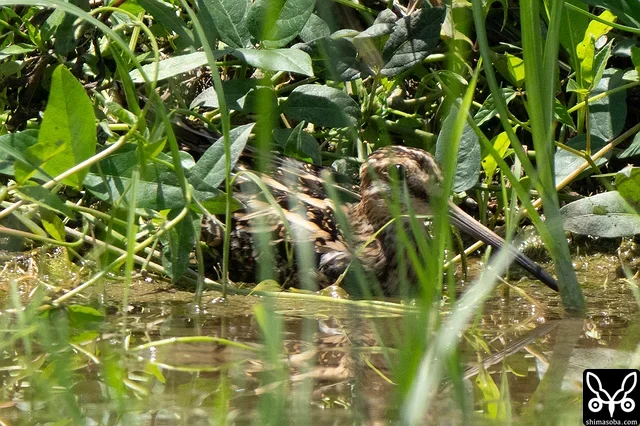
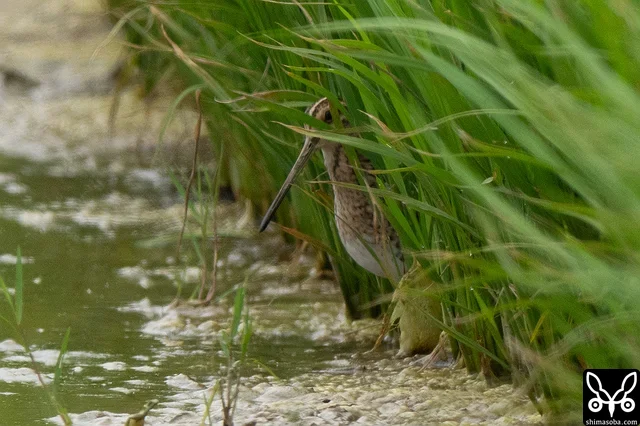
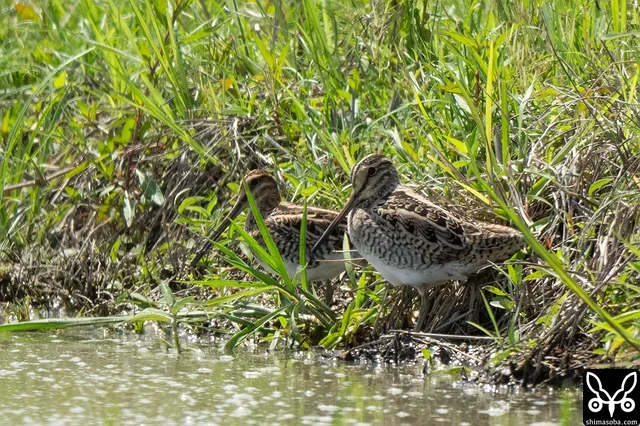
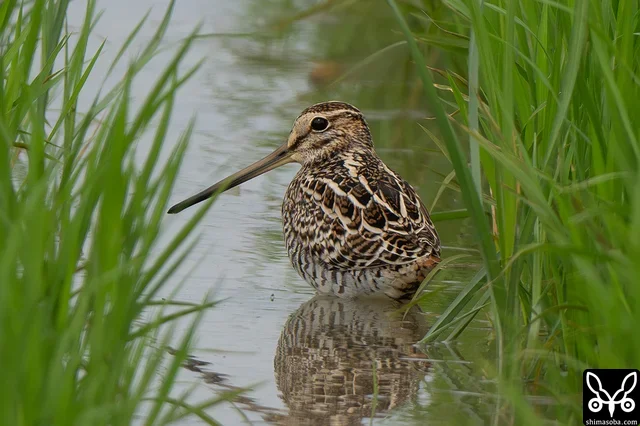
    Pin-tailed Snipe (below) and Swinhoe's Snipe.
    Swinhoe's Snipe
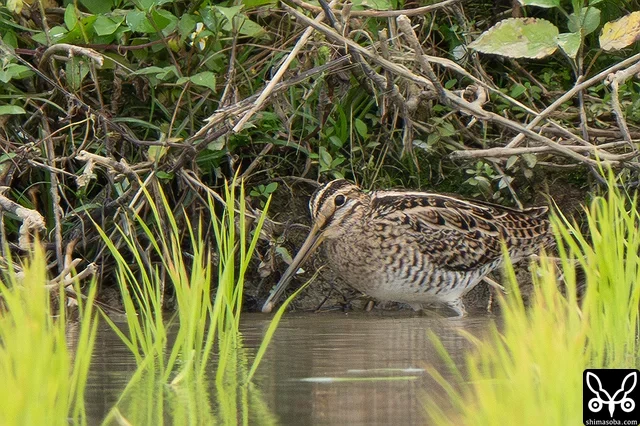
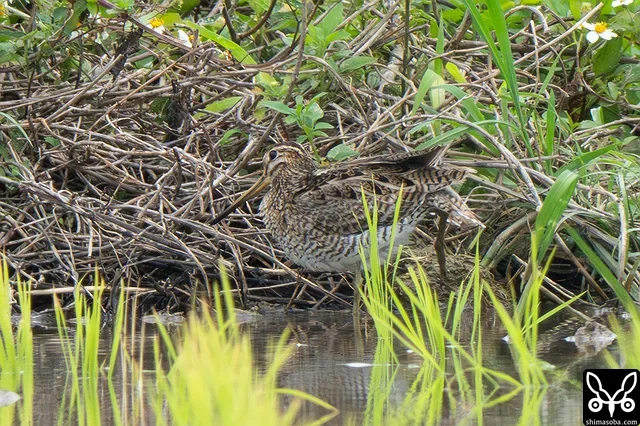
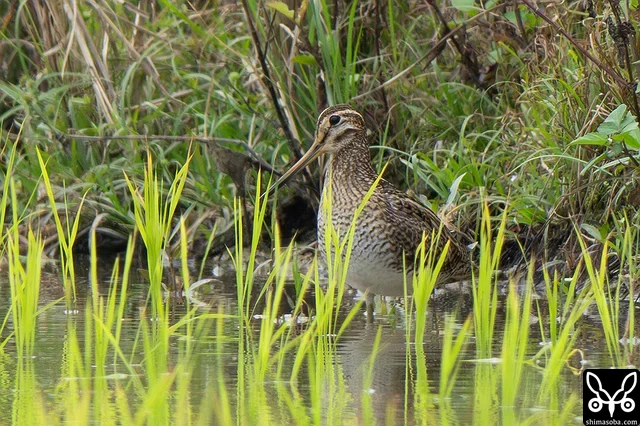
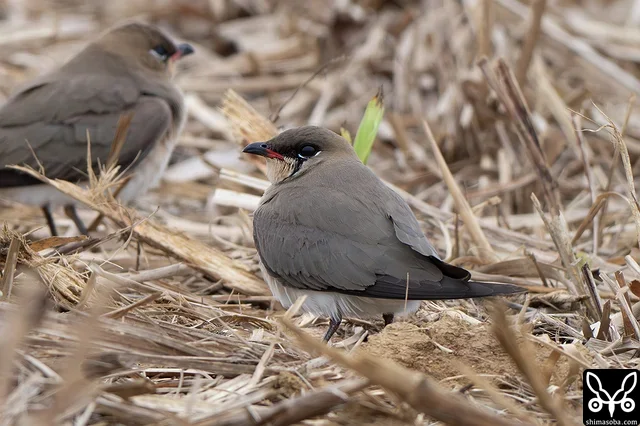
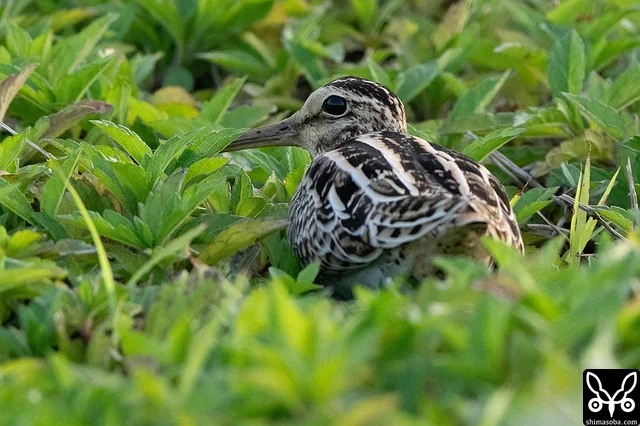
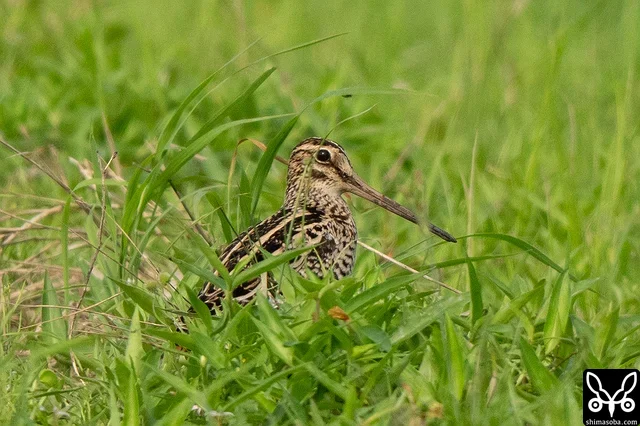
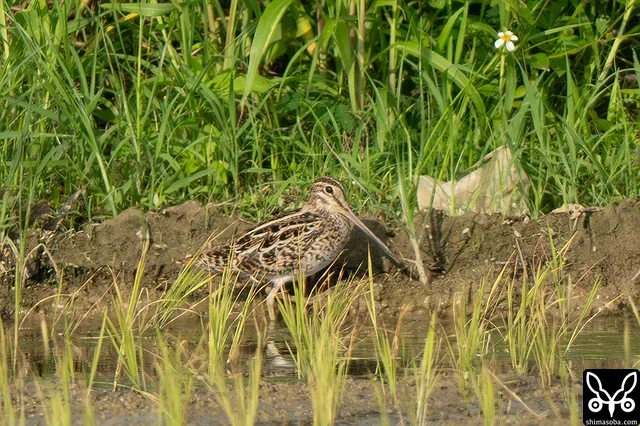
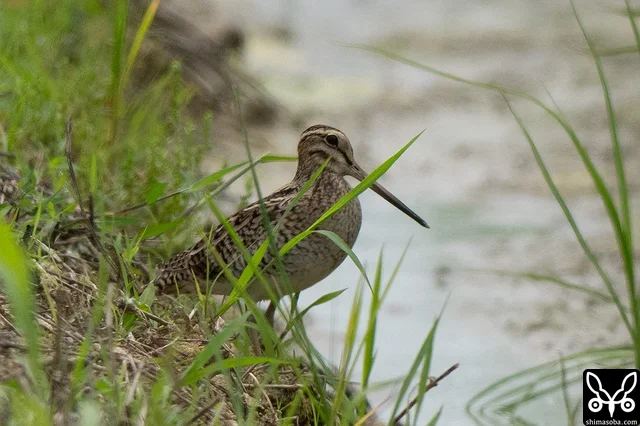
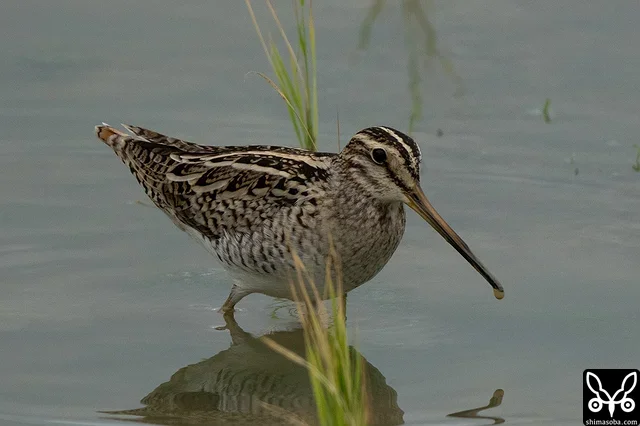
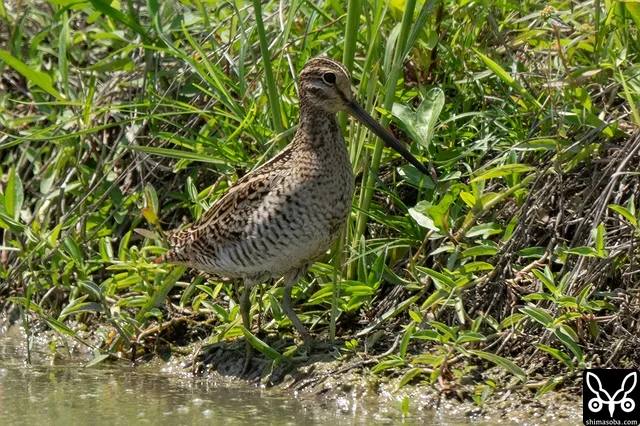
  18. A Swinhoe's Snipe in the same flock as the Pin-tailed Snipe.
    Swinhoe's Snipe
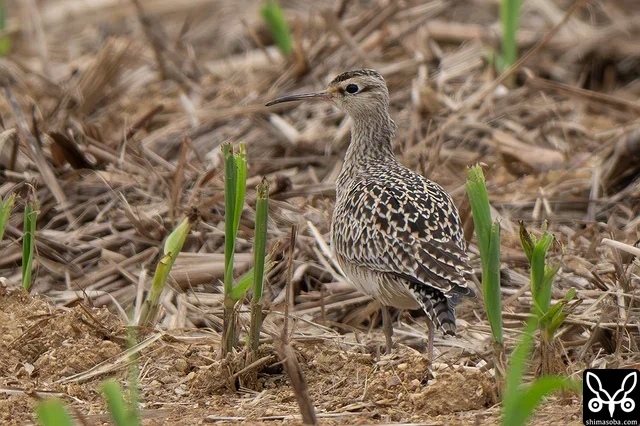
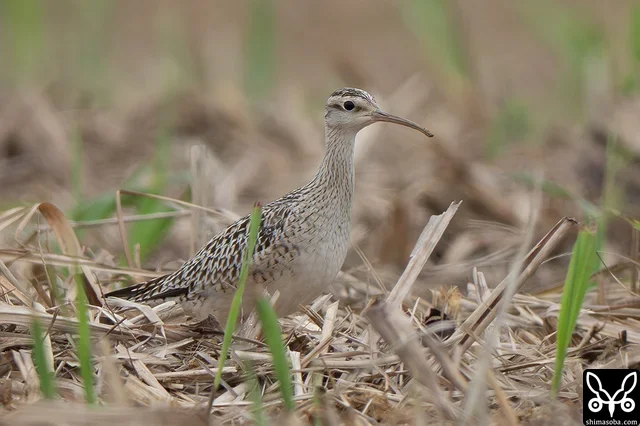
  19. It being a lifer, I did my usual stalker routine and confirmed the tail feathers. It took about an hour before I could get a shot.
    Pin-tailed Snipe
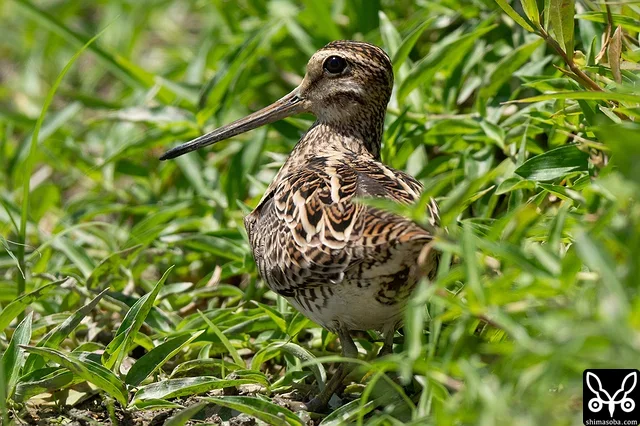
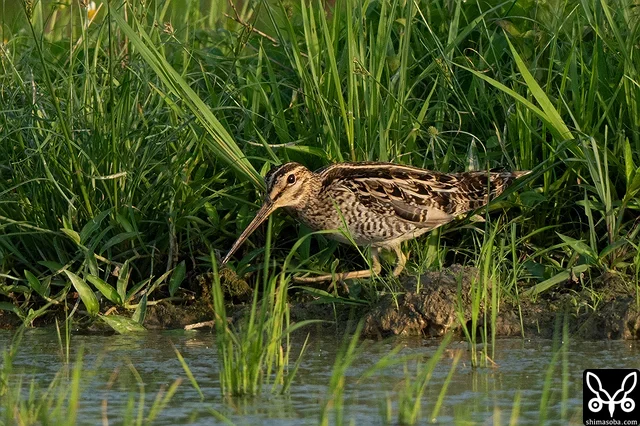
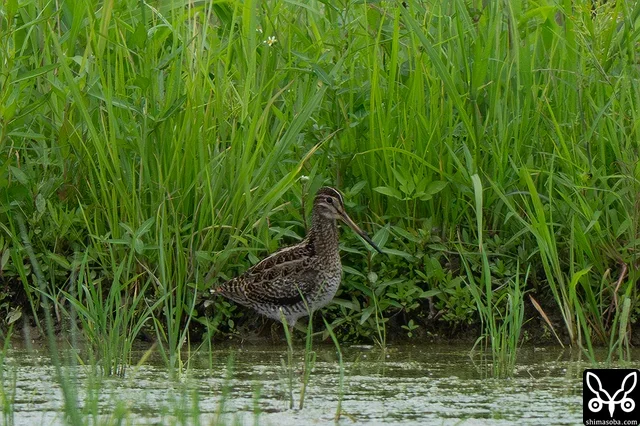
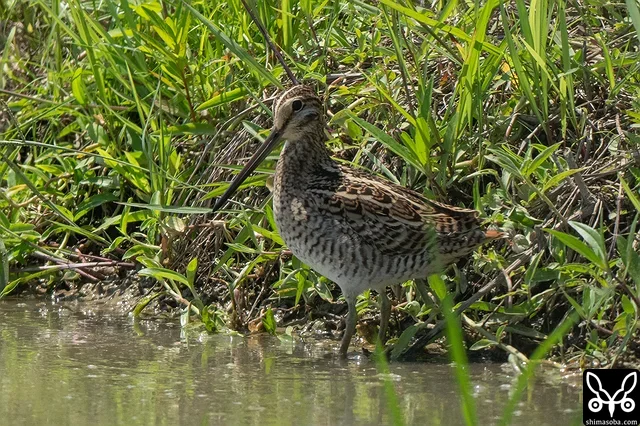
  20. Scanning the paddy bunds with binoculars, I spotted a Pin-tailed Snipe!!
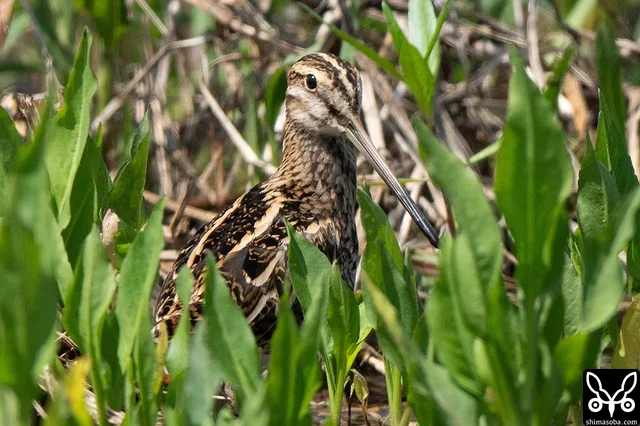
    Pin-tailed Snipe
  21. Great Knots arrived in a small flock.
    Great Knot
  22. While watching the waders and plovers, a flock of around 100 Sykes's Wagtails arrived from overhead. A few (Yellow-browed) Citrine Wagtails and Red-throated Pipits were mixed in as well.
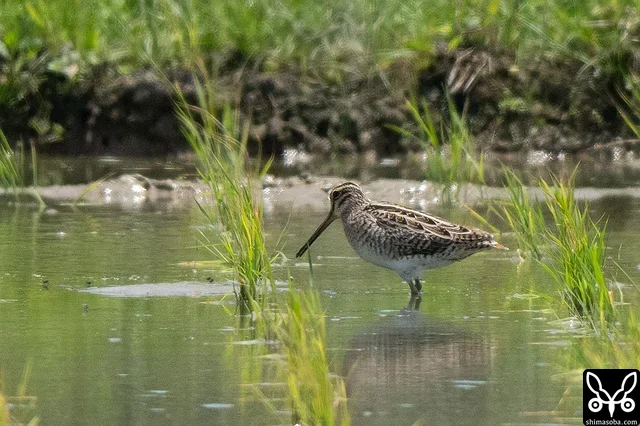
    Citrine Wagtail
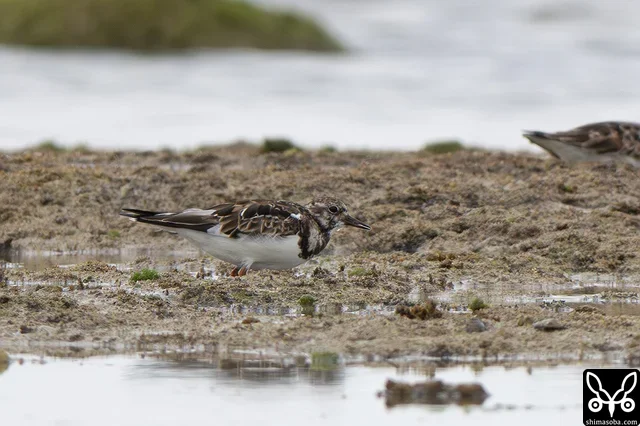
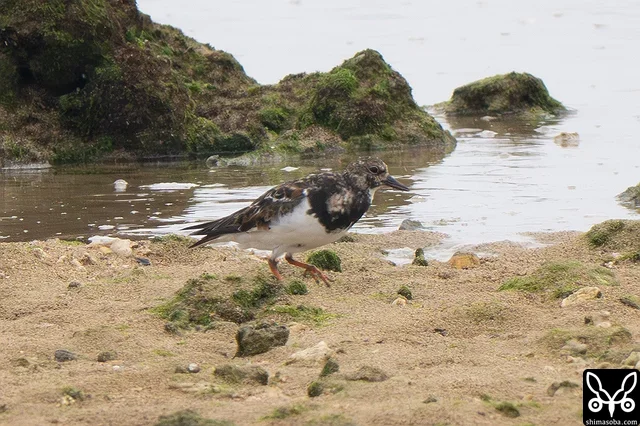
  23. The most numerous is the Ruddy Turnstone.
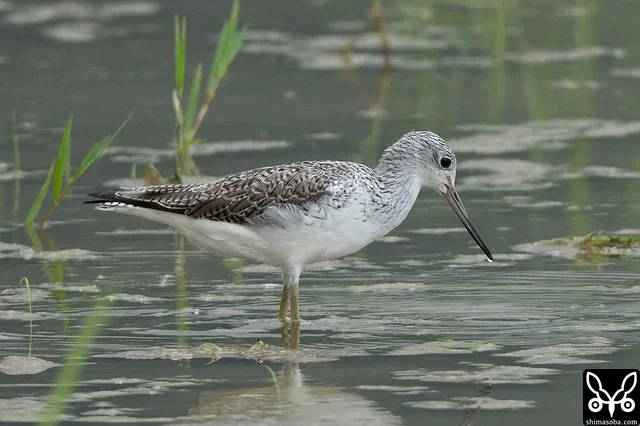
    Ruddy Turnstone
  24. A few Sanderlings have been staying.
    Sanderling
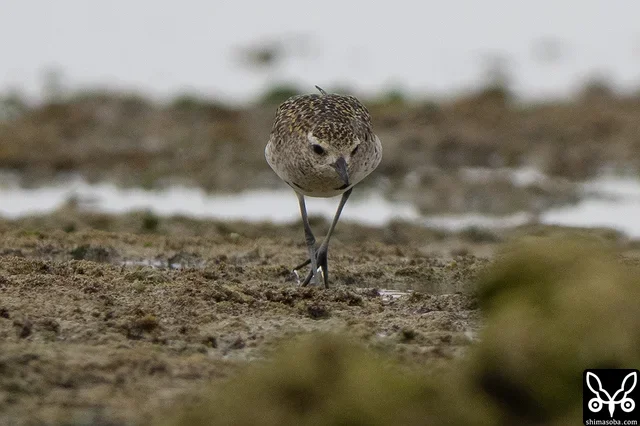
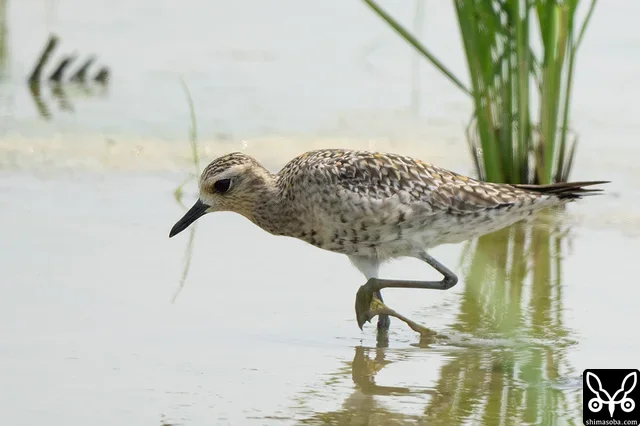
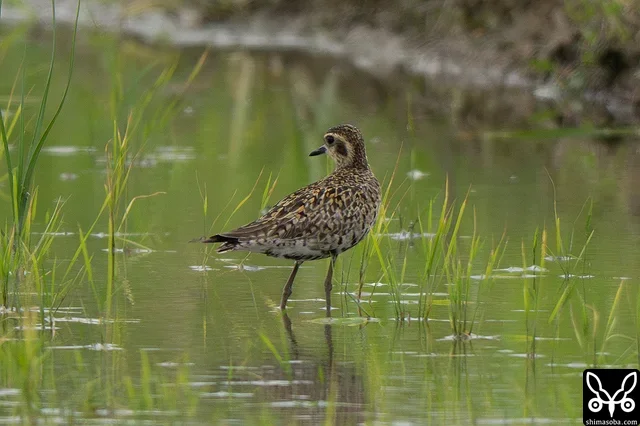
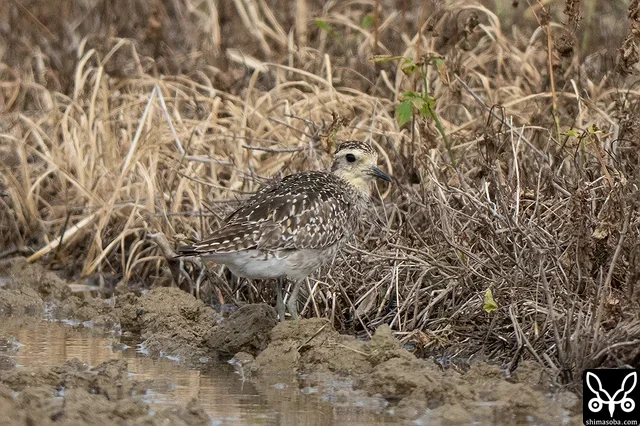
  25. About a dozen Pacific Golden Plovers.
    Pacific Golden Plover
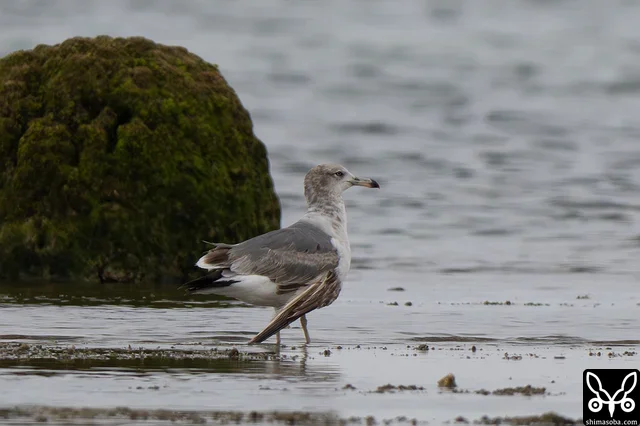
  26. There was a Black-tailed Gull with an injured wing. Migration looks tough for that one.
    Black-tailed Gull
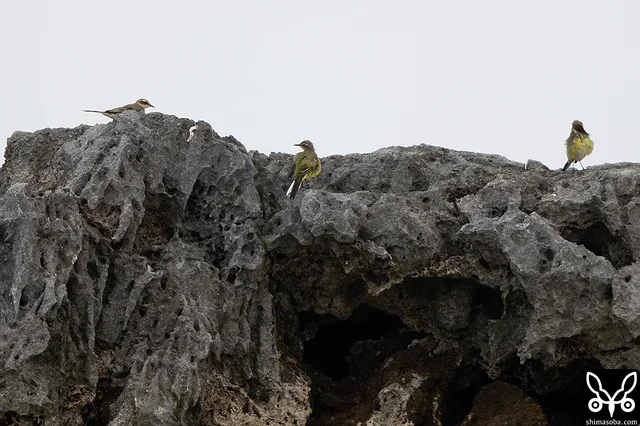
  27. 10
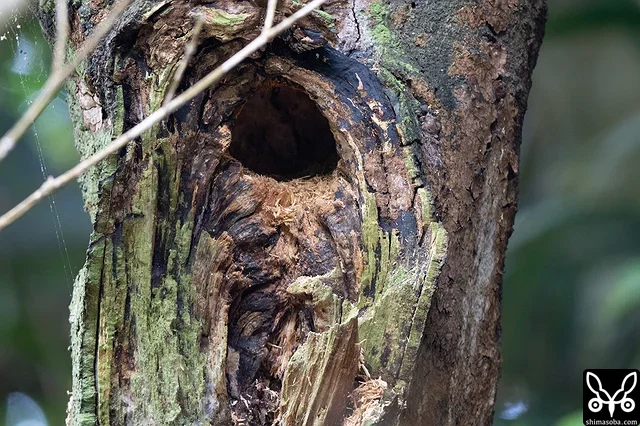
    The Ruddy Kingfisher near my house has started digging out a nest hole.
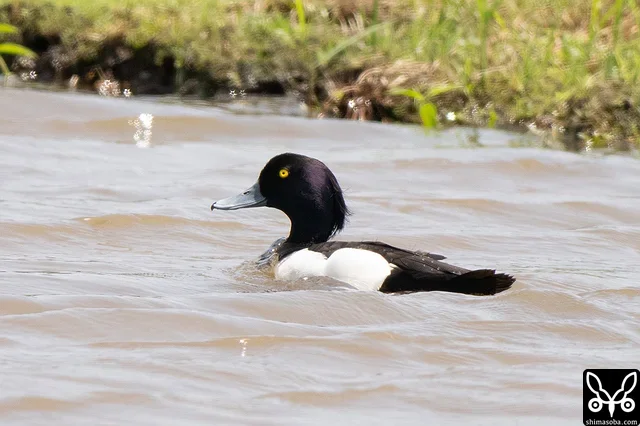
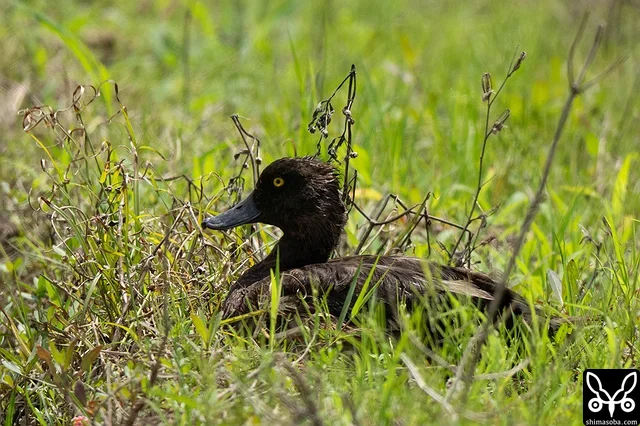
    Ruddy Kingfisher
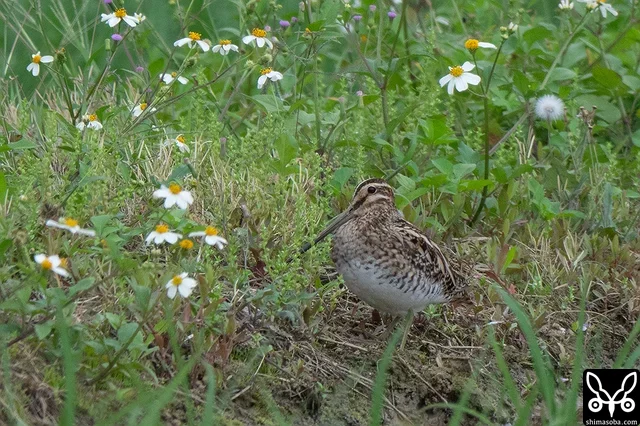
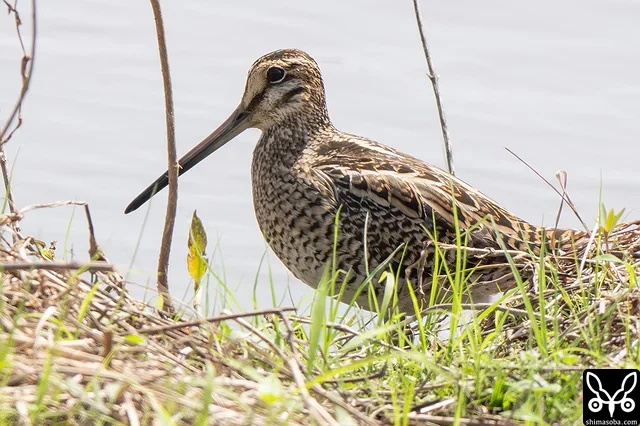
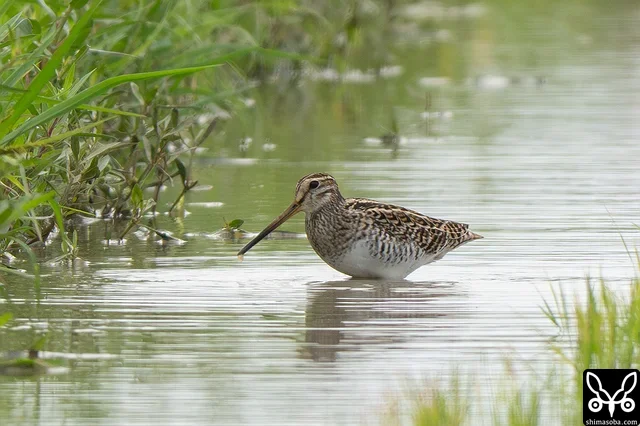
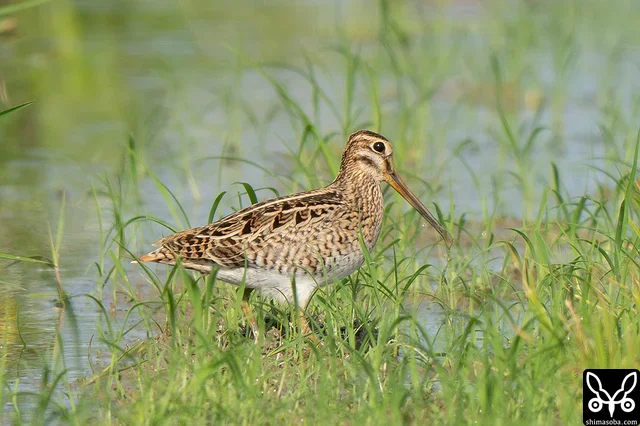
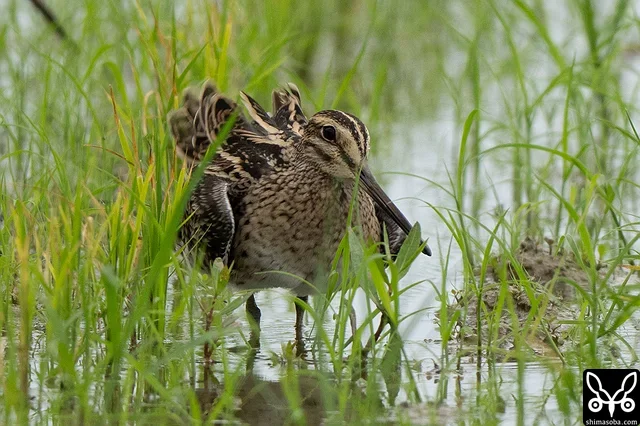
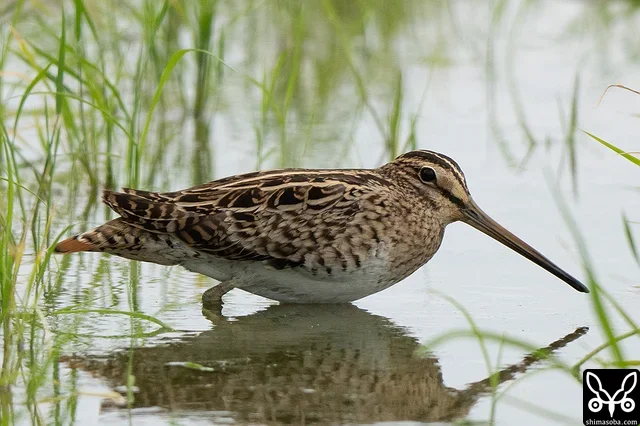
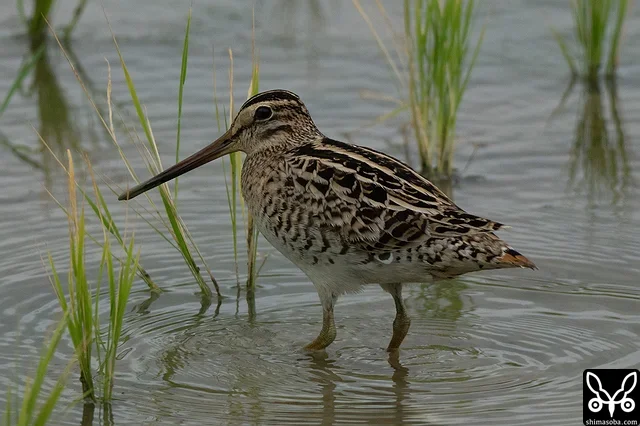
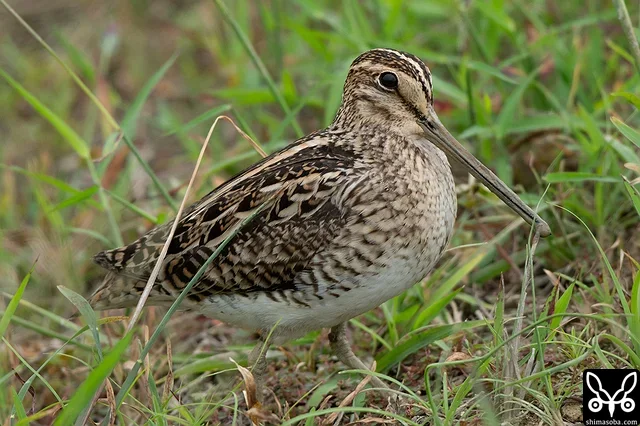
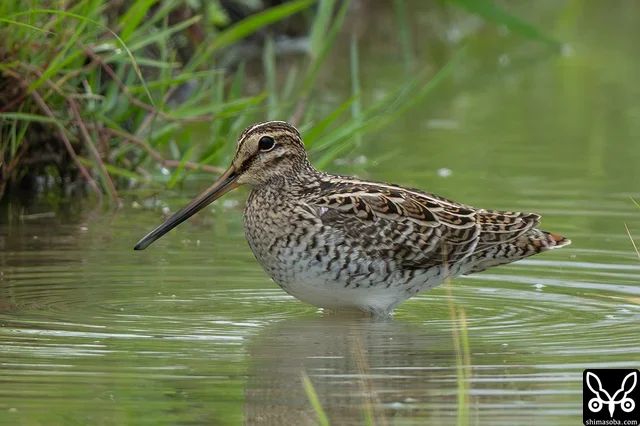
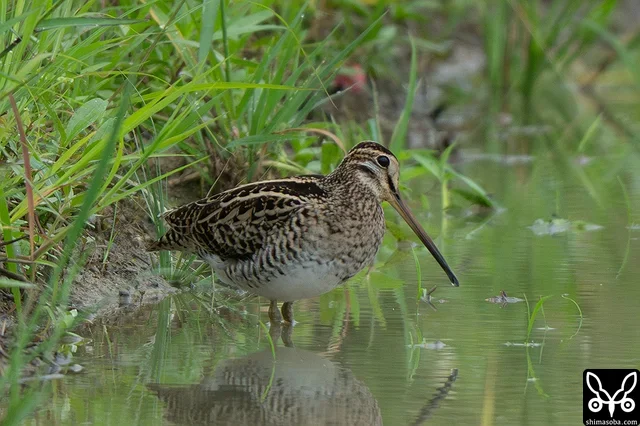
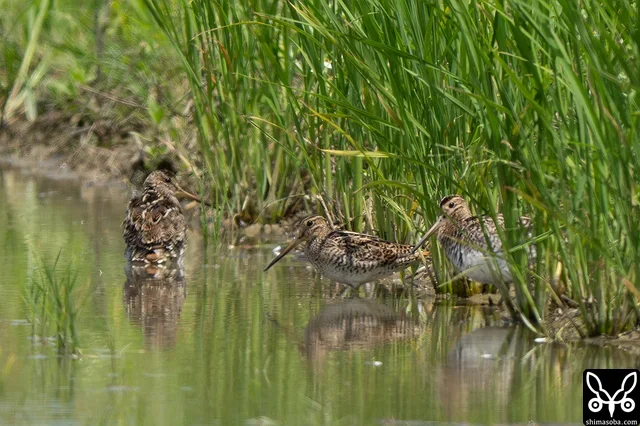
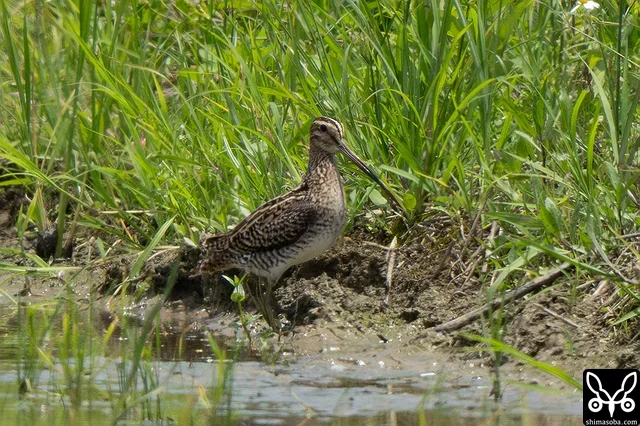
  28. The most common snipe is the Common Snipe.
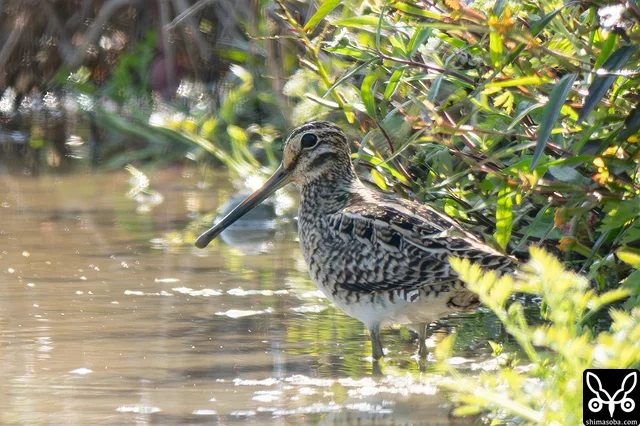
    Common Snipe
  29. It was regurgitating a pellet.
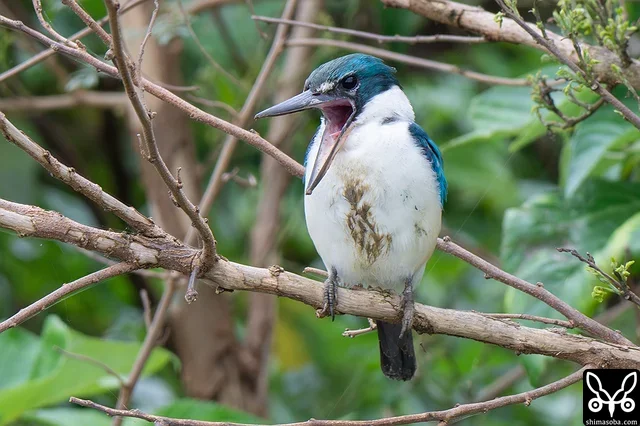
    Collared Kingfisher
  30. A Collared Kingfisher with a muddy belly from catching prey.
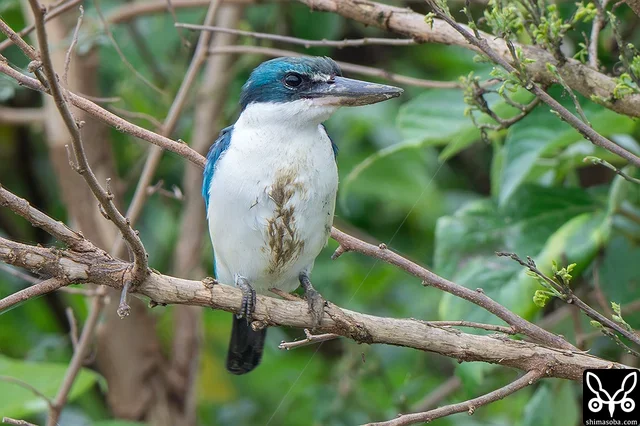
    Collared Kingfisher
  31. 11
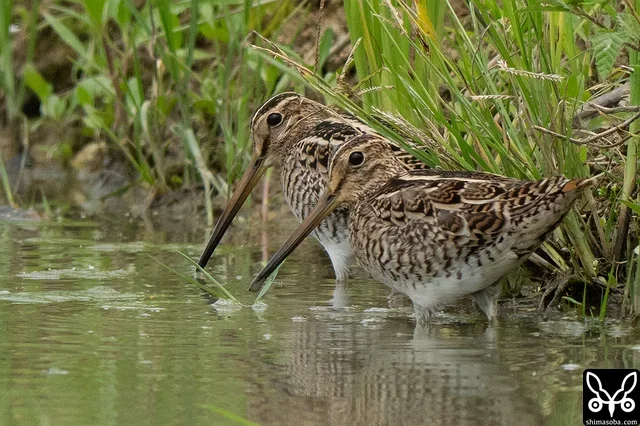
    Also Swinhoe's Snipe. A flock of three.
    Swinhoe's Snipe
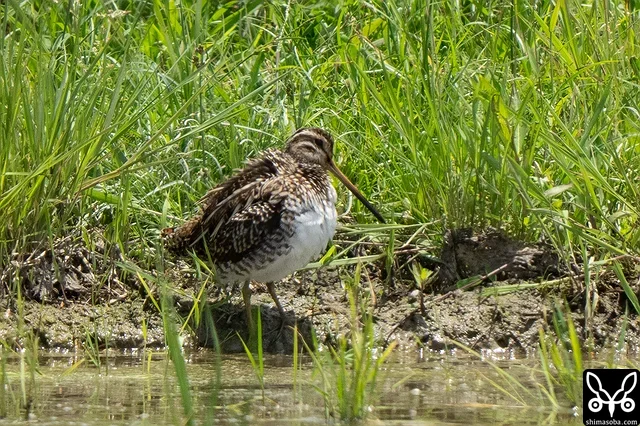
  32. A solitary Common Snipe.
    Common Snipe
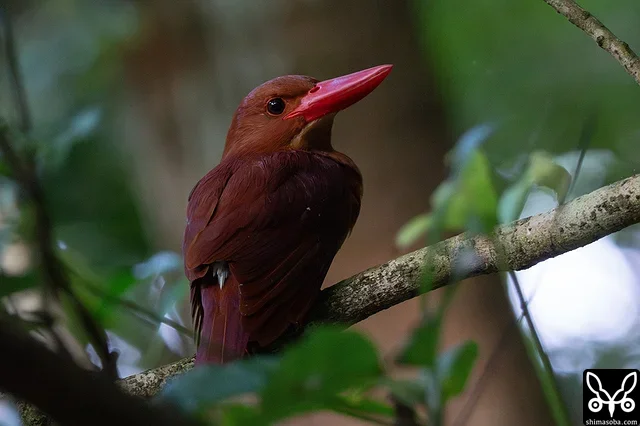
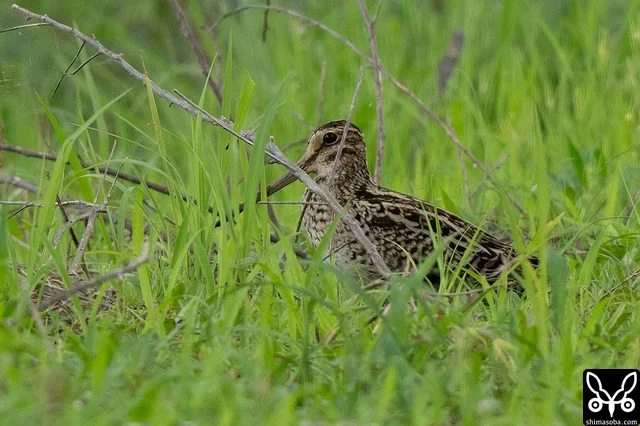
  33. A Ruddy Kingfisher near home. Looks like the same individual as last year.
    Ruddy Kingfisher
  34. Same individual as above. No wariness at all, so I was able to observe it up close.
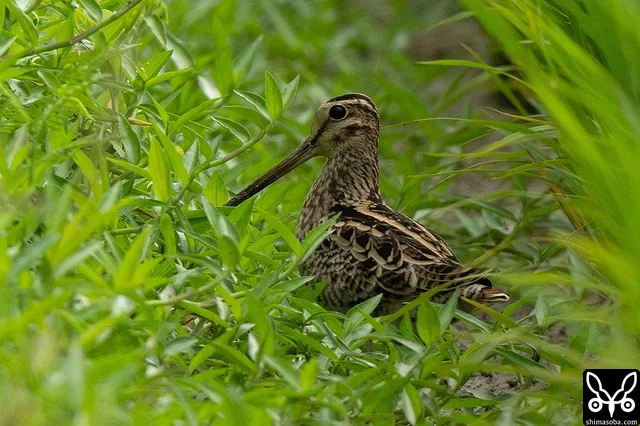
    Emerald Dove
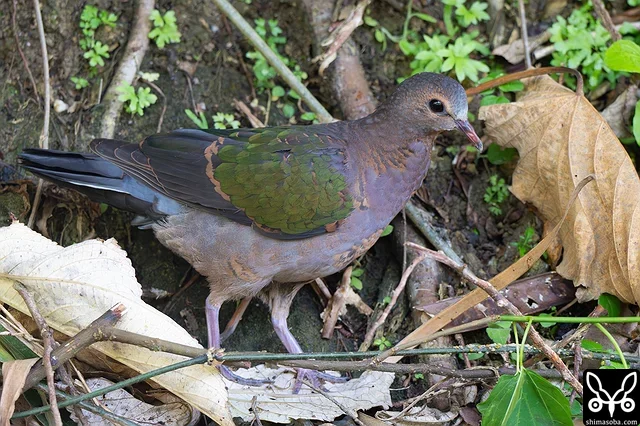
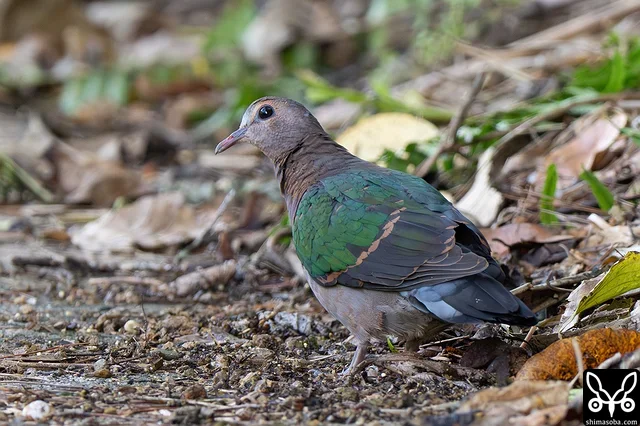
  35. A Emerald Dove also viewable near home. For this time of year, it was oddly a juvenile. Strange, given that breeding hasn't even started yet….
    Emerald Dove
  36. 12
    A Ryukyu Ruddy Kingfisher on the way home from work. One of three individuals I saw.
    Ruddy Kingfisher
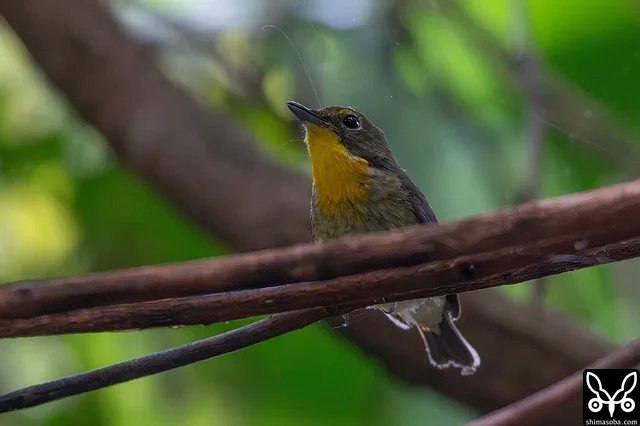
  37. A Ryukyu Flycatcher that had been squabbling with a neighbour from an adjoining territory.
    Ryukyu Flycatcher
  38. The Crested Serpent Eagle is in breeding season too. Encounters will become fewer from now through summer.
    Crested Serpent Eagle
  39. A flock of around ten Chestnut-cheeked Starlings, with one White-shouldered Starling and three White-cheeked Starlings mixed in.
    Chestnut-cheeked Starling
  40. 13
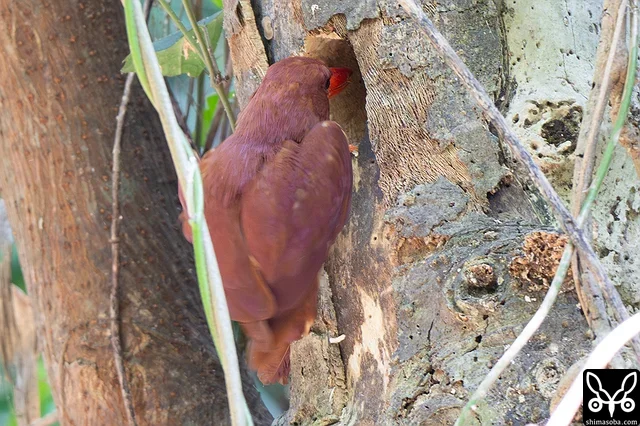
    The pair take turns digging the nest hole. While one is digging, the other keeps watch nearby.
    Ruddy Kingfisher
  41. A Ruddy Kingfisher clinging to a tree and excavating a nest hole.
    Ruddy Kingfisher
  42. A pair of Ruddy Kingfishers perched together. They are in the middle of nest building.
    Ruddy Kingfisher
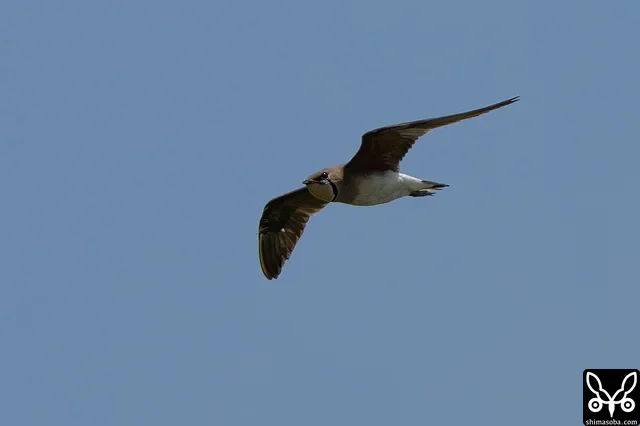
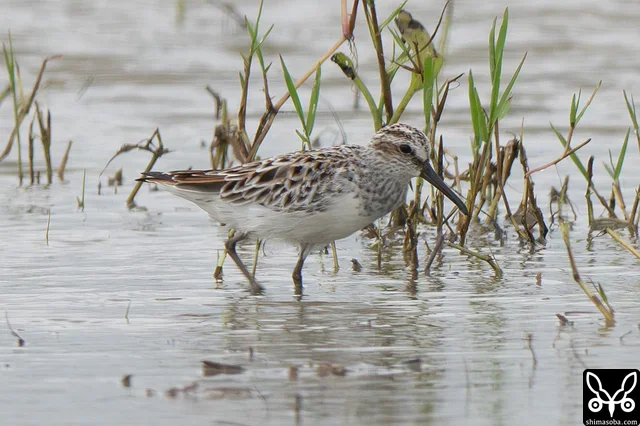
  43. A Oriental Pratincole that had just arrived.
    Oriental Pratincole
  44. Summer plumage is already coming through on the wing coverts, too.
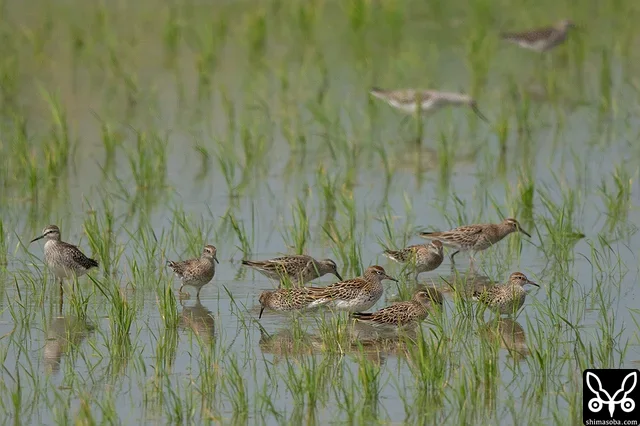
    Whimbrel
  45. A Little Whimbrel I noticed by its call while driving slowly through the sugarcane fields. It's a spot where Little Whimbrel turn up every year.
    Whimbrel
  46. Snipe numbers are low this season; I only confirmed a few Swinhoe's Snipe.
    Swinhoe's Snipe
  47. 14
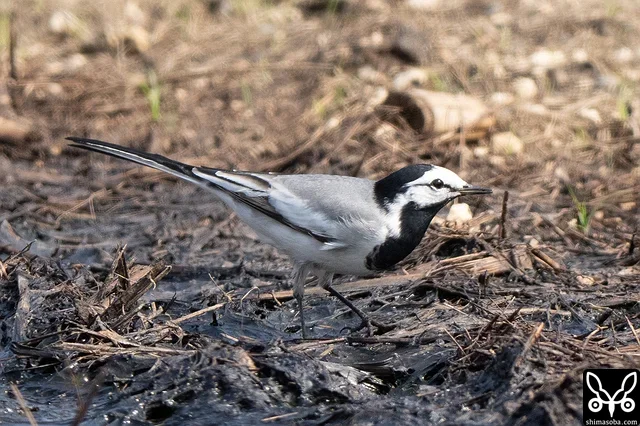
    White Wagtails were everywhere. For some reason, all males.
    Eastern Yellow Wagtail
  48. A rather wary Swinhoe's Snipe. There were a few more in the distance.
    Swinhoe's Snipe
  49. I also confirmed several Ruddy Kingfishers.
    Ruddy Kingfisher
  50. A few Oriental Pratincoles were looking like they were suffering from the heat.
    Oriental Pratincole
  51. A Common Snipe on full alert….
    Common Snipe
  52. The only Pin-tailed Snipe of the day. A beautiful individual — I knew what it was the moment it came into the binoculars.
    Pin-tailed Snipe
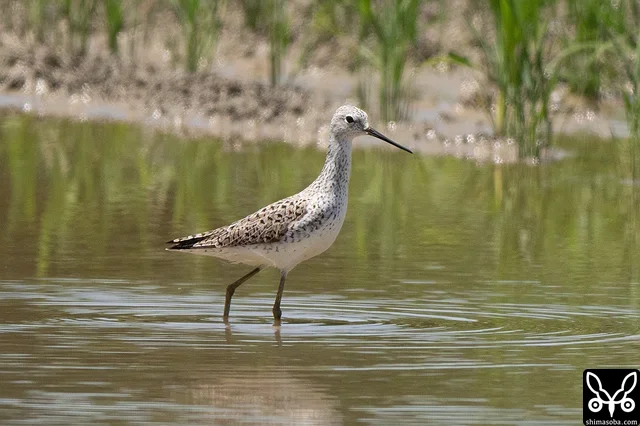
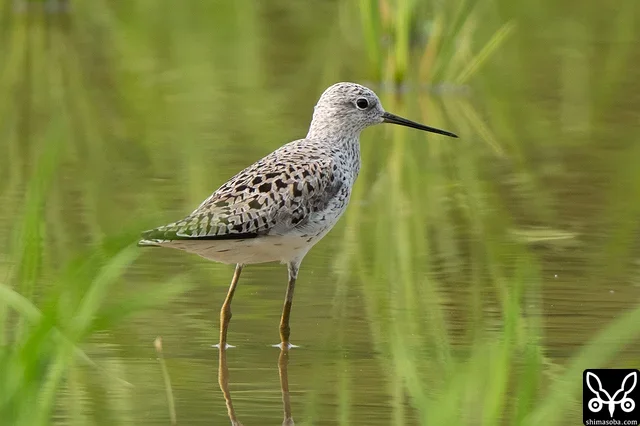
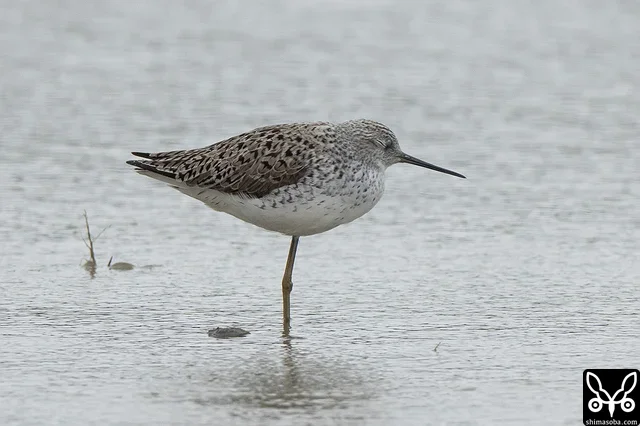
  53. A Marsh Sandpiper in breeding plumage. Beautiful.
    Marsh Sandpiper
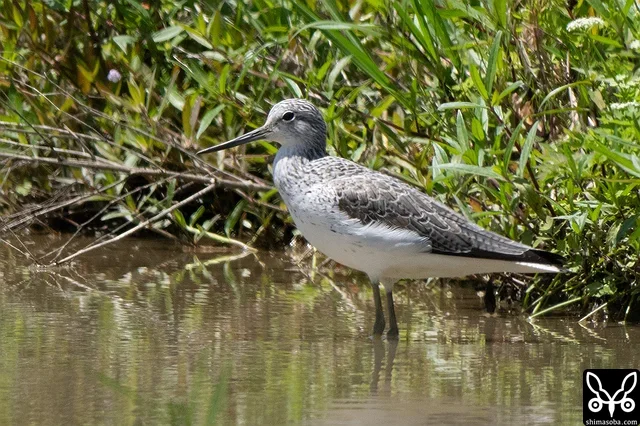
  54. The Common Greenshanks are mostly in breeding plumage as well.
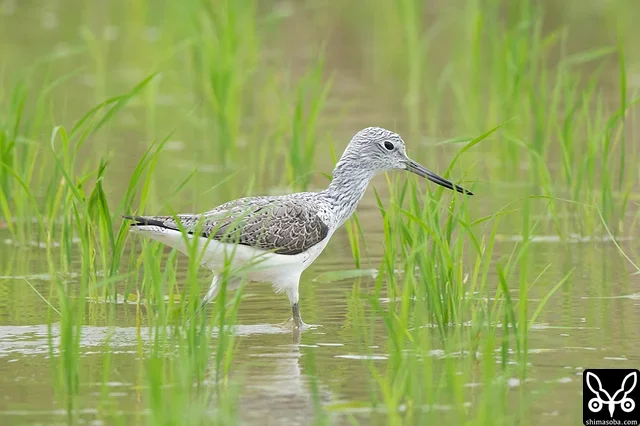
    Common Greenshank
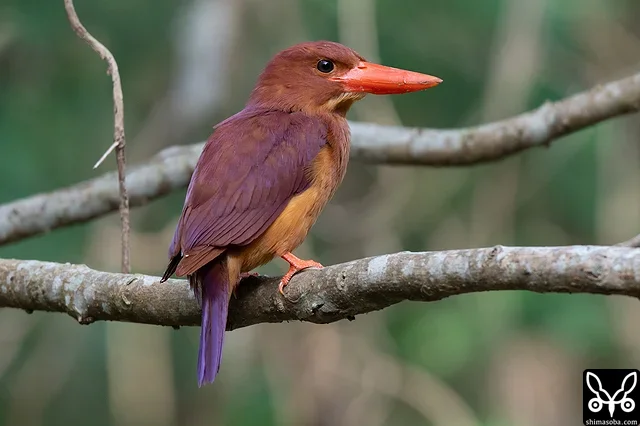
  55. It was only a brief observation session, but they were feeding actively.
    Collared Kingfisher
  56. With Collared Kingfishers it's a quick look, a quick shot, and done.
    Collared Kingfisher
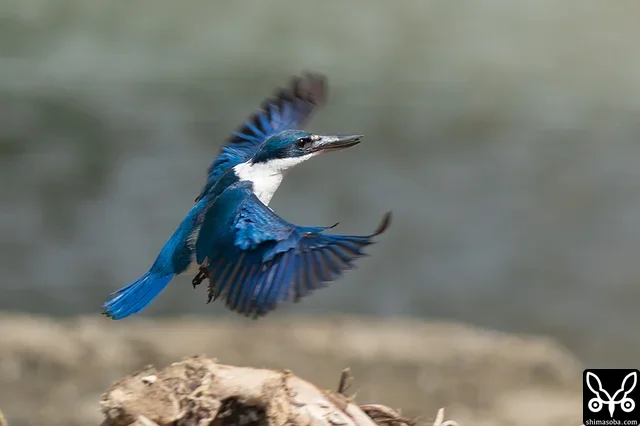
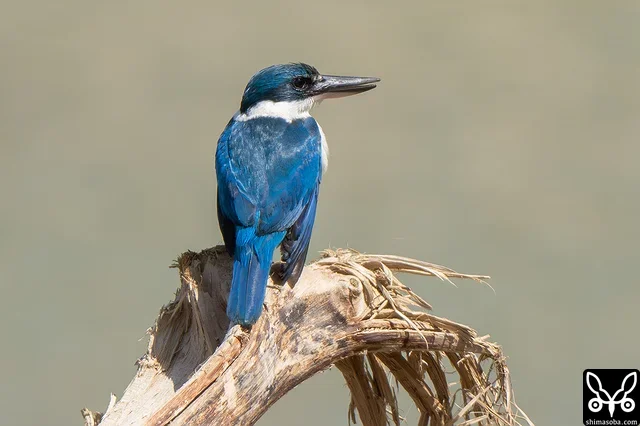
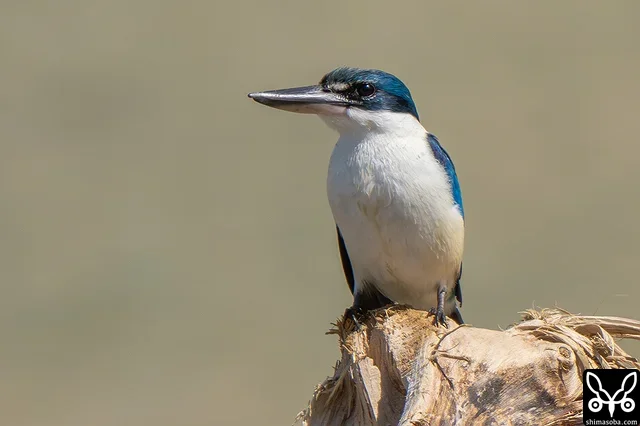
  57. According to the two participants, Crested Kingfishers can be seen along rivers in urban areas of Hokkaido. Here, Collared Kingfishers can be seen at a river mouth in the middle of town. ^^
    Collared Kingfisher
  58. 15
    It was catching insects in the air.
    Blue Rock Thrush
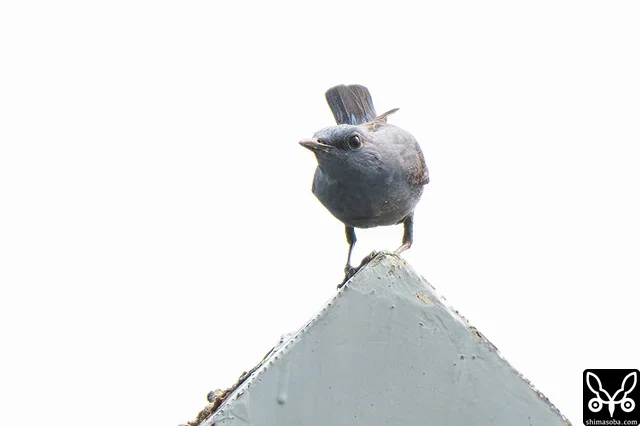
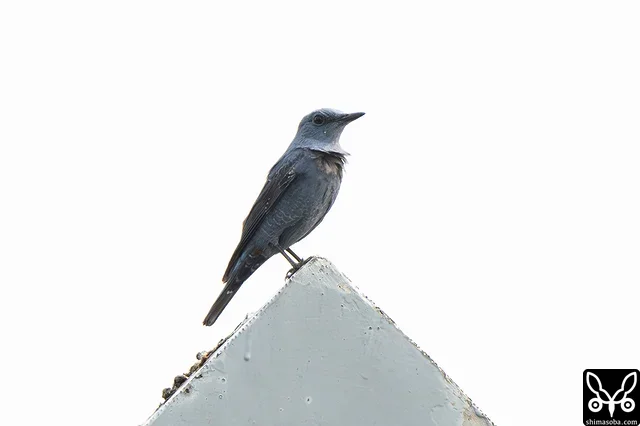
  59. An adult male Blue Rock Thrush. It has been staying for quite a long time — about three weeks at this point.
    Blue Rock Thrush
  60. A flock of Olive-backed Pipits had moved into the farm track.
    Olive-backed Pipit
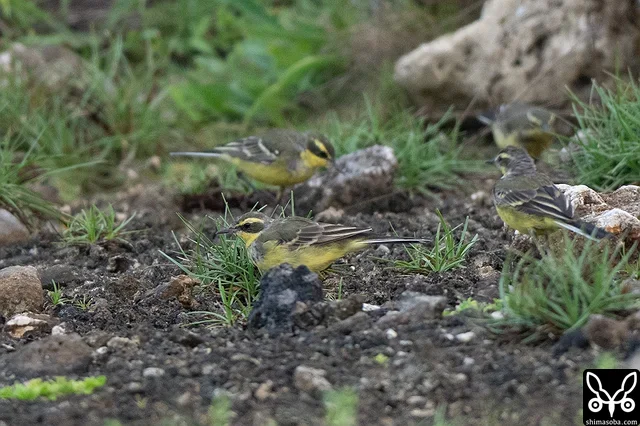
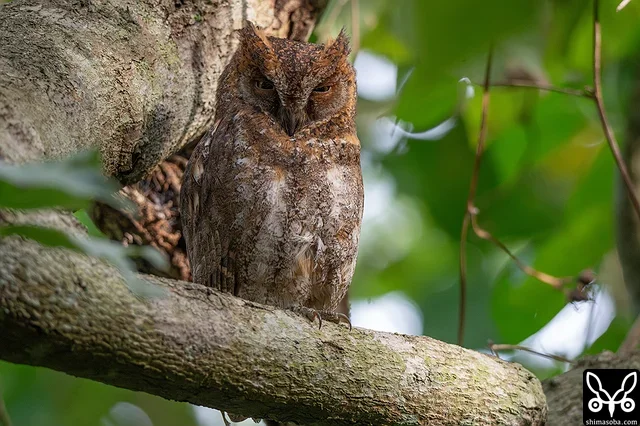
  61. A flock of Eastern Yellow Wagtails had moved into an open area near the coast. They are very commonly seen in the Yaeyama Islands, but this flock seemed to have just arrived at Yonaguni Island, and it gave a real sense of the spring migration.
    Eastern Yellow Wagtail
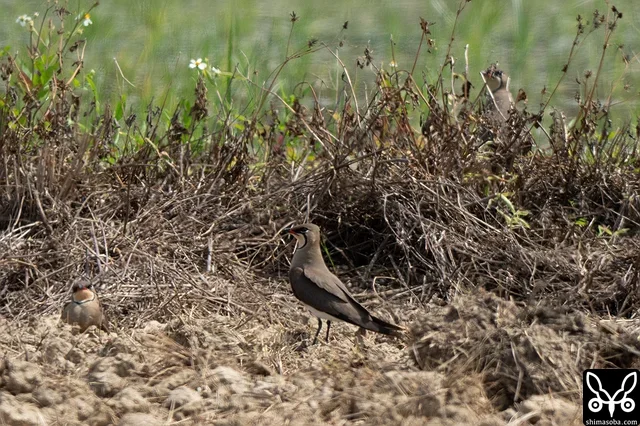
  62. Two Swinhoe's Snipe, apparently stopping over mid-migration.
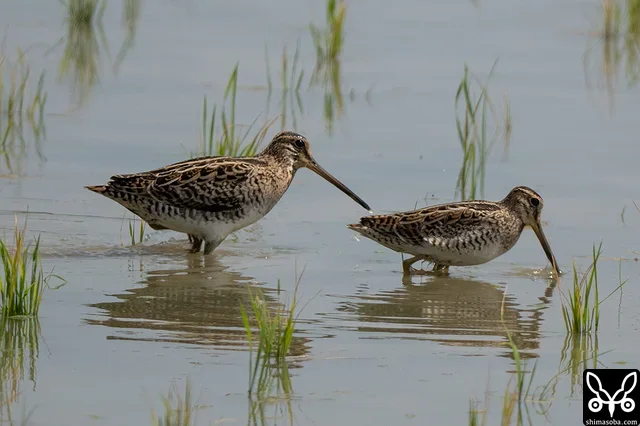
    Swinhoe's Snipe
  63. Several hundred wintered here, but at this time of year only a handful of Tufted Ducks remain.
    Tufted Duck
  64. 16
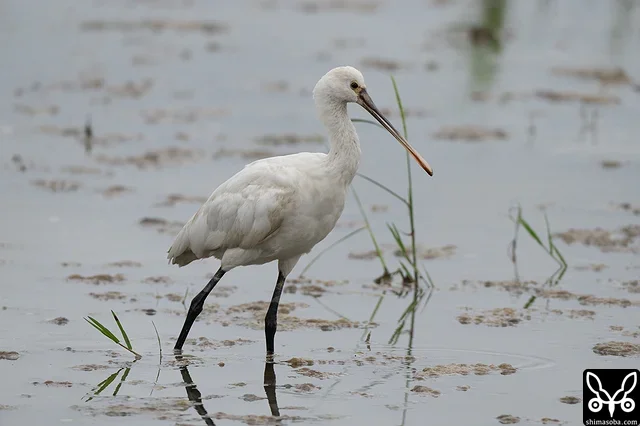
    The Eurasian Spoonbill has been wandering around the island for a little while now.
    Eurasian Spoonbill
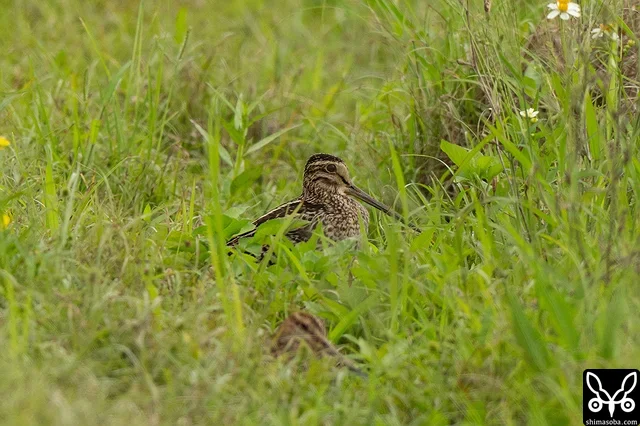
  65. This one is also a Swinhoe's Snipe.
    Swinhoe's Snipe
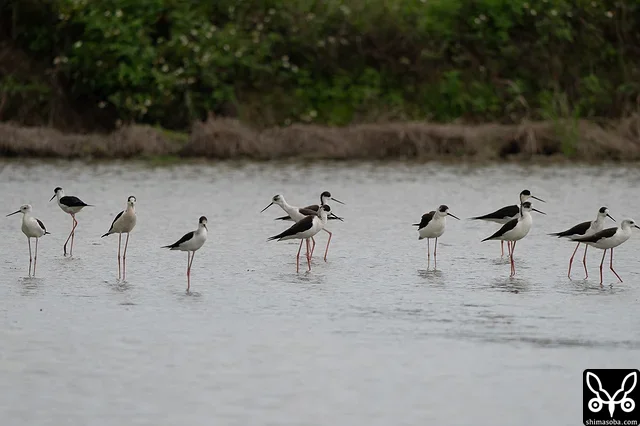
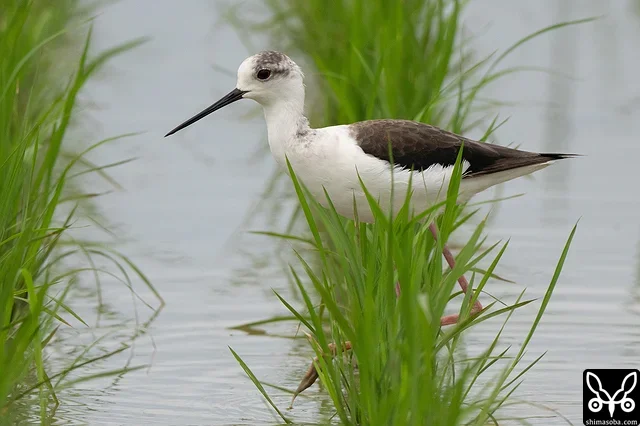
  66. Black-winged Stilts confirmed in flocks of 100 or more at peak.
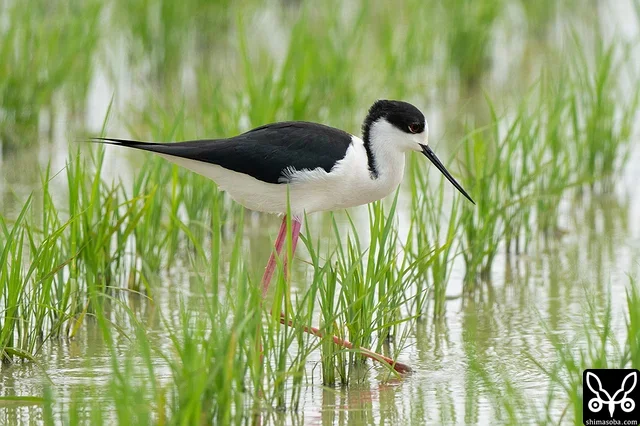
    Black-winged Stilt
  67. Common Greenshank numbers are increasing too.
    Common Greenshank
  68. A Swinhoe's Snipe together with the Pin-tailed Snipe above. Common Snipe have already turned up here and there, so that makes three snipe species together. ^^
    Swinhoe's Snipe
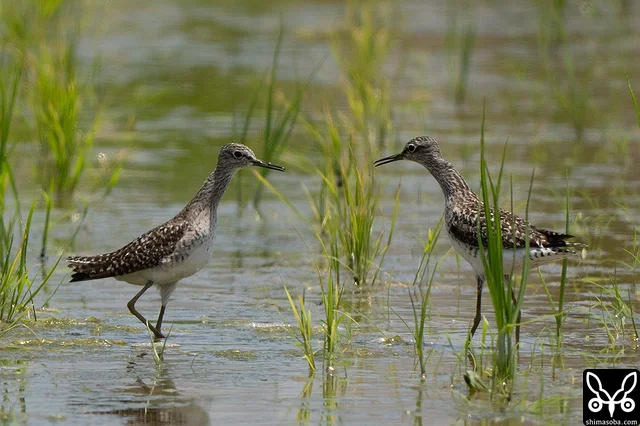
  69. A Swinhoe's Snipe at a different location.
    Swinhoe's Snipe
  70. First Pin-tailed Snipe of the season!!
    Pin-tailed Snipe
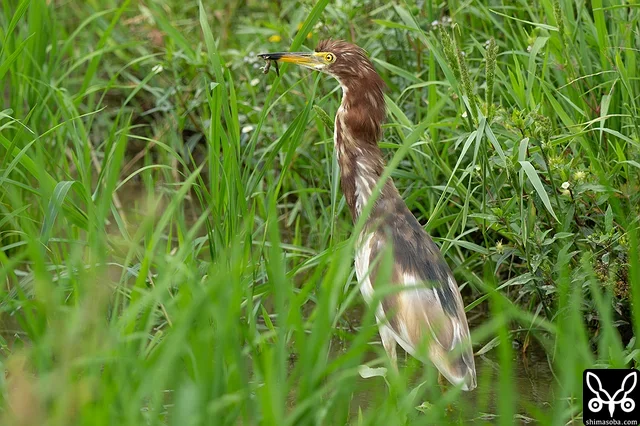
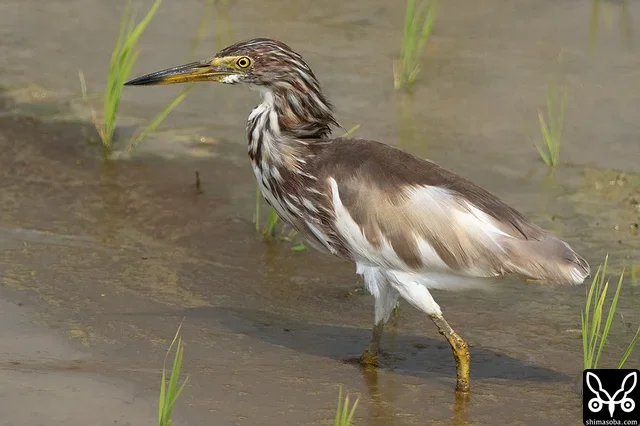
  71. There were also Chinese Pond Herons beginning to transition into breeding plumage.
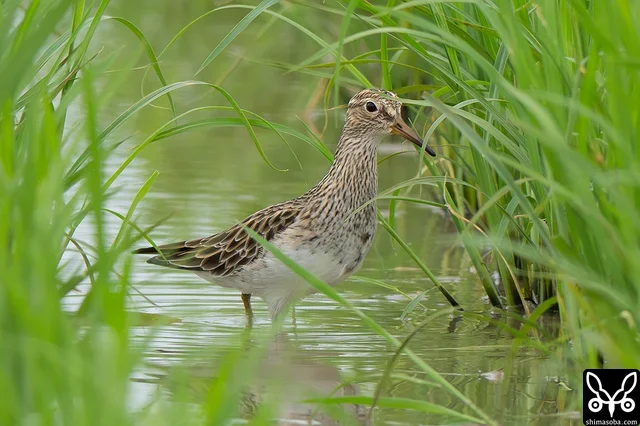
    Chinese Pond Heron
  72. 17
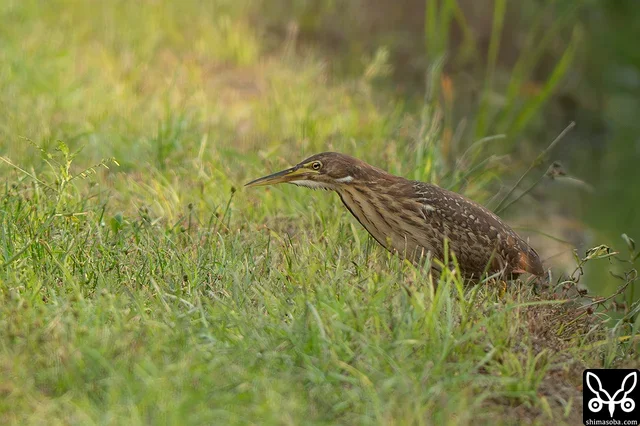
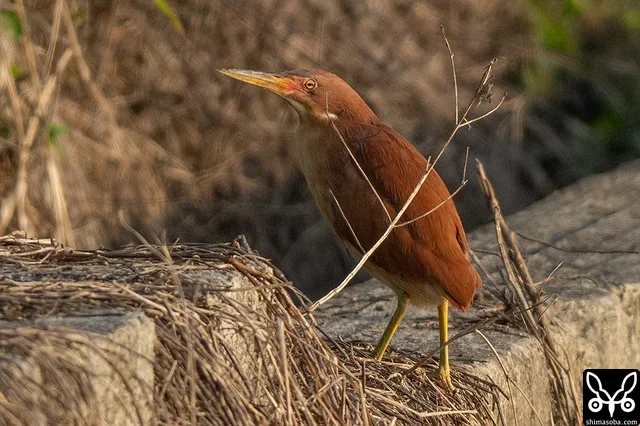
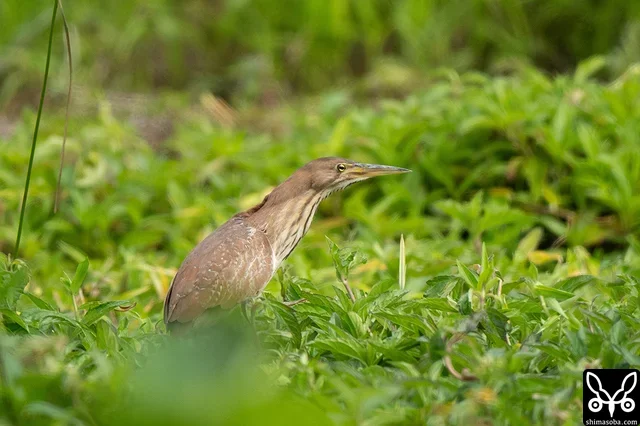
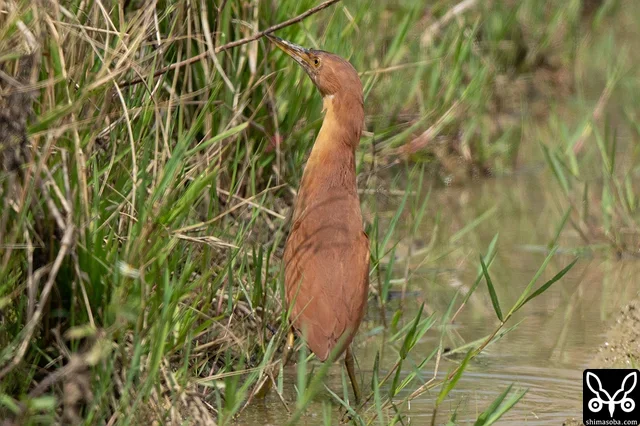
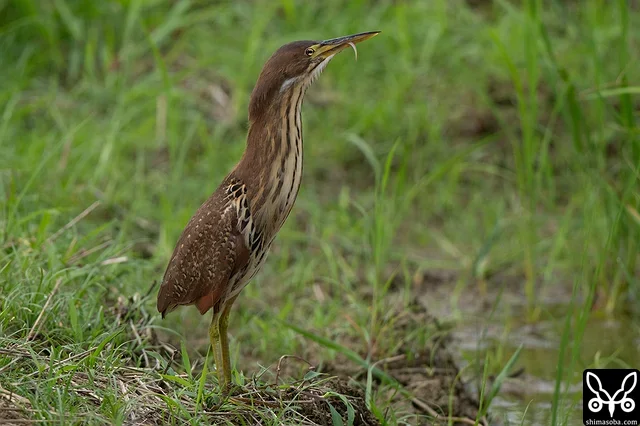
    When searching for snipe, I often come across Yellow Bitterns.
    Yellow Bittern
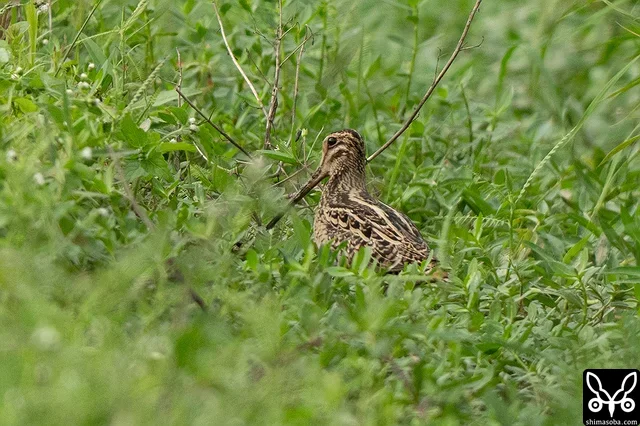
  73. This is also a Swinhoe's Snipe. Swinhoe's are far more numerous than Pin-tailed Snipe.
    Swinhoe's Snipe
  74. A Marsh Sandpiper in summer plumage. Beautiful.
    Marsh Sandpiper
  75. Yet another Swinhoe's Snipe.
    Swinhoe's Snipe
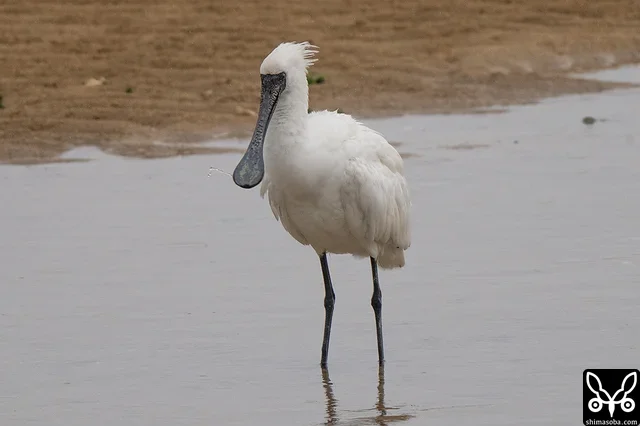
  76. Swinhoe's Snipe are arriving in good numbers.
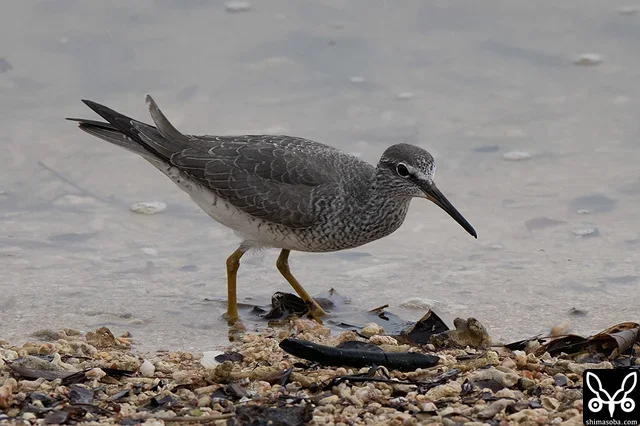
    Swinhoe's Snipe
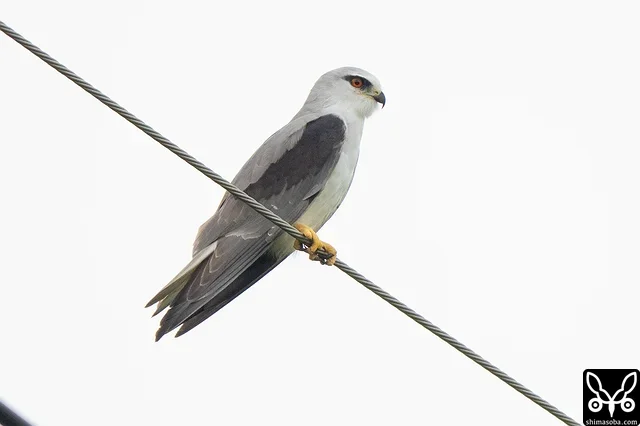
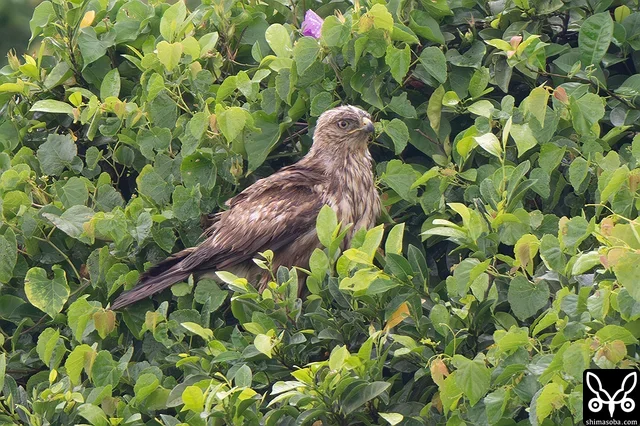
  77. The Black-winged Kite turns up in the rice paddies without fail every evening. It gets in the way when you're watching snipe… ^^;
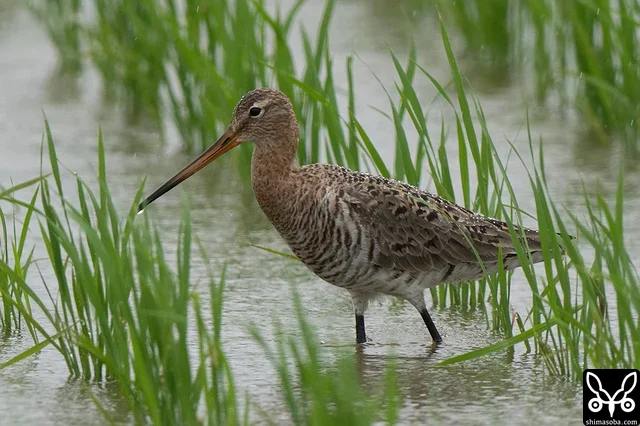
    Black-winged Kite
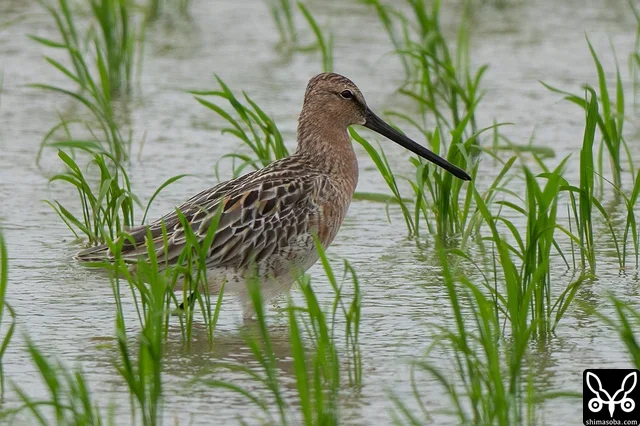
  78. This one is a Pin-tailed Snipe. It was a little too close, and after this it hid itself in the grass.
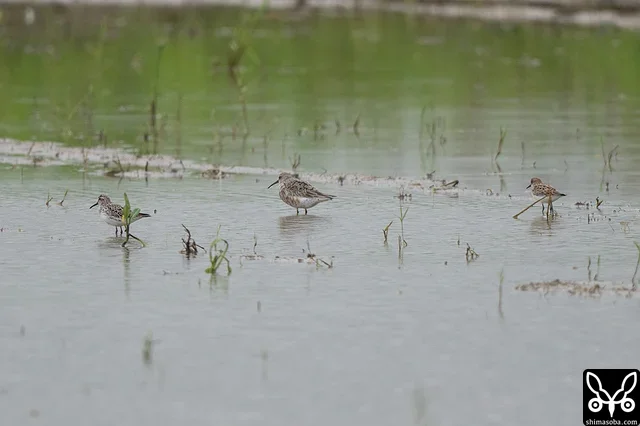
    Pin-tailed Snipe
  79. Pacific Golden Plover seen in rice paddies, along the coast, and in pastures.
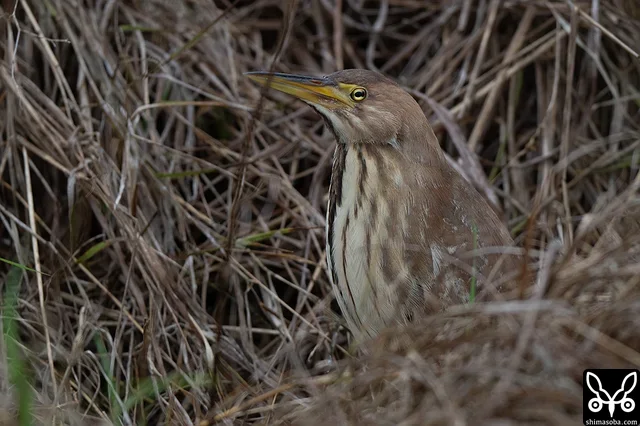
    Pacific Golden Plover
  80. 18
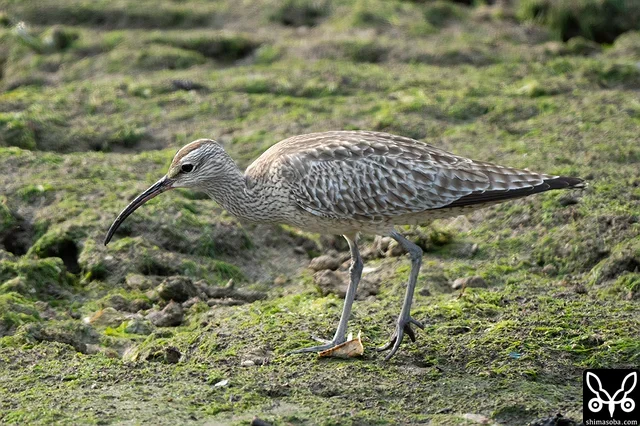
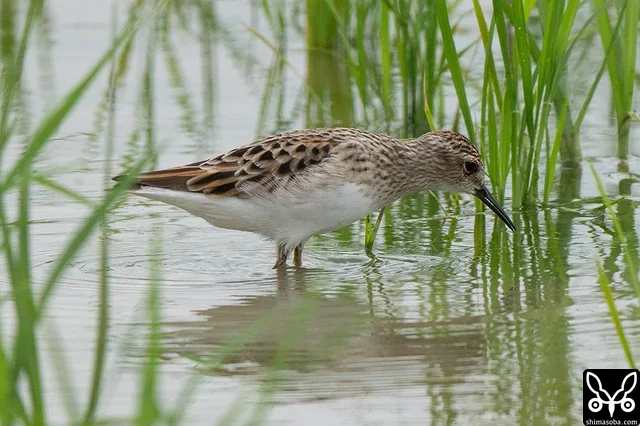
    Three Whimbrel appeared at the river mouth.
    Whimbrel
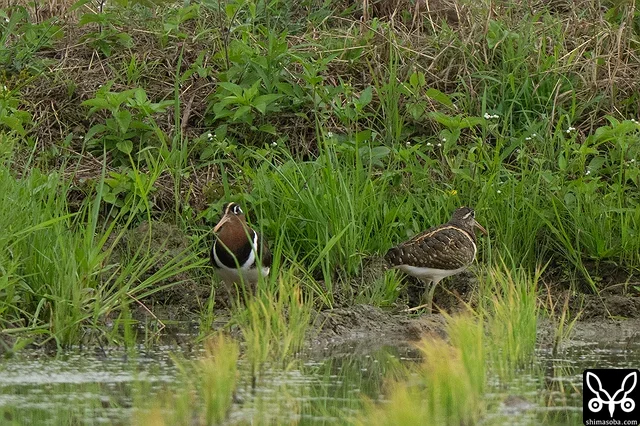
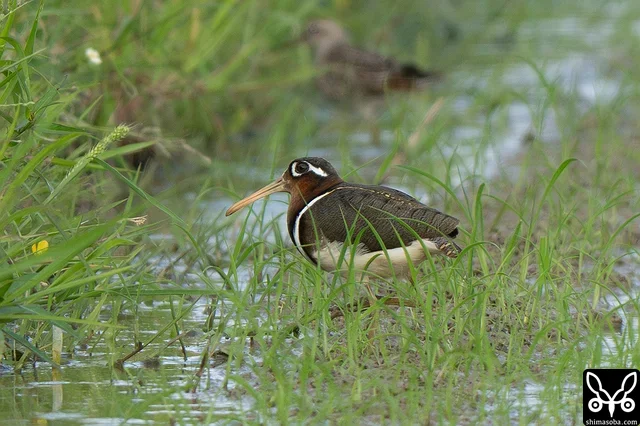
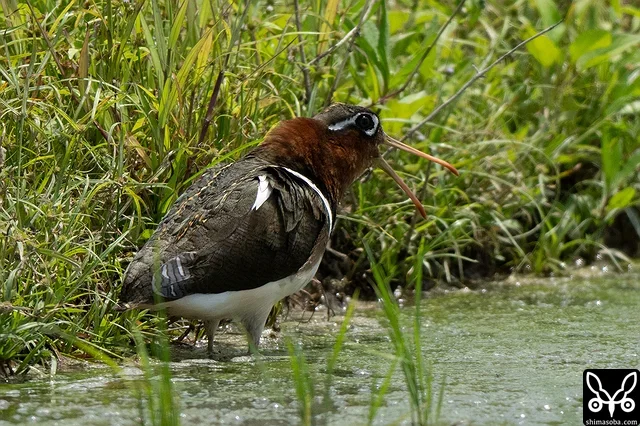
  81. A pair of Greater Painted-snipe. Some males were already accompanied by chicks.
    Greater Painted-snipe
  82. Pin-tailed Snipe. The scapulars and other feathers are changing into breeding plumage.
    Pin-tailed Snipe
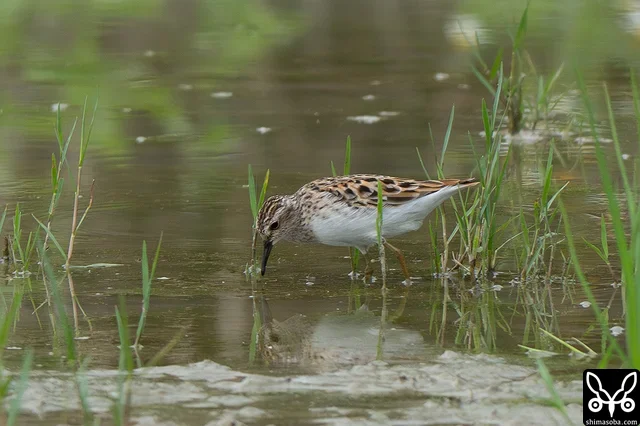
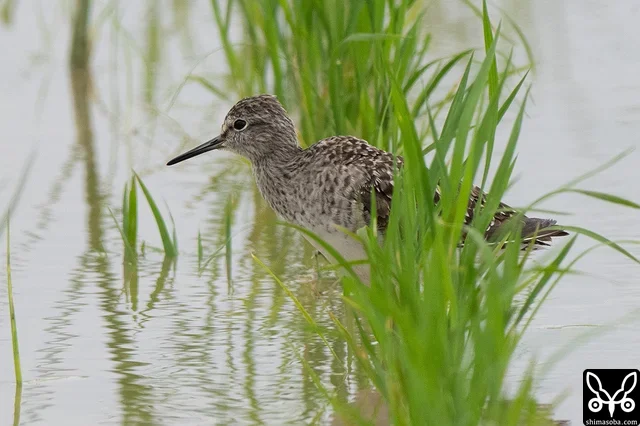
  83. Long-toed Stints were at various stages of moult — some fully in breeding plumage, others still largely in winter plumage.
    Long-toed Stint
  84. 19
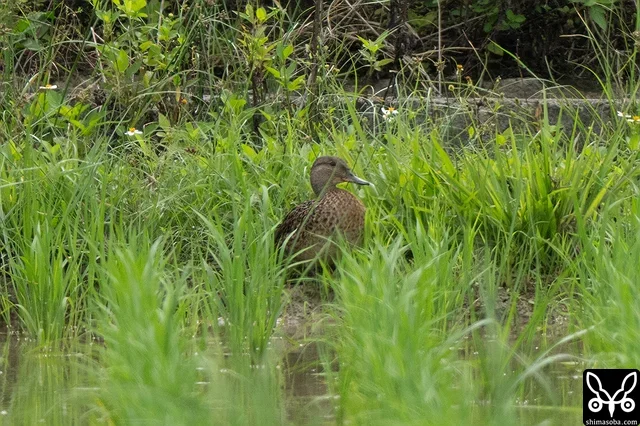
    This one turned out to be a Swinhoe's Snipe as well.
    Swinhoe's Snipe
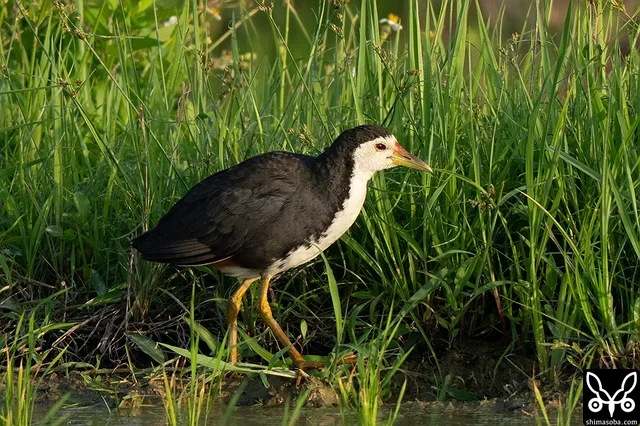
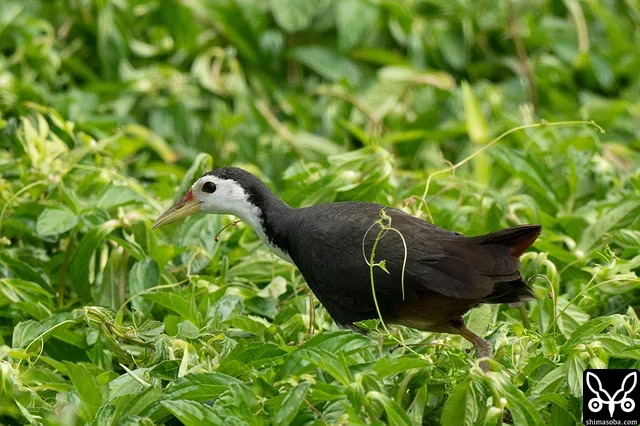
  85. White-breasted Waterhen were largely seen moving in pairs.
    White-breasted Waterhen
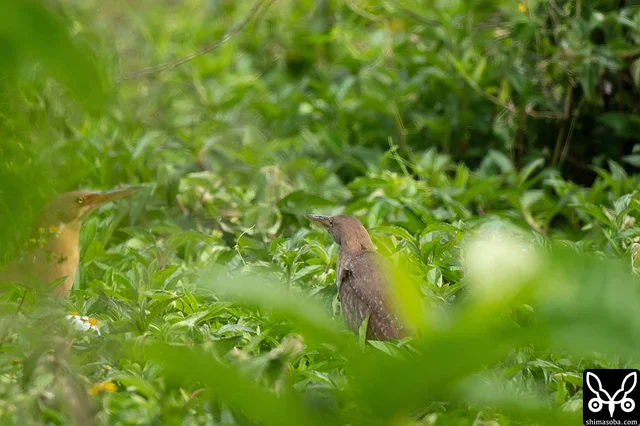
  86. This male Ryukyu Bittern is showing breeding plumage.
    Yellow Bittern
  87. A Swinhoe's Snipe lit by the evening sun.
    Swinhoe's Snipe
  88. This one is also a Pin-tailed Snipe.
    Pin-tailed Snipe
  89. Eastern Yellow Wagtails were gathering in large flocks on farmland.
    Eastern Yellow Wagtail
  90. This one is a Pin-tailed Snipe too.
    Pin-tailed Snipe
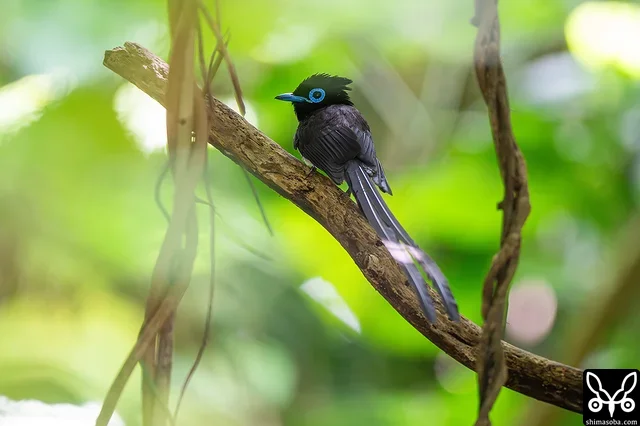
  91. I came across 2 Red-throated Pipits — unusual for this time of year.
    Red-throated Pipit
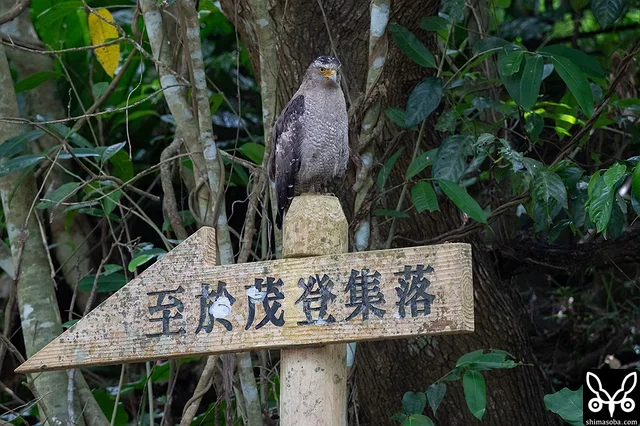
  92. Crested Serpent Eagle on the signboard pointing toward Omoto hamlet.
    Crested Serpent Eagle
  93. Ruddy Kingfisher at the start of the breeding season. Every individual in the park shows no wariness whatsoever….
    Ruddy Kingfisher
  94. This one is a Pin-tailed Snipe.
    Pin-tailed Snipe
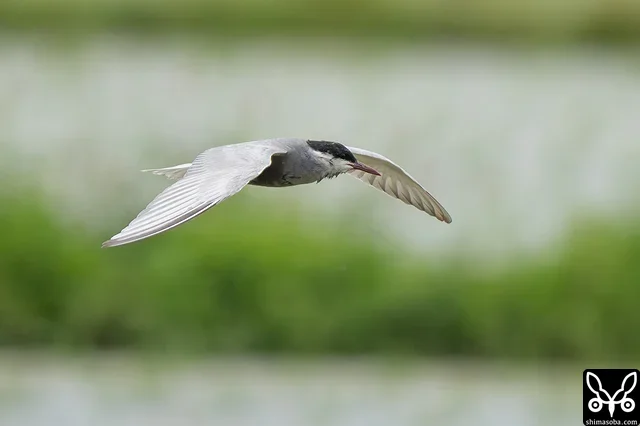
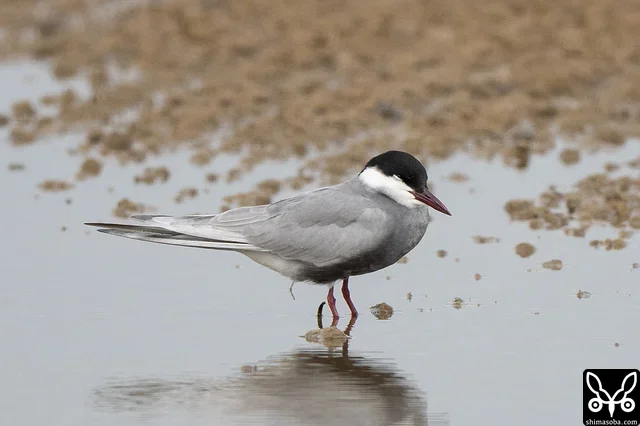
  95. Black-bellied Terns are wheeling over rice paddies here and there.
    Whiskered Tern
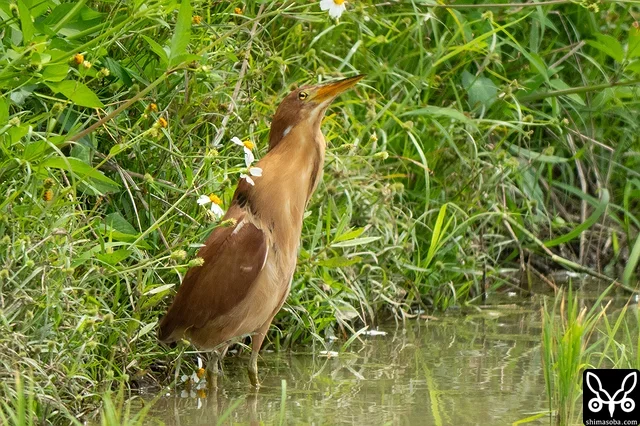
  96. A male Ryukyu Bittern. It appeared right in front of me while I was watching snipe.
    Yellow Bittern
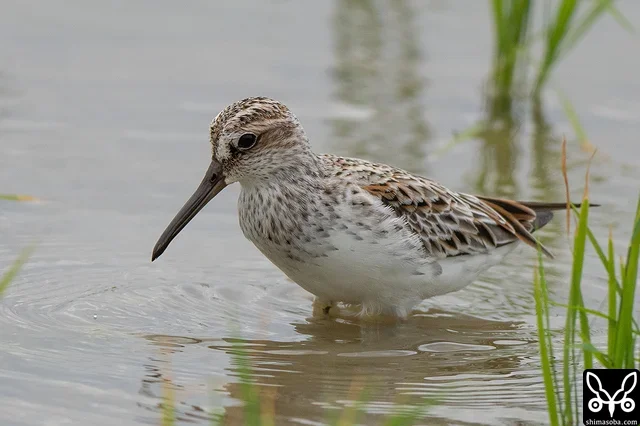
  97. When I first spotted it the Broad-billed Sandpiper was at the far end of the rice paddy, but it gradually worked its way closer.
    Broad-billed Sandpiper
  98. Swinhoe's Snipe also appears to be well into its moult.
    Swinhoe's Snipe
  99. A typical Pin-tailed Snipe.
    Pin-tailed Snipe
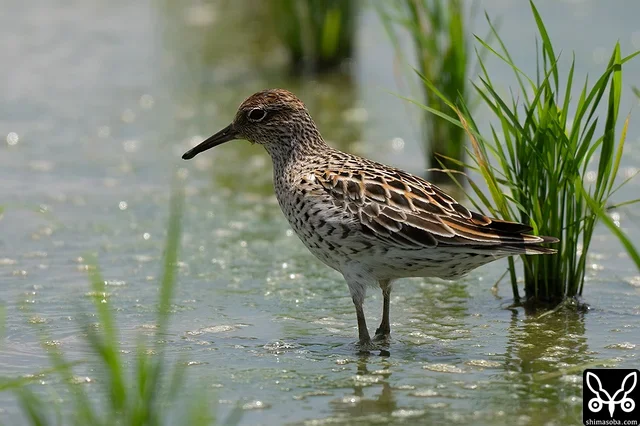
  100. Sharp-tailed Sandpipers seen in groups ranging from around ten birds down to just a few.
    Sharp-tailed Sandpiper
  101. This Pin-tailed Snipe is also in the process of transitioning into breeding plumage.
    Pin-tailed Snipe
  102. 20
    This Tufted Duck may be injured — it has been seen along the same bank for several days.
    Tufted Duck
  103. Also a Common Snipe. Appears to be a migrant passing through.
    Common Snipe
  104. A Common Snipe that flew in and landed. I could only get the upper half in the frame… ^^;
    Common Snipe
  105. Also what appears to be a Swinhoe's Snipe on migration. This individual was quite wary.
    Swinhoe's Snipe
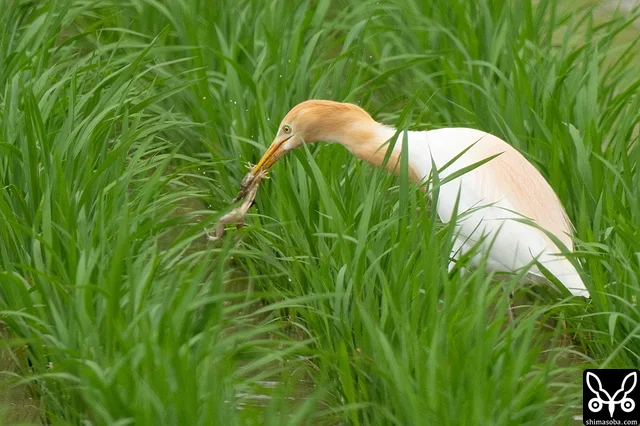
  106. A Cattle Egret caught a frog. Also present are Great Egret, Intermediate Egret, Little Egret, Cattle Egret, and Grey Heron.
    Eastern Cattle Egret
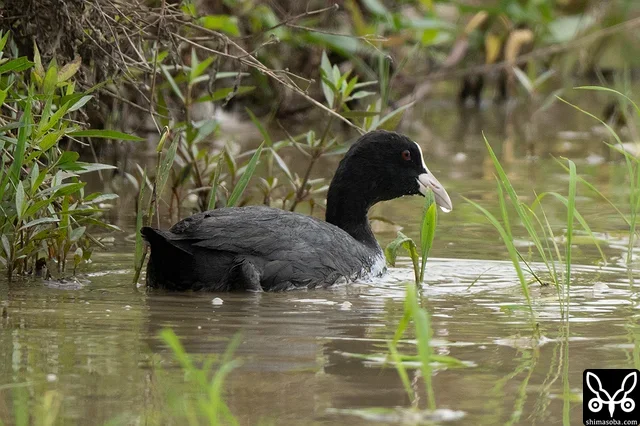
  107. The wintering Eurasian Coots are also down to just a few.
    Eurasian Coot
  108. White-breasted Waterhen are active too, with birds calling back and forth during the breeding season.
    White-breasted Waterhen
  109. A female Ryukyu Minivet. She was following the male around.
    Yellow Bittern
  110. A male (left) and female Ryukyu Minivet. I wonder if they will nest somewhere around here.
    Yellow Bittern
  111. A Chinese Pond Heron that has been staying since last autumn. The moult is progressing.
    Chinese Pond Heron
  112. A male Ryukyu Minivet— I often see it flying about actively.
    Yellow Bittern
  113. 21
    While I was watching the snipe, a female Greater Painted-snipe appeared.
    Greater Painted-snipe
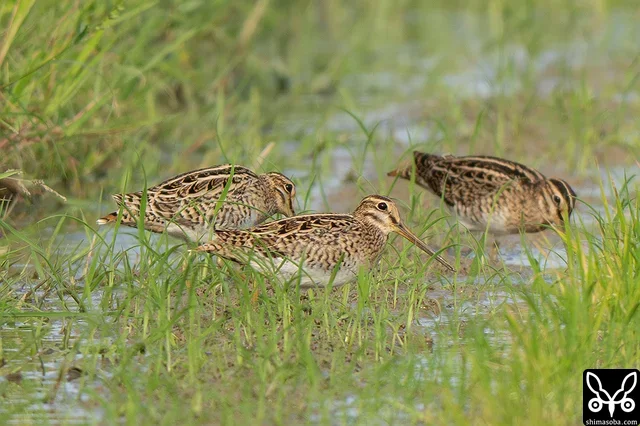
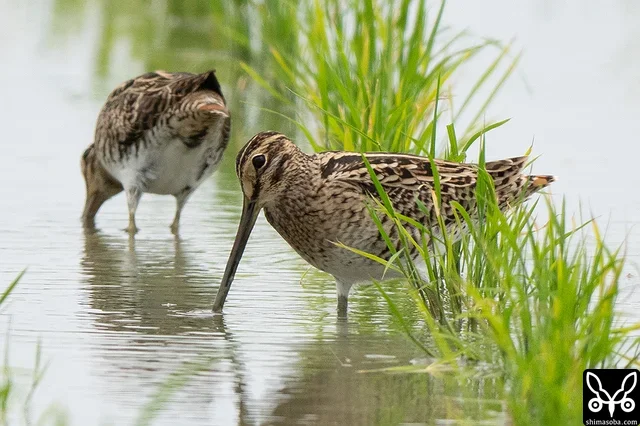
  114. Three Swinhoe's Snipe.
    Swinhoe's Snipe
  115. 大柄なチュウジシギ。渡りに備えてでっぷりと太っていました。
    Swinhoe's Snipe
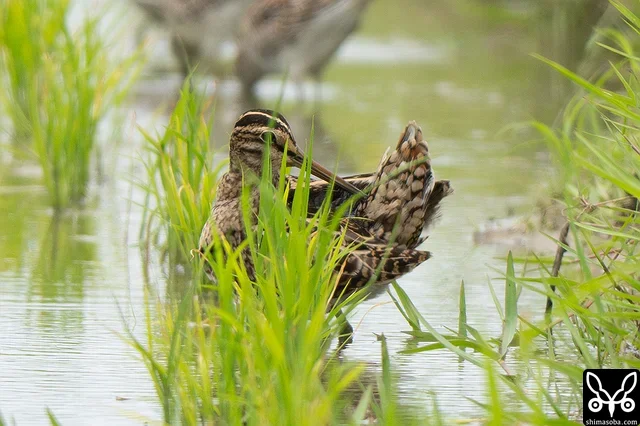
  116. This Swinhoe's Snipe is also preening. The way the tail feathers show here is often mistaken for Pin-tailed Snipe.
    Swinhoe's Snipe
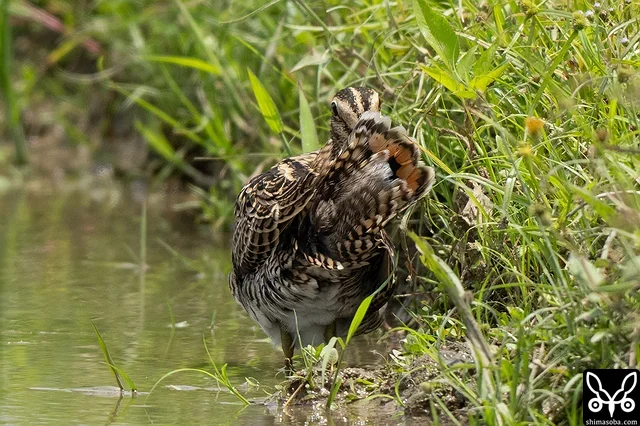
  117. Also a Swinhoe's Snipe, preening — the tail feathers are visible.
    Swinhoe's Snipe
  118. This one is a Swinhoe's Snipe.
    Swinhoe's Snipe
  119. Only one Pin-tailed Snipe today, but numbers could increase with the coming second wave of migration.
    Pin-tailed Snipe
  120. A Swinhoe's Snipe that went into alert posture because I got too close.
    Swinhoe's Snipe
  121. 22
    Same individual as above. Stunning.
    Ruddy Kingfisher
  122. A male Ryukyu Ruddy Kingfisher. Its bill has wood chips on it from digging out a nest hole.
    Ruddy Kingfisher
  123. 23
    Ryukyu Kingfisher, female. Paired with the individual above.
    Ruddy Kingfisher
  124. 24
    This one is also a Pin-tailed Snipe. A good number of Pin-tailed Snipe showed up today.
    Pin-tailed Snipe
  125. This Pin-tailed Snipe was also a little too close.
    Pin-tailed Snipe
  126. Pin-tailed Snipe spotted in the distance.
    Pin-tailed Snipe
  127. This one is a Swinhoe's Snipe. Still showing a lot of winter plumage.
    Swinhoe's Snipe
  128. I was able to observe a Pin-tailed Snipe at close range. Though too close is its own problem.
    Pin-tailed Snipe
  129. 25
    A Pin-tailed Snipe associating with the Swinhoe's Snipe above.
    Pin-tailed Snipe
  130. This is a rather plump, well-fed Swinhoe's Snipe.
    Swinhoe's Snipe
  131. 27
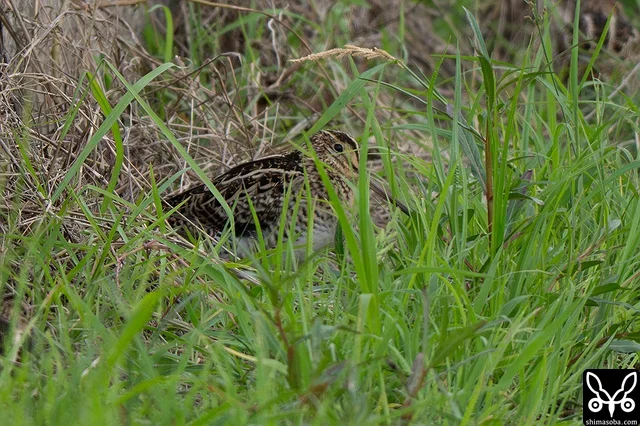
    A Swinhoe's Snipe that wouldn't come out of the grass.
    Swinhoe's Snipe
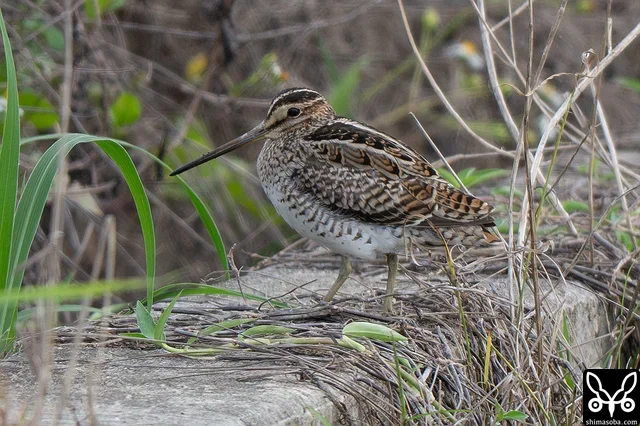
  132. A Pin-tailed Snipe that came up onto a concrete block in the evening. This was the individual that had been hiding in the grass all day.
    Pin-tailed Snipe
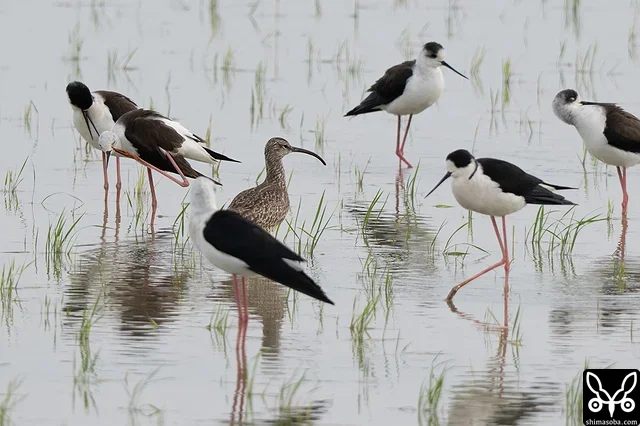
  133. While I was watching a flock of Black-winged Stilts, a Whimbrel came down. Looking at it this way, the Whimbrel is surprisingly small — or is it that the Black-winged Stilt is large?
    Black-winged Stilt
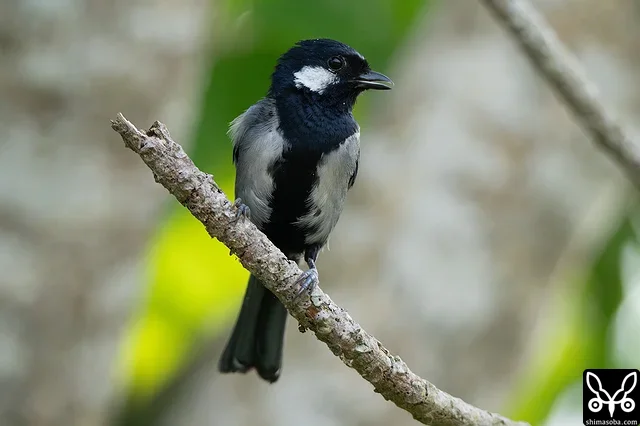
  134. This Ishigaki Tit appeared to be searching with its partner for a nesting site. It was peering into a Ryukyu Scops Owl nest hole and alarm-calling noisily.
    Ishigaki Tit
  135. A male Ryukyu Scops Owl keeping watch.
    Ryukyu Scops Owl
  136. A Ruddy Kingfisher was perched nearby as well.
    Ruddy Kingfisher
  137. About 20 Oriental Pratincoles had come down. Three are visible in this photo.
    Oriental Pratincole
  138. Swinhoe's Snipe (right) and Pin-tailed Snipe. In this case the size difference is clear, but in the field you basically can't identify them by size alone.
    Swinhoe's Snipe
  139. Another Pin-tailed Snipe, mid-moult into breeding plumage.
    Pin-tailed Snipe
  140. Common Snipe (left) and Pin-tailed Snipe. The Pin-tailed Snipe is the same individual as the one at the top.
    Common Snipe
  141. Another Pin-tailed Snipe. Looks very similar to the individual above.
    Pin-tailed Snipe
  142. Pin-tailed Snipe spotted on a distant paddy bank. The backlight makes observation tough… ^^;
    Pin-tailed Snipe
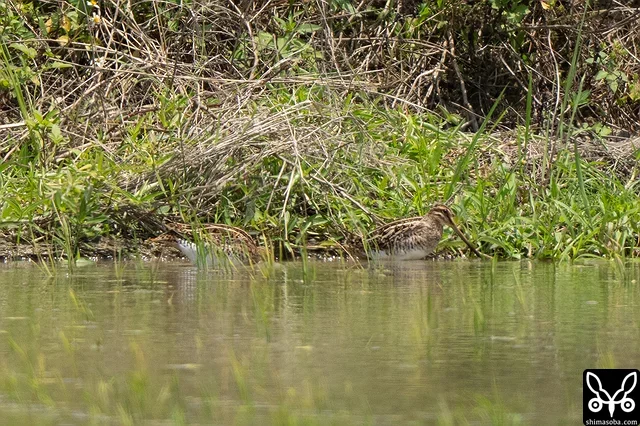
  143. I don't often get a chance to photograph them, but there was a Common Snipe here too.
    Common Snipe
  144. Another Swinhoe's Snipe in the grass.
    Swinhoe's Snipe
  145. 28
    A small flock of Pacific Golden Plovers has also arrived.
    Pacific Golden Plover
  146. These three Swinhoe's Snipe. Getting three Swinhoe's Snipe in a single shot in spring is quite a find. ^^
    Pin-tailed Snipe
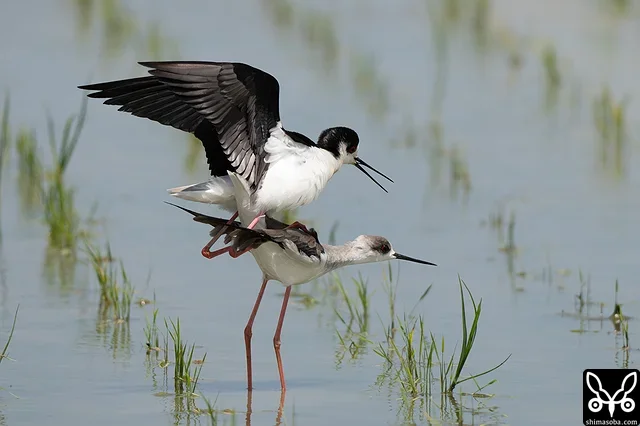
  147. A pair of Black-winged Stilts was mating, though there are no breeding records for Ishigaki Island.
    Black-winged Stilt
  148. These two Common Snipe were spotted in the distance.
    Common Snipe
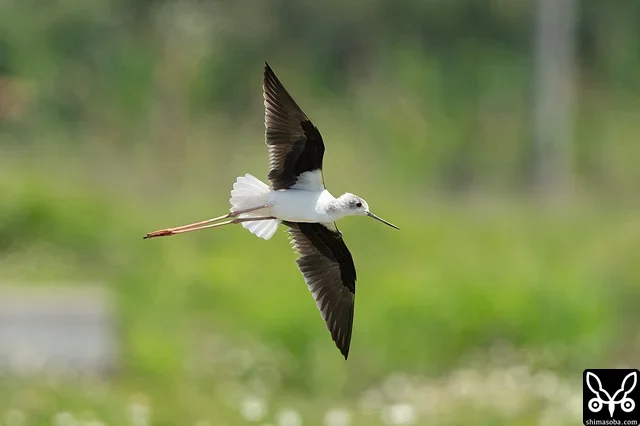
  149. Black-winged Stilt in flight. First-summer plumage.
    Black-winged Stilt
  150. Same individual as above, but the impression changes as the bird shifts its angle.
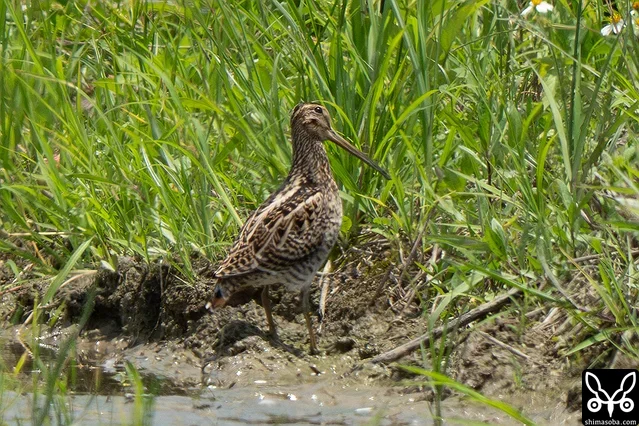
    Pin-tailed Snipe
  151. A distant Pin-tailed Snipe.
    Pin-tailed Snipe
  152. Wood Sandpipers facing off. They get into skirmishes quite often.
    Wood Sandpiper
  153. There was a Common Snipe nearby as well.
    Common Snipe
  154. This one is a Swinhoe's Snipe. The moult into breeding plumage is well advanced.
    Swinhoe's Snipe
  155. Oriental Pratincoles flying about. Numbers are growing day by day.
    Oriental Pratincole
  156. A distant Pin-tailed Snipe.
    Pin-tailed Snipe
  157. Pectoral Sandpipers are gradually increasing in number.
    Sharp-tailed Sandpiper
  158. A singing female Greater Painted-snipe. Some males are already accompanied by chicks. This individual seems to be the resident of the area.
    Greater Painted-snipe
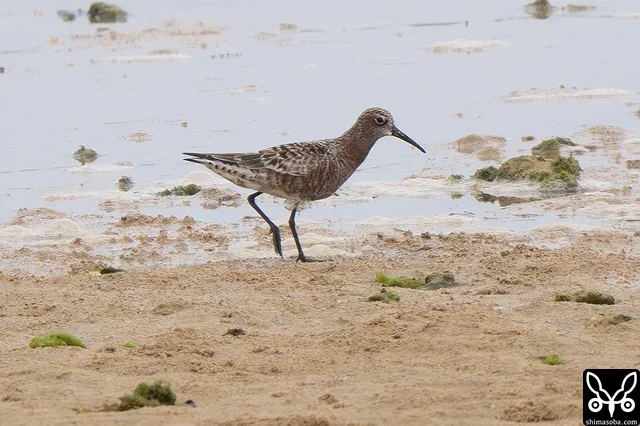
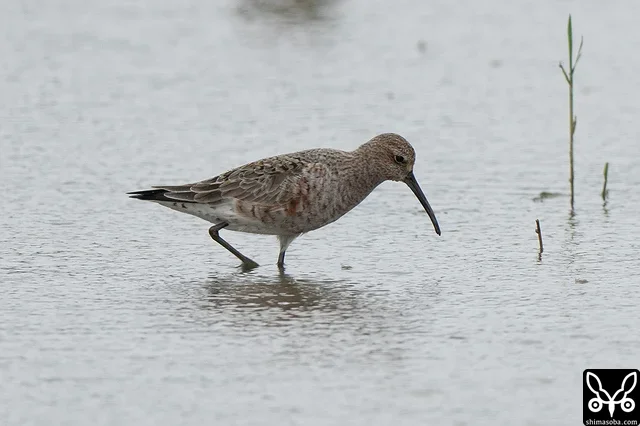
  159. On the coast, a Curlew Sandpiper in summer plumage.
    Curlew Sandpiper
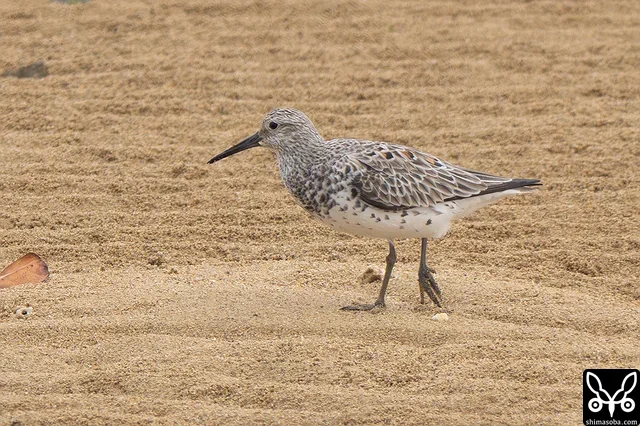
  160. A few Great Knots on the coast.
    Great Knot
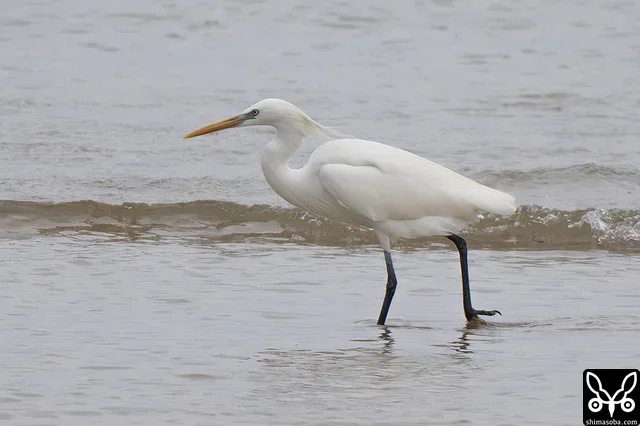
  161. The second Chinese Egret of the season. It was showing its familiar behaviour of chasing fish at the water's edge.
    Chinese Egret
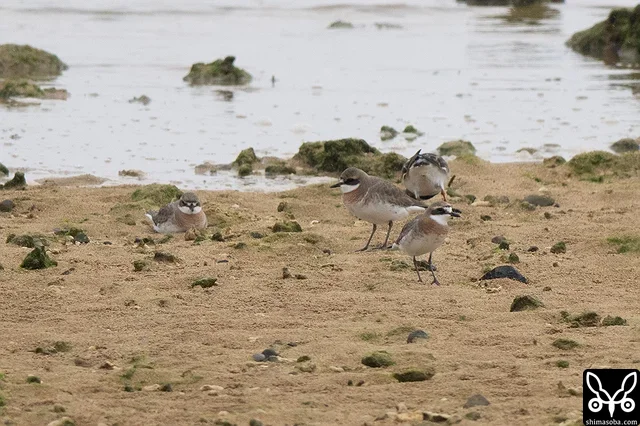
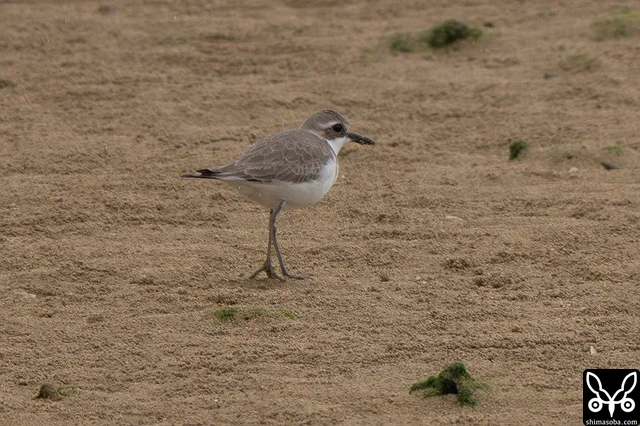
  162. As Greater Sand Plovers have declined, Lesser Sand Plovers have increased in number.
    Lesser Sand Plover
  163. Ruddy Turnstones are present year-round, so I cannot tell whether they are migrants or winterers, but their numbers do fluctuate.
    Ruddy Turnstone
  164. Greater Sand Plover numbers have dropped.
    Greater Sand Plover
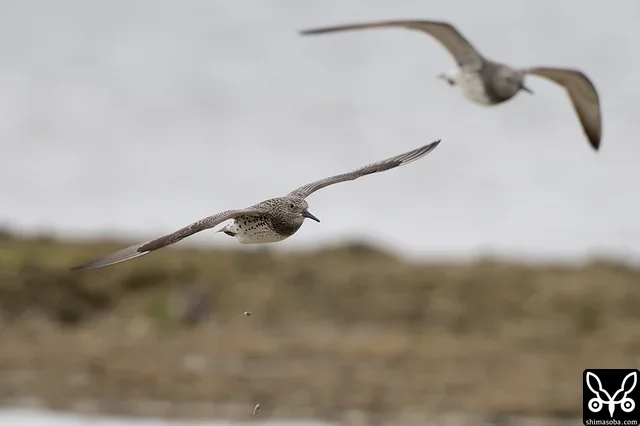
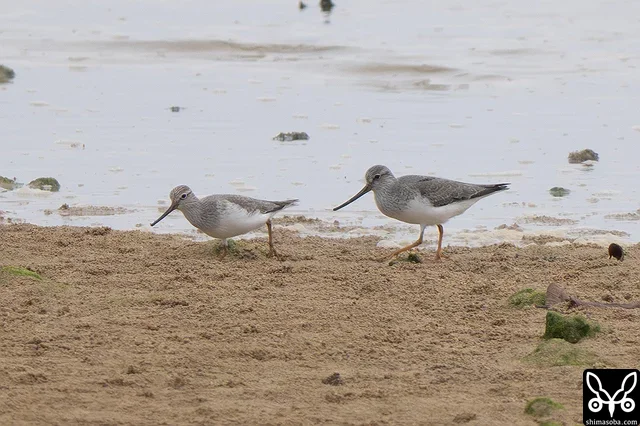
  165. About ten Terek Sandpipers arrived.
    Terek Sandpiper
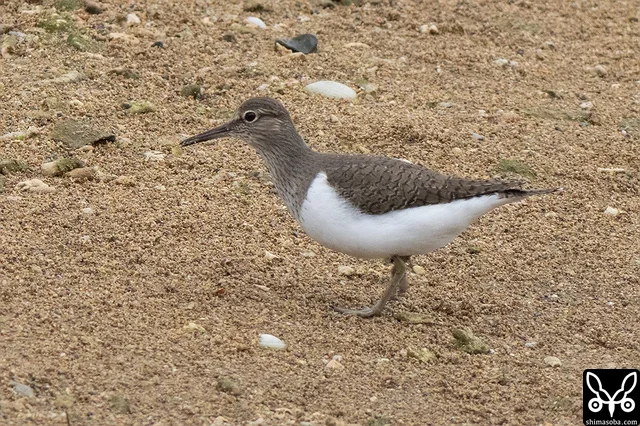
  166. The Common Sandpiper is always alone even during migration season. Does it not migrate in flocks?
    Common Sandpiper
  167. Three Black-faced Spoonbills are staying. Apparently there were as many as five at one point.
    Black-faced Spoonbill
  168. Grey-tailed Tattler in fresh summer plumage — as good as it gets.
    Grey-tailed Tattler
  169. An individual presumed to be a Steppe Buzzard. It looked thoroughly fed up with being harassed by crows in the rain.
    Eastern Buzzard
  170. Black-tailed Godwits also moving into summer plumage. Large waders won't come down to the island unless the weather turns rough…
    Black-tailed Godwit
  171. A Bar-tailed Godwit in summer plumage that suddenly dropped in alongside Black-winged Stilts and Black-tailed Godwits near the end of a shorebird search. Looking sharp in that summer plumage.
    Long-billed Dowitcher
  172. A dream combination came together: Broad-billed Sandpiper, Curlew Sandpiper, and Little Stint, left to right.
    Broad-billed Sandpiper
  173. A Broad-billed Sandpiper was in the same paddy.
    Broad-billed Sandpiper
  174. A Ryukyu Striated Heron in among the dried grass.
    Yellow Bittern
  175. A Marsh Sandpiper looking tired — perhaps just arrived. Beautiful summer plumage.
    Marsh Sandpiper
  176. In the rice paddies, a Curlew Sandpiper mid-way through its moult into summer plumage.
    Curlew Sandpiper
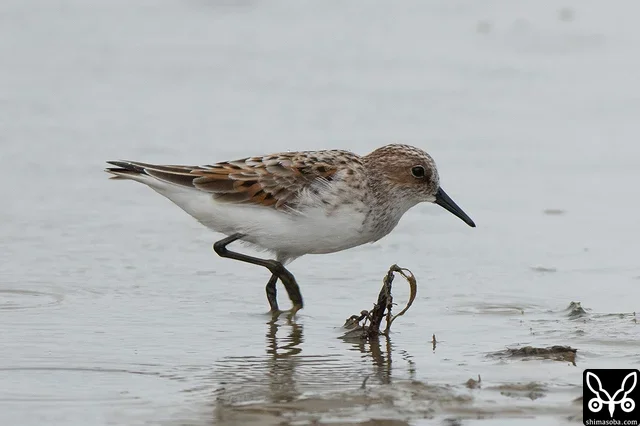
  177. I also came across a Little Stint — not often seen in large numbers on Ishigaki.
    Little Stint
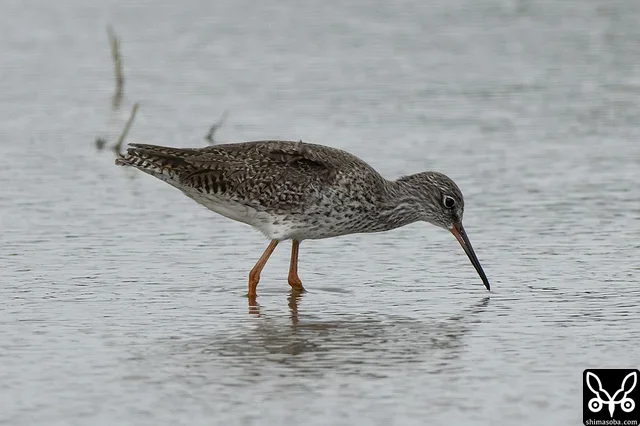
  178. Three Common Redshanks arrived. Some birds overwinter here, but these are part of the passage.
    Common Redshank
  179. Sharp-tailed Sandpipers in summer plumage. Small flocks of a few birds turning up at several spots.
    Sharp-tailed Sandpiper
  180. A Common Greenshank also moving into beautiful summer plumage.
    Common Greenshank
  181. Black-winged Stilt, adult male in summer plumage. The large flock has gone; around ten birds are staying on, cycling through.
    Black-winged Stilt
  182. Wood Sandpipers past their peak, lingering in small scattered numbers.
    Wood Sandpiper
  183. Long-toed Stints on the thin side too. A bit worrying.
    Long-toed Stint
  184. A Pectoral Sandpiper among a flock of Sharp-tailed Sandpipers. It flew into my binoculars while I was watching Pin-tailed Snipe.
    Pectoral Sandpiper
  185. A lone female Eurasian Teal left behind by the migrating flock. Nearby was a single male Northern Shoveler.
    Eurasian Teal
  186. Black-winged Stilt, first-summer plumage.
    Black-winged Stilt
  187. The third Pin-tailed Snipe of the season.
    Pin-tailed Snipe
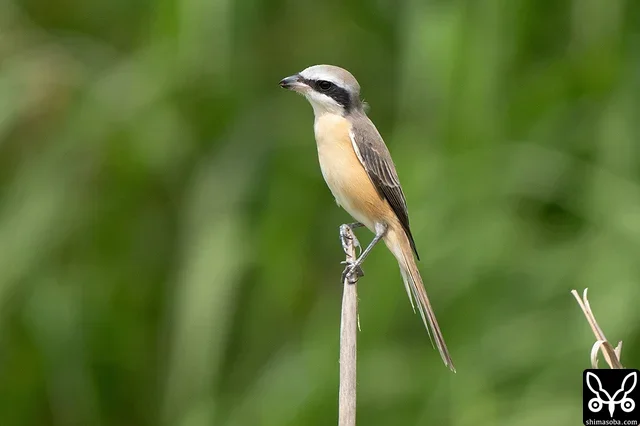
  188. A Brown Shrike still lingering. They typically stay on until after Golden Week.
    Isabelline Shrike
  189. A female Ryukyu Striated Heron. Neck stretched, keeping watch on its surroundings. Lip-licking is a characteristic behaviour of the Ryukyu Striated Heron — I wonder what it means.
    Yellow Bittern
  190. 29
    A small flock of Pacific Golden Plovers is staying on.
    Pacific Golden Plover
  191. Are the Oriental Pratincoles trying to breed in this paddy field? They show no sign of moving on.
    Oriental Pratincole
  192. A few Little Ringed Plovers have also arrived.
    Little Ringed Plover
  193. A few Black-bellied Terns had arrived.
    Whiskered Tern
  194. The two Swinhoe's Snipe from above, side by side.
    Pin-tailed Snipe
  195. A Swinhoe's Snipe observed at just the right distance.
    Pin-tailed Snipe
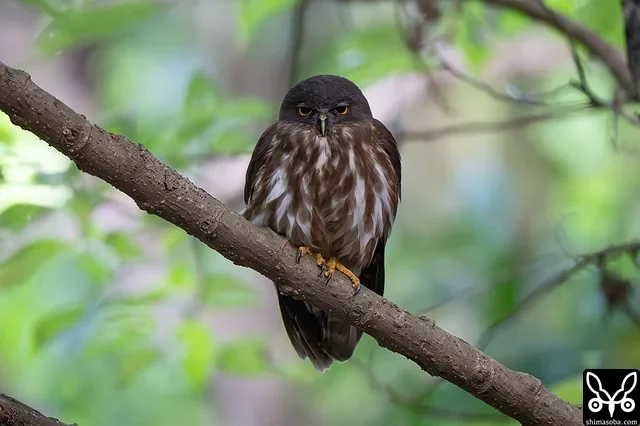
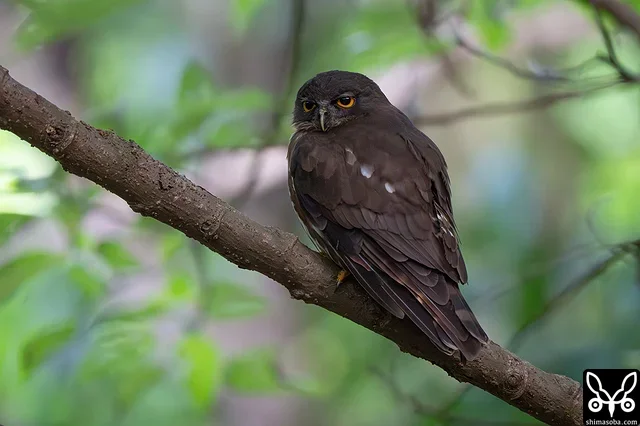
  196. Same individual as above. Flying insects are completely invisible to the human eye in these conditions, but the Brown Hawk-Owl clearly has no such problem — it was making successful catches one after another.
    Northern Boobook
  197. Towards evening a Brown Hawk-Owl hunting along the forest road. The female of the pair was also nearby.
    Northern Boobook
  198. A Ruddy Kingfisher nest-building. It was excavating a hole in the nest tree of a Ryukyu Scops Owl — I am curious to see how things develop.
    Ruddy Kingfisher
  199. A Japanese Paradise Flycatcher pair moving around together. They will probably build a nest somewhere in this area.
    Japanese Paradise Flycatcher
  200. 30
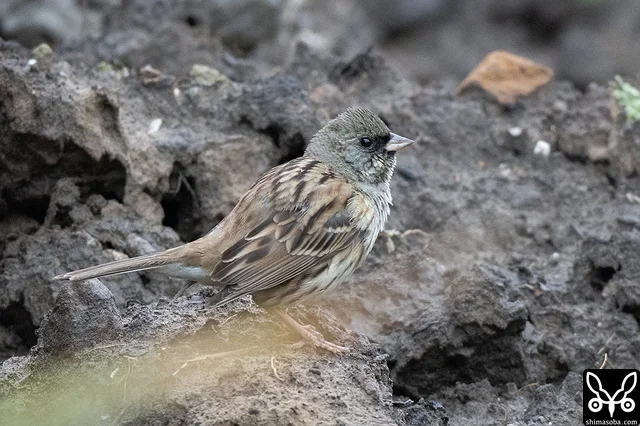
    This is a Black-faced Bunting found on Iriomote Island. There were about three of them. The Ruddy-breasted Crake I was hoping to see never showed up… ^^;
    Black-faced Bunting