SEASONAL ARCHIVE

Wild Birds of October

When and what wild birds might you see — a timeline sorted by date taken

  1. 1
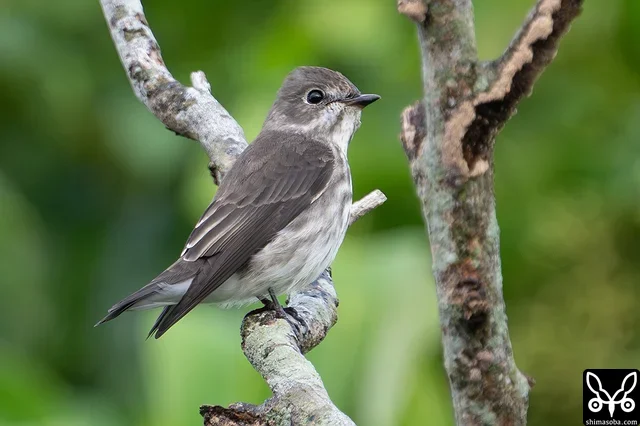
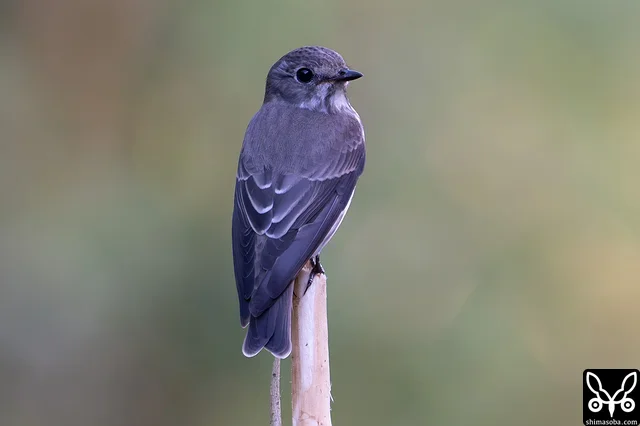
    Grey-streaked Flycatcher, adult.
    Grey-streaked Flycatcher
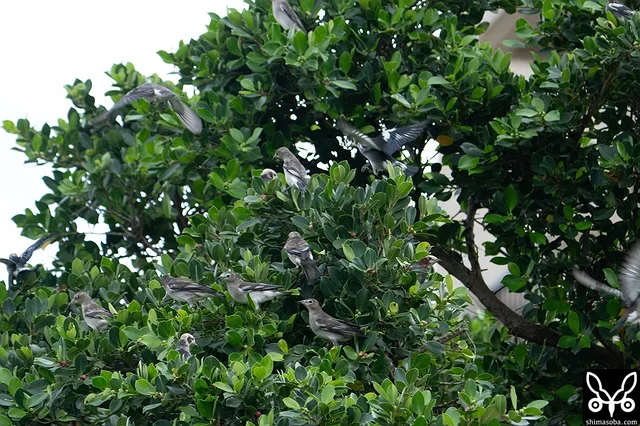
  2. White-cheeked Starlings came in large flocks to parks in town and similar spots.
    Chestnut-cheeked Starling
  3. 3
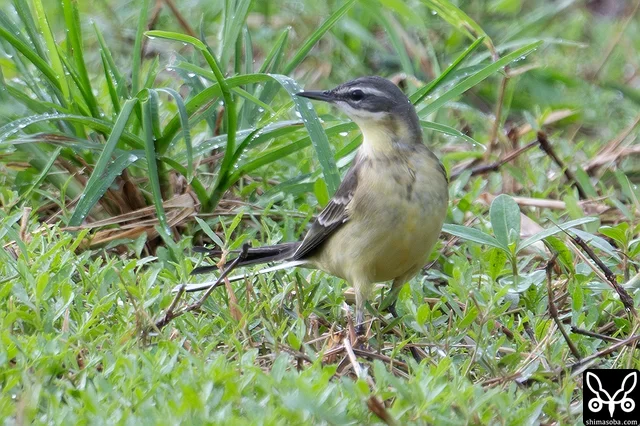
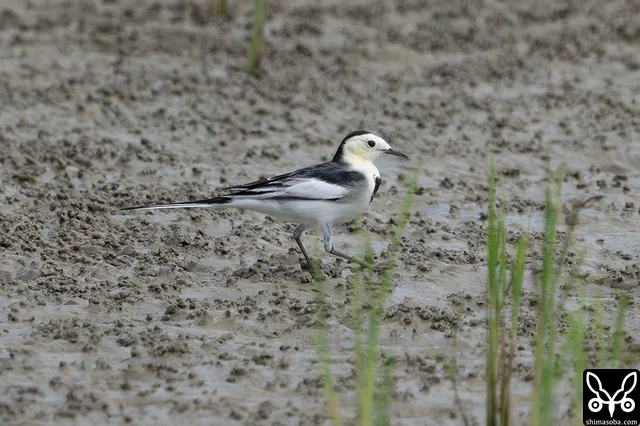
    Eastern Yellow Wagtail, first-winter plumage.
    Eastern Yellow Wagtail
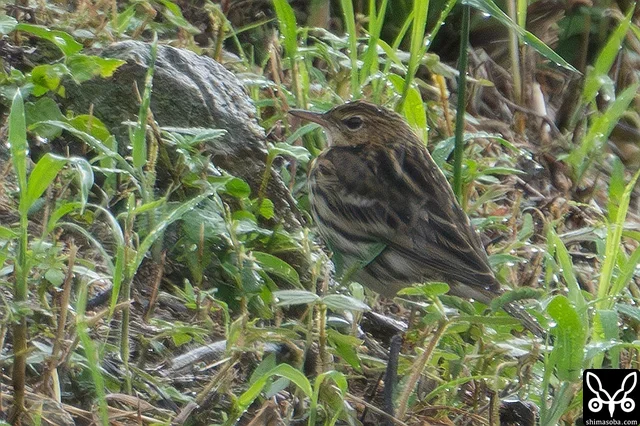
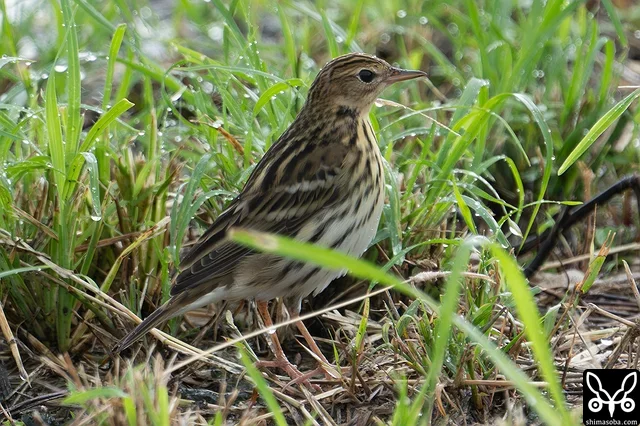
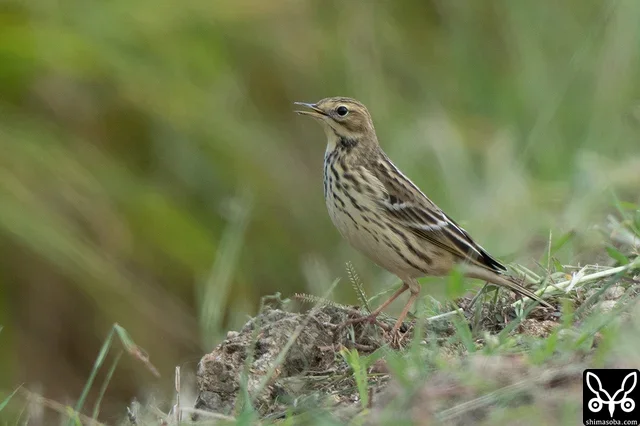
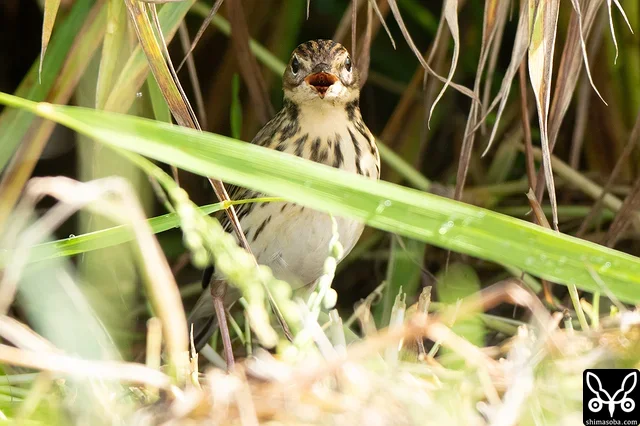
  4. A second Buff-bellied Pipit. Also in first-winter plumage. It was associating with the individual above.
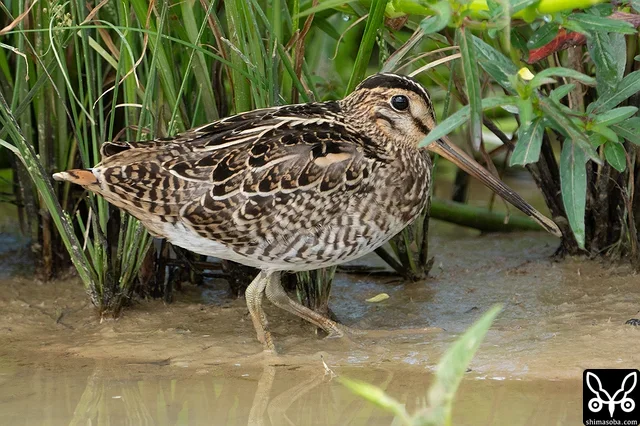
    Buff-bellied Pipit
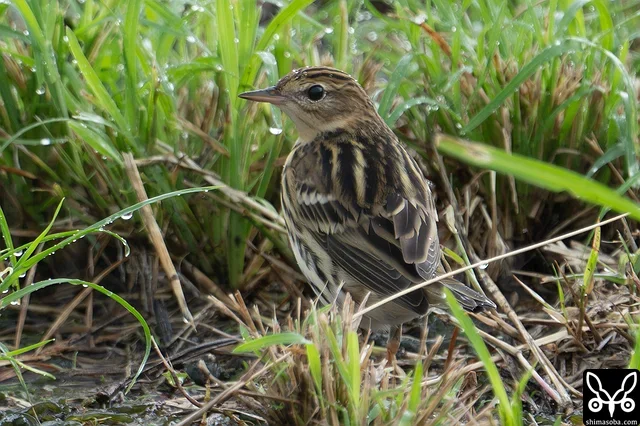
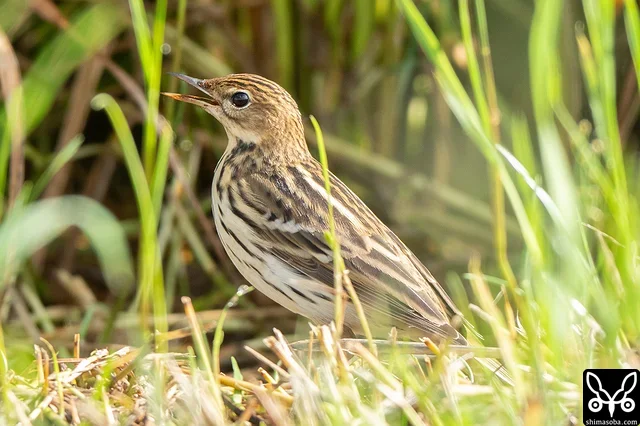
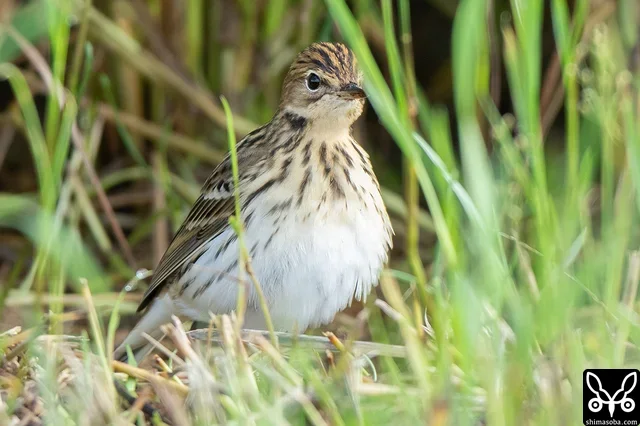
  5. Buff-bellied Pipit, first-winter.
    Buff-bellied Pipit
  6. Same individual as above. From behind.
    Buff-bellied Pipit
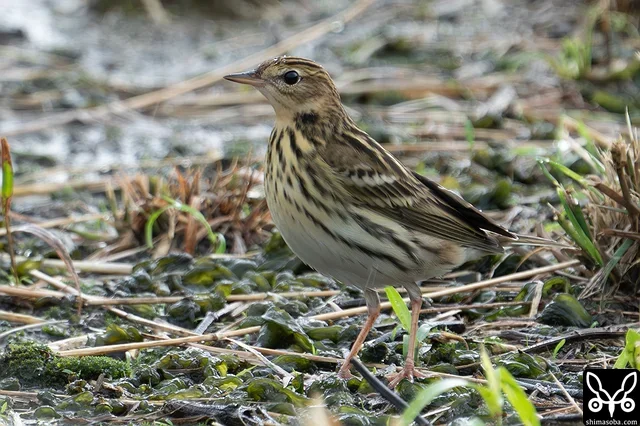
  7. Same individual as above. The field marks of Buff-bellied Pipit show up well.
    Buff-bellied Pipit
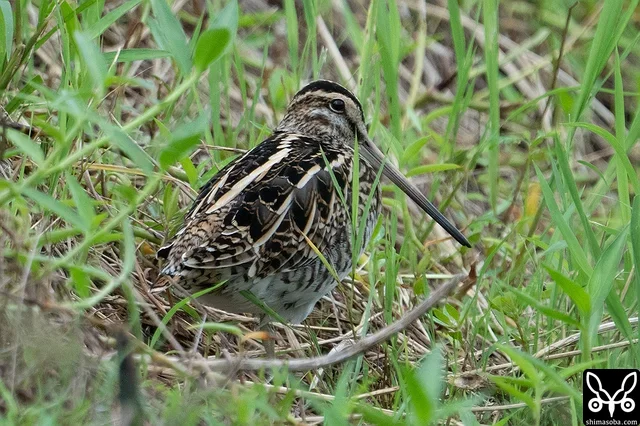
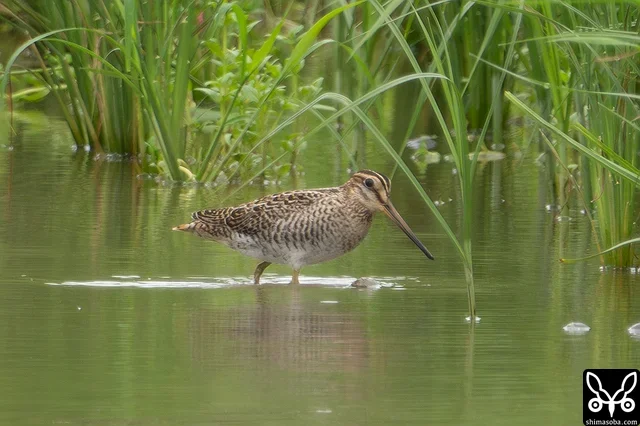
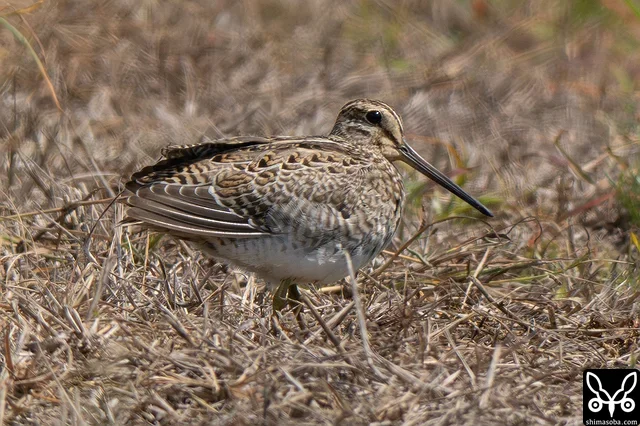
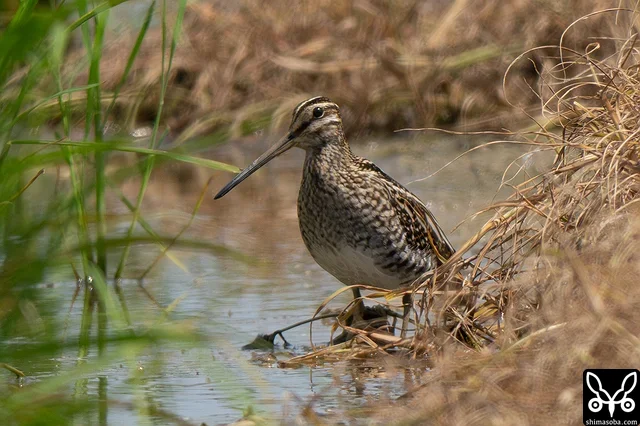
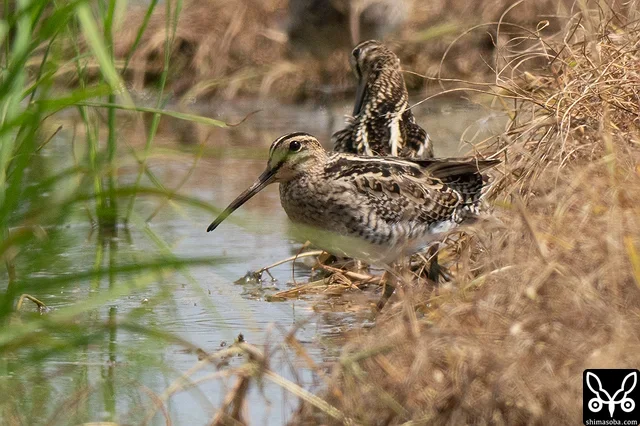
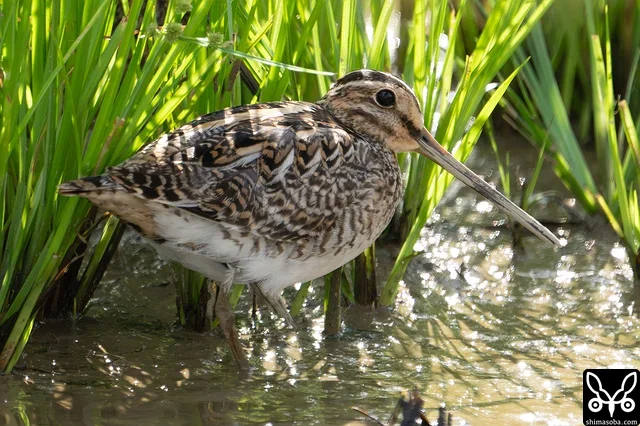
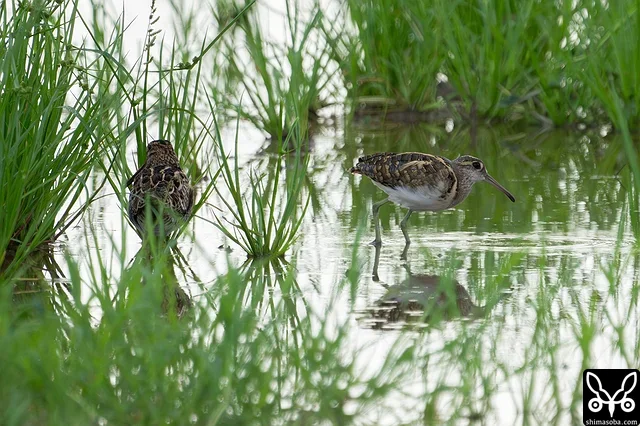
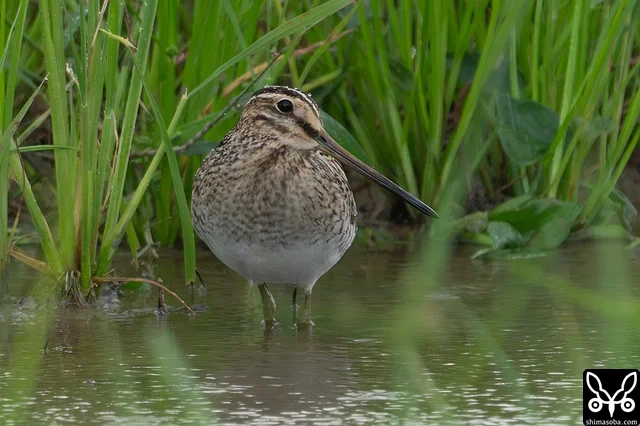
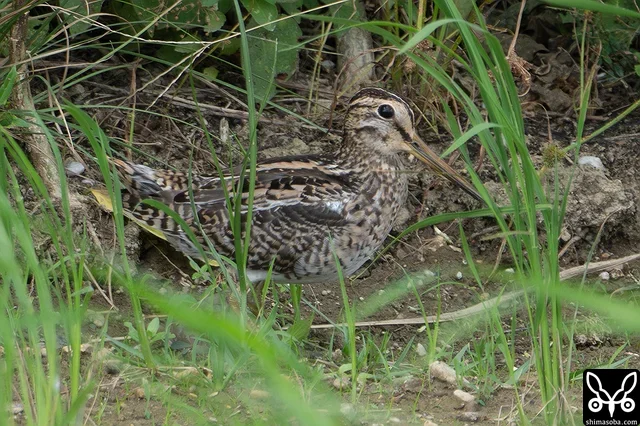
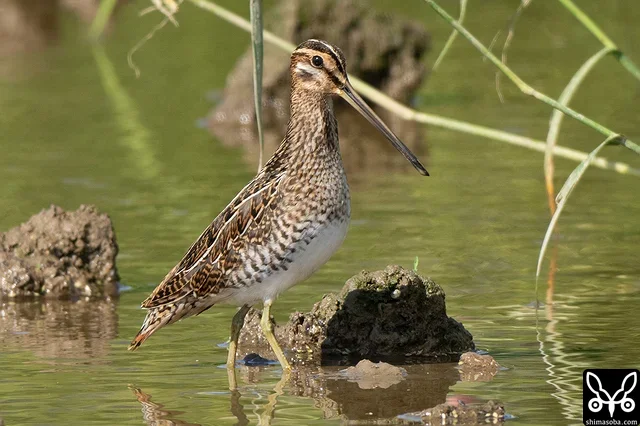
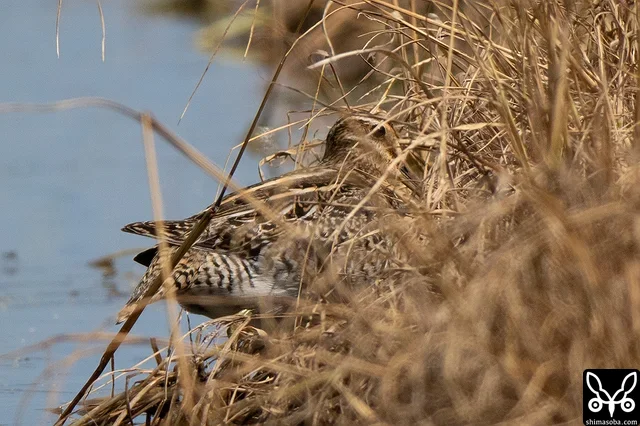
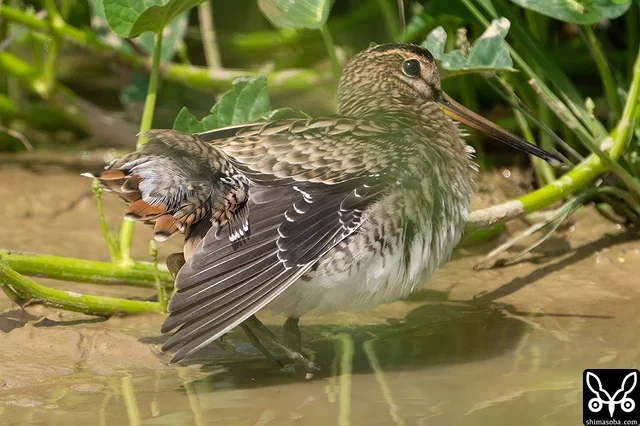
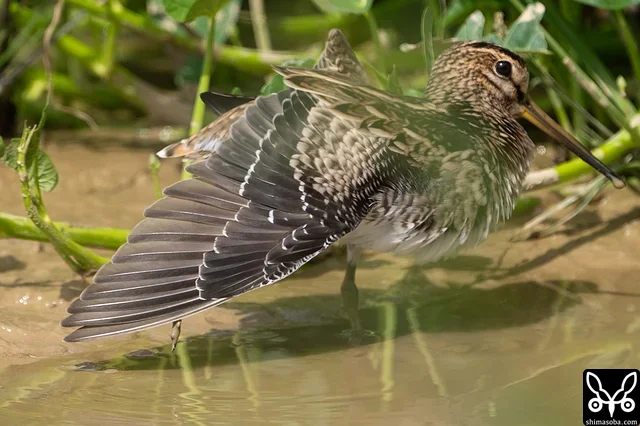
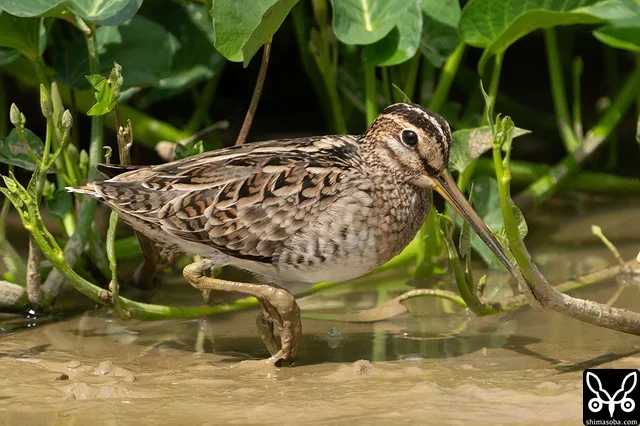
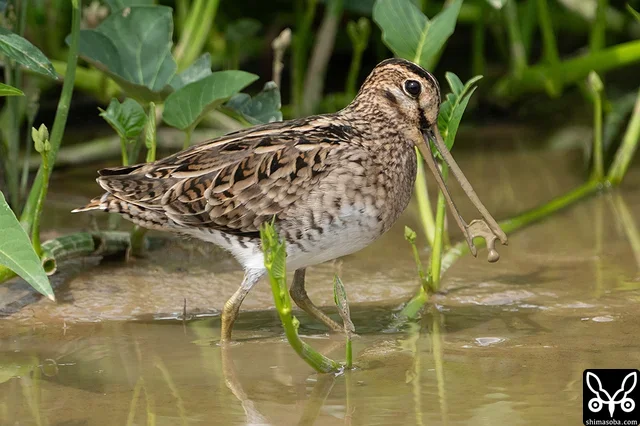
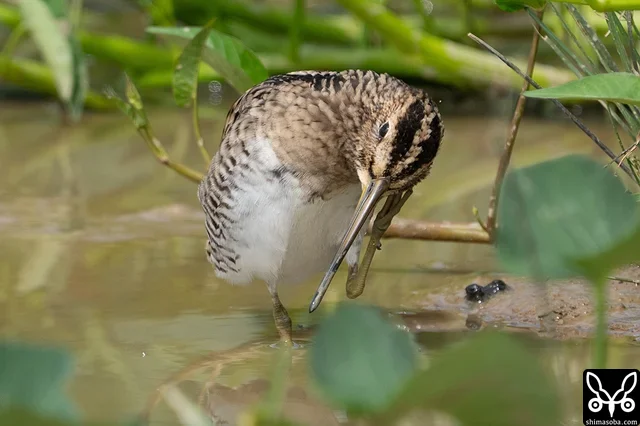
  8. Common Snipe numbers have been increasing.
    Common Snipe
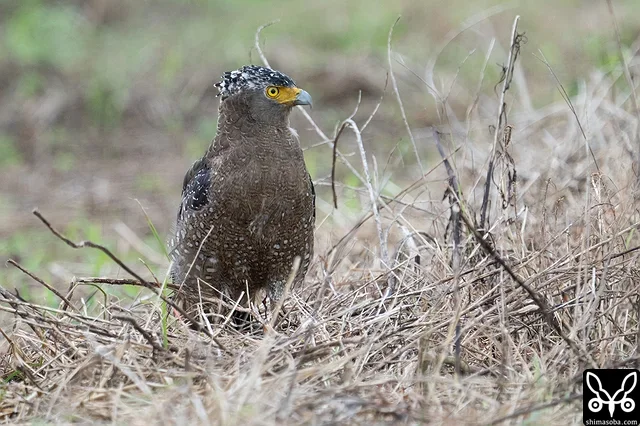
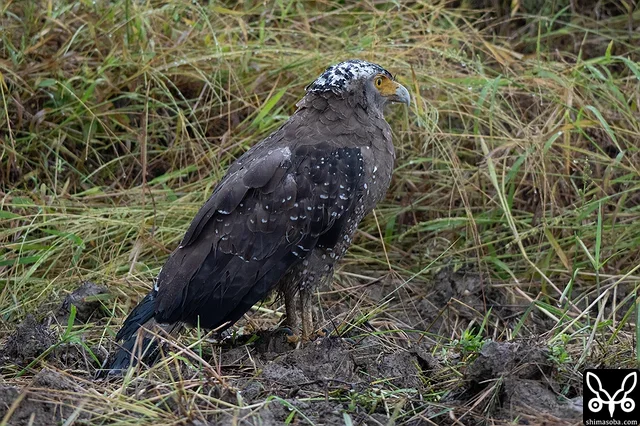
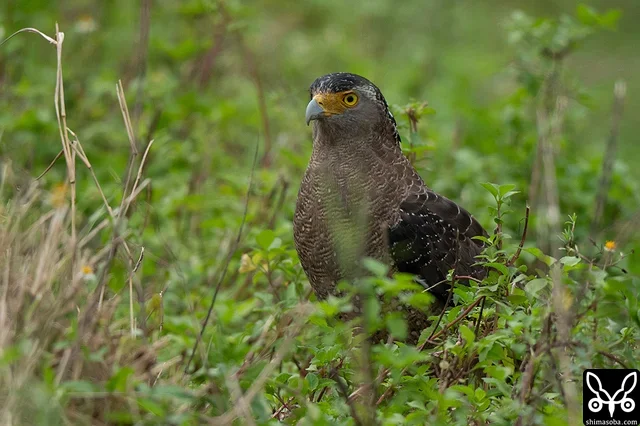
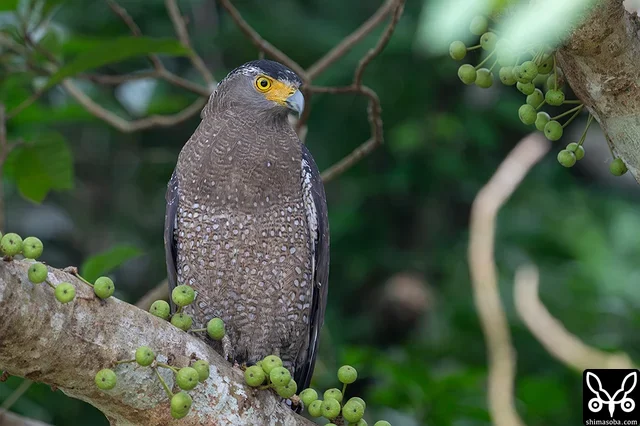
  9. The Crested Serpent Eagle has entered its easier-to-observe season.
    Crested Serpent Eagle
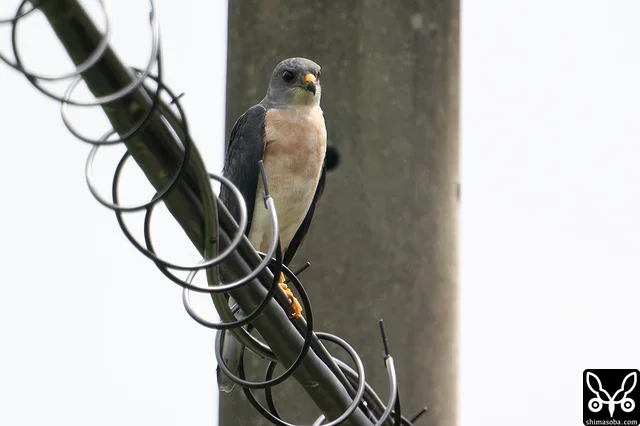
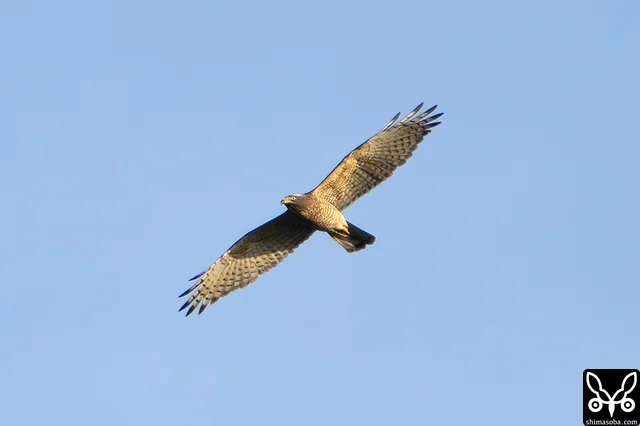
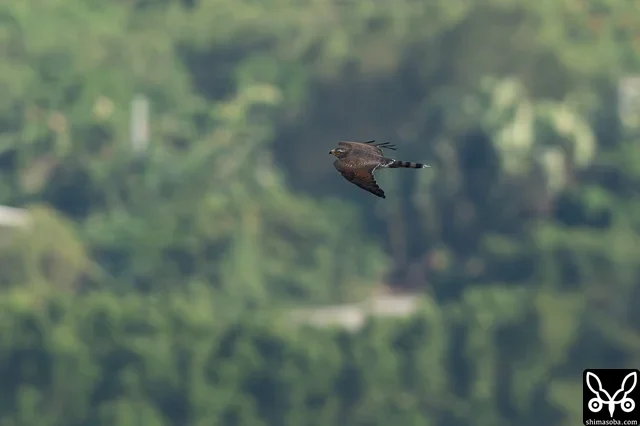
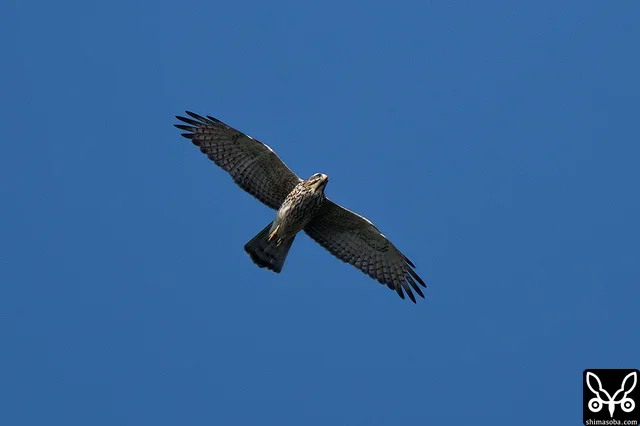
  10. Chinese Sparrowhawk, adult male.
    Chinese Sparrowhawk
  11. 4
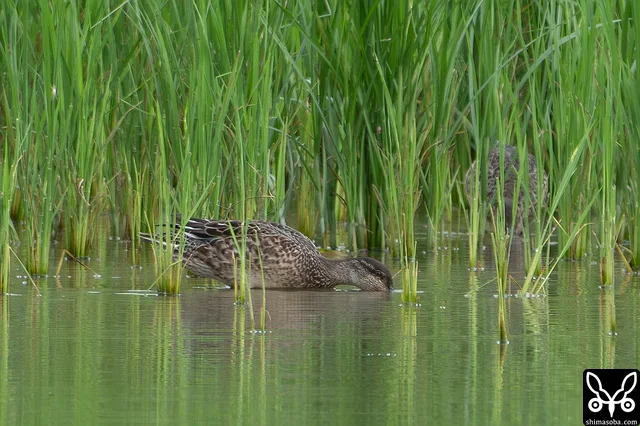
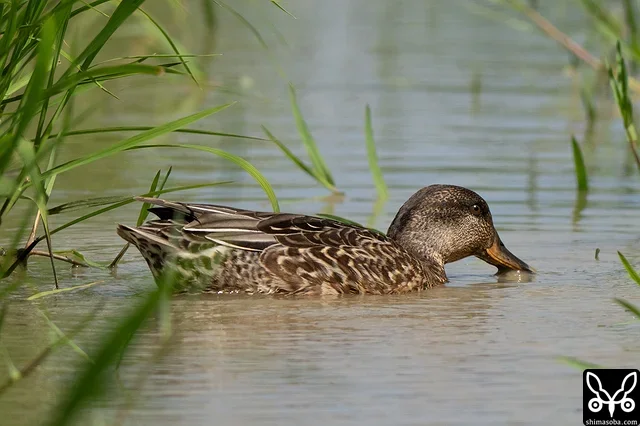
    A few more Eurasian Teal than before.
    Eurasian Teal
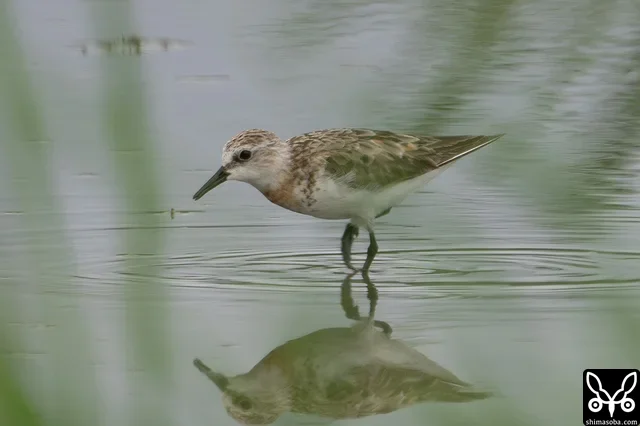
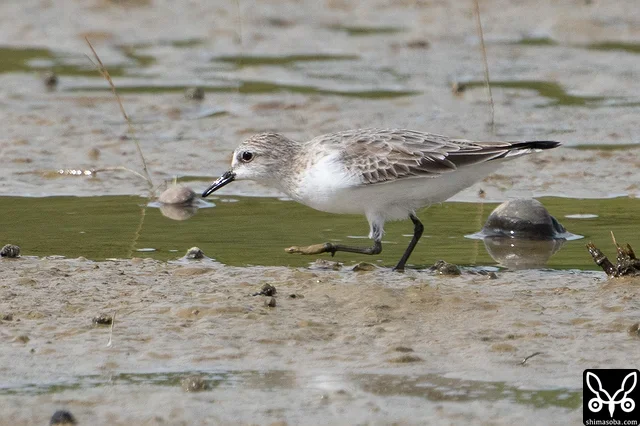
  12. Adult Red-necked Stint. Among mostly juveniles, there was just one adult.
    Red-necked Stint
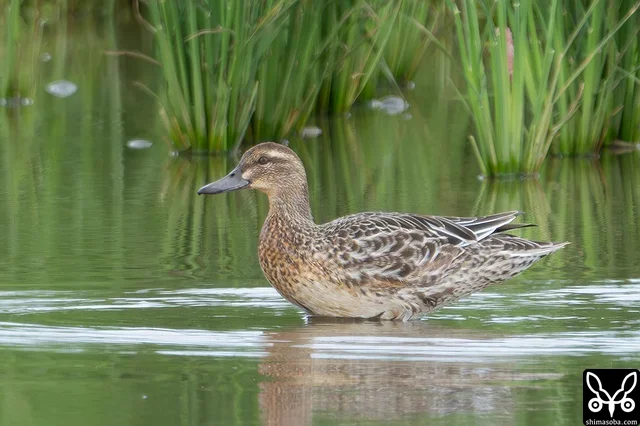
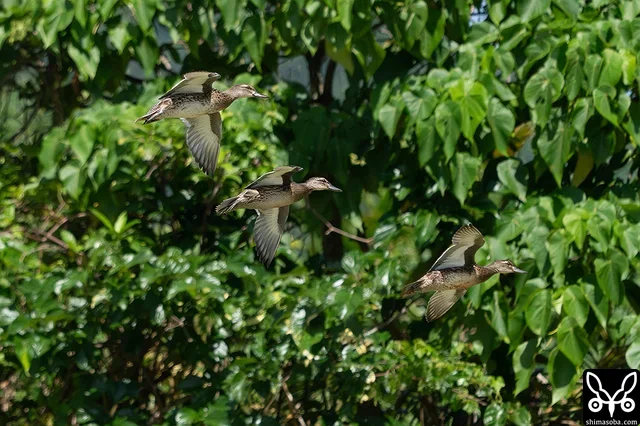
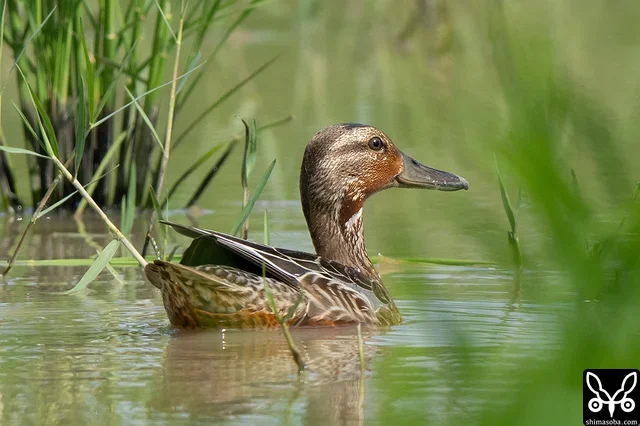
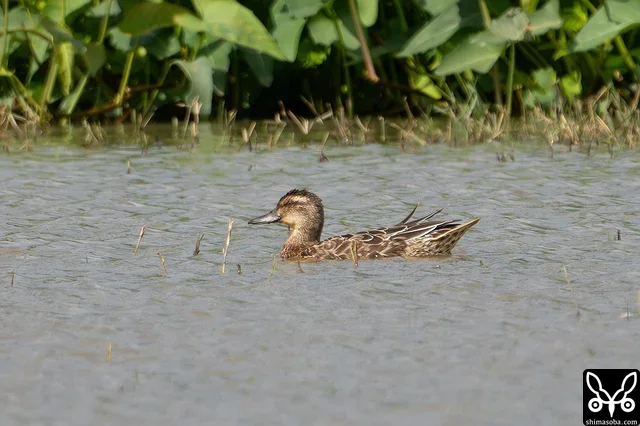
  13. First Garganey of the season. Likely a male in eclipse.
    Garganey
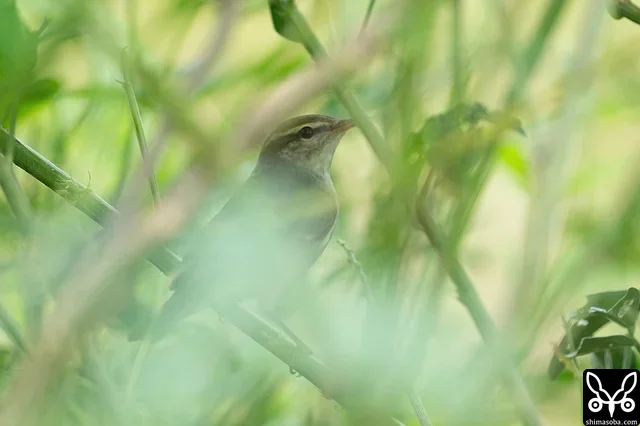
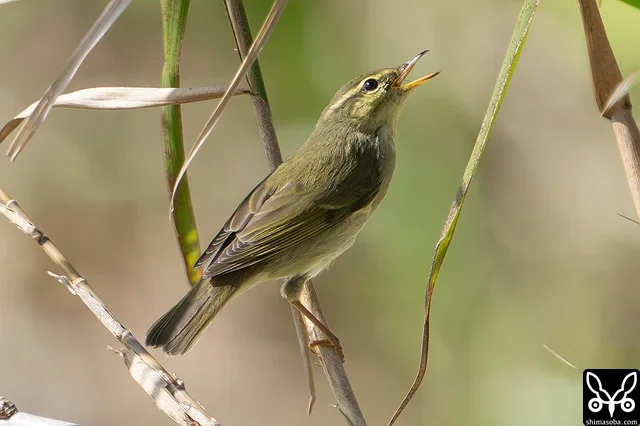
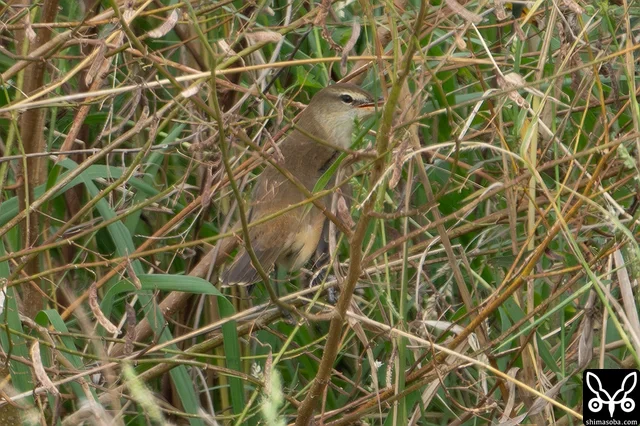
  14. A Dusky Warbler in the shrubbery around the fields. I could hear several calling, and while watching I had one appear right in front of me. Too close to focus….
    Arctic Warbler
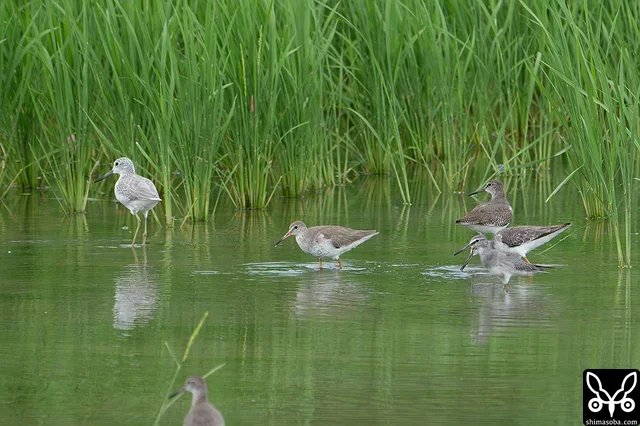
  15. Greenshank, Common Redshank, and Grey-tailed Tattler — a traffic light.
    Common Greenshank
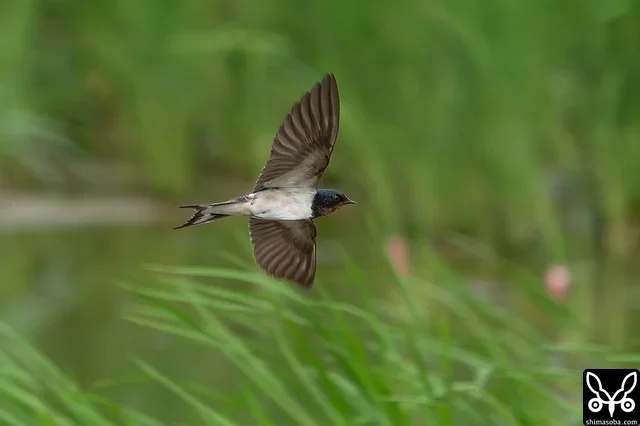
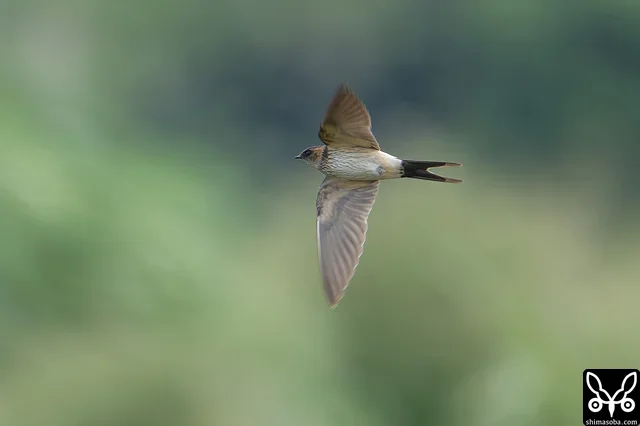
  16. Barn Swallows wheeling above the paddies. Their job is to make the snipe fan their tail feathers. ^^
    Barn Swallow
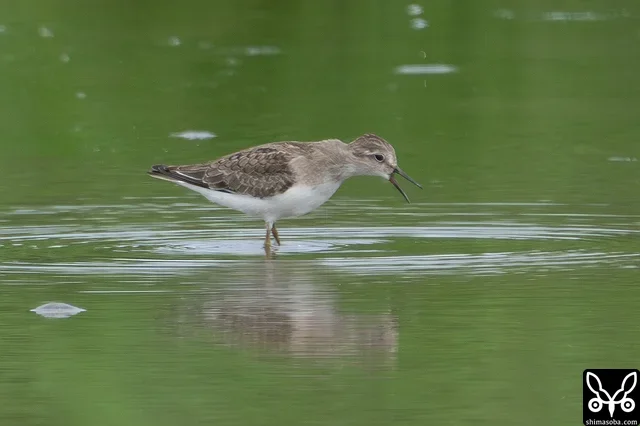
  17. Temminck's Stint, juvenile. There were three birds.
    Temminck's Stint
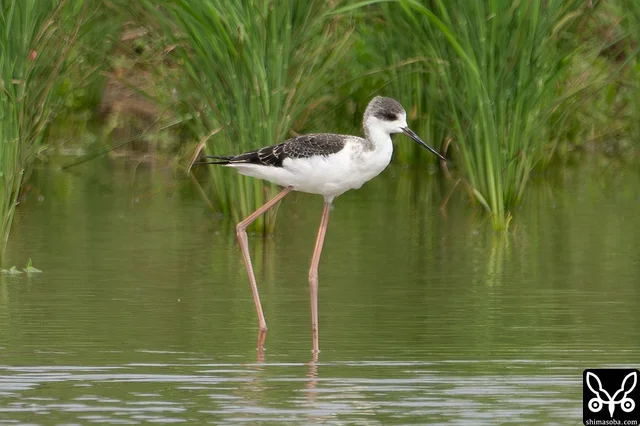
  18. Black-winged Stilt, juvenile. It is retaining a lot of juvenile feathers for this time of year.
    Black-winged Stilt
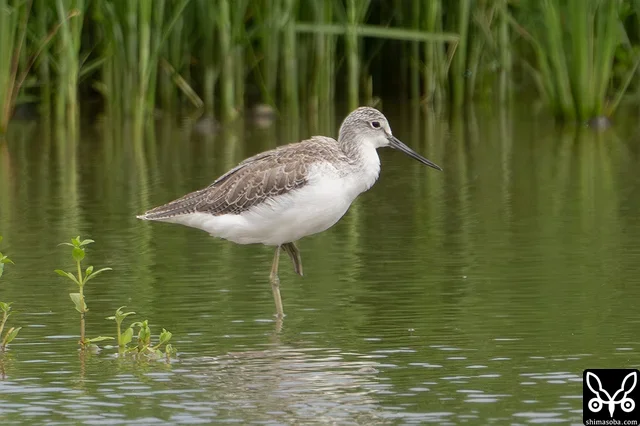
  19. Common Greenshank, winter plumage.
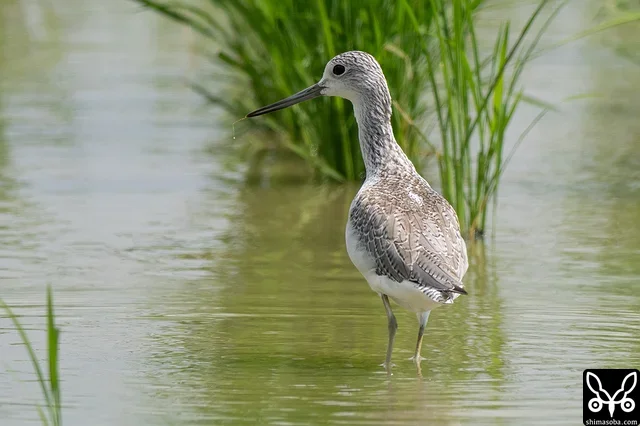
    Common Greenshank
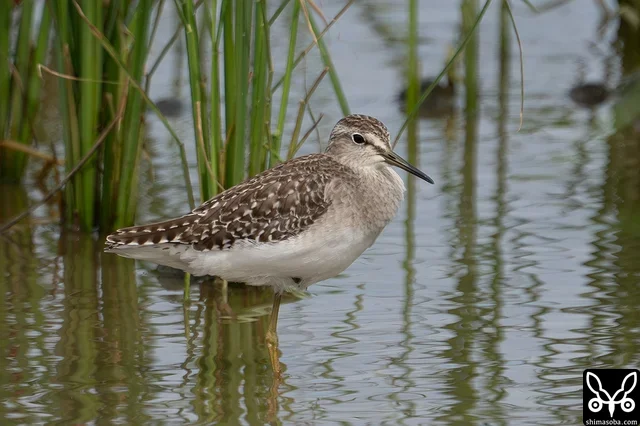
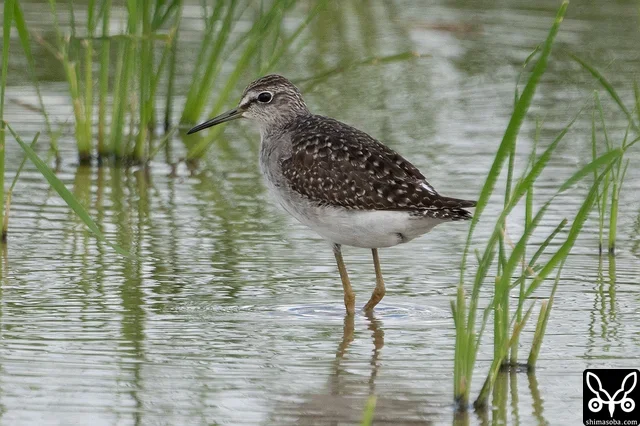
  20. Wood Sandpiper, the most numerous species here.
    Wood Sandpiper
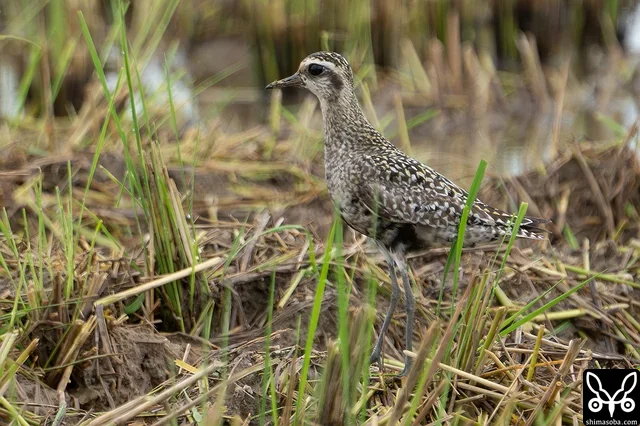
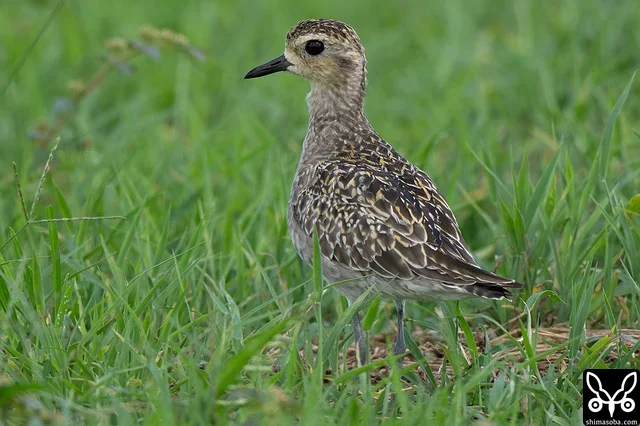
  21. Adult Pacific Golden Plover.
    Pacific Golden Plover
  22. A Swinhoe's Snipe in the distance. It may look like a Pin-tailed Snipe, but the moult stage, feather pattern and facial expression identify it as Swinhoe's Snipe.
    Swinhoe's Snipe
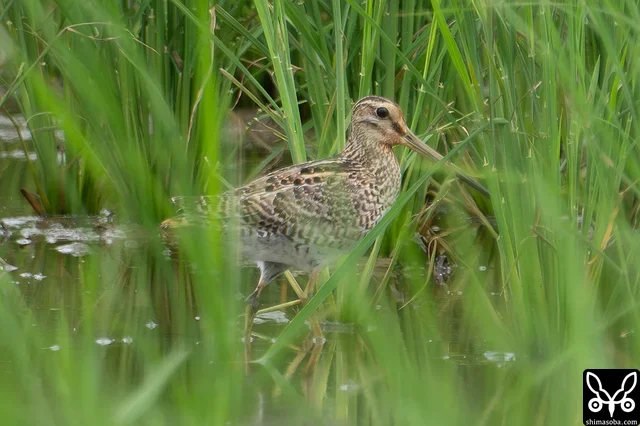
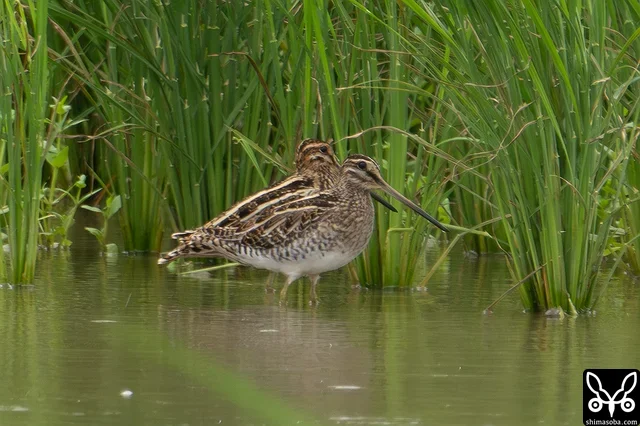
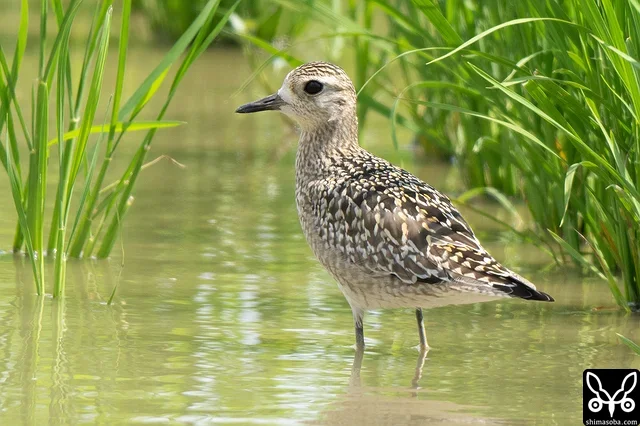
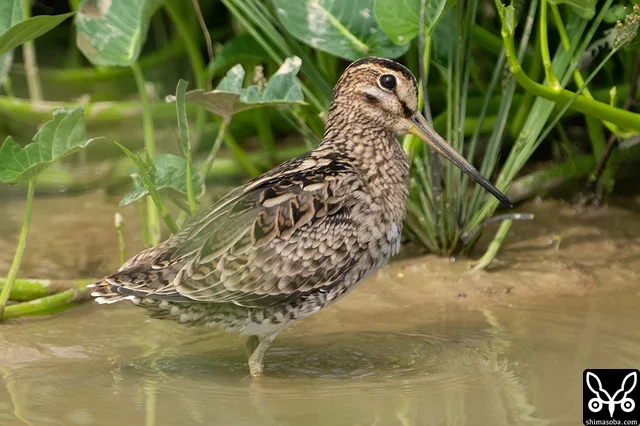
  23. The snipe in the paddies are almost all Common Snipe. In the paddies of this area, only the two Swinhoe's Snipe above were found among 40 snipe.
    Common Snipe
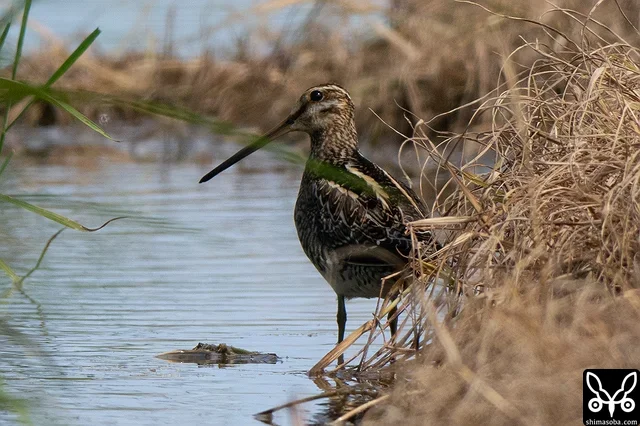
  24. Among the snipe, Swinhoe's Snipe are being replaced almost entirely by Common Snipe and numbers are down.
    Swinhoe's Snipe
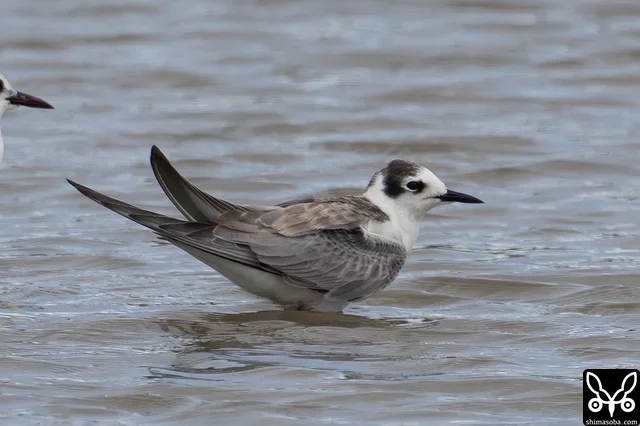
  25. White-winged Tern, juvenile. The third bird this season.
    White-winged Tern
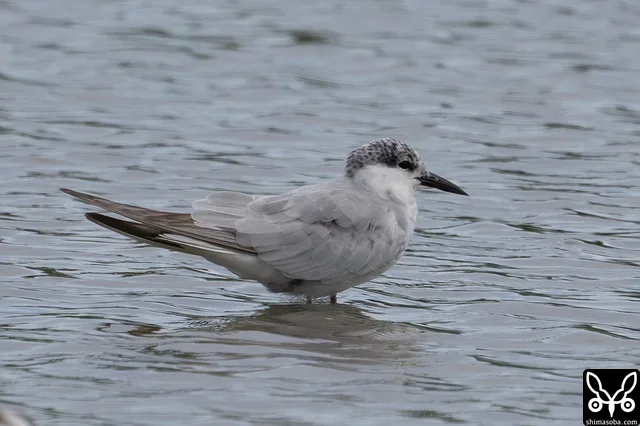
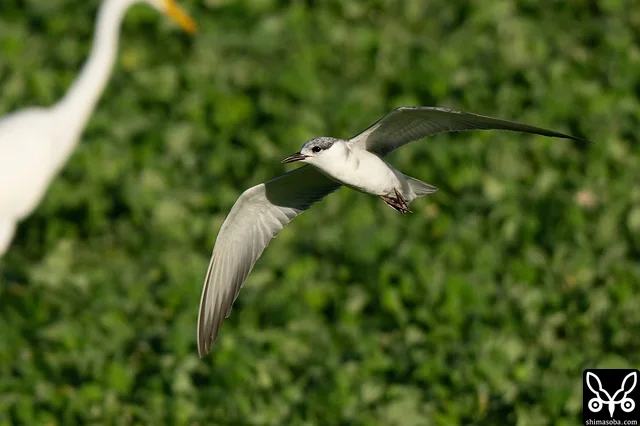
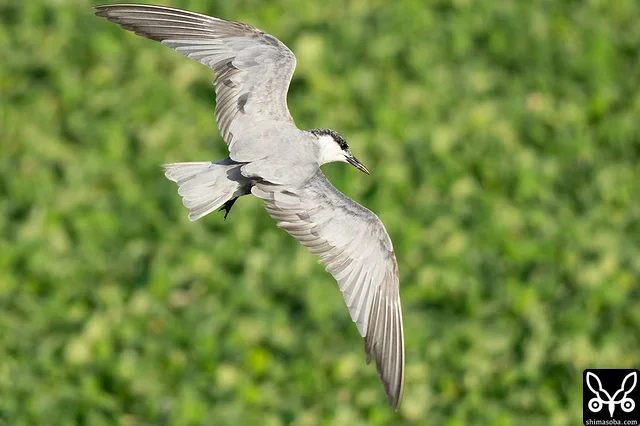
  26. Whiskered Tern, adult winter plumage.
    Whiskered Tern
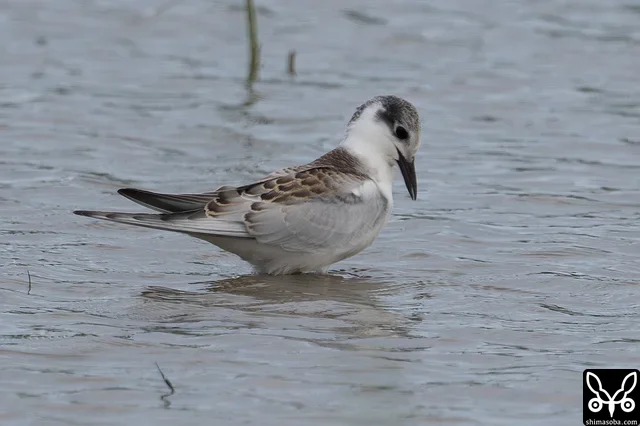
  27. Whiskered Tern, juvenile.
    Whiskered Tern
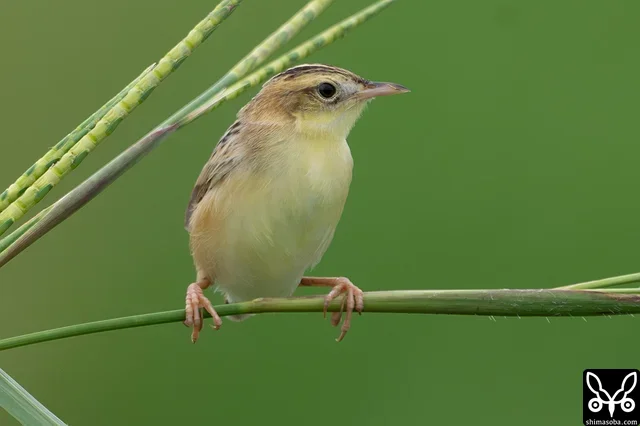
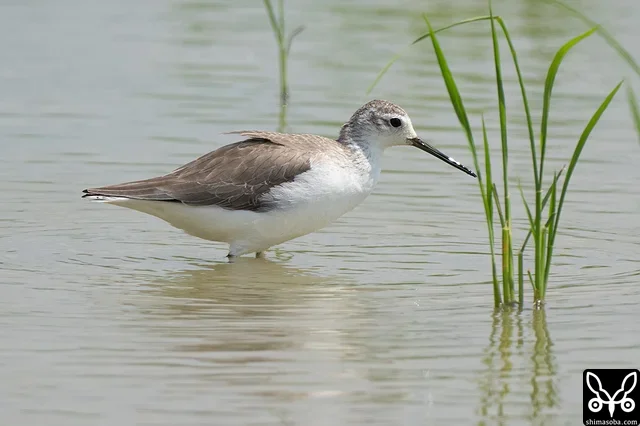
  28. Several Zitting Cisticolas had gathered.
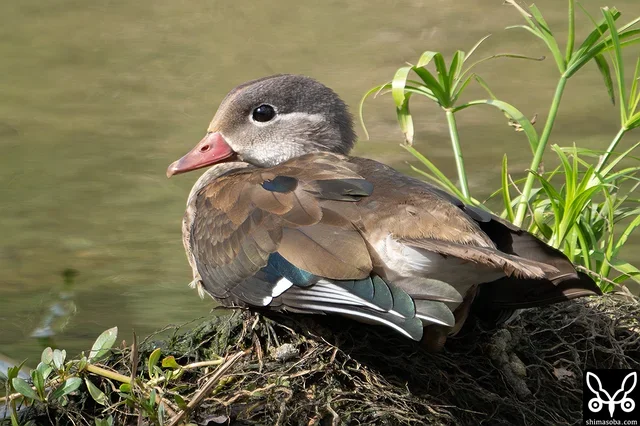
    Zitting Cisticola
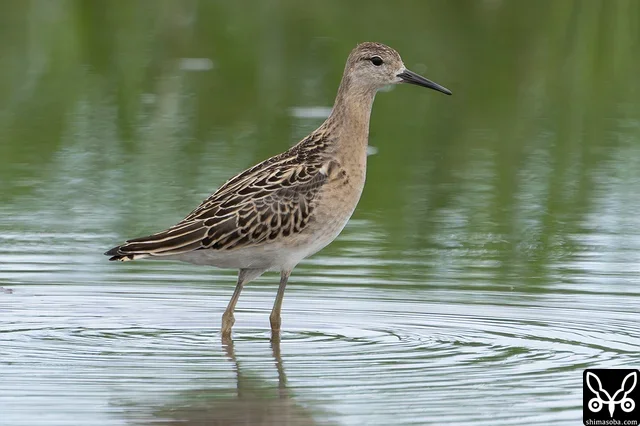
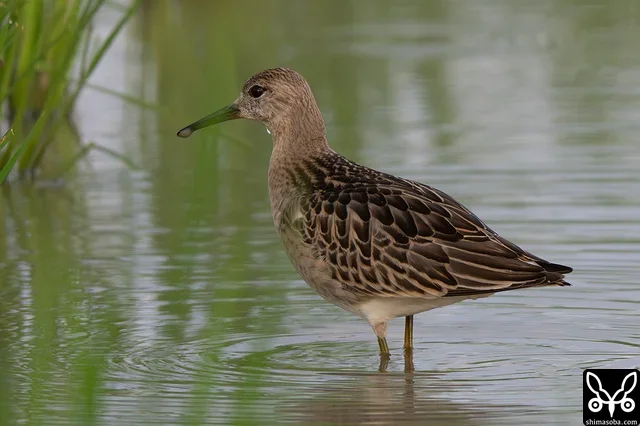
  29. Ruff, juvenile female.
    Ruff
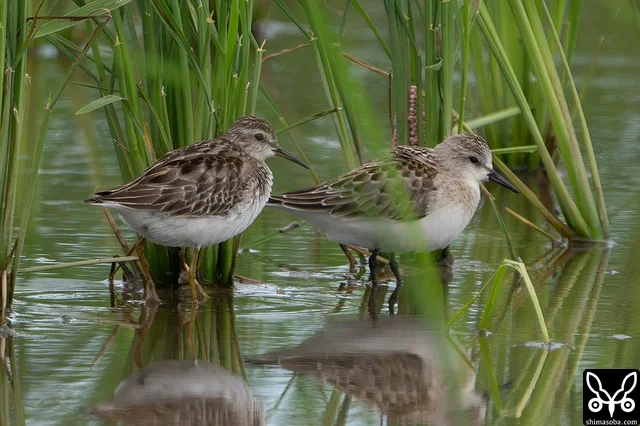
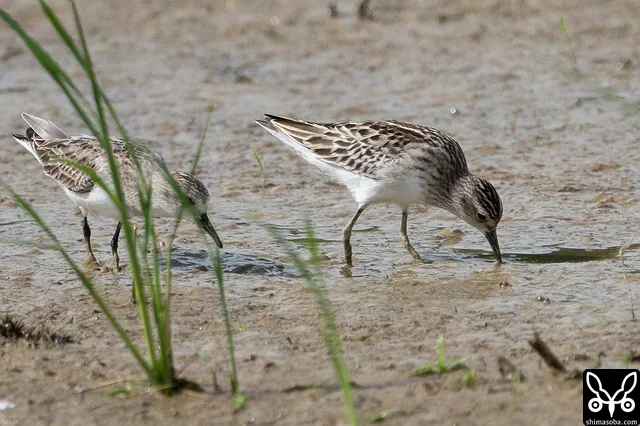
  30. Long-toed Stint, adult (left), and Red-necked Stint, juvenile.
    Red-necked Stint
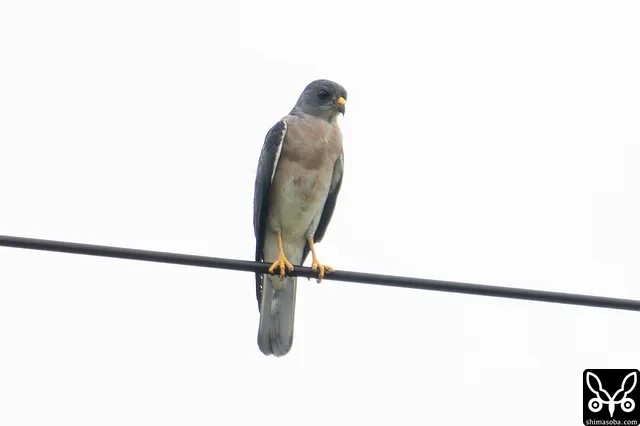
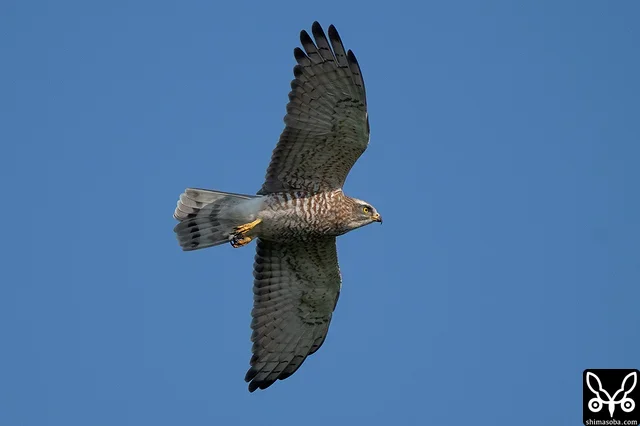
  31. Adult male Chinese Sparrowhawk.
    Chinese Sparrowhawk
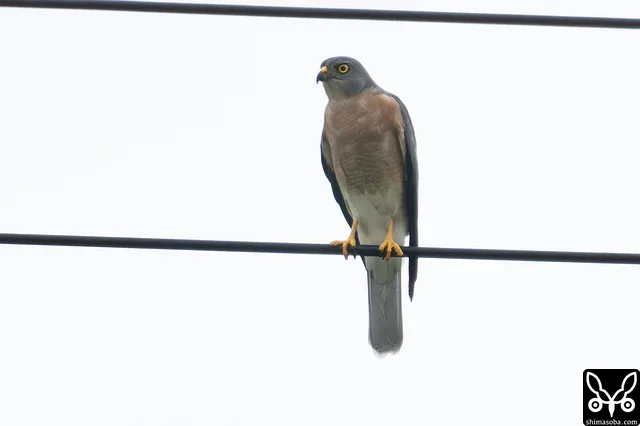
  32. Adult female Chinese Sparrowhawk. The weather has been poor and many birds unable to cross are staying on the island.
    Chinese Sparrowhawk
  33. 6
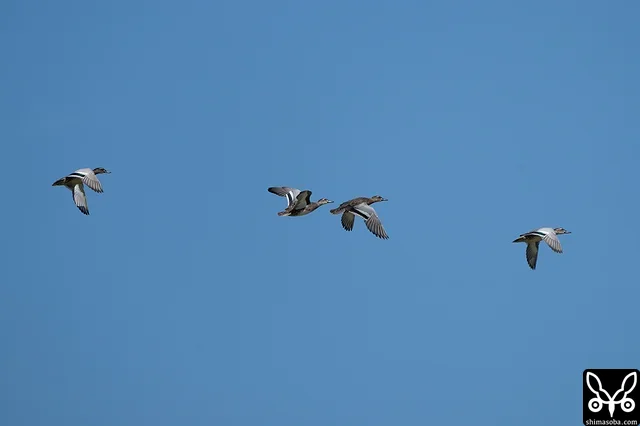
    Male Garganey. The one in the middle is a juvenile; the others are in eclipse.
    Garganey
  34. Male Garganey. All in eclipse.
    Garganey
  35. 7
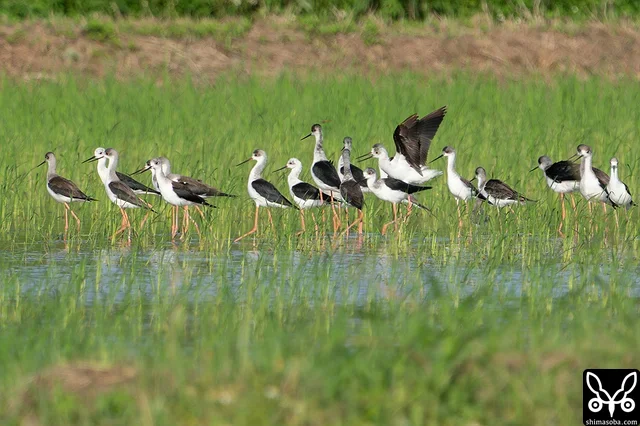
    A flock of Black-winged Stilts, made up of adults and juveniles.
    Black-winged Stilt
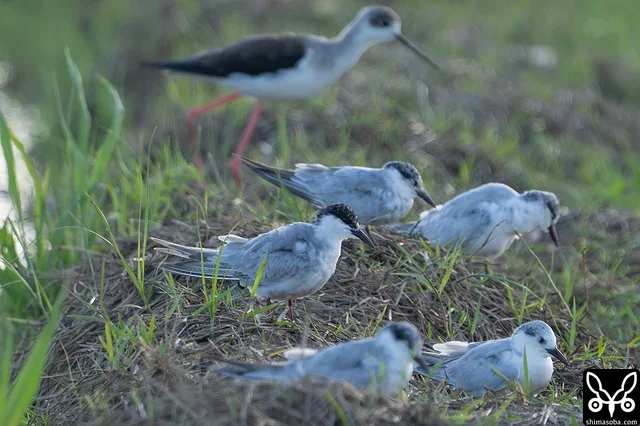
  36. Adult Whiskered Tern. Moulting into winter plumage.
    Whiskered Tern
  37. 10
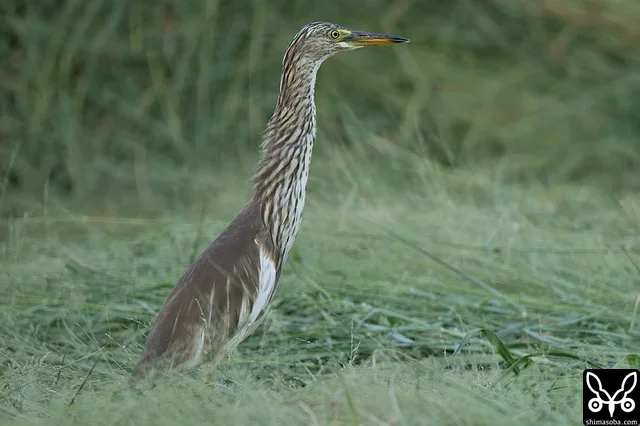
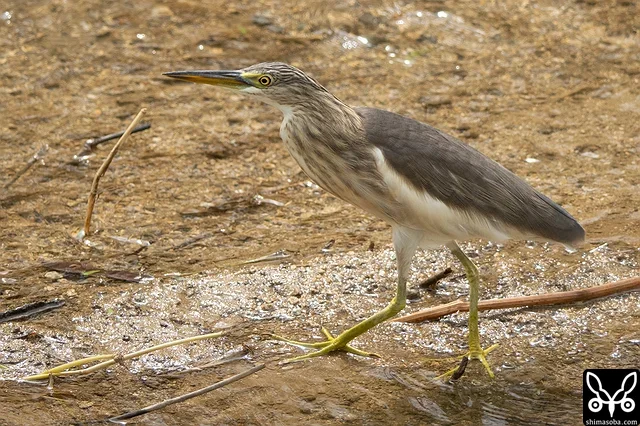
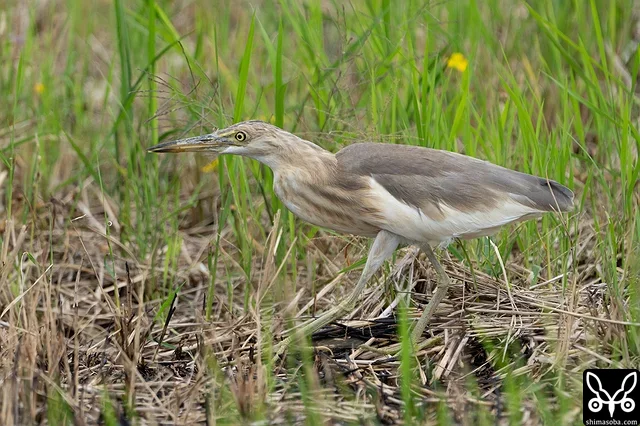
    On my way home from work I spotted a Chinese Pond Heron.
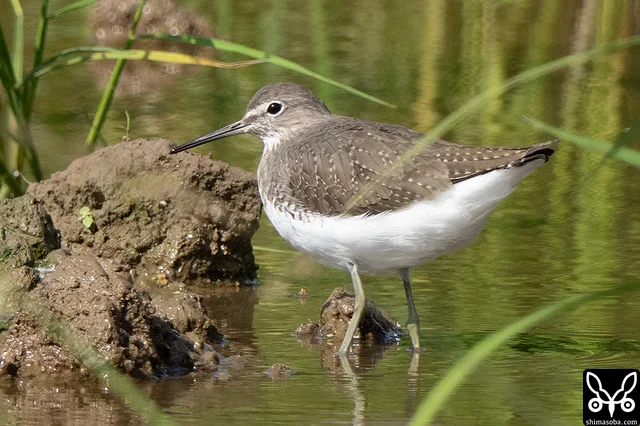
    Chinese Pond Heron
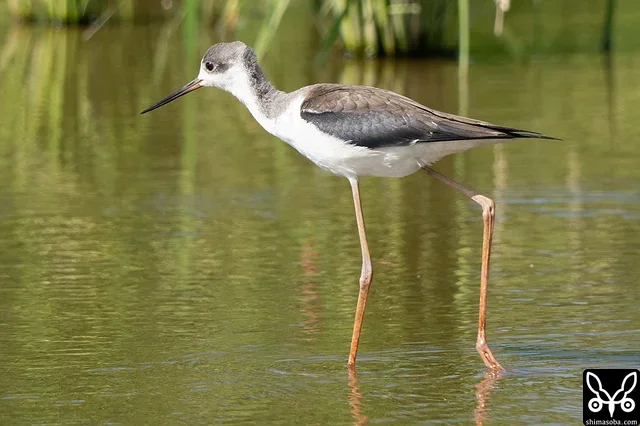
  38. 11
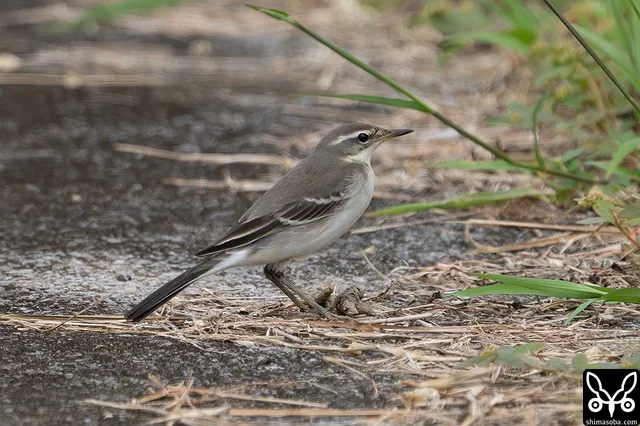
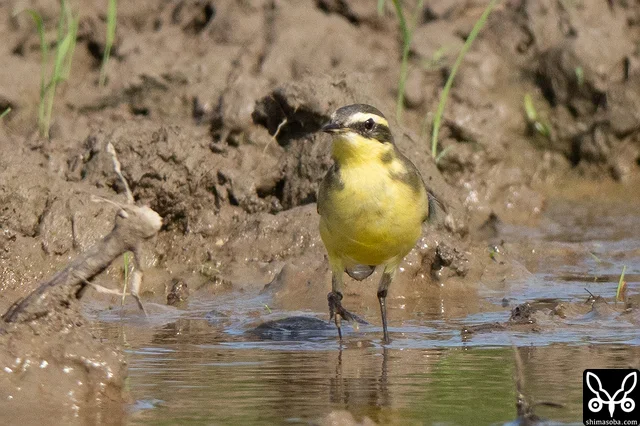
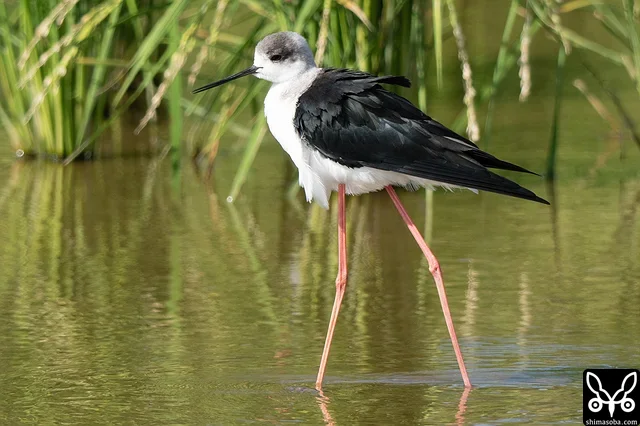
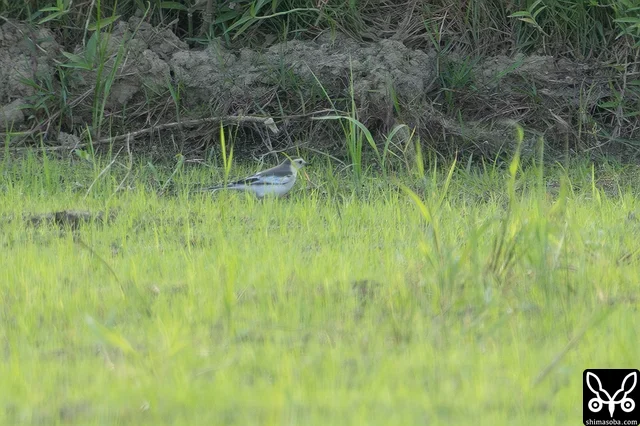
    First-winter Eastern Yellow Wagtail.
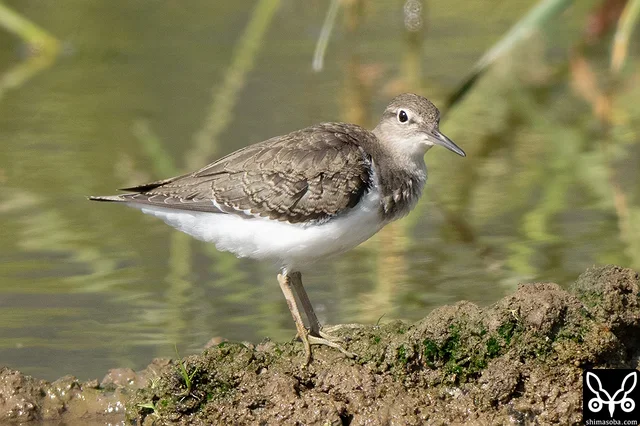
    Eastern Yellow Wagtail
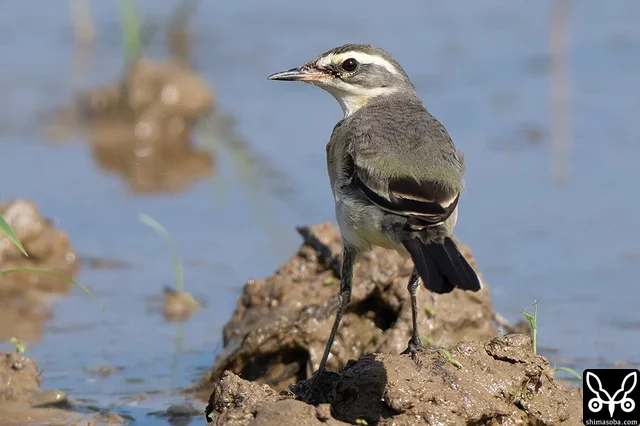
  39. First-winter male White-faced Wagtail.
    White Wagtail
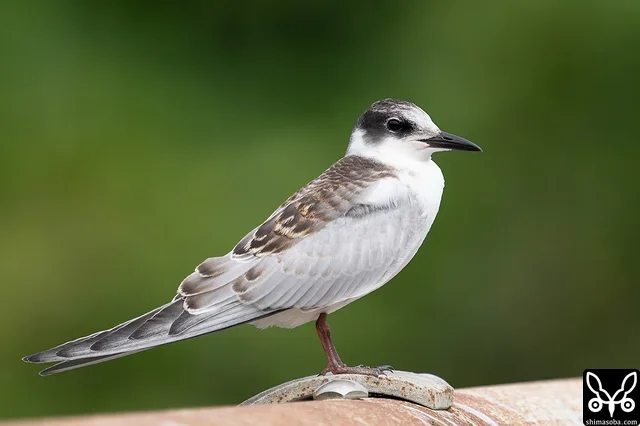
  40. A lone juvenile Whiskered Tern.
    Whiskered Tern
  41. 13
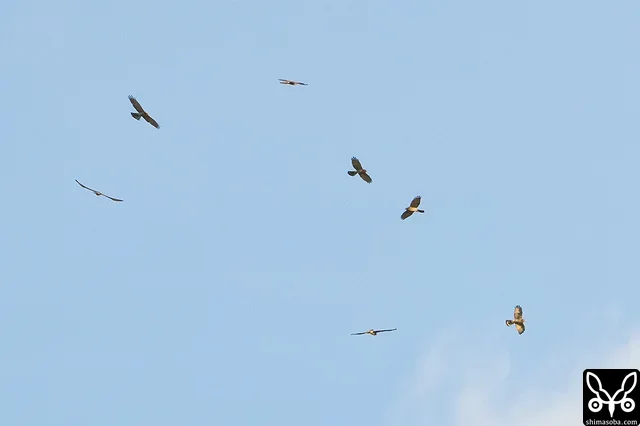
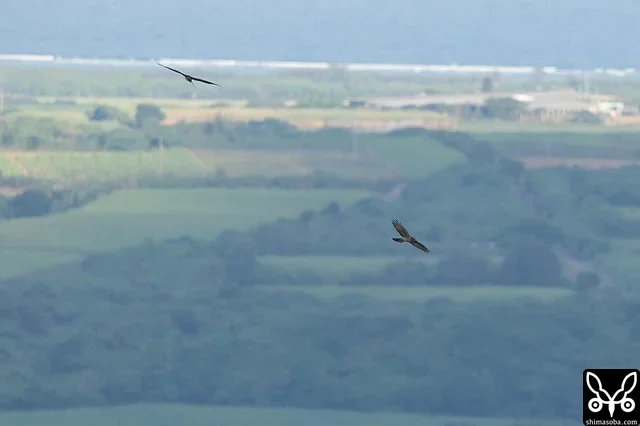
    A kettle of several tens of birds formed at low altitude. Things seem quite different here from Ishigaki-jima.
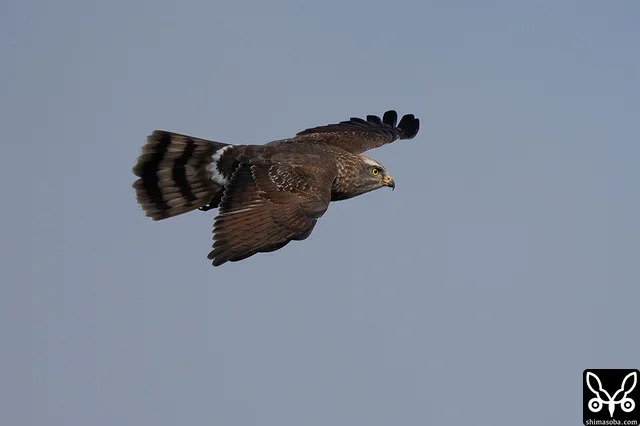
    Grey-faced Buzzard
  42. Grey-faced Buzzard photographed from farmland. Miyako-jima has no hills, so kettles of raptors could be watched from farmland and residential areas alike.
    Grey-faced Buzzard
  43. Adult Grey-streaked Flycatcher. An individual with no wariness — it didn't flee even when vehicles passed close by.
    Grey-streaked Flycatcher
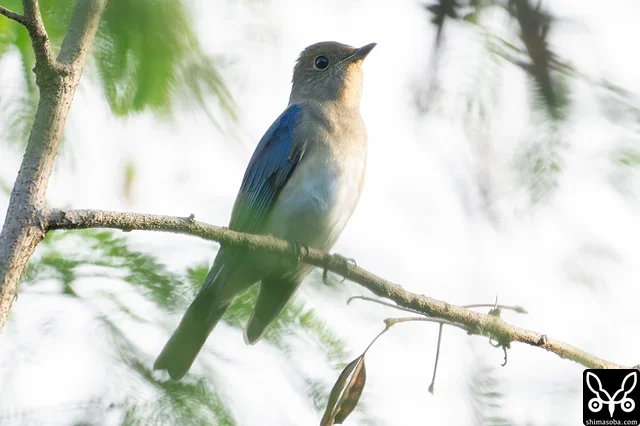
  44. First-winter male Blue-and-white Flycatcher.
    Blue-and-white Flycatcher
  45. 14
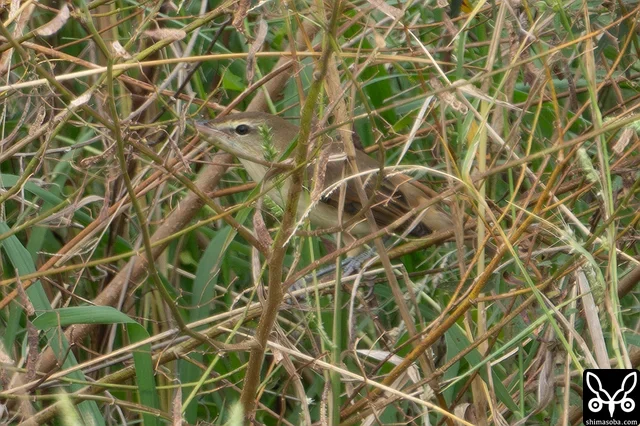
    A Grey-faced Buzzard circling with a farm in the background.
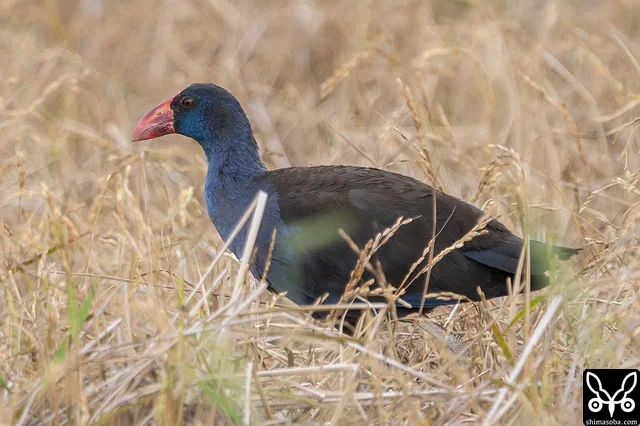
    Grey-faced Buzzard
  46. A male Grey-faced Buzzard. Thought to be second-winter.
    Grey-faced Buzzard
  47. I missed the peak hours, but I did manage to see kettles of several dozen raptors a number of times. ^^
    Grey-faced Buzzard
  48. A small flock of about ten Red-throated Pipits arrived. One or two Buff-bellied Pipits appeared to be mixed in, but I couldn't get a photo.
    Red-throated Pipit
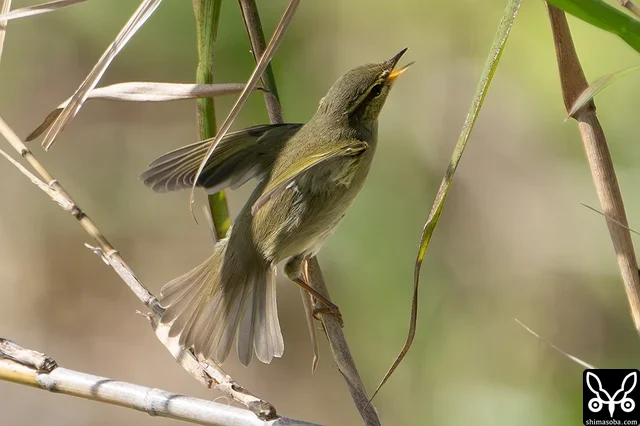
  49. A flock of several Dusky Warblers arrived together. Dusky Warblers that have just come through tend to move around in small groups in paddy-field habitat like this, but they gradually disperse and begin establishing winter territories centred on scattered scrub.
    Arctic Warbler
  50. An adult Pacific Golden Plover. In the process of moulting into winter plumage.
    Pacific Golden Plover
  51. 15
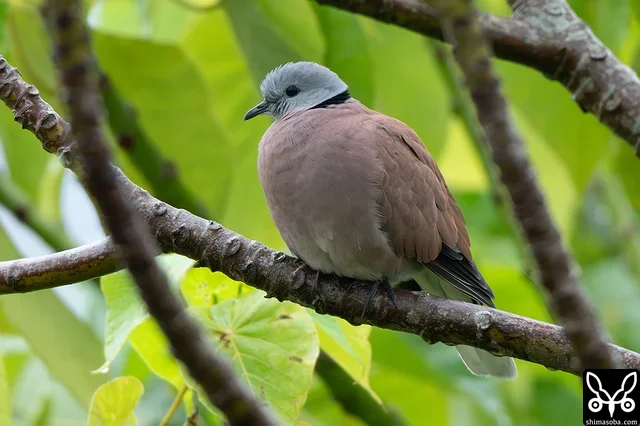
    Gray-faced Buzzard, juvenile.
    Grey-faced Buzzard
  52. Same individual as above.
    Grey-faced Buzzard
  53. Gray-faced Buzzard, male. Probably second-winter.
    Grey-faced Buzzard
  54. First-winter Eastern Yellow Wagtail — when it popped into my binoculars I was startled for a moment, thinking it was some unfamiliar warbler.
    Eastern Yellow Wagtail
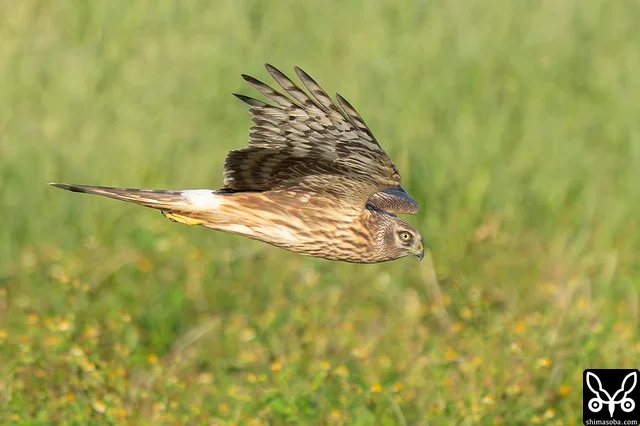
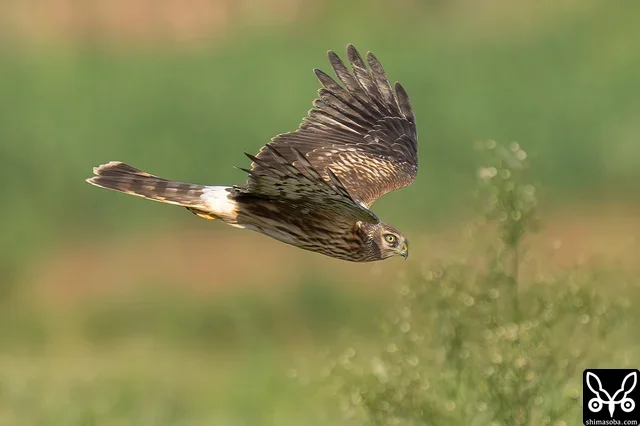
  55. A juvenile Pin-tailed Snipe. This might turn out to be my last Pin-tailed Snipe of the season.
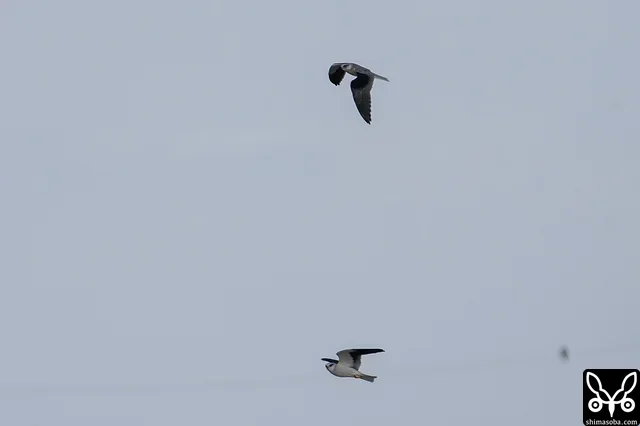
    Pin-tailed Snipe
  56. At this time of year, almost all the snipe on Ishigaki Island are Common Snipe.
    Common Snipe
  57. A Swinhoe's Snipe well advanced in its moult into winter plumage.
    Swinhoe's Snipe
  58. Common Greenshank in winter plumage. Only a few remaining here as well.
    Common Greenshank
  59. Pacific Golden Plover juvenile. Both juveniles and adults are present on the island, but all five birds in this flock were juveniles.
    Pacific Golden Plover
  60. Wood Sandpiper in winter plumage. A few individuals are still lingering.
    Marsh Sandpiper
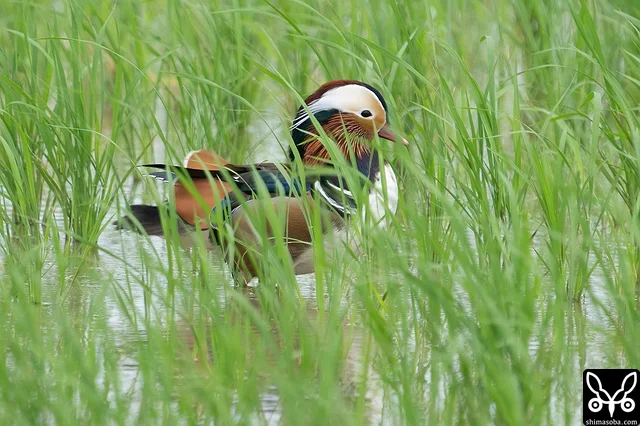
  61. Male Mandarin Duck. It's in eclipse plumage, so it doesn't look very Mandarin-like.
    Mandarin Duck
  62. Common Snipe juvenile.
    Common Snipe
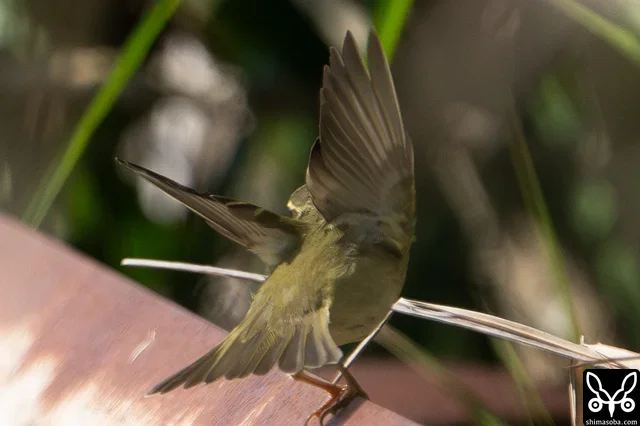
  63. The all-important P10 of a Kamchatka Leaf Warbler is visible!!
    Japanese Leaf Warbler
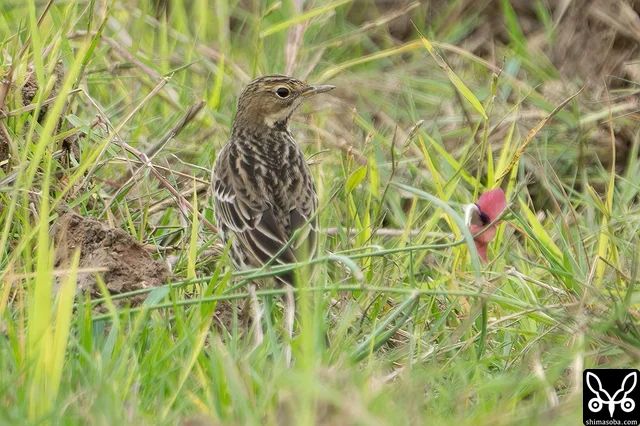
  64. A very close encounter with a Kamchatka Leaf Warbler. An unusually unwary individual.
    Japanese Leaf Warbler
  65. P10, another useful identification clue, can also be confirmed here.
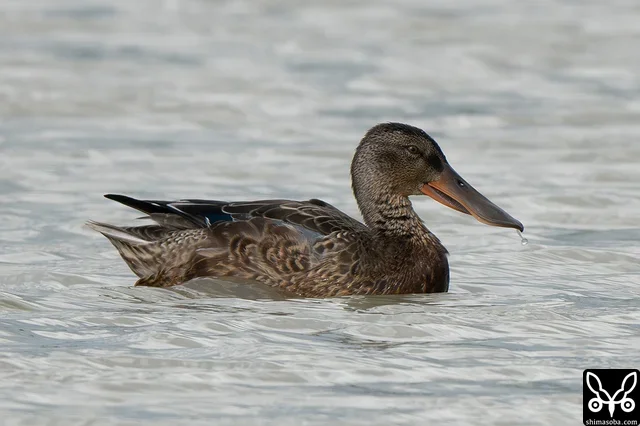
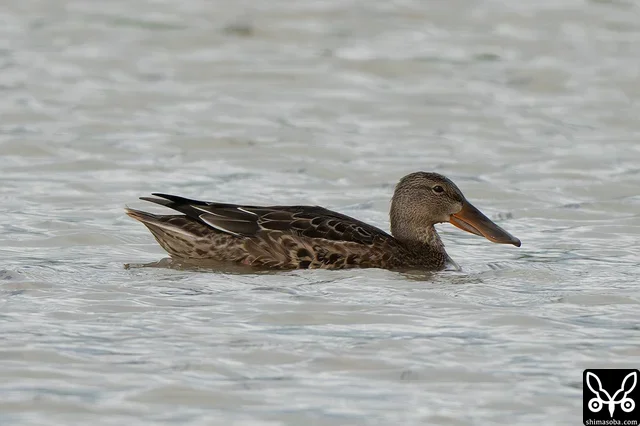
    Japanese Leaf Warbler
  66. 16
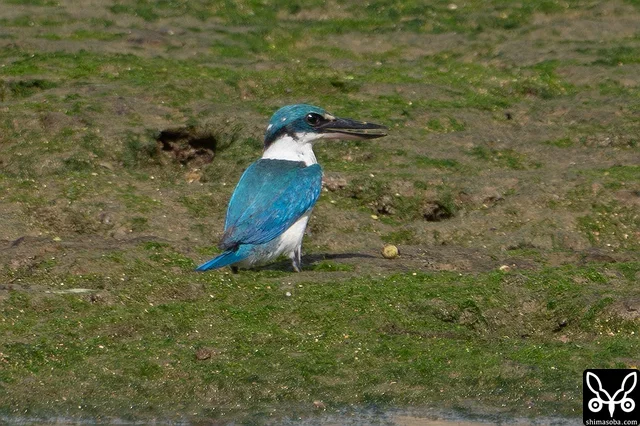
    Swinhoe's Snipe first-winter and Greater Painted-snipe adult male.
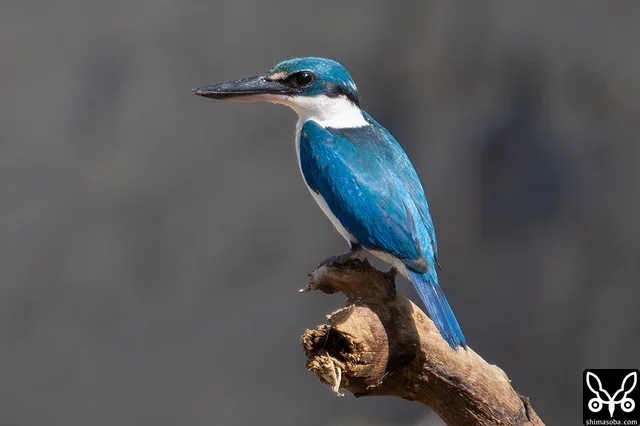
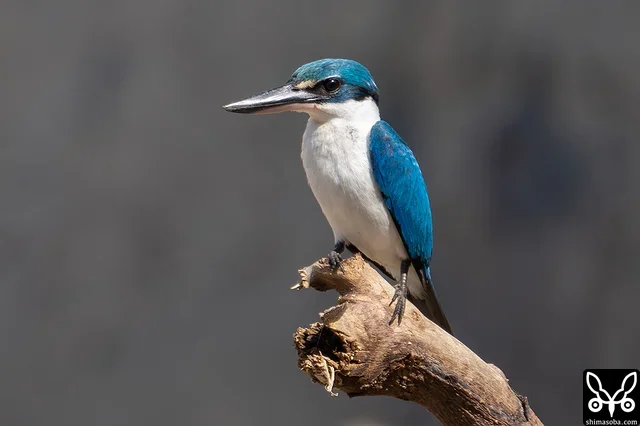
    Greater Painted-snipe
  67. Also a Common Snipe juvenile.
    Common Snipe
  68. Swinhoe's Snipe juvenile. This individual's moult is more advanced than the one above.
    Swinhoe's Snipe
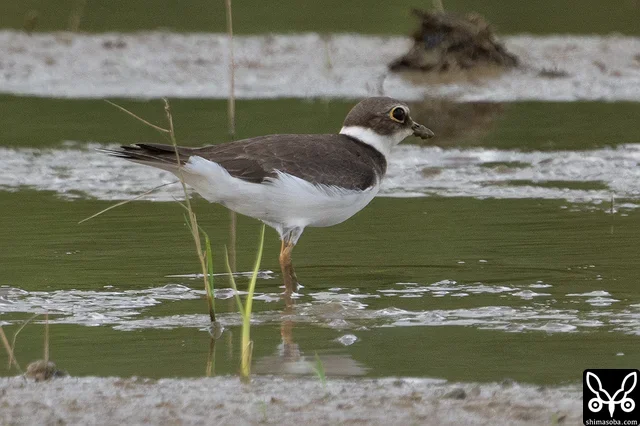
  69. Little Ringed Plover.
    Little Ringed Plover
  70. Red-necked Stint.
    Red-necked Stint
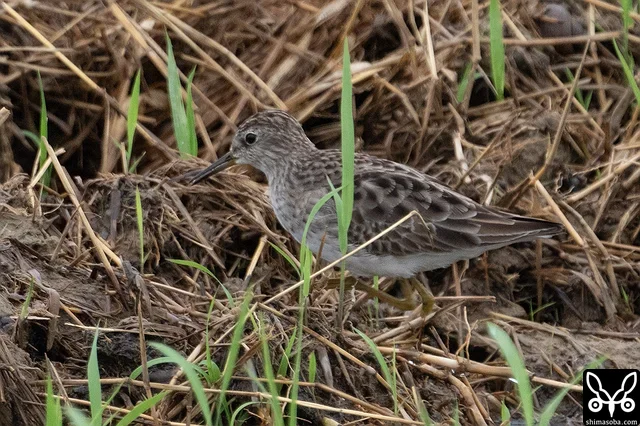
  71. Long-toed Stint.
    Long-toed Stint
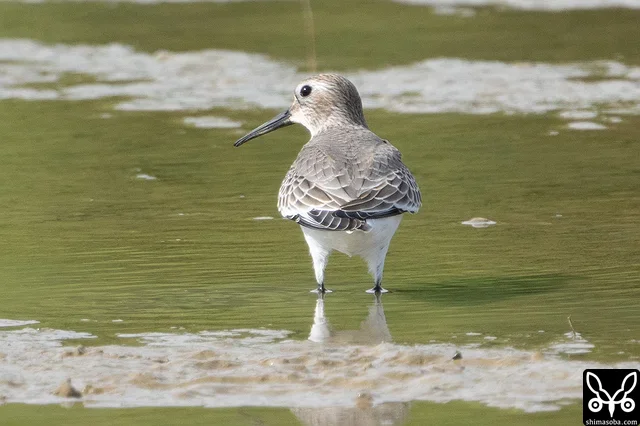
  72. First-winter Dunlin.
    Dunlin
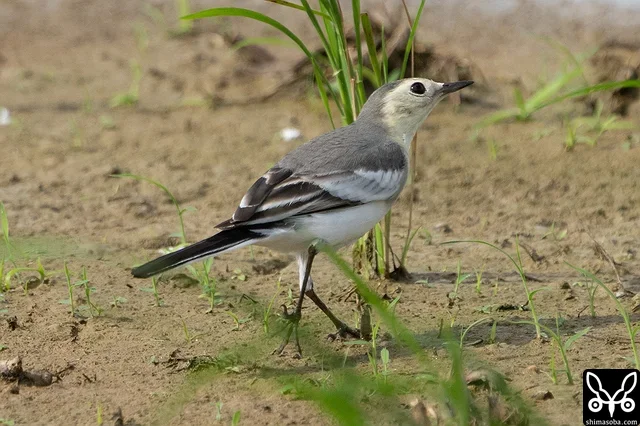
  73. Female White-faced Wagtail. First-winter plumage.
    White Wagtail
  74. First-winter Wood Sandpiper.
    Wood Sandpiper
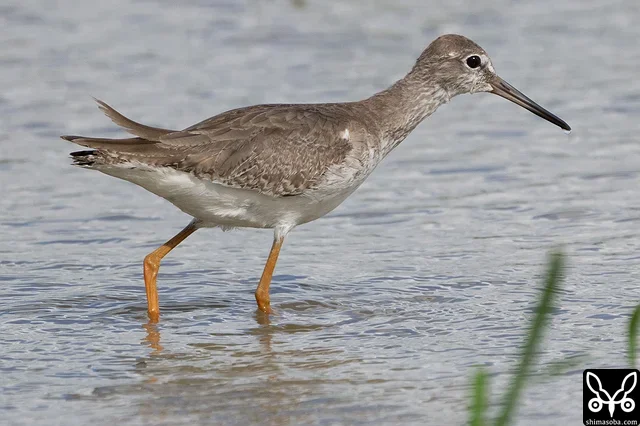
  75. First-winter Common Redshank.
    Common Redshank
  76. Swinhoe's Snipe first-winter.
    Swinhoe's Snipe
  77. 17
    An adult as well. In the process of moulting into winter plumage.
    Whiskered Tern
  78. Adult Whiskered Tern in the process of moulting into winter plumage.
    Whiskered Tern
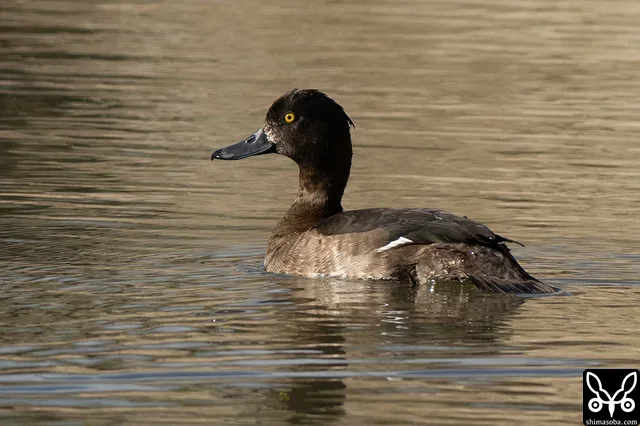
  79. A female Tufted Duck arrived alone. From here numbers will build steadily, with several hundred wintering on the reservoir.
    Tufted Duck
  80. Eastern Yellow Wagtail, adult in winter plumage.
    Eastern Yellow Wagtail
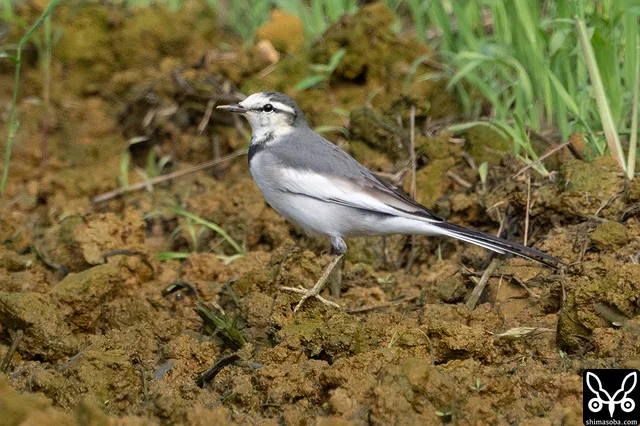
  81. Eastern Yellow Wagtail, first-winter plumage.
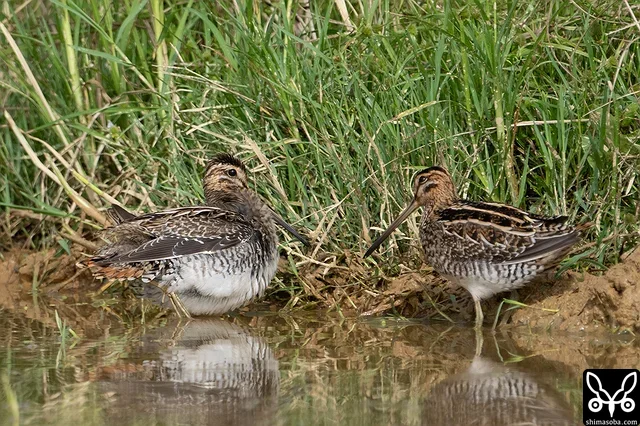
    Eastern Yellow Wagtail
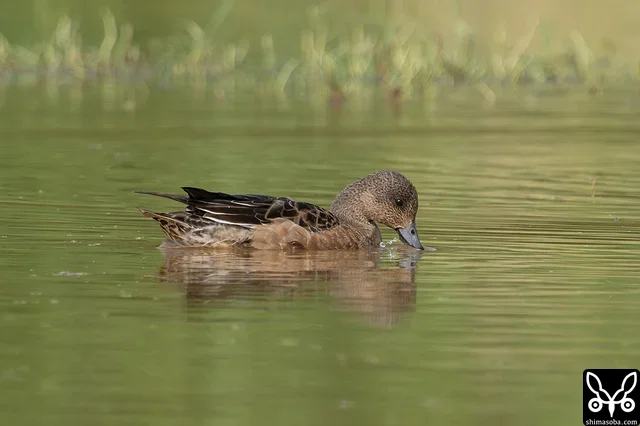
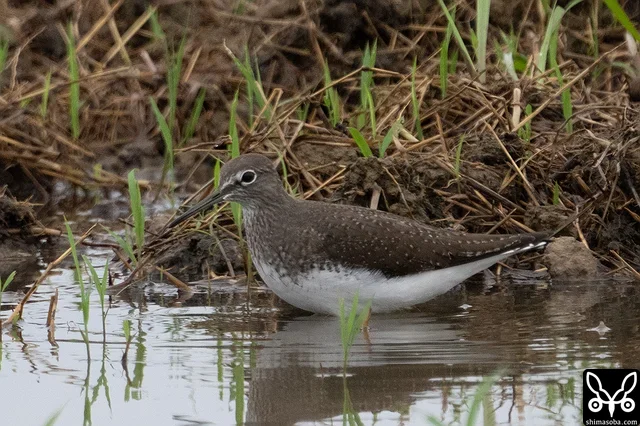
  82. Green Sandpiper in winter plumage.
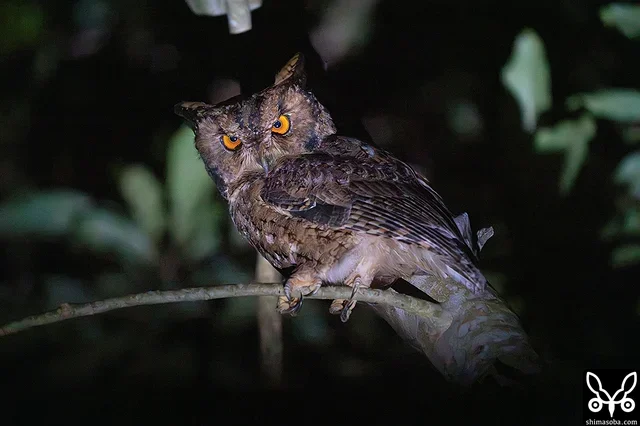
    Green Sandpiper
  83. Black-winged Stilt, female, first-winter plumage.
    Black-winged Stilt
  84. Black-winged Stilt, adult male.
    Black-winged Stilt
  85. Common Sandpiper keeps a low profile and there are few chances to observe or photograph it. It doesn't form flocks, but the population is reasonably present.
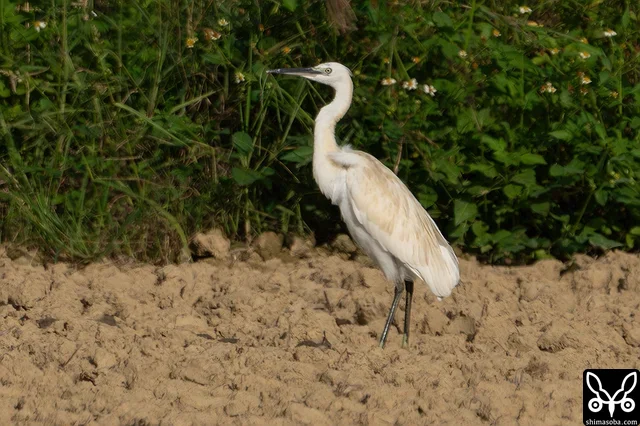
    Common Sandpiper
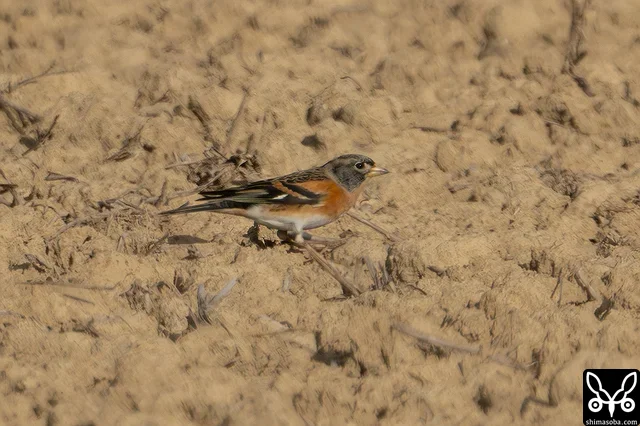
  86. Also a Common Snipe juvenile. A small flock of a few birds is in the paddy fields around the island.
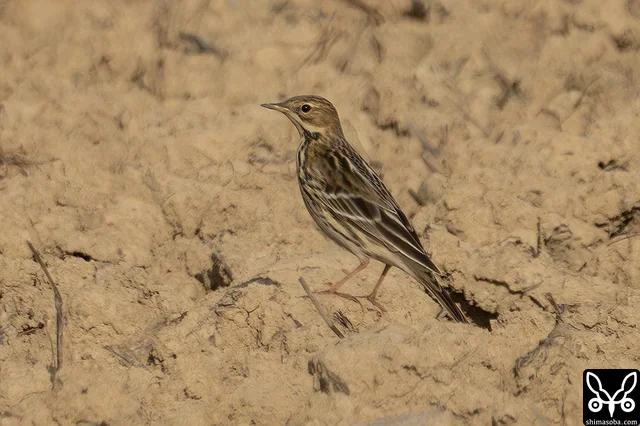
    Common Snipe
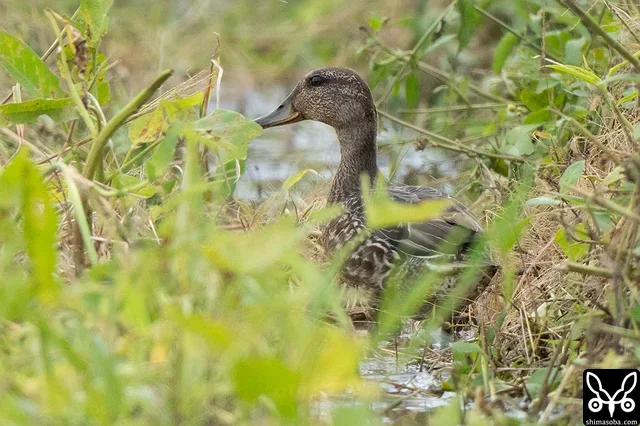
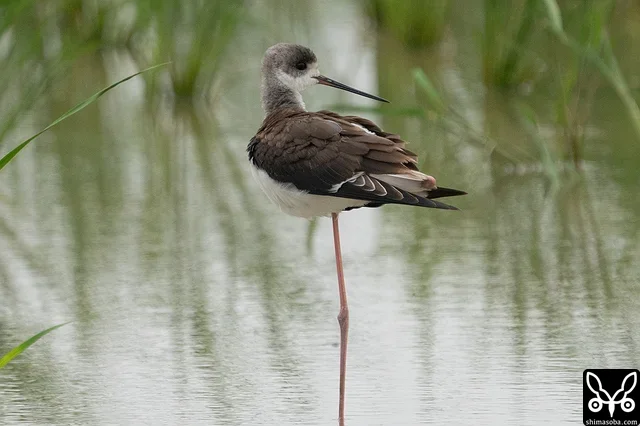
  87. Common Teal juvenile, associating with the Garganey.
    Eurasian Teal
  88. Garganey, juvenile male. Fairly approachable.
    Garganey
  89. Common Snipe, juvenile.
    Common Snipe
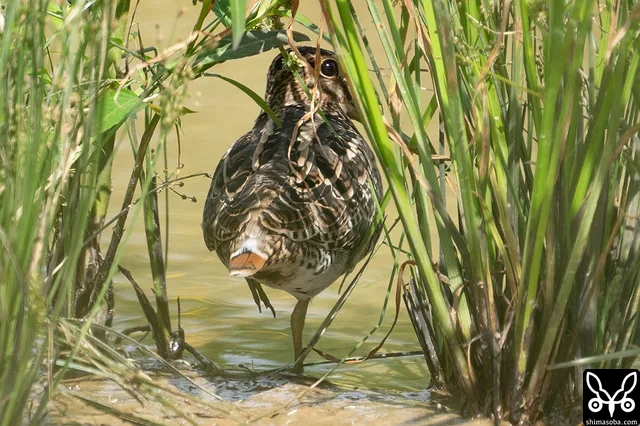
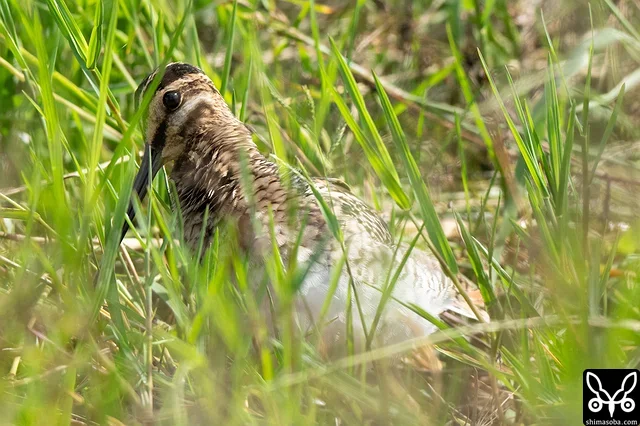
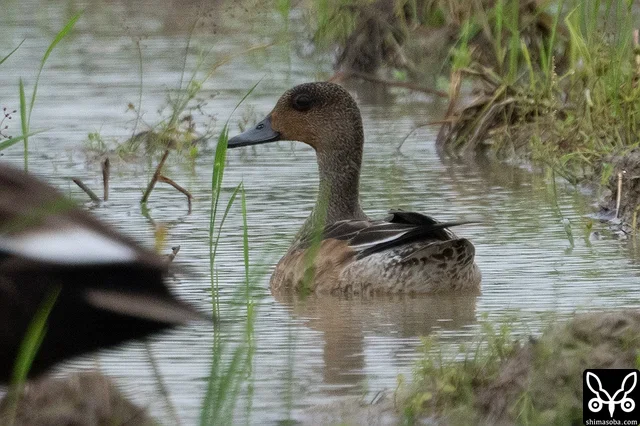
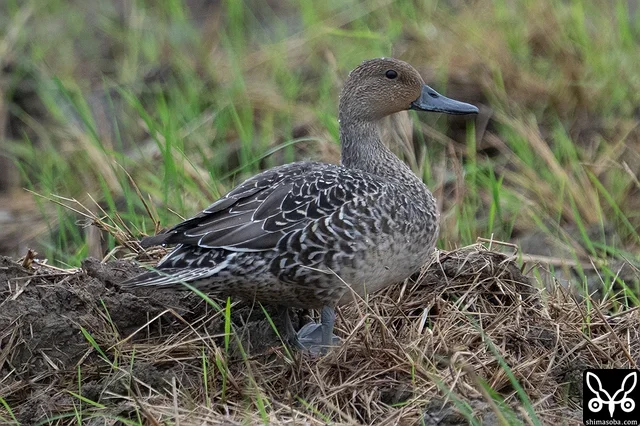
  90. A Common Snipe that refused to come out from behind the grass.
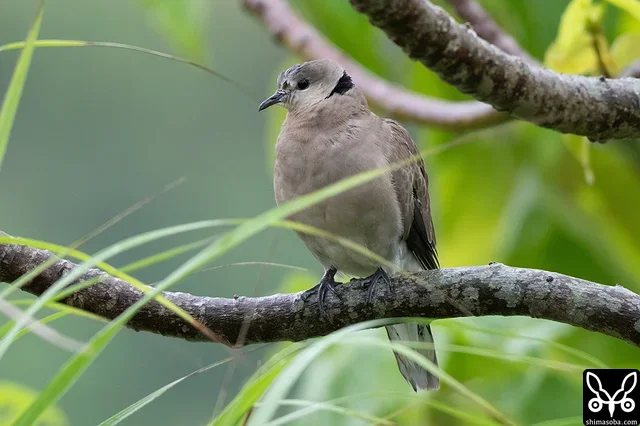
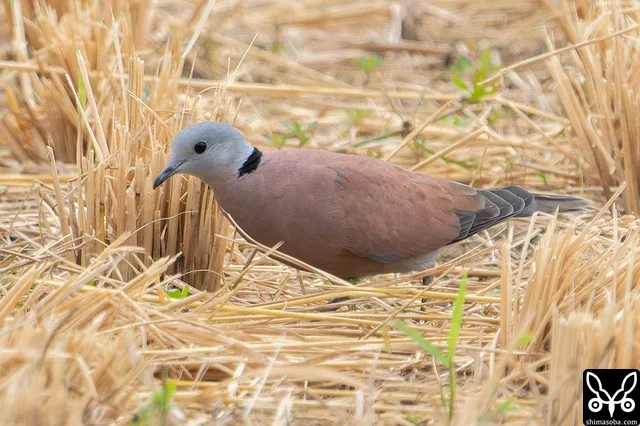
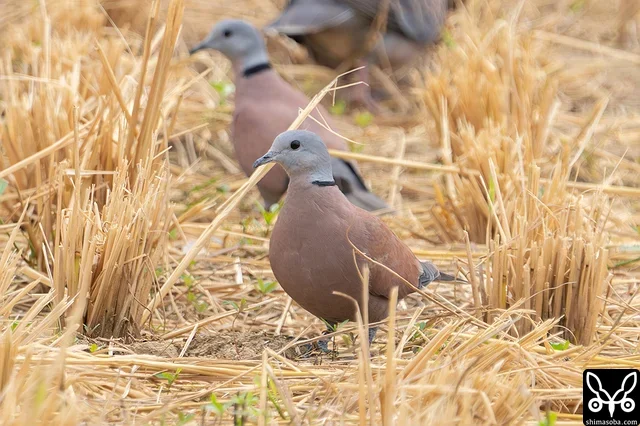
    Common Snipe
  91. Red-throated Pipit numbers are steadily increasing.
    Red-throated Pipit
  92. A male Mandarin Duck had also turned up. There is apparently a Garganey among them too, but I couldn't find it….
    Mandarin Duck
  93. 18
    A Pin-tailed Snipe in winter plumage — a completely different impression from juvenile plumage or late summer plumage of adults.
    Pin-tailed Snipe
  94. Ultimate reward time. The tail feathers of Pin-tailed Snipe are rarely seen, but all the staking out paid off. It's showing off those needle-thin tail feathers as if to say, take that. Same individual as above.
    Pin-tailed Snipe
  95. Reward time. The primaries are still old feathers; some of the primary coverts appear to have already moulted. Same individual as above.
    Pin-tailed Snipe
  96. Behold!! The splendid appearance of this adult Pin-tailed Snipe cloaked in winter plumage!!
    Pin-tailed Snipe
  97. The Pin-tailed Snipe caught a small earthworm-like creature. Same individual as above.
    Pin-tailed Snipe
  98. A Pin-tailed Snipe scratching its head. Displaying an otherworldly level of adorableness. Same individual as above.
    Pin-tailed Snipe
  99. Swinhoe's Snipe juvenile. A couple of first-winter feathers have come in. Quite a late moult for Swinhoe's Snipe.
    Swinhoe's Snipe
  100. While watching the Western Swamphen, an Oriental Reed Warbler appeared.
    Great Reed Warbler
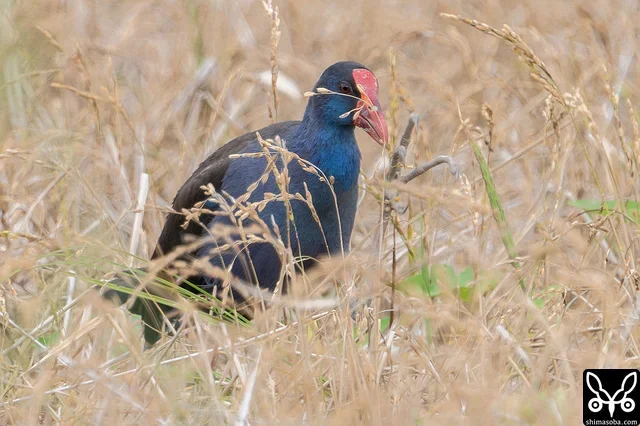
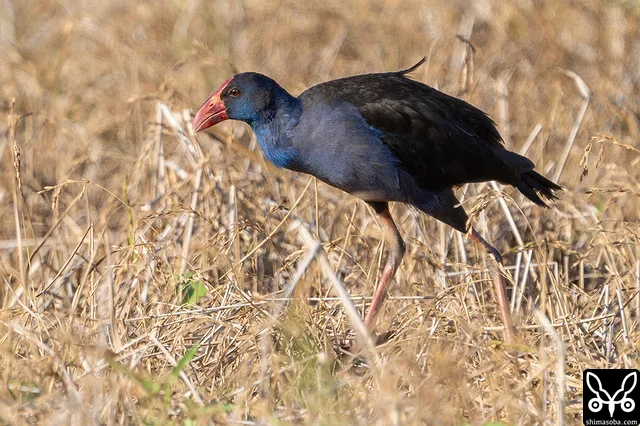
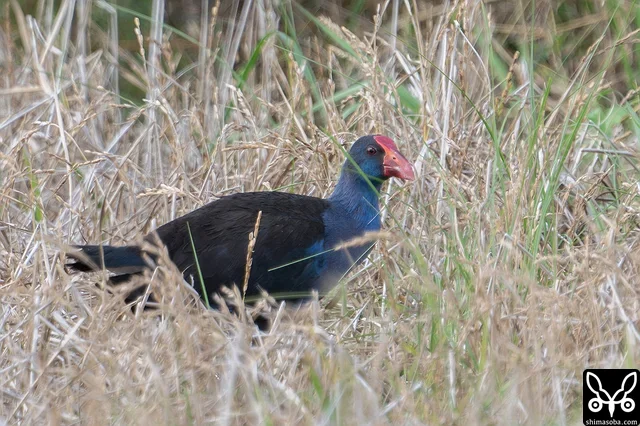
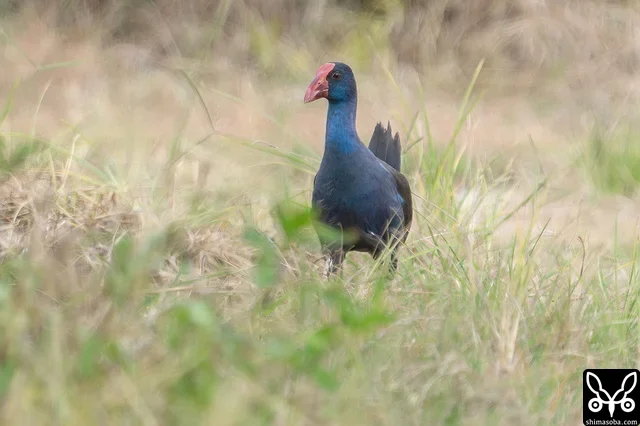
  101. A Western Swamphen on an overcast day.
    Purple Swamphen
  102. It wouldn't come out of the thicket…
    Great Reed Warbler
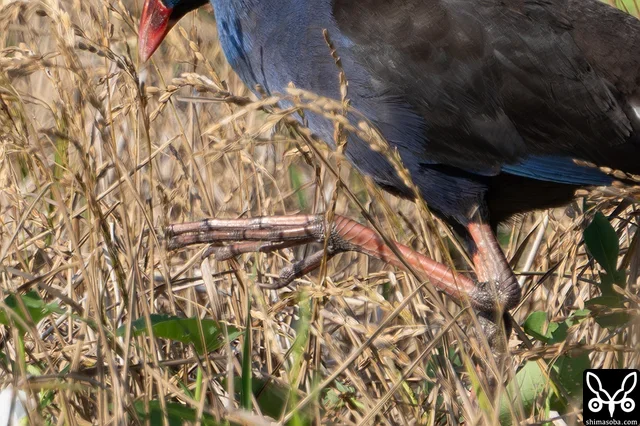
  103. The Western Swamphen used these large feet to draw food toward itself before eating.
    Purple Swamphen
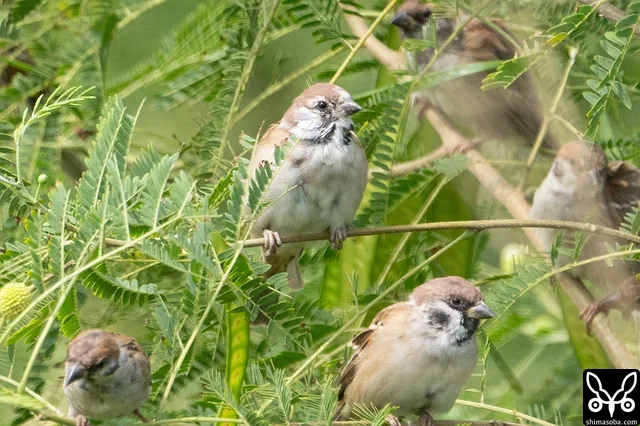
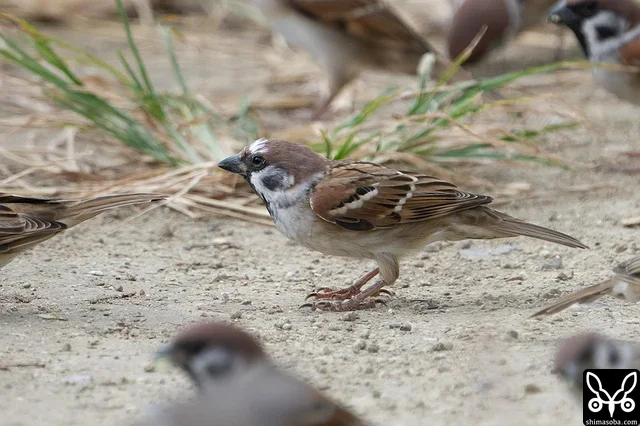
  104. A Eurasian Tree Sparrow with partial leucism on its face.
    Eurasian Tree Sparrow
  105. Red-throated Pipits have been increasing.
    Red-throated Pipit
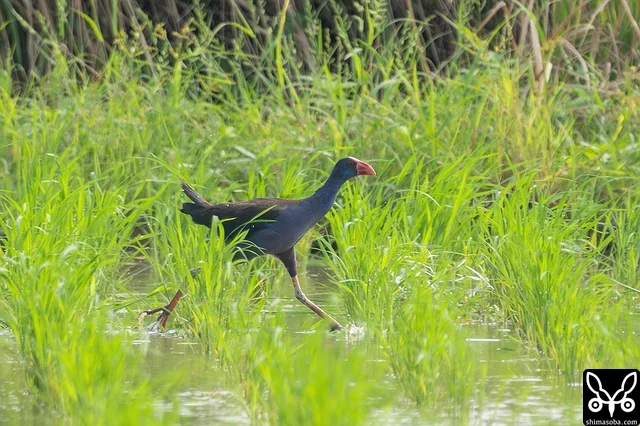
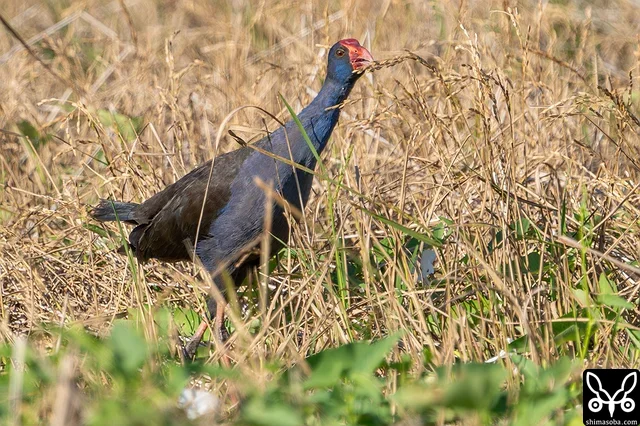
  106. A Western Swamphen running across the paddy fields. A typical day consists of eating rice here, or moving to another field to drink water and eat plant stems.
    Purple Swamphen
  107. 19
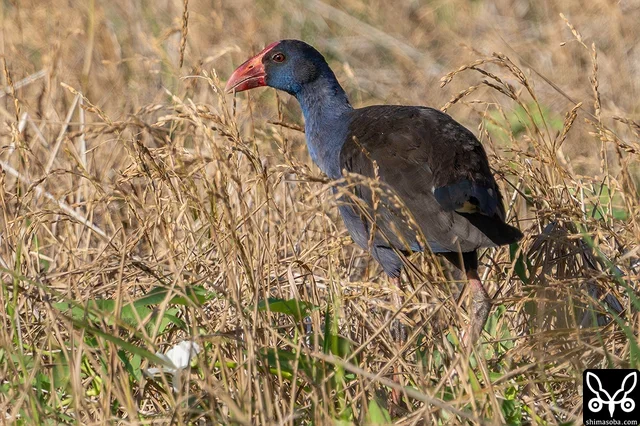
    A Western Swamphen that had gradually been coming closer.
    Purple Swamphen
  108. Pecking at rice grains.
    Purple Swamphen
  109. When the sun hits it, the colours become even more brilliant.
    Purple Swamphen
  110. A Western Swamphen's feet, enormous in proportion to its body.
    Purple Swamphen
  111. 20
    A juvenile Ruff. The autumn passage peak for Ruff this season was around mid-September, but this individual showed up more than a month late.
    Ruff
  112. 21
    A soaking-wet Crested Serpent Eagle.
    Crested Serpent Eagle
  113. A male Pale-backed Pigeon. Looking worn out after a spell of rough weather.
    Eurasian Collared Dove
  114. This is the female Pale-backed Pigeon. She was feeding on fallen rice grains in a paddy field.
    Eurasian Collared Dove
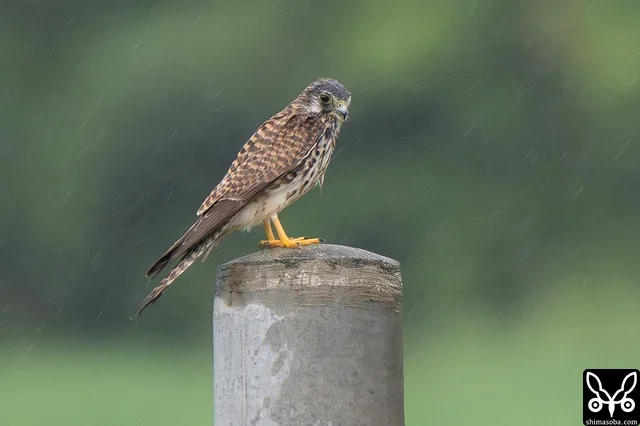
  115. A wintering Common Kestrel. Soaked to the skin in the rain.
    Common Kestrel
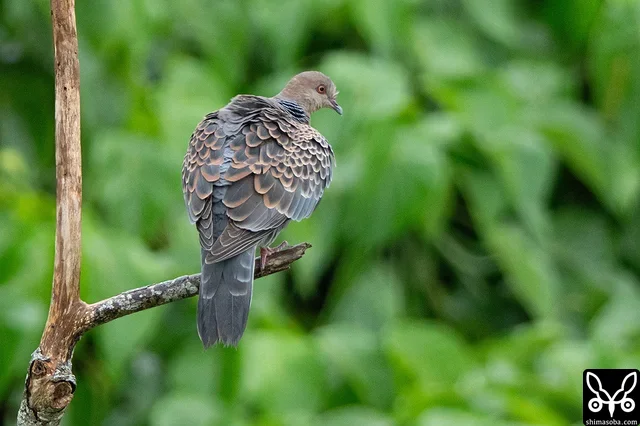
  116. The Pale-backed Pigeons were moving around together with Oriental Turtle Doves.
    Ryukyu Green Pigeon
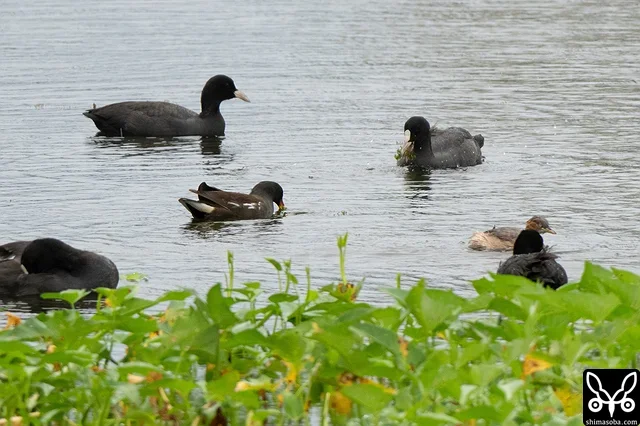
  117. A wintering Eurasian Coot and a resident Common Moorhen feeding together peaceably on the pond.
    Eurasian Coot
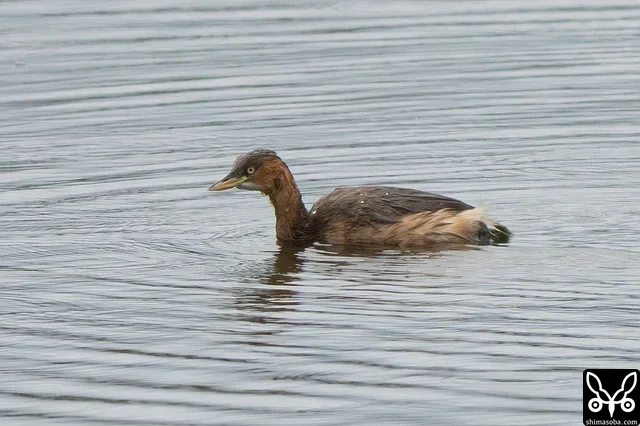
  118. Little Grebe have also arrived to overwinter.
    Little Grebe
  119. 23
    The first White Wagtail of the season was of the subspecies leucopsis. Every year, leucopsis is the first to arrive.
    White Wagtail
  120. It was stooping and harassing a Common Pheasant.
    Hen Harrier
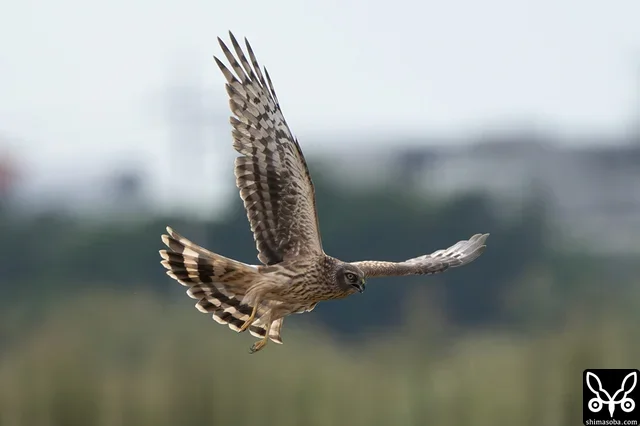
  121. A completely unwariness Hen Harrier juvenile. It was an extremely aggressive hunter, and the upper surface of its flight feathers was stained with mud.
    Hen Harrier
  122. While the Hen Harrier was quartering the area, a parent and juvenile Black-winged Kite — the ones that hold this paddy as their territory — scrambled into the air. The bird above is the juvenile, the one below the adult.
    Black-winged Kite
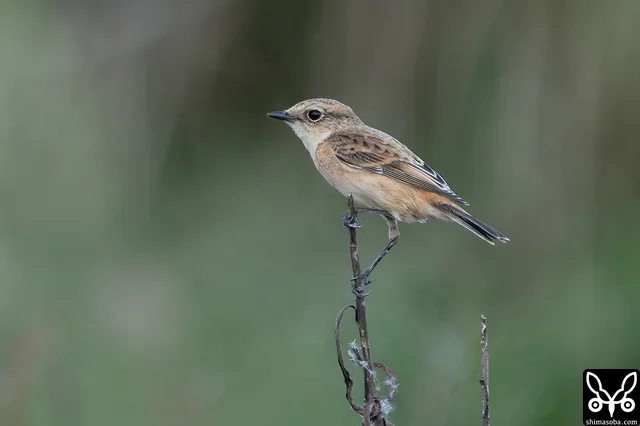
  123. A female Siberian Stonechat. Birds have turned up at several sites across the island.
    Siberian Stonechat
  124. Every time the Hen Harrier swept low over the paddies, the waders and small birds panicked. The Purple Swamphen scrambled into the undergrowth in a hurry too.
    Hen Harrier
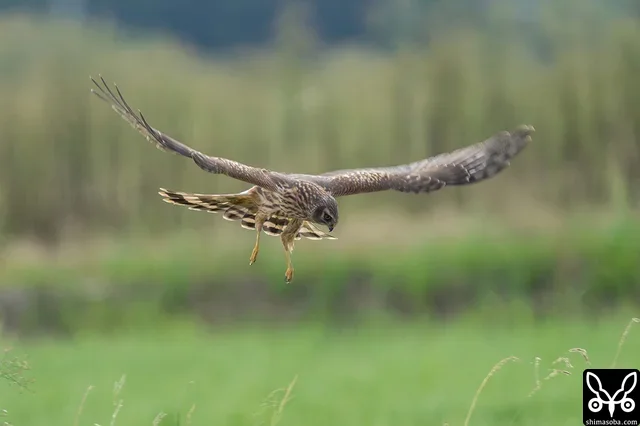
  125. A Hen Harrier hovering with its eye on something.
    Hen Harrier
  126. Also a juvenile.
    Red-rumped Swallow
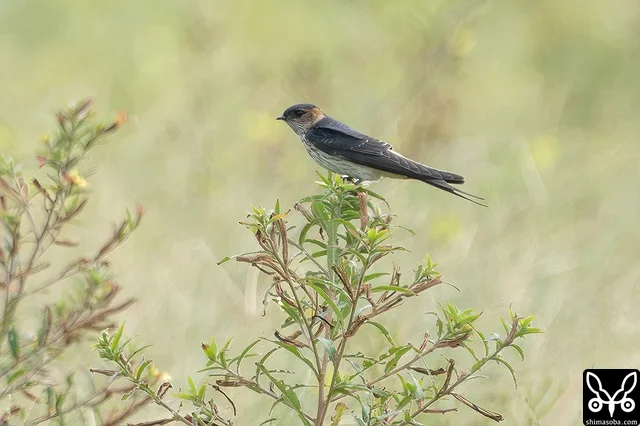
  127. Juvenile Red-rumped Swallow. A flock of around ten birds was flying around the paddies.
    Red-rumped Swallow
  128. A Garganey among a flock of Common Teal.
    Garganey
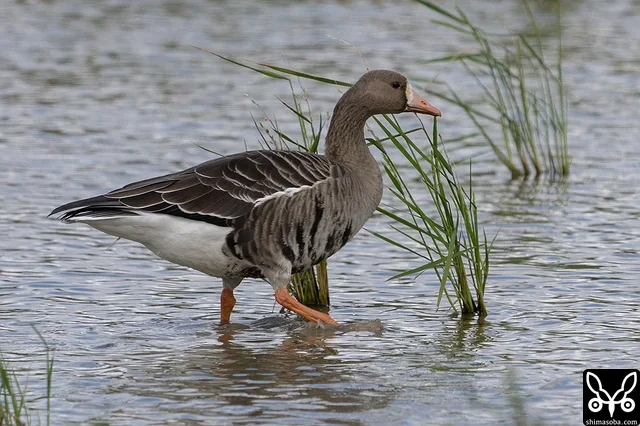
  129. Two Greater White-fronted Geese arrived — the first of the season.
    Greater White-fronted Goose
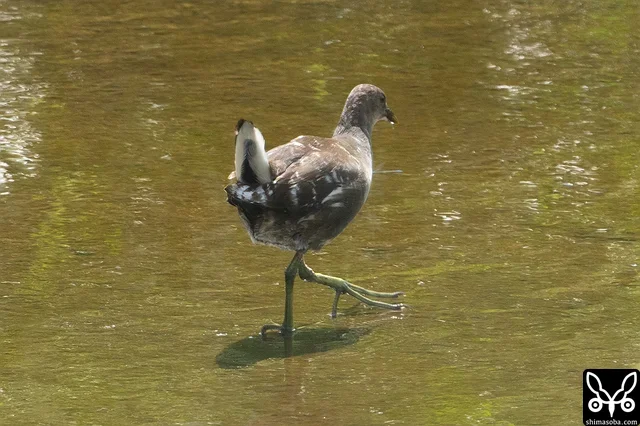
  130. A partially leucistic juvenile Common Moorhen.
    Common Moorhen
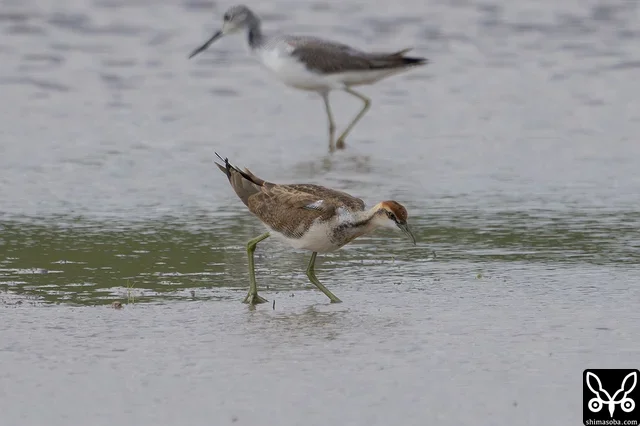
  131. A juvenile Pheasant-tailed Jacana, currently staying in the area.
    Pheasant-tailed Jacana
  132. A partially leucistic Eurasian Tree Sparrow. Birds with leucism and other colour variations turn up fairly often among the sparrows in this area.
    Eurasian Tree Sparrow
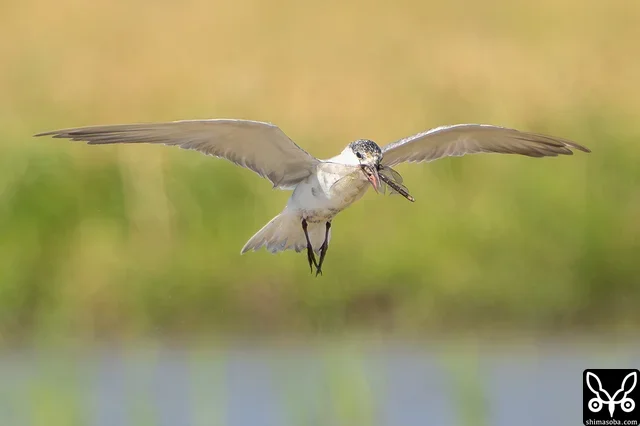
  133. A Whiskered Tern that caught a large Lesser Emperor dragonfly. Even a master flier seems no match for a bird.
    Whiskered Tern
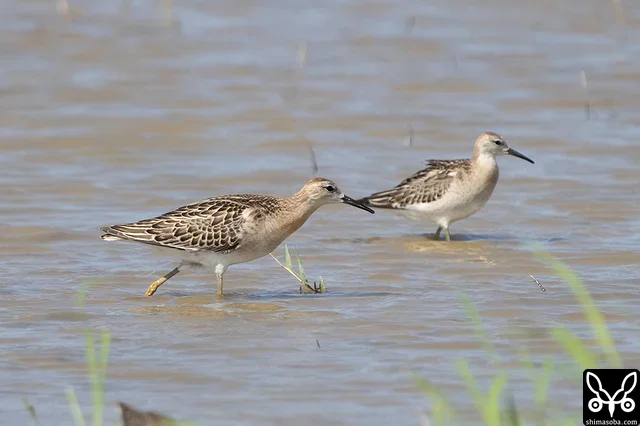
  134. Juvenile Ruff. The bird in front is male, the one behind female.
    Ruff
  135. 24
    A Javan Pond Heron that has been present for three months. It will likely stay on through the winter.
    Javan Pond Heron
  136. Common Teal are now being seen regularly in paddies and settling ponds.
    Eurasian Teal
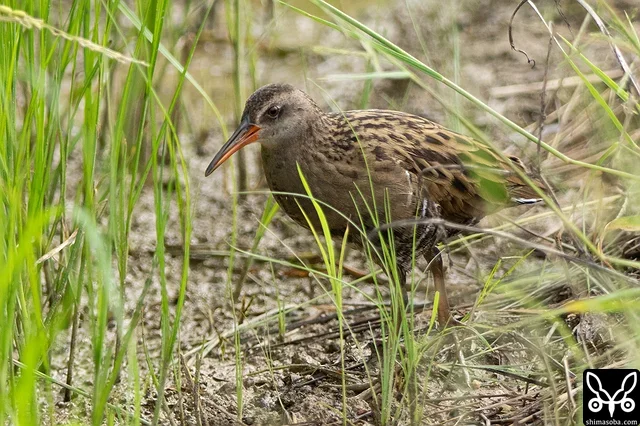
  137. While searching for Paddyfield Pipit, a crake appeared. The encounter lasted only a moment. ^^;
    Brown-cheeked Rail
  138. A Common Snipe in the undergrowth. All the snipe I found that day were Common Snipe, but with the rice and grass growing tall they are hard to pick out.
    Common Snipe
  139. The temperature was not high, but it was panting — apparently having just arrived.
    Buff-bellied Pipit
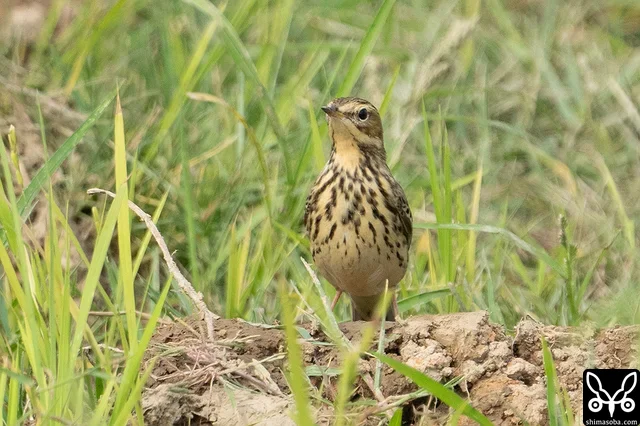
  140. Paddyfield Pipit seen again this season.
    Buff-bellied Pipit
  141. The Paddyfield Pipit, the most beautiful of the Anthus pipits, stands out well even from a distance.
    Buff-bellied Pipit
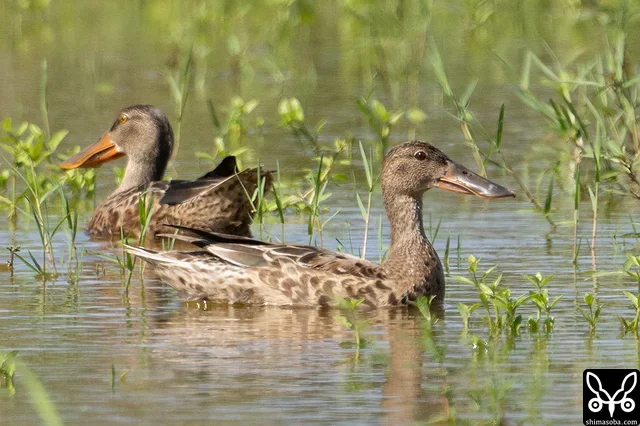
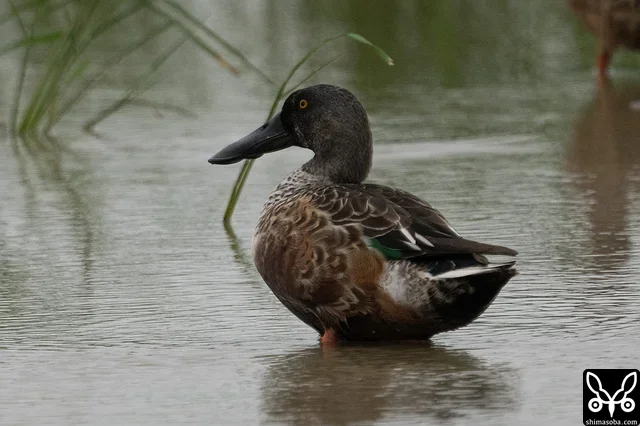
  142. A juvenile male Northern Shoveler.
    Northern Shoveler
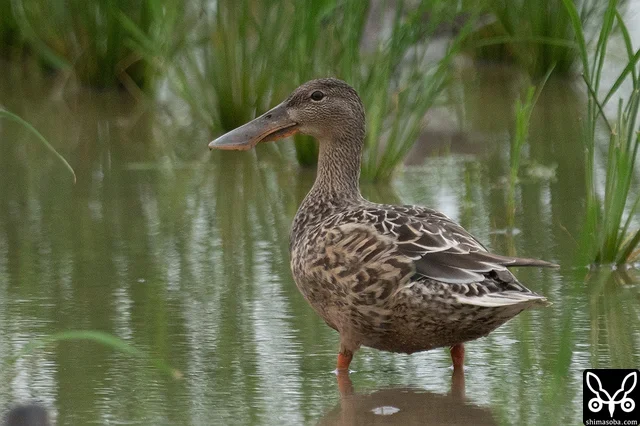
  143. A juvenile female Northern Shoveler.
    Northern Shoveler
  144. 25
    It came down onto the tidal flat and seemed to be going after crabs. The Collared Kingfisher on Okinawa Island fed exclusively on crabs, but the individual on Ishigaki Island was also eating what appeared to be hermit crabs in addition to crabs.
    Collared Kingfisher
  145. An adult Collared Kingfisher with a beautiful vivid-blue back. It appears to be in late summer plumage, so if it stays for a while I may get to see it in winter plumage.
    Collared Kingfisher
  146. The Collared Kingfisher's underparts are pure white and the legs are black. The subspecies appears to be *T. c. collaris*, which is distributed in the Philippines and surrounding areas. The individuals that have wintered annually on Okinawa Island, Miyako Island, and in the past on Iriomote Island all look like the same subspecies.
    Collared Kingfisher
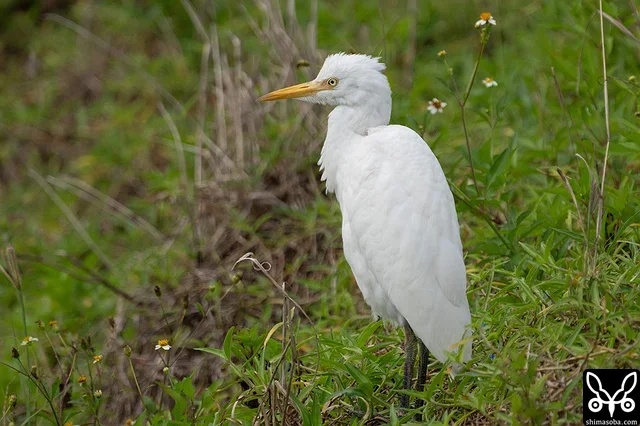
  147. Eastern Cattle Egrets now fully in non-breeding plumage. These and Great Egrets are what's in the paddies at the moment.
    Eastern Cattle Egret
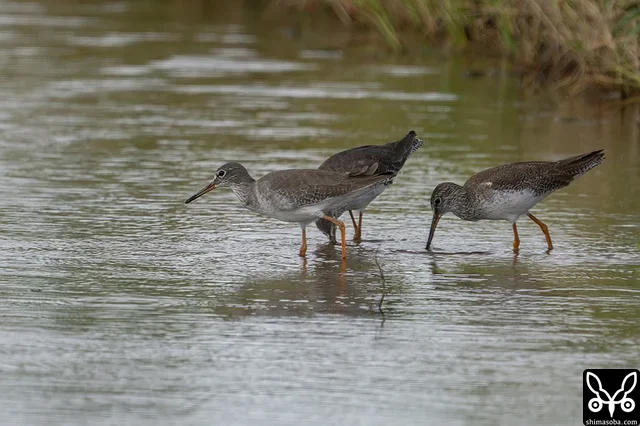
  148. A flock of a dozen or so Common Redshanks is staying in the area.
    Common Redshank
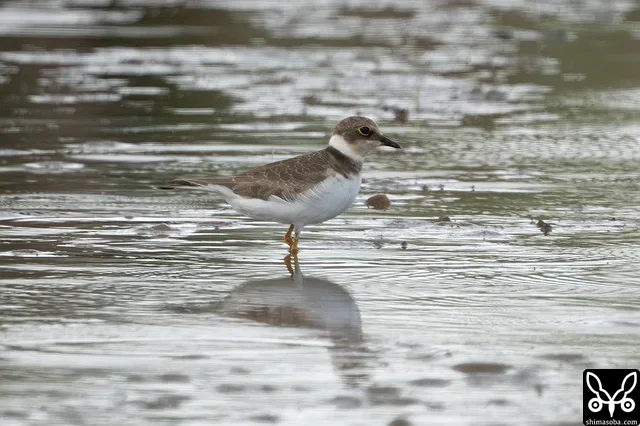
  149. Little Ringed Plover, first-winter. The most common plover in the rice paddies.
    Little Ringed Plover
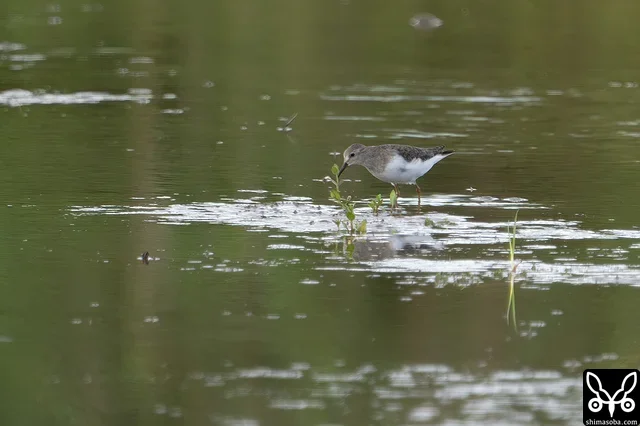
  150. Temminck's Stints are scarce, but some are also lingering.
    Temminck's Stint
  151. The Javan Pond Heron was feeding on dragonflies and grasshoppers around flocks of Eastern Cattle Egrets and Great Egrets.
    Javan Pond Heron
  152. 26
    After it disappeared into the undergrowth for a while, it reappeared at its usual spot to eat rice.
    Purple Swamphen
  153. A Purple Swamphen walking along a farm track toward me.
    Purple Swamphen
  154. 27
    Both adult and juvenile Crested Serpent Eagles are becoming easier to see.
    Crested Serpent Eagle
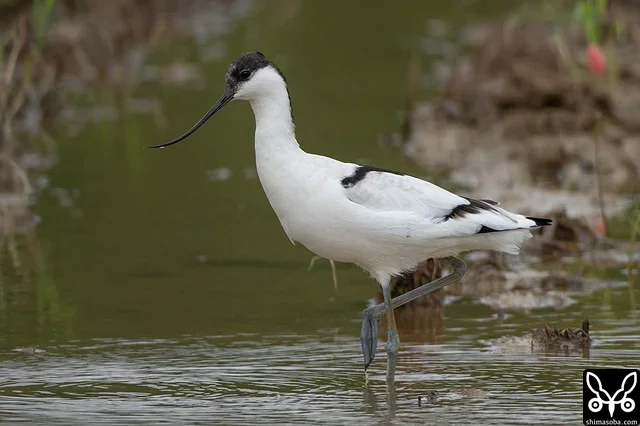
  155. Two Pied Avocets with zero wariness are staying in the area.
    Pied Avocet
  156. In the rice paddies, it was preying on what appeared to be soldier fly larvae. You'd need quite a large quantity of such tiny prey items.
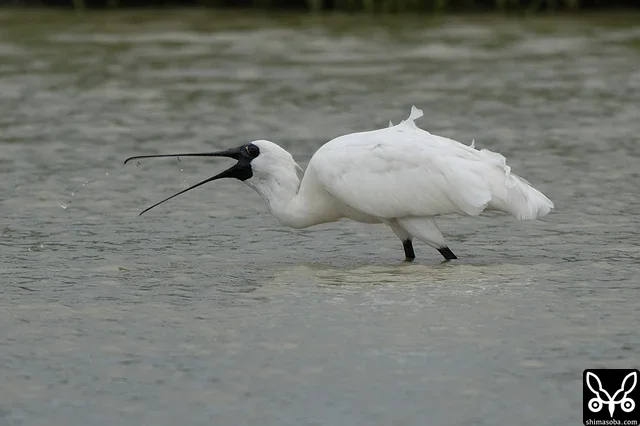
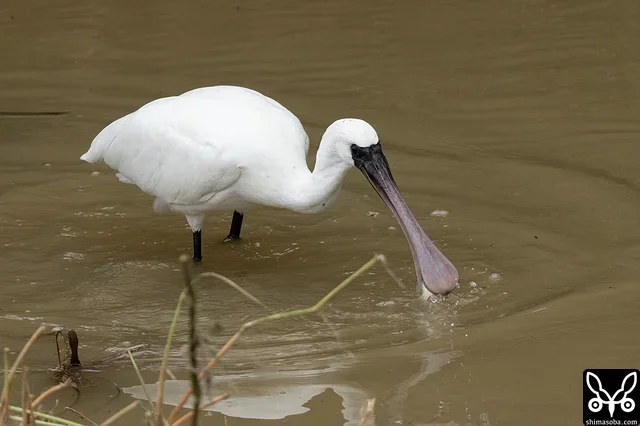
    Black-faced Spoonbill
  157. Black-faced Spoonbills in the irrigation channel. They were catching juvenile Nile tilapia.
    Black-faced Spoonbill
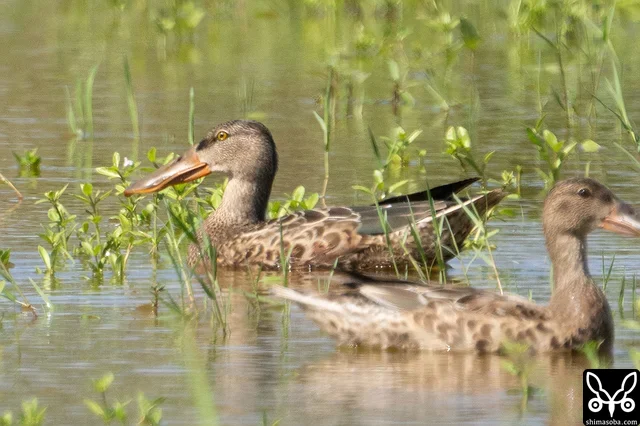
  158. Juvenile male Northern Shoveler.
    Northern Shoveler
  159. Juvenile female Northern Shoveler.
    Northern Shoveler
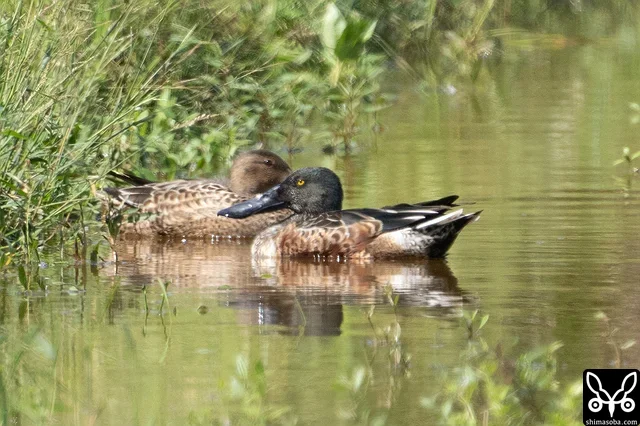
  160. Adult male Northern Shoveler, moulting from eclipse into breeding plumage.
    Northern Shoveler
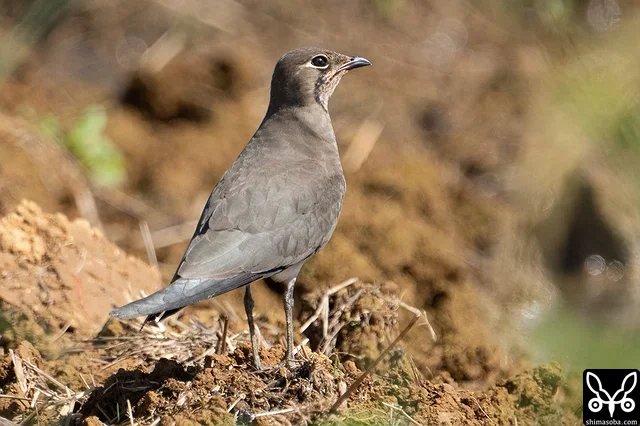
  161. Oriental Pratincole in winter plumage. Looks lonely on its own.
    Oriental Pratincole
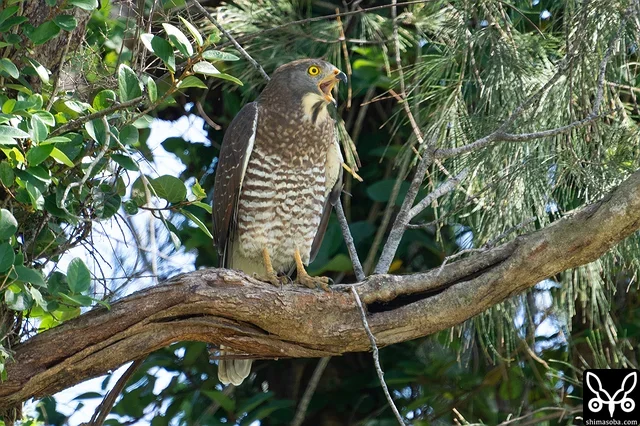
  162. A male Grey-faced Buzzard calling as it was chased by two crows.
    Grey-faced Buzzard
  163. A Crested Serpent Eagle near my home.
    Crested Serpent Eagle
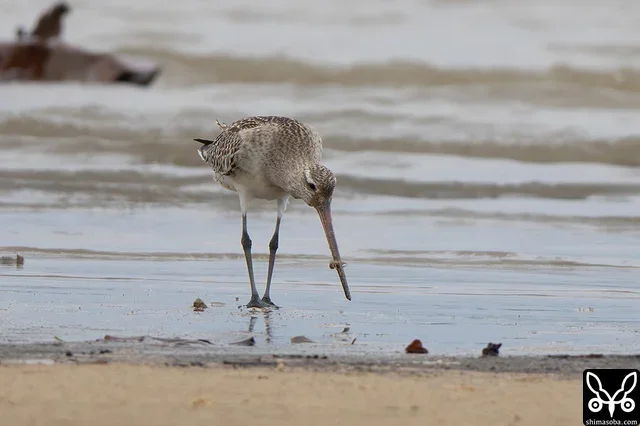
  164. 28
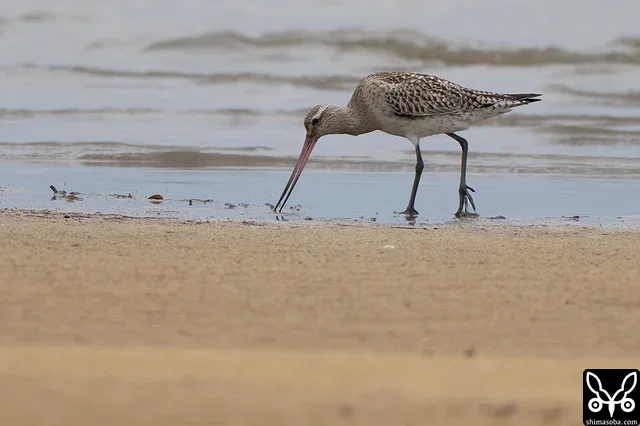
    It was plunging its bill into holes in the sandy beach and pulling out crustaceans to eat.
    Bar-tailed Godwit
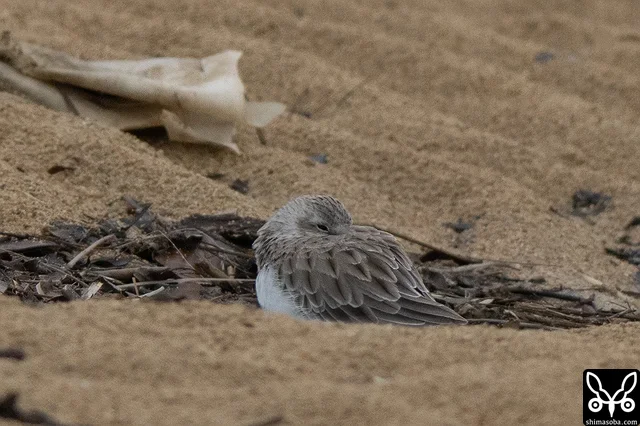
  165. I confirmed a few Red-necked Stints.
    Red-necked Stint
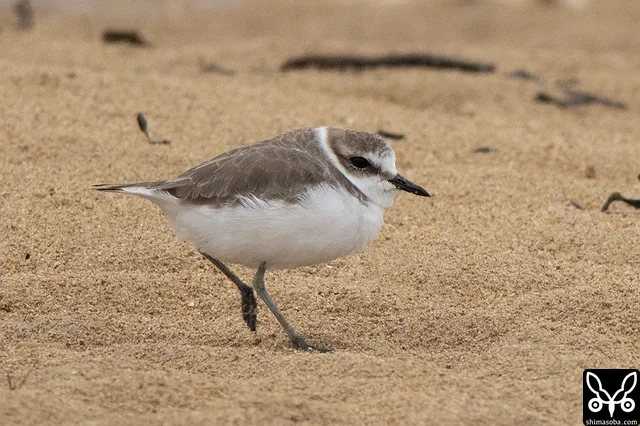
  166. Kentish Plovers pair up during the breeding season, but in winter they live in flocks.
    Kentish Plover
  167. A Bar-tailed Godwit has been making an extended stay on the coast.
    Bar-tailed Godwit
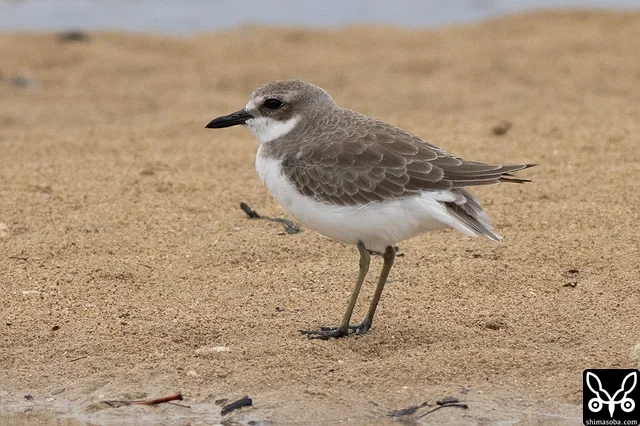
  168. The Greater Sand Plover has moulted into winter plumage and is in overwintering mode.
    Greater Sand Plover
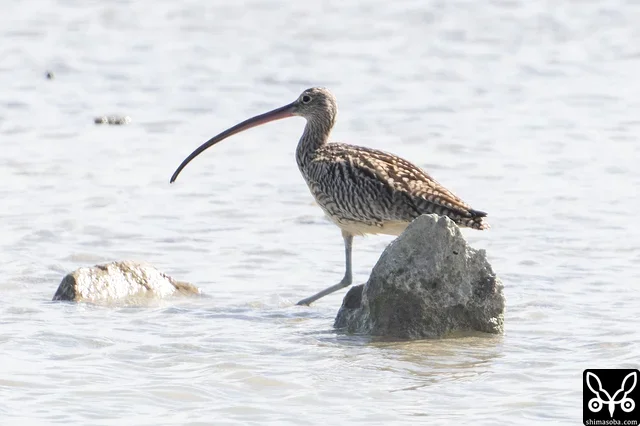
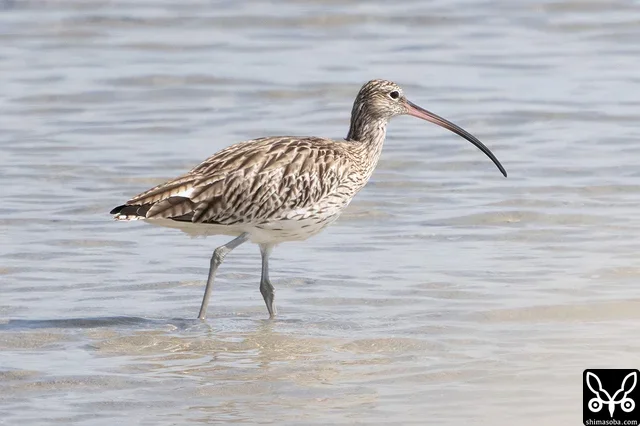
  169. Far Eastern Curlew adult.
    Far Eastern Curlew
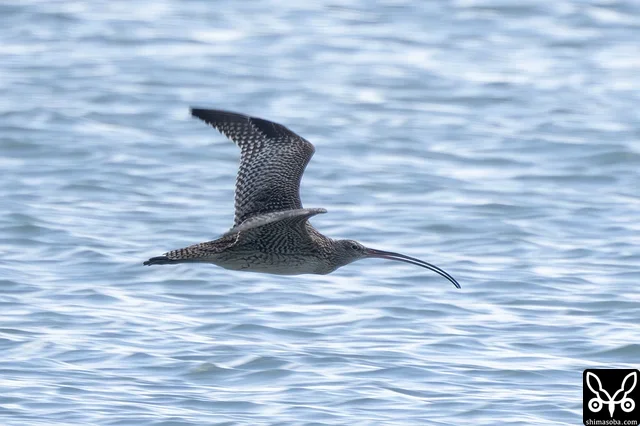
  170. A Eurasian Curlew flying over the sea surface. Same individual as above.
    Eurasian Curlew
  171. Eurasian Curlew adult.
    Eurasian Curlew
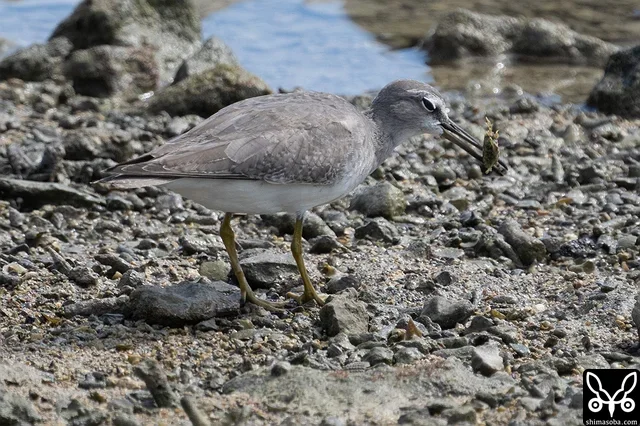
  172. A juvenile Gray-tailed Tattler with a crab it had caught.
    Grey-tailed Tattler
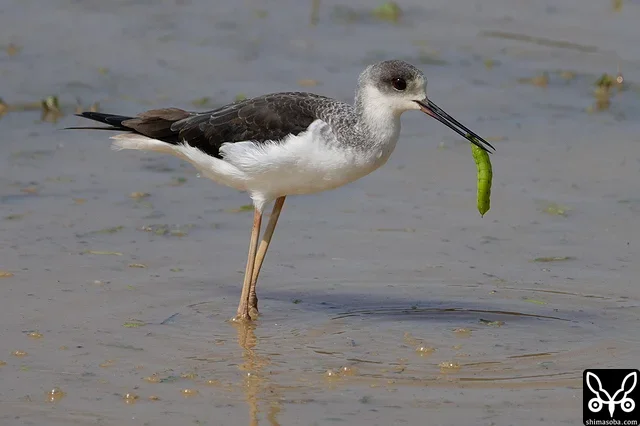
  173. A Black-winged Stilt also caught a large caterpillar. It appears to be one found on taro leaves.
    Black-winged Stilt
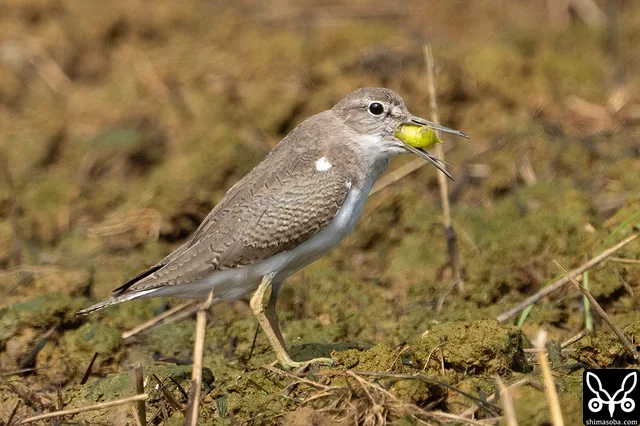
  174. A Common Sandpiper juvenile is doing its best to swallow a large caterpillar.
    Common Sandpiper
  175. Female White Wagtail. A male was courting her.
    White Wagtail
  176. I counted nearly 30 snipe, but all were Common Snipe.
    Common Snipe
  177. Adult female Eurasian Wigeon.
    Eurasian Wigeon
  178. Shot with a handheld light. LED lights really do throw the colours off. Same individual as above.
    Japanese Scops Owl
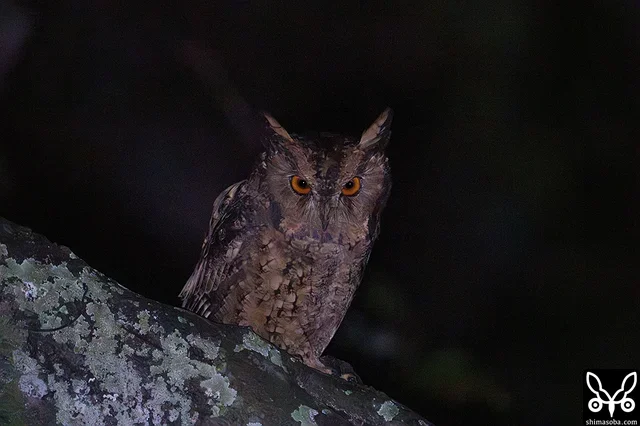
  179. I visited the usual spot where Ryukyu Scops Owls breed, and sure enough one was there. I was also able to hear the well-known descending call: "Wok, wok, wok, woh."
    Japanese Scops Owl
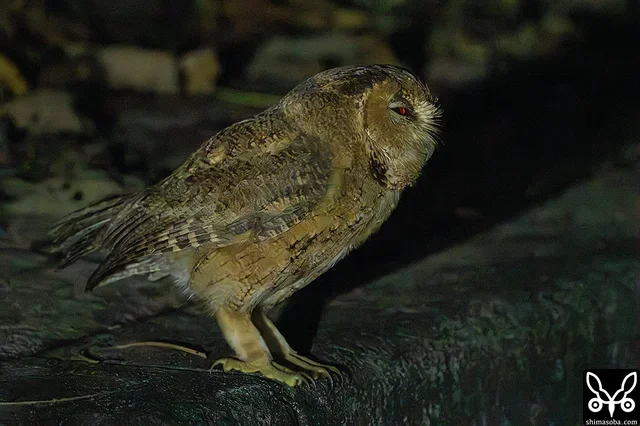
  180. The right eye appears to be injured. Perhaps it was clipped by a passing vehicle at some point. Shot with a rental car's headlights. Again, the colours aren't accurate. Same individual as above.
    Japanese Scops Owl
  181. A Ryukyu Scops Owl that had come down to the ground. The Ryukyu Scops Owl's calls are more varied than those of the Ryukyu Scops Owl [Elegant Scops Owl] or Brown Hawk-Owl; this one was calling "Mew, mew, mew." It is the same as the `call recorded in January 2022 <https://shimasoba.com/blog/2018/>`_.
    Japanese Scops Owl
  182. 29
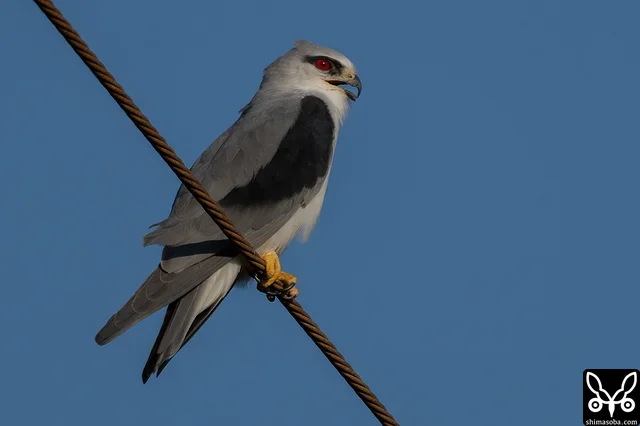
    Black-winged Kite, adult. Two birds, presumably a pair, perched on a power line. The individuals here have become used to cars and motorbikes passing by and no longer flush.
    Black-winged Kite
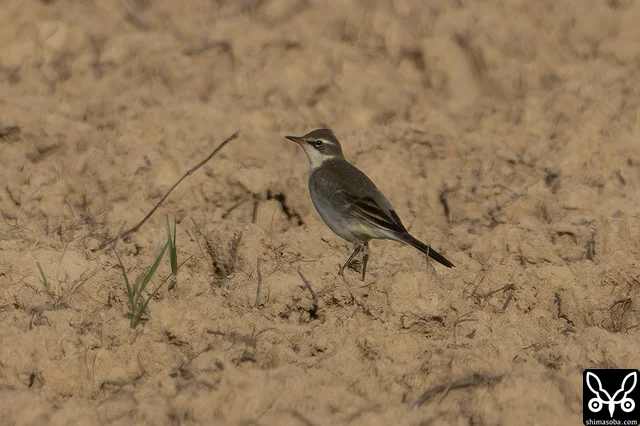
  183. White-browed Wagtails and Eastern Yellow Wagtails are roosting together in mixed groups. Juveniles are difficult to identify.
    Citrine Wagtail
  184. Little Egret, juvenile. Whether it's dirt or a colour morph, I'm not sure.
    Little Egret
  185. Brambling — my first shots of the season. Two birds were associating with Red-throated Pipits and others.
    Brambling
  186. Red-throated Pipits are increasing in number.
    Red-throated Pipit
  187. 30
    Black-winged Stilt, first-winter plumage.
    Black-winged Stilt
  188. Male Northern Shoveler, moulting from eclipse into breeding plumage.
    Northern Shoveler
  189. Juvenile female Northern Shoveler.
    Northern Shoveler
  190. Long-toed Stint numbers have dropped off considerably.
    Long-toed Stint
  191. Green Sandpiper, always on its own.
    Green Sandpiper
  192. The Eurasian Wigeon also arrived alone and was associating with Spot-billed Ducks.
    Eurasian Wigeon
  193. A single adult female Northern Pintail, non-breeding plumage.
    Northern Pintail
  194. Several raptors were in the area, and the birds — including the Cream-coloured Doves — looked unsettled.
    Eurasian Collared Dove
  195. Two male Cream-coloured Doves. A female had also been present a few days earlier.
    Eurasian Collared Dove
  196. 31
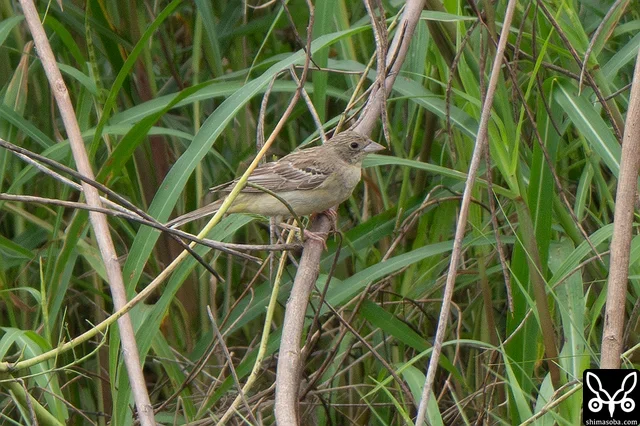
    A Black-headed Bunting standing out prominently among a flock of Eurasian Tree Sparrows. It was constantly harassing them….
    Black-headed Bunting
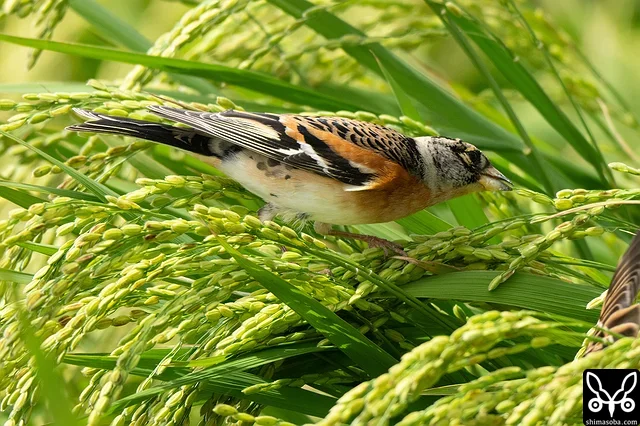
  197. A male Brambling eating rice. It is mid-moult, transitioning from breeding to winter plumage.
    Brambling
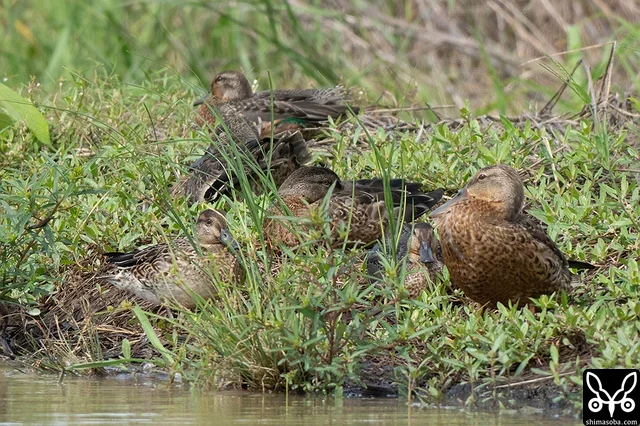
  198. Garganey, Eurasian Teal, and Northern Shoveler also in flocks. On Ishigaki Island, the Garganey are passage birds, while the Eurasian Teal and Northern Shoveler are overwintering birds.
    Eurasian Teal
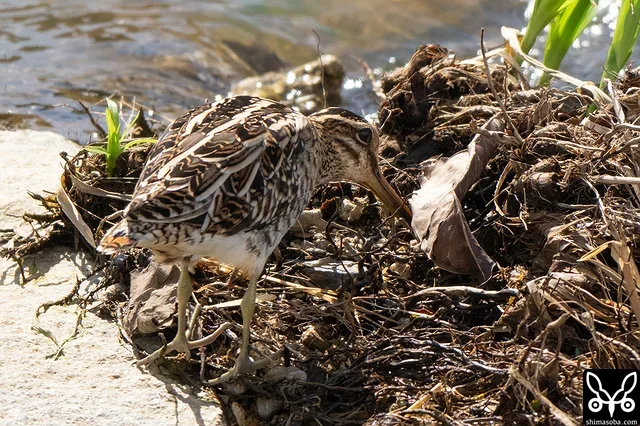
  199. A Common Snipe, alone in a drainage channel.
    Common Snipe
  200. Only a single Eurasian Spoonbill was mixed in with a flock of Black-faced Spoonbills.
    Eurasian Spoonbill