SEASONAL ARCHIVE

Wild Birds of May

When and what wild birds might you see — a timeline sorted by date taken

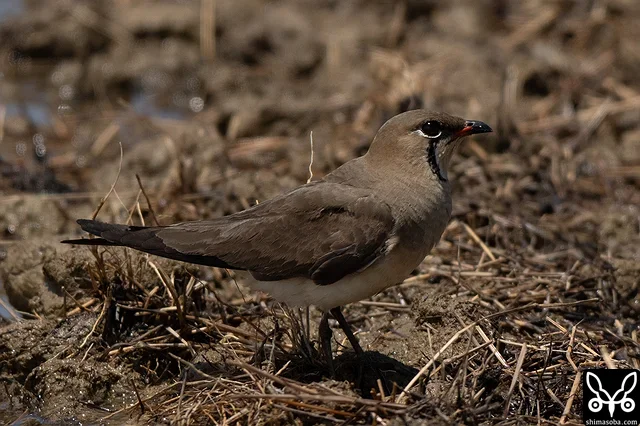
  1. 1
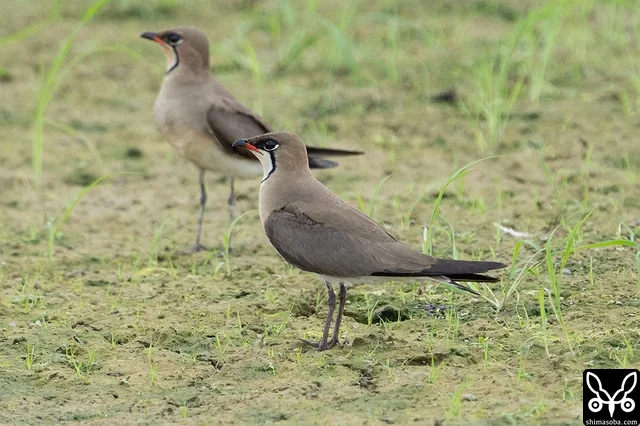
    Oriental Pratincoles are known for aerial foraging, but this one was in rest mode and didn't take off.
    Oriental Pratincole
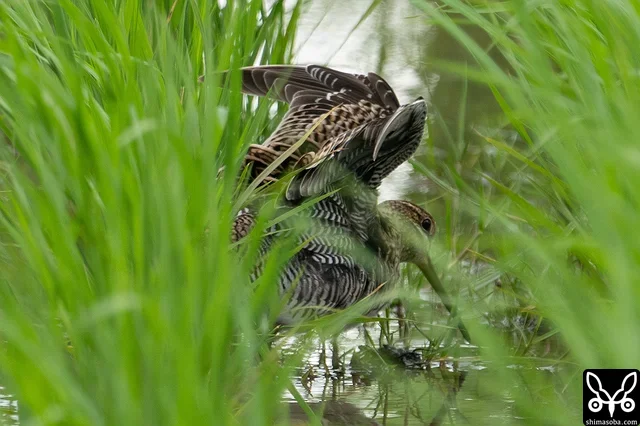
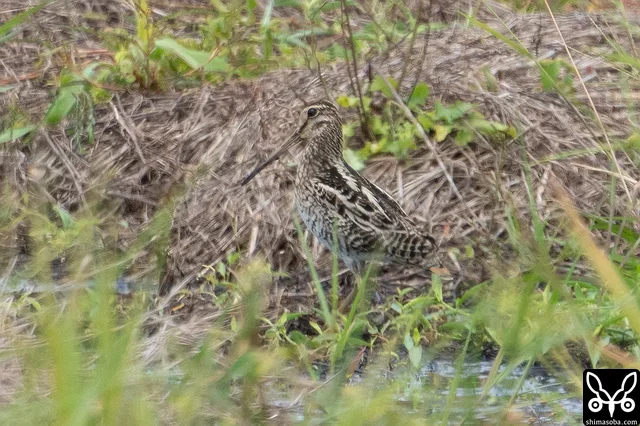
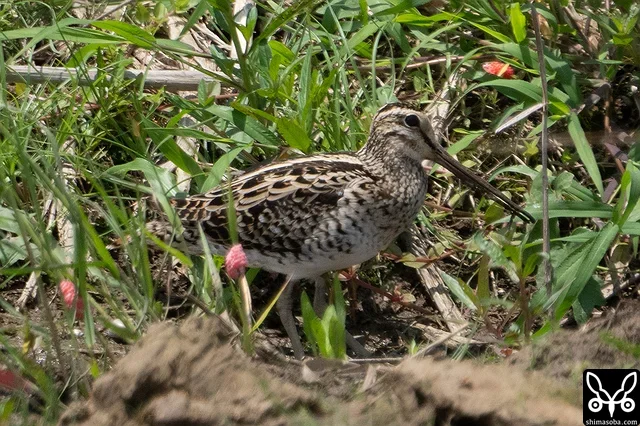
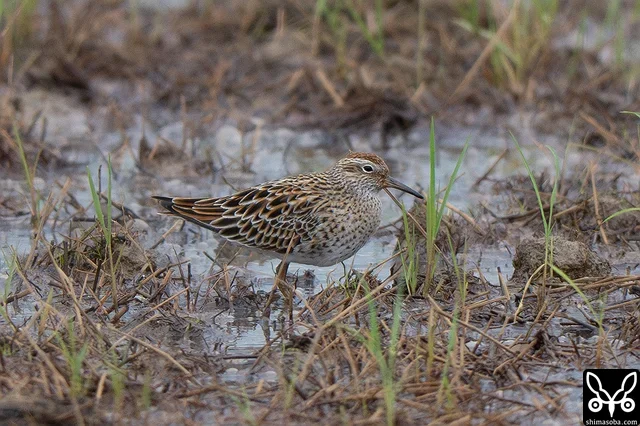
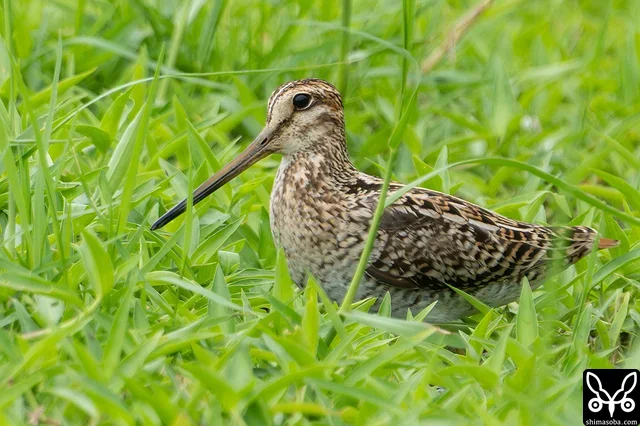
  2. A precious view of the flank of a Swinhoe's Snipe!! This individual was last recorded on 7 May.
    Pin-tailed Snipe
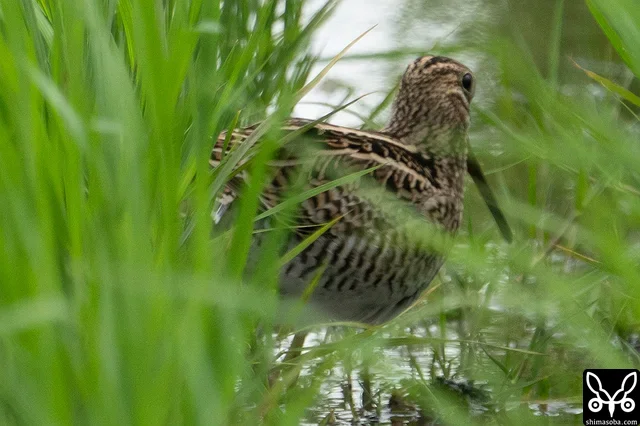
  3. Same individual as above. There's a good chance this will be my last Swinhoe's Snipe of the season, so I stuck it out trying to get a shot of the tail feathers… ^^;
    Pin-tailed Snipe
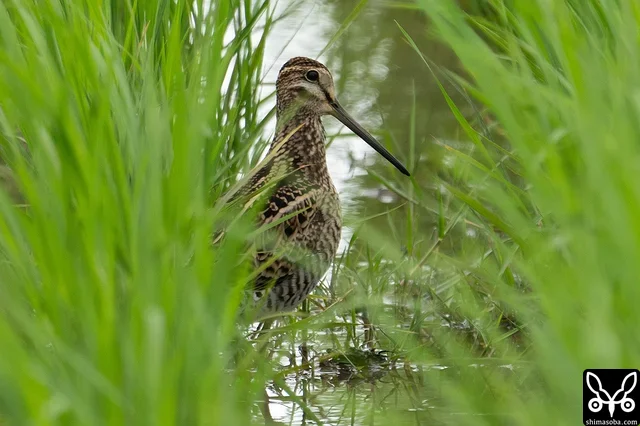
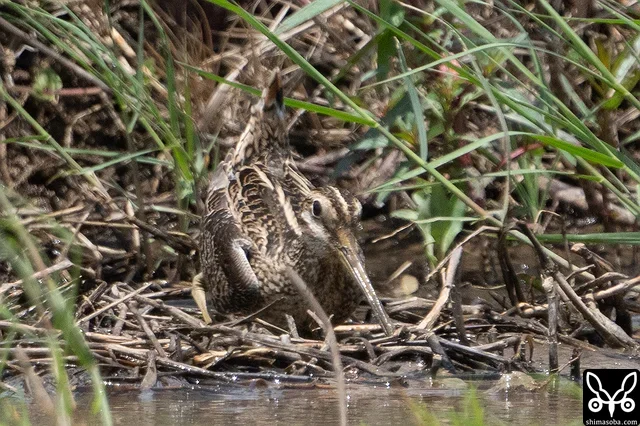
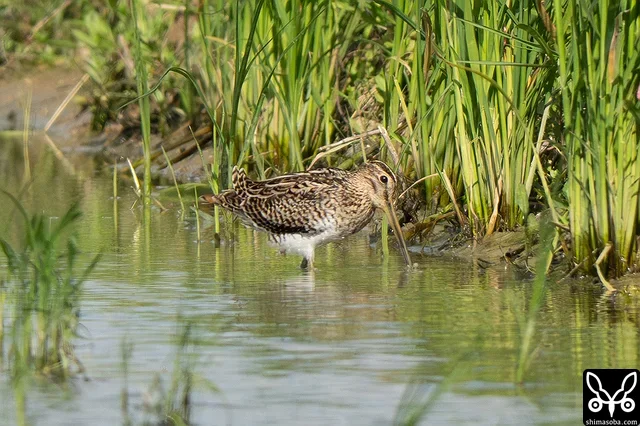
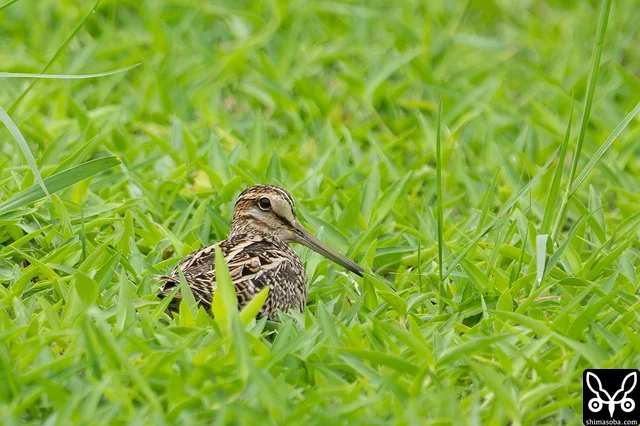
  4. The rice had grown tall enough that I couldn't see the whole bird, but I found a Swinhoe's Snipe.
    Pin-tailed Snipe
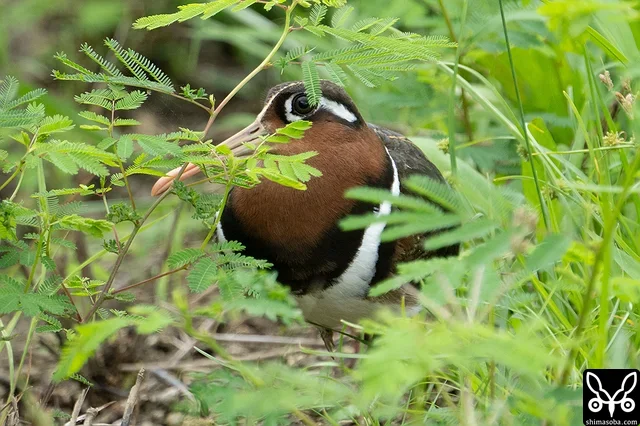
  5. A female Greater Painted-snipe, encountered after a long absence. The male is probably incubating eggs at this time of year.
    Greater Painted-snipe
  6. A different Swinhoe's Snipe. This one was last confirmed on 1 May.
    Pin-tailed Snipe
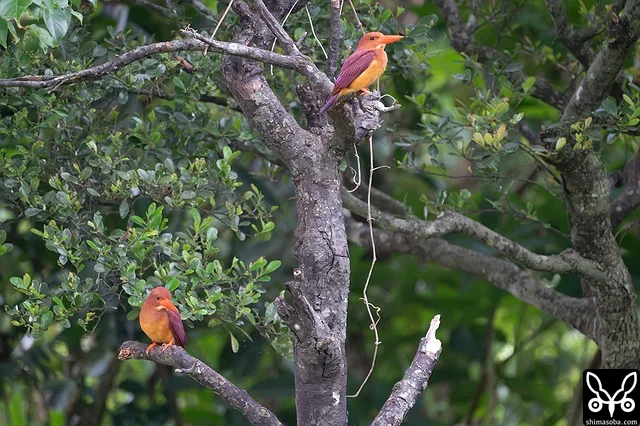
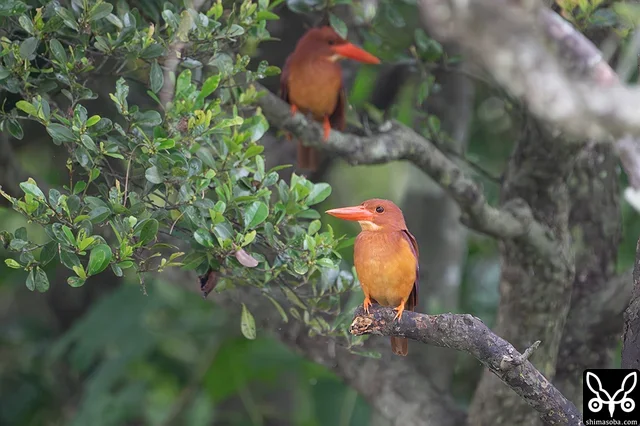
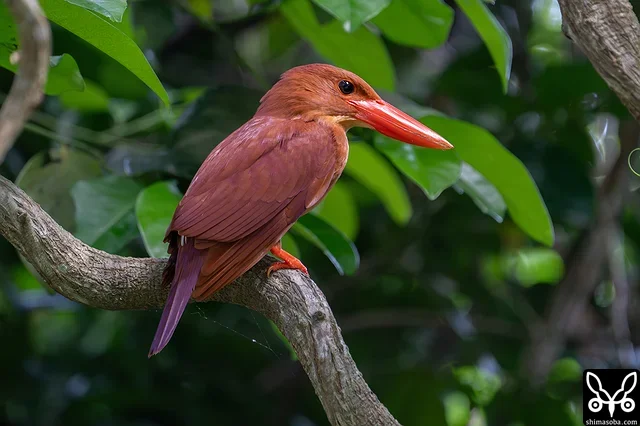
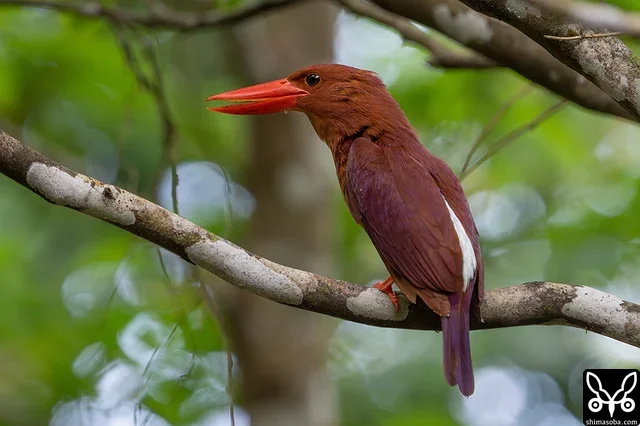
  7. The same pair as above. The female is on top, the male below.
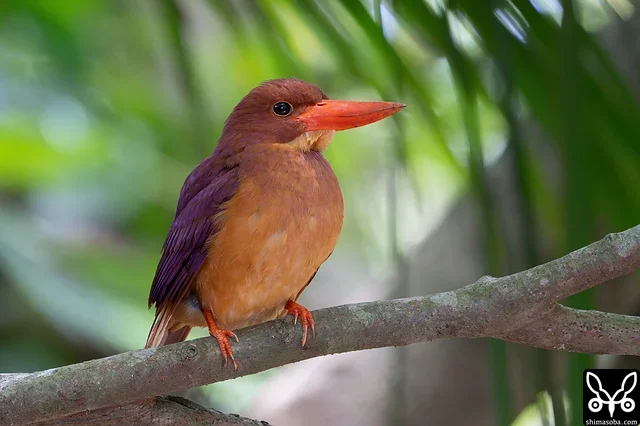
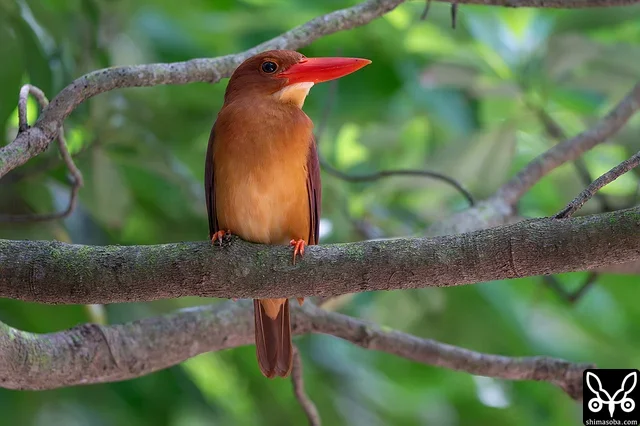
    Ruddy Kingfisher
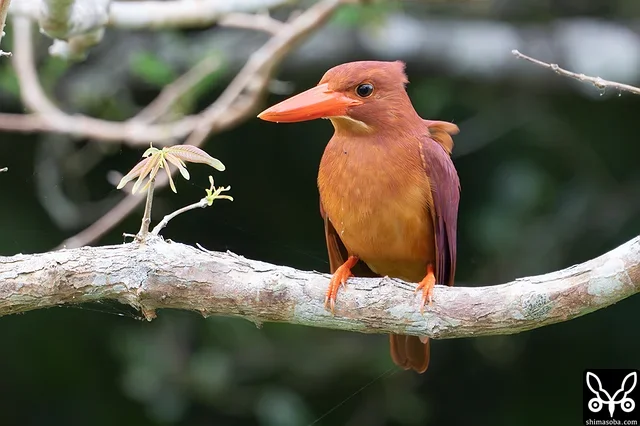
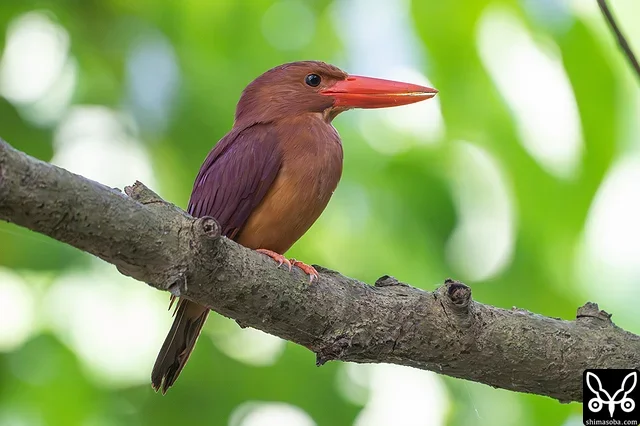
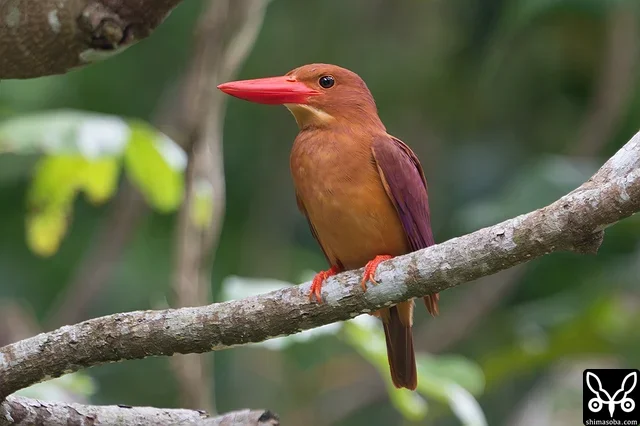
  8. The male of the pair above.
    Ruddy Kingfisher
  9. Another Ruddy Kingfisher close to home. The female is in the foreground, the male behind.
    Ruddy Kingfisher
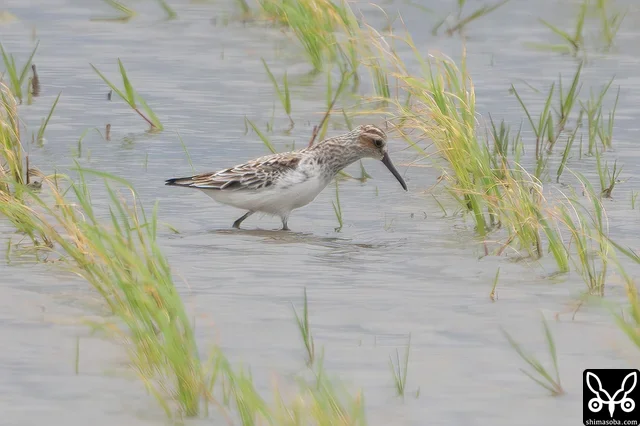
  10. There were three Broad-billed Sandpipers. Much of the winter plumage still remains.
    Broad-billed Sandpiper
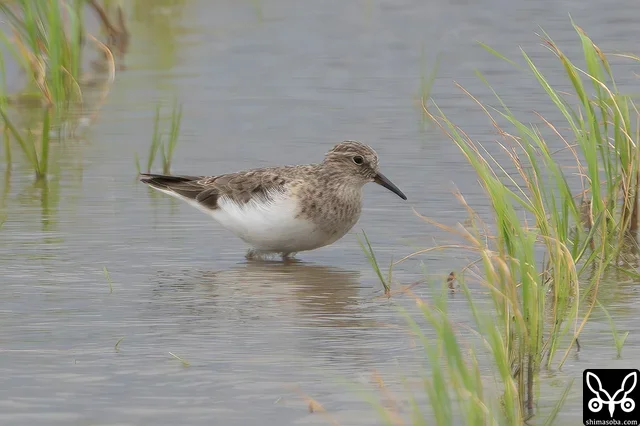
  11. A Temminck's Stint that has partially moulted into breeding plumage.
    Temminck's Stint
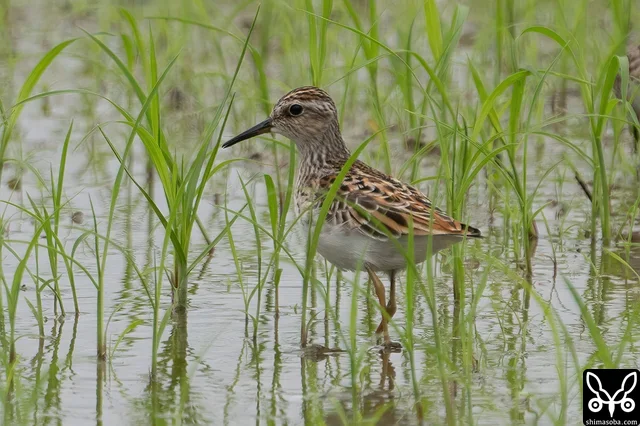
  12. A Long-toed Stint moving into breeding plumage.
    Long-toed Stint
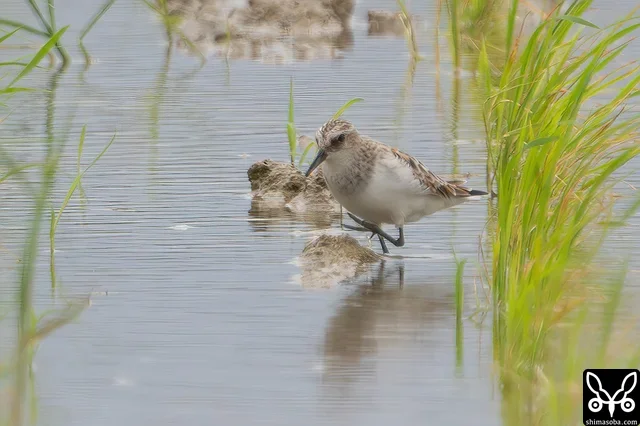
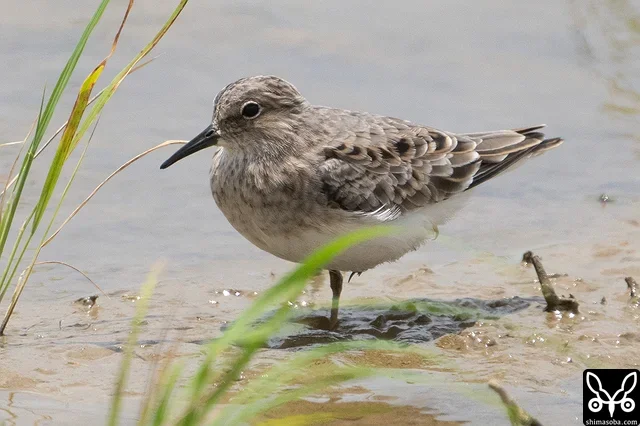
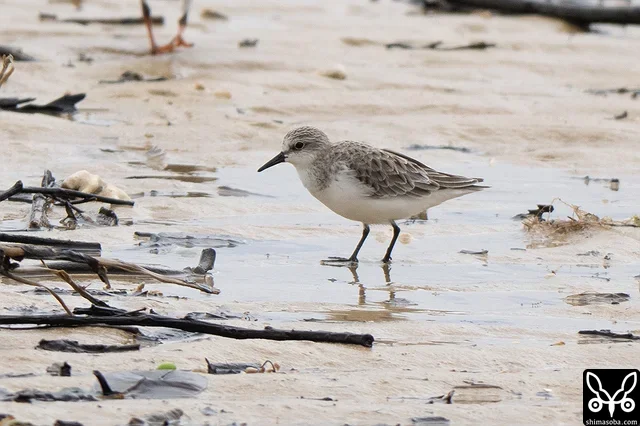
  13. The Little Stint was still present.
    Little Stint
  14. 2
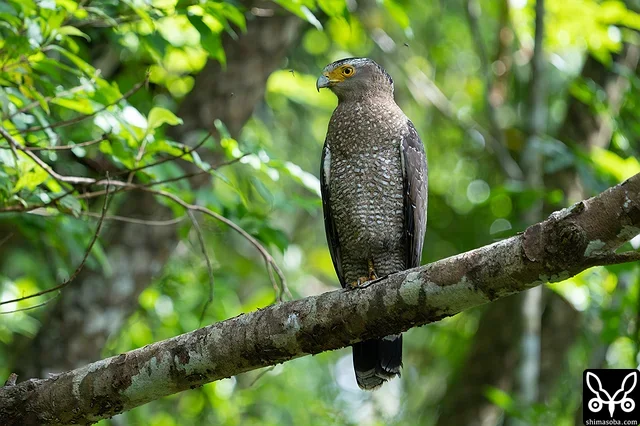
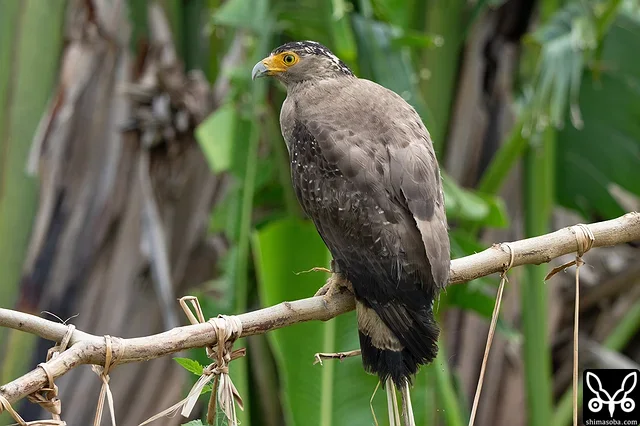
    A Crested Serpent Eagle on a forest road. Bloodsucking insects were swarming around its face and it looked thoroughly annoyed.
    Crested Serpent Eagle
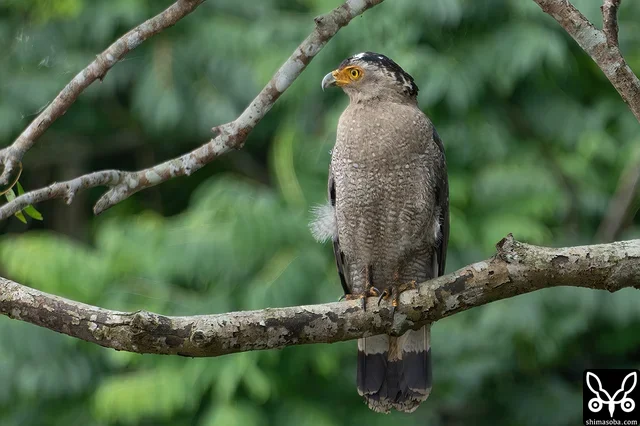
  15. A Crested Serpent Eagle on farmland. It seemed to be waiting for prey to flush from a sugarcane field being worked nearby.
    Crested Serpent Eagle
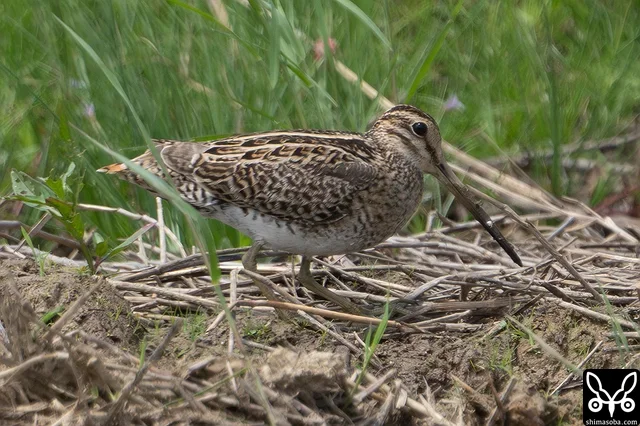
  16. A Pin-tailed Snipe foraging along a paddy bund, mixed in with several Swinhoe's Snipe.
    Pin-tailed Snipe
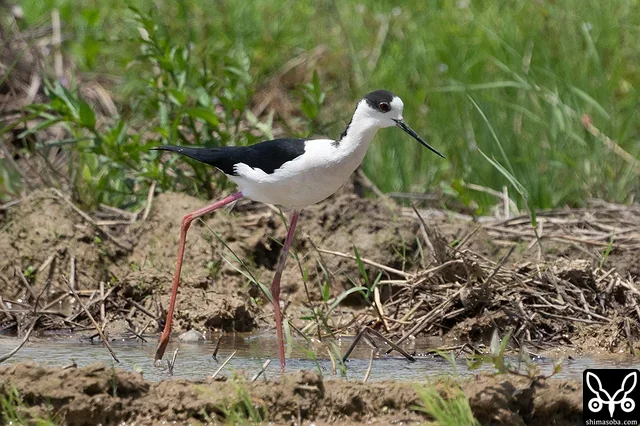
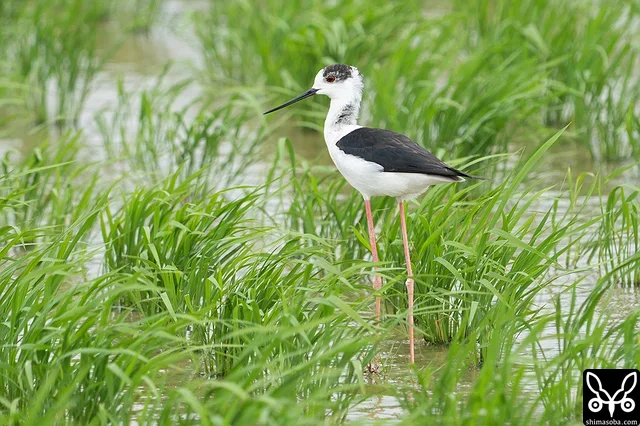
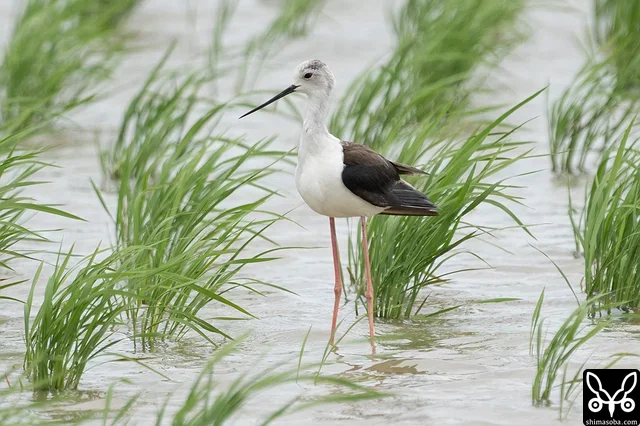
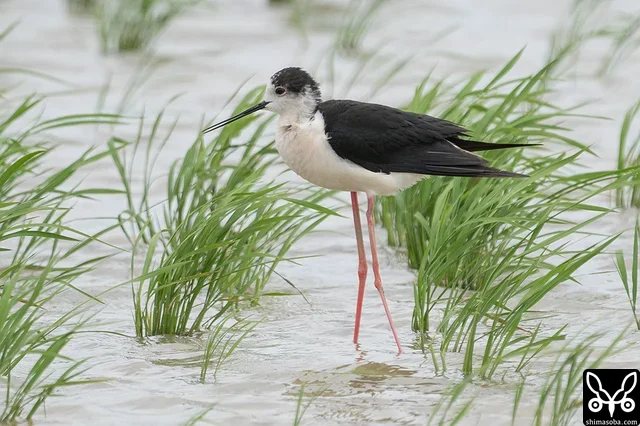
  17. A male Black-winged Stilt in breeding plumage. The flock seems to be turning over day by day.
    Black-winged Stilt
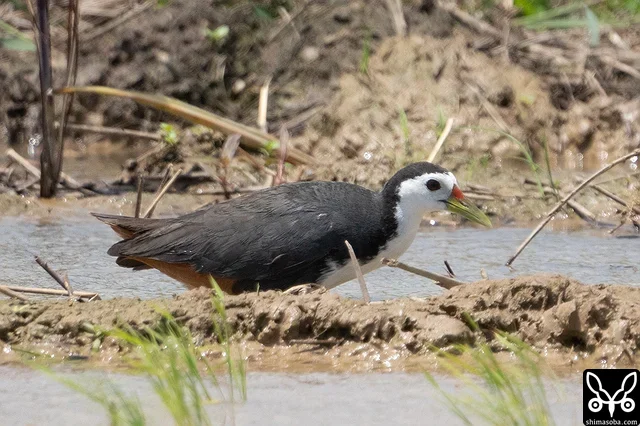
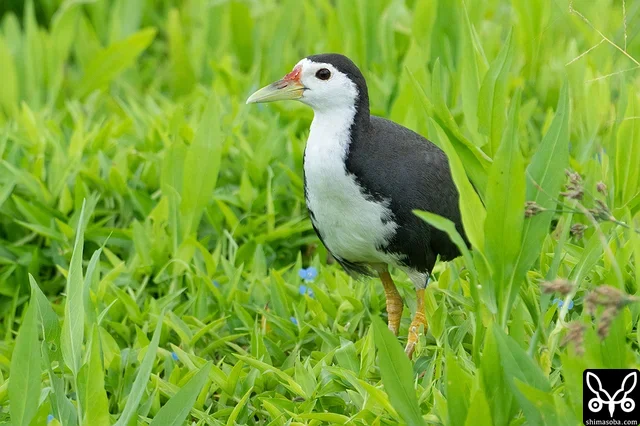
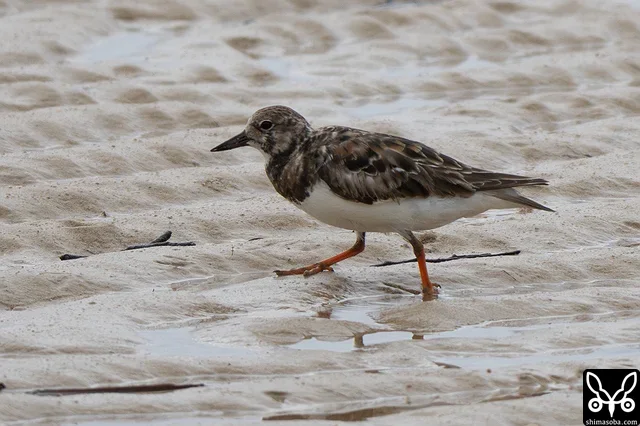
  18. While watching snipe, White-breasted Waterhens and Common Moorhens keep flushing them aggressively. ^^;
    White-breasted Waterhen
  19. Several Swinhoe's Snipe confirmed. Individuals appear to be changing over.
    Swinhoe's Snipe
  20. Same individual as above. Startled by a crow.
    Pin-tailed Snipe
  21. A Temminck's Stint with an injured left foot.
    Temminck's Stint
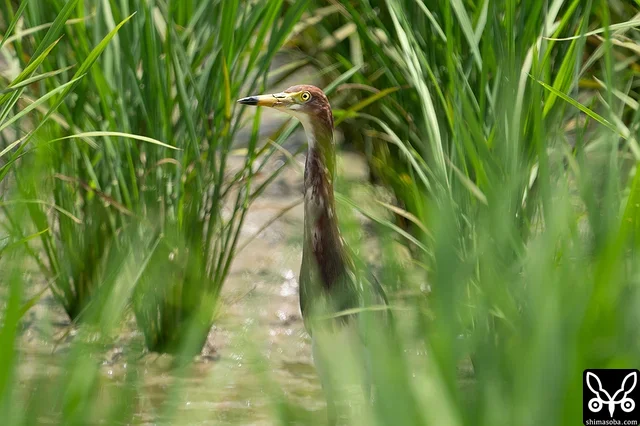
  22. A male Ryukyu Yellow Bittern in breeding plumage. Active now that the breeding season has begun.
    Yellow Bittern
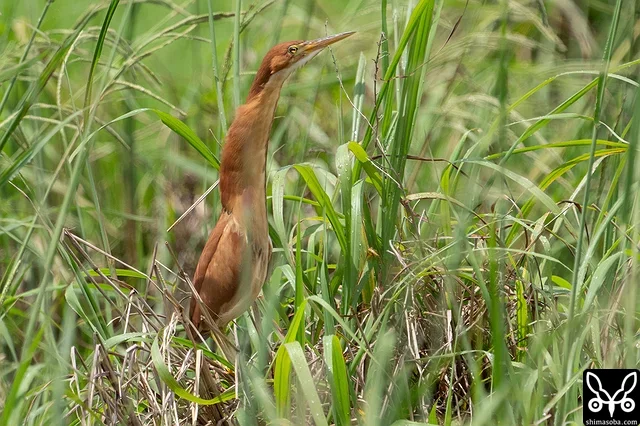
  23. 5
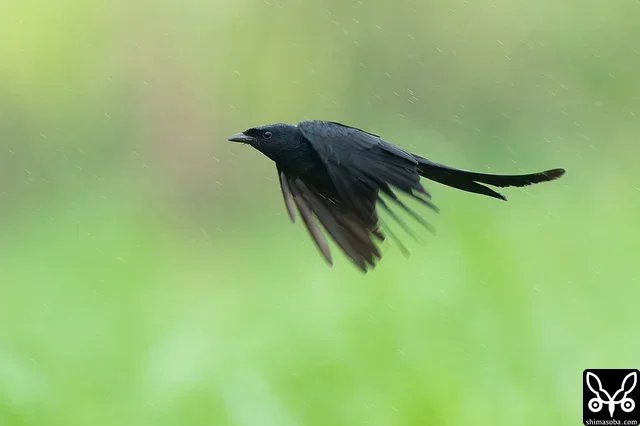
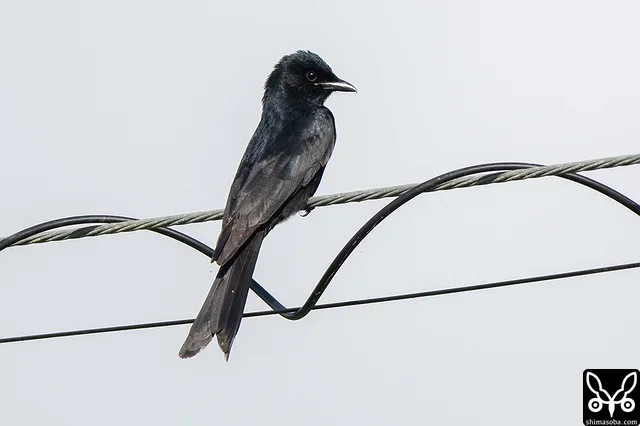
    It was flying about, fluttering and preying on dragonflies and bees.
    Black Drongo
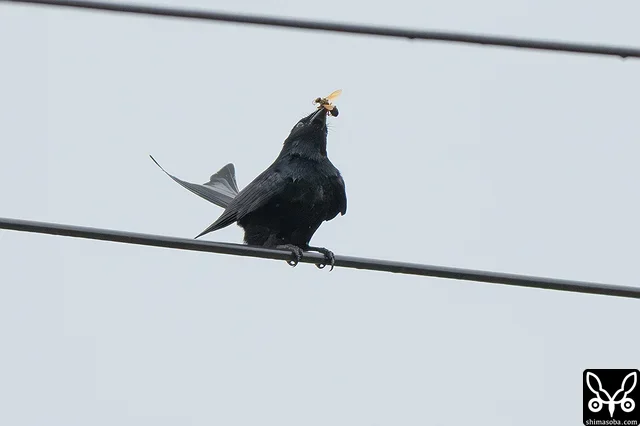
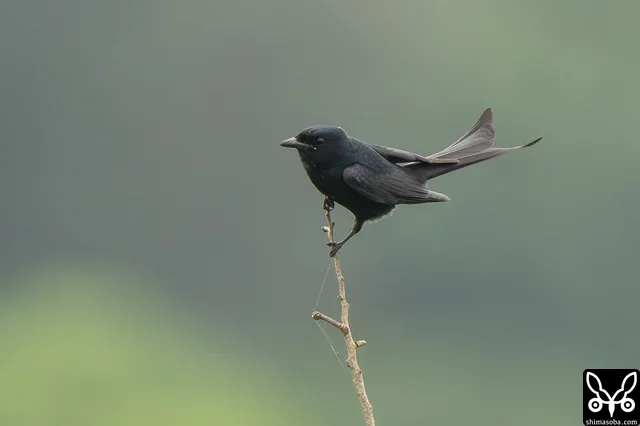
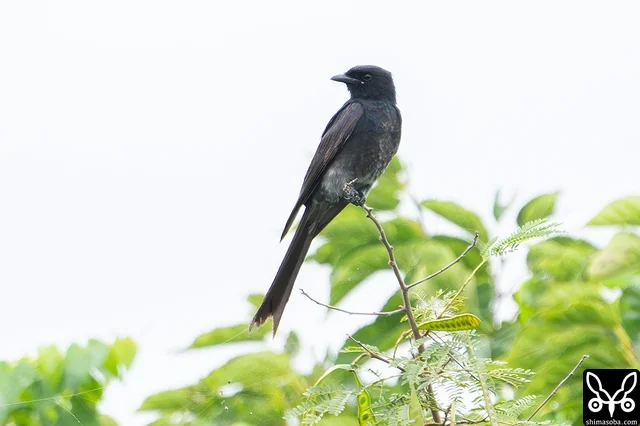
  24. A Black Drongo that caught a bee.
    Black Drongo
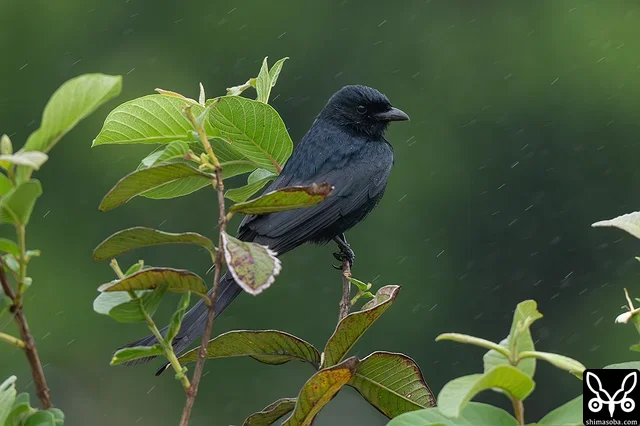
  25. A Black Drongo perched in a guava tree. It was completely unafraid.
    Black Drongo
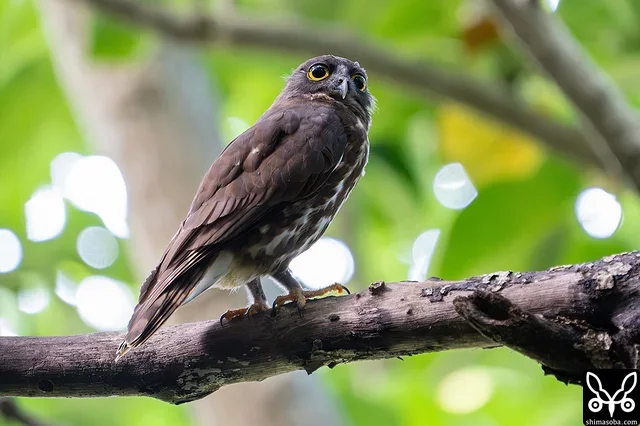
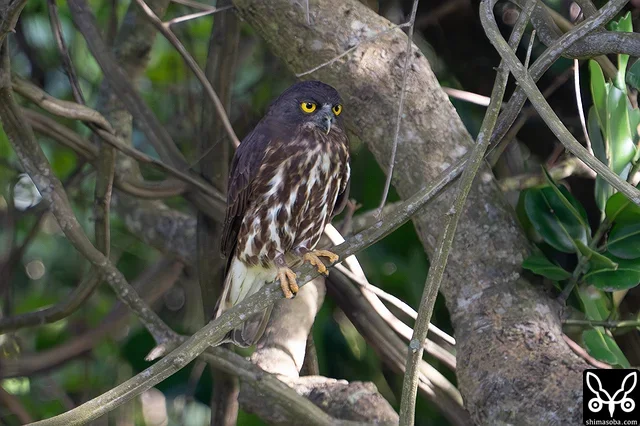
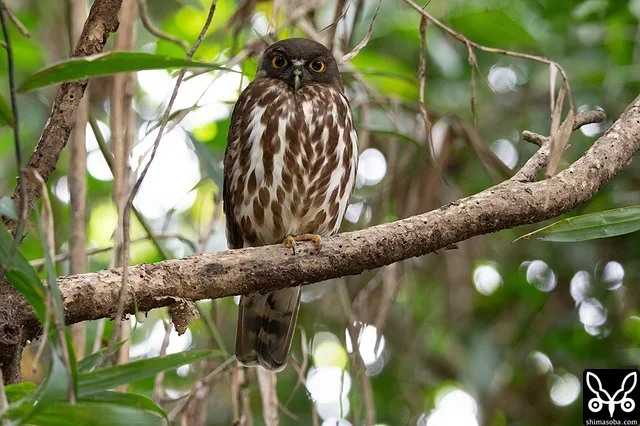
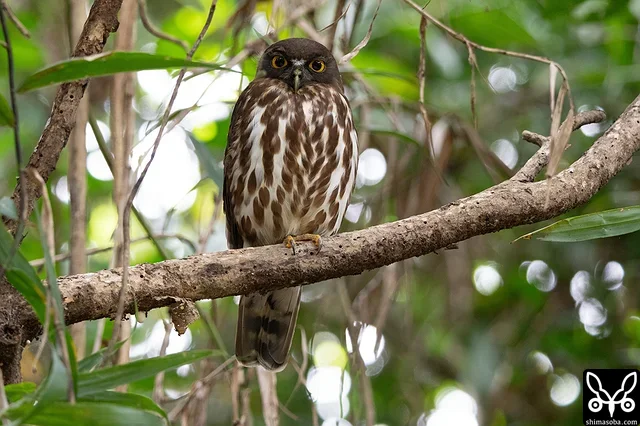
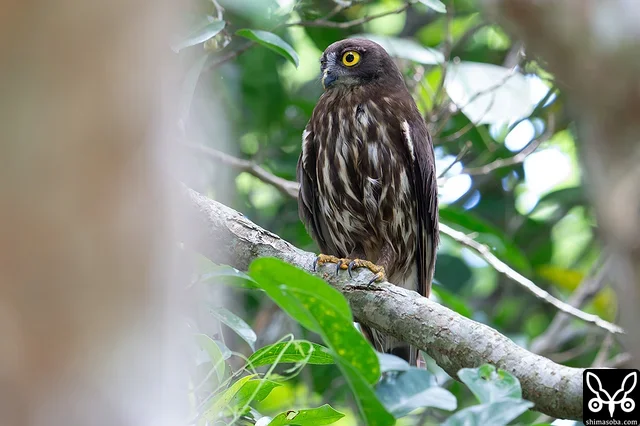
  26. A male Brown Hawk-Owl. An individual that has bred here several years running.
    Northern Boobook
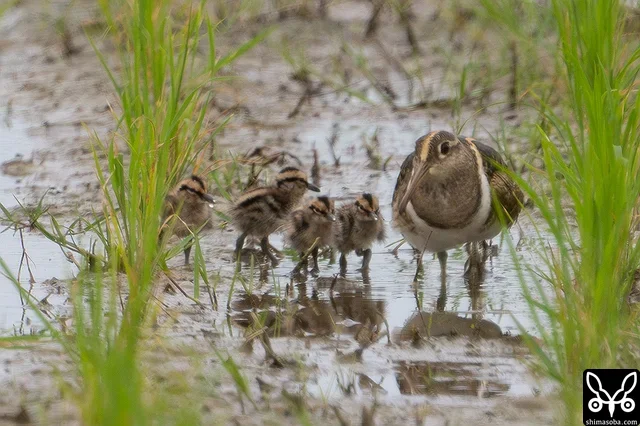
  27. Two Brown Hawk-Owl nests confirmed.
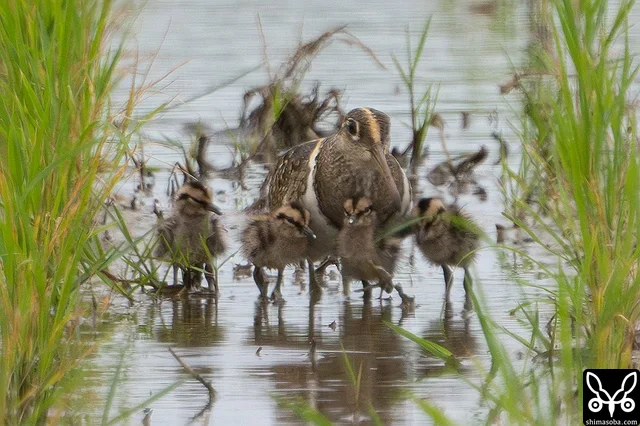
    Northern Boobook
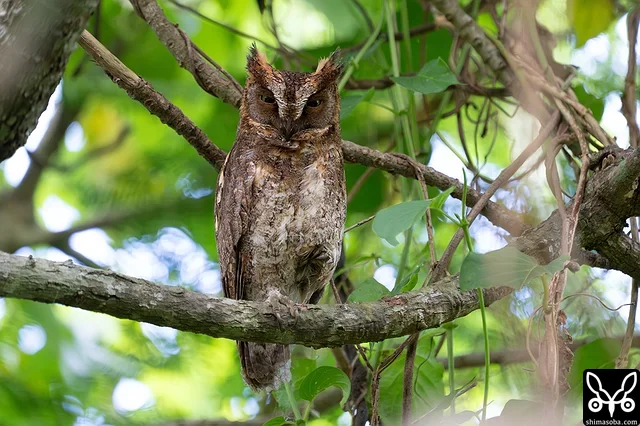
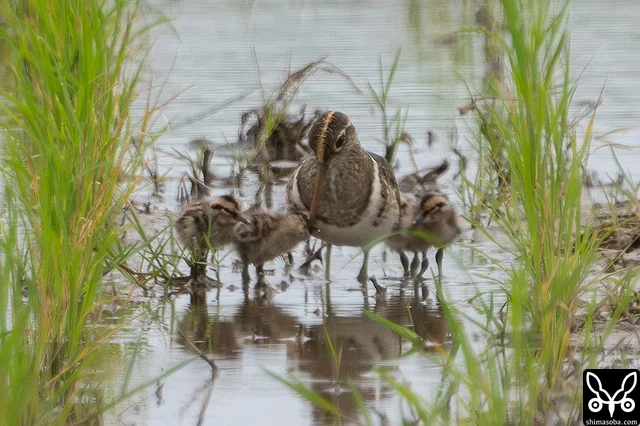
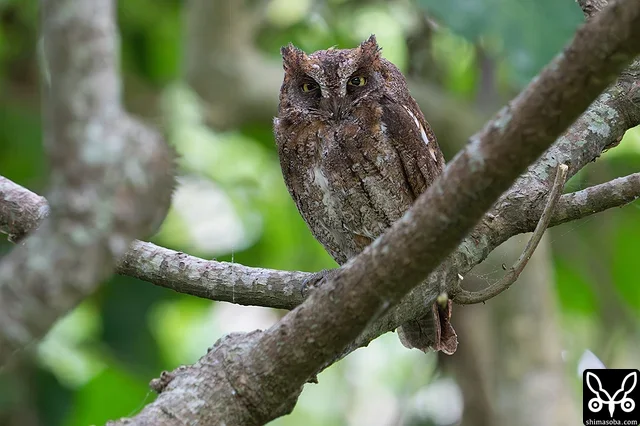
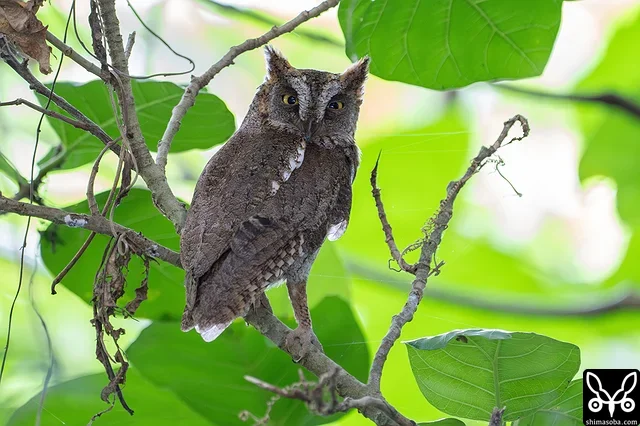
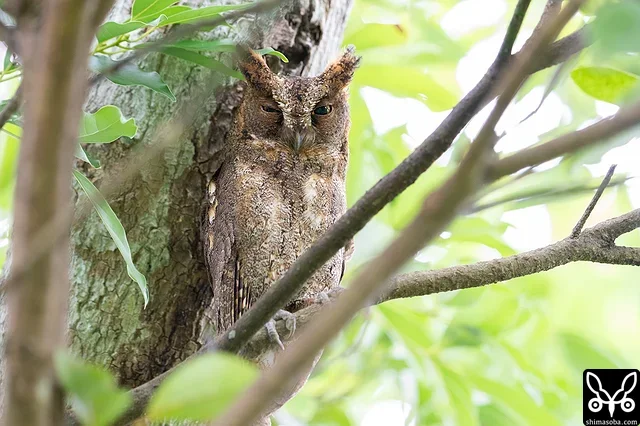
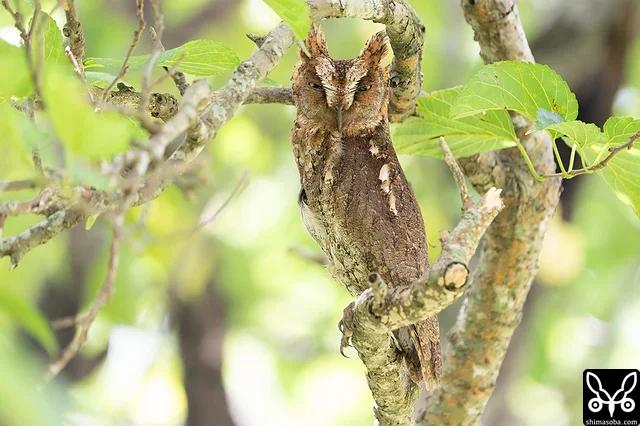
  28. A male Ryukyu Scops Owl. This pair has started breeding at almost the same time as last year. Three Ryukyu Scops Owl nests confirmed.
    Ryukyu Scops Owl
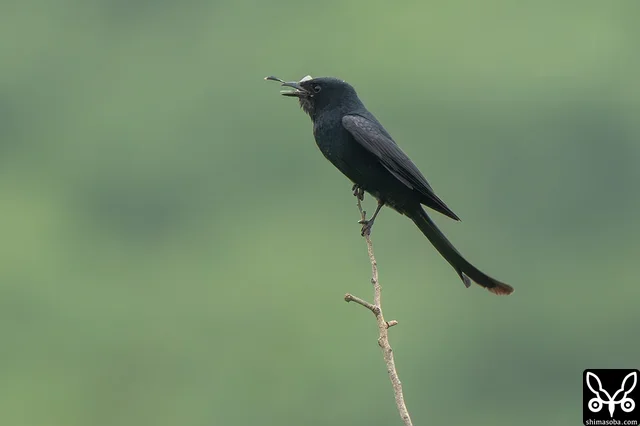
  29. 6
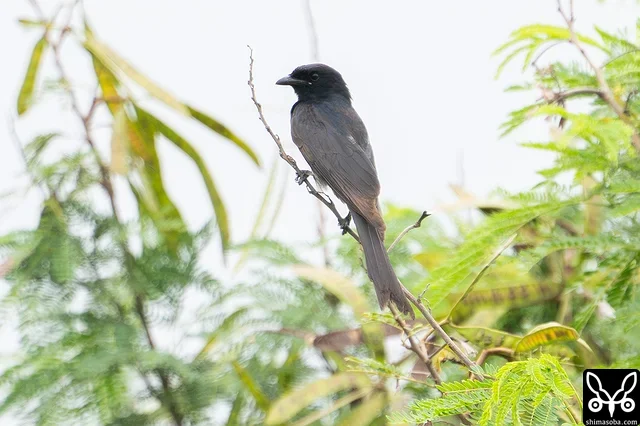
    A Black Drongo with zero wariness. It was catching flying insects.
    Black Drongo
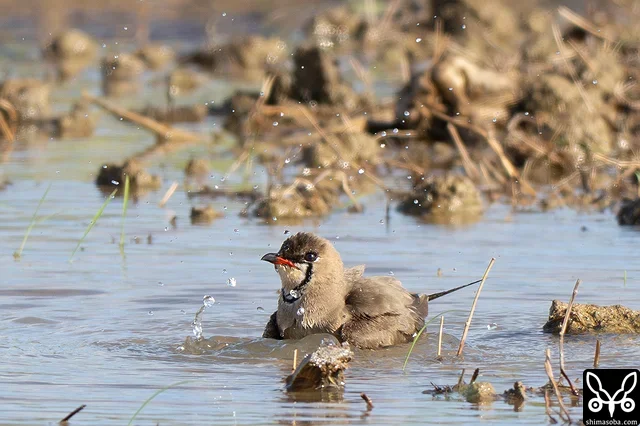
  30. The Oriental Pratincoles in the paddies were bathing. Water has been let into the field they seemed to be eyeing for breeding. They'll probably move on soon.
    Oriental Pratincole
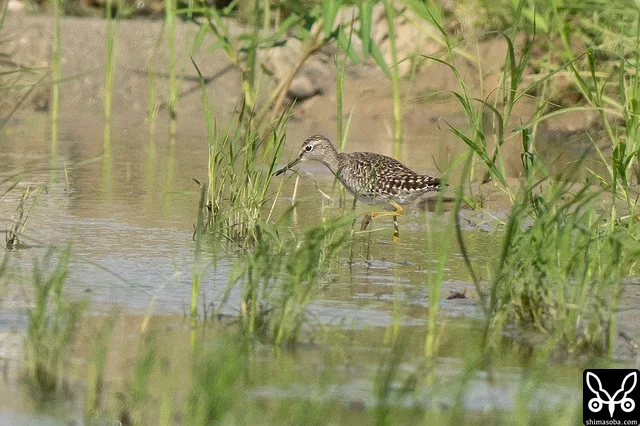
  31. Wood Sandpipers were so numerous I barely paid them any mind, but as the migration season winds down, their numbers have thinned.
    Wood Sandpiper
  32. Only this one Pin-tailed Snipe remained of the snipe. We'll have to wait until late August for snipe again.
    Pin-tailed Snipe
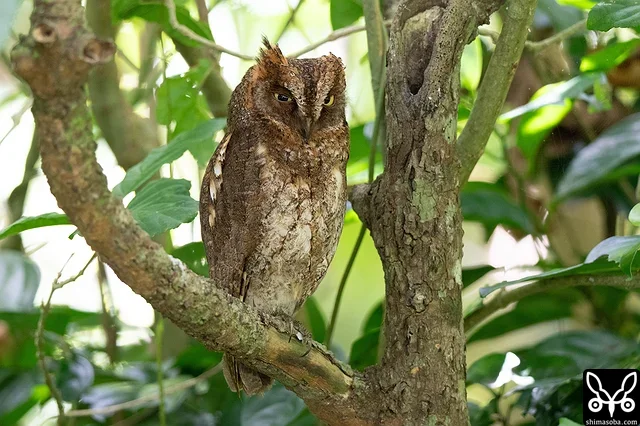
  33. A male Ryukyu Scops Owl standing watch. If eggs have already been laid, the chicks should fledge in early July.
    Northern Boobook
  34. A male Japanese Scops Owl. I've had a long acquaintance with this individual.
    Northern Boobook
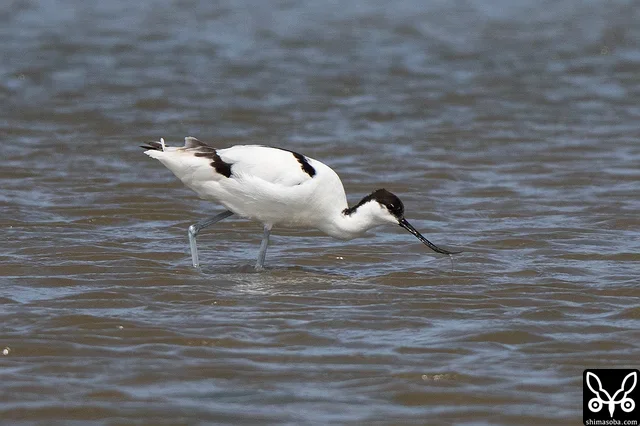
  35. A Pied Avocet also turned up in the paddies. It was alone.
    Pied Avocet
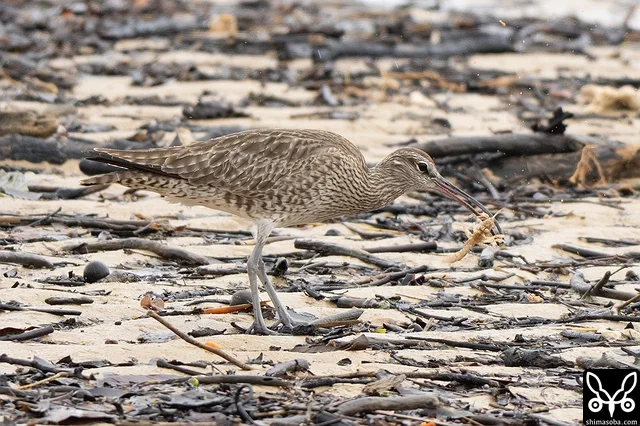
  36. A few Whimbrels appeared too. They were catching Okinawa mud lobsters — washed down from the mangrove stands upstream by the heavy rain the other day, most likely.
    Whimbrel
  37. A Great Knot also showing a little breeding plumage coming through.
    Great Knot
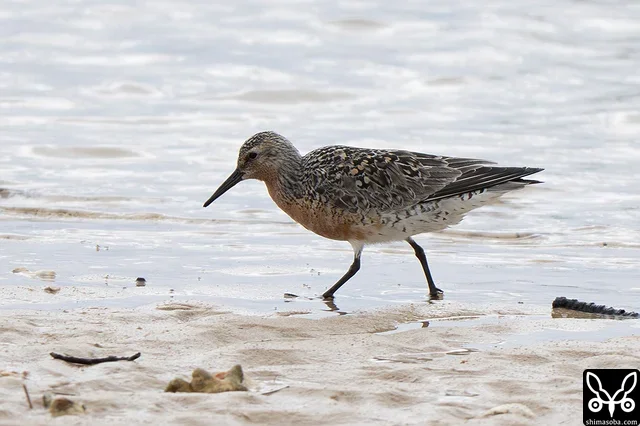
  38. A Red Knot transitioning into breeding plumage. Three appearing at the same time is unusual.
    Red Knot
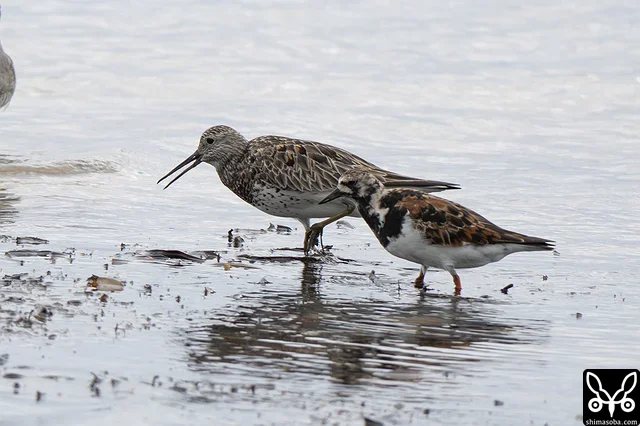
  39. Ruddy Turnstones are present year-round, but numbers have been fluctuating as migrating individuals join the flock.
    Ruddy Turnstone
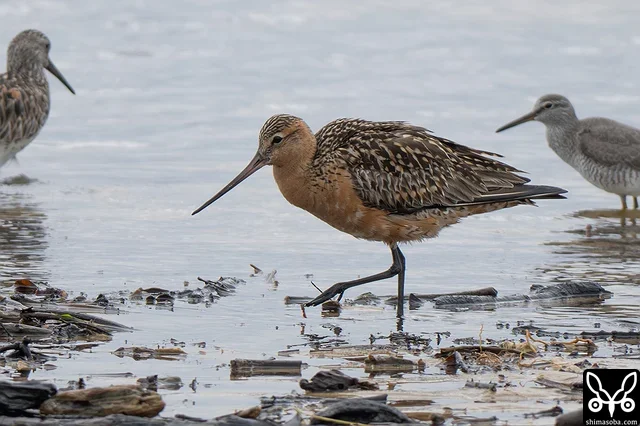
  40. A Bar-tailed Godwit in breeding plumage, with deepening reddish tones.
    Bar-tailed Godwit
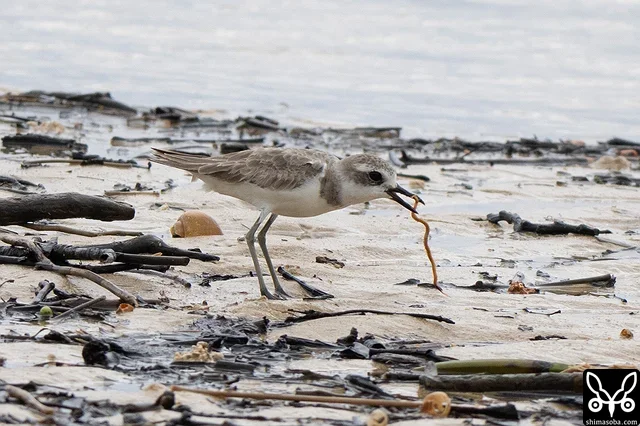
  41. A Greater Sand Plover pulling out what appears to be a geophilomorph centipede from the sediment washed in by the previous day's heavy rain.
    Greater Sand Plover
  42. The Red-necked Stints were still in full winter plumage.
    Red-necked Stint
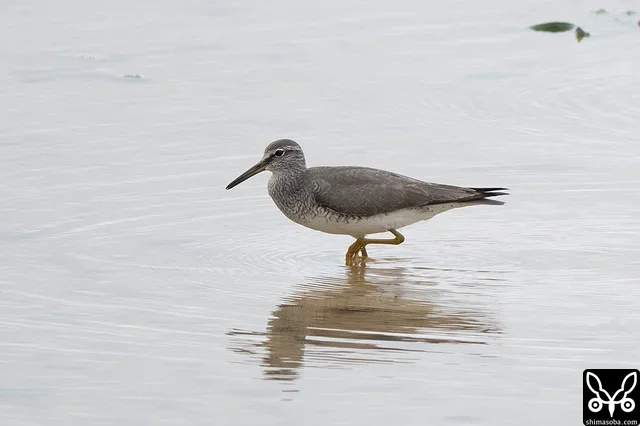
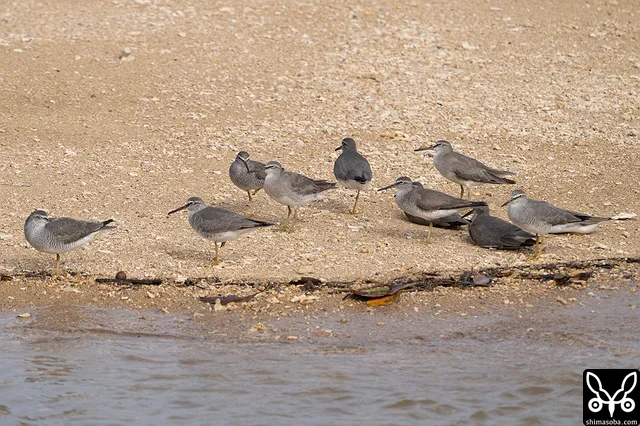
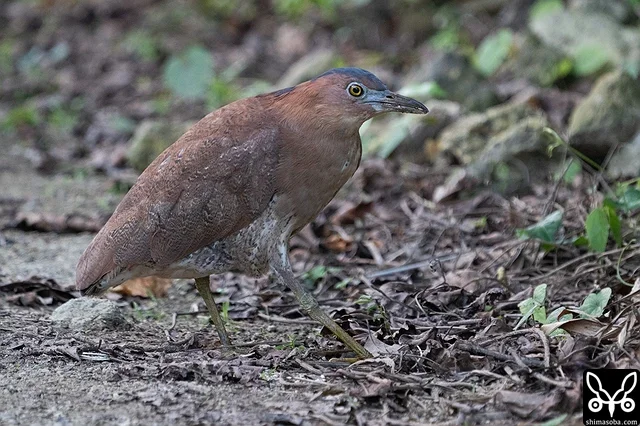
  43. Grey-tailed Tattlers were the most numerous.
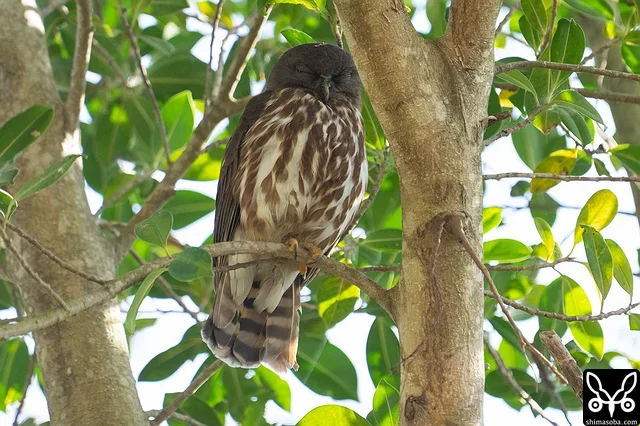
    Grey-tailed Tattler
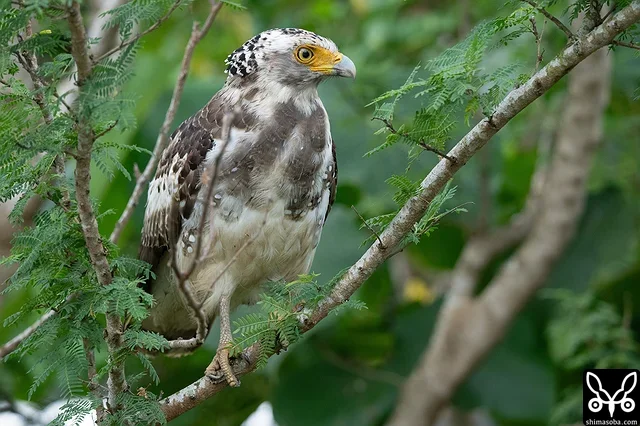
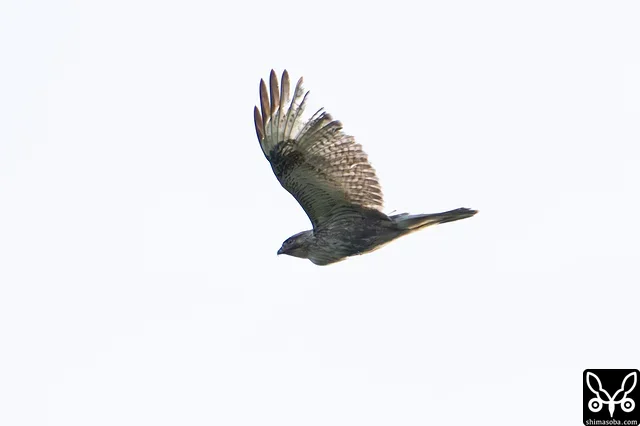
  44. A Crested Serpent Eagle hatched last year, in the process of moulting from juvenile to adult plumage.
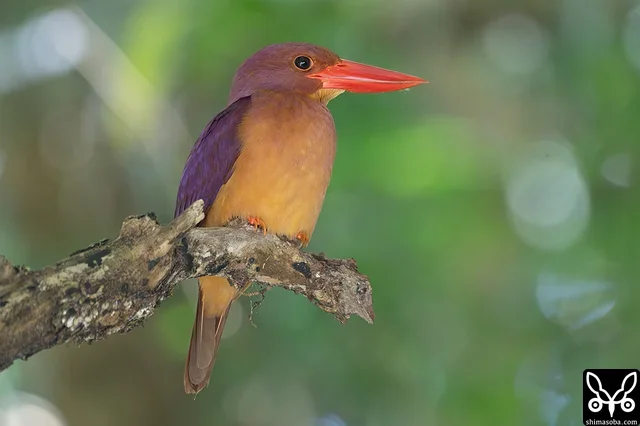
    Crested Serpent Eagle
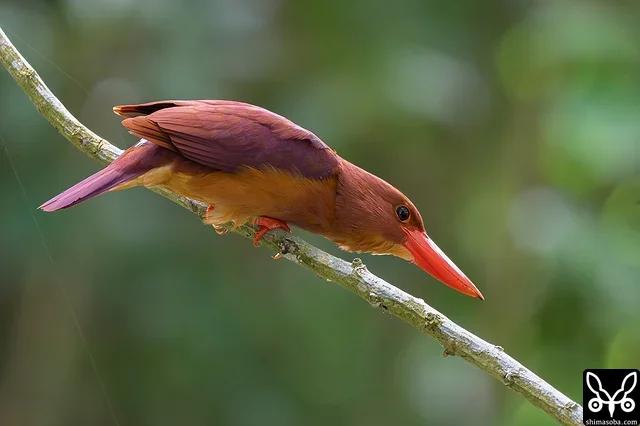
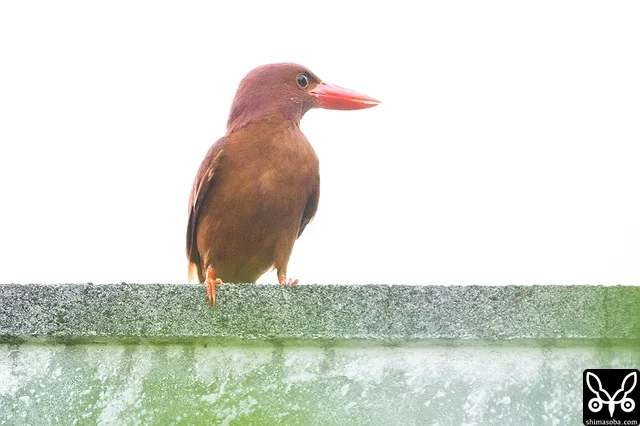
  45. A Ruddy Kingfisher that spotted something on the ground. It was an unwary individual and hunted several times right in front of me.
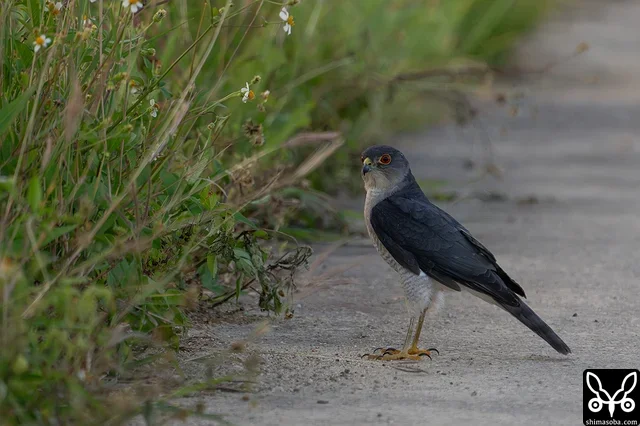
    Ruddy Kingfisher
  46. "Micchan," wearing a metal band on the left leg, waiting in ambush for prey in a field.
    Crested Serpent Eagle
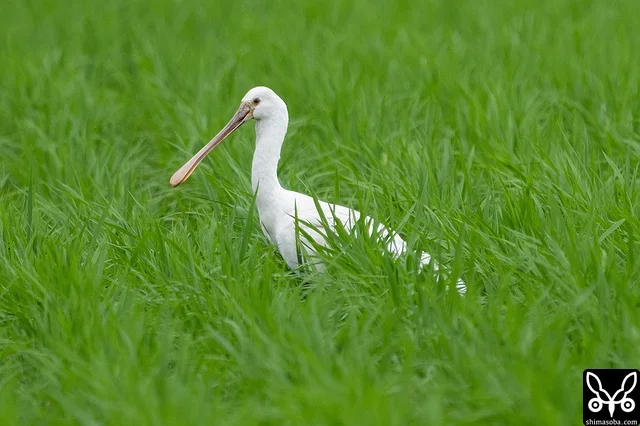
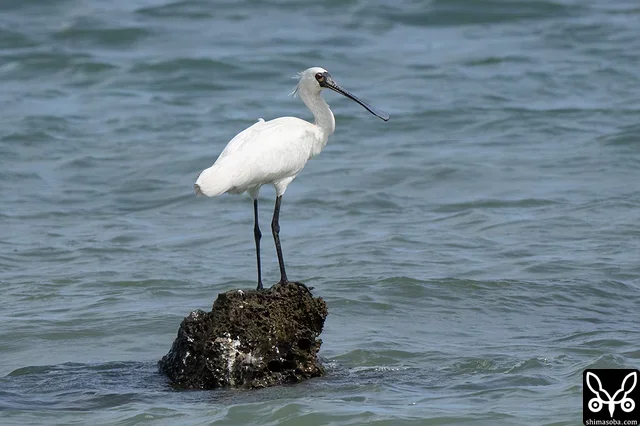
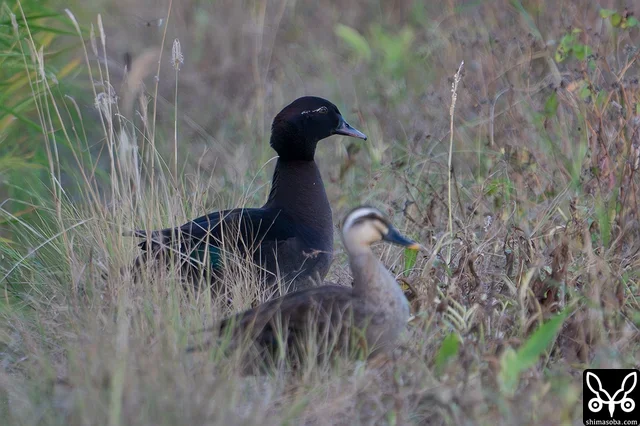
  47. A Eurasian Spoonbill that has been making a long stay since early April.
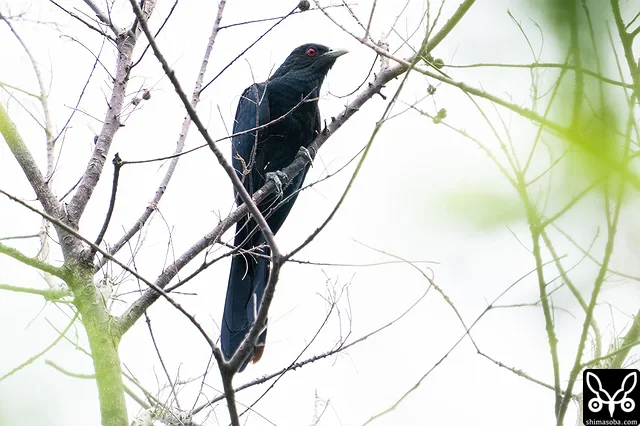
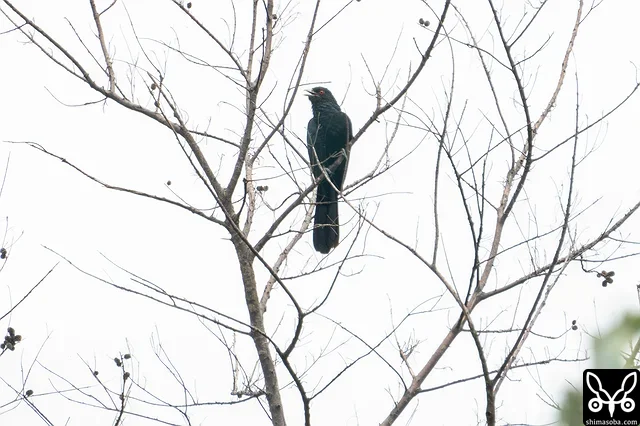
    Eurasian Spoonbill
  48. A small flock of six. They will likely move on from here.
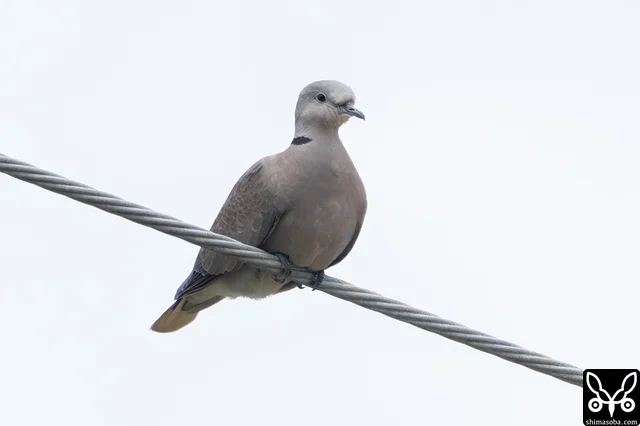
    Oriental Pratincole
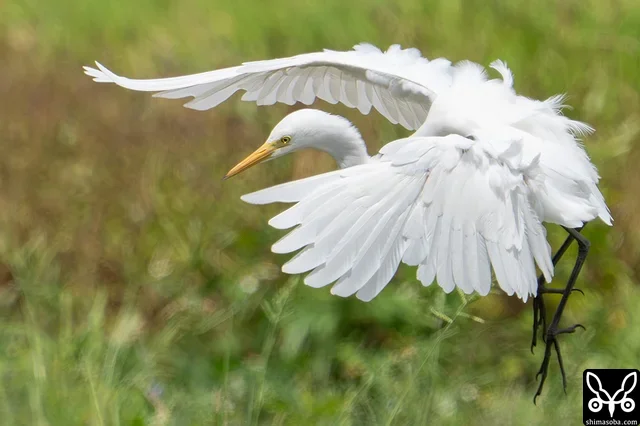
  49. While watching the Ryukyu Cinnamon Bittern, an Intermediate Egret dropped down right in front of me.
    Intermediate Egret
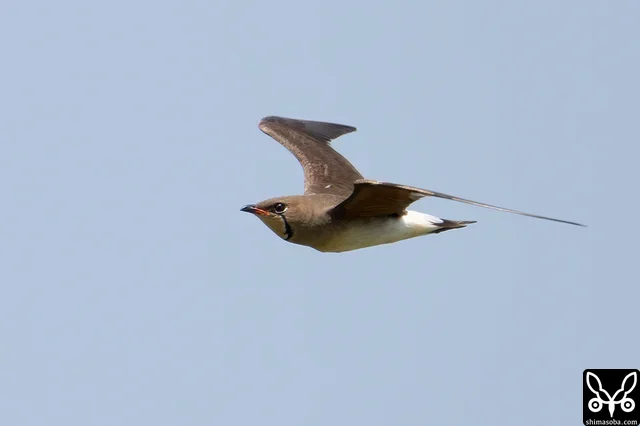
  50. Oriental Pratincoles arriving one after another.
    Oriental Pratincole
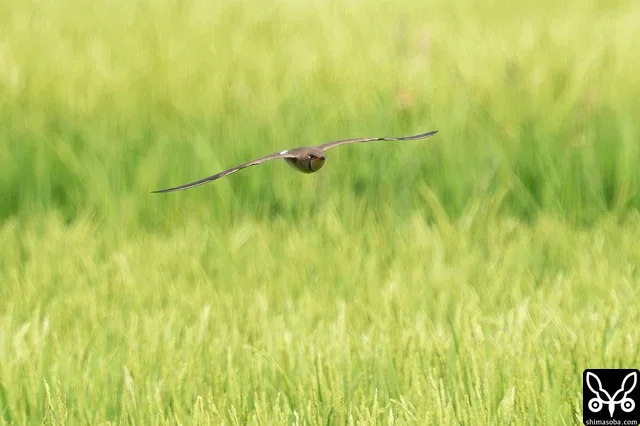
  51. Foraging while flying back and forth over the rice fields.
    Oriental Pratincole
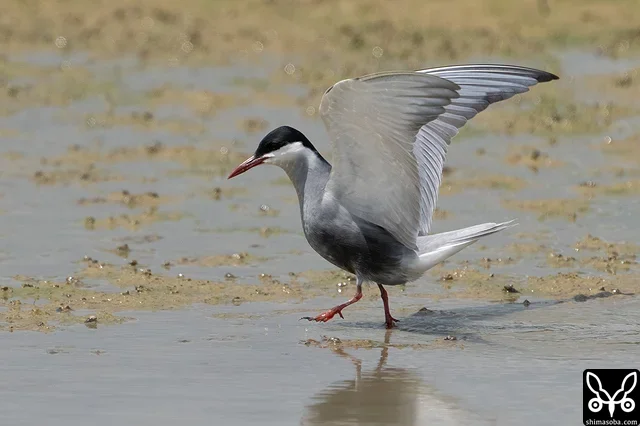
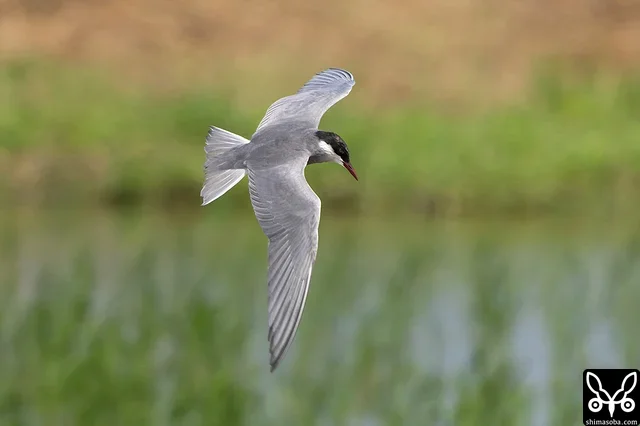
  52. A Whiskered Tern feeding on small insects.
    Whiskered Tern
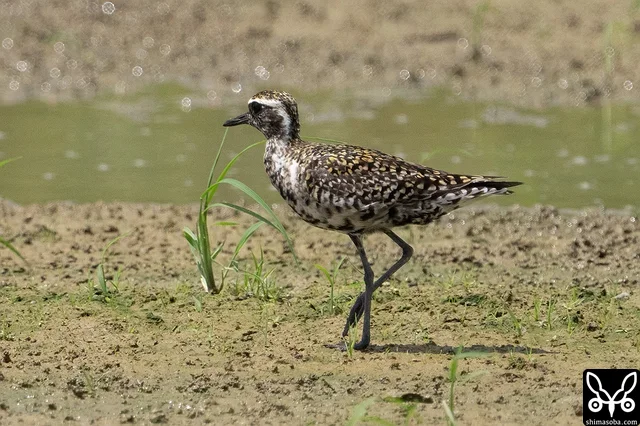
  53. A Pacific Golden Plover transitioning into breeding plumage.
    Pacific Golden Plover
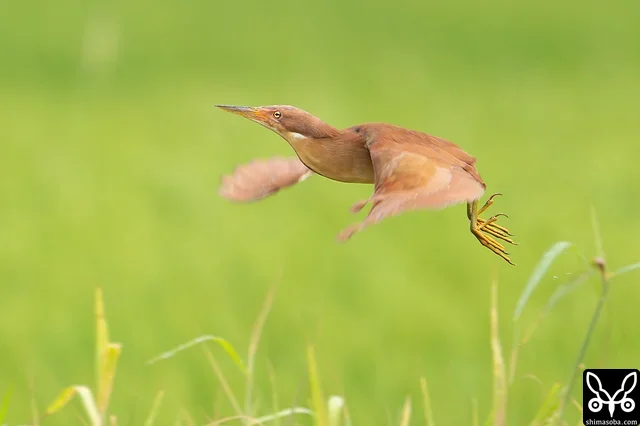
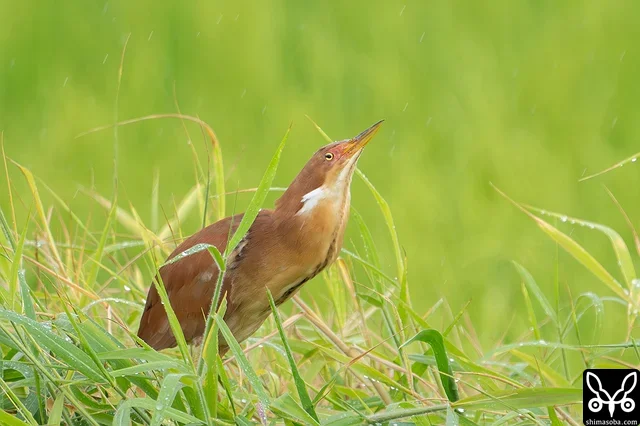
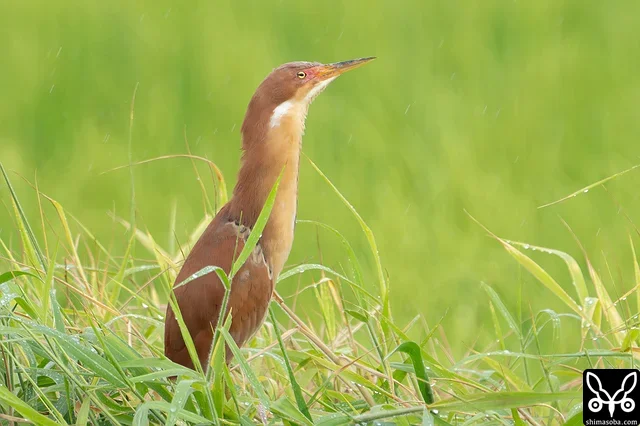
  54. A different Ryukyu Cinnamon Bittern. The nuptial coloration on this one is not so pronounced.
    Yellow Bittern
  55. It flew off in response to the calls of another individual.
    Yellow Bittern
  56. A male Ryukyu Cinnamon Bittern singing.
    Yellow Bittern
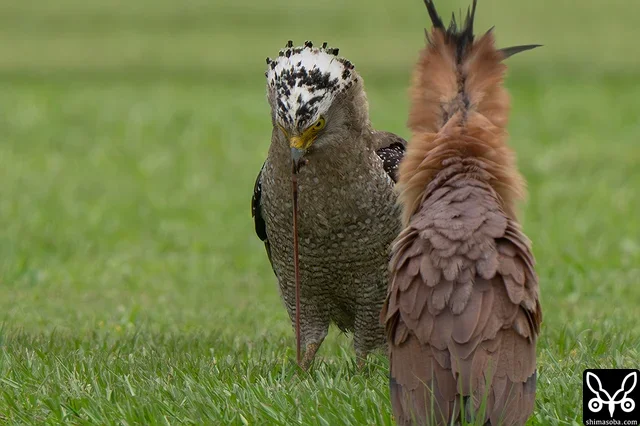
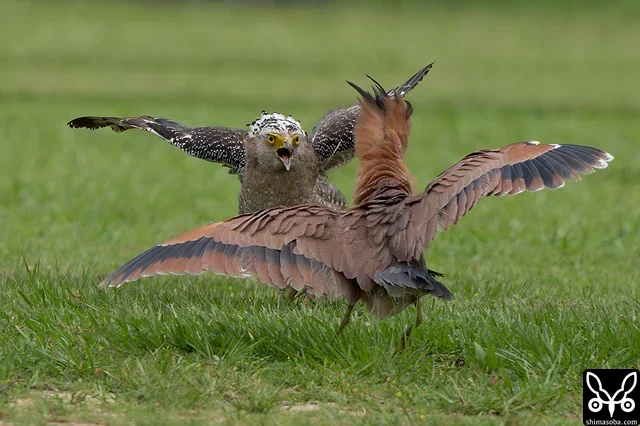
  57. A male Ryukyu Cinnamon Bittern appeared in a conspicuous spot once the downpour stopped. Nuptial coloration is showing.
    Yellow Bittern
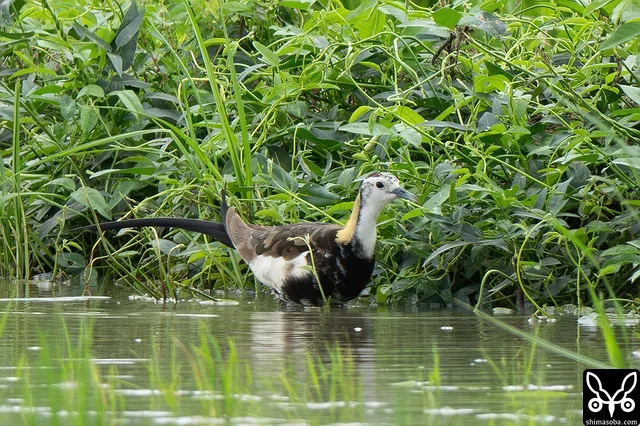
  58. It has probably been a few days since hatching. It is endearing to watch the chicks following their parent around.
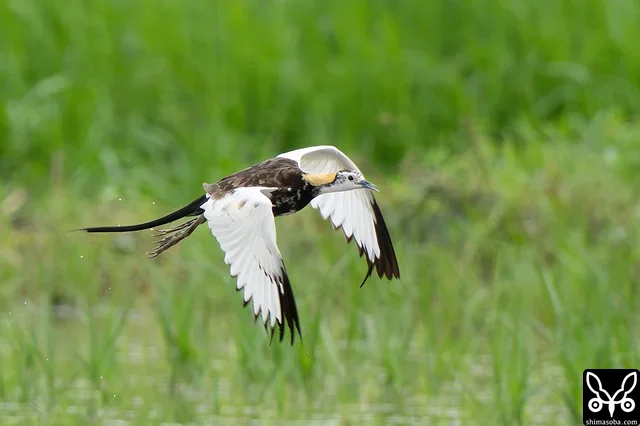
    Greater Painted-snipe
  59. It did not seem particularly wary of people and came towards me. When an Intermediate Egret or a Common Moorhen approached, it tucked its chicks underneath its belly. Black-winged Kites, crows and Japanese Sparrowhawks also showed up, so there was no room for complacency.
    Greater Painted-snipe
  60. Whenever the parent caught food, the chicks all jostled to be first in line begging for it.
    Greater Painted-snipe
  61. 7
    After catching a dragonfly, it returned to the same branch and swallowed it there.
    Black Drongo
  62. A Black Drongo perched at the tip of a thin branch, waiting for prey.
    Black Drongo
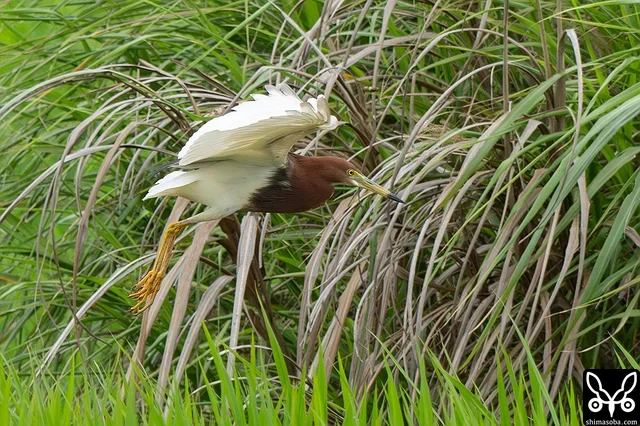
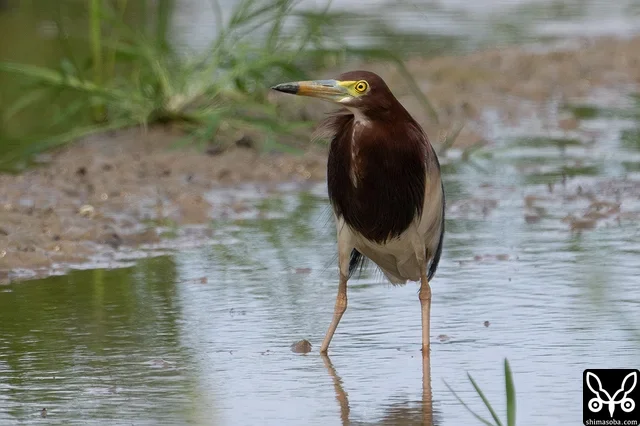
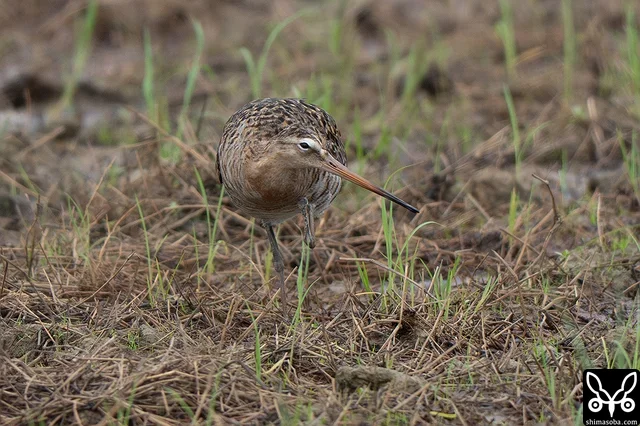
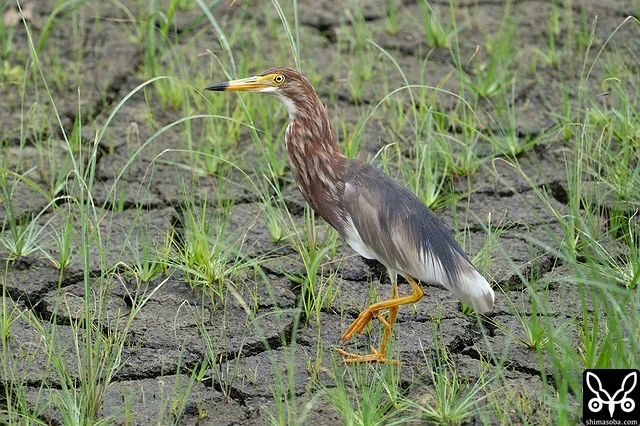
  63. Reef Herons in breeding plumage were encountered in rice paddies here and there. Quite a few seem to have come in.
    Chinese Pond Heron
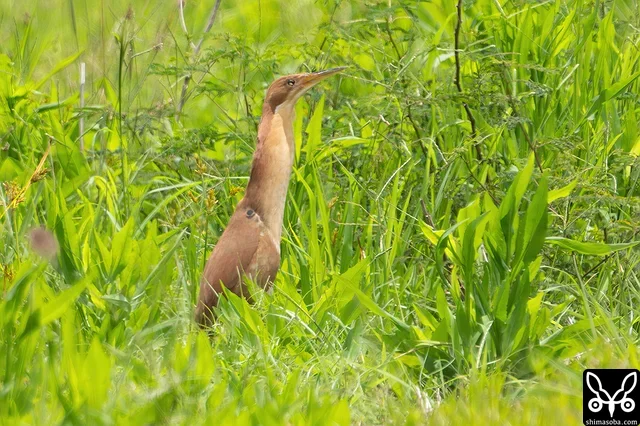
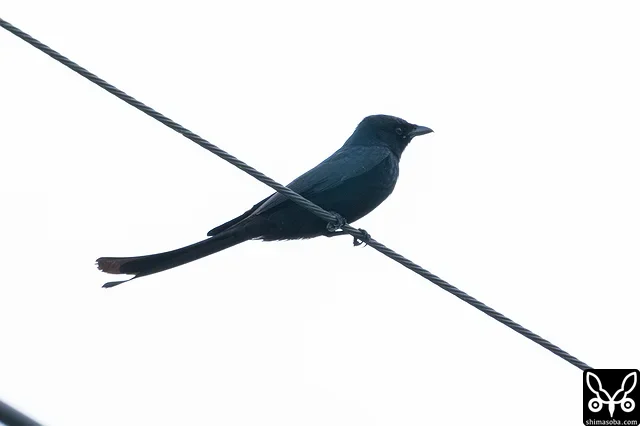
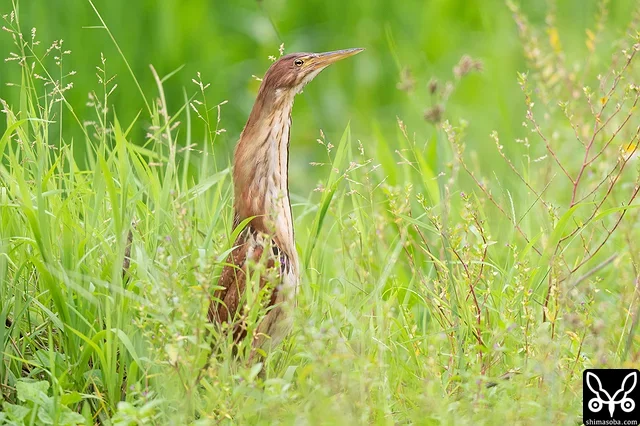
  64. A Black Drongo near home, now on its fourth day of the stay.
    Black Drongo
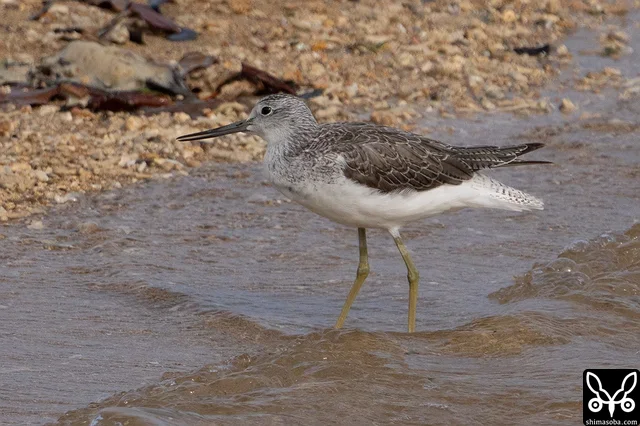
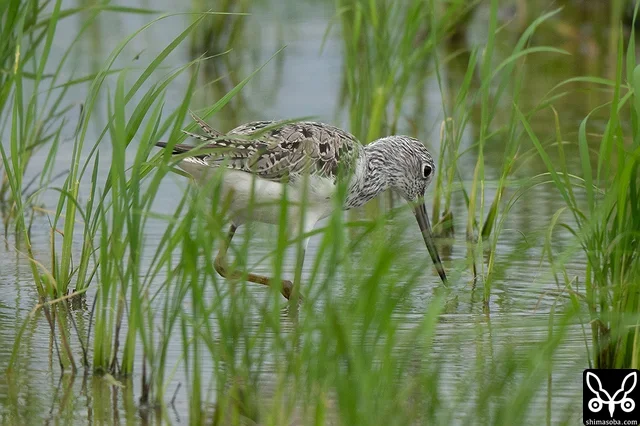
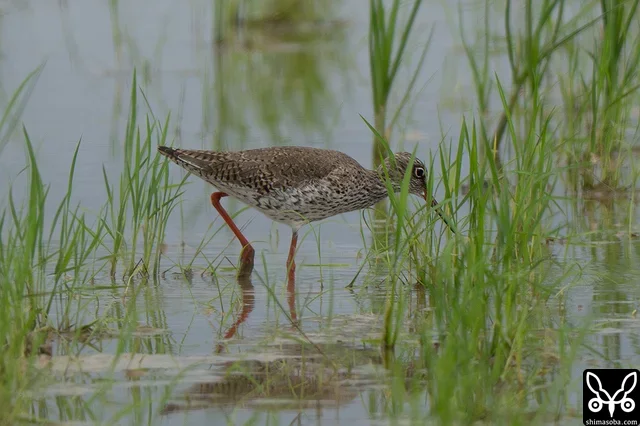
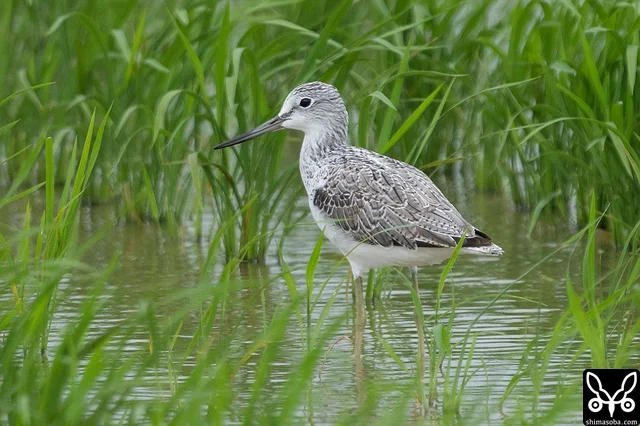
  65. A single Common Greenshank at the river mouth.
    Common Greenshank
  66. There were around 20 Grey-tailed Tattlers at the river mouth.
    Grey-tailed Tattler
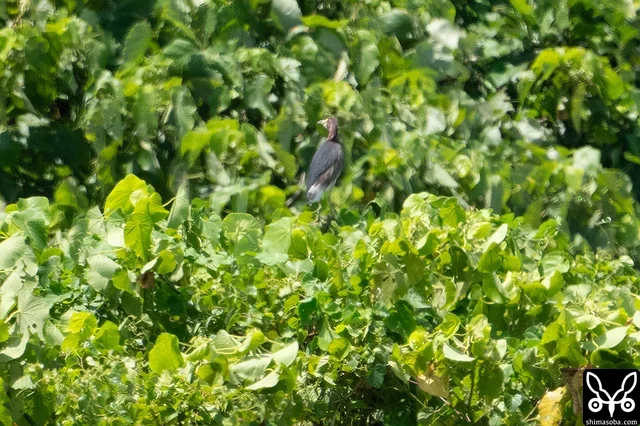
  67. A Squacco Heron at a different location. Too far away to make out clearly.
    Chinese Pond Heron
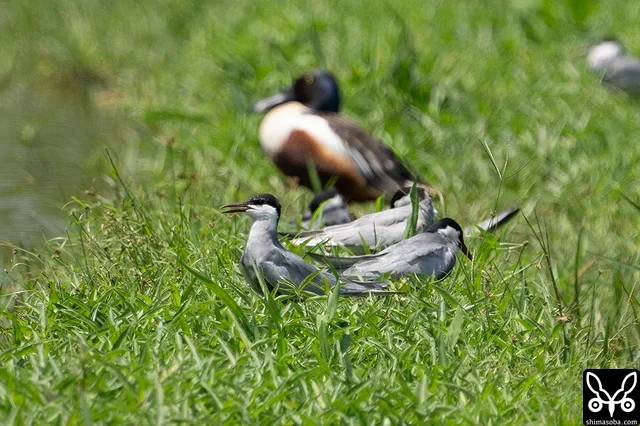
  68. An unlikely combination — Whiskered Tern and Northern Shoveler.
    Whiskered Tern
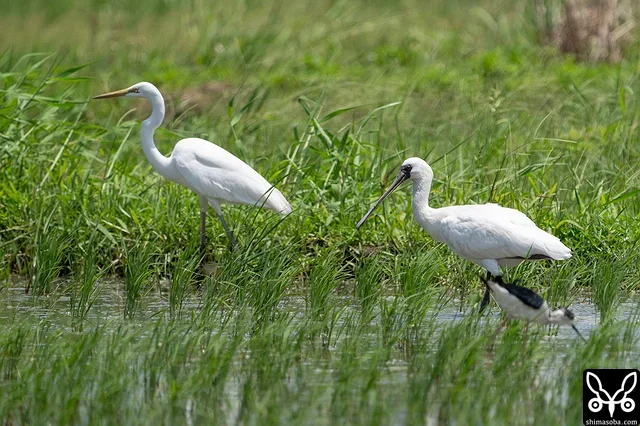
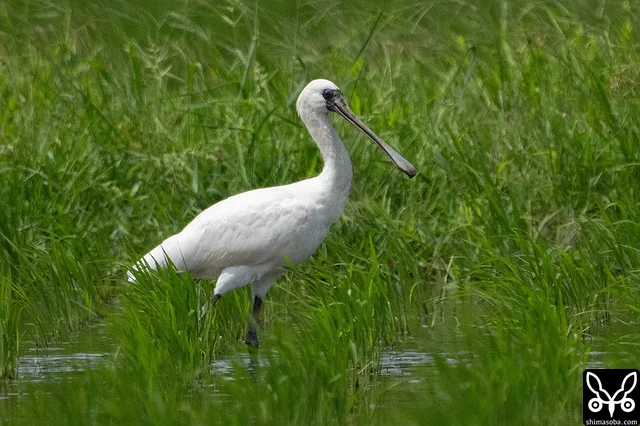
  69. Size comparison: Black-faced Spoonbill (right) and Great Egret.
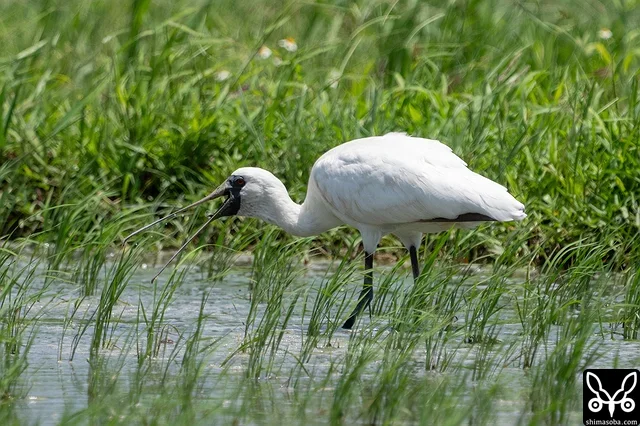
    Black-faced Spoonbill
  70. A Black-faced Spoonbill preying on a tadpole. A young individual.
    Black-faced Spoonbill
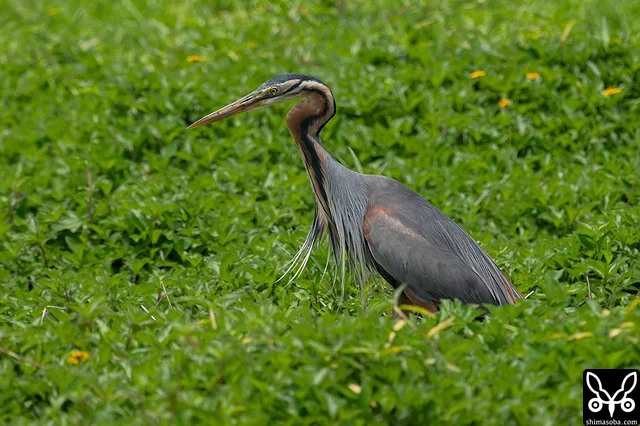
  71. 8
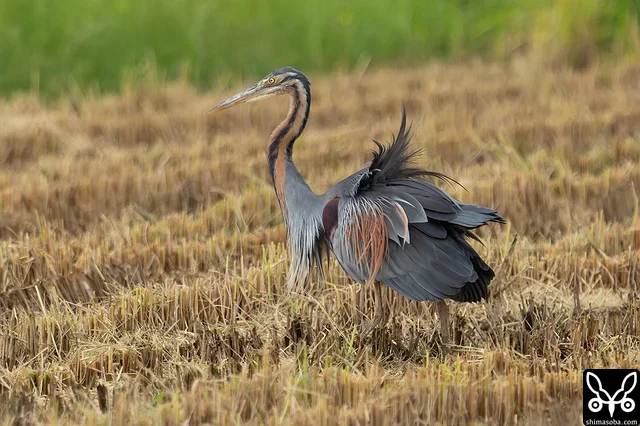
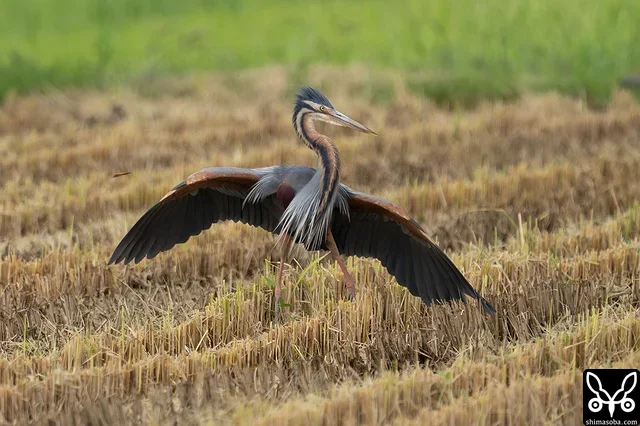
    A Purple Heron getting ready to enter breeding season.
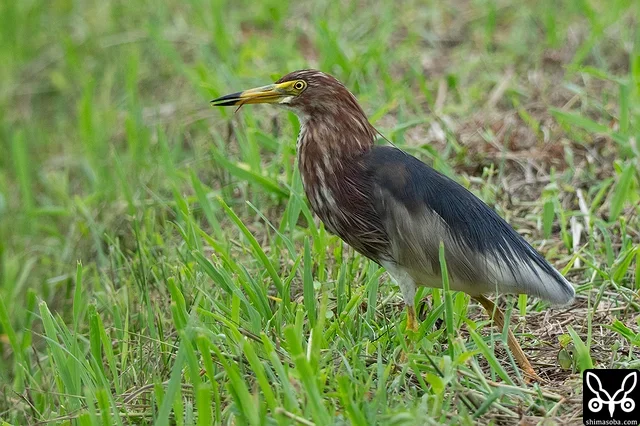
    Purple Heron
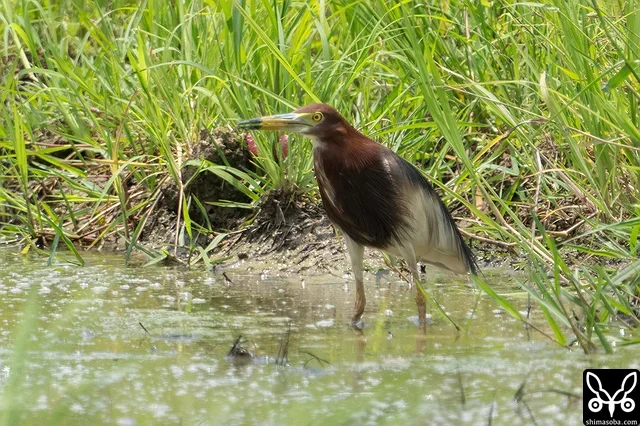
  72. A Chinese Pond Heron in breeding plumage.
    Chinese Pond Heron
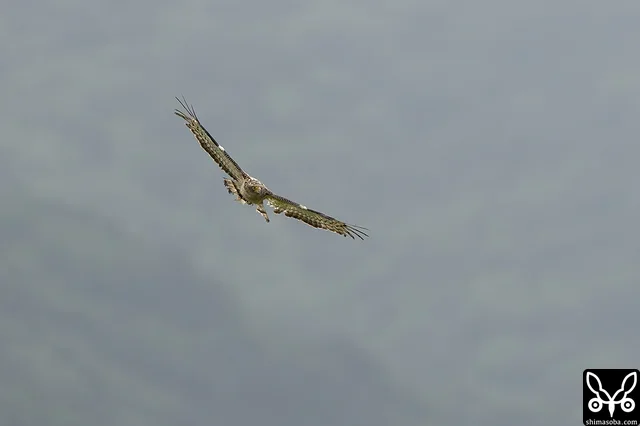
  73. 9
    After circling overhead, it disappeared somewhere.
    Crested Serpent Eagle
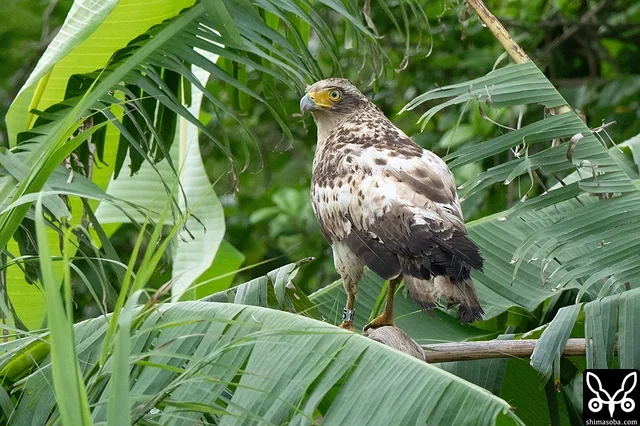
  74. It perched on a banana plant and rested for a while.
    Crested Serpent Eagle
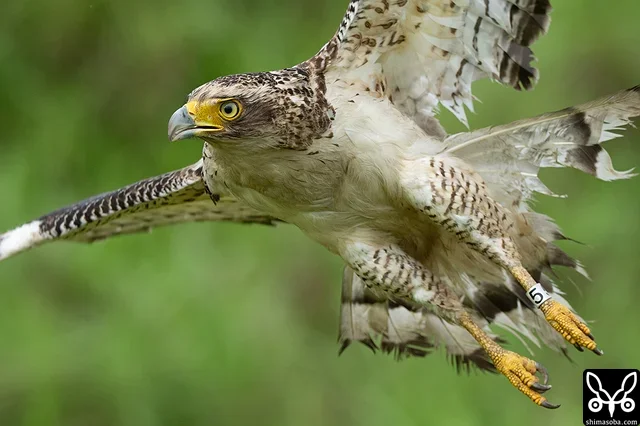
  75. It flew off showing the metal band on its leg.
    Crested Serpent Eagle
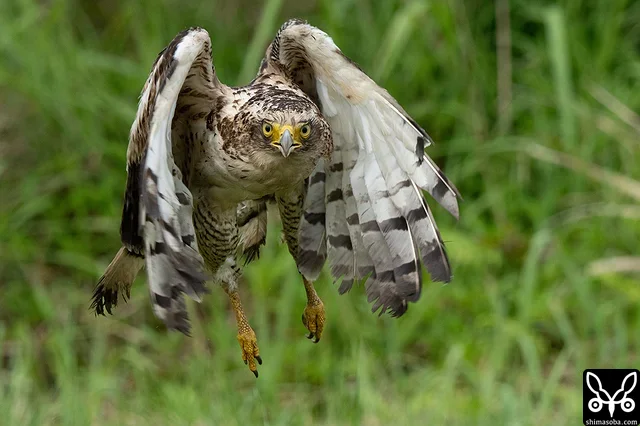
  76. A Crested Serpent Eagle bursting off strongly after being released.
    Crested Serpent Eagle
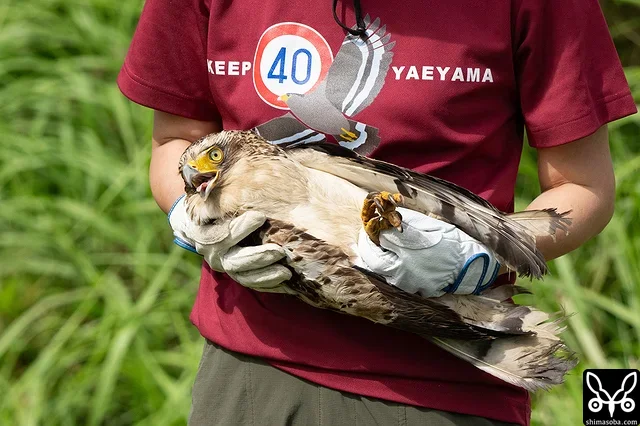
  77. A Crested Serpent Eagle being held by a staff member. The T-shirt from "Shima no Nakama from IRIOMOTE," a designer based on Iriomote Island, is very stylish.
    Crested Serpent Eagle
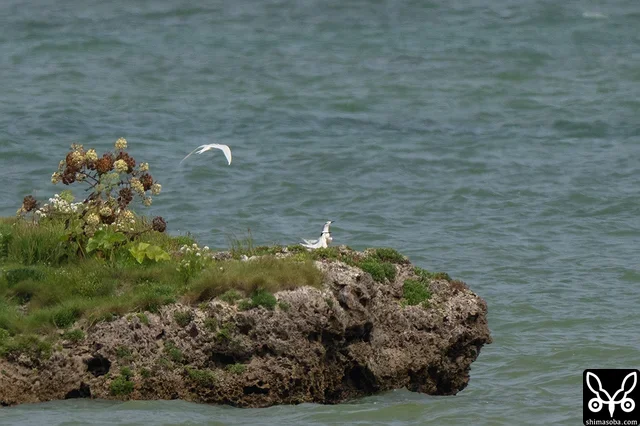
  78. Squacco Heron in breeding plumage. Some nuptial coloration is showing as well.
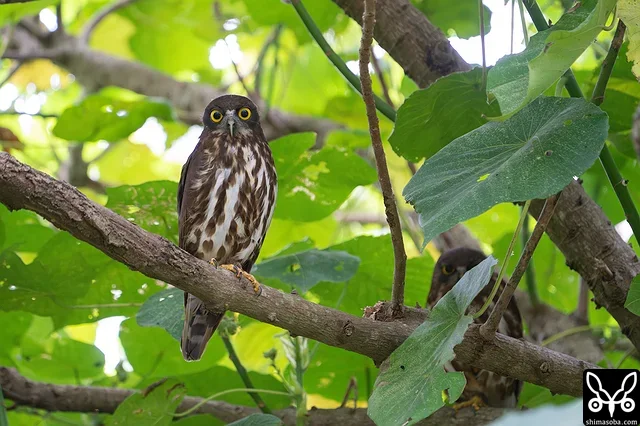
    Chinese Pond Heron
  79. A Black-faced Spoonbill in the rice paddies. A young bird.
    Black-faced Spoonbill
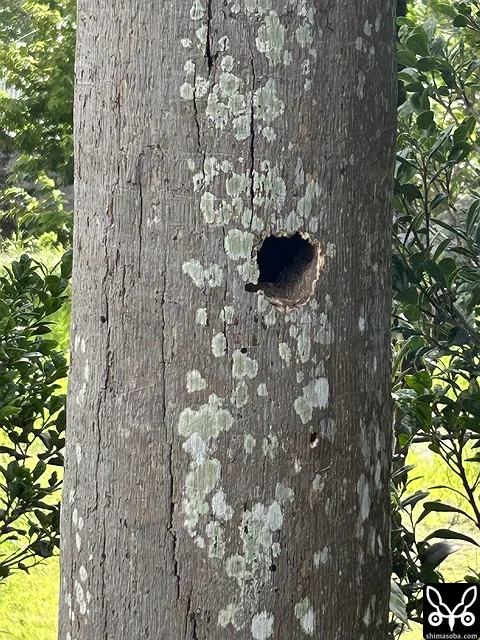
  80. A Ryukyu Ruddy Kingfisher near my home. It appears to be test-digging trial nest holes in several spots.
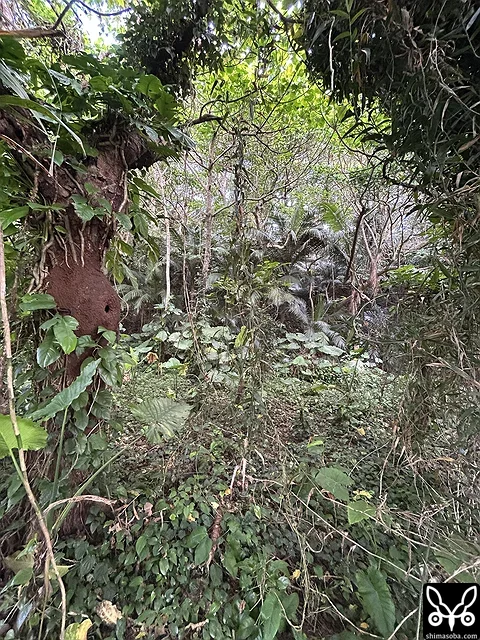
    Ruddy Kingfisher
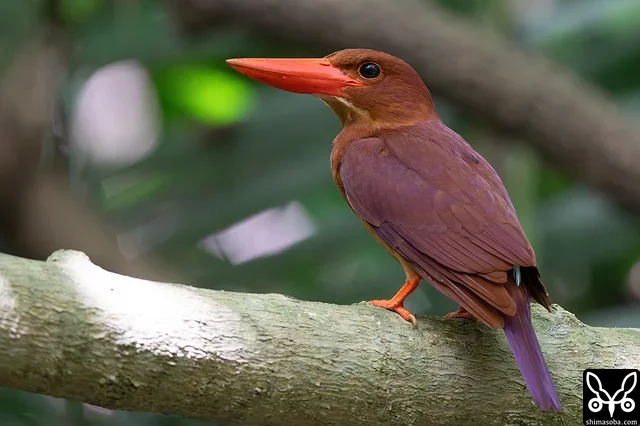
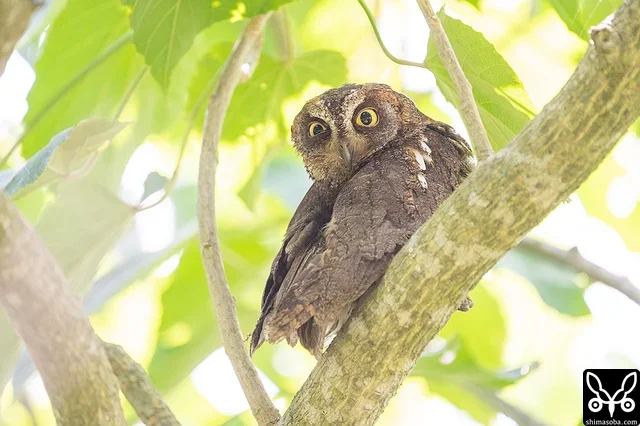
  81. My acquaintance with this Ryukyu Scops Owl has been going on for quite a while now.
    Ryukyu Scops Owl
  82. 10
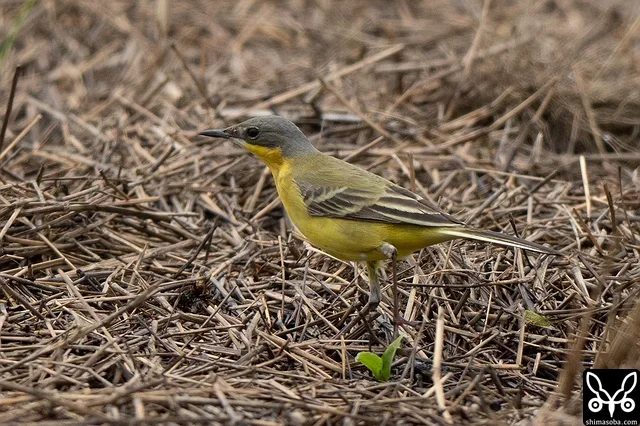
    A first encounter in a long while with an Eastern Yellow Wagtail. It still appeared to be in winter plumage.
    Eastern Yellow Wagtail
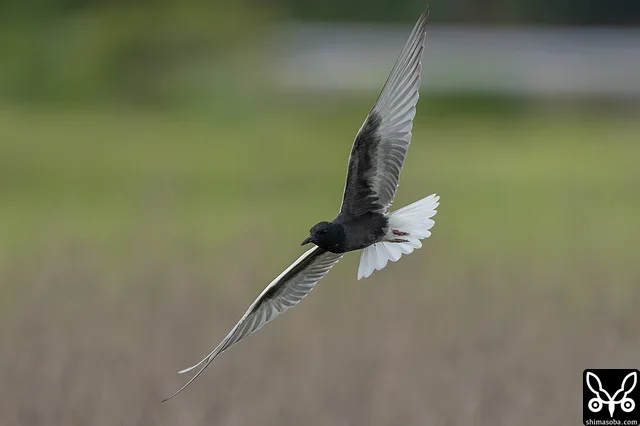
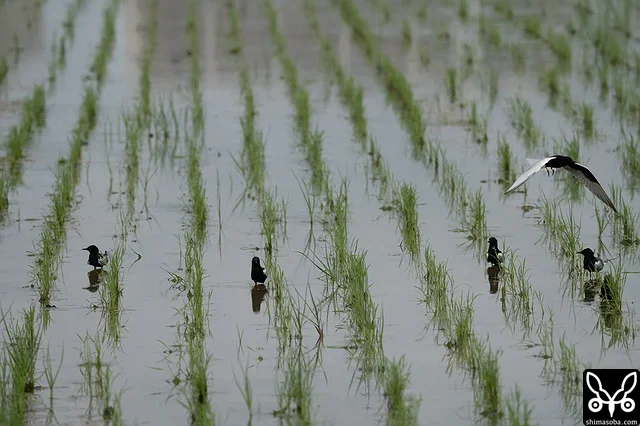
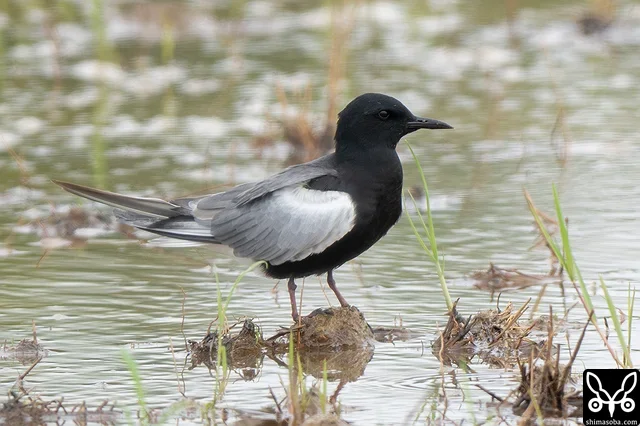
  83. White-winged Terns in breeding plumage were flying back and forth over the paddies, picking off prey.
    White-winged Tern
  84. Six White-winged Terns — all in breeding plumage. Wonderful to see them all matching like that. ^^
    White-winged Tern
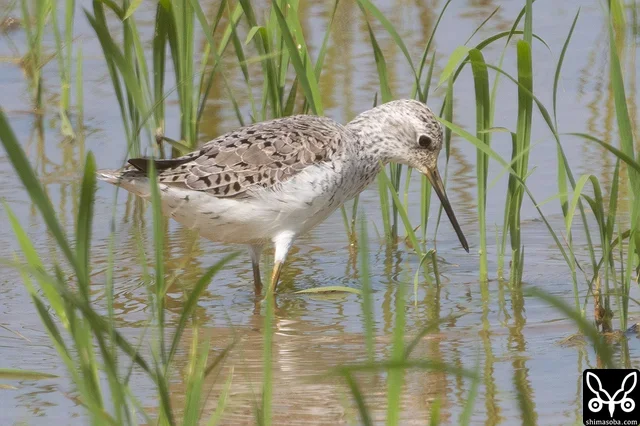
  85. The Little Stint is transitioning into breeding plumage but still retains some winter plumage.
    Marsh Sandpiper
  86. Whiskered Terns in breeding plumage. A small flock of several birds.
    Whiskered Tern
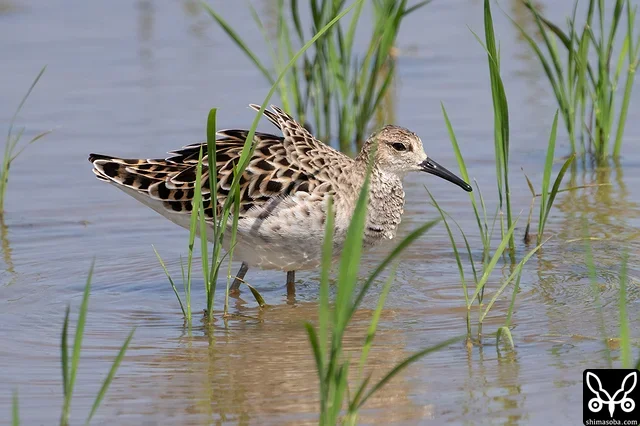
  87. A female Ruff. Winter plumage is still prominent.
    Ruff
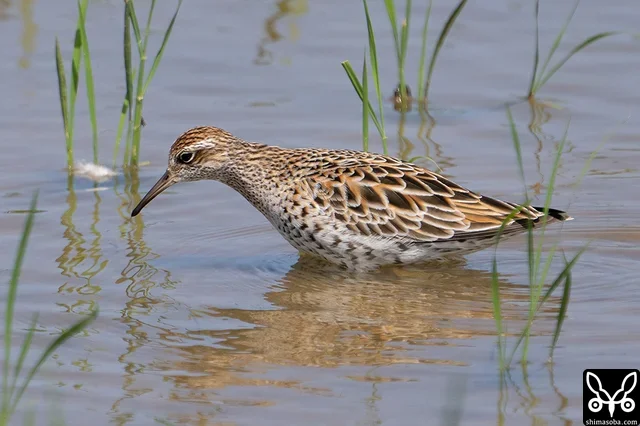
  88. Four Sharp-tailed Sandpipers. This individual had the most advanced breeding plumage of the group.
    Sharp-tailed Sandpiper
  89. These two Squacco Herons were together. They still retained some winter plumage.
    Chinese Pond Heron
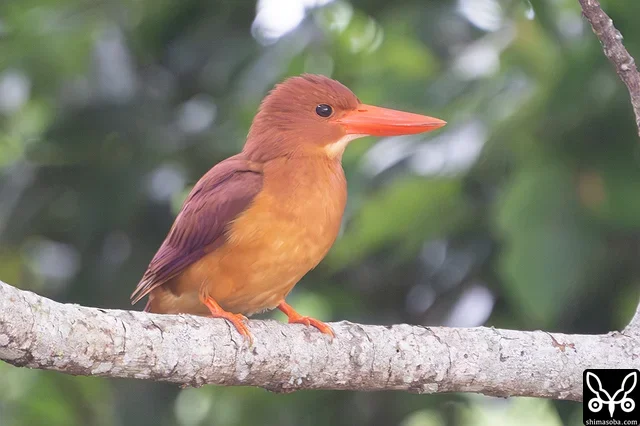
  90. A Ruddy Kingfisher nesting in the garden two houses down from my home. It is perched on my neighbour's roof.
    Ruddy Kingfisher
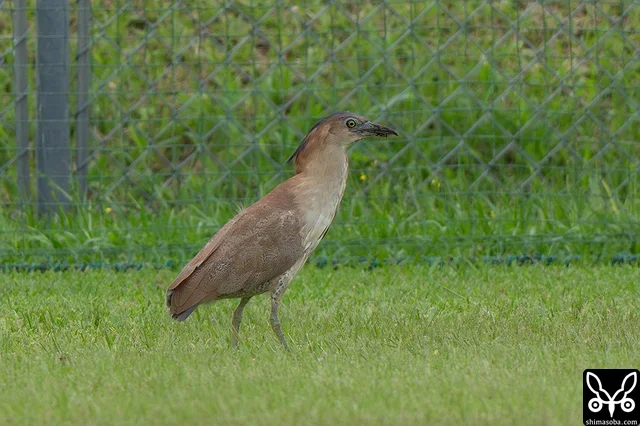
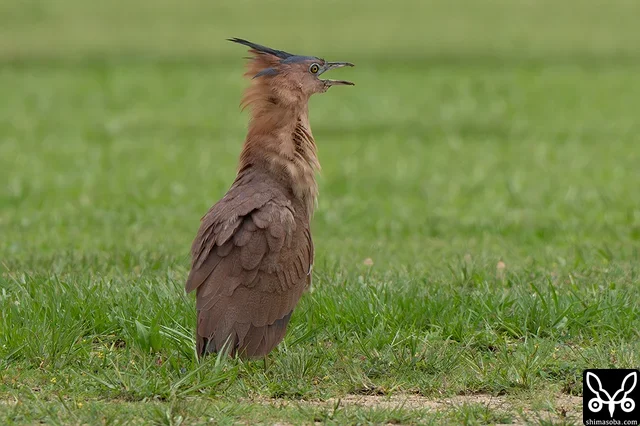
  91. A neighborhood Ryukyu Night Heron. It lives close to the settlement, so this one is also used to people.
    Malayan Night Heron
  92. It appears the Brown Hawk-Owls have also begun incubating. This pair has successfully bred for several consecutive years.
    Northern Boobook
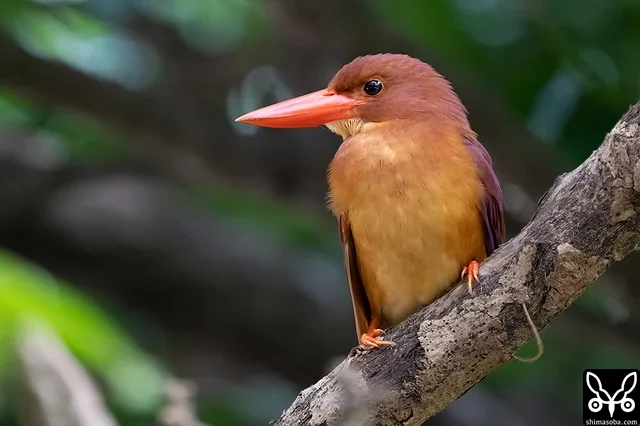
  93. The male of the pair with the one above. Neither the male nor the female of this pair shows any wariness.
    Ruddy Kingfisher
  94. A Ruddy Kingfisher in the park. A female individual.
    Ruddy Kingfisher
  95. White-breasted Waterhen breeding too. I expect to encounter adults with chicks before long.
    White-breasted Waterhen
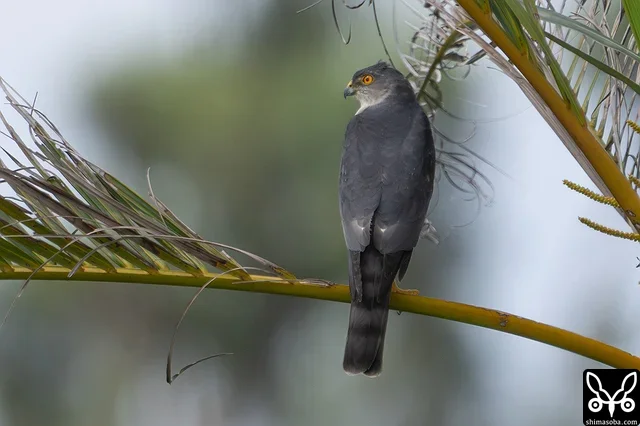
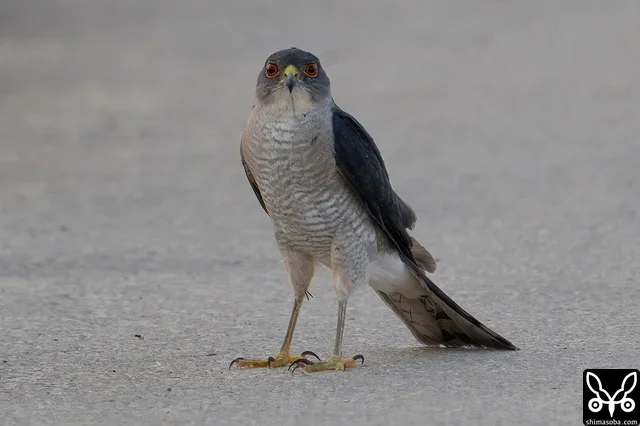
  96. A male Ryukyu Sparrowhawk in the rice paddies. At this time of year males are often seen, but females are incubating and rarely show themselves.
    Ryukyu Sparrowhawk
  97. 11
    A young individual that turns up regularly in this rice paddy, completely unafraid of people. It appears often in the mornings and evenings.
    Ryukyu Sparrowhawk
  98. A male Ryukyu Sparrowhawk targeting a Eurasian Tree Sparrow that had fled into the bushes.
    Ryukyu Sparrowhawk
  99. The `hybrid duck that has been here since February last year <https://shimasoba.com/blog/2334/>`_. The moult seems to have progressed and there is some change in appearance. Could this be its breeding plumage?
    Hybrid
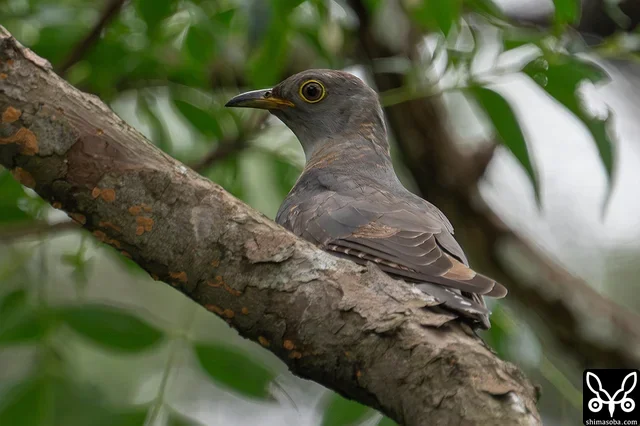
  100. A male Large Hawk-Cuckoo. I was able to observe it at quite close range for an extended period.
    Pied Cuckoo
  101. A Large Hawk-Cuckoo about 100 metres away. A Brown-eared Bulbul was perched nearby, which made the size of the Large Hawk-Cuckoo stand out all the more. True to its status as the largest of Japan's cuckoos, it was about the same size as a Large-billed Crow.
    Pied Cuckoo
  102. A Red Turtle-Dove looking tired.
    Eurasian Collared Dove
  103. Same individual as above. 2cy, perhaps?
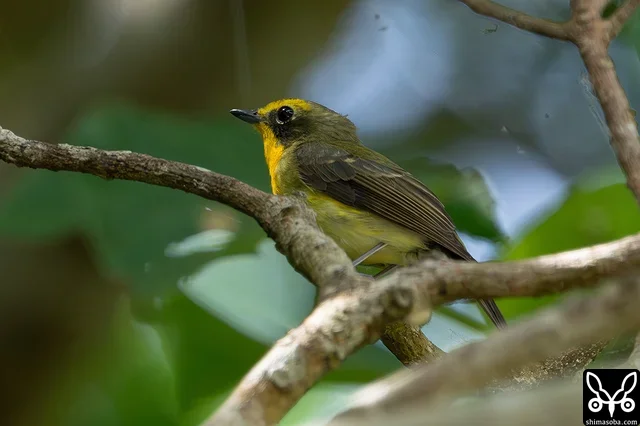
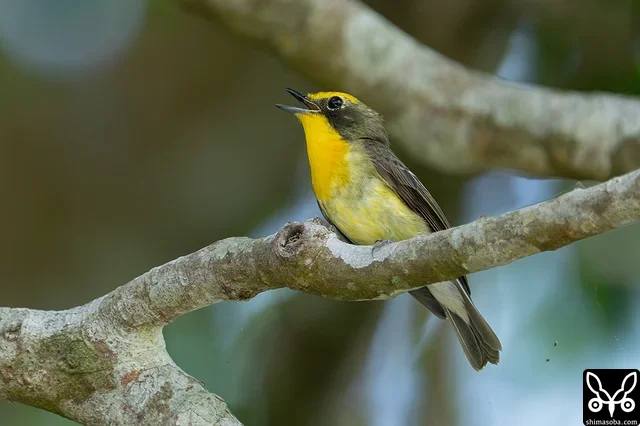
    Ryukyu Flycatcher
  104. A singing male Ryukyu Narcissus Flycatcher.
    Ryukyu Flycatcher
  105. A Ruddy Kingfisher at Banna Park, perched on one of its favourite thick Mucuna vines.
    Ruddy Kingfisher
  106. This is a Ruddy Kingfisher I encountered on foot. It bred in the same spot last year as well, and is noticeably accustomed to people.
    Ruddy Kingfisher
  107. An Ishigaki Bulbul bringing food. Some pairs are still building nests while others already have hatched chicks.
    Ishigaki Bulbul
  108. Same individual as above. The Ryukyu Night Herons living in the park are used to people and walk right toward you.
    Malayan Night Heron
  109. A Ryukyu Night Heron that has pulled out an earthworm.
    Malayan Night Heron
  110. Ryukyu Scops Owls have begun breeding at several locations. At the earliest sites, chicks have already hatched. This was also an early-breeding pair last year — perhaps there are individual differences in timing.
    Ryukyu Scops Owl
  111. A male Ruddy Kingfisher sang at close range on a forest track. I was able to record fine detail in the recording.
    Ruddy Kingfisher
  112. A Ruddy Kingfisher on a forest track. This individual also showed little wariness.
    Ruddy Kingfisher
  113. 12
    The six Whiskered Terns that had arrived were down slightly in number.
    White-winged Tern
  114. The Common Greenshank is starting to come into breeding plumage as well.
    Common Greenshank
  115. A Common Redshank in breeding plumage. Beautiful.
    Common Redshank
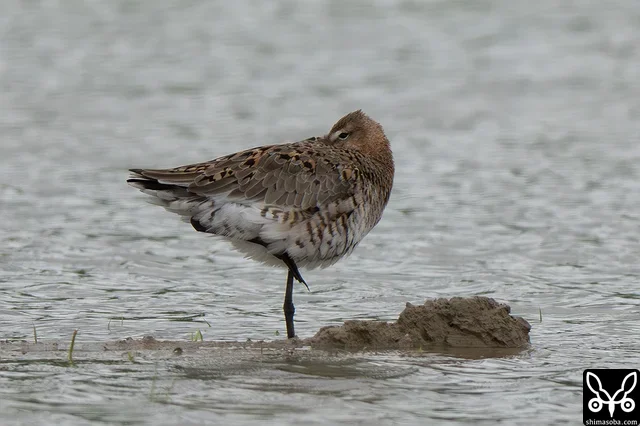
  116. A Black-tailed Godwit resting among Black-winged Stilts.
    Black-tailed Godwit
  117. A female Malayan Night Heron, paired with the individual above.
    Malayan Night Heron
  118. A Malayan Night Heron watching the departing Crested Serpent Eagle with what looked like resentment.
    Malayan Night Heron
  119. A Crested Serpent Eagle eating a large earthworm that a Malayan Night Heron had caught.
    Crested Serpent Eagle
  120. A Crested Serpent Eagle attacking a Malayan Night Heron.
    Crested Serpent Eagle
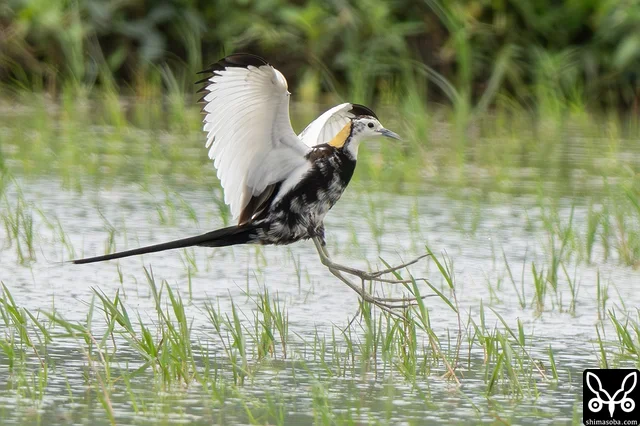
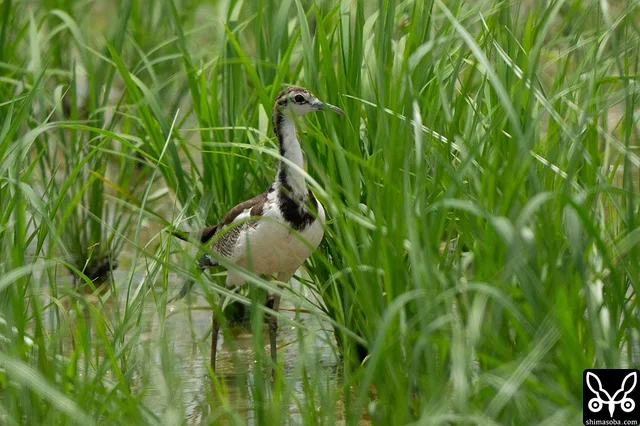
  121. The Pheasant-tailed Jacana was walking along the edges of rice paddies, feeding on small snails and the like.
    Pheasant-tailed Jacana
  122. A Pheasant-tailed Jacana startled into the air by a crow. It appeared to be a young bird in first-summer plumage.
    Pheasant-tailed Jacana
  123. At the moment of landing, you can see the long toes and claws as well as a small claw-like "wing spur" at the carpal joint. Apparently the Pheasant-tailed Jacana and the Grey-headed Lapwing are about the only Japanese birds that have this wing spur. The Grey-headed Lapwing also has a "wing claw," though that structure is found in a scattering of other bird species as well.
    Pheasant-tailed Jacana
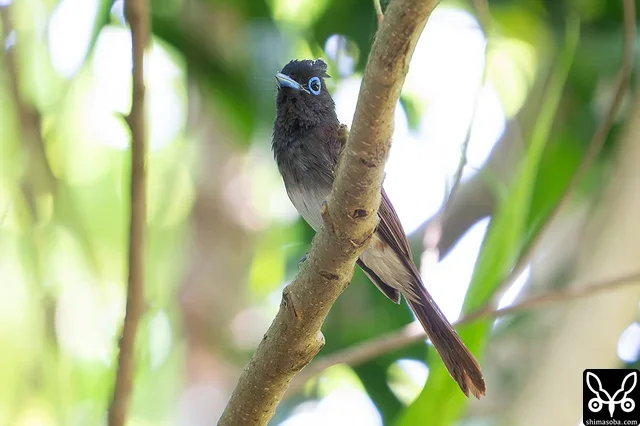
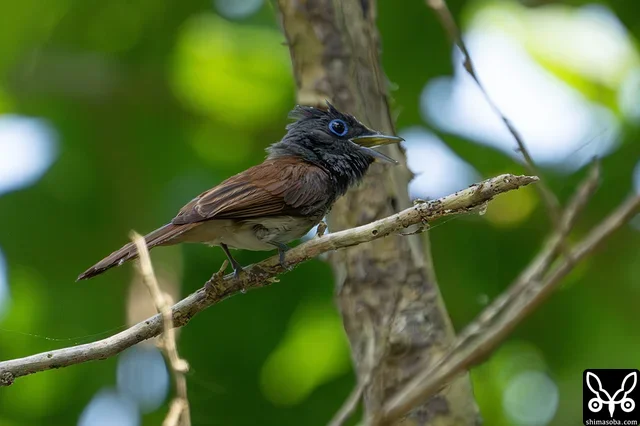
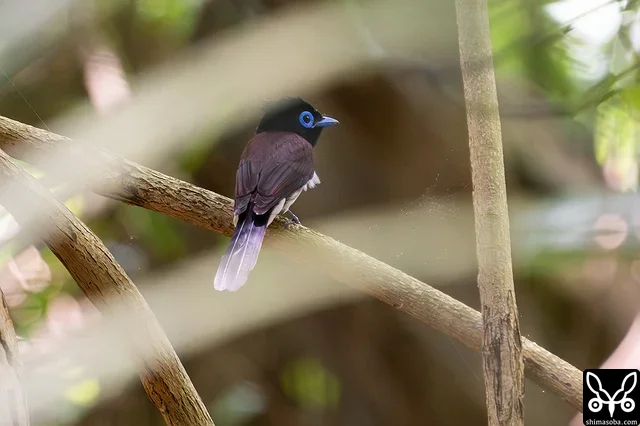
  124. A male Japanese Paradise Flycatcher. He seemed to still be unpaired, moving through the woodland while singing.
    Japanese Paradise Flycatcher
  125. 13
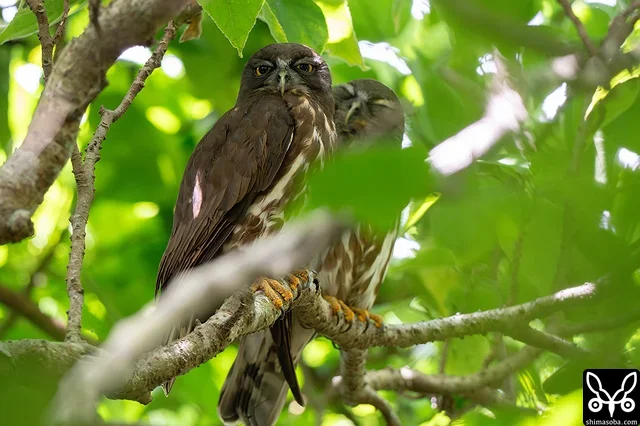
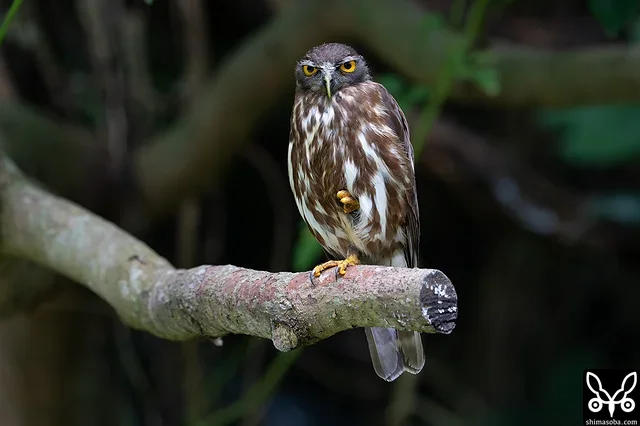
    The Ryukyu Brown Hawk-Owl appears not to have laid eggs yet. The male and female were perched side by side at the nest tree.
    Northern Boobook
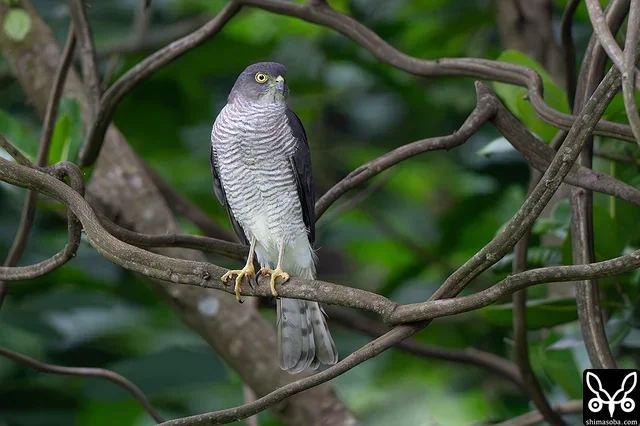
  126. The Ryukyu Sparrowhawk will be starting to breed soon. This pair has been raising young at the same spot since 2019, but this season the female has changed. `The previous individual had what appeared to be a healed fracture on the left leg <https://shimasoba.com/blog/1879/>`_, but this one does not.
    Ryukyu Sparrowhawk
  127. A Ryukyu Scops Owl I've known for a long time. It seems incubation has begun again this season, with the male standing guard.
    Ryukyu Scops Owl
  128. A Ryukyu Scops Owl that breeds every year near my home. The nest tree appeared to be the usual Casuarina.
    Ryukyu Scops Owl
  129. A front view of the same individual as above. Old feathers are also conspicuous around the breast. A second individual was confirmed separately the same day.
    Black Drongo
  130. A Black Drongo that turned up in a rice paddy. An individual retaining a lot of old feathers — perhaps in the middle of a moult into first-summer plumage.
    Black Drongo
  131. 14
    A Pectoral Sandpiper passing through — the first in a while.
    Sharp-tailed Sandpiper
  132. A Black-tailed Godwit also showed up. This individual appeared to be injured — all the toes on its left foot were missing. Perhaps it had an accident with fishing line or something similar.
    Black-tailed Godwit
  133. A Chinese Pond Heron almost fully into breeding plumage. This individual was a bit wary.
    Chinese Pond Heron
  134. A female Cinnamon Bittern that appeared near the paddy field where the Chinese Pond Heron above was seen.
    Yellow Bittern
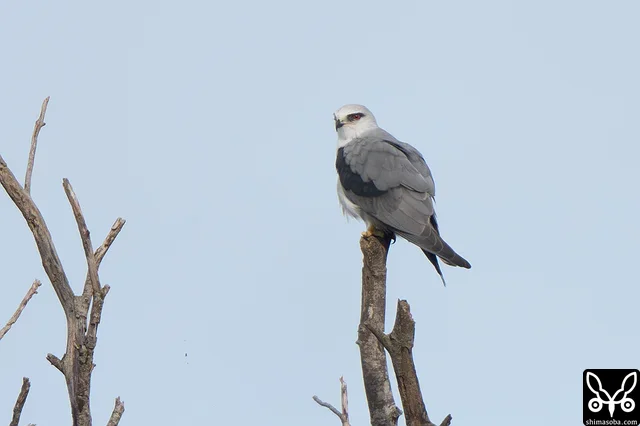
  135. A female Black-winged Kite. Last week there was a lot of courtship feeding activity. It should be about time for egg-laying.
    Black-winged Kite
  136. 15
    A male Ryukyu Scops Owl keeping watch over the nest. This is the third consecutive year breeding at the same site.
    Ryukyu Scops Owl
  137. When the sun hit, it moved into the shade.
    Ryukyu duck
  138. A Tufted Duck resting on floating weeds.
    Ryukyu duck
  139. A Tufted Duck drinking water.
    Ryukyu duck
  140. 16
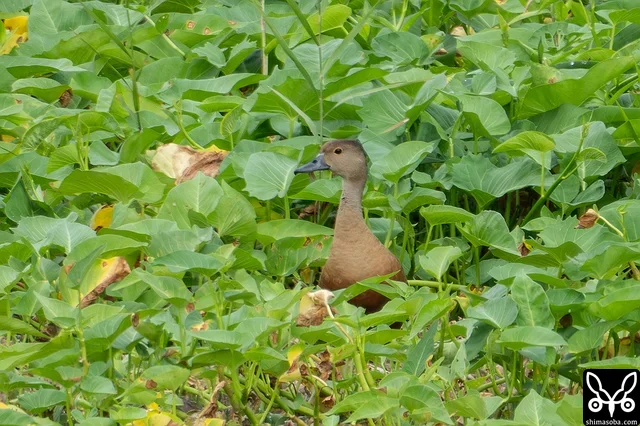
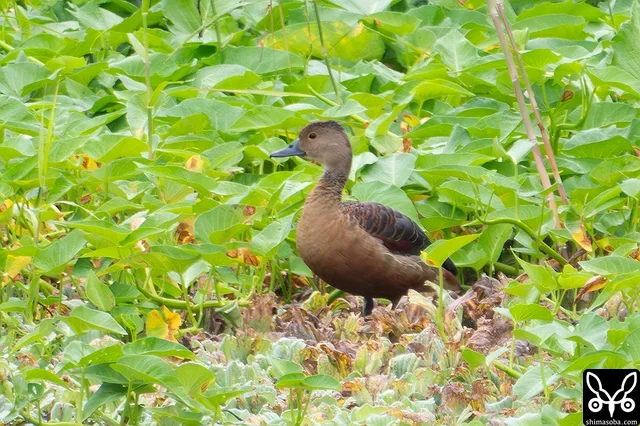
    A Ryukyu Duck that looks set for a long stay.
    Ryukyu duck
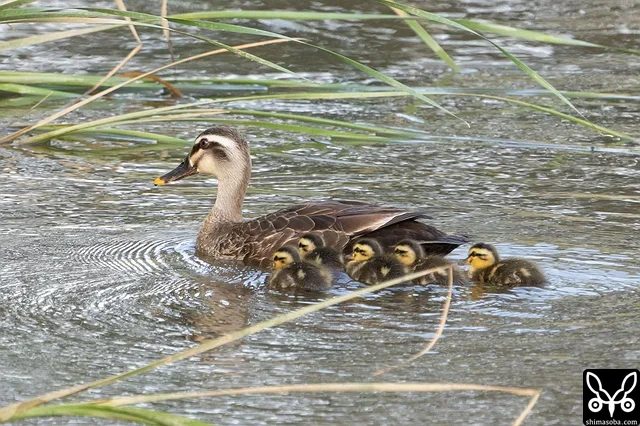
  141. A Eastern Spot-billed Duck with chicks in a waterway. The chicks were being stalked by a Crested Serpent Eagle.
    Eastern Spot-billed Duck
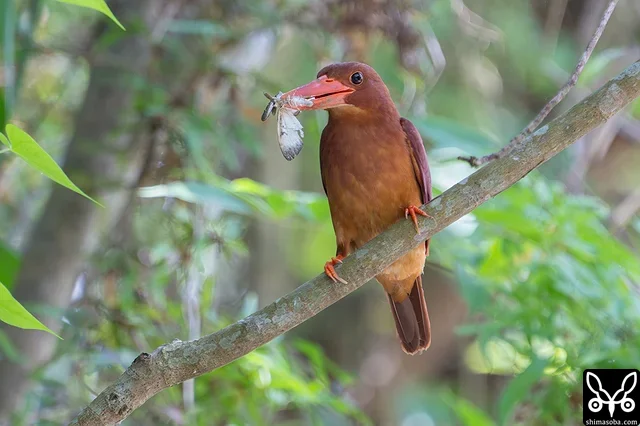
  142. A Ruddy Kingfisher in the neighbourhood. It made an aerial catch of a moth that passed right in front of it, but then spat it out and discarded it.
    Ruddy Kingfisher
  143. A Common Buzzard passing over my house. It looks like it had just caught prey — the throat is visibly bulging.
    Common Buzzard
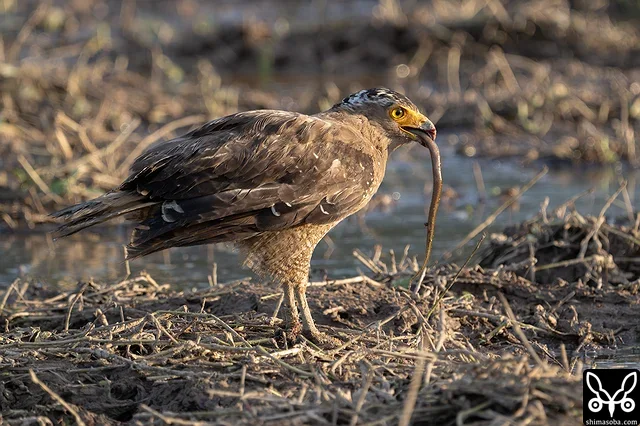
  144. "Mitchan," a rescued female Crested Serpent Eagle, swallowing a Swamp Eel. It has become one of her favourite feeding spots, but fights with the resident territorial individual are a constant occurrence here.
    Crested Serpent Eagle
  145. 17
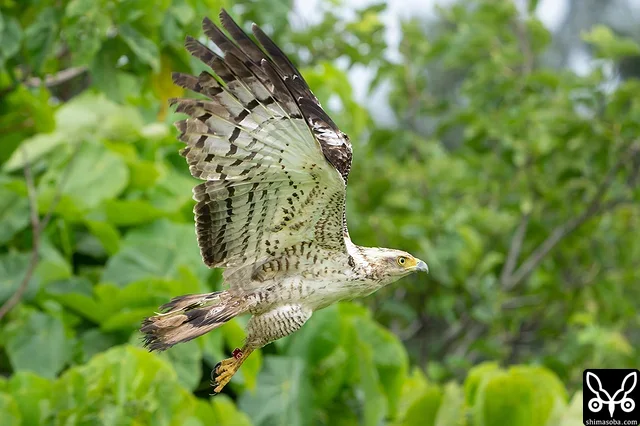
    It was banded around this time last year, so it is now exactly one year old. Still largely covered in juvenile plumage, though showing considerable wear.
    Crested Serpent Eagle
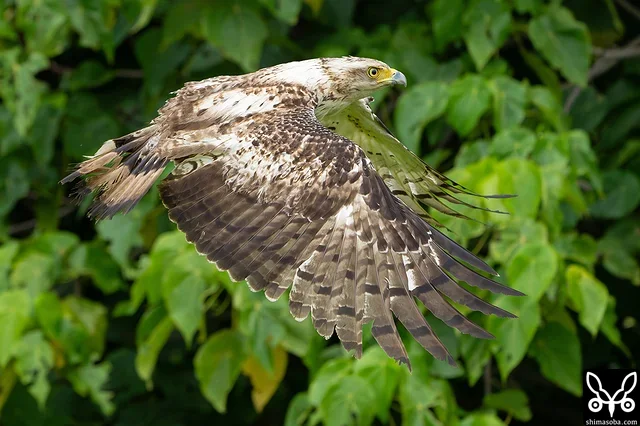
  146. A juvenile Crested Serpent Eagle beating its wings powerfully. It was released one and a half months after being taken into care.
    Crested Serpent Eagle
  147. Wary of a fisherman, by the afternoon it was doing nothing more than poking its head out of the grass.
    Ryukyu duck
  148. A Ryukyu Duck sitting on aquatic vegetation on the far bank.
    Ryukyu duck
  149. 18
    A Ruddy Kingfisher on the forest track near my house. As usual, it showed no wariness at all.
    Ruddy Kingfisher
  150. 19
    A Chinese Pond Heron in nearly full summer plumage. Large numbers have arrived again this season.
    Chinese Pond Heron
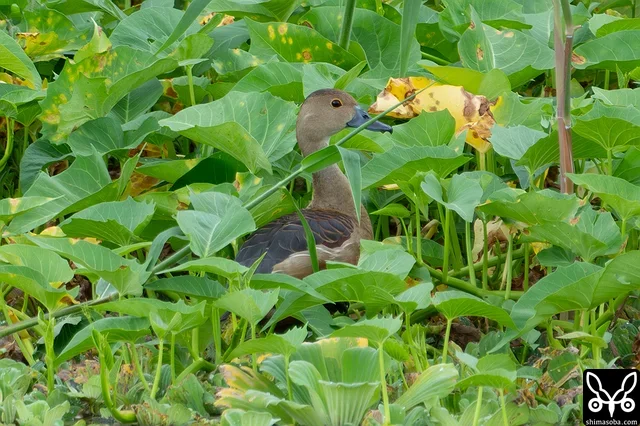
  151. A Ryukyu Duck, just its face showing.
    Ryukyu duck
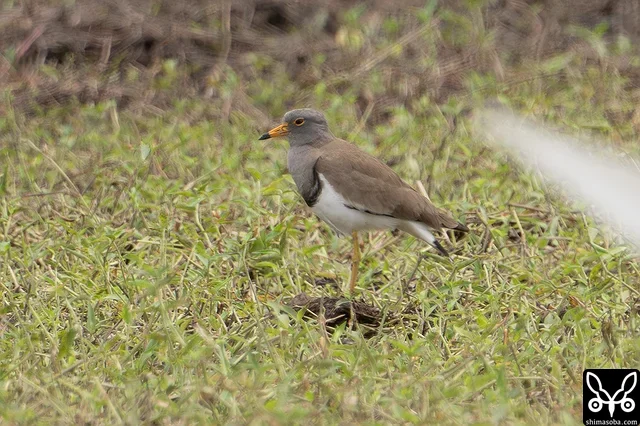
  152. A Grey-headed Lapwing — one of very few on Ishigakijima — arrived. It looked a little tired.
    Grey-headed Lapwing
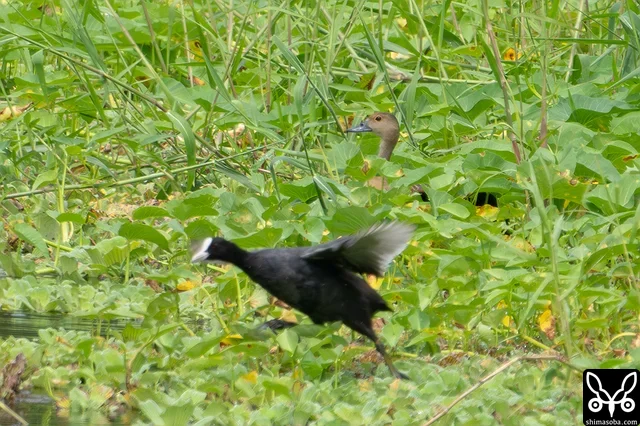
  153. A Eurasian Coot (foreground) and a Ryukyu Duck. The Ryukyu Duck was on guard that day and barely showed itself.
    Ryukyu duck
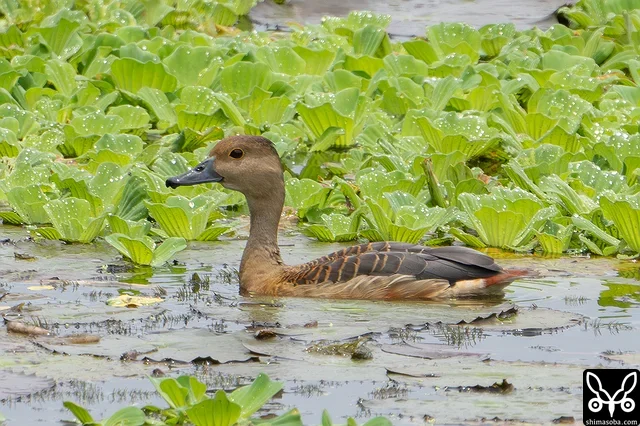
  154. 20
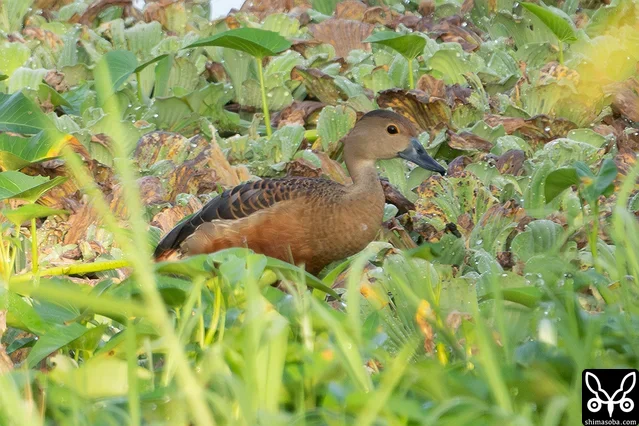
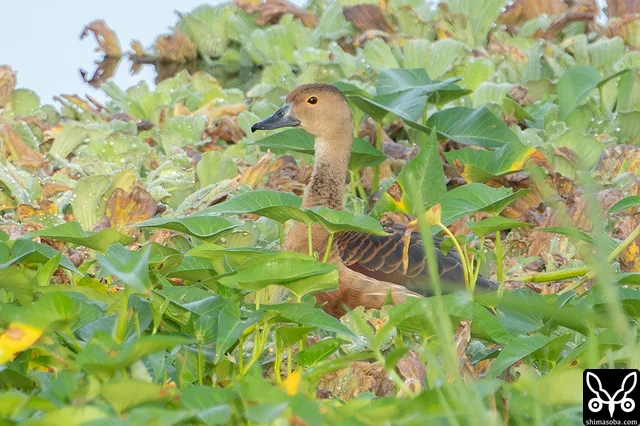
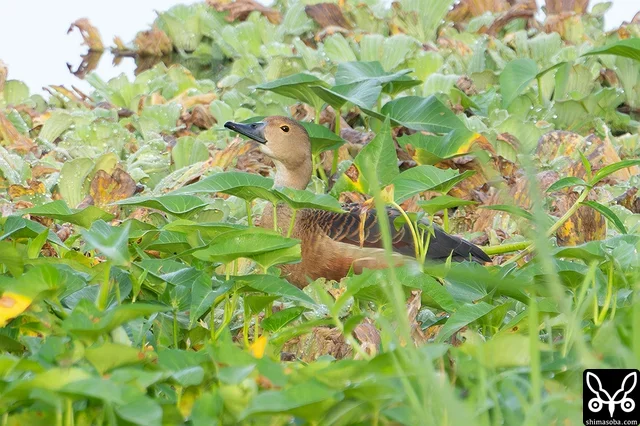
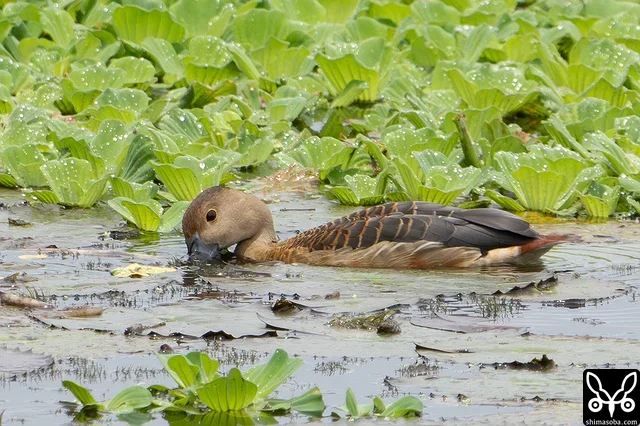
    Perhaps it's the eye-ring — reminiscent of a Lesser White-fronted Goose — that gives the Cotton Pygmy Goose its charm.
    Ryukyu duck
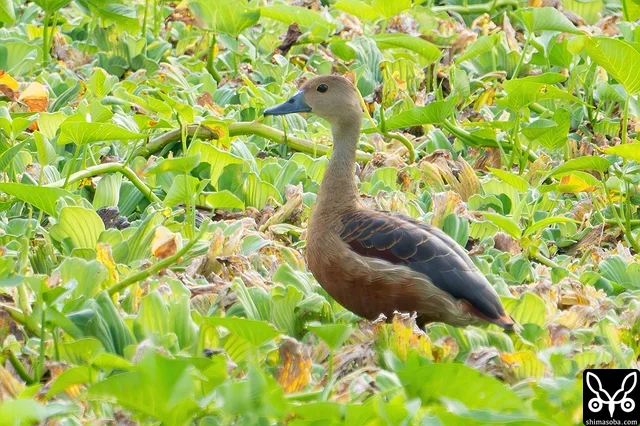
  155. It was feeding on what appeared to be aquatic plants or algae beneath the surface.
    Ryukyu duck
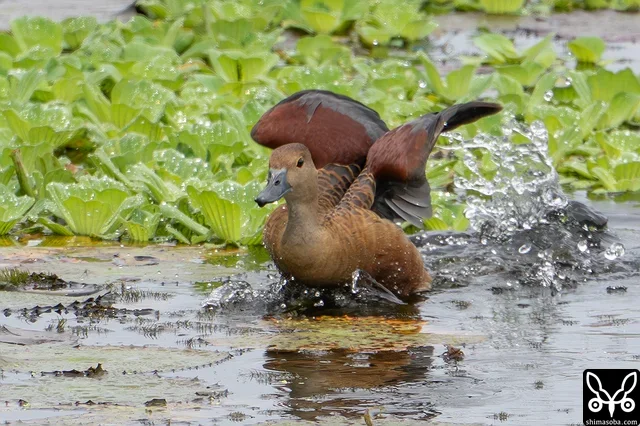
  156. A Cotton Pygmy Goose moving through floating vegetation.
    Ryukyu duck
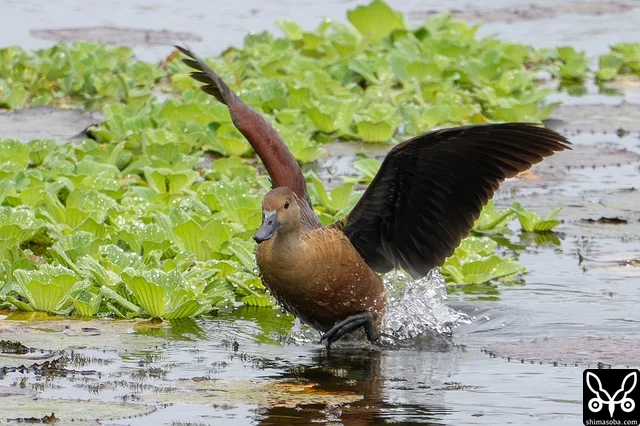
  157. The Cotton Pygmy Goose was active on this day.
    Ryukyu duck
  158. A Cotton Pygmy Goose coming in to land on the water.
    Ryukyu duck
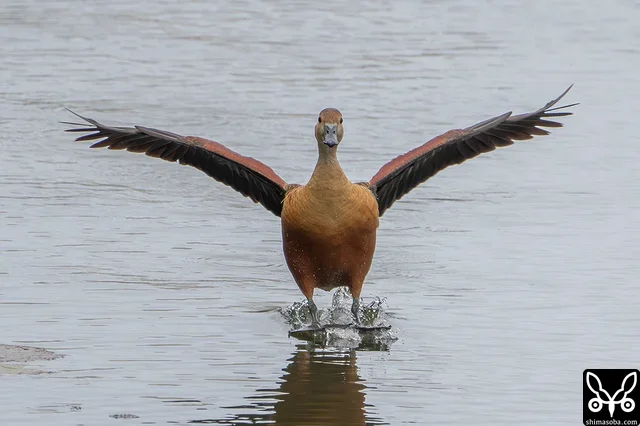
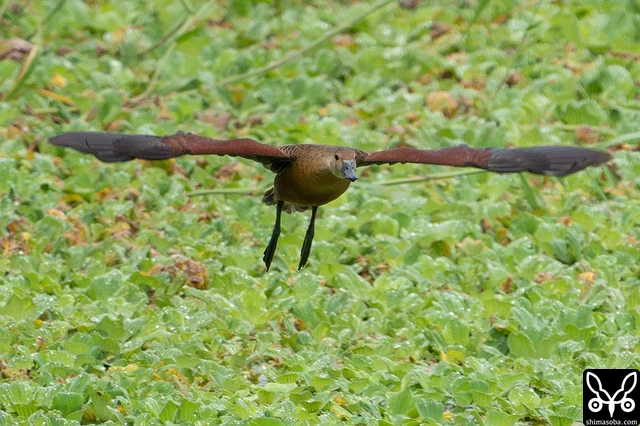
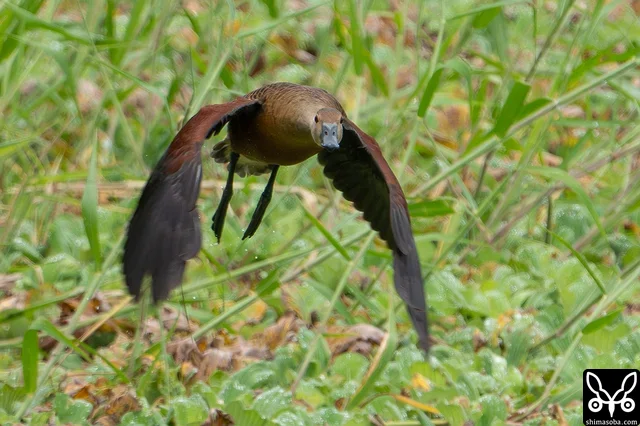
  159. My α1 has been plagued by AF freezing since I updated the firmware to version 2, but this time it tracked reliably. I was able to produce a good number of valuable flight shots of the Cotton Pygmy Goose. ^^
    Ryukyu duck
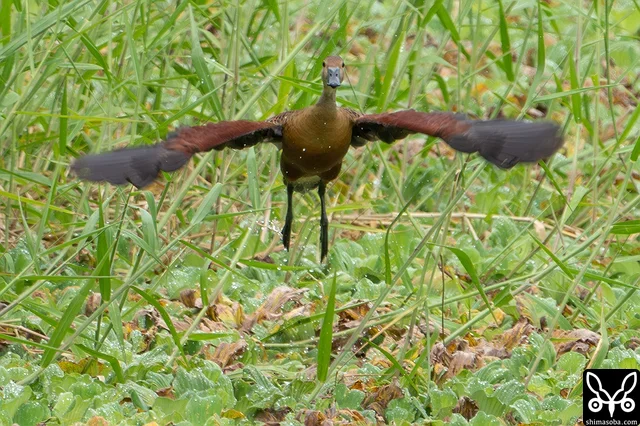
  160. It flies toward me. The long legs — a characteristic feature of the Cotton Pygmy Goose — catch the eye. Among duck species on record in Japan, the Cotton Pygmy Goose is the only one whose legs extend beyond the tail feathers in flight.
    Ryukyu duck
  161. A Cotton Pygmy Goose burst out of the grass it had been resting in. It took off almost vertically.
    Ryukyu duck
  162. 22
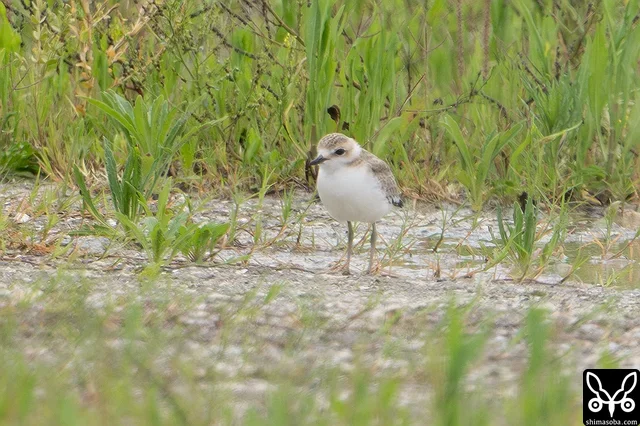
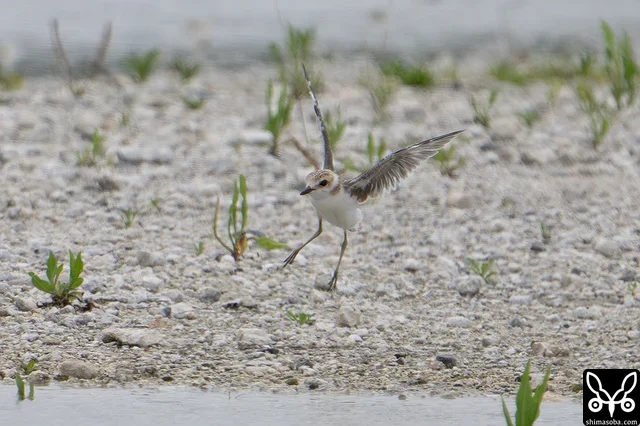
    Several chicks appeared to be hiding in the grass.
    Kentish Plover
  163. A Kentish Plover chick that had learned to fly a little.
    Kentish Plover
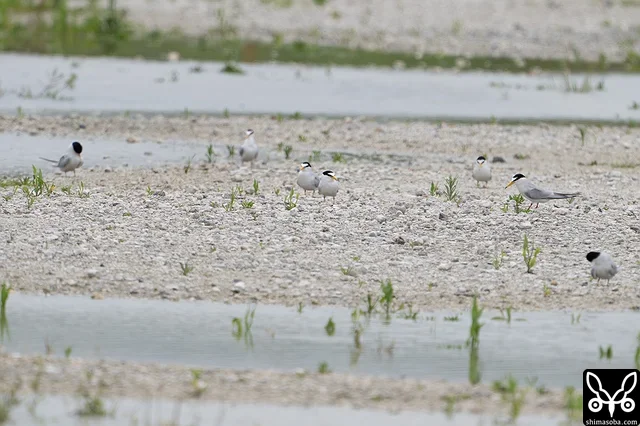
  164. A Little Tern colony. I hope they have a successful season this year.
    Little Tern
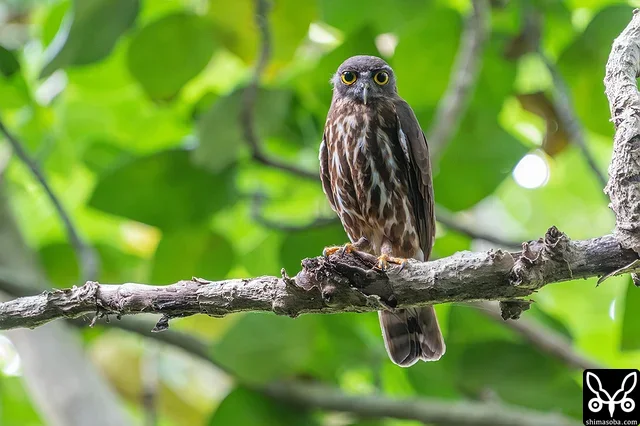
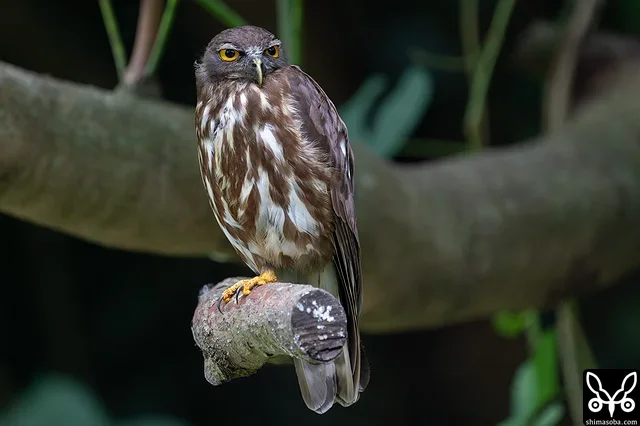
  165. A Brown Hawk-Owl that has used the same nesting tree for several consecutive years. This is the male. This year a Ruddy Kingfisher ended up building a nest right next door… ^^;
    Northern Boobook
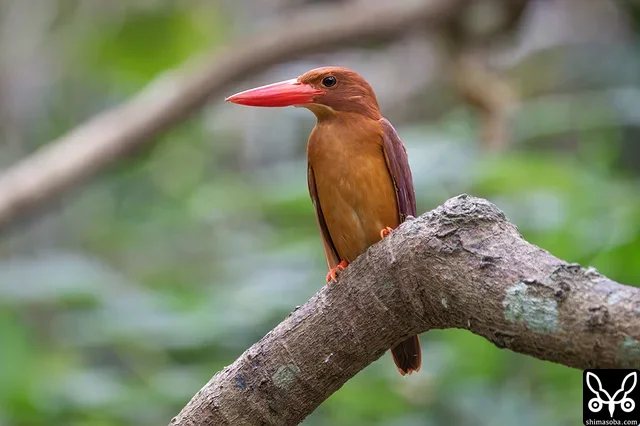
  166. A Ruddy Kingfisher that was near the Japanese Paradise Flycatcher.
    Ruddy Kingfisher
  167. A male Brown Hawk-Owl (left) and female in the background. This pair's nest changes location every year — the nesting tree has been cut down and so on.
    Northern Boobook
  168. 23
    A standing dead Satake palm in the village where Ruddy Kingfishers nest every year. They start at the top and work their way down, so the nest position drops a little each season — this year it ended up at about waist height… ^^;
    Ruddy Kingfisher
  169. This one nested in a Formosan subterranean termite mound in the forest. This is really the kind of setting I'd like to see Ruddy Kingfishers raising their young in.
    Ruddy Kingfisher
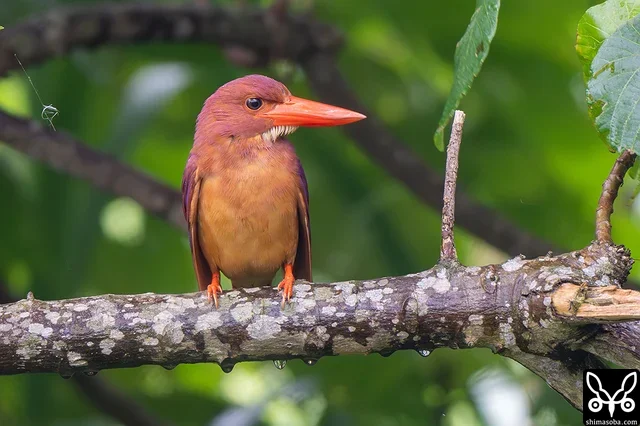
  170. Ruddy Kingfishers are at their most visible right now — I encounter them countless times in a single day. I can even spot around three pairs from my own garden.
    Ruddy Kingfisher
  171. Of the five Black-faced Spoonbills, only one stayed on for an extended period.
    Black-faced Spoonbill
  172. A few Bridled Terns arrived. They have been seen on the ferry route since last month, and pairs already seem to have formed.
    Black-naped Tern
  173. The pair whose nest was destroyed by a typhoon two years ago and `were rescued <https://shimasoba.com/blog/1916/>`_. I never found where they nested last year. Where will they build this year?
    Ruddy Kingfisher
  174. 24
    A Ryukyu Scops Owl that has also bred successfully for several years running. Practically perches on your hand. ^^;
    Ryukyu Scops Owl
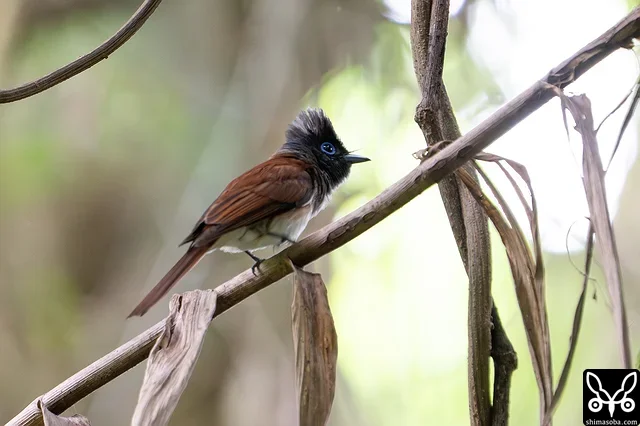
  175. A female Japanese Paradise Flycatcher. The male was in the thicket. The two were moving around calling back and forth to each other. Perhaps they were looking for a place to build a nest.
    Japanese Paradise Flycatcher
  176. 25
    A Brown Hawk-Owl on watch. It paid no attention even as pedestrians walked past within arm's reach….
    Northern Boobook
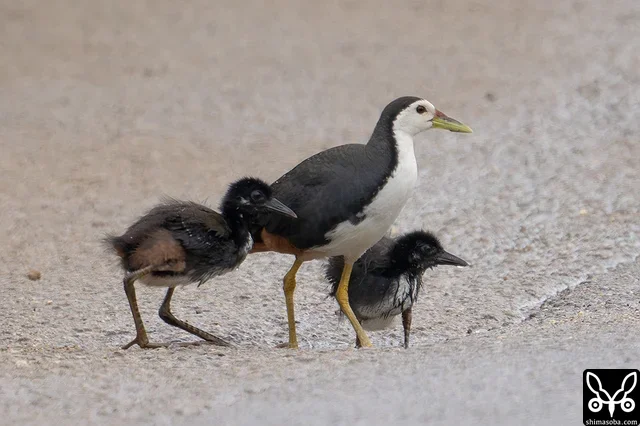
  177. A White-breasted Waterhen family bathing in a puddle on the road.
    White-breasted Waterhen
  178. A Purple Heron facing off against the individual above. It was puffing up its feathers and closing the distance.
    Purple Heron
  179. A Purple Heron spreading its wings to threaten another individual. The other bird was backing away.
    Purple Heron
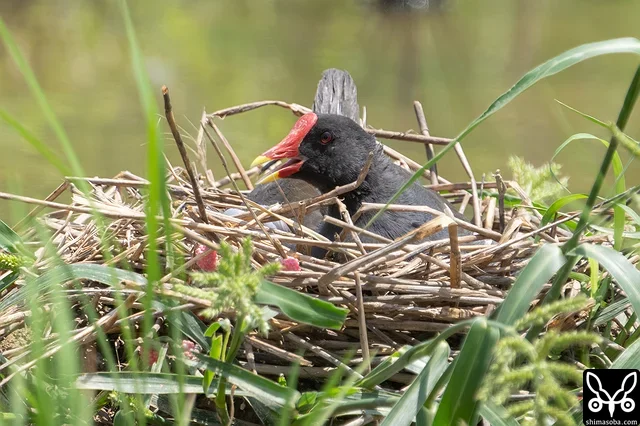
  180. A Common Moorhen incubating eggs. It had built its nest beside a farm road with heavy foot traffic from walkers and others.
    Common Moorhen
  181. 26
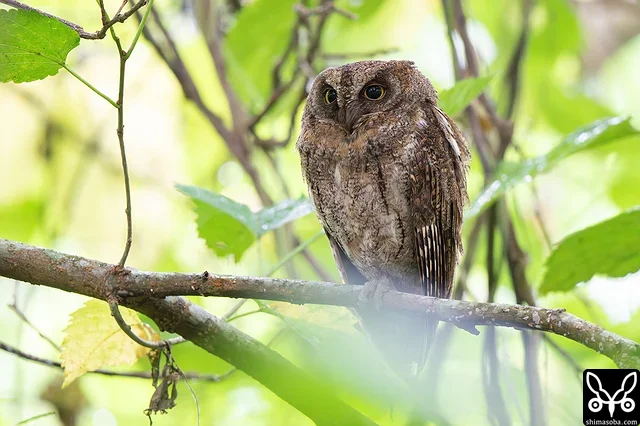
    I found a Ryukyu Scops Owl sitting motionless in the forest in the rain. A Brown Hawk-Owl was incubating right nearby. I wonder if there's no conflict between them.
    Ryukyu Scops Owl
  182. A Ruddy Kingfisher appeared in the sugarcane field. After catching prey it didn't eat on the spot — it carried it off. The chicks may have hatched.
    Ruddy Kingfisher
  183. 27
    A Common Cuckoo still in juvenile plumage. I was able to observe it at close range.
    Lesser Cuckoo
  184. 28
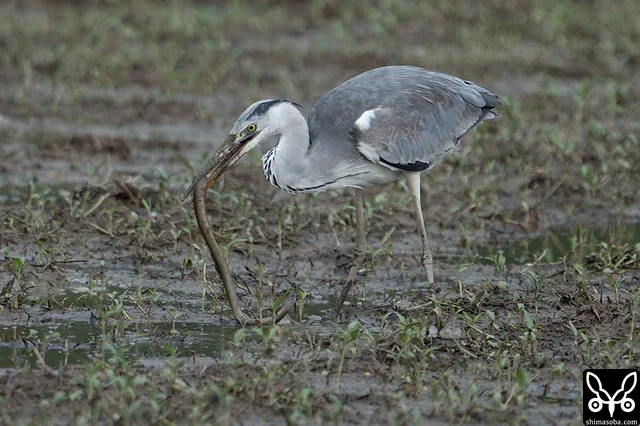
    A Grey Heron that caught a swamp eel. Swamp eels seem to be plentiful; Crested Serpent Eagles, Purple Herons, and Intermediate Egrets were also feeding on them.
    Grey Heron
  185. 29
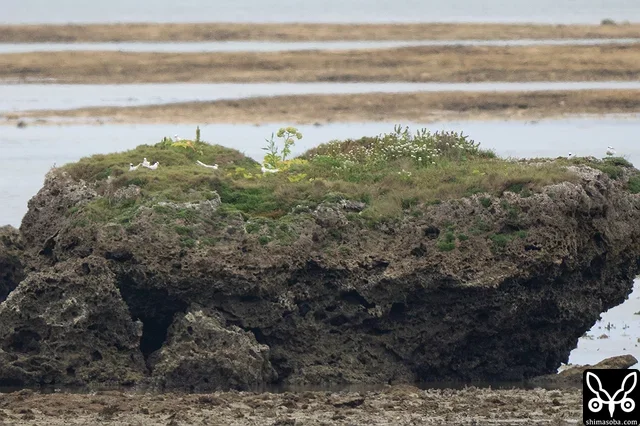
    The Black-naped Terns have arrived at the rocky reef where they breed every year. Numbers are still low, but I expect they will build from here.
    Black-naped Tern
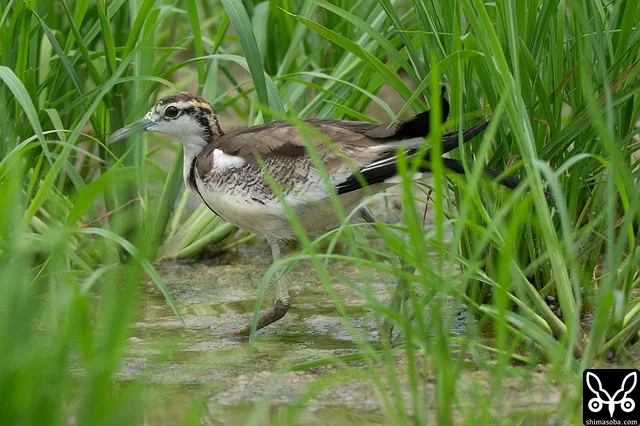
  186. A Pheasant-tailed Jacana in the paddy fields. When I lost sight of it, it was very hard to find again, hidden among the rice plants.
    Pheasant-tailed Jacana
  187. It kept coming back regularly to a spot with standing water, picking at what appeared to be small snails.
    Pheasant-tailed Jacana
  188. Common Greenshank, first-summer plumage.
    Common Greenshank
  189. A male Black-winged Stilt, first-summer plumage.
    Black-winged Stilt
  190. A female Black-winged Stilt, first-summer plumage.
    Black-winged Stilt
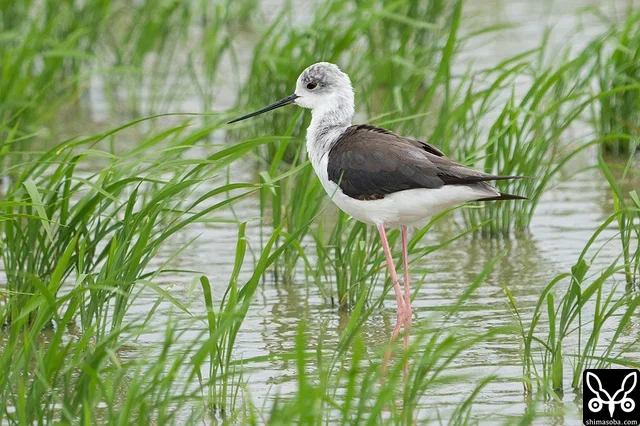
  191. A female Black-winged Stilt, adult summer plumage.
    Black-winged Stilt
  192. A male Black-winged Stilt, adult summer plumage. This individual has what looks like a healed fracture around the base of the left leg.
    Black-winged Stilt
  193. An out-of-season Pin-tailed Snipe. Almost fully in summer plumage.
    Pin-tailed Snipe
  194. When I found it, it looked like this — a bit tense. It had that Pin-tailed Snipe feel about it even before I got the binoculars on it. ^^
    Pin-tailed Snipe
  195. 30
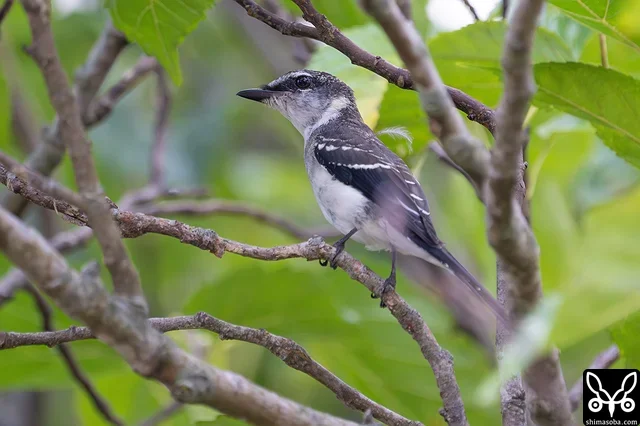
    Photographed a juvenile Ryukyu Minivet from my front entrance. I never found the nest, but they breed somewhere in the neighbourhood every year.
    Ryukyu Minivet
  196. The male paired with the individual above. He has taken up his lookout post just across the road — close enough that a passing walker could almost reach out and touch him.
    Northern Boobook
  197. The male paired with the individual above. It was a short-tailed type.
    Japanese Paradise Flycatcher
  198. A female Japanese Paradise Flycatcher.
    Japanese Paradise Flycatcher
  199. Brown Hawk-Owl, female. Keeping watch near the nest.
    Northern Boobook
  200. Ryukyu Scops Owl, male. Fledglings from this nest are expected to leave sometime around mid-June.
    Ryukyu Scops Owl