Northern Boobook fledging, Ruddy Kingfisher, Cinnamon Bittern, Chinese Pond Heron, Black-naped Tern chick-rearing and more
The Northern Boobooks have fledged. Pair formation was later than usual this year, so fledging was delayed too. I wonder whether one of the pair has changed.
Ruddy Kingfisher fledging is finished everywhere now, and the adults are catching their breath. The fledglings are still within their parents' territories but are catching prey on their own.
Cinnamon Bittern chick-rearing is also over, and juveniles are appearing in rice paddies here and there. Juvenile Purple Herons that have become independent are also starting to show up in the paddies. Chinese Pond Herons and Black-faced Spoonbills are arriving on autumn passage.
Waders are beginning to move through little by little. As autumn migration gets into full swing, numbers and species will keep increasing.
Terns are in the thick of chick-rearing. Black-naped Tern chicks that are roughly one to two weeks post-hatch are starting to be seen.
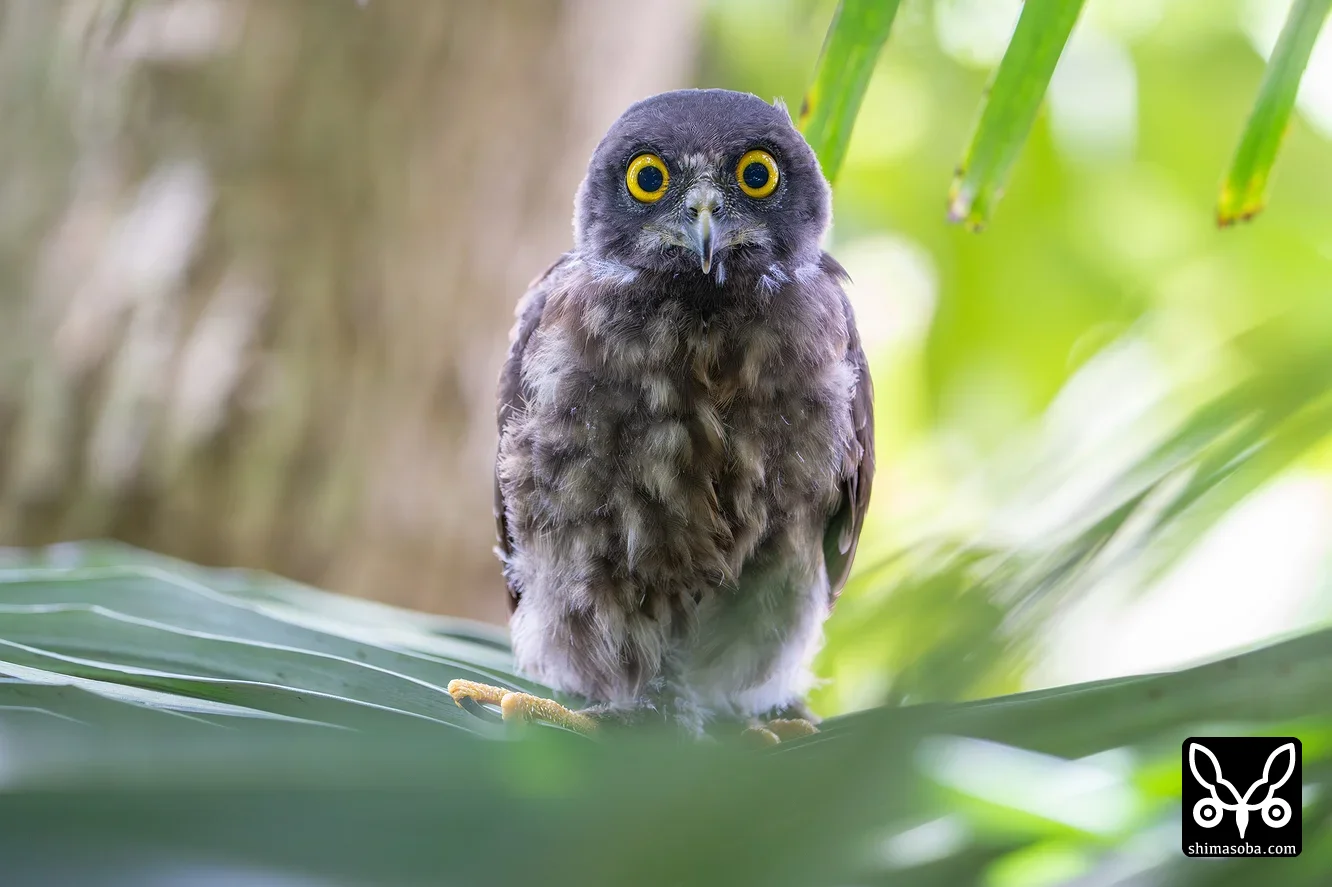
The last fledgling of the season for the Brown Hawk-Owl. There were still some remaining in the nest.
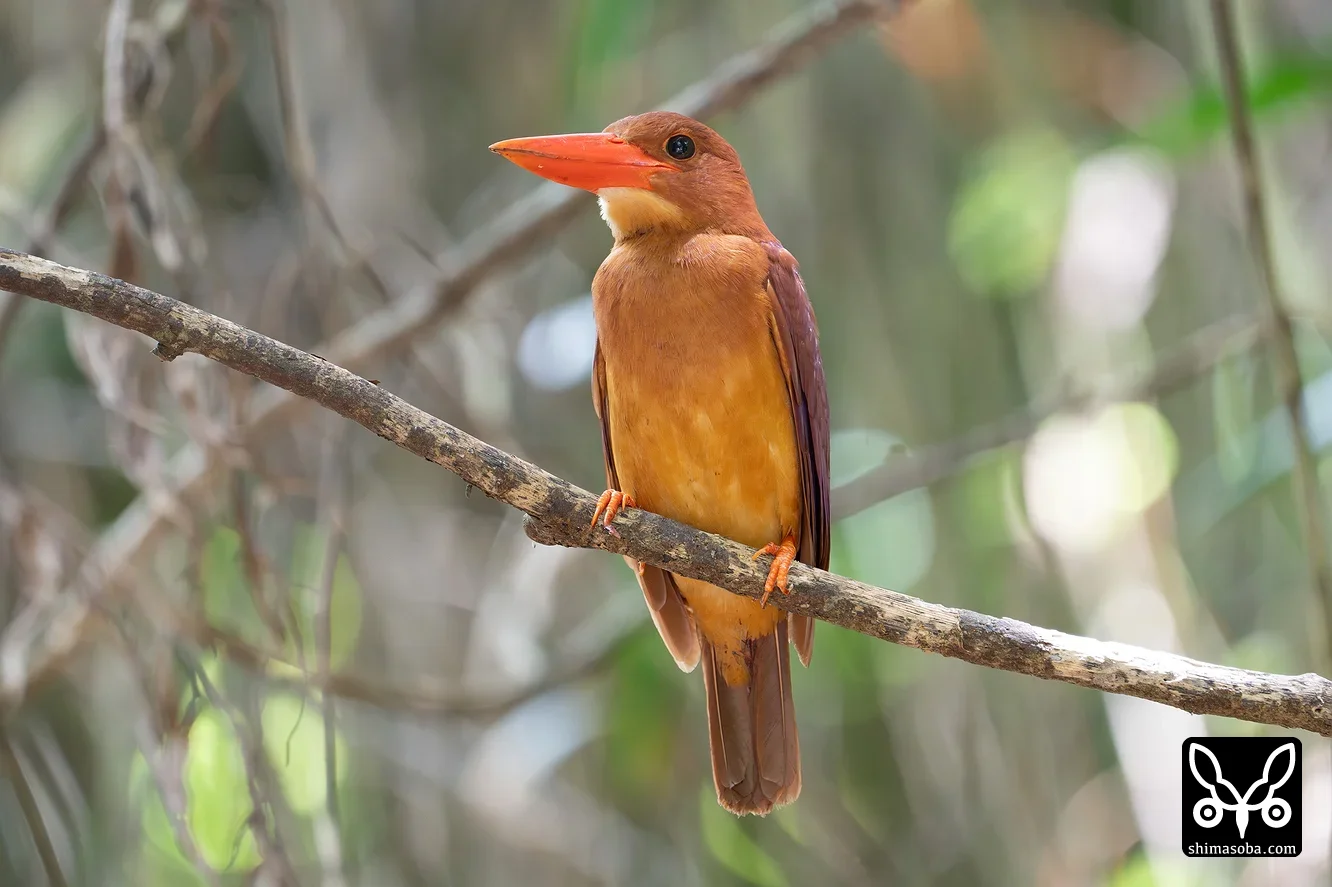
A Ruddy Kingfisher that had finished raising its young. Zero wariness in this individual.
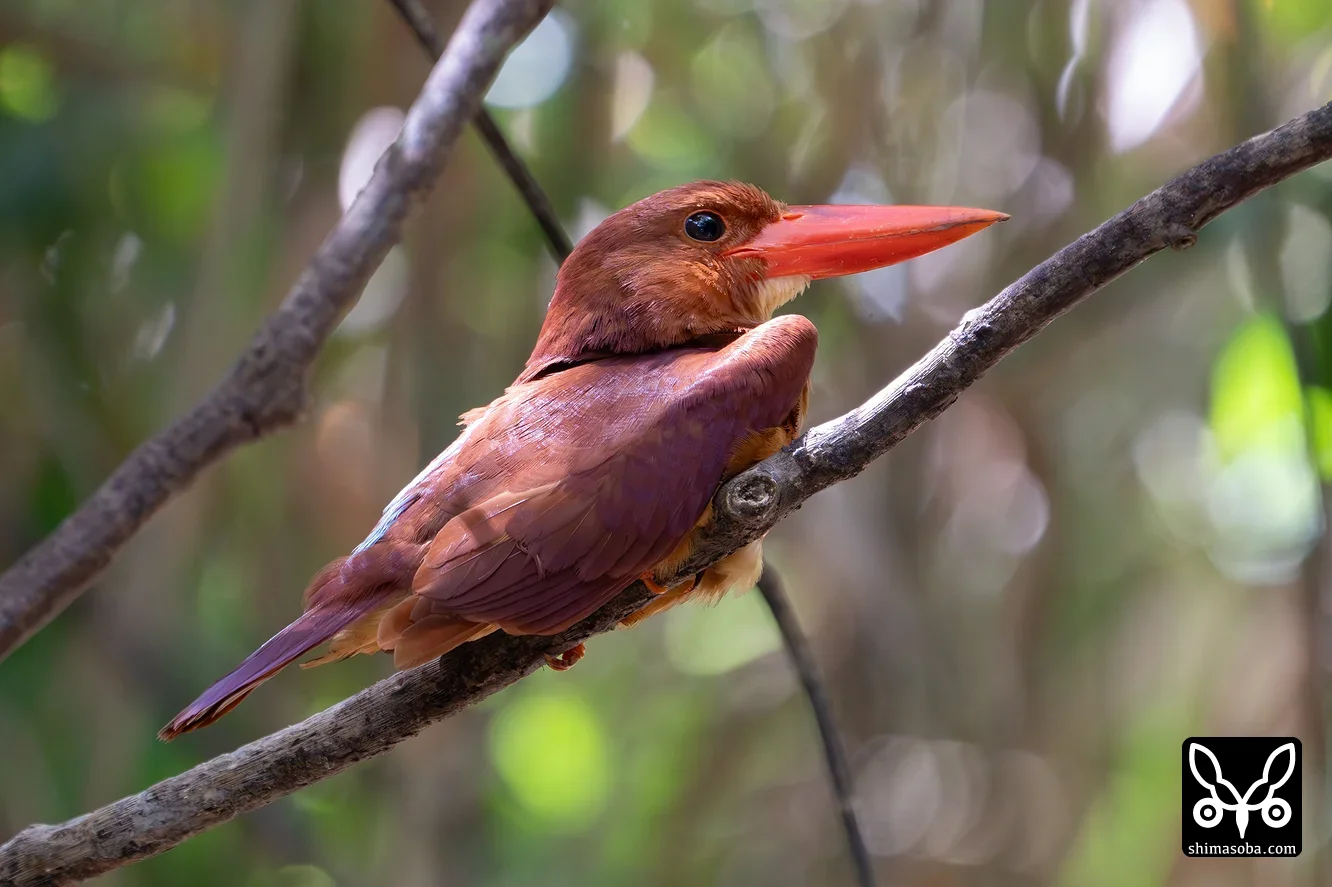
Same individual as above. Even with a car passing under the branch, it was this relaxed. I ended up sitting down to watch.
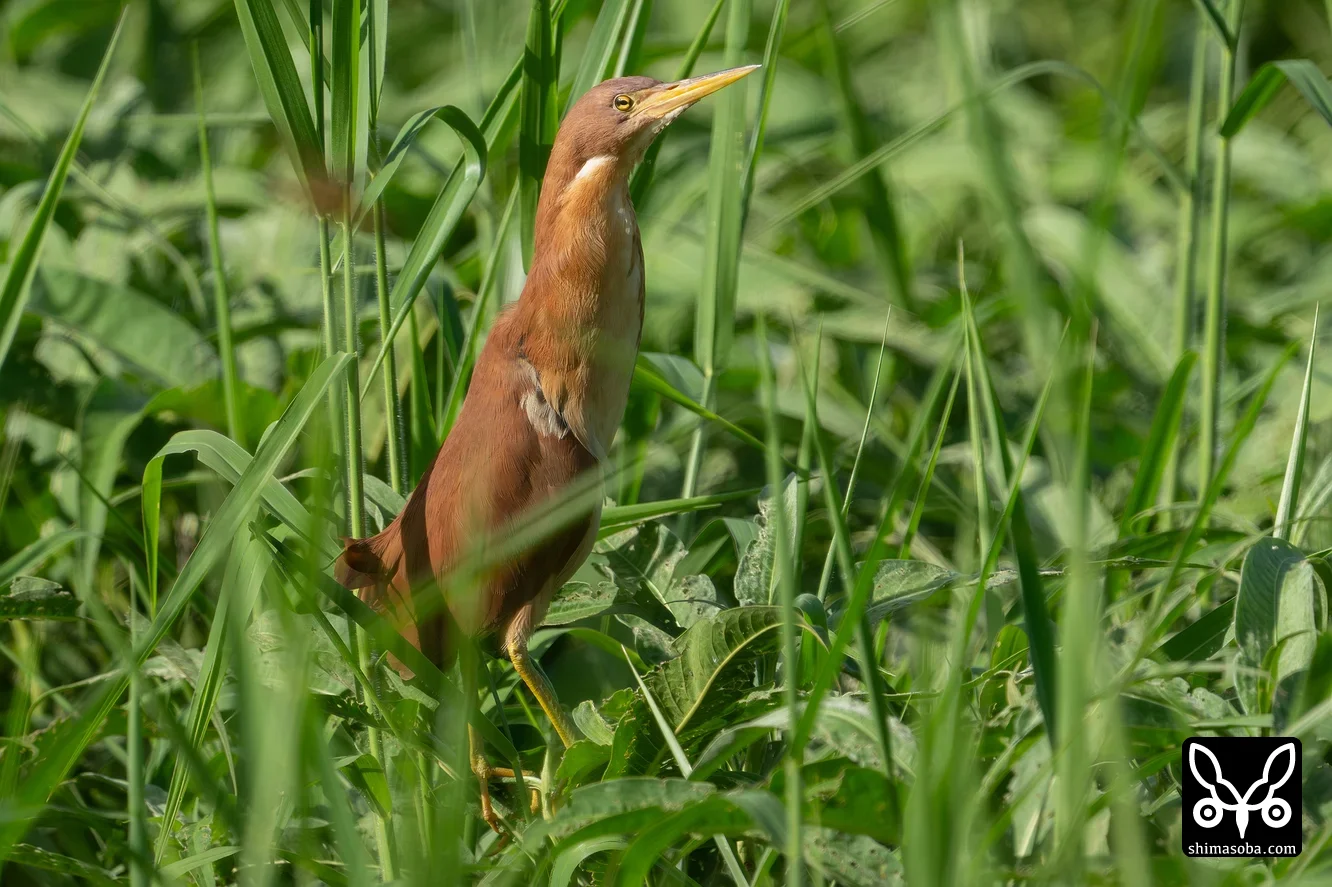
Ryukyu Least Bittern, male. The nuptial coloration has faded, but the beautiful breeding plumage remains.
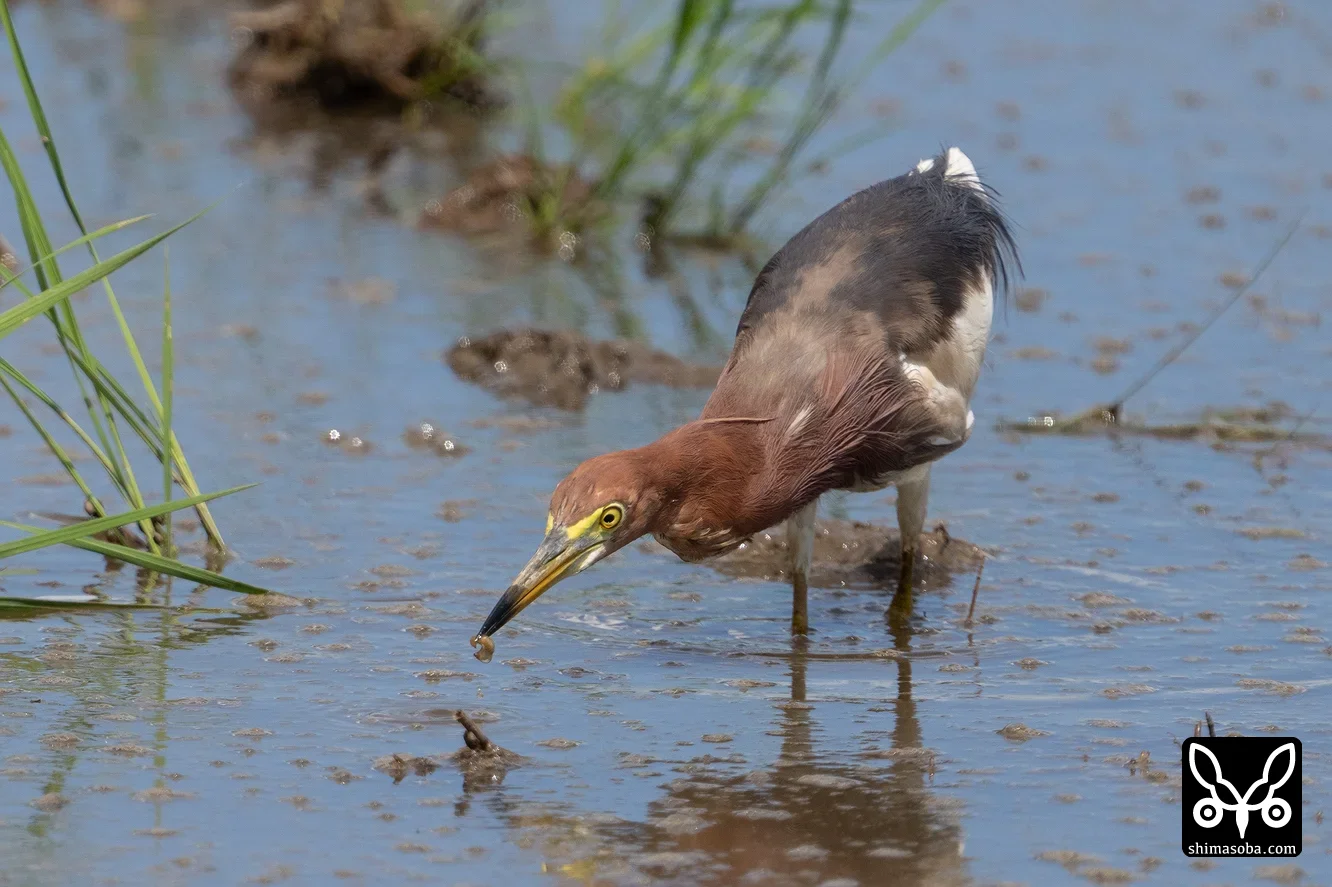
A Chinese Pond Heron with a little winter plumage just starting to come in over the breeding plumage.
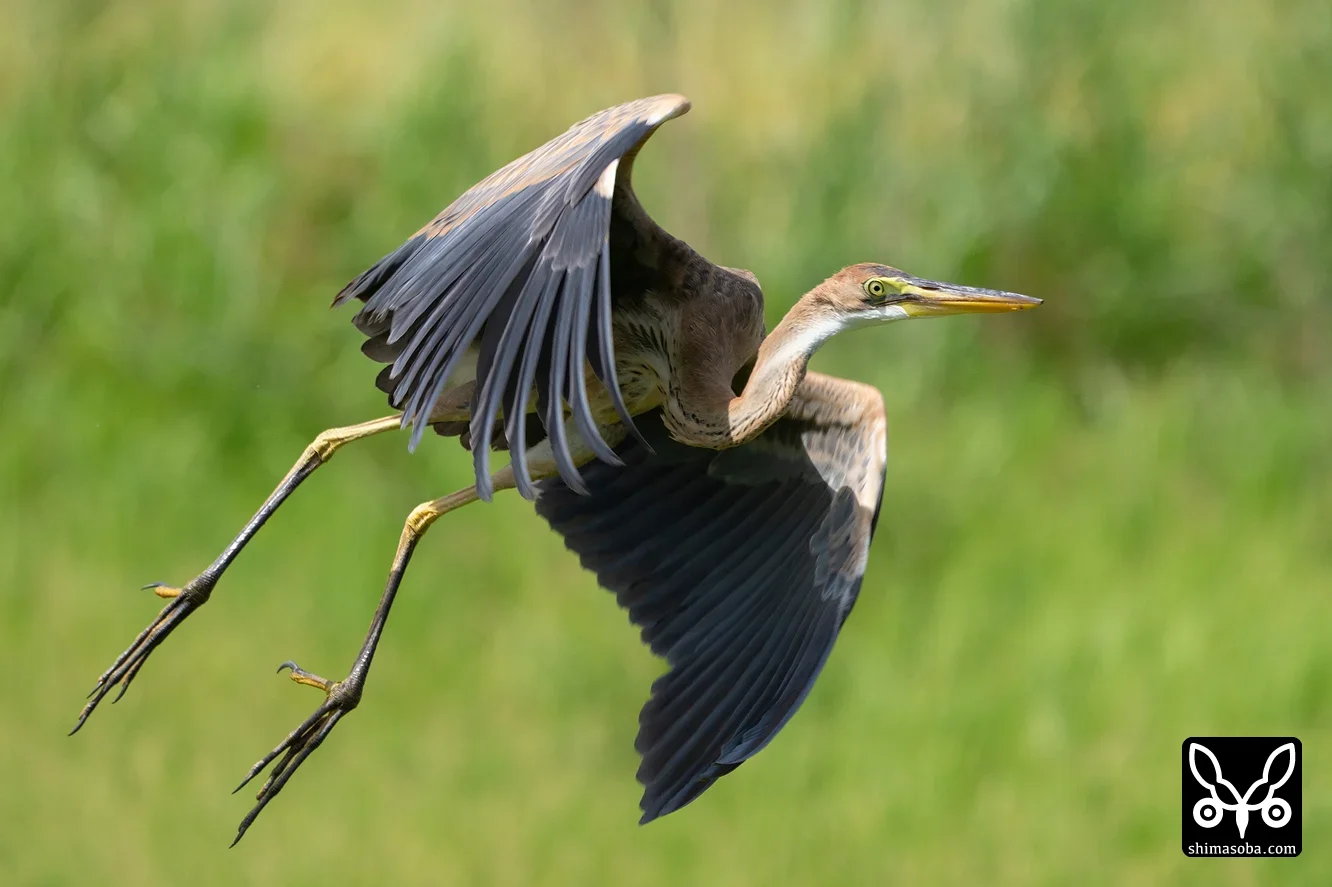
Purple Heron, juvenile. Being seen here and there.
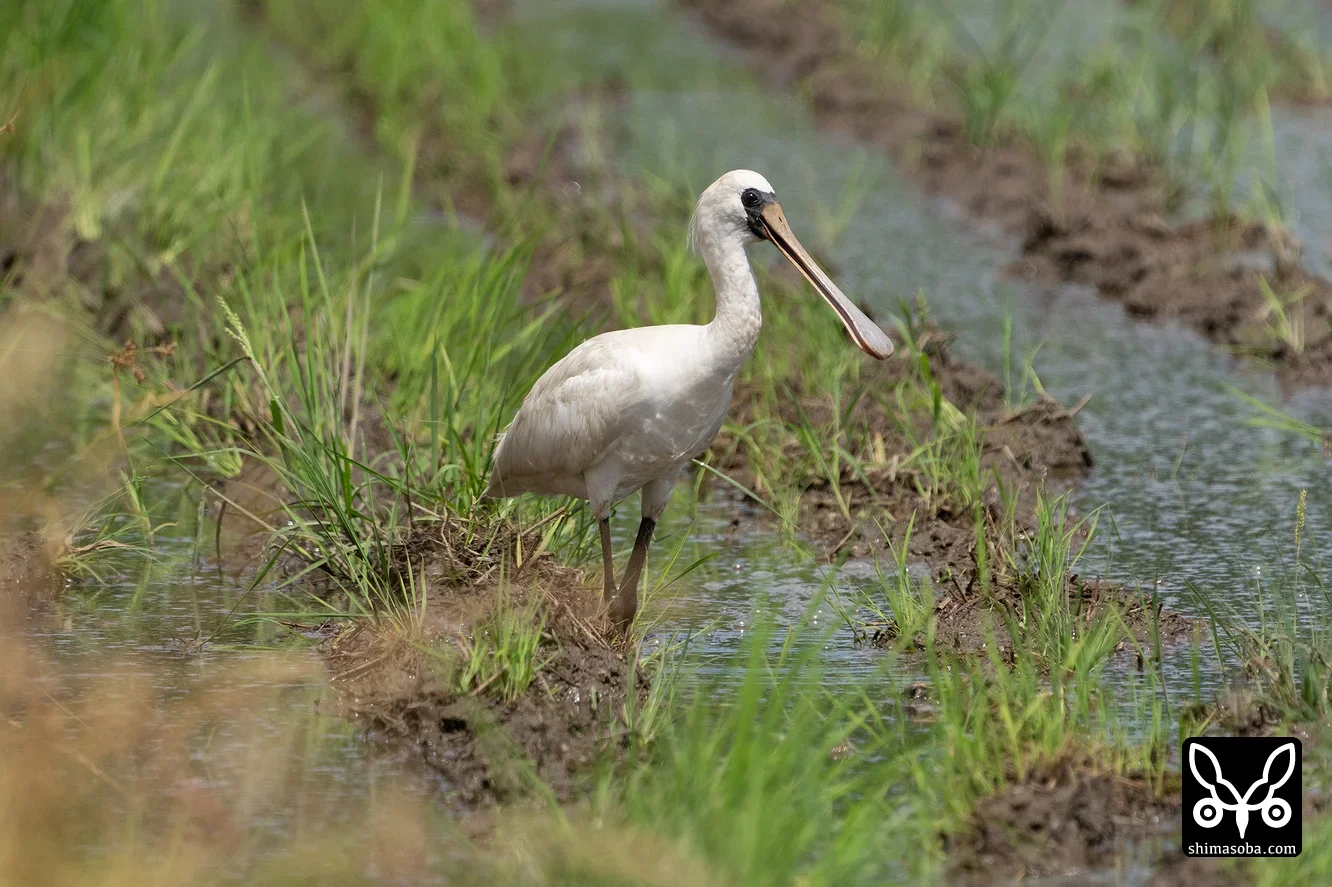
Two Black-faced Spoonbills have been staying together for several days now.
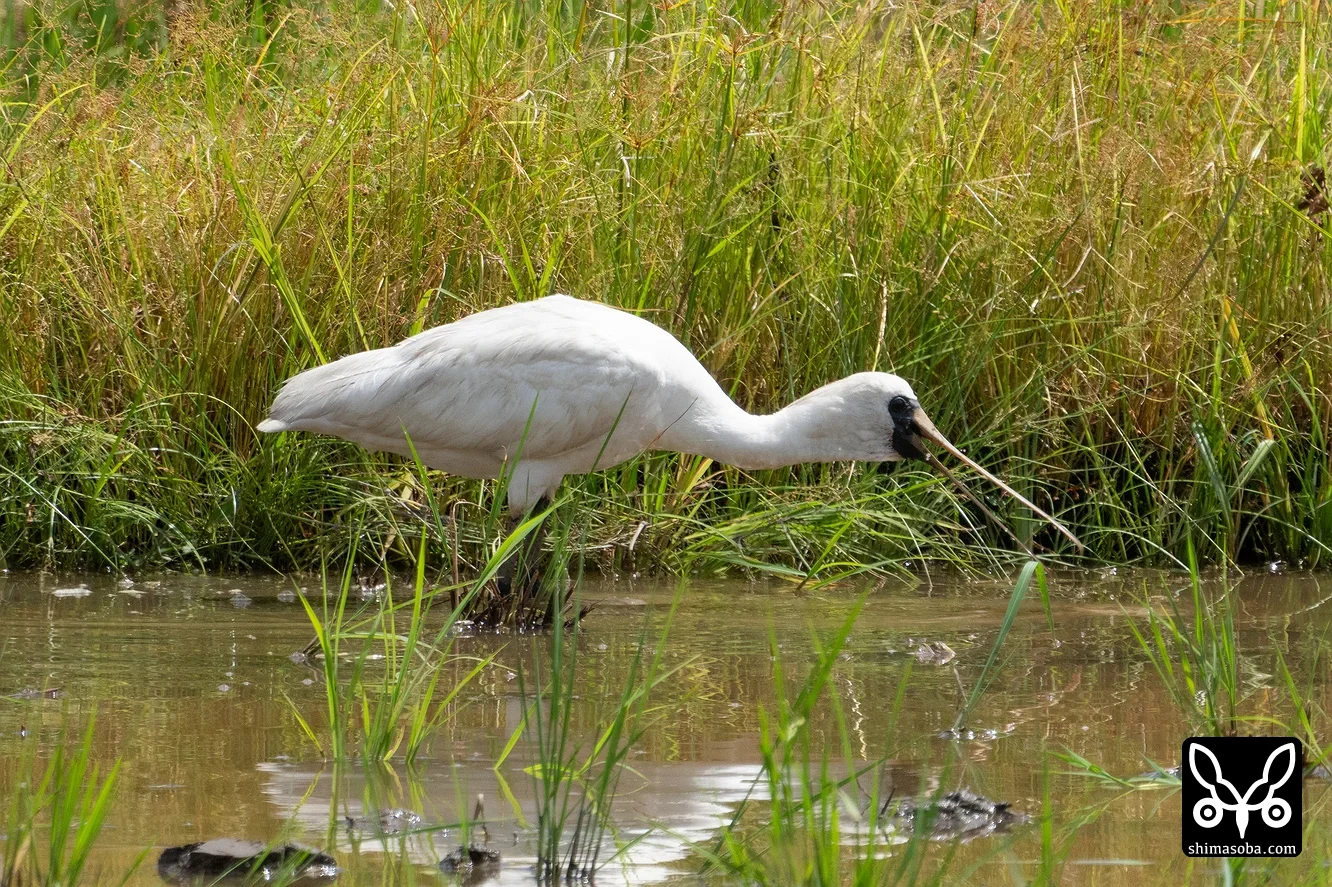
A Black-faced Spoonbill with prey. It was walking along the field edge catching something.
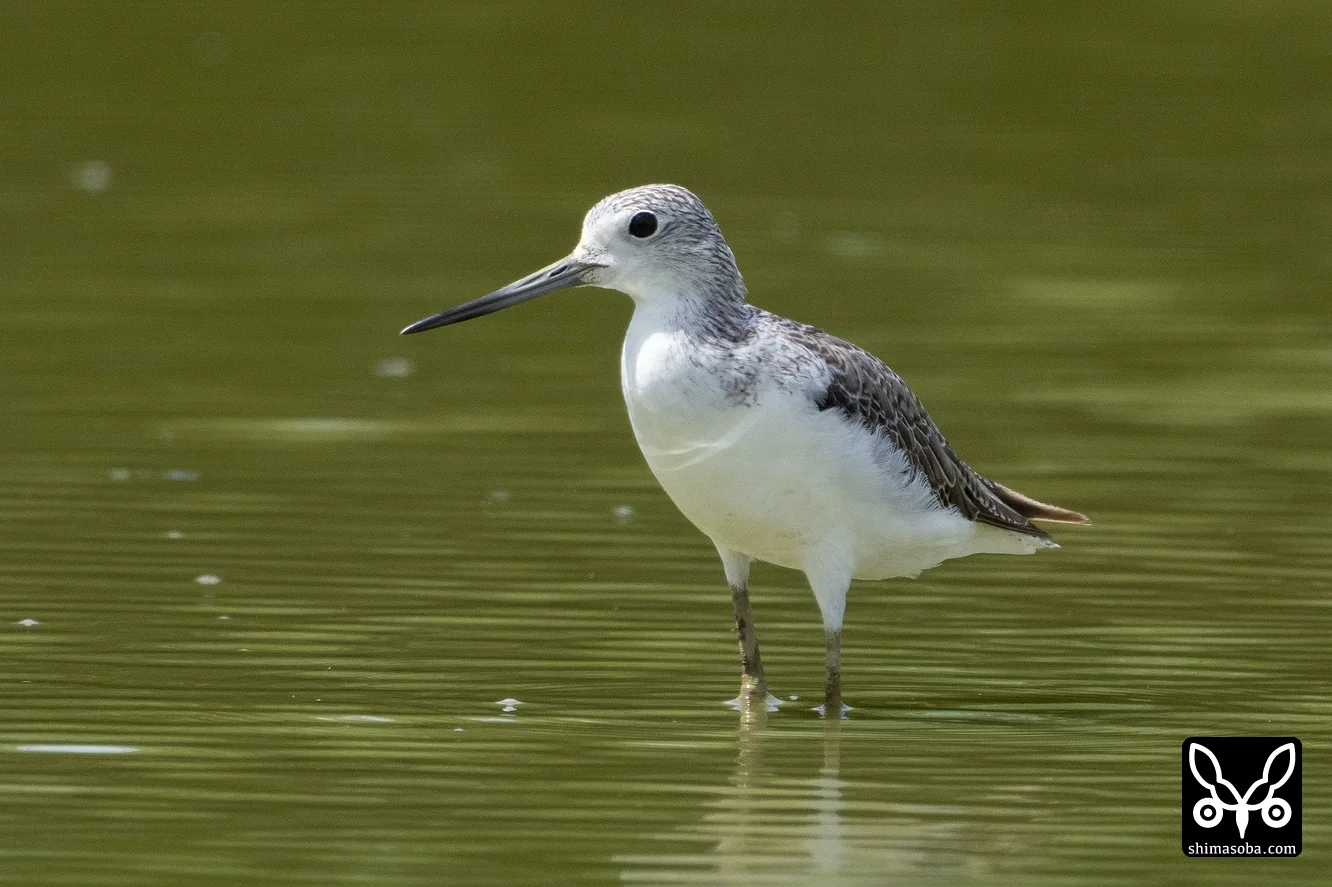
A few Greenshank arrived together. The extent of moult varied among individuals.
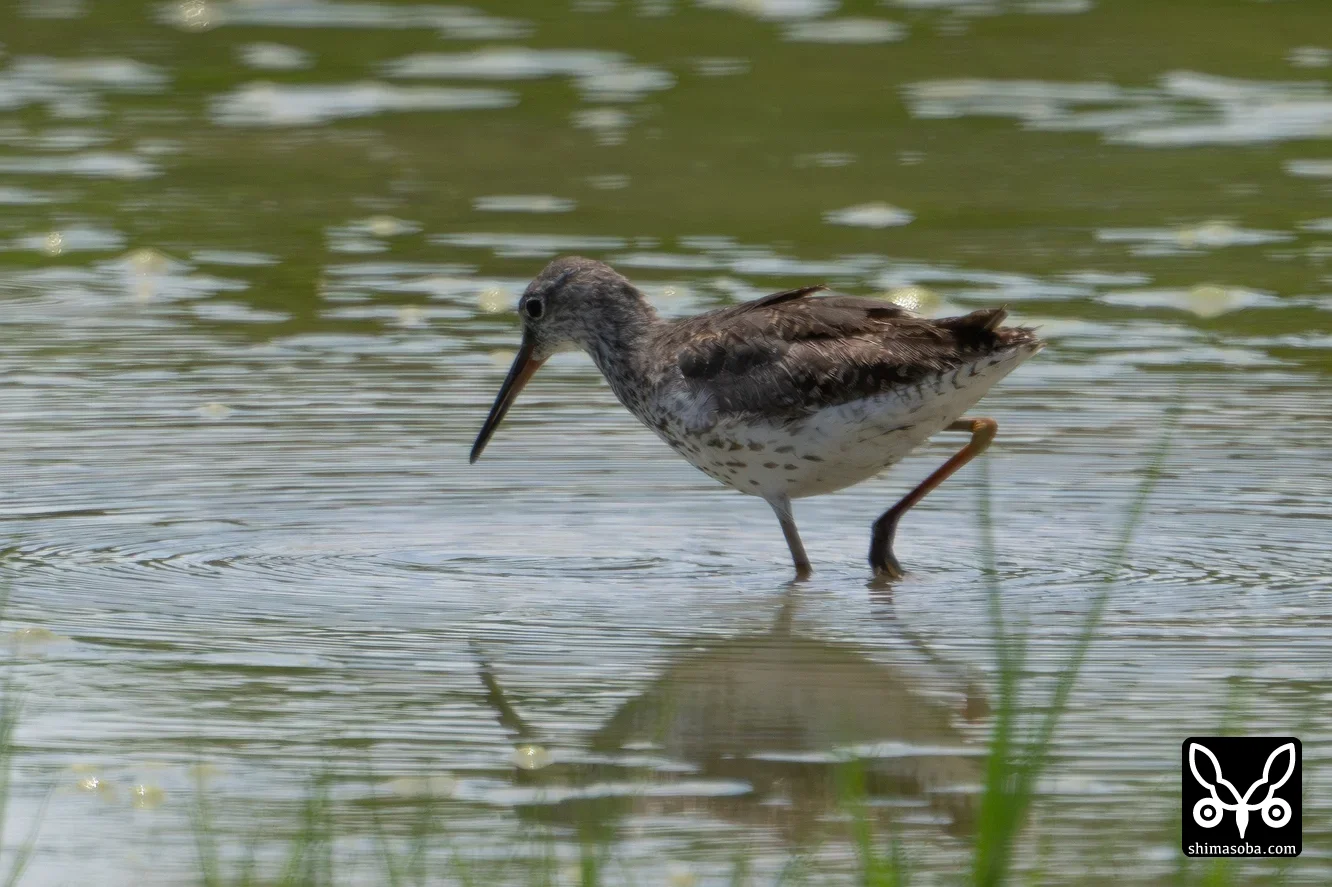
Common Redshank, first-summer plumage.
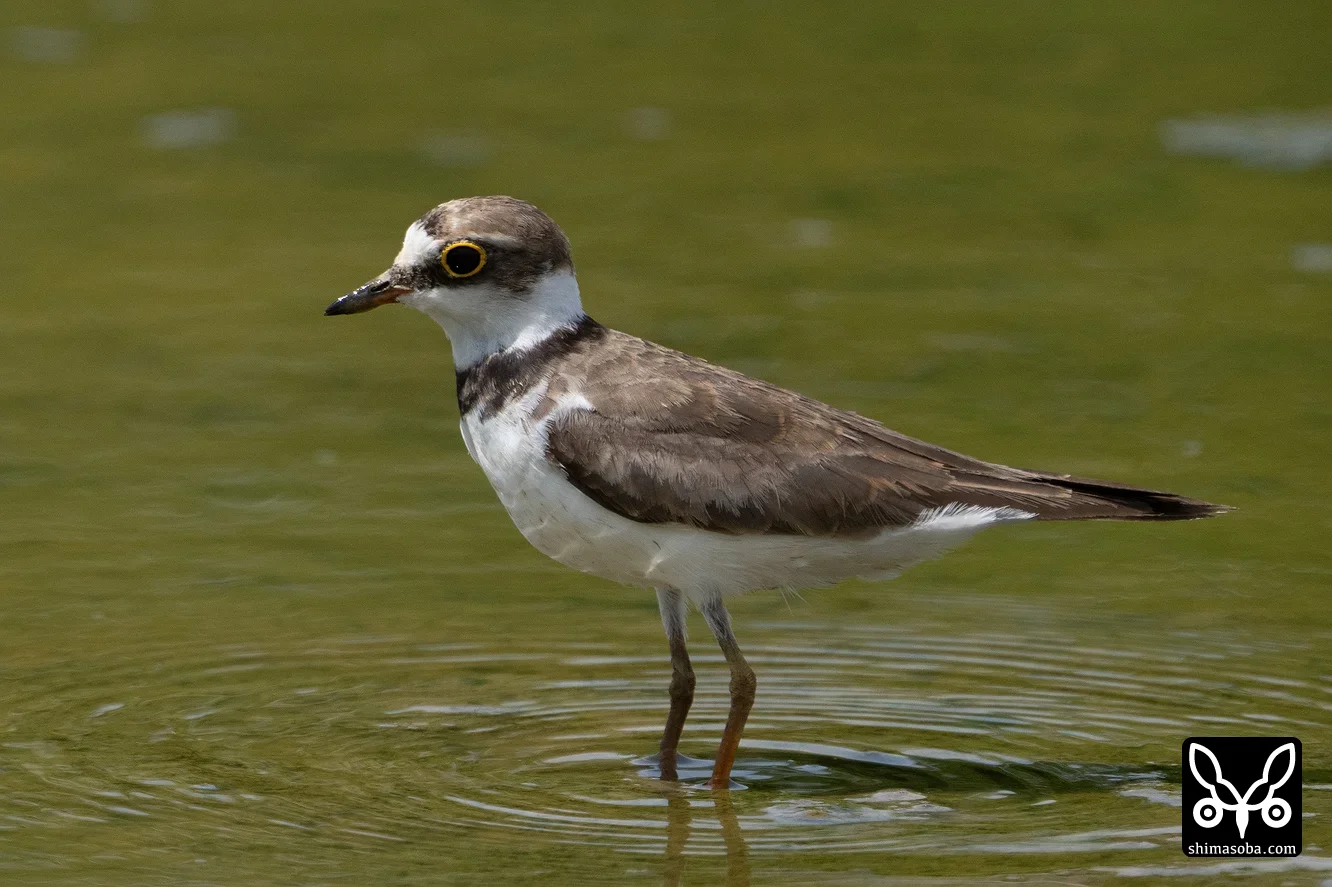
Little Ringed Plovers arrived in a group of about ten. They looked tired, having just arrived.
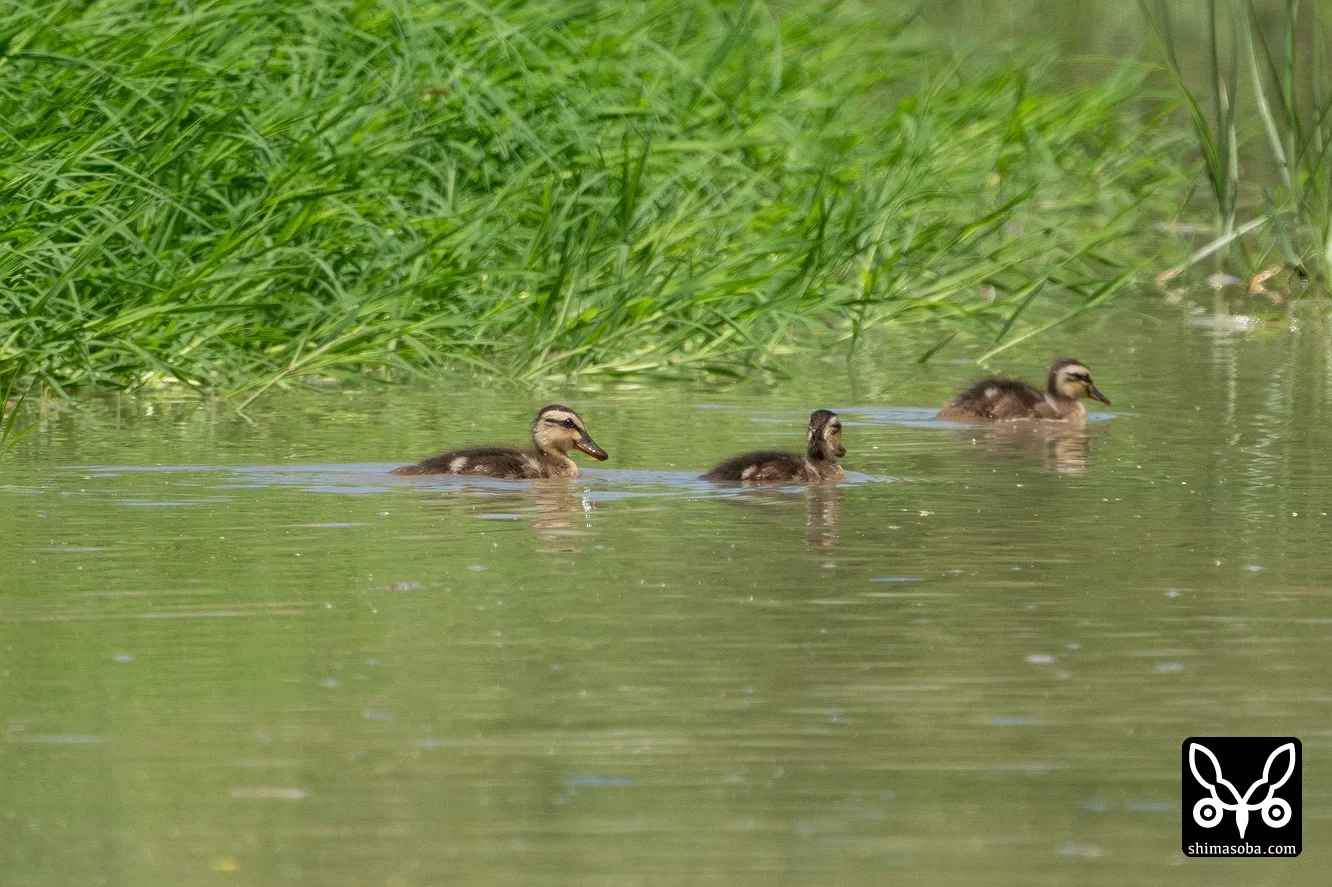
Three Eastern Spot-billed Ducks growing up together after losing their parent. Whenever a Common Moorhen with chicks appeared, they would follow along as if longing for a family, but they kept getting left behind.
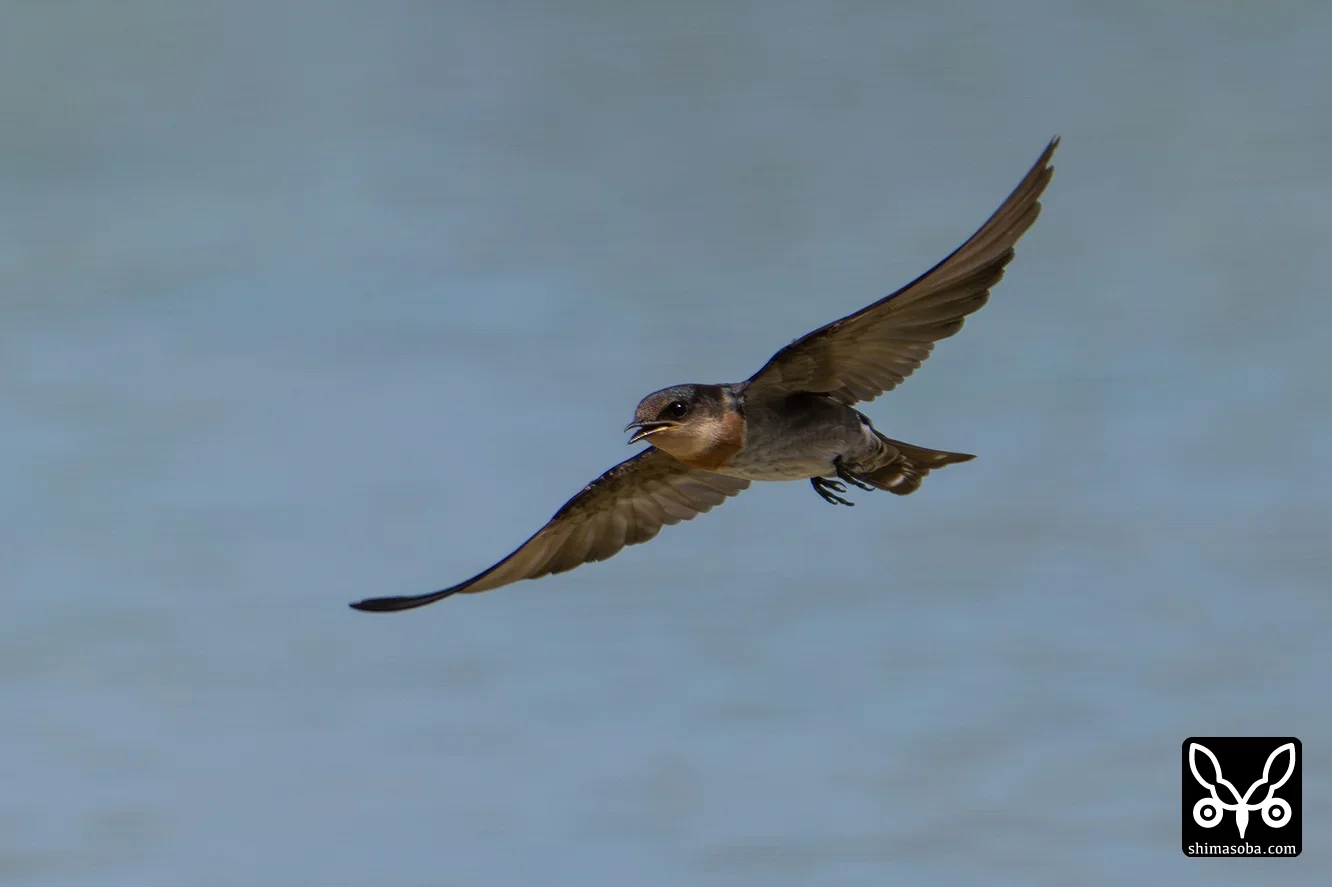
A fledgling Ryukyu Swallow. It had come to the rice paddy to drink water.
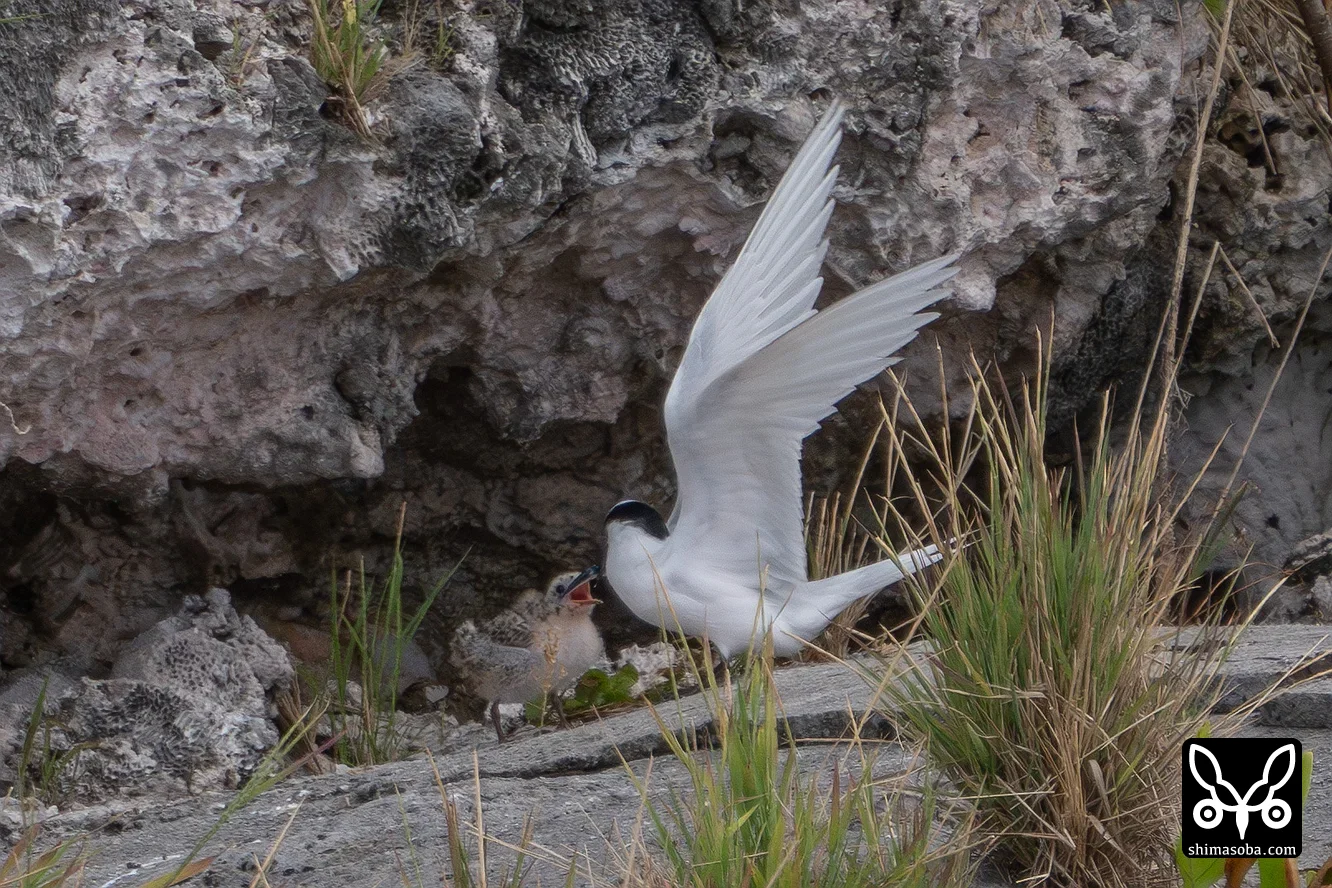
A Black-naped Tern chick, about ten days to two weeks post-hatch. At least two pairs and three chicks were visible.
Related Posts
- Chinese Egret, Black-faced Spoonbill, Cinnamon Bittern(April 29, 2025)
- エリグロアジサシ巣立ち(Aug. 12, 2016)
- Common Hoopoe, Malayan Night Heron, Pacific Swift, Red-throated Pipit and more (video)(March 21, 2024)
- 石垣島の光るキノコ(アミヒカリタケとシロヒカリタケ)(May 17, 2014)
- 保護したアカショウビン段ボールハウスから5羽巣立ち(動画あり)(July 30, 2021)
- リュウキュウツミの子育て順調(Aug. 5, 2015)
- アカショウビン、リュウキュウヨシゴイ、ムラサキサギの幼鳥(Aug. 12, 2022)
- Chestnut-winged Cuckoo and Pale Buzzard Show Up!!(Nov. 11, 2024)
- リュウキュウアカショウビン造巣開始(April 30, 2012)
- 国頭村営林道夜間通行規制にかかる許可証の取得方法(Sept. 2, 2016)