SEASONAL ARCHIVE

Wild Birds of December

When and what wild birds might you see — a timeline sorted by date taken

  1. 1
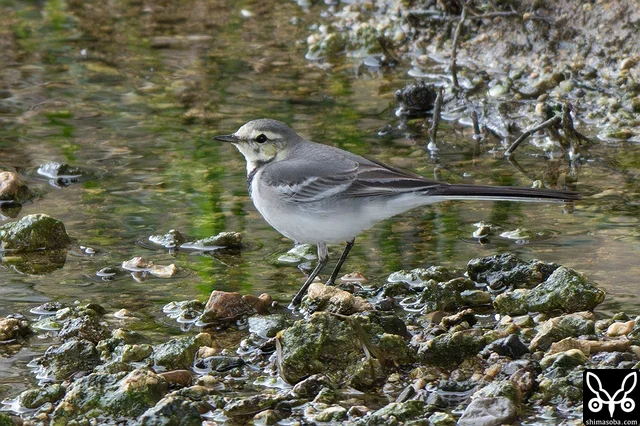
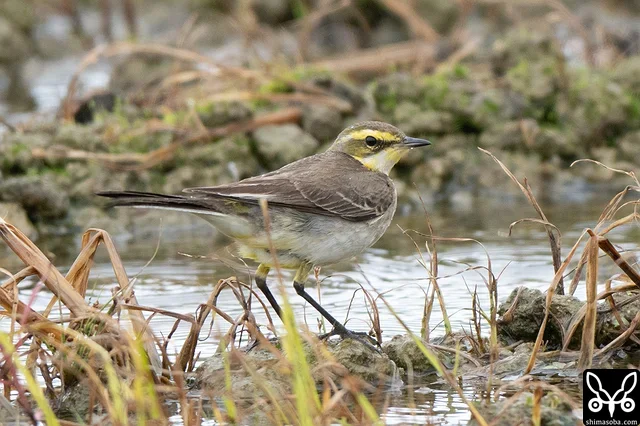
    First-winter Taiwanese Wagtail. Staying alongside a White Wagtail.
    Eastern Yellow Wagtail
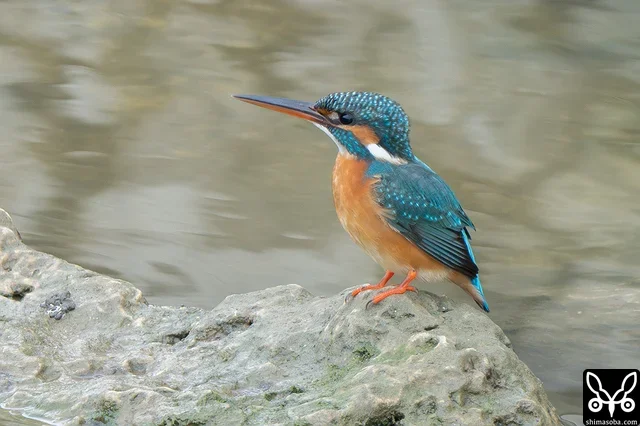
  2. A Common Kingfisher was going back and forth along the canal.
    Common Kingfisher
  3. 2
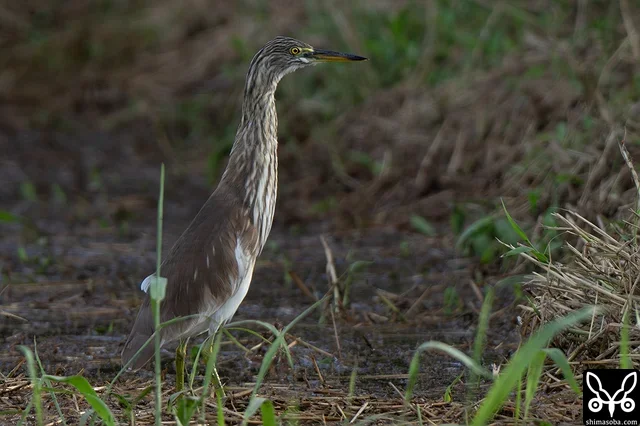
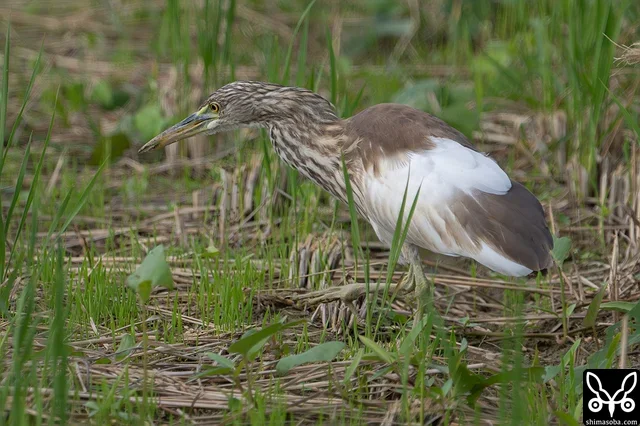
    Multiple Chinese Pond Herons are staying.
    Chinese Pond Heron
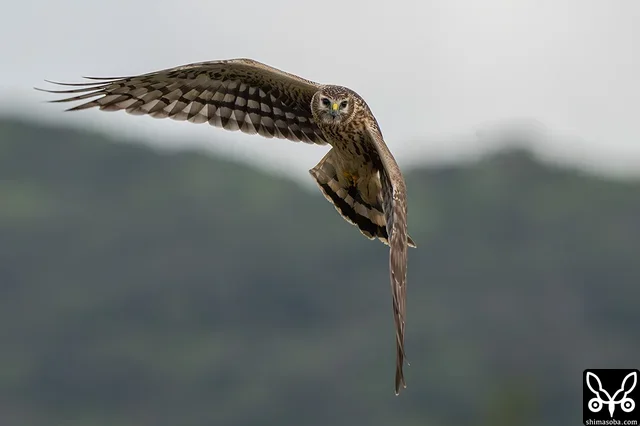
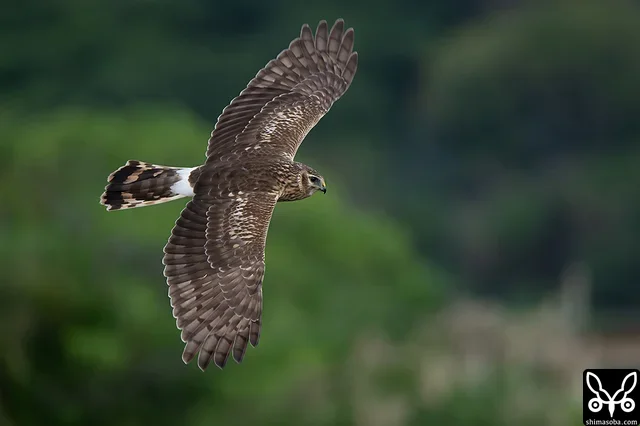
  4. It was wheeling around so close it nearly filled the frame. The paddy birds were in total panic.
    Hen Harrier
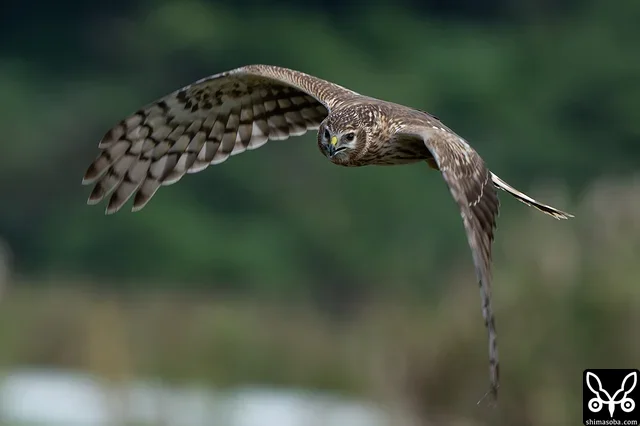
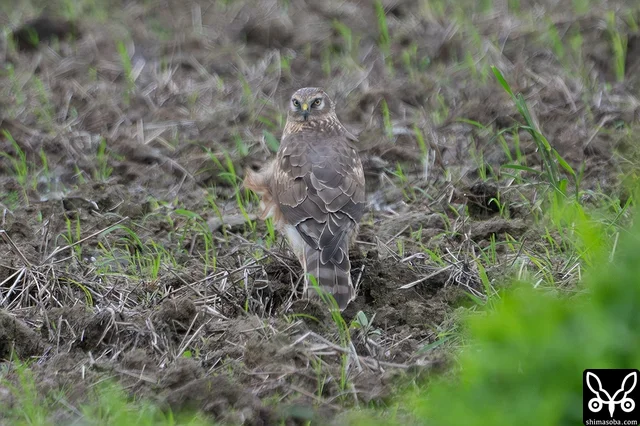
  5. A Hen Harrier quartering the rice paddies in search of prey.
    Hen Harrier
  6. It didn't manage to catch anything in the end, but the dynamic flight was well worth watching.
    Hen Harrier
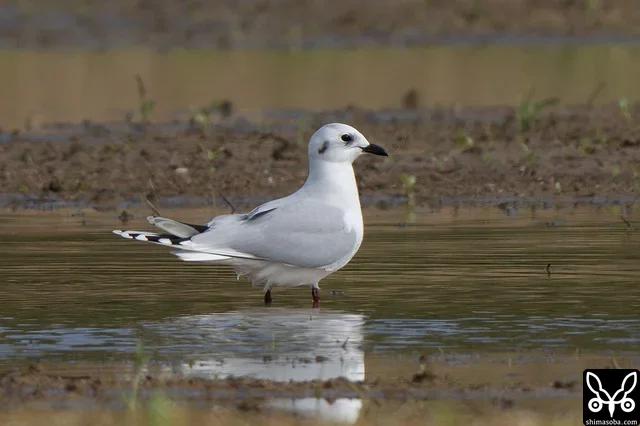
  7. My first Saunders's Gull of the season. It was with a Black-headed Gull but looked a little put out. ^^;
    Saunders's Gull
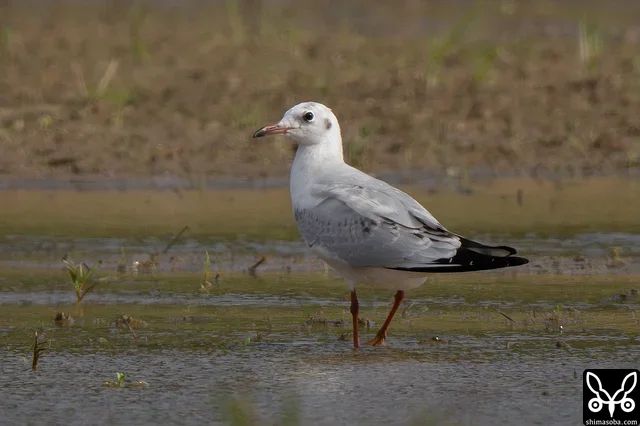
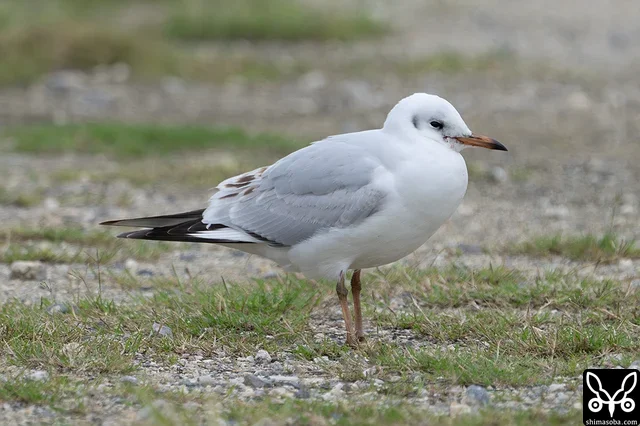
  8. A Black-headed Gull that was with the Saunders's Gull.
    Black-headed Gull
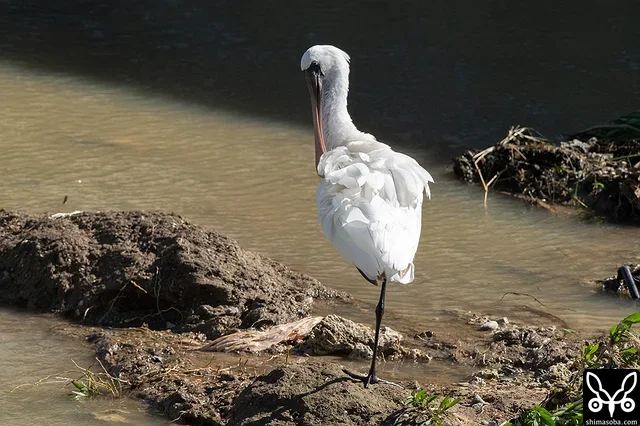
  9. A Black-faced Spoonbill resting in a canal.
    Black-faced Spoonbill
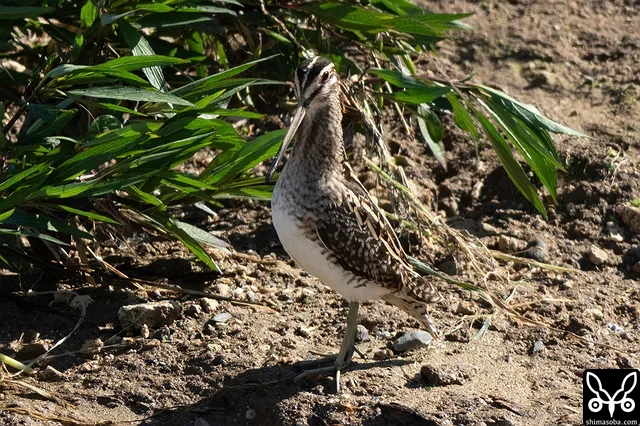
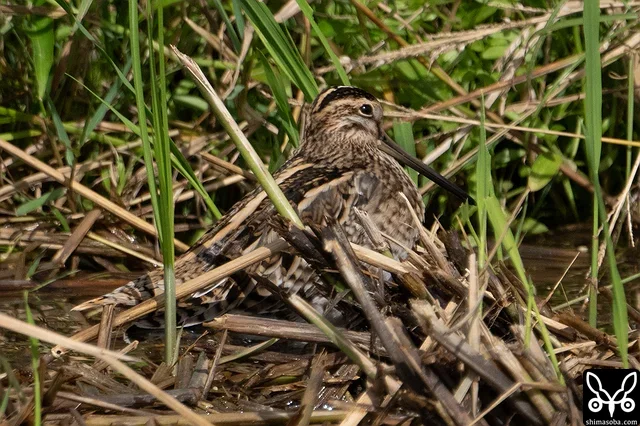
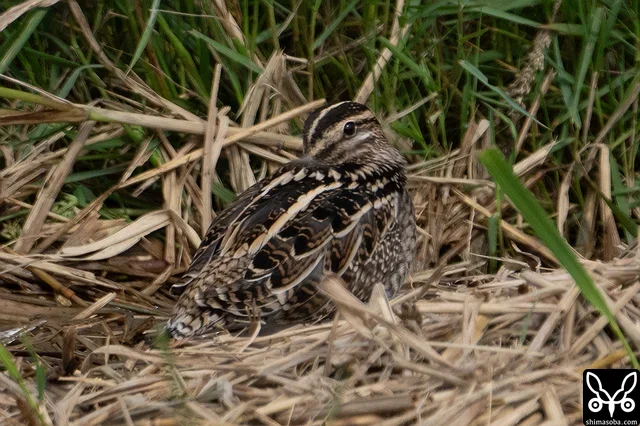
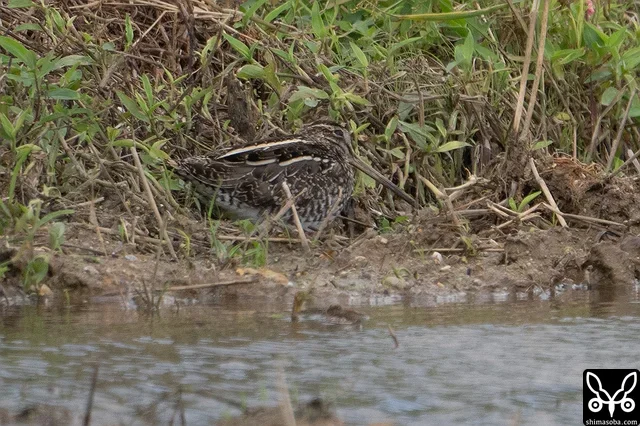
  10. Common Snipe were not seen in great numbers.
    Common Snipe
  11. 3
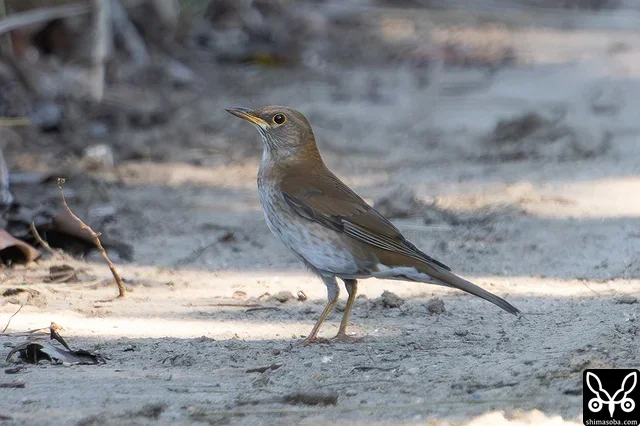
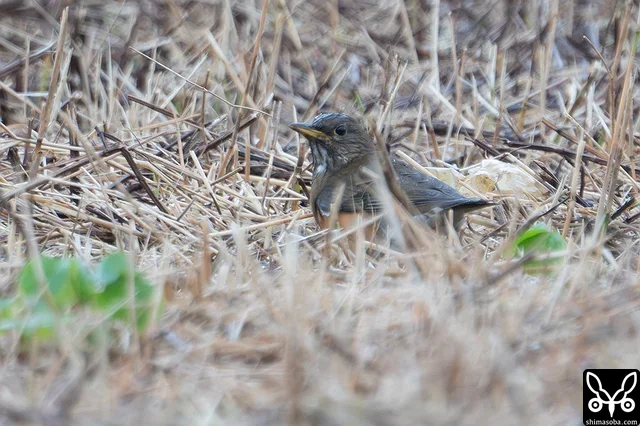
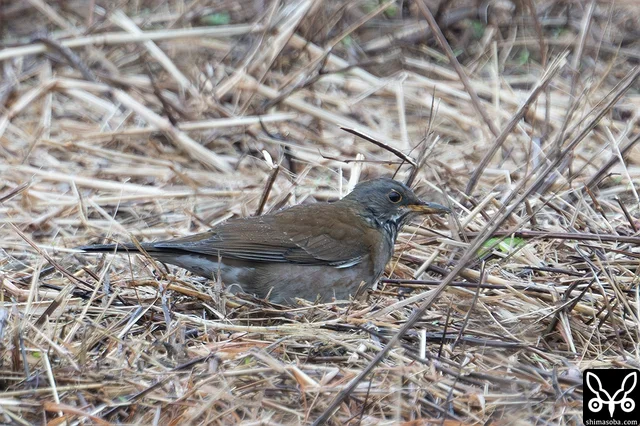
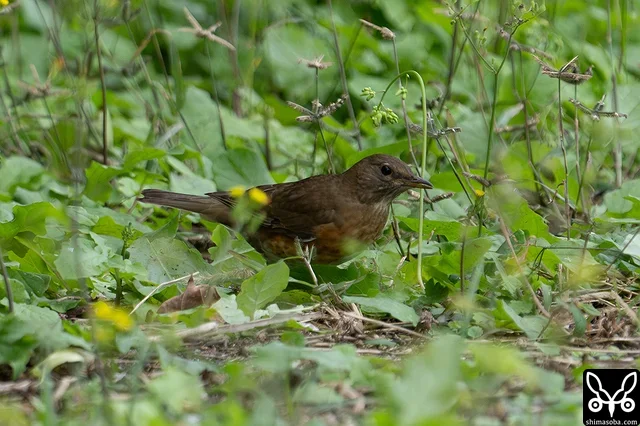
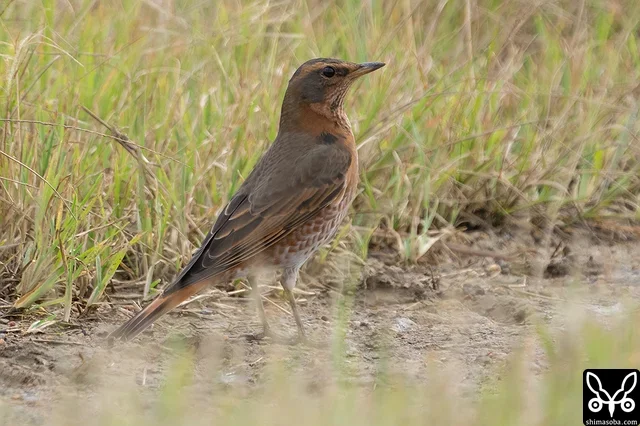
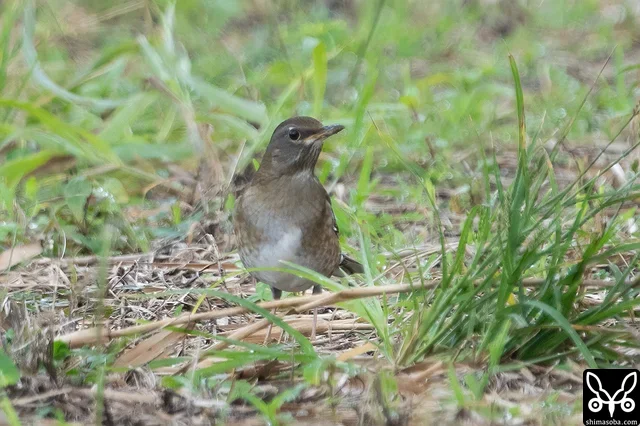
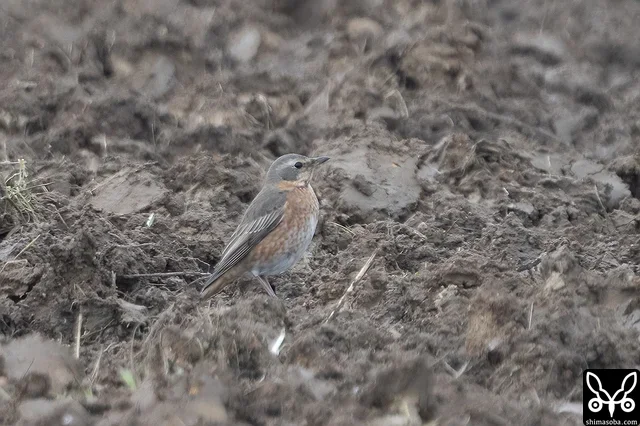
    I had been hearing Pale Thrush calling since around the end of last month, but this day was my first confirmed sighting of the season.
    Pale Thrush
  12. 5
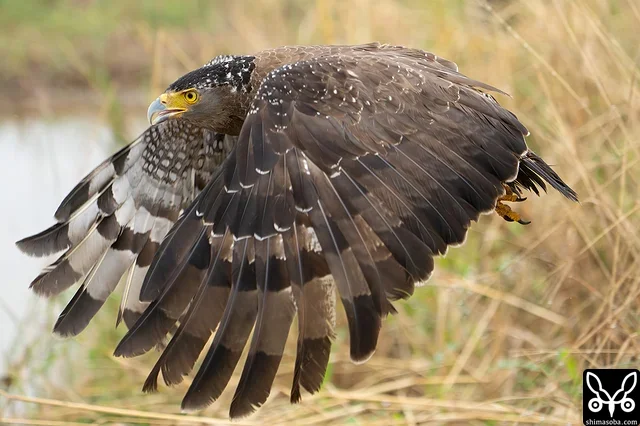
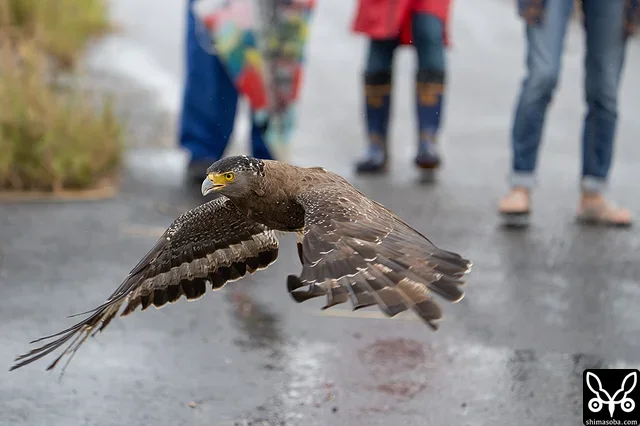
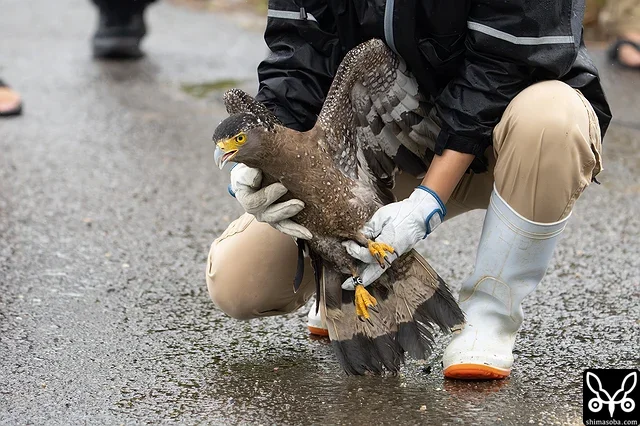
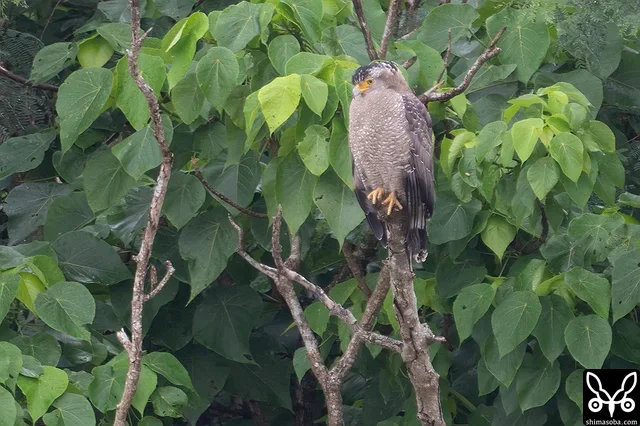
    Lately, for some reason, I've ended up directing things on site — the direction of flight, the positioning of the media and so on — but this time it flew exactly the course I'd predicted, so I just about managed to save face… ^^;
    Crested Serpent Eagle
  13. After a little while, watched over by the rescue workers, officials, and press, it flew off strongly.
    Crested Serpent Eagle
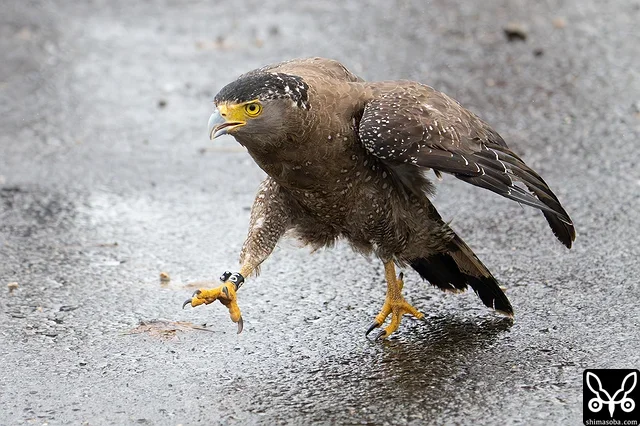
  14. When placed on the ground it walked several metres before stopping.
    Crested Serpent Eagle
  15. Poised and clearly ready to fly.
    Crested Serpent Eagle
  16. 6
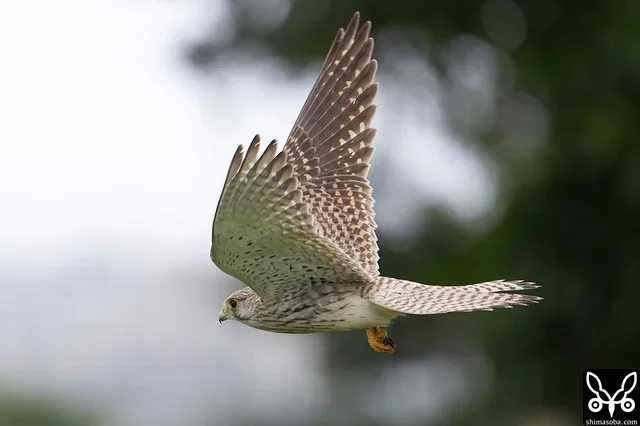
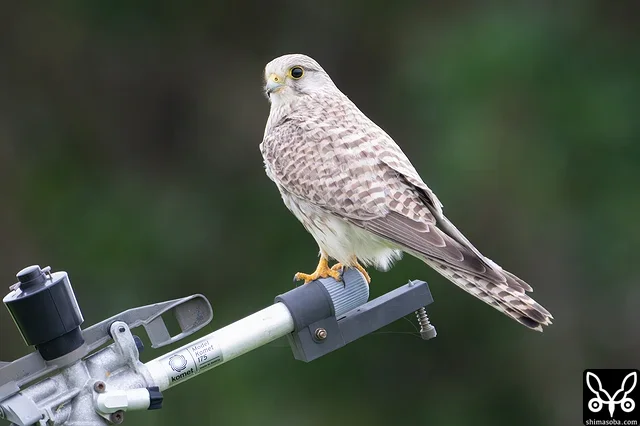
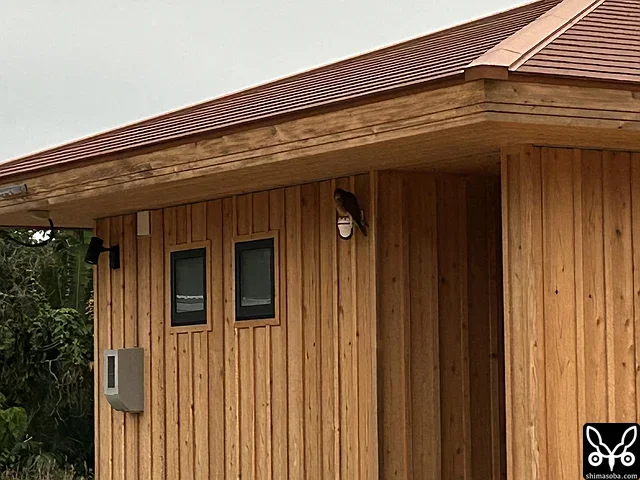
    On the Lesser Kestrel, the underwing spotting also looks faint.
    Lesser Kestrel
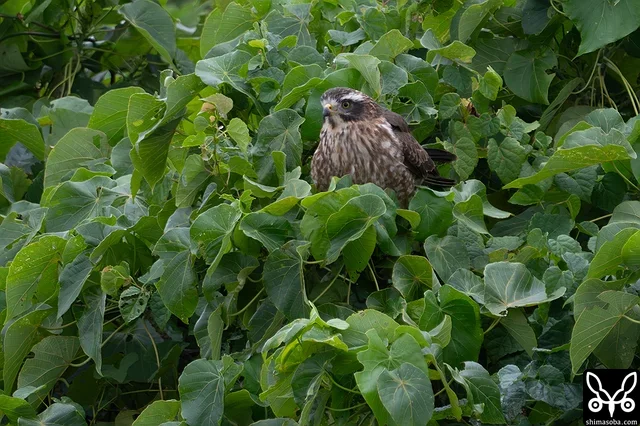
  17. Juvenile Lesser Kestrel. Has been staying for the past few days.
    Lesser Kestrel
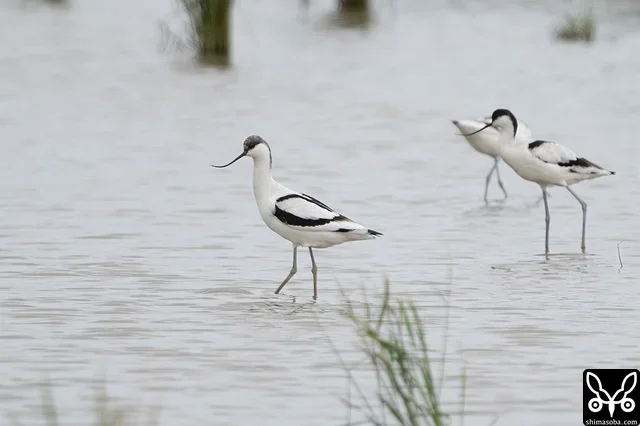
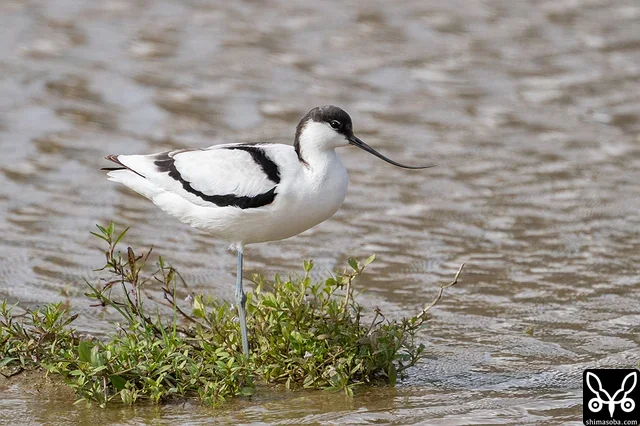
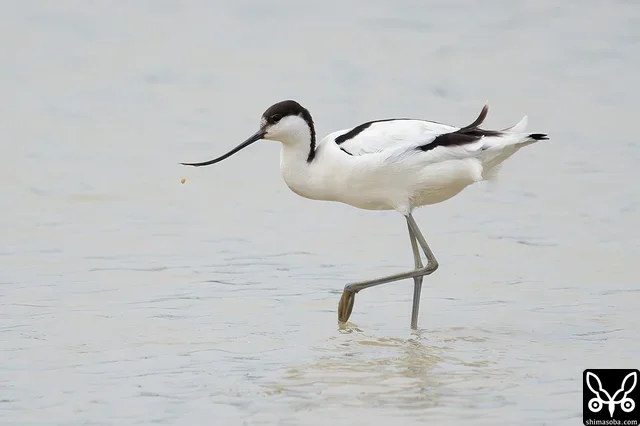
  18. Also a different paddy field. There were three Pied Avocets.
    Pied Avocet
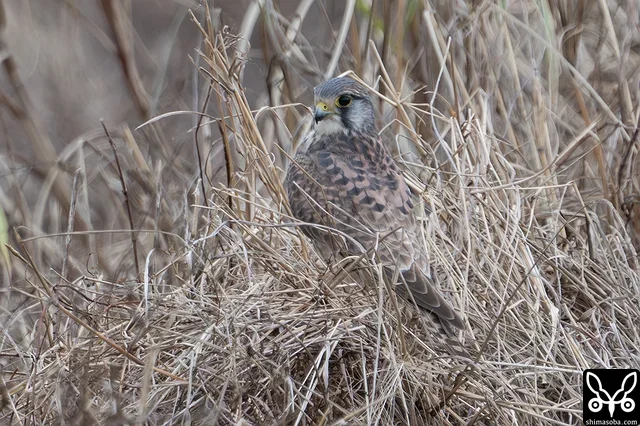
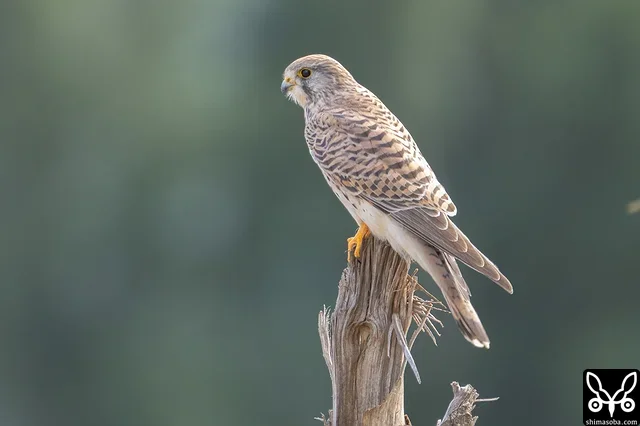
  19. Common Kestrel, first-winter male.
    Common Kestrel
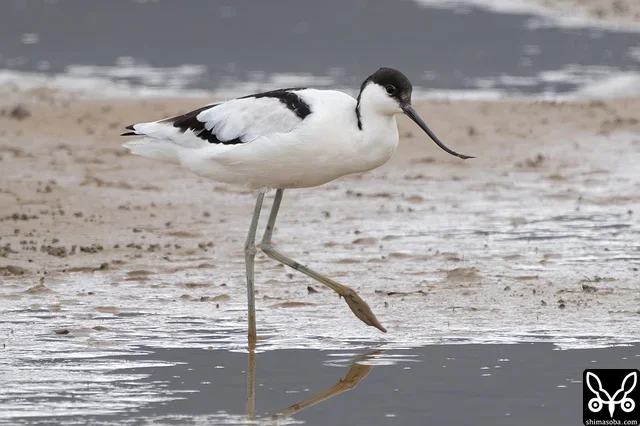
  20. A Pied Avocet in another paddy field.
    Pied Avocet
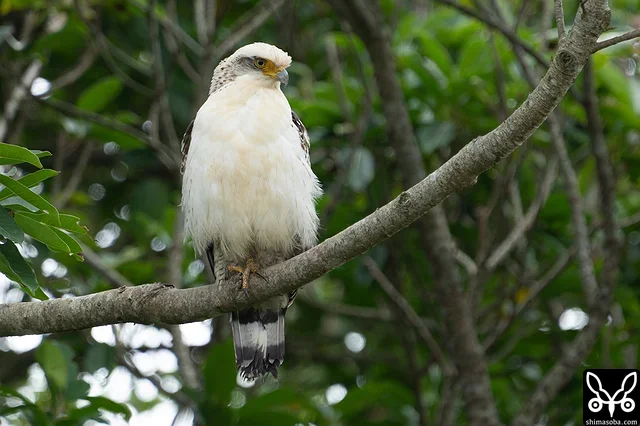
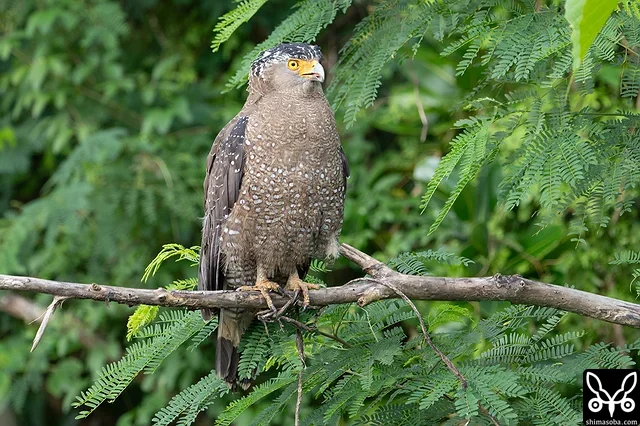
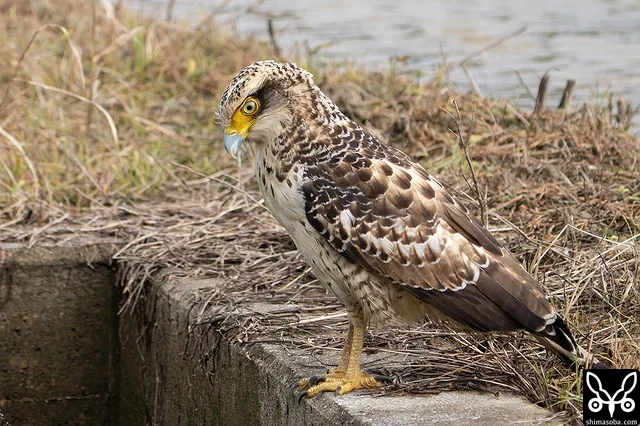
  21. Juvenile Crested Serpent Eagle. I heard its call and went looking — and there it was.
    Crested Serpent Eagle
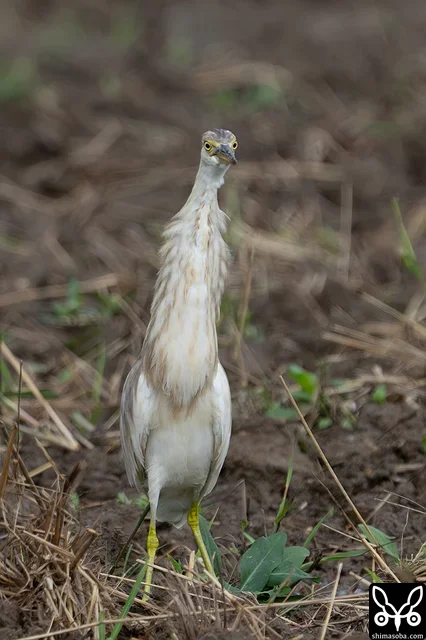
  22. A Javan Pond Heron on an extended stay.
    Javan Pond Heron
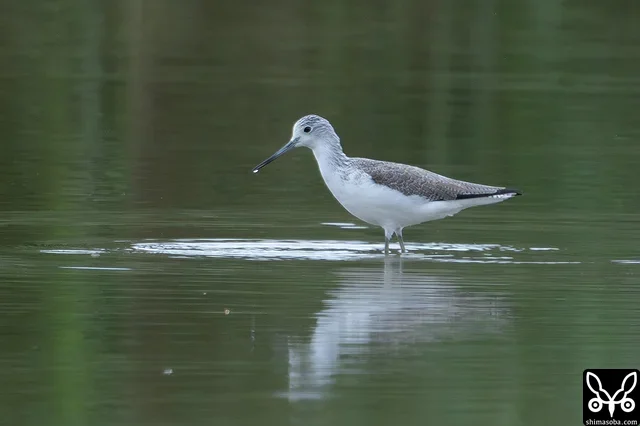
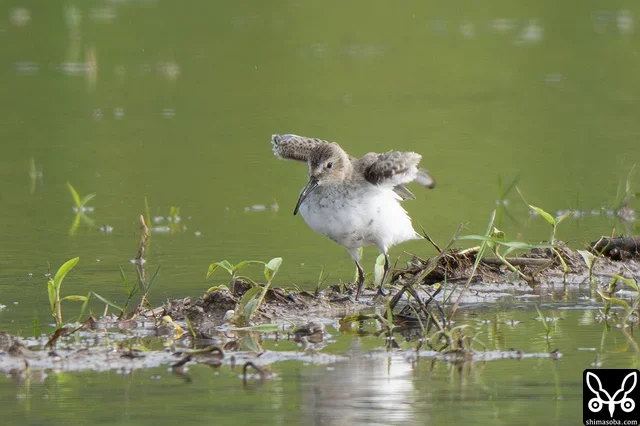
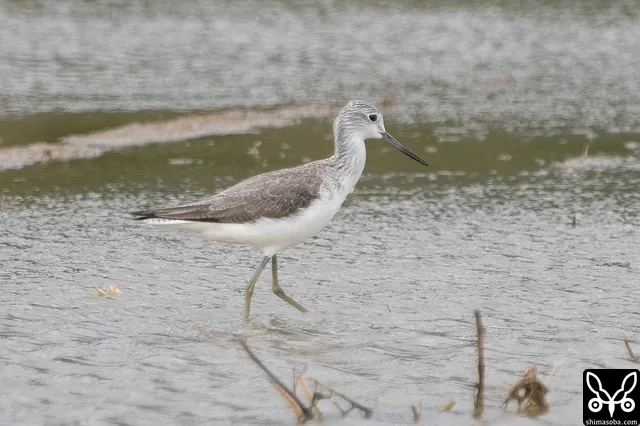
  23. Common Greenshank in winter plumage.
    Common Greenshank
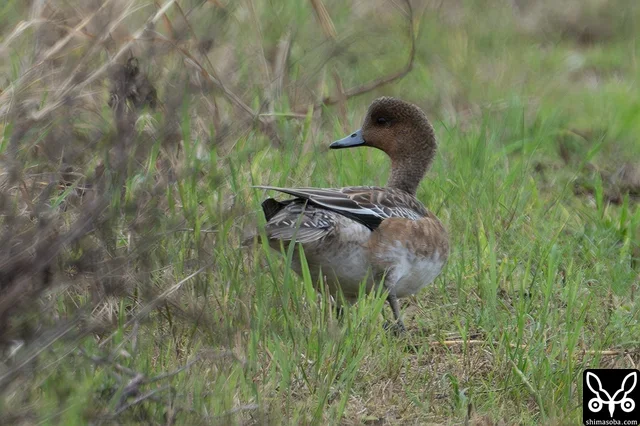
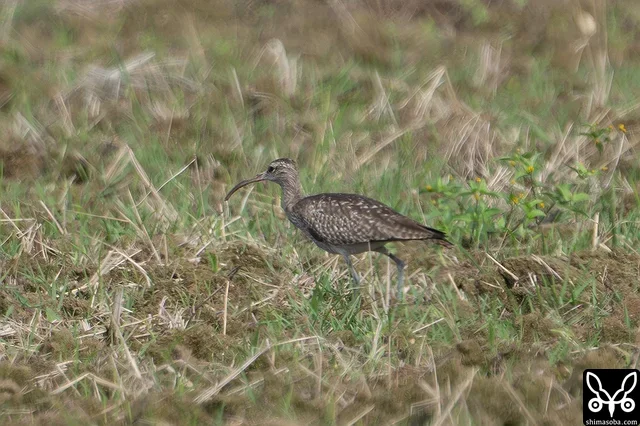
  24. Female adult Eurasian Wigeon. It appeared to have injured its right foot.
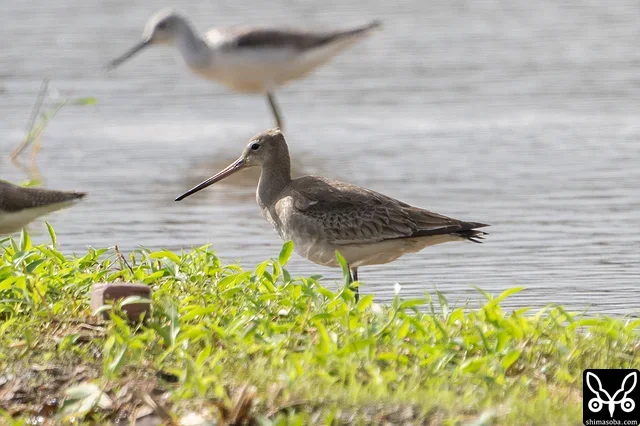
    Eurasian Wigeon
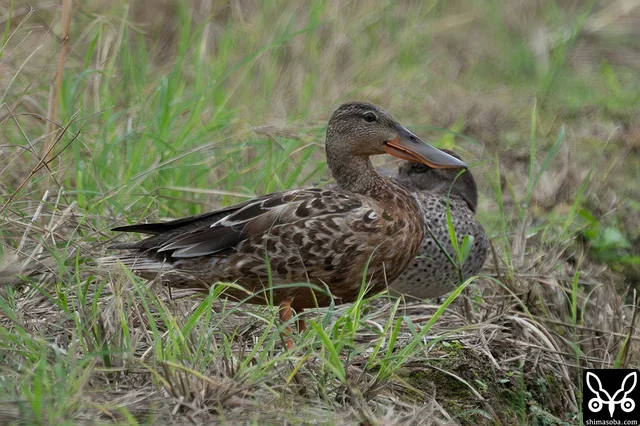
  25. Male juvenile Northern Shoveler. Eurasian Teal in the background.
    Northern Shoveler
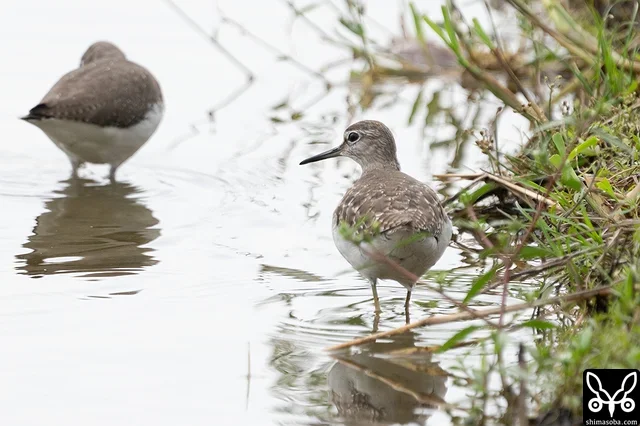
  26. Wood Sandpiper (right) and Green Sandpiper.
    Wood Sandpiper
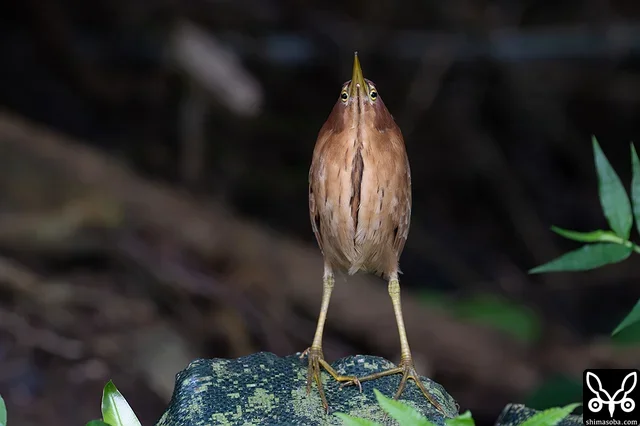
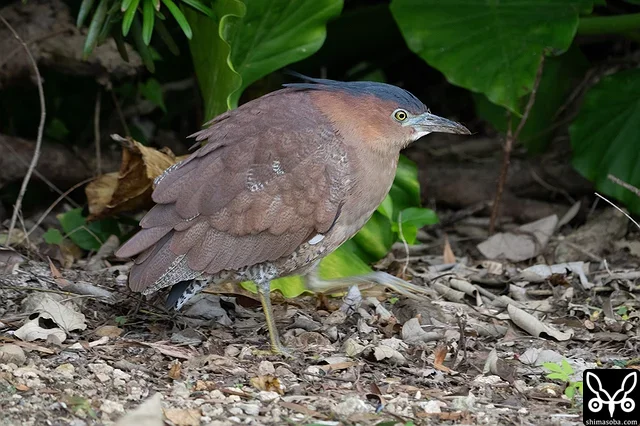
  27. A male Ryukyu Striated Heron I came across in the mountains. What on earth is it doing in a place like this?
    Yellow Bittern
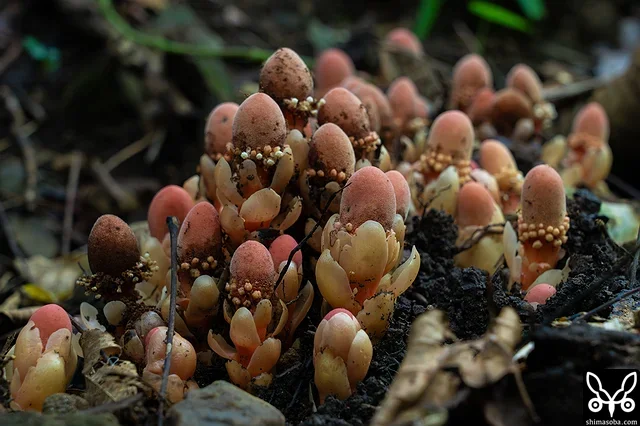
  28. Balanophora fungus peering out from the dim forest floor.
    Ryukyu ground parasite plant
  29. 7
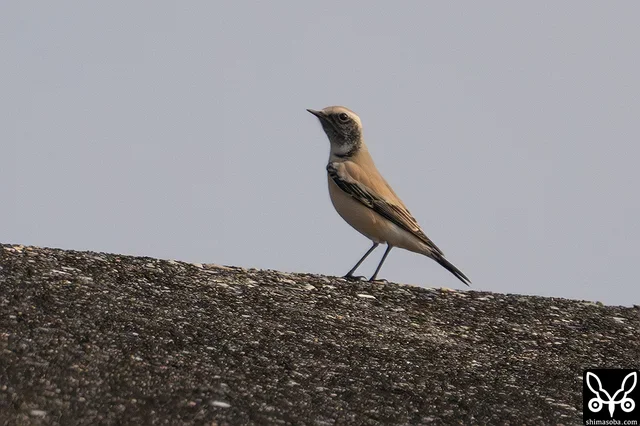
    The Desert Wheatear appears to be a first-winter male. It had a brief skirmish with a Dusky Thrush, perched on top of a roof, then vanished somewhere.
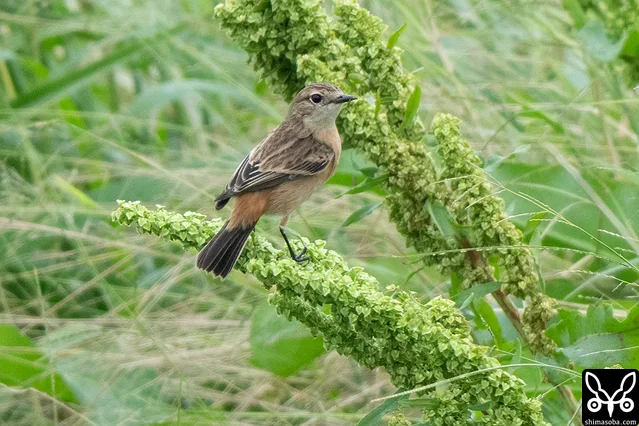
    Desert Wheatear
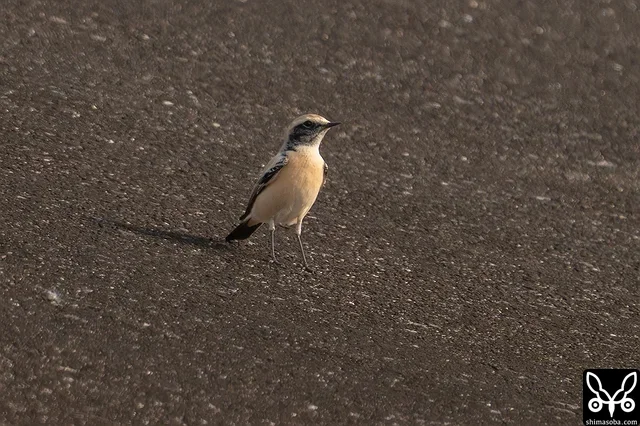
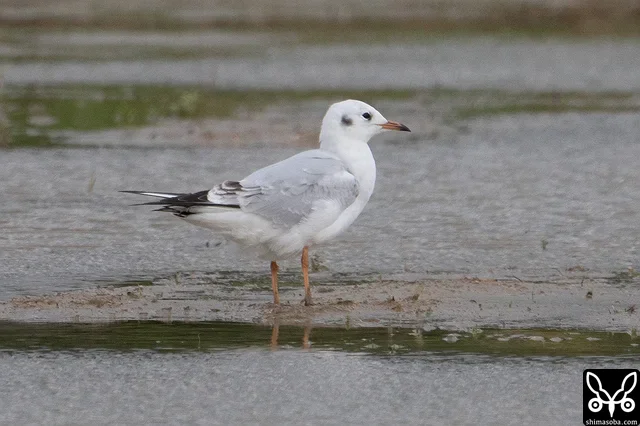
  30. A Desert Wheatear appeared out of nowhere. I rushed to get the shot.
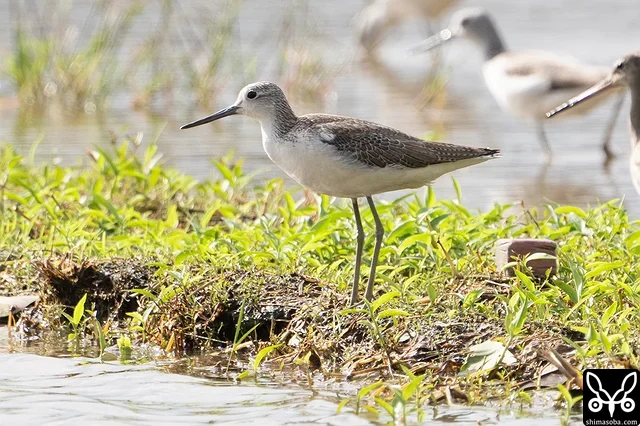
    Desert Wheatear
  31. 8
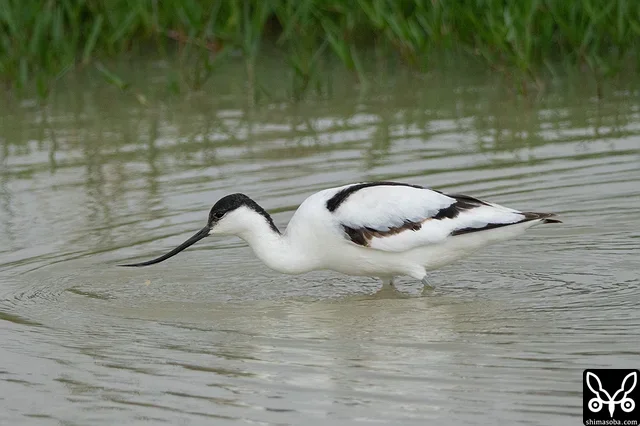
    A Pied Avocet moving back and forth between the irrigation channels and the rice paddies.
    Pied Avocet
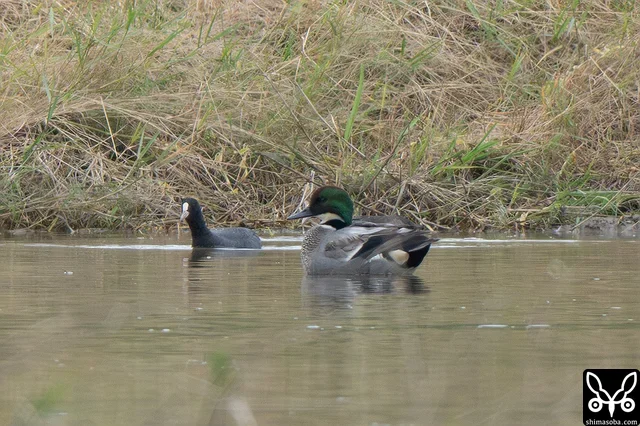
  32. A male Falcated Duck was present. It had come into breeding plumage and looked strikingly beautiful among the rice paddies.
    Falcated Duck
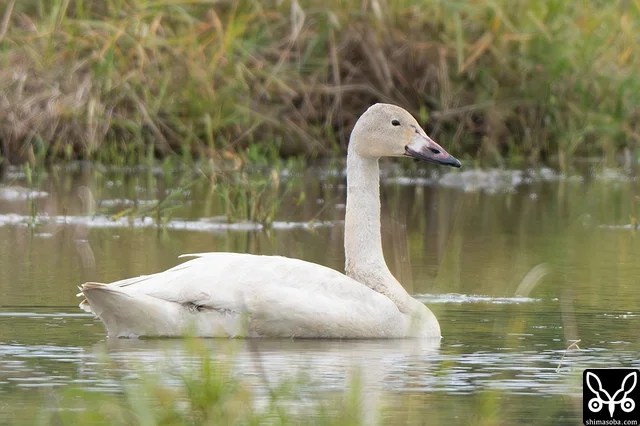
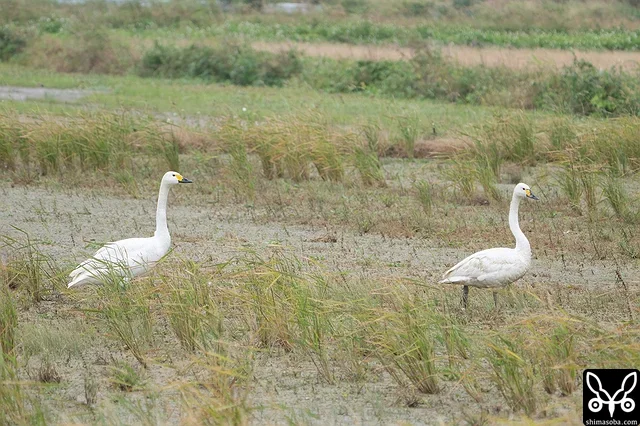
  33. A lone Tundra Swan on arrival.
    Tundra Swan
  34. 10
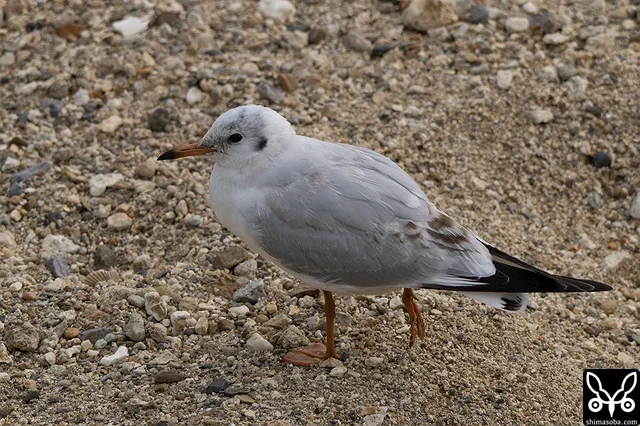
    A Black-headed Gull with an injured leg.
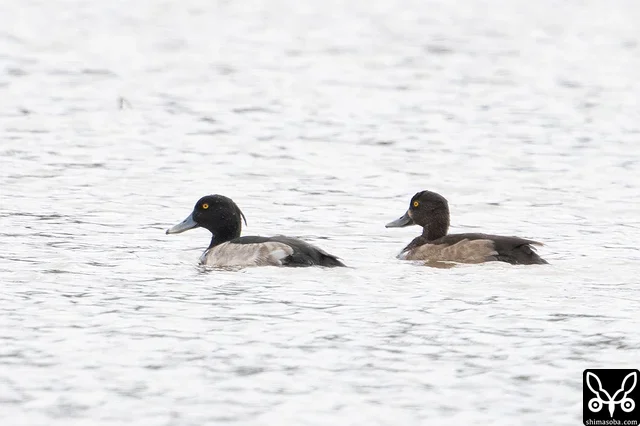
    Black-headed Gull
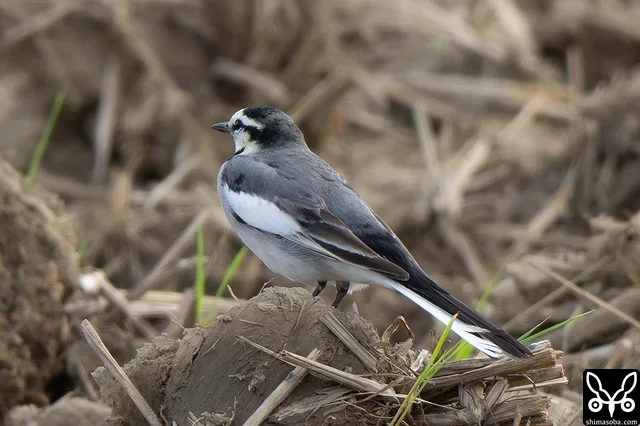
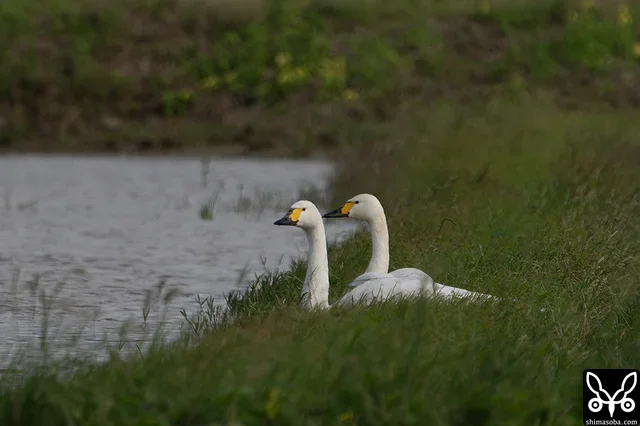
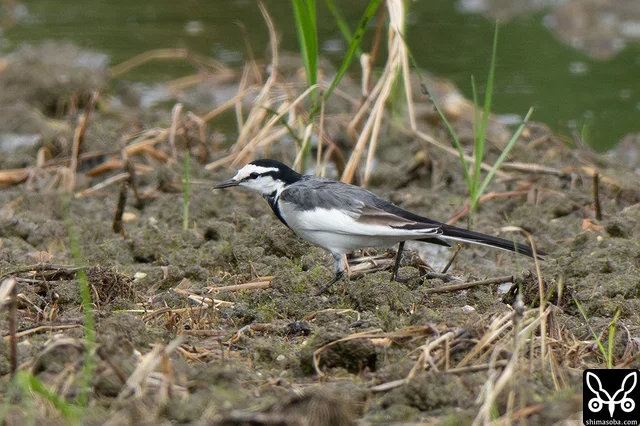
  35. A White Wagtail that was together with the individual above. This one is a male.
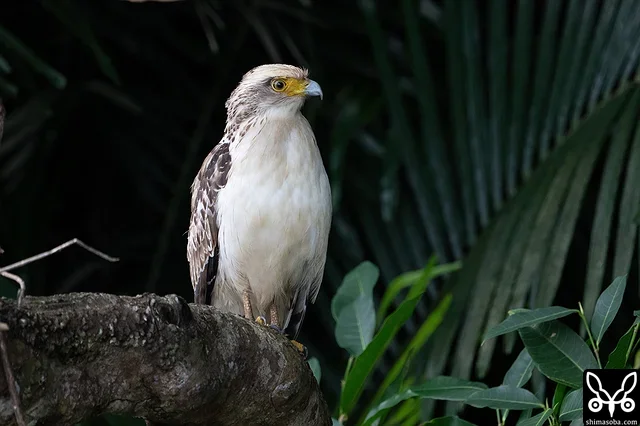
    White Wagtail
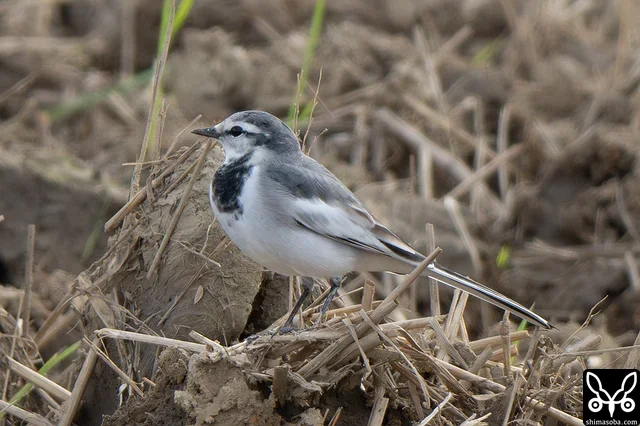
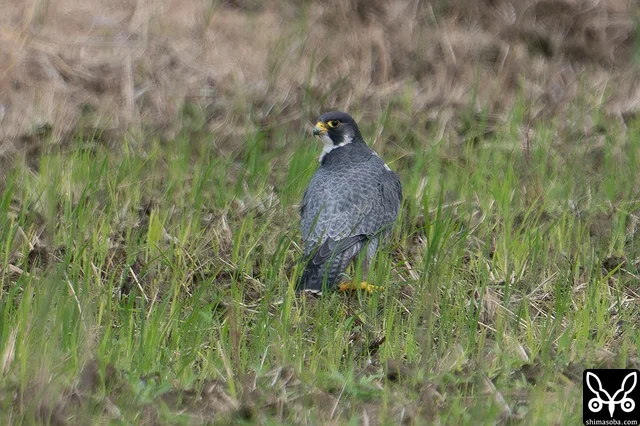
  36. A female of the subspecies White Wagtail has finally appeared.
    White Wagtail
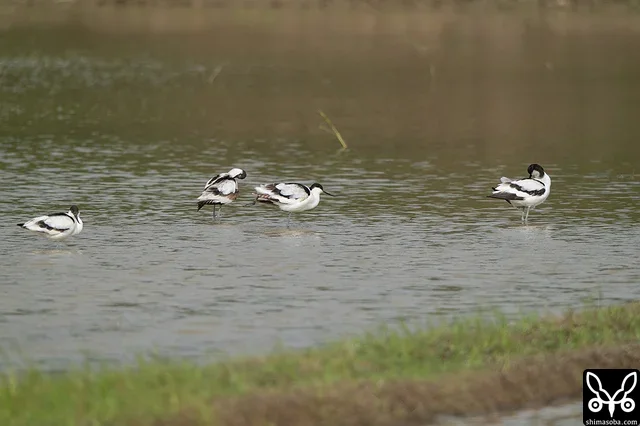
  37. Same individual as above. Four birds were resting together in a tight group.
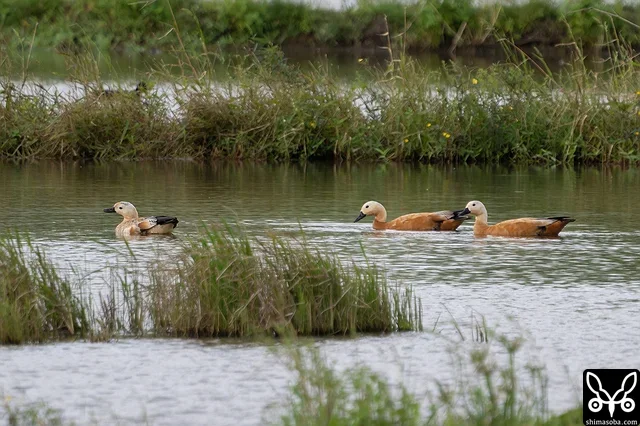
    Pied Avocet
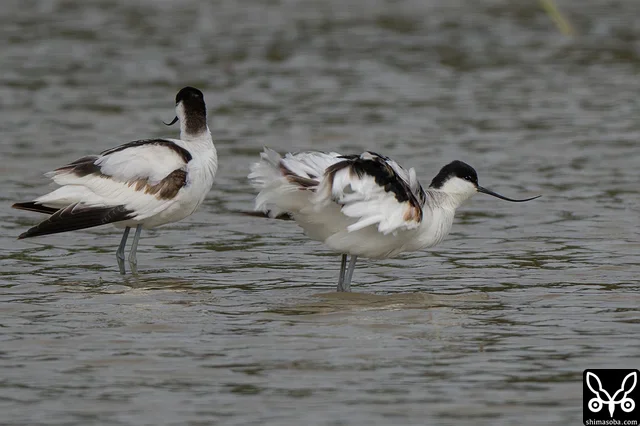
  38. This Pied Avocet was in a different area. Some worn juvenile feathers remain.
    Pied Avocet
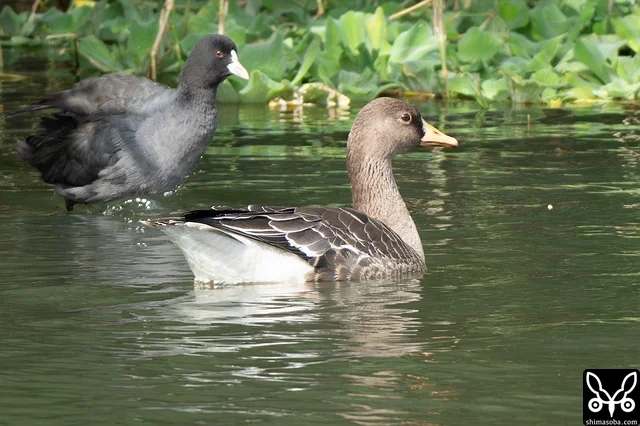
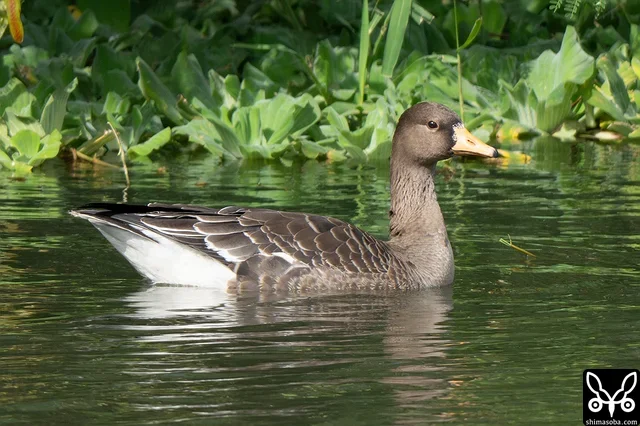
  39. A juvenile Greater White-fronted Goose. Why does it get misidentified as a Greylag Goose?
    Greater White-fronted Goose
  40. Comparing it with the Eurasian Coot behind, you can tell it's quite a small individual.
    Greater White-fronted Goose
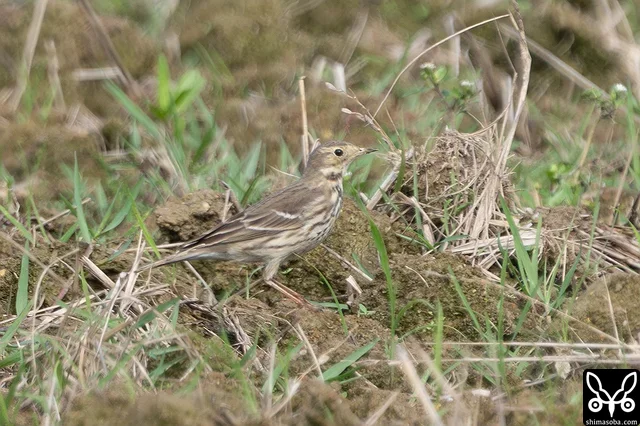
  41. 11
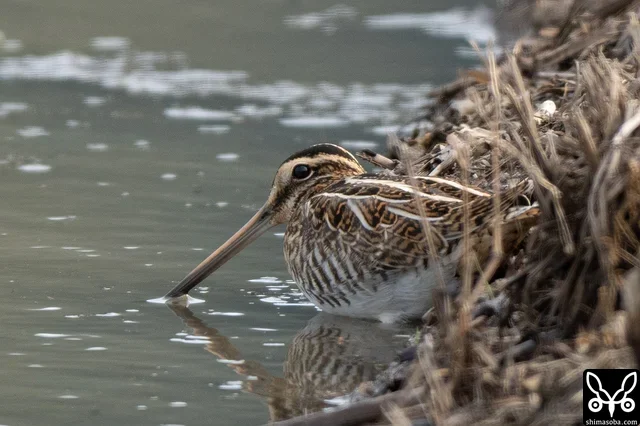
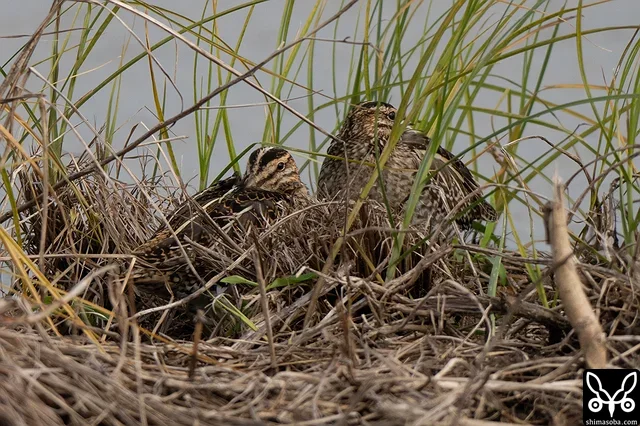
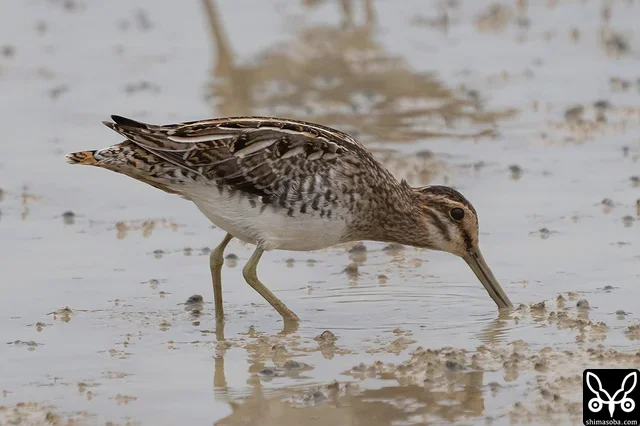
    The most beautiful juvenile Common Snipe of the day.
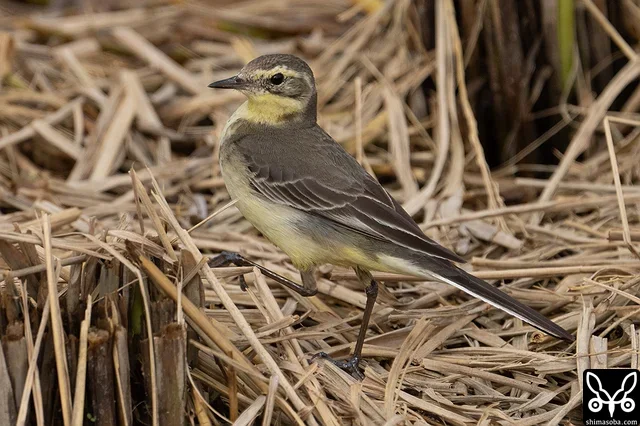
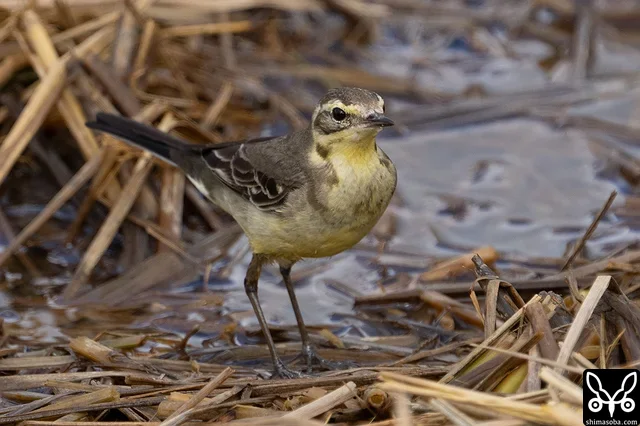
    Common Snipe
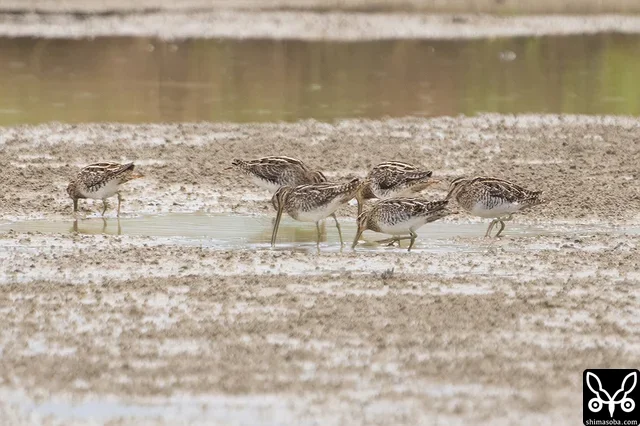
  42. Common Snipe were present like this, about a dozen or so. Unfortunately, no other Gallinago snipe were mixed in.
    Common Snipe
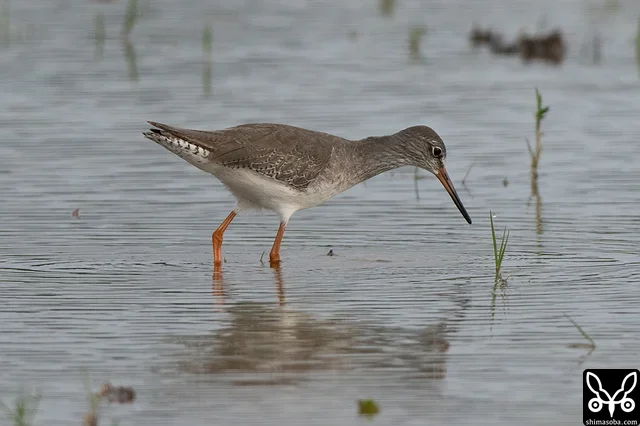
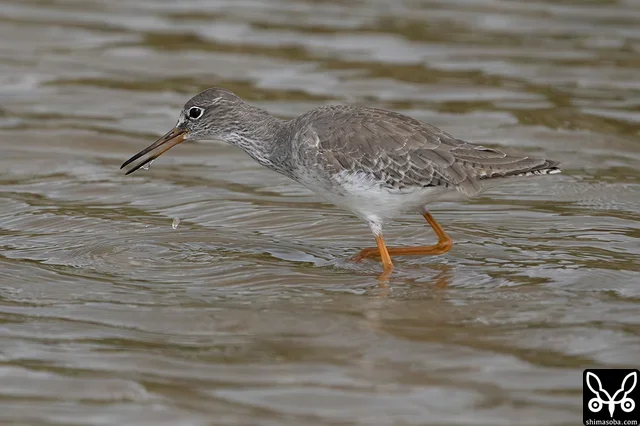
  43. A small number of Common Redshanks are wintering.
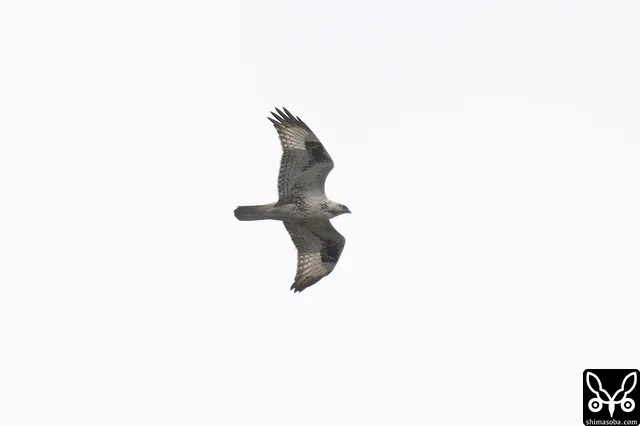
    Common Redshank
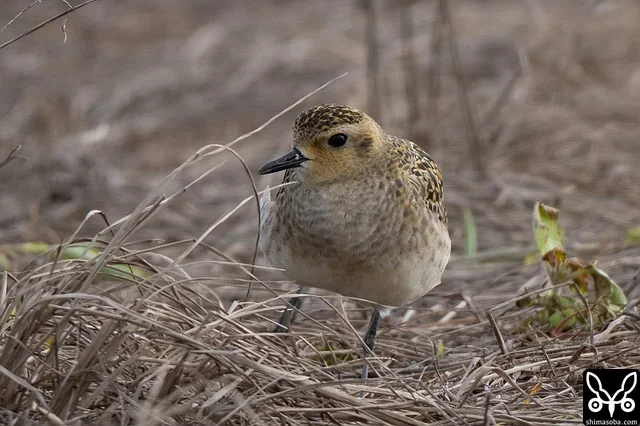
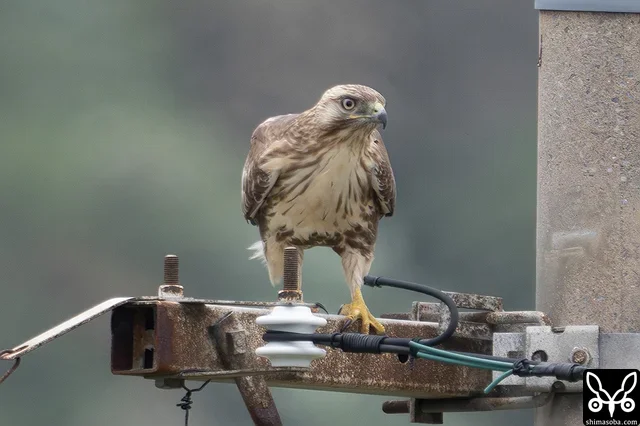
  44. A juvenile Pacific Golden Plover.
    Pacific Golden Plover
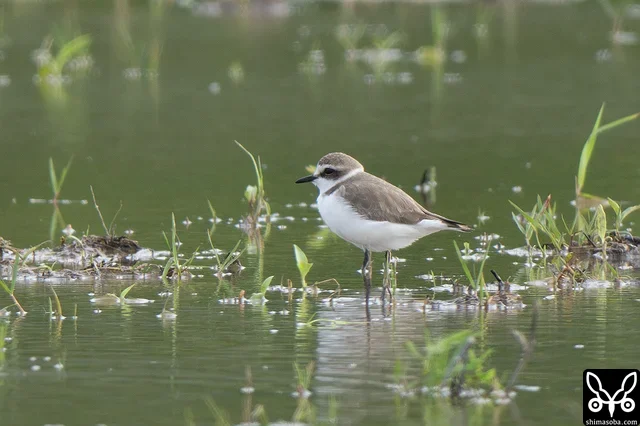
  45. On Ishigaki Island at this time of year, Kentish Plovers turn up in the rice paddies regularly too.
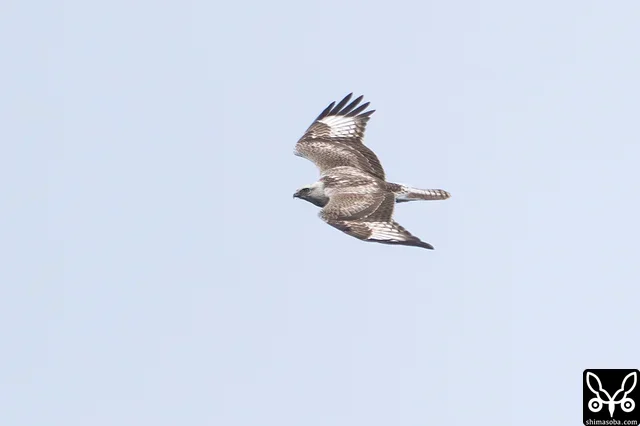
    Kentish Plover
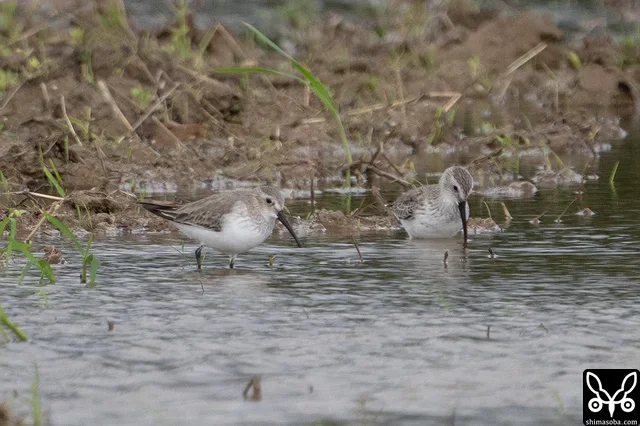
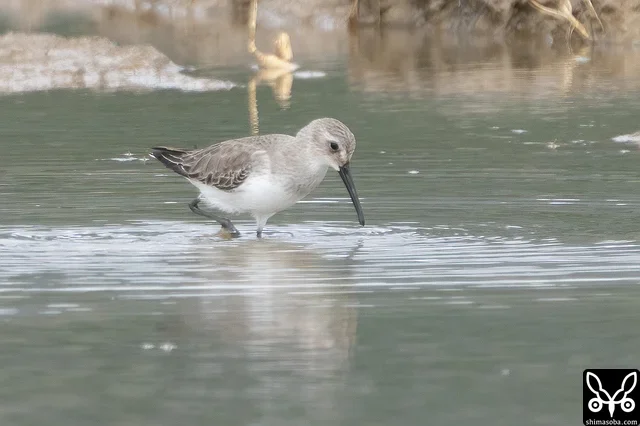
  46. A small flock of Dunlins was in the rice paddies.
    Dunlin
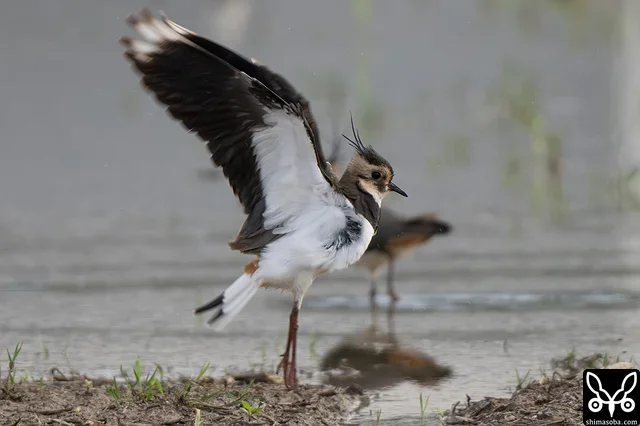
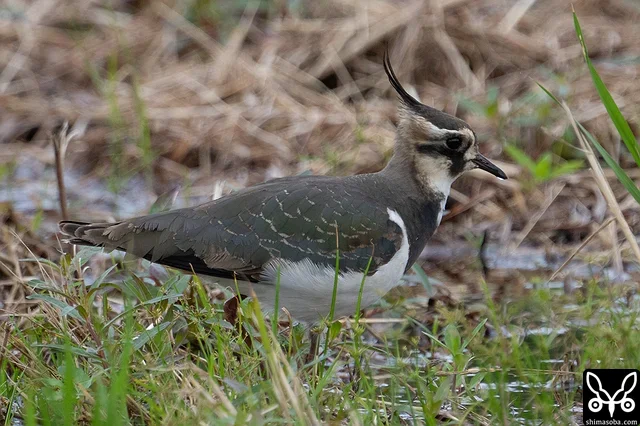
  47. Northern Lapwings in a small flock — all juveniles.
    Northern Lapwing
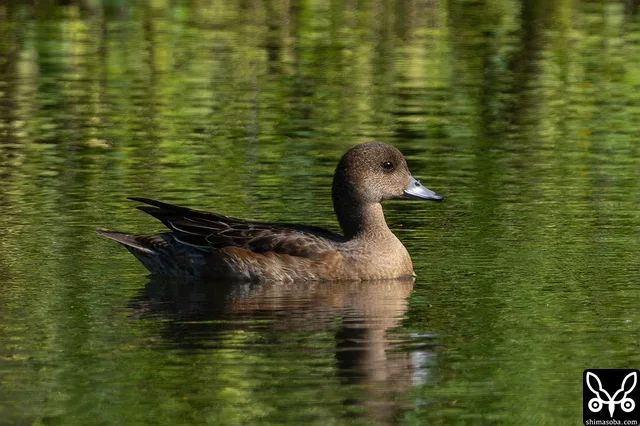
  48. A juvenile female Eurasian Wigeon.
    Eurasian Wigeon
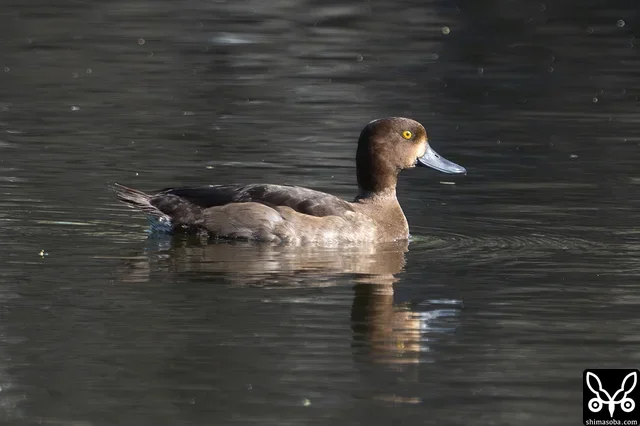
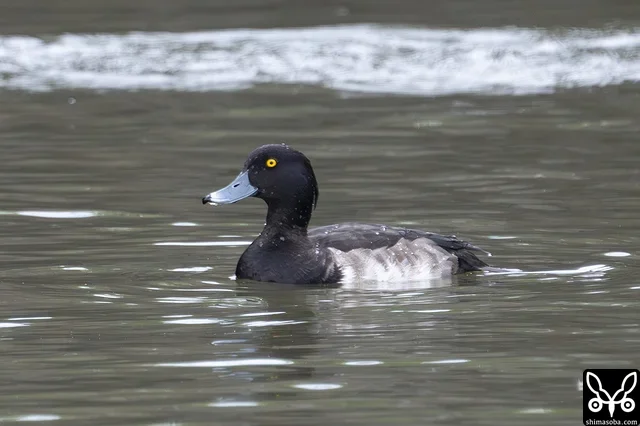
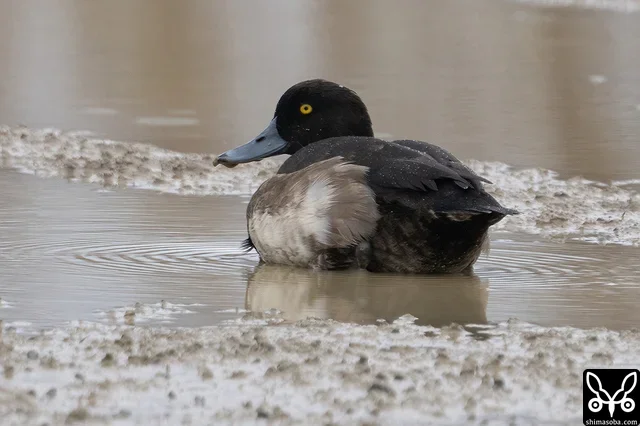
  49. A juvenile female Tufted Duck. An individual in which the black tip of the bill appears to be absent.
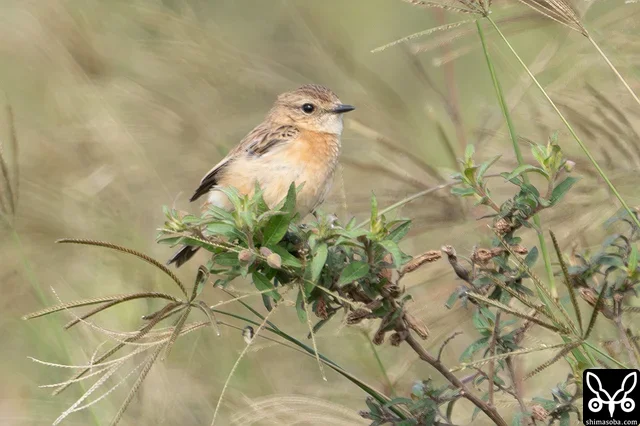
    Tufted Duck
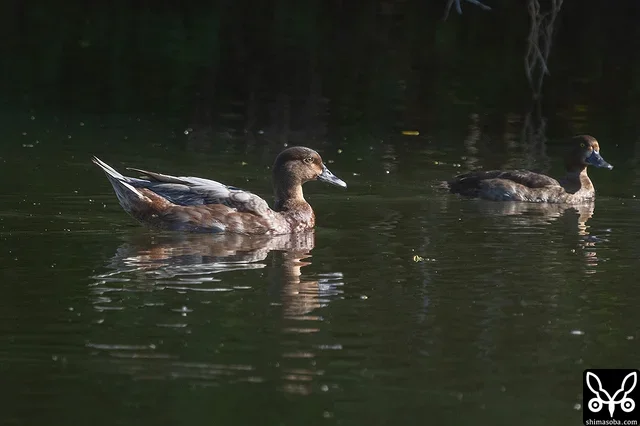
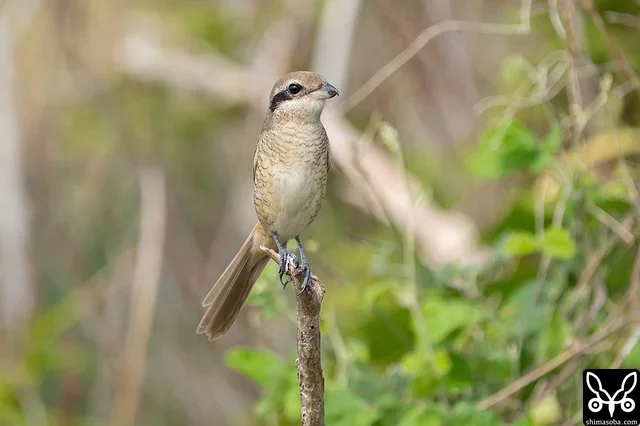
  50. An unidentified duck. Could it have some domestic fowl blood in it?
    Hybrid
  51. 12
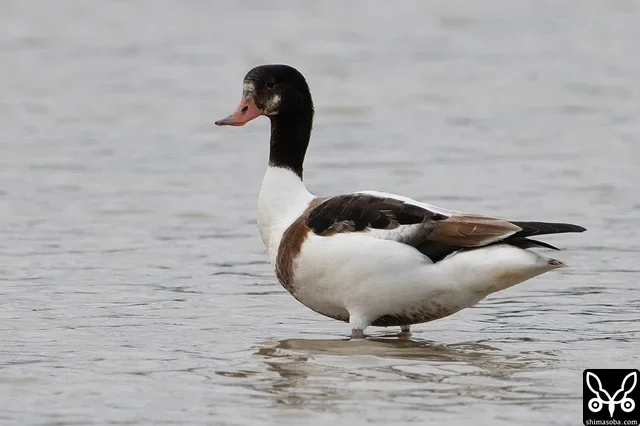
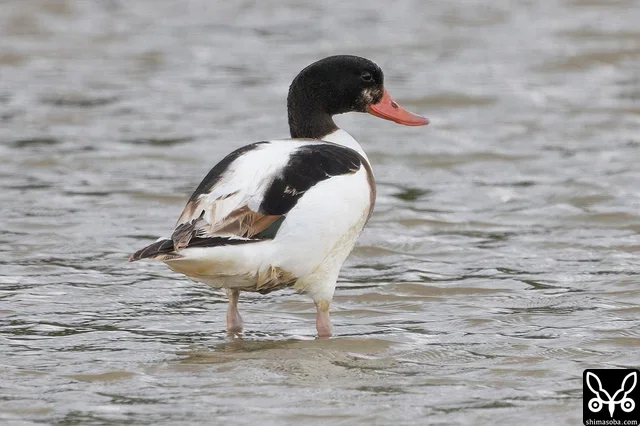
    Common Shelduck.
    Ruddy Shelduck
  52. Common Redshank.
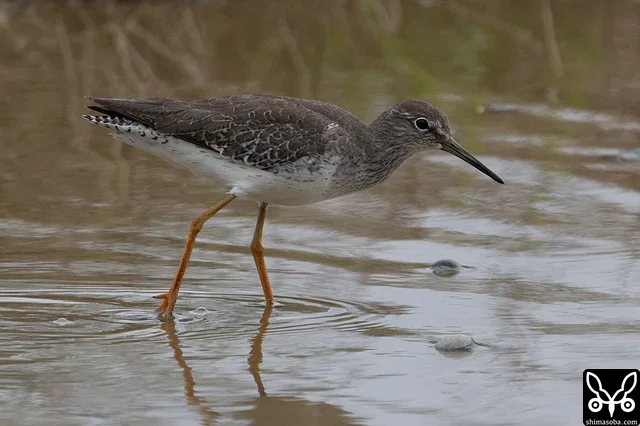
    Common Redshank
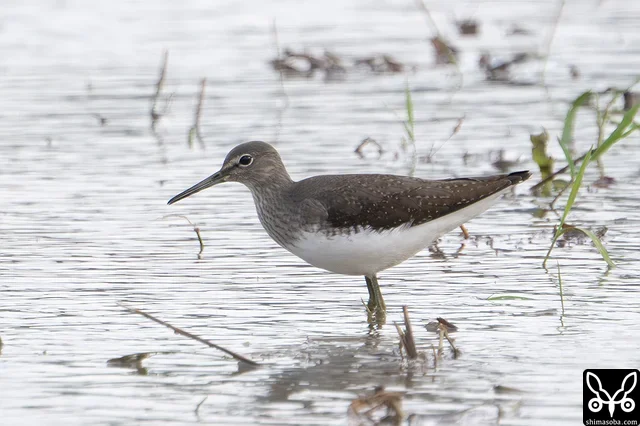
  53. Green Sandpiper.
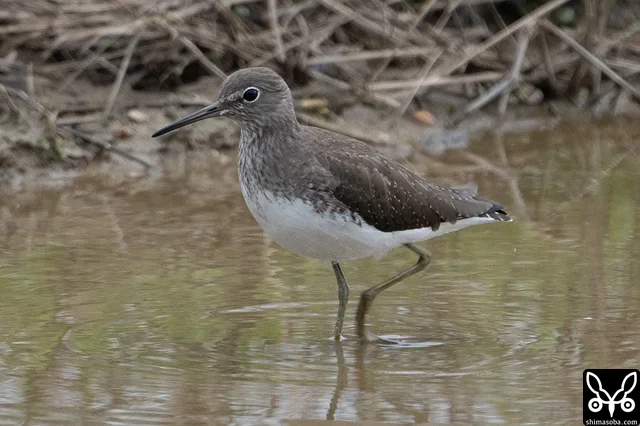
    Green Sandpiper
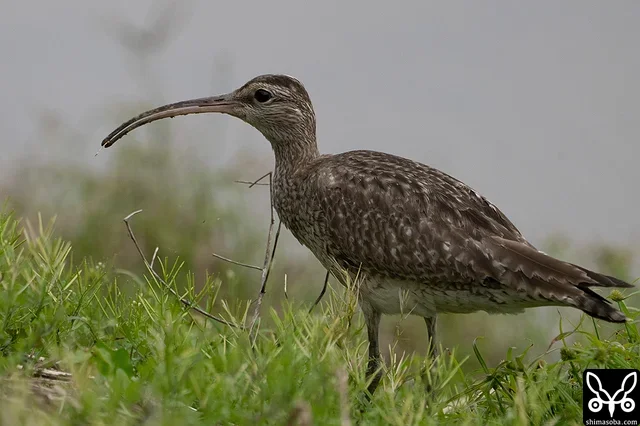
  54. Whimbrel, juvenile.
    Whimbrel
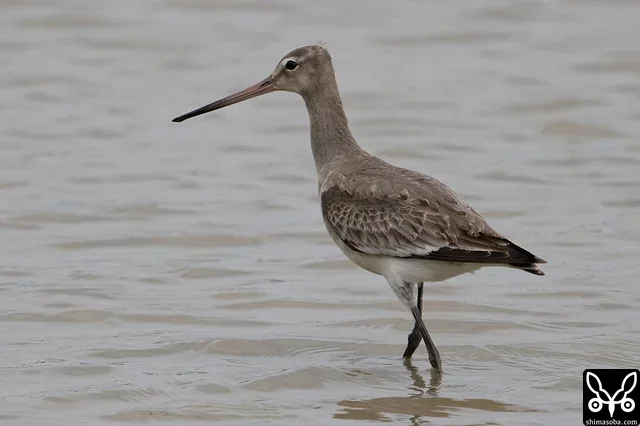
  55. Black-tailed Godwit, first-winter. It was following the Common Greenshanks around.
    Black-tailed Godwit
  56. The same individual as above, from the front.
    Citrine Wagtail
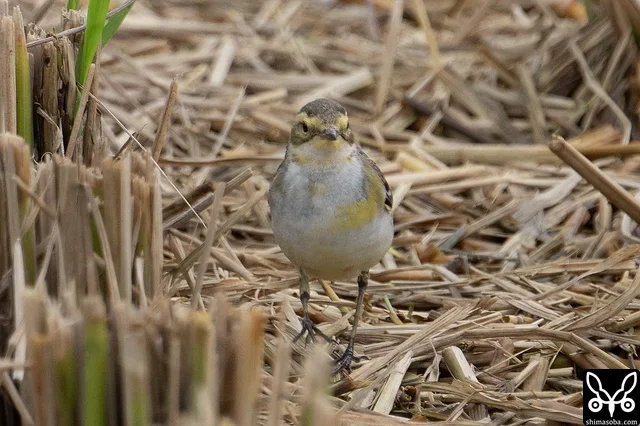
  57. Citrine Wagtail, first-winter.
    Citrine Wagtail
  58. A different Citrine Wagtail, also first-winter.
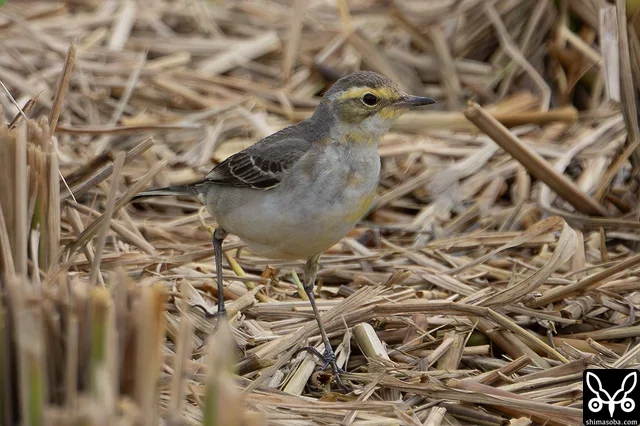
    Citrine Wagtail
  59. The same individual as above, from the front.
    Citrine Wagtail
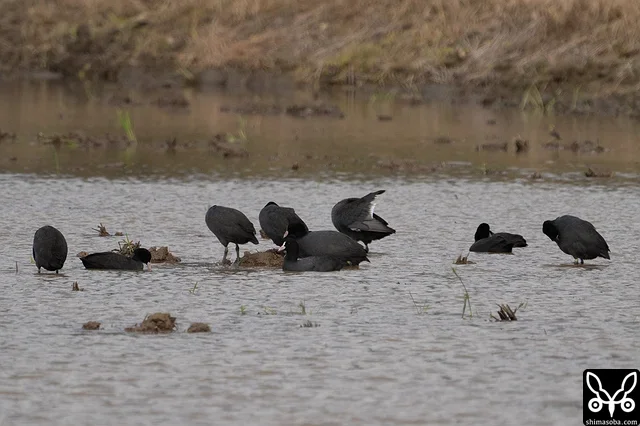
  60. The number of Eurasian Coots is increasing day by day.
    Eurasian Coot
  61. Common Snipe.
    Common Snipe
  62. Common Snipe.
    Common Snipe
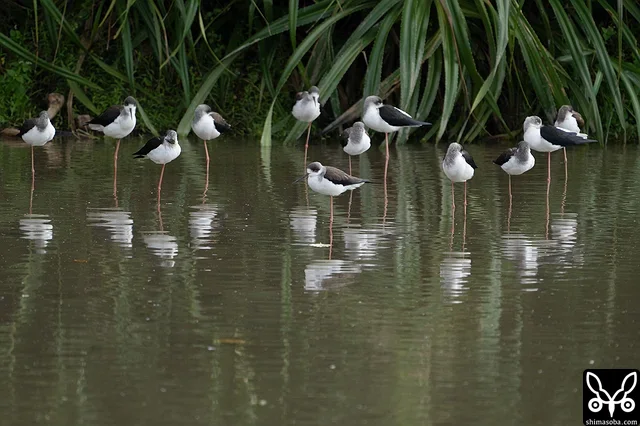
  63. Black-winged Stilt.
    Black-winged Stilt
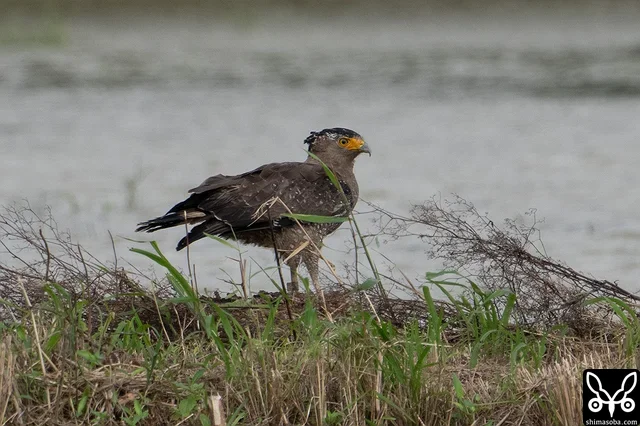
  64. Crested Serpent Eagle.
    Crested Serpent Eagle
  65. Dunlin.
    Dunlin
  66. Common Snipe.
    Common Snipe
  67. Black-headed Gull, first-winter.
    Black-headed Gull
  68. Common Greenshank, first-winter.
    Common Greenshank
  69. The first Bar-tailed Godwit of the season was a first-winter bird.
    Black-tailed Godwit
  70. Crested Serpent Eagle.
    Crested Serpent Eagle
  71. Green Sandpiper.
    Green Sandpiper
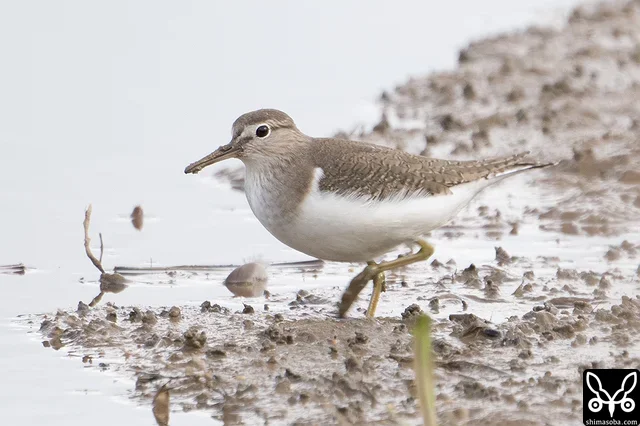
  72. Common Sandpiper.
    Common Sandpiper
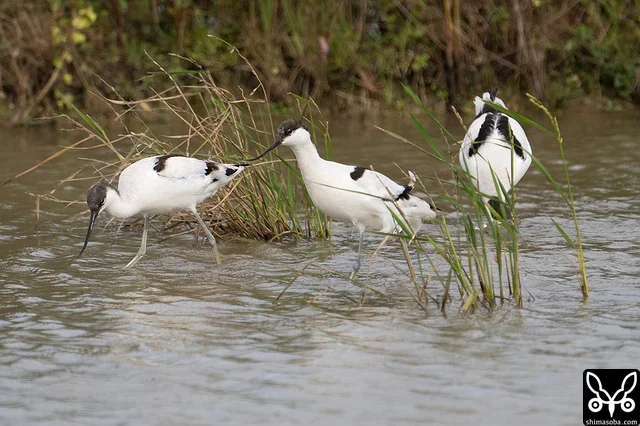
  73. Three Pied Avocets delighting visitors to the island.
    Pied Avocet
  74. Mallard × domestic duck? hybrid.
    Mallard
  75. 13
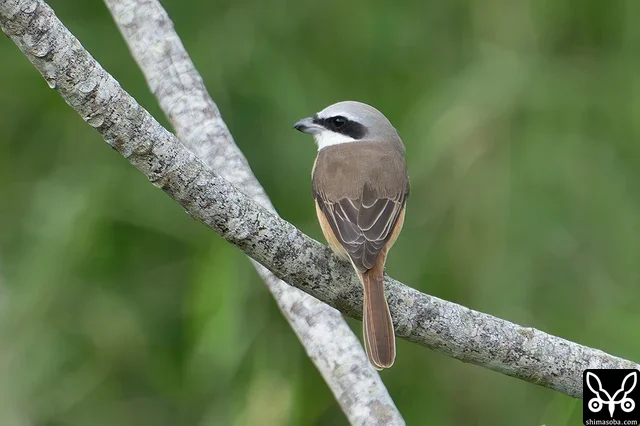
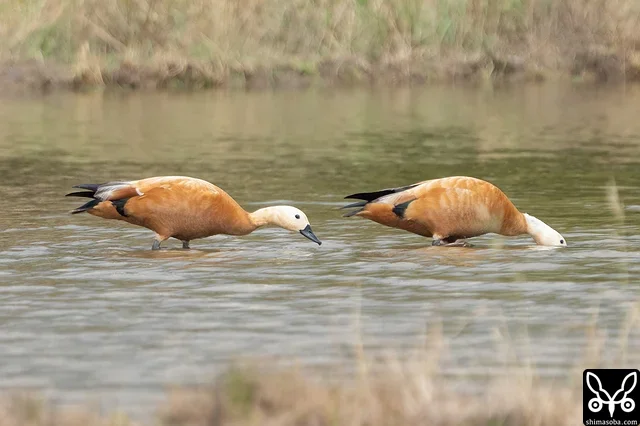
    Adult male Brown Shrike. A very beautiful individual.
    Isabelline Shrike
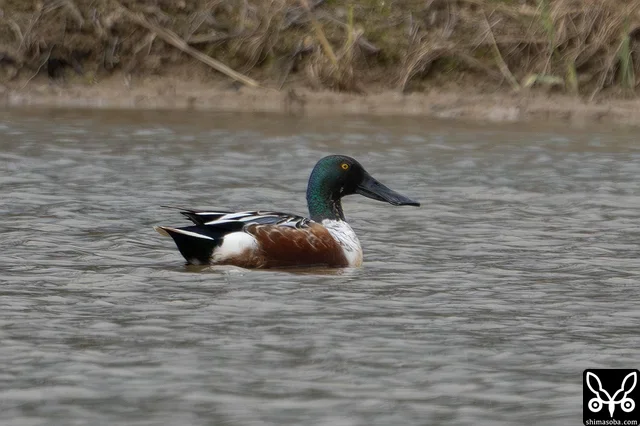
  76. Male Northern Shoveler. Possibly the most numerous duck on Ishigaki Island.
    Northern Shoveler
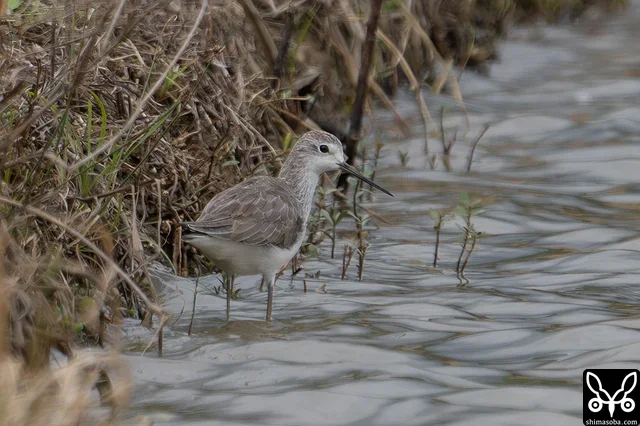
  77. Adult winter-plumage Marsh Sandpiper.
    Marsh Sandpiper
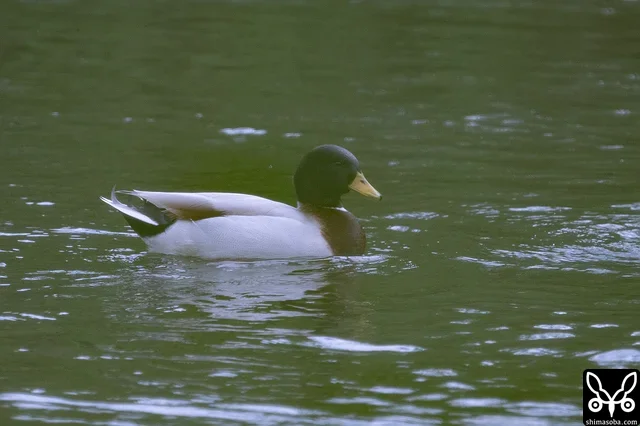
  78. The first Tufted Ducks of the season. They were always moving around as a pair.
    Tufted Duck
  79. Two Tundra Swans. These individuals moved over from Iriomote Island. They have been moving between the dam lake, the coast, and the rice paddies.
    Tundra Swan
  80. Juvenile Crested Serpent Eagle. It looked annoyed at being harassed by a pair of Peregrine Falcons.
    Crested Serpent Eagle
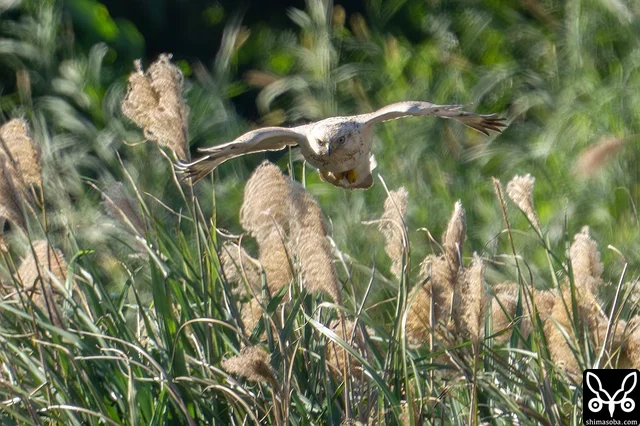
  81. Female Peregrine Falcon. Used to be called the subspecies Siberian Peregrine, but it has been lumped into the subspecies calidus.
    Saker Falcon
  82. A flock of Northern Lapwings arrived — about 10 birds, all juveniles.
    Northern Lapwing
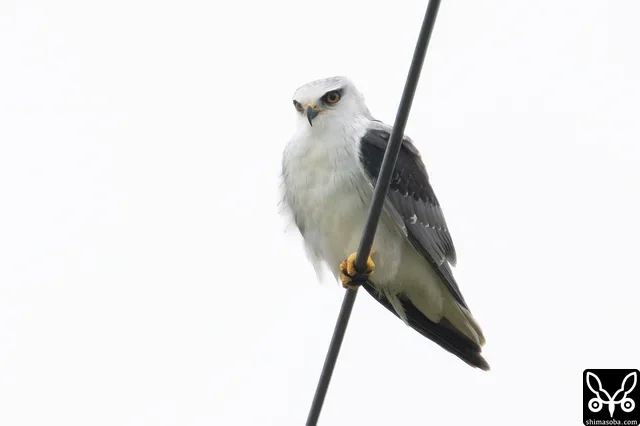
  83. A Black-winged Kite juvenile with zero wariness. Given the location and timing, it may be the individual that was `being fed in mid-air by a parent bird <https://shimasoba.com/blog/2437/>`_ previously.
    Black-winged Kite
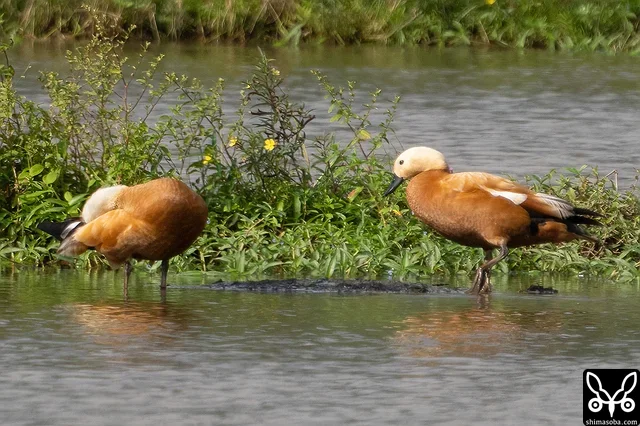
  84. An adult Ruddy Shelduck. It has become a little less wary.
    Ruddy Shelduck
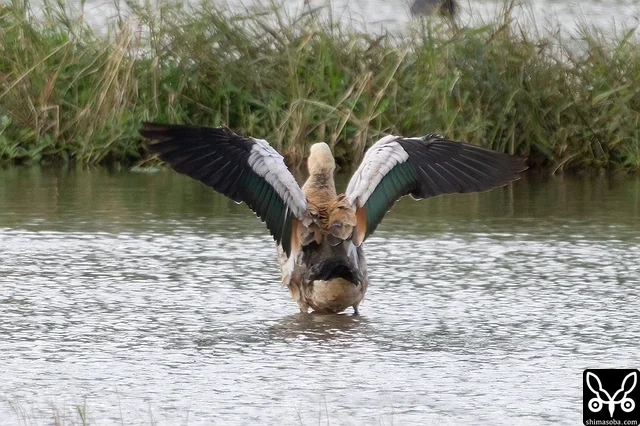
  85. A juvenile Ruddy Shelduck flapping its wings.
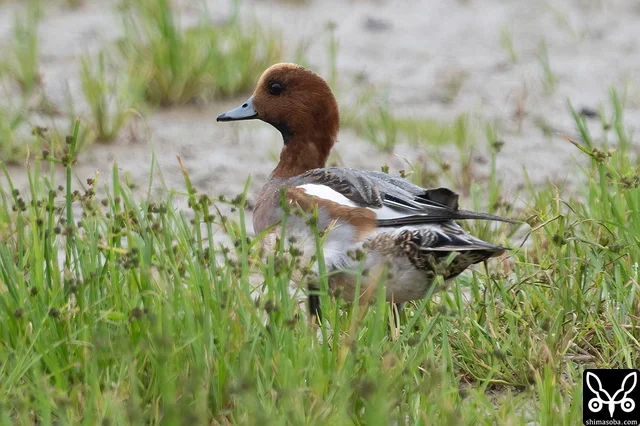
    Ruddy Shelduck
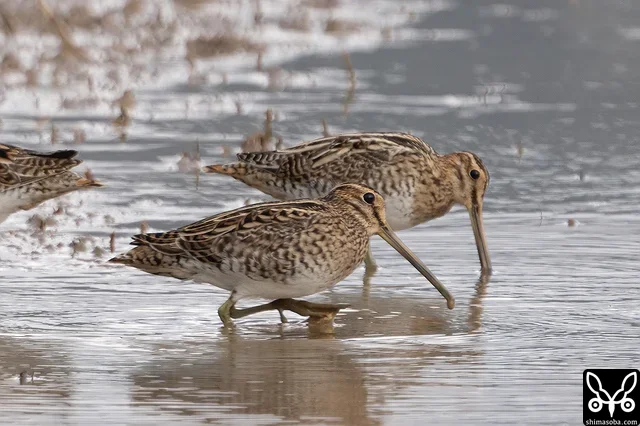
  86. One juvenile (left) and two adult Ruddy Shelducks. There are two more elsewhere, making five Ruddy Shelducks on the island in all.
    Ruddy Shelduck
  87. 14
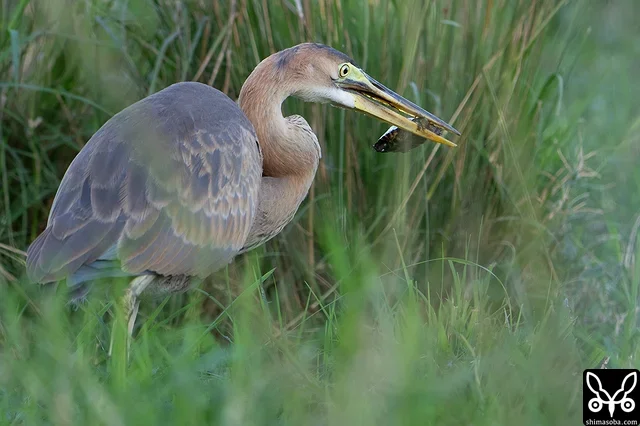
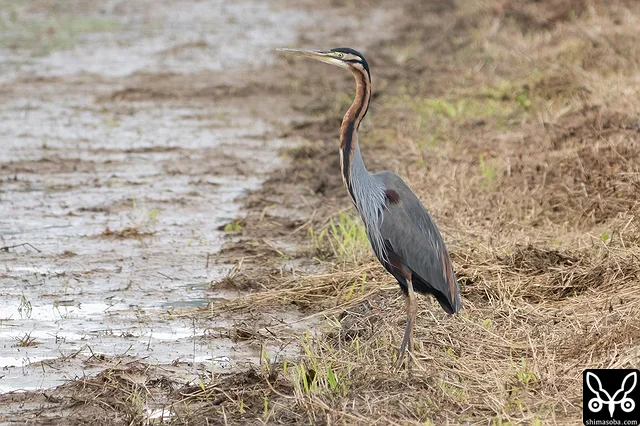
    Juvenile Purple Heron. It caught a juvenile Yaeyama pond turtle.
    Purple Heron
  88. 15
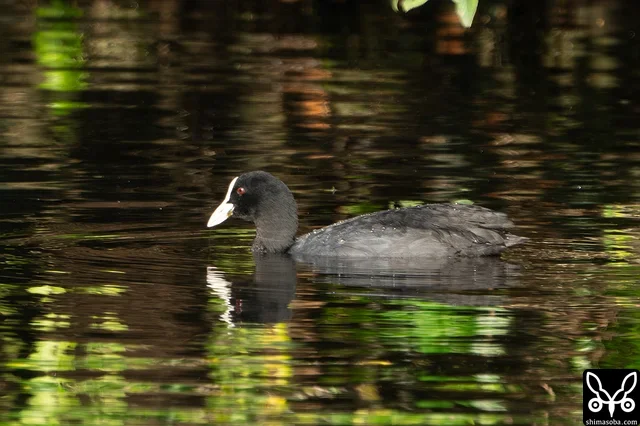
    Eurasian Coot, adult. Numbers are on the low side so far this season.
    Eurasian Coot
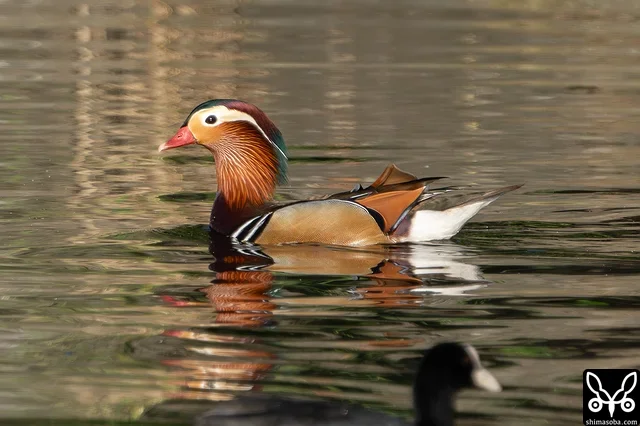
  89. A male Mandarin Duck. Breeding plumage.
    Mandarin Duck
  90. 18
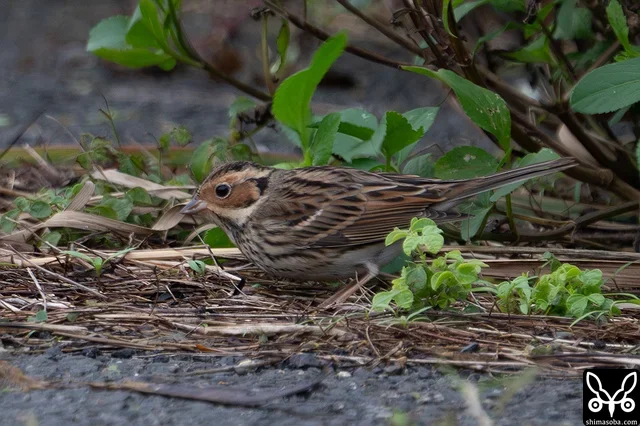
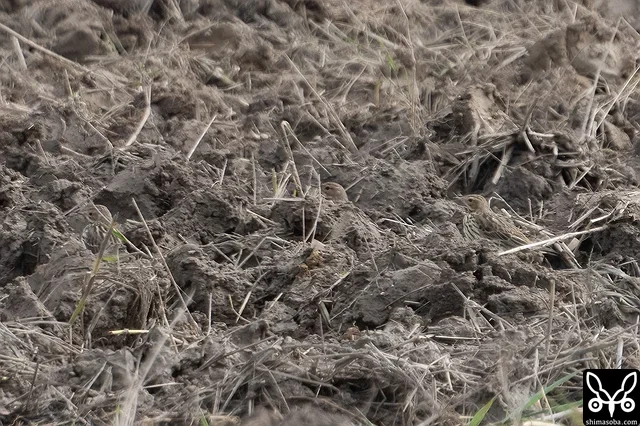
    A few Little Buntings were sheltering from the wind.
    Little Bunting
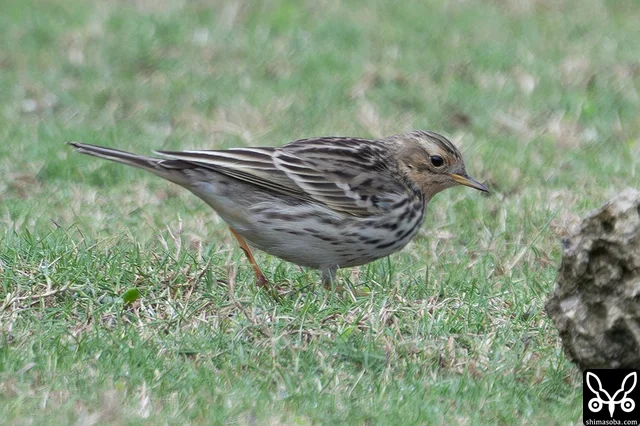
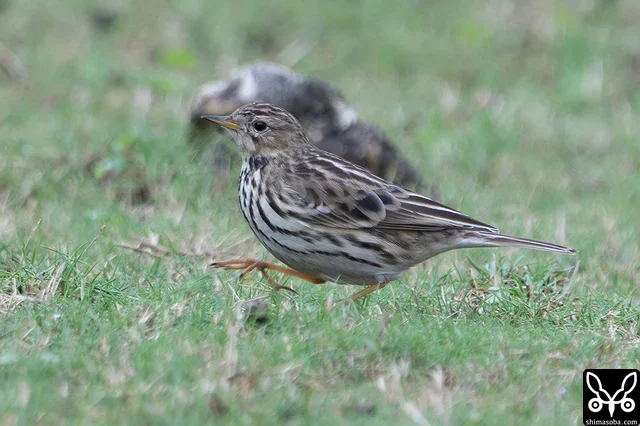
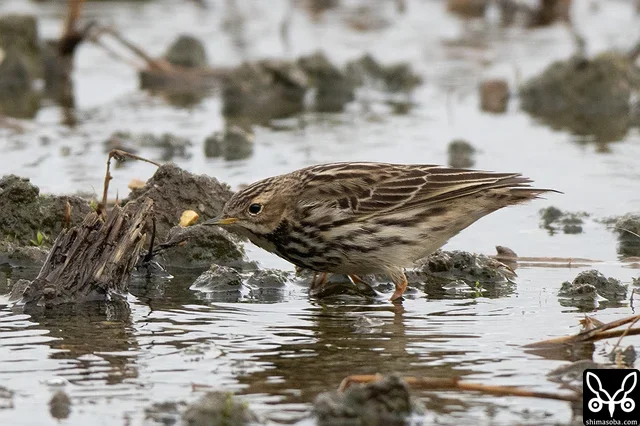
  91. A Red-throated Pipit still retaining some summer plumage on the face.
    Red-throated Pipit
  92. On this individual, the reddish colour on the face has almost completely faded.
    Red-throated Pipit
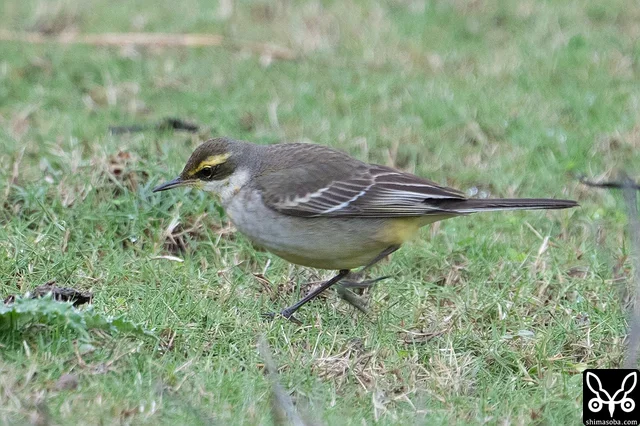
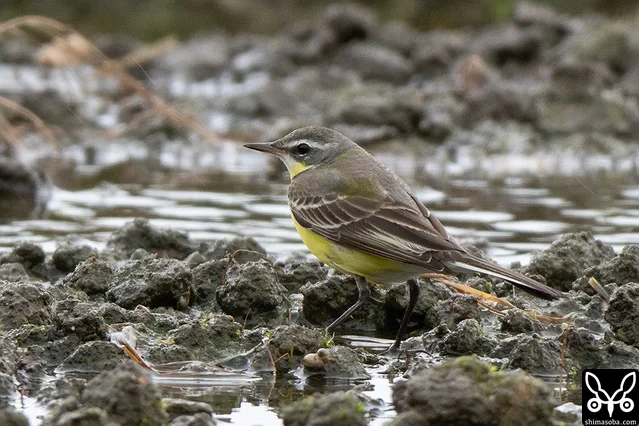
  93. Juvenile (Yellow-browed) Eastern Yellow Wagtail. Almost all the Eastern Yellow Wagtails were juveniles.
    Eastern Yellow Wagtail
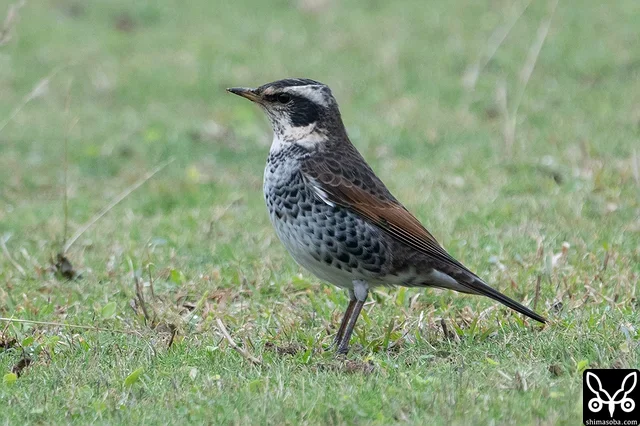
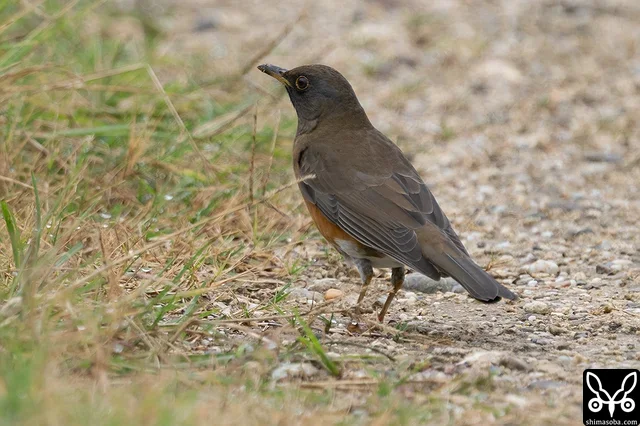
  94. A Dusky Thrush at a ranch. At this time of year only small numbers have been recorded on Ishigaki Island, but there were plenty on Yonaguni Island.
    Dusky Thrush
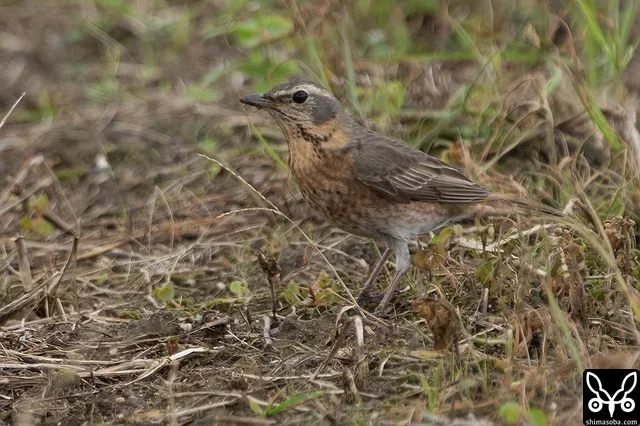
  95. Among the flock of 30 White's Thrushes there were also a few Pale Thrushes mixed in.
    Japanese Thrush
  96. A flock of about 30 White's Thrushes had moved into the farmland.
    Pale Thrush
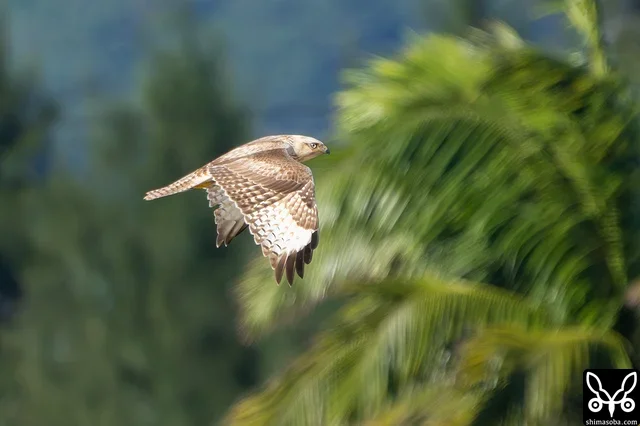
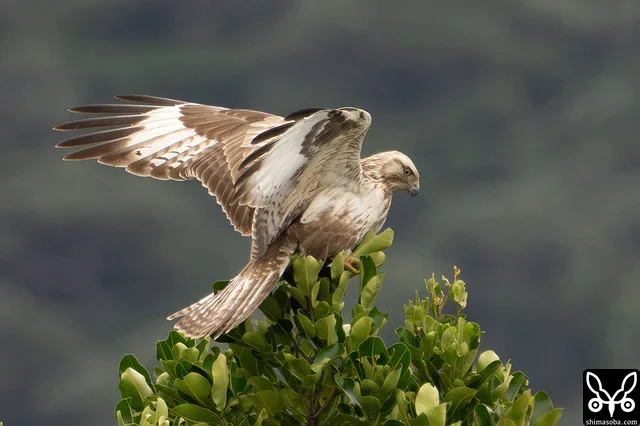
  97. An Upland Buzzard in flight against a backdrop of Yaeyama palms. A sight you can only see on Ishigaki Island. ^^
    Upland Buzzard
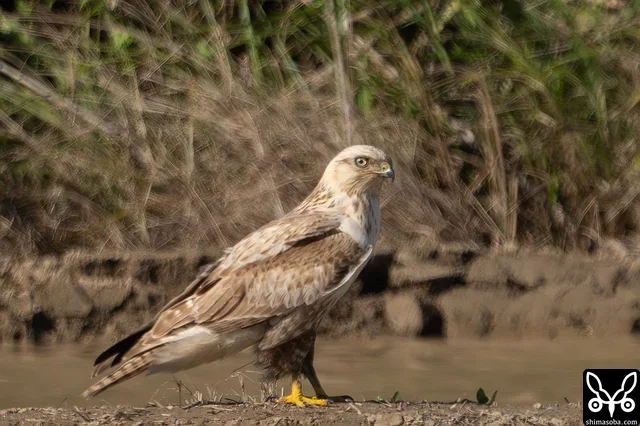
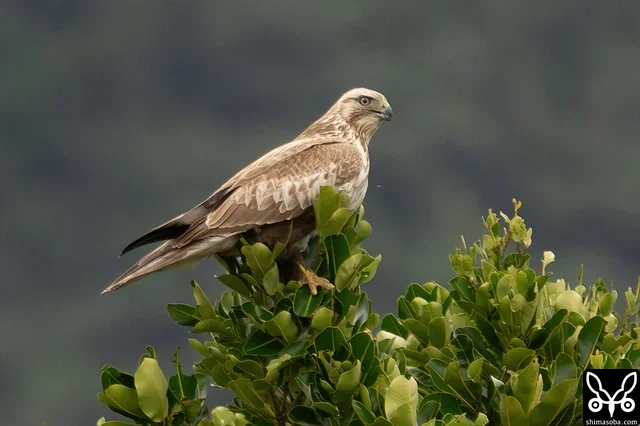
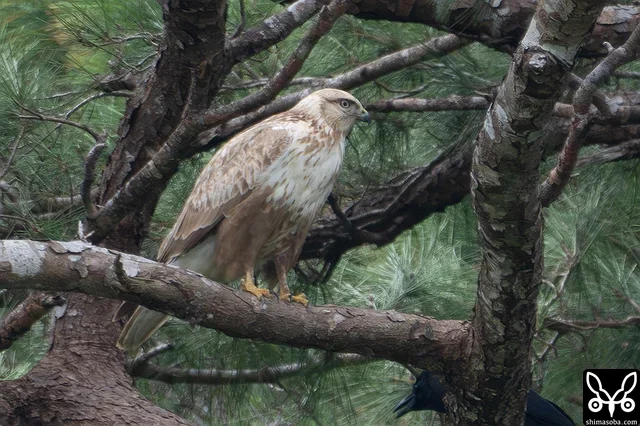
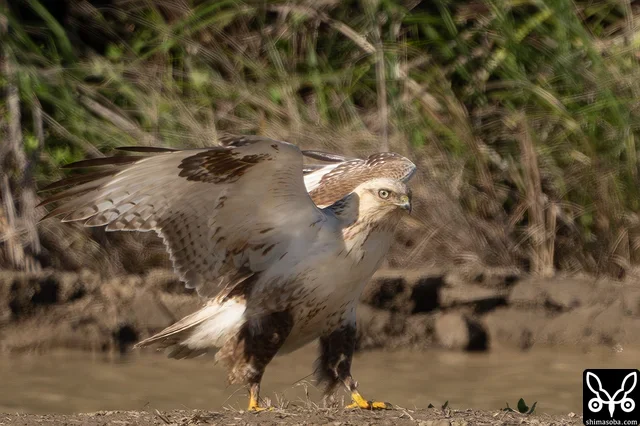
  98. Juvenile Upland Buzzard. One appears every year, but this individual is not very wary and is easy to observe and photograph.
    Upland Buzzard
  99. The brown leggings characteristic of the Upland Buzzard are conspicuous.
    Upland Buzzard
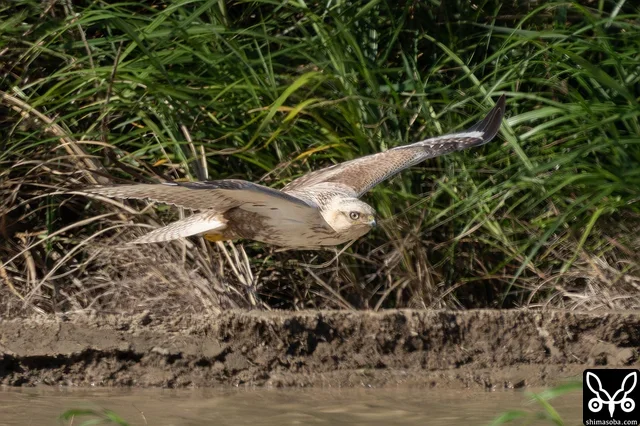
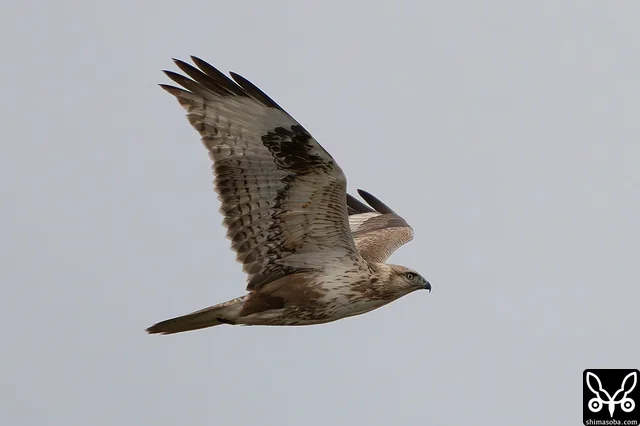
  100. Flying low over the rice paddies.
    Upland Buzzard
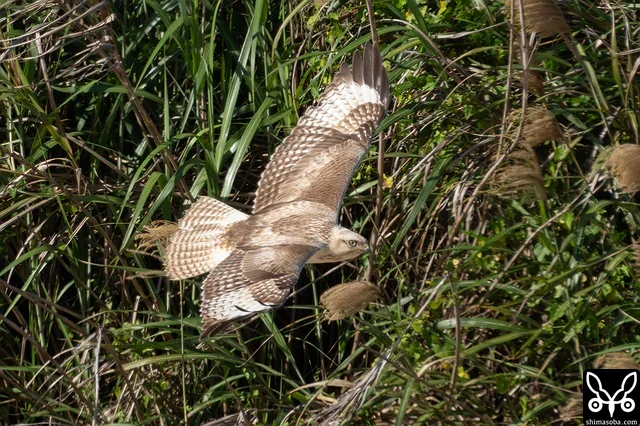
  101. The white patch on the primaries is clearly visible too.
    Upland Buzzard
  102. An Upland Buzzard returning to the leftover Cattle Egret it had not finished eating.
    Upland Buzzard
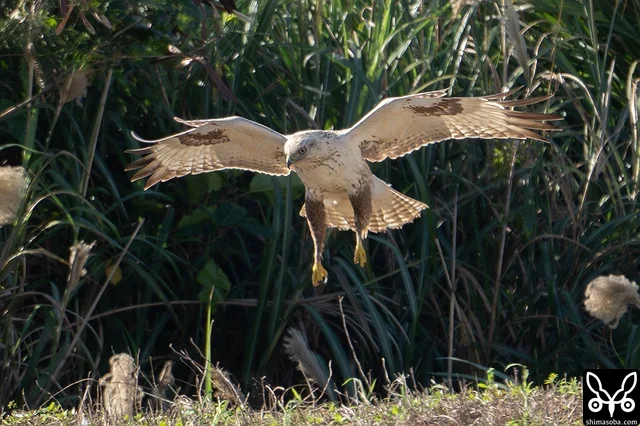
  103. An Upland Buzzard stooping.
    Upland Buzzard
  104. First-winter Whimbrel.
    Whimbrel
  105. The flock of Buff-bellied Pipits panicked when the kestrel came in. Because the kestrel kept shuffling them around, I couldn't get a shot of the Red-throated Pipit that had been in among them… ^^;
    Water Pipit
  106. A small flock of Common Redshanks. They looked cold.
    Common Redshank
  107. First-winter Pied Avocet.
    Pied Avocet
  108. A Common Kestrel targeting a small bird.
    Common Kestrel
  109. A female Siberian Stonechat on alert for the Common Kestrel.
    Siberian Stonechat
  110. A first-winter Isabelline Shrike.
    Isabelline Shrike
  111. 19
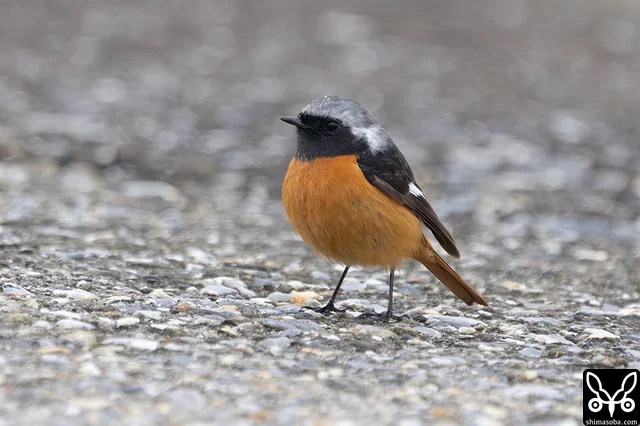
    A male Daurian Redstart was at the boat-haul-out area in the harbour. It seemed to be foraging — though I wonder what it was eating.
    Daurian Redstart
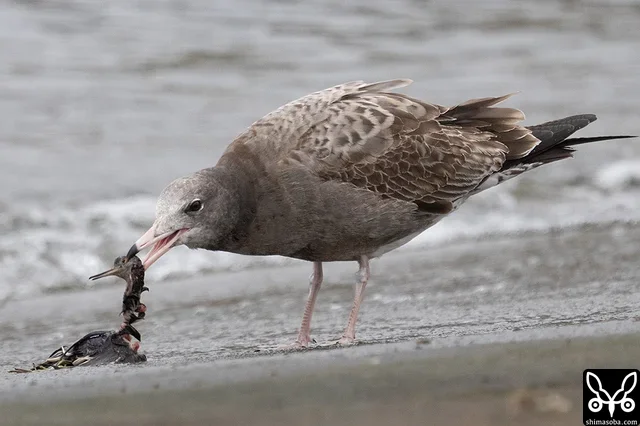
  112. A juvenile Black-tailed Gull eating a Common Sandpiper. First-winter plumage.
    Black-tailed Gull
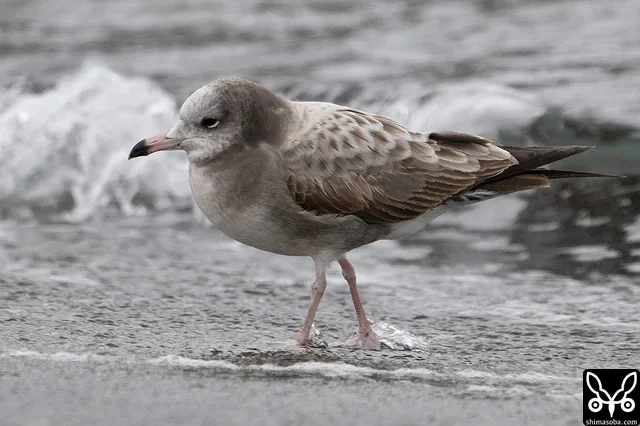
  113. The moult was more advanced on this individual than the one above. Black-tailed Gull, first-winter.
    Black-tailed Gull
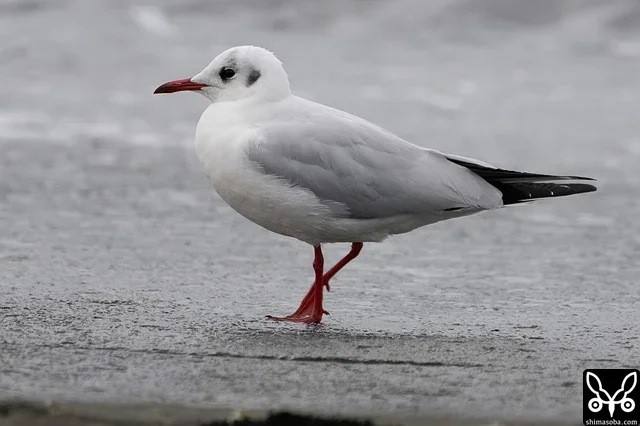
  114. Black-headed Gull, adult winter. There were four of them.
    Black-headed Gull
  115. A Common Buzzard, right between the two Upland Buzzards. A month ago on a work trip to Yonaguni Island I found a `Steppe Buzzard <https://shimasoba.com/blog/2439/>`_, but this time there was none.
    Common Buzzard
  116. A second Upland Buzzard also showed up. This one was far away too. The two birds were several hundred metres apart and showed no sign of interacting with each other.
    Upland Buzzard
  117. A Pale Thrush with almost no wariness at all.
    Japanese Thrush
  118. A juvenile Upland Buzzard appeared in the distance.
    Upland Buzzard
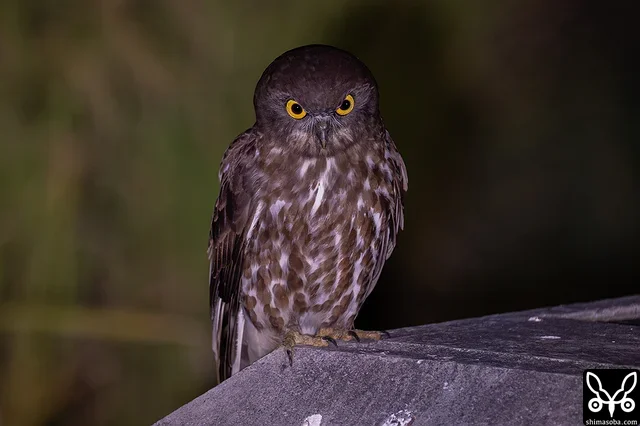
  119. A Brown Hawk-Owl that was right beside the Short-eared Owl above. The two took no notice of each other.
    Northern Boobook
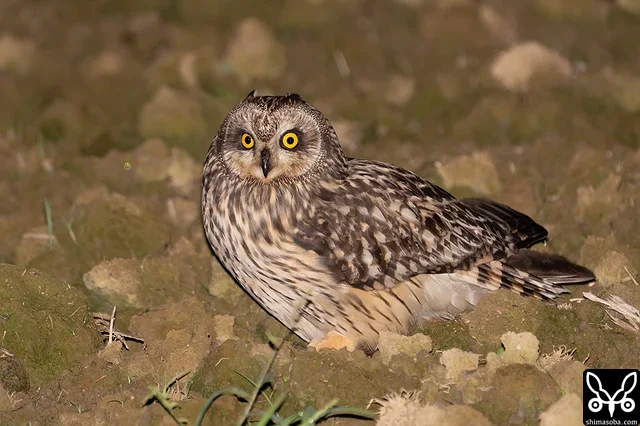
  120. A Short-eared Owl that turns up every year. Last year there were three in the same paddy field, but this year just one. You can't see it in the photo, but it's in the middle of eating a mouse.
    Short-eared Owl
  121. 21
    The female paired with the individual above.
    Saker Falcon
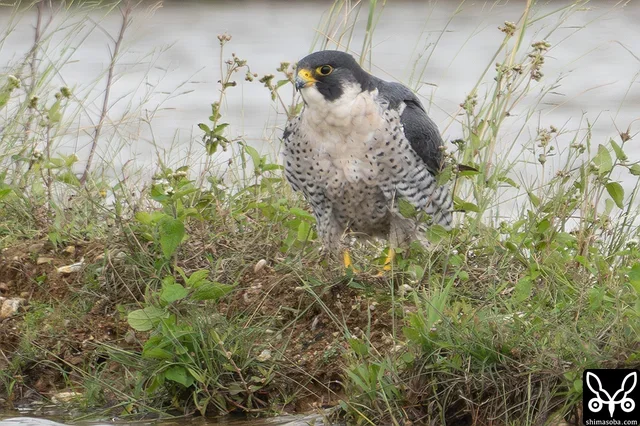
  122. Male adult Peregrine Falcon (Siberian).
    Saker Falcon
  123. A Hen Harrier that had landed in the paddy field.
    Hen Harrier
  124. Tufted Duck, male. Transitioning from eclipse to breeding plumage.
    Tufted Duck
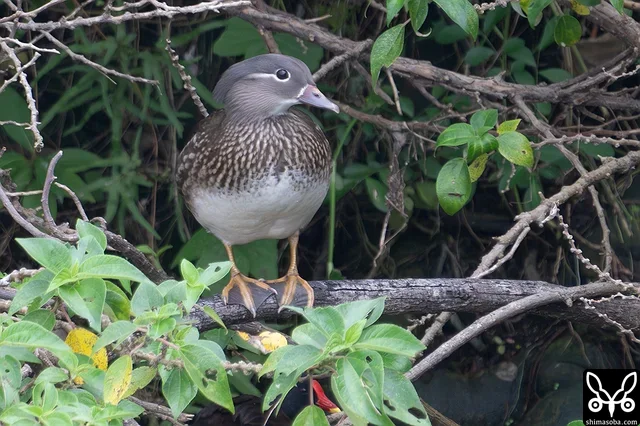
  125. An adult female Mandarin Duck.
    Mandarin Duck
  126. A Black-headed Gull that has been staying since last month. Second-winter plumage. Only two this season — a small number.
    Black-headed Gull
  127. 22
    Adult Nankeen Night Heron. An accustomed individual at a tourist spot.
    Malayan Night Heron
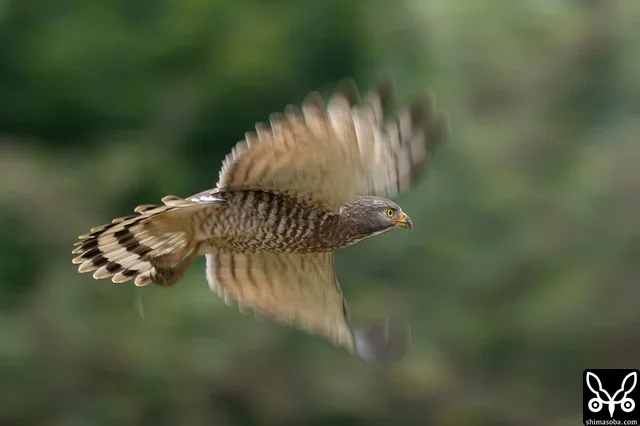
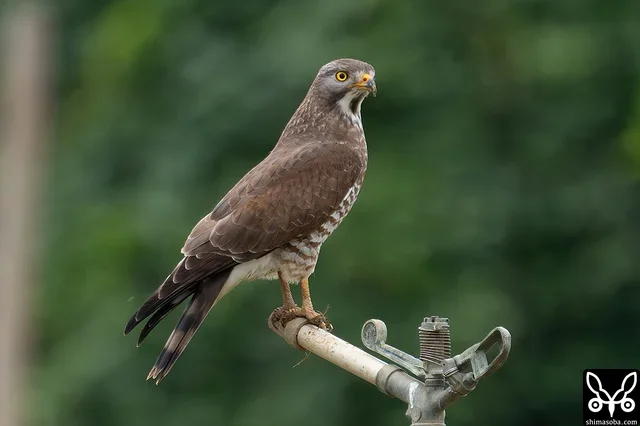
  128. A wintering juvenile Grey-faced Buzzard. `This is the area where a dark-morph Grey-faced Buzzard had been wintering for five consecutive years up until last year. <https://shimasoba.com/blog/2204/>`_
    Grey-faced Buzzard
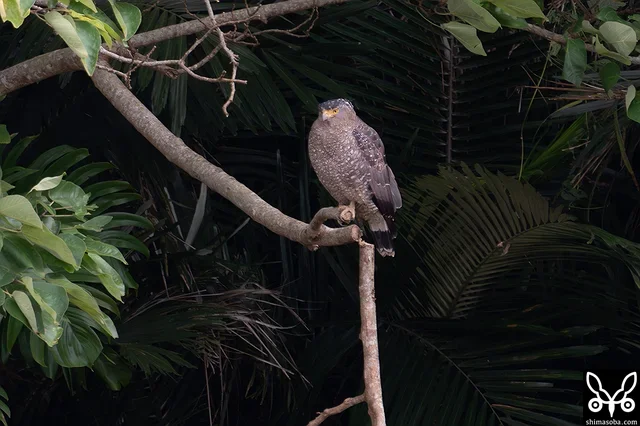
  129. The north wind was strong, and this Crested Serpent Eagle, raised in the tropics, looked cold.
    Crested Serpent Eagle
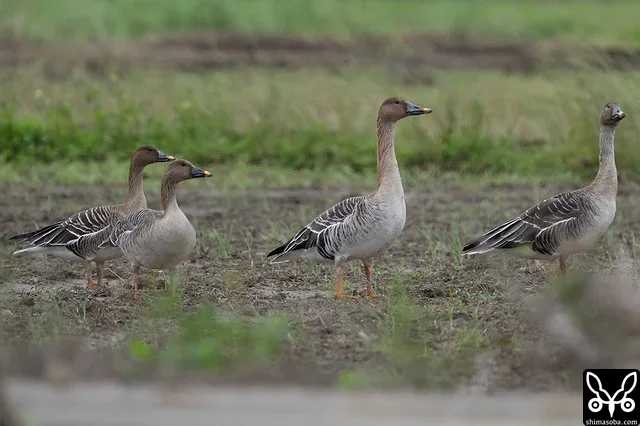
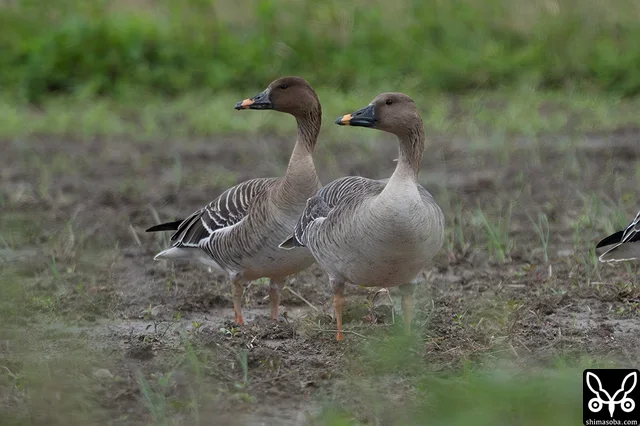
  130. An individual thought to be a Tundra Bean Goose, a smaller Bean Goose, and a Lesser White-fronted Goose.
    Bean Goose
  131. The two smaller birds. The right one is a Bean Goose, but the individual on the left has darker facial colouring and a different facial expression.
    Tundra Bean Goose
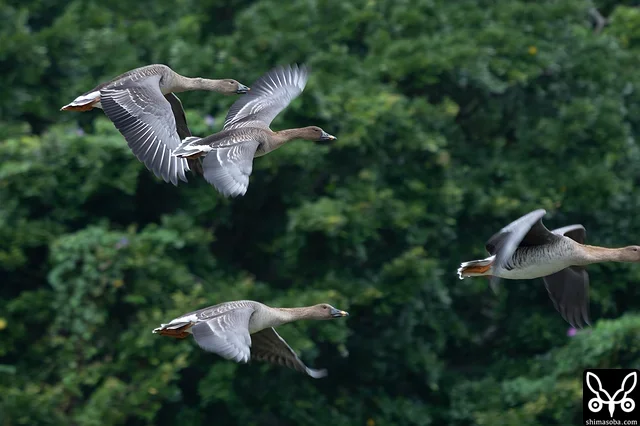
  132. This one from above. The differences from the Bean Goose are not easy to make out.
    Bean Goose
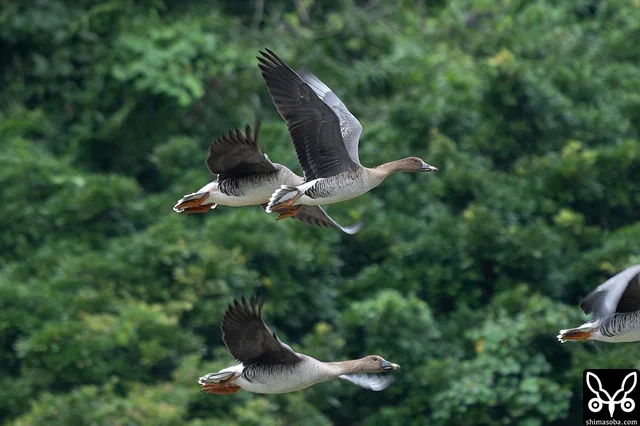
  133. The underwing of the individual thought to be a Lesser White-fronted Goose.
    Bean Goose
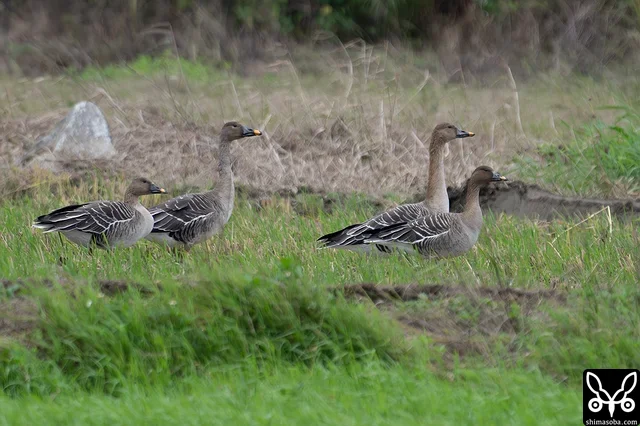
  134. When they stretch their necks in alarm, the size difference is striking.
    Bean Goose
  135. 24
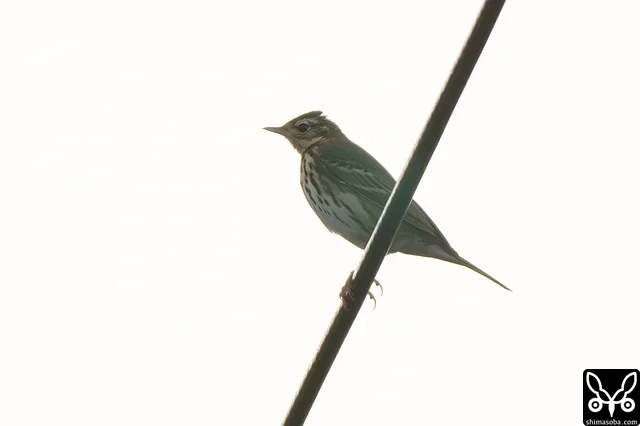
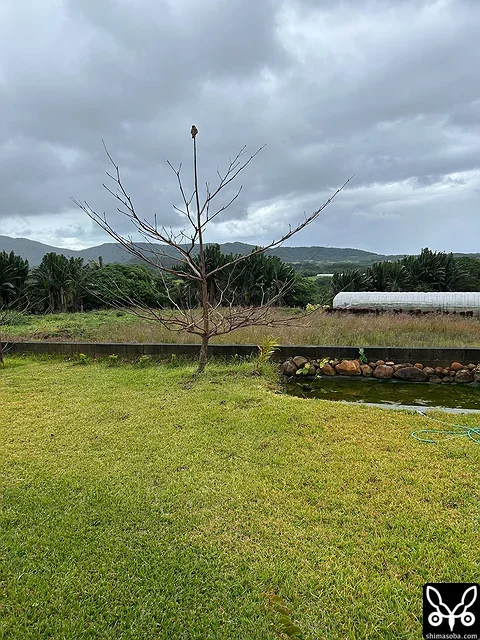
    Tree Pipits that can be watched from the living room. Several are present, but they are being spooked by a Black-winged Kite.
    Olive-backed Pipit
  136. Same individual as above. I feel that the number of Grey-faced Buzzards wintering on Ishigaki Island is decreasing year by year.
    Grey-faced Buzzard
  137. Grey-faced Buzzard, adult male.
    Grey-faced Buzzard
  138. A juvenile Upland Buzzard perched at the top of a windbreak.
    Upland Buzzard
  139. When it was startled and lost its balance, the features distinctive of Upland Buzzard were clearly visible.
    Upland Buzzard
  140. An Upland Buzzard from a different area. Also a juvenile. This Ryukyu Pine seems to be its roost.
    Upland Buzzard
  141. Same individual as above. In flight, the size typical of Upland Buzzard is striking.
    Upland Buzzard
  142. 25
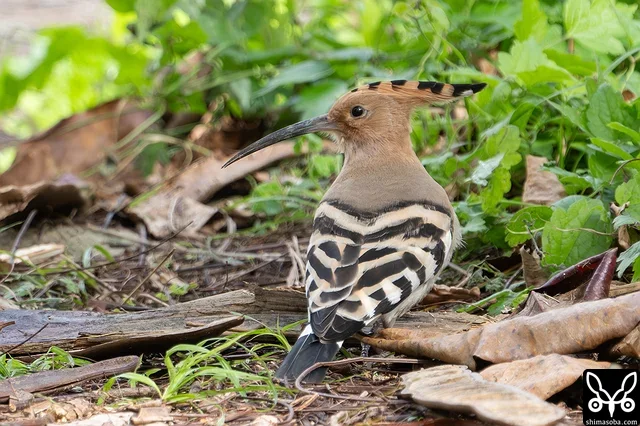
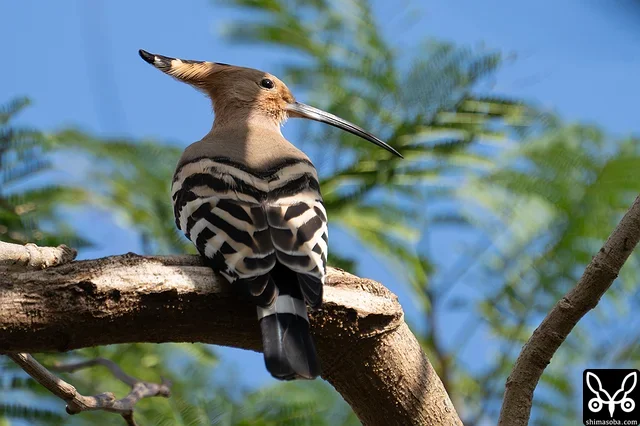
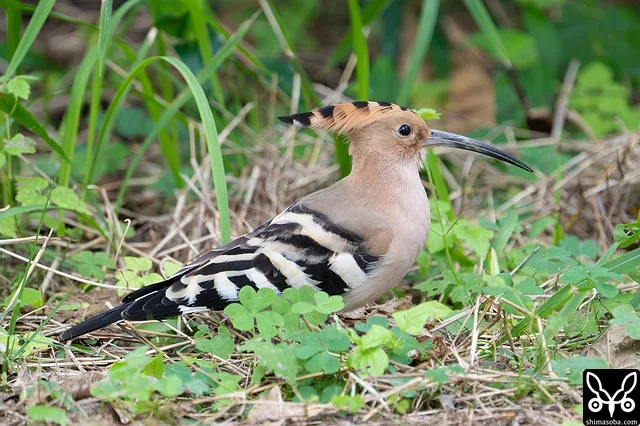
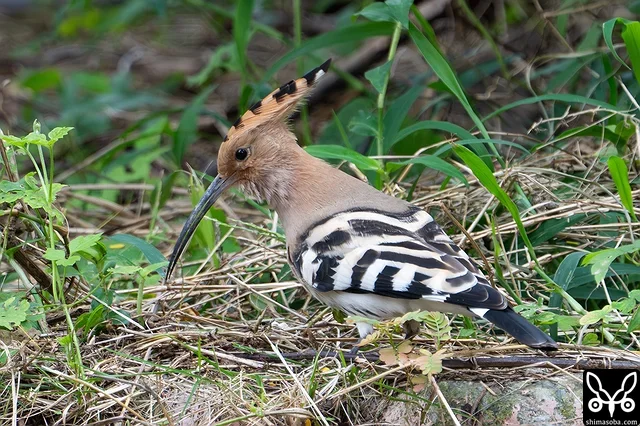
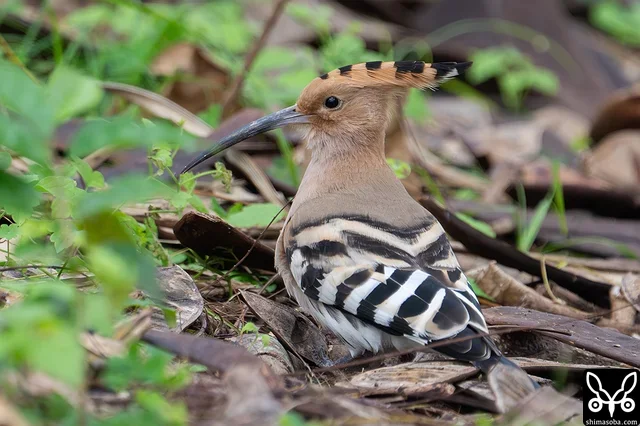
    A Eurasian Hoopoe foraging at the base of a tree planted inside a housing complex.
    Eurasian Hoopoe
  143. When residents passed by it fled up into the tree, but after a while it came back down and resumed its hearty feeding.
    Eurasian Hoopoe
  144. 26
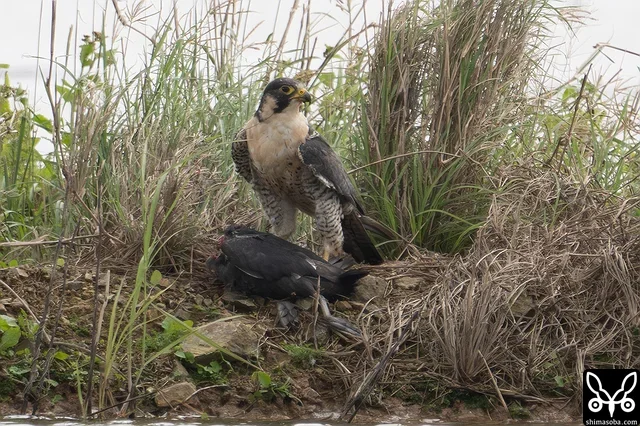
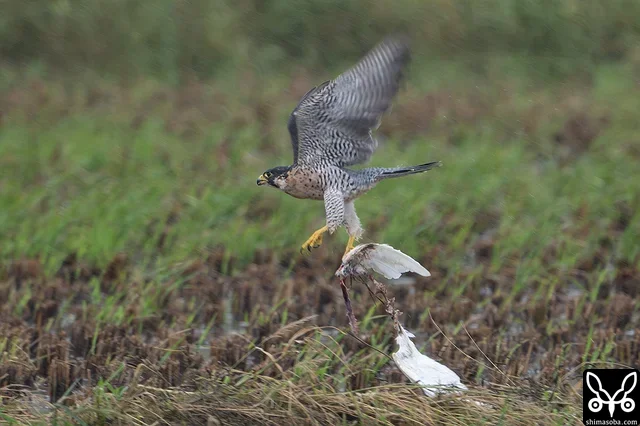
    Just as it had nearly finished eating, a passing vehicle startled it into flight and the prey disintegrated in the air….
    Saker Falcon
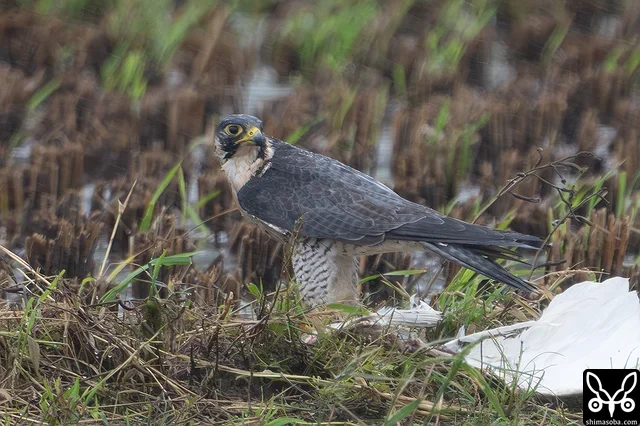
  145. An adult male Peregrine Falcon with a large Intermediate Egret it had caught.
    Saker Falcon
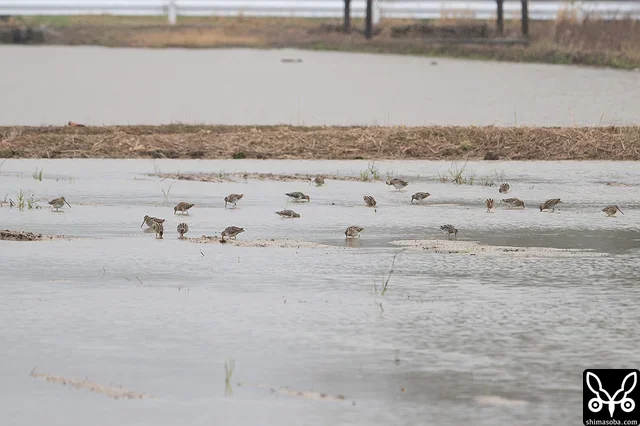
  146. A flock of 47 Common Snipe. All of them Common Snipe, even with that many. At this time of year, any newly arriving snipe are all Common Snipe.
    Common Snipe
  147. A Eurasian Hoopoe with little wariness. There is a fair amount of foot traffic, but no birders come, so it is never chased off and is well into wintering mode.
    Eurasian Hoopoe
  148. The prey item the Hoopoe was eating here was, again, cockroaches.
    Eurasian Hoopoe
  149. 27
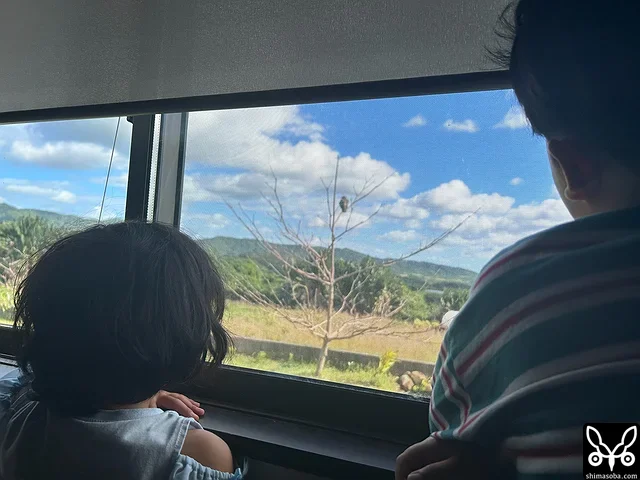
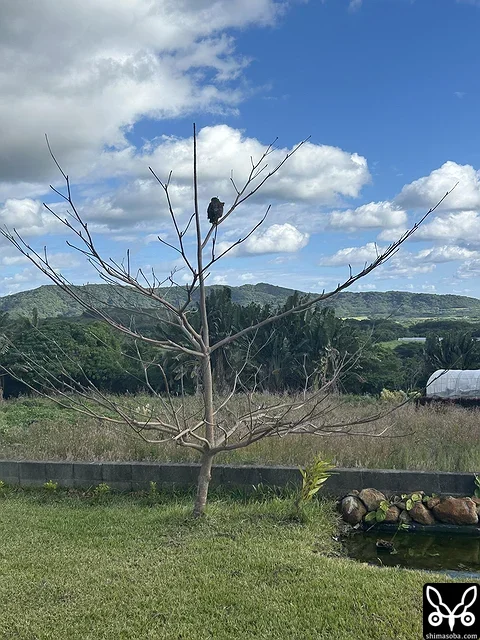
    The kids watching the Crested Serpent Eagle from the bedroom. ^^
    Crested Serpent Eagle
  150. A Crested Serpent Eagle appeared in the garden. It seems interested in the frogs in the biotope pond. December is the peak breeding season for Ryukyu Green Tree Frogs, so they are calling even during the day.
    Crested Serpent Eagle
  151. A Pied Avocet also continuing a long stay.
    Pied Avocet
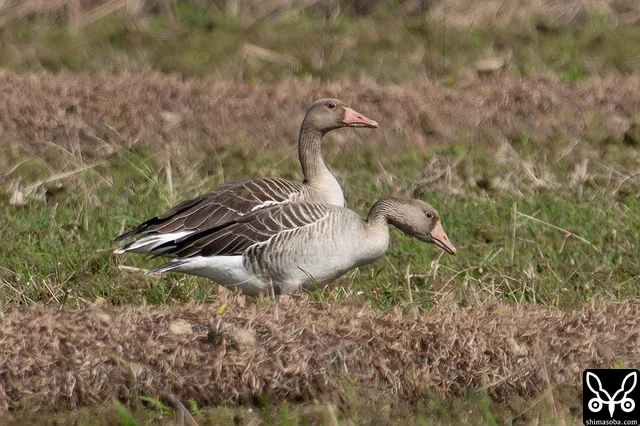
  152. Two Grey-lag Geese — this was back at the end of last year when there were only the two of them.
    Greylag Goose
  153. 28
    A Common Kestrel also appeared in the same tree. It was targeting grasshoppers and the like.
    Common Kestrel
  154. Same individual as above. It caught an insect that had been attracted by a car's lights and flew off somewhere.
    Ryukyu Scops Owl
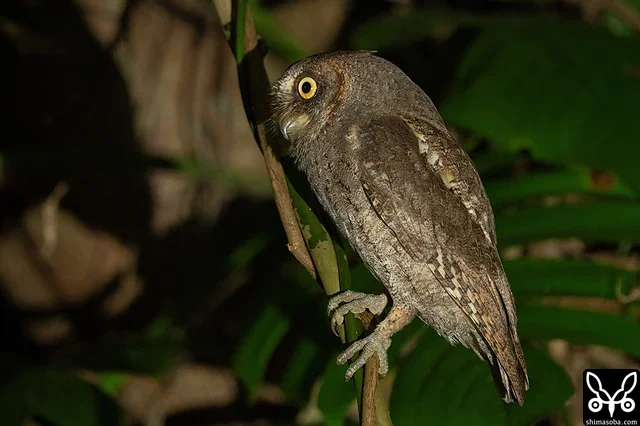
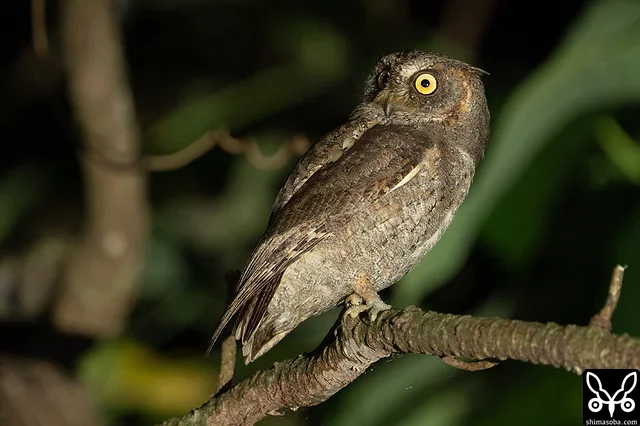
  155. An adult Ryukyu Scops Owl in beautiful fresh plumage after completing its moult.
    Ryukyu Scops Owl
  156. A Eurasian Hoopoe in wintering mode, searching for food at its usual spot.
    Eurasian Hoopoe
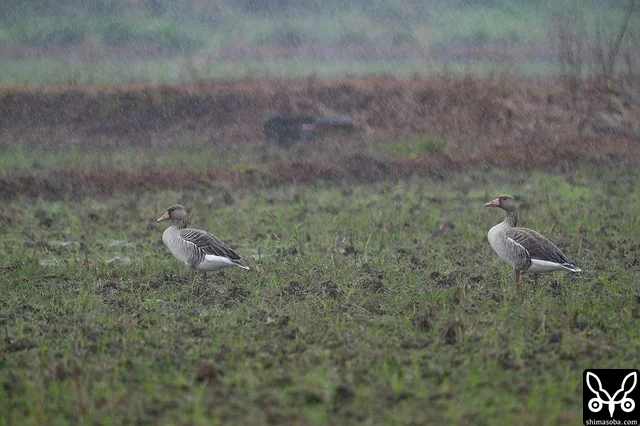
  157. Grey-lag Geese in the rain. They made it through the new year. I wonder how long they'll stay.
    Greylag Goose
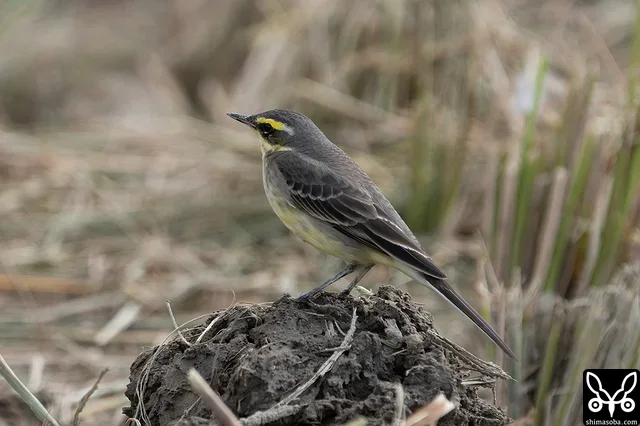
  158. Eastern Yellow Wagtail, first-winter plumage. Adults are rarely seen.
    Eastern Yellow Wagtail
  159. Three Red-throated Pipits. Numbers are down this season.
    Red-throated Pipit
  160. A wintering Swinhoe's Snipe finally found after going through some 200 Common Snipe across multiple paddies. I was determined to find one before the year was out and searched single-mindedly — utterly exhausted by the end. ^^;
    Swinhoe's Snipe
  161. Four Common Shelducks arrived, spread across two locations.
    Ruddy Shelduck
  162. The Ruddy Shelduck count reached a peak of five, but three are currently wintering.
    Ruddy Shelduck
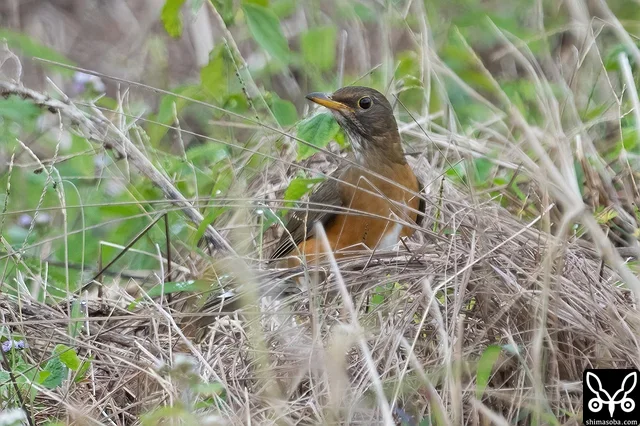
  163. The most vividly coloured Naumann's Thrush of the day. An adult.
    Naumann's Thrush
  164. A juvenile Crested Serpent Eagle seen reliably lately.
    Crested Serpent Eagle
  165. Common Greenshank, first-winter plumage.
    Common Greenshank
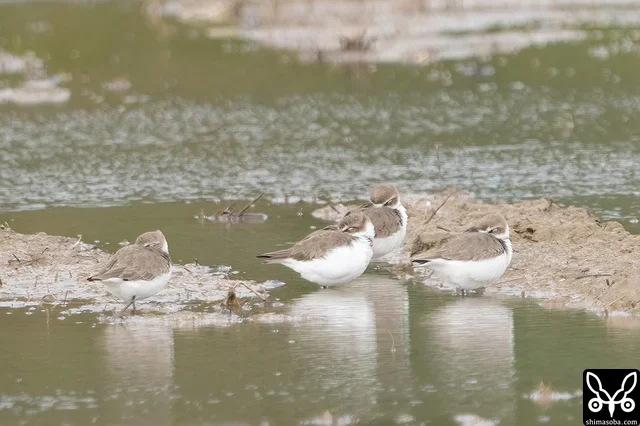
  166. White-faced Plovers roosting in a flock.
    Kentish Plover
  167. Dunlin, first-winter plumage.
    Dunlin
  168. Common Redshank, first-winter plumage.
    Common Redshank
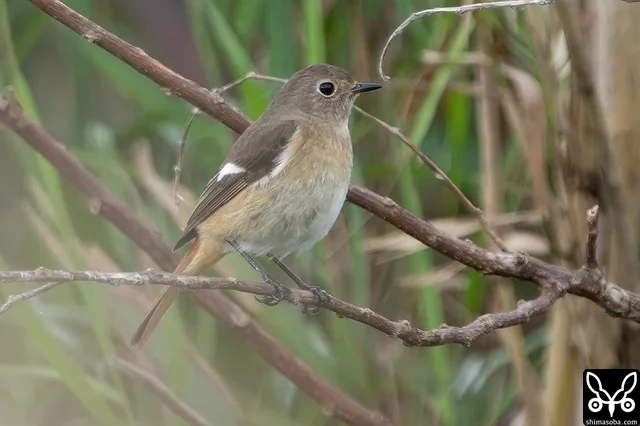
  169. A female Daurian Redstart. A small number are wintering on the island.
    Daurian Redstart
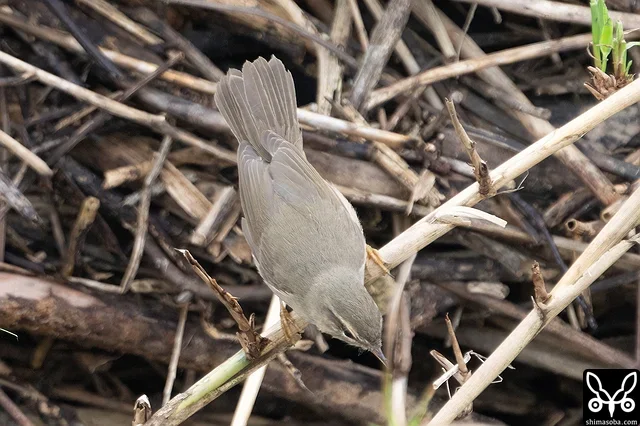
  170. Judging by these tail feathers, I wonder if first-winter plumage is the right call.
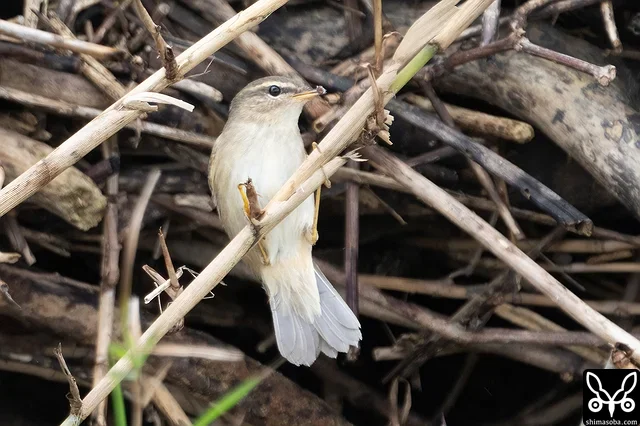
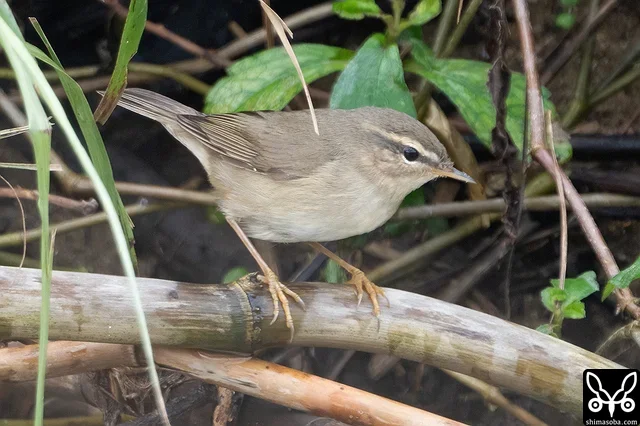
    Plain Leaf Warbler
  171. It appears to be eating something like a scale insect. It was also preying on spiders and small insects.
    Plain Leaf Warbler
  172. A Radde's Warbler photographed at relatively close range.
    Plain Leaf Warbler
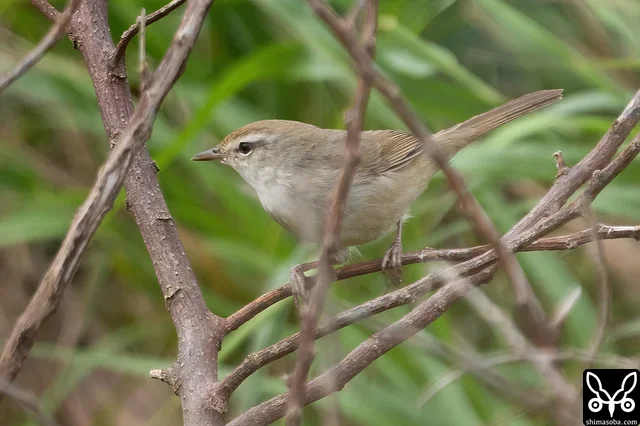
  173. Korean Bush Warbler. It lurks in the kind of scrubby undergrowth you find anywhere. The call note carries well, but getting a clear view is another matter.
    Korean Bush Warbler
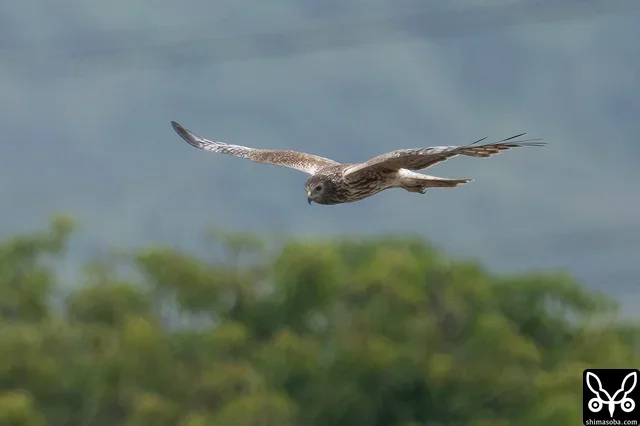
  174. Multiple Eastern Marsh Harriers are wintering on the island this season, so encounters are frequent.
    Eastern Marsh Harrier
  175. White's Thrush, first-winter plumage.
    Pale Thrush
  176. Naumann's Thrush, first-winter plumage.
    Naumann's Thrush
  177. Pale Thrush, first-winter plumage.
    Japanese Thrush
  178. Adult Crested Serpent Eagle.
    Crested Serpent Eagle
  179. Adult Purple Heron.
    Purple Heron
  180. This one has quite a smoky tone.
    Naumann's Thrush
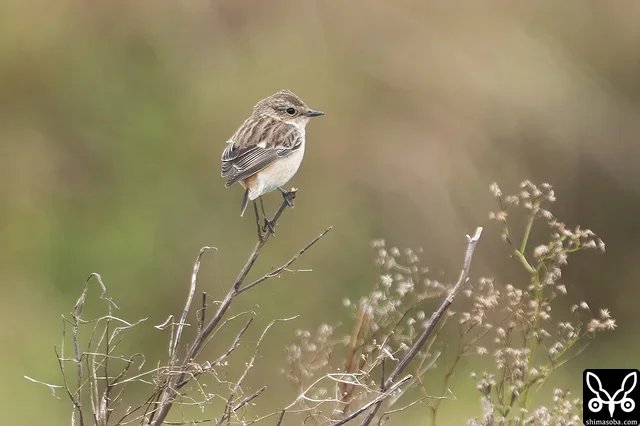
  181. A female Siberian Stonechat. A small number are also wintering on the island.
    Siberian Stonechat
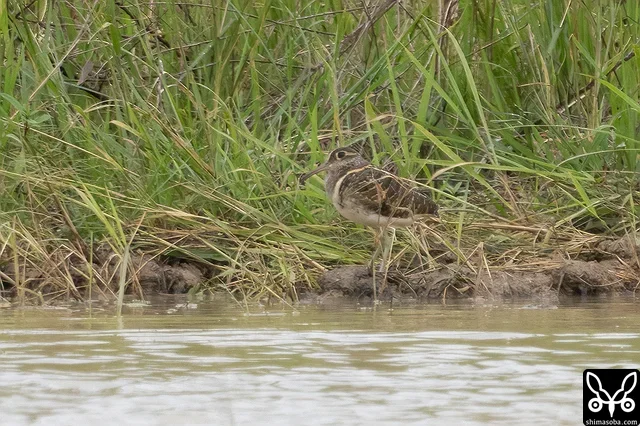
  182. Male Greater Painted-snipe.
    Greater Painted-snipe
  183. Adult male Eurasian Wigeon, moulting from eclipse into breeding plumage.
    Eurasian Wigeon
  184. A flock of Common Snipe. On Ishigaki, flocks of 10 to 30 birds are wintering.
    Common Snipe
  185. Male Tufted Duck. First-year?
    Tufted Duck
  186. Common Snipe, first-winter plumage.
    Common Snipe
  187. Adult female Eurasian Teal.
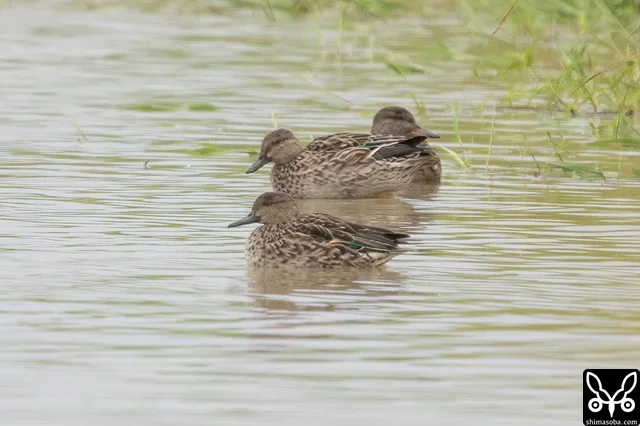
    Eurasian Teal
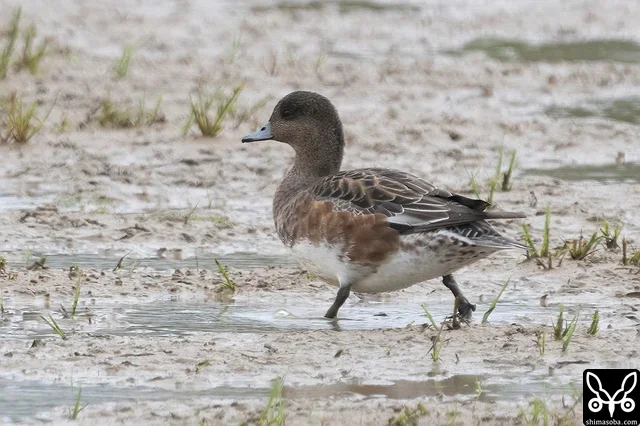
  188. Adult female Eurasian Wigeon. Non-breeding plumage.
    Eurasian Wigeon
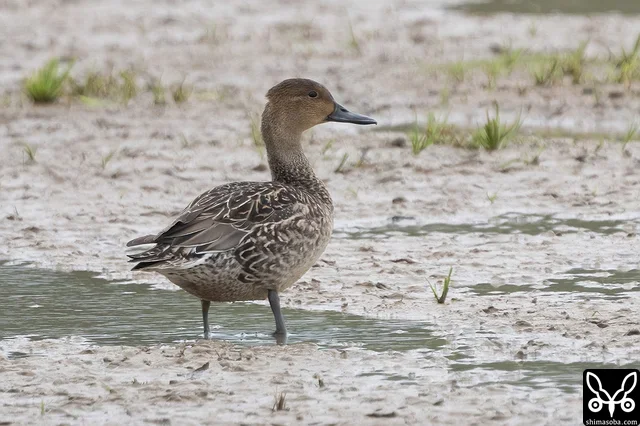
  189. Adult female Northern Pintail. Non-breeding plumage.
    Northern Pintail
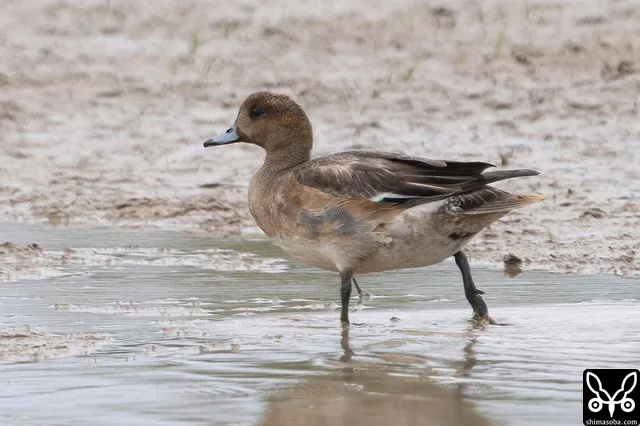
  190. Male Eurasian Wigeon, transitioning from juvenile to first-winter plumage.
    Eurasian Wigeon
  191. Two Tundra Swans also making a long stay. The individual on the right appears to have injured one leg.
    Tundra Swan
  192. Pale Thrush, adult winter plumage.
    Japanese Thrush
  193. 29
    A superciliated Citrine Wagtail in first-winter plumage.
    Citrine Wagtail
  194. A Red-throated Pipit with a short tail. There were also several Citrine Wagtails in the same condition. Perhaps they were grabbed by the Eurasian Sparrowhawk that has been holding territory over this paddy.
    Red-throated Pipit
  195. A female Siberian Stonechat wintering alone.
    Siberian Stonechat
  196. A (Yellow-browed) Citrine Wagtail in first-winter plumage.
    Eastern Yellow Wagtail
  197. A Common Kestrel perched on the security camera at Omoto526. It stayed through the night.
    Common Kestrel
  198. A Chinese Pond Heron with only the left wing coverts white. Hard to tell whether the feathers have dropped out, are dishevelled, or this is partial albinism.
    Chinese Pond Heron
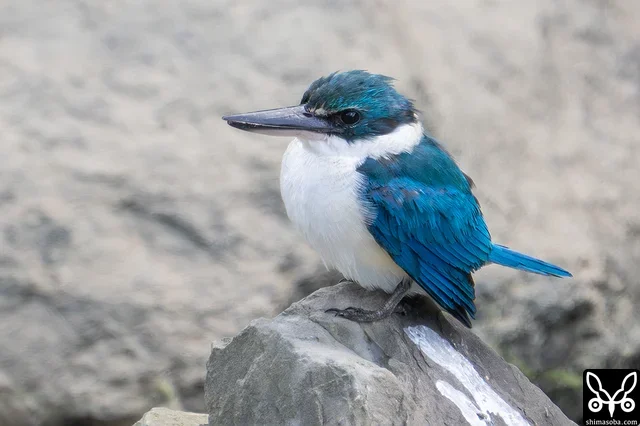
  199. The last Collared Kingfisher of the year. This happy blue bird drew many birdwatchers to Ishigaki Island. Moult appears to have begun slightly, with fresh bright feathers coming in on the head. I hope it stays until the plumage is fully renewed.
    Collared Kingfisher
  200. 31
    White Wagtails are scarce this season — a bit lonely.
    White Wagtail