SEASONAL ARCHIVE

Wild Birds of November

When and what wild birds might you see — a timeline sorted by date taken

  1. 1
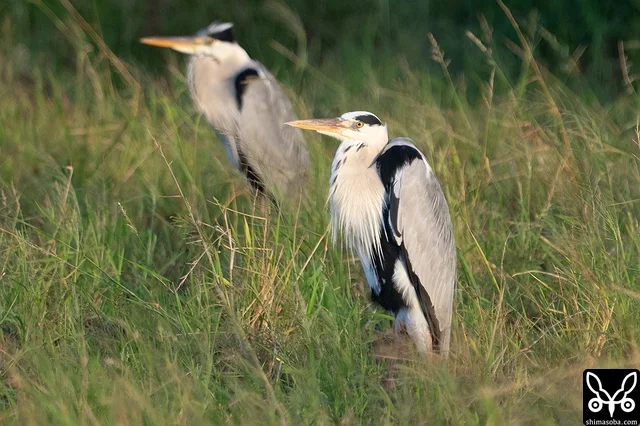
    The wintering Grey Herons have been increasing too.
    Grey Heron
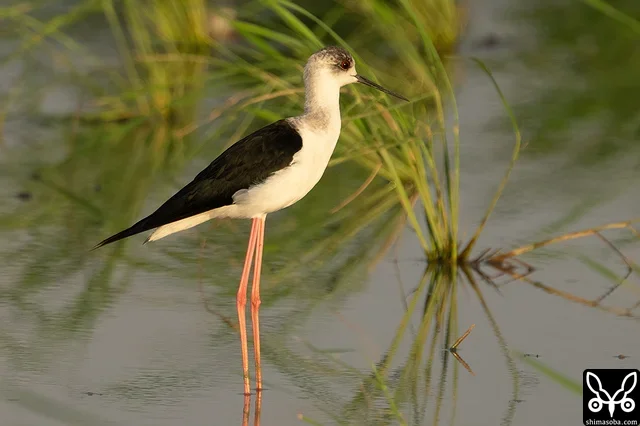
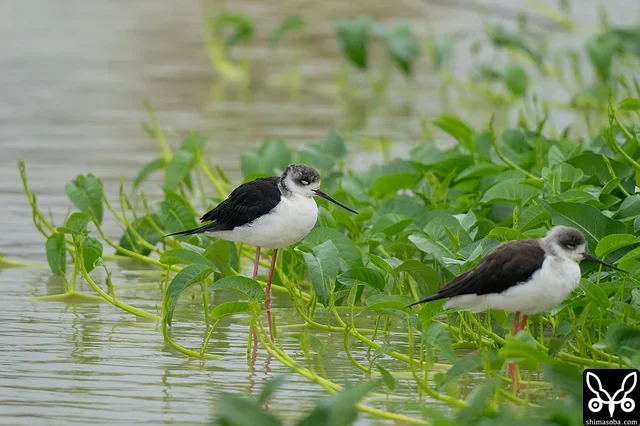
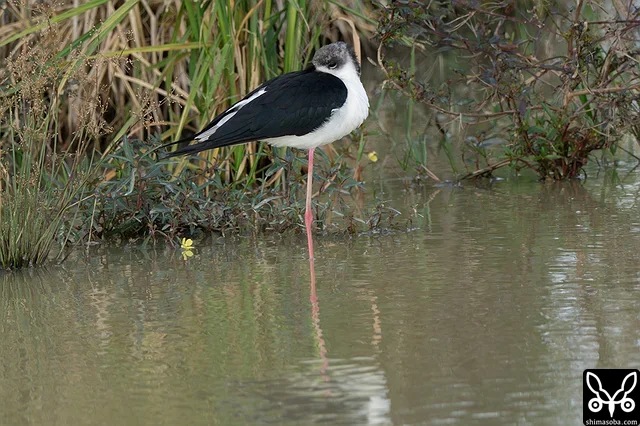
  2. Adult male Black-winged Stilt.
    Black-winged Stilt
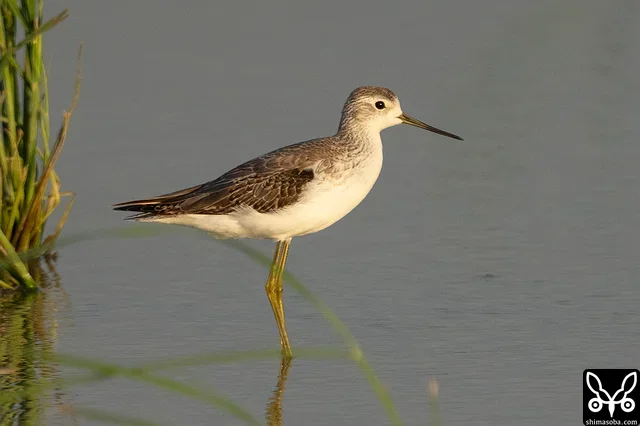
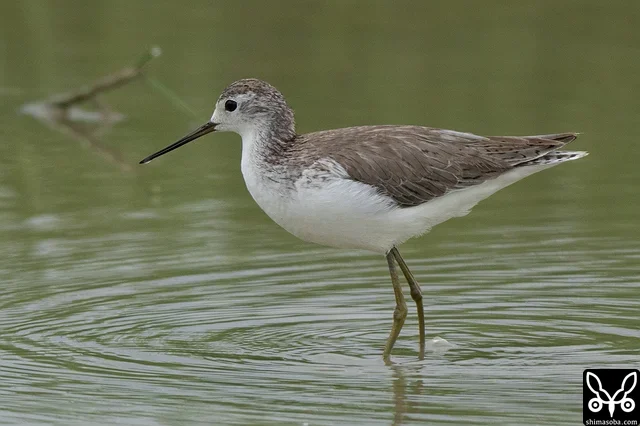
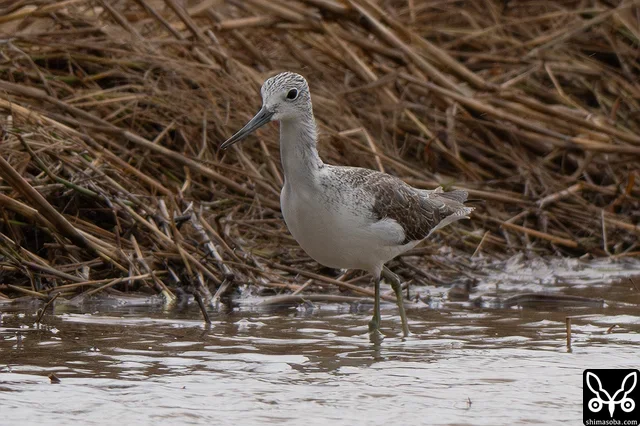
  3. Common Greenshank, first-winter plumage.
    Marsh Sandpiper
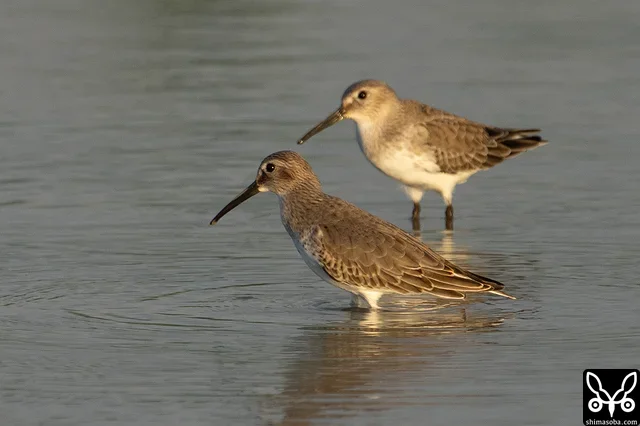
  4. Dunlin are scarce in Okinawa, but this season a flock of up to 20 has been present.
    Dunlin
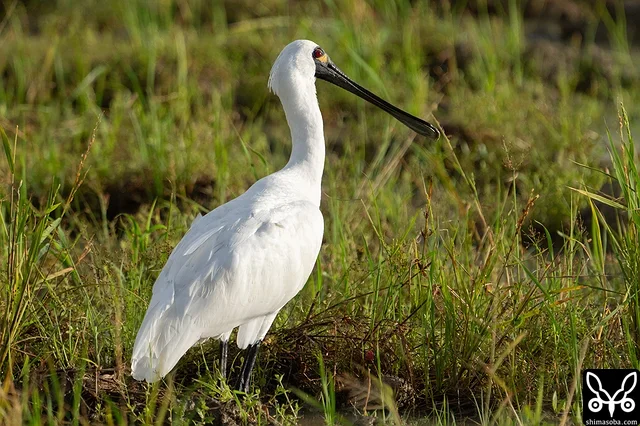
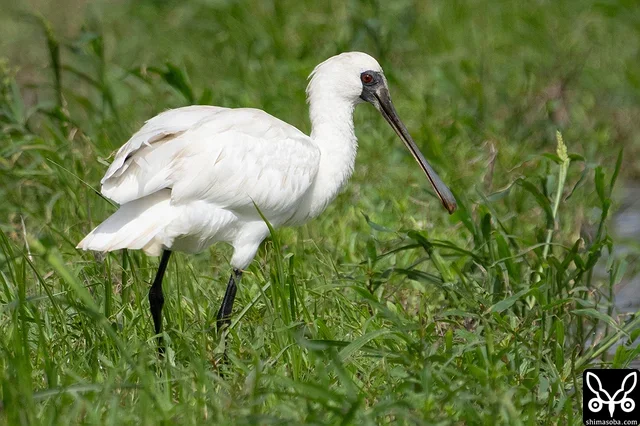
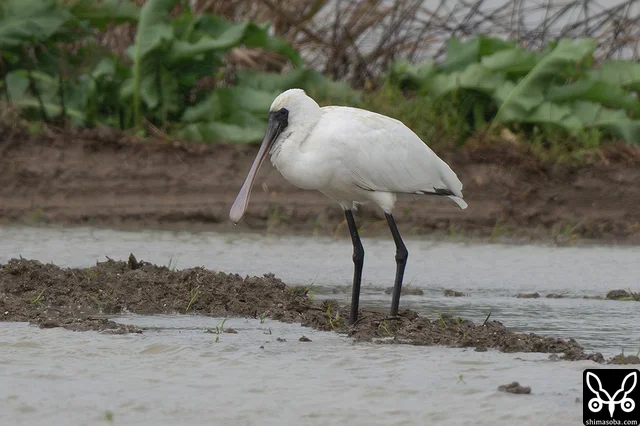
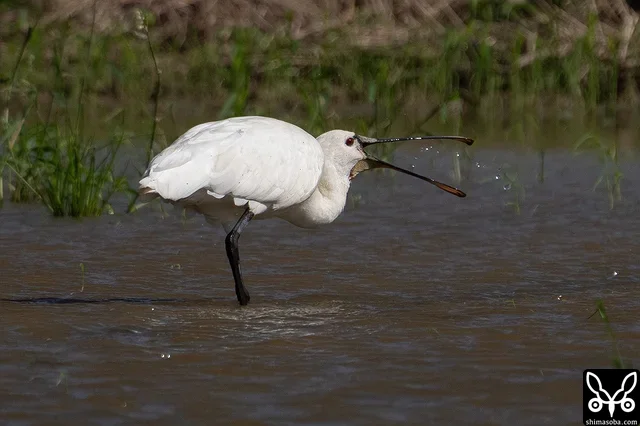
  5. Adult Black-faced Spoonbill.
    Black-faced Spoonbill
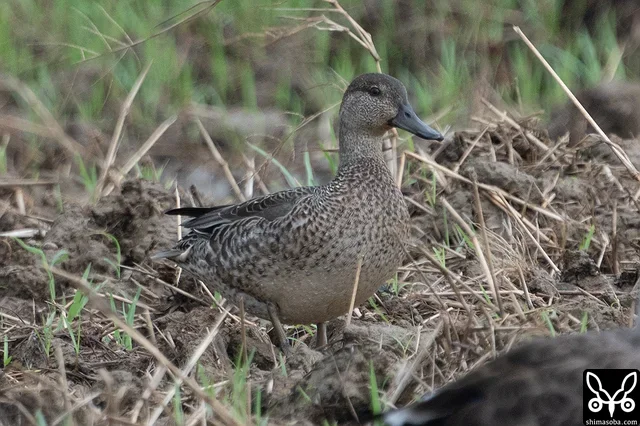
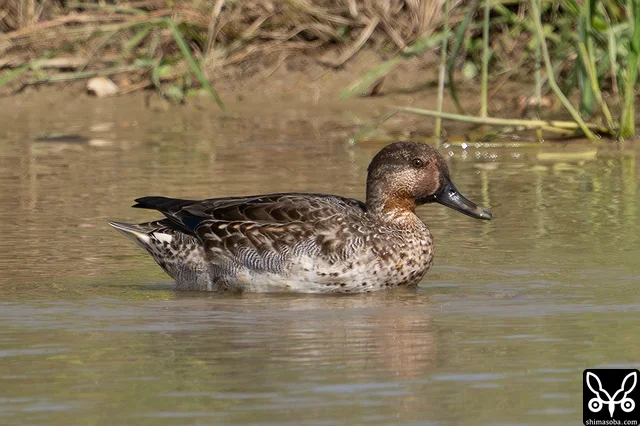
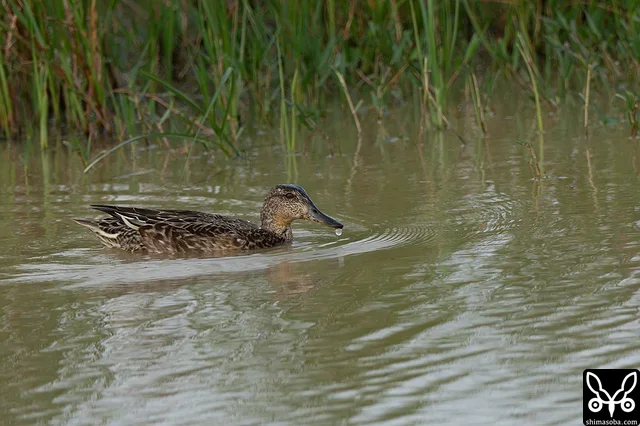
  6. Common Teal also wintering here. Adult female, non-breeding plumage.
    Eurasian Teal
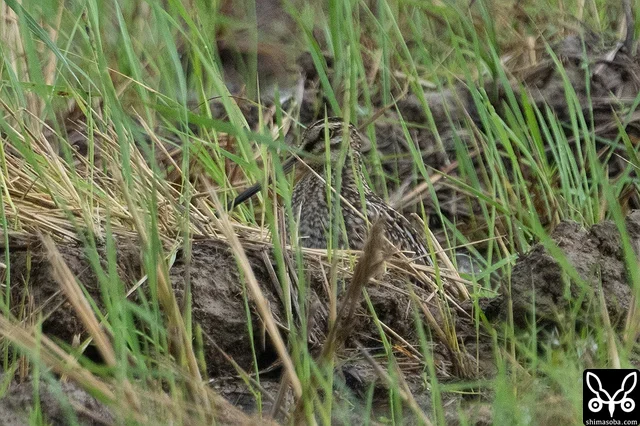
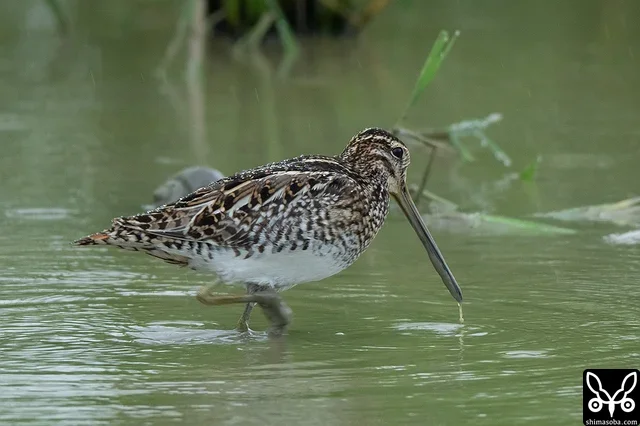
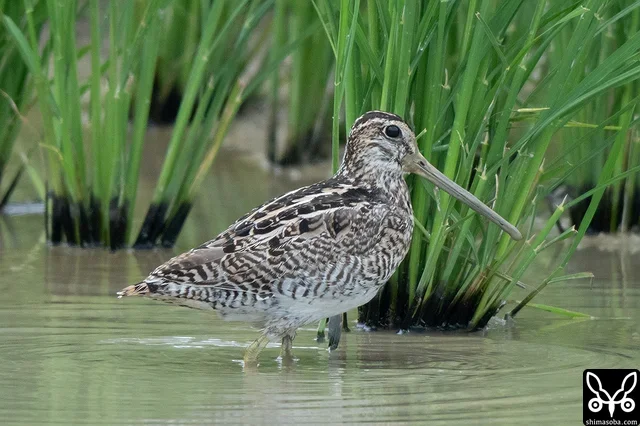
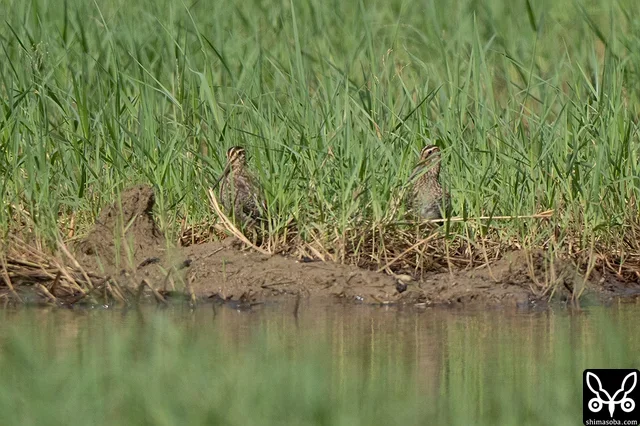
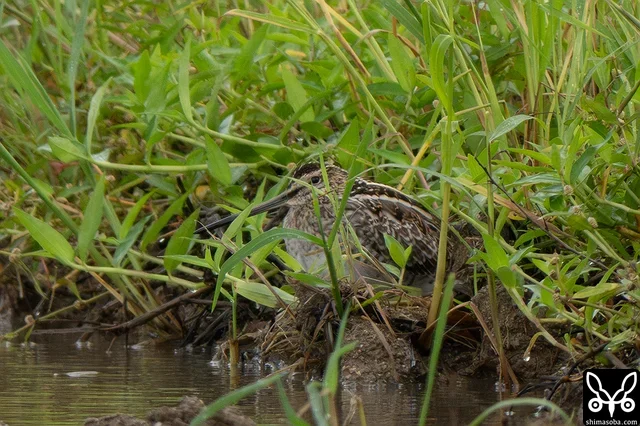
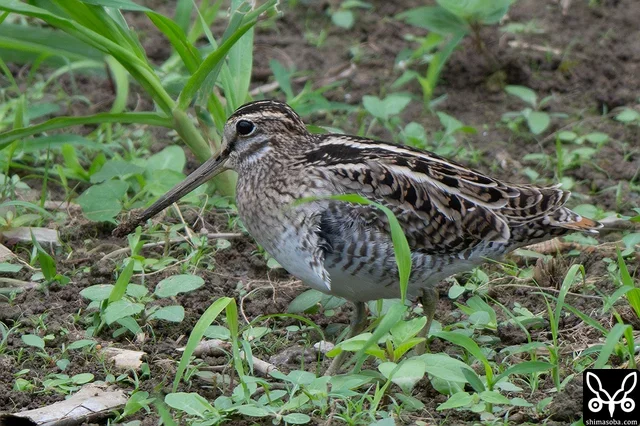
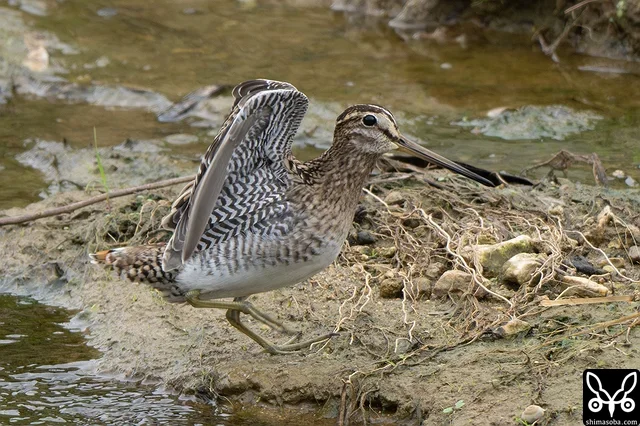
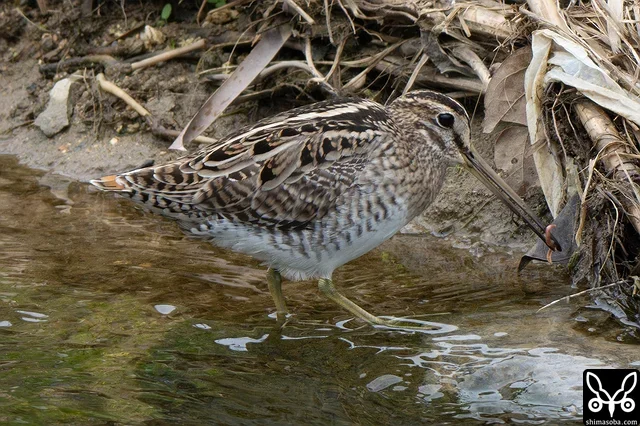
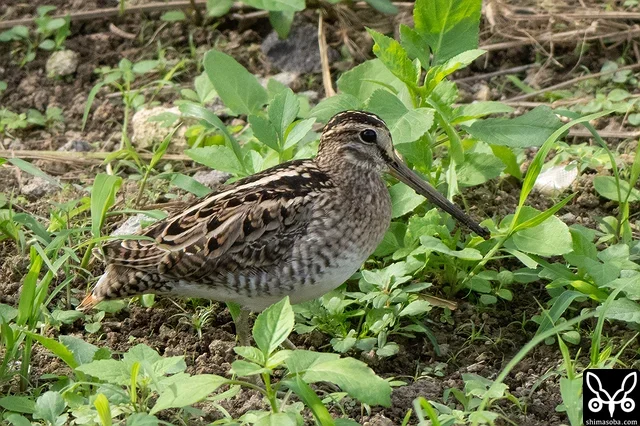
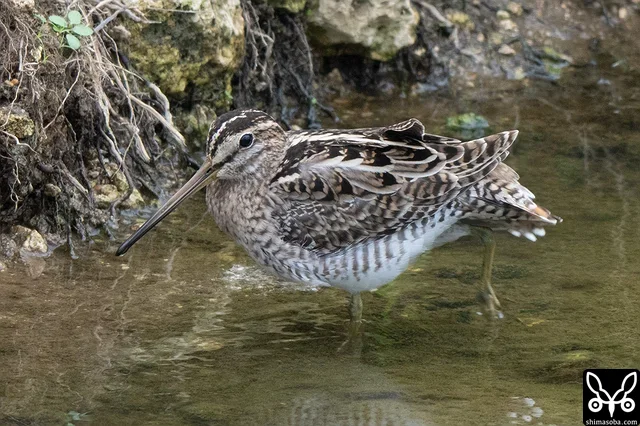
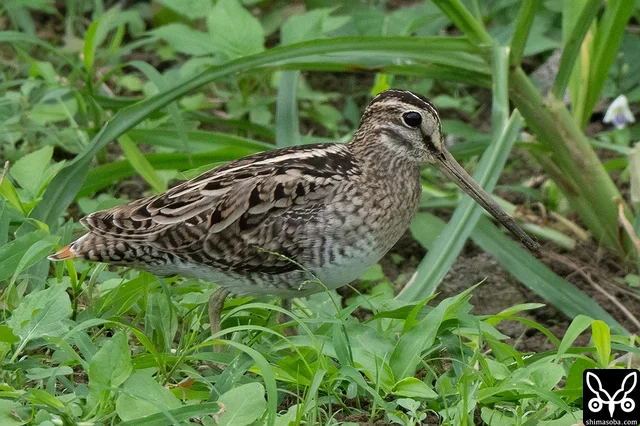
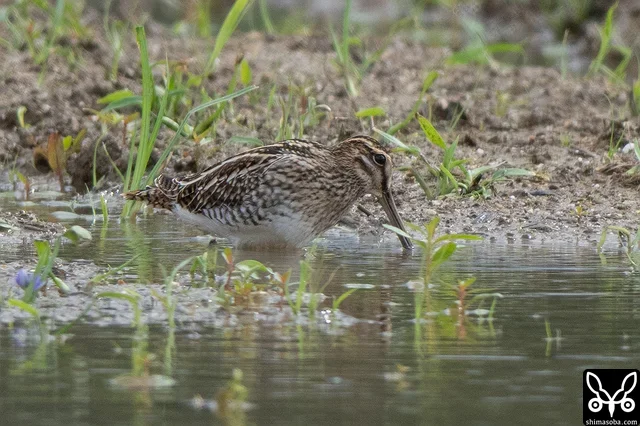
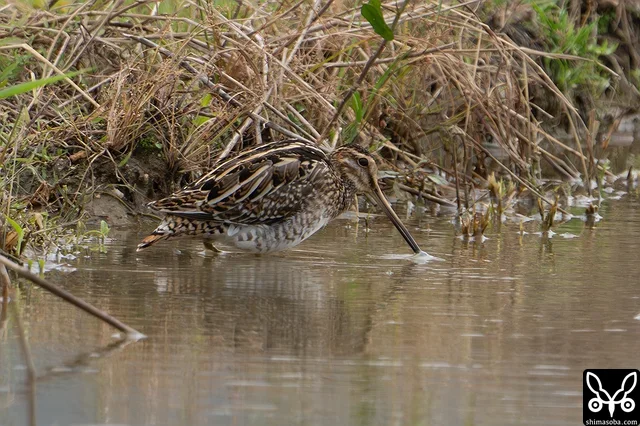
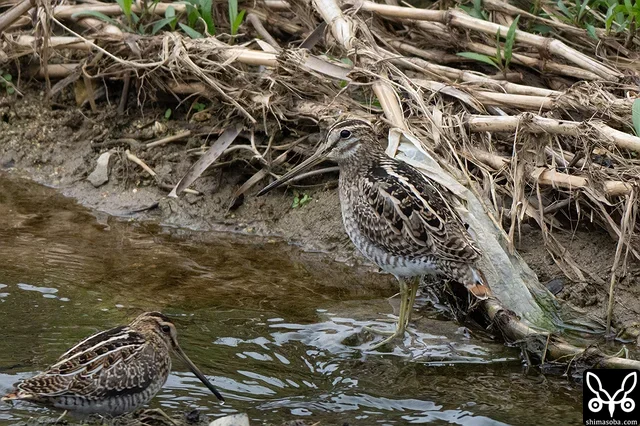
  7. Common Snipe are around here and there, like this.
    Common Snipe
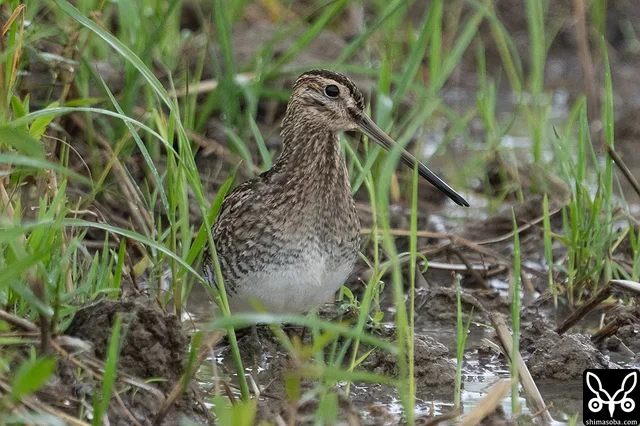
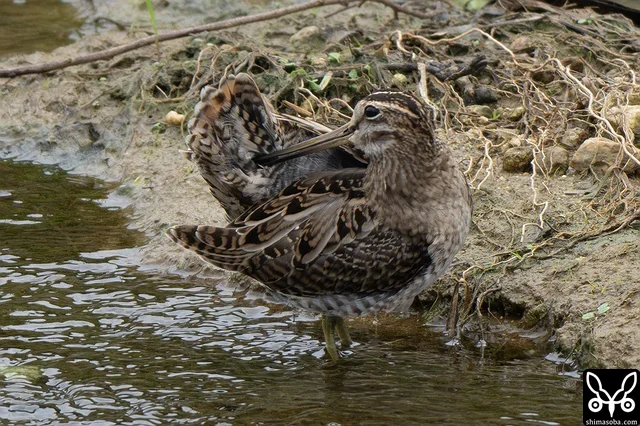
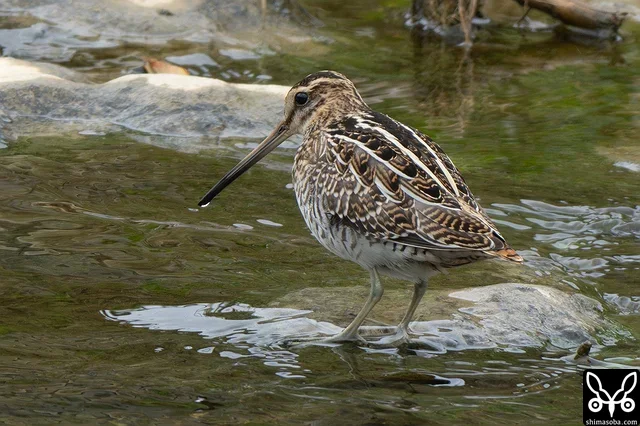
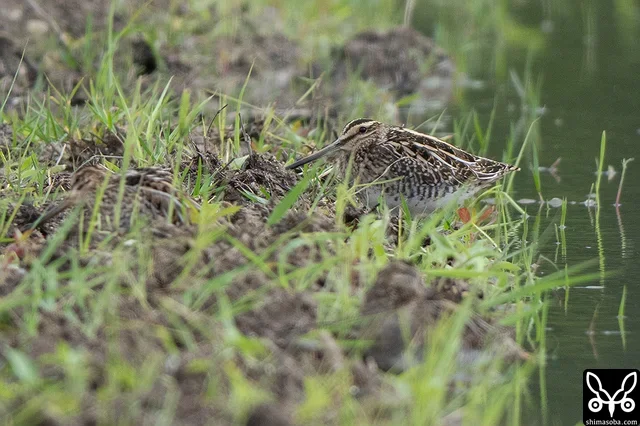
  8. All the snipe have turned out to be Common Snipe.
    Common Snipe
  9. 2
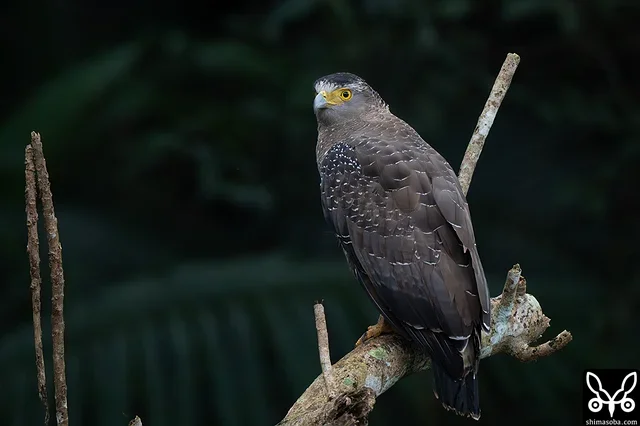
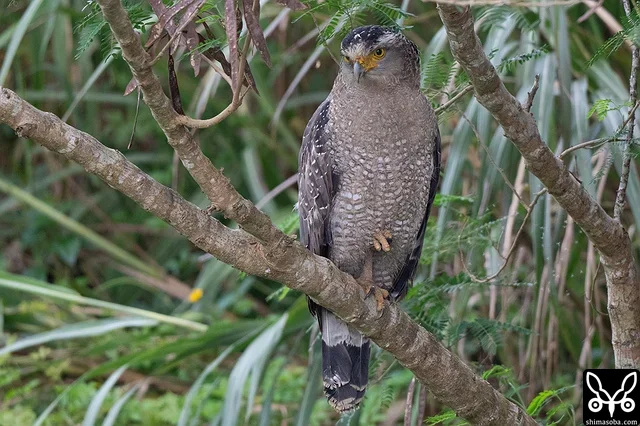
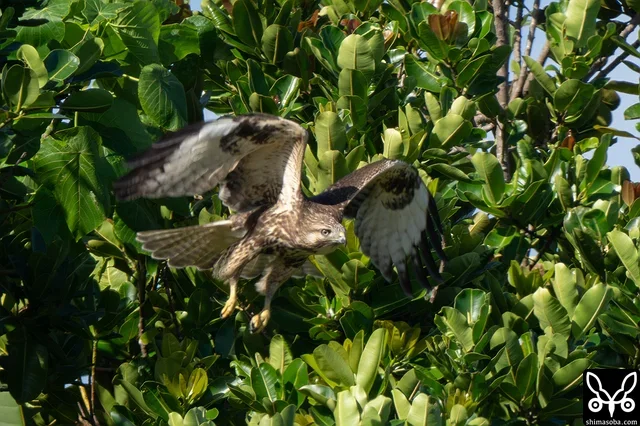
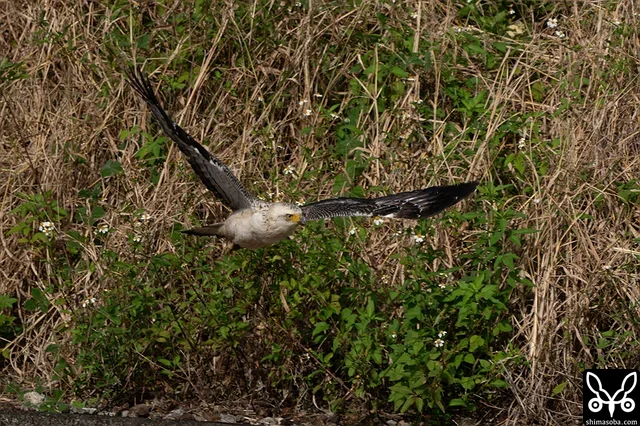
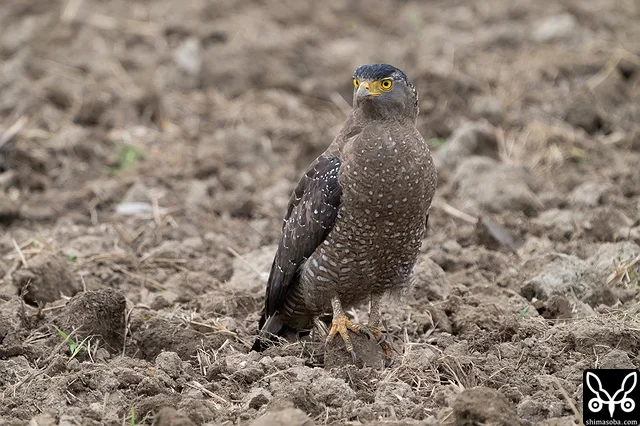
    Crested Serpent Eagles are showing up regularly along forest roads and in the rice fields. From now until around March they can appear roadside too, so take care when driving.
    Crested Serpent Eagle
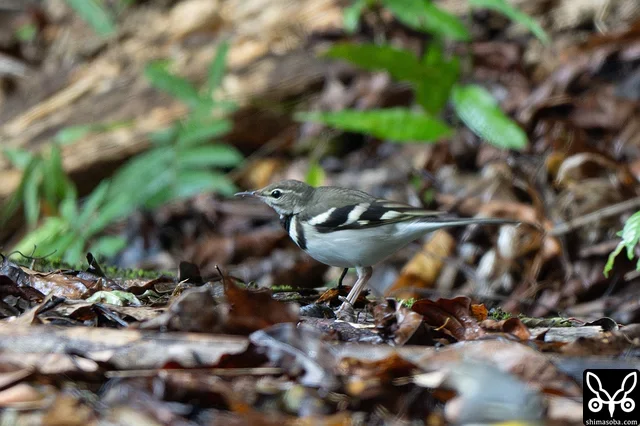
  10. A White-browed Wagtail on the forest road. It would be nice if it overwinters again this season.
    Grey Wagtail
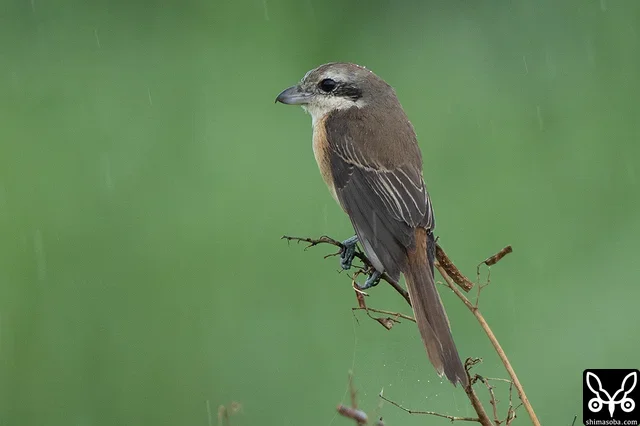
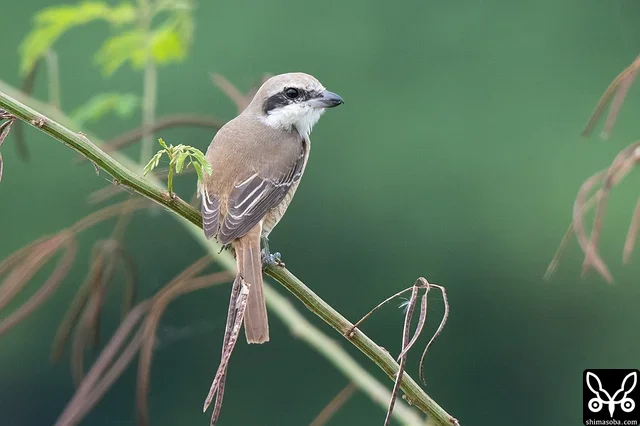
  11. A Brown Shrike caught in the rain. It was in a spot with a lot of foot traffic.
    Isabelline Shrike
  12. Same individual as above. Snipe are great, but warblers are great too. ^^
    Arctic Warbler
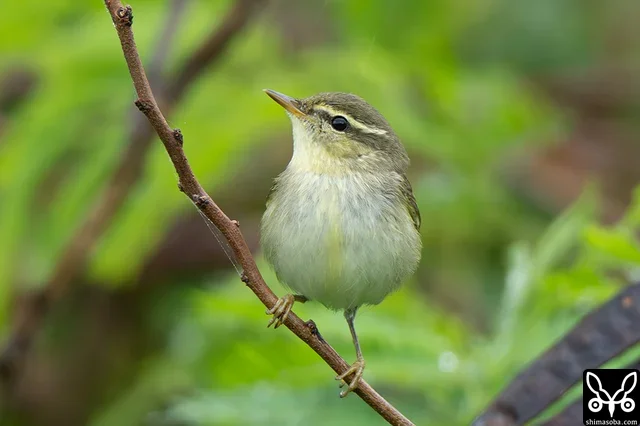
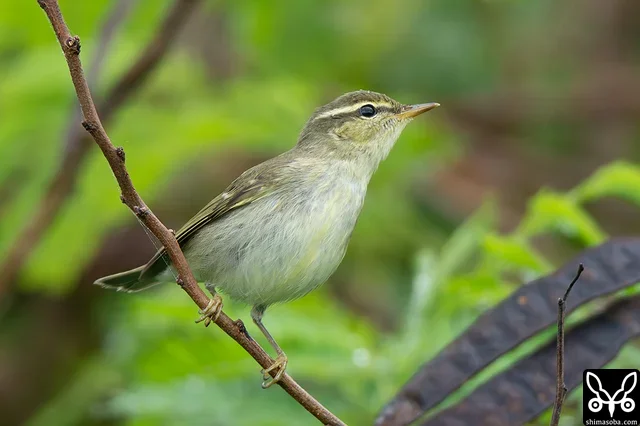
  13. Arctic Warblers are increasingly being heard calling near woodland edges of farmland. You can watch them foraging as they move busily through the trees.
    Arctic Warbler
  14. Common Snipe are staying in large numbers. Many individuals will go on to overwinter.
    Common Snipe
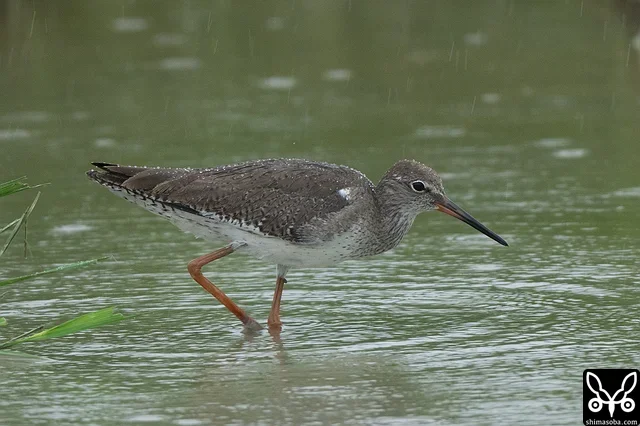
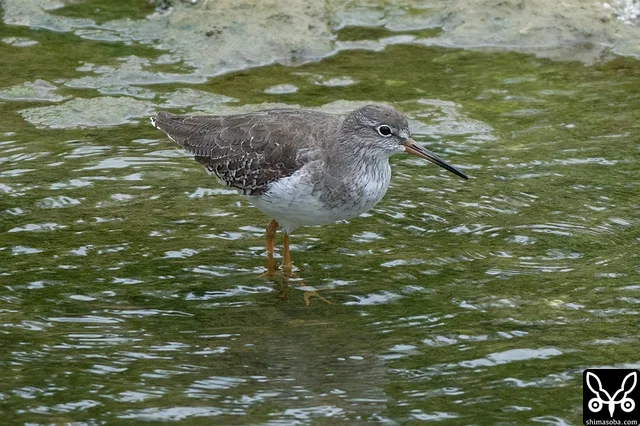
  15. Common Redshanks present include both adults and juveniles. This individual is an adult still retaining some summer plumage.
    Common Redshank
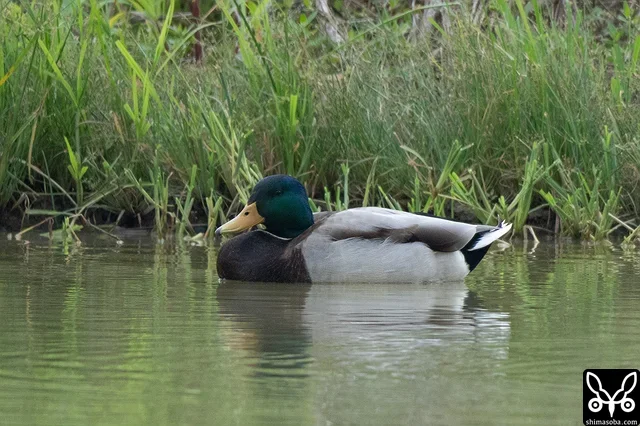
  16. The first Mallard of the season arrived — an adult male.
    Mallard
  17. The Swinhoe's Snipe is becoming a scarce sight. I wonder if any overwintering individuals will be seen this season.
    Swinhoe's Snipe
  18. Common Greenshank in winter plumage. The second rice harvest is coming soon, which will drain the water from the fields, and I expect the sandpipers will disappear with it.
    Marsh Sandpiper
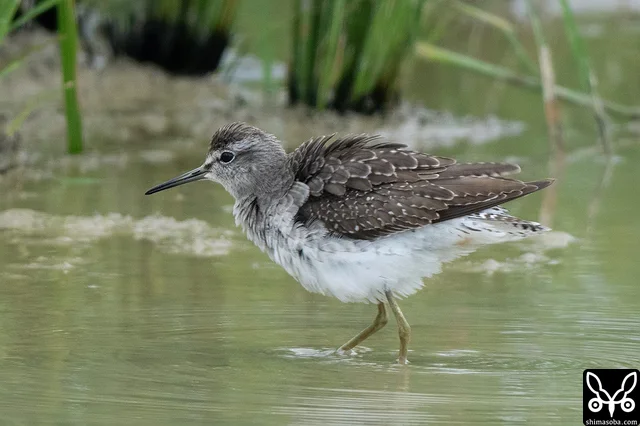
  19. Wood Sandpiper numbers are down, but they are still lingering.
    Wood Sandpiper
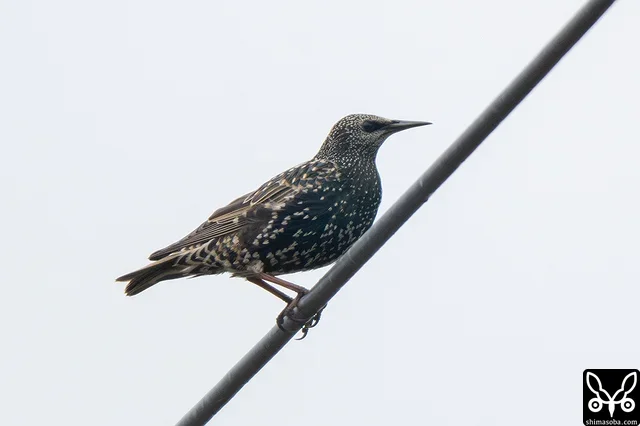
  20. A Common Starling in the same flock. Its foraging style is similar to the White-cheeked Starling's, so it has been staying with the flock for a long time.
    Common Starling
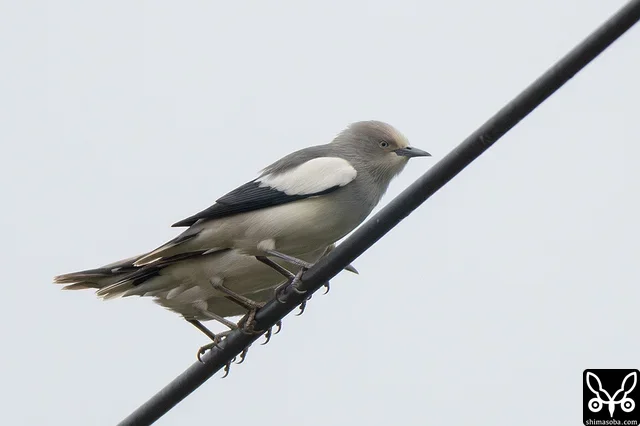
  21. The Chestnut-cheeked Starling is the most numerous species on the island, but only a few were in the mainly White-cheeked Starling-dominated flock. Their foraging styles differ, so even when they join the flock they quickly go their separate ways.
    White-shouldered Starling
  22. 4
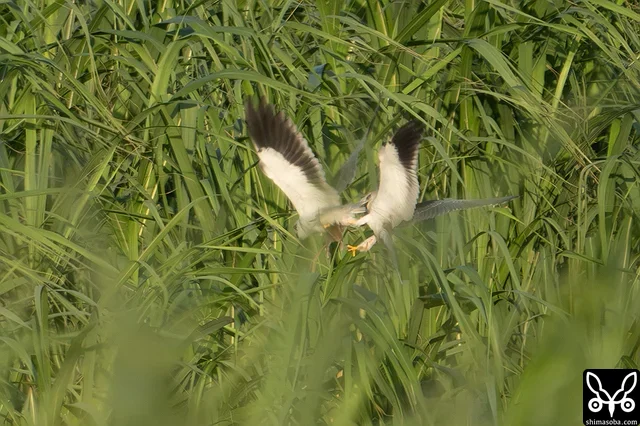
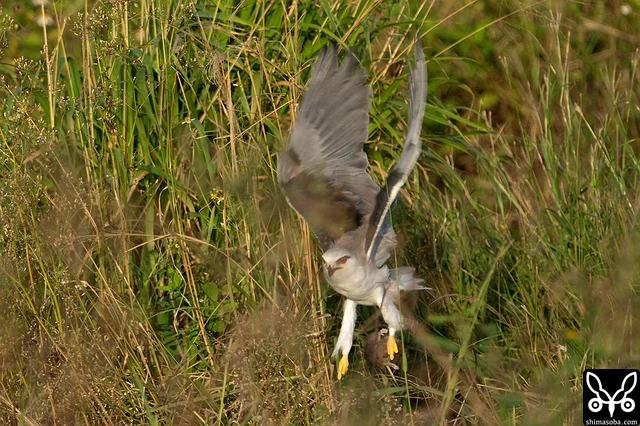
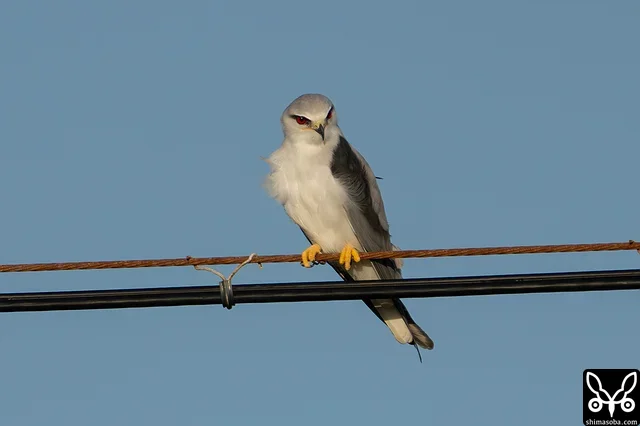
    From a distance I could make out the bird being relieved of its prey by a juvenile (right).
    Black-winged Kite
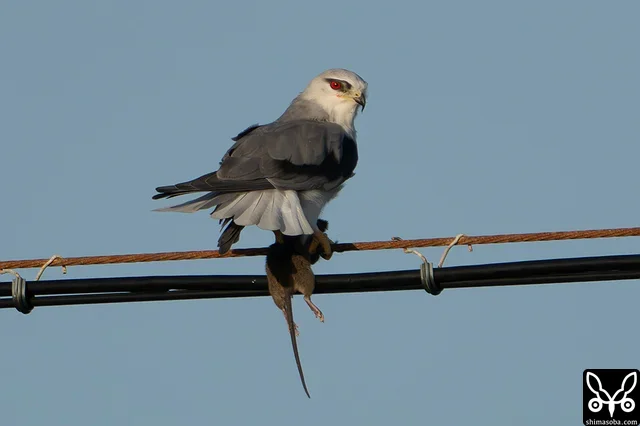
  23. It returned to the telephone wire and began eating the prey.
    Black-winged Kite
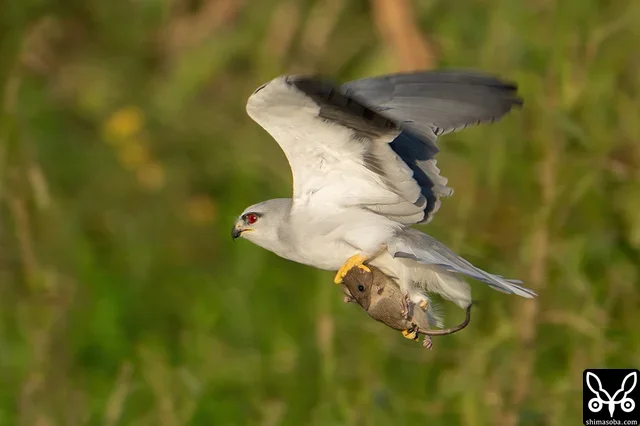
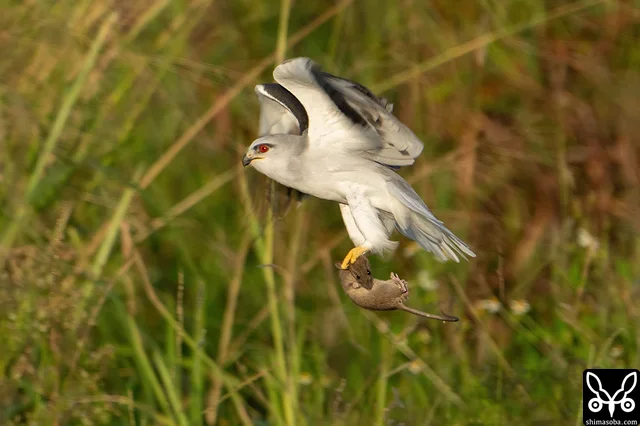
  24. The Black-winged Kite carrying its prey vertically to minimize air resistance.
    Black-winged Kite
  25. The Black Rat, with a vacant expression, is already dead.
    Black-winged Kite
  26. The hunt appears to have been successful — it has a mouse in its talons.
    Black-winged Kite
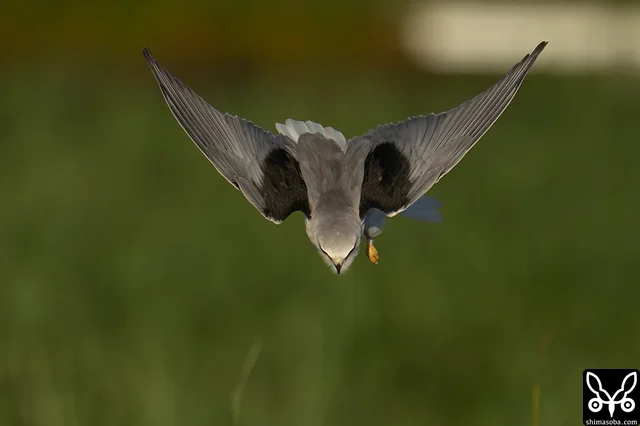
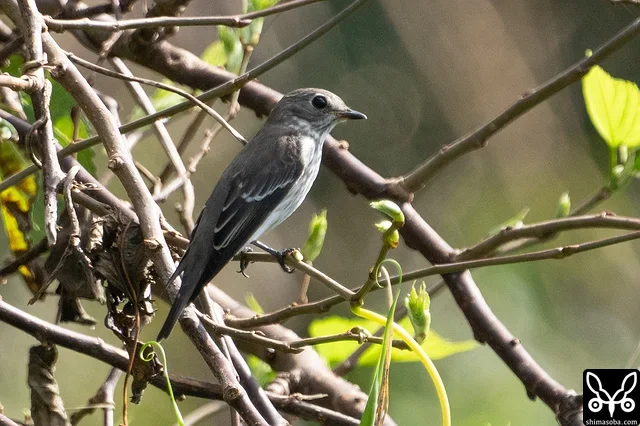
  27. A Black-winged Kite diving steeply toward a patch of grass.
    Black-winged Kite
  28. A Black-winged Kite locking onto prey.
    Black-winged Kite
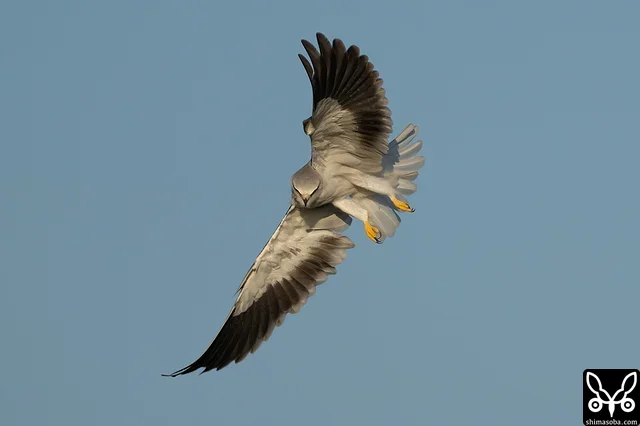
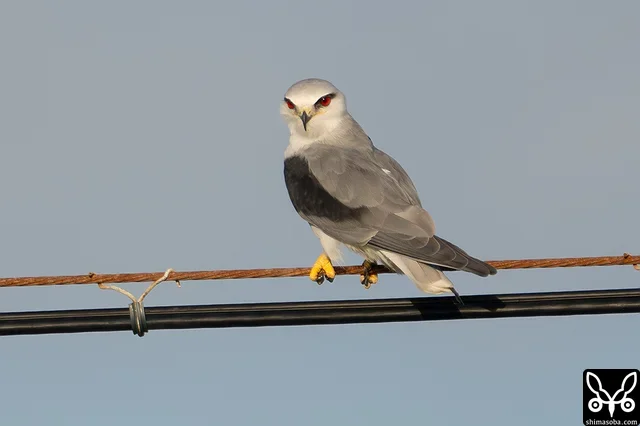
  29. Even from a distance, the whitish underparts from breast to belly are conspicuous.
    Black-winged Kite
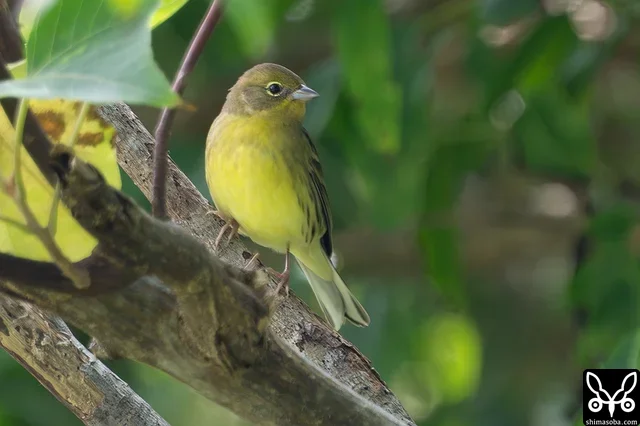
  30. The Black-winged Kite here appears every day, morning and evening, catching rats. It is a relatively unwary individual even by Ishigaki Island standards — it does not flush when a car passes beneath it.
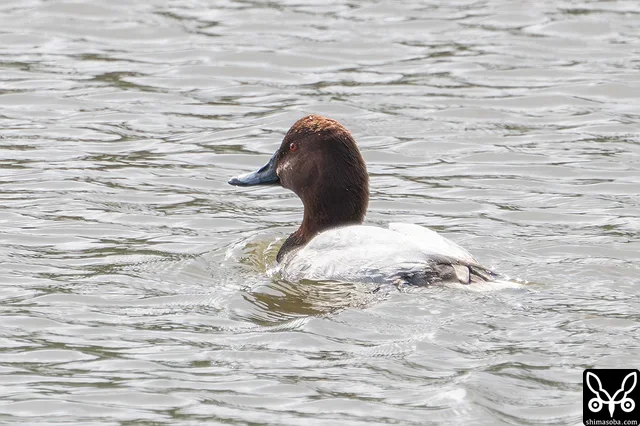
    Black-winged Kite
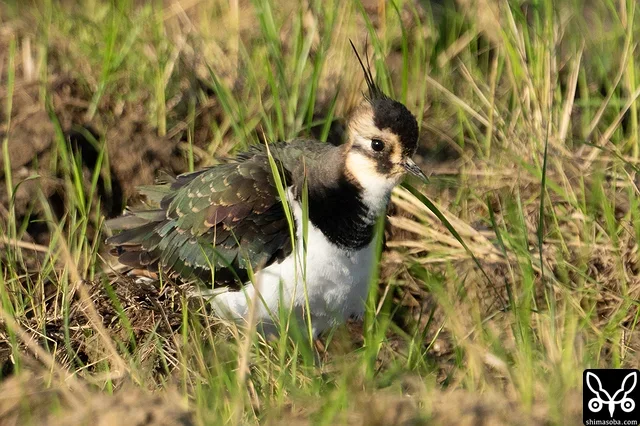
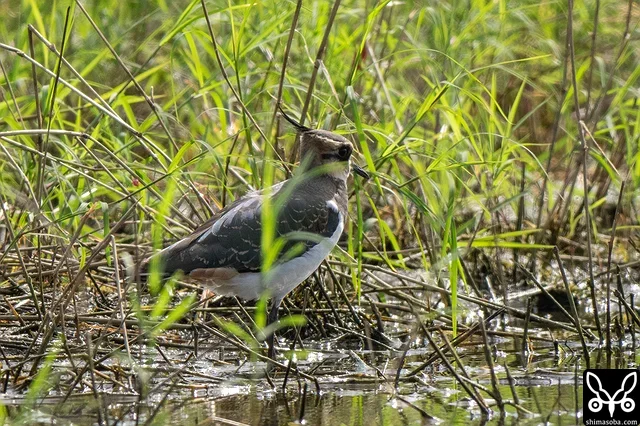
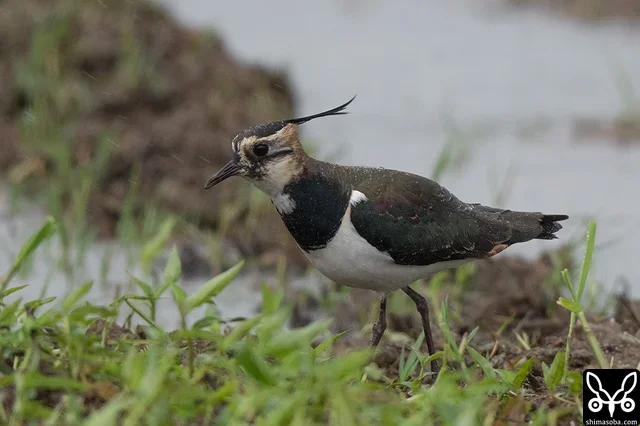
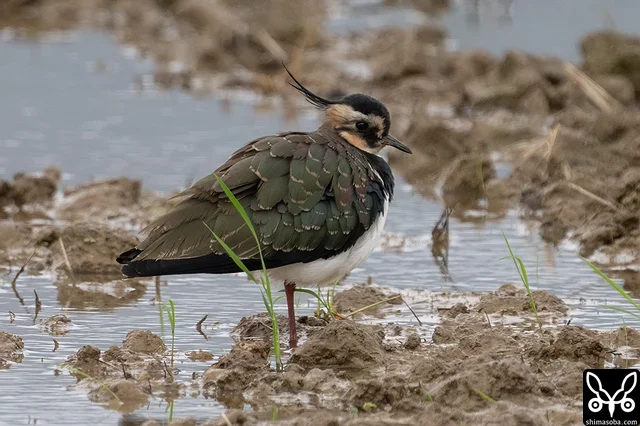
  31. Five Northern Lapwings arrived. As in previous years, all were juveniles.
    Northern Lapwing
  32. Black-faced Spoonbill from a different area.
    Black-faced Spoonbill
  33. 5
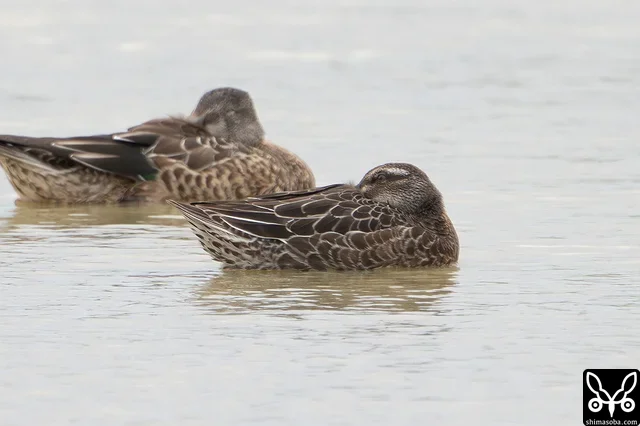
    A juvenile Garganey that stayed like this until the end.
    Garganey
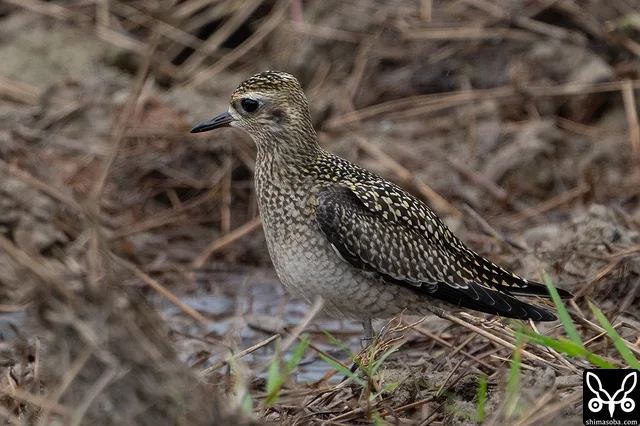
  34. A juvenile Pacific Golden Plover on its own.
    Pacific Golden Plover
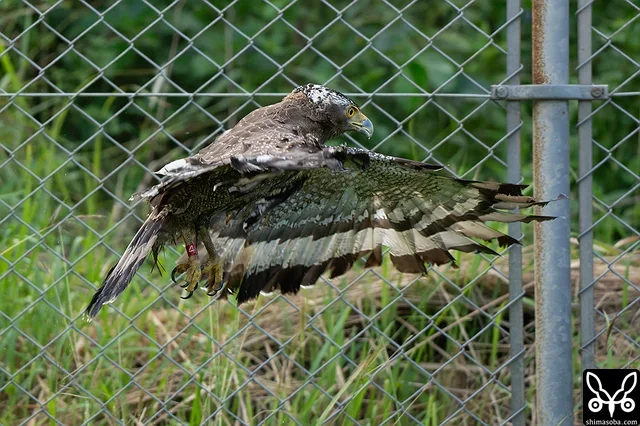
  35. 6
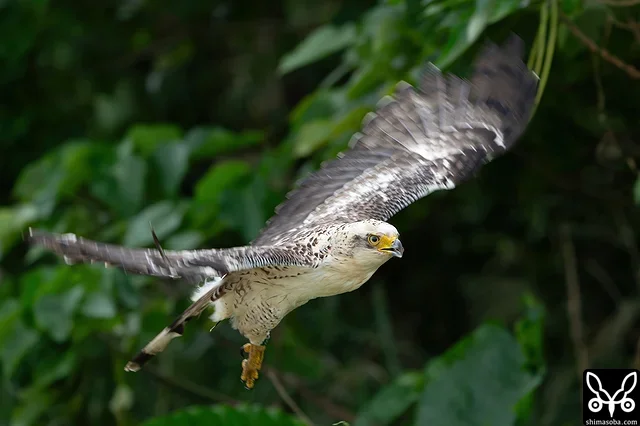
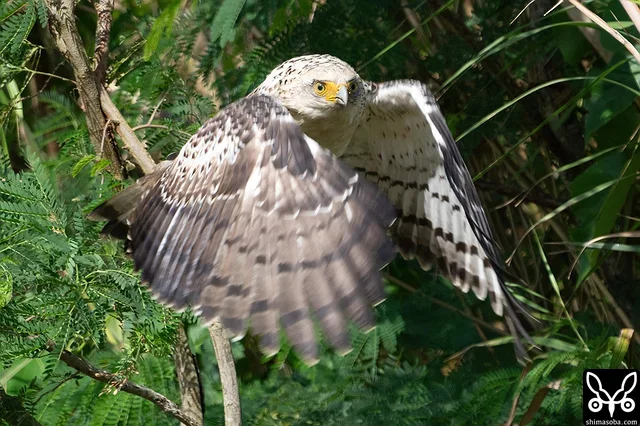
    The Crested Serpent Eagle finally took flight. The right wing still seems to show some effects of the accident — it didn't extend as far forward as the left — but the bird appeared to fly without difficulty.
    Crested Serpent Eagle
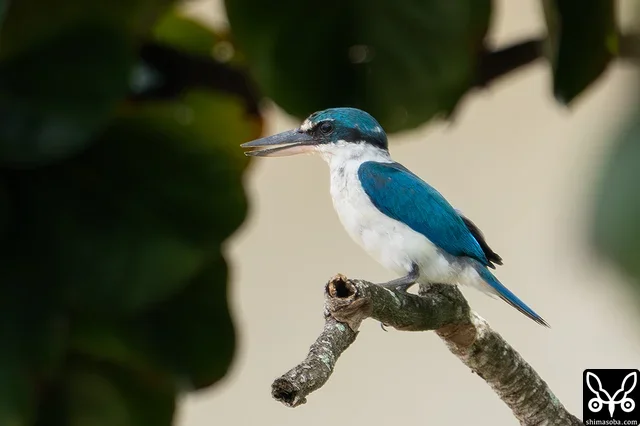
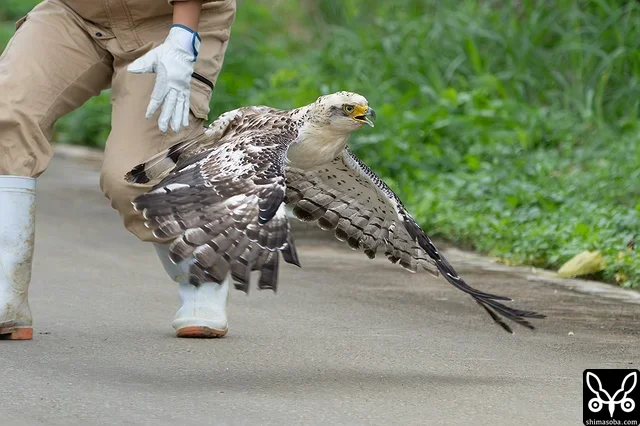
  36. A Crested Serpent Eagle being released by staff from Ishigaki Yaima Village, which has a rehabilitation facility.
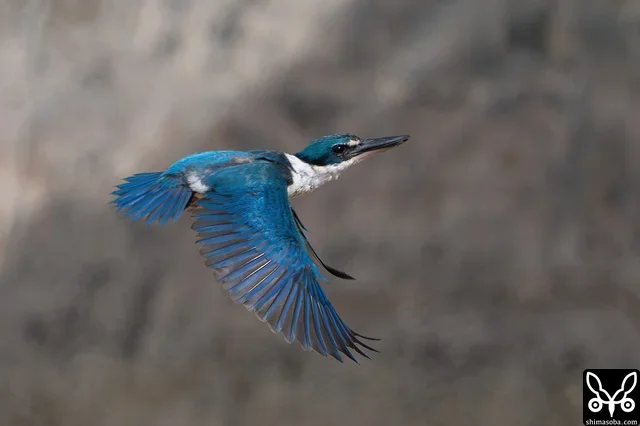
    Crested Serpent Eagle
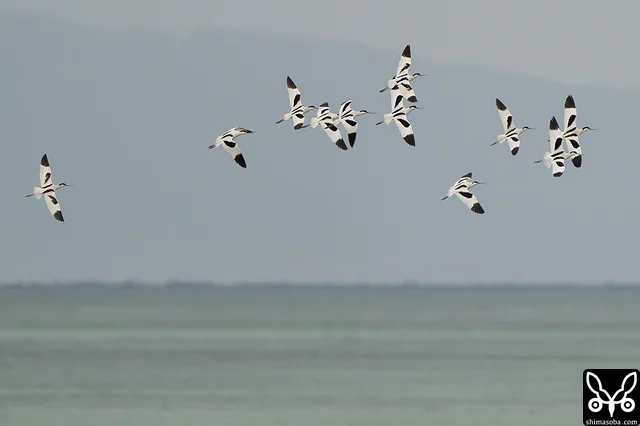
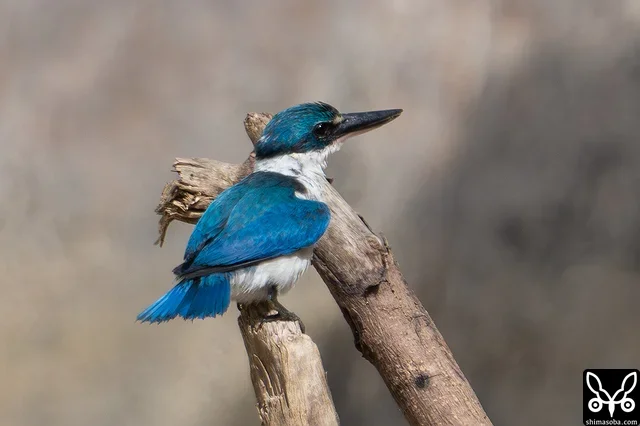
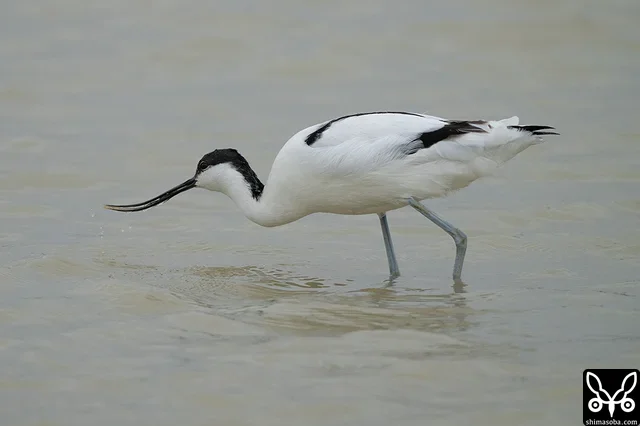
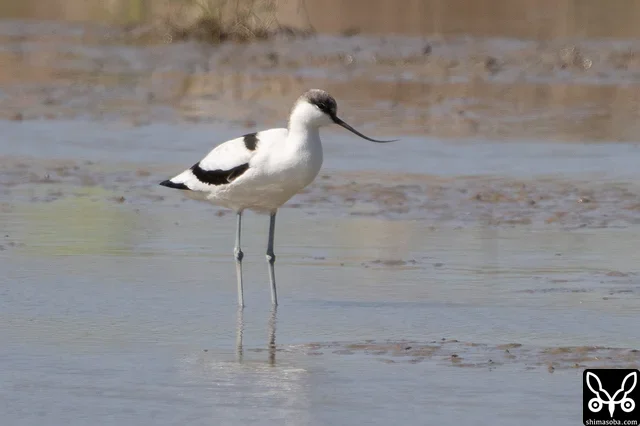
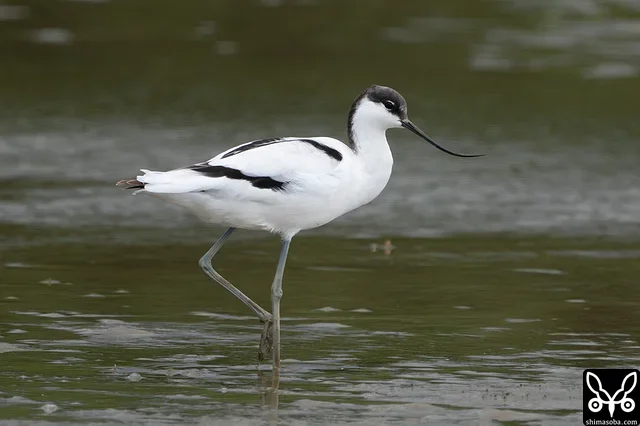
  37. A Pied Avocet with Iriomote Island in the background. I had a feeling something like a certain catharsis washed over me.
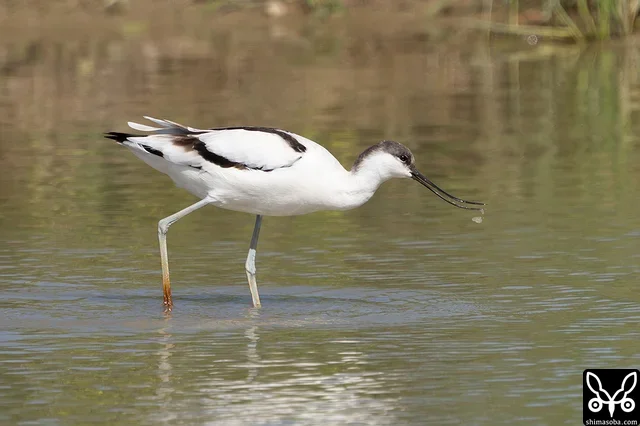
    Pied Avocet
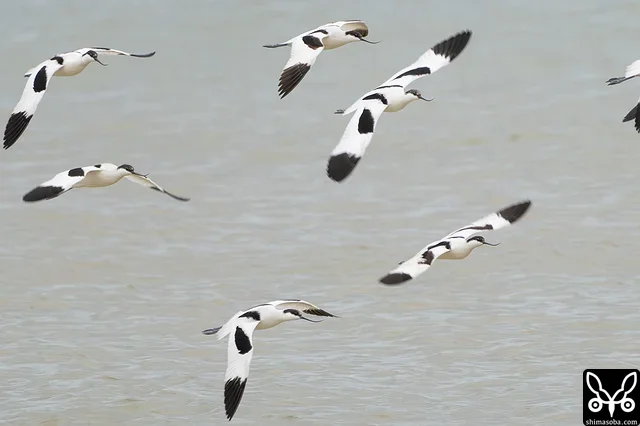
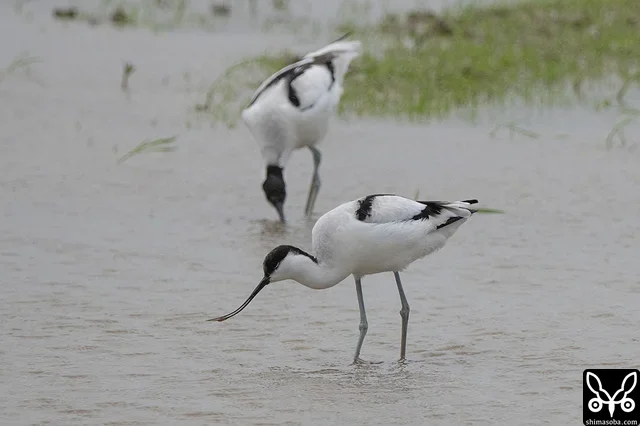
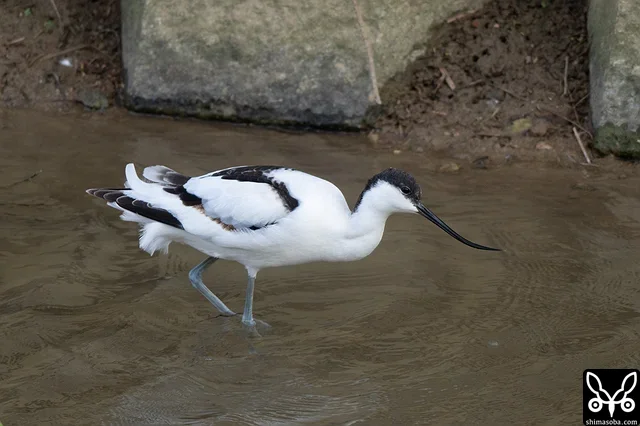
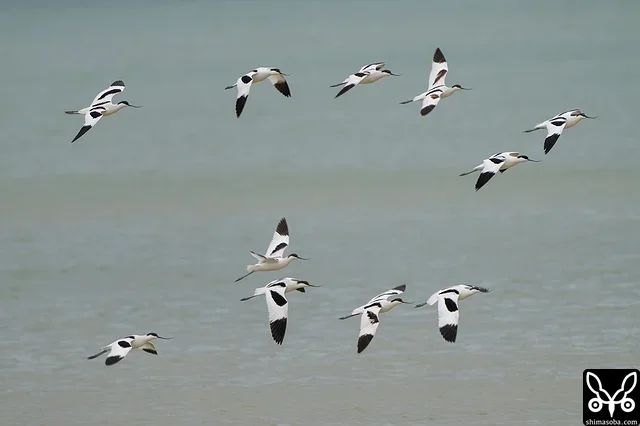
  38. Pied Avocets are a familiar sight on Ishigaki and Okinawa, but a flock makes them all the more striking.
    Pied Avocet
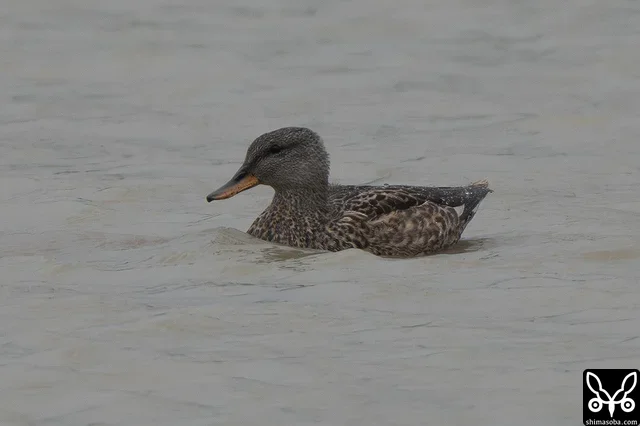
  39. A dancing flock of 11 Pied Avocets. The monochrome Pied Avocets and the ash-grey sea under overcast skies together create an atmosphere of quiet austerity.
    Pied Avocet
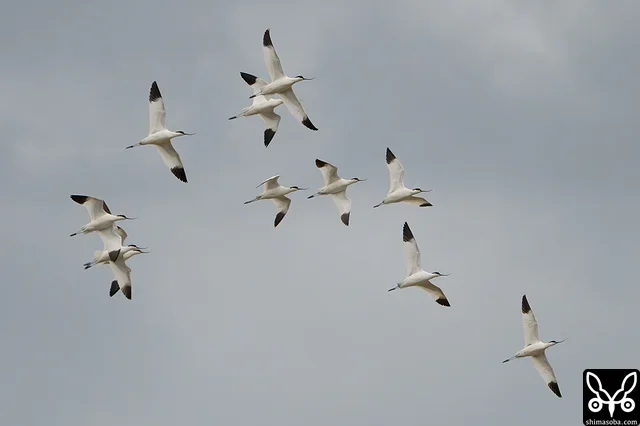
  40. A flock of Pied Avocets circling overhead. Nine adults and two juveniles.
    Pied Avocet
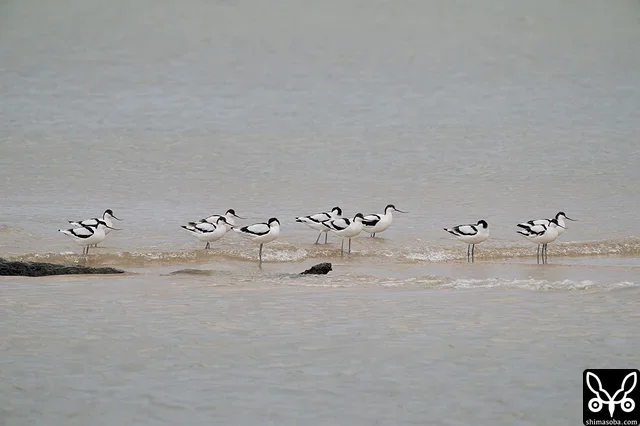
  41. Apparently they came in off the sea and landed on this beach around 4 p.m.
    Pied Avocet
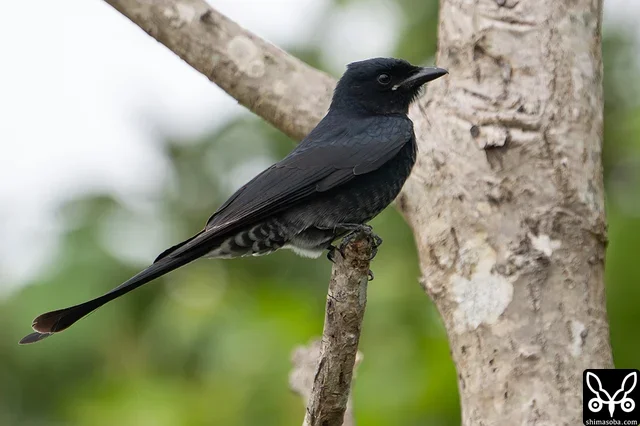
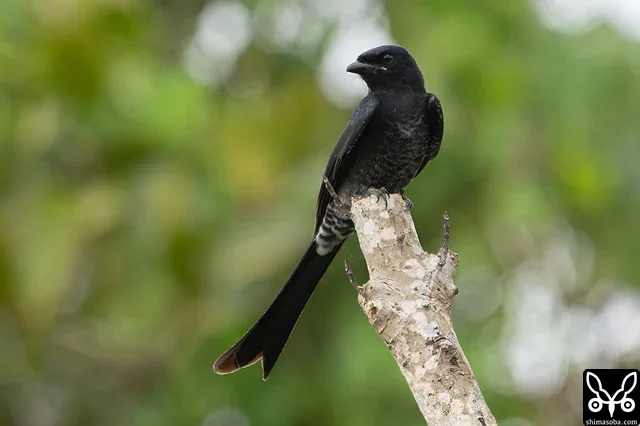
  42. A Black Drongo perched on a branch right in front of me.
    Black Drongo
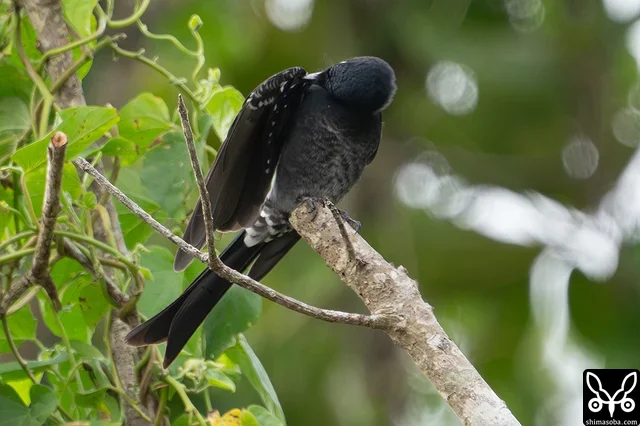
  43. This individual is a juvenile, so it has white spots from the breast down to the undertail coverts.
    Black Drongo
  44. White spots are present on the underwing as well. From past records, Black Drongo apparently retain white spots on the underwing at least through the `first-summer plumage <https://shimasoba.com/blog/1587/>`_ of the year following hatching.
    Black Drongo
  45. 7
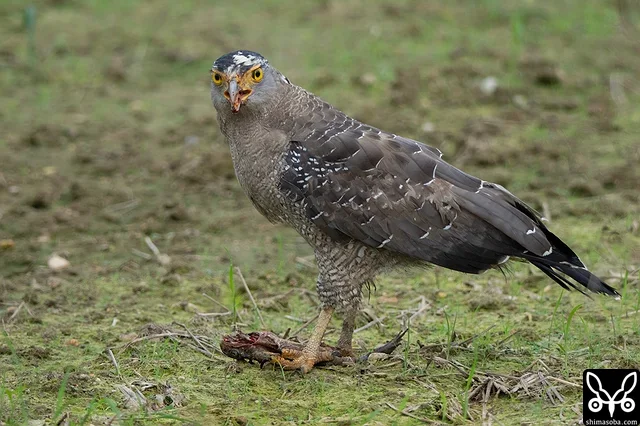
    A Crested Serpent Eagle targeting something in an irrigation channel.
    Crested Serpent Eagle
  46. A Crested Serpent Eagle eating a Cane Toad. As the research papers suggest, the toxin seems to pose no problem for it.
    Crested Serpent Eagle
  47. A Brown Shrike was nearby as well.
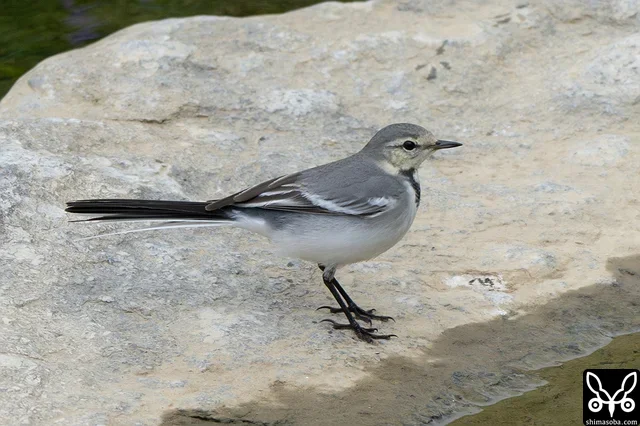
    Isabelline Shrike
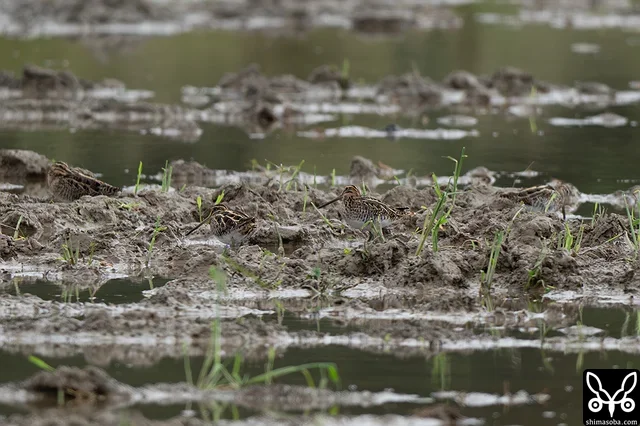
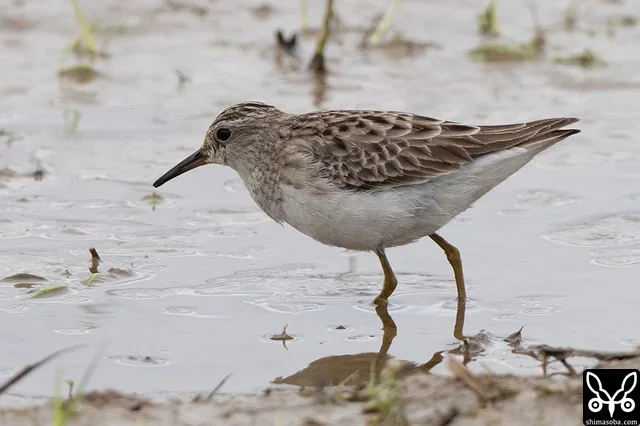
  48. A flock of Common Snipe in the rice fields.
    Common Snipe
  49. 9
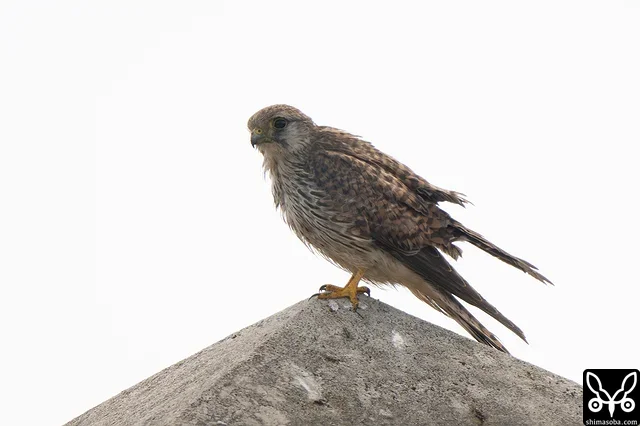
    The wintering Common Kestrels are gradually increasing in number.
    Common Kestrel
  50. Yonaguni Island has very few paddies — rice farmers are down to the last one — but a Common Snipe managed to hang on.
    Common Snipe
  51. Northern Lapwing numbers are up in the Yaeyamas too. Most are juveniles.
    Northern Lapwing
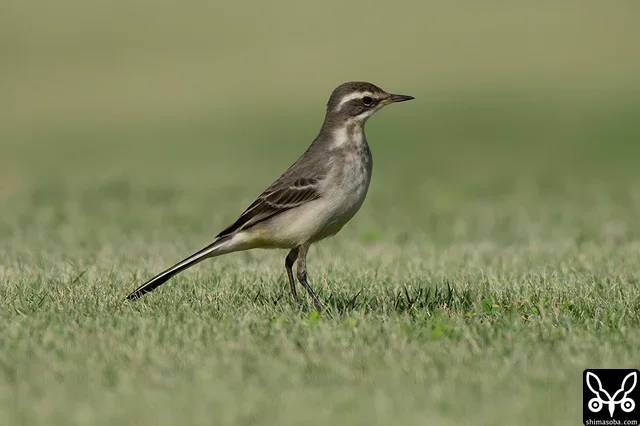
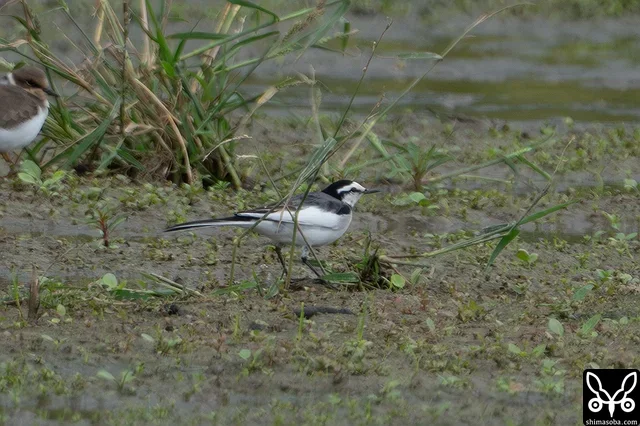
  52. White Wagtail (taivana subspecies) in first-winter plumage. White Wagtails of any kind have been scarce in the Yaeyamas this season.
    Eastern Yellow Wagtail
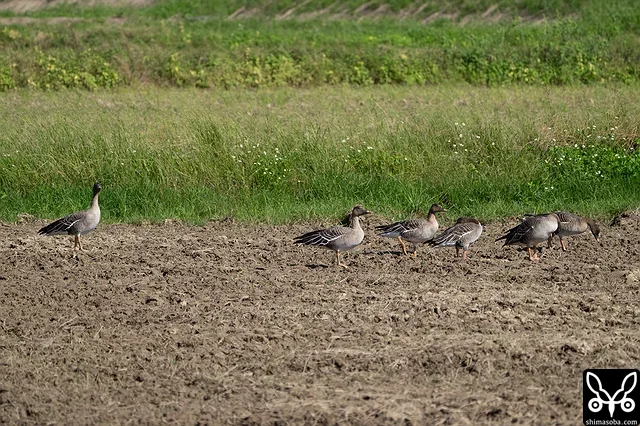
  53. A juvenile Common Buzzard had turned up.
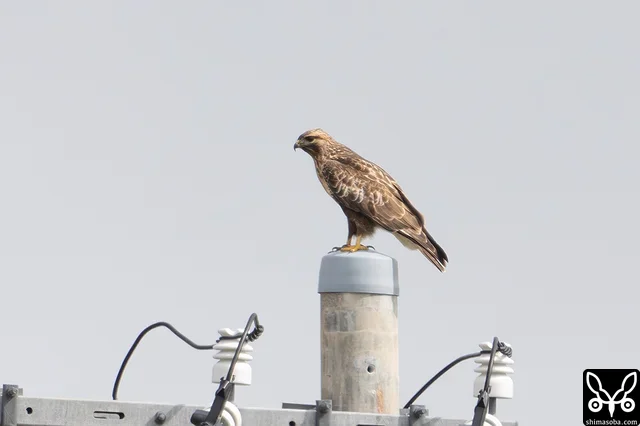
    Common Buzzard
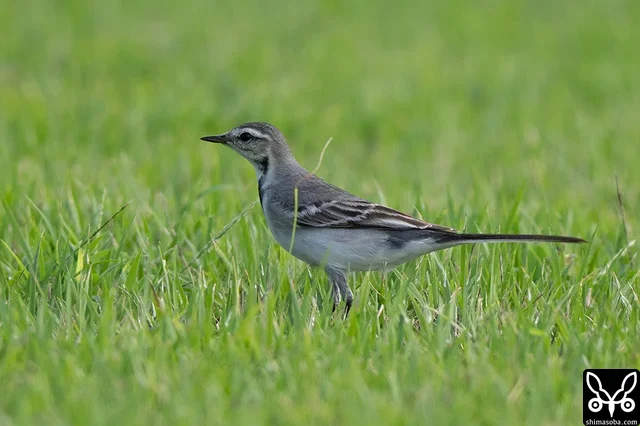
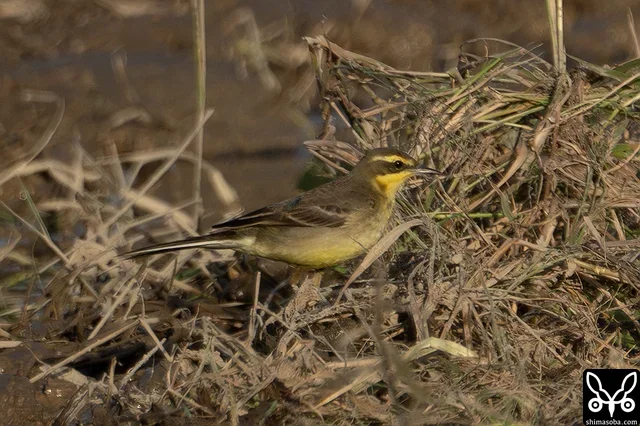
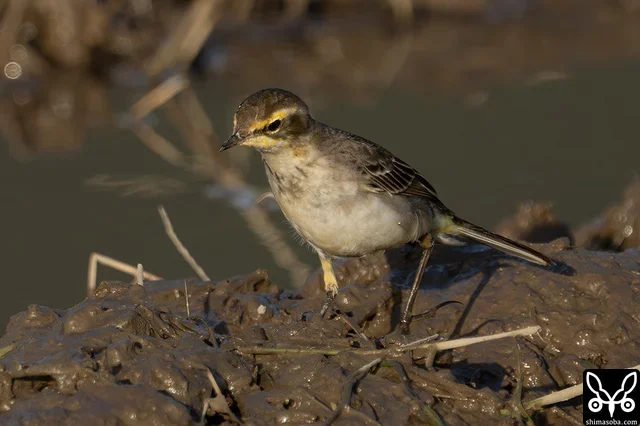
  54. Yellow Wagtails seem to be scarce across the Yaeyamas as a whole this season.
    Eastern Yellow Wagtail
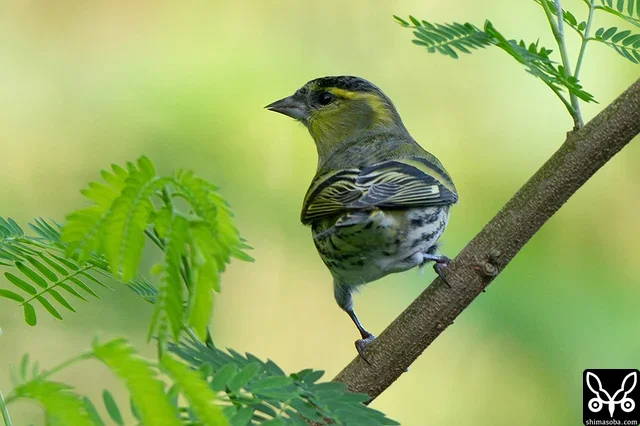
  55. Eurasian Siskin — a species I see often on Okinawa Island and Yonaguni Island, but rarely recorded on Ishigaki Island. Strange.
    Eurasian Siskin
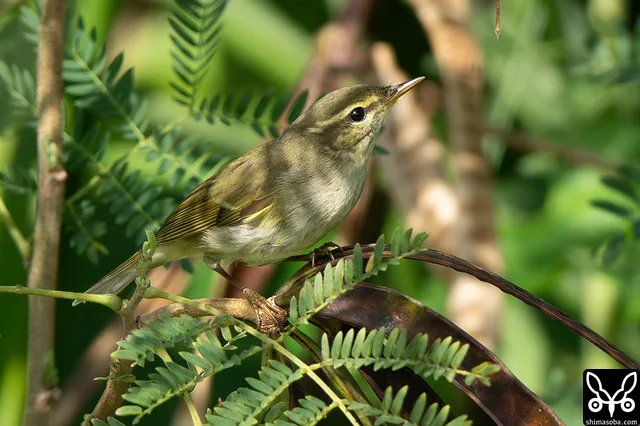
  56. On both Yonaguni Island and Ishigaki Island, almost all the leaf warblers at this time of year are Arctic Warblers. Occasionally a Kamchatka Leaf Warbler turns up, and rarer still is the Japanese Leaf Warbler.
    Arctic Warbler
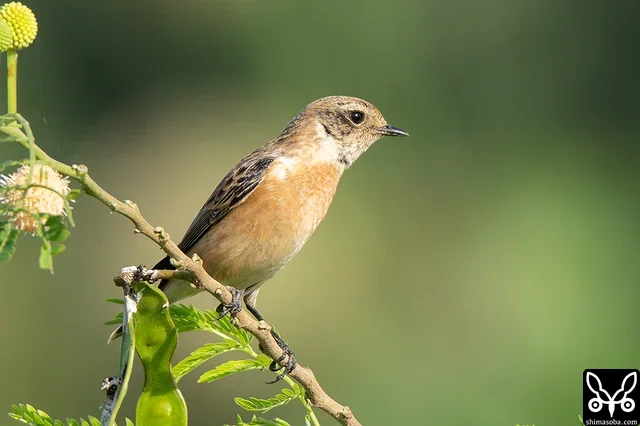
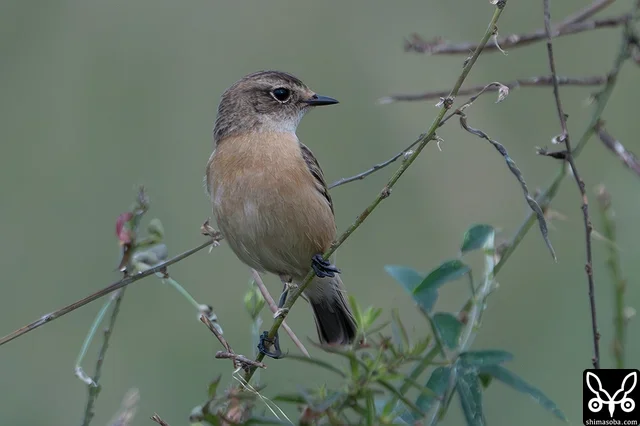
  57. Also my first Siberian Stonechat of the season. Birds were being reported on Ishigaki Island at the same time.
    Siberian Stonechat
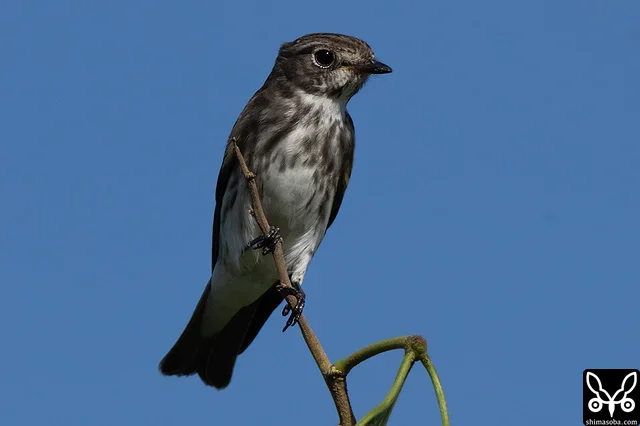
  58. Grey-streaked Flycatcher — nearly gone from Ishigaki Island by now, but still quite visible on Yonaguni Island at this time of year. That's the usual pattern.
    Grey-streaked Flycatcher
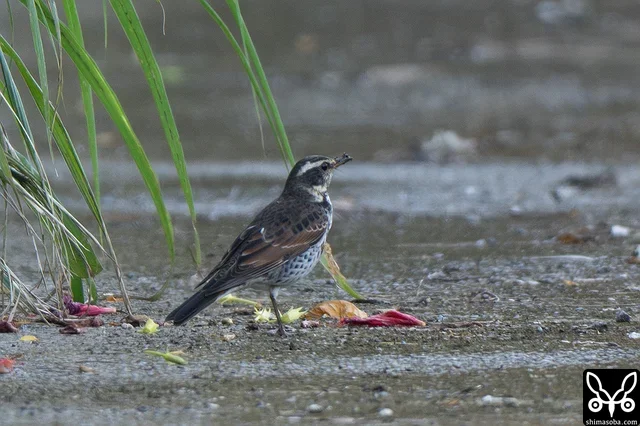
  59. My first Naumann's Thrush of the season turned out to be on Yonaguni Island.
    Dusky Thrush
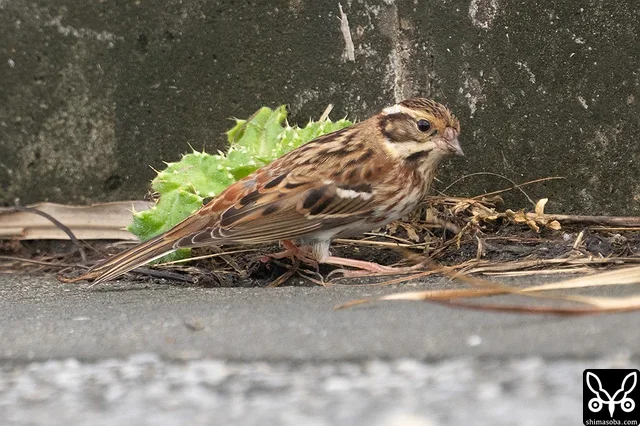
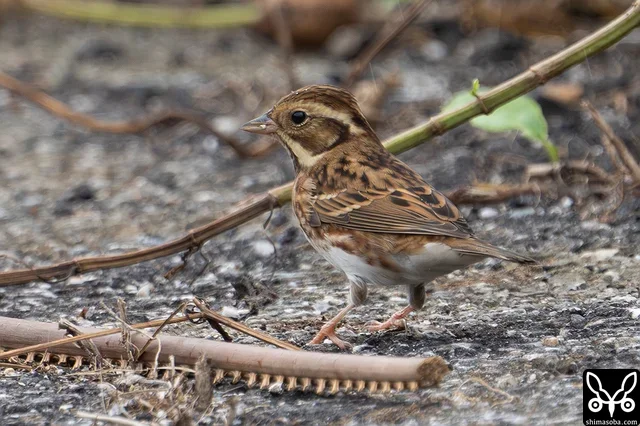
  60. A Rustic Bunting foraging on the road. It looked to have just arrived on migration — even with cars and motorbikes passing, it didn't flush, just kept desperately pecking at seeds of some kind.
    Rustic Bunting
  61. 10
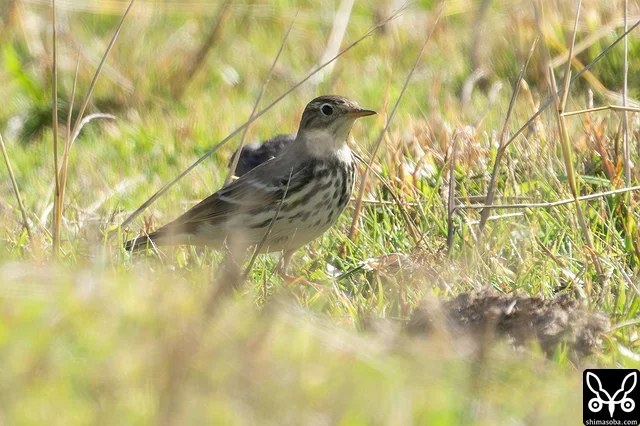
    At Agari-zaki, a Buff-bellied Pipit among a flock of Eastern Yellow Wagtails.
    Water Pipit
  62. An adult Eastern Buzzard. Several Common Buzzards also present. Other raptors noted: Grey-faced Buzzard, Common Kestrel, Osprey, and Peregrine Falcon.
    Eastern Buzzard
  63. Multiple Grey-streaked Flycatchers as well. November, but migration appears to be still ongoing.
    Grey-streaked Flycatcher
  64. Three Yellow Buntings found in the southern part of the island. Scarce on Okinawa.
    Jankowski's Bunting
  65. A lone Tufted Duck at Kubura Mitou.
    Common Pochard
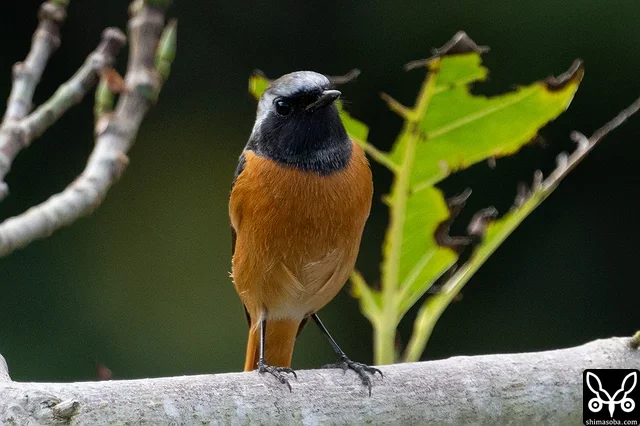
  66. Daurian Redstarts were present in good numbers — I could hear their calls throughout.
    Daurian Redstart
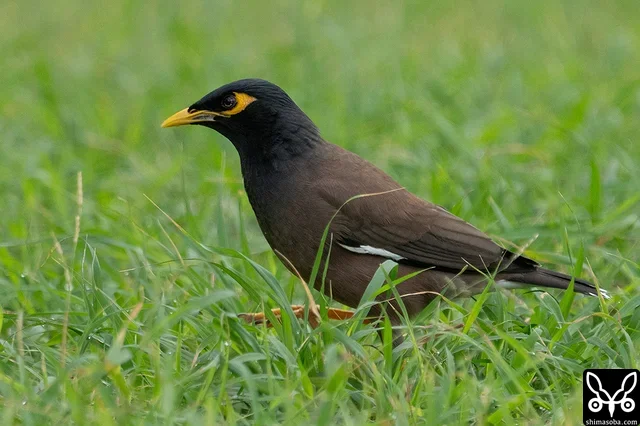
  67. Common Mynas were everywhere.
    Common Myna
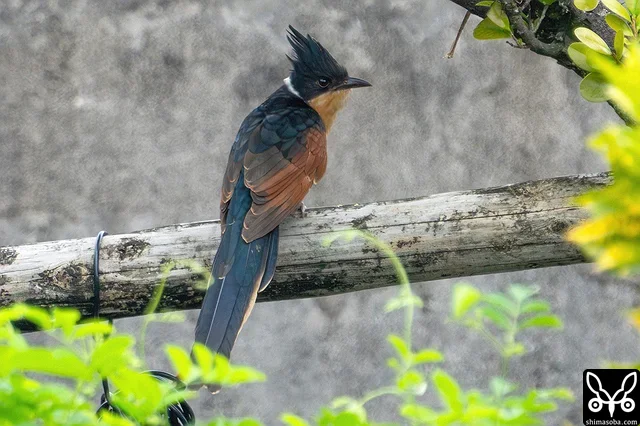
  68. A juvenile Coral-billed Ground Cuckoo. It seemed to be using the drainage channel running behind some houses, but was chased off by a Brown-eared Bulbul and flew away somewhere.
    Chestnut-winged Cuckoo
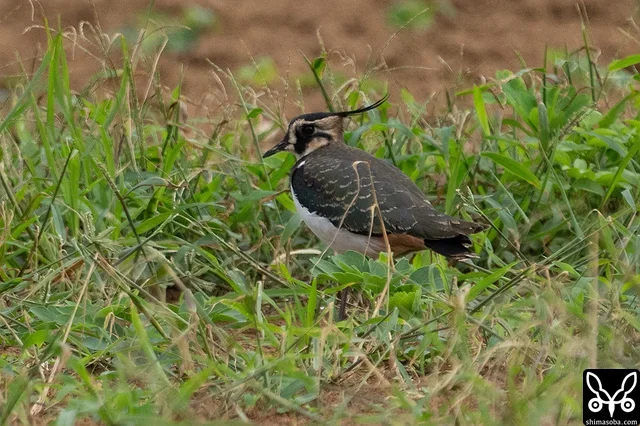
  69. A small group of Northern Lapwings resting in a field. They looked tired.
    Northern Lapwing
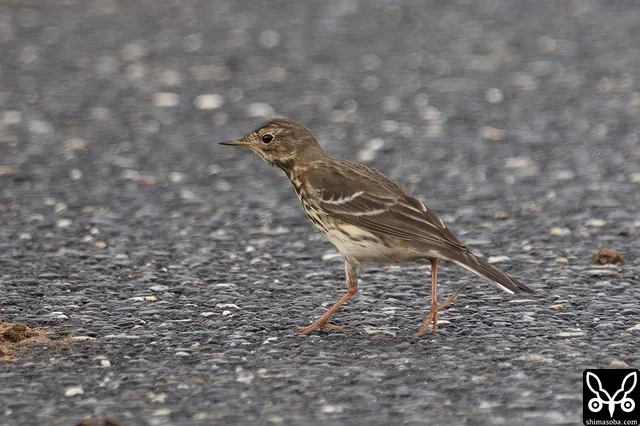
  70. A noticeably slender-looking Buff-bellied Pipit. Perhaps it burned through all its fat reserves on migration.
    Water Pipit
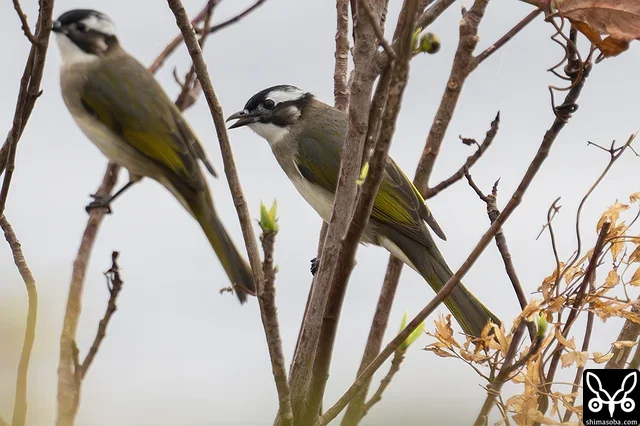
  71. Large flocks of Light-vented Bulbuls along the coast. A migration movement, perhaps?
    Light-vented Bulbul
  72. Also Rustic Buntings. Several small groups were noted.
    Rustic Bunting
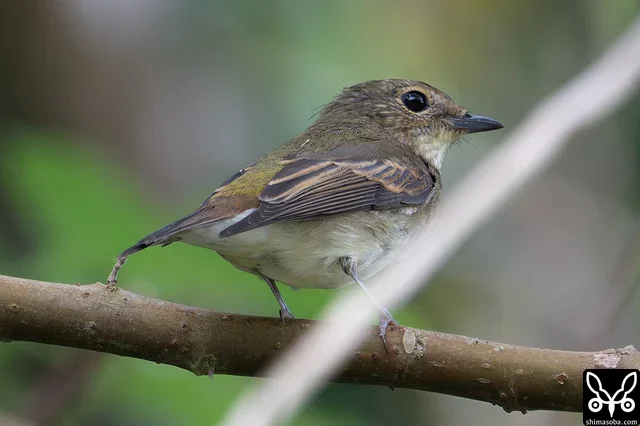
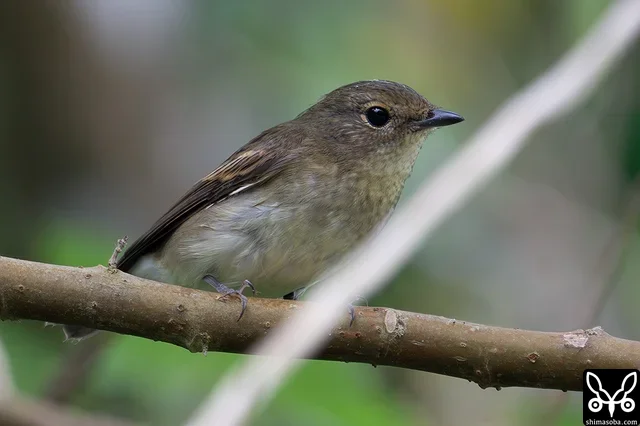
  73. From this angle it's easy to see this is a Narcissus Flycatcher rather than a Ryukyu Flycatcher.
    Narcissus Flycatcher
  74. A first-winter female Narcissus Flycatcher. About three individuals present.
    Narcissus Flycatcher
  75. 12
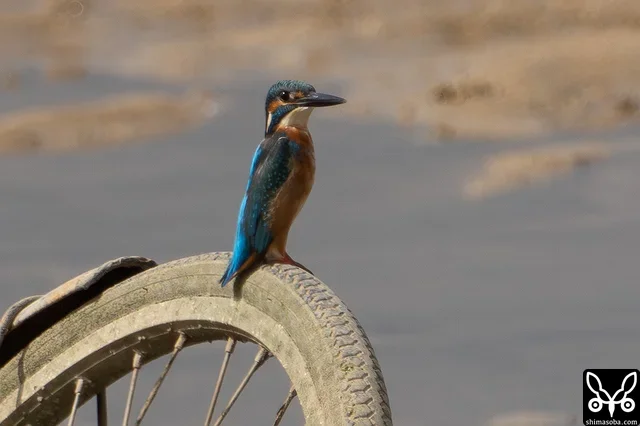
    A Common Kingfisher, noticeably smaller, also showed up — hunting for prey from a discarded bicycle.
    Common Kingfisher
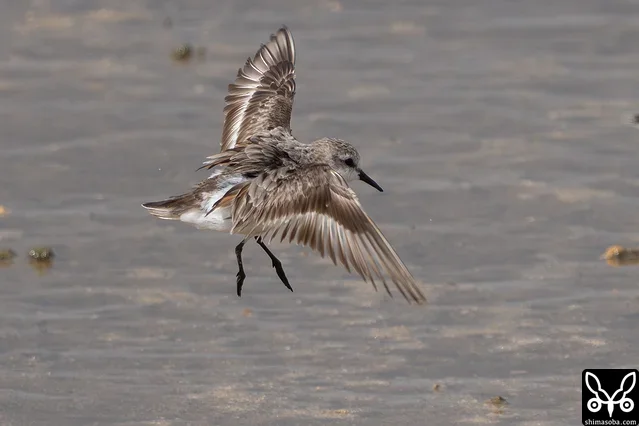
  76. A few Red-necked Stints as well.
    Red-necked Stint
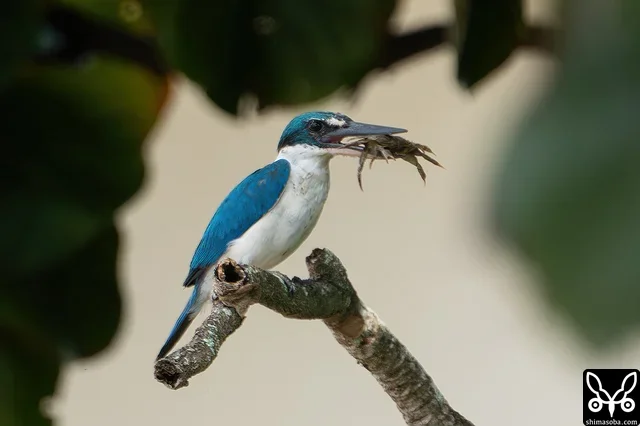
  77. It came back to the lookout with a large crab.
    Collared Kingfisher
  78. A Collared Kingfisher scanning for prey from its lookout perch.
    Collared Kingfisher
  79. A Collared Kingfisher in flight, showing its beautiful wings.
    Collared Kingfisher
  80. A Collared Kingfisher perched on a piece of driftwood sticking up from the ground — a favourite spot. Perhaps an adult still retaining much of its breeding plumage.
    Collared Kingfisher
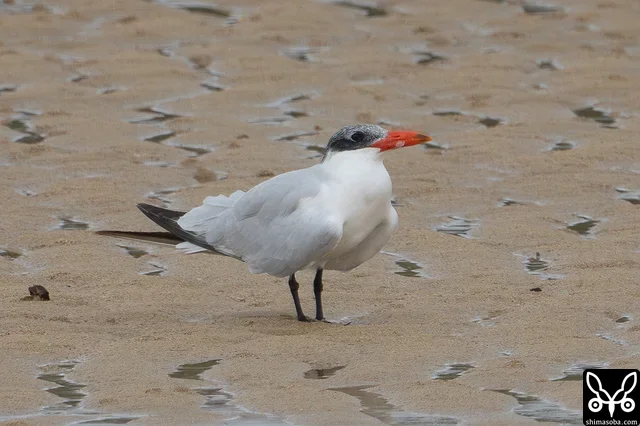
  81. A few Caspian Terns are staying in the area.
    Caspian Tern
  82. 13
    A Collared Kingfisher resting at its high-tide roost. Shot from behind cover because of the close distance.
    Collared Kingfisher
  83. 18
    Four Pied Avocets turned up at a different site from the individual above.
    Pied Avocet
  84. The first Mallards of the season arrived as a pair.
    Gadwall
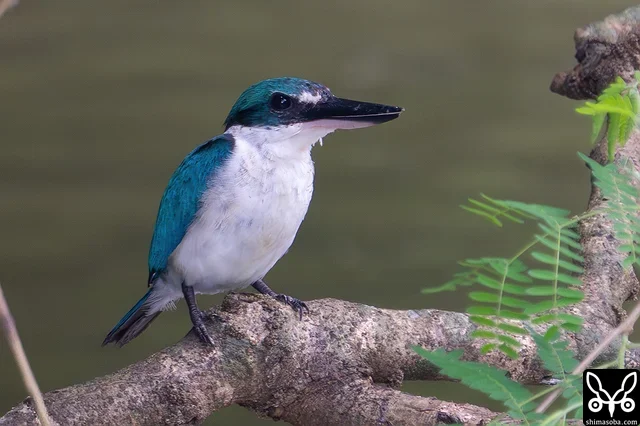
  85. The Black-faced Spoonbill is moving around the island.
    Black-faced Spoonbill
  86. Northern Lapwings confirmed at multiple sites. As in previous years, all are juveniles.
    Northern Lapwing
  87. Common Snipe in wintering mode here and there.
    Common Snipe
  88. A wintering Common Greenshank.
    Common Greenshank
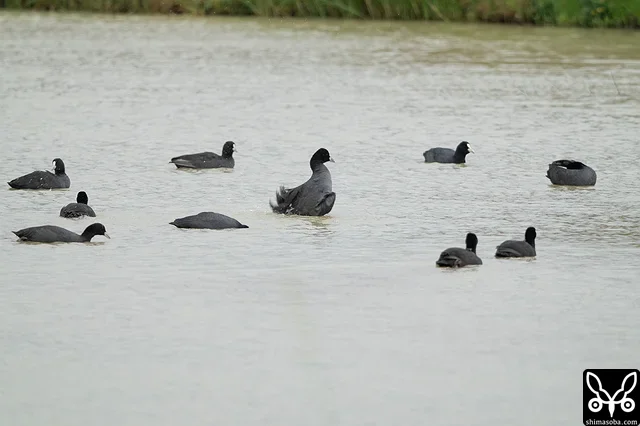
  89. Eurasian Coots, which usually concentrated at Shiromizu, have scattered around the island due to attacks from the Eastern Buzzard.
    Eurasian Coot
  90. Black-winged Stilts looking worn out from the strong wind.
    Black-winged Stilt
  91. A Pied Avocet arrived at a paddy field near the town centre.
    Pied Avocet
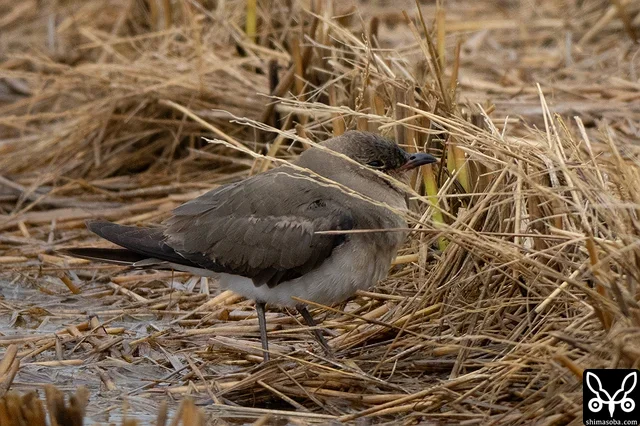
  92. The Oriental Pratincole looked quite exhausted.
    Oriental Pratincole
  93. 19
    Pin-tailed Snipe, first-winter plumage.
    Pin-tailed Snipe
  94. Taiwan Yellow Wagtail, first-winter.
    Eastern Yellow Wagtail
  95. Underwing and flanks of the Pin-tailed Snipe.
    Pin-tailed Snipe
  96. After nearly an hour of tracking, I finally got a clear view of the Pin-tailed Snipe's needle-like tail feathers. ^^
    Pin-tailed Snipe
  97. Common Redshank, winter plumage.
    Common Redshank
  98. A Pin-tailed Snipe that caught an earthworm.
    Pin-tailed Snipe
  99. This is how it looked when I found it. Bottom left is a Common Snipe.
    Pin-tailed Snipe
  100. Common Snipe, first-winter plumage.
    Common Snipe
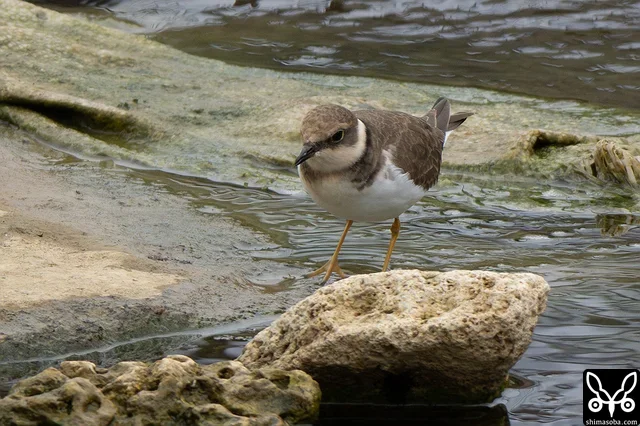
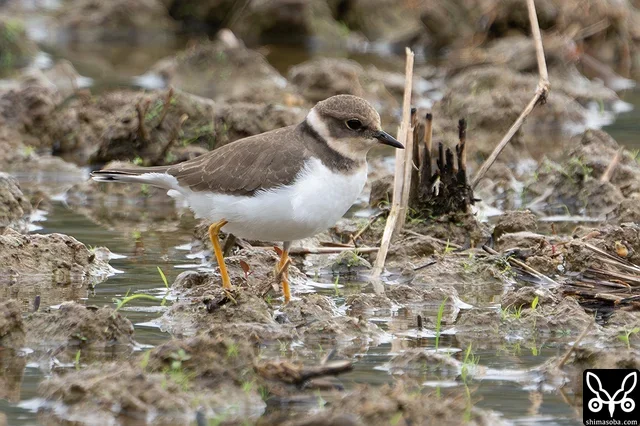
  101. I see small flocks of Little Ringed Plovers here and there.
    Little Ringed Plover
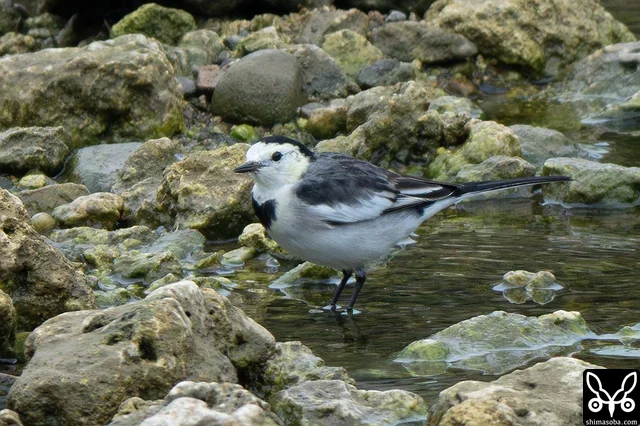
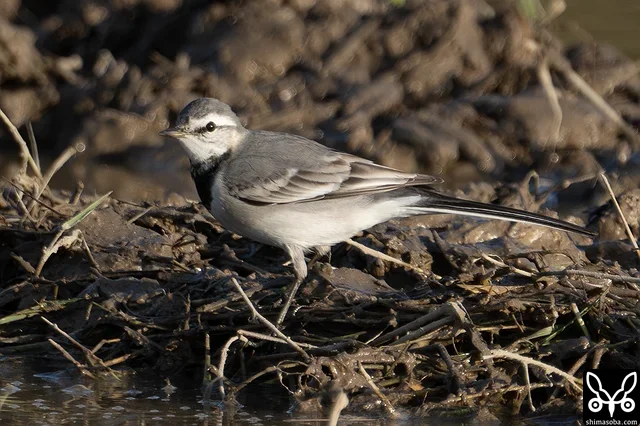
  102. White Wagtail (ocularis), male, first-winter.
    White Wagtail
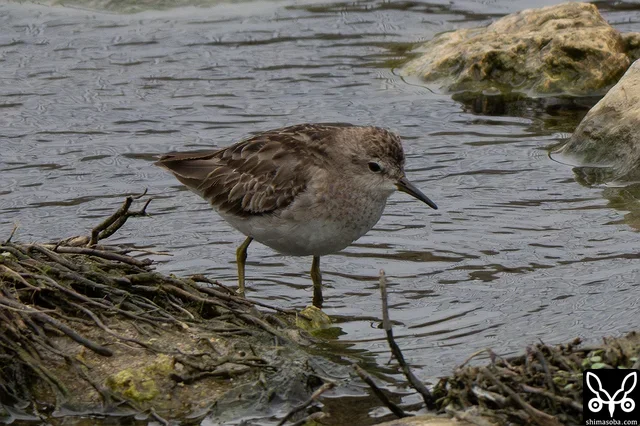
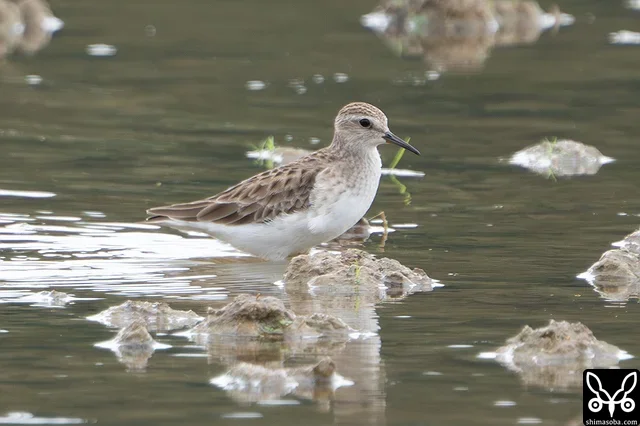
  103. Long-toed Stint, first-winter.
    Long-toed Stint
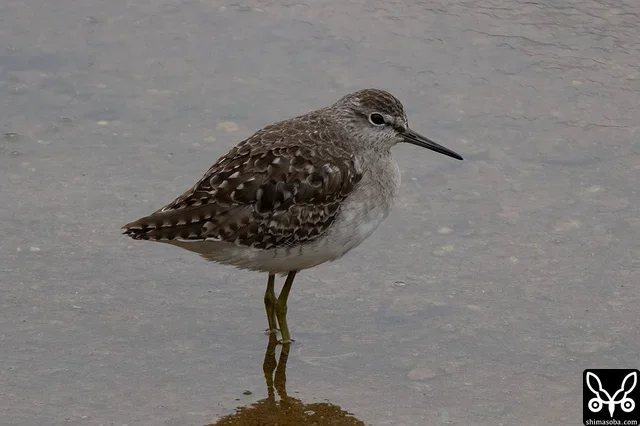
  104. Wood Sandpipers were numerous during the migration season, but their numbers thin out at this time of year.
    Wood Sandpiper
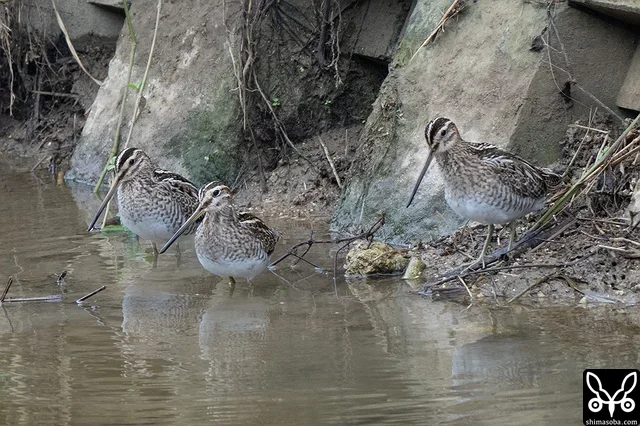
  105. All Common Snipe.
    Common Snipe
  106. 20
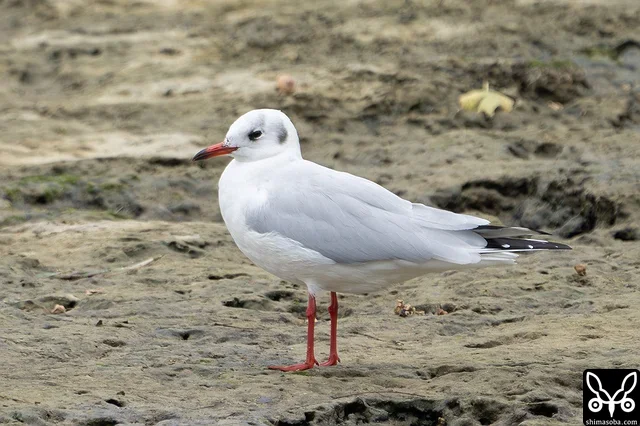
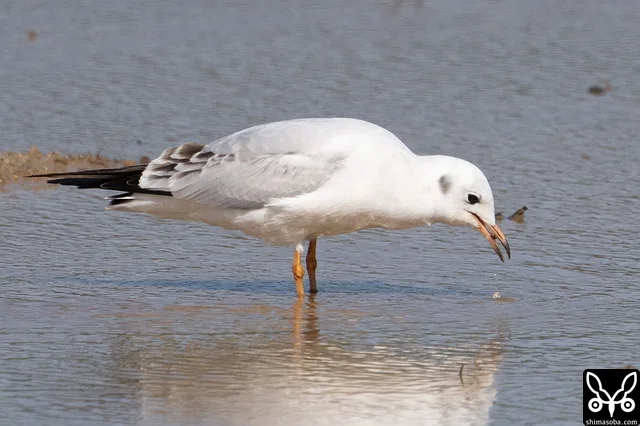
    Black-headed Gull, adult winter.
    Black-headed Gull
  107. 21
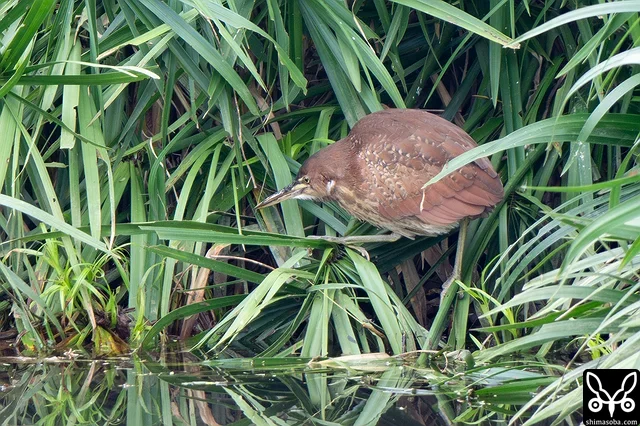
    A Ryukyu Least Bittern came out of the grass and was hunting small fish in the irrigation channel.
    Yellow Bittern
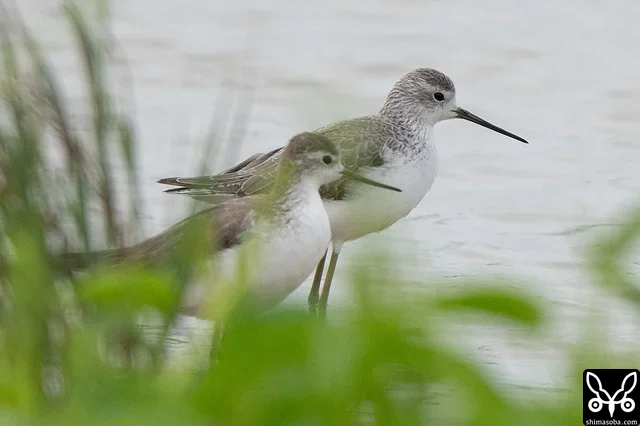
  108. Marsh Sandpiper, adult winter (background) and first-winter.
    Marsh Sandpiper
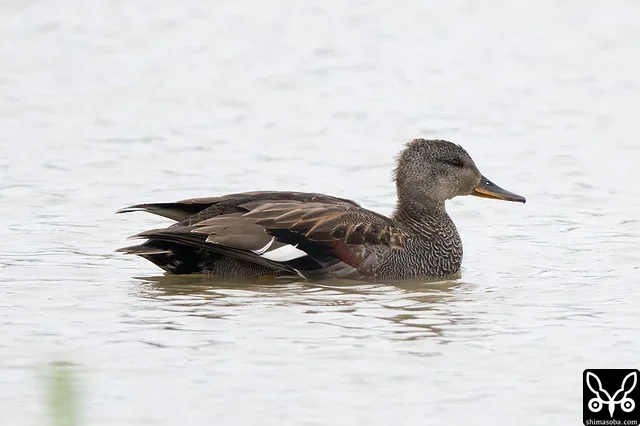
  109. A Gadwall in the rice field with no wariness at all. It looked tired, as if it had just arrived on migration.
    Gadwall
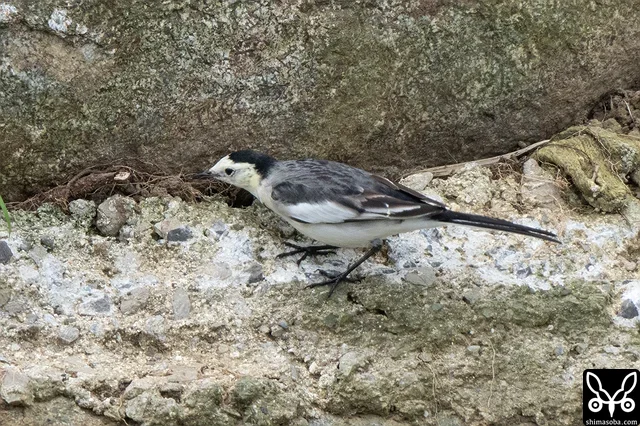
  110. A White Wagtail (ocularis), first-winter, in wintering mode.
    White Wagtail
  111. It spent most of the day in the grass.
    Pin-tailed Snipe
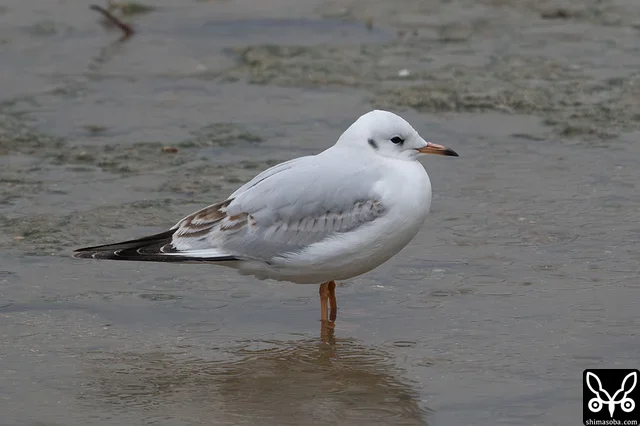
  112. Black-headed Gull, first-winter.
    Black-headed Gull
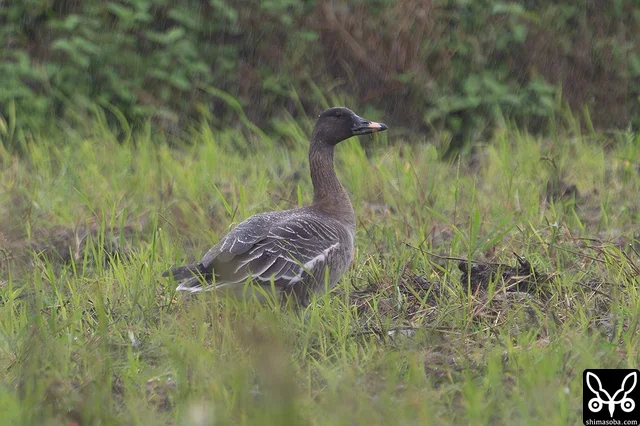
  113. Rain was falling heavily at times.
    Tundra Bean Goose
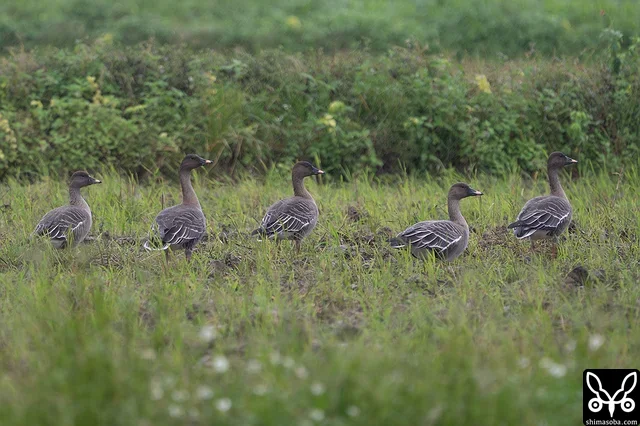
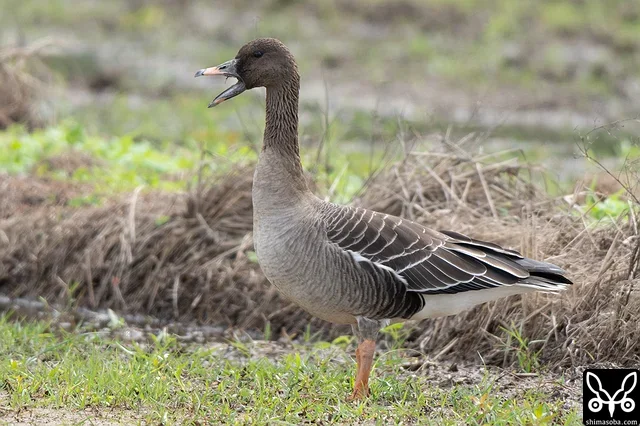
  114. The first Bean Geese of the season arrived. A small flock of six.
    Tundra Bean Goose
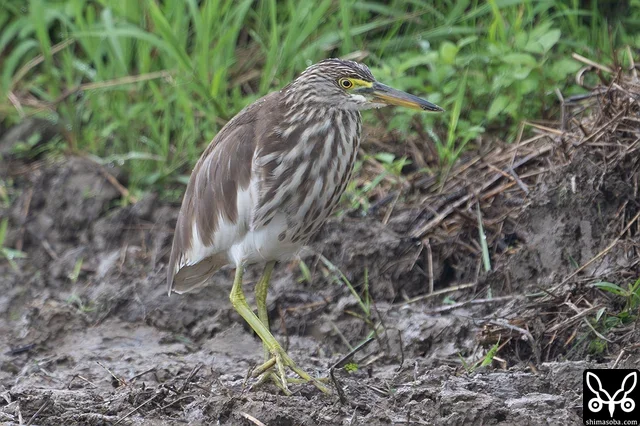
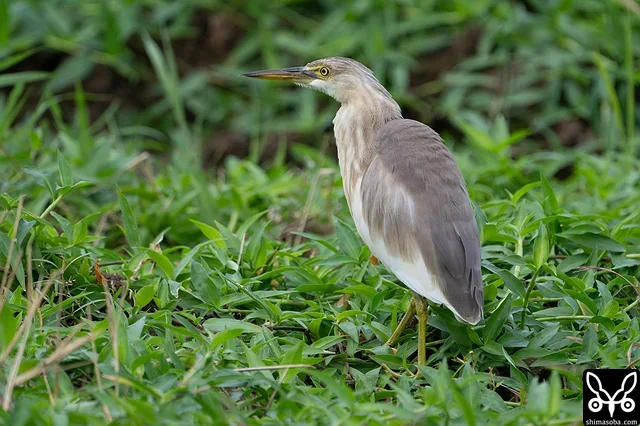
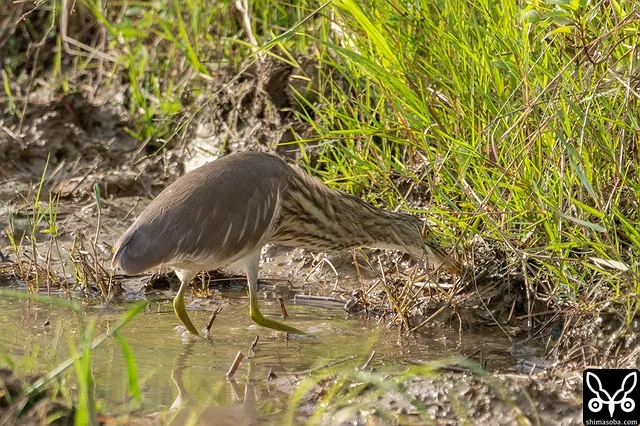
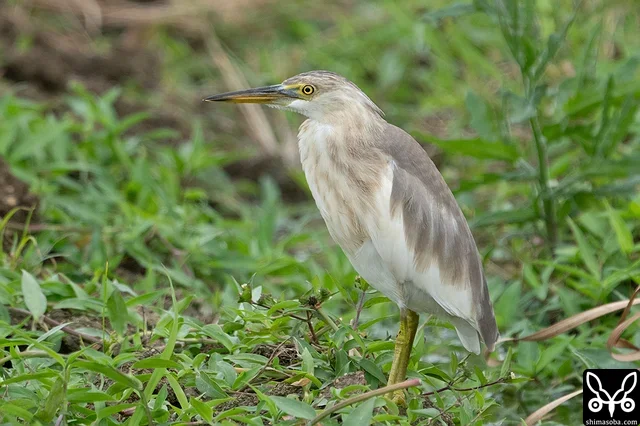
  115. Two Chinese Pond Herons have been appearing in the rice paddies and irrigation channels for the past several days.
    Chinese Pond Heron
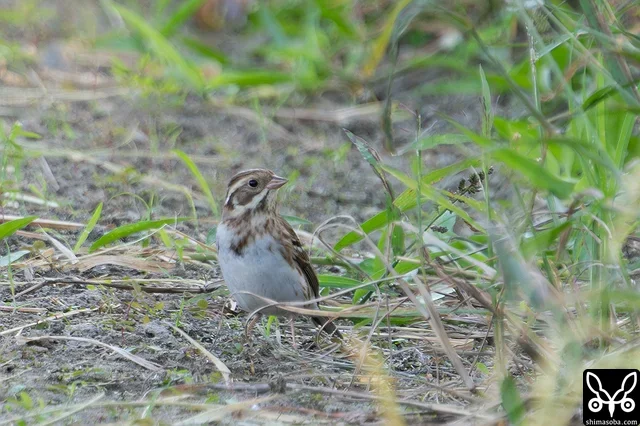
  116. The Rustic Buntings were feeding on rice in a harvested paddy field.
    Rustic Bunting
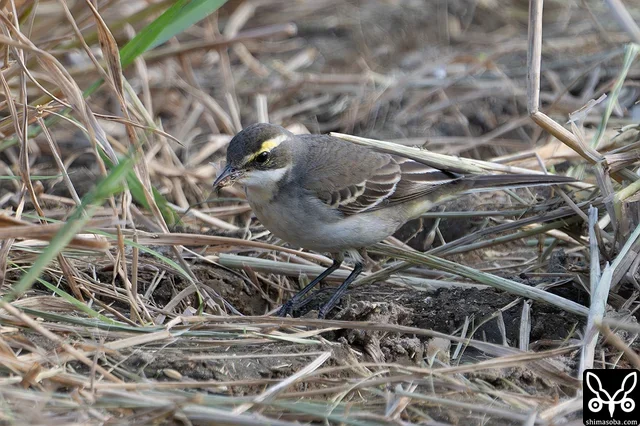
  117. Eastern Yellow Wagtail, first-winter. White Wagtails have finally started to increase as well.
    Eastern Yellow Wagtail
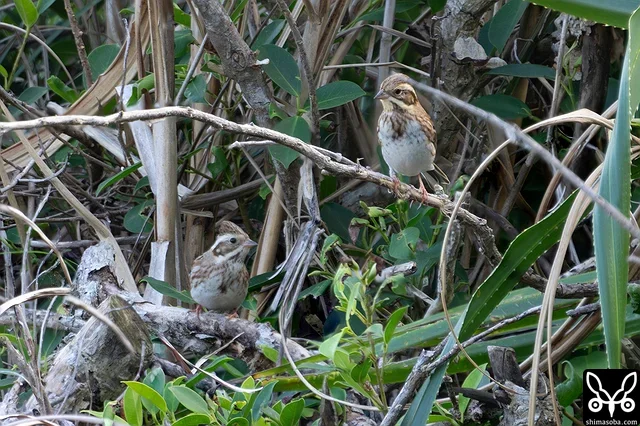
  118. Two Rustic Buntings.
    Rustic Bunting
  119. 22
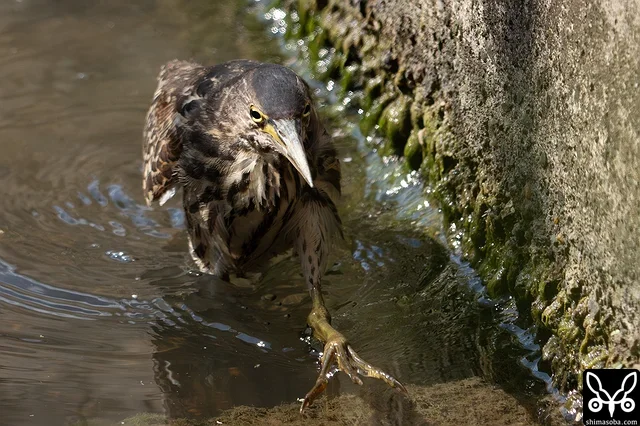
    A juvenile Ryukyu Striated Heron in a drainage channel.
    Yellow Bittern
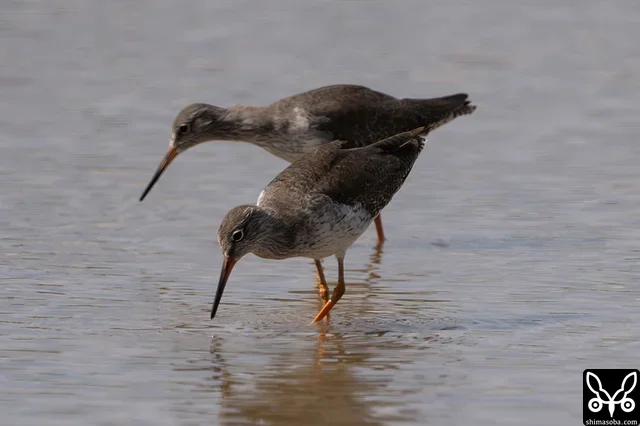
  120. Common Redshank.
    Common Redshank
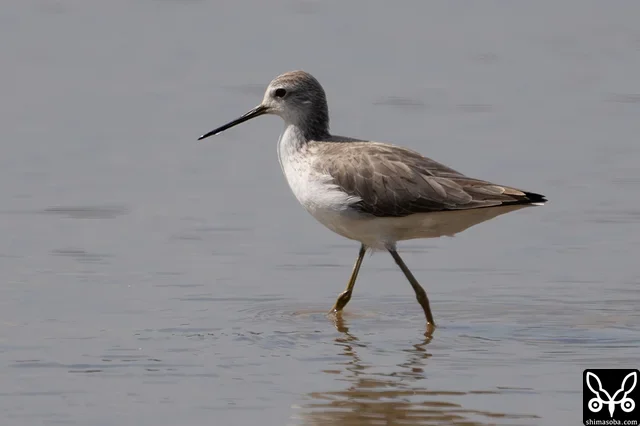
  121. Marsh Sandpiper, winter plumage.
    Marsh Sandpiper
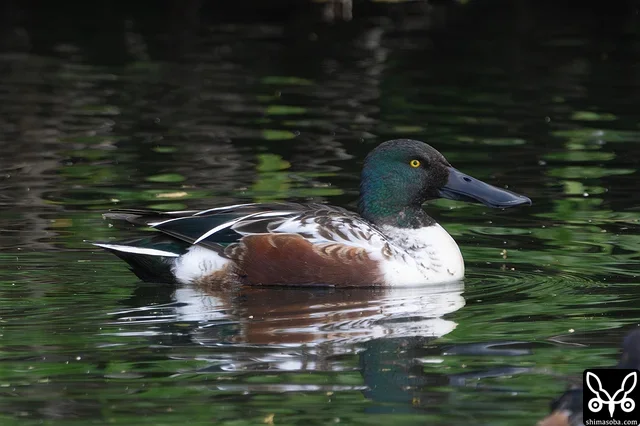
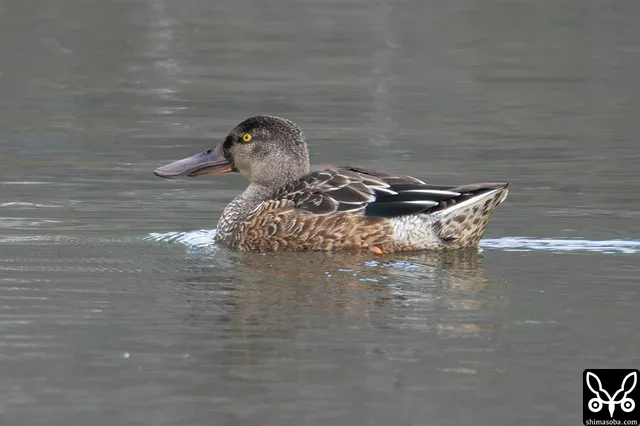
  122. Northern Shoveler, male.
    Northern Shoveler
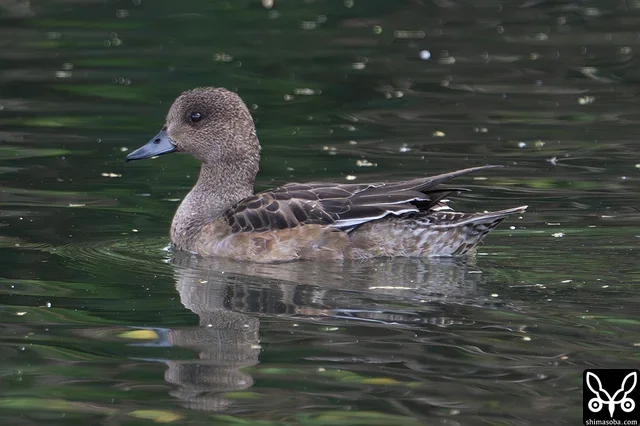
  123. Eurasian Wigeon.
    Eurasian Wigeon
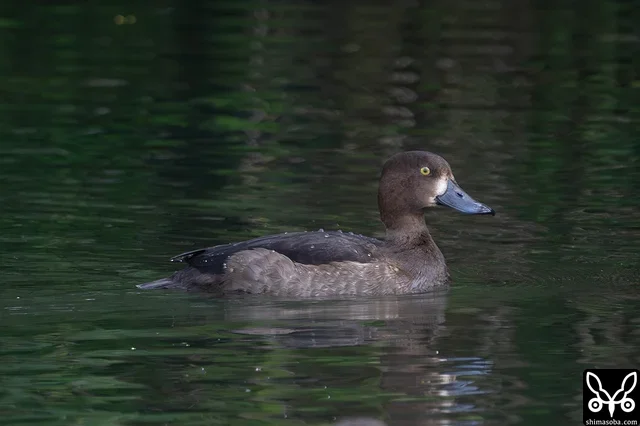
  124. First-year female Tufted Duck.
    Tufted Duck
  125. Northern Shoveler, juvenile male.
    Northern Shoveler
  126. 23
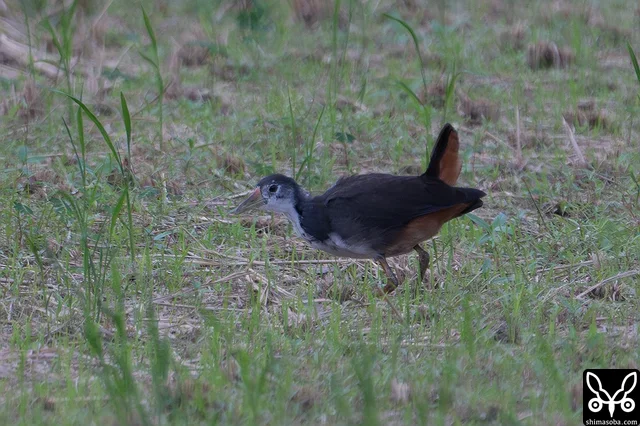
    This individual shows slightly less variation than the one above, but variation is still visible. Also a juvenile, so it may be a sibling of the bird above.
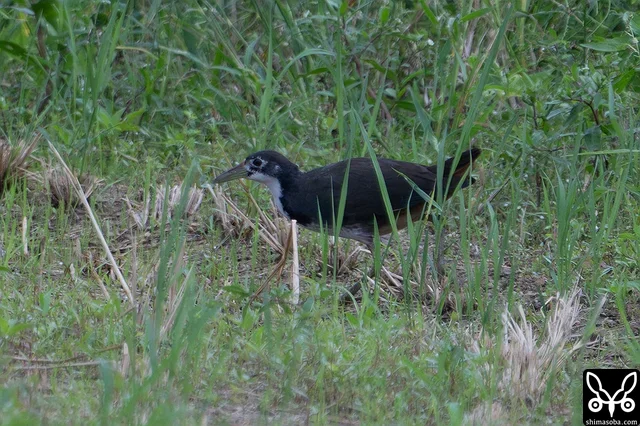
    White-breasted Waterhen
  127. A juvenile White-breasted Waterhen looking as if it's wearing a helmet. `I saw a similar adult White-breasted Waterhen in the same area three years ago <https://shimasoba.com/blog/1992/>`_, so this could be one of its descendants.
    White-breasted Waterhen
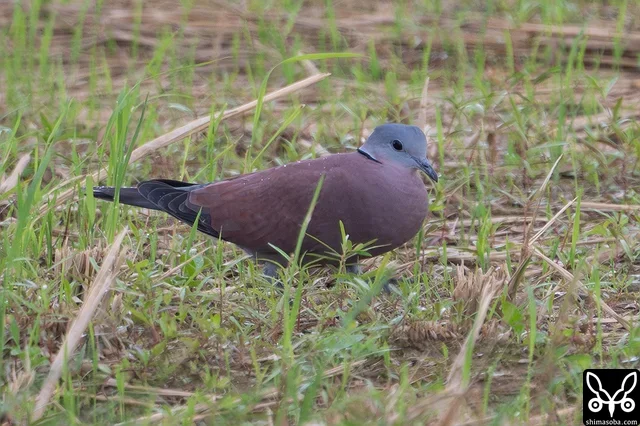
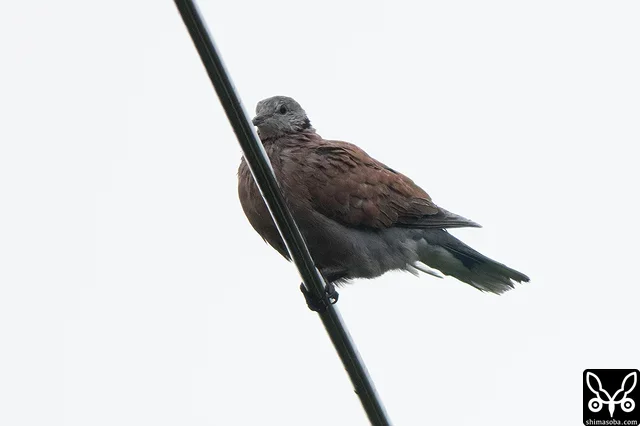
  128. Rosy Starling, adult male.
    Eurasian Collared Dove
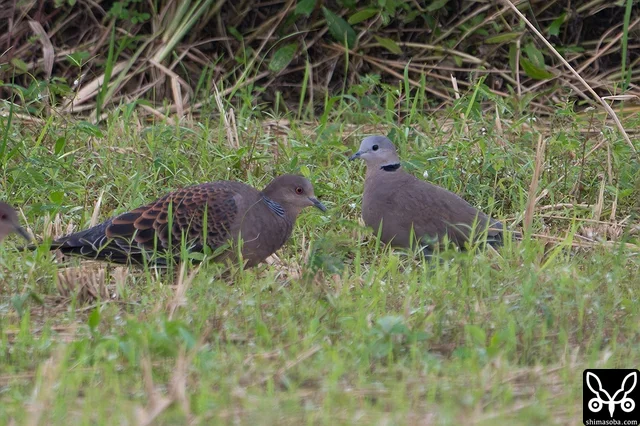
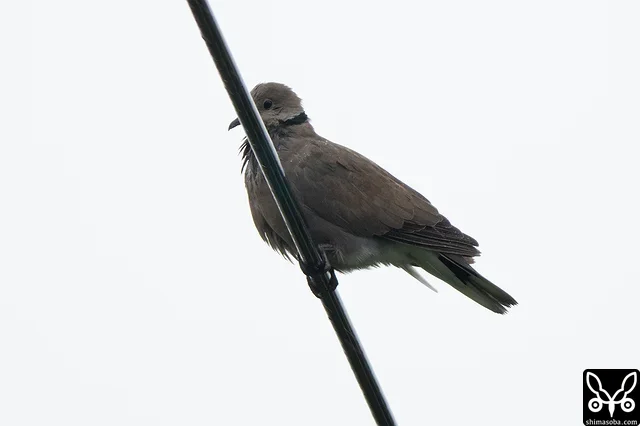
  129. Rosy Starling, adult female. Noticeably smaller than the Oriental Turtle Dove.
    Eurasian Collared Dove
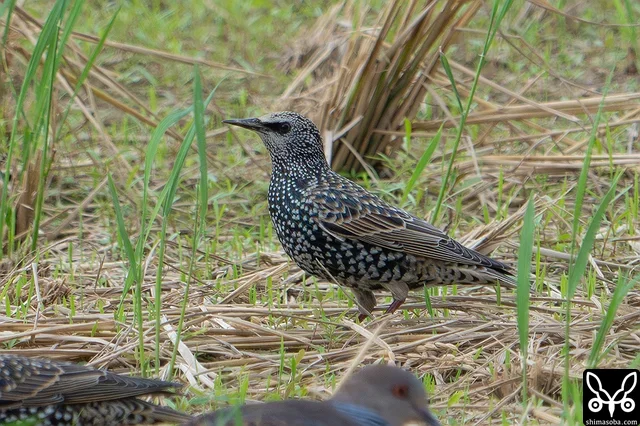
  130. A Common Starling was also among the flock of Rosy Starlings and Oriental Turtle Doves.
    Common Starling
  131. A Crested Serpent Eagle passing right in front of the press corps. It flew exactly the course we expected. ^^
    Crested Serpent Eagle
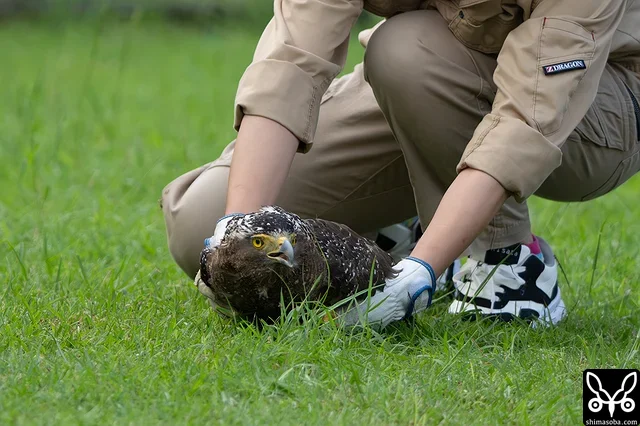
  132. When the staff member at Yaima Village, the rehabilitation facility, placed the Crested Serpent Eagle on the ground, it took off with great force.
    Crested Serpent Eagle
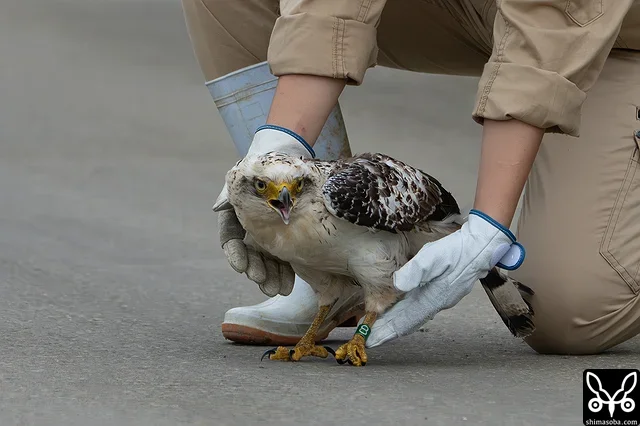
  133. A juvenile Crested Serpent Eagle found by a local resident after being concussed in a traffic accident, and named "Hayate."
    Crested Serpent Eagle
  134. 25
    It stretched and showed off its tail feathers.
    Pin-tailed Snipe
  135. A Pin-tailed Snipe foraging in the grassland.
    Pin-tailed Snipe
  136. Adult winter (Yellow-browed) Eastern Yellow Wagtail.
    Eastern Yellow Wagtail
  137. First-winter (Yellow-browed) Eastern Yellow Wagtail.
    Eastern Yellow Wagtail
  138. First-winter Taiwan Wagtail.
    Eastern Yellow Wagtail
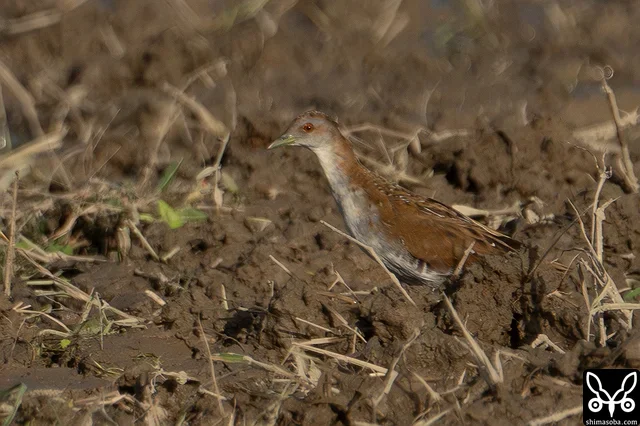
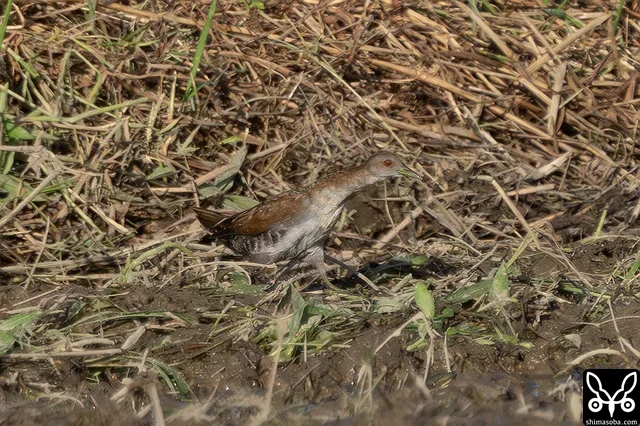
  139. Adult White-browed Crake. It seemed quite wary.
    Baillon's Crake
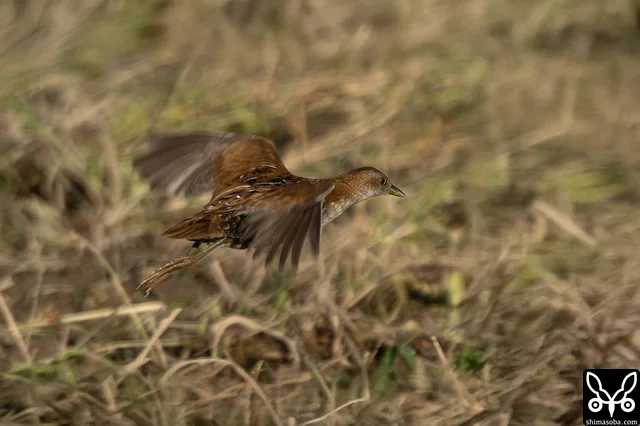
  140. White-browed Crake fleeing from an Eastern Yellow Wagtail.
    Baillon's Crake
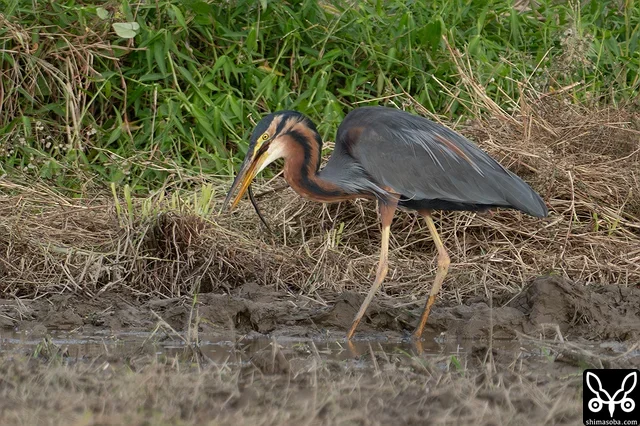
  141. Adult Purple Heron swallowing a swamp eel.
    Purple Heron
  142. The White-browed Crake gets harassed by the Eastern Yellow Wagtail and dashes into the grass when startled.
    Baillon's Crake
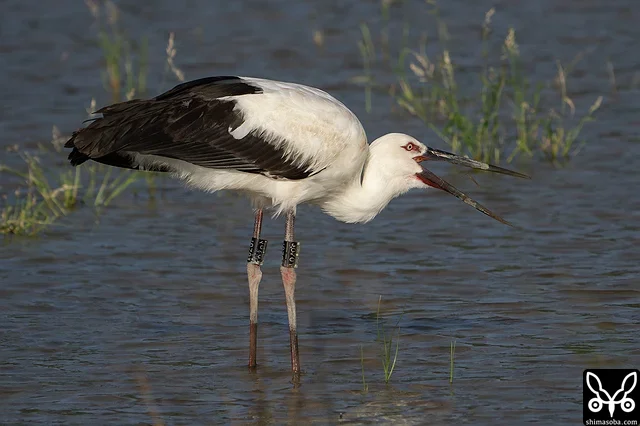
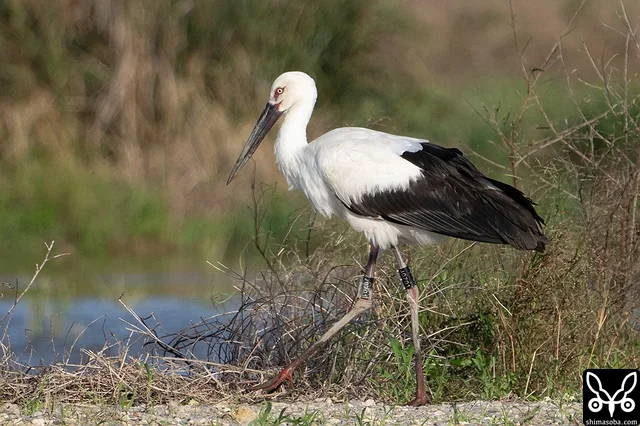
  143. It was foraging, but everything it caught was small — hardly enough for an Oriental Stork.
    Oriental Stork
  144. Juvenile Oriental Stork. It was banded on both legs with the tag "J0701".
    Oriental Stork
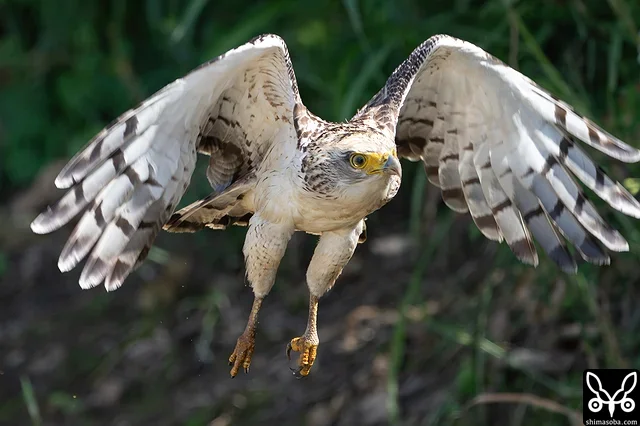
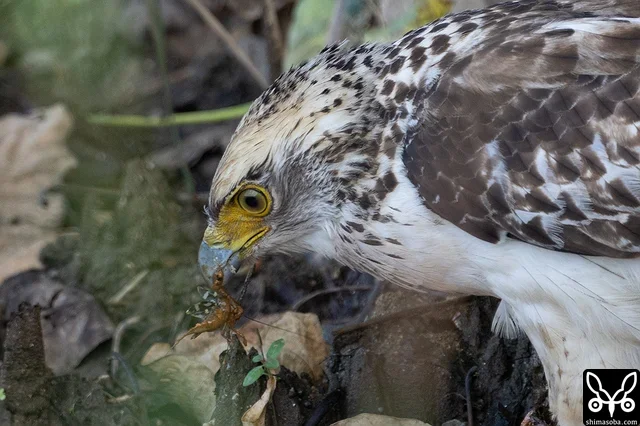
  145. This is Crested Serpent Eagle juvenile No. 7.
    Crested Serpent Eagle
  146. Same individual as above. What it caught was a small Teleogryllus emma cricket. Hard to imagine filling its stomach on that. I hope it makes it through the winter safely.
    Crested Serpent Eagle
  147. Adult Eurasian Spoonbill. It was gulping down large numbers of small gastropods.
    Black-faced Spoonbill
  148. A new individual juvenile Crested Serpent Eagle. It was foraging by taking advantage of ongoing rice-harvesting work.
    Crested Serpent Eagle
  149. Black-headed Gull, first-winter.
    Black-headed Gull
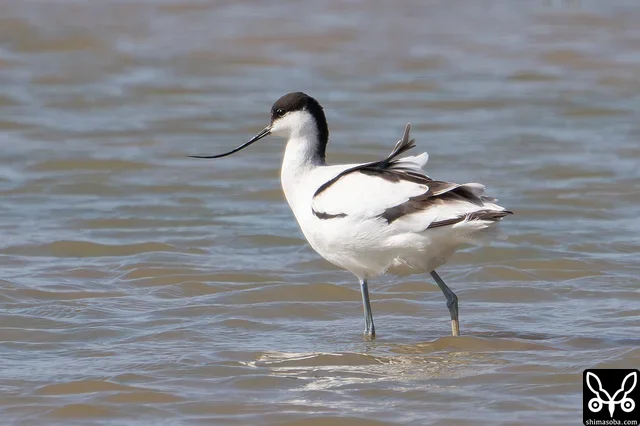
  150. Adult Pied Avocet.
    Pied Avocet
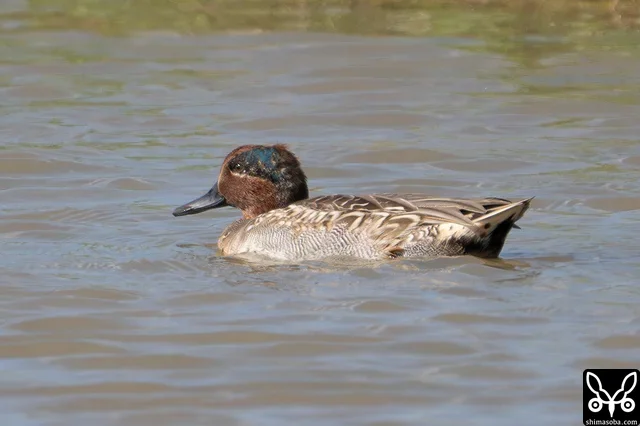
  151. Male Eurasian Teal. Transitioning from juvenile plumage to first-cycle breeding plumage.
    Eurasian Teal
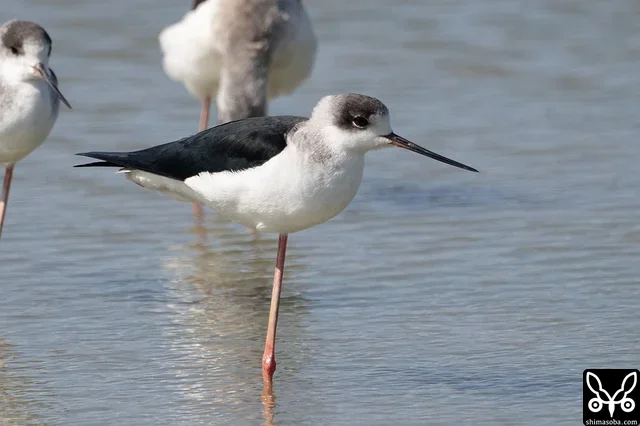
  152. Adult male Black-winged Stilt. I saw several flocks of a dozen or so birds.
    Black-winged Stilt
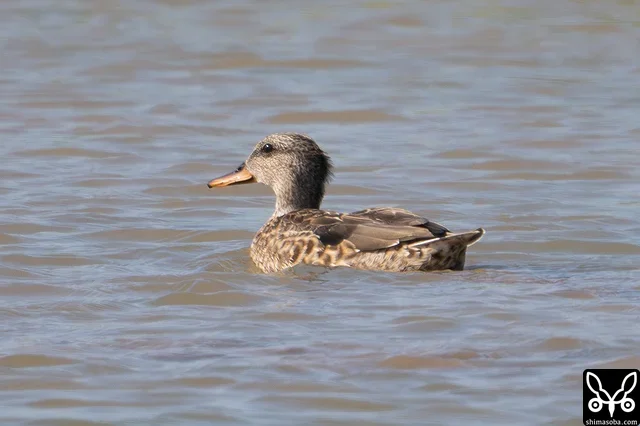
  153. The season's first male Gadwall. Transitioning from juvenile plumage to first-cycle breeding plumage.
    Gadwall
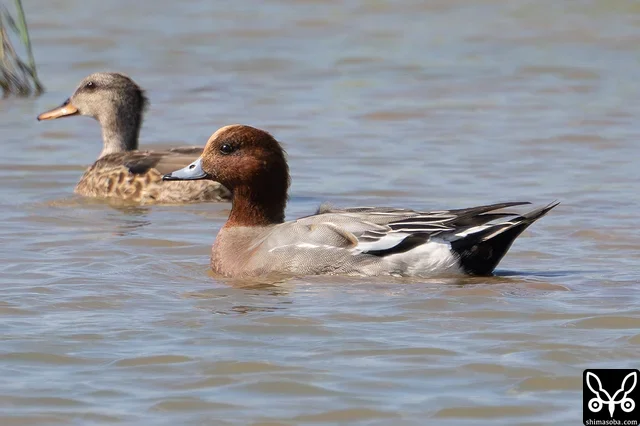
  154. Eurasian Wigeon, male. It has changed into breeding plumage.
    Eurasian Wigeon
  155. Male Eurasian Teal. Transitioning from eclipse to breeding plumage.
    Eurasian Teal
  156. First-winter Pied Avocet.
    Pied Avocet
  157. A Bean Goose still on site. It seems to be growing less wary.
    Tundra Bean Goose
  158. 26
    A Long-toed Stint still present.
    Long-toed Stint
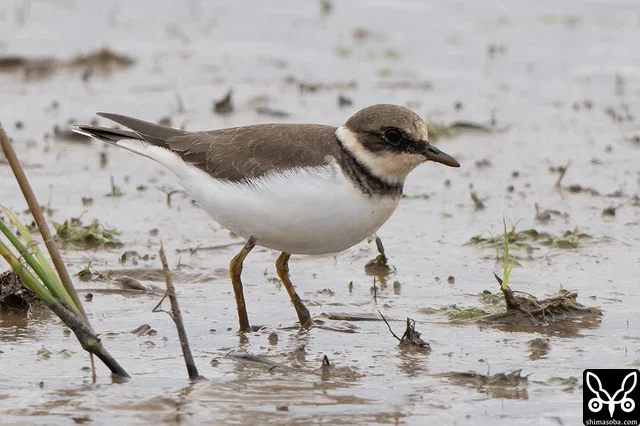
  159. Large numbers of Little Ringed Plovers are staying on.
    Little Ringed Plover
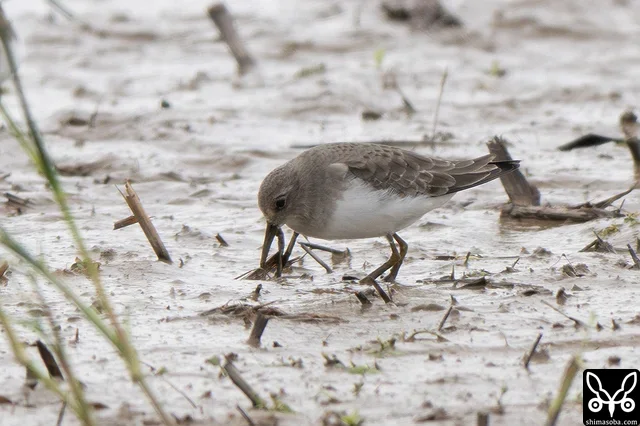
  160. Red-necked Stints are also unusual at this time of year, but for some reason there were several.
    Temminck's Stint
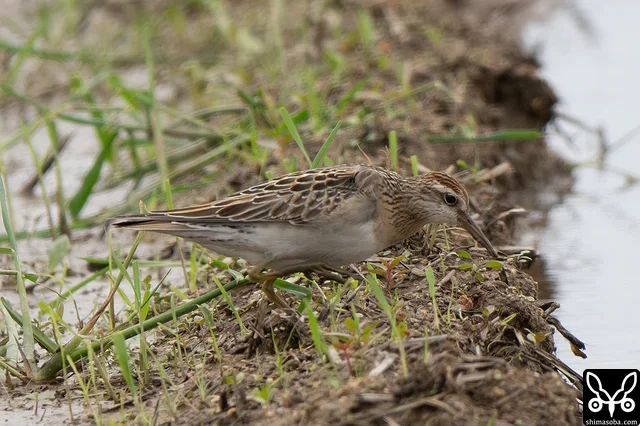
  161. A Sharp-tailed Sandpiper, unusual for this time of year.
    Sharp-tailed Sandpiper
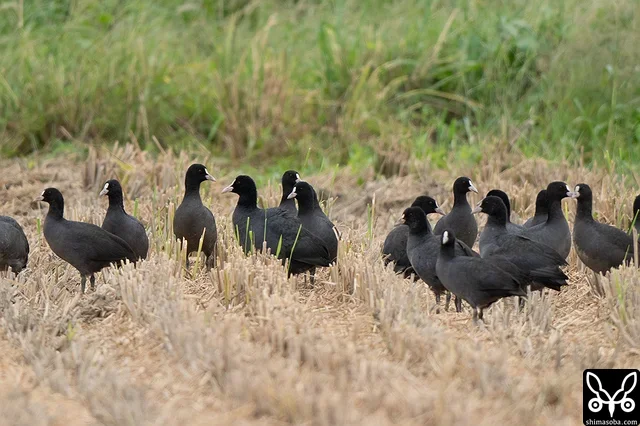
  162. Eurasian Coots wintering here increase in number year by year. They declined briefly last year, but this season the numbers have risen again. Every year they become easy prey for Eastern Buzzards and Peregrine Falcons.
    Eurasian Coot
  163. One bird from the flock above — an individual with an inconspicuous white trailing edge to the wing.
    Common Snipe
  164. Common Snipe are present in groups ranging from a few birds to flocks of 30 or more. This group was four birds, but one individual among them showed almost no white trailing edge to the wing in flight. Three individuals are visible in the photo.
    Common Snipe
  165. Bean Geese had been seen in multiple individuals, but on this day there was only one.
    Tundra Bean Goose
  166. 27
    Same individual as above. It has been staying for a long time.
    Javan Pond Heron
  167. Multiple Siberian Stonechats staying on.
    Siberian Stonechat
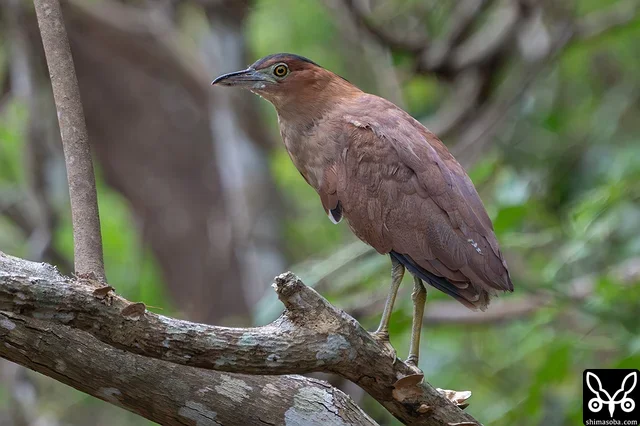
  168. Black-crowned Night Heron adult.
    Malayan Night Heron
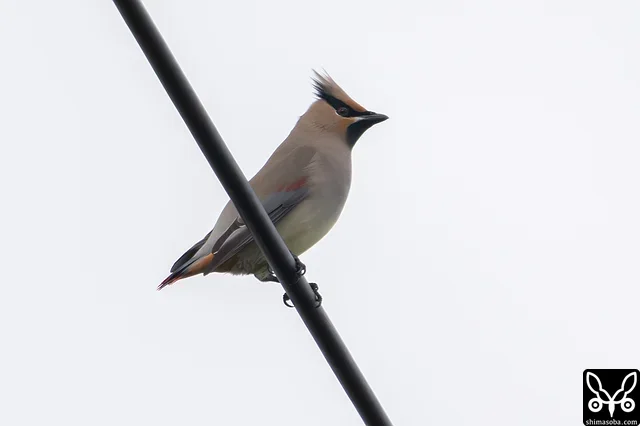
  169. Four Japanese Waxwings. They were eating Schefflera berries.
    Bohemian Waxwing
  170. 28
    A juvenile Crested Serpent Eagle fleeing after being startled by a Common Kestrel.
    Crested Serpent Eagle
  171. The frame before the photo above. It is being mobbed by a juvenile Common Kestrel.
    Crested Serpent Eagle
  172. A few Northern Pintails flew in.
    Northern Pintail
  173. A sleeping male Mallard.
    Mallard
  174. Male Tufted Duck.
    Tufted Duck
  175. Pied Avocet, first-winter.
    Pied Avocet
  176. 29
    A Eurasian Teal photographed by my son. Looks like he got a nice shot. ^^
    Eurasian Teal
  177. A Black-winged Stilt photographed by my 5-year-old daughter. She's getting better at using binoculars too.
    Black-winged Stilt
  178. Six Pied Avocets staying at multiple sites.
    Pied Avocet
  179. One of the two Chinese Pond Herons staying here. It shows almost no wariness at all.
    Chinese Pond Heron
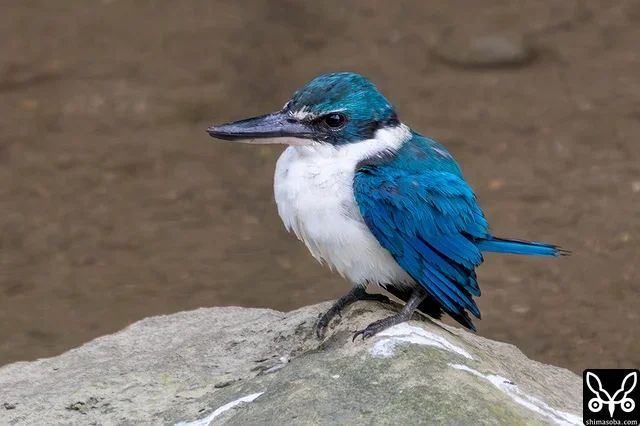
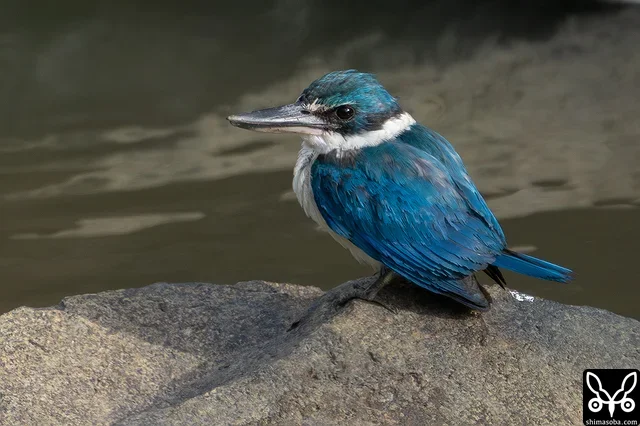
  180. Even in shade, this blue. It hasn't noticed me, so it's relaxed and puffed up.
    Collared Kingfisher
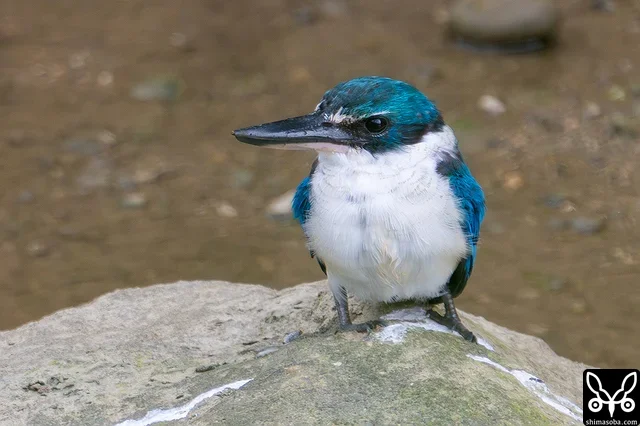
  181. After resting for about thirty minutes on its favourite rock, the Collared Kingfisher caught prey and disappeared into the trees.
    Collared Kingfisher
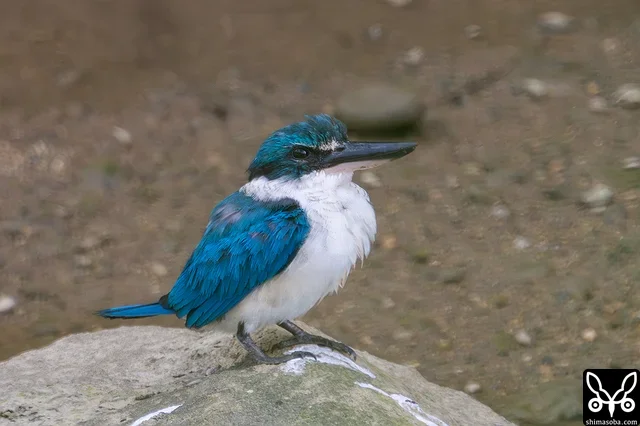
  182. Compared to when it first arrived, the feather wear has advanced considerably. The Collared Kingfisher that stayed on Okinawa Island for about eight months had moulted quite a lot by year's end, but this individual looks like it still has a way to go.
    Collared Kingfisher
  183. The long-staying Collared Kingfisher. When the sun hits it, it flashes brilliantly and the contrast intensifies.
    Collared Kingfisher
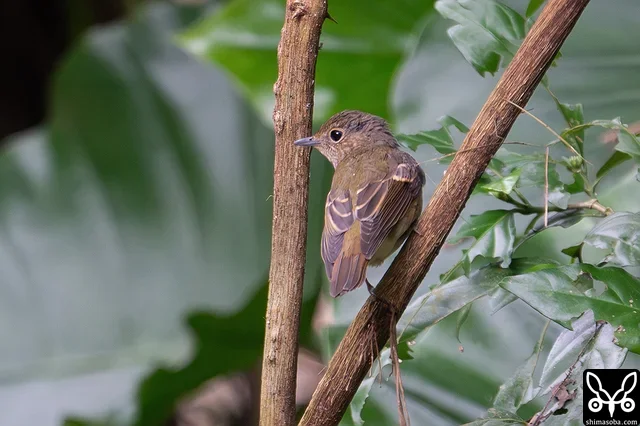
  184. This is a Narcissus Flycatcher, first-winter female, not a Ryukyu Flycatcher. This season I'm encountering Narcissus Flycatcher more often than Ryukyu Flycatcher.
    Narcissus Flycatcher
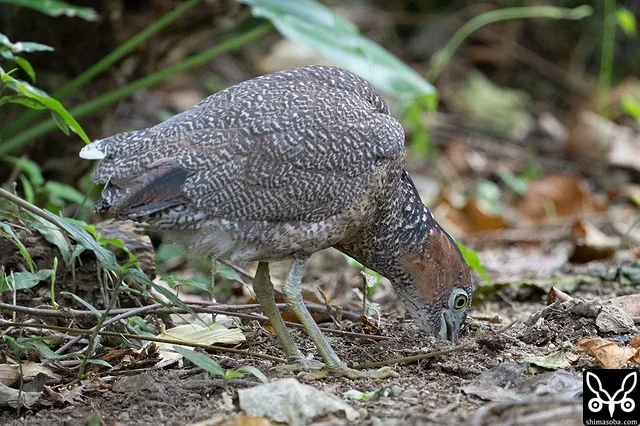
  185. A Malayan Night Heron that had caught prey. It couldn't pull the catch out in one go and was working it out little by little, but a car passed nearby and startled it into fleeing.
    Malayan Night Heron
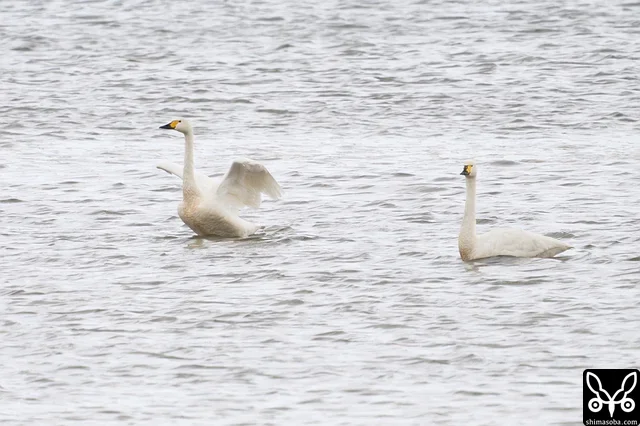
  186. Two Tundra Swans at the river mouth. These are individuals that had been observed on Iriomote Island.
    Tundra Swan
  187. Common Snipe, first-winter.
    Common Snipe
  188. Crested Serpent Eagle adult.
    Crested Serpent Eagle
  189. Little Ringed Plover, first-winter.
    Little Ringed Plover
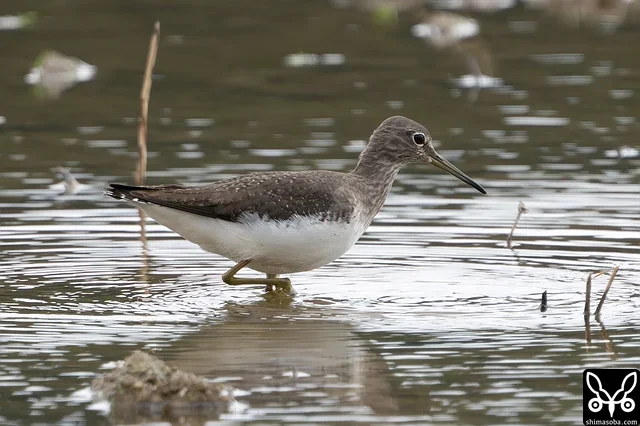
  190. Green Sandpiper, first-winter.
    Green Sandpiper
  191. Long-toed Stint, winter plumage.
    Long-toed Stint
  192. Javan Pond Heron in winter plumage.
    Javan Pond Heron
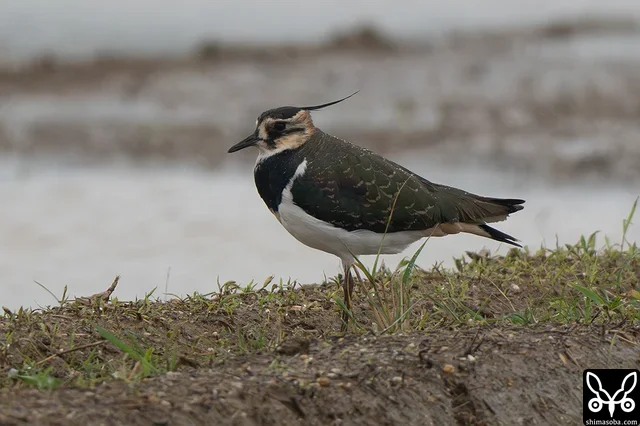
  193. Northern Lapwing, juvenile.
    Northern Lapwing
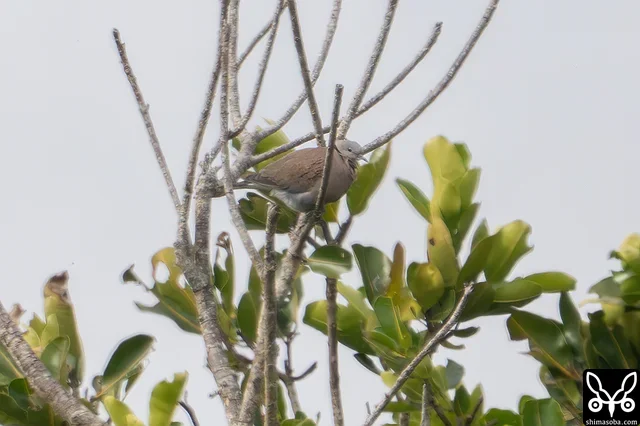
  194. A male Pale-capped Pigeon. Too spooked by raptors to come down from the tree.
    Eurasian Collared Dove
  195. 30
    A male Common Emerald Dove was perched on a power line.
    Eurasian Collared Dove
  196. A female was nearby too.
    Eurasian Collared Dove
  197. Northern Lapwings in several small flocks.
    Northern Lapwing
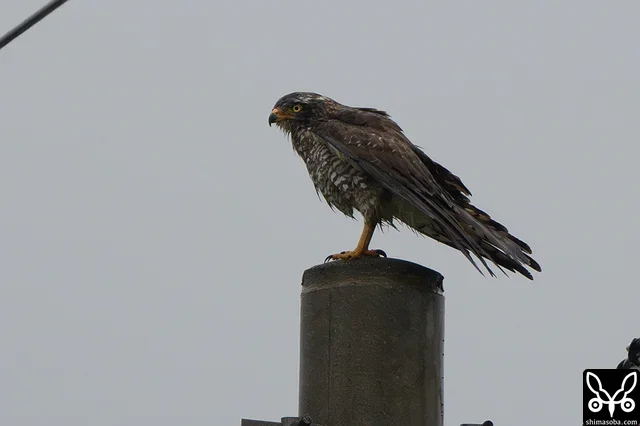
  198. The Crested Honey Buzzard soaked by the rain turned out to be an adult female.
    Grey-faced Buzzard
  199. Male winter-plumage White Wagtail.
    White Wagtail
  200. A Pied Avocet in the rice paddies near my home.
    Pied Avocet