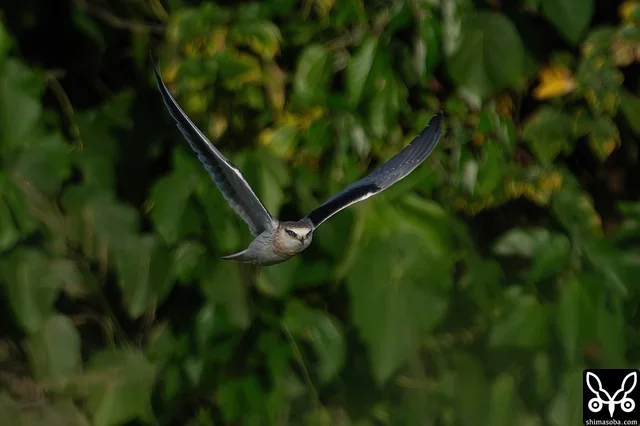
SEASONAL ARCHIVE

Wild Birds of January

When and what wild birds might you see — a timeline sorted by date taken

  1. 2
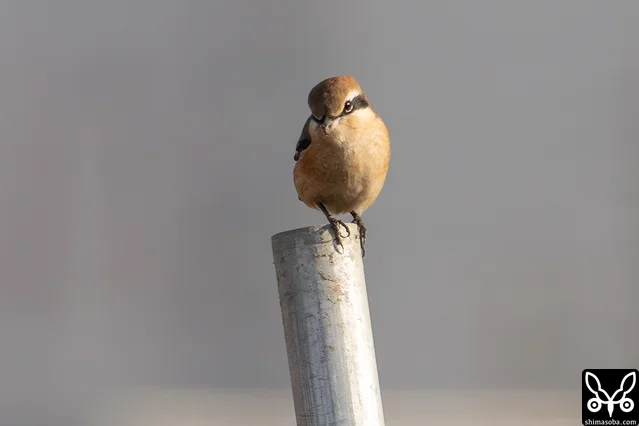
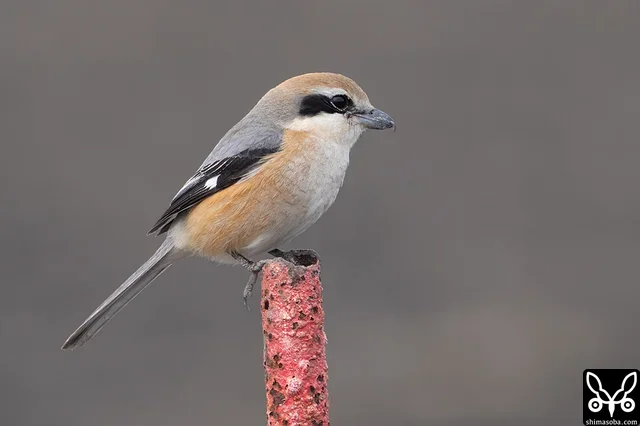
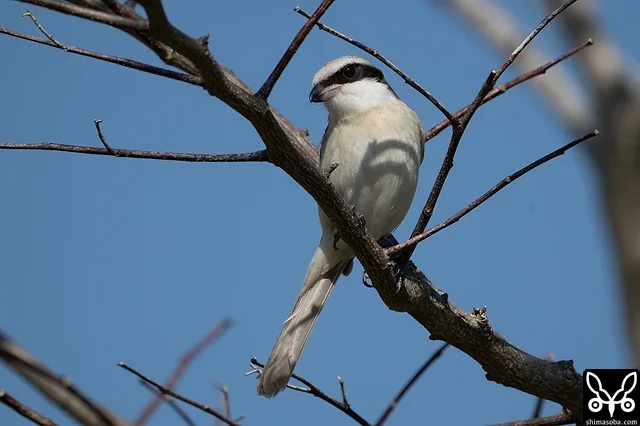
    Bull-headed Shrike is quite rare too.
    Bull-headed Shrike
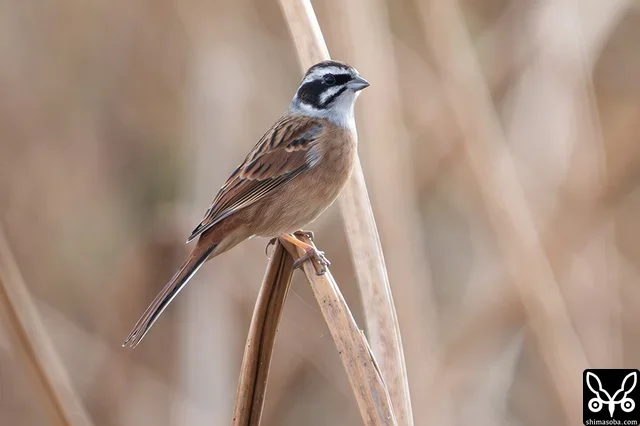
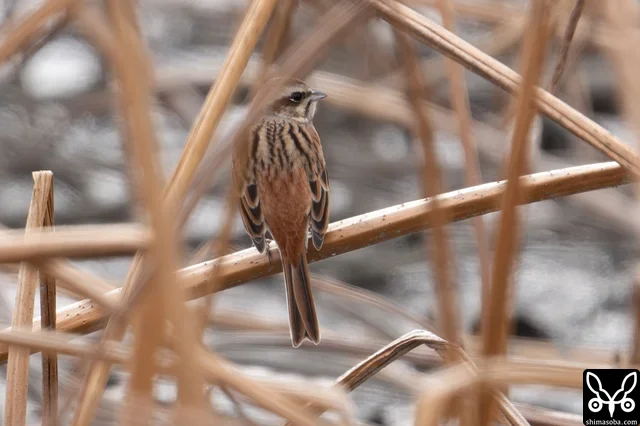
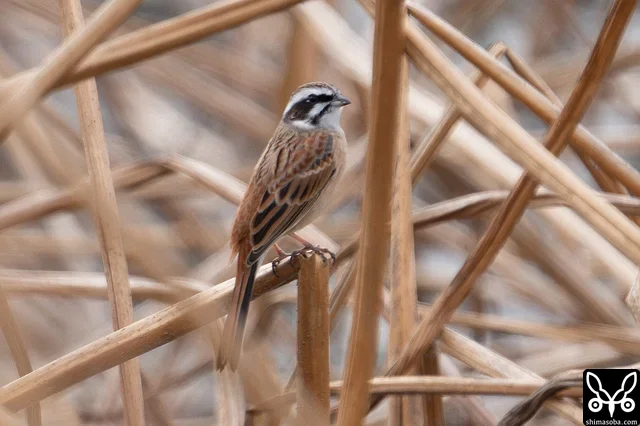
  2. Meadow Bunting — a species I almost never get to see in Okinawa.
    Meadow Bunting
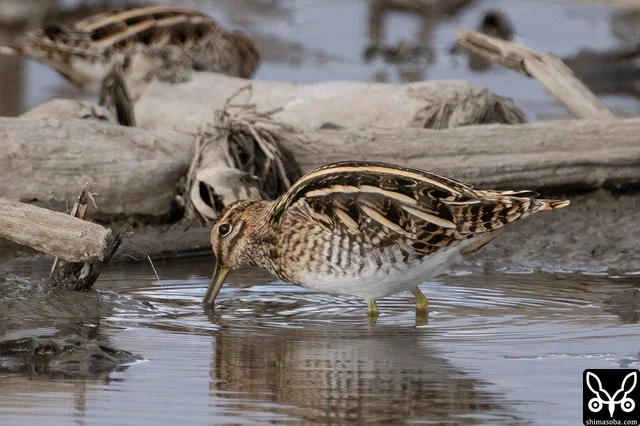
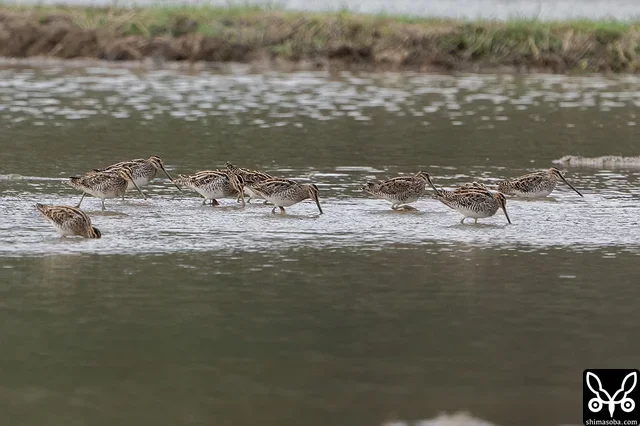
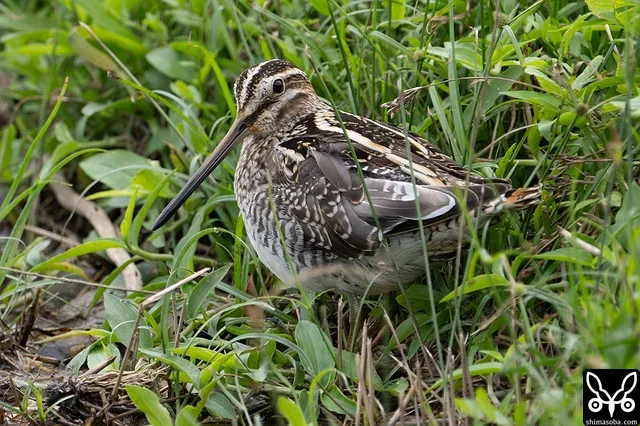
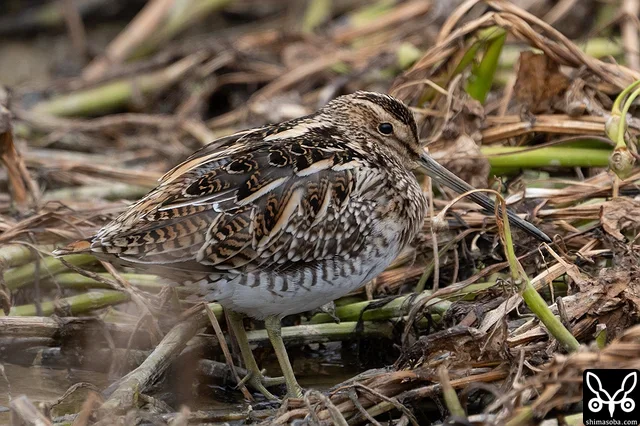
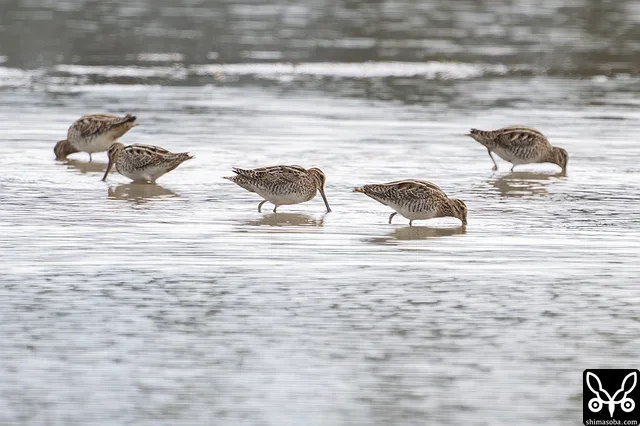
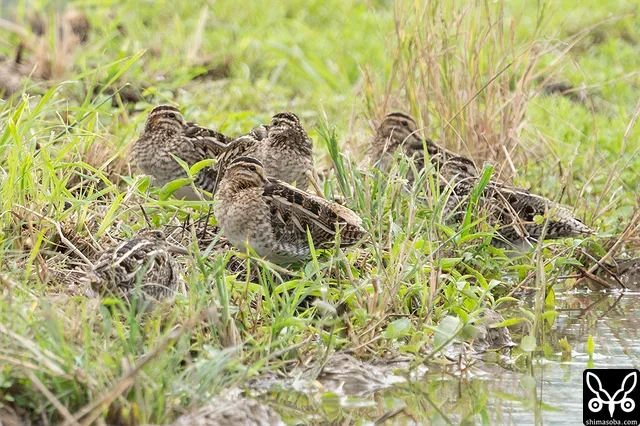
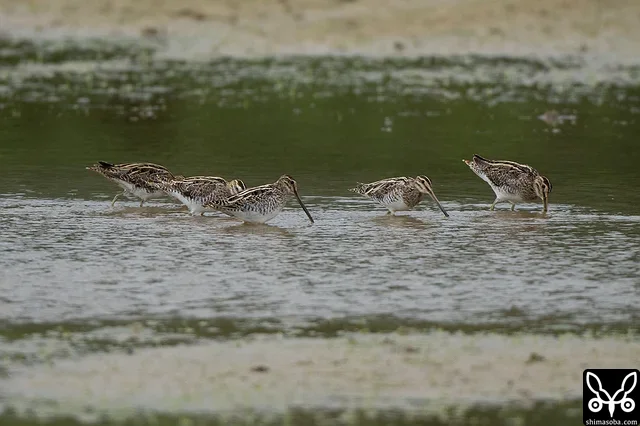
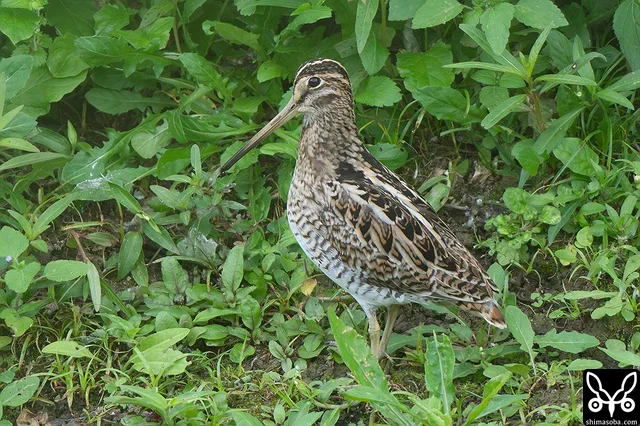
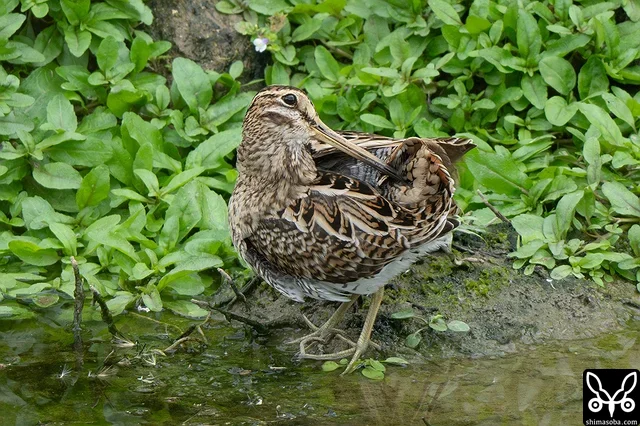
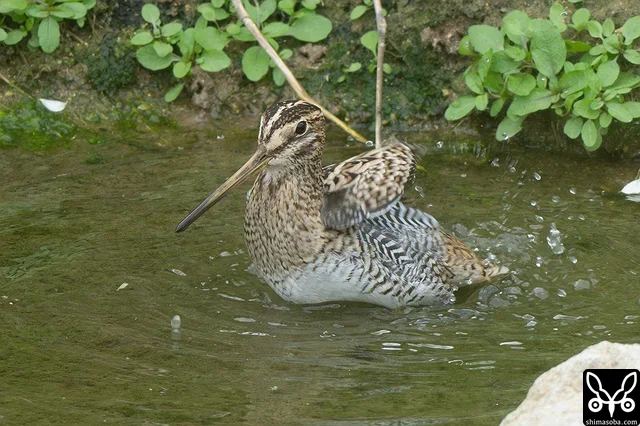
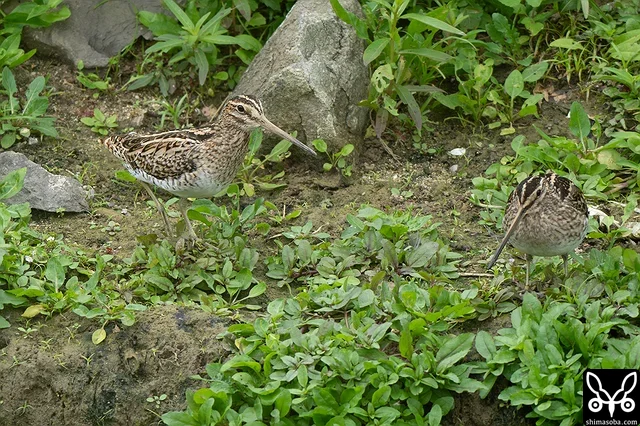
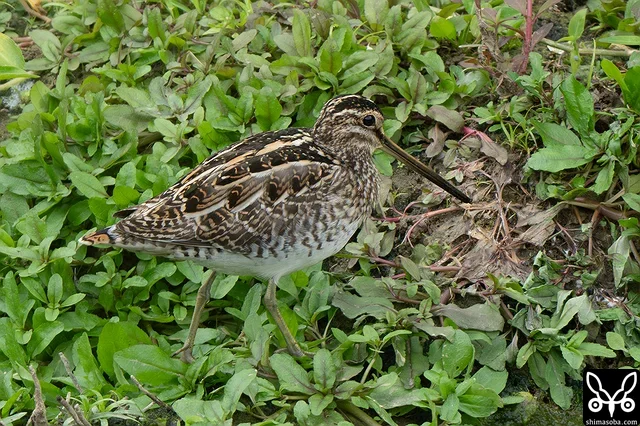
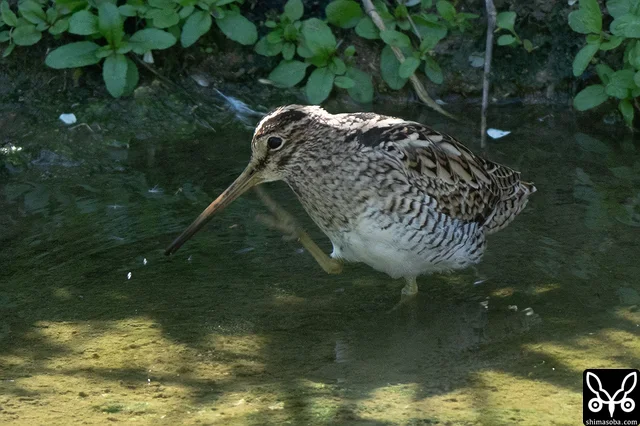
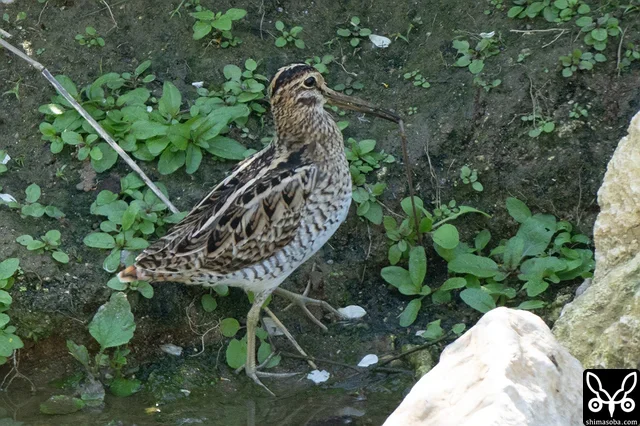
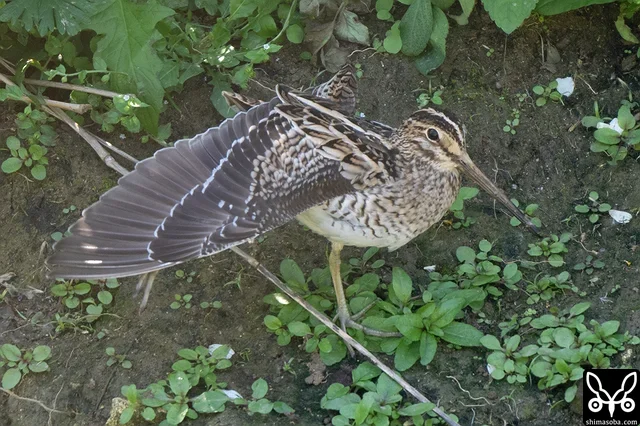
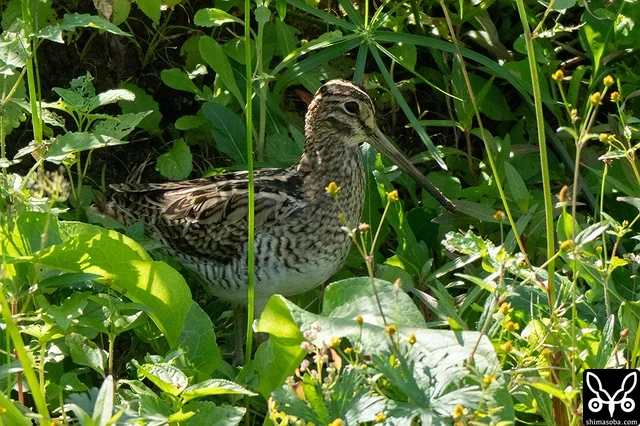
  3. I counted around 30 snipe, but every one of them was a Common Snipe.
    Common Snipe
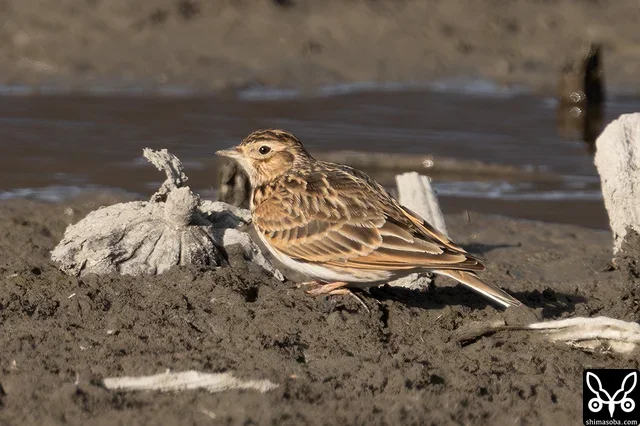
  4. Eurasian Skylark is also scarce in Okinawa.
    Eurasian Skylark
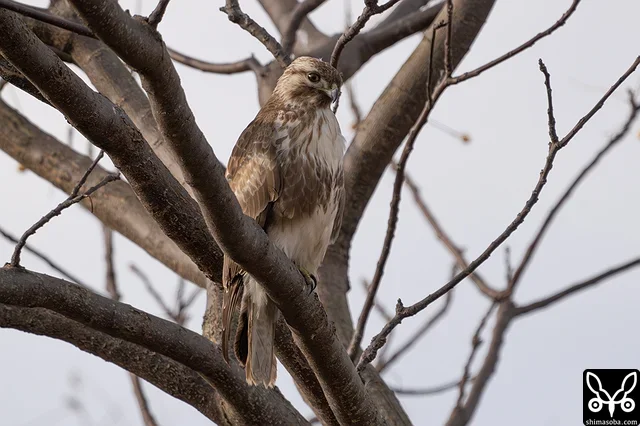
  5. I was surprised by how completely unafraid the Eastern Buzzard was. Every individual I see in Okinawa is highly wary.
    Common Buzzard
  6. 3
    I saw Bull-headed Shrikes here and there, but this individual was the closest one. It was hunting something like a Common Skimmer nymph.
    Bull-headed Shrike
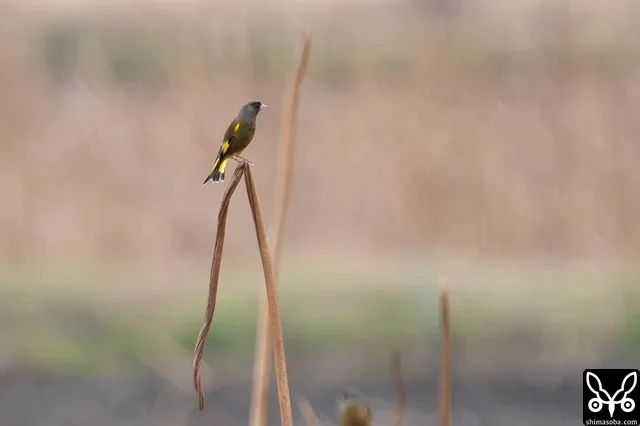
  7. I heard Oriental Greenfinch calls, then spotted two birds far off.
    Grey-capped Greenfinch
  8. Meadow Bunting, female.
    Meadow Bunting
  9. Meadow Bunting, male. A flock of about ten was moving in and out of view.
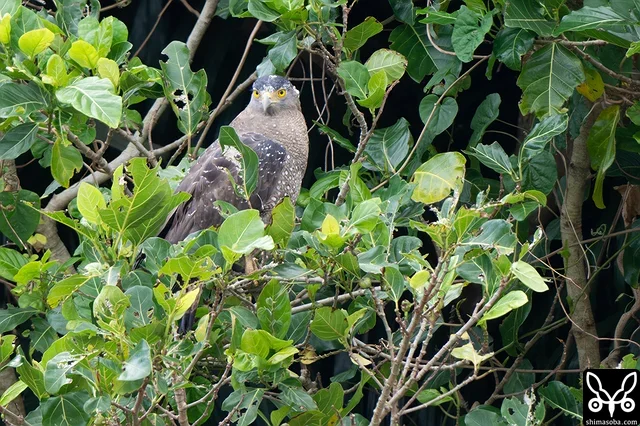
    Meadow Bunting
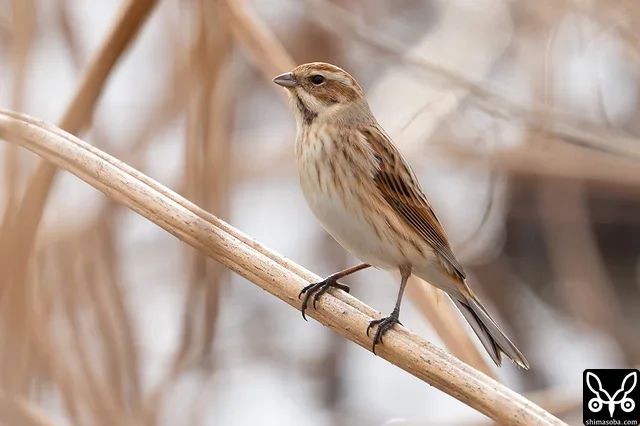
  10. I was listening for Emberiza calls when a Reed Bunting appeared right in front of me. You don't get to see these on Ishigaki.
    Common Reed Bunting
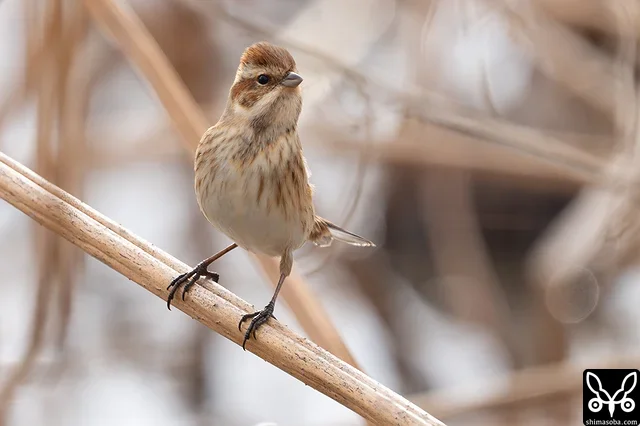
  11. Same individual as above. It looked around for a while, then flew off.
    Common Reed Bunting
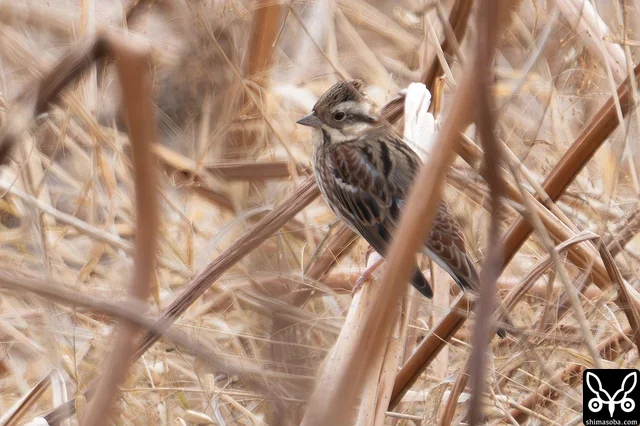
  12. Rustic Bunting, female.
    Rustic Bunting
  13. 4
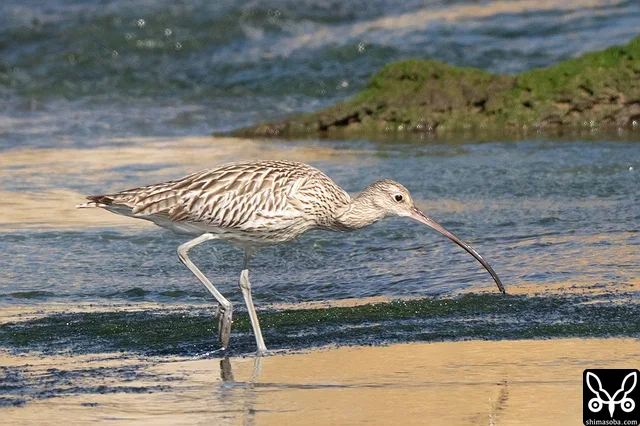
    The first bird I photographed in the new year was a Far Eastern Curlew. It was a notably unwary individual.
    Eurasian Curlew
  14. 5
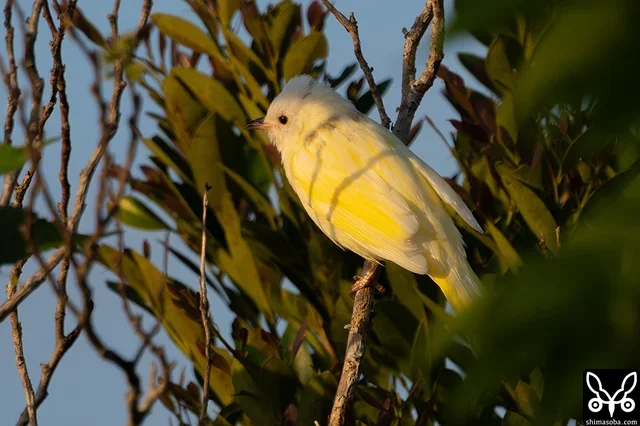
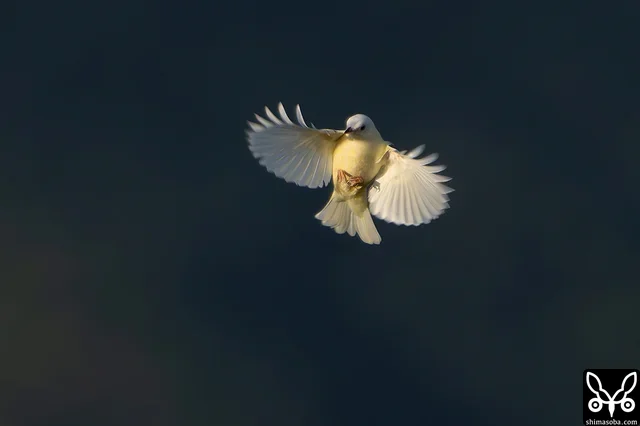
    In the evening light it feels more lutino than albino.
    Light-vented Bulbul
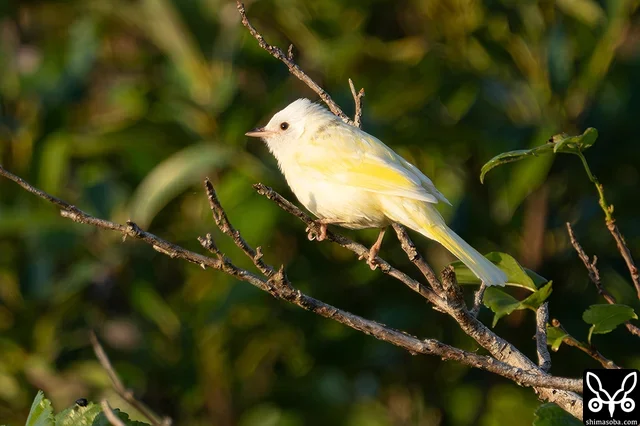
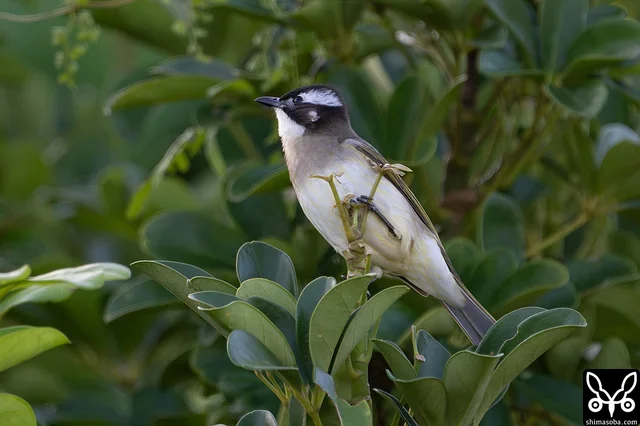
  15. A beautiful leucistic Chinese Bulbul.
    Light-vented Bulbul
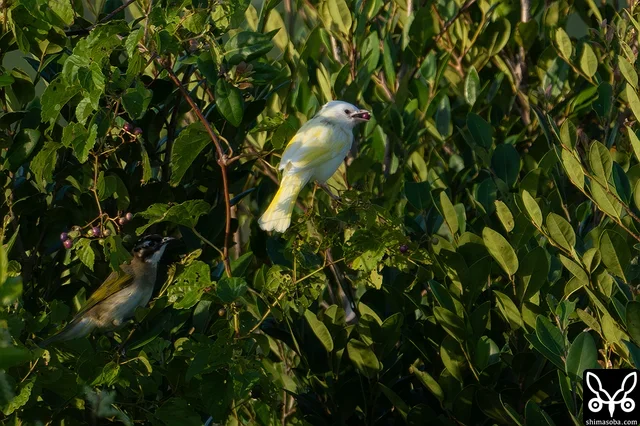
  16. Eating the berries of Callicarpa shikokiana. There's also a normal Chinese Bulbul in the lower left.
    Light-vented Bulbul
  17. This is a normal Chinese Bulbul, eating Schefflera berries.
    Light-vented Bulbul
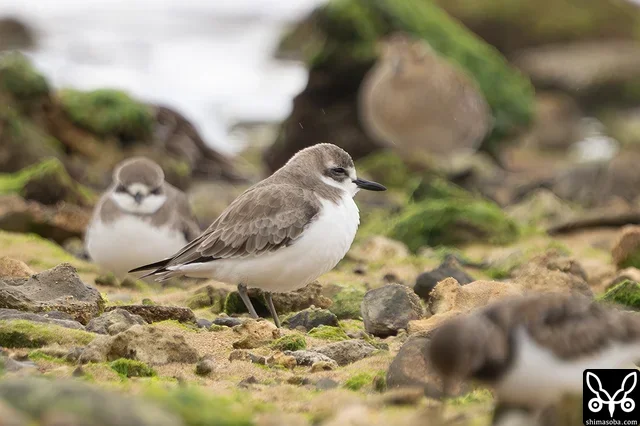
  18. A Chinese Bulbul in flight. Still white!!
    Light-vented Bulbul
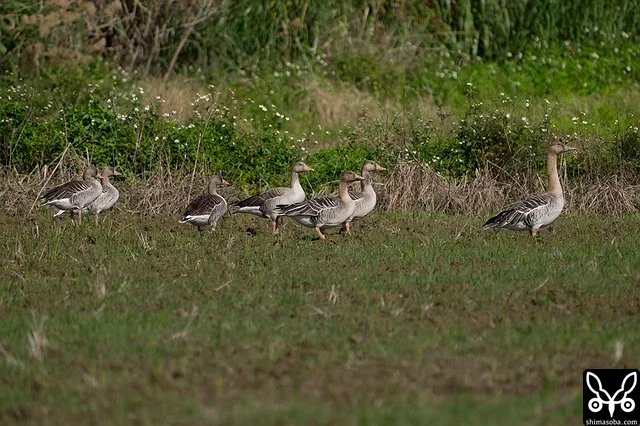
  19. Five Greylag Geese with a Tundra Bean Goose (right) and a Bean Goose (third from right). The Bean Goose is of the small type, so possibly the tundra form. All adults. The `individual thought to be a Lesser White-fronted Goose <https://shimasoba.com/blog/2316/>`_ appears to have separated from the flock.
    Bean Goose
  20. 6
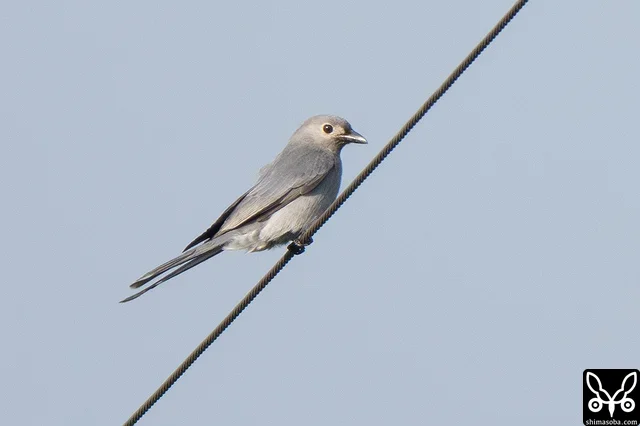
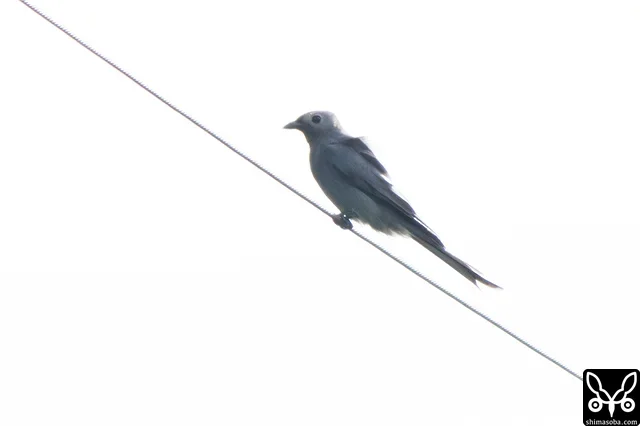
    A White-bellied Drongo was frequently coming out onto the power lines and making flying catches of insects in the air. It's already in wintering mode and looks set to stay a good while.
    Ashy Drongo
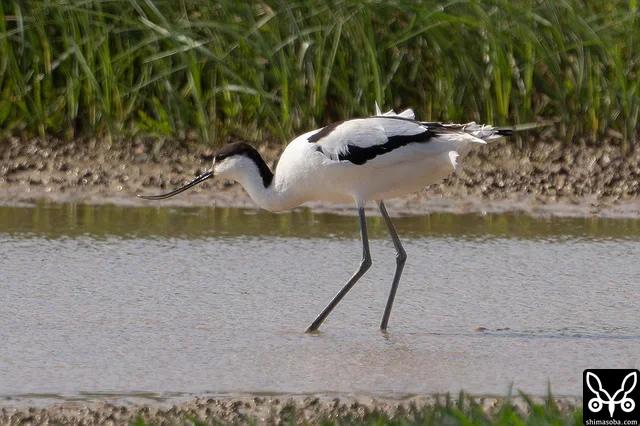
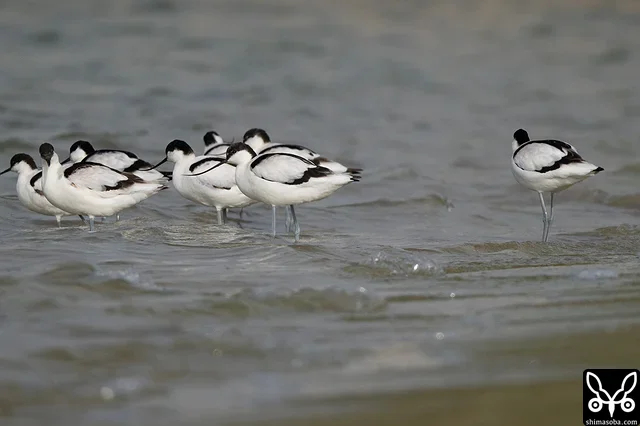
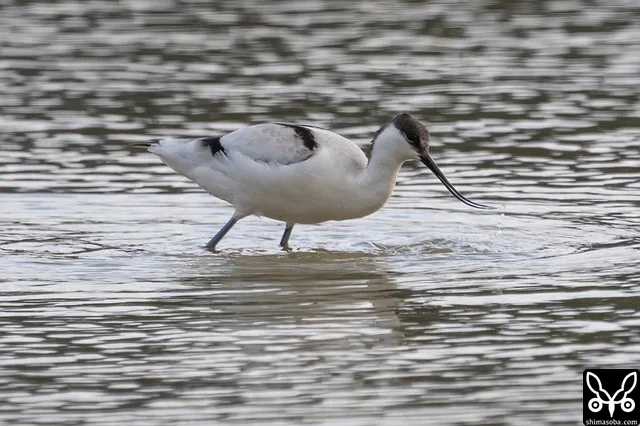
  21. The Pied Avocets that arrived in a group of eleven in November have dwindled one by one, down to a single bird now.
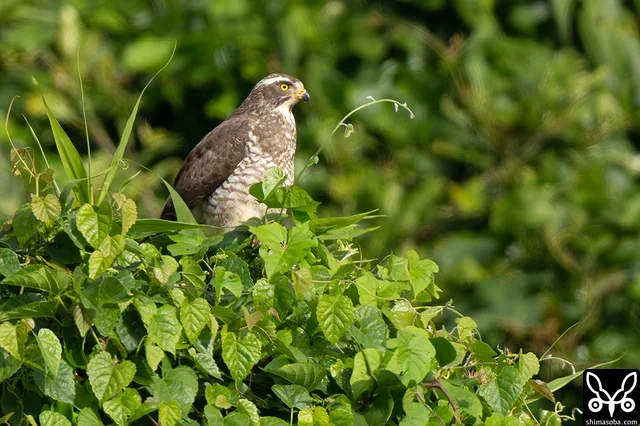
    Pied Avocet
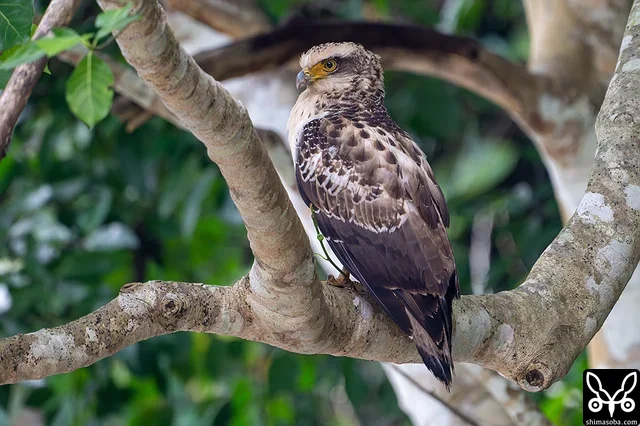
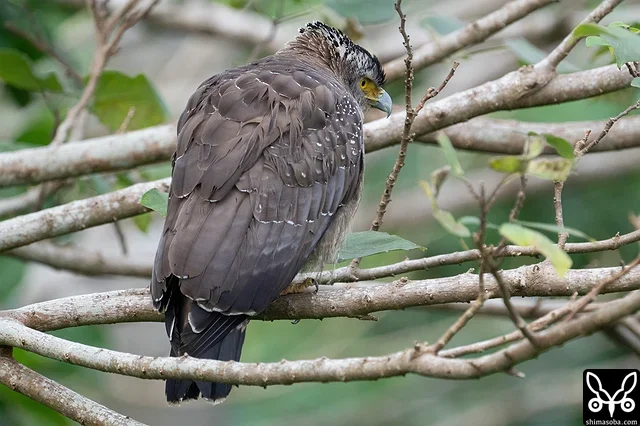
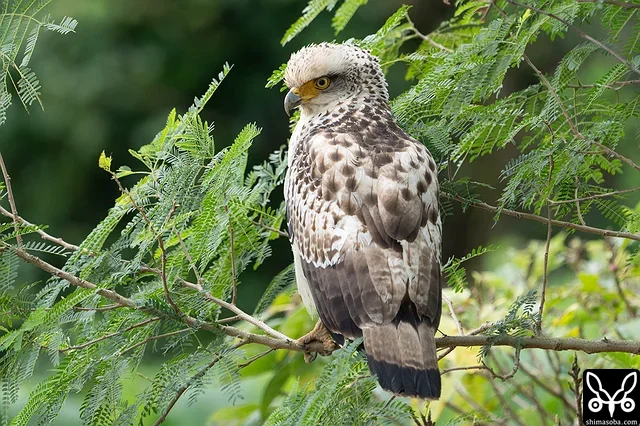
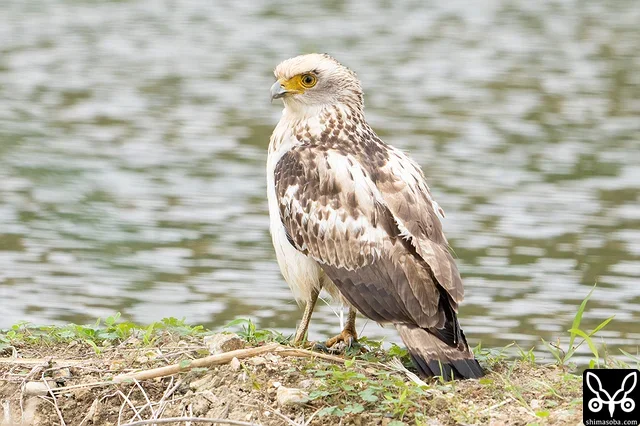
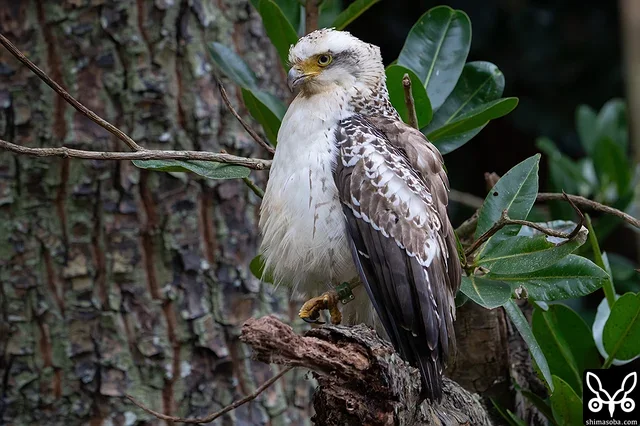
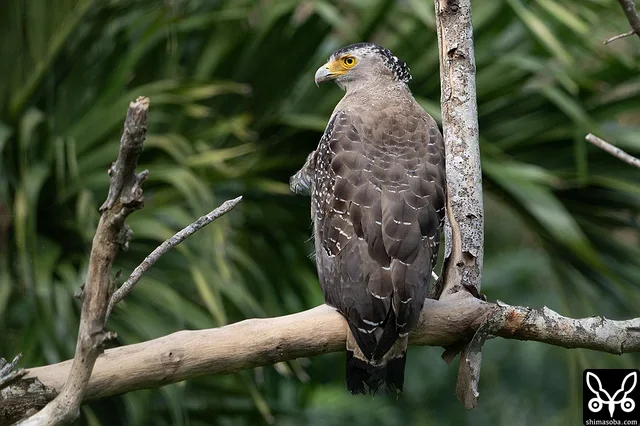
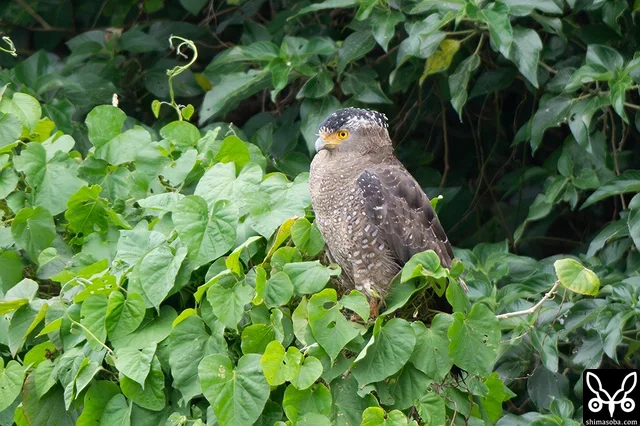
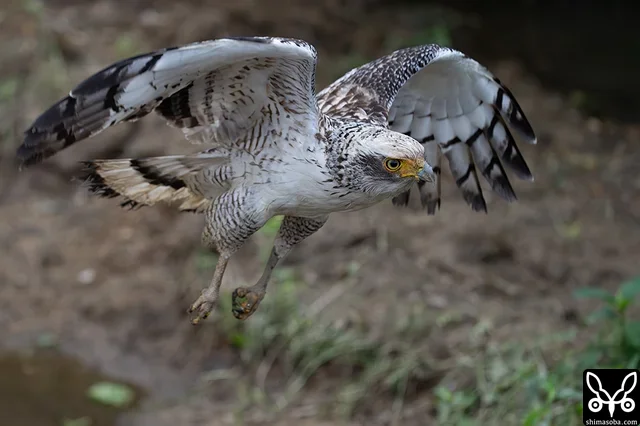
  22. A juvenile Crested Serpent Eagle in a roadside tree along the prefectural highway. It has been spotted here often lately — I worry about traffic accidents.
    Crested Serpent Eagle
  23. A flock of about forty Northern Lapwings was still around as well.
    Common Snipe
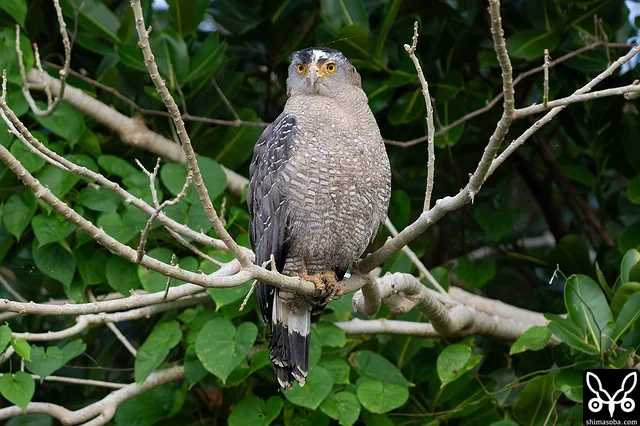
  24. When an adult Crested Serpent Eagle appears, the juveniles flee at full speed.
    Crested Serpent Eagle
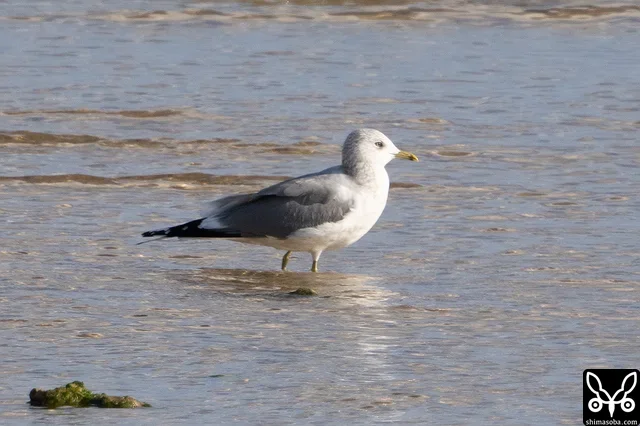
  25. Common Gull, adult winter plumage. Common Gulls turn up on Ishigaki Island only about once every ten years, so this was a happy find.
    Mew Gull
  26. 7
    A Pied Avocet also lingering since the New Year. Wintering here too, it seems.
    Pied Avocet
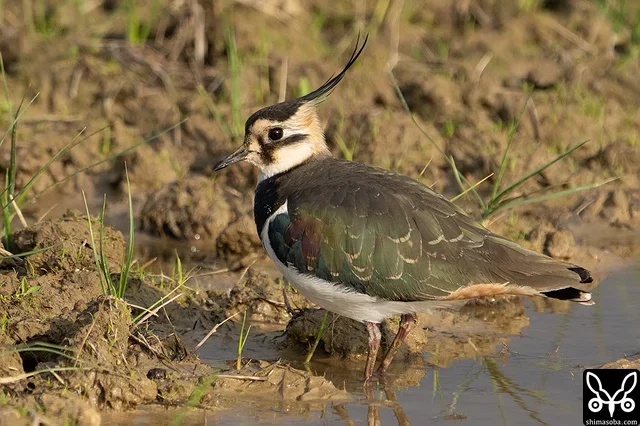
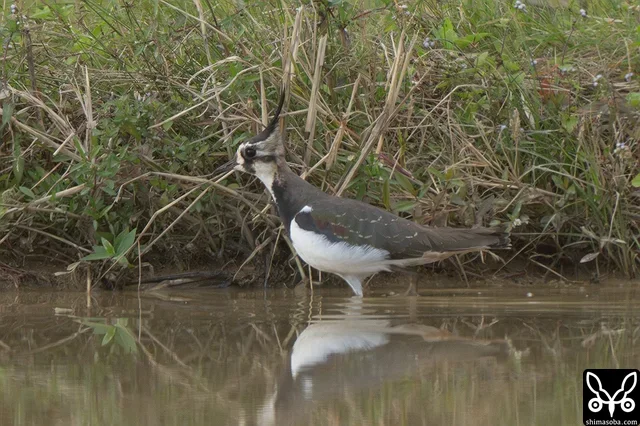
  27. A flock of Northern Lapwings arrived — all juveniles.
    Northern Lapwing
  28. This adult was looking down into a small channel. Wondering if there was a crab or frog down there.
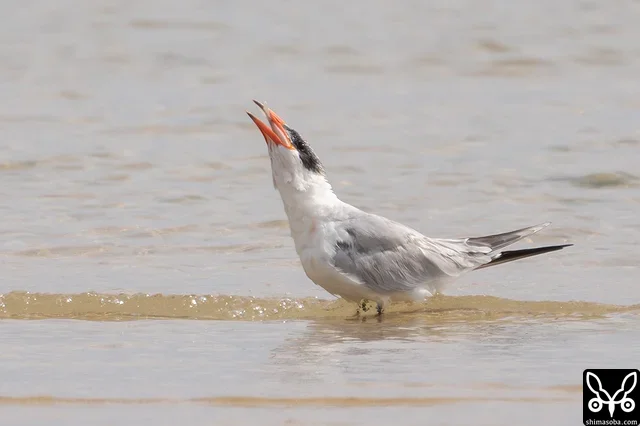
    Crested Serpent Eagle
  29. This juvenile was also lying in wait for prey near the paddy fields.
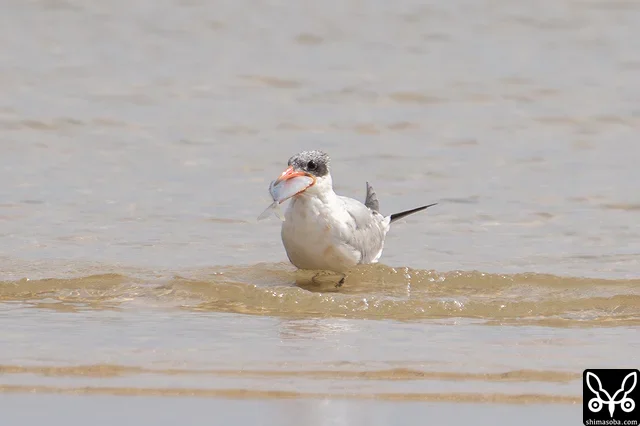
    Crested Serpent Eagle
  30. A Common Snipe that stays close to the large flock yet never joins it for some reason — always keeping a little apart.
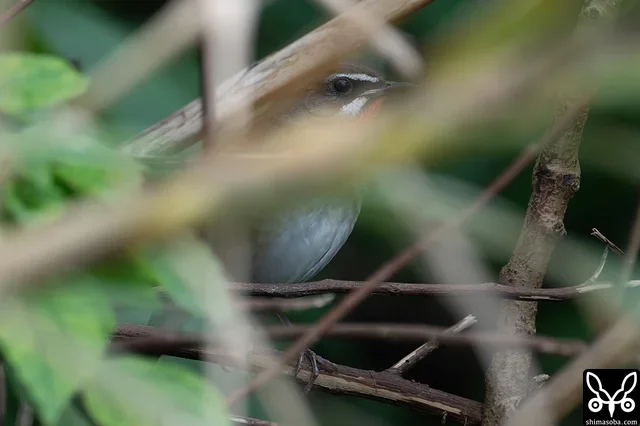
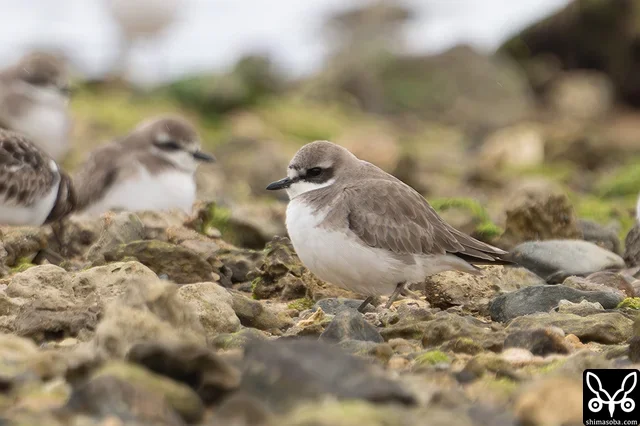
    Common Snipe
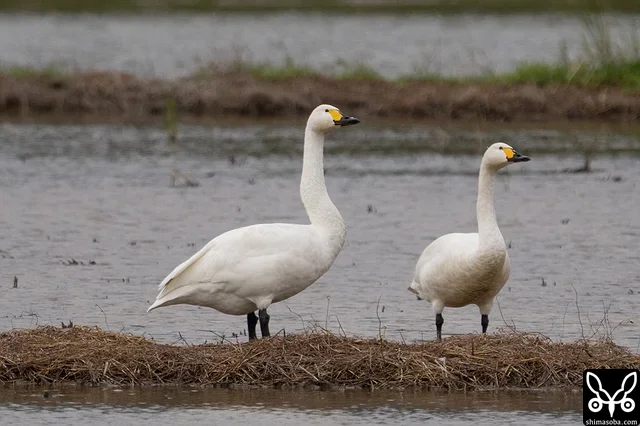
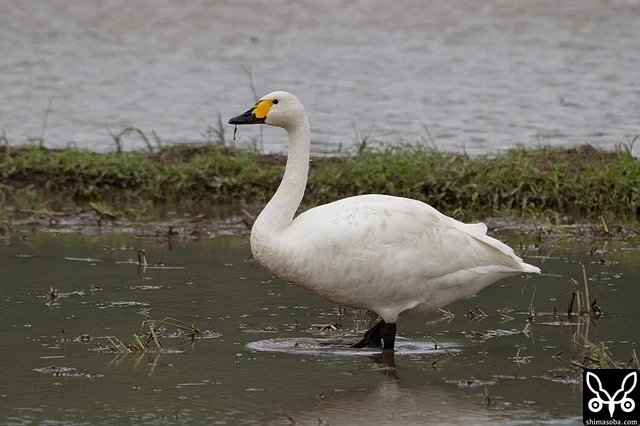
  31. A Tundra Swan has also been here since November. There is plenty of unharvested rice left in the paddies, so food doesn't seem to be a problem.
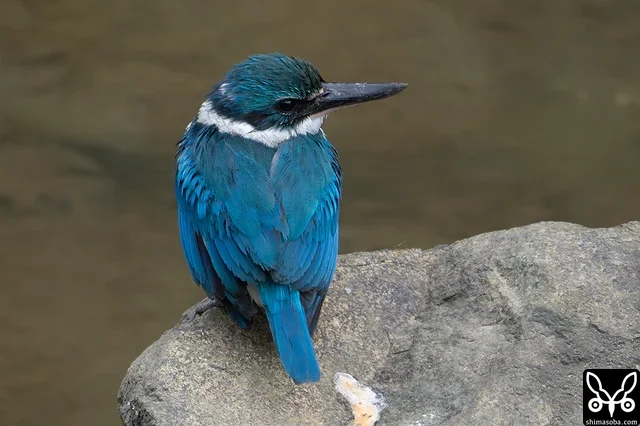
    Tundra Swan
  32. A juvenile Crested Serpent Eagle foraging along a paddy field bund.
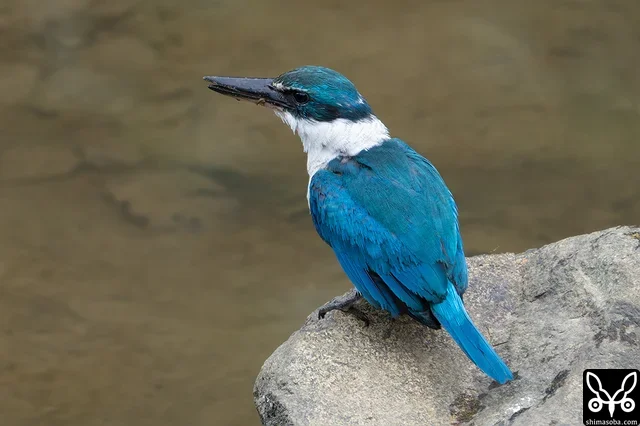
    Crested Serpent Eagle
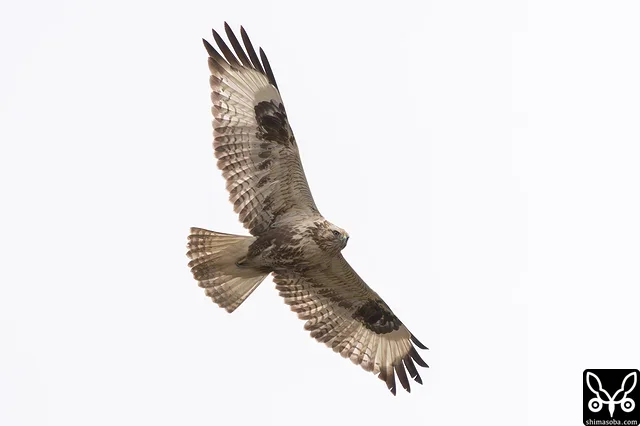
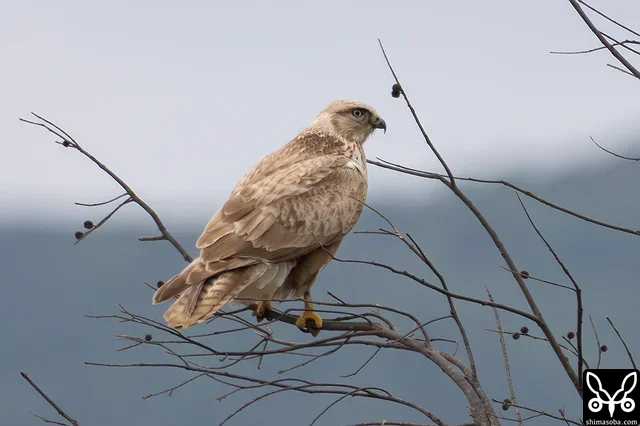
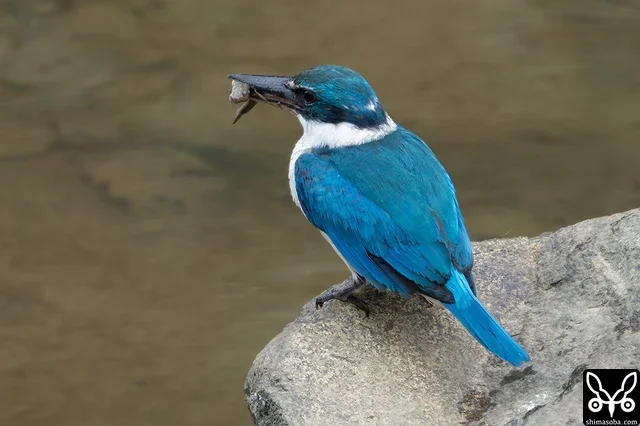
  33. A different Upland Buzzard. Whenever it circled over the paddies, the Eurasian Coots huddled tightly together on alert.
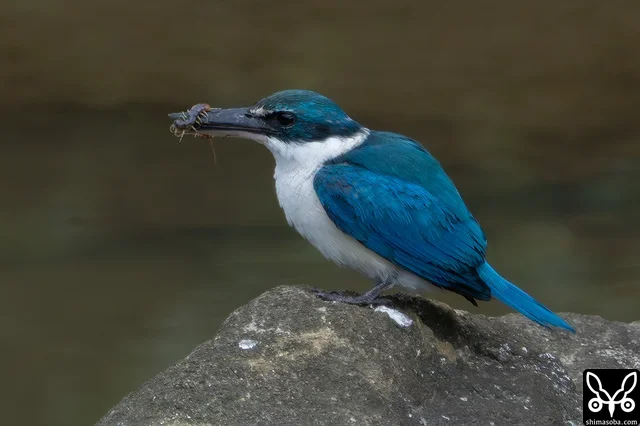
    Upland Buzzard
  34. An Upland Buzzard perched on a branch beside a channel, targeting a Eurasian Coot. It dive-bombed into the channel shortly afterwards but failed to make a catch.
    Upland Buzzard
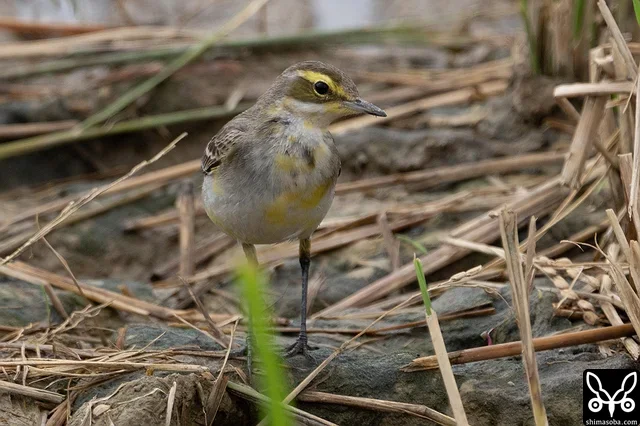
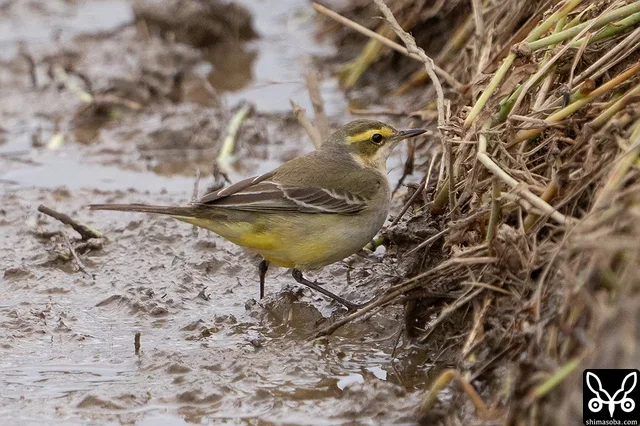
  35. Eastern Yellow Wagtail, first-winter plumage.
    Eastern Yellow Wagtail
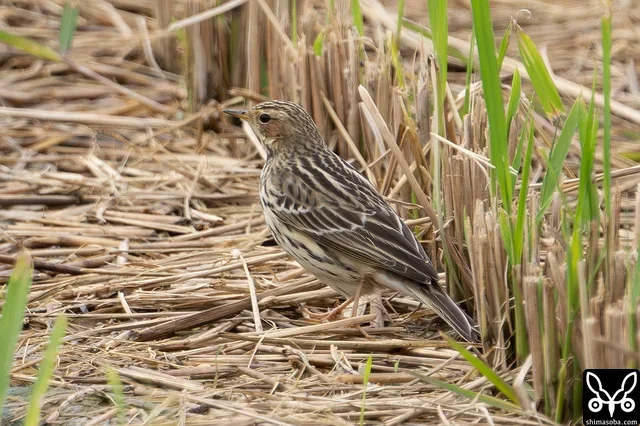
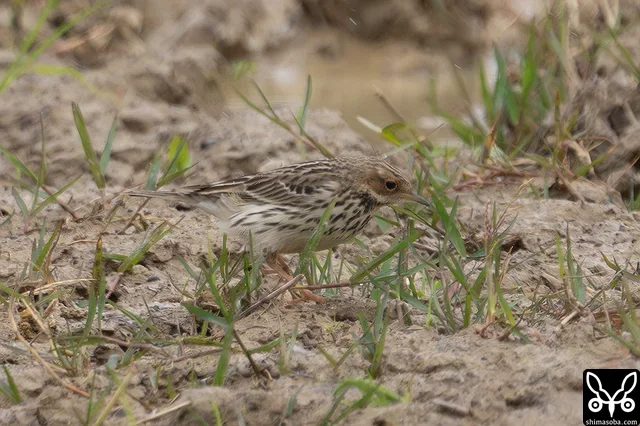
  36. A flock of around 30 Red-throated Pipits wintering here.
    Red-throated Pipit
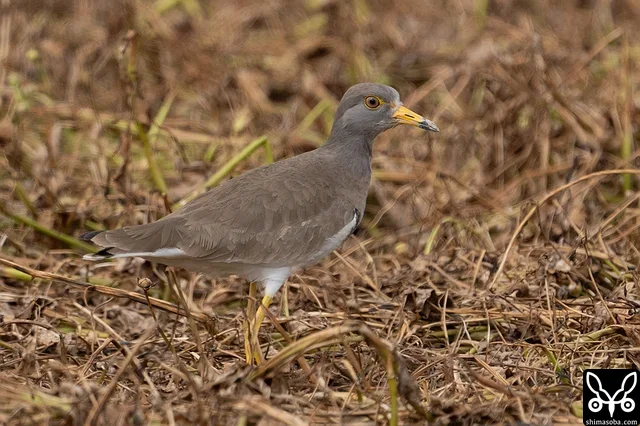
  37. Grey-headed Lapwing is scarce in Okinawa and on Ishigaki Island, but two birds are present this season.
    Grey-headed Lapwing
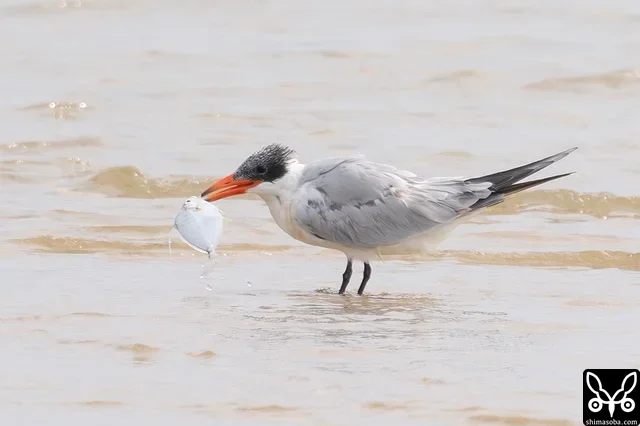
  38. It took a while, but the bird finally managed to get it down.
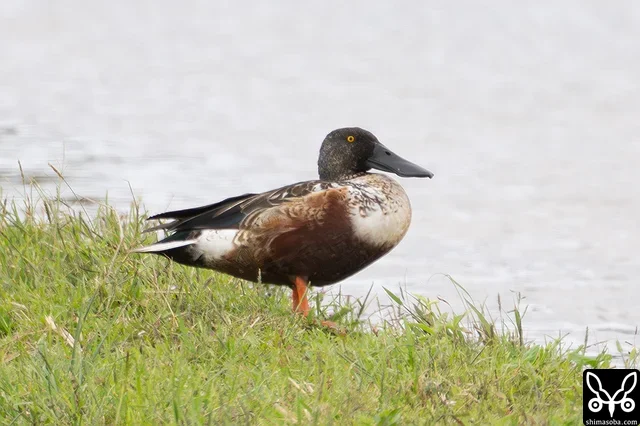
    Caspian Tern
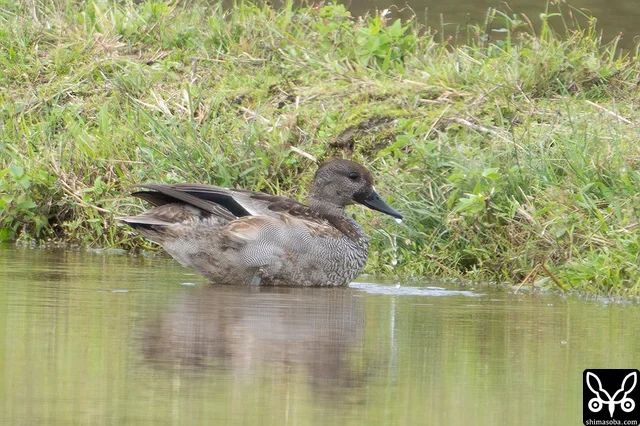
  39. Once the troublesome fins were off, it set about swallowing the fish — which still looked like quite an ordeal.
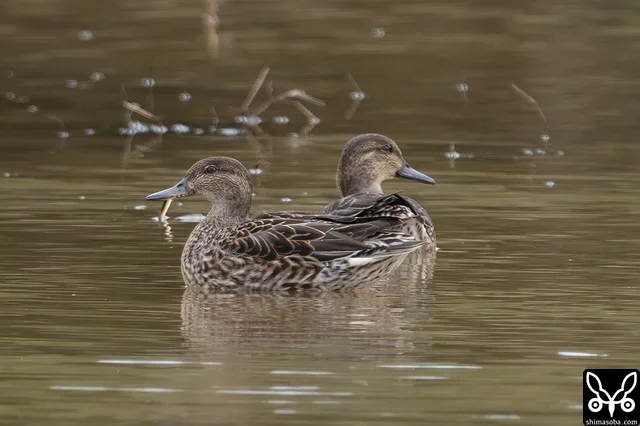
    Caspian Tern
  40. Greater Crested Terns swallow small fish on the wing, but this Monocle Bream was too large, so the bird carried it to the water's edge. Looking closely, I could see it tearing off the obstructive dorsal and pectoral fins with its bill.
    Caspian Tern
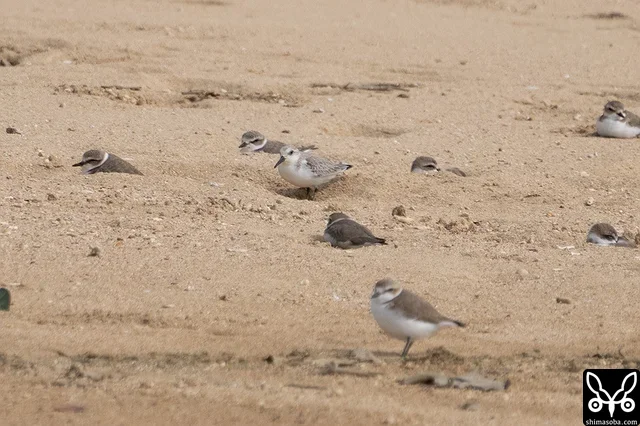
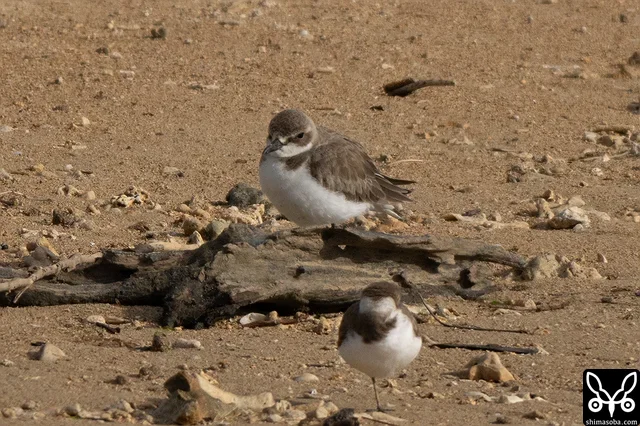
  41. Sanderling and Kentish Plover, hunkered down in a hollow to escape the strong wind.
    Kentish Plover
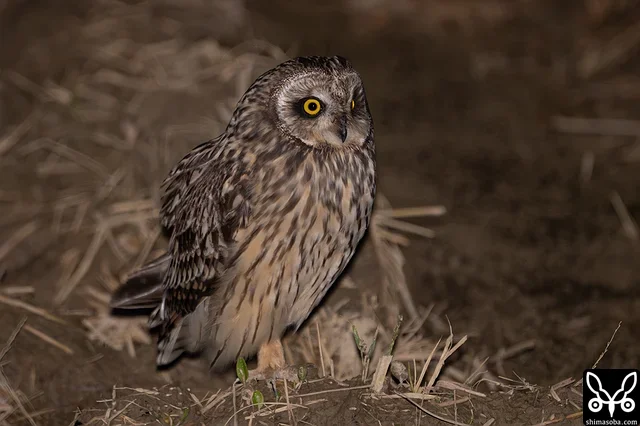
  42. Short-eared Owl in the rice fields. This individual doesn't mind people, so it's easy to watch — but I don't want to disturb its hunting, so I kept the record shots to under a minute.
    Short-eared Owl
  43. 8
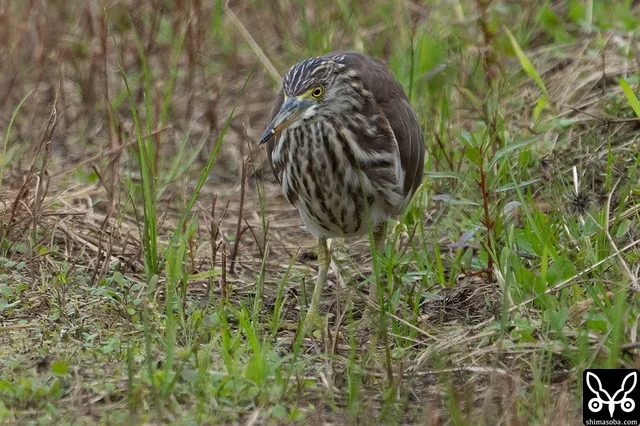
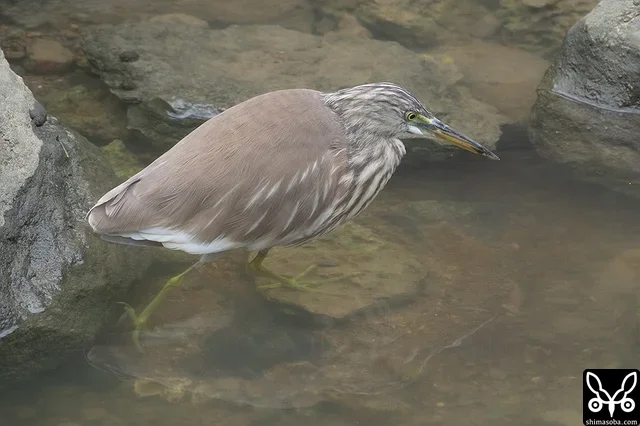
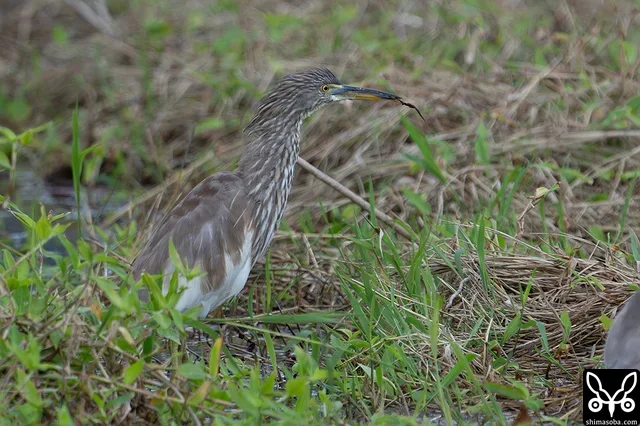
    A Chinese Pond Heron in a rice paddy, catching small insects and the like as it walked along the field bank.
    Chinese Pond Heron
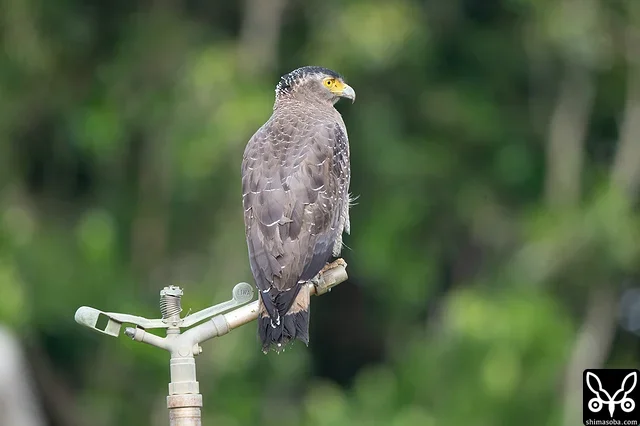
  44. Crested Serpent Eagle "Hayate" — an individual that was rescued after a traffic accident and released back to the wild on 23 November last year. A green ring engraved with "8" is visible on the left leg.
    Crested Serpent Eagle
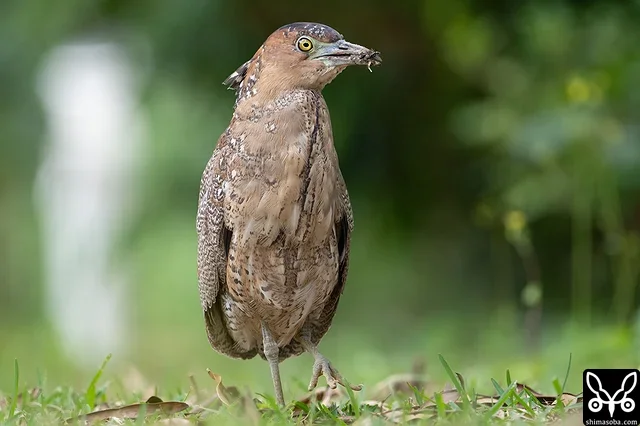
  45. A juvenile Malayan Night Heron. Born last year, it is in the process of molting into adult plumage.
    Malayan Night Heron
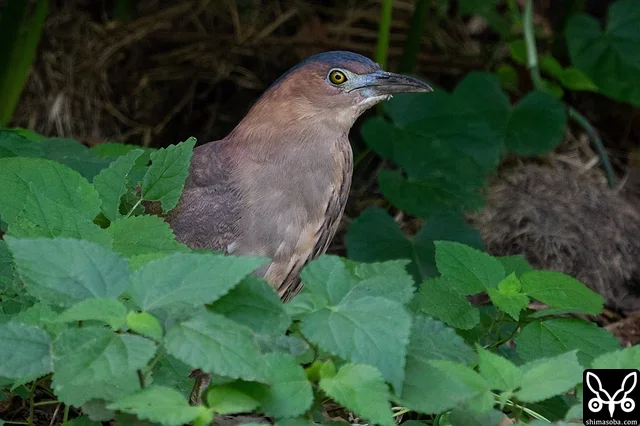
  46. An adult Malayan Night Heron. It is still too early for nest-building, but it was picking up twigs.
    Malayan Night Heron
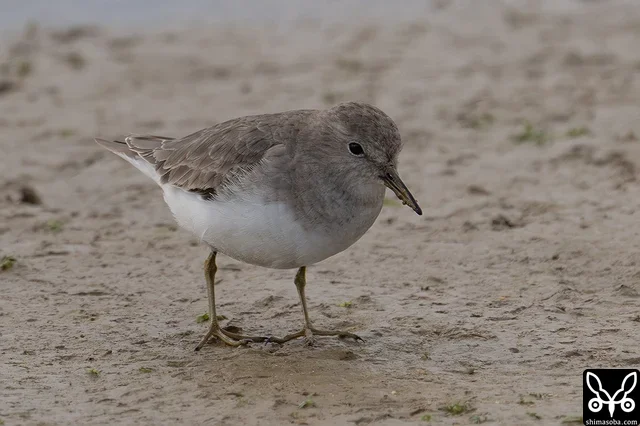
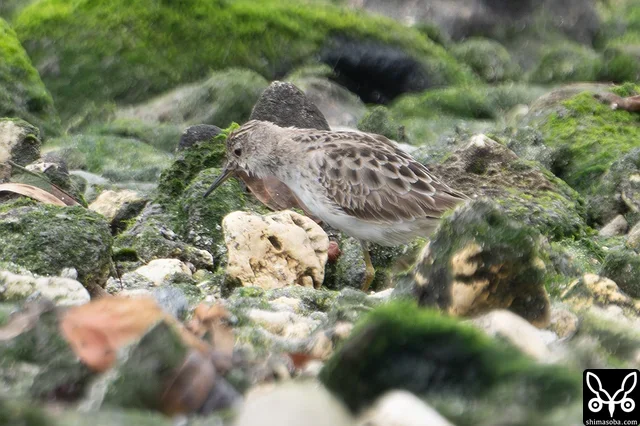
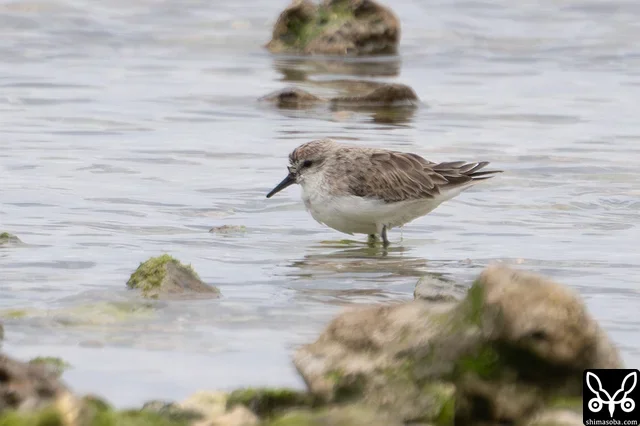
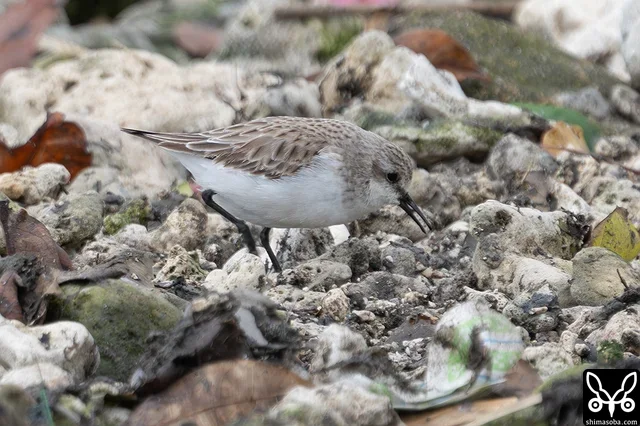
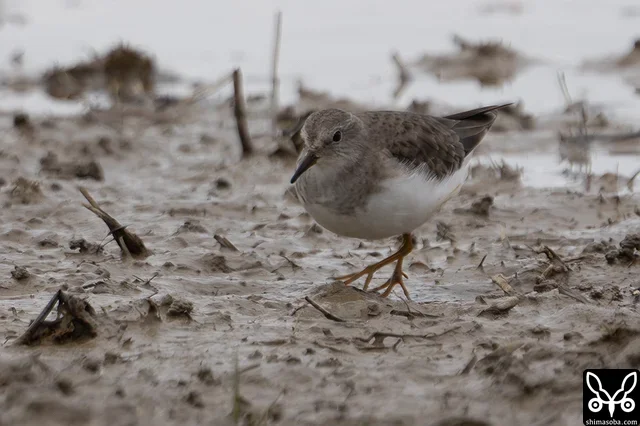
  47. Red-necked Stint, first-winter plumage. There were about three of them.
    Temminck's Stint
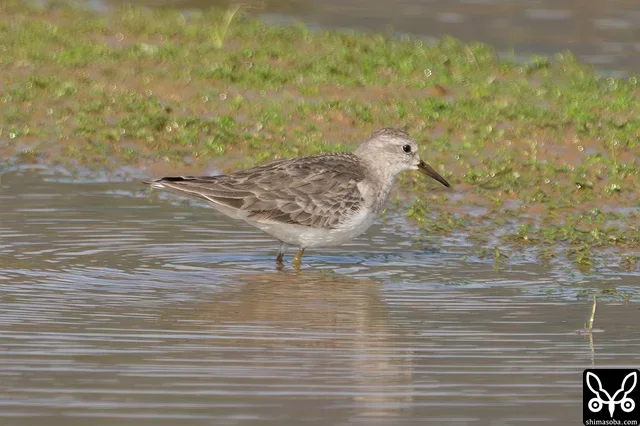
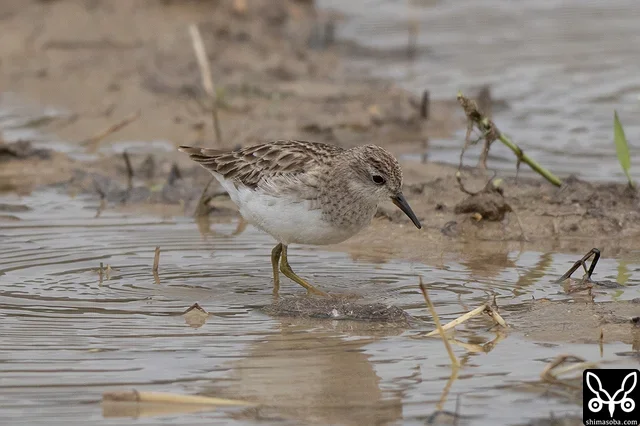
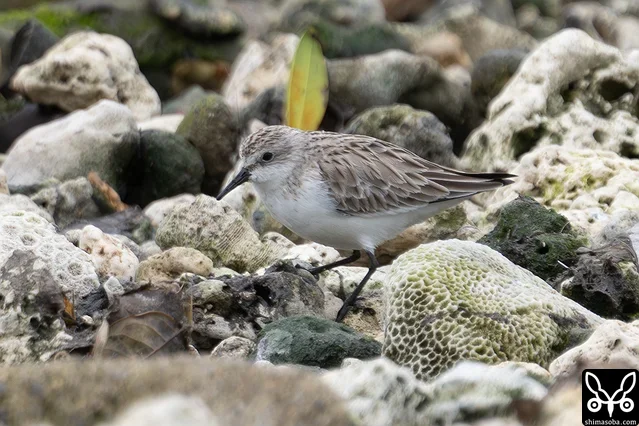
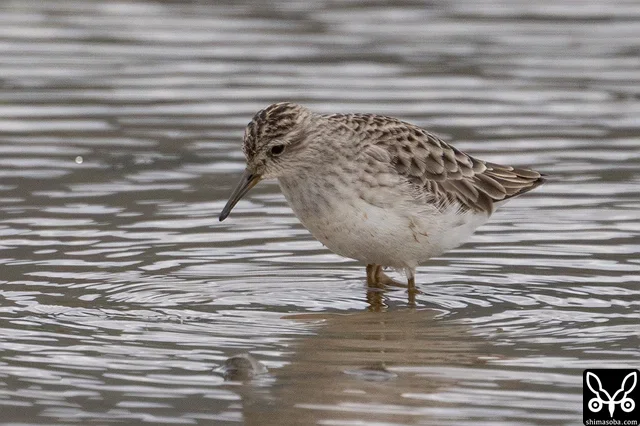
  48. Long-toed Stint, first-winter plumage. There are fewer overwintering birds this year.
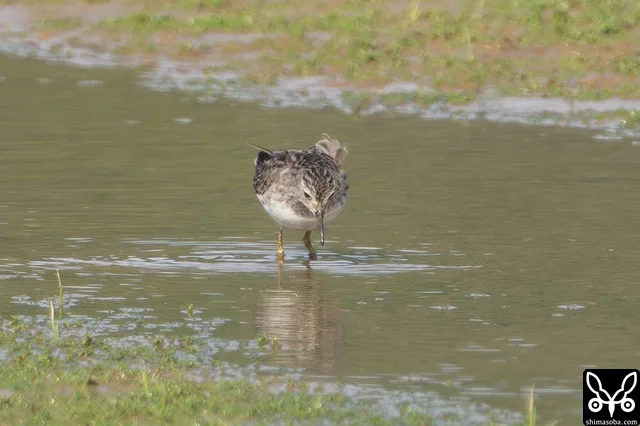
    Long-toed Stint
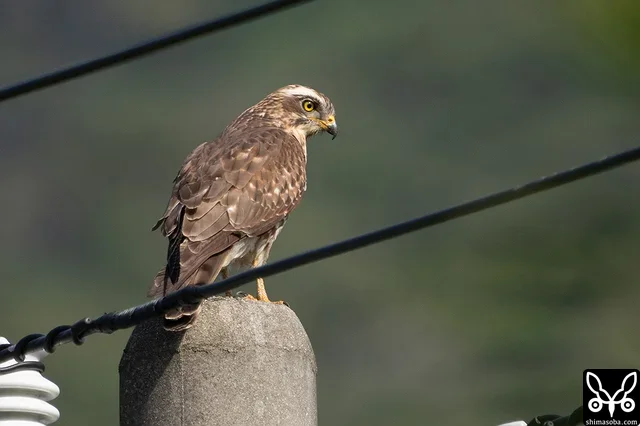
  49. A juvenile Grey-faced Buzzard scanning the grassland for prey.
    Grey-faced Buzzard
  50. A Crested Serpent Eagle in a spot I don't usually see them.
    Crested Serpent Eagle
  51. 9
    A Chinese Pond Heron at a drainage channel, targeting small fish.
    Chinese Pond Heron
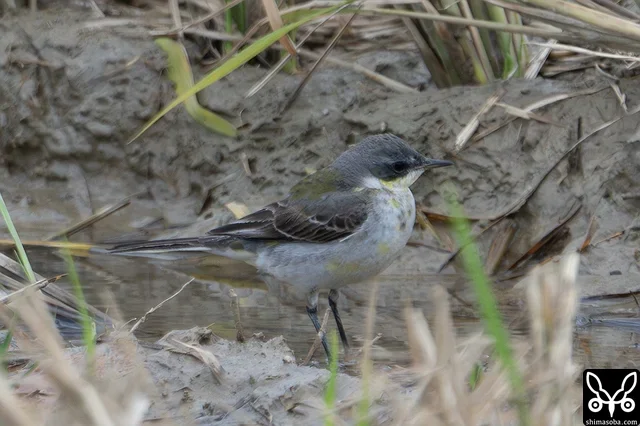
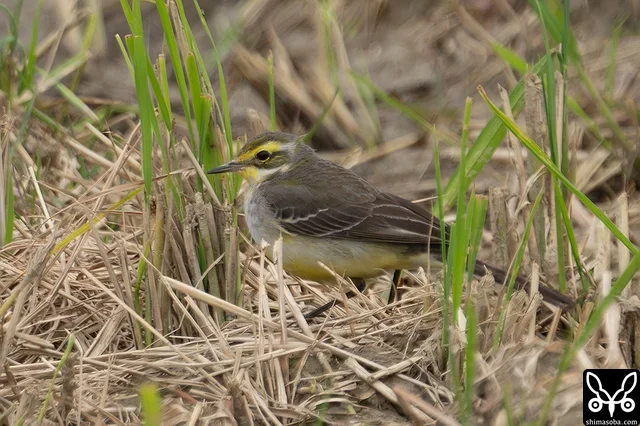
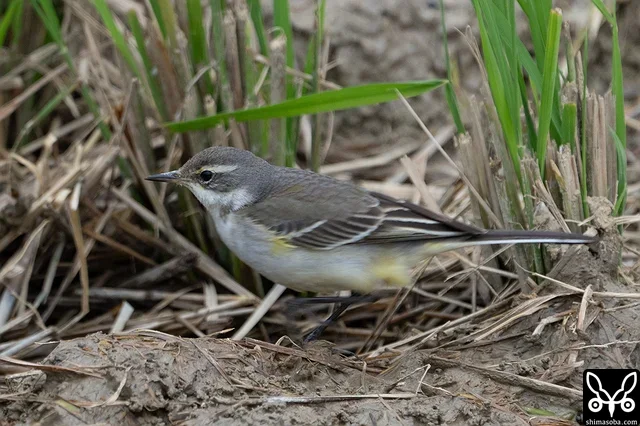
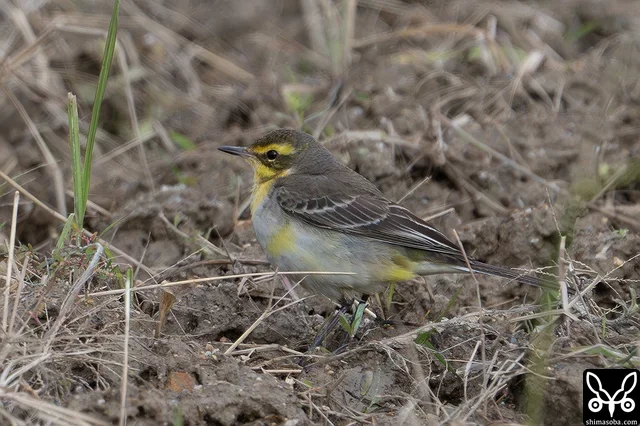
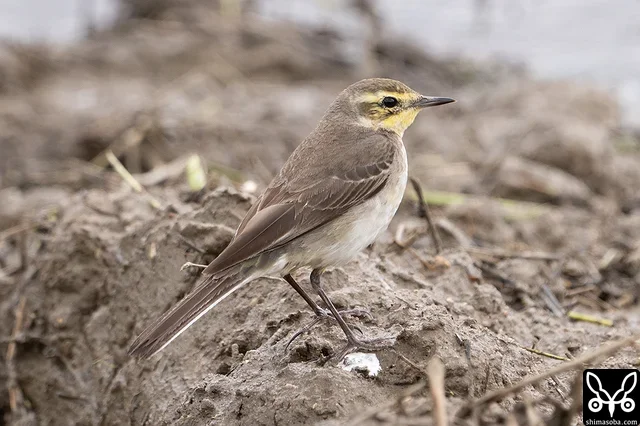
  52. Eastern Yellow Wagtail (*beema*), first-winter plumage.
    Eastern Yellow Wagtail
  53. Eastern Yellow Wagtail (*taivana*), first-winter plumage.
    Eastern Yellow Wagtail
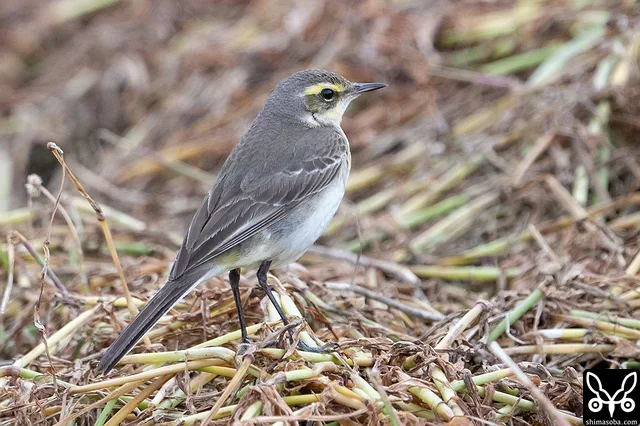
  54. First-winter Sykes's Wagtail.
    Citrine Wagtail
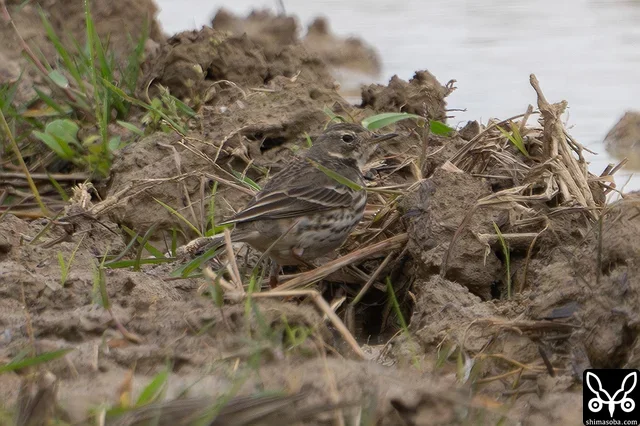
  55. A few Buff-bellied Pipits were mixed in.
    Water Pipit
  56. On Ishigaki and Okinawa, Red-throated Pipits are overwhelmingly more common than Buff-bellied Pipits.
    Red-throated Pipit
  57. 10
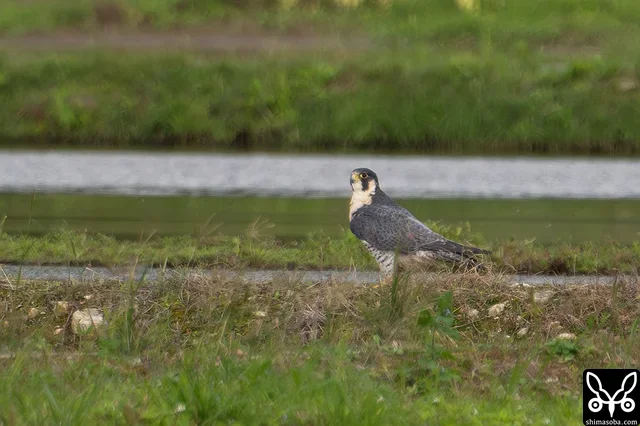
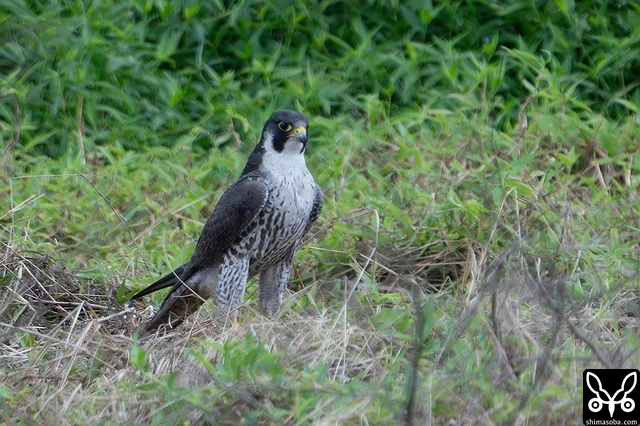
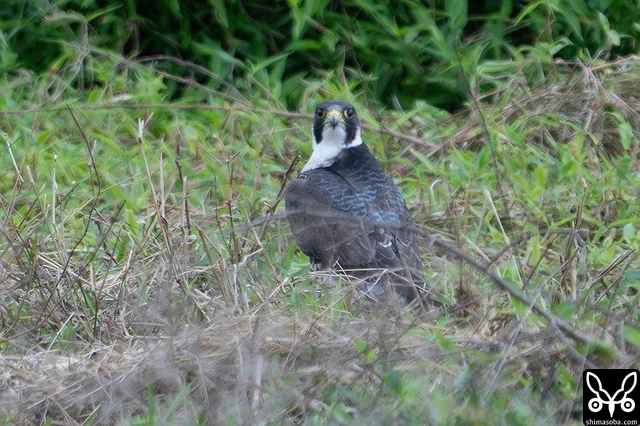
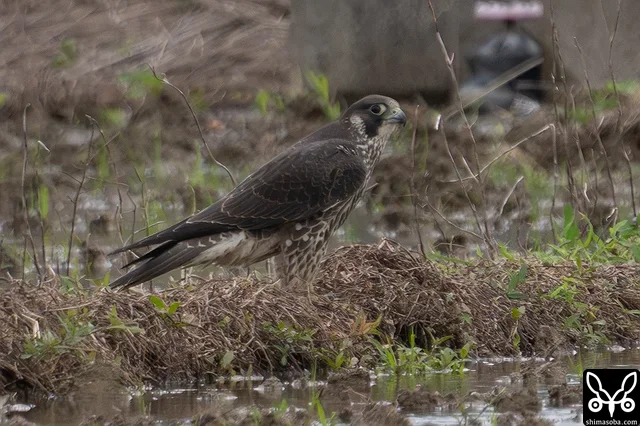
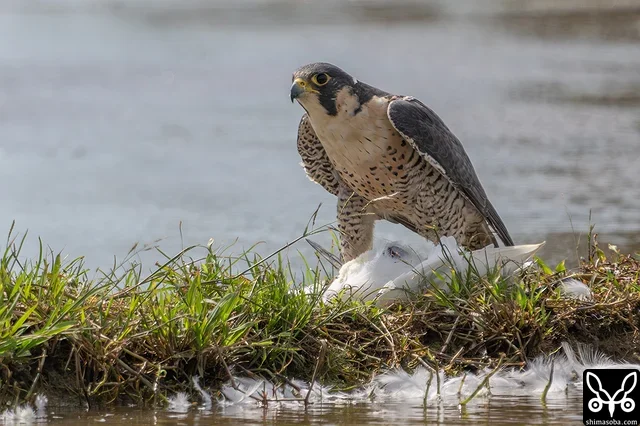
    While I was watching the shorebirds, a Peregrine Falcon showed up at its usual spot. It had its eye on a Eurasian Coot, but a light truck passed by and it flew off somewhere.
    Saker Falcon
  58. First-winter (Yellow) Citrine Wagtail.
    Eastern Yellow Wagtail
  59. First-winter Common Snipe.
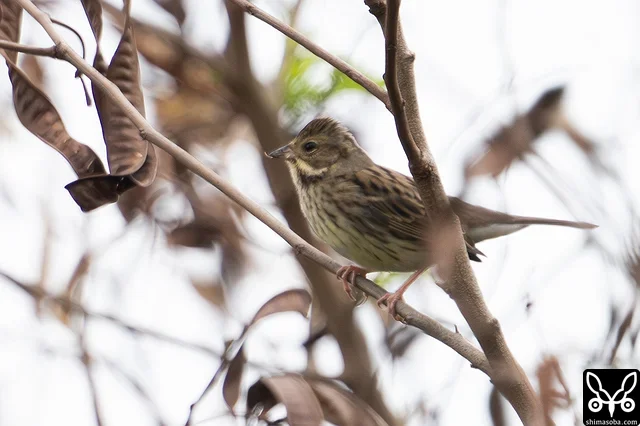
    Common Snipe
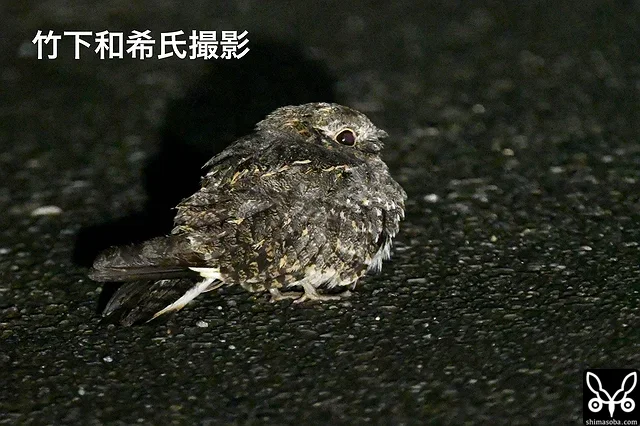
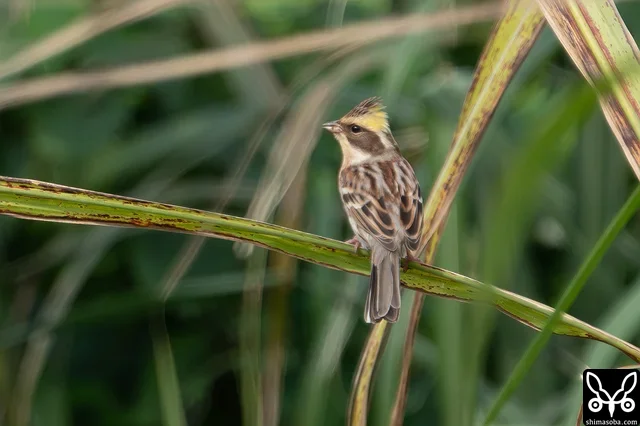
  60. Large-tailed Nightjar — a first record for Japan!! I wasn't able to get a photo myself, so Takeshita-kun kindly provided one!!
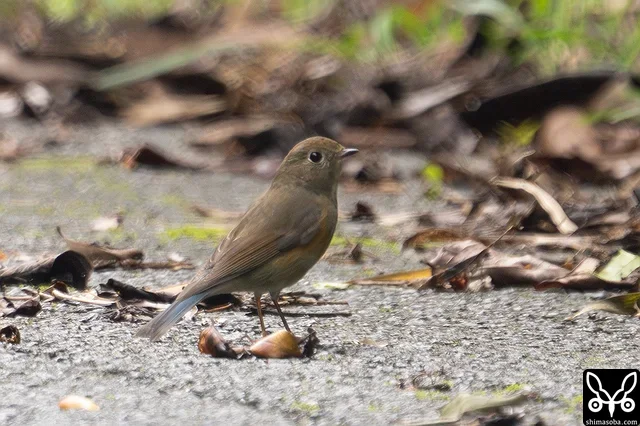
    White-throated Nightjar
  61. 12
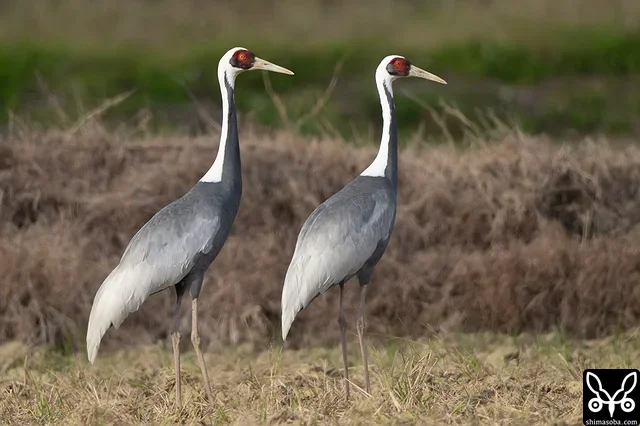
    The first visit since October 2020. This time there were two adults. The Purple Heron looked no bigger than a Little Egret!!
    White-naped Crane
  62. Around ten Northern Lapwings have been present since late last year.
    Northern Lapwing
  63. A Grey-faced Buzzard wintering in the pasture. I feel like the number of wintering individuals has been declining year by year.
    Grey-faced Buzzard
  64. The male paired with the individual above. Could the thin patch of scrubby woodland along the edge of the farmland be their nesting site?
    Crested Serpent Eagle
  65. A female Crested Serpent Eagle. It was early in the breeding season and she was calling persistently, begging the male for food.
    Crested Serpent Eagle
  66. 13
    A Crested Serpent Eagle in a field near town. I'm seeing them here and there.
    Crested Serpent Eagle
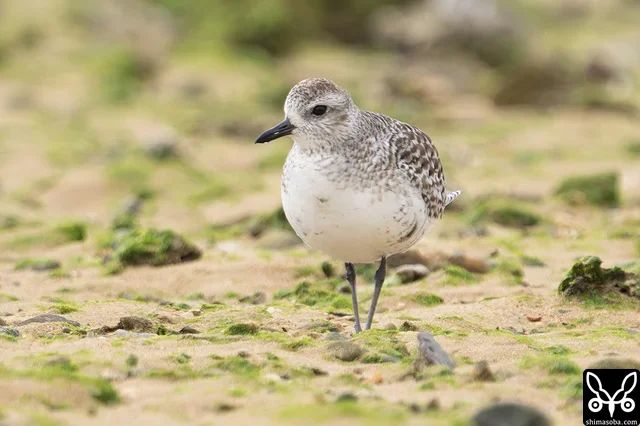
  67. Grey Plovers are wintering in higher numbers than usual this season.
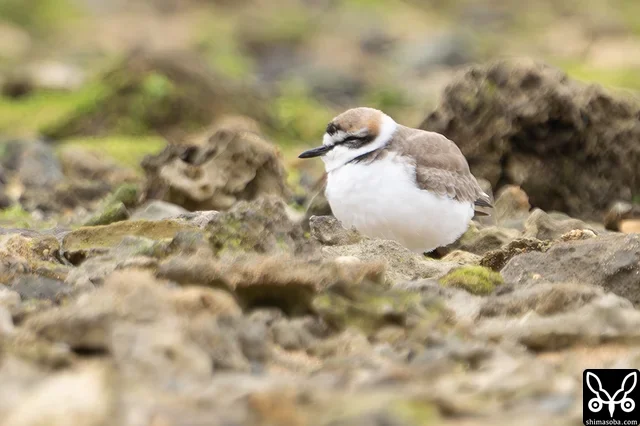
    Grey Plover
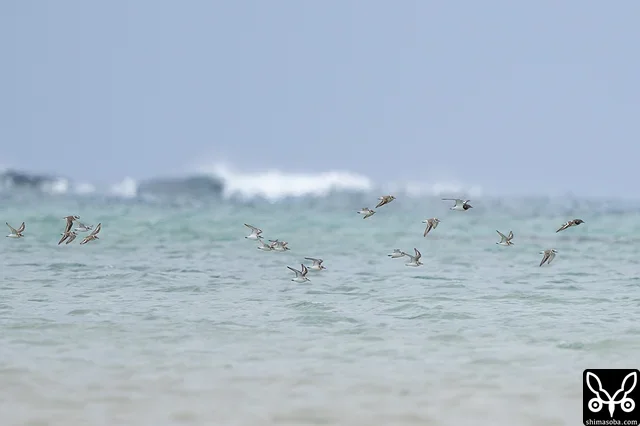
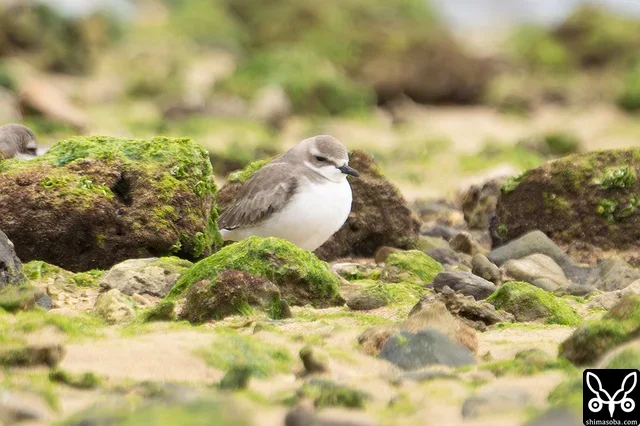
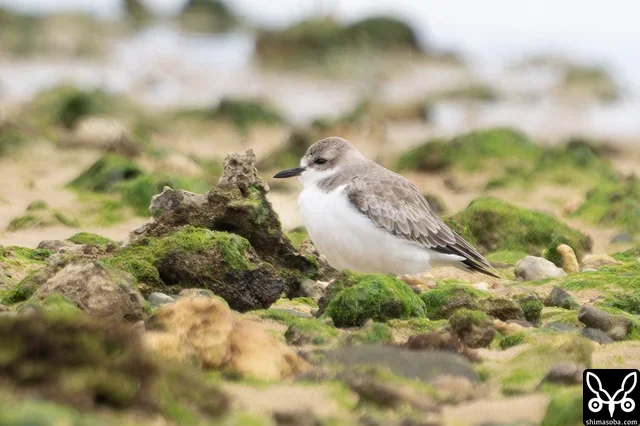
  68. Lesser Sand Plovers and Kentish Plovers are wintering at the river mouth and along the coast.
    Lesser Sand Plover
  69. The White-bellied Drongo was in exactly the same spot as a week ago. It was predating something in the order Hymenoptera. I hope it stays until spring.
    Ashy Drongo
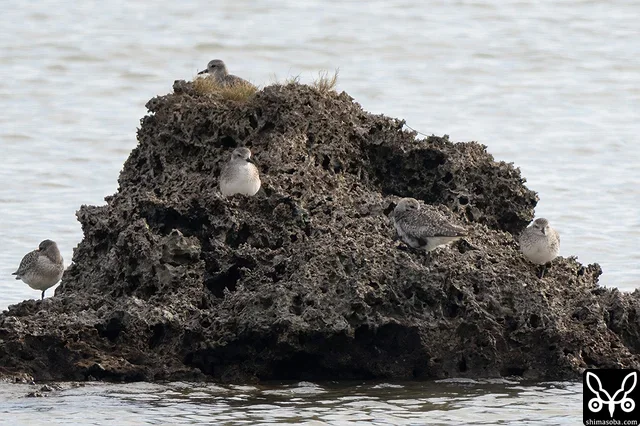
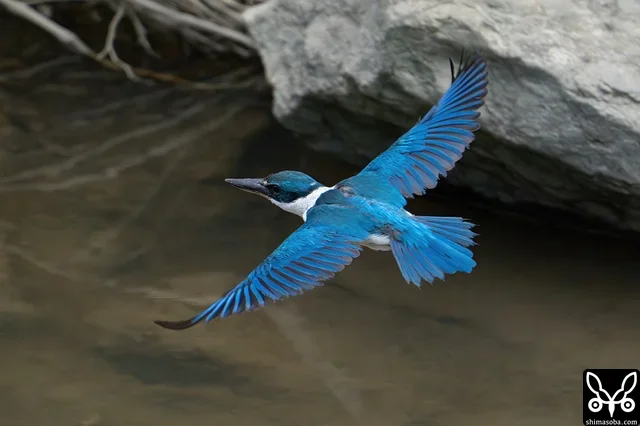
  70. A Collared Kingfisher flushed by a birder approaching on foot. T1 and T2 of the tail feathers appear to be in moult.
    Collared Kingfisher
  71. When observed from the car it shows no wariness at all, fluffing up its feathers and looking relaxed.
    Collared Kingfisher
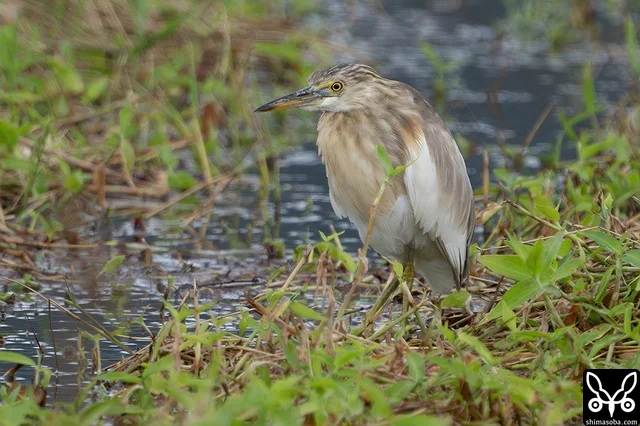
  72. It has been three months since the Collared Kingfisher arrived on Ishigaki. The moult on the head and back seems to have progressed a little.
    Collared Kingfisher
  73. After the centipede, it caught a Mudskipper. The prey's expression was one of despair….
    Collared Kingfisher
  74. A Collared Kingfisher that caught a centipede. Ruddy Kingfishers, Crested Serpent Eagles, and Blue Rock Thrushes all seem to be very fond of centipedes.
    Collared Kingfisher
  75. 15
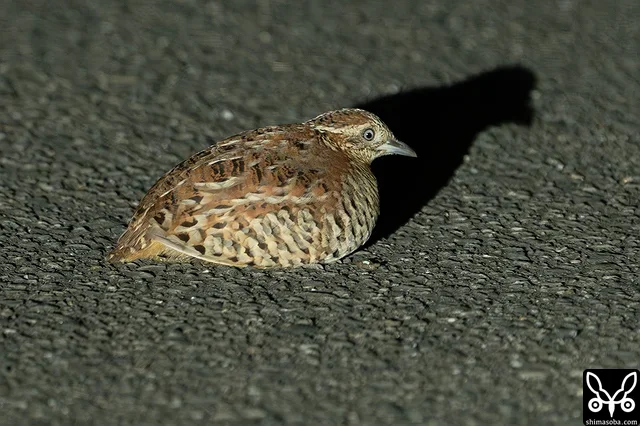
    This is the Barred Buttonquail I mistook for the Large-tailed Nightjar. ^^; For some reason it was in the middle of the road late at night.
    Barred Buttonquail
  76. 16
    About 20 Common Snipe wintering.
    Common Snipe
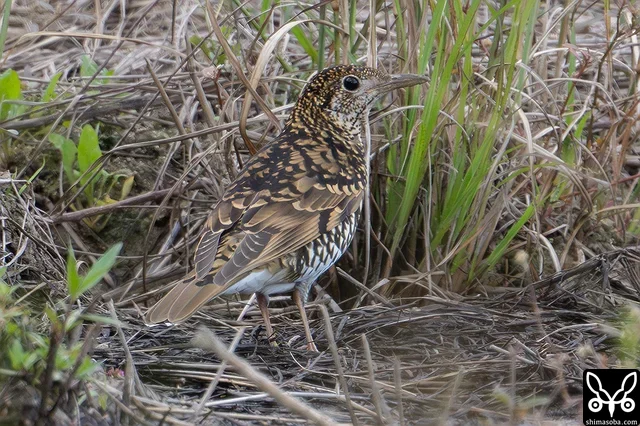
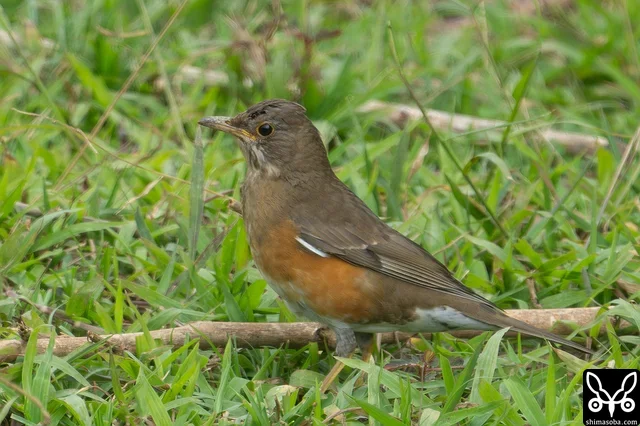
  77. A White's Thrush in the rice fields. It is noticeably larger than Pale and Brown Thrushes, and the bold patterning adds to its presence.
    White's Thrush
  78. A Pied Avocet on an extended stay.
    Pied Avocet
  79. Red-necked Stints arrived in a small flock.
    Temminck's Stint
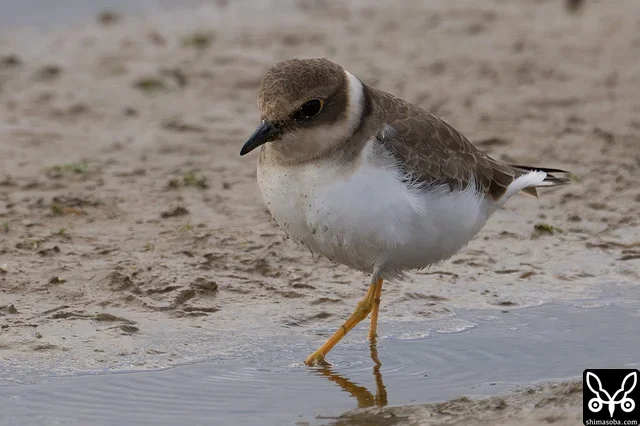
  80. Little Ringed Plovers in a flock of about 20.
    Little Ringed Plover
  81. 19
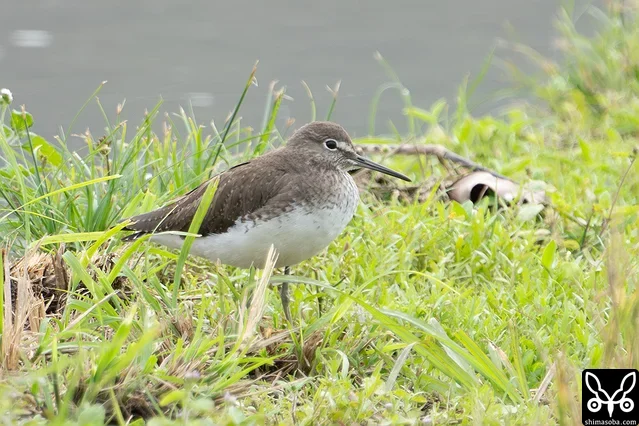
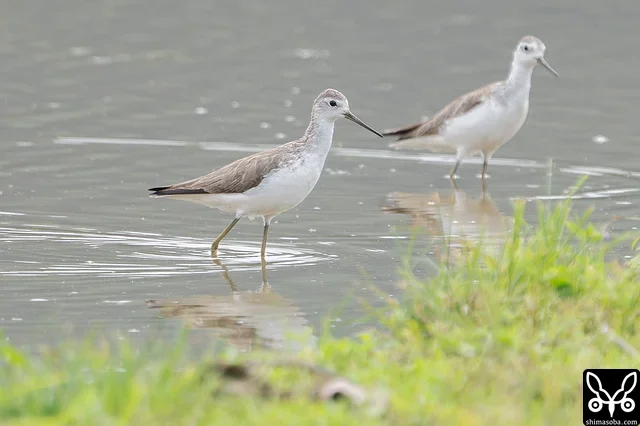
    Green Sandpiper, first-winter plumage.
    Green Sandpiper
  82. Eight Common Snipe.
    Common Snipe
  83. Little Stint, winter plumage.
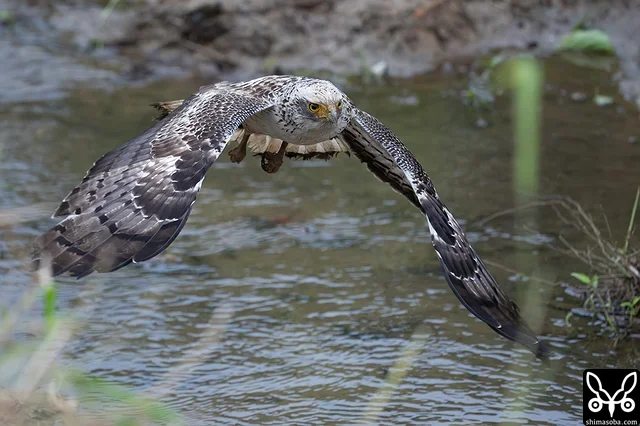
    Marsh Sandpiper
  84. Northern Shoveler male. Transitioning from eclipse to breeding plumage.
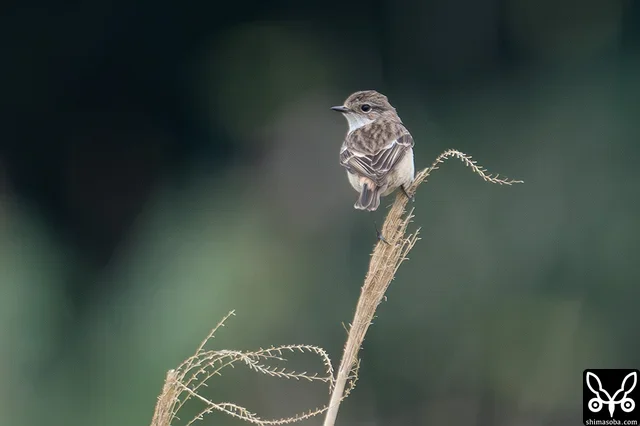
    Northern Shoveler
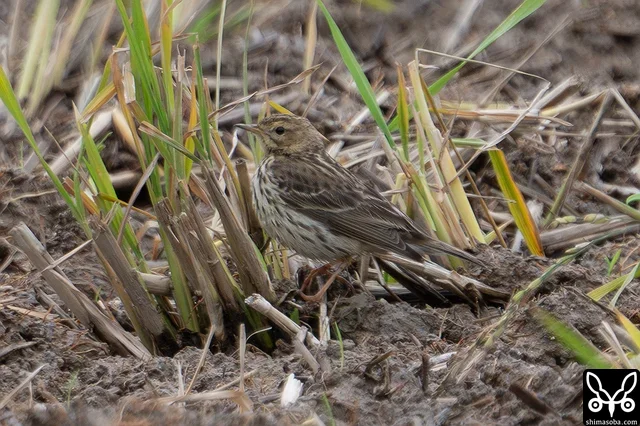
  85. Falcated Duck male. Moulting from juvenile to first-winter breeding plumage.
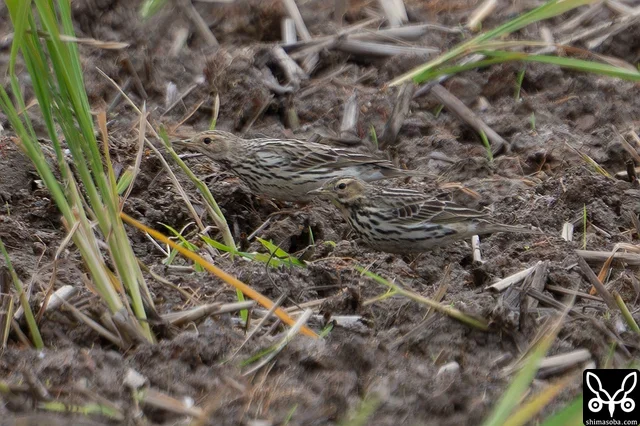
    Falcated Duck
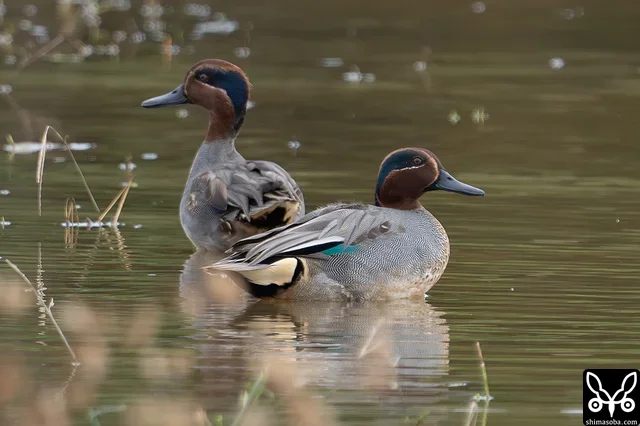
  86. Eurasian Teal female, non-breeding plumage.
    Eurasian Teal
  87. Eurasian Teal male, breeding plumage.
    Eurasian Teal
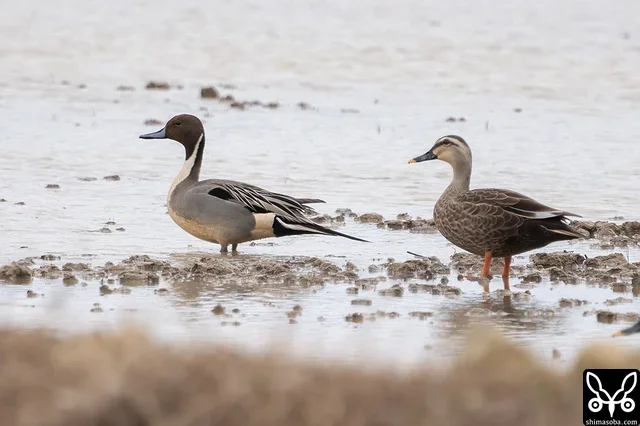
  88. Northern Pintail male (left) and Eastern Spot-billed Duck.
    Northern Pintail
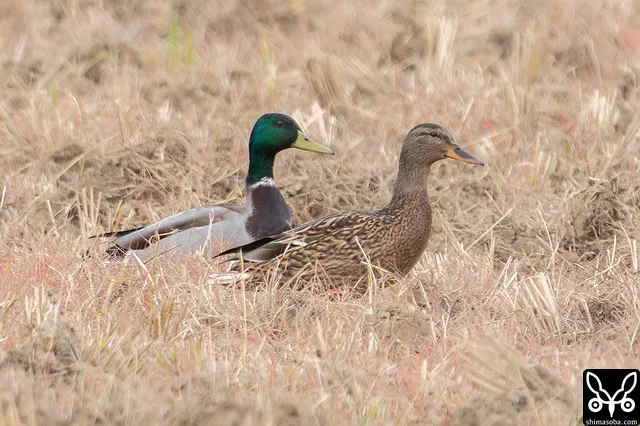
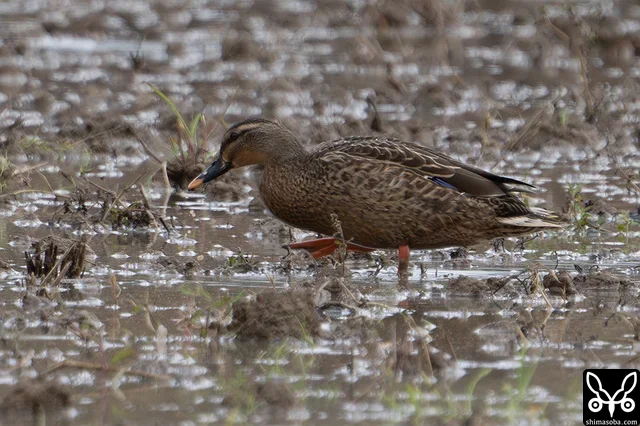
  89. A pair of Mallards.
    Mallard
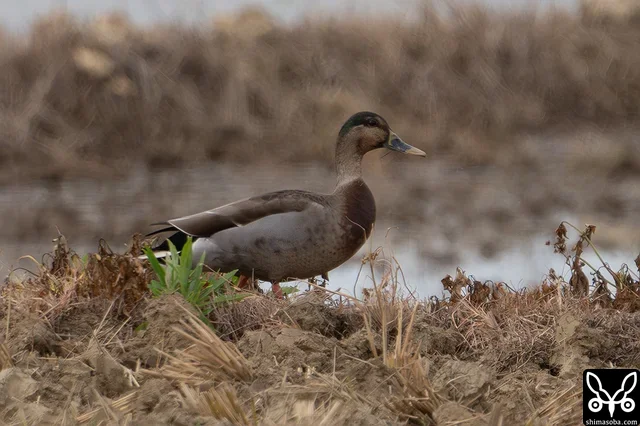
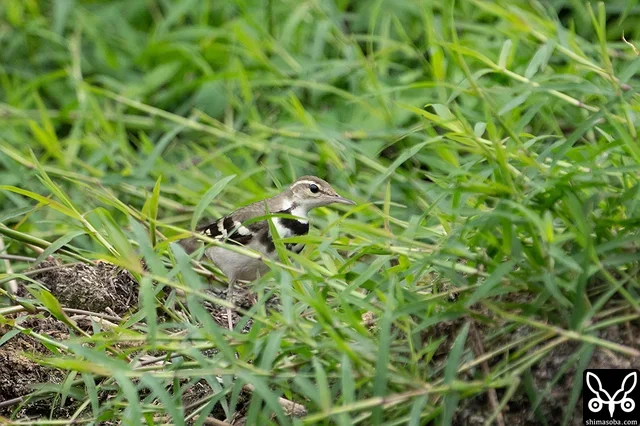
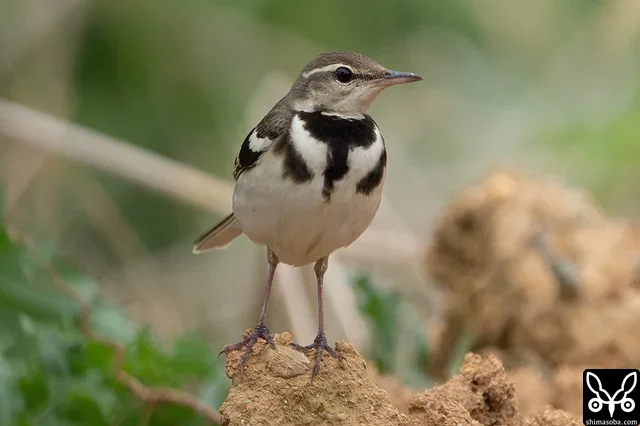
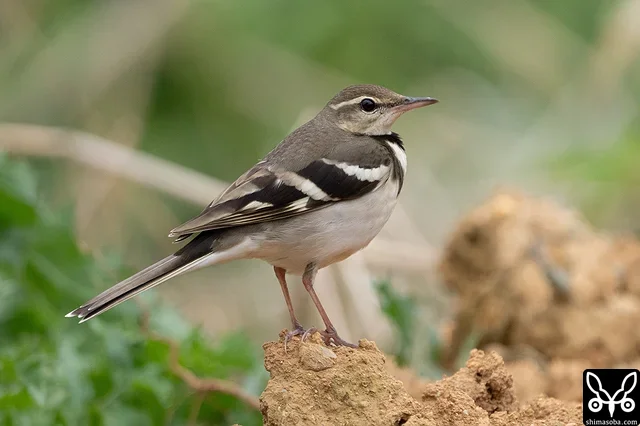
  90. Mallard × Eastern Spot-billed Duck hybrid.
    Hybrid
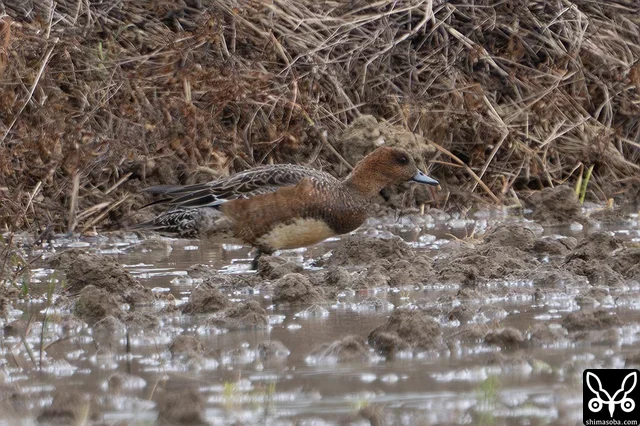
  91. Eurasian Wigeon female, non-breeding plumage.
    Eurasian Wigeon
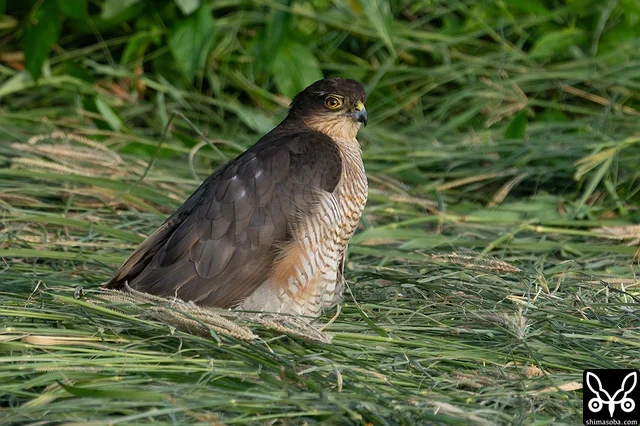
  92. Another Mallard × Eastern Spot-billed Duck hybrid.
    Hybrid
  93. 21
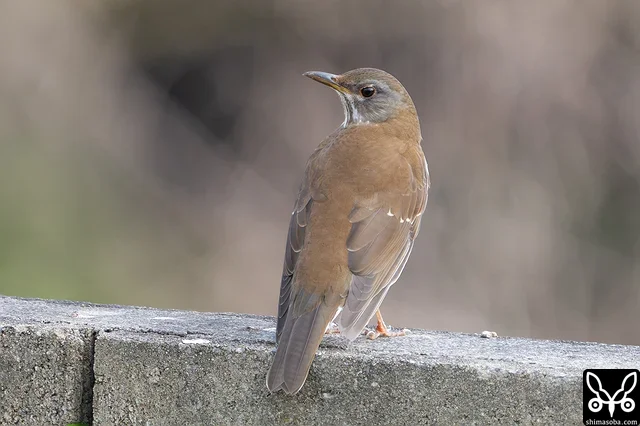
    A Pale Thrush appearing in my garden every day.
    Pale Thrush
  94. 22
    Common Snipe are wintering all over the island.
    Common Snipe
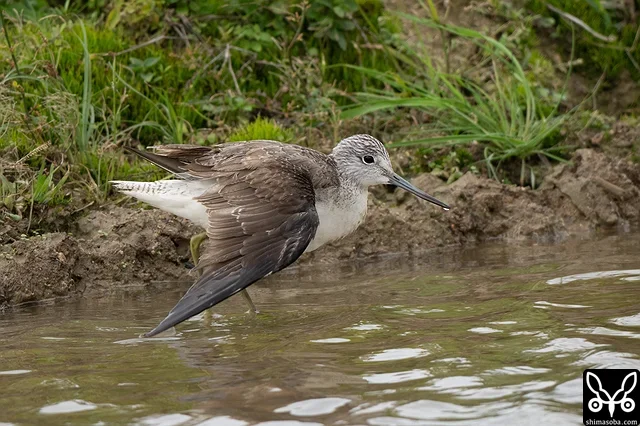
  95. A Common Greenshank with an injured wing. It may have difficulty migrating when spring comes.
    Common Greenshank
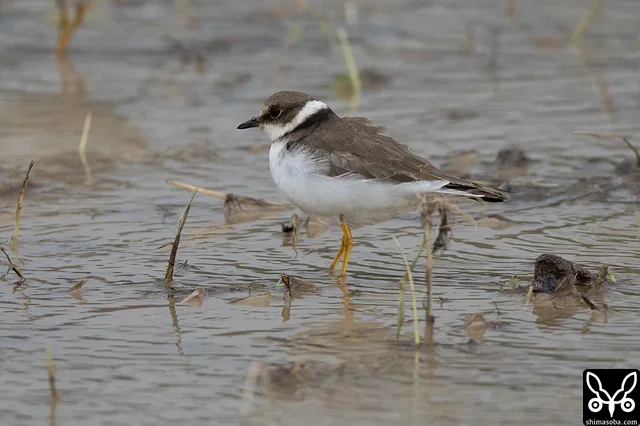
  96. Little Ringed Plovers are wintering in flocks in the rice fields.
    Little Ringed Plover
  97. Temminck's Stint — many pass through, but almost none winter here.
    Long-toed Stint
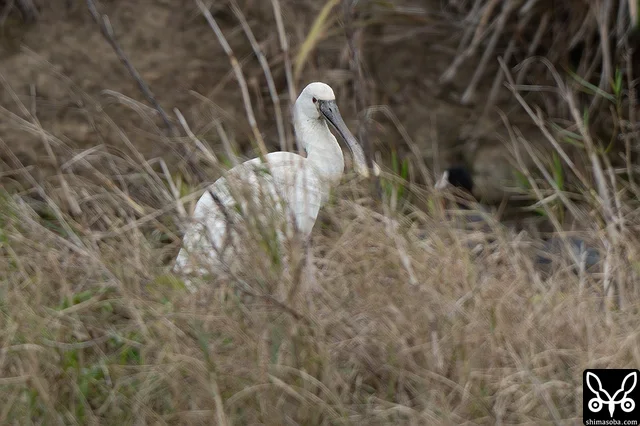
  98. A Eurasian Spoonbill on an extended stay. It was fairly wary.
    Eurasian Spoonbill
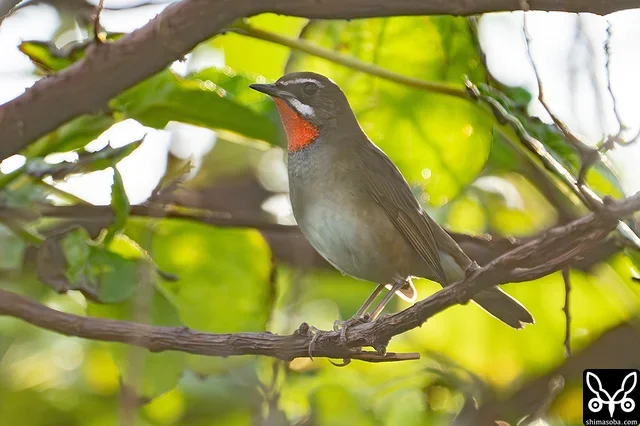
  99. Siberian Rubythroats are pretty much like this. Ryukyu Robin is even harder — I could only confirm it by voice…
    Siberian Rubythroat
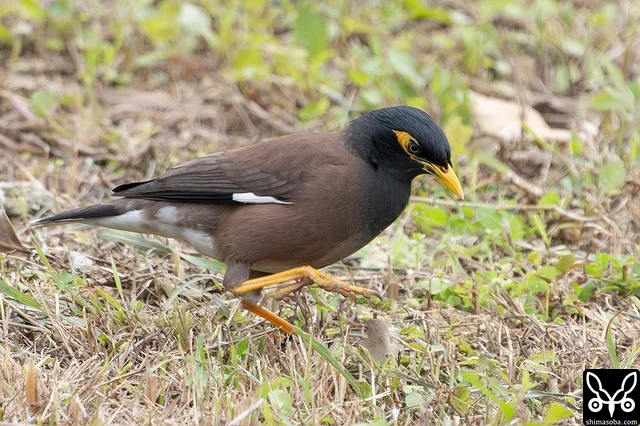
  100. Common Mynas are increasing in number year by year. In the evenings, Sonai is noisy with Common Mynas roosting on utility poles.
    Common Myna
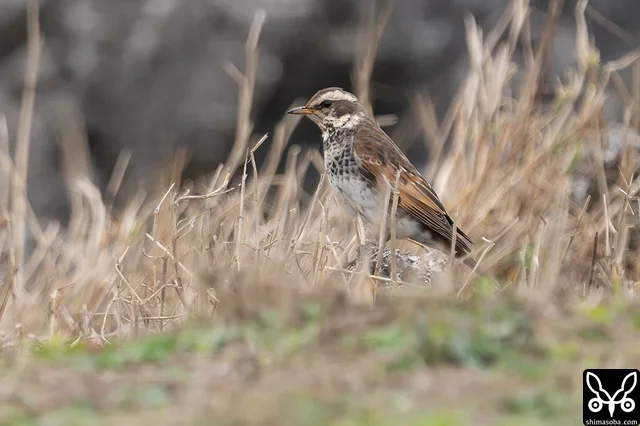
  101. Dusky Thrushes are concentrated in the south pasture.
    Dusky Thrush
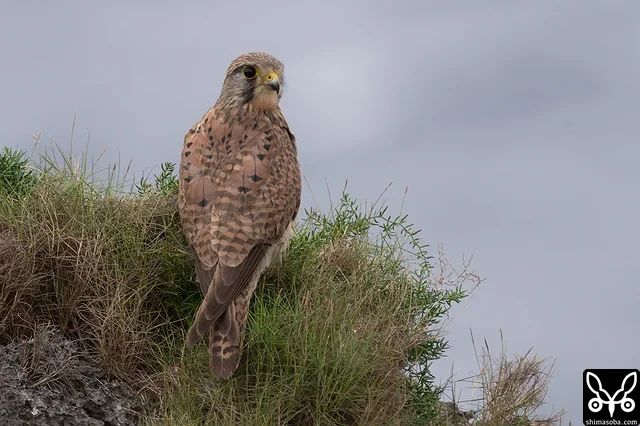
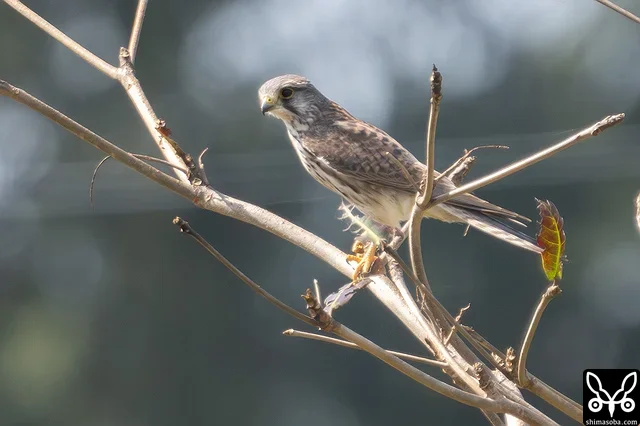
  102. Common Kestrel, first-winter plumage. A completely unafraid individual.
    Common Kestrel
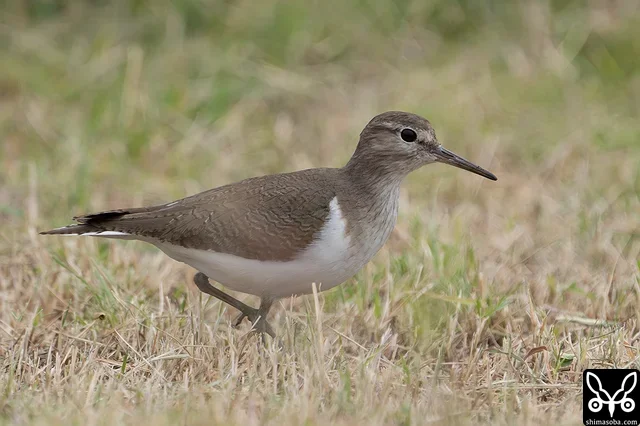
  103. A Common Sandpiper on the lawn. Rice paddies have nearly disappeared on Yonaguni Island, and sandpipers and plovers are almost absent.
    Common Sandpiper
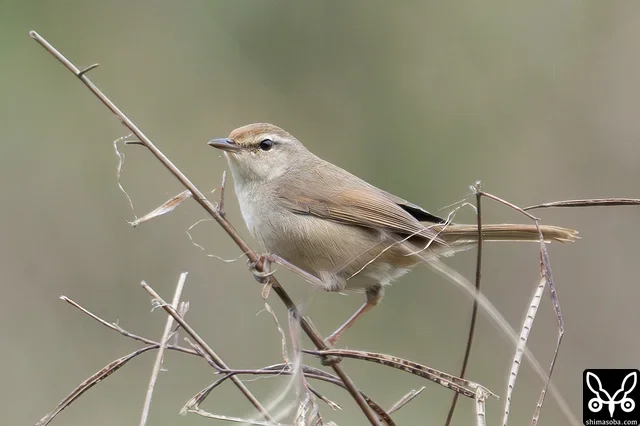
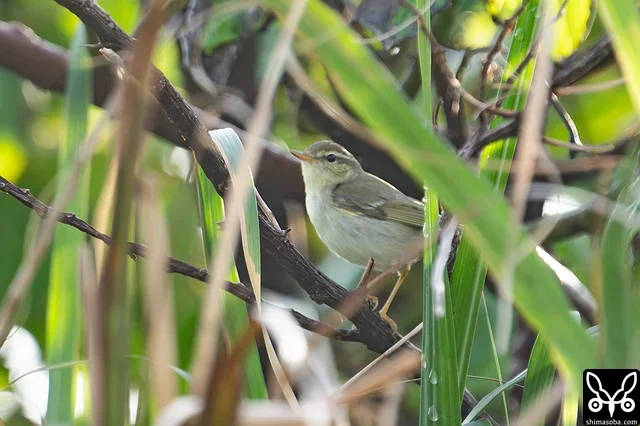
  104. A Korean Bush Warbler appearing in the grass.
    Korean Bush Warbler
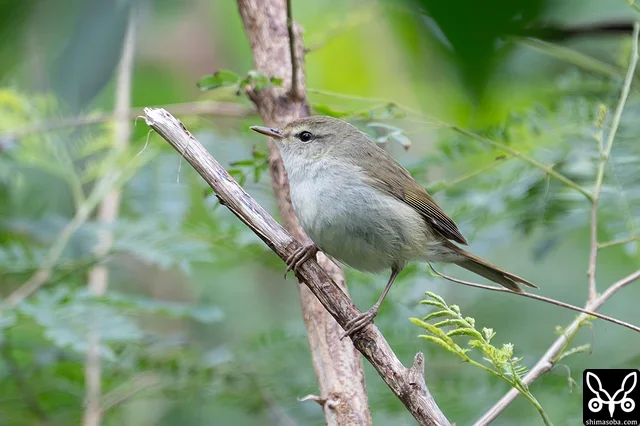
  105. A Japanese Bush Warbler found on a forest road.
    Japanese Bush Warbler
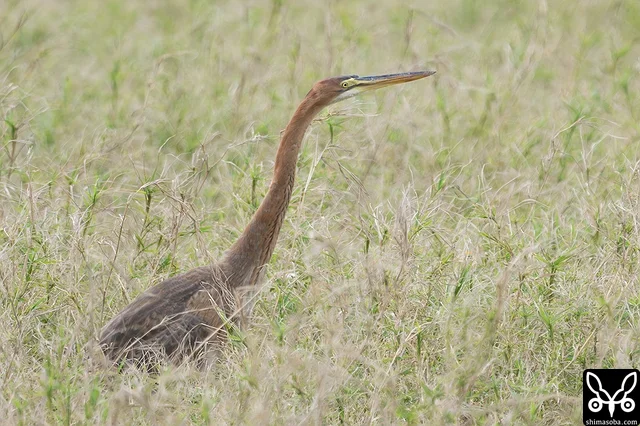
  106. Purple Herons are relatively scarce on Yonaguni Island. This time I found only one individual, a juvenile.
    Purple Heron
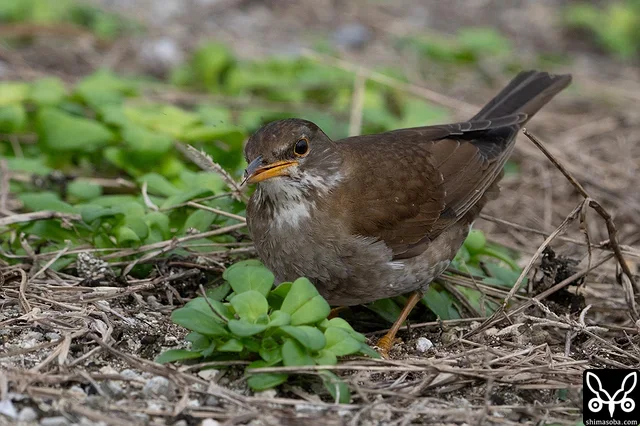
  107. Pale Thrushes are wintering in considerable numbers across a variety of spots, from within the village to cemeteries, farmland, and forest roads.
    Pale Thrush
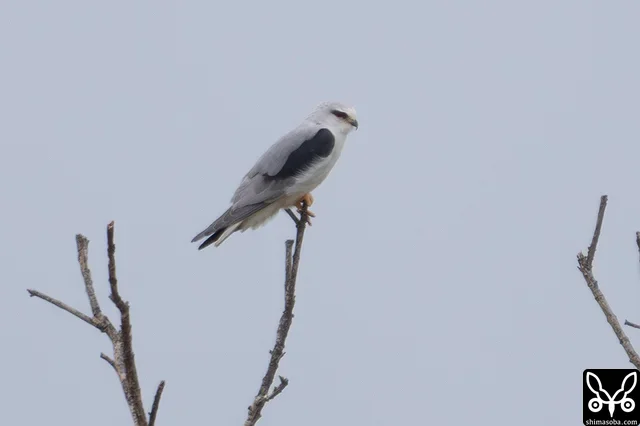
  108. Black-winged Kite in the middle of breeding. The chicks will fledge soon.
    Black-winged Kite
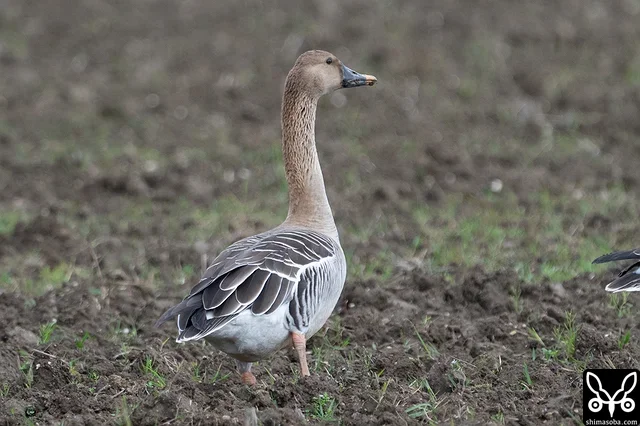
  109. Two Bean Geese staying in the area.
    Bean Goose
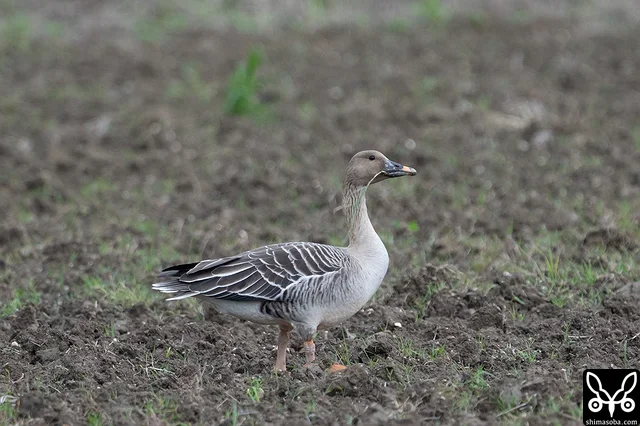
  110. A small-type Bean Goose is also still around.
    Tundra Bean Goose
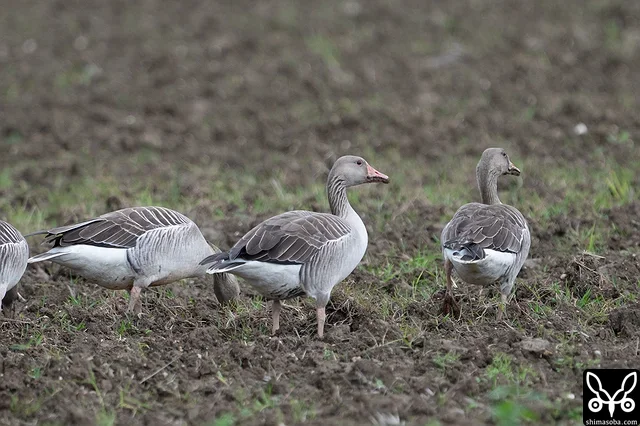
  111. The Grey-lag Geese have been here since last year — a long stay. All five are present.
    Greylag Goose
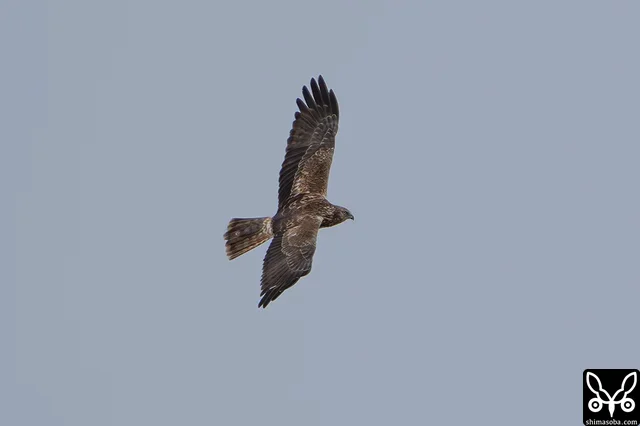
  112. A Eastern Marsh Harrier was being mobbed by a Black-winged Kite.
    Eastern Marsh Harrier
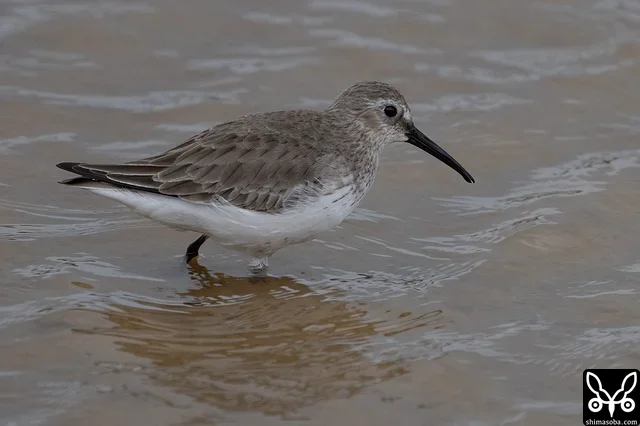
  113. Dunlin, first-winter plumage.
    Dunlin
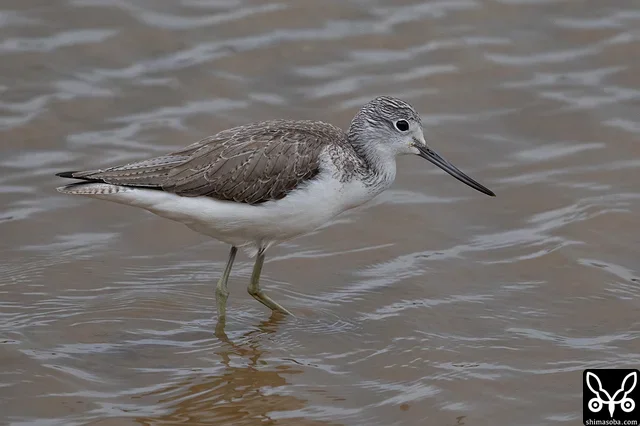
  114. Solitary Snipe, first-winter plumage.
    Common Greenshank
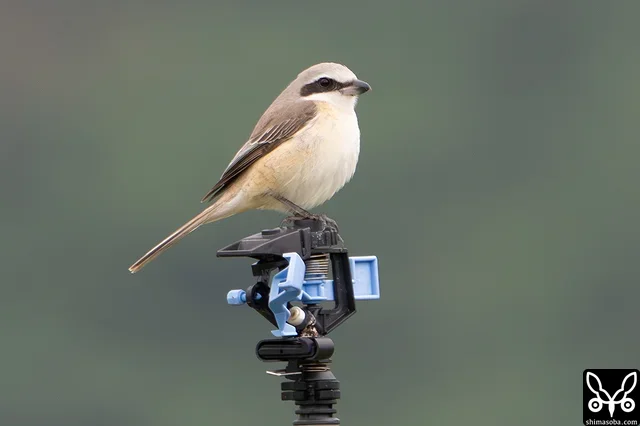
  115. Adult female Brown Shrike.
    Isabelline Shrike
  116. Female winter (Yellow-browed) Eastern Yellow Wagtail.
    Eastern Yellow Wagtail
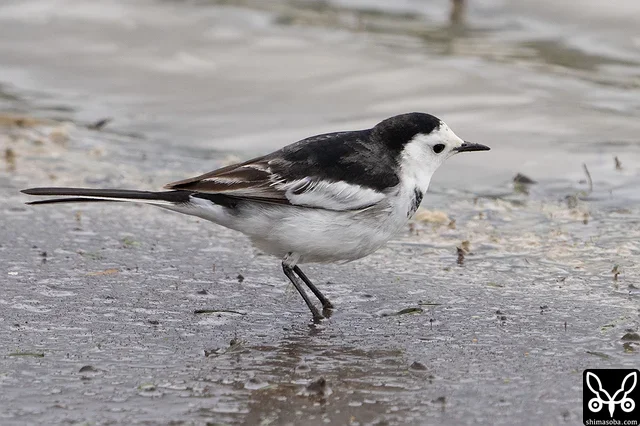
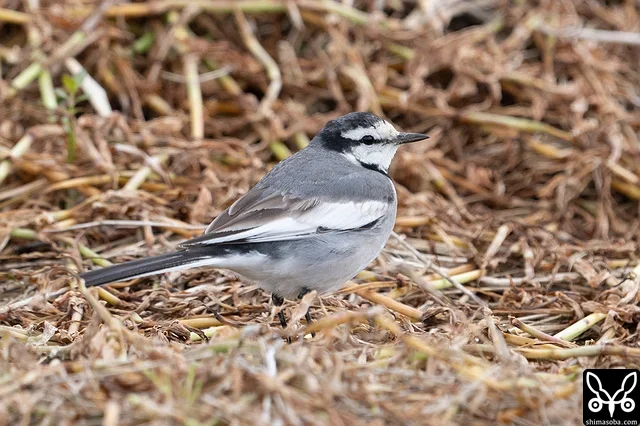
  117. White Wagtail (leucopsis), winter plumage.
    White Wagtail
  118. (Yellow-browed) Citrine Wagtail, first-winter plumage.
    Eastern Yellow Wagtail
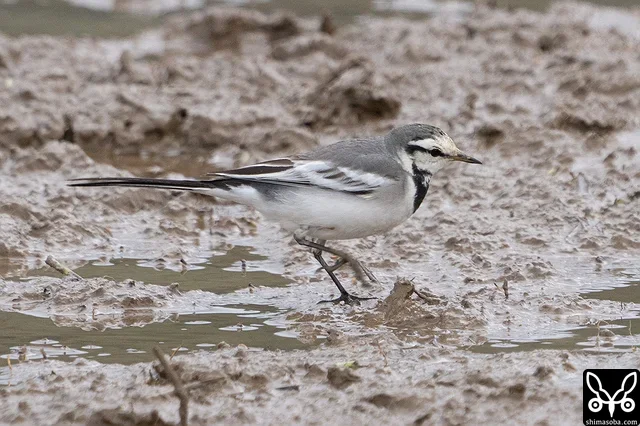
  119. White Wagtail, female, first-winter plumage.
    White Wagtail
  120. First-winter (Yellow-browed) Eastern Yellow Wagtail as well.
    Eastern Yellow Wagtail
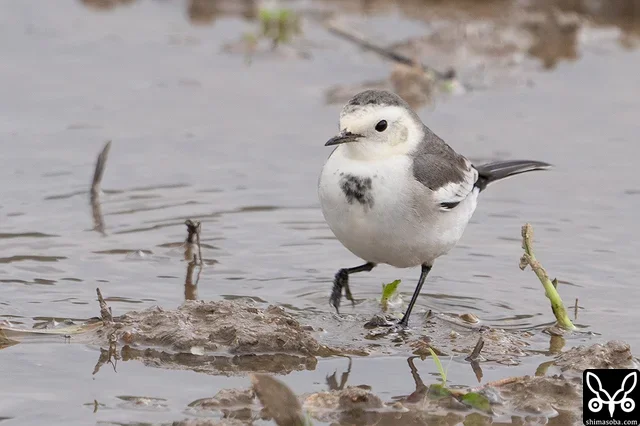
  121. White Wagtail, female, winter plumage.
    White Wagtail
  122. Same individual as above. The bib is quite small, isn't it.
    White Wagtail
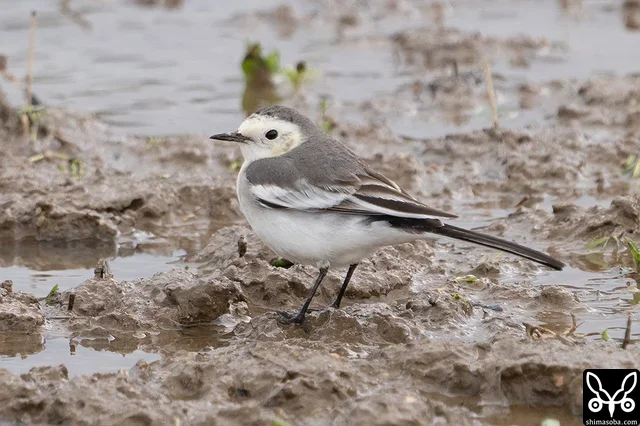
  123. Also a White Wagtail (leucopsis), female, first-winter plumage.
    White Wagtail
  124. White Wagtail (leucopsis), female, first-winter plumage.
    White Wagtail
  125. Ten Common Pochards joined a flock of 150 Tufted Ducks.
    Tufted Duck
  126. A Common Buzzard passed overhead.
    Common Buzzard
  127. 23
    A White's Thrush on the farm track by the rice fields.
    White's Thrush
  128. Although fewer than Pale Thrushes, Japanese Thrushes are also wintering here.
    Japanese Thrush
  129. A solitary Black-faced Bunting detected by its call near the settling pond. Rustic Buntings and Little Buntings were also present, but I couldn't get a photo.
    Black-faced Bunting
  130. Yellowhammer Yellow-throated Buntings in a flock of about 10.
    Yellow-throated Bunting
  131. Also confirmed a few Red-flanked Bluetails.
    Red-flanked Bluetail
  132. A fair number of Daurian Redstarts are wintering.
    Daurian Redstart
  133. There were three Richard's Pipits at Higashizaki. Feels like I haven't seen them in a while.
    Red-throated Pipit
  134. These three Korean Bush Warblers were moving along a forest edge.
    Korean Bush Warbler
  135. A Siberian Rubythroat in the morning, moving through the undergrowth while giving its call note.
    Siberian Rubythroat
  136. A Pale-legged Leaf Warbler also detected by its call note. I was able to get a brief look at it as well.
    Arctic Warbler
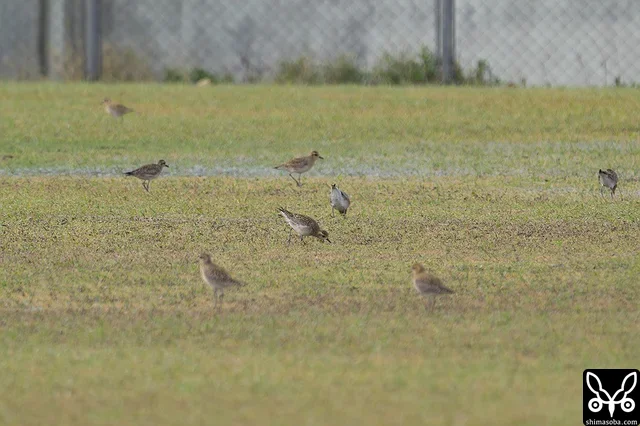
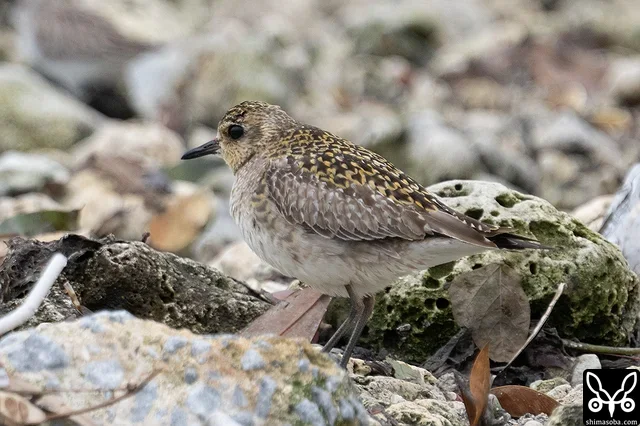
  137. Around 30 Pacific Golden Plovers flew in to the school lawn. They may have taken shelter from the heavy overnight rain.
    Pacific Golden Plover
  138. In the field I thought this was a Little Stint, but it appears to be a Red-necked Stint.
    Red-necked Stint
  139. Same individual as above.
    Red-necked Stint
  140. Long-toed Stint, first-winter plumage.
    Long-toed Stint
  141. This one also looked like a Little Stint to me — but.
    Red-necked Stint
  142. Red-necked Stint, first-winter plumage.
    Red-necked Stint
  143. Pacific Golden Plover, first-winter plumage.
    Pacific Golden Plover
  144. Red-necked Stint, first-winter plumage.
    Red-necked Stint
  145. Greater Sand Plover, first-winter plumage.
    Greater Sand Plover
  146. Lesser Sand Plover, first-winter plumage.
    Lesser Sand Plover
  147. A male Kentish Plover already transitioning into breeding plumage.
    Kentish Plover
  148. Lesser Sand Plovers and Greater Sand Plovers wheeling about after being startled by a Peregrine Falcon.
    Greater Sand Plover
  149. Grey Plover, winter plumage.
    Grey Plover
  150. Lesser Sand Plover, winter plumage.
    Lesser Sand Plover
  151. Greater Sand Plover, winter plumage.
    Greater Sand Plover
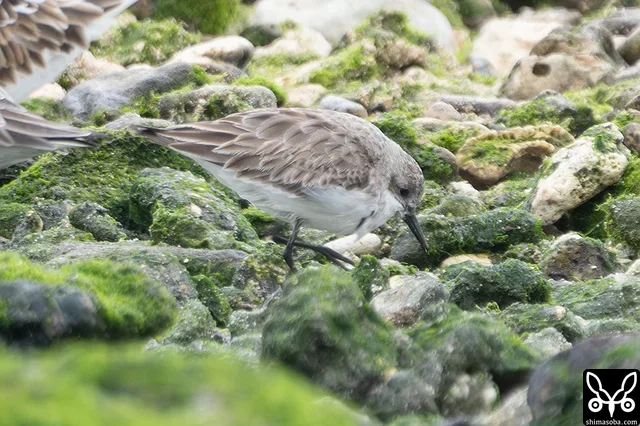
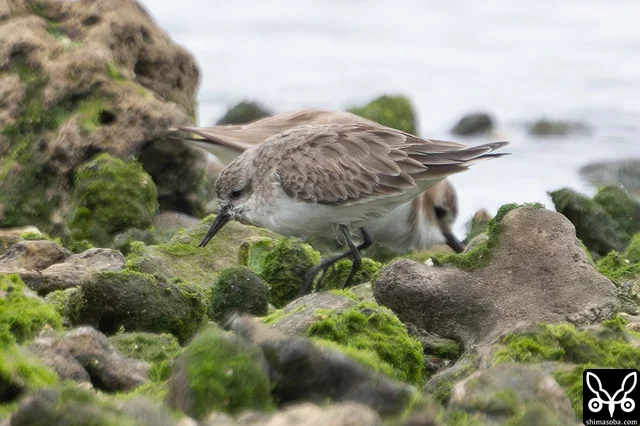
  152. Sanderling, first-winter plumage. Wintering individuals are scarce on Ishigaki-jima.
    Sanderling
  153. Besides flipping stones to look for food, the Ruddy Turnstone was also eating what appeared to be detritus.
    Ruddy Turnstone
  154. I was sitting and waiting on the shore when a Ruddy Turnstone came right up in front of me.
    Ruddy Turnstone
  155. 24
    A passing Upland Buzzard. It seems there are three on the island this season.
    Upland Buzzard
  156. A Chinese Pond Heron wintering alongside the Javan Pond Heron above. Summer plumage is visible on this one too. You can see it is deeper in colour compared to the Javan Pond Heron.
    Chinese Pond Heron
  157. A Javan Pond Heron that has been here since last year, carrying over into the new year. A little of its distinctive buff-toned summer plumage is starting to show.
    Javan Pond Heron
  158. Same individual as above. A very beautiful bird.
    Peregrine Falcon
  159. A young Peregrine Falcon. Thought to be 2cy.
    Peregrine Falcon
  160. 26
    This Pin-tailed Snipe left a strong impression, so I've been able to identify it individually. You can tell at a glance. ^^ First-winter plumage.
    Pin-tailed Snipe
  161. A Pin-tailed Snipe preening after bathing.
    Pin-tailed Snipe
  162. I was passing through for work and didn't have much time, but it gave me a bath scene.
    Pin-tailed Snipe
  163. A Pin-tailed Snipe driving off a Common Snipe (right). The smaller-bodied Common Snipe loses out to both Pin-tailed and Swinhoe's Snipe.
    Common Snipe
  164. The same Common Snipe as above. First-winter plumage. Around five Common Snipe are wintering here.
    Common Snipe
  165. 28
    The two Tundra Swans are still present.
    Tundra Swan
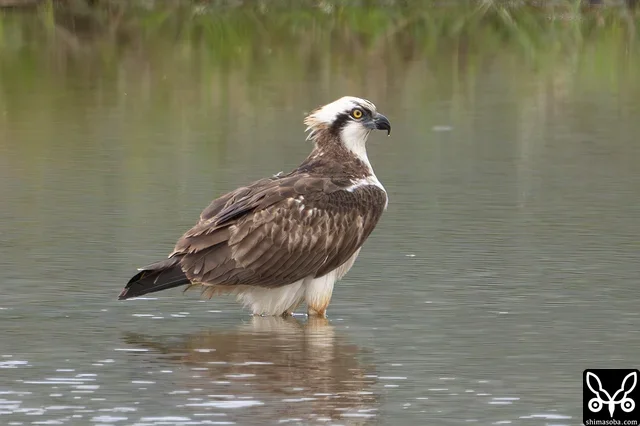
  166. An Osprey came to bathe. It seemed to be wary of me, so I left the area promptly.
    Osprey
  167. Long-toed Stint, first-winter plumage. Numbers have been increasing lately. Perhaps the return migration has begun.
    Long-toed Stint
  168. Eastern Yellow Wagtail, first-winter plumage.
    Eastern Yellow Wagtail
  169. 29
    I intend to observe carefully until it departs.
    Pin-tailed Snipe
  170. Records of Pin-tailed Snipe at this time of year are rare not just nationally but even for Okinawa and Ishigaki Island, so we need to make sure to check the tail feathers as well, just to be certain.
    Pin-tailed Snipe
  171. And then, the moment I'd been waiting for — bath time begins.
    Pin-tailed Snipe
  172. It was bathing in exactly the same spot as the other day.
    Pin-tailed Snipe
  173. It showed itself in full view. First-winter plumage.
    Pin-tailed Snipe
  174. Pin-tailed Snipe in January is something I've never recorded before — a very rare occurrence.
    Pin-tailed Snipe
  175. It spends most of its time in the grass.
    Pin-tailed Snipe
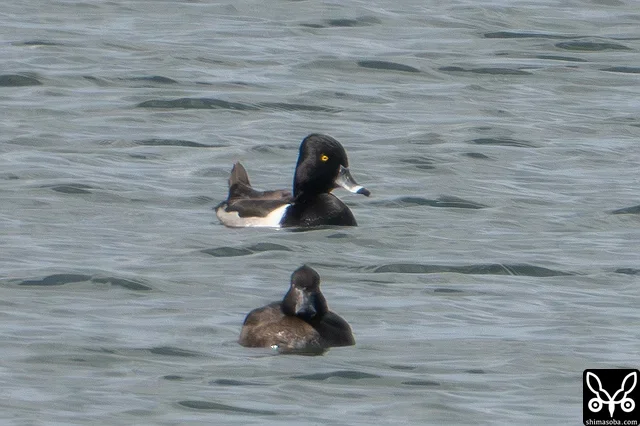
  176. Ring-necked Duck, male breeding plumage. Following a record on Miyako Island in 2023, this became the second record in the prefecture — a valuable sighting.
    Ring-necked Duck
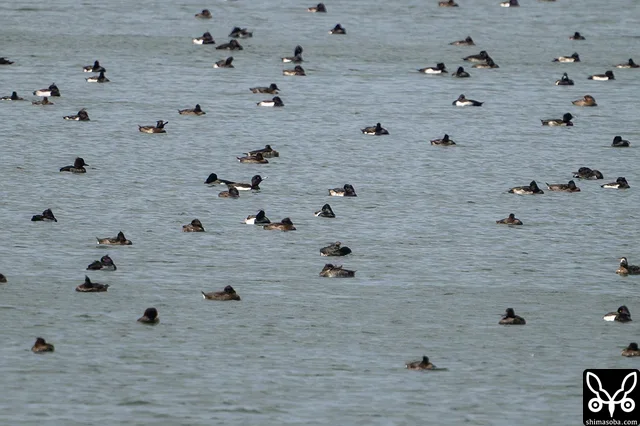
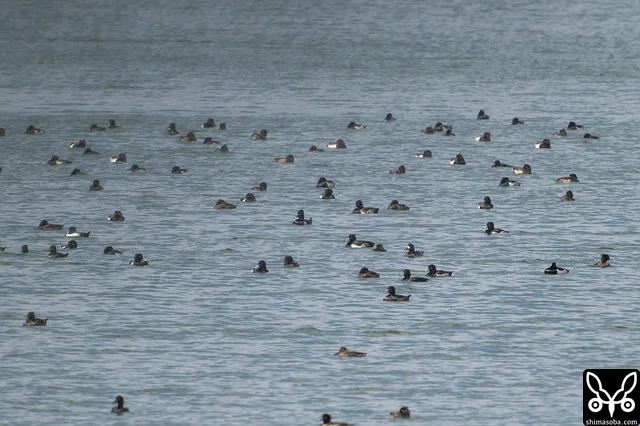
  177. It is sleeping, but the Ring-necked Duck is the one in the middle. All the others are Tufted Ducks. Once your eye adjusts, you can spot it straight away.
    Ring-necked Duck
  178. When it lifts its head, the difference between the Ring-necked Duck and the Tufted Ducks is immediately obvious.
    Ring-necked Duck
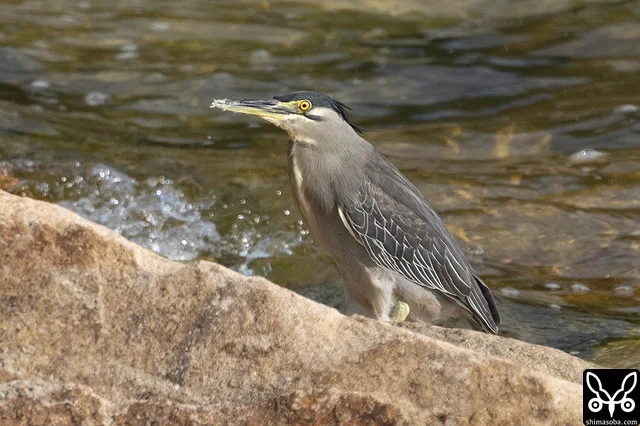
  179. A Striated Heron, unusual for Ishigaki Island. I was also able to hear its call.
    Striated Heron
  180. Temminck's Stints usually come in groups of two or three, but this time it was a flock of 12.
    Temminck's Stint
  181. Same individual as above. For what it's worth, the Sony α1 doesn't miss focus even at this distance.
    Crested Serpent Eagle
  182. Juvenile Crested Serpent Eagle. It flew toward me along the waterway.
    Crested Serpent Eagle
  183. Juvenile Peregrine Falcon.
    Peregrine Falcon
  184. Female Siberian Stonechat.
    Siberian Stonechat
  185. First-winter Red-throated Pipit.
    Red-throated Pipit
  186. Winter-plumage Red-throated Pipit.
    Red-throated Pipit
  187. 30
    A Brown Shrike that has wintered in my workplace car park every year since it was a juvenile. Several years on, it has grown into a fine adult male.
    Isabelline Shrike
  188. A Saker Falcon caught a Little Egret. This individual is a very skilled hunter.
    Saker Falcon
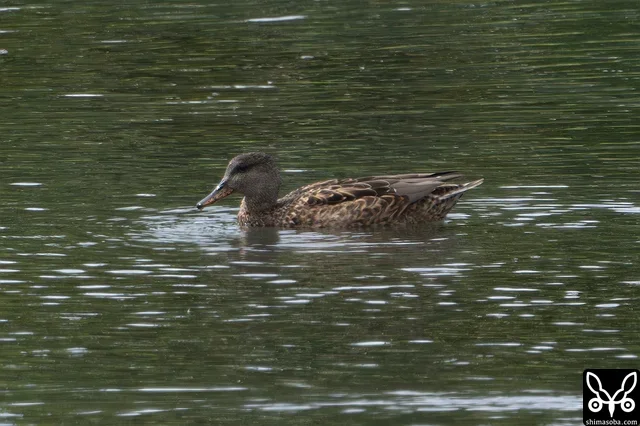
  189. Female non-breeding Gadwall.
    Gadwall
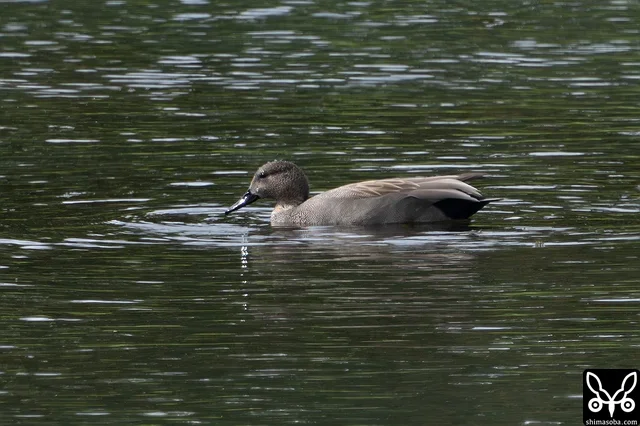
  190. Gadwall male, breeding plumage.
    Gadwall
  191. An unusually slender and small Common Kestrel juvenile. For a moment I thought it might be something else. ^^;
    Common Kestrel
  192. 31
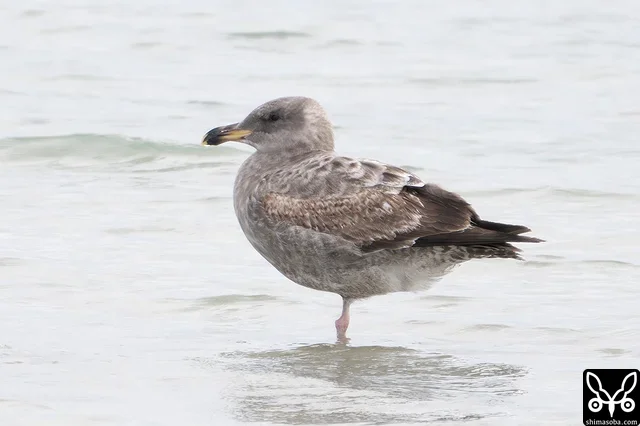
    A Glaucous-winged Gull — a first record for Japan. It had been staying for a long time and had moulted from juvenile into first-winter plumage.
    American Herring Gull
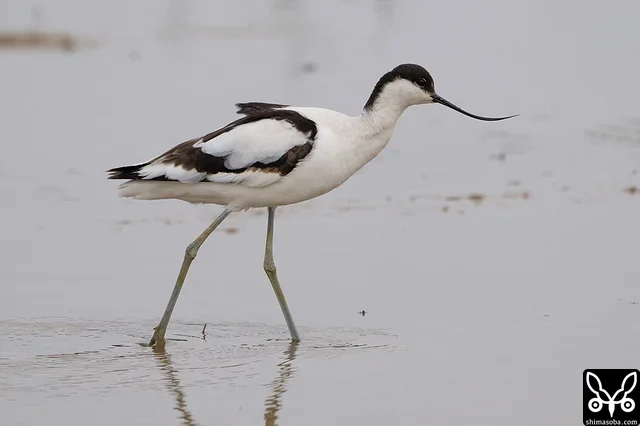
  193. At a rice paddy I stopped by on the way back, a Pied Avocet was by itself.
    Pied Avocet
  194. I also managed to capture a rare photograph showing two Rock Bush Chats together.
    Grey Wagtail
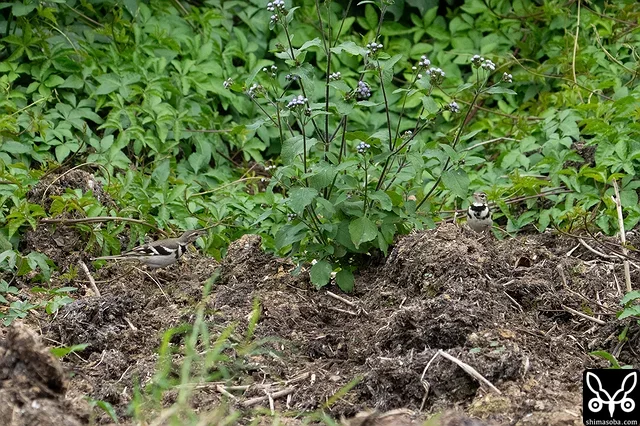
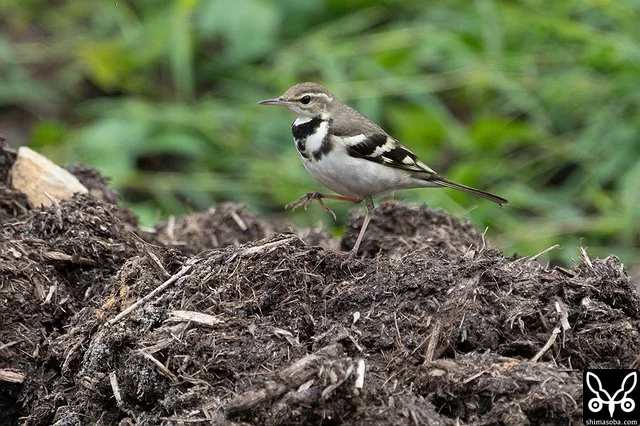
  195. A Grey Wagtail on the compost pile.
    Grey Wagtail
  196. They appeared to be feeding on compost piled up in the field. They moved back and forth through the grass.
    Grey Wagtail
  197. I observed them together with my daughter. We were also able to hear the Grey Wagtails' call notes at close range.
    Grey Wagtail
  198. Grey Wagtails appear on Ishigaki Island every year, but this was a rare chance to see two individuals at the same time, so I made the trip all the way to the north of the island to observe them.
    Grey Wagtail
  199. A Eurasian Sparrowhawk that had been battling a Black-winged Kite. On Ishigaki Island I almost always see juveniles, so it was a treat to get a close look at an adult male.
    Eurasian Sparrowhawk
  200. The Black-winged Kite above is a fledgling from a different location. It appeared to be alone. The eye colour is completely different from that of adults.

At yet another location, two chicks made their first flight. Black-winged Kites on Ishigaki Island seem to breed around twice a year regardless of season.
    Black-winged Kite