SEASONAL ARCHIVE

Wild Birds of August

When and what wild birds might you see — a timeline sorted by date taken

  1. 1
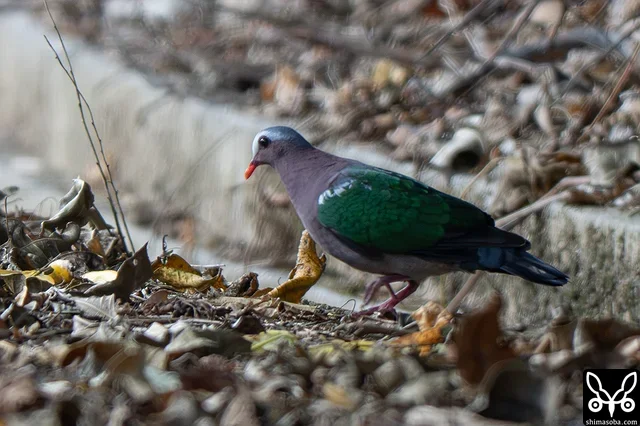
    A male Emerald Dove I run into near the house every day. Possibly in the middle of raising chicks — it was feeding intently.
    Emerald Dove
  2. 3
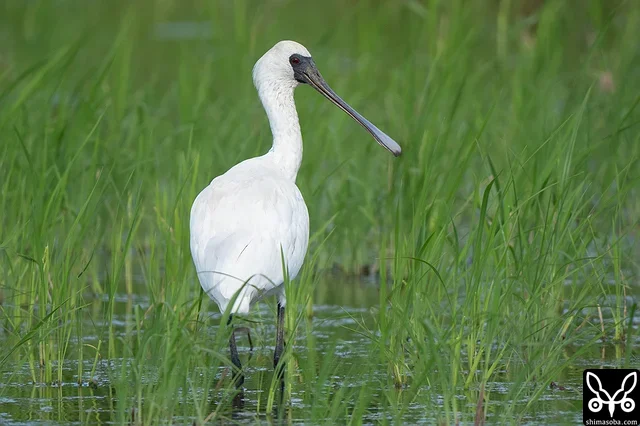
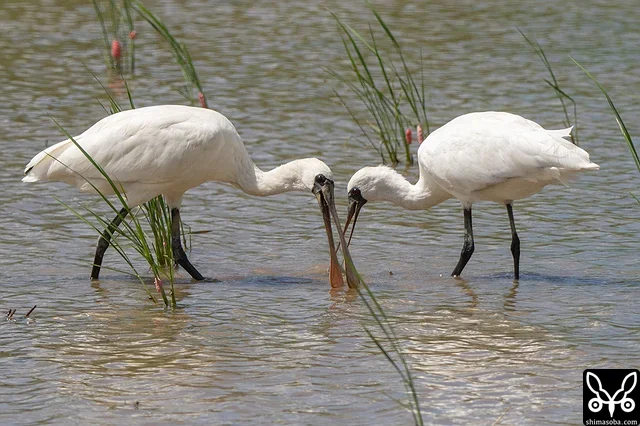
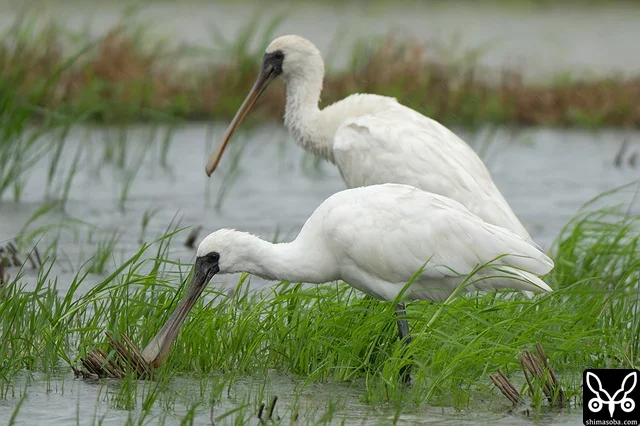
    The first Black-faced Spoonbill of the season arrived. It was an easy bird to watch, showing no wariness at all.
    Black-faced Spoonbill
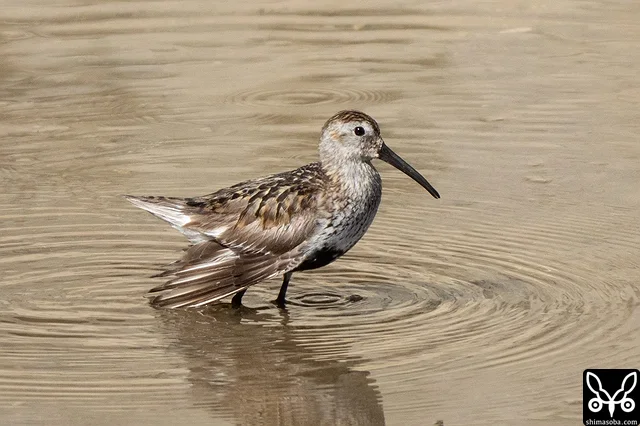
  3. The first Dunlin of the season seemed to have an injured wing. Doesn't look like a fracture, so hopefully it heals.
    Dunlin
  4. 5
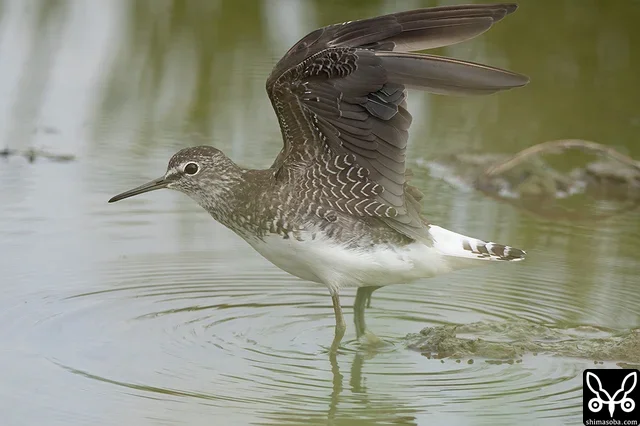
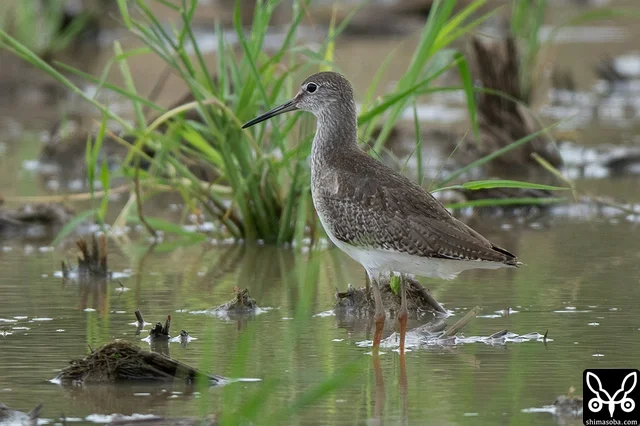
    There were several Green Sandpipers.
    Green Sandpiper
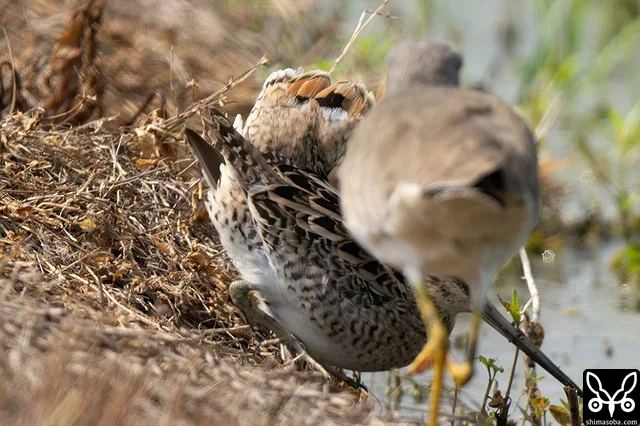
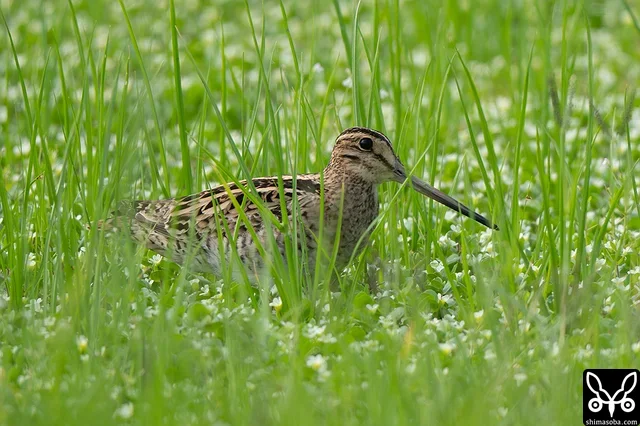
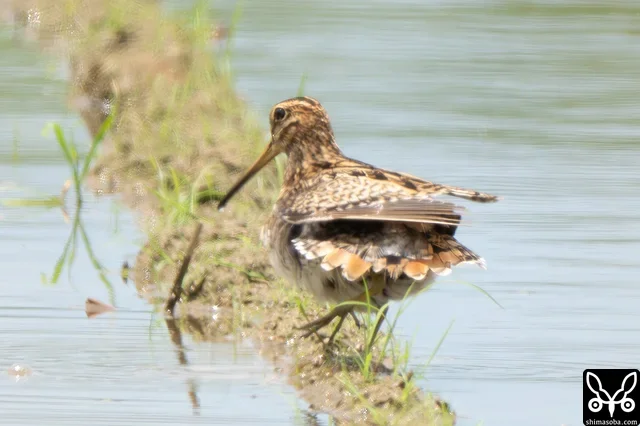
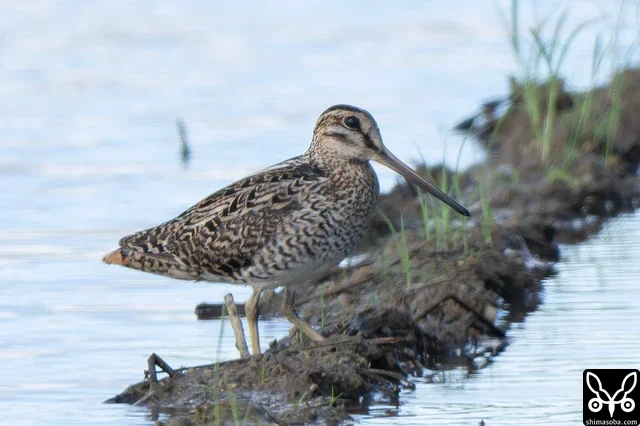
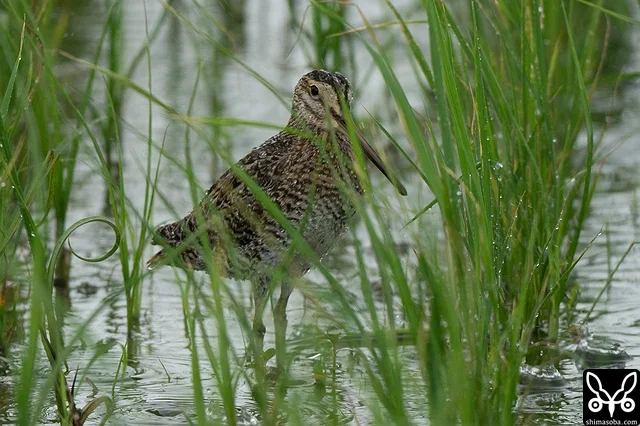
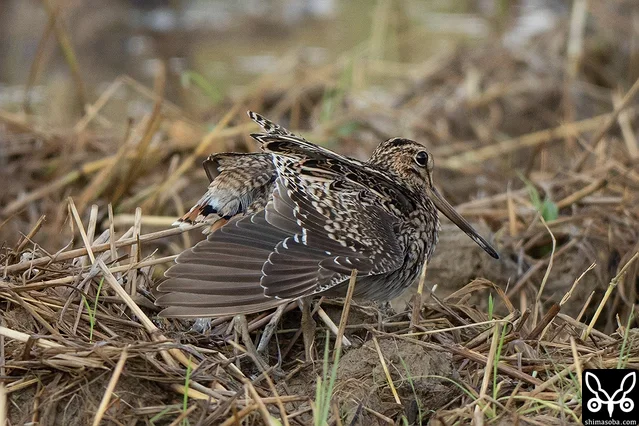
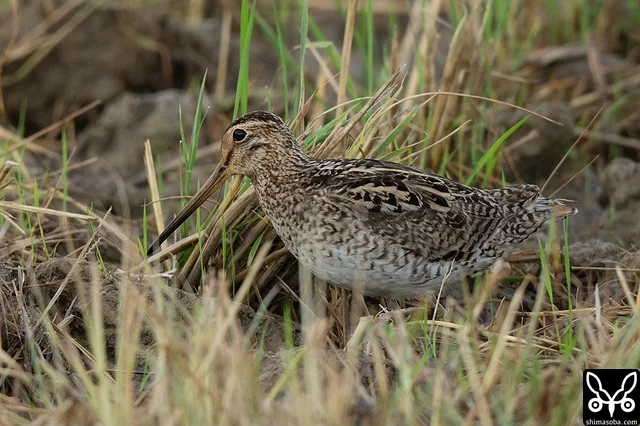
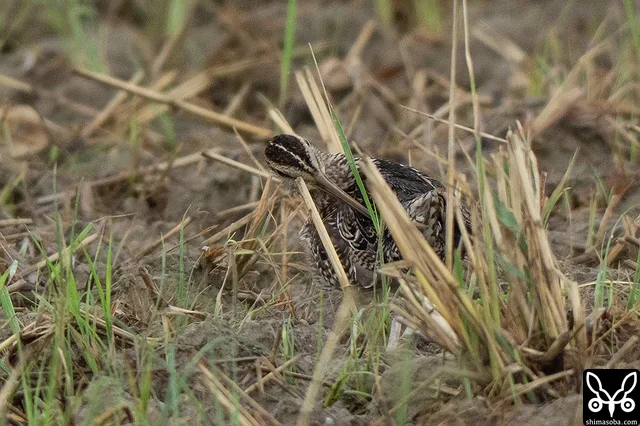
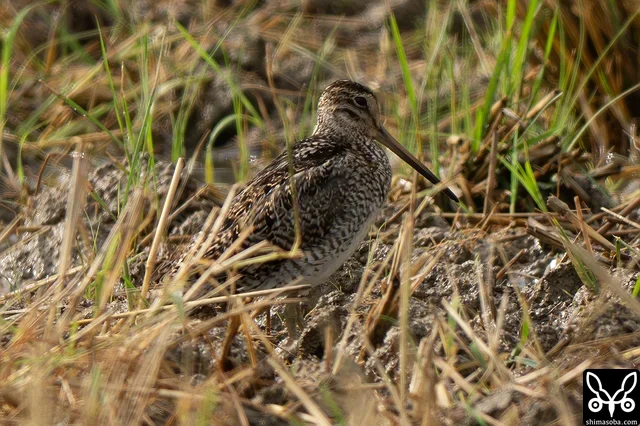
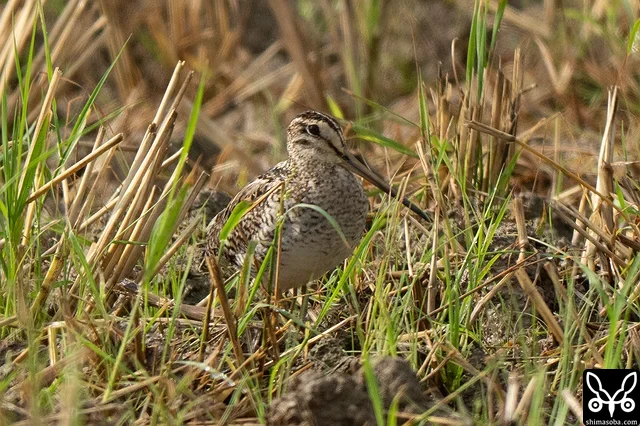
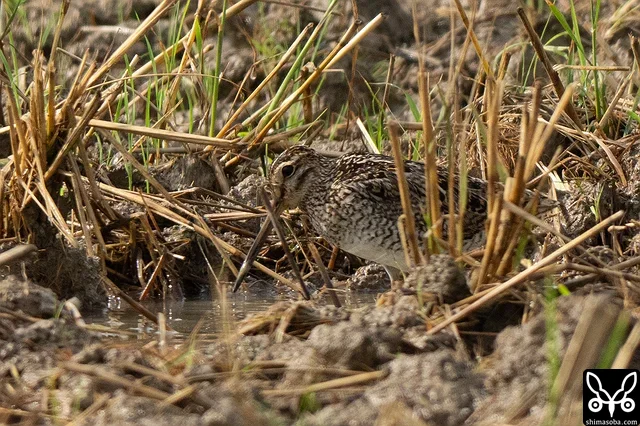
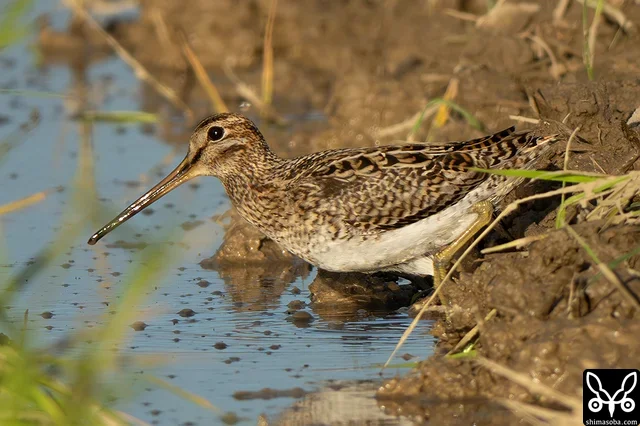
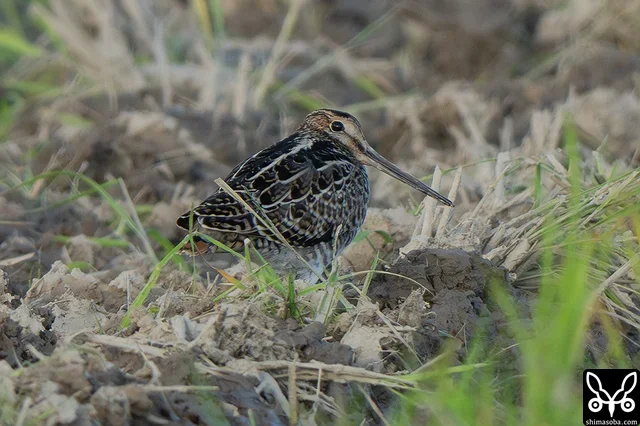
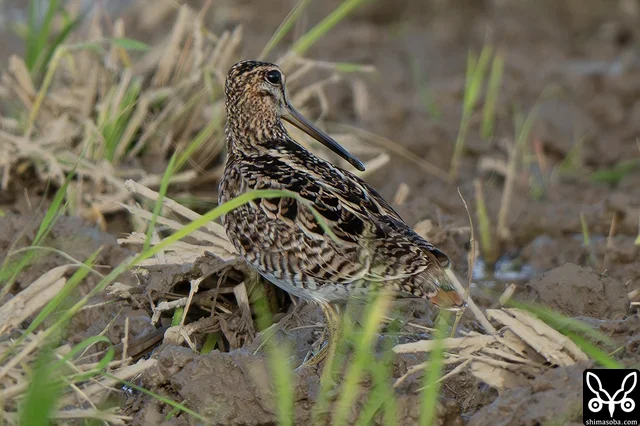
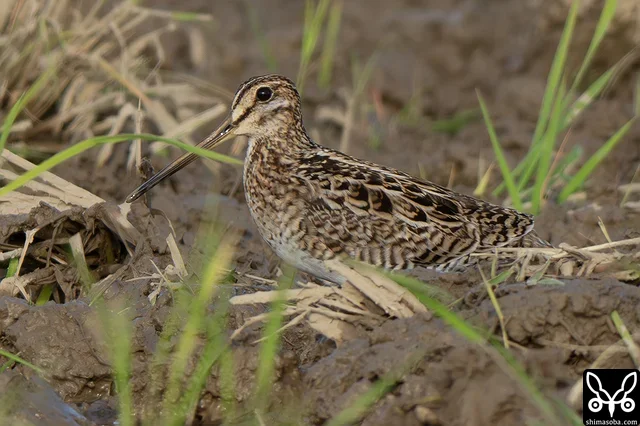
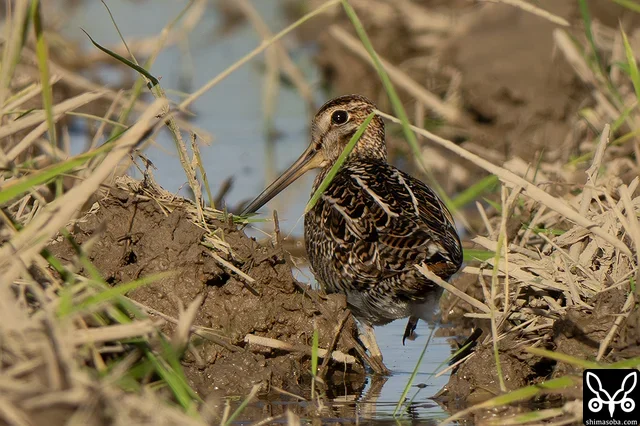
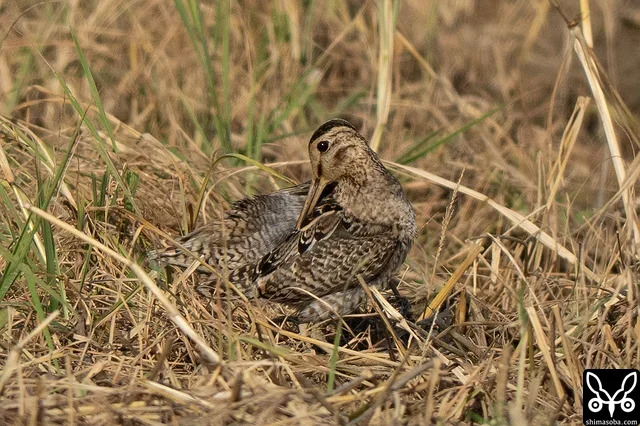
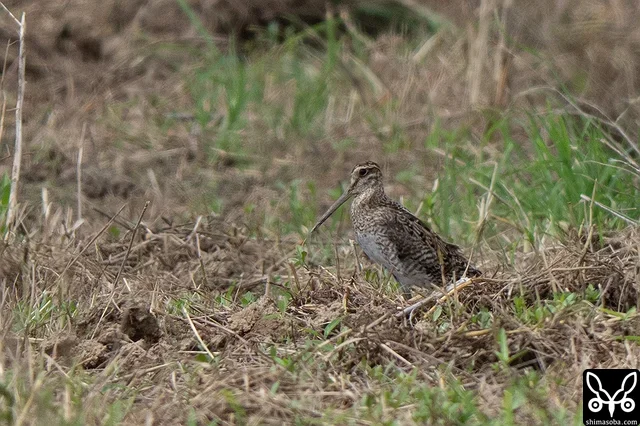
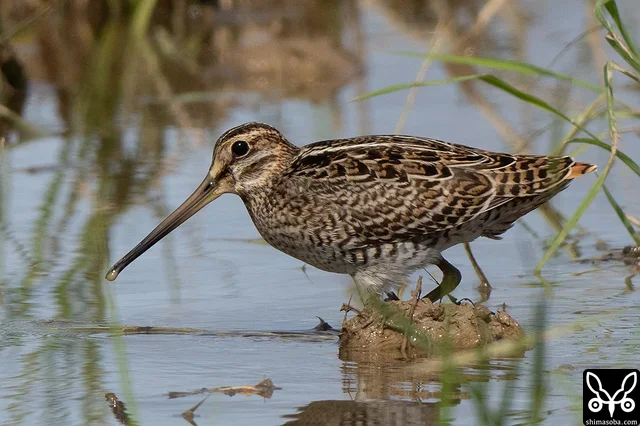
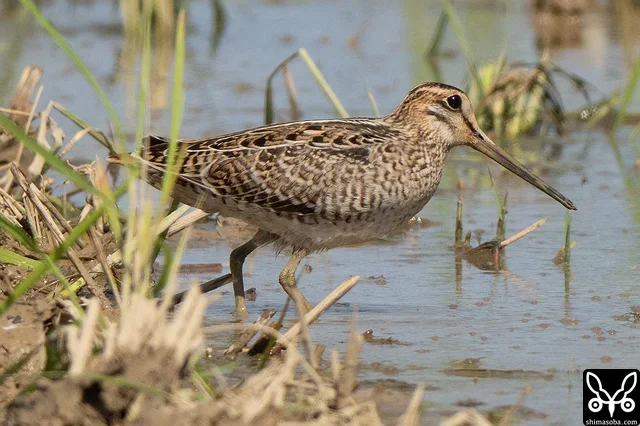
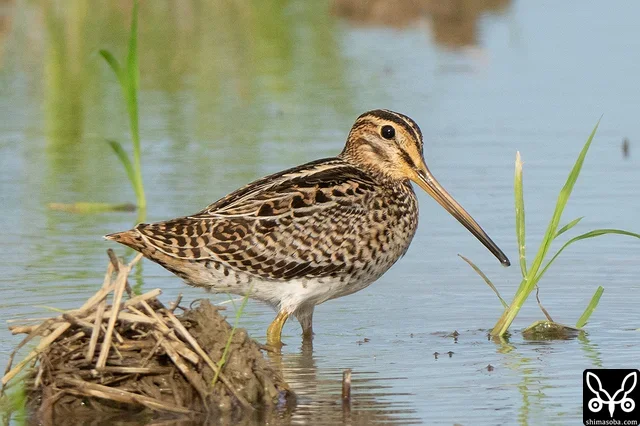
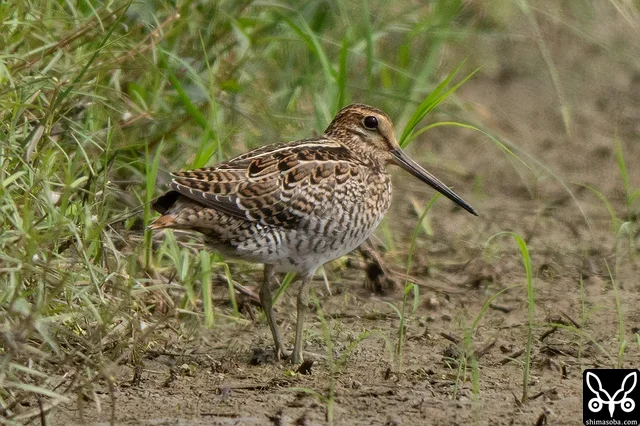
  5. A Latham's Snipe fanning its tail feathers at a Grey-headed Lapwing in a threat display.
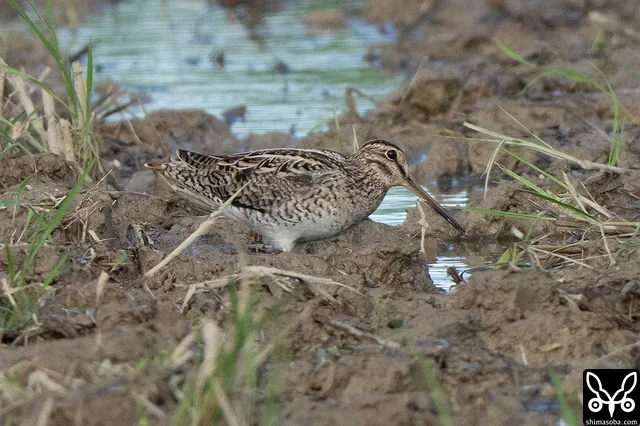
    Latham's Snipe
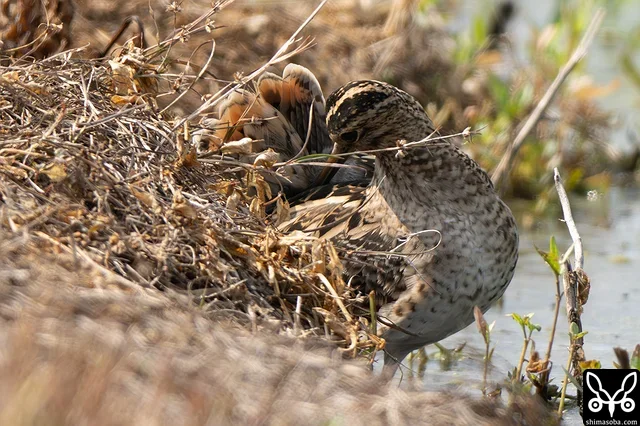
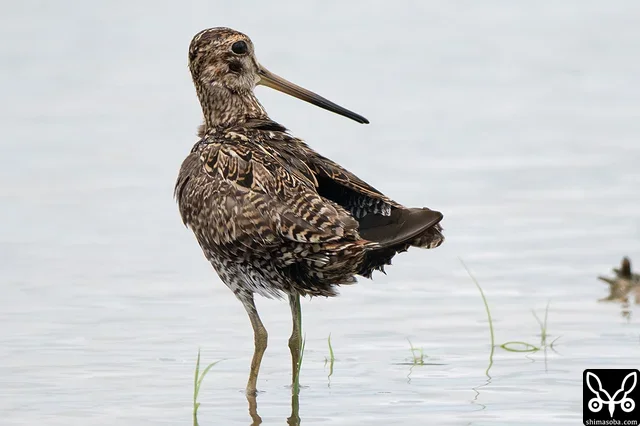
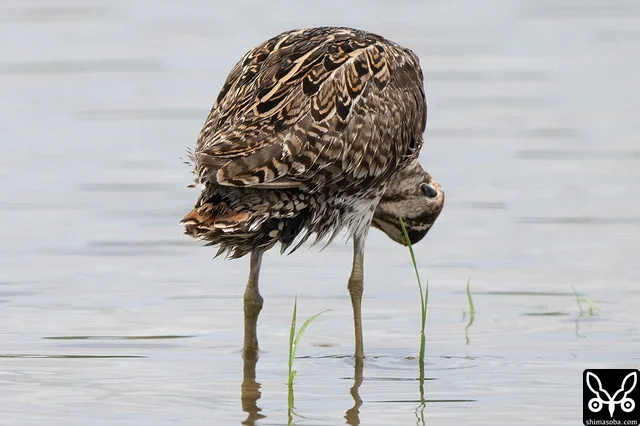
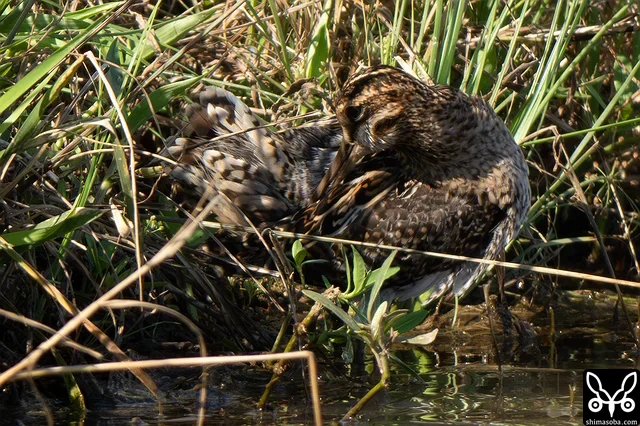
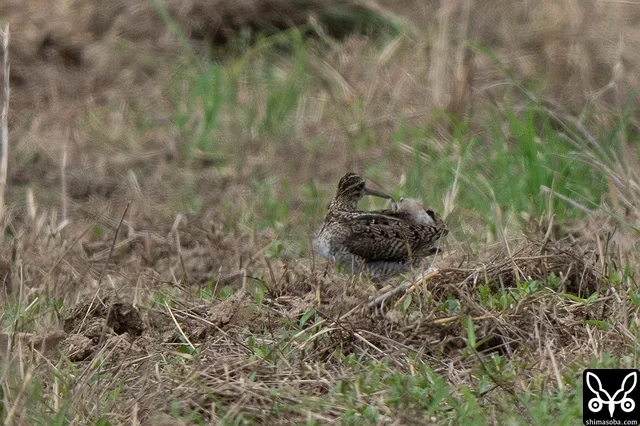
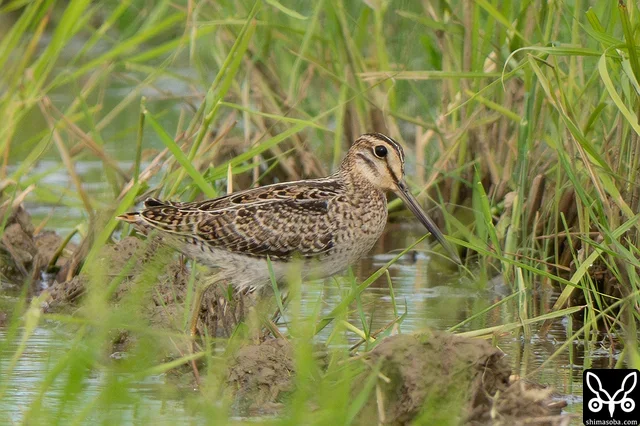
  6. I observed it preening several times as well.
    Latham's Snipe
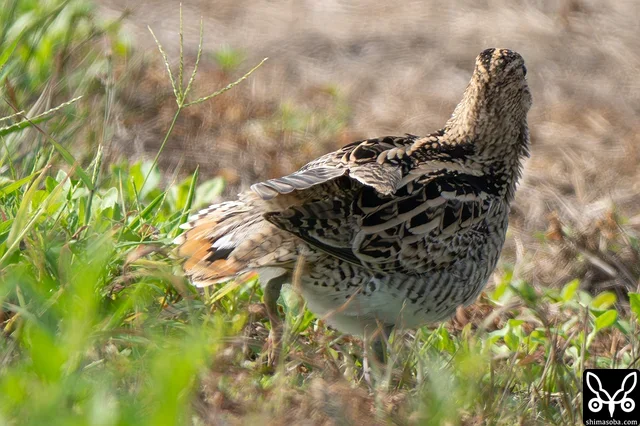
  7. It also showed off the tail feathers.
    Latham's Snipe
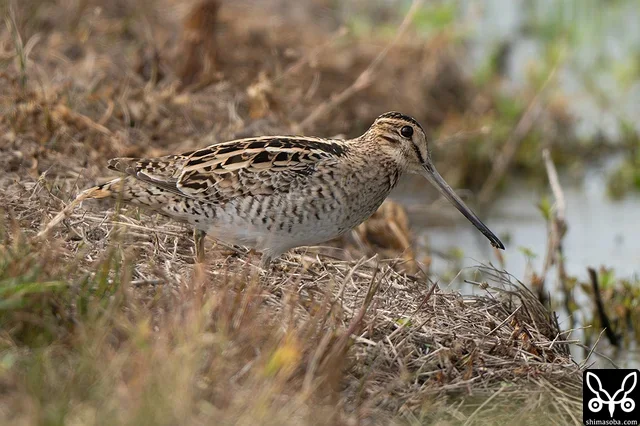
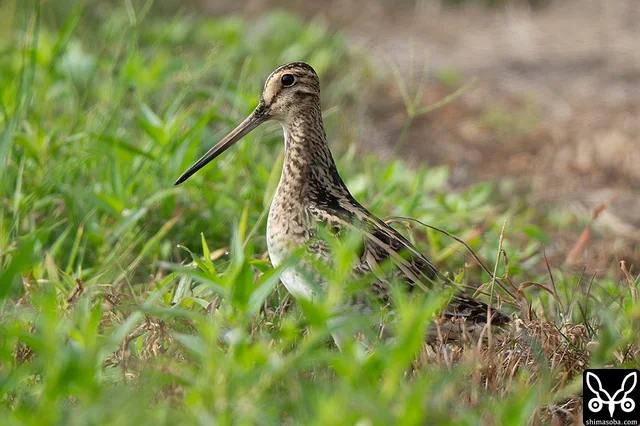
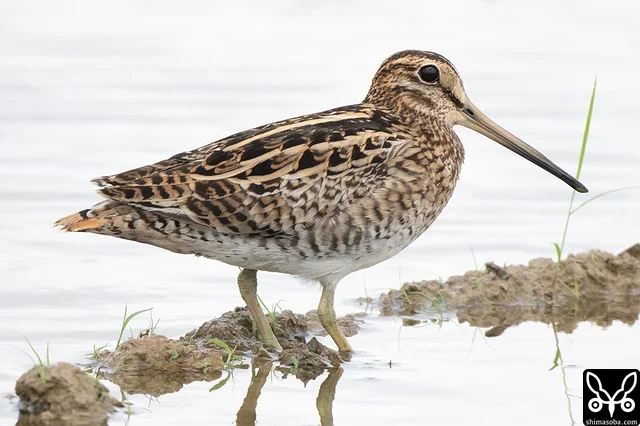
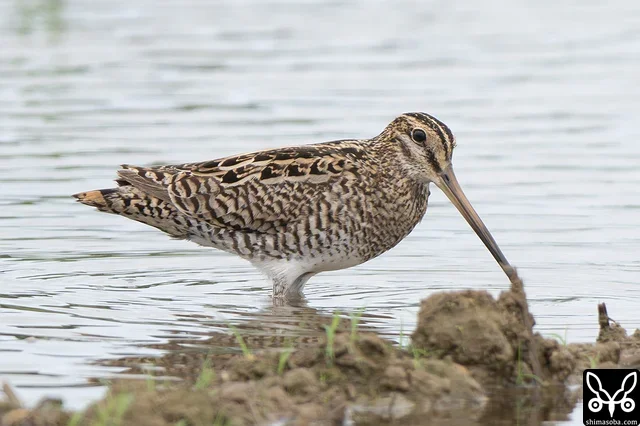
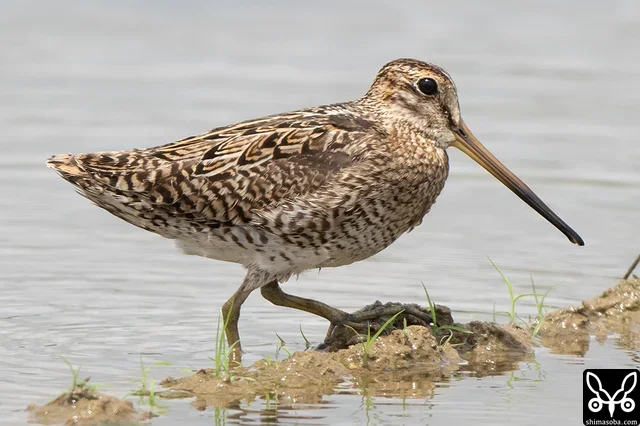
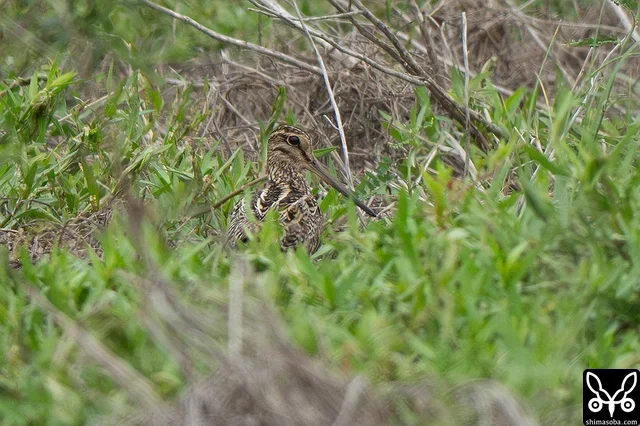
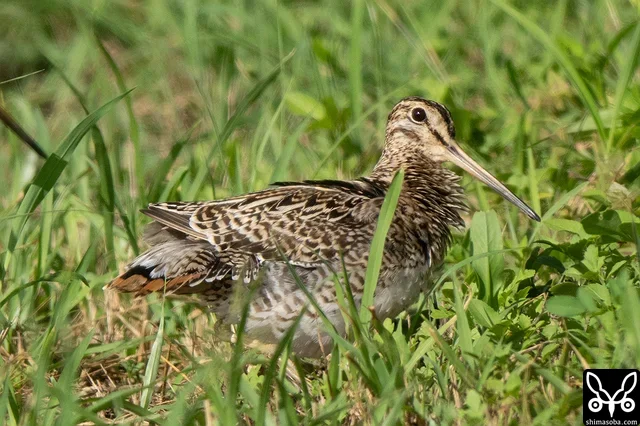
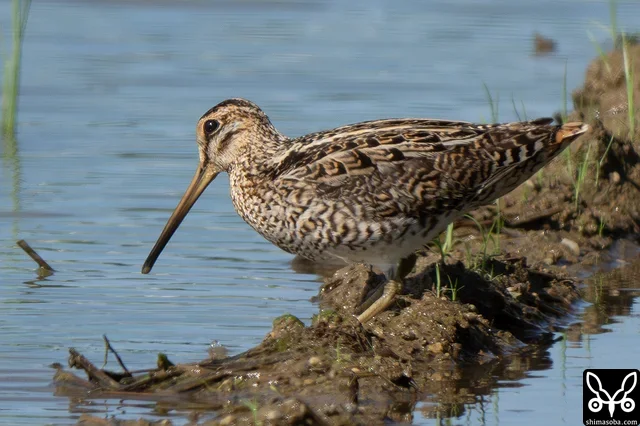
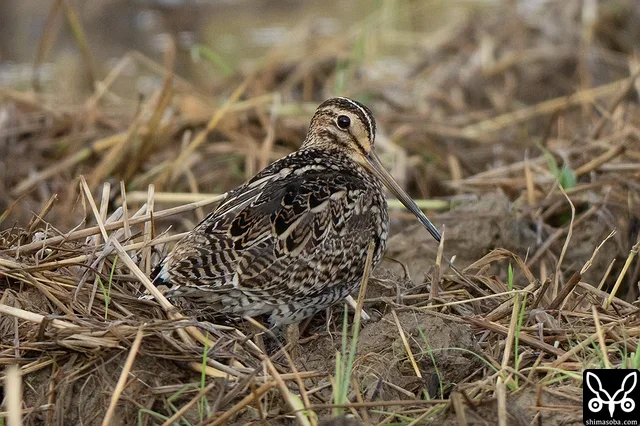
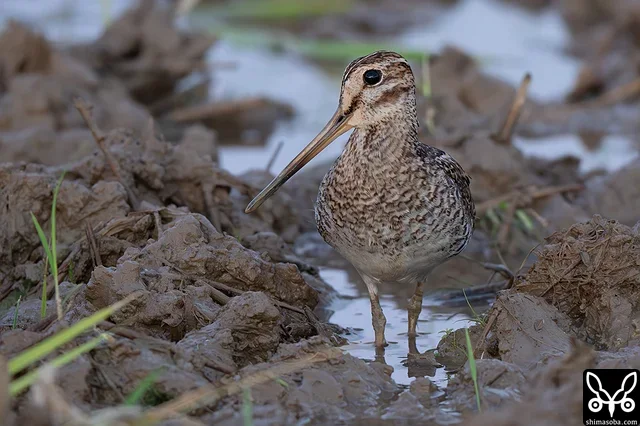
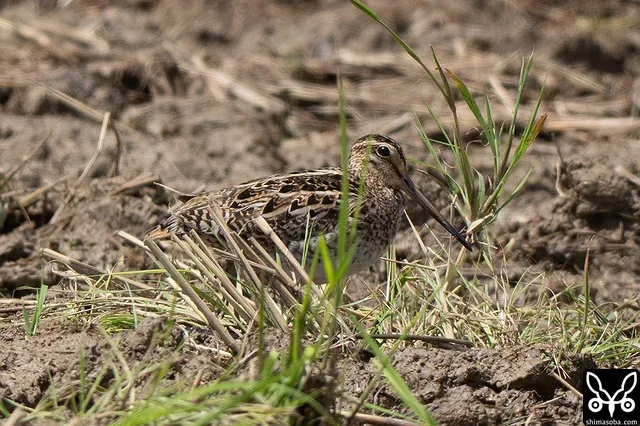
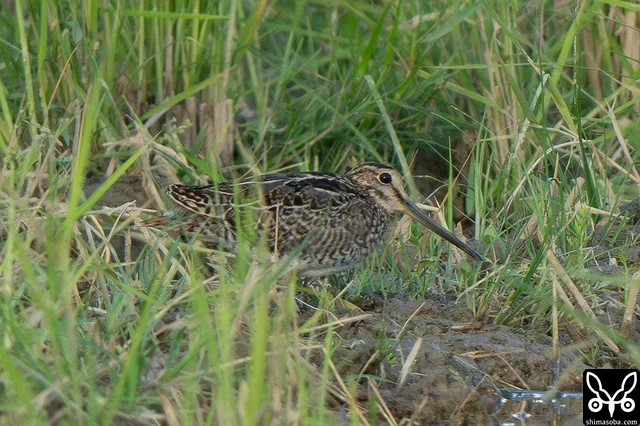
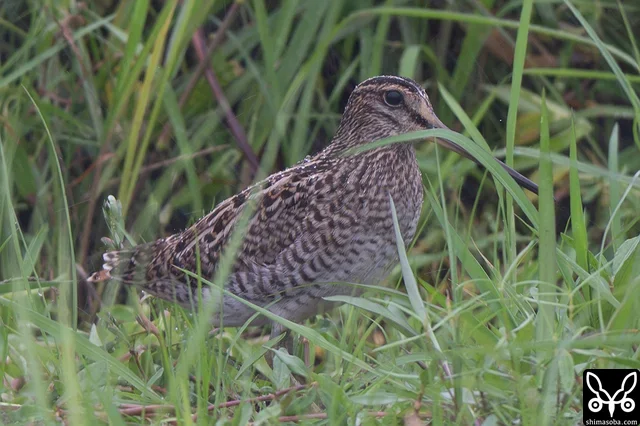
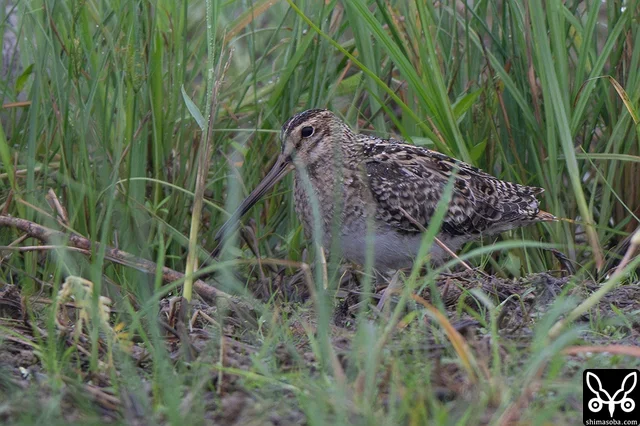
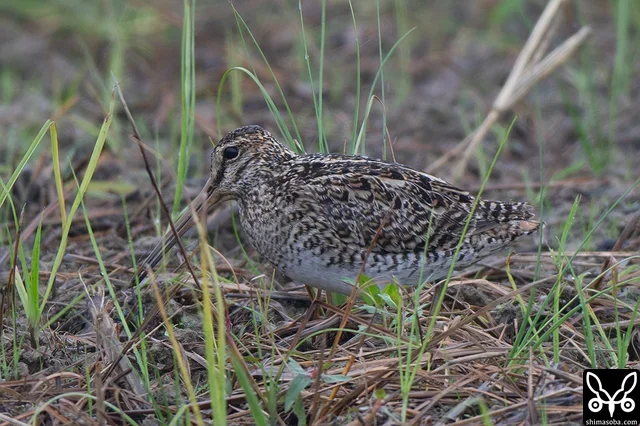
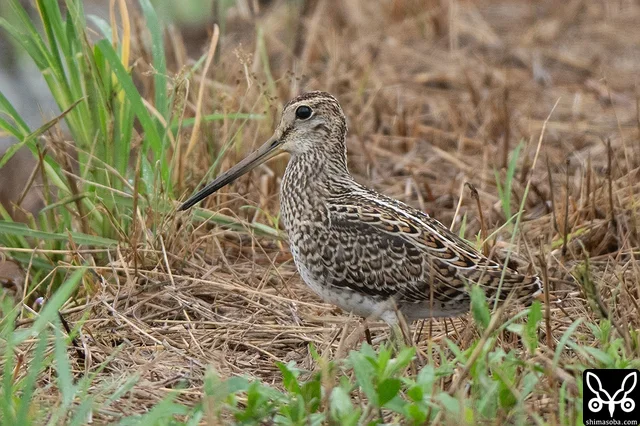
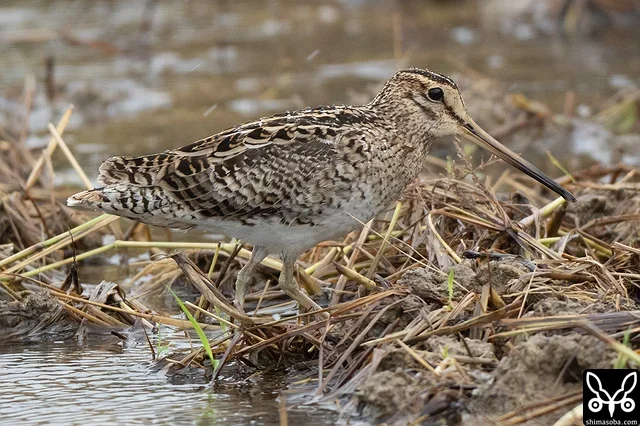
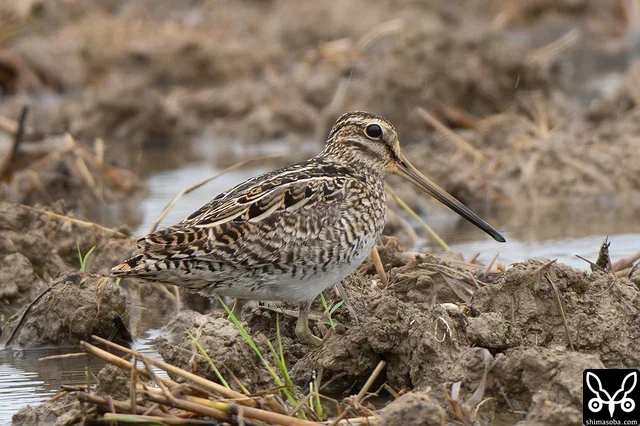
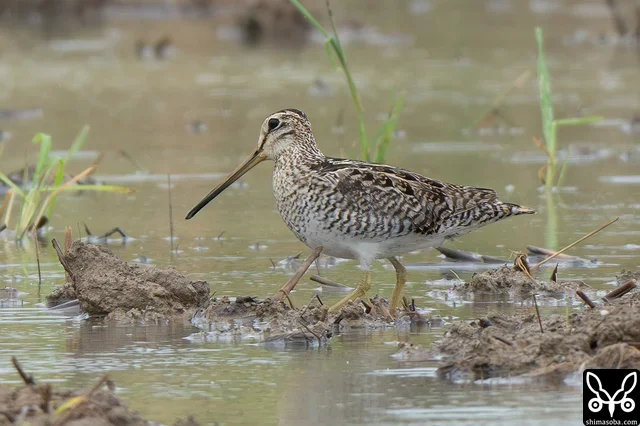
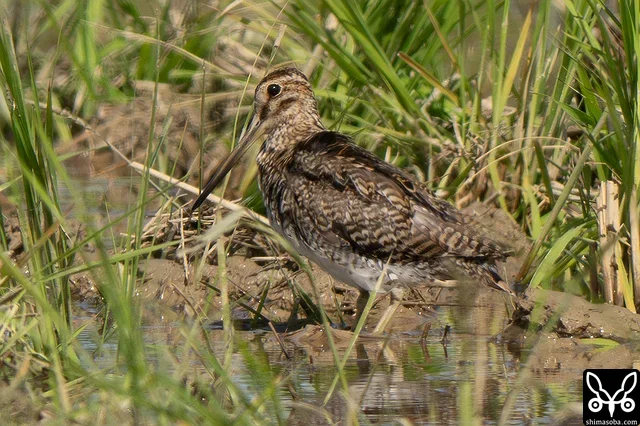
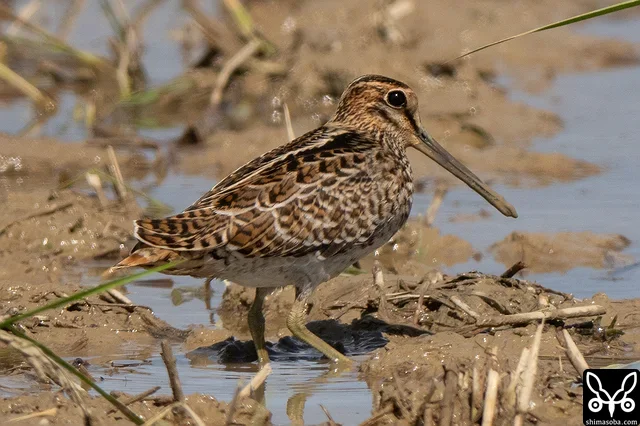
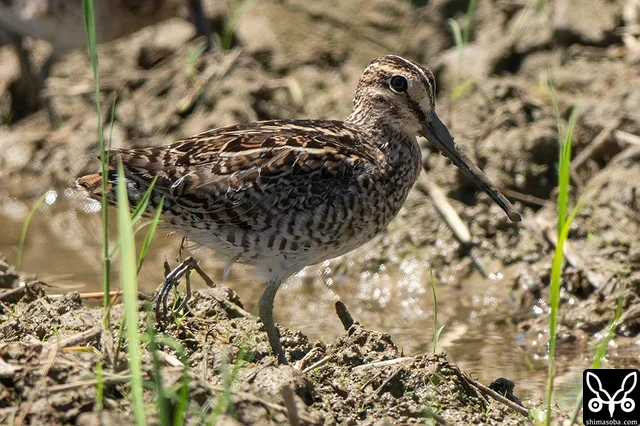
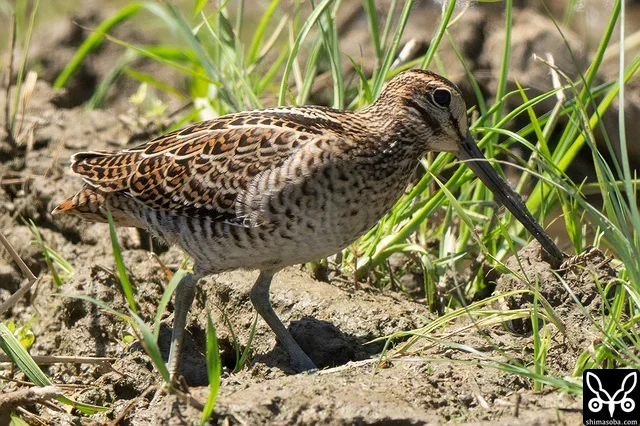
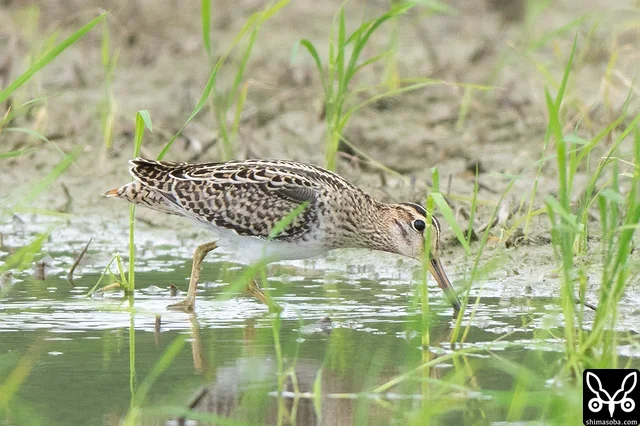
  8. An adult Latham's Snipe. I had a good, fairly close look at it.
    Latham's Snipe
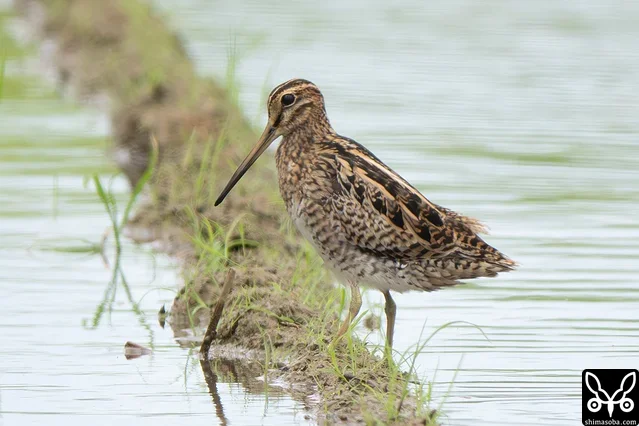
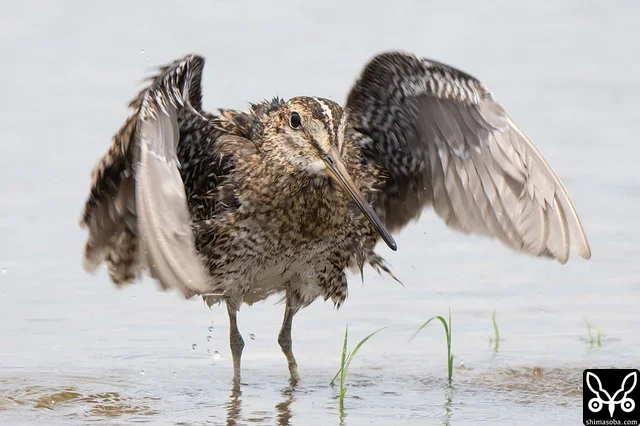
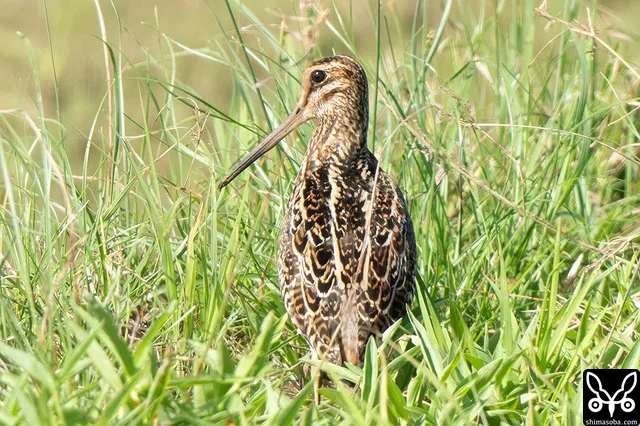
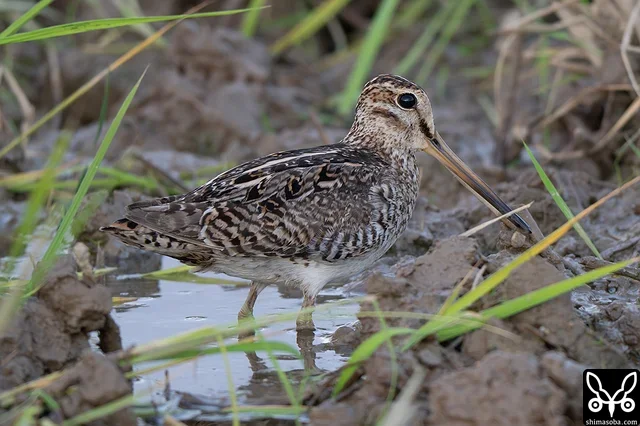
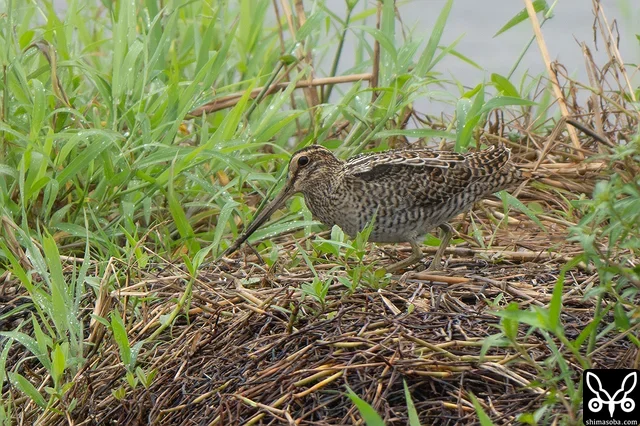
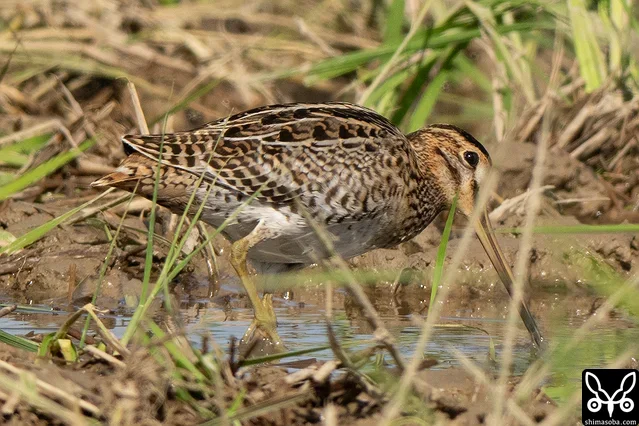
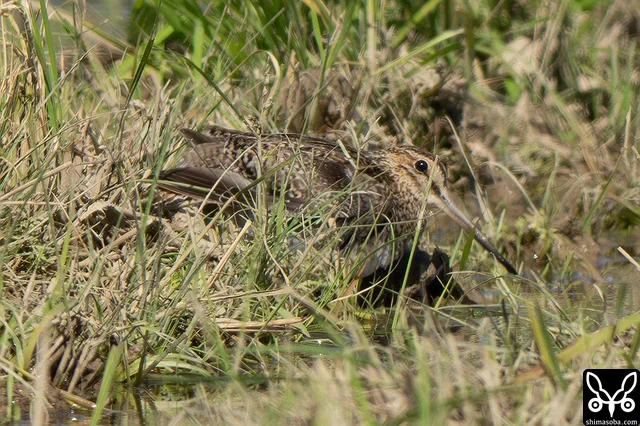
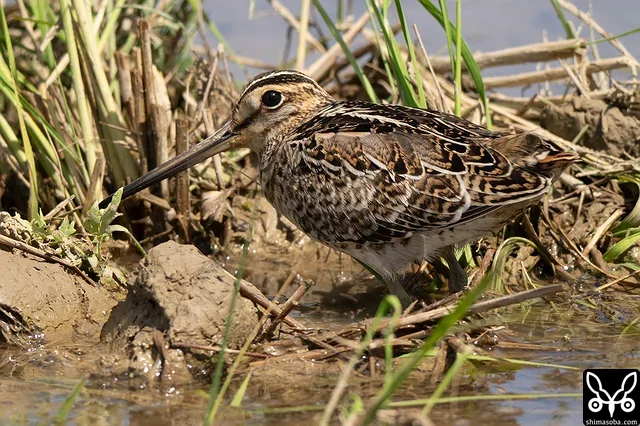
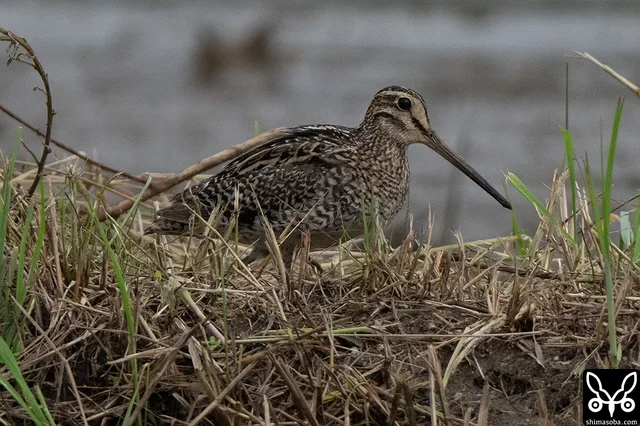
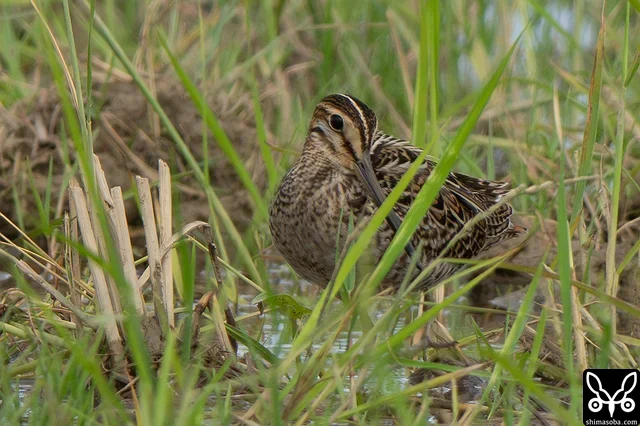
  9. The same individual as above. When startled by something, it retreated into the adjacent grass.
    Latham's Snipe
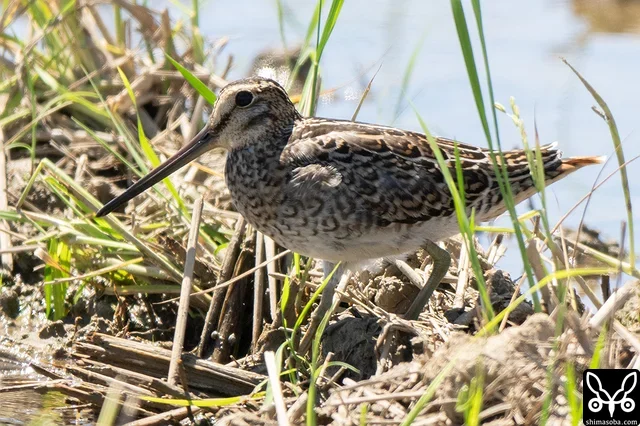
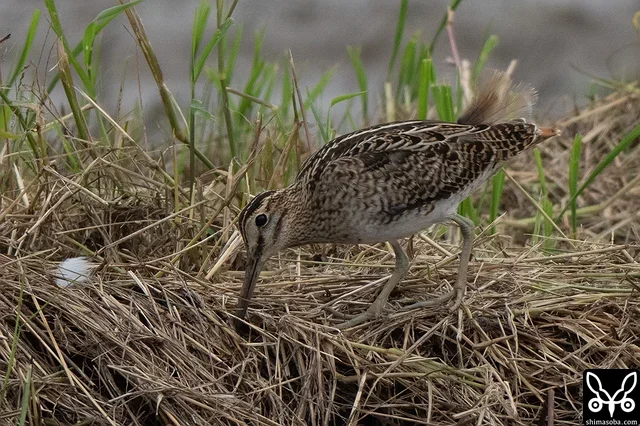
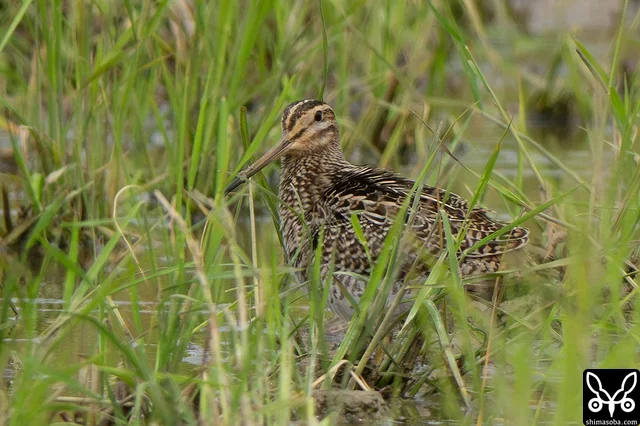
  10. It occasionally paused from feeding to rest on a field bank.
    Latham's Snipe
  11. 6
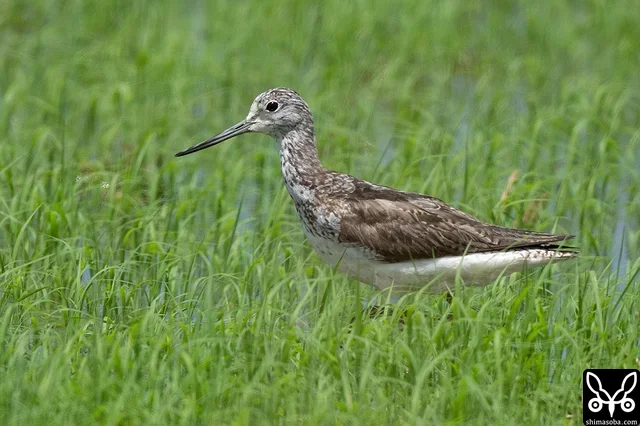
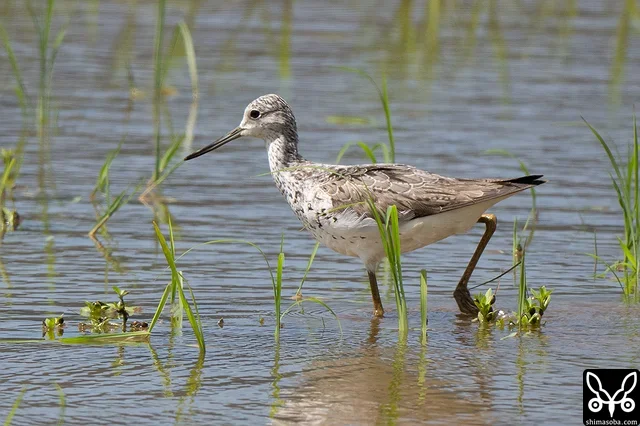
    Common Greenshank, adult. DCA.
    Common Greenshank
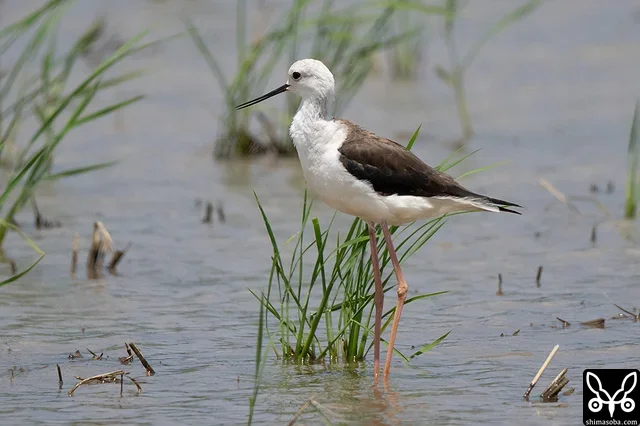
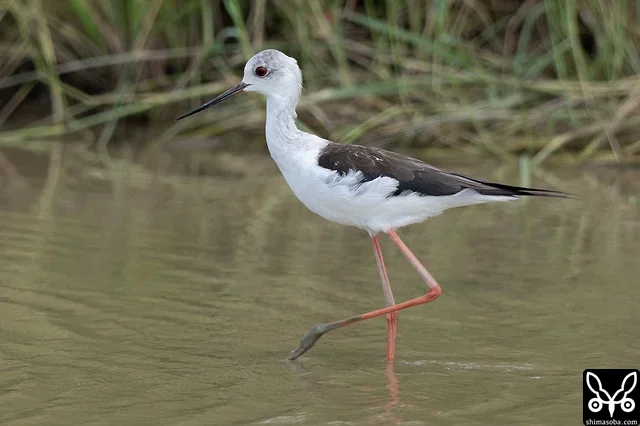
  12. Black-winged Stilt, adult female. DCA.
    Black-winged Stilt
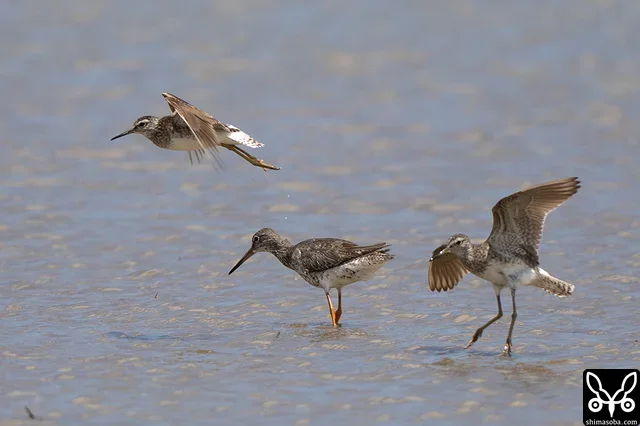
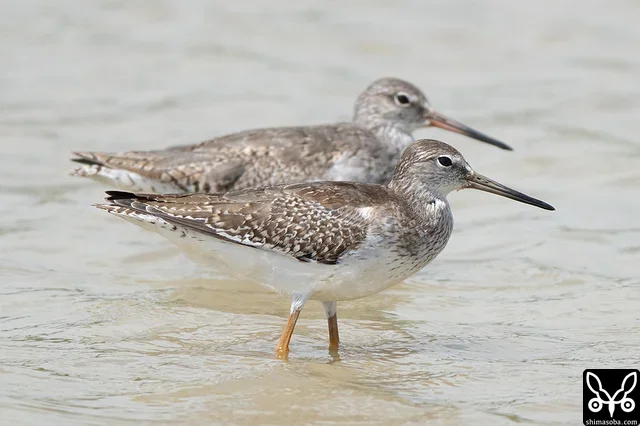
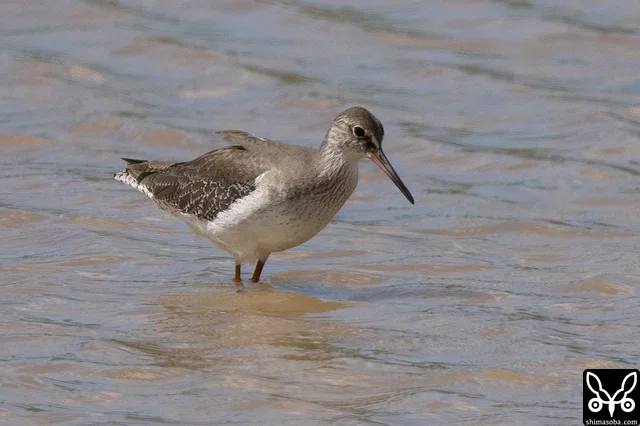
  13. First Common Redshank of the season too. DPB. There were juveniles as well, but I couldn't get a shot. ^^;
    Common Redshank
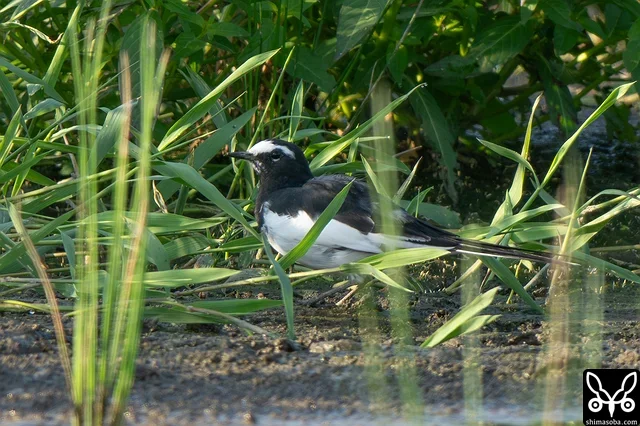
  14. Located a Japanese Wagtail by its call. After waiting a while, it appeared briefly from the grass.
    Japanese Wagtail
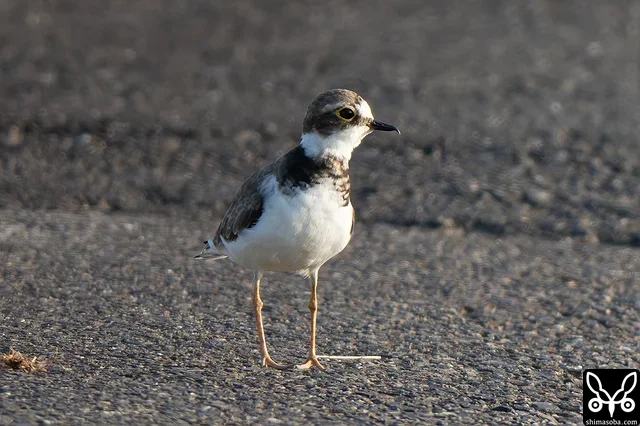
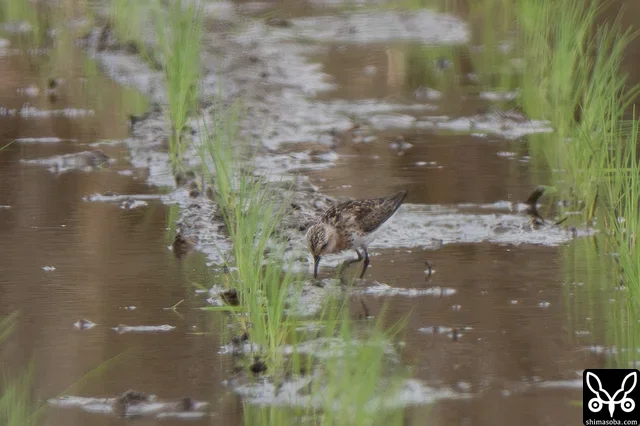
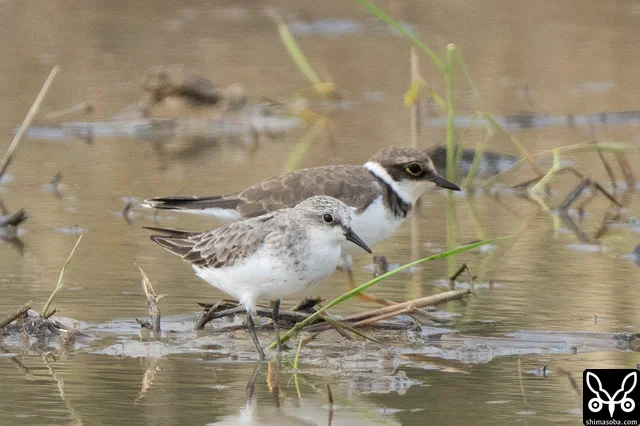
  15. Found a Little Ringed Plover with a curved bill tip. You see it occasionally.
    Little Ringed Plover
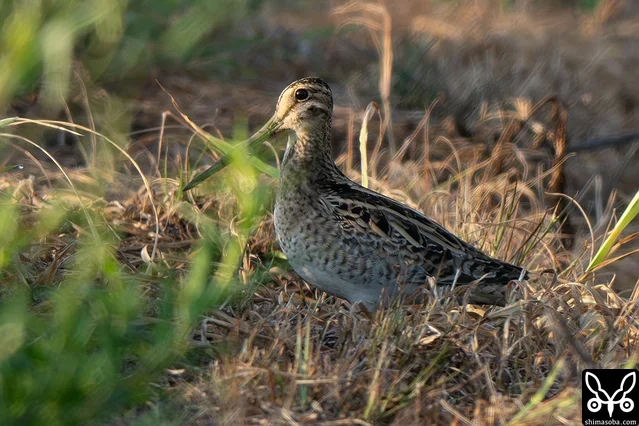
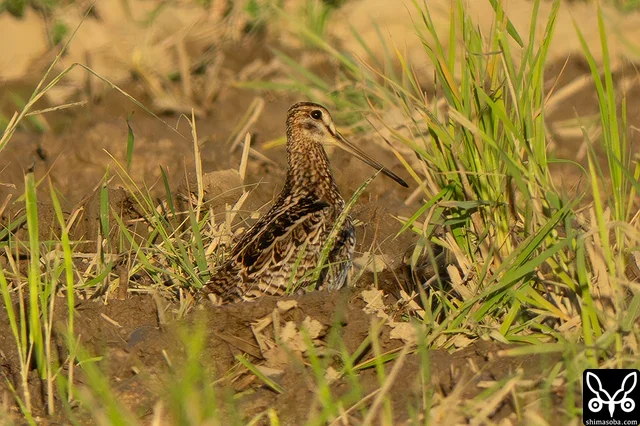
  16. A Latham's Snipe lit by the early morning sun.
    Latham's Snipe
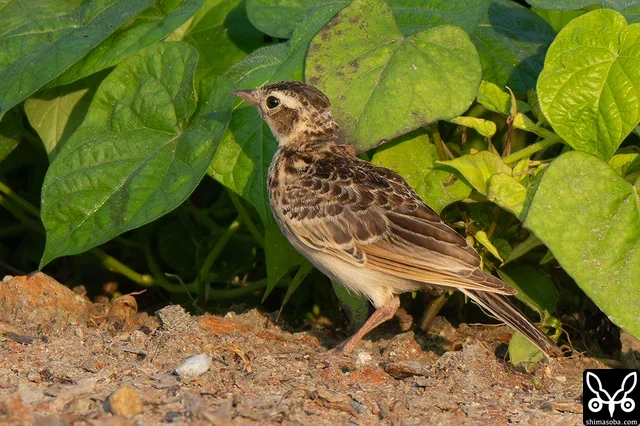
  17. Juvenile Eurasian Skylark. There were many birds hatched this year.
    Eurasian Skylark
  18. 8
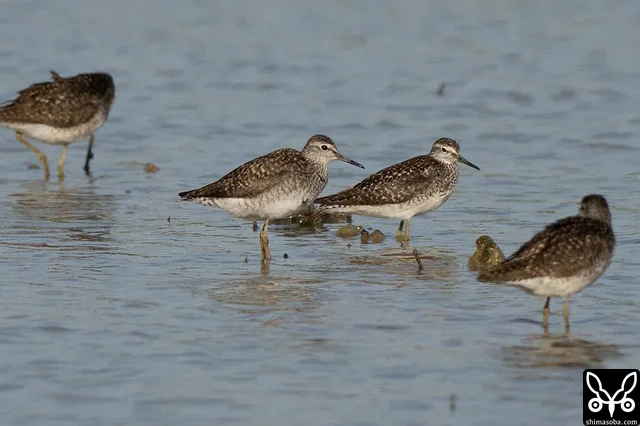
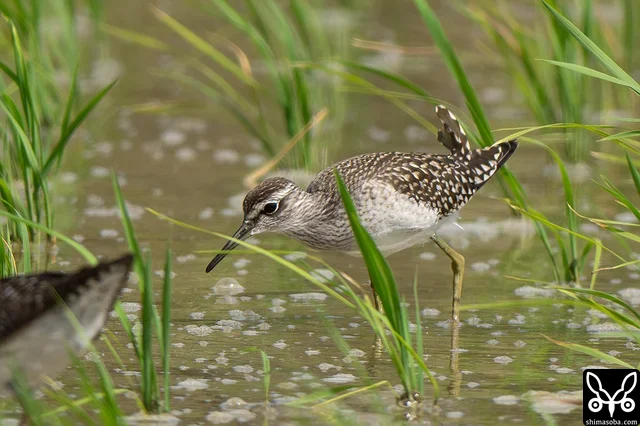
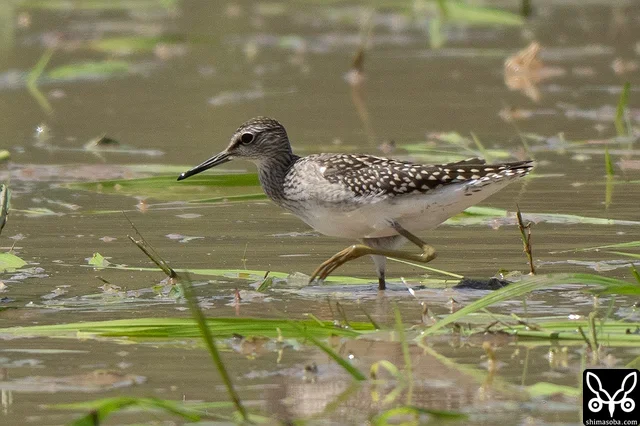
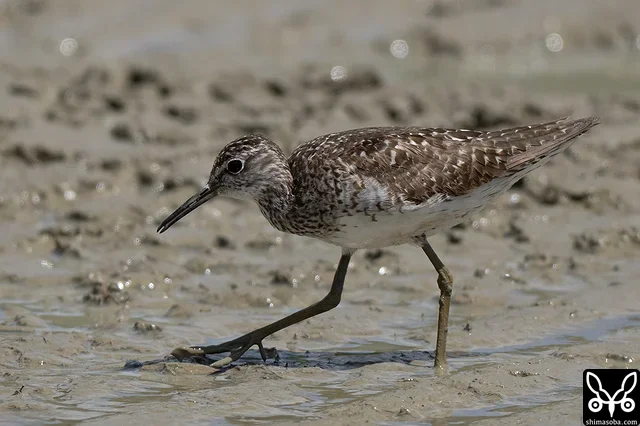
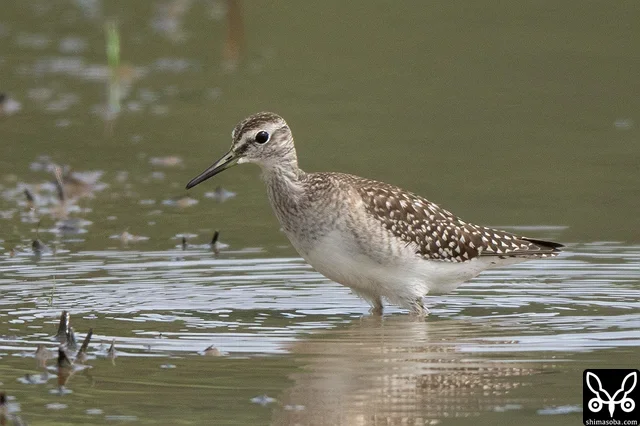
    A flock of adult Wood Sandpipers. In the best areas, dozens are staying in a single paddy field.
    Wood Sandpiper
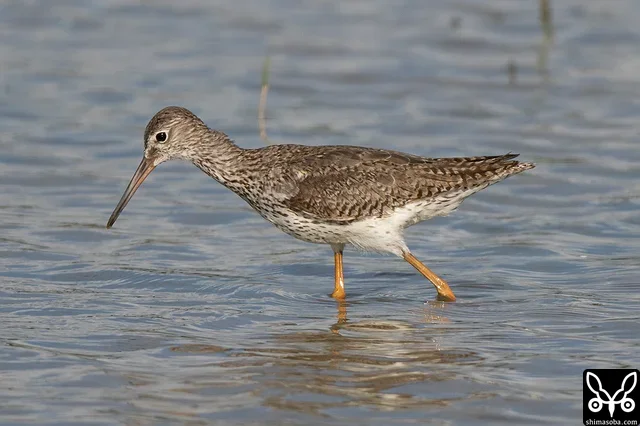
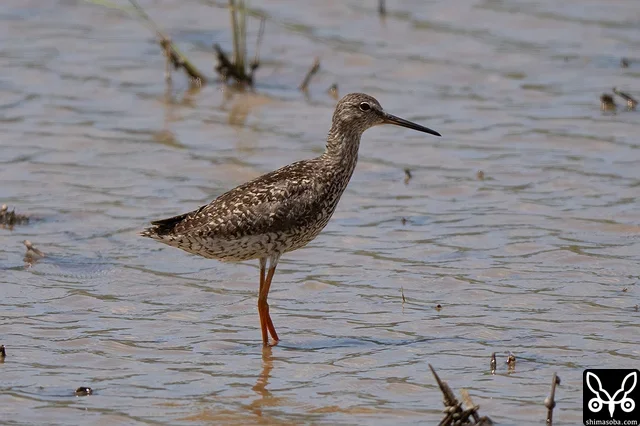
  19. Common Redshank adult in late breeding plumage. Several small flocks of juveniles also arriving.
    Common Redshank
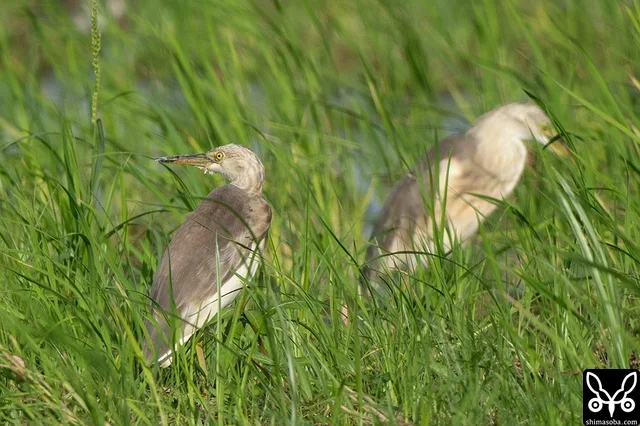
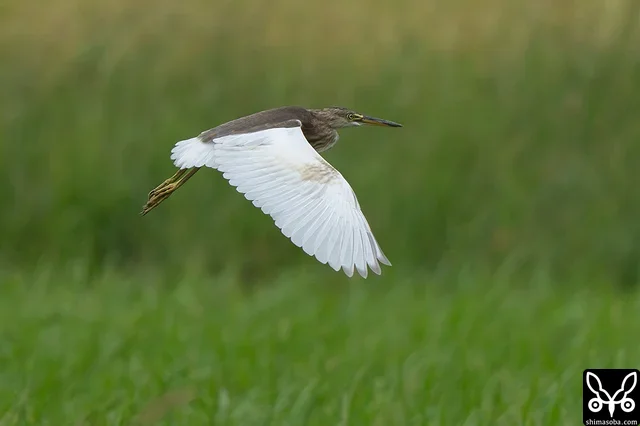
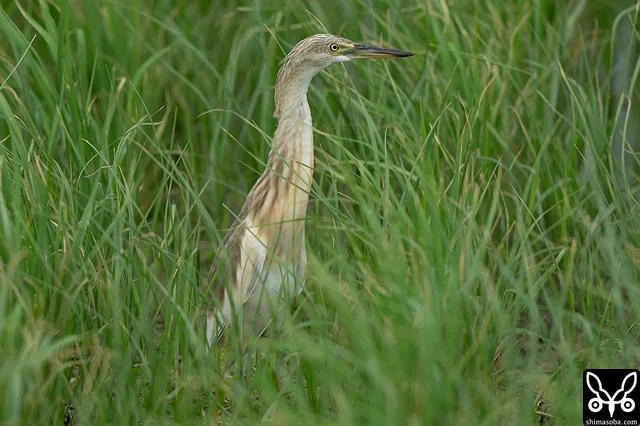
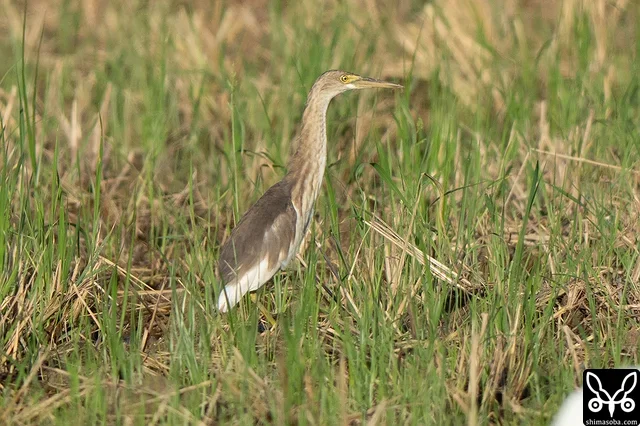
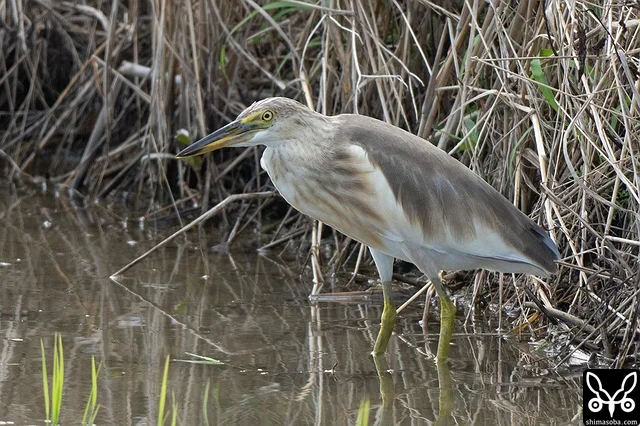
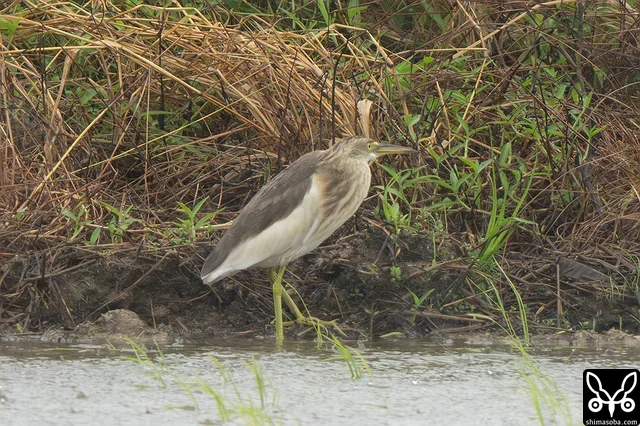
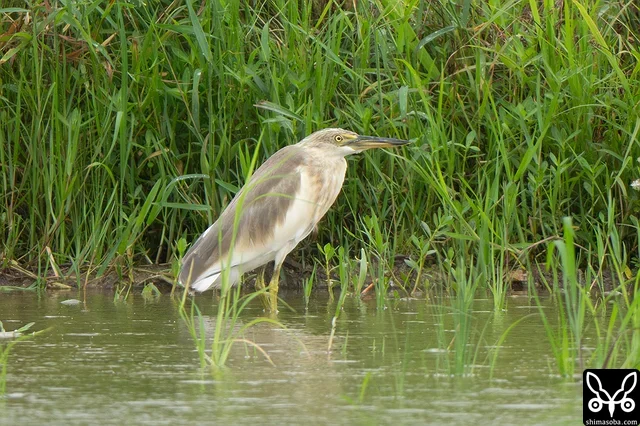
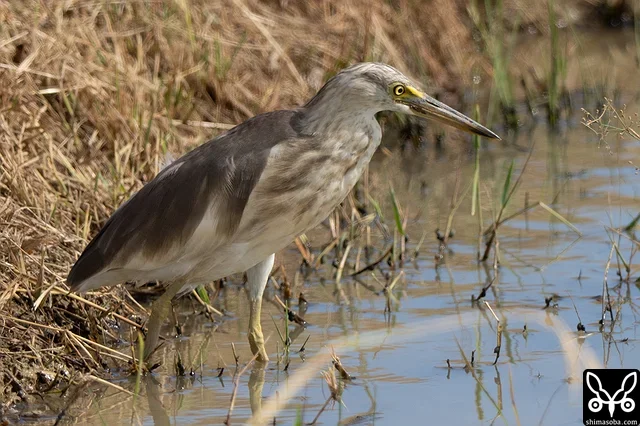
  20. Two Javan Pond Herons. Not particularly wary — easy to observe.
    Javan Pond Heron
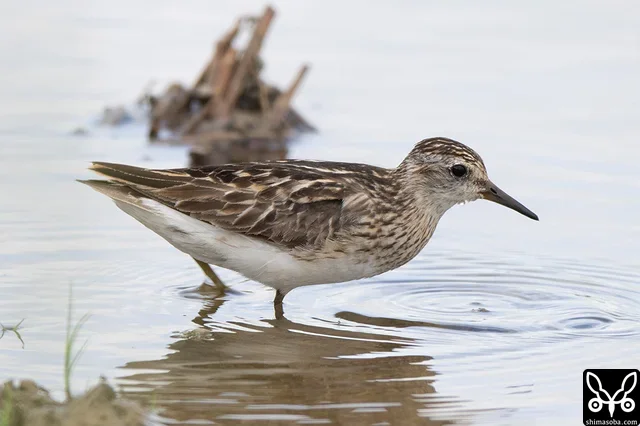
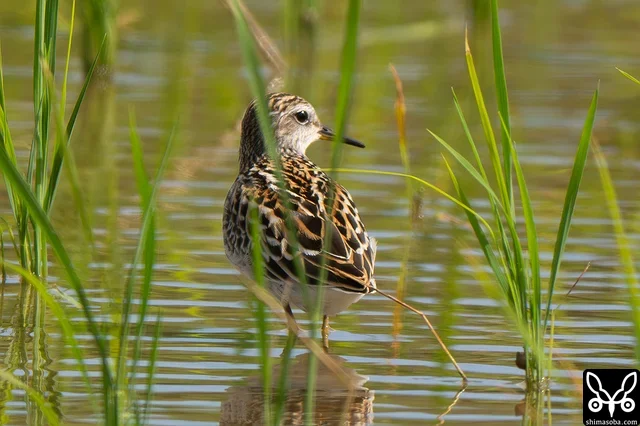
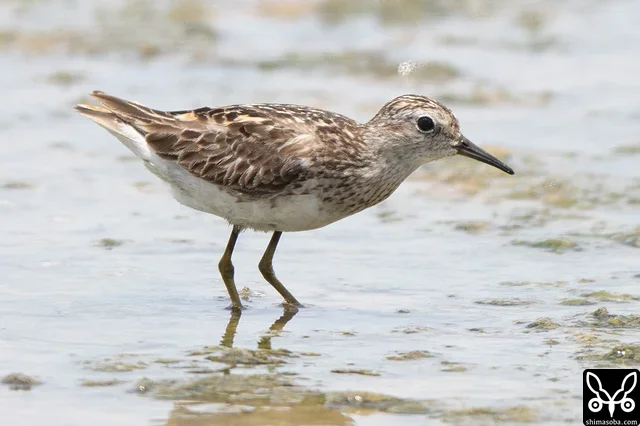
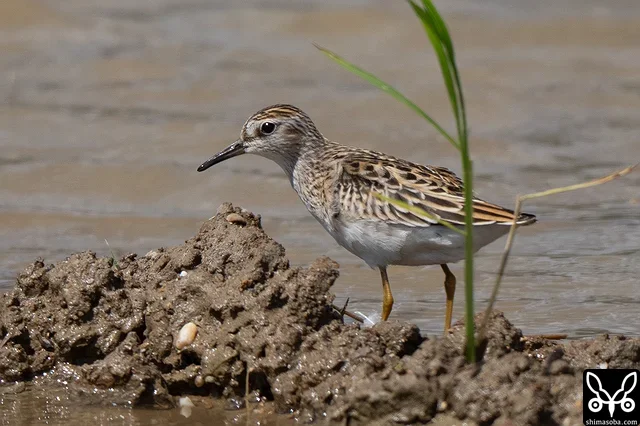
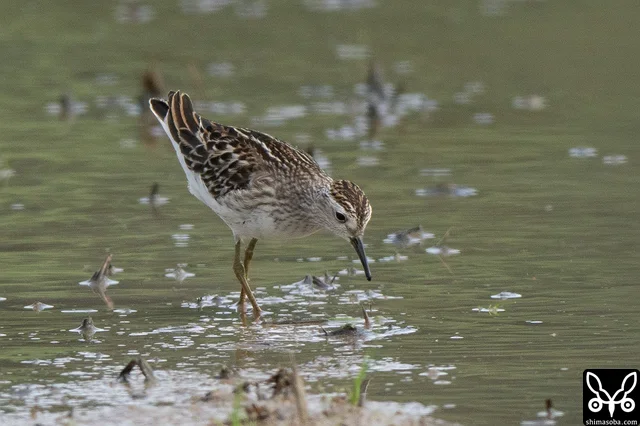
  21. Long-toed Stint adult in worn late breeding plumage.
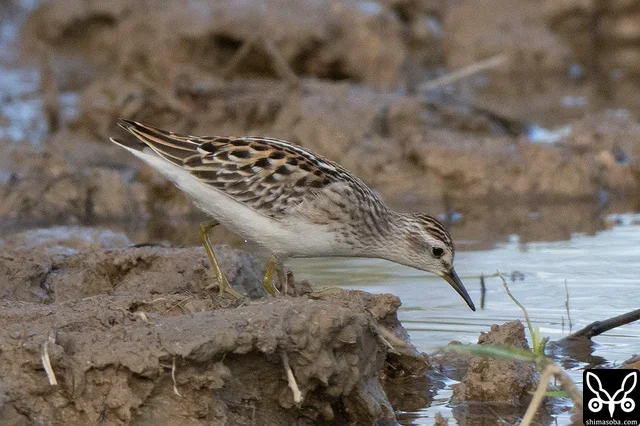
    Long-toed Stint
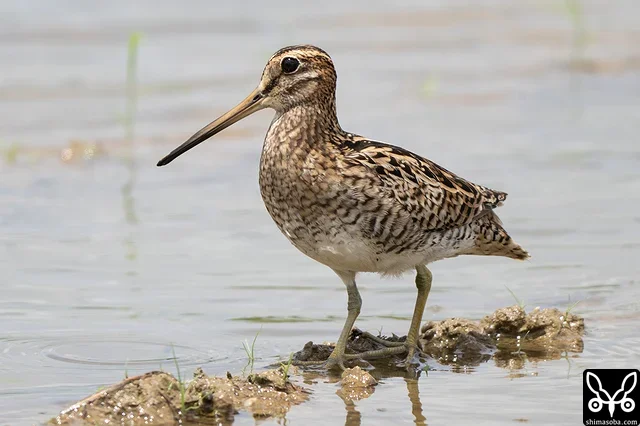
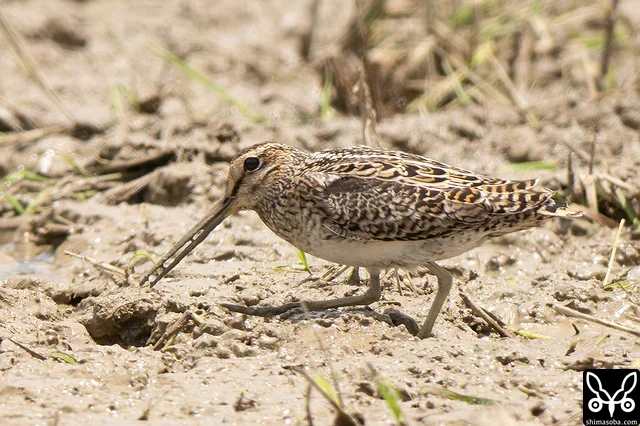
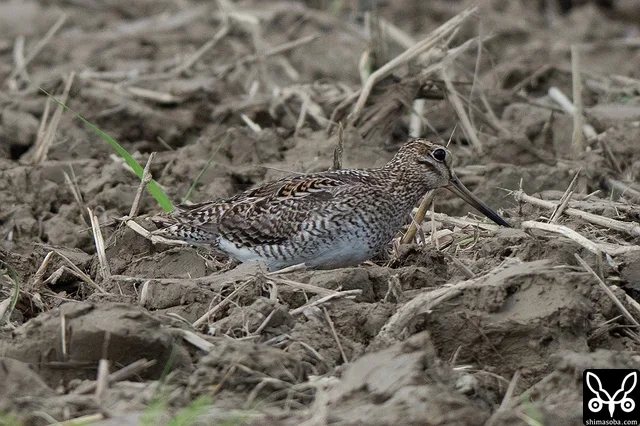
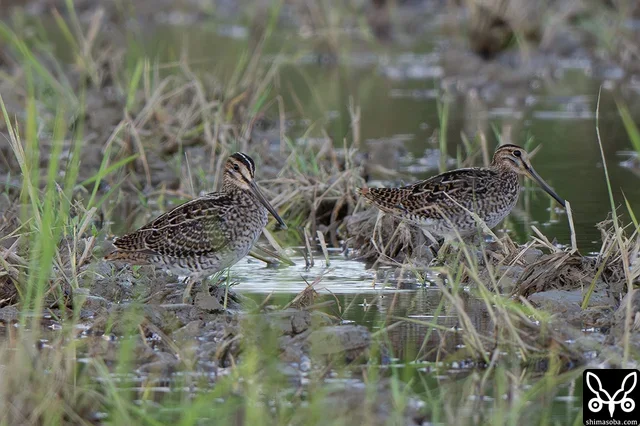
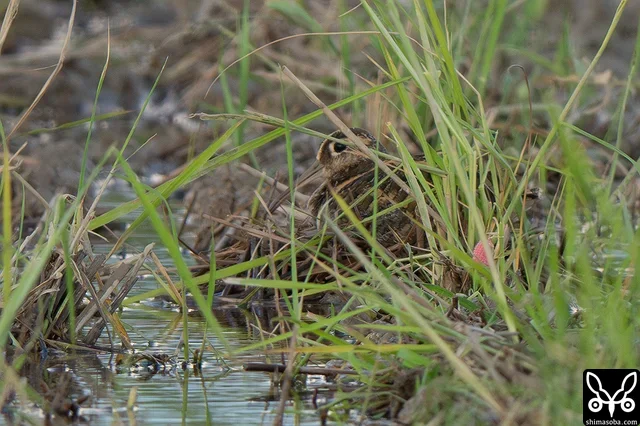
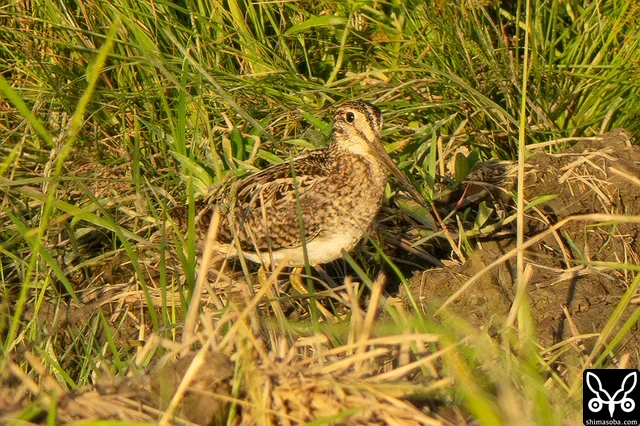
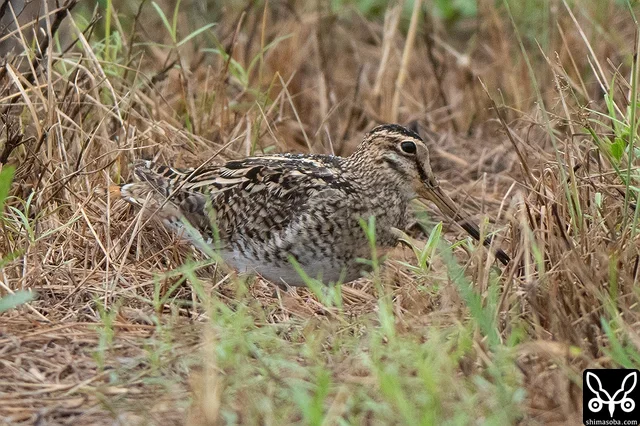
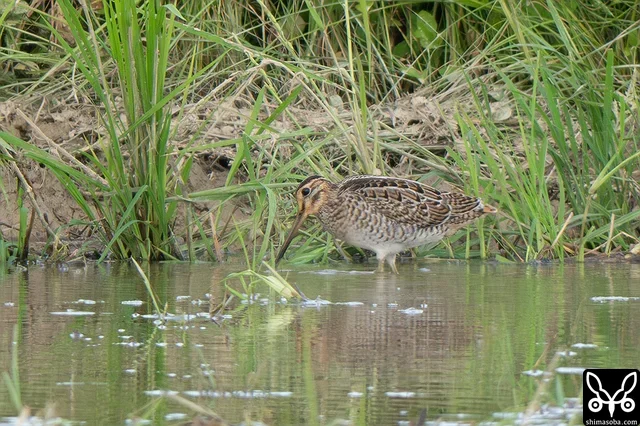
  22. Another Swinhoe's Snipe adult.
    Swinhoe's Snipe
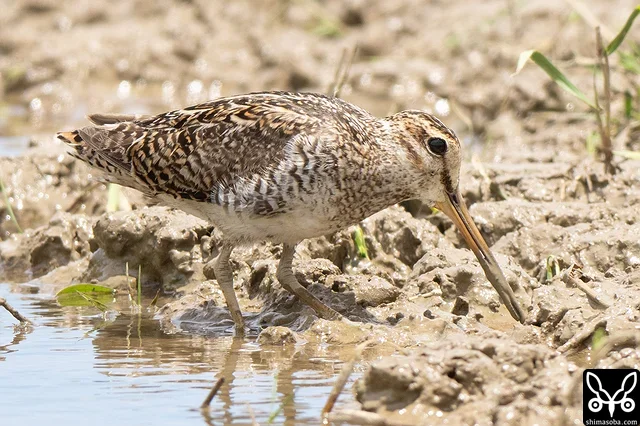
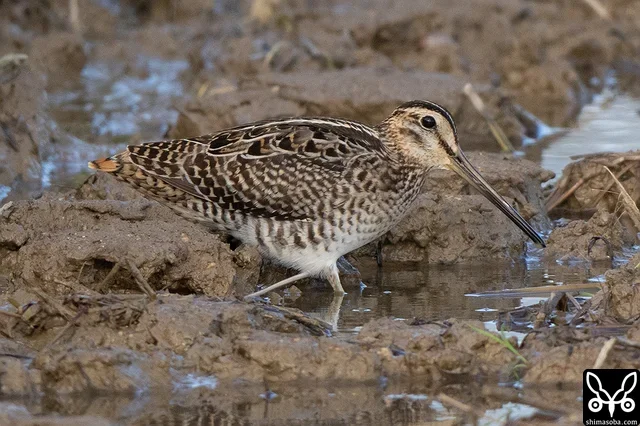
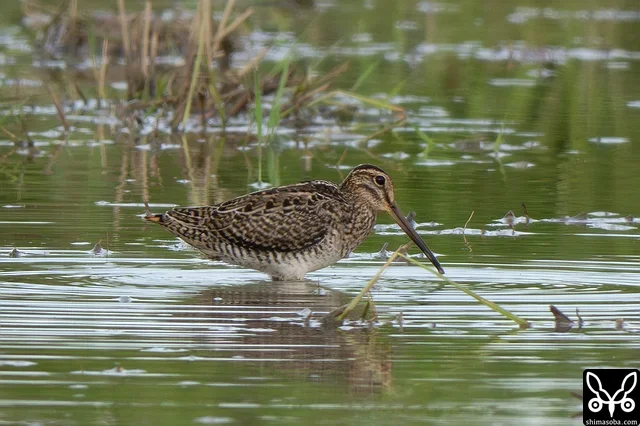
  23. Swinhoe's Snipe, adult.
    Swinhoe's Snipe
  24. A bit compact-looking, but an adult Swinhoe's Snipe.
    Swinhoe's Snipe
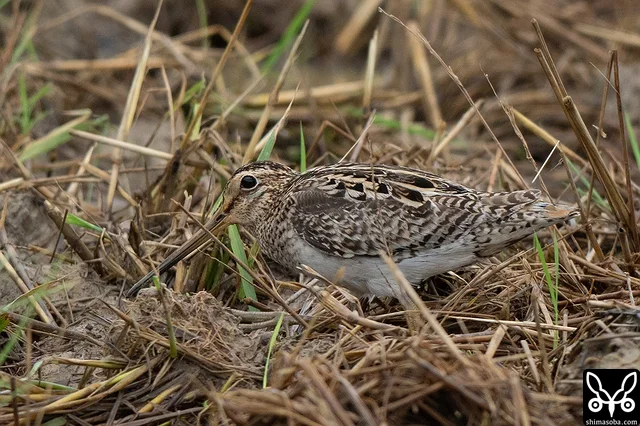
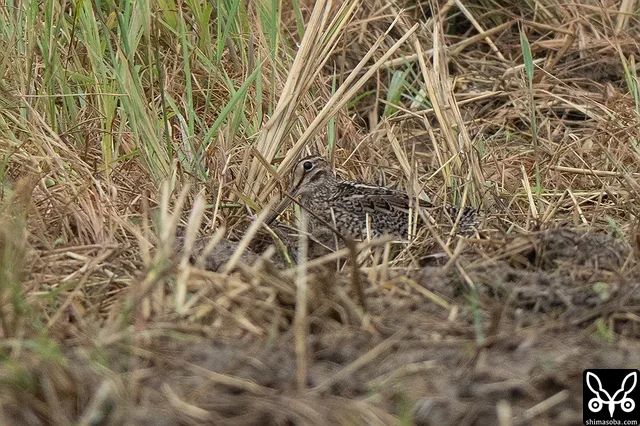
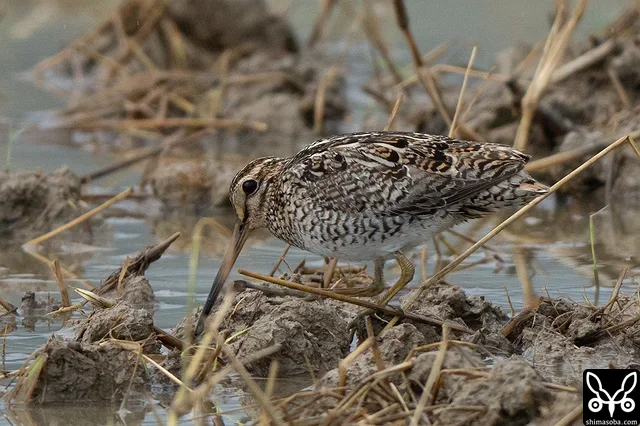
  25. Same individual as above. It showed me its tail feathers.
    Swinhoe's Snipe
  26. The tail feathers on the other side are clearly visible too.
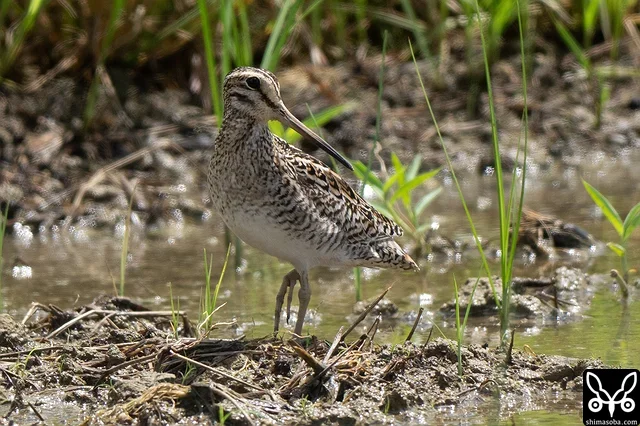
    Pin-tailed Snipe
  27. During preening I was able to confirm the needle-like tail feathers.
    Pin-tailed Snipe
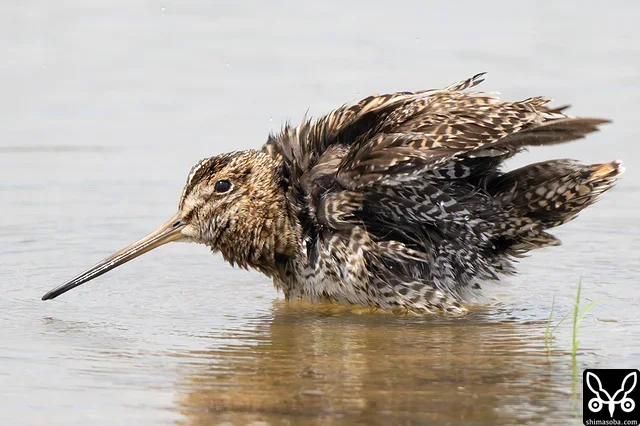
  28. Wing-stretching after the bath. Moult of the flight feathers does not appear to have progressed much.
    Pin-tailed Snipe
  29. Before long the Pin-tailed Snipe started bathing.
    Pin-tailed Snipe
  30. Adult Swinhoe's Snipe. While I was watching the Pin-tailed Snipe, this one flew in from the opposite bank.
    Swinhoe's Snipe
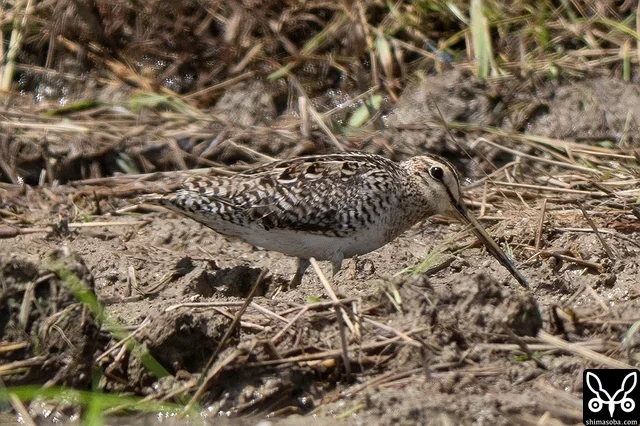
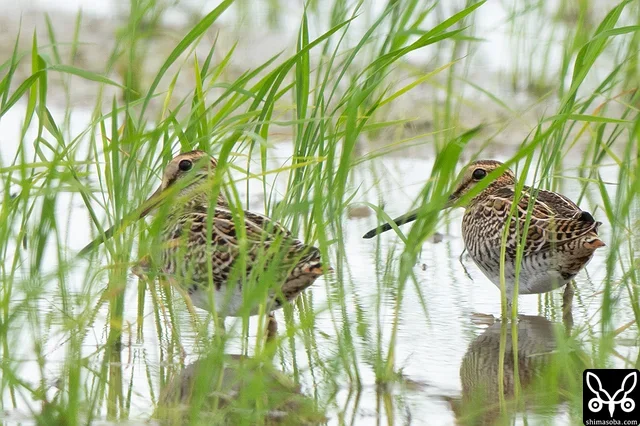
  31. Found an adult Pin-tailed Snipe among three snipe. We pulled the car up close, waited until their wariness eased, then began watching.
    Pin-tailed Snipe
  32. 10
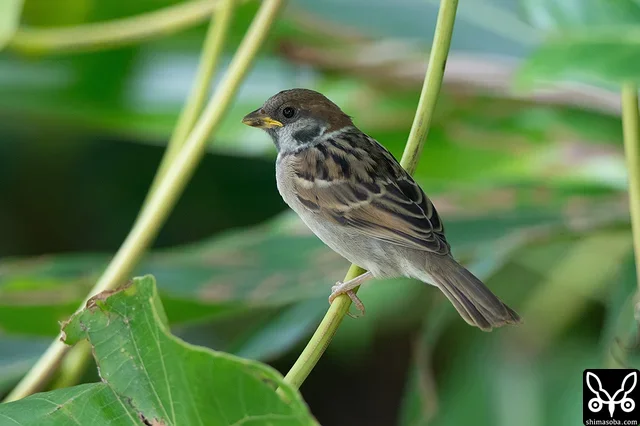
    A House Sparrow that fledged from a nest box hanging on the wall of my house.
    Eurasian Tree Sparrow
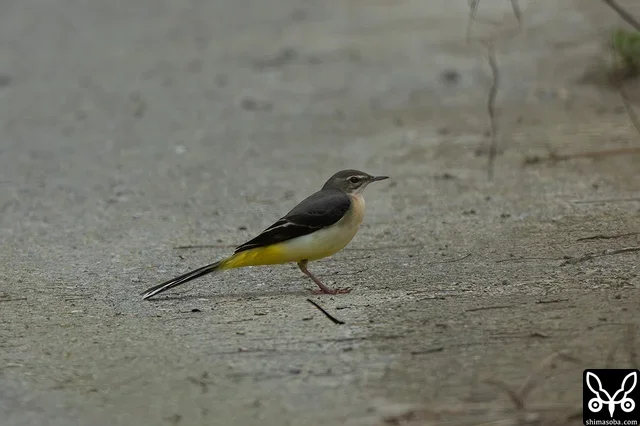
  33. Among the wagtails, the first to arrive on Ishigaki Island is the Grey Wagtail, followed by the Eastern Yellow Wagtail and then the White Wagtail.
    Grey Wagtail
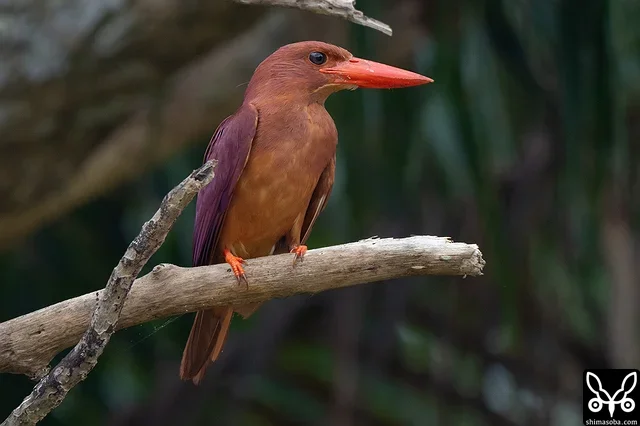
  34. Another very relaxed Ruddy Kingfisher. An individual that doesn't care even when people walk by below. ^^
    Ruddy Kingfisher
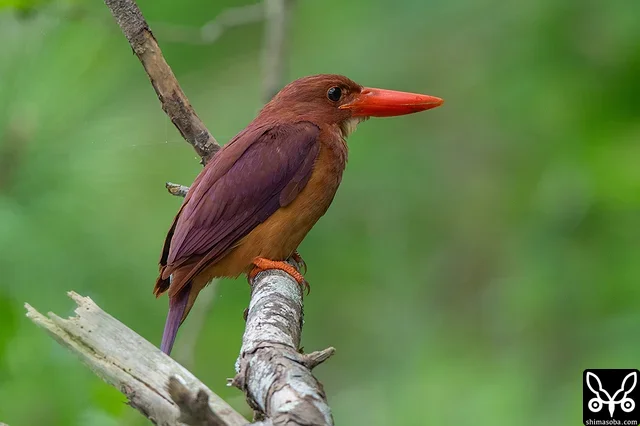
  35. This Ruddy Kingfisher was still feeding its fledgling. The adult was relaxed, but the fledgling was an extremely wary individual.
    Ruddy Kingfisher
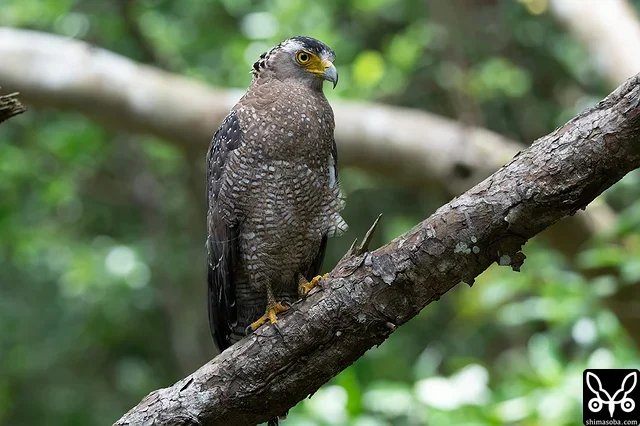
  36. Also a Crested Serpent Eagle living in Banna Park. Completely unbothered by people.
    Crested Serpent Eagle
  37. Long-toed Stint. DCA.
    Long-toed Stint
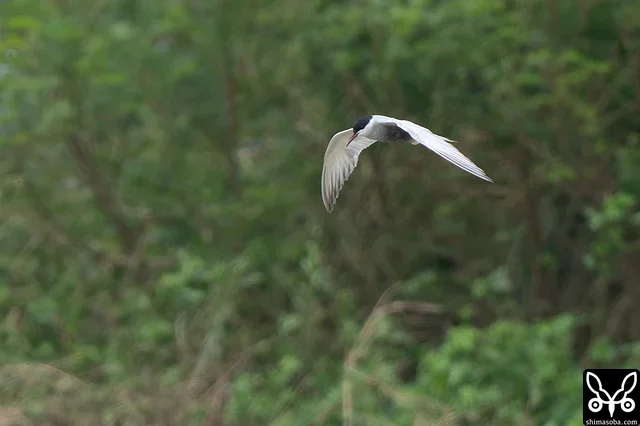
  38. A White-winged Tern was flying alone over the rice paddies, but after a while it gained altitude and disappeared.
    Whiskered Tern
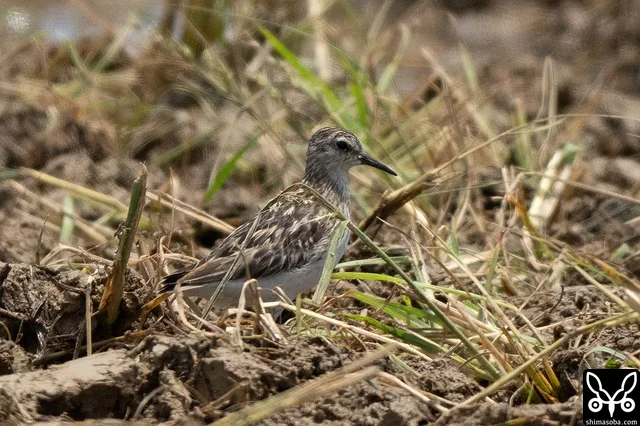
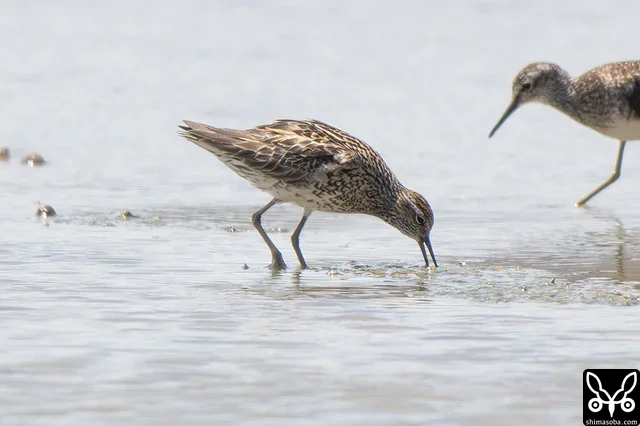
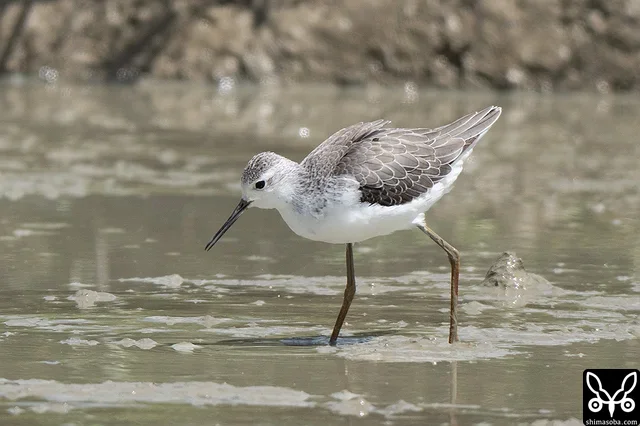
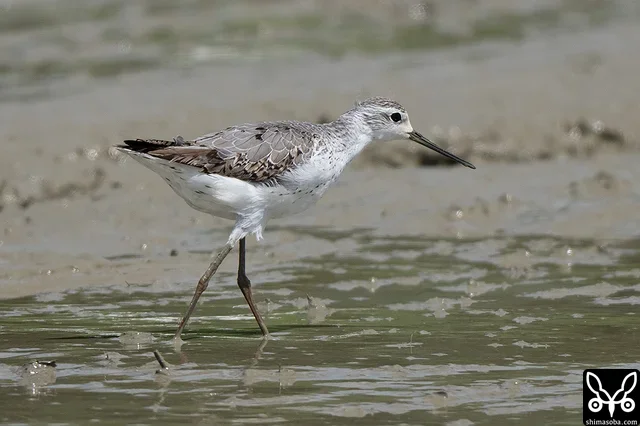
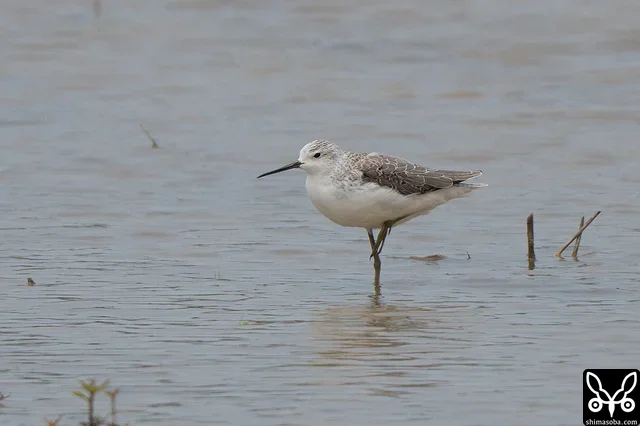
  39. First Marsh Sandpiper of the season as well. DPB (Definitive Prebasic molt).
    Marsh Sandpiper
  40. Pin-tailed Snipe, adult. DCA.
    Pin-tailed Snipe
  41. Also a Pin-tailed Snipe adult. Molt state: DCA.
    Pin-tailed Snipe
  42. Finally got confirmation. Pin-tailed Snipe, adult. DCA (Definitive Alternate plumage).
    Pin-tailed Snipe
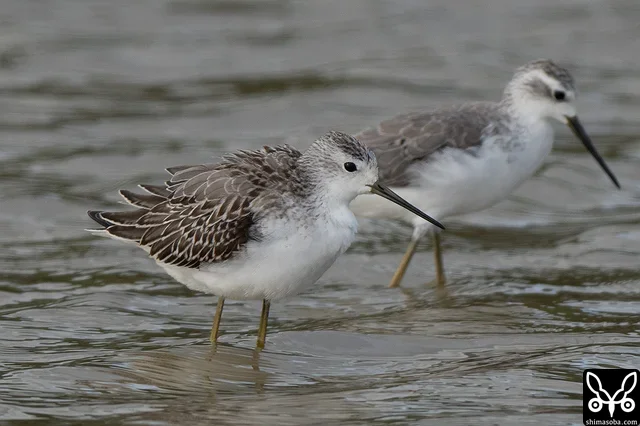
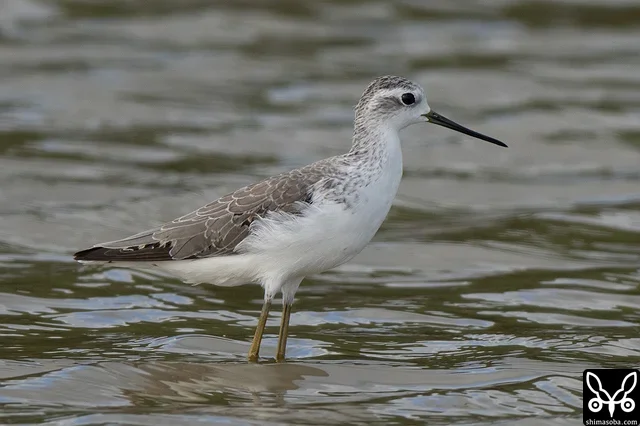
  43. First juvenile Little Greenshank of the season confirmed as well (foreground).
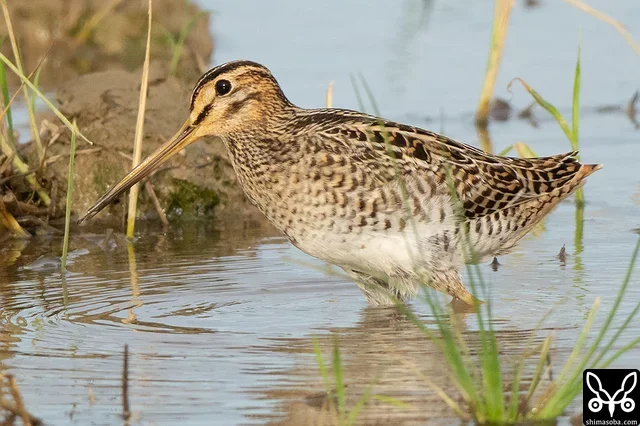
    Marsh Sandpiper
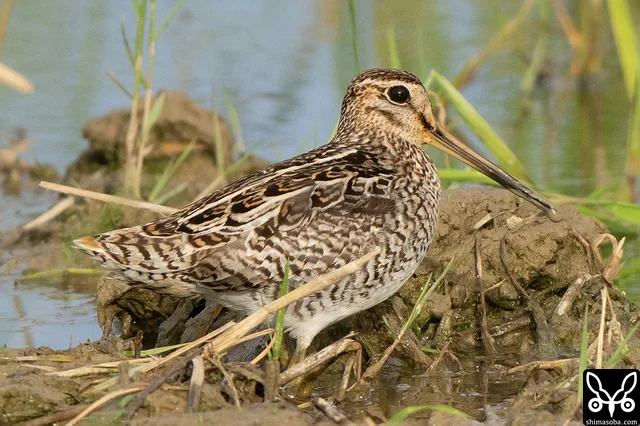
  44. These are adult Little Greenshanks. A few birds present.
    Marsh Sandpiper
  45. Same individual as above. It fanned its tail feathers wide open.
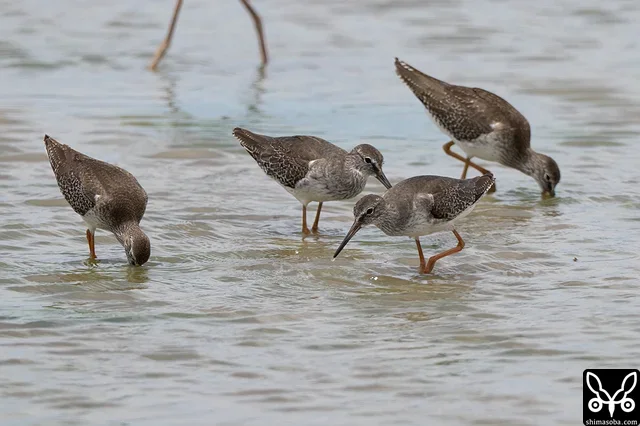
    Swinhoe's Snipe
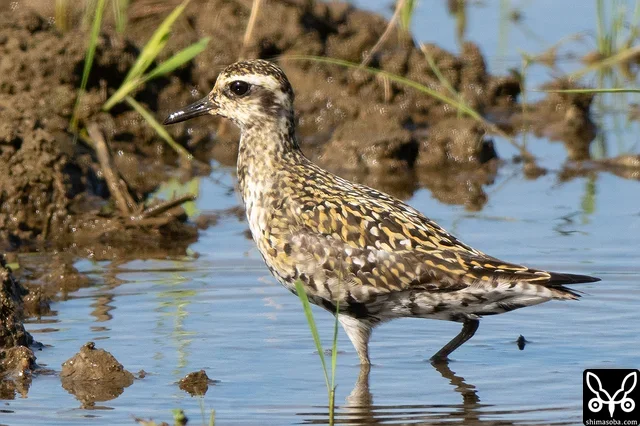
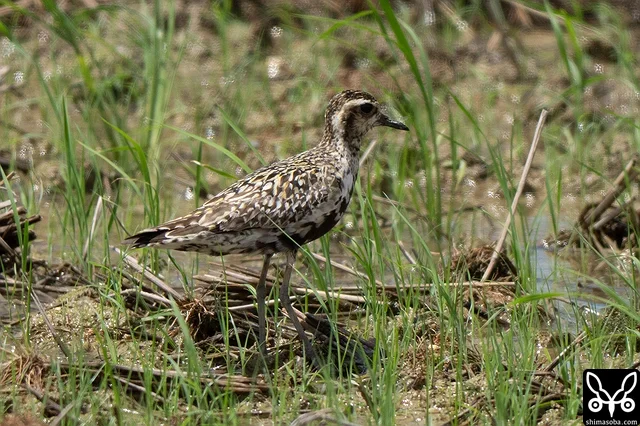
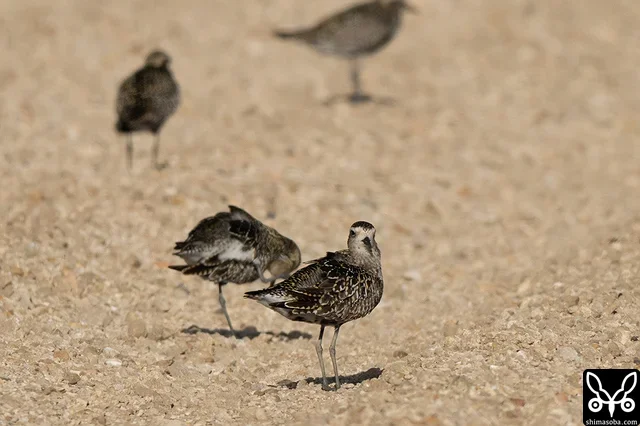
  46. While I was watching the snipe, eleven Pacific Golden Plovers dropped down right in front of me.
    Pacific Golden Plover
  47. The tail feathers of the same individual as above. It was fairly wary and spent much of its time feeding in the grass.
    Pin-tailed Snipe
  48. Yet another Swinhoe's Snipe adult.
    Swinhoe's Snipe
  49. A different adult Pin-tailed Snipe. A beautiful individual with a strong reddish tone.
    Pin-tailed Snipe
  50. Another Swinhoe's Snipe adult. This one and the individual below are additional birds found in the same paddy field three days after the first record of the season.
    Swinhoe's Snipe
  51. At this time of year, Wood Sandpiper is the most numerous species on Ishigaki. Juveniles are also turning up one after another.
    Wood Sandpiper
  52. Also a first juvenile of the season. Long-toed Stints are arriving in good numbers, both adults and juveniles.
    Long-toed Stint
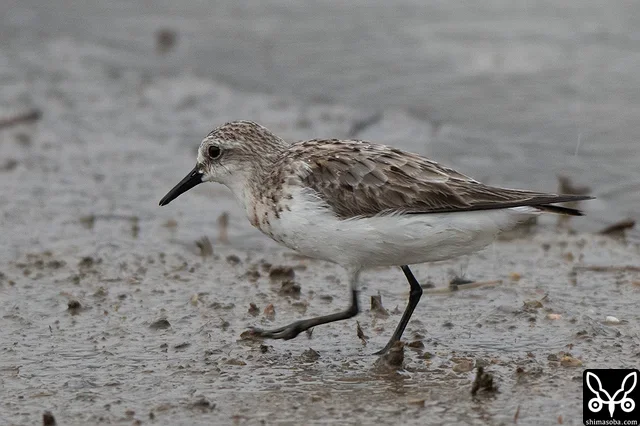
  53. Around ten Red-necked Stints are staying on.
    Red-necked Stint
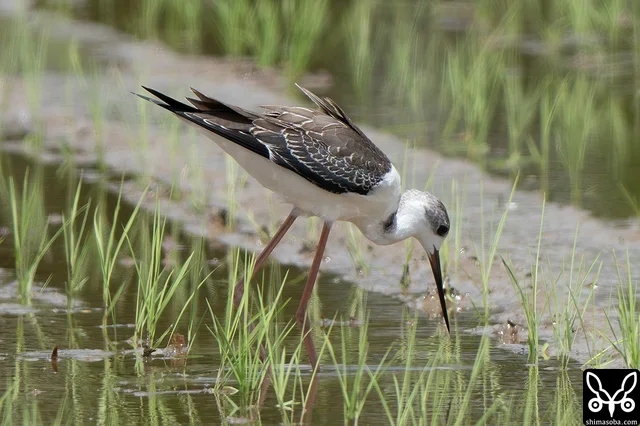
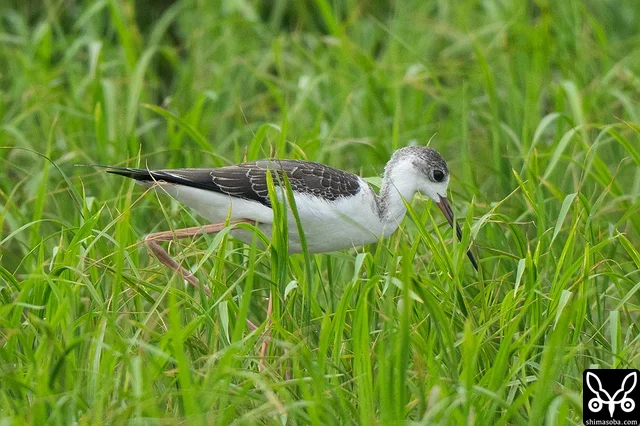
  54. First Black-winged Stilts of the season, juveniles. Several were present.
    Black-winged Stilt
  55. 11
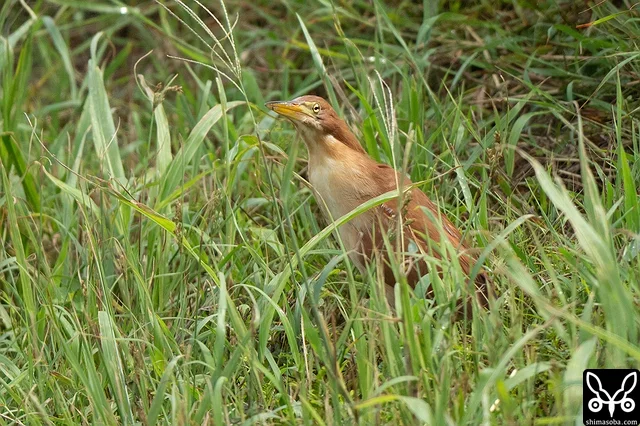
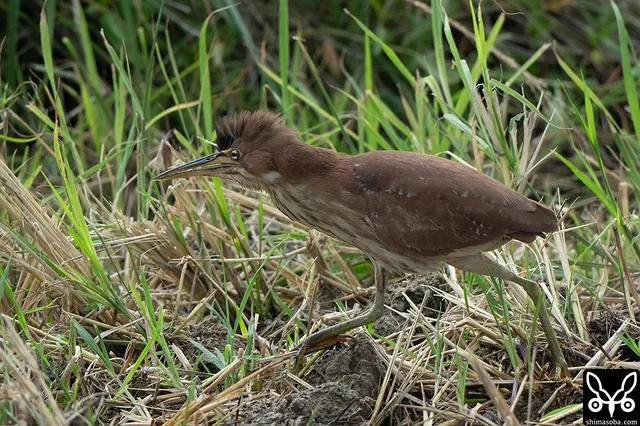
    最近、よく遭遇するリュウキュウヨシゴイのオス。
    Yellow Bittern
  56. セイタカシギの幼鳥を今季初の確認。
    Black-winged Stilt
  57. 雨が降ってくるとハリオシギの成鳥が現れました。
    Pin-tailed Snipe
  58. 12
    上のジャワアカガシラサギを見ていたら飛び出してきたもう一羽のジャワアカガシラサギ。こちらは警戒心が強めでした。
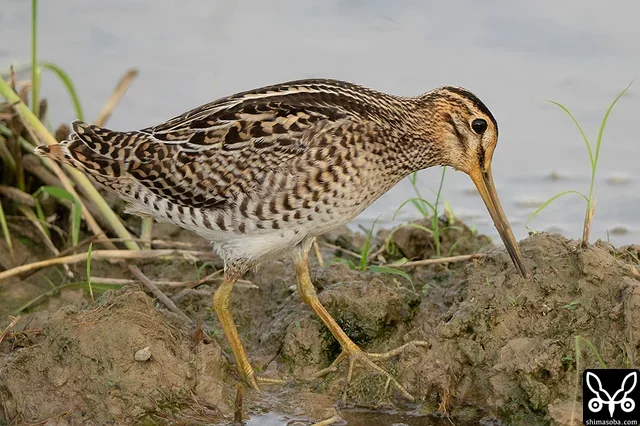
    Javan Pond Heron
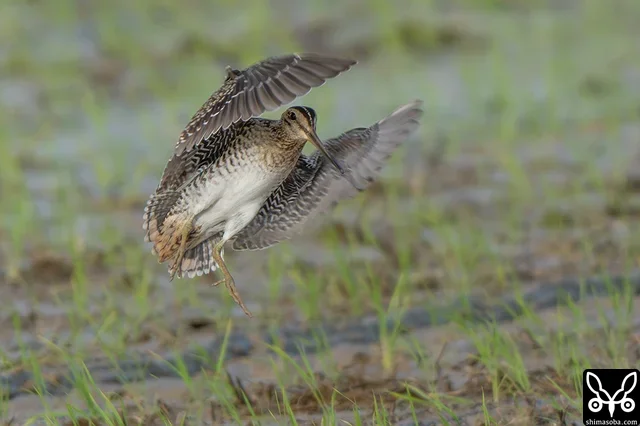
  59. 最初に見つけたジャワアカガシラサギ。あまり警戒心のない個体でした。
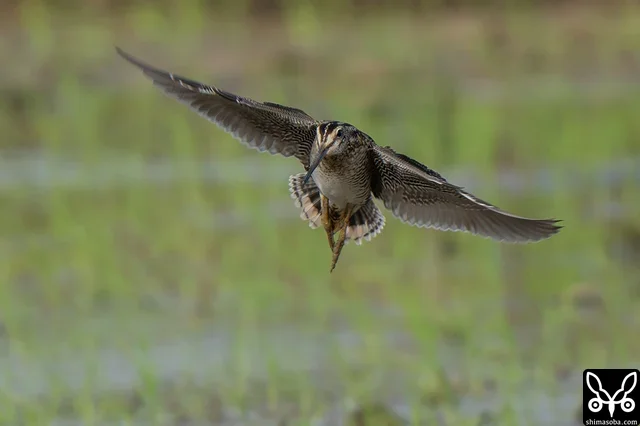
    Javan Pond Heron
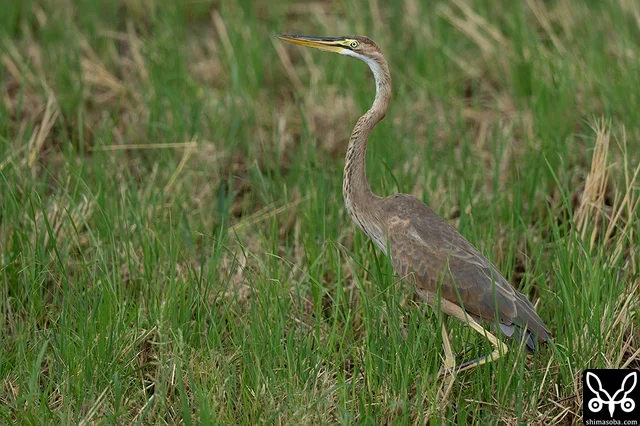
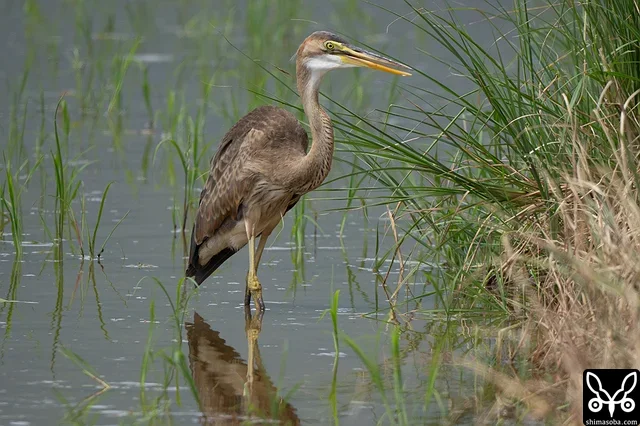
  60. ムラサキサギも幼鳥を確認。
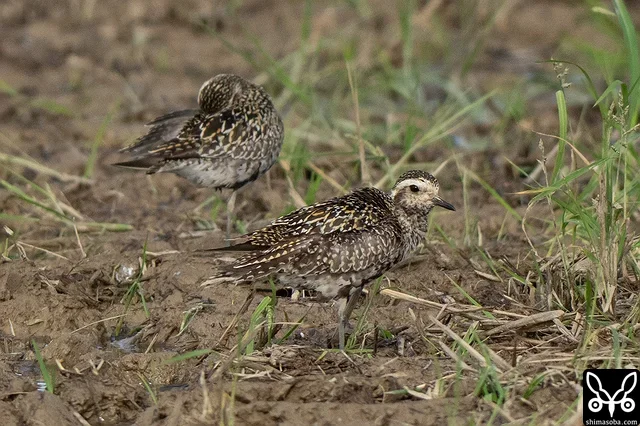
    Purple Heron
  61. 今季初のリュウキュウヨシゴイの幼鳥。
    Yellow Bittern
  62. 13
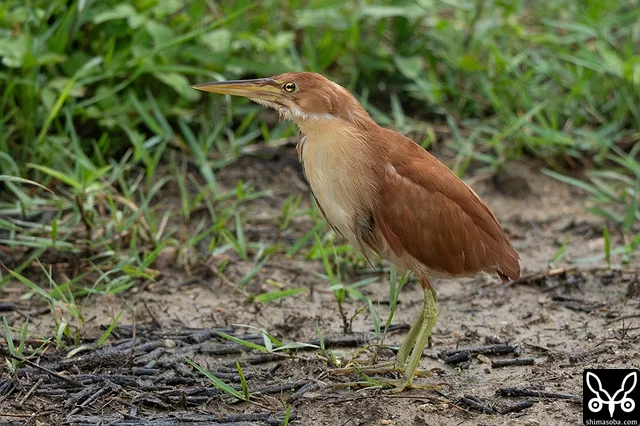
    Cinnamon Bittern, adult male.
    Yellow Bittern
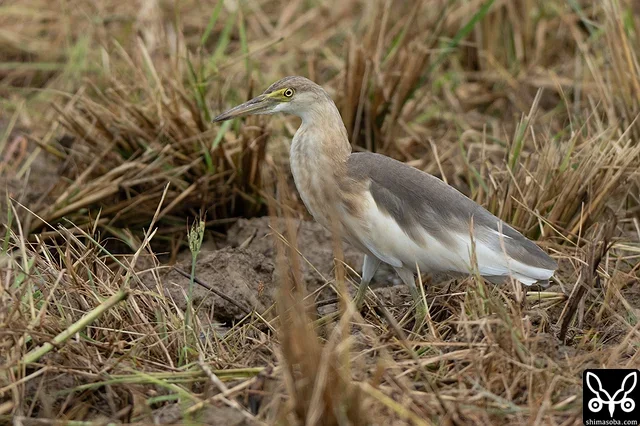
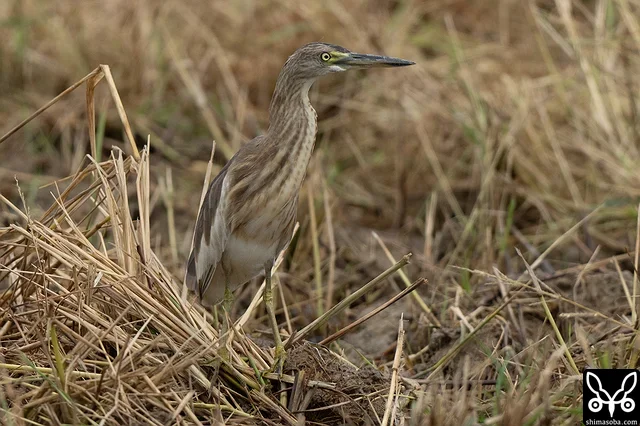
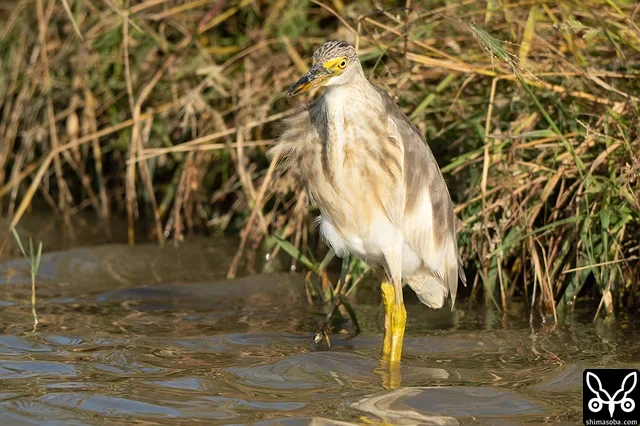
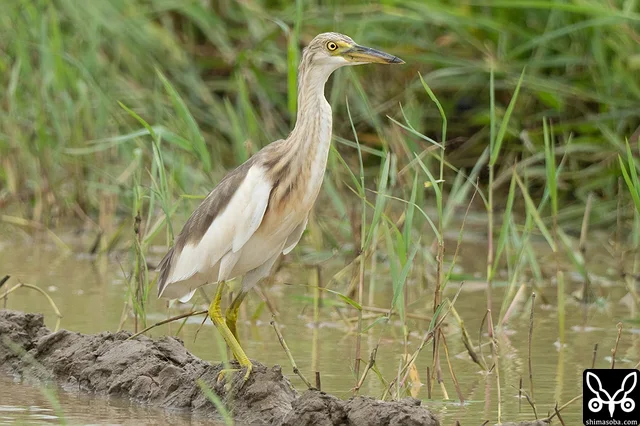
  63. Javan Pond Heron in winter plumage. Two birds have been present for the past few days.
    Javan Pond Heron
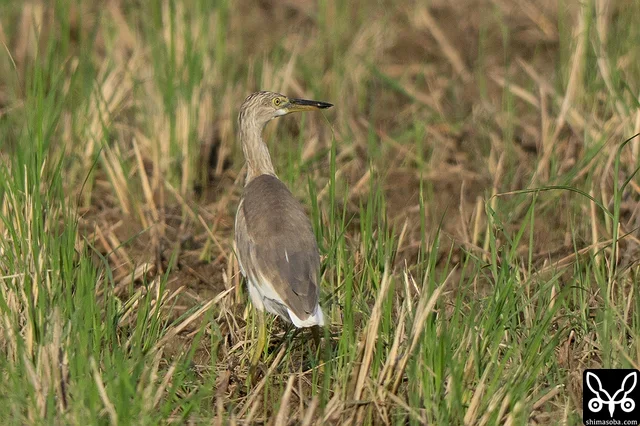
  64. A Chinese Pond Heron has also arrived, associating with the Javan Pond Herons.
    Chinese Pond Heron
  65. Same individual as above. I get the impression that Swinhoe's Snipe has tail feathers nearly as narrow as Pin-tailed Snipe.
    Swinhoe's Snipe
  66. First Swinhoe's Snipe of the season. Moult stage: DPB.
    Swinhoe's Snipe
  67. Distant, but this is also a Pin-tailed Snipe.
    Pin-tailed Snipe
  68. Pin-tailed Snipe, adult. Moult stage: DPB.
    Pin-tailed Snipe
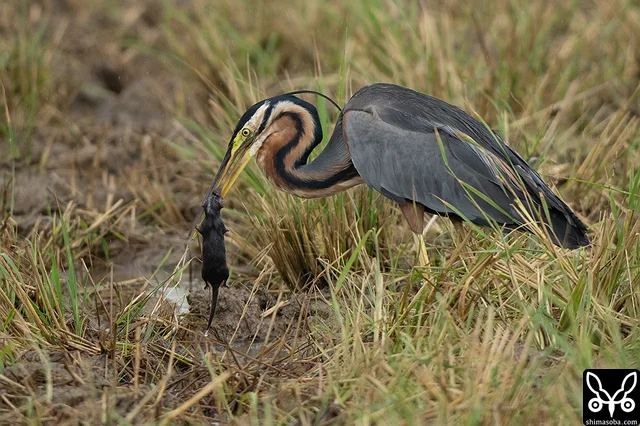
  69. Purple Heron, adult. At first I thought it had caught a black rat, but on closer inspection it looks like a species of musk shrew.
    Purple Heron
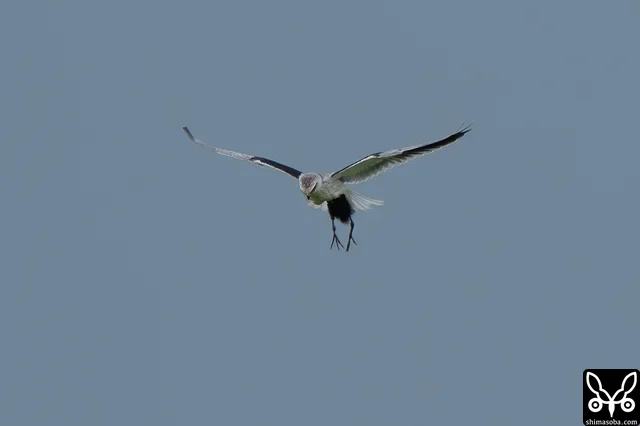
  70. A Black-winged Kite juvenile that had caught a White-breasted Waterhen chick.
    Black-winged Kite
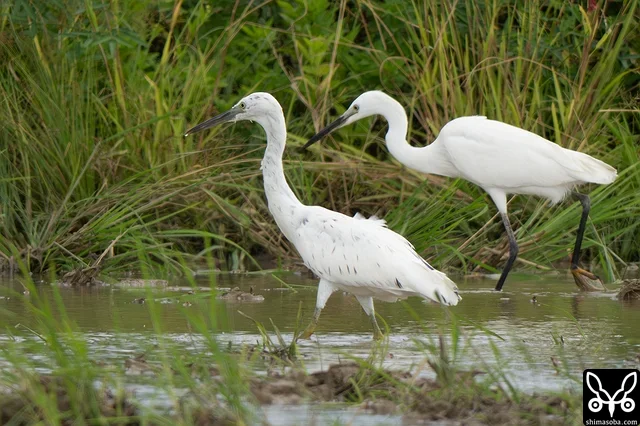
  71. Intermediate-morph Pacific Reef Heron juvenile (left) and Little Egret juvenile. For some reason this Pacific Reef Heron is in the rice field every day.
    Pacific Reef Heron
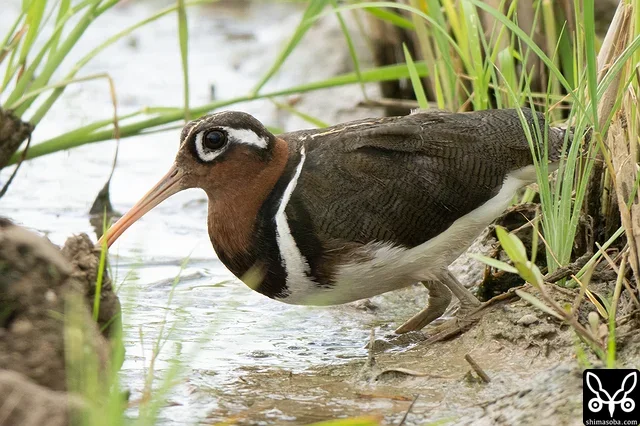
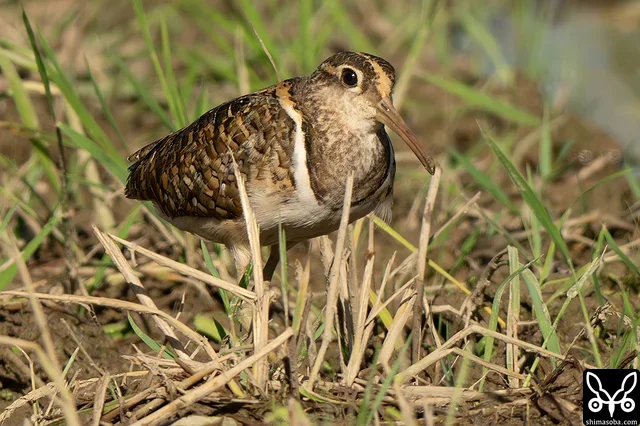
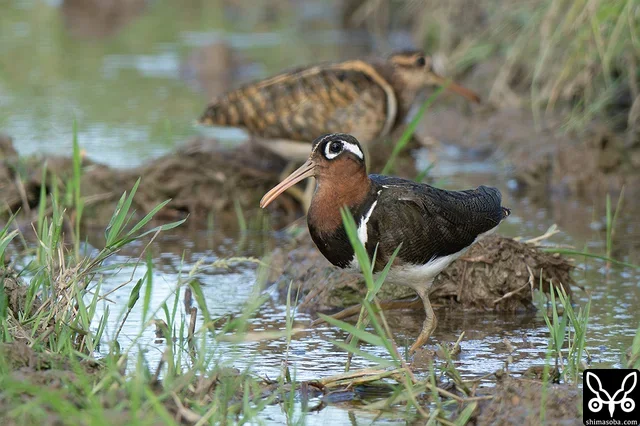
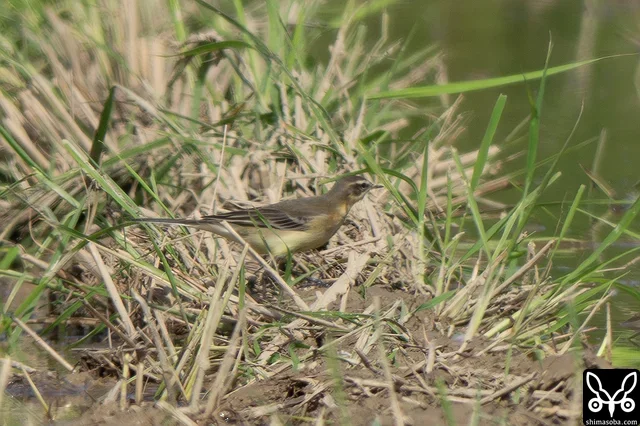
  72. A female Greater Painted-snipe appeared right in front of me.
    Greater Painted-snipe
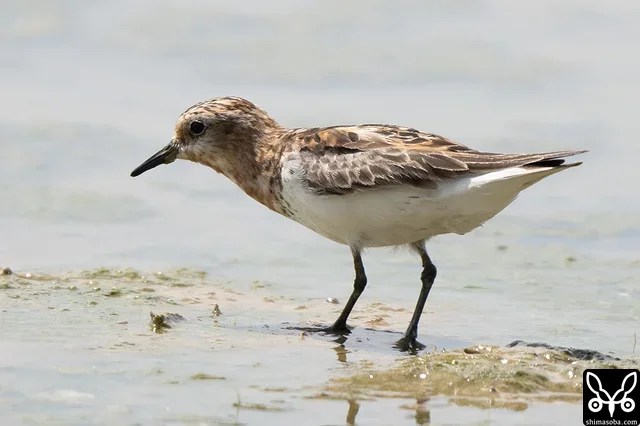
  73. Red-necked Stint in breeding plumage. Many individuals are worn and looking whitish.
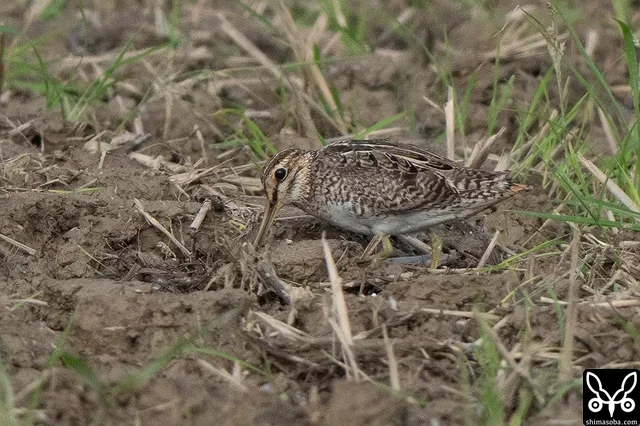
    Red-necked Stint
  74. Common Redshank juvenile. As usual, juveniles arrive before the adults at this time of year, and juveniles outnumber adults right now.
    Common Redshank
  75. The first Pectoral Sandpiper of the season turned out to be an adult.
    Sharp-tailed Sandpiper
  76. 14
    Same individual as above. The progress of the moult is apparent.
    Pin-tailed Snipe
  77. A Pin-tailed Snipe at relatively close range.
    Pin-tailed Snipe
  78. This Swinhoe's Snipe has been present for the past few days.
    Swinhoe's Snipe
  79. Same individual as above.
    Pin-tailed Snipe
  80. A Pin-tailed Snipe looking tired — it may have just arrived.
    Pin-tailed Snipe
  81. This Swinhoe's Snipe looks exhausted — perhaps it arrived the previous night.
    Swinhoe's Snipe
  82. This Pin-tailed Snipe has also been here for the past few days.
    Pin-tailed Snipe
  83. The same individual as above, from the front.
    Pin-tailed Snipe
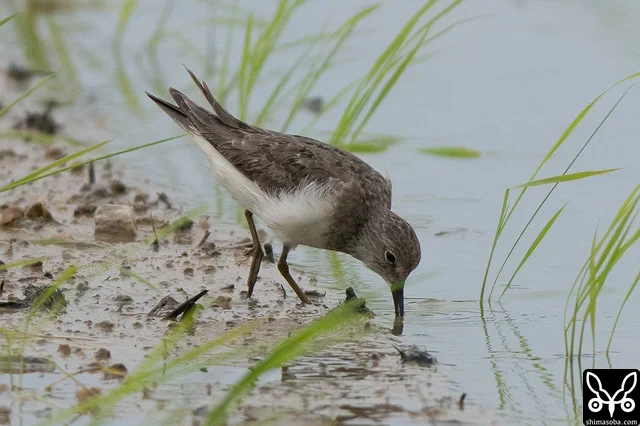
  84. Pin-tailed Snipe, adult. This type is relatively easy to identify.
    Pin-tailed Snipe
  85. Yet another Swinhoe's Snipe, adult.
    Swinhoe's Snipe
  86. Same individual as above. After this it was threatened by a White-breasted Waterhen, which allowed me to get a shot of the tail feathers as well.
    Pin-tailed Snipe
  87. The first Swinhoe's Snipe juvenile of the season. It arrived ahead of the Pin-tailed Snipe juveniles.
    Swinhoe's Snipe
  88. Also a Swinhoe's Snipe, adult.
    Swinhoe's Snipe
  89. Swinhoe's Snipe, adult.
    Swinhoe's Snipe
  90. Pin-tailed Snipe, adult.
    Pin-tailed Snipe
  91. 15
    A Chinese Pond Heron that arrived together with the Javan Pond Herons.
    Chinese Pond Heron
  92. While I was watching the snipe, a Javan Pond Heron came down and landed.
    Javan Pond Heron
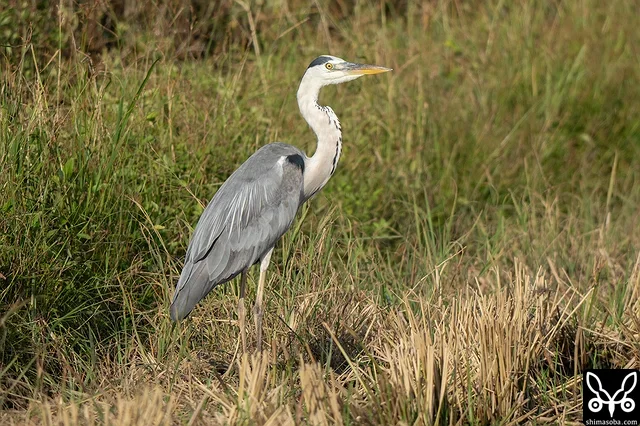
  93. Grey Herons also arrived a few days ago and numbers are slowly building.
    Grey Heron
  94. Swinhoe's Snipe are gradually increasing in number.
    Swinhoe's Snipe
  95. Swinhoe's Snipe, adult. This is the type that is easily mistaken for a Pin-tailed Snipe.
    Swinhoe's Snipe
  96. Pin-tailed Snipe, adult.
    Pin-tailed Snipe
  97. Long-toed Stint, late breeding plumage. There are a lot of them.
    Long-toed Stint
  98. A group of around eight Common Redshank juveniles were foraging together.
    Common Redshank
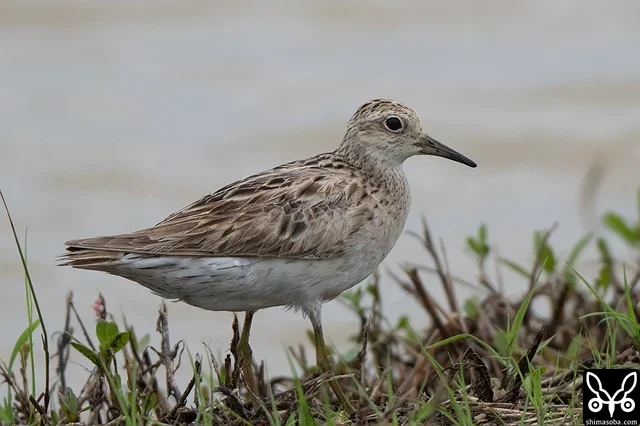
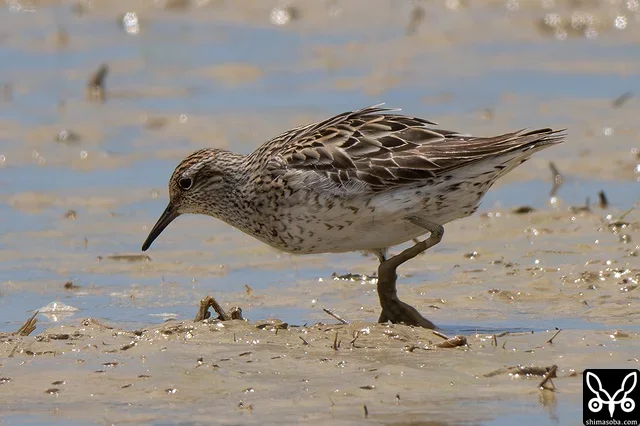
  99. Sharp-tailed Sandpiper, adult, late breeding plumage.
    Sharp-tailed Sandpiper
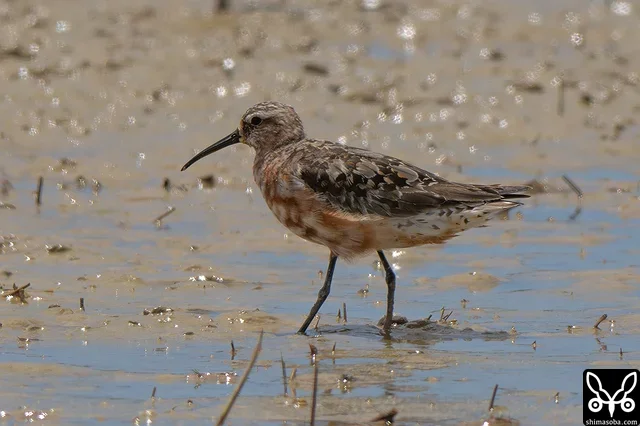
  100. Curlew Sandpiper, adult, late breeding plumage.
    Curlew Sandpiper
  101. 17
    There were two Javan Pond Herons a short distance apart. This individual appeared to have a slight injury to one leg.
    Javan Pond Heron
  102. A male Greater Painted-snipe. Led along by the female, it was wandering around a deep-ploughed rice field.
    Greater Painted-snipe
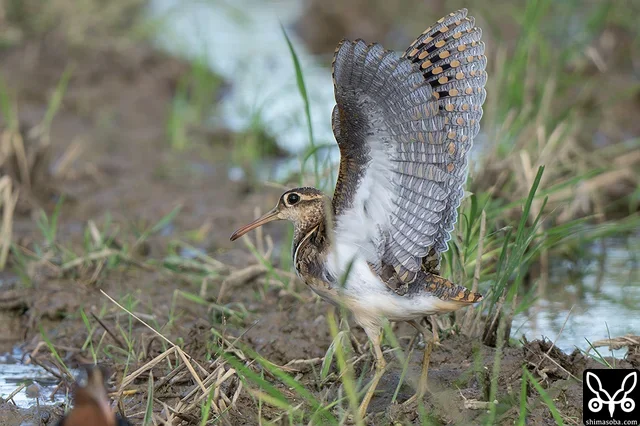
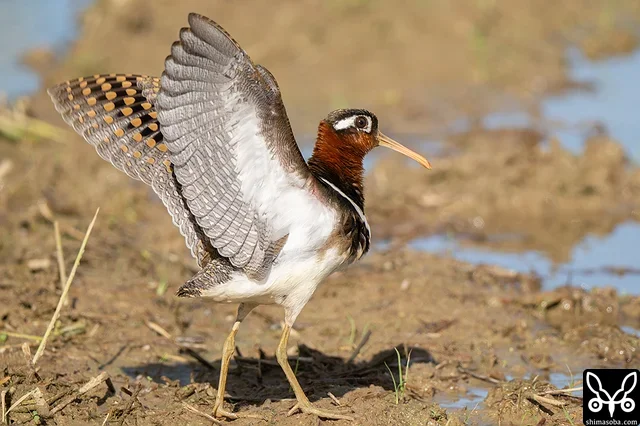
  103. Also, a male Greater Painted-snipe flapping its wings after bathing.
    Greater Painted-snipe
  104. A pair of Greater Painted-snipe moving around together.
    Greater Painted-snipe
  105. A female Greater Painted-snipe flapping her wings after bathing.
    Greater Painted-snipe
  106. 18
    Only one Pin-tailed Snipe on this day.
    Pin-tailed Snipe
  107. Swinhoe's Snipe on a distant paddy bank.
    Swinhoe's Snipe
  108. Same individual as above.
    Swinhoe's Snipe
  109. First juvenile Wood Sandpiper of the season. Only one individual confirmed, but numbers will keep climbing from here.
    Wood Sandpiper
  110. Long-toed Stint juvenile. More than half the Long-toed Stints in the flock are juveniles. Numbers are expected to increase further.
    Long-toed Stint
  111. Common Redshank juvenile. The first juveniles of the season are often Common Redshanks. This season too, I had one about two weeks ago.
    Common Redshank
  112. Common Redshank adult. Just barely into winter plumage.
    Common Redshank
  113. Black-faced Spoonbill, an immature individual.
    Black-faced Spoonbill
  114. Purple Heron breeds on Ishigaki Island. At this time of year, juveniles can be seen in rice paddies here and there.
    Purple Heron
  115. Still much summer plumage remaining, but winter plumage is coming in.
    Common Greenshank
  116. Black-winged Stilt, female.
    Black-winged Stilt
  117. A few Marsh Sandpipers have also arrived. Moult stages vary; this individual is in winter plumage as far as I can see.
    Marsh Sandpiper
  118. Wood Sandpiper still in summer plumage as well.
    Wood Sandpiper
  119. This individual still retains a lot of summer plumage.
    Marsh Sandpiper
  120. Pacific Golden Plovers are being seen more often now in rice paddies and fields.
    Pacific Golden Plover
  121. Another Swinhoe's Snipe. Among the snipe, Swinhoe's Snipe have become predominant.
    Swinhoe's Snipe
  122. This one is also a Swinhoe's Snipe.
    Swinhoe's Snipe
  123. A Swinhoe's Snipe that was too close.
    Swinhoe's Snipe
  124. 19
    There are flocks of Long-toed Stints numbering in the tens, but most are now juveniles. Breeding appears to have gone well.
    Long-toed Stint
  125. The long-awaited juvenile Swinhoe's Snipe has appeared. Beautiful. ^^
    Swinhoe's Snipe
  126. The snipe are now almost entirely Swinhoe's Snipe. There should be a second wave after this, so I expect numbers of both adults and juveniles to increase.
    Swinhoe's Snipe
  127. Same individual as above. A juvenile Swinhoe's Snipe landing while showing off its tail feathers as if putting on a display.
    Swinhoe's Snipe
  128. Same individual as above. It flew toward me. The tail feathers are clearly visible.
    Swinhoe's Snipe
  129. A Pin-tailed Snipe that has been staying for the past several days. A small individual — rather charming.
    Pin-tailed Snipe
  130. There was a flock of about ten Pacific Golden Plovers in the paddy fields. Most individuals appeared to be in the process of moulting into winter plumage.
    Pacific Golden Plover
  131. Of the two Javan Pond Herons present, this is the less wary one.
    Javan Pond Heron
  132. 21
    Two juvenile Swinhoe's Snipes.
    Swinhoe's Snipe
  133. A male Greater Painted-snipe building a nest.
    Greater Painted-snipe
  134. An adult Swinhoe's Snipe in the distance.
    Swinhoe's Snipe
  135. Juvenile Swinhoe's Snipe. Moult into first-winter plumage is progressing.
    Swinhoe's Snipe
  136. 22
    A juvenile Swinhoe's Snipe. It looked like an interesting individual and I really wanted to get a good look, but it was too wary to come out of the grass.
    Swinhoe's Snipe
  137. Also an adult Pin-tailed Snipe. It was in the same flock as the individual above.
    Pin-tailed Snipe
  138. Evening observation in driving rain. Managed to get a close look at an adult Pin-tailed Snipe.
    Pin-tailed Snipe
  139. Yet another Javan Pond Heron. In recent years, sightings of Javan Pond Heron on Ishigaki Island have been increasing. It has also become a regular pattern for Javan Pond Herons to arrive first, with Chinese Pond Herons turning up some time later.
    Javan Pond Heron
  140. Two young Black-faced Spoonbills.
    Black-faced Spoonbill
  141. A different individual Javan Pond Heron from the one above.
    Javan Pond Heron
  142. An adult Swinhoe's Snipe that was together with the Pin-tailed Snipe above.
    Swinhoe's Snipe
  143. The next find was a juvenile Pin-tailed Snipe — the finest-looking individual of the day. We could observe it at close range, and everyone in the car got quite excited. ^^
    Pin-tailed Snipe
  144. Red-necked Stints are increasing. Juveniles don't seem to have arrived yet; all flocks I checked were adults only.
    Red-necked Stint
  145. Moving to the next paddy, the first bird I found was a solitary juvenile Swinhoe's Snipe.
    Swinhoe's Snipe
  146. Another Swinhoe's Snipe that was in the same flock. An adult.
    Swinhoe's Snipe
  147. A Pin-tailed Snipe that was associating with the Swinhoe's Snipe in the field above. Also an adult.
    Pin-tailed Snipe
  148. Arrived at the paddy field with the highest snipe count this season. The first bird I could observe was a pale-looking adult Swinhoe's Snipe.
    Swinhoe's Snipe
  149. This one is also a juvenile Swinhoe's Snipe.
    Swinhoe's Snipe
  150. Adult Swinhoe's Snipe.
    Swinhoe's Snipe
  151. Juvenile Pin-tailed Snipe.
    Pin-tailed Snipe
  152. Also an adult Pin-tailed Snipe.
    Pin-tailed Snipe
  153. The Javan Pond Heron is easy to observe — it pays no attention even when people walking by pass right next to it.
    Javan Pond Heron
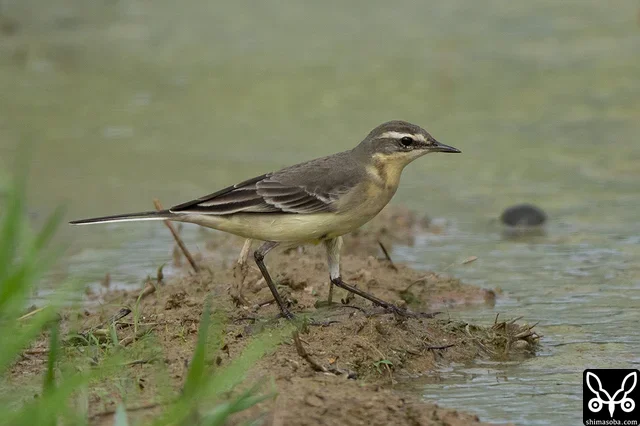
  154. A juvenile Eastern Yellow Wagtail (superciliated form), the first confirmed record of the season.
    Citrine Wagtail
  155. Also a juvenile Swinhoe's Snipe.
    Swinhoe's Snipe
  156. Juvenile Pin-tailed Snipe.
    Pin-tailed Snipe
  157. A juvenile Swinhoe's Snipe right in front of me. We both froze.
    Swinhoe's Snipe
  158. Juvenile Swinhoe's Snipe.
    Swinhoe's Snipe
  159. Adult Pin-tailed Snipe. One leg is missing.
    Pin-tailed Snipe
  160. Also a juvenile Pin-tailed Snipe.
    Pin-tailed Snipe
  161. 23
    An adult Pin-tailed Snipe that was associating with the Swinhoe's Snipe above.
    Pin-tailed Snipe
  162. Day two of snipe camp. Snipe encounters were few this day, so we enjoyed some non-snipe birding in the morning. This individual is a juvenile Swinhoe's Snipe found in the afternoon.
    Swinhoe's Snipe
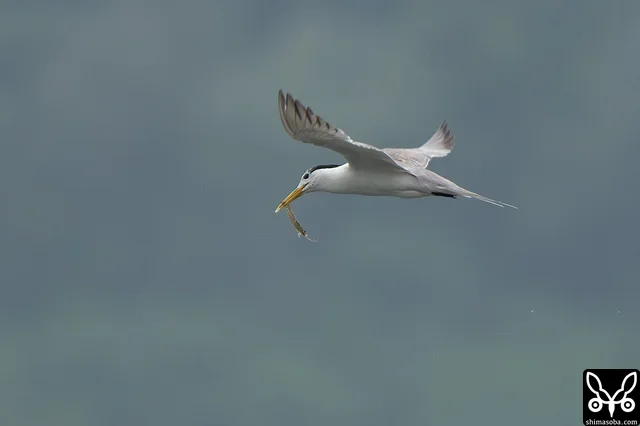
  163. A Greater Crested Tern with a kuruma prawn.
    Caspian Tern
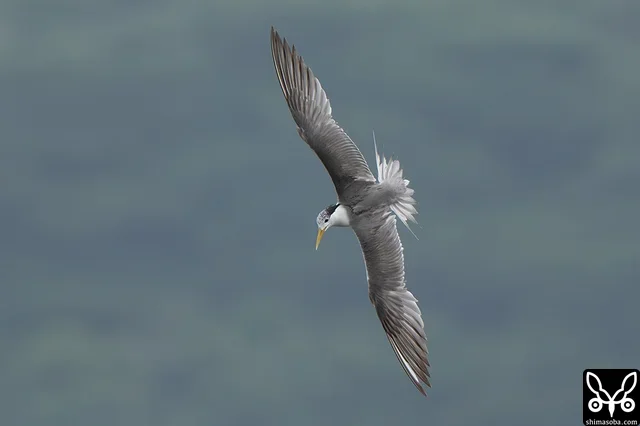
  164. A Greater Crested Tern diving steeply after prey.
    Caspian Tern
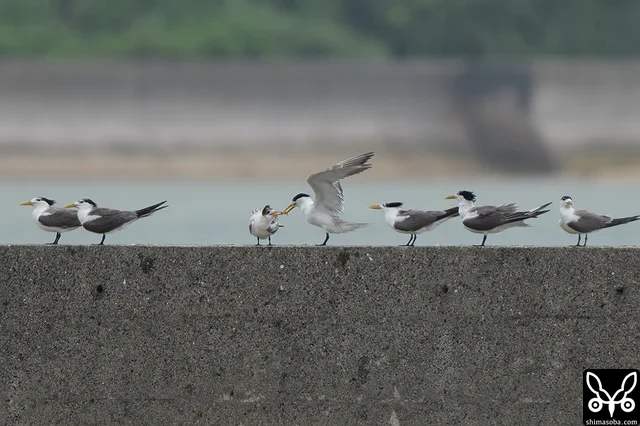
  165. A flock of around 40 Greater Crested Terns, with a few fledglings mixed in.
    Caspian Tern
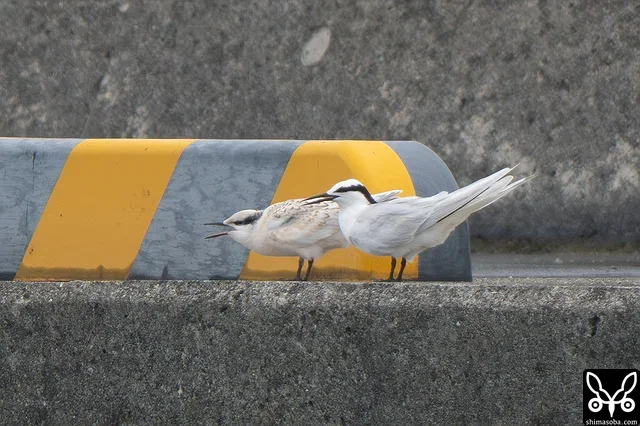
  166. A few Black-naped Terns were present as well. Two fledglings confirmed here.
    Black-naped Tern
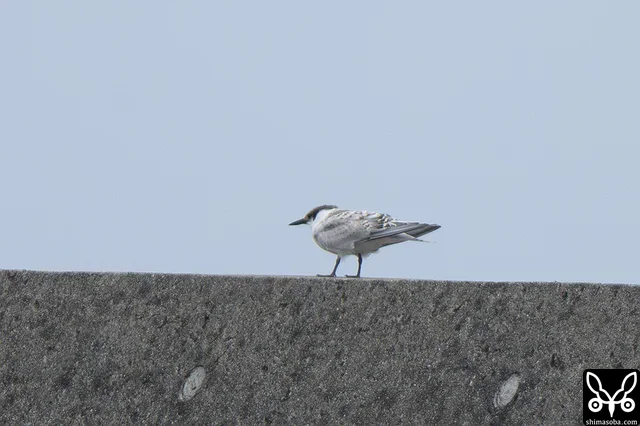
  167. One Roseate Tern fledgling also confirmed.
    Roseate Tern
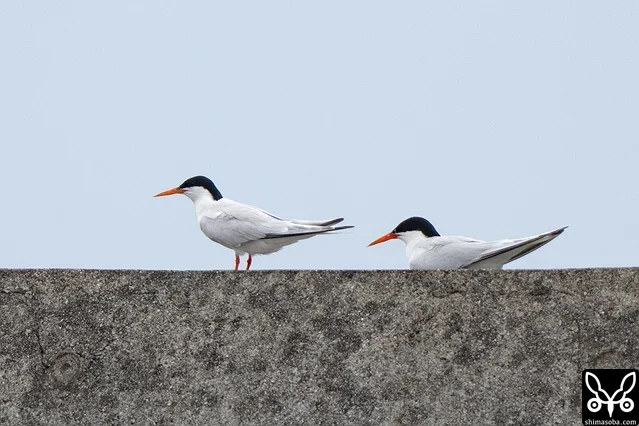
  168. Most have moved on after breeding, but a few Roseate Terns were still present.
    Roseate Tern
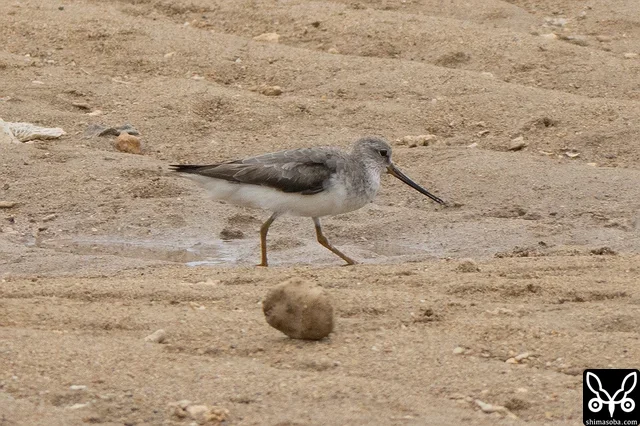
  169. Multiple adult Terek Sandpipers observed.
    Terek Sandpiper
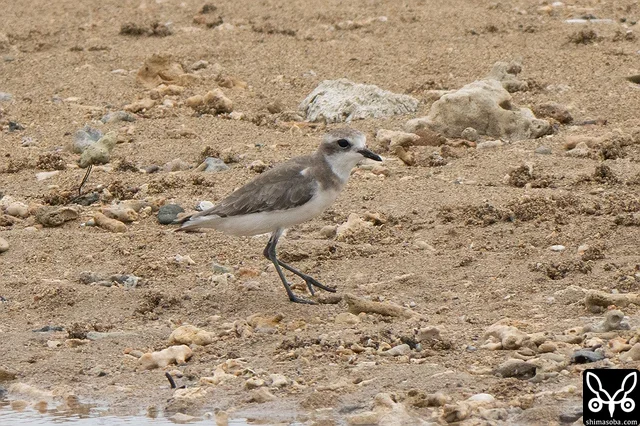
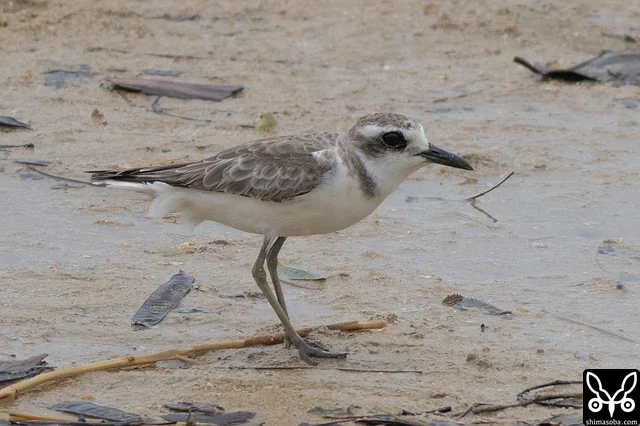
  170. I heard that a Tibetan Sand Plover had turned up on Okinawa-hontō, so I looked for one on Ishigaki-jima as well — no luck. This is an adult Greater Sand Plover.
    Greater Sand Plover
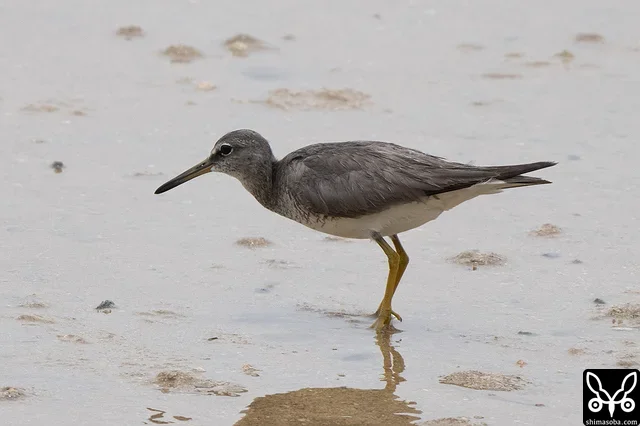
  171. A few Grey-tailed Tattlers confirmed as well. All were adults.
    Grey-tailed Tattler
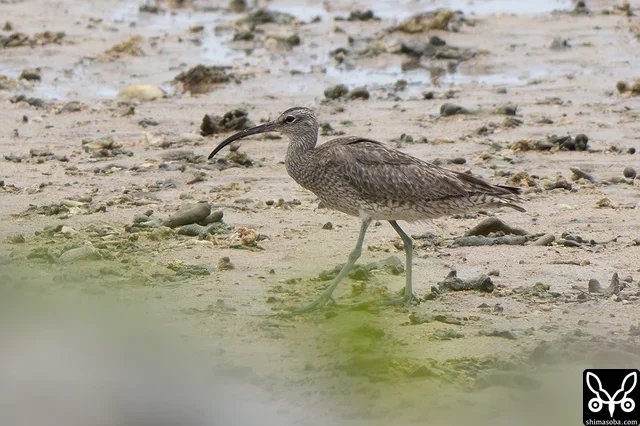
  172. My first Eurasian Whimbrels of the season — a small flock of six, all adults.
    Whimbrel
  173. Moving to the river mouth, I found a small flock of adult Greater Sand Plovers.
    Greater Sand Plover
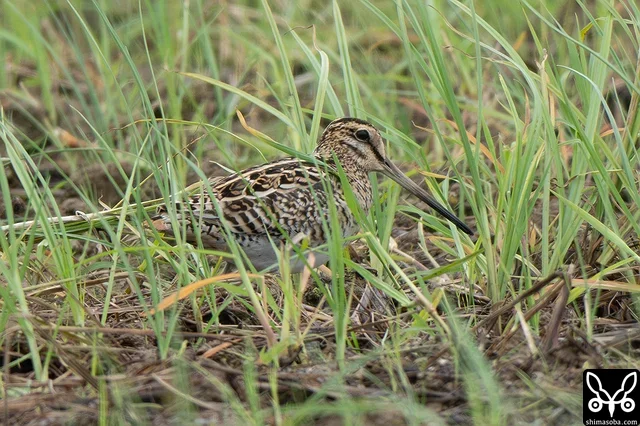
  174. An adult Swinhoe's Snipe. The wind and rain were fierce, and this was the last bird of the day's field camp. We ended the evening at an izakaya in the typhoon, talking snipe over drinks. ^^
    Swinhoe's Snipe
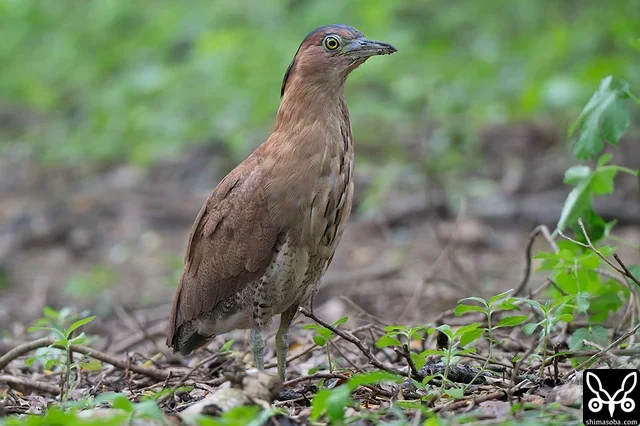
  175. An adult Malayan Night Heron in a dim forest. A beautiful individual.
    Malayan Night Heron
  176. Three Javan Pond Herons confirmed during the Ishigaki Island snipe camp.
    Javan Pond Heron
  177. A pale Sharp-tailed Sandpiper found. Whether it is simply faded or a buff variant, I'm not sure.
    Sharp-tailed Sandpiper
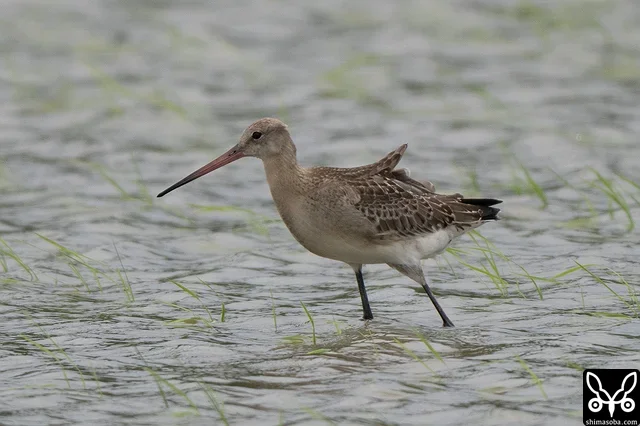
  178. The first Black-tailed Godwit of the season was a juvenile — a solo arrival.
    Black-tailed Godwit
  179. The first Temminck's Stint of the season arrived alone.
    Temminck's Stint
  180. 27
    Swinhoe's Snipe, juvenile.
    Swinhoe's Snipe
  181. Pin-tailed Snipe, adult. Transitioning from summer to winter plumage.
    Pin-tailed Snipe
  182. Swinhoe's Snipe, juvenile.
    Swinhoe's Snipe
  183. Swinhoe's Snipe, juvenile.
    Swinhoe's Snipe
  184. Swinhoe's Snipe, juvenile.
    Swinhoe's Snipe
  185. Pin-tailed Snipe, juvenile.
    Pin-tailed Snipe
  186. Swinhoe's Snipe, juvenile.
    Swinhoe's Snipe
  187. 30
    A flock of 50 Pacific Golden Plovers had come down onto farmland.
    Pacific Golden Plover
  188. Swinhoe's Snipe, juvenile.
    Swinhoe's Snipe
  189. Swinhoe's Snipe, juvenile.
    Swinhoe's Snipe
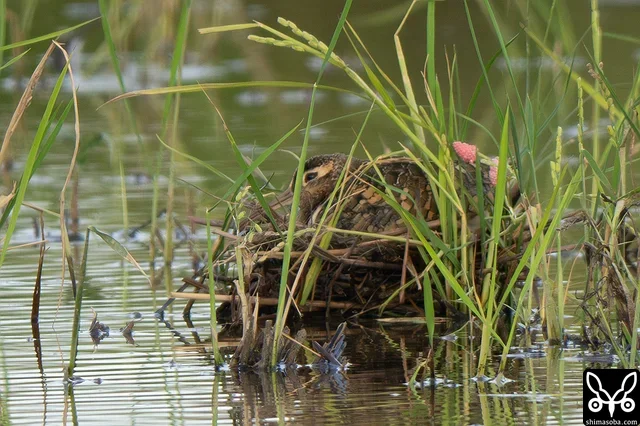
  190. A male Greater Painted-snipe incubating.
    Greater Painted-snipe
  191. 31
    Red-necked Stint (foreground) and Little Ringed Plover.
    Little Ringed Plover
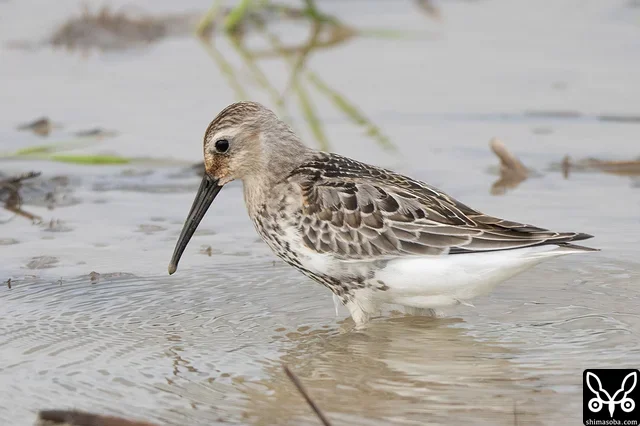
  192. The first Dunlin of the season was a lone juvenile.
    Dunlin
  193. Swinhoe's Snipe, juvenile. Swinhoe's Snipe numbers will be increasing from here on.
    Swinhoe's Snipe
  194. Both Pin-tailed Snipe juveniles. Juveniles make up the majority of Pin-tailed Snipe at this time of year.
    Pin-tailed Snipe
  195. A juvenile Eastern Yellow Wagtail, also beginning to moult into first-winter plumage.
    Citrine Wagtail
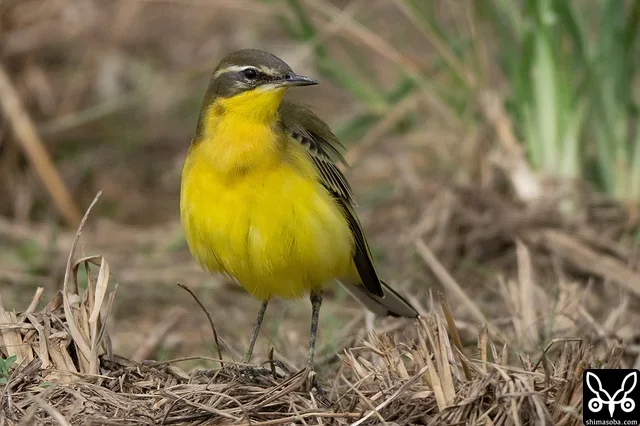
  196. An adult Eastern Yellow Wagtail of the white-supercilium type, transitioning into winter plumage.
    Citrine Wagtail
  197. Long-toed Stint numbers are also mostly juveniles.
    Long-toed Stint
  198. Wood Sandpiper, juvenile. Juveniles make up most of the Wood Sandpiper flocks.
    Wood Sandpiper
  199. Pin-tailed Snipe, juvenile.
    Pin-tailed Snipe
  200. Common Redshank, juvenile.
    Common Redshank