SEASONAL ARCHIVE

Wild Birds of June

When and what wild birds might you see — a timeline sorted by date taken

  1. 1
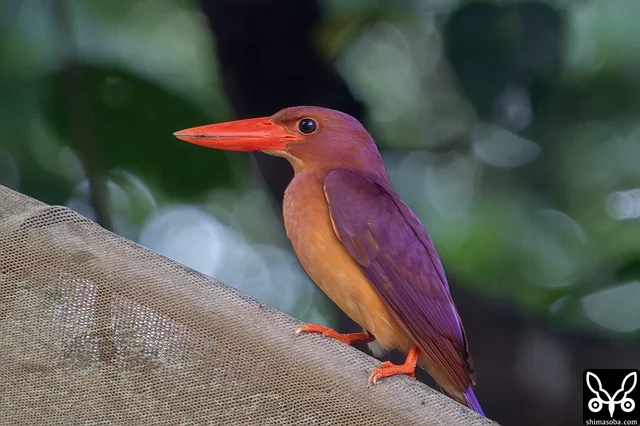
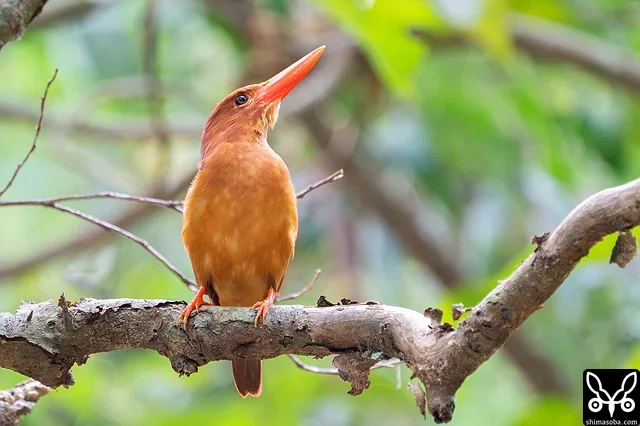
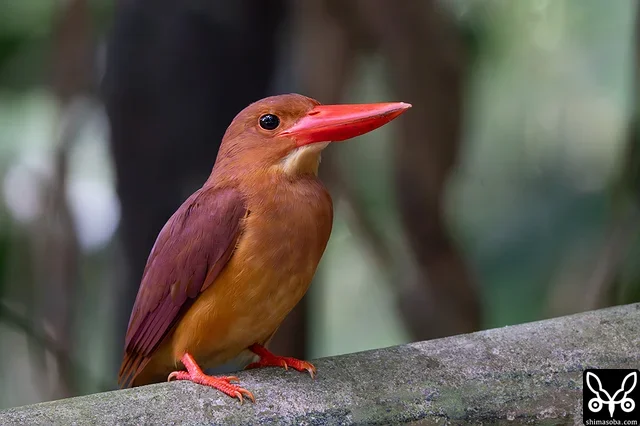
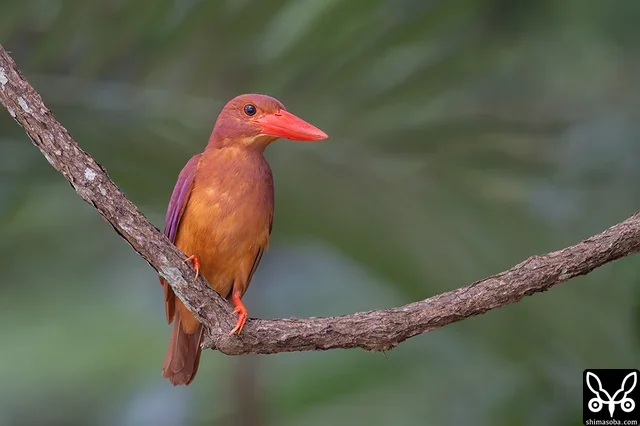
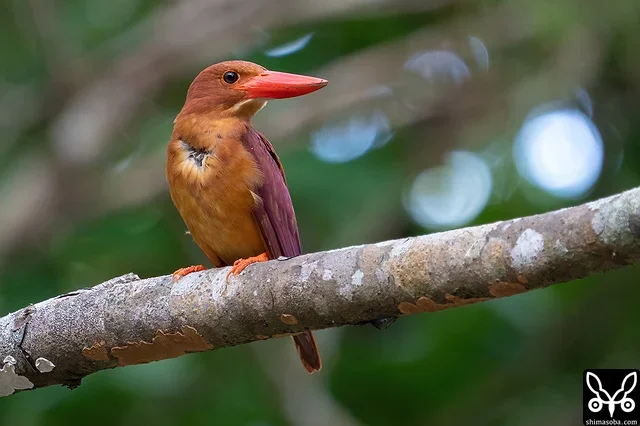
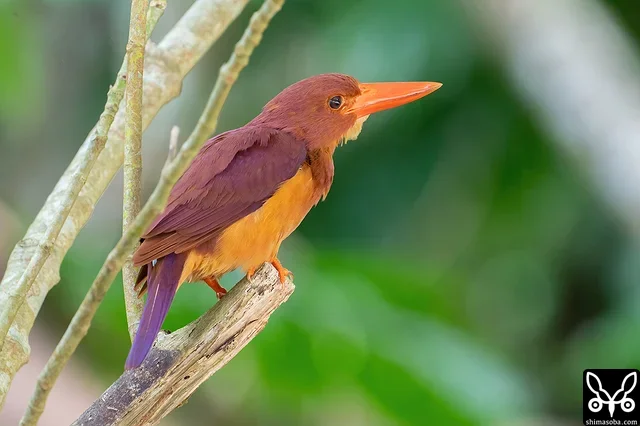
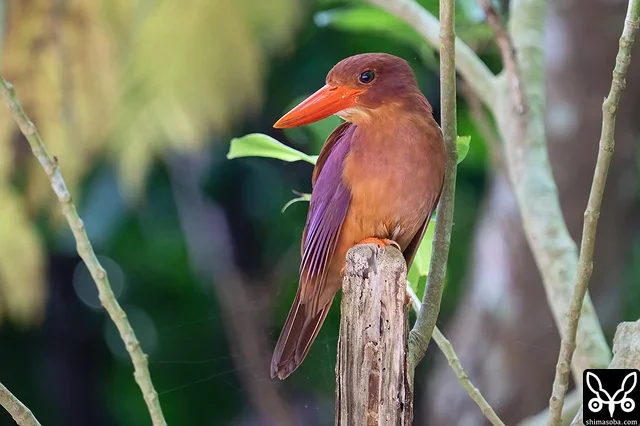
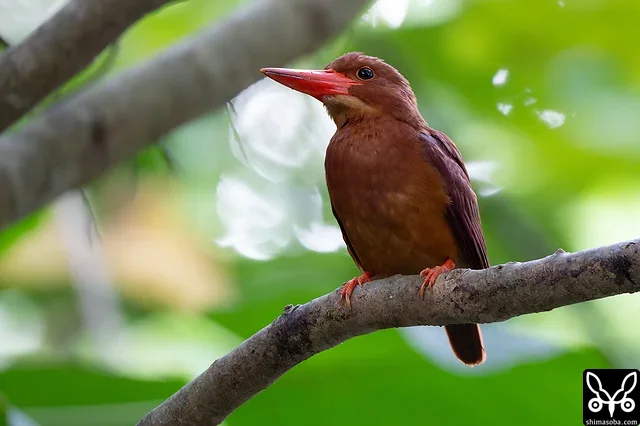
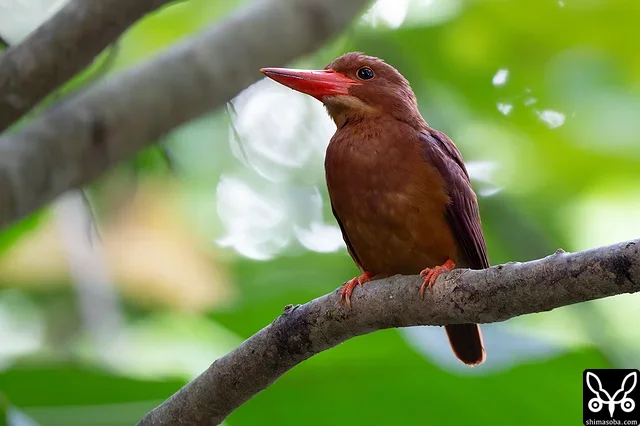
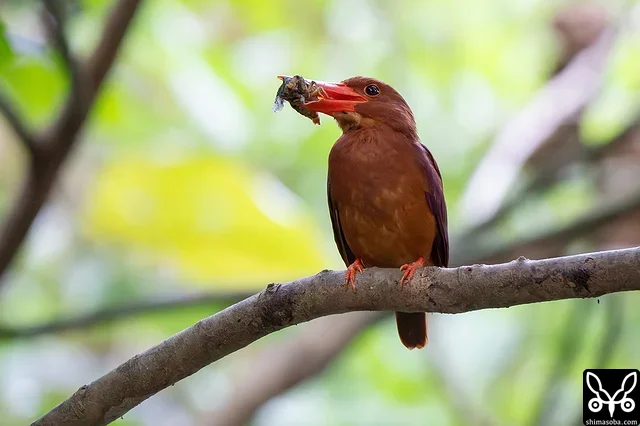
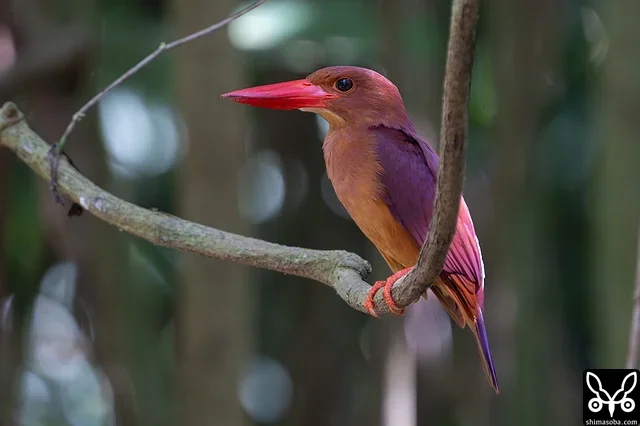
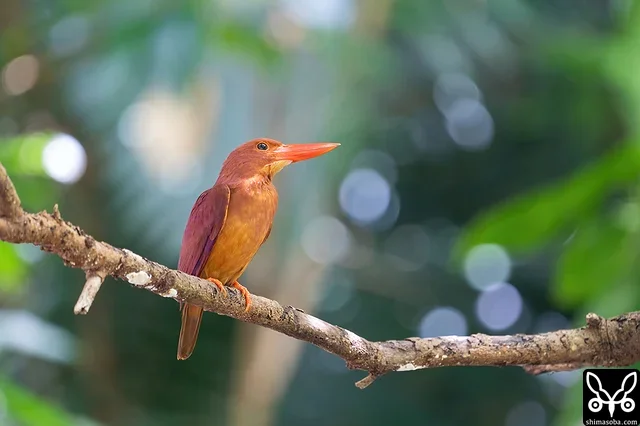
    A Ruddy Kingfisher that has taken a liking to the top of a plastic greenhouse. This is the Ruddy Kingfisher I can see from my living room. ^^
    Ruddy Kingfisher
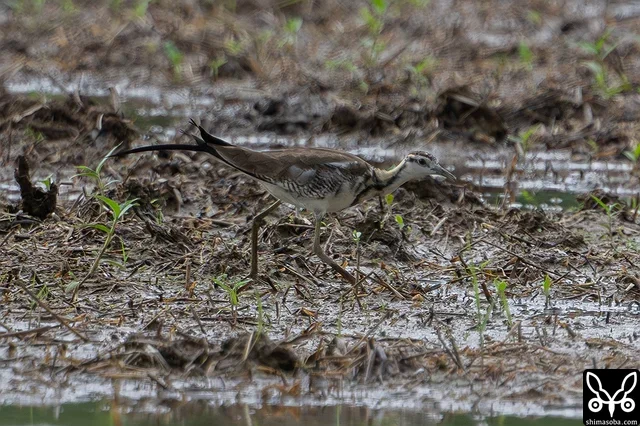
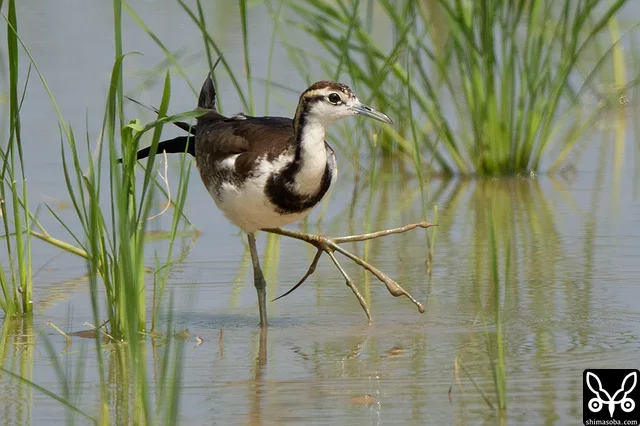
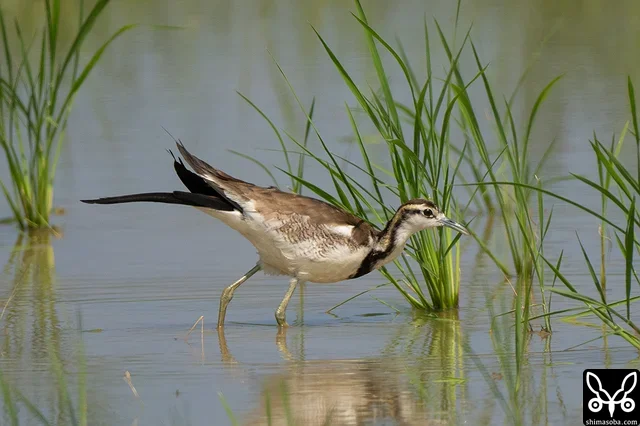
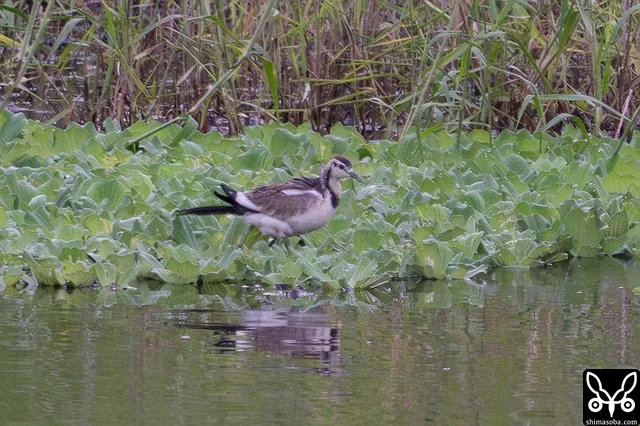
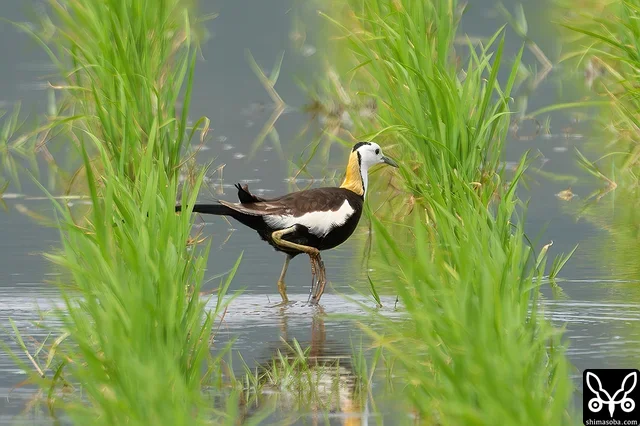
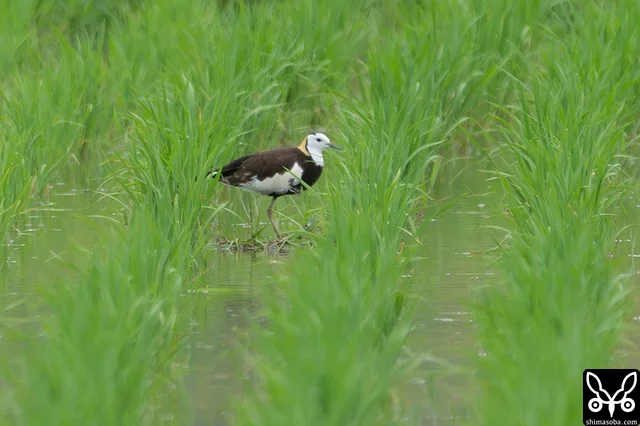
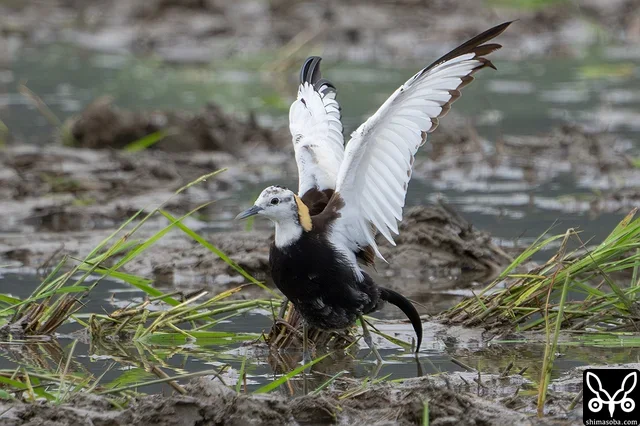
  2. Pheasant-tailed Jacana, adult. Partially into summer plumage.
    Pheasant-tailed Jacana
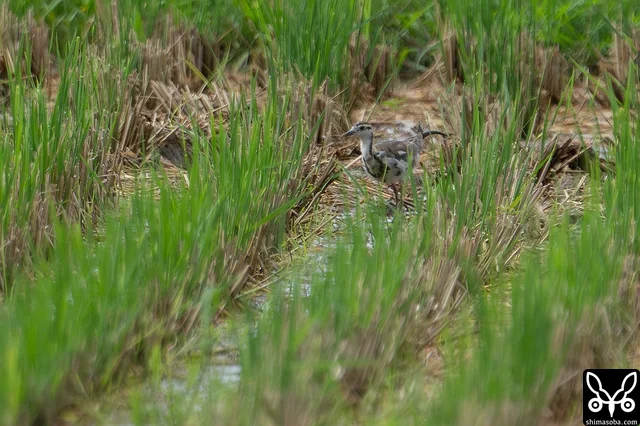
  3. At first it was perched somewhere this hard to see, but after a while it moved to a paddled-out rice field.
    Pheasant-tailed Jacana
  4. Same individual as above. In mid-moult into breeding plumage — the most advanced moult in the flock.
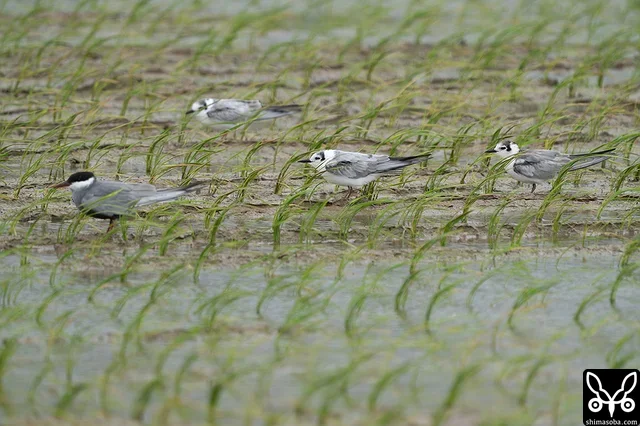
    White-winged Tern
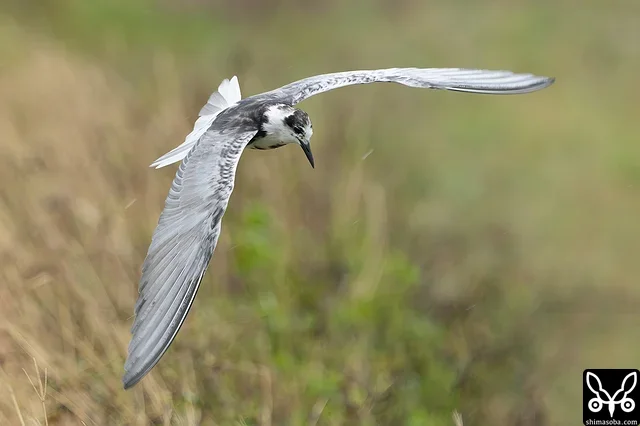
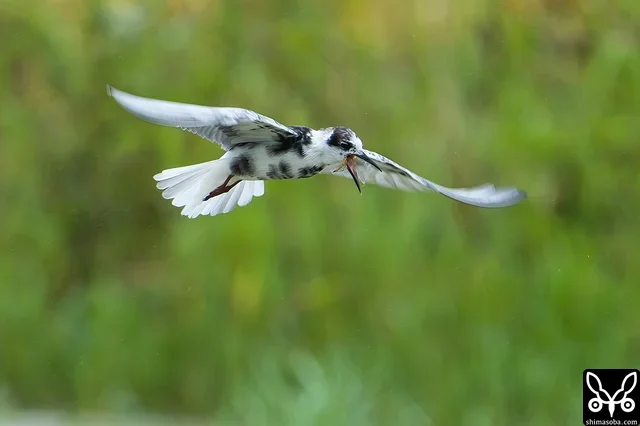
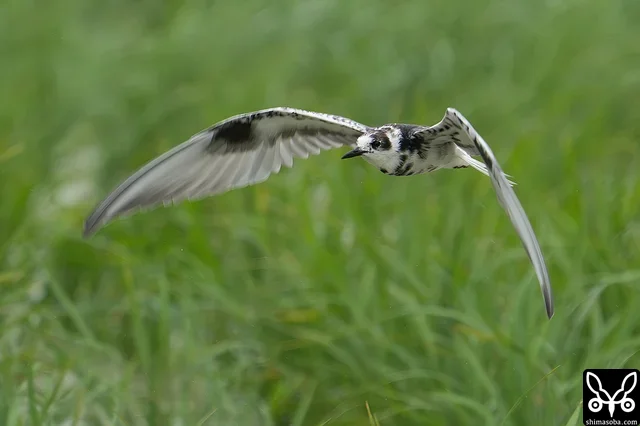
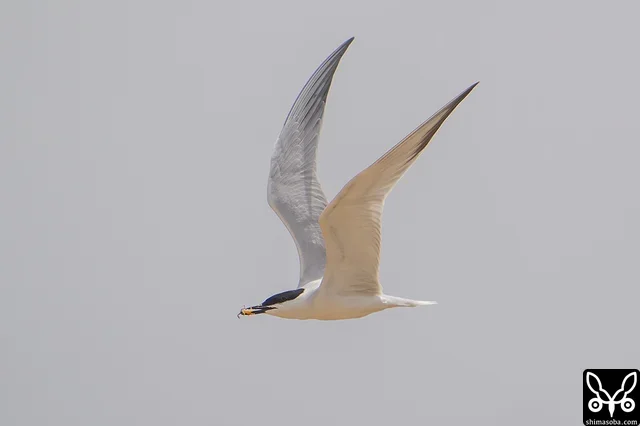
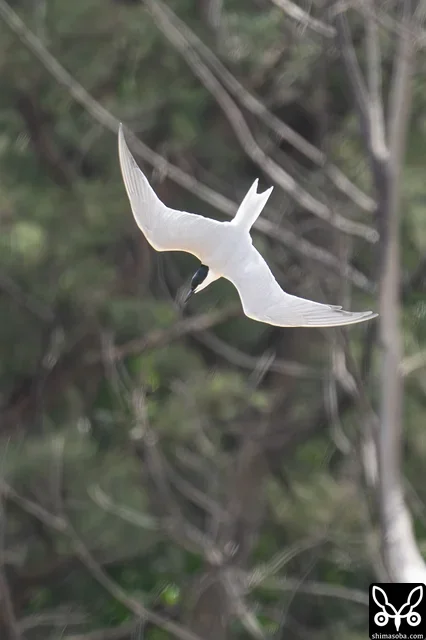
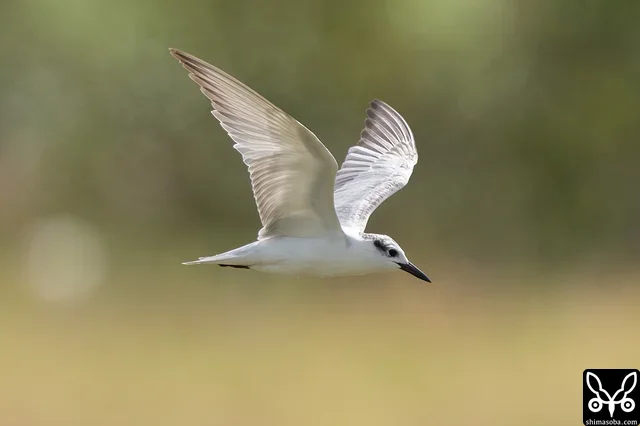
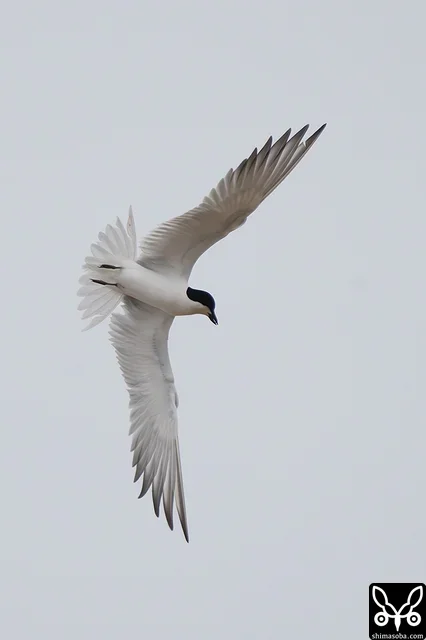
  5. A White-winged Tern was flying over the rice paddies in strong winds left by the tail of a typhoon, catching dragonflies.
    White-winged Tern
  6. Same individual as above. My daughter was thrilled to have a White-winged Tern flying around so close to us. ^^
    White-winged Tern
  7. Black Tern, non-breeding plumage.
    Whiskered Tern
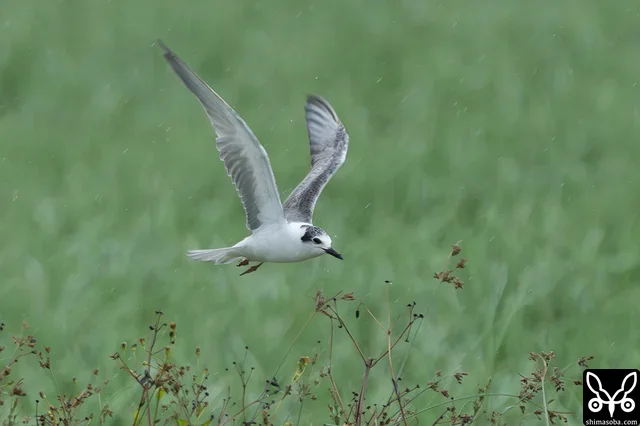
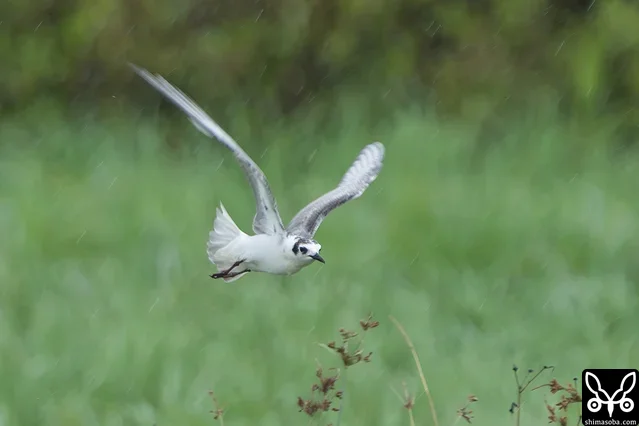
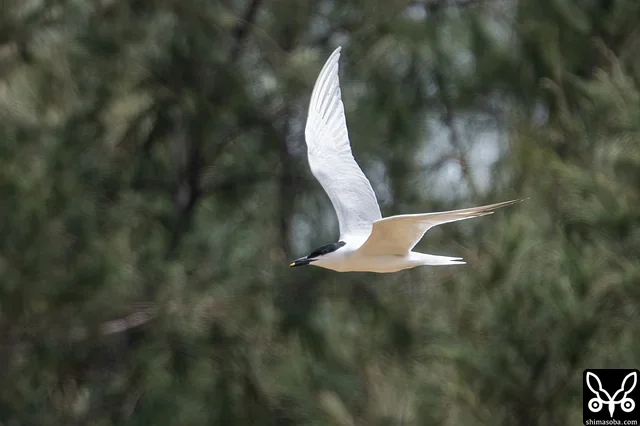
  8. A different White-winged Tern. Almost fully in non-breeding plumage, though a little breeding plumage is still showing.
    White-winged Tern
  9. White-winged Tern (right) and Black Tern.
    Whiskered Tern
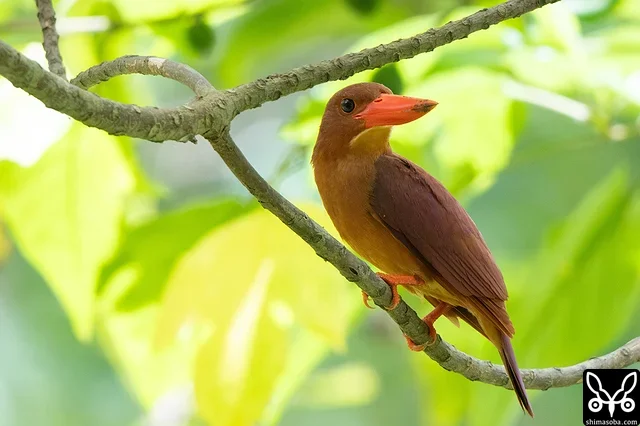
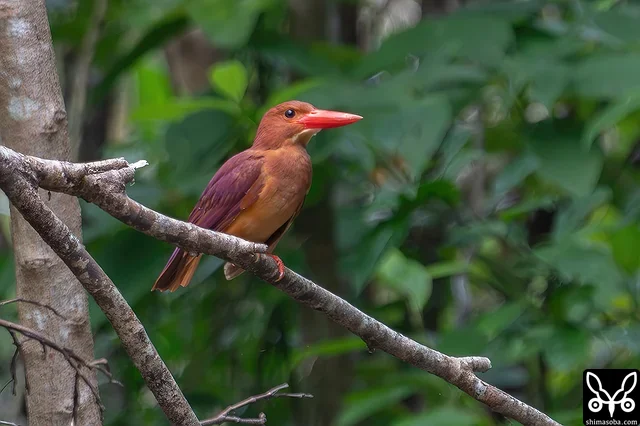
  10. 2
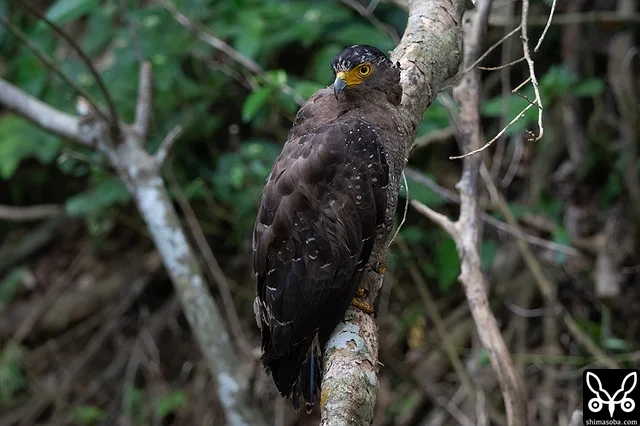
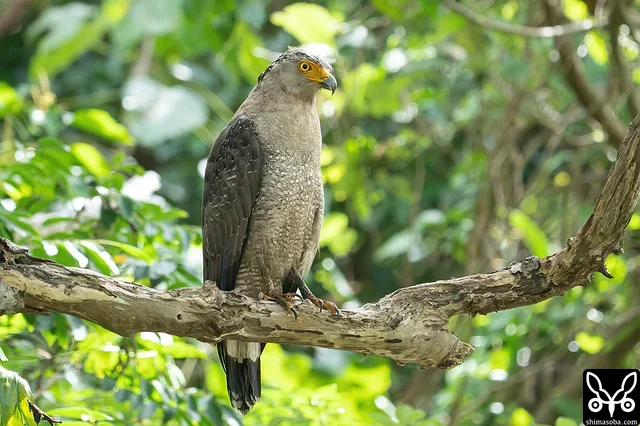
    This is the Crested Serpent Eagle that turns up near my house. It appeared to have an injury to its right eye.
    Crested Serpent Eagle
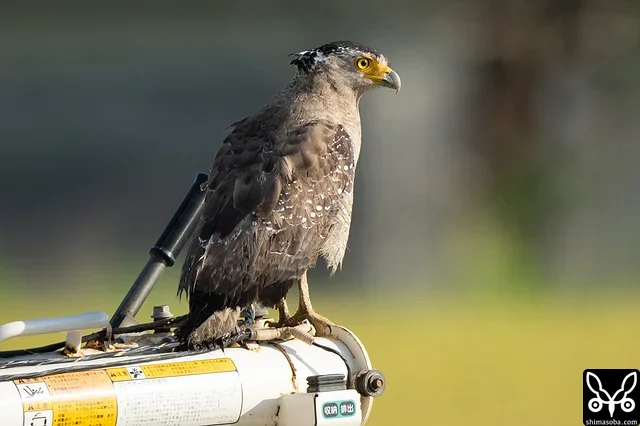
  11. A Crested Serpent Eagle that came close to the Pheasant-tailed Jacana. This is the individual that breeds in the area closest to town.
    Crested Serpent Eagle
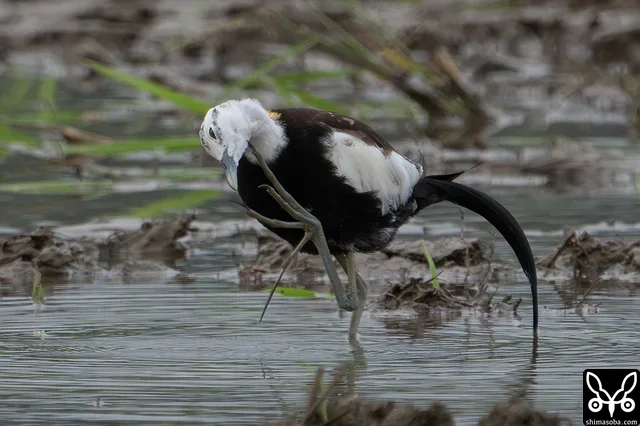
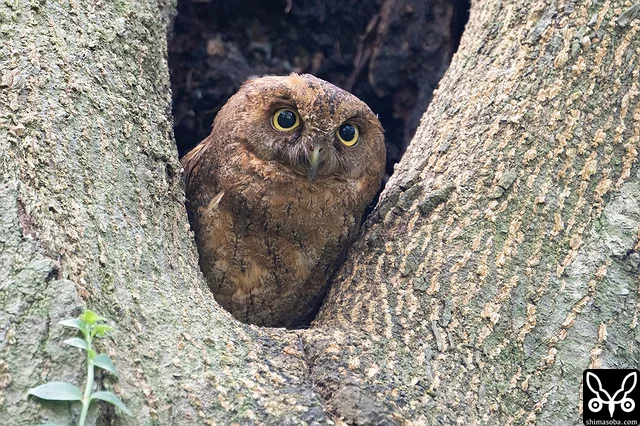
  12. I was also able to get a good look at the Pheasant-tailed Jacana's characteristically large feet.
    Pheasant-tailed Jacana
  13. Over the week it stayed, it gradually lost its wariness of people and was relaxed about foraging in the open.
    Pheasant-tailed Jacana
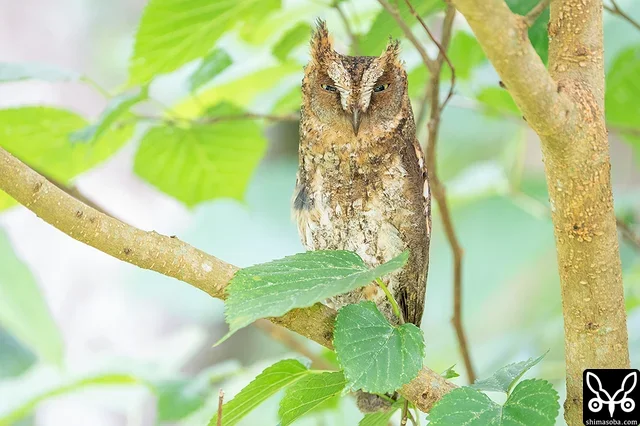
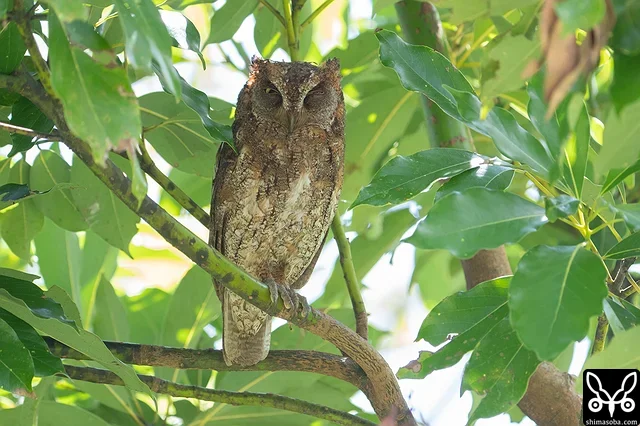
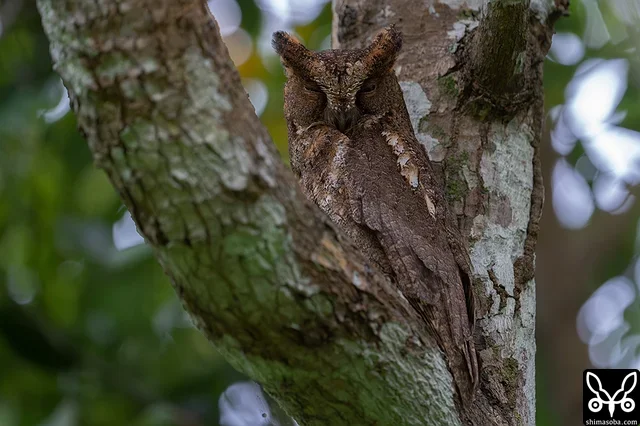
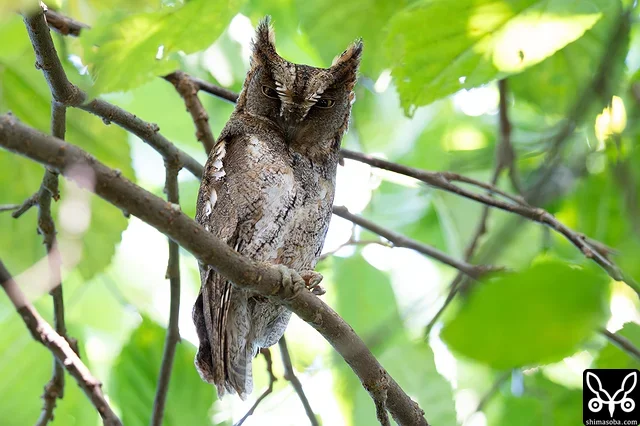
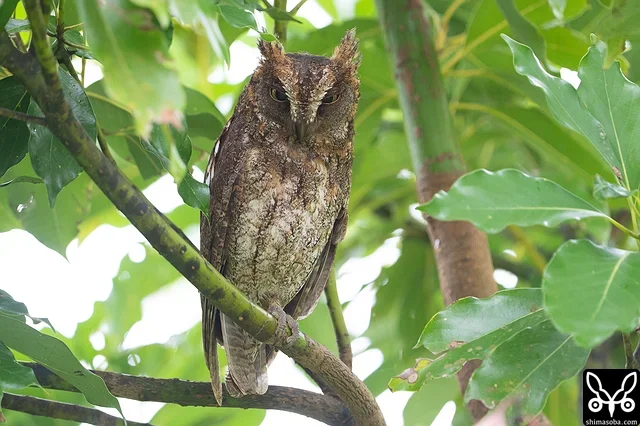
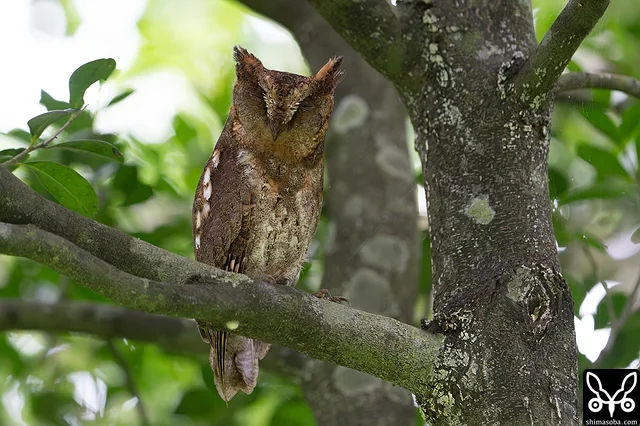
  14. A Ryukyu Scops Owl incubating just a stone's throw from my house. This is the male on watch. This makes three consecutive breeding seasons here.
    Ryukyu Scops Owl
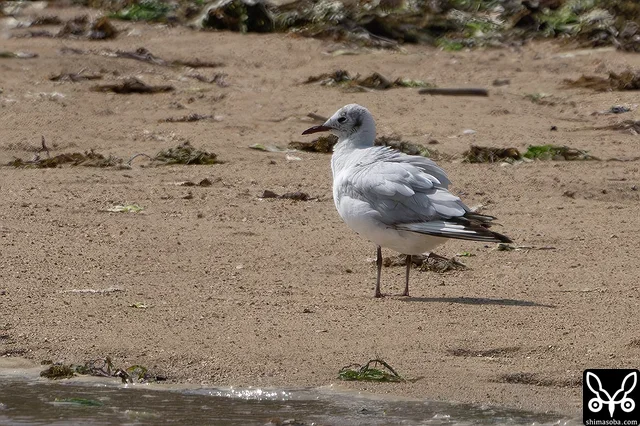
  15. A single Black-headed Gull at the river mouth. An adult moulting from non-breeding into breeding plumage.
    Black-headed Gull
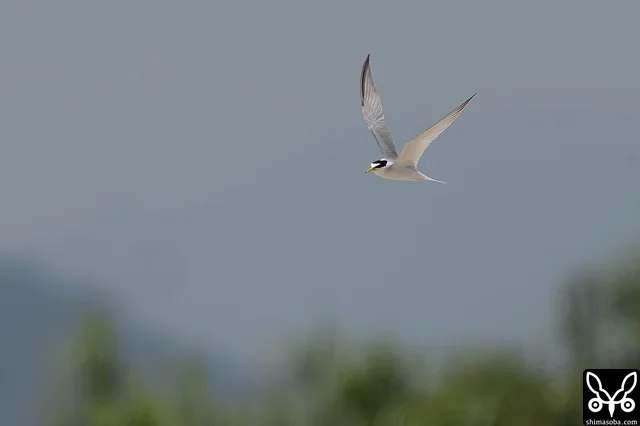
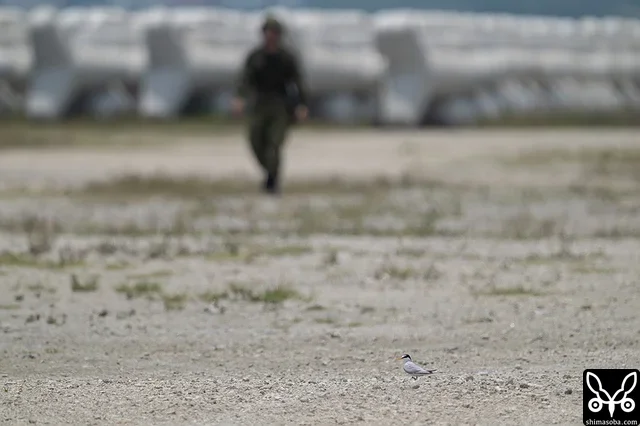
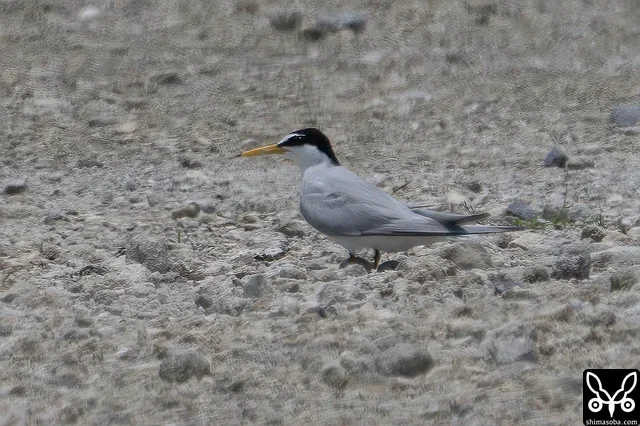
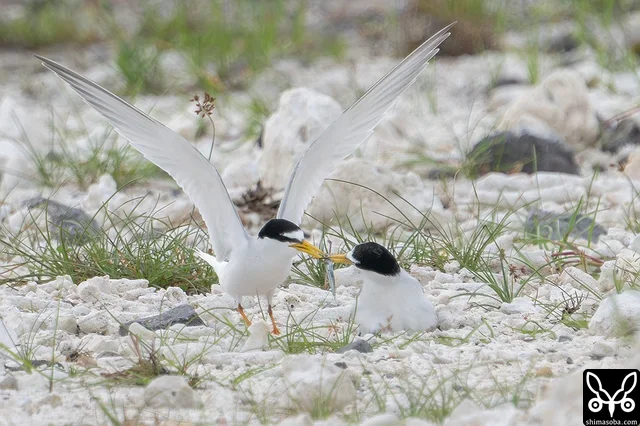
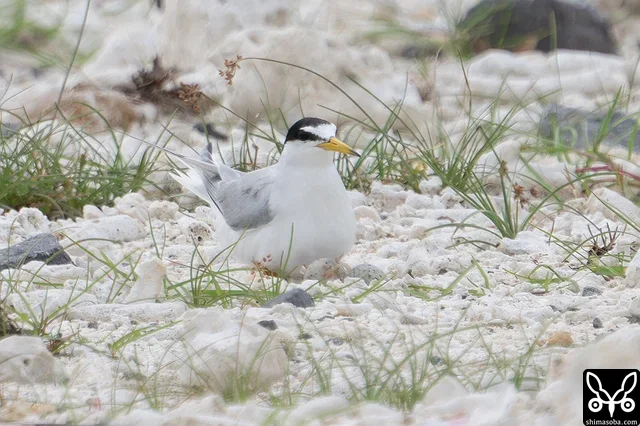
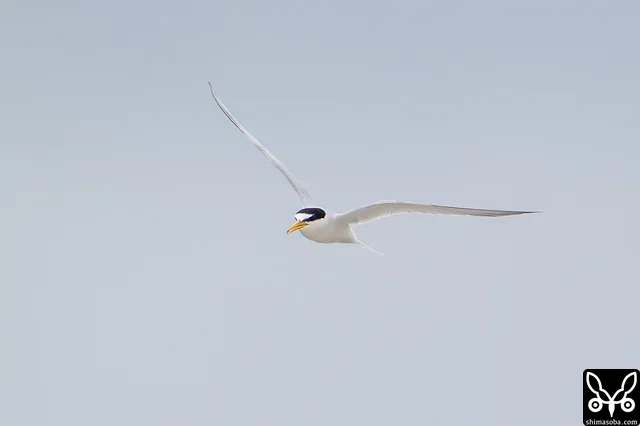
  16. Little Terns flying over a vehicle parked on top of their nest site.
    Little Tern
  17. The Little Tern nest was most likely crushed by vehicles deployed for the PAC-3 installation. Kentish Plovers and others had also been present, but all flew off somewhere.
    Little Tern
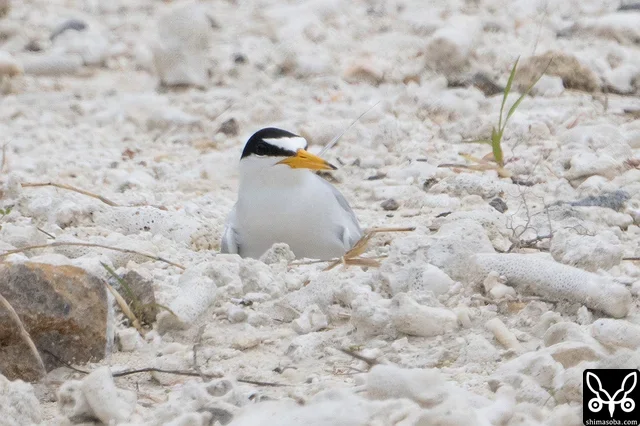
  18. A Little Tern incubating. Two eggs are visible beneath its belly.
    Little Tern
  19. 3
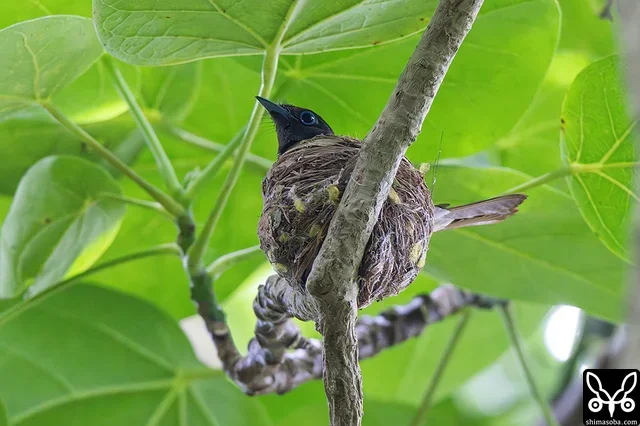
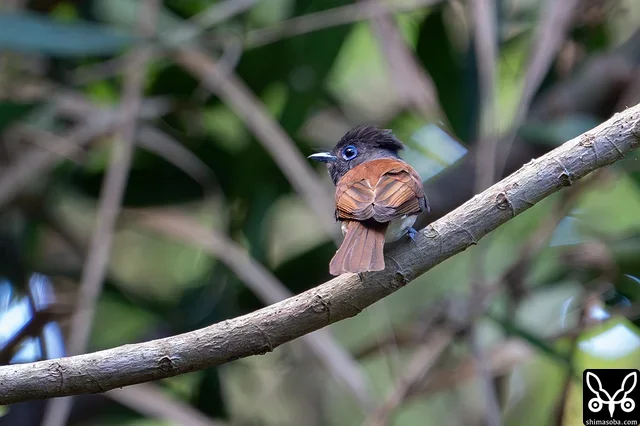
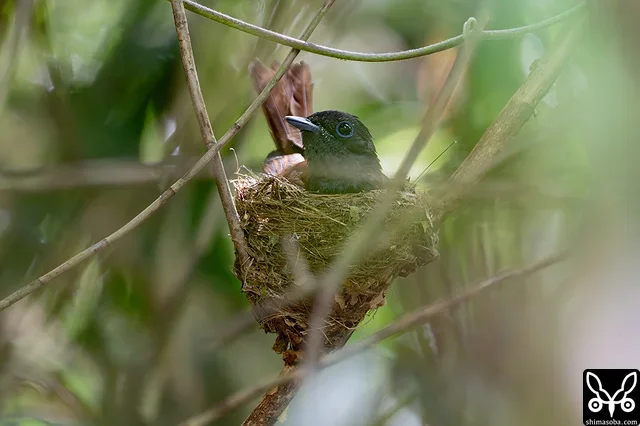
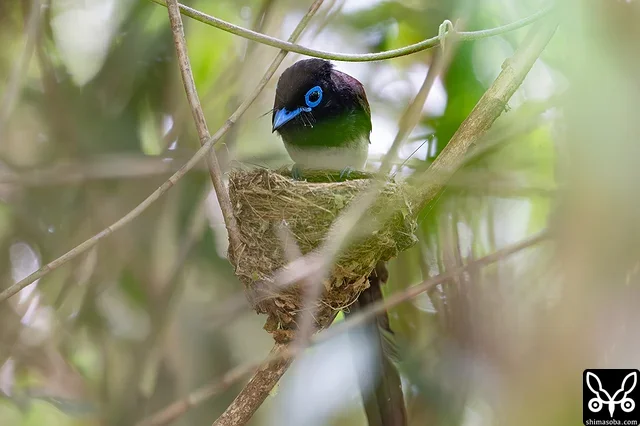
    A Japanese Paradise Flycatcher with its nest built on a Thespesia populnea branch. On Ishigaki Island they also nest in Macaranga tanarius, Rhizophora stylosa, Barringtonia racemosa, and various vines, in addition to Thespesia populnea.
    Japanese Paradise Flycatcher
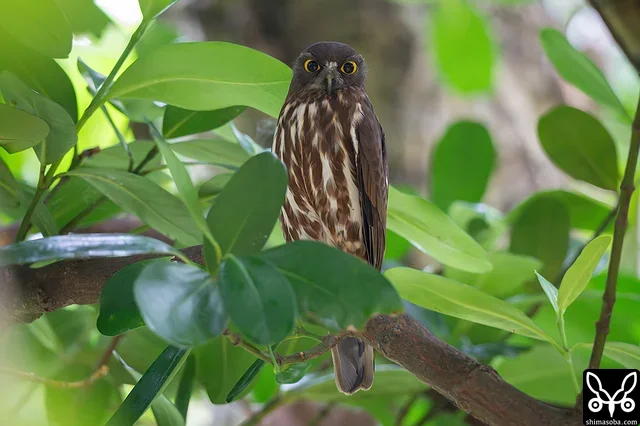
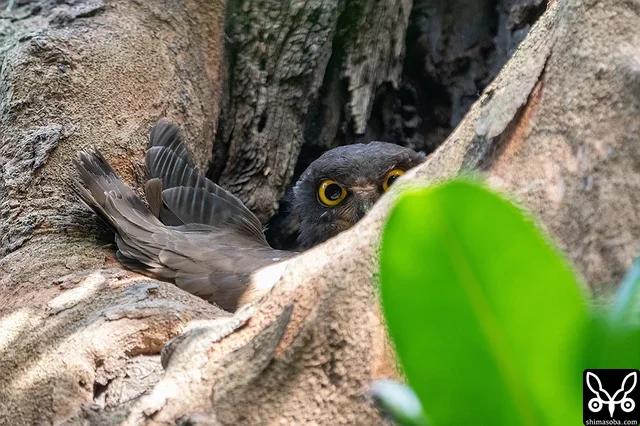
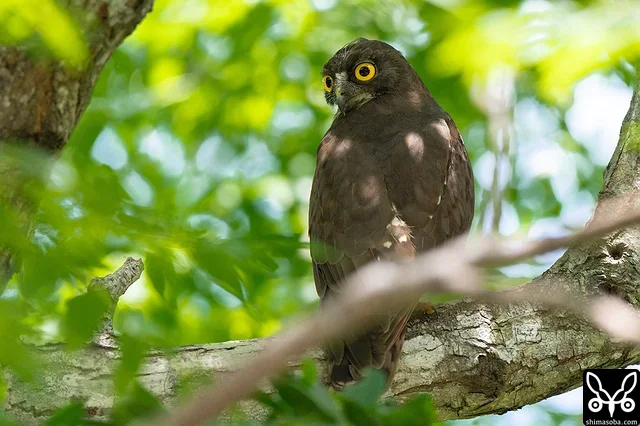
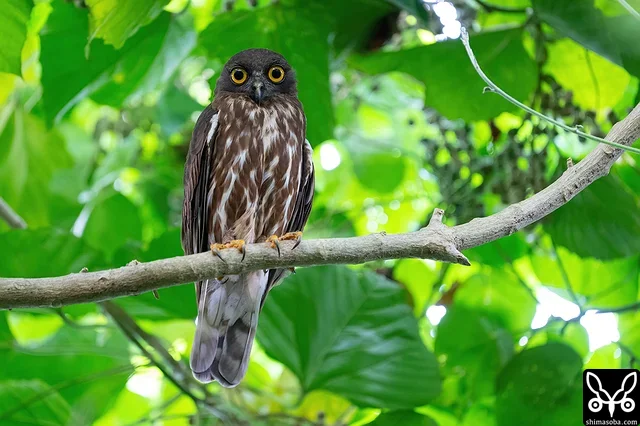
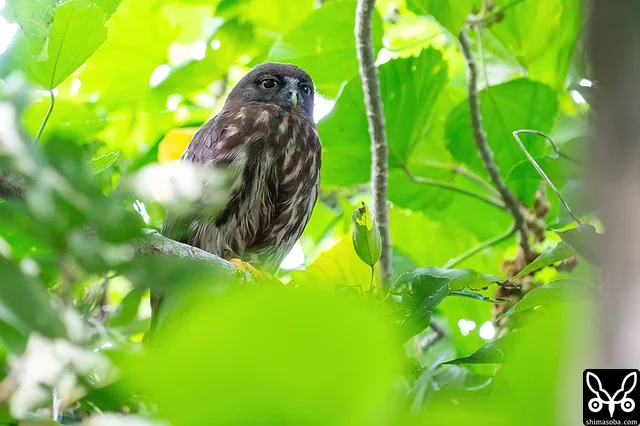
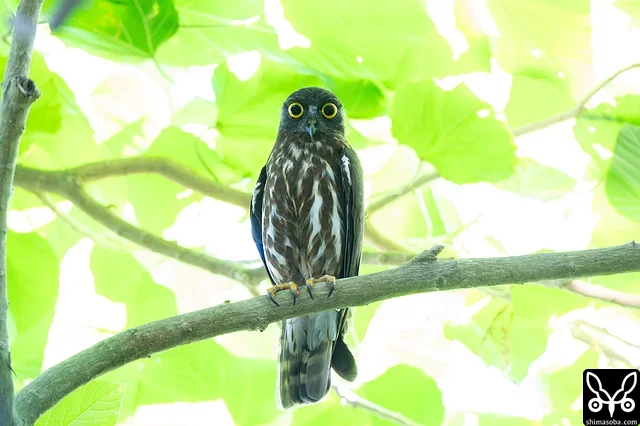
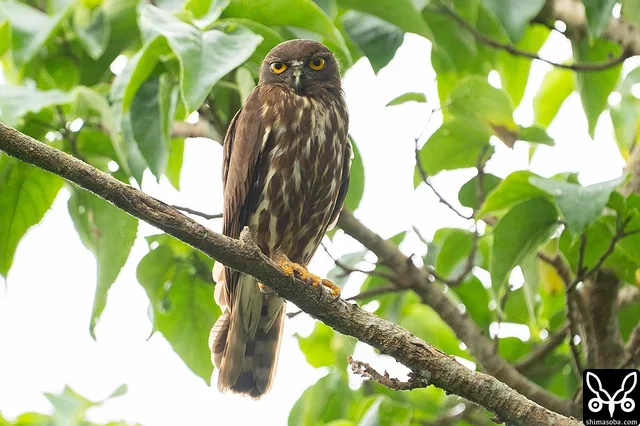
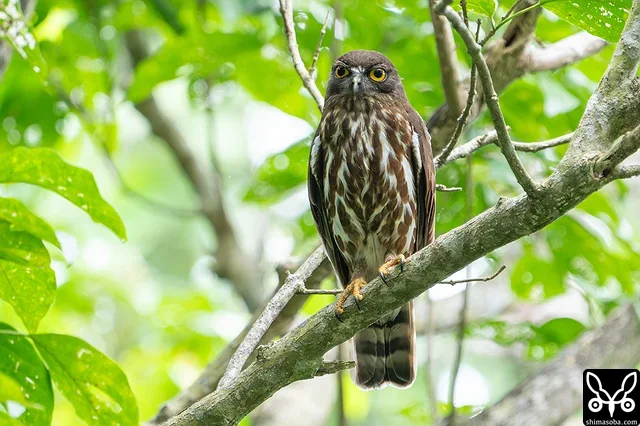
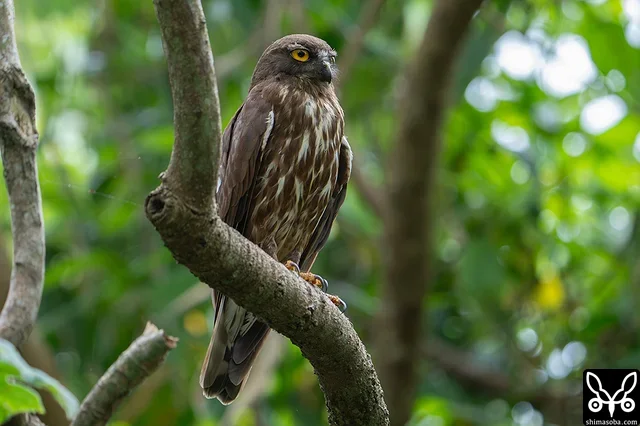
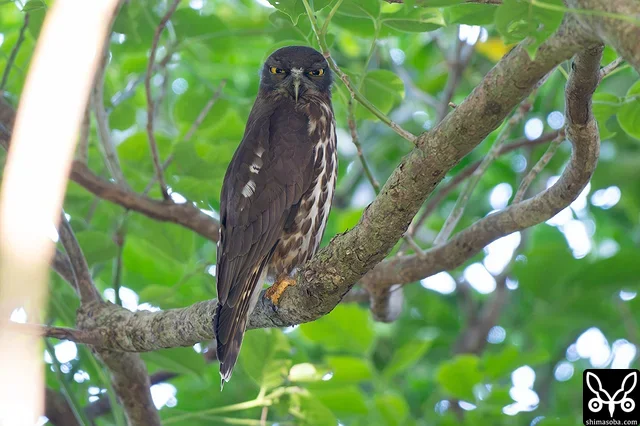
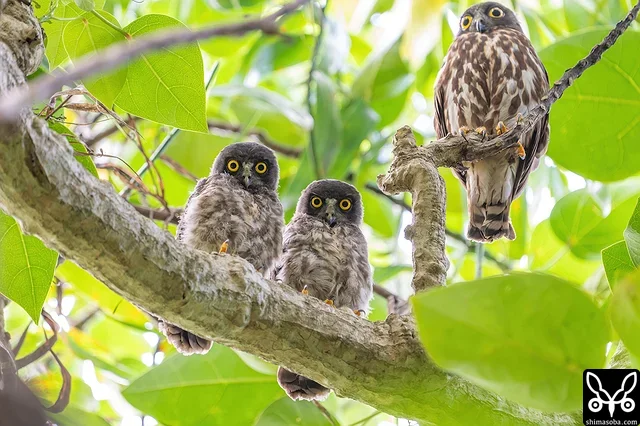
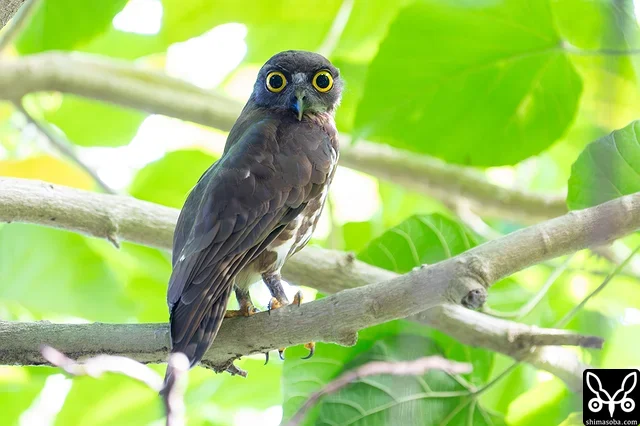
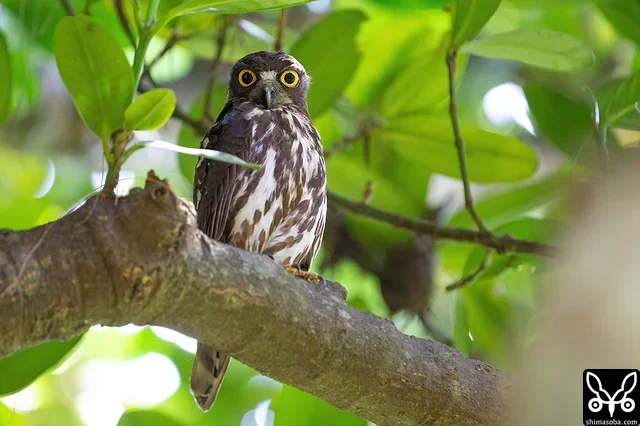
  20. A Brown Hawk-Owl also incubating. This is the male on guard duty. It raises its young in the same tree hollow every year.
    Northern Boobook
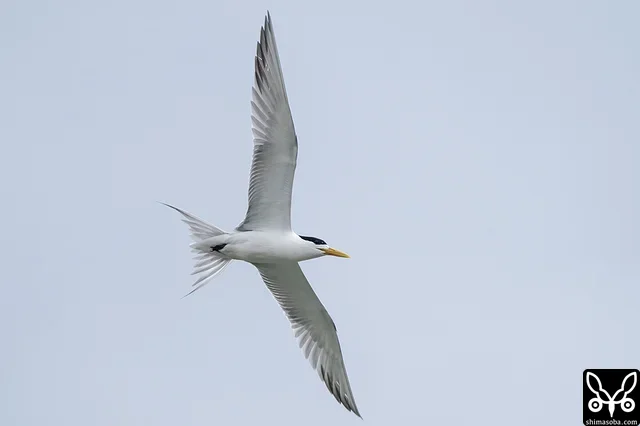
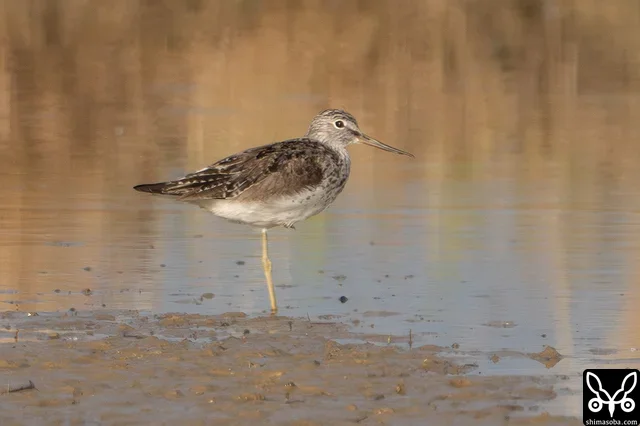
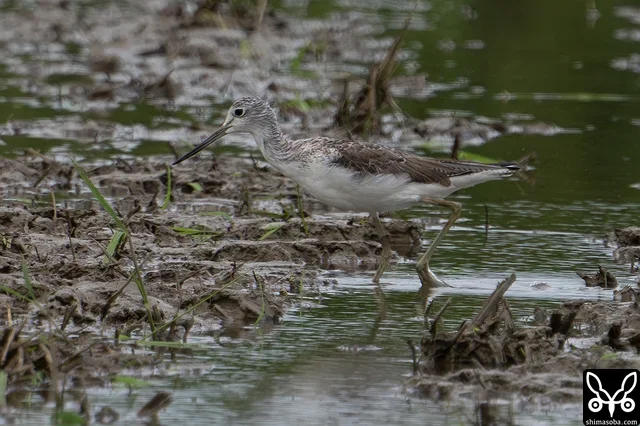
  21. When the wind direction is right, Greater Crested Terns wheel around right in front of you.
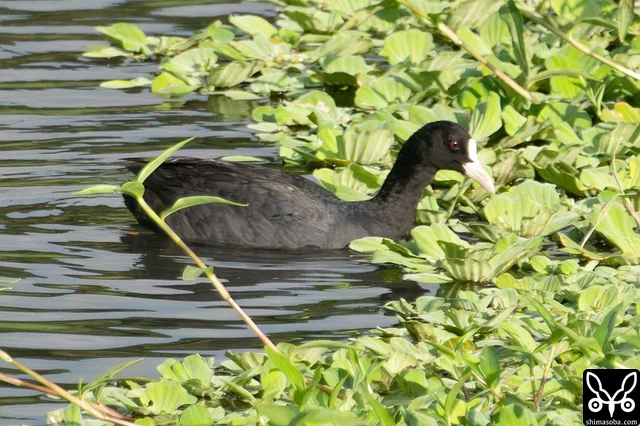
    Caspian Tern
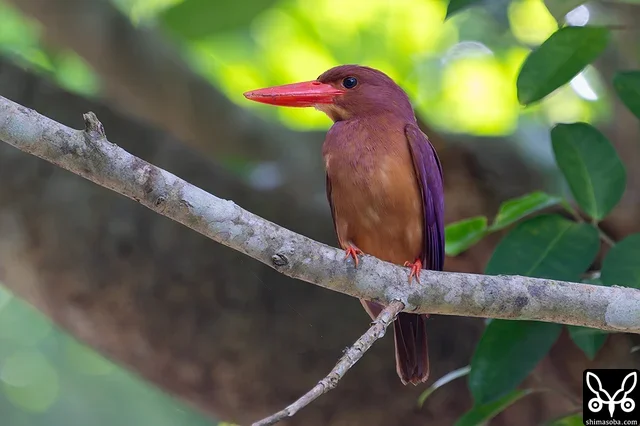
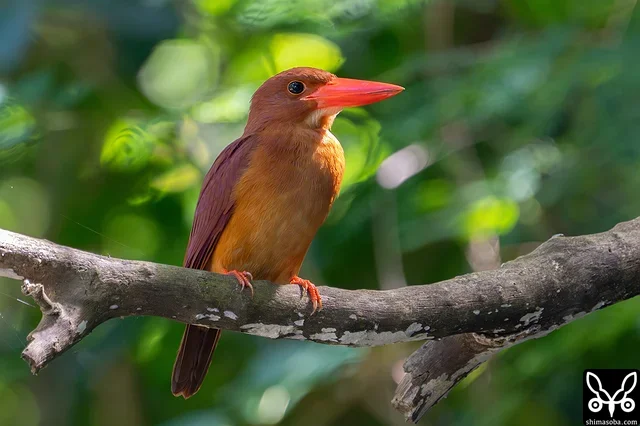
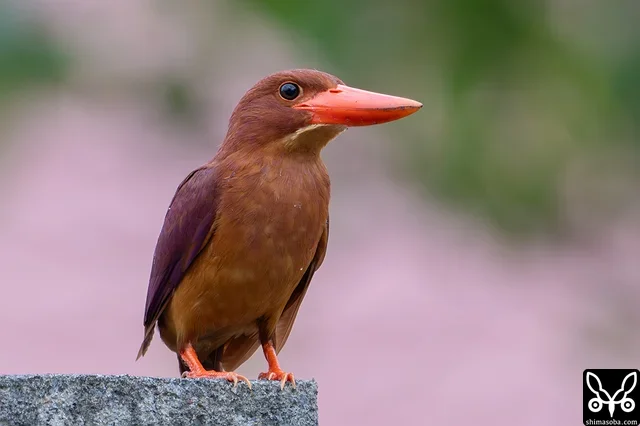
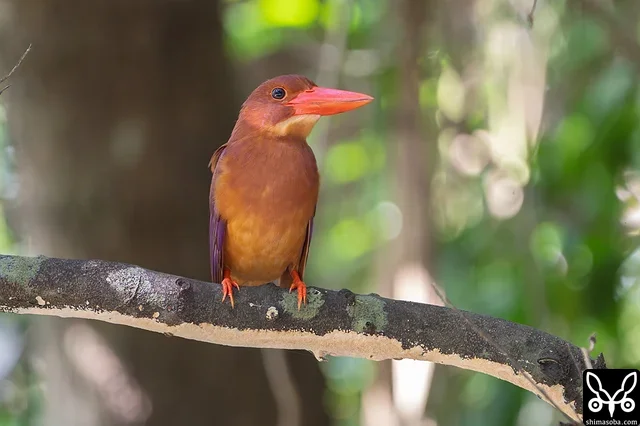
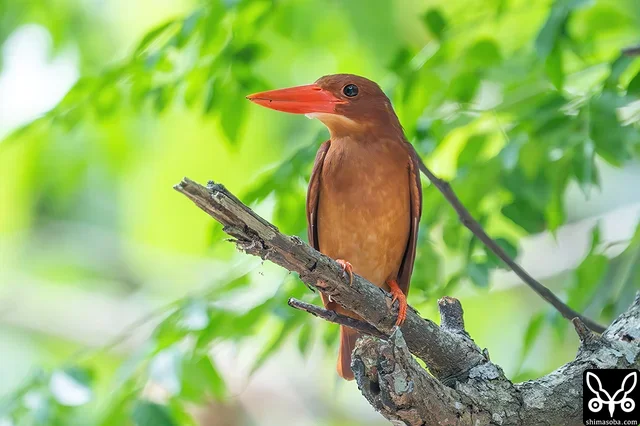
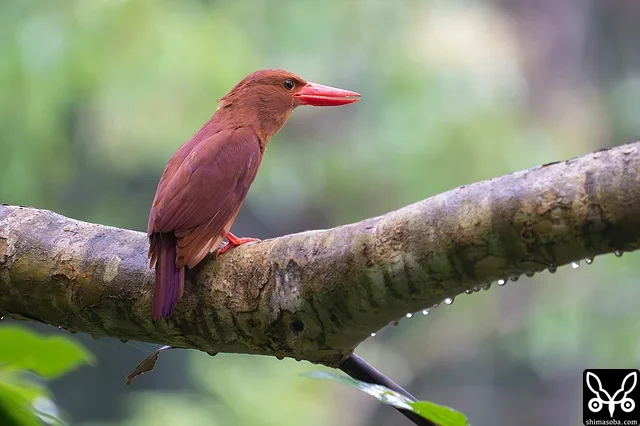
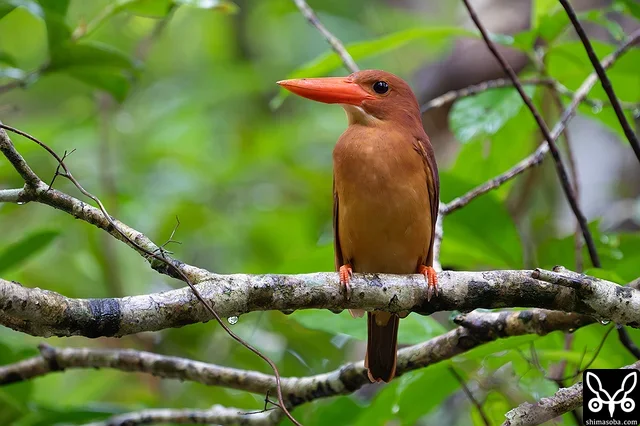
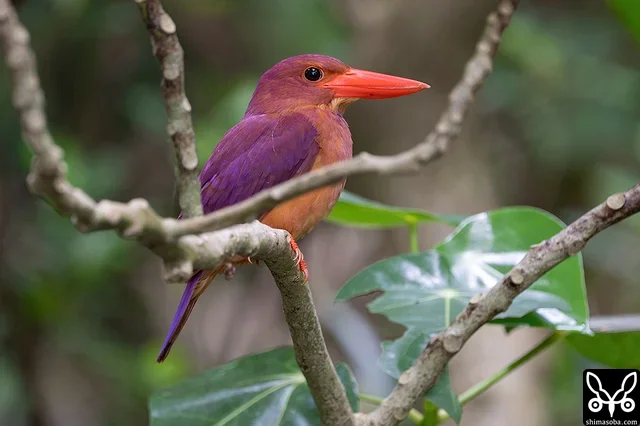
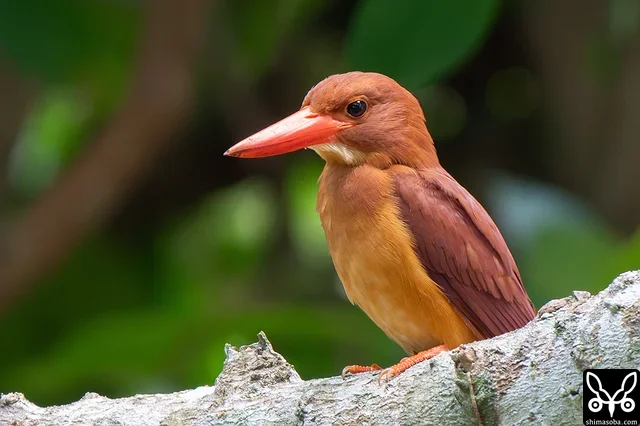
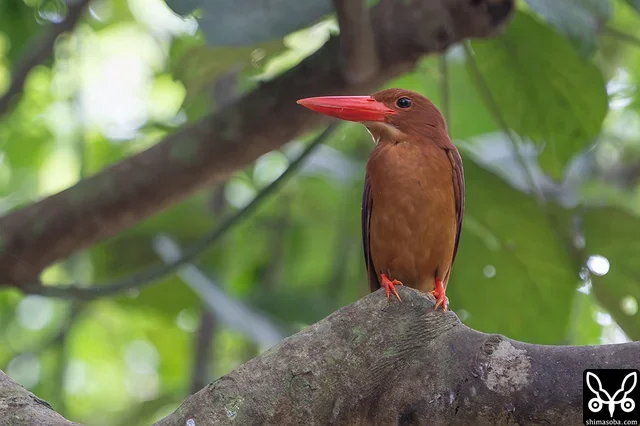
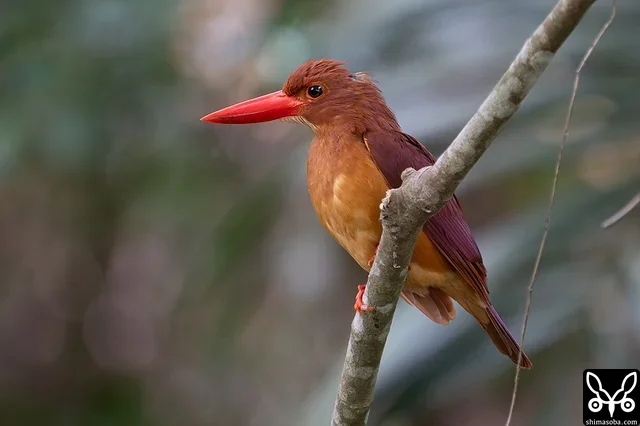
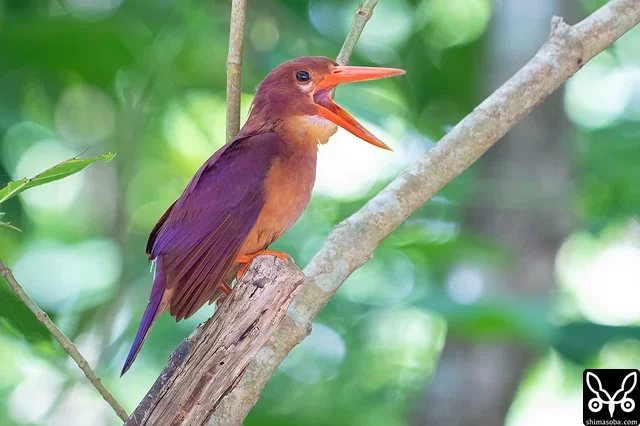
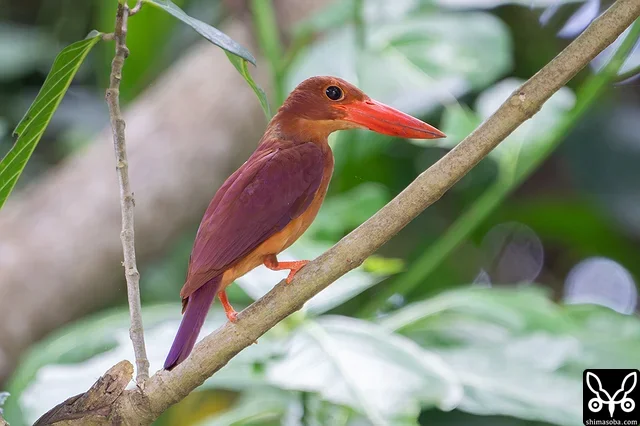
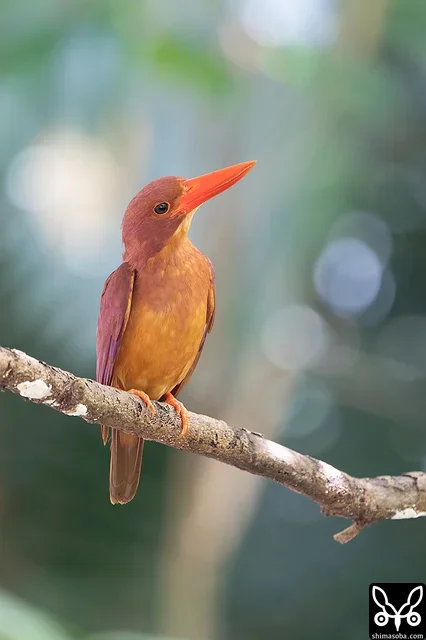
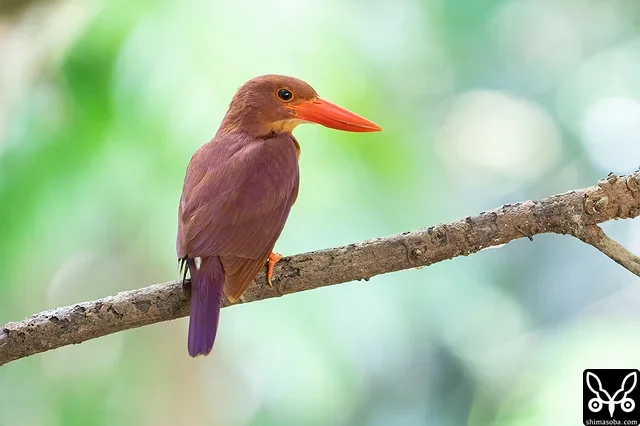
  22. A Ruddy Kingfisher near home. It is always watching for prey from its favourite branch.
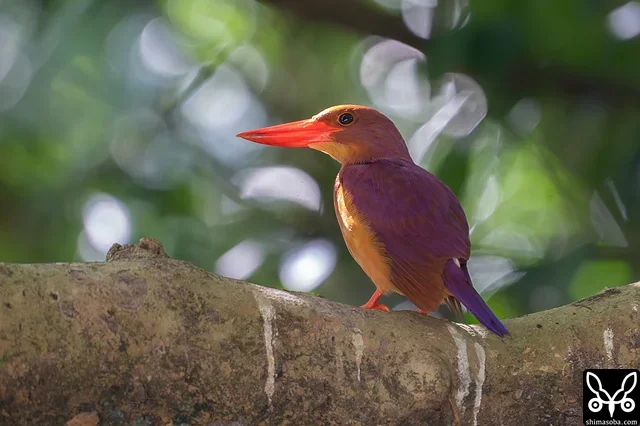
    Ruddy Kingfisher
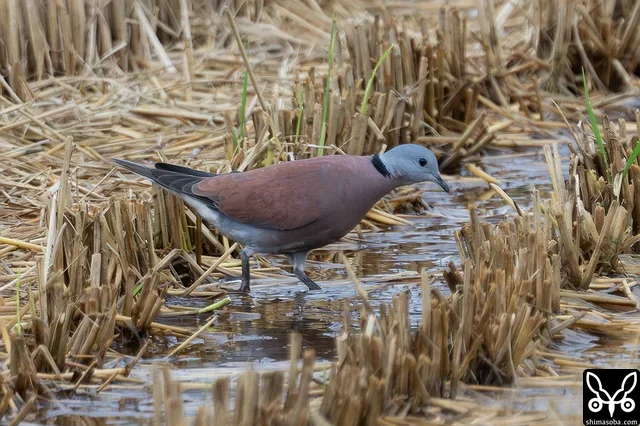
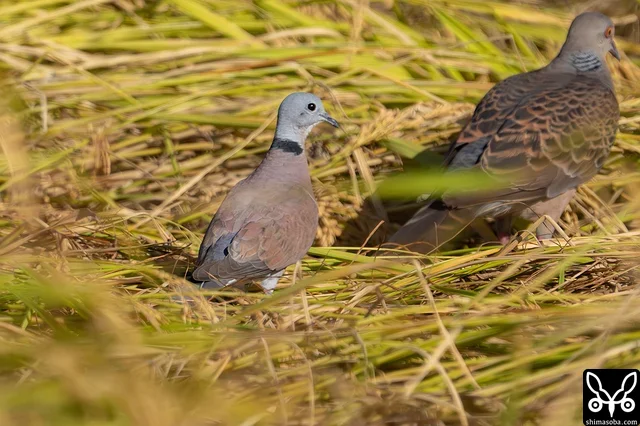
  23. Pink-necked Green Pigeon, male.
    Eurasian Collared Dove
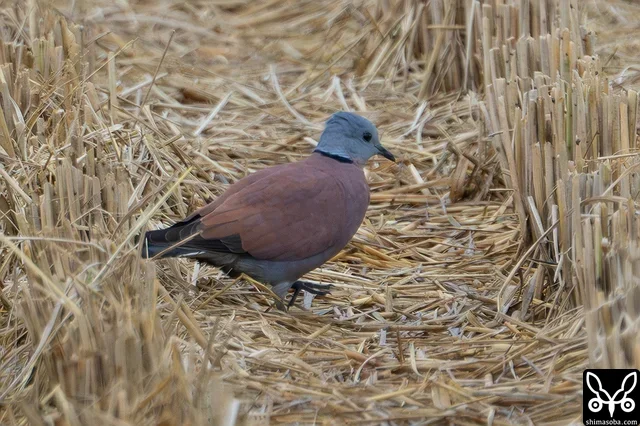
  24. An individual that was together with the one above. The head feathers were permanently raised the whole time.
    Eurasian Collared Dove
  25. 4
    The second Pheasant-tailed Jacana of the season. It appeared to stay for only one day.
    Pheasant-tailed Jacana
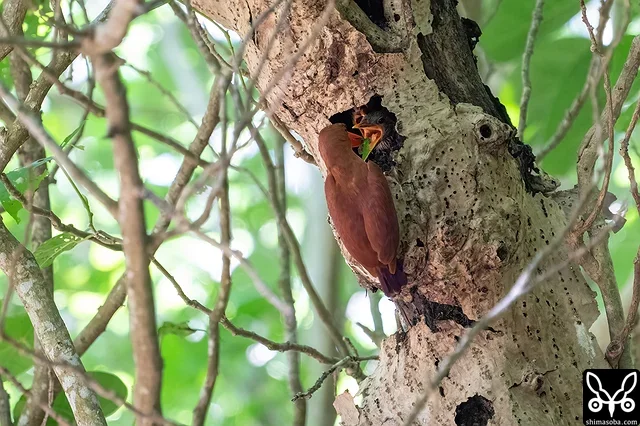
  26. A Ruddy Kingfisher male looking up at the nest hole. The nest had been dug in a spot that made it easy to observe.
    Ruddy Kingfisher
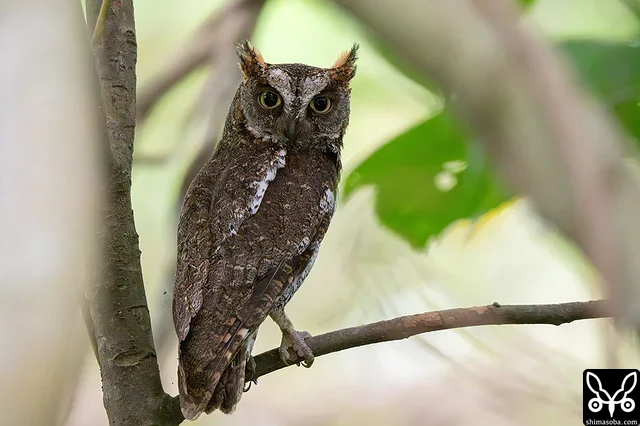
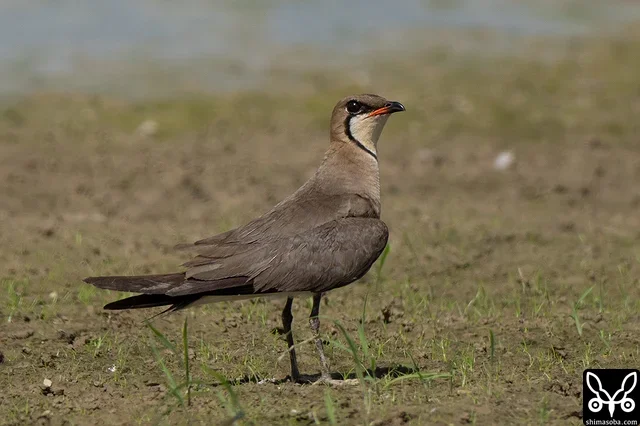
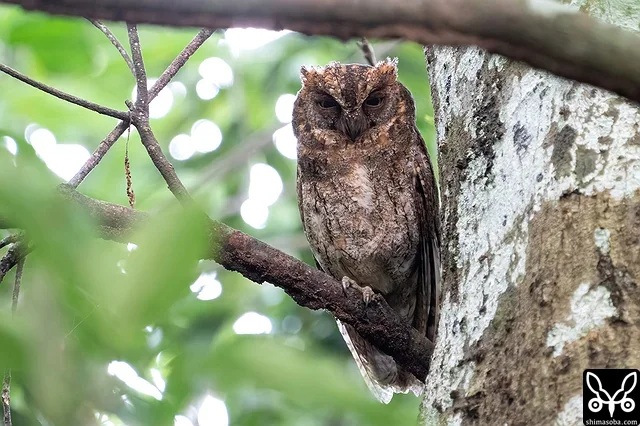
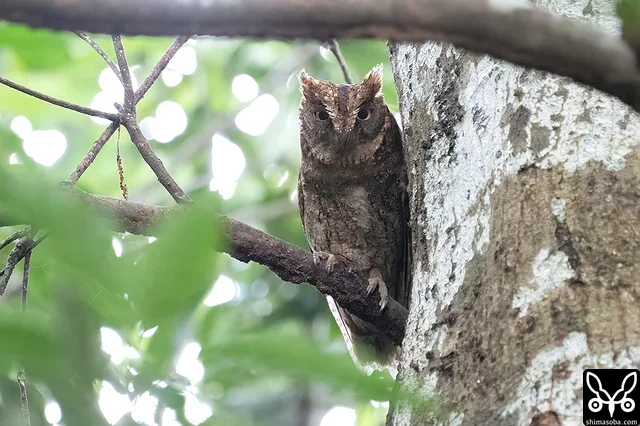
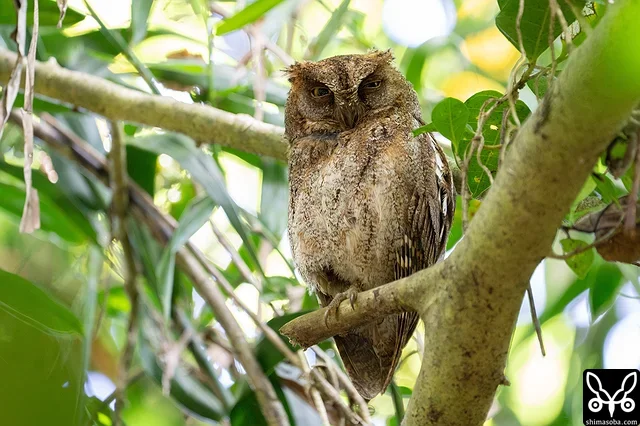
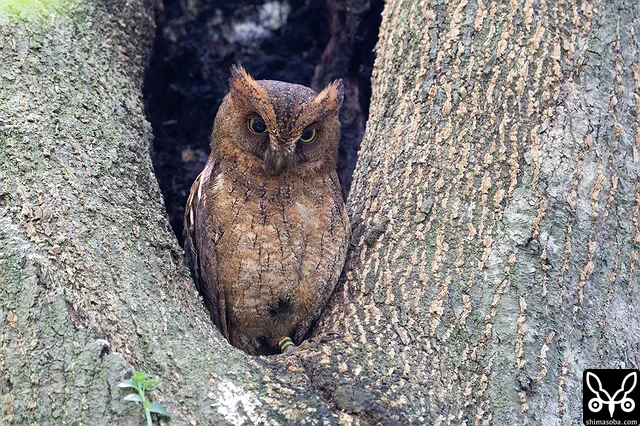
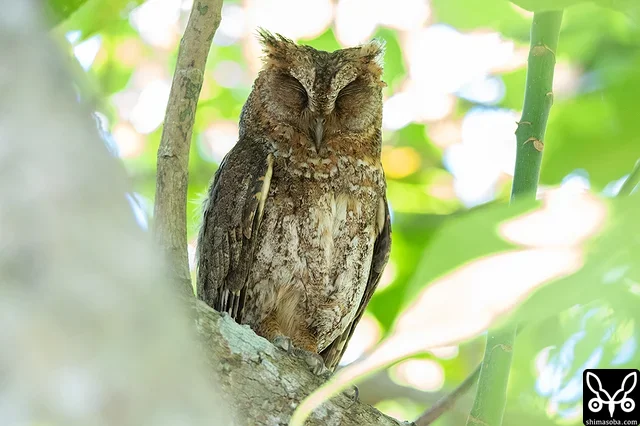
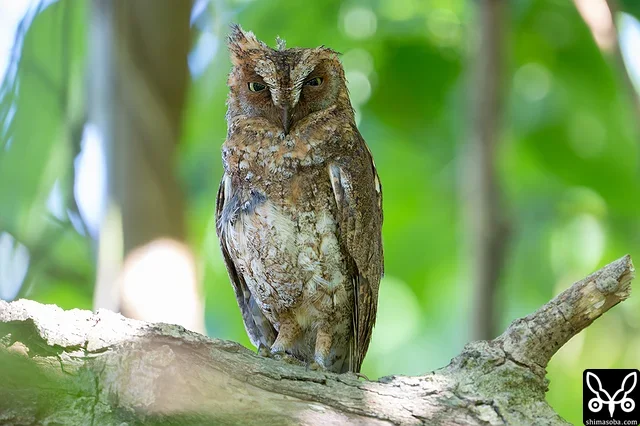
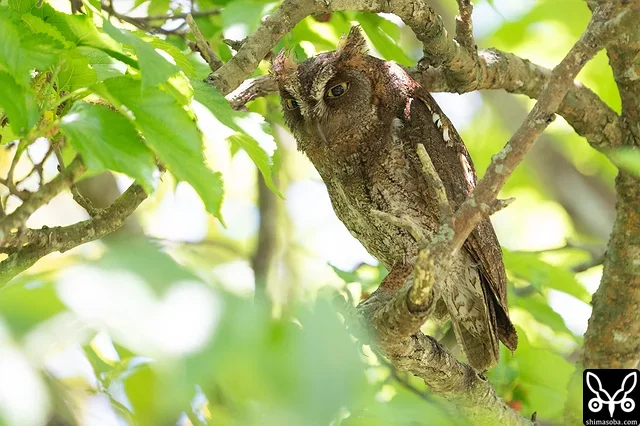
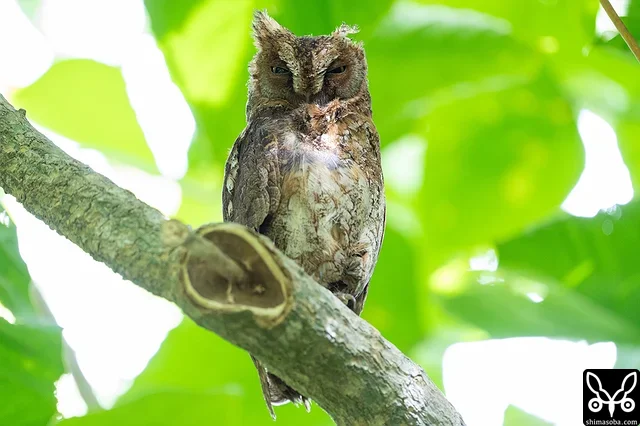
  27. A Ryukyu Scops Owl male at eye level.
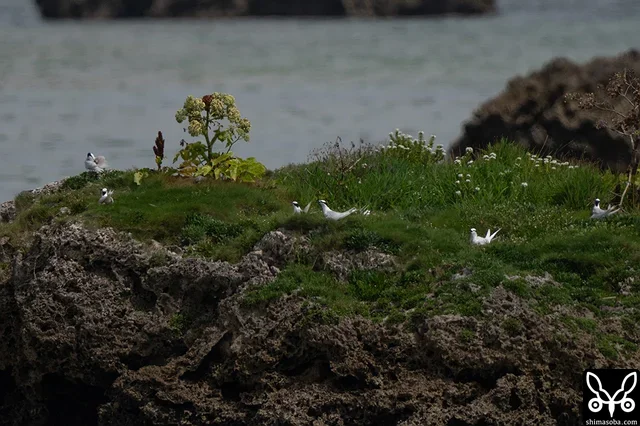
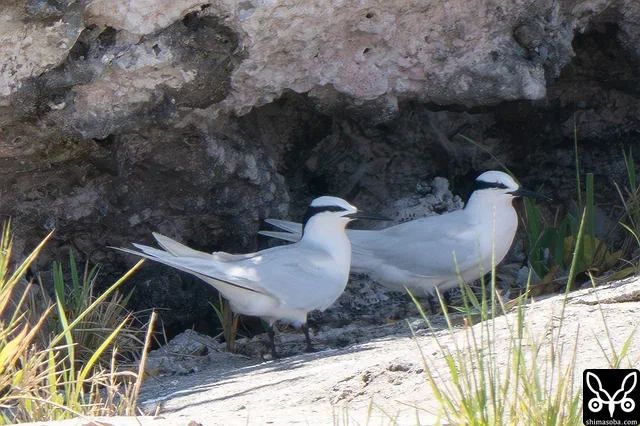
    Ryukyu Scops Owl
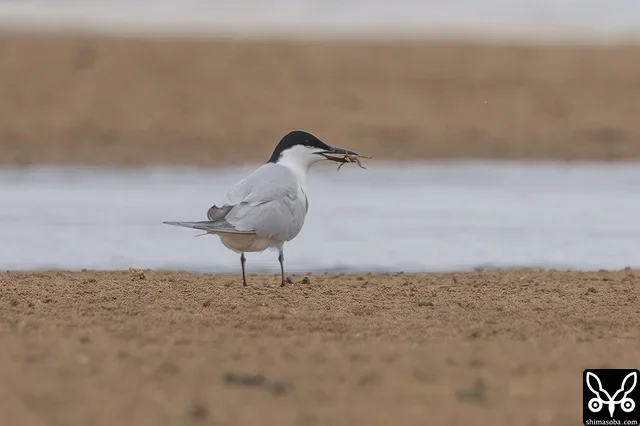
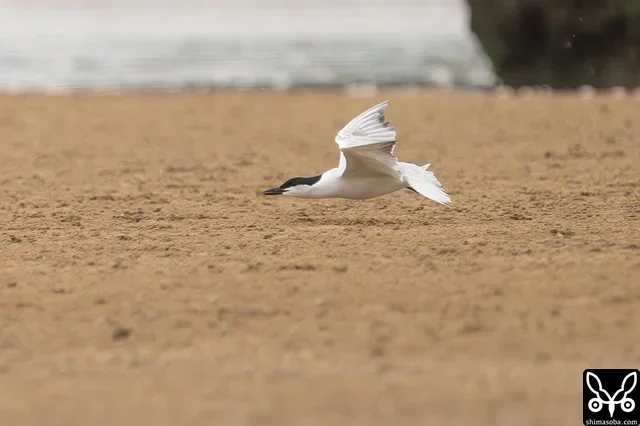
  28. A Greater Crested Tern in breeding plumage carrying a fiddler crab in its bill.
    Lesser Crested Tern
  29. It made repeated dives at the crab again and again.
    Lesser Crested Tern
  30. A Greater Crested Tern carrying only a crab claw.
    Lesser Crested Tern
  31. 5
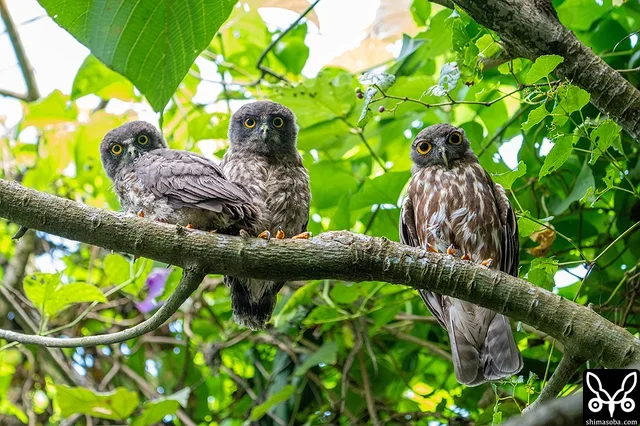
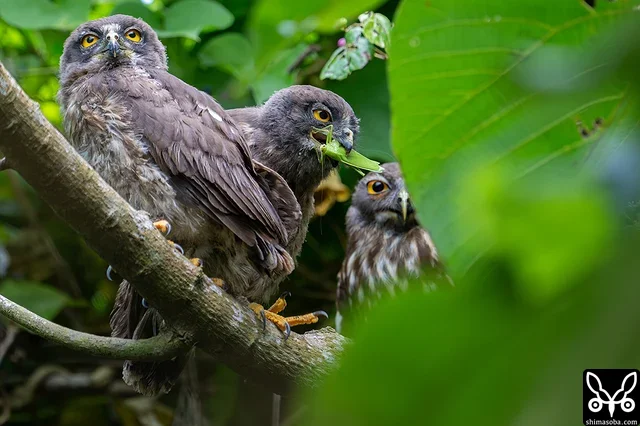
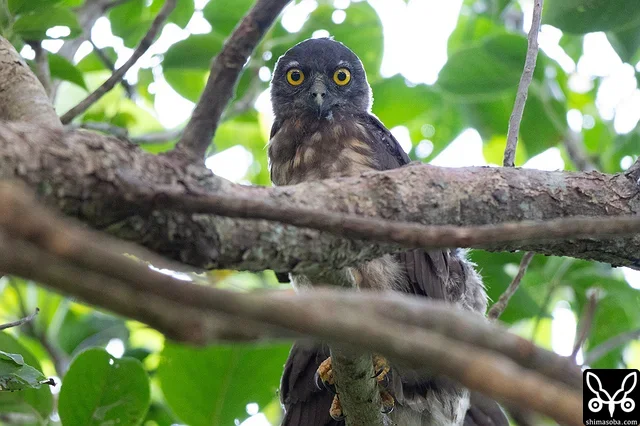
    Brown Hawk-Owl fledgling and the mother (right).
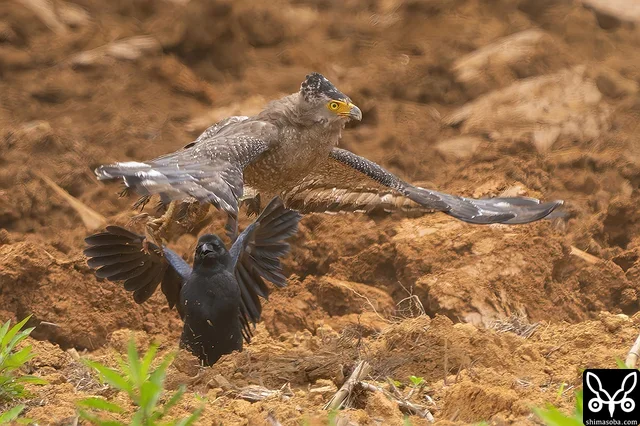
    Northern Boobook
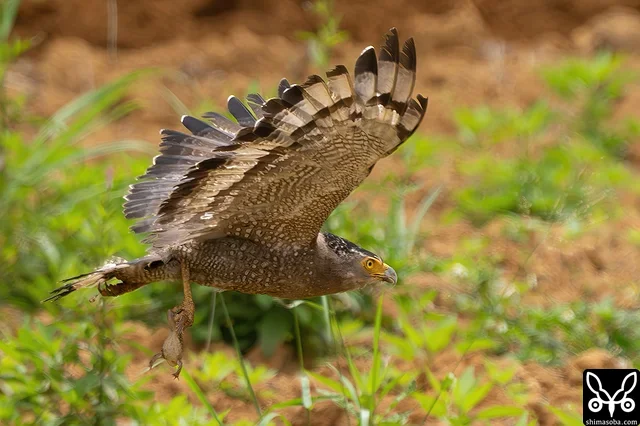
  32. The mother arriving with food for the chick (background). Despite it being broad daylight, she made two prey deliveries in five minutes.
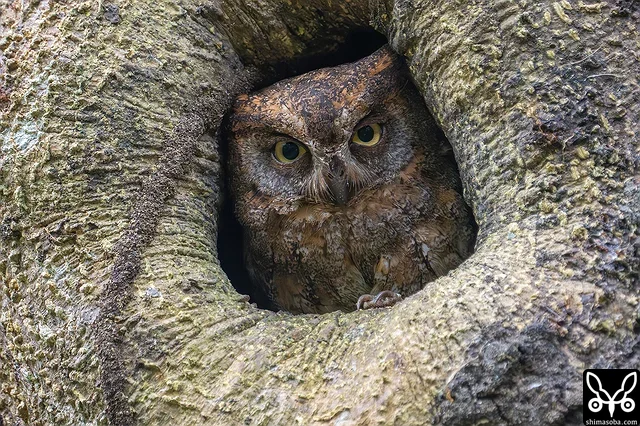
    Northern Boobook
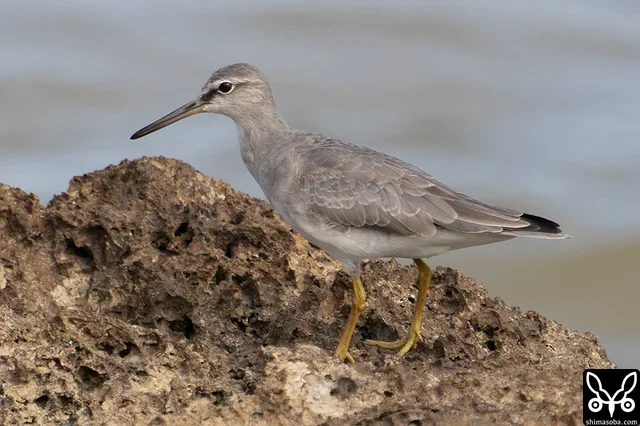
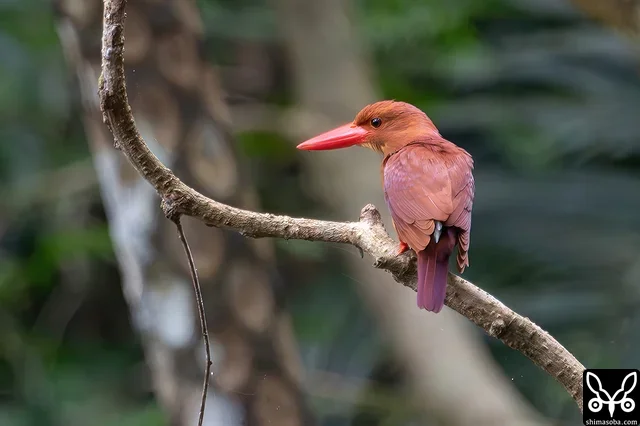
  33. Grey-tailed Tattlers are settling in for a stay, little by little.
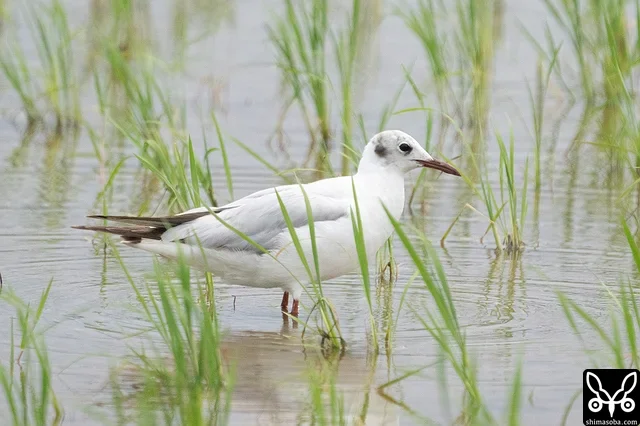
    Grey-tailed Tattler
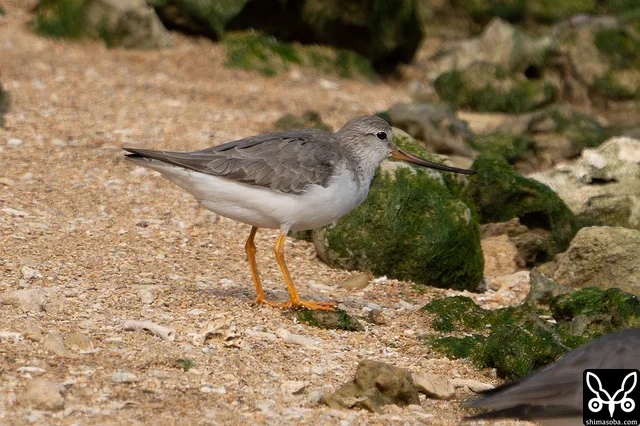
  34. Terek Sandpipers in low numbers. Whether conditions on the breeding grounds have worsened or the migration route has shifted, I'm not sure…
    Terek Sandpiper
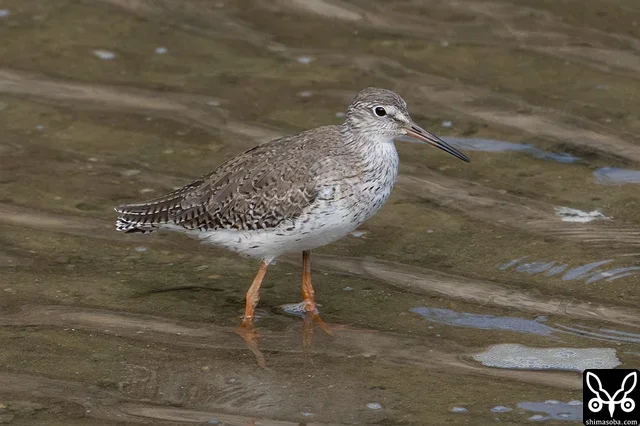
  35. A Common Redshank on its own.
    Common Redshank
  36. A Ruddy Kingfisher excavating its nest hole.
    Ruddy Kingfisher
  37. 6
    A Ruddy Kingfisher perched on the neighbour's warehouse. The red tiles behind it are my roof. ^^ A male comes every day to hunt for food.
    Ruddy Kingfisher
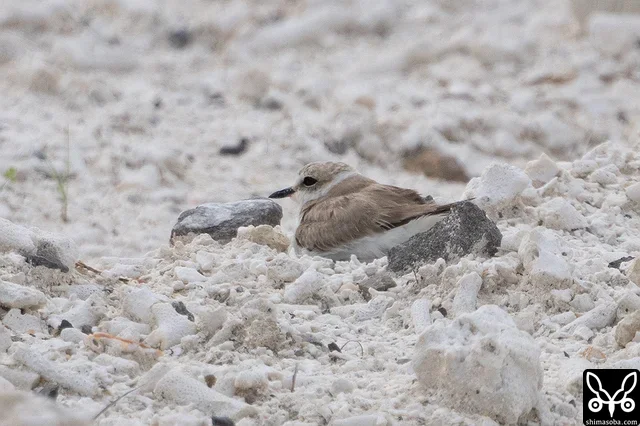
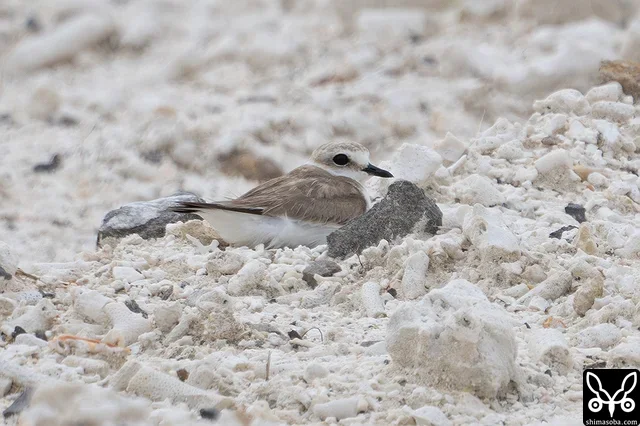
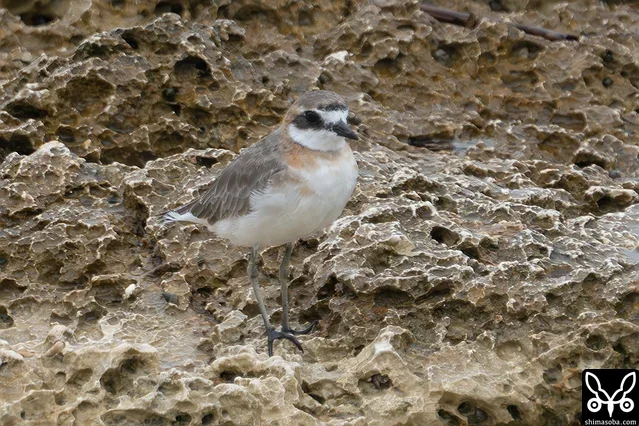
  38. Nearby, a Kentish Plover was also incubating.
    Kentish Plover
  39. A Little Tern on the nest.
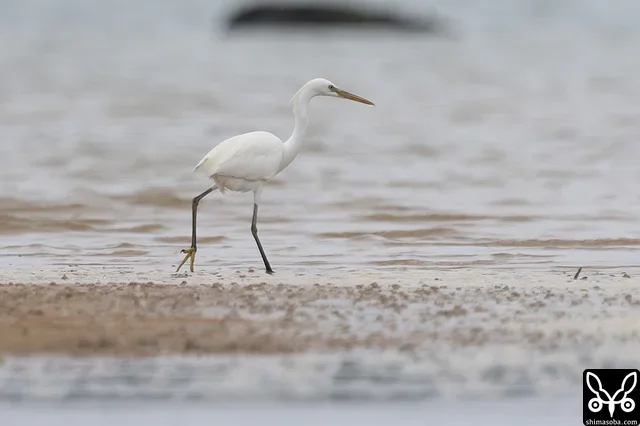
    Little Tern
  40. It crossed right in front of me, completely unhurried.
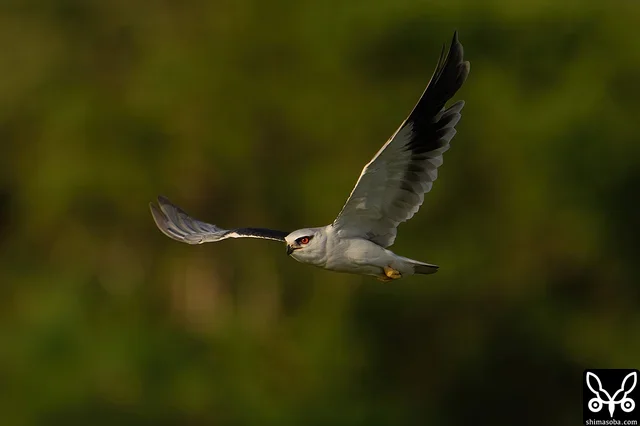
    Black-winged Kite
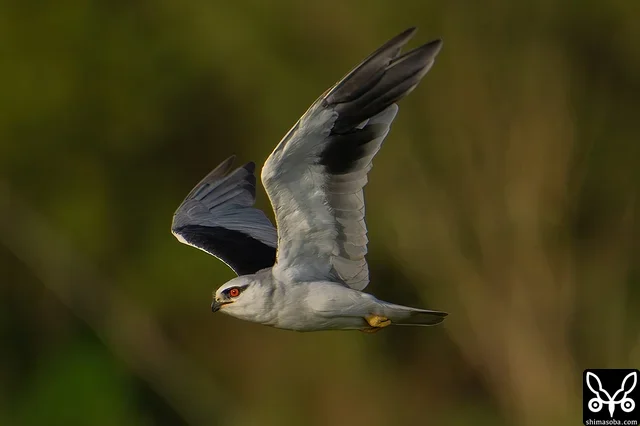
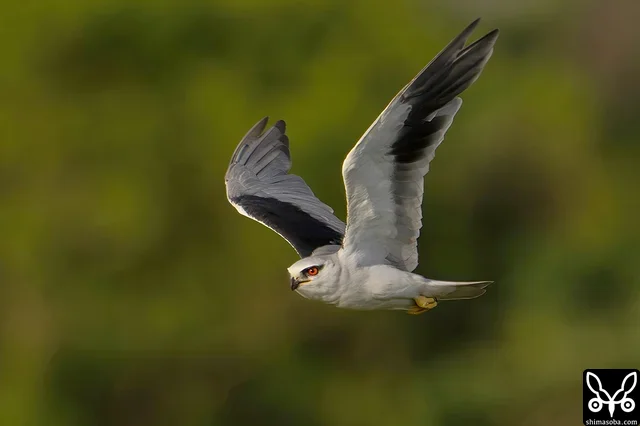
  41. An adult Black-winged Kite in flight, bathed in evening light.
    Black-winged Kite
  42. There aren't many spots on Ishigaki Island where Black-winged Kites fly this close and at this height.
    Black-winged Kite
  43. The primary moult is clearly visible.
    Black-winged Kite
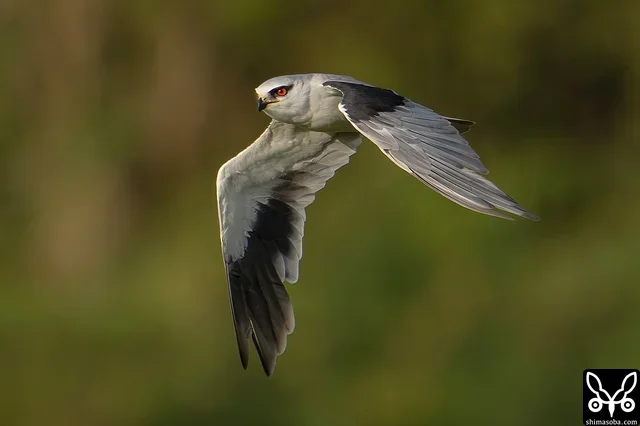
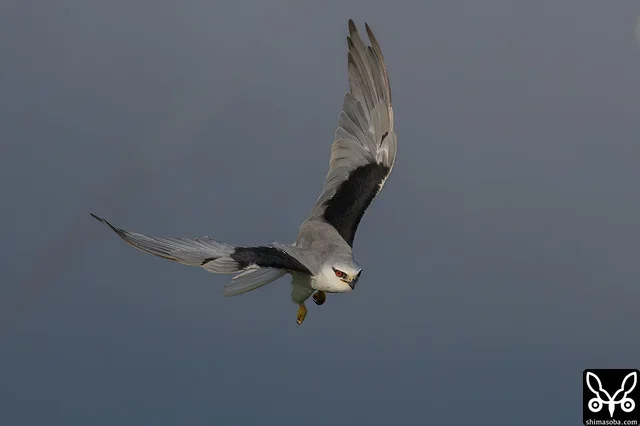
  44. A Black-winged Kite at the moment it changed direction. What a stunning bird.
    Black-winged Kite
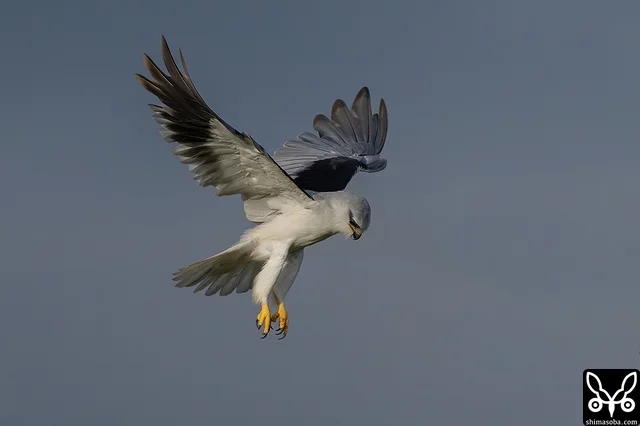
  45. It was hovering, searching for prey.
    Black-winged Kite
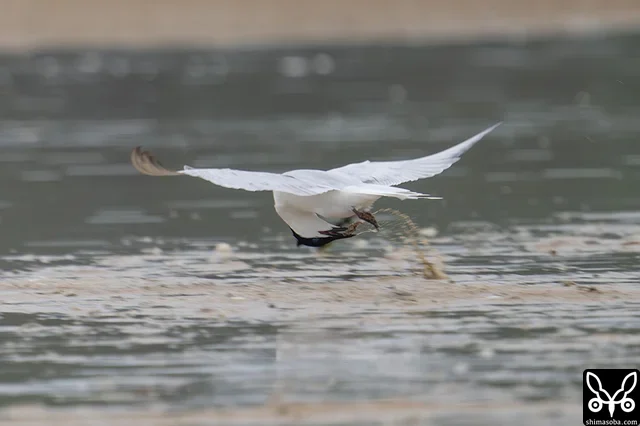
  46. A Common Greenshank with what appears to be a deformed bill. It also looked lethargic. Its feathers were ragged too — it may not be in good condition.
    Common Greenshank
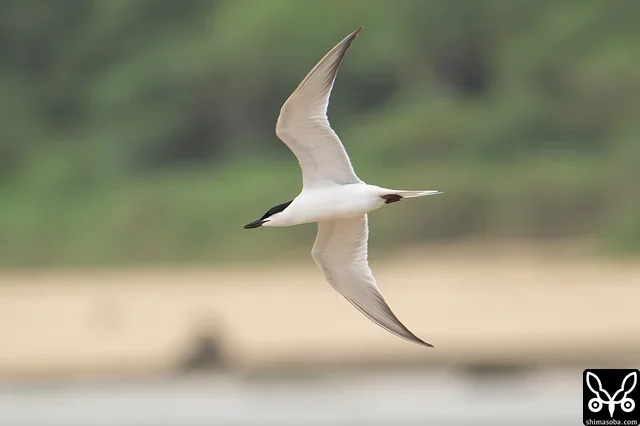
  47. A single Eurasian Coot has stayed behind. Will it spend the summer on Ishigaki-jima like this?
    Eurasian Coot
  48. A Ruddy Kingfisher with absolutely no wariness at all.
    Ruddy Kingfisher
  49. This individual also seemed to have very little wariness.
    Ruddy Kingfisher
  50. A Brown Hawk-Owl that has been breeding here every year for several years now. The nest seems shallow, so it always ends up incubating like this.
    Northern Boobook
  51. A male Ryukyu Scops Owl standing guard over the nest.
    Ryukyu Scops Owl
  52. 7
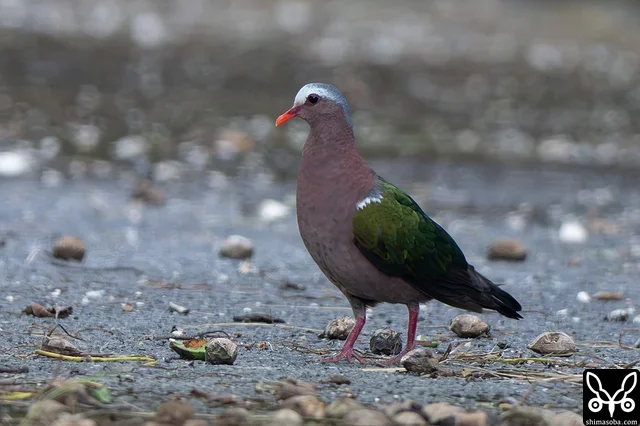
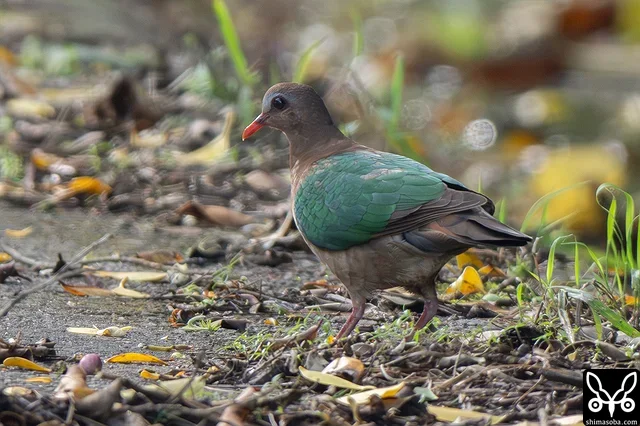
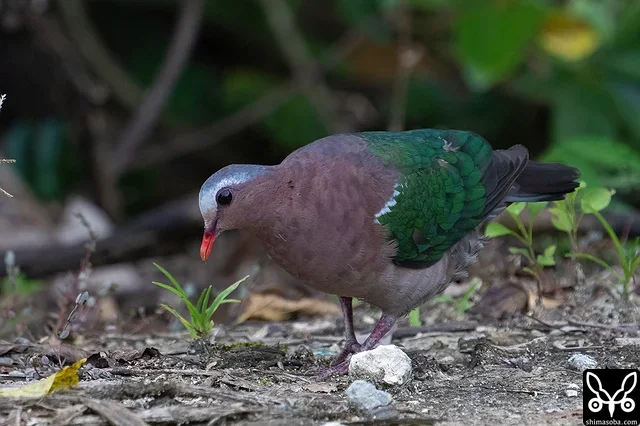
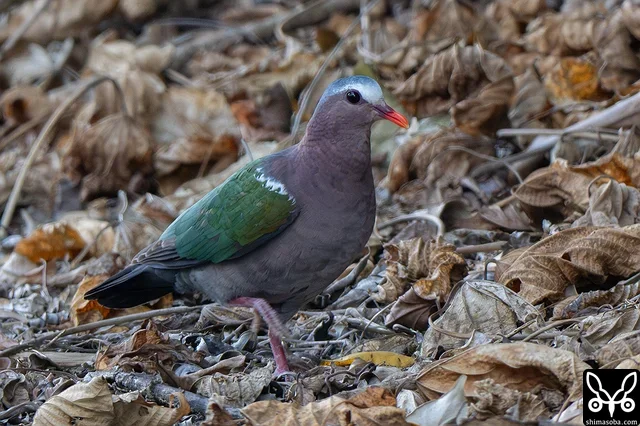
    A male Emerald Dove. It was eating fallen Macaranga fruit on the footpath.
    Emerald Dove
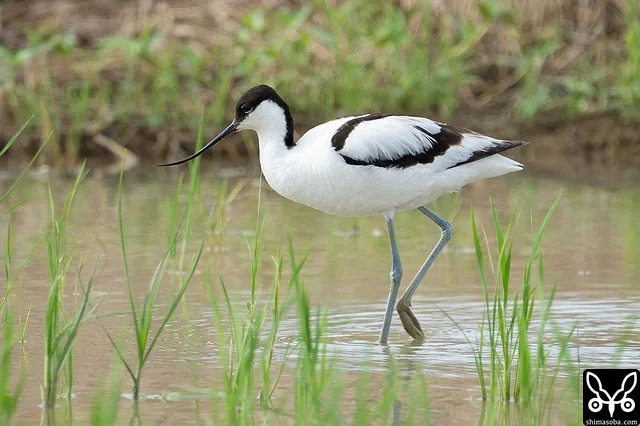
  53. The male bringing food to the incubating female (right). It struggled to deliver the food while spooked by a raptor-shaped kite set up as a bird deterrent.
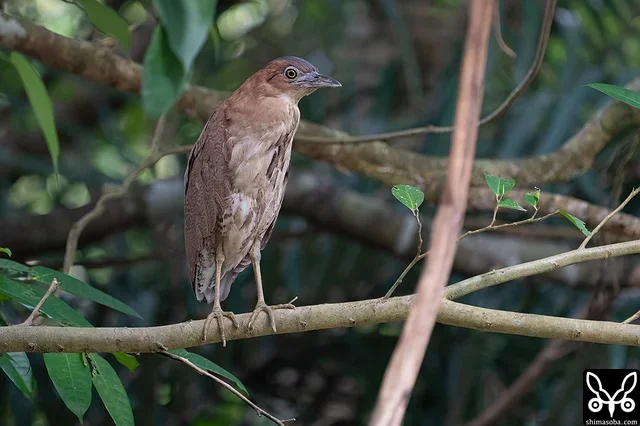
    Little Tern
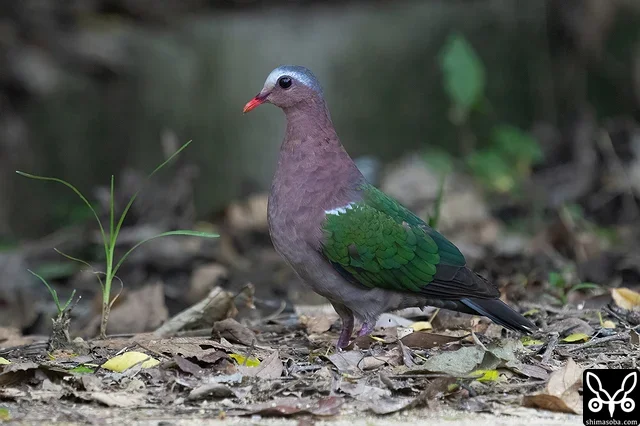
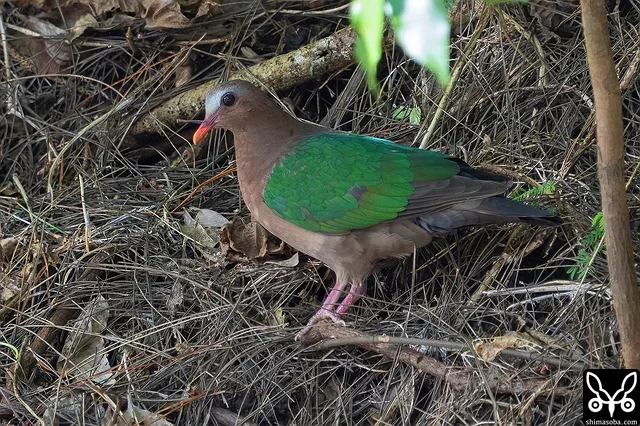
  54. Two eggs are visible under the female's belly. There were several other nests with birds incubating, but as far as I could tell they were unable to return to their nests because of the bird deterrent.
    Little Tern
  55. The Kentish Plover was also managing to incubate despite being spooked. It looked to be under considerable stress.
    Kentish Plover
  56. A Little Tern too frightened of the bird deterrent to land, circling overhead and calling in alarm.
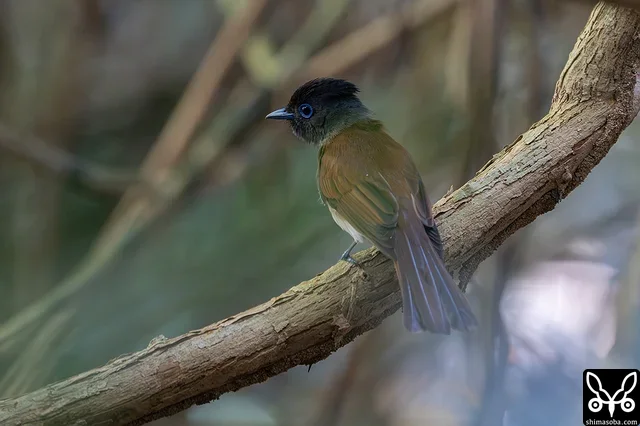
    Little Tern
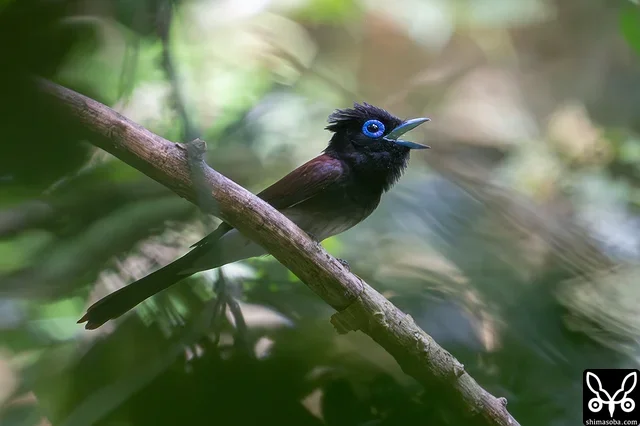
  57. 8
    A female Emerald Dove. Also feeding on fallen Macaranga fruit. It was also drinking water that had collected in a roadside ditch.
    Emerald Dove
  58. Crimson Dove, male. First-summer, perhaps.
    Eurasian Collared Dove
  59. 9
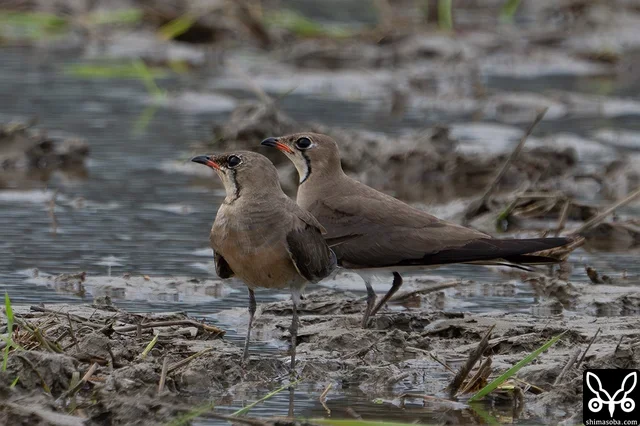
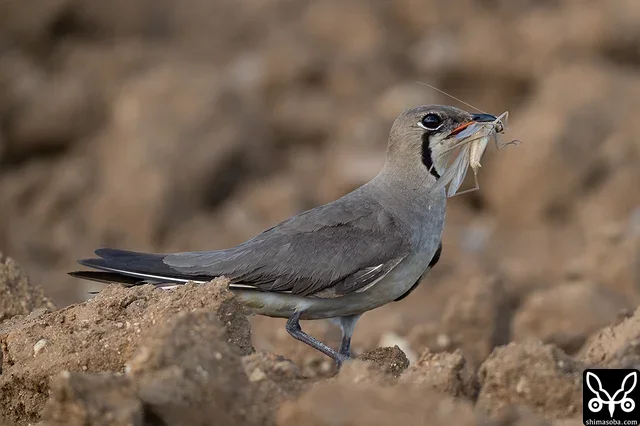
    Oriental Pratincoles, presumably breeding somewhere on the island, came to a rice paddy.
    Oriental Pratincole
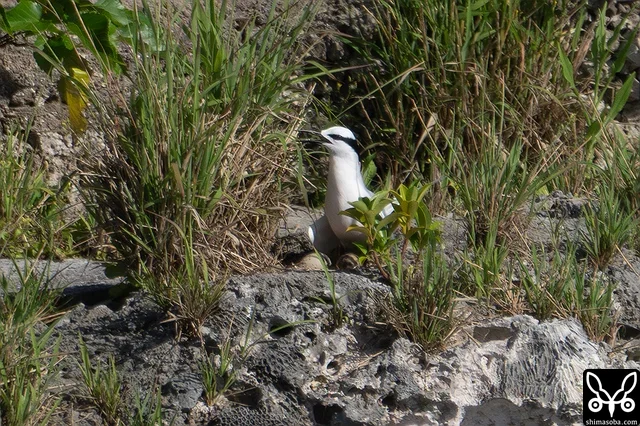
  60. The Black-naped Terns that had been offshore have arrived at the coastal rocks. Breeding is about to begin.
    Black-naped Tern
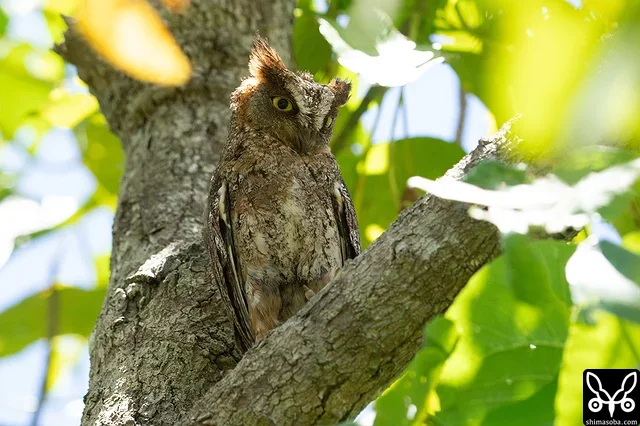
  61. A Ryukyu Scops Owl at a different spot from the one above. This one is a male.
    Ryukyu Scops Owl
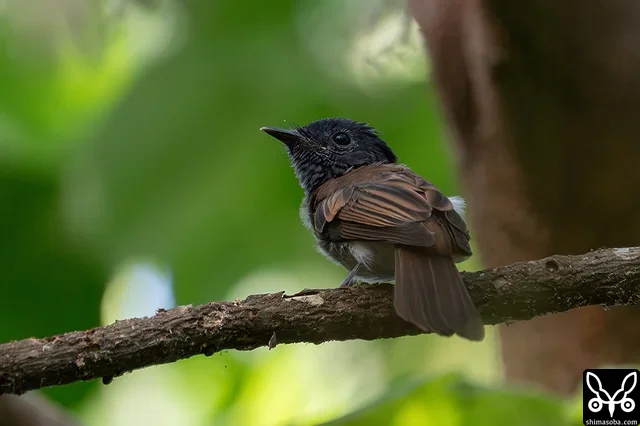
  62. White-winged Tern, winter plumage. It was catching grasshoppers.
    Whiskered Tern
  63. 10
    A Ruddy Kingfisher in the shade of a tree at a ranch. After taking prey, it flew right over my head and off into the forest.
    Ruddy Kingfisher
  64. A Brown Hawk-Owl that nests in this busy spot every year. It looks like the young will be fledging soon.
    Northern Boobook
  65. A Ruddy Kingfisher near home. Foraging along a service road.
    Ruddy Kingfisher
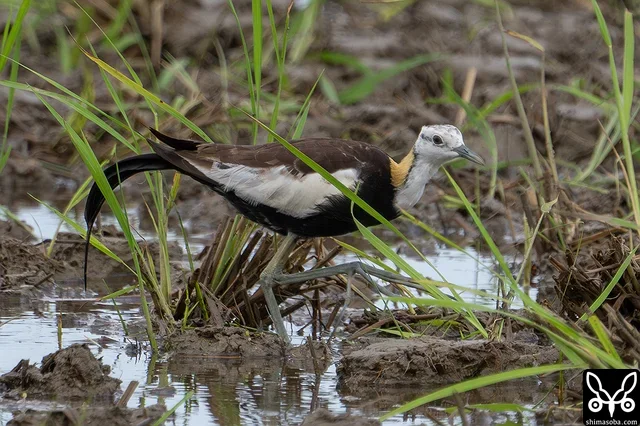
  66. Pheasant-tailed Jacana, first-summer plumage.
    Pheasant-tailed Jacana
  67. A Crested Serpent Eagle in the park. My daughter was delighted watching it. ^^
    Crested Serpent Eagle
  68. A Ruddy Kingfisher in the park. Completely unafraid.
    Ruddy Kingfisher
  69. The crows were a nuisance, so it carried the prey into the undergrowth before eating.
    Crested Serpent Eagle
  70. A Crested Serpent Eagle that caught a Cane Toad in a field being turned over in preparation for summer planting of sugarcane.
    Crested Serpent Eagle
  71. A Ryukyu Scops Owl was peering out from its nest hole. Presumably the same female individual I photographed two years ago.
    Ryukyu Scops Owl
  72. A Ruddy Kingfisher along a forest road. I haven't confirmed a female, but this is an area with a high density of individuals, so it's presumably paired up.
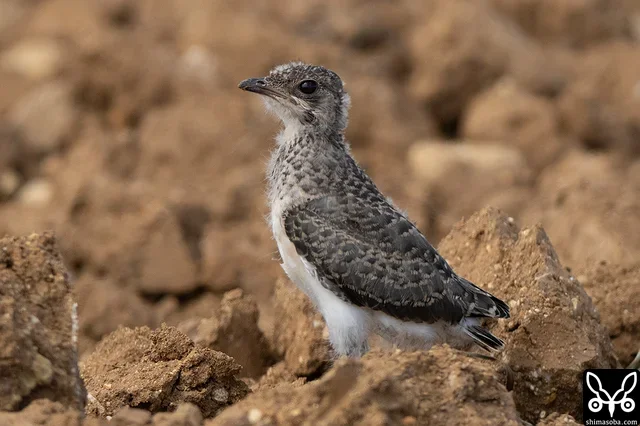
    Ruddy Kingfisher
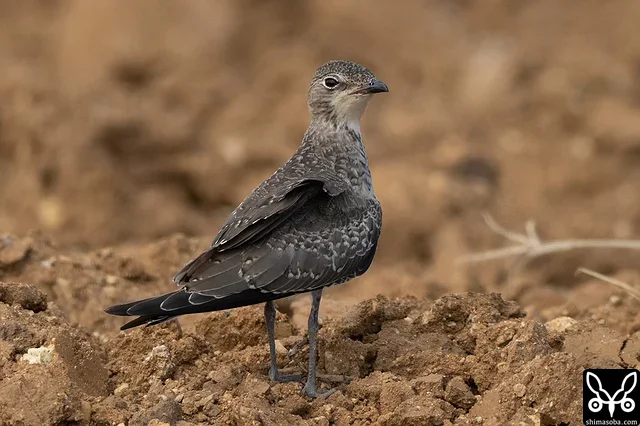
  73. Black-headed Gull in a rice paddy. Second-winter plumage.
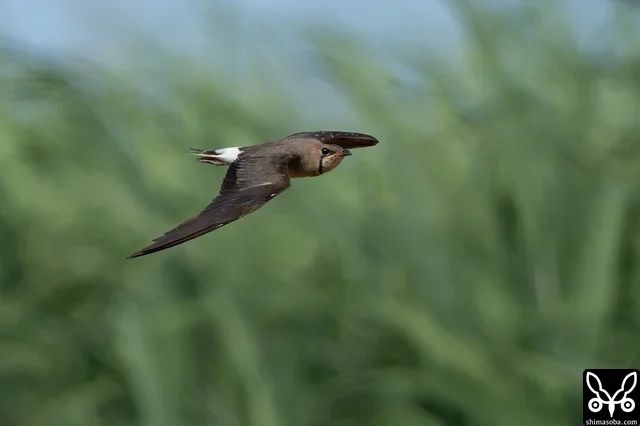
    Black-headed Gull
  74. 12
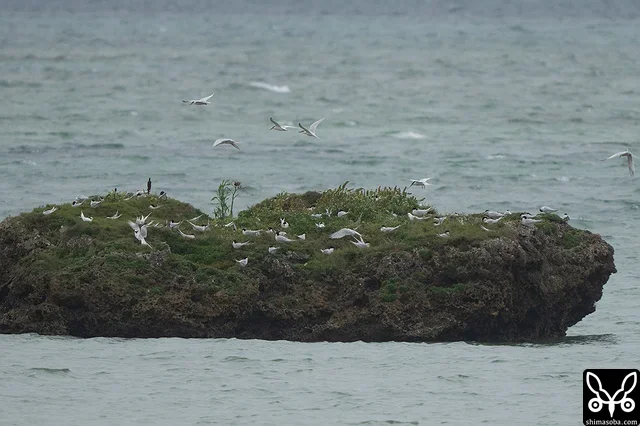
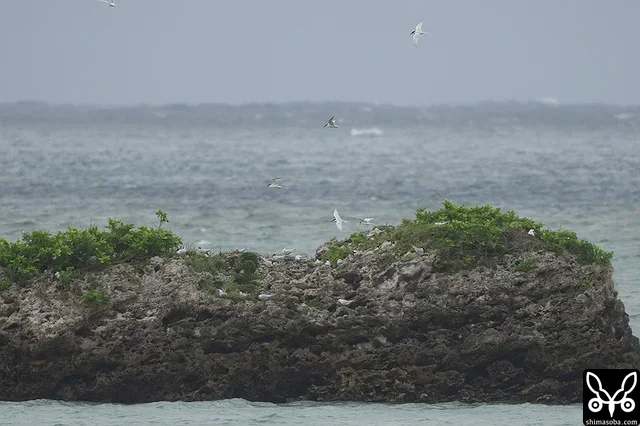
    Lots of Roseate Terns on the rocky reef where Black-naped Terns always form their breeding colony.
    Black-naped Tern
  75. This reef is not often used, but since the reef above is overflowing, there are also plenty of Roseate Terns here along with a few Black-naped Terns.
    Black-naped Tern
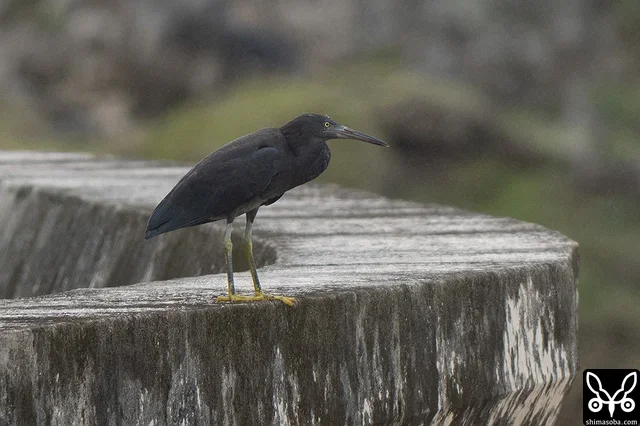
  76. A recently fledged Pacific Reef Heron still has down feathers on its head. It was still being fed by a parent.
    Pacific Reef Heron
  77. Day three of the Pheasant-tailed Jacana's stay. The bad weather may be what's keeping it here.
    Pheasant-tailed Jacana
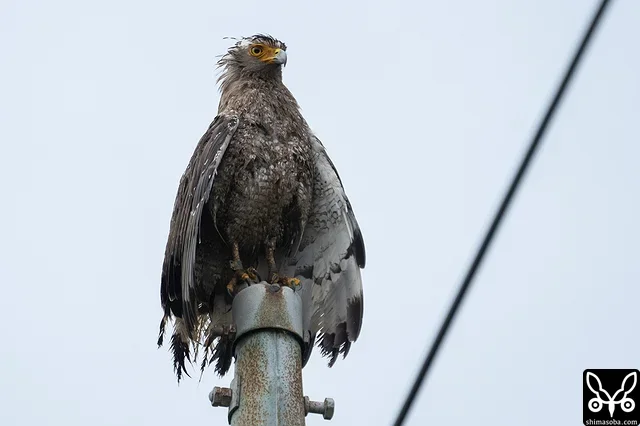
  78. A Crested Serpent Eagle drying its wings on a utility pole. I can't read the code, but from the green band on its right leg and its territory, I believe this is
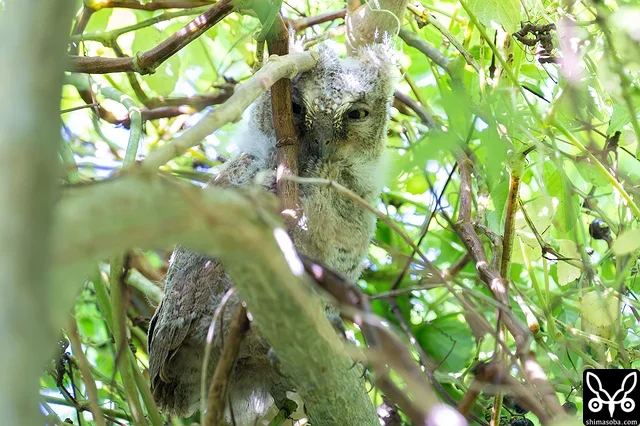
    Crested Serpent Eagle
  79. It was calling back in response to the cry of a Ruddy Kingfisher heard in the distance.
    Ruddy Kingfisher
  80. With rain coming and going, the Ruddy Kingfisher was actively foraging.
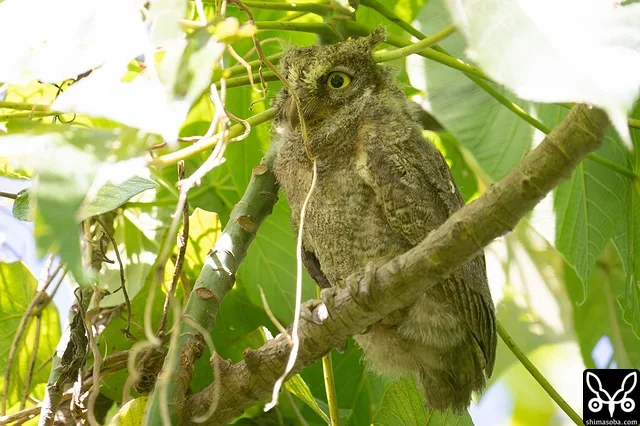
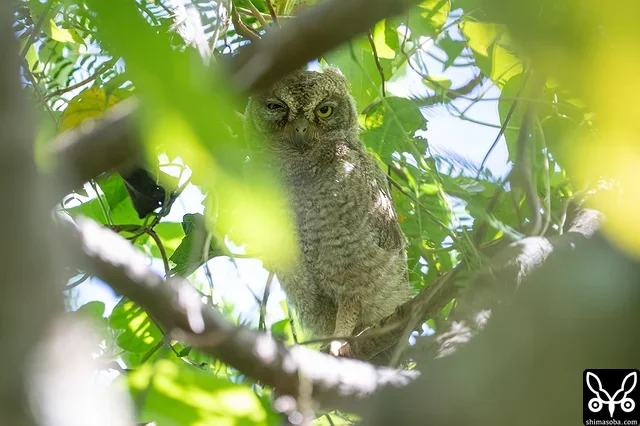
    Ruddy Kingfisher
  81. 14
    Lesser Sand Plovers are few, but a handful are staying.
    Lesser Sand Plover
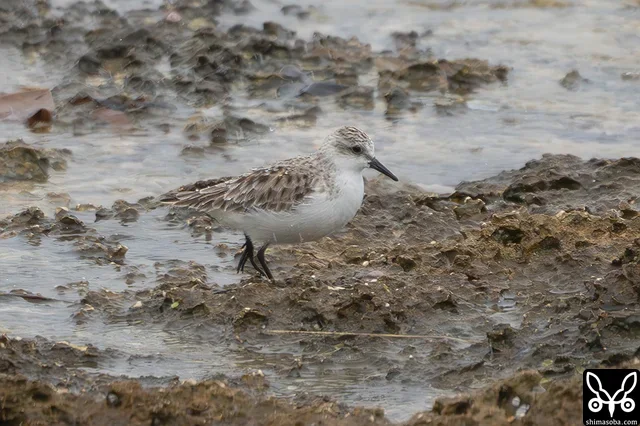
  82. There were three Red-necked Stints.
    Red-necked Stint
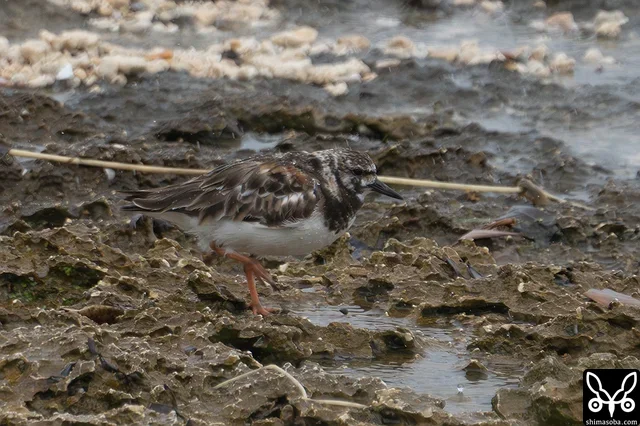
  83. About ten Ruddy Turnstones.
    Ruddy Turnstone
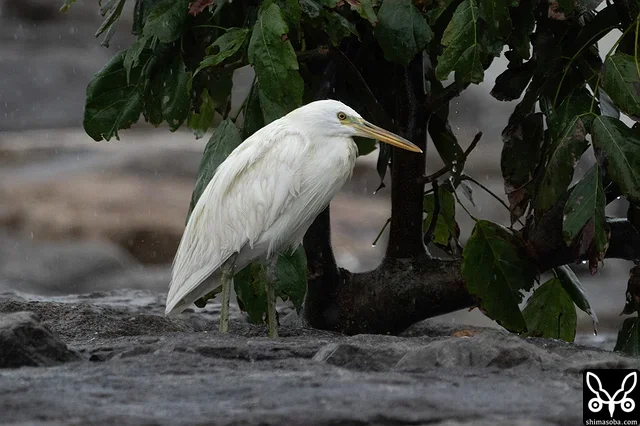
  84. Pacific Reef Heron, white morph, adult.
    Pacific Reef Heron
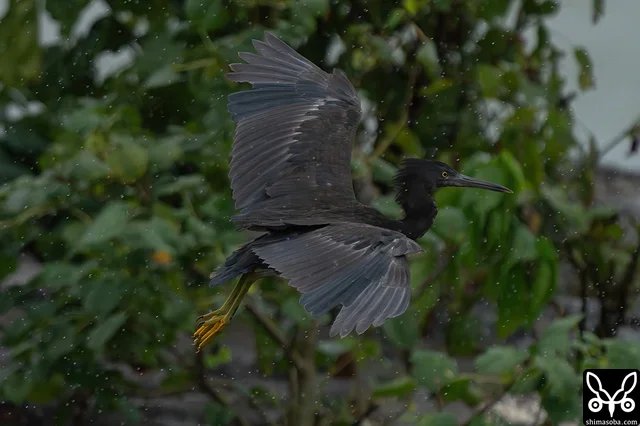
  85. Pacific Reef Heron, juvenile.
    Pacific Reef Heron
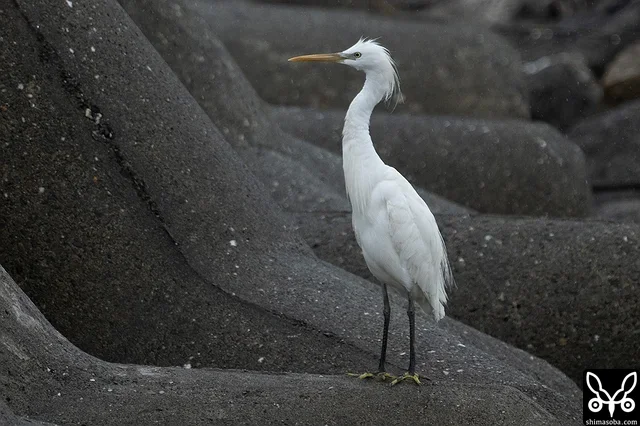
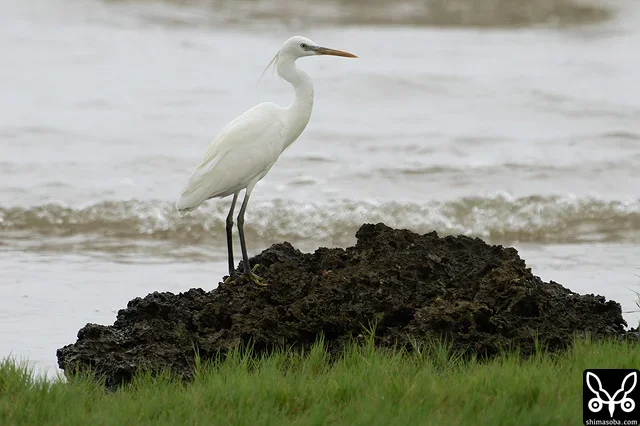
  86. Chinese Egret in breeding plumage.
    Chinese Egret
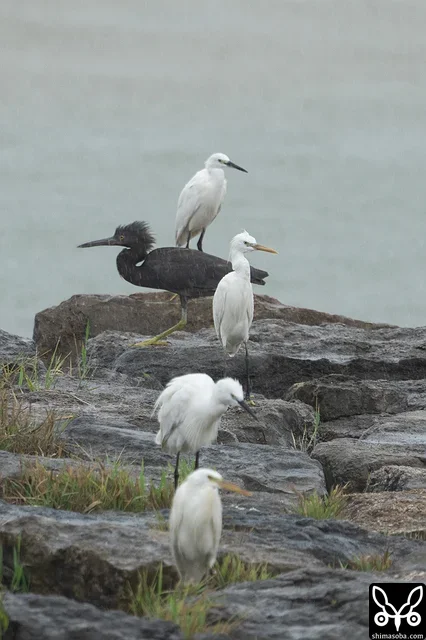
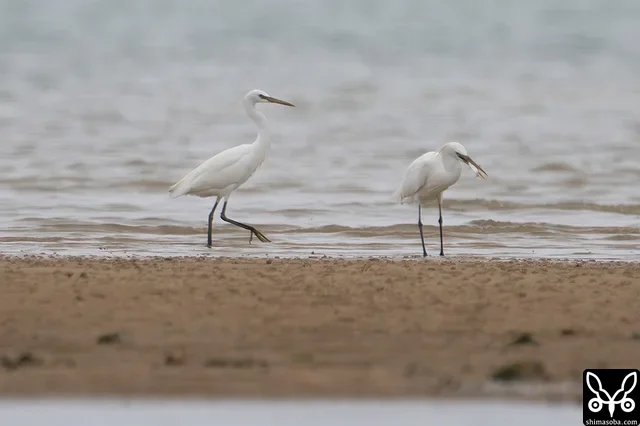
  87. I managed to get a miraculous shot with, from back to front, a Little Egret, dark-morph Pacific Reef Heron, Chinese Egret, Little Egret, and white-morph Pacific Reef Heron all lined up. ^^
    Chinese Egret
  88. Chinese Egrets, as expected at this time of year.
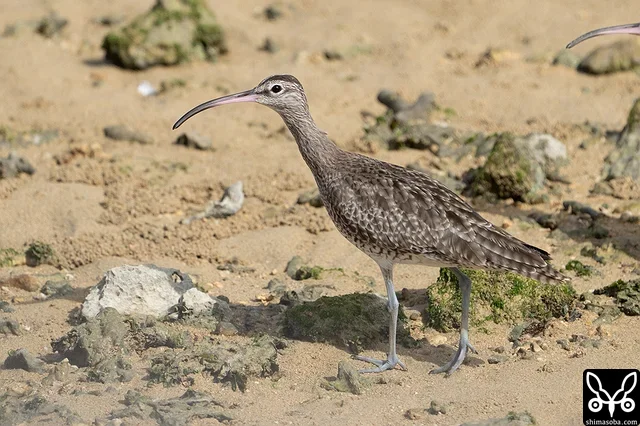
    Chinese Egret
  89. 15
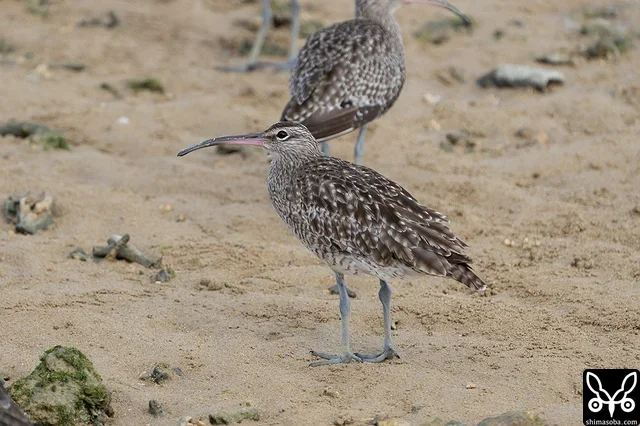
    A male Grey-faced Buzzard— a male Brown Hawk-Owl keeping watch.
    Northern Boobook
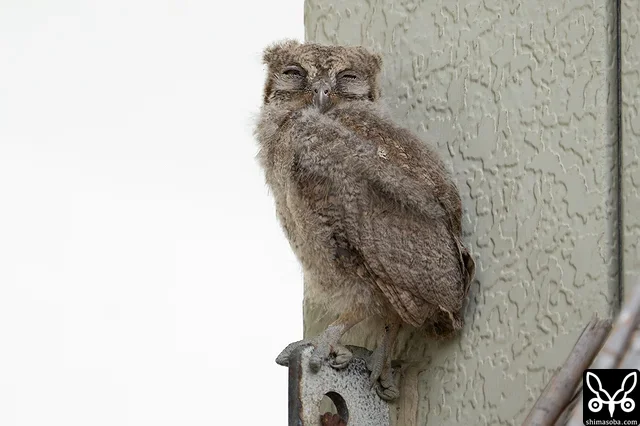
  90. The female Brown Hawk-Owl paired with the individual above. The chicks had grown large and were out of the nest. The breeding season appears to be going smoothly.
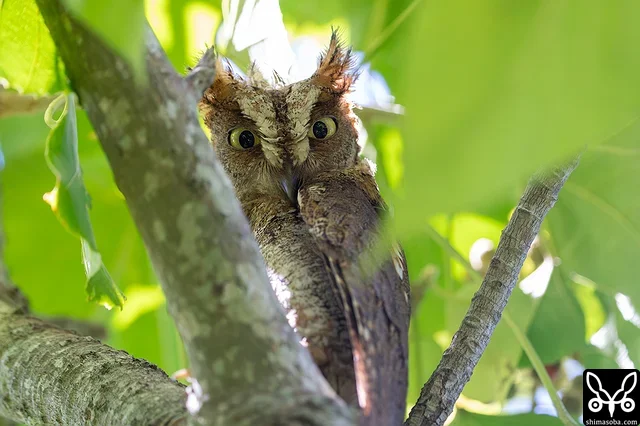
    Northern Boobook
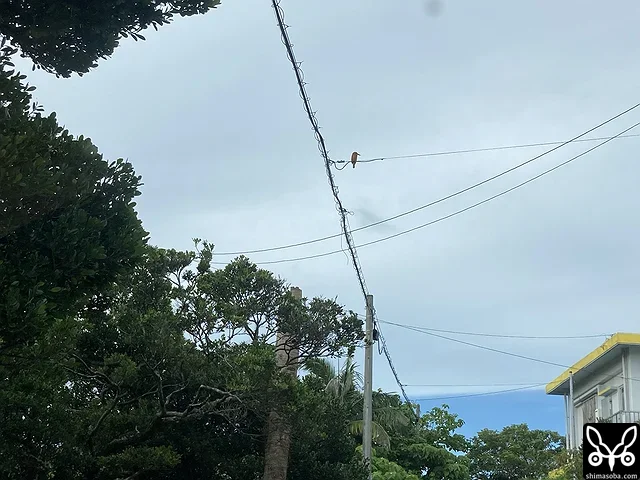
  91. Male Ruddy Kingfisher.
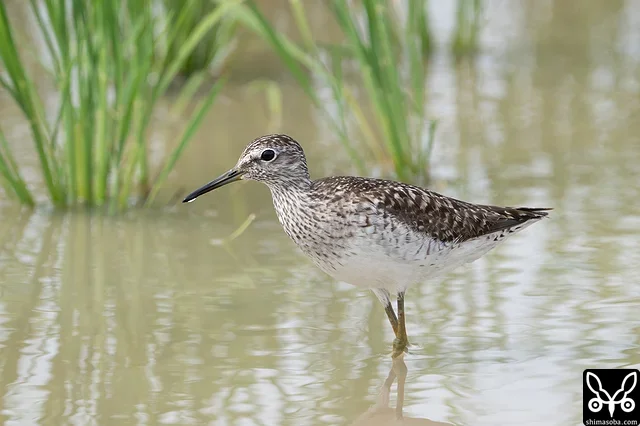
    Ruddy Kingfisher
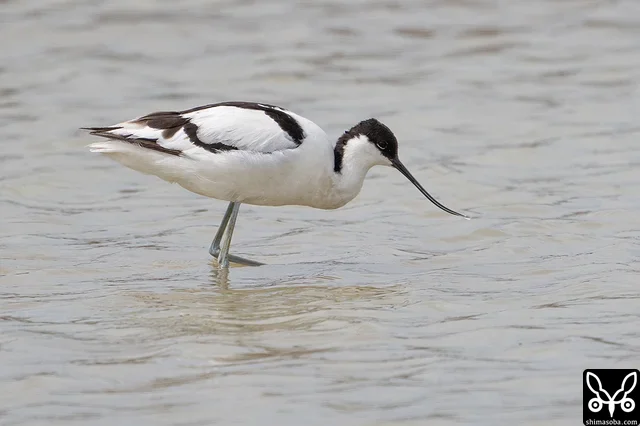
  92. 16
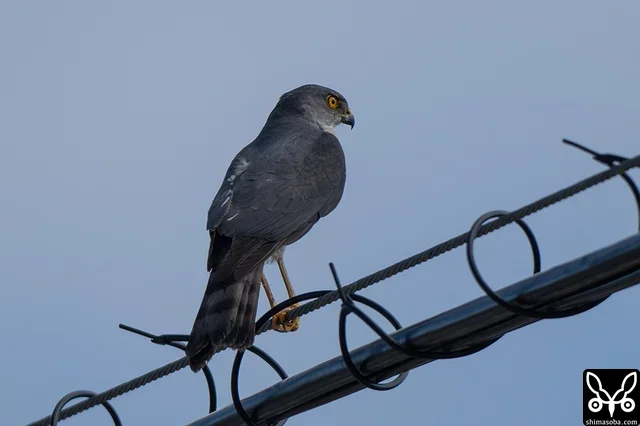
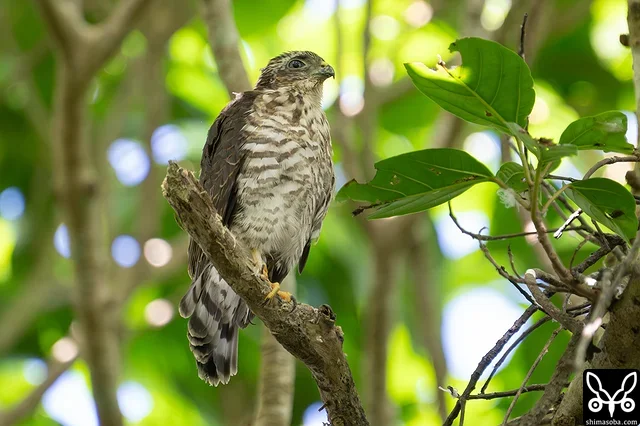
    I heard crows making a racket at the Brown Hawk-Owl's nesting site and went to look — it was a stand-off with a Japanese Sparrowhawk. The Brown Hawk-Owl was keeping very still, clearly rattled.

The Brown Hawk-Owl will attack crows, but when a Japanese Sparrowhawk shows up it doesn't fight back at all. It seems to know exactly how dangerous the sparrowhawk is.
    Northern Boobook
  93. The female is incubating, the male standing watch — a pair of Ryukyu Scops Owls. They took over the tree hollow where a Brown Hawk-Owl had nested last year… ^^;
    Ryukyu Scops Owl
  94. Also a Ruddy Kingfisher in the park. Two pairs are breeding adjacent to each other in this area, and occasionally there were scenes of three birds chasing one another.
    Ruddy Kingfisher
  95. A Ruddy Kingfisher in the park. It appeared to be eyeing prey on the lawn.
    Ruddy Kingfisher
  96. A pair of Black-naped Terns. The female (right) kept looking down at her belly. Egg-laying seems to be imminent.
    Black-naped Tern
  97. The tide came in and it moved closer.
    Chinese Egret
  98. The Chinese Egrets are now up to two. They were catching juvenile mullet.
    Chinese Egret
  99. The crab-specialist Bridled Tern, once it has a target, hugs the ground at ultra-low altitude and creeps up on the crab.
    Lesser Crested Tern
  100. A Bridled Tern that caught a Soldier Crab.
    Lesser Crested Tern
  101. Bridled Terns wheeling right in front of me. Three were in breeding plumage and one was in non-breeding plumage.
    Lesser Crested Tern
  102. A Bridled Tern eating a Soldier Crab.
    Lesser Crested Tern
  103. When it spots a crab, it wheels sharply and dives.
    Lesser Crested Tern
  104. A Japanese Scops Owl nesting in a conspicuous spot — I'm a little worried.
    Northern Boobook
  105. A Ryukyu Scops Owl keeping watch from its usual branch.
    Ryukyu Scops Owl
  106. 17
    A Pheasant-tailed Jacana flapping its wings after bathing. It appears to be moulting into adult summer plumage.
    Pheasant-tailed Jacana
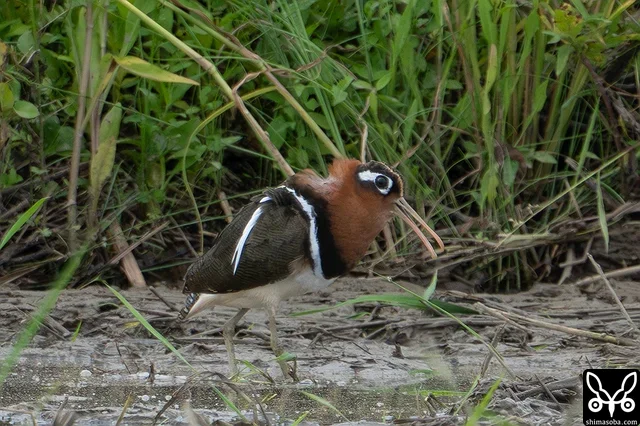
  107. The female Greater Painted-snipe was calling frequently.
    Greater Painted-snipe
  108. It was scratching away deftly with those big feet.
    Pheasant-tailed Jacana
  109. An Oriental Pratincole, presumably breeding somewhere nearby.
    Oriental Pratincole
  110. It was wandering around a harvested paddy field, picking at small snails and the like.
    Pheasant-tailed Jacana
  111. Two or so Common Greenshanks as well.
    Common Greenshank
  112. A male Ryukyu Scops Owl keeping watch.
    Ryukyu Scops Owl
  113. When calls from another individual were heard, this one called back in response.
    Ryukyu Scops Owl
  114. The Pied Avocet is still staying on. First-summer plumage.
    Pied Avocet
  115. There was a juvenile Ryukyu Least Bittern hatched this year. The first juvenile of the season.
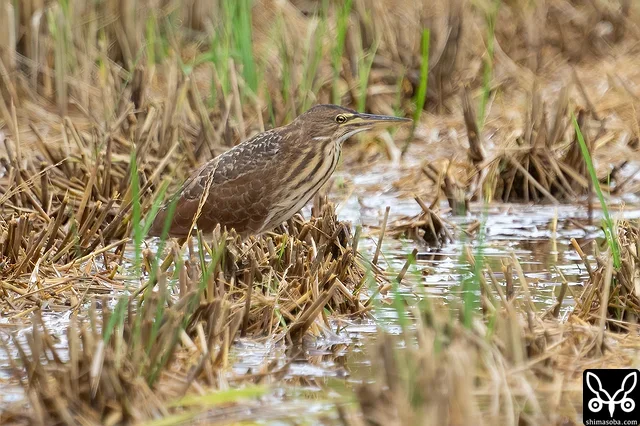
    Yellow Bittern
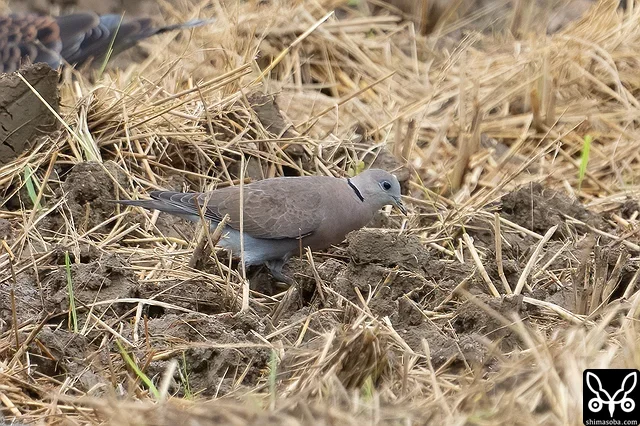
  116. Emerald Dove confirmed at multiple locations as well. Sightings will increase from now through autumn. Adult female.
    Eurasian Collared Dove
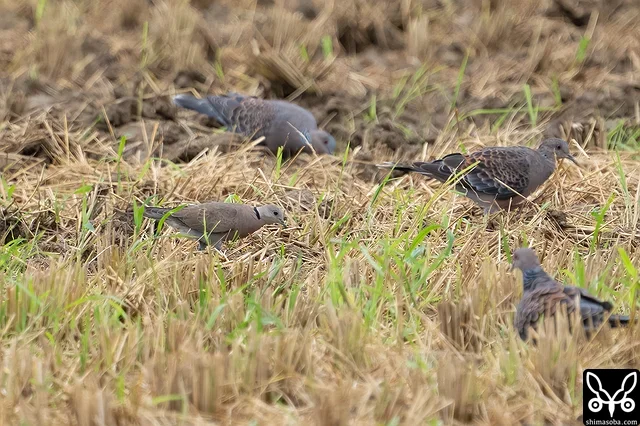
  117. A size comparison between an Oriental Turtle Dove and an Emerald Dove. The Emerald Dove is more than one size smaller.
    Eurasian Collared Dove
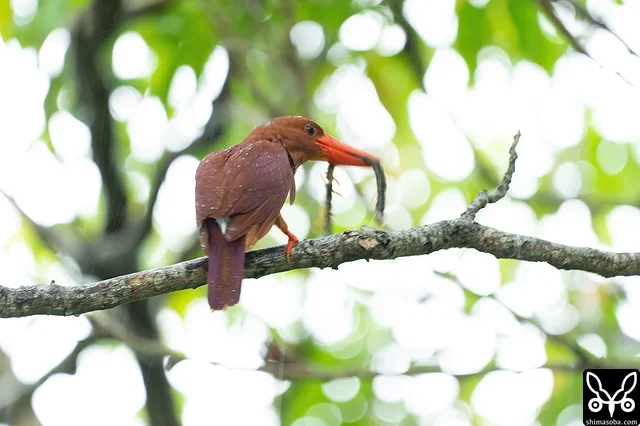
  118. A Ruddy Kingfisher that caught a large centipede to bring to the chicks. The chicks appear to be growing well.
    Ruddy Kingfisher
  119. 18
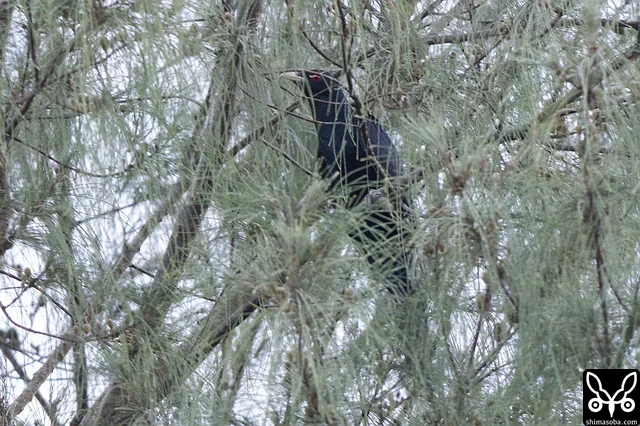
    A male Large Hawk-Cuckoo calling near the top of a casuarina tree. You can hear them calling all over Ishigaki Island, so use this kind of image to guide your search.
    Pied Cuckoo
  120. 19
    Incubating Bridled Tern. Two eggs are visible beneath its belly.
    Black-naped Tern
  121. A female Ryukyu Paradise Flycatcher moving along low branches. Presumably breeding, but details are unknown.
    Japanese Paradise Flycatcher
  122. A male Ryukyu Paradise Flycatcher.
    Japanese Paradise Flycatcher
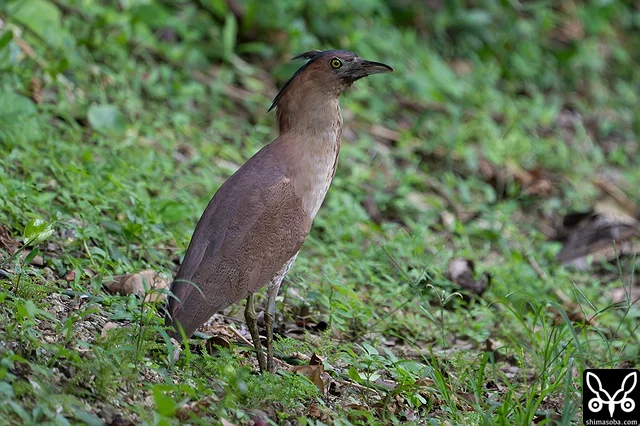
  123. Female Malayan Night Heron.
    Malayan Night Heron
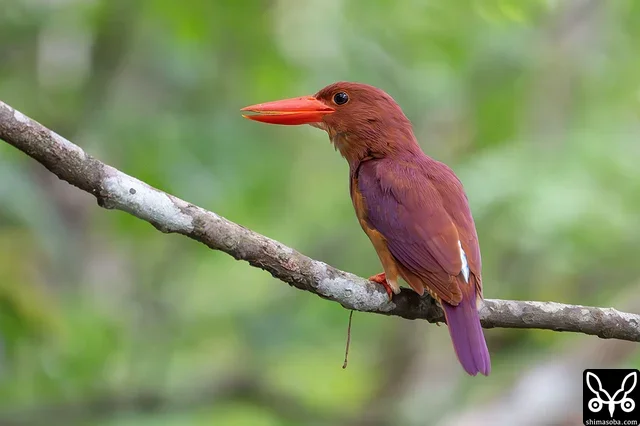
  124. A male Ryukyu Ruddy Kingfisher singing.
    Ruddy Kingfisher
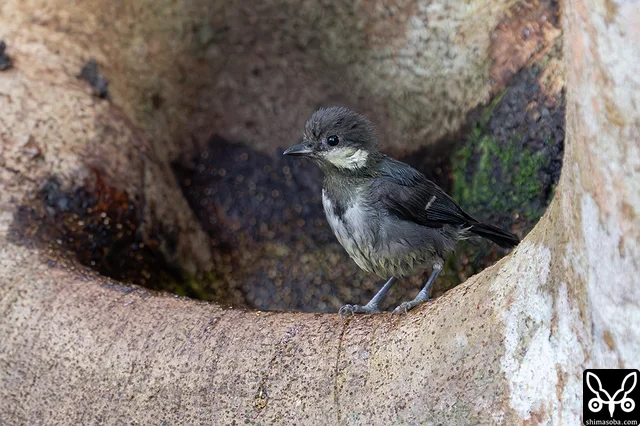
  125. Juvenile Ishigaki Tit. It was bathing in a small pool of water formed in a hollow of a tree.
    Ishigaki Tit
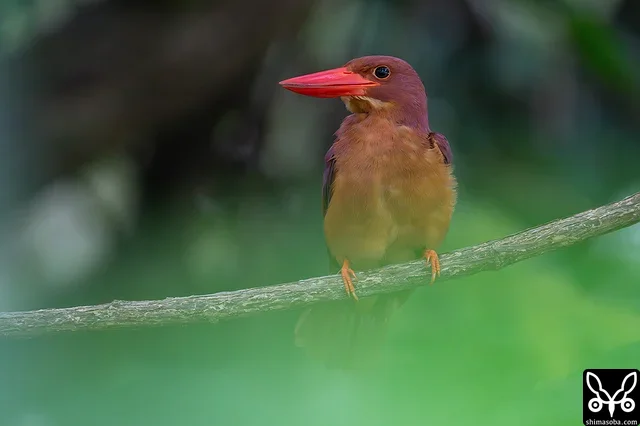
  126. A Ryukyu Ruddy Kingfisher after bathing.
    Ruddy Kingfisher
  127. A male Ryukyu Brown Hawk-Owl. Some Brown Hawk-Owls have already `fledged <https://shimasoba.com/blog/2373/>`_, but the peak is after July begins.
    Northern Boobook
  128. Also a different male individual. They are paired, but have not yet started digging a nest hole. They are in a small patch of greenery — perhaps they cannot find a suitable spot?
    Ruddy Kingfisher
  129. A male Brown Hawk-Owl standing guard at the nest. The spot sees a lot of foot traffic, but it shows no reaction to people.
    Northern Boobook
  130. Ruddy Kingfisher, male.
    Ruddy Kingfisher
  131. A different male individual.
    Ruddy Kingfisher
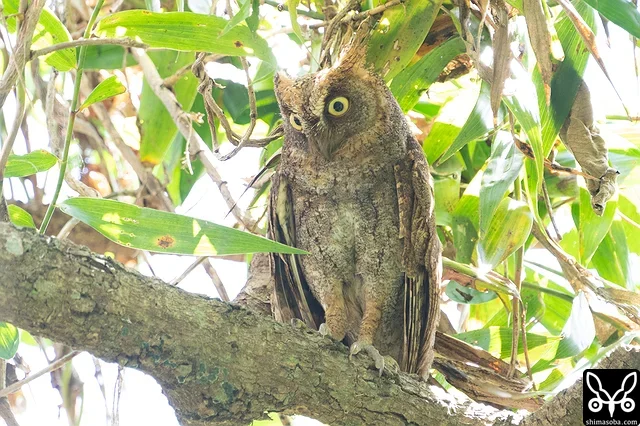
  132. Ryukyu Scops Owl breeding at the same nest tree for several consecutive years. This male is strikingly rufous and very handsome.
    Ryukyu Scops Owl
  133. Same individual as above. It was singing frequently while moving at low height, less than one metre from the ground.
    Ryukyu Flycatcher
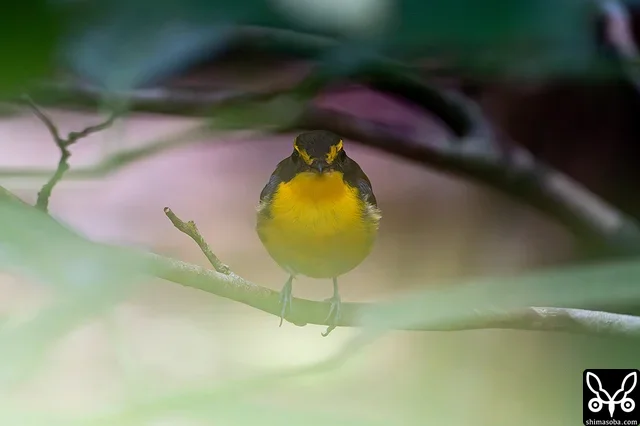
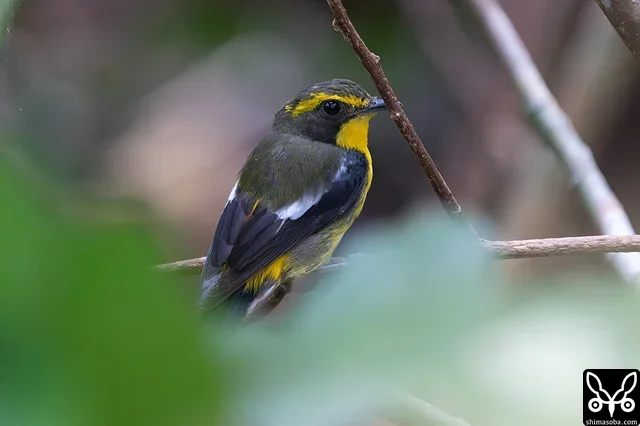
  134. Ryukyu Fantail, adult male.
    Ryukyu Flycatcher
  135. 20
    The male parent keeping watch over the chicks.
    Northern Boobook
  136. A fledgling Grey Nightjar — just out of the nest.
    Northern Boobook
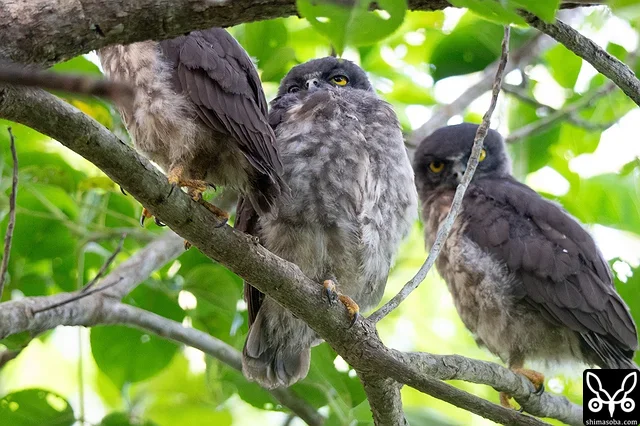
  137. All three chicks fledged safely over two days.
    Northern Boobook
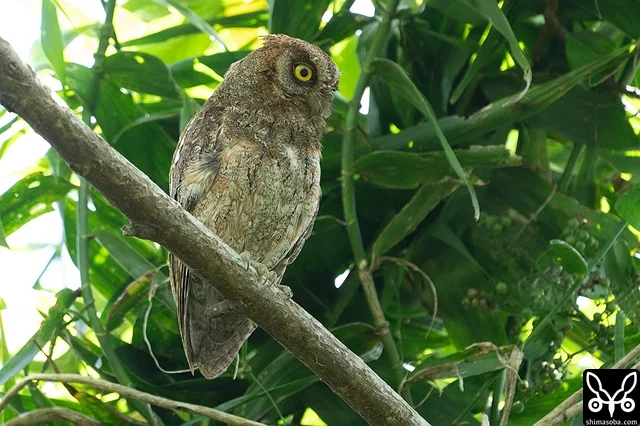
  138. A male Ryukyu Scops Owl. An individual that has bred at the same spot two years running.
    Ryukyu Scops Owl
  139. Same individual as above. It was eating fallen fruit on the ground. At this time of year it favours fallen fruit from Macaranga and Mallotus.
    Emerald Dove
  140. A male Emerald Dove. It is tense at the calls of a Japanese Sparrowhawk.
    Emerald Dove
  141. 21
    A tired-looking female Malayan Night Heron. She also appears to be raising young.
    Malayan Night Heron
  142. An Emerald Dove from a different location. Also a male. Females have only recently started to be seen.
    Emerald Dove
  143. A female Ruddy Kingfisher. Her feathers were ruffled — she may have knocked into something. A male was nearby, so they are probably breeding in the area. The fact that the female is out suggests the chicks are growing well.
    Ruddy Kingfisher
  144. The first fledging of a Brown Hawk-Owl this season.
    Northern Boobook
  145. 23
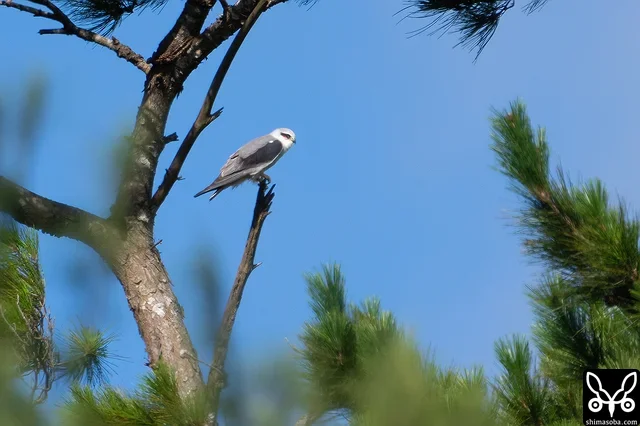
    A male Black-winged Kite, keeping watch over the nest where the female is.
    Black-winged Kite
  146. A Ruddy Kingfisher targeting the loudly chorusing Cryptotympana facialis cicadas.
    Ruddy Kingfisher
  147. A Ruddy Kingfisher after bathing. Male.
    Ruddy Kingfisher
  148. I thought it was about to cough up a pellet — turned out to be a yawn. ^^;
    Ruddy Kingfisher
  149. A Ruddy Kingfisher raising chicks. The chicks here fledged successfully on the 25th, two days after this shot.
    Ruddy Kingfisher
  150. She went back into the nest hole once, then came out again. Are the chicks getting big enough to push her out?
    Ryukyu Scops Owl
  151. A banded female Ryukyu Scops Owl.
    Ryukyu Scops Owl
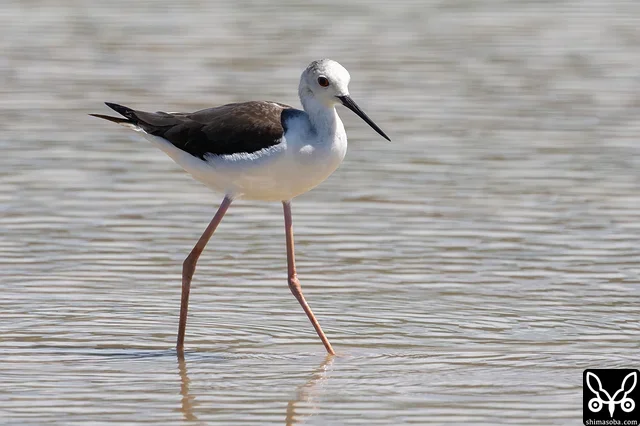
  152. Female Black-winged Stilt. First-summer plumage.
    Black-winged Stilt
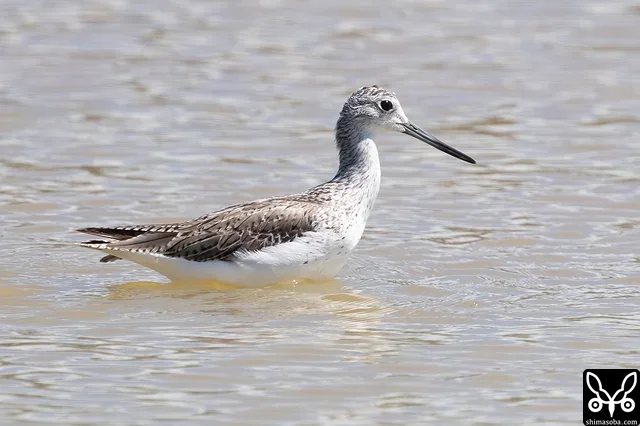
  153. Common Greenshank in late summer plumage.
    Common Greenshank
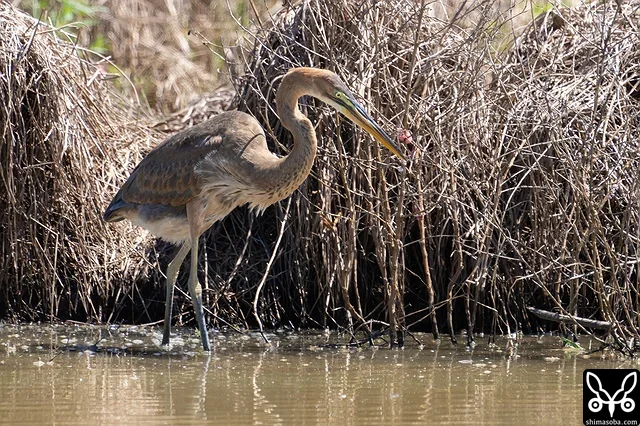
  154. Juvenile Purple Heron.
    Purple Heron
  155. 24
    One of three Emerald Doves that appear in the neighborhood.
    Emerald Dove
  156. A Collared Pratincole chick that cannot yet fly, being fed by one of the parents.
    Oriental Pratincole
  157. This one is a juvenile that has already learned to fly. It was moving through the air almost as well as the adults.
    Oriental Pratincole
  158. Watching them fly around against a backdrop of sugarcane fields feels very much like Ishigaki Island.
    Oriental Pratincole
  159. A Collared Pratincole bringing food to the chick.
    Oriental Pratincole
  160. A male Ryukyu Sparrowhawk. It appeared to be targeting a recently fledged House Sparrow.
    Ryukyu Sparrowhawk
  161. A Ryukyu Scops Owl keeping watch. We've known each other long enough that it shows no wariness toward me at all.
    Ryukyu Scops Owl
  162. The male parent.
    Ryukyu Scops Owl
  163. The female parent.
    Ryukyu Scops Owl
  164. Ruddy Kingfisher from home. It appeared to be raising young — when it caught prey, it flew off into the forest.
    Ruddy Kingfisher
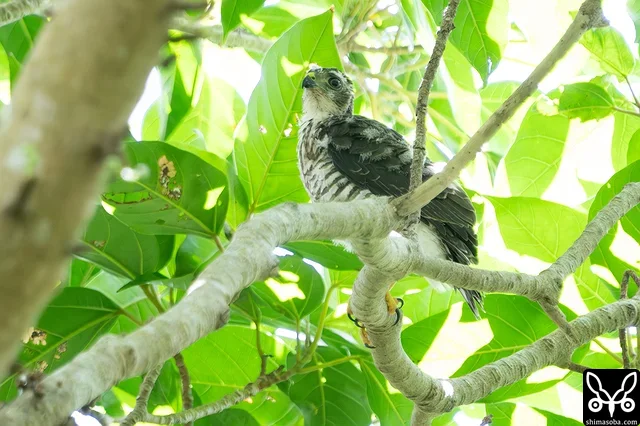
  165. This is the second brother. He was nervously making his way along the branches.
    Ryukyu Sparrowhawk
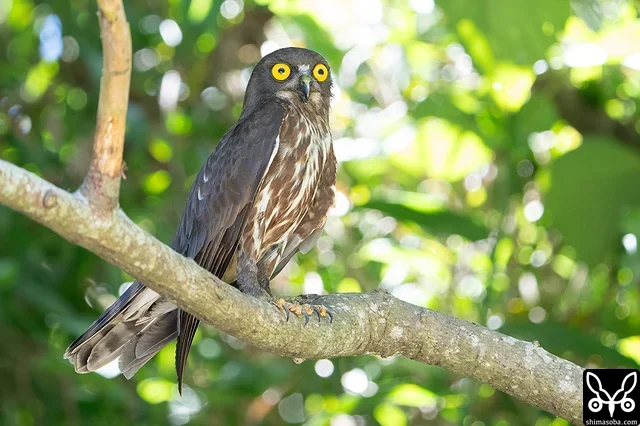
  166. A male Brown Hawk-Owl. The female has been appearing more often, so fledging may be imminent.
    Northern Boobook
  167. The father of the two fledglings above.
    Ryukyu Scops Owl
  168. Likewise, the mother.
    Ryukyu Scops Owl
  169. 25
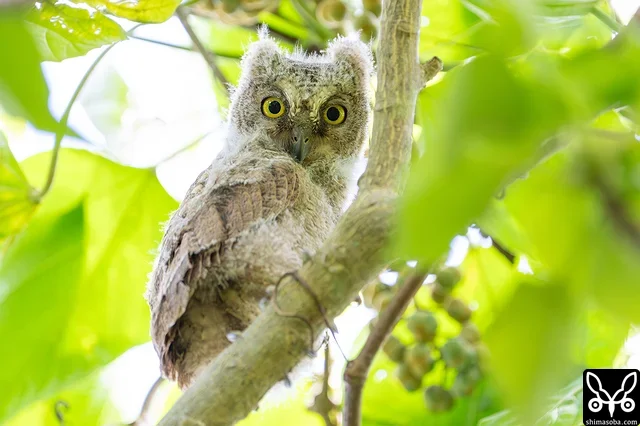
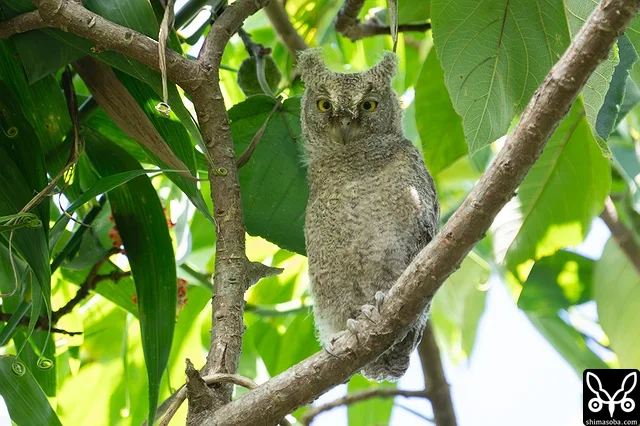
    A fledgling Ryukyu Scops Owl.
    Ryukyu Scops Owl
  170. 26
    A Japanese Paradise Flycatcher that has grown nearly as impressive as an adult.
    Japanese Paradise Flycatcher
  171. The female parent of the individual above. It seemed to be on the verge of starting a second brood.
    Japanese Paradise Flycatcher
  172. Male parent Brown Hawk-Owl. Fledging still seems to be a little way off.
    Northern Boobook
  173. The Ryukyu Scops Owl fledgling had moved to a more visible position, giving me a full view of the bird.
    Ryukyu Scops Owl
  174. The female parent keeping watch nearby.
    Ryukyu Scops Owl
  175. The eldest of three siblings. It seems able to fly short distances.
    Ryukyu Sparrowhawk
  176. A Ryukyu Scops Owl fledgling that left the nest on the night of 24 June. Three days since fledging.
    Ryukyu Scops Owl
  177. Likewise, the mother.
    Ryukyu Scops Owl
  178. The father of the fledgling above.
    Ryukyu Scops Owl
  179. 27
    Same individual as above. The female appeared to be bringing food to the nest. For a moment an Emerald Dove perched on the same branch, but unfortunately I couldn't get a shot.
    Ruddy Kingfisher
  180. Two pairs of Ruddy Kingfishers breeding near home. This season's nests are out of sight from the house, so I can't tell exactly how things are going, but since they're carrying food I assume all is well.
    Ruddy Kingfisher
  181. Just after 7 p.m., I came home to find a Ruddy Kingfisher holding a freshly emerged Cryptotympana facialis cicada in its bill. At this time of day on Ishigaki Island it is still quite bright.
    Ruddy Kingfisher
  182. This is the male digging out the nest hole. A late start — will he make it in time for the autumn migration?
    Ruddy Kingfisher
  183. The female parent was sitting on the nest occasionally.
    Japanese Paradise Flycatcher
  184. A male Japanese Paradise Flycatcher brought food to the nest. The prey was small spiders and moths, so the chicks are probably still quite small.
    Japanese Paradise Flycatcher
  185. At this time of year prey like Cryptotympana facialis cicadas seems to be no problem at all.
    Ruddy Kingfisher
  186. Looking up into the trees, hunting for cicadas.
    Ruddy Kingfisher
  187. The male. This territory only ever has the male. Either still incubating, or the chicks are still small…
    Ruddy Kingfisher
  188. A female Brown Hawk-Owl. A grown chick was peering out of the nest hole. There appear to be at least two.
    Northern Boobook
  189. 28
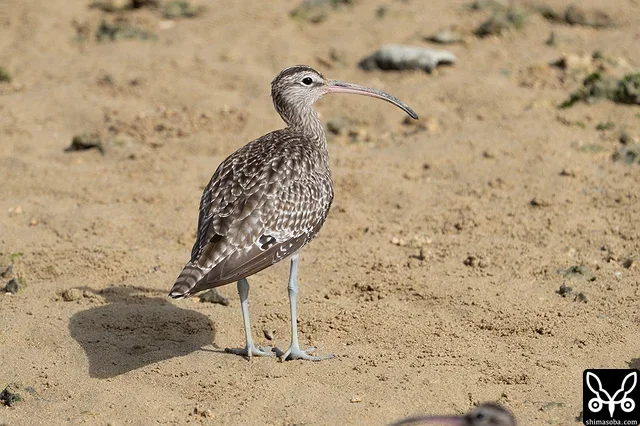
    At first I thought some juveniles were mixed in, but on closer inspection they were all adults.
    Whimbrel
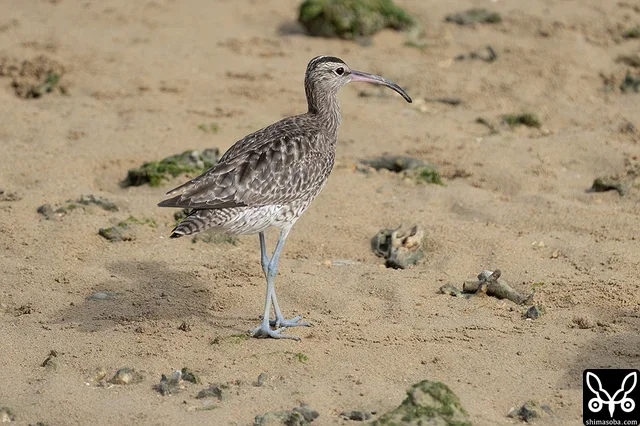
  190. A flock arriving considerably earlier than usual for Whimbrels.
    Whimbrel
  191. Moult is beginning.
    Whimbrel
  192. The Whimbrels in a flock of nine.
    Whimbrel
  193. 29
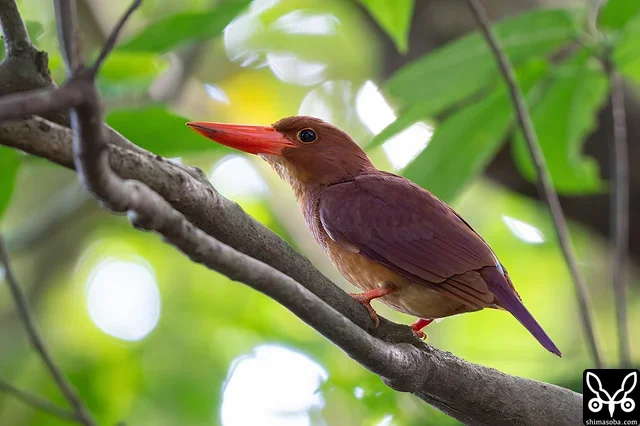
    A Ruddy Kingfisher spotted in the northern part of the island.
    Ruddy Kingfisher
  194. The parent watching over its chick from a street tree across the road. The tree it was perched in was right next to the Ruddy Kingfisher's nest tree… ^^;
    Ryukyu Scops Owl
  195. A freshly fledged Ryukyu Scops Owl chick.
    Ryukyu Scops Owl
  196. A Ruddy Kingfisher perched on a power line. The dead palm tree visible below was the Ruddy Kingfisher's nest tree, and the parent Ryukyu Scops Owl was perched in the adjacent Ryukyu ebony.
    Ruddy Kingfisher
  197. Wood Sandpiper in late summer plumage.
    Wood Sandpiper
  198. Arrived out of season and has already been here over three weeks.
    Pied Avocet
  199. 30
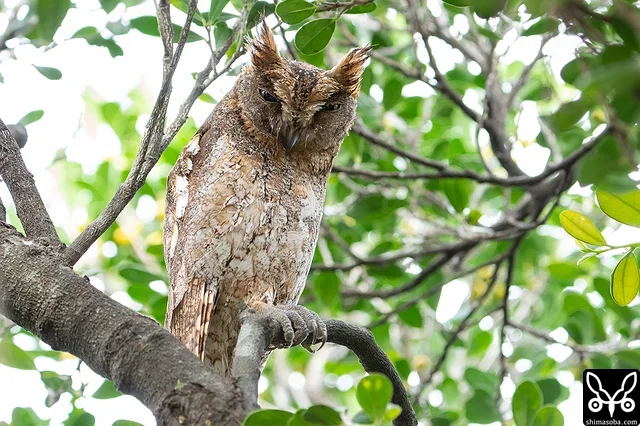
    The Ryukyu Scops Owls at a different site from the family above have also fledged. The first chick apparently left on the night of 27 June.
    Ryukyu Scops Owl
  200. This is a sibling of the one above. It probably fledged on the night of the 28th. It was in the tree next to the individual above.
    Ryukyu Scops Owl