SEASONAL ARCHIVE

Wild Birds of March

When and what wild birds might you see — a timeline sorted by date taken

  1. 1
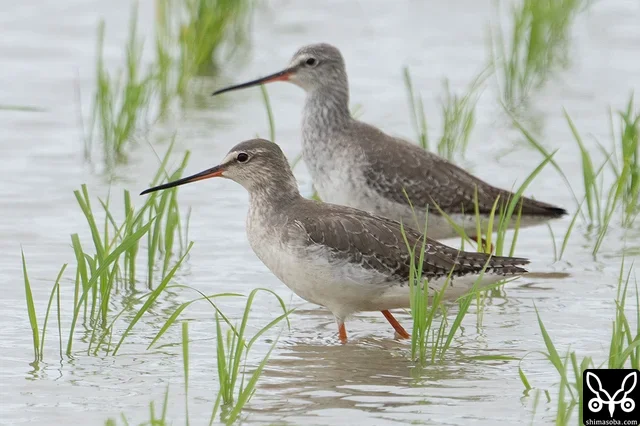
    Four Spotted Redshanks came in from the direction of the sea and landed in the rice paddies. First of the season.
    Spotted Redshank
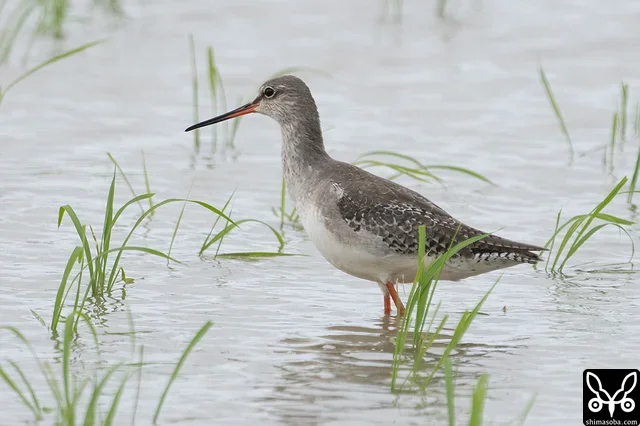
  2. One bird from a flock of Spotted Redshanks.
    Spotted Redshank
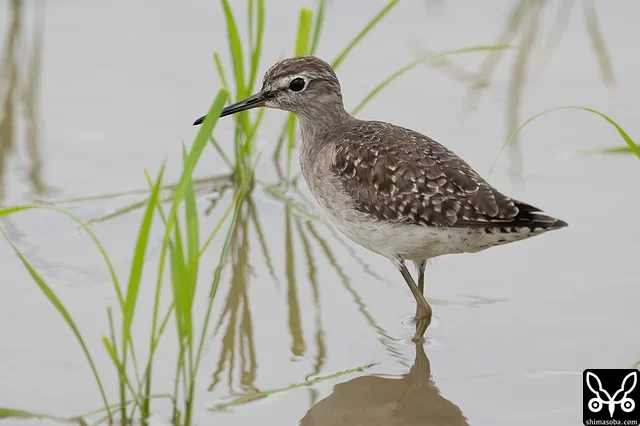
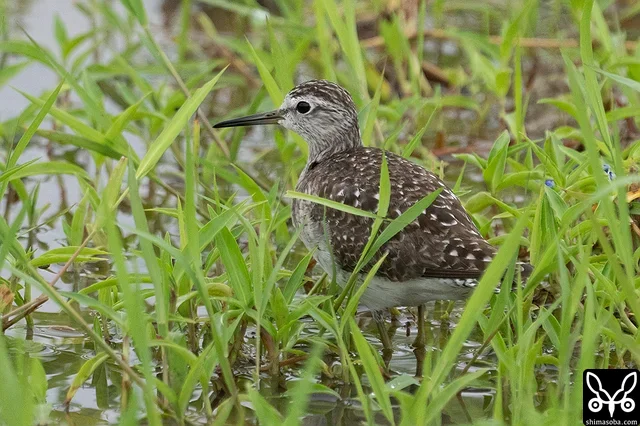
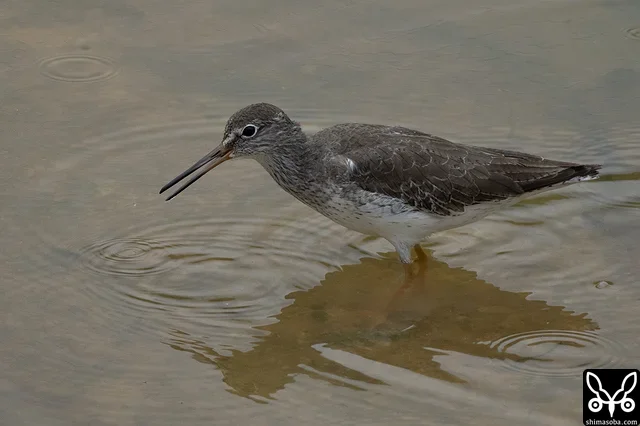
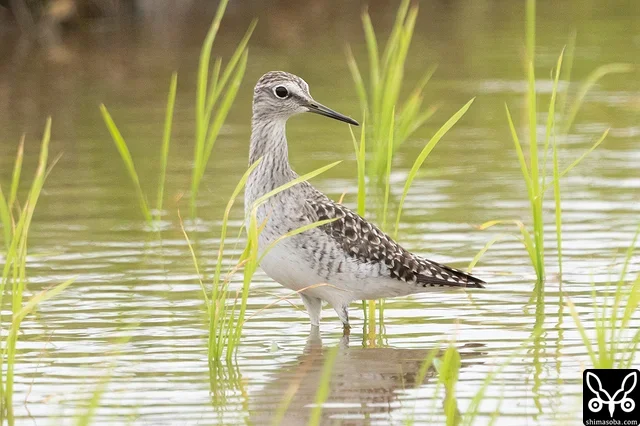
  3. A Wood Sandpiper partly moulted into breeding plumage.
    Wood Sandpiper
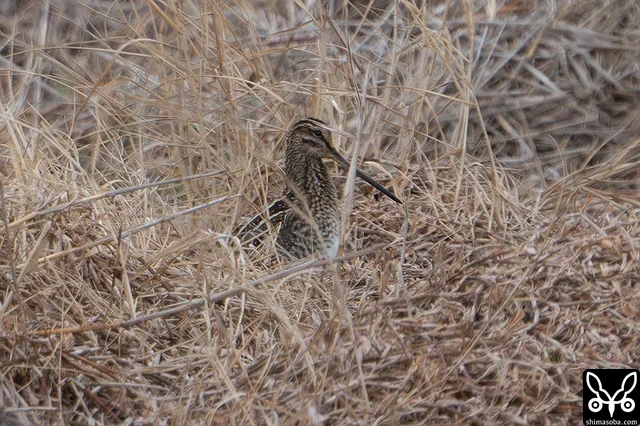
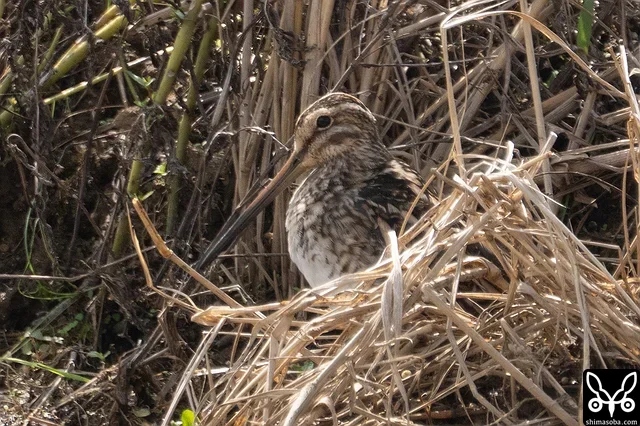
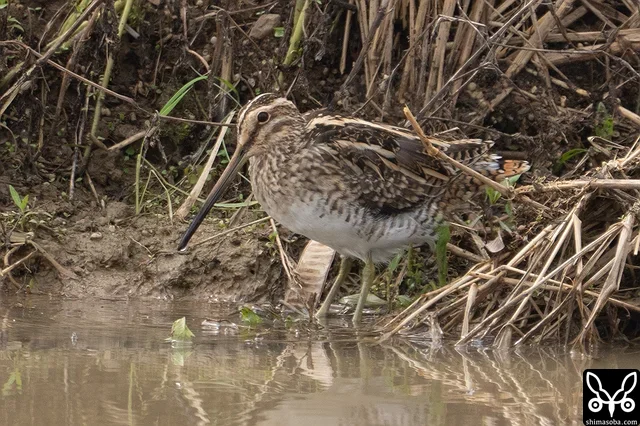
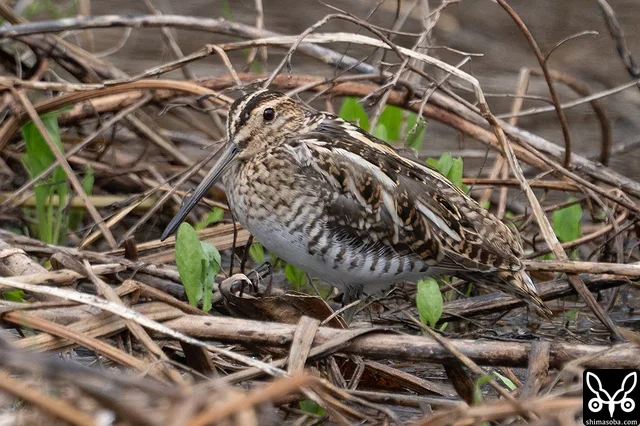
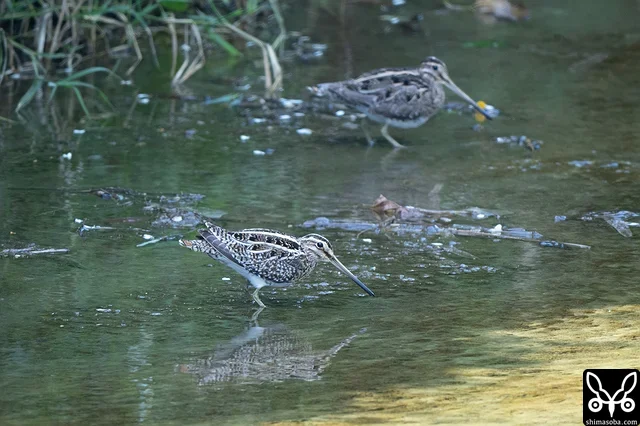
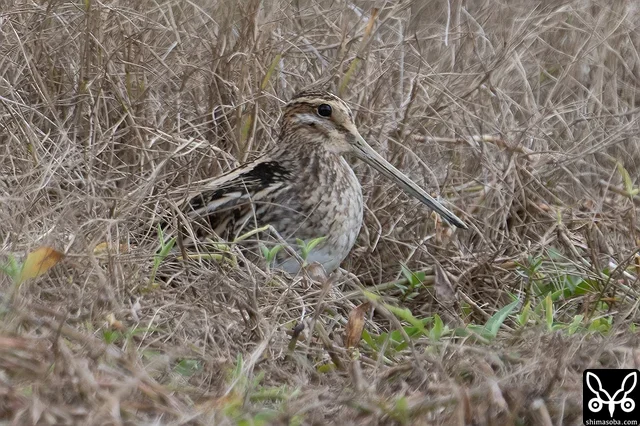
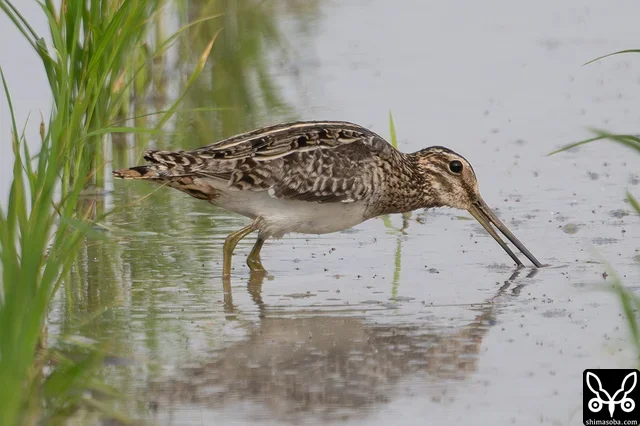
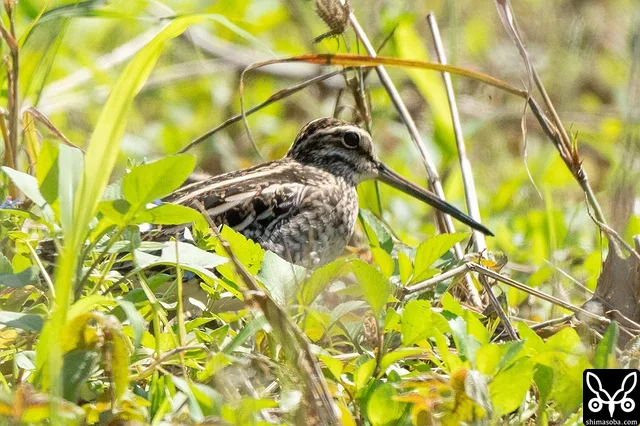
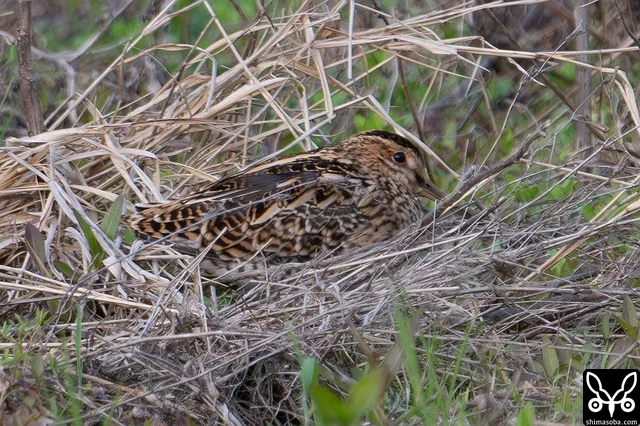
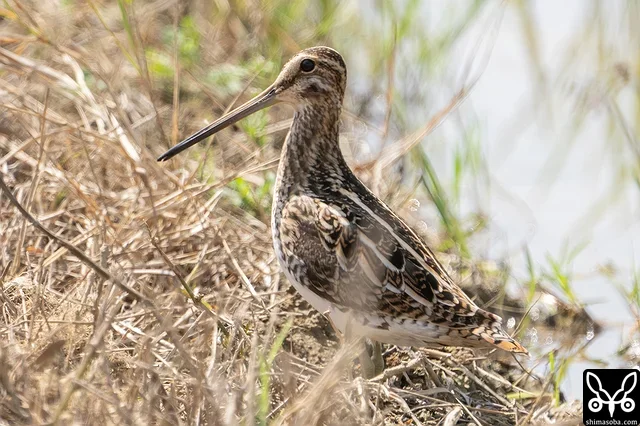
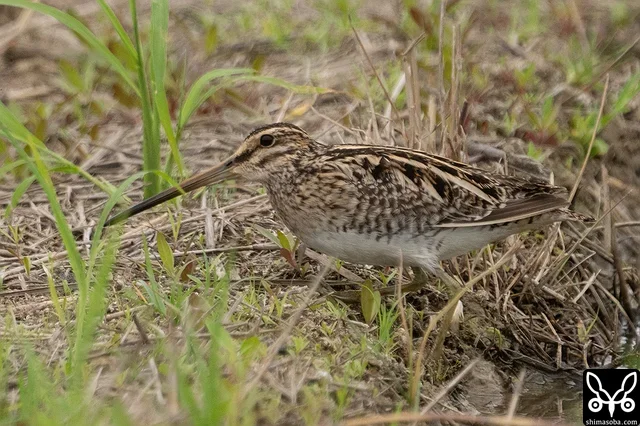
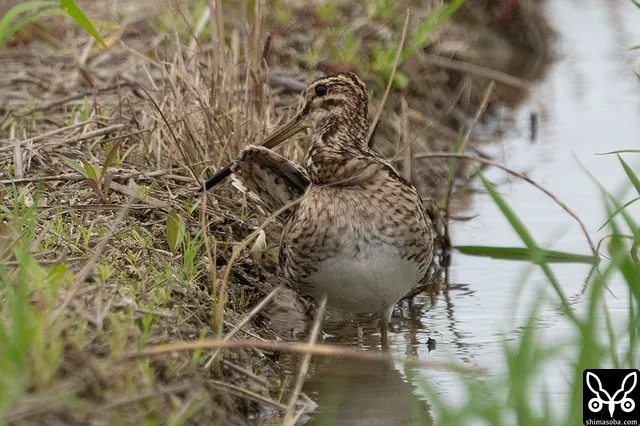
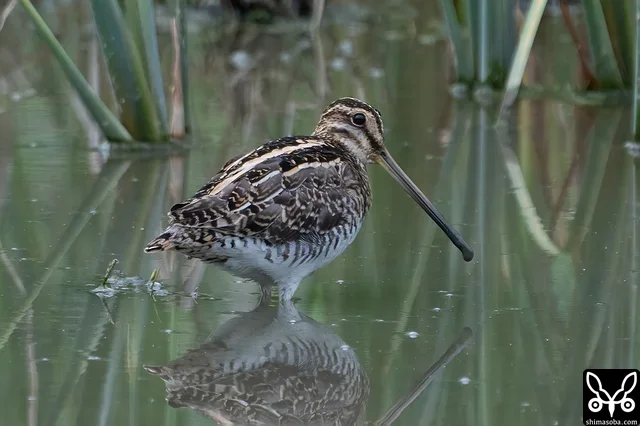
  4. A Common Snipe was alone in the distance.
    Common Snipe
  5. 2
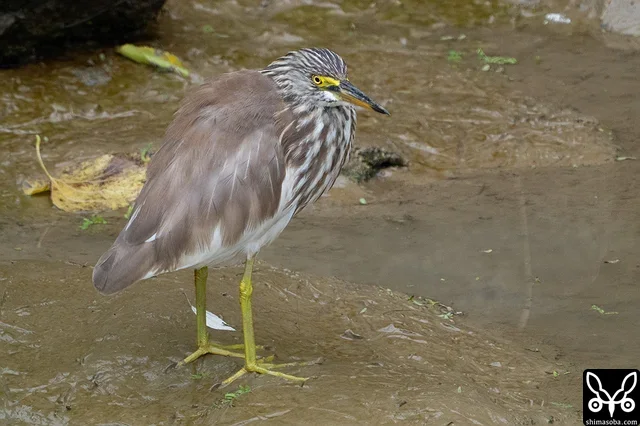
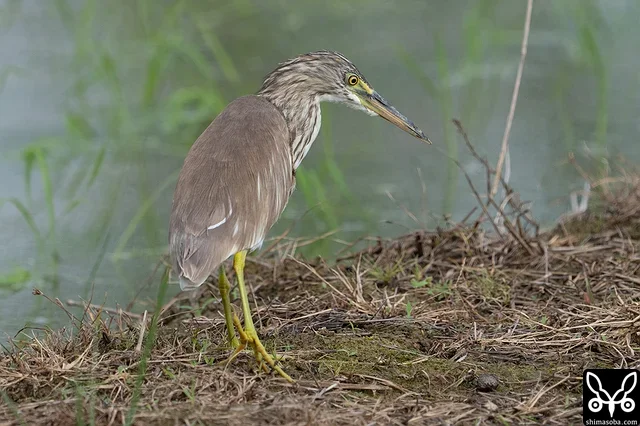
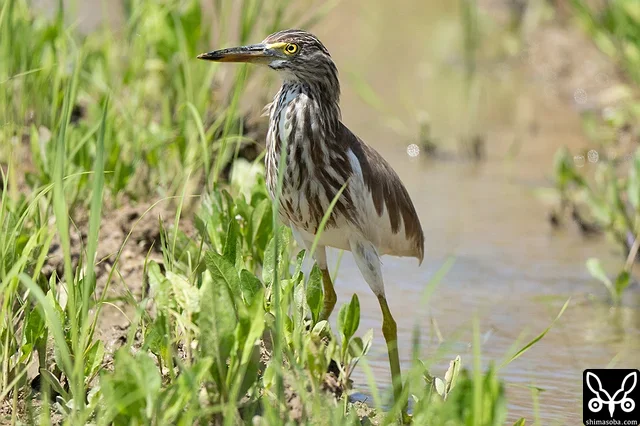
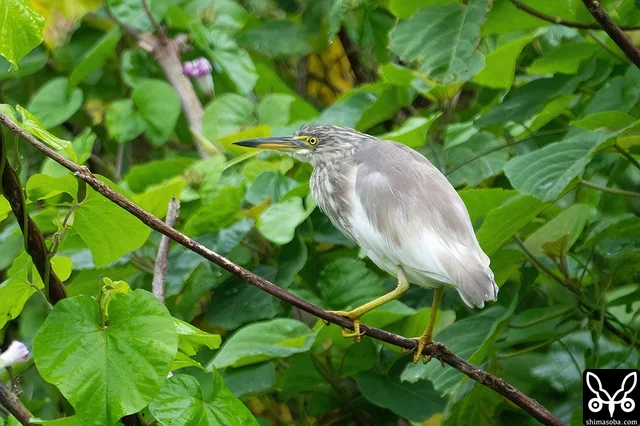
    A Chinese Pond Heron that has been lingering since last autumn. Still fully in winter plumage. About three birds are staying in the same paddy field, and none of them has advanced in moult.
    Chinese Pond Heron
  6. 3
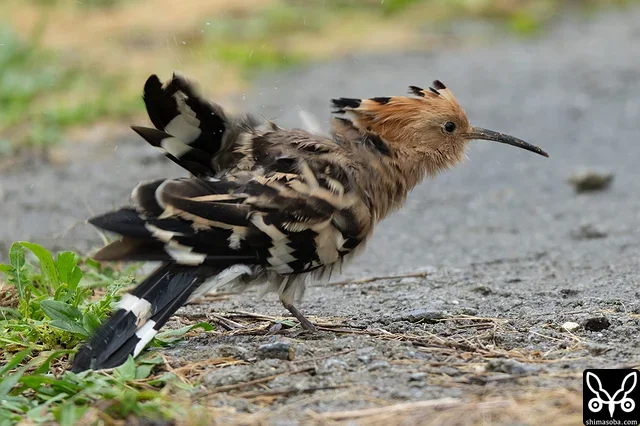
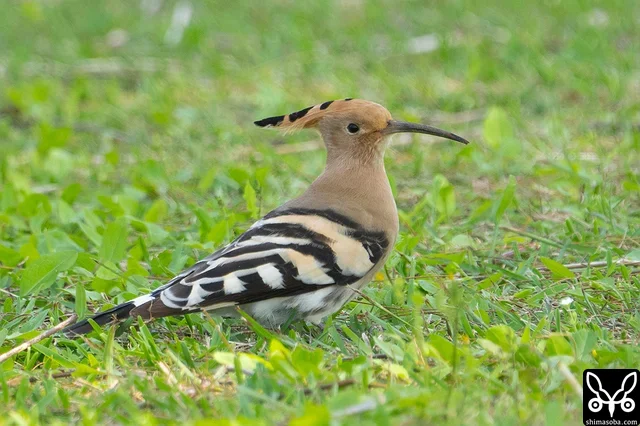
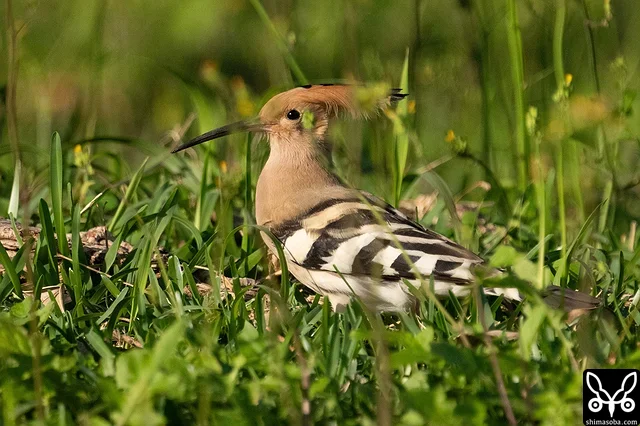
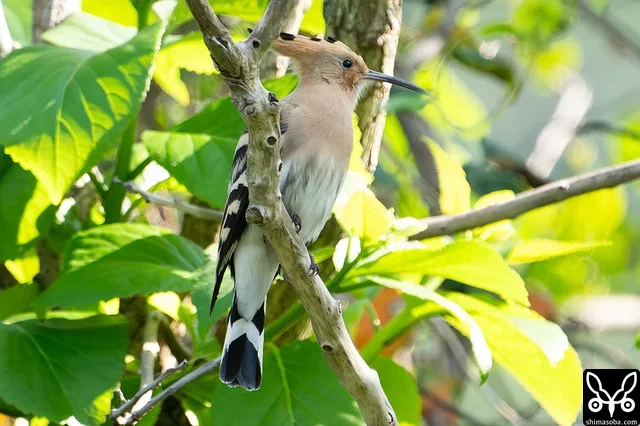
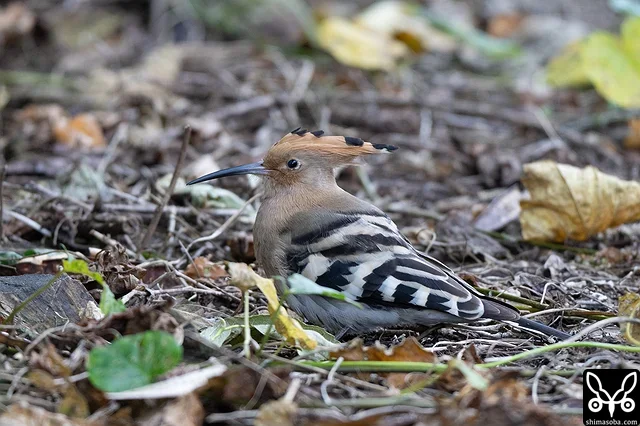
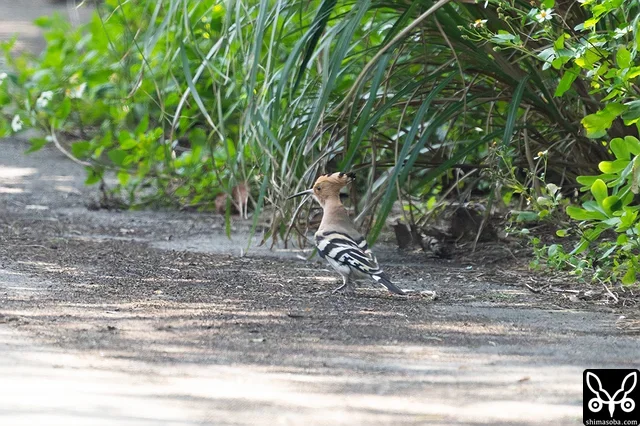
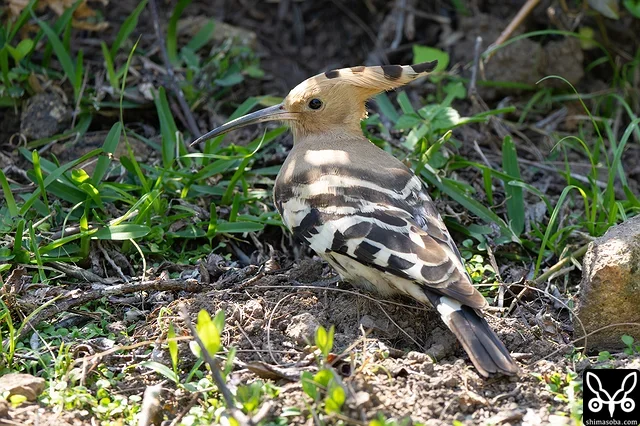
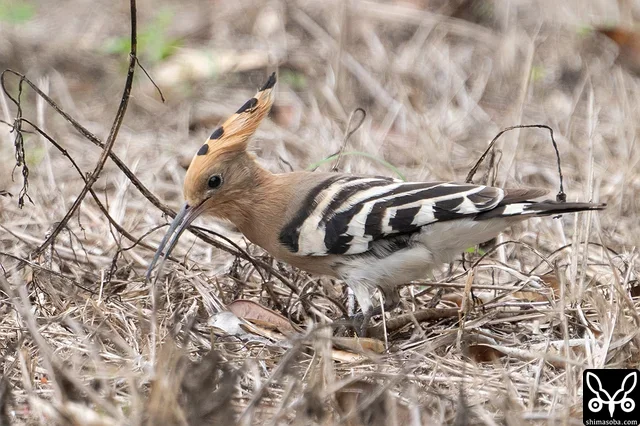
    Eurasian Hoopoes tend not to emerge from the undergrowth in rain, but this individual had apparently just arrived and hunger won out — it was foraging intently.
    Eurasian Hoopoe
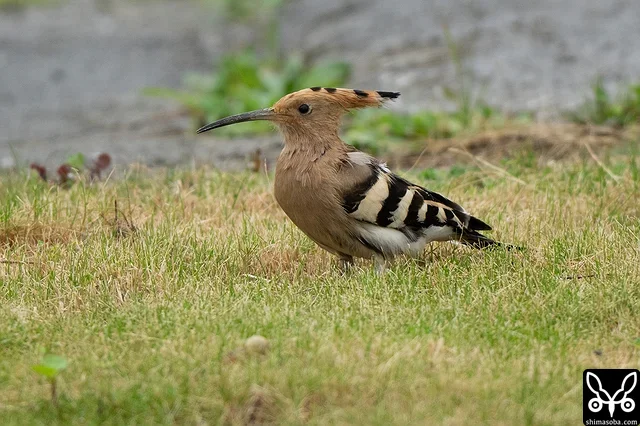
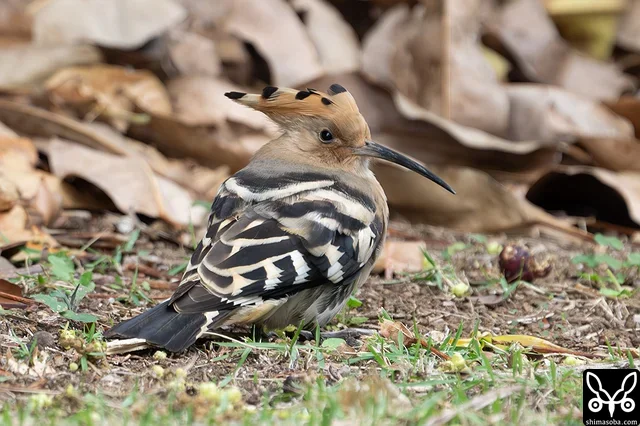
  7. A Eurasian Hoopoe near the northern coast. It was foraging in light rain.
    Eurasian Hoopoe
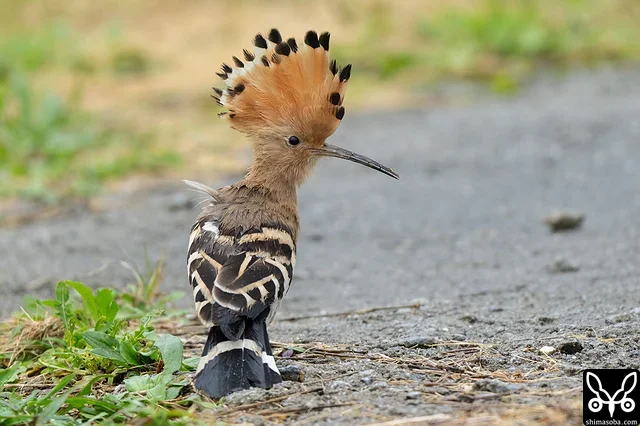
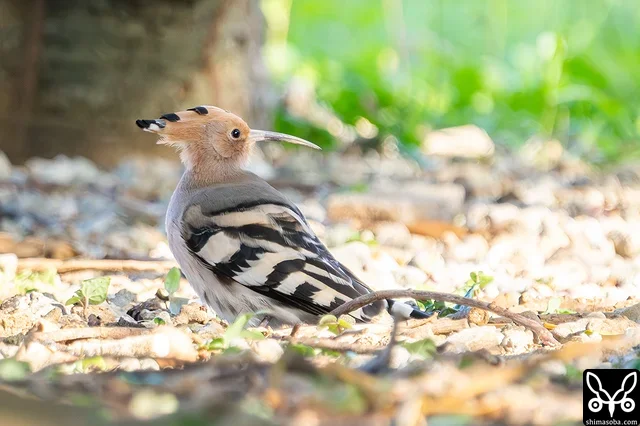
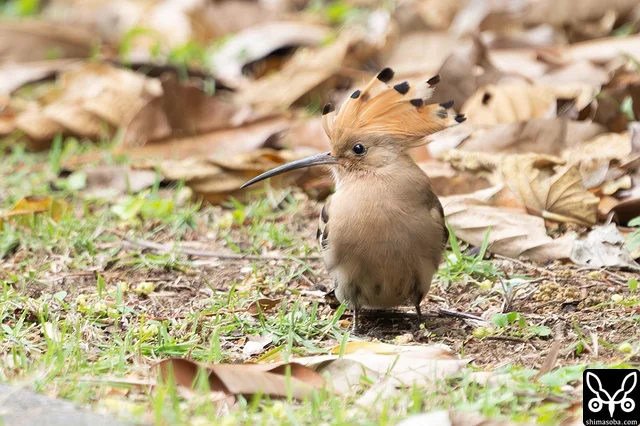
  8. Eurasian Hoopoes have been arriving in good numbers on Ishigaki Island this season too. I had hoped to see several on Yonaguni Island, but due to bad weather there was only this one bird.
    Eurasian Hoopoe
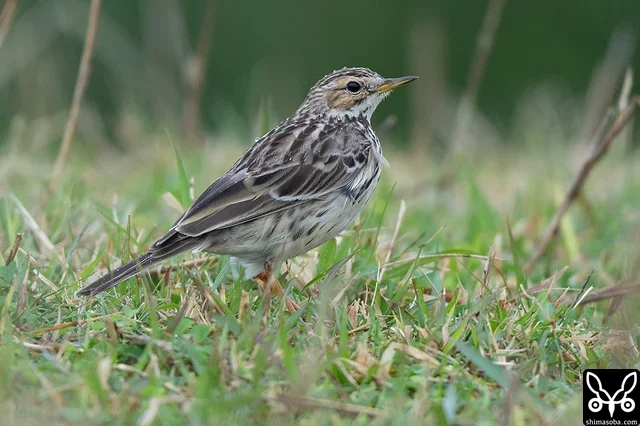
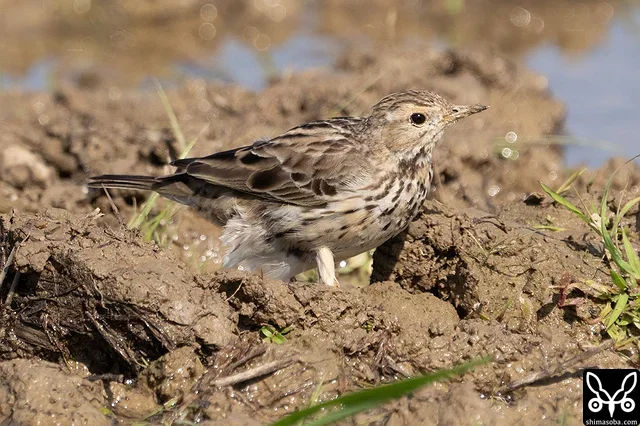
  9. This individual still appeared to be largely in winter plumage.
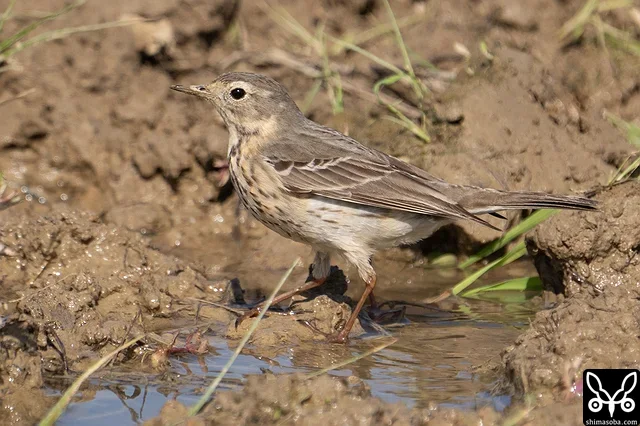
    Red-throated Pipit
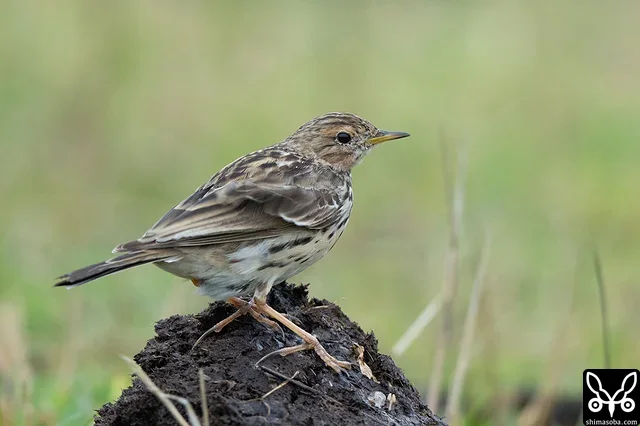
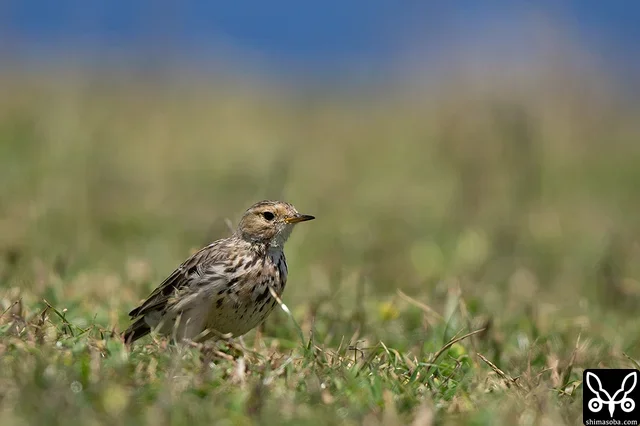
  10. Moult condition varies among individuals. This one is showing a little reddish colouration.
    Red-throated Pipit
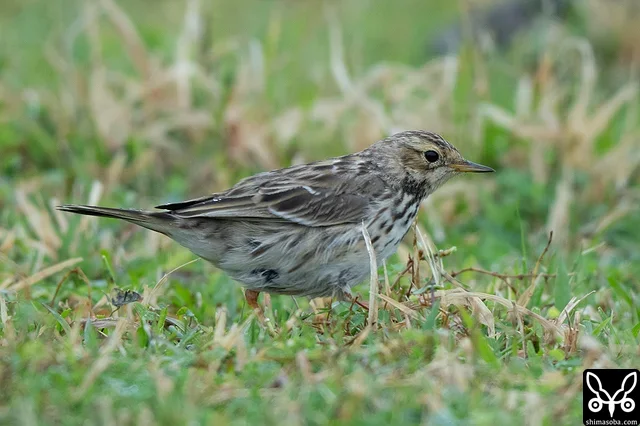
  11. A flock of around 30 Red-throated Pipits confirmed at Agari-zaki.
    Red-throated Pipit
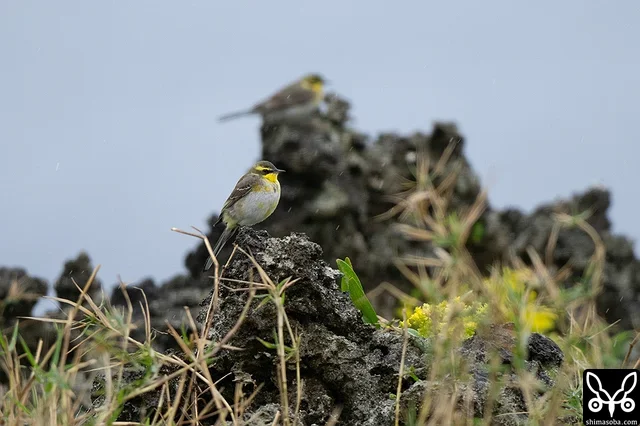
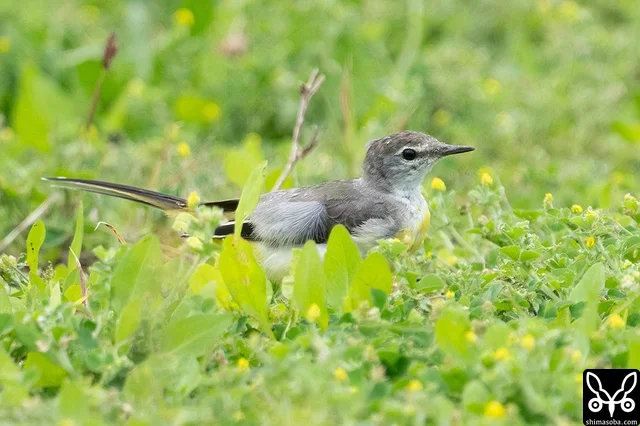
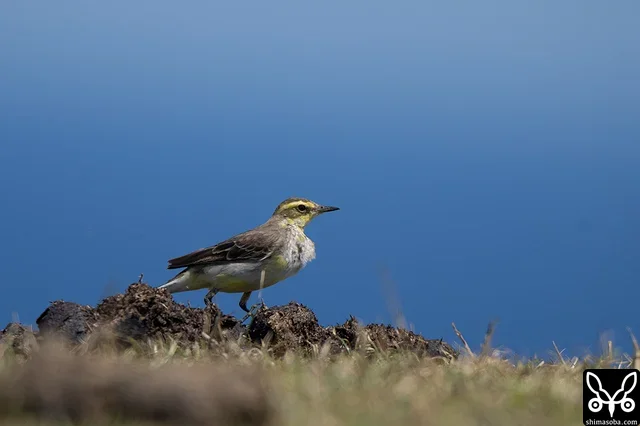
  12. A large flock of Eastern Yellow Wagtails was along the coast on the southern side of the island.
    Eastern Yellow Wagtail
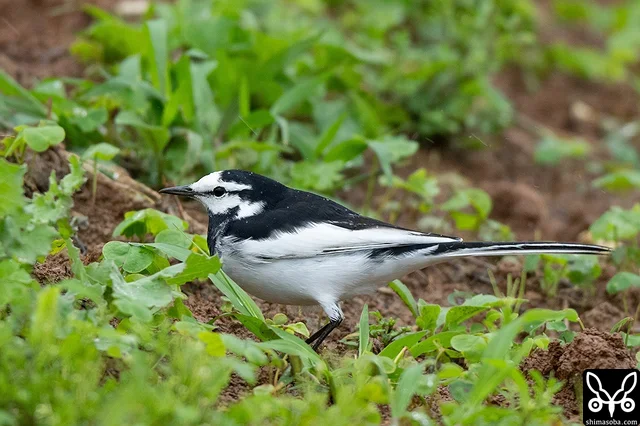
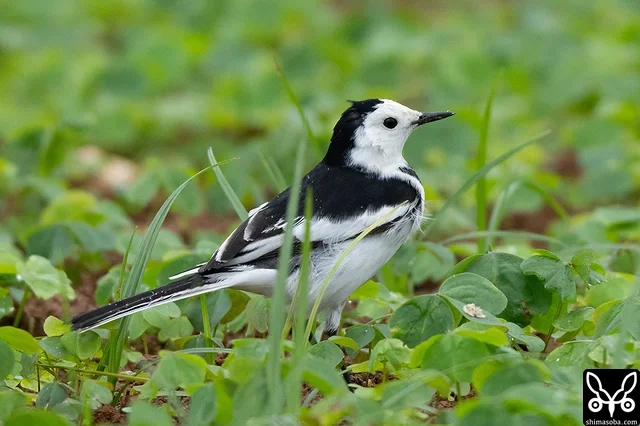
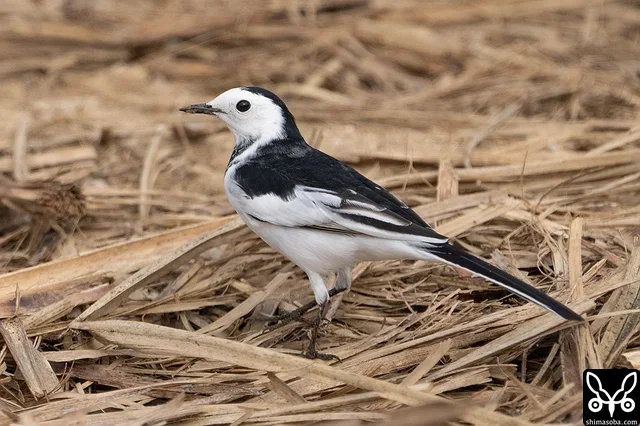
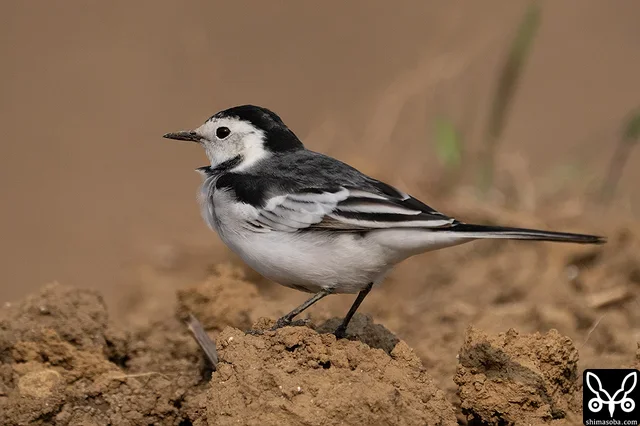
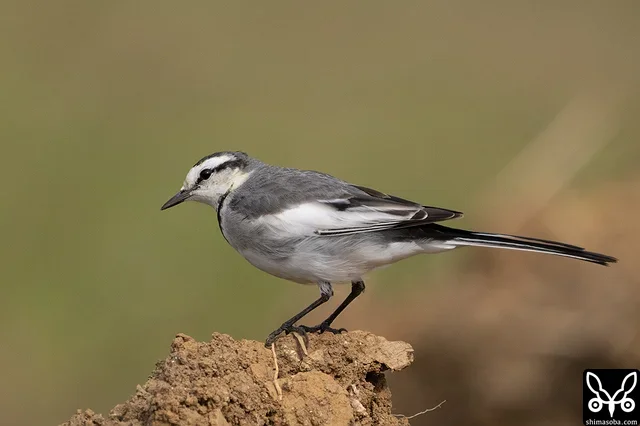
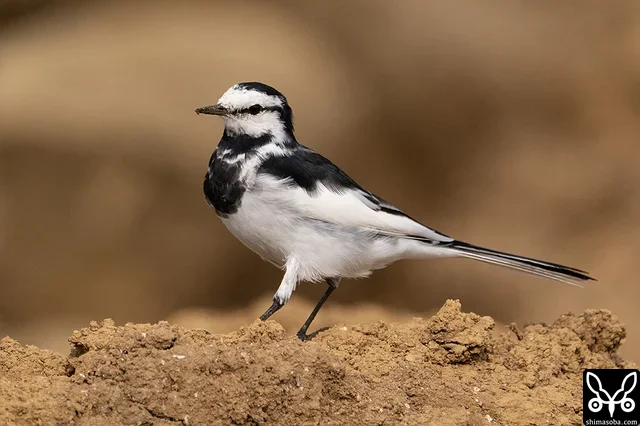
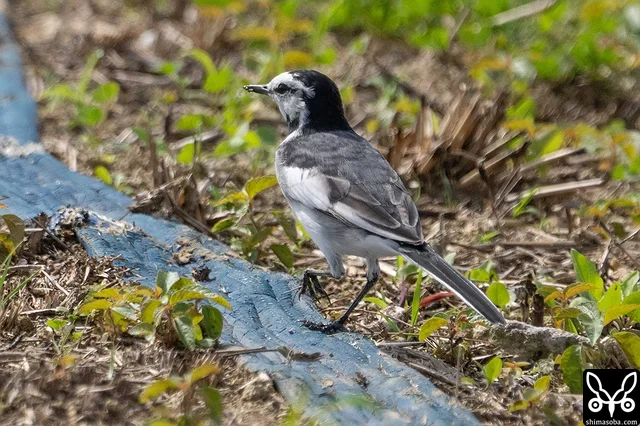
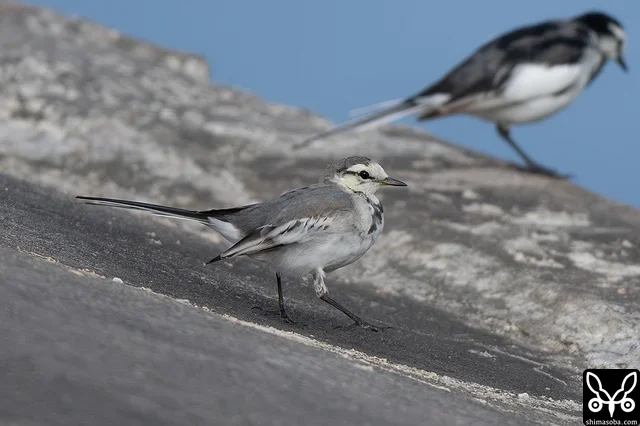
  13. A few White Wagtails were mixed in among the White-faced Wagtail flock. In the Yaeyamas — Ishigaki Island, Yonaguni Island and elsewhere — White-faced Wagtails outnumber White Wagtails.
    White Wagtail
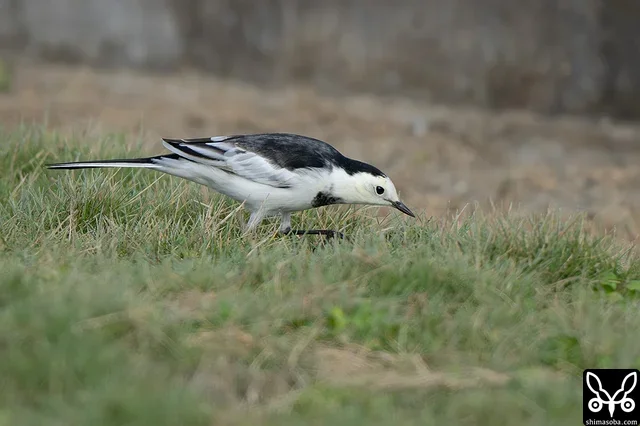
  14. A flock of White-faced Wagtails, all males, arrived. Most individuals had already moulted into summer plumage.
    White Wagtail
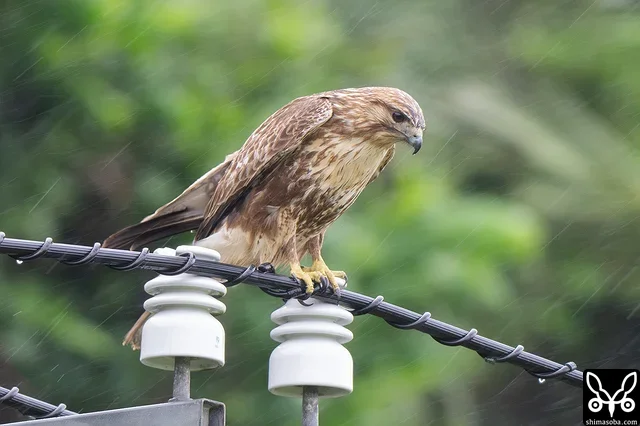
  15. Two Eurasian Buzzards confirmed. Both were of the common form.
    Common Buzzard
  16. 4
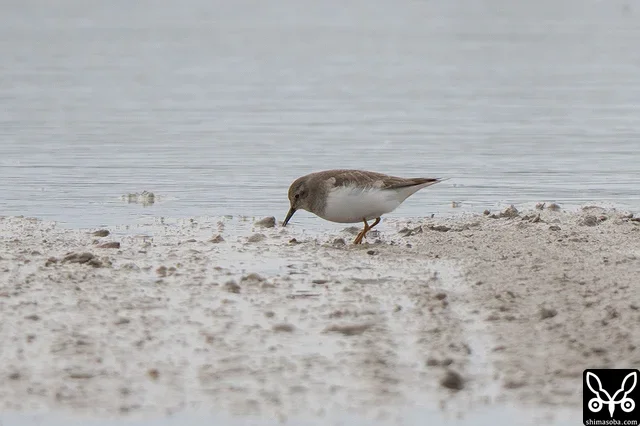
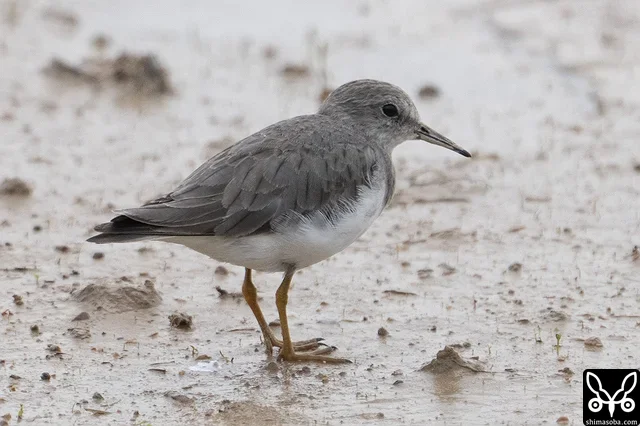
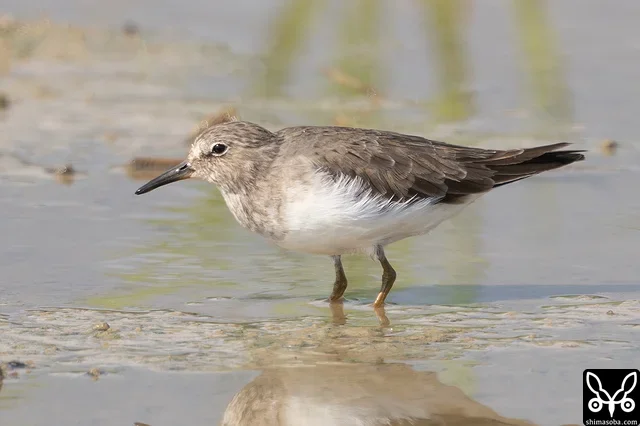
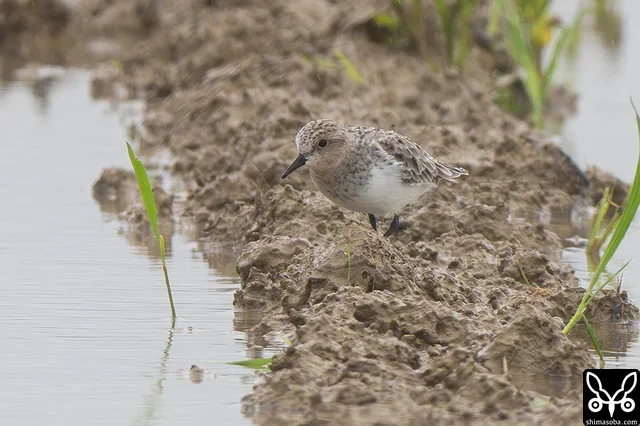
    Two Red-necked Stints arrived.
    Temminck's Stint
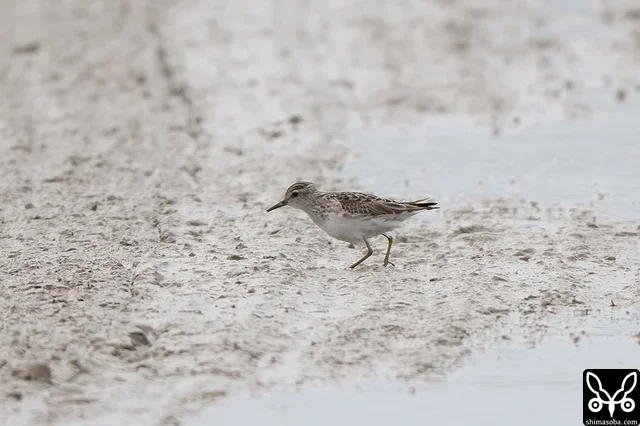
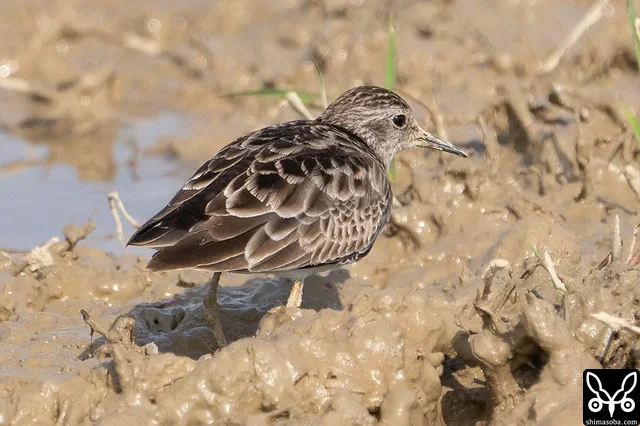
  17. A Long-toed Stint arrived.
    Long-toed Stint
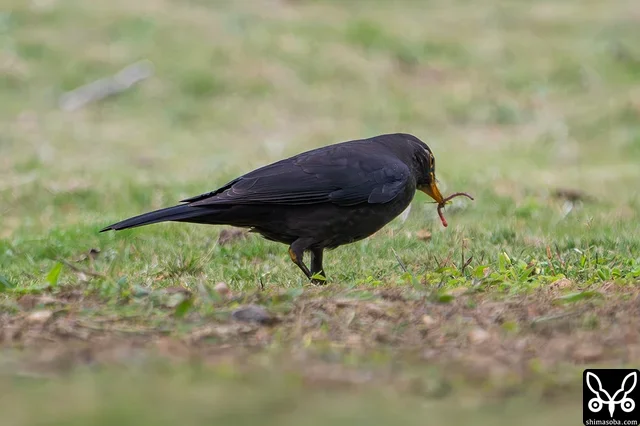
  18. Common Blackbird with an earthworm it had caught.
    Common Blackbird
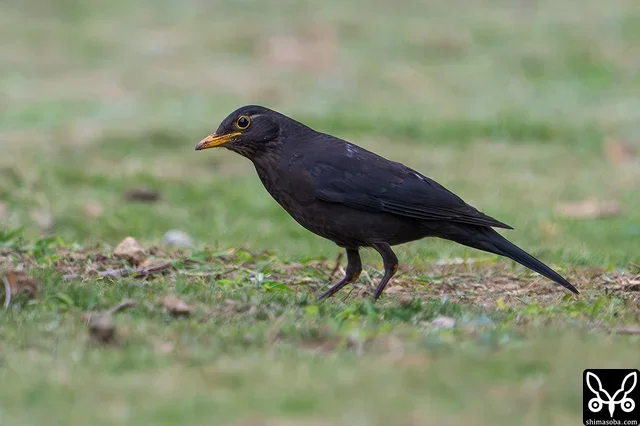
  19. I spotted a male Common Blackbird bathing in a puddle. The moment I pulled out my camera to take a shot, a crow chased it off somewhere — but when I came back about an hour later I found it again in an open lot several dozen metres from the puddle.
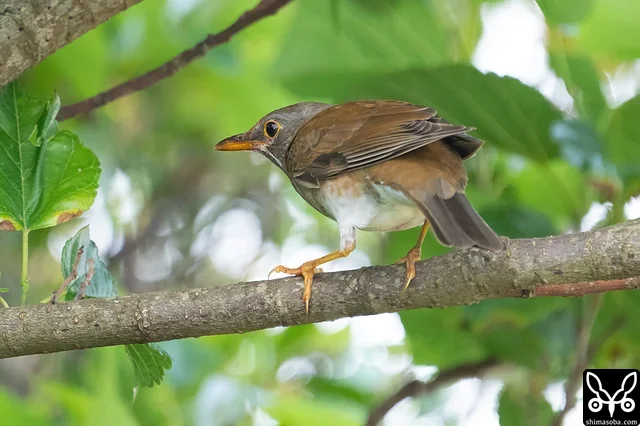
    Common Blackbird
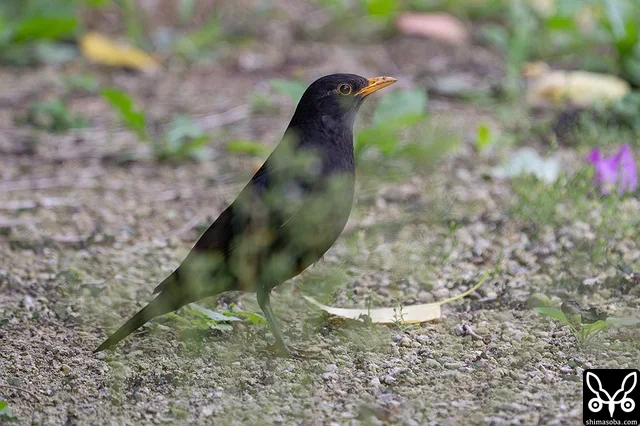
  20. It came in close, but the grass was in the way. ^^;
    Common Blackbird
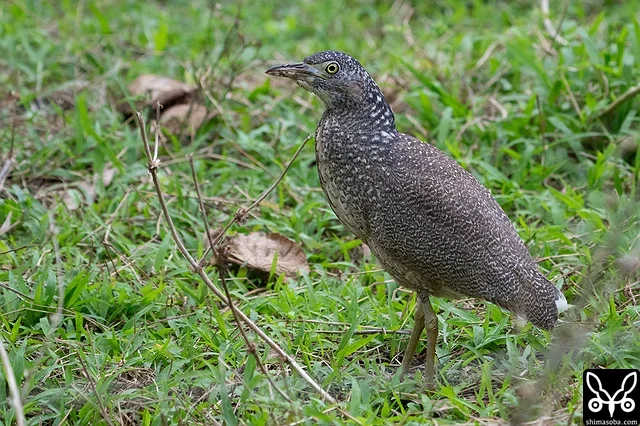
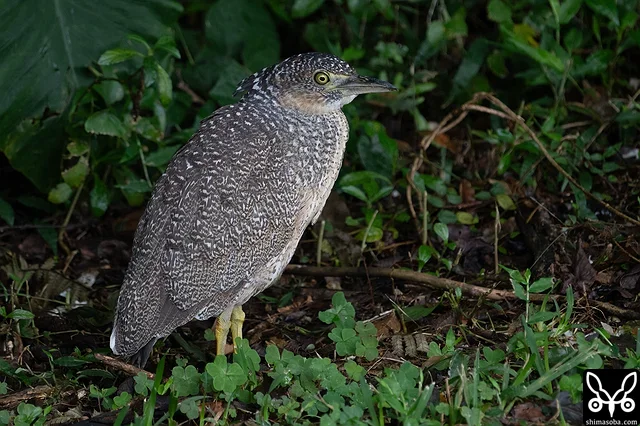
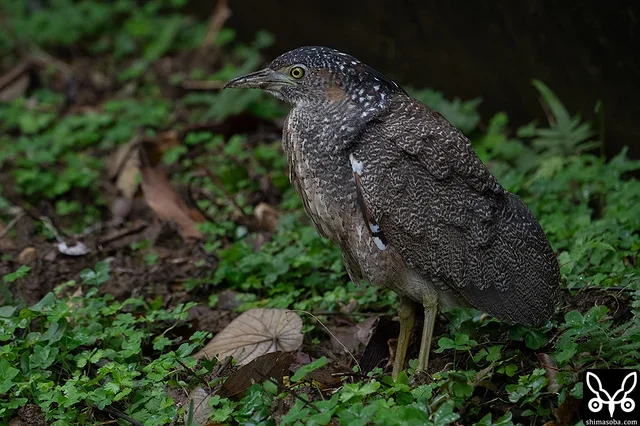
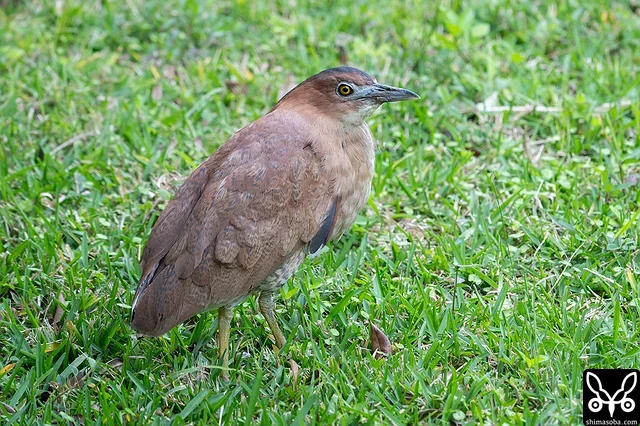
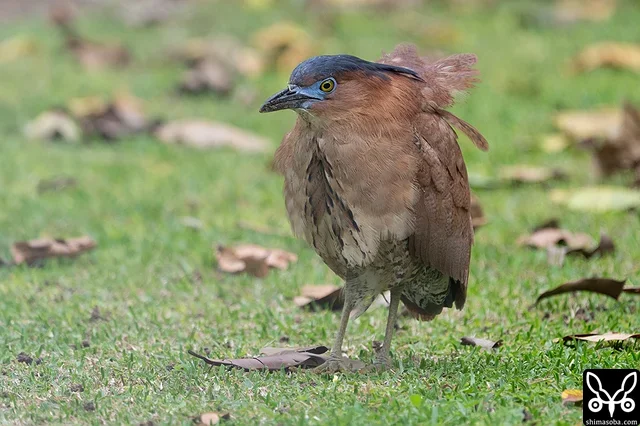
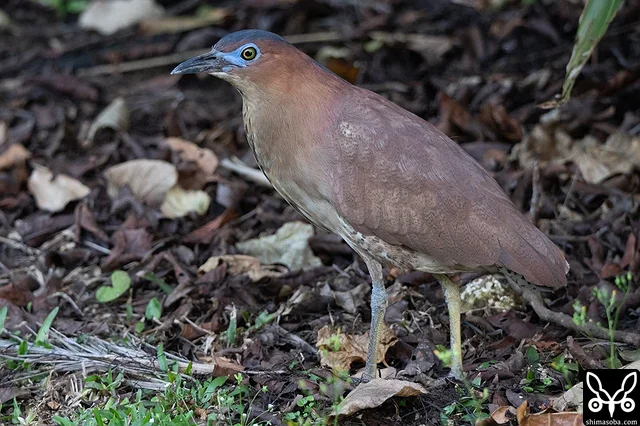
  21. A Ryukyu Night Heron hatched last year. Still largely covered in juvenile plumage, but when it flew I could make out some adult feathering as well.
    Malayan Night Heron
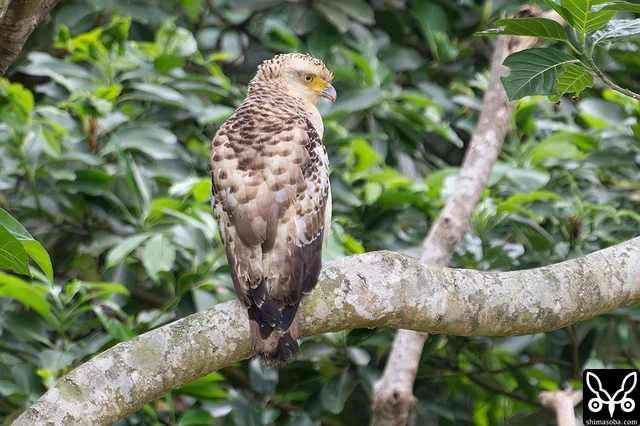
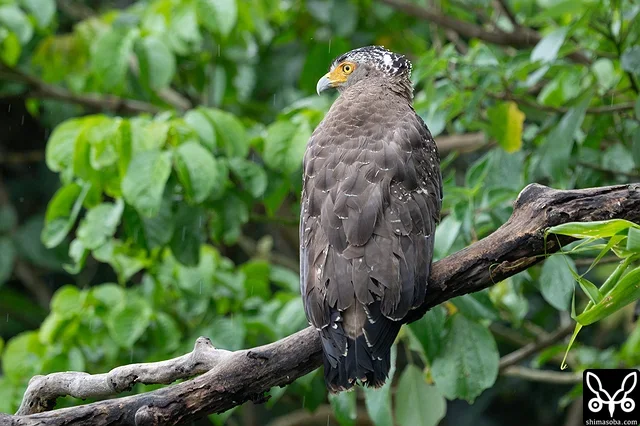
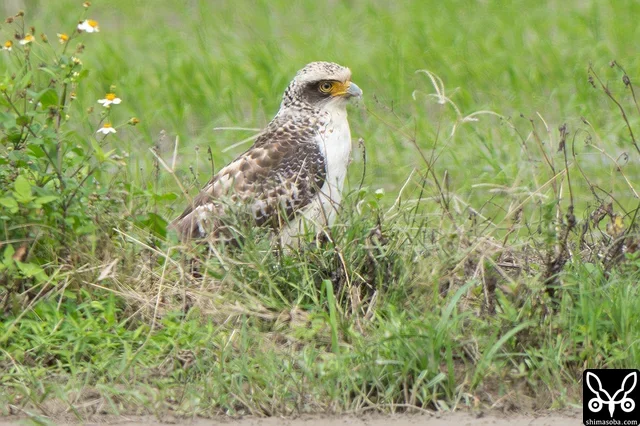
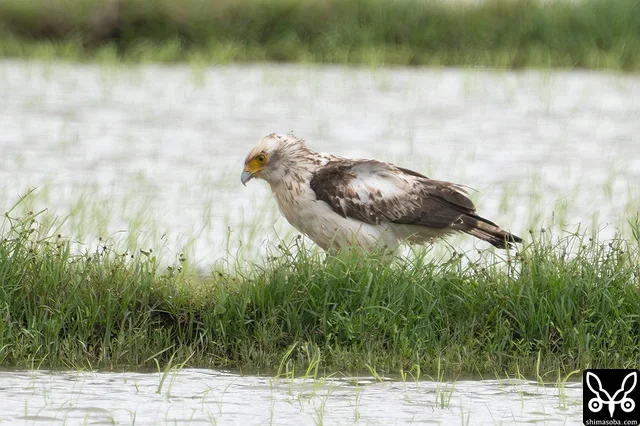
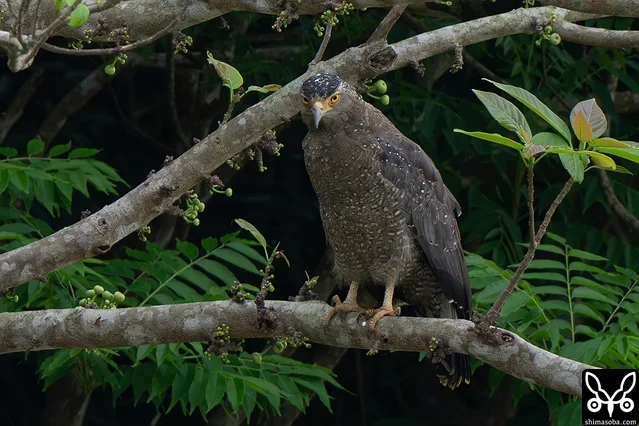
  22. Also spotted a juvenile Crested Serpent Eagle. Juveniles are scarce this season — I wonder how many are up in the north.
    Crested Serpent Eagle
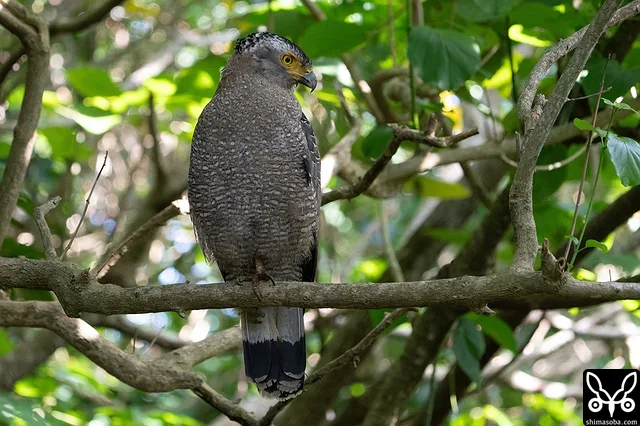
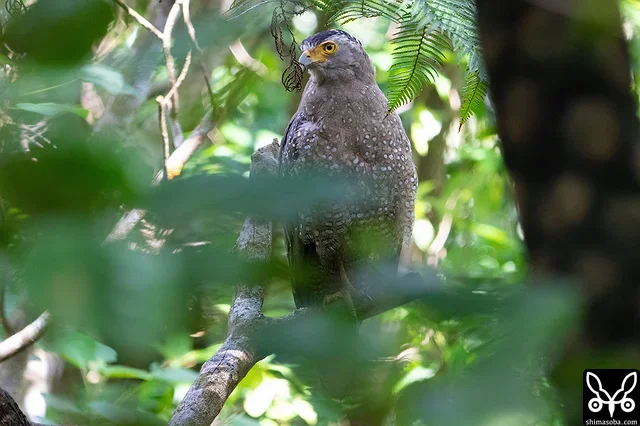
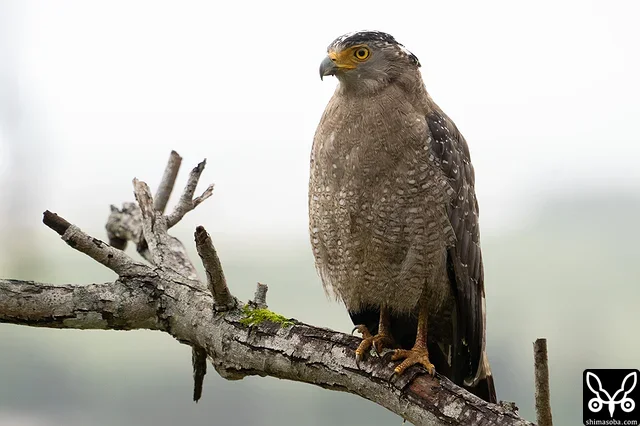
  23. I came across an adult Crested Serpent Eagle on a forest road I don't usually visit. Completely unafraid.
    Crested Serpent Eagle
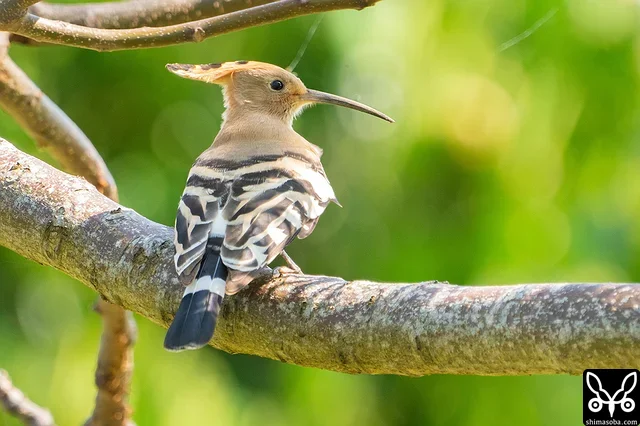
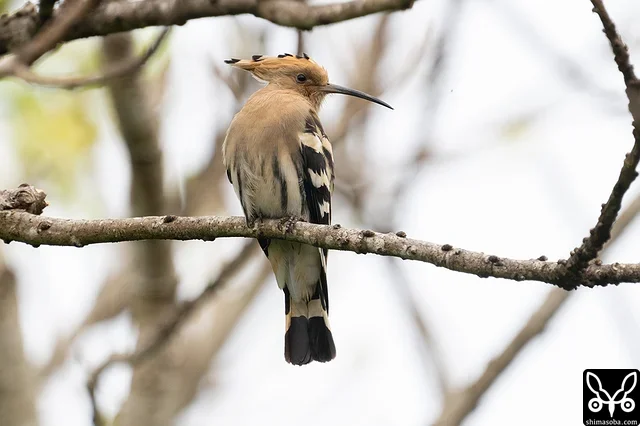
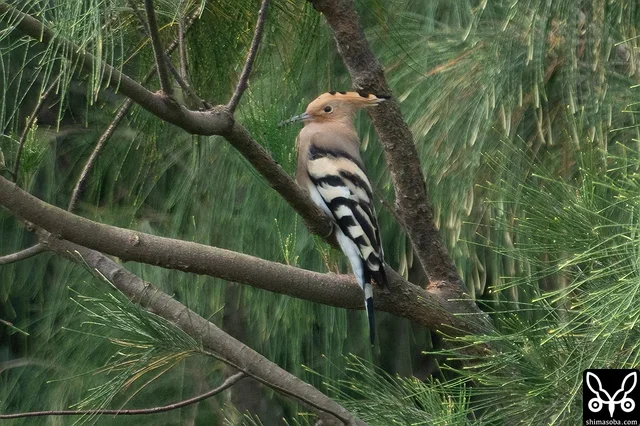
  24. Eurasian Hoopoe resting on a branch. It ended up settling in and staying put just like that.
    Eurasian Hoopoe
  25. Two Eurasian Hoopoes confirmed on this day.
    Eurasian Hoopoe
  26. This Crested Serpent Eagle is within walking distance of my home. Several individuals can be seen near the house, but this one is wildly wary — extremely alert.
    Crested Serpent Eagle
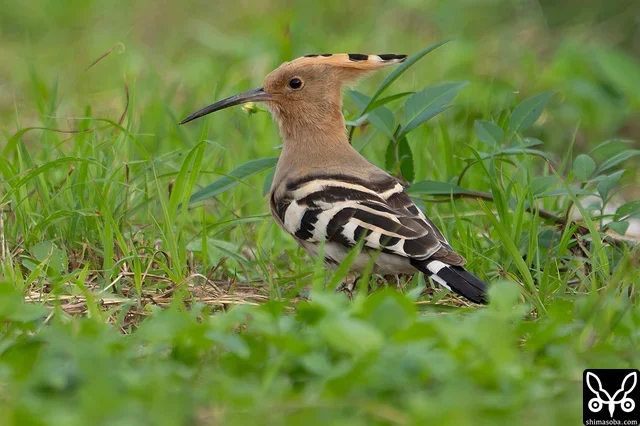
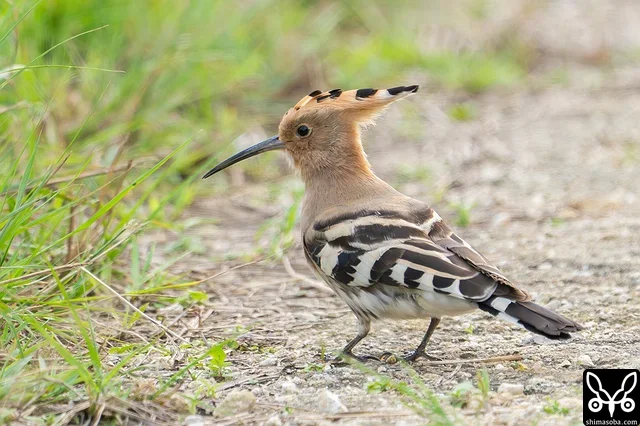
  27. 5
    Wood Sandpipers heading north are starting to move through. Still only small flocks.
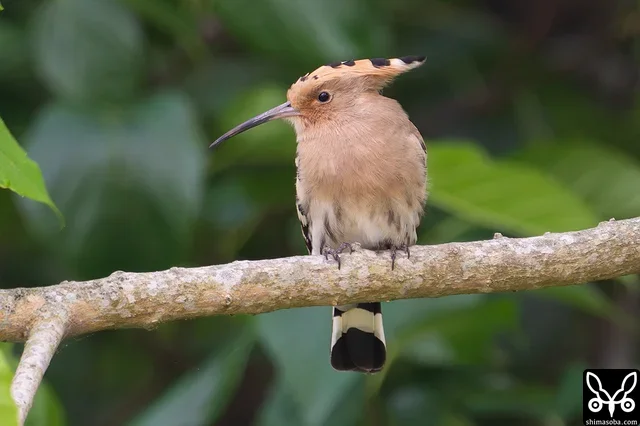
    Wood Sandpiper
  28. A different individual from the one above. Moult progress differs noticeably.
    Malayan Night Heron
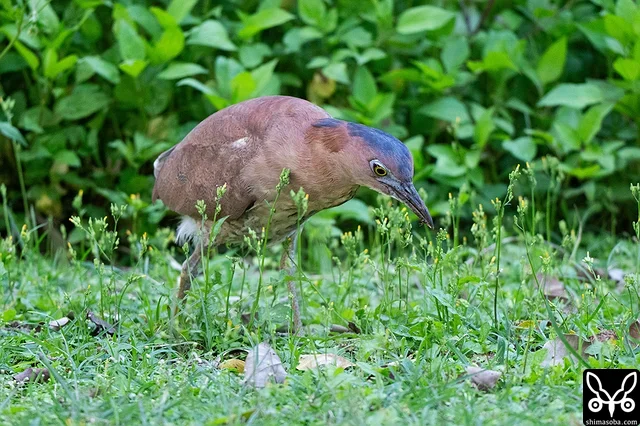
  29. A Malayan Night Heron hatched last year, in the process of moulting from juvenile to adult plumage.
    Malayan Night Heron
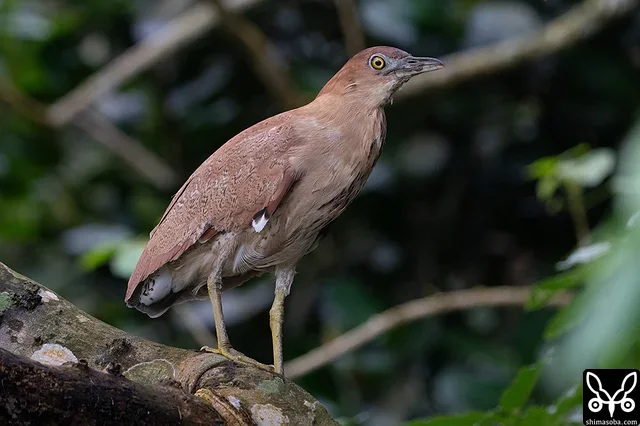
  30. An adult Malayan Night Heron. Nuptial coloration is beginning to show.
    Malayan Night Heron
  31. A Crested Serpent Eagle that holds territory in Banna Park. Most individuals here are used to people and have an easygoing temperament, but this one is a wary adult.
    Crested Serpent Eagle
  32. A Crested Serpent Eagle calmly lying in wait for prey in its usual territory.
    Crested Serpent Eagle
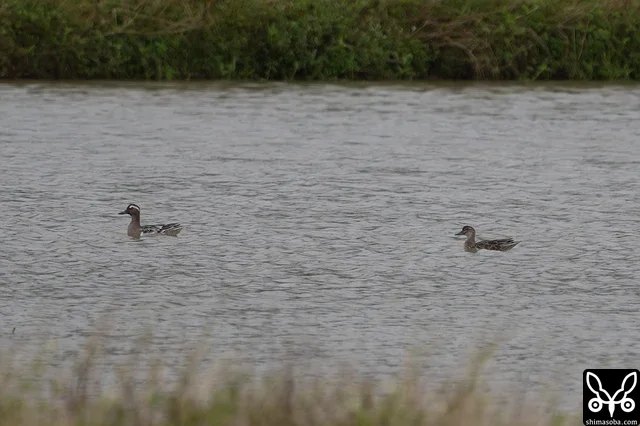
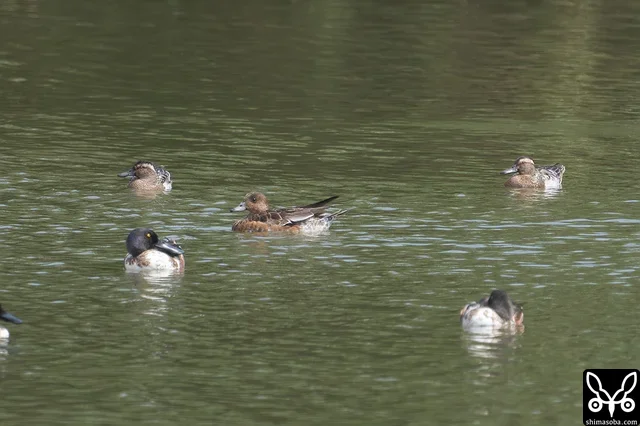
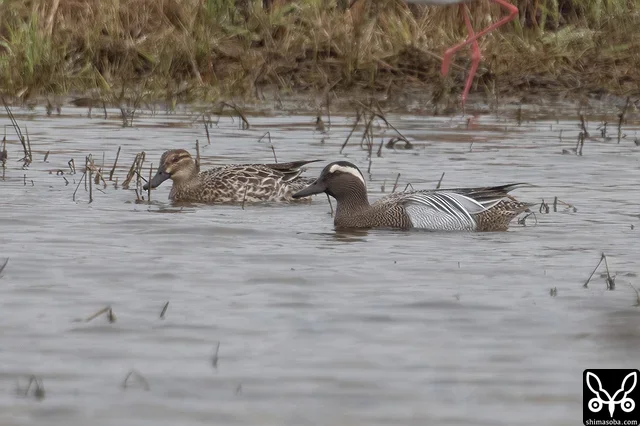
  33. Four Garganey arrived at the paddy field. When Garganey appear, spring really feels close.
    Garganey
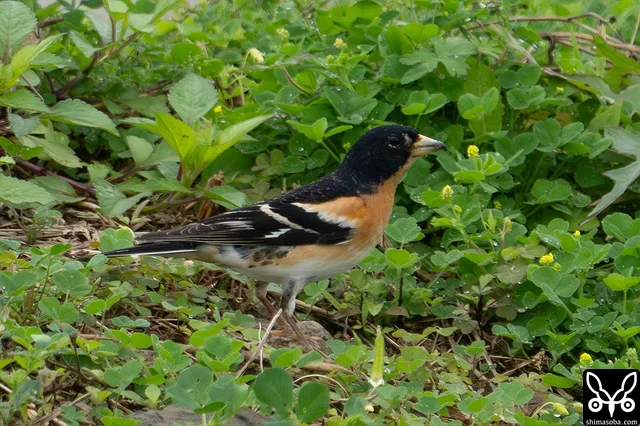
  34. Seven Bramblings arrived. The males had already changed into their beautiful summer plumage.
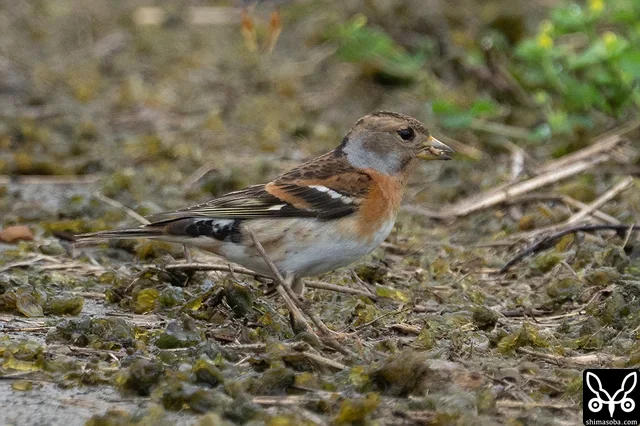
    Brambling
  35. Hard to tell with the females, but are they also in summer plumage?
    Brambling
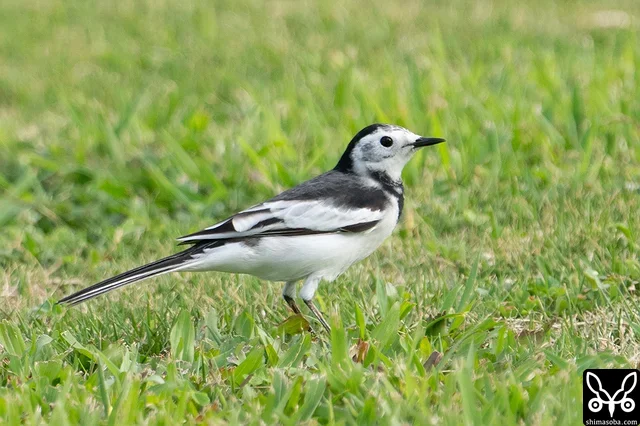
  36. Around 30 White-faced Wagtails. White Wagtails will be passing through before long.
    White Wagtail
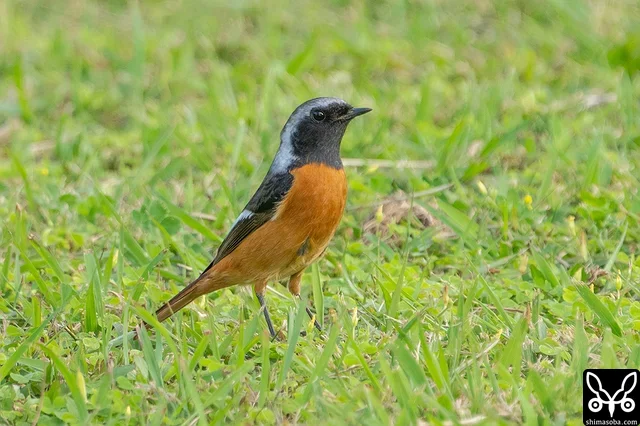
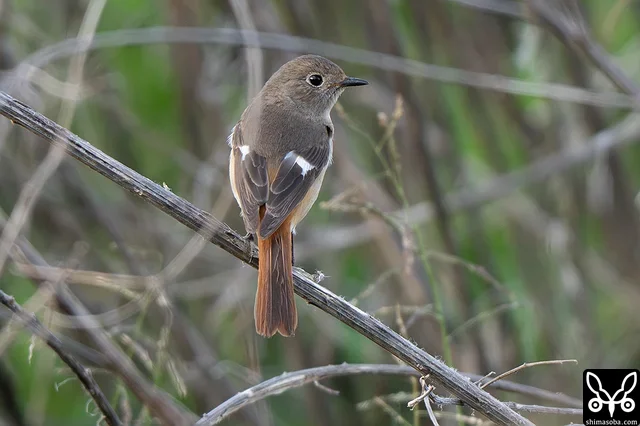
  37. A male Common Redstart. It appeared to be catching small insects while hopping across the lawn.
    Daurian Redstart
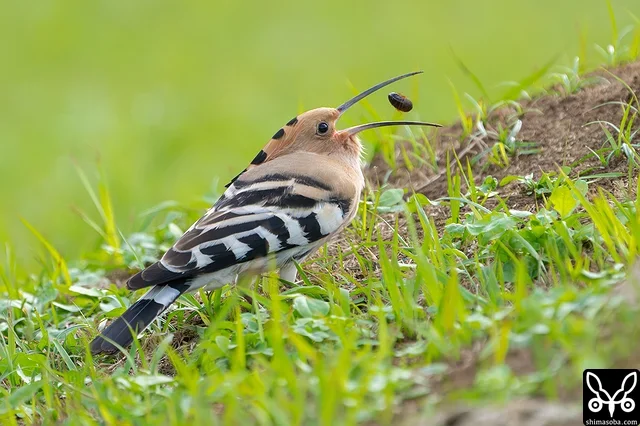
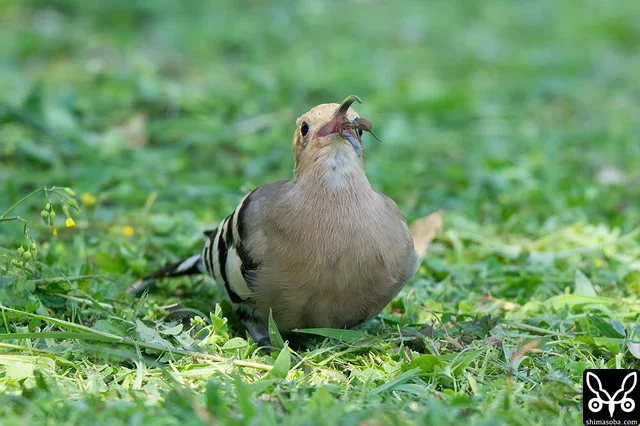
  38. A Eurasian Hoopoe picks up a cockroach and flicks it straight into its bill. The usual way it eats.
    Eurasian Hoopoe
  39. This season is a good year for Eurasian Hoopoes. Head to the northern part of Ishigaki Island and you have a good chance of running into one.
    Eurasian Hoopoe
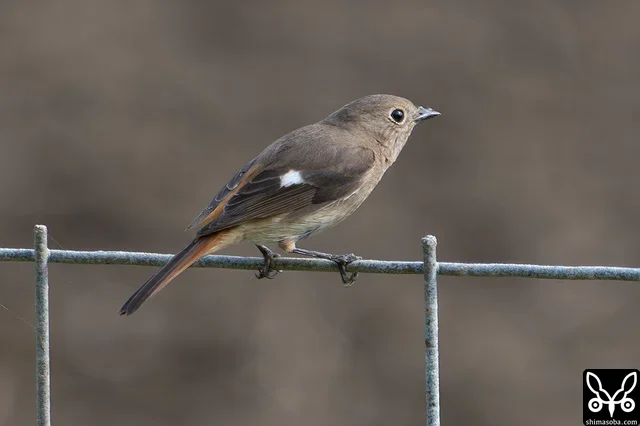
  40. A female Common Redstart. Early in the migration period, females are fewer than males.
    Daurian Redstart
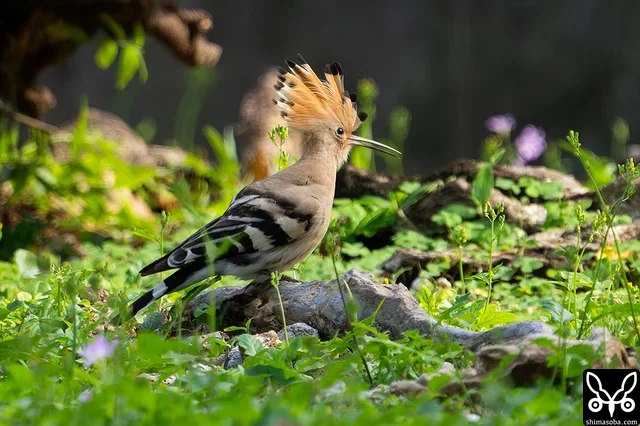
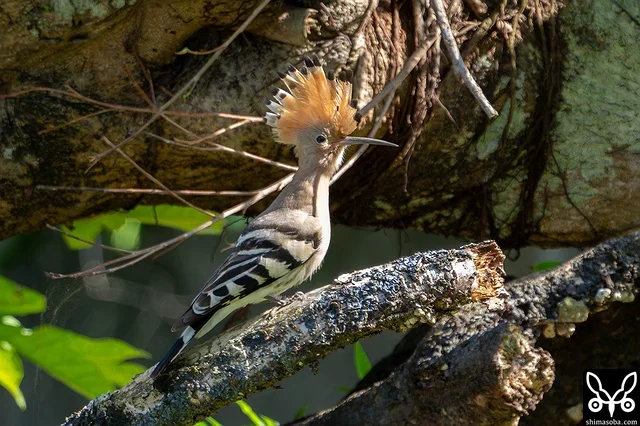
  41. A different individual Eurasian Hoopoe. Spreading the crest really emphasises how striking it is.
    Eurasian Hoopoe
  42. Something startled it — the Eurasian Hoopoe flew up into a tree and fanned out its crest.
    Eurasian Hoopoe
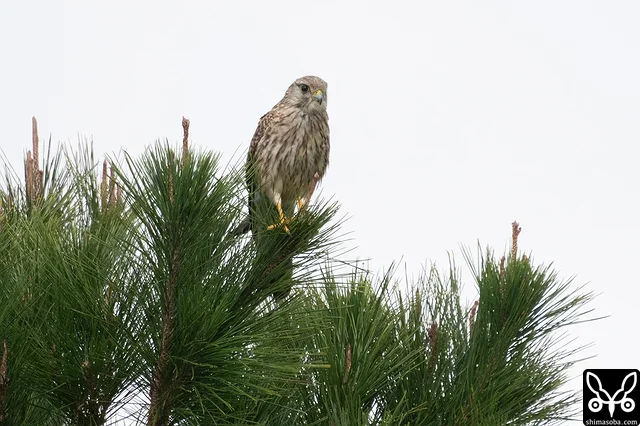
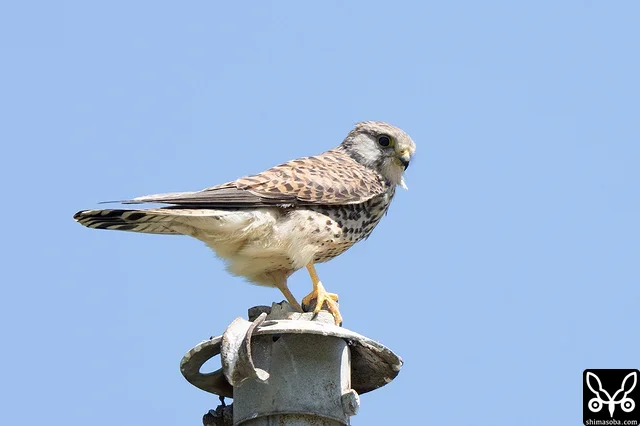
  43. The wintering numbers of Common Kestrels this season were higher than usual. It was also striking how many individuals showed little wariness.
    Common Kestrel
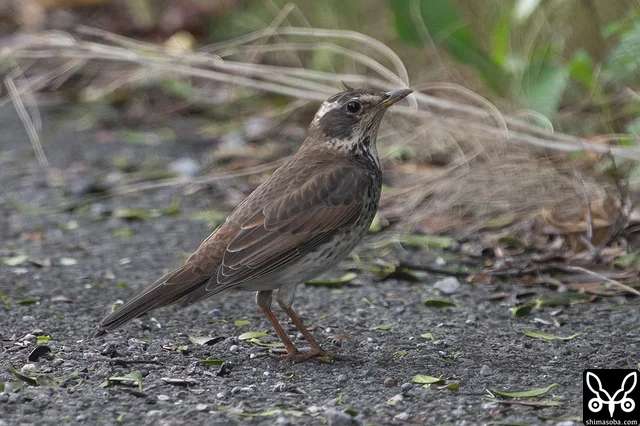
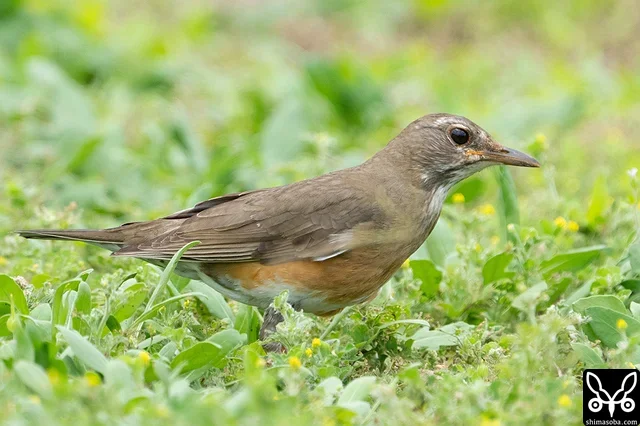
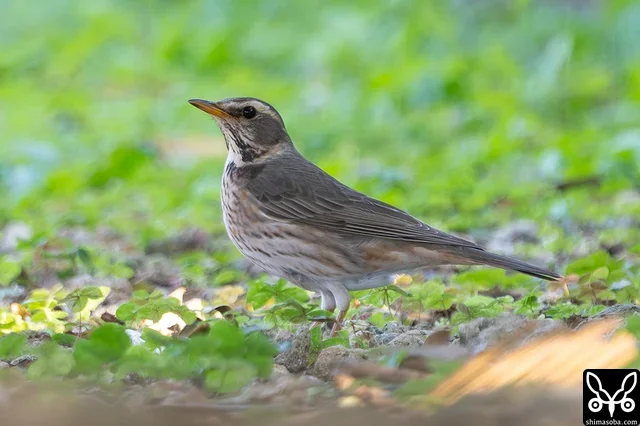
  44. Dusky Thrushes were a rare sight this season. Pale Thrushes can be heard calling reasonably often, but actual sightings are infrequent, so the wintering population doesn't seem particularly large either.
    Dusky Thrush
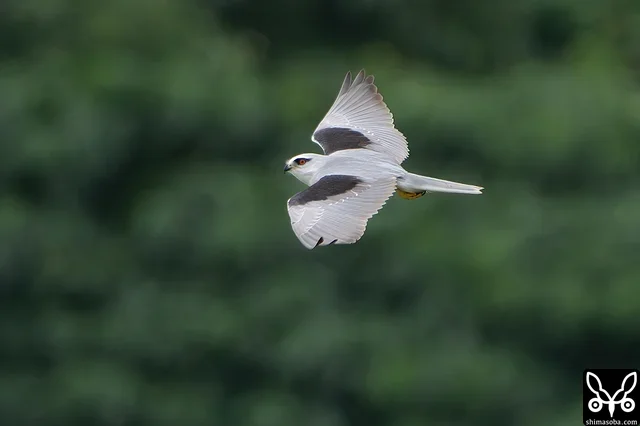
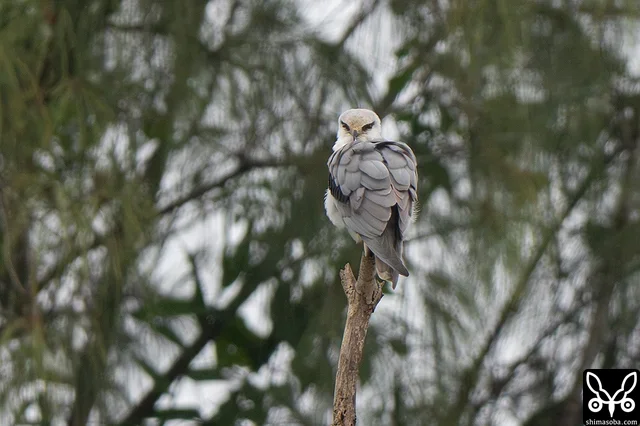
  45. Black-winged Kite, 2nd calendar year. That said, since the species breeds year-round across Ishigaki Island, the true age is hard to pin down — but it is certainly not an adult.
    Black-winged Kite
  46. 6
    A juvenile Crested Serpent Eagle. It is within the territory of an adult pair and gets chased off every time it is spotted, yet it stubbornly stays put.
    Crested Serpent Eagle
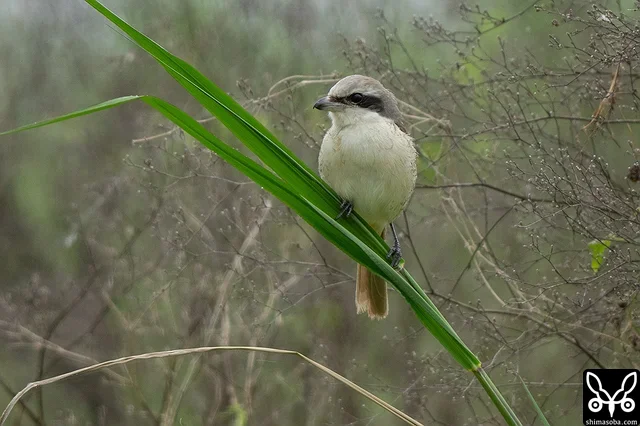
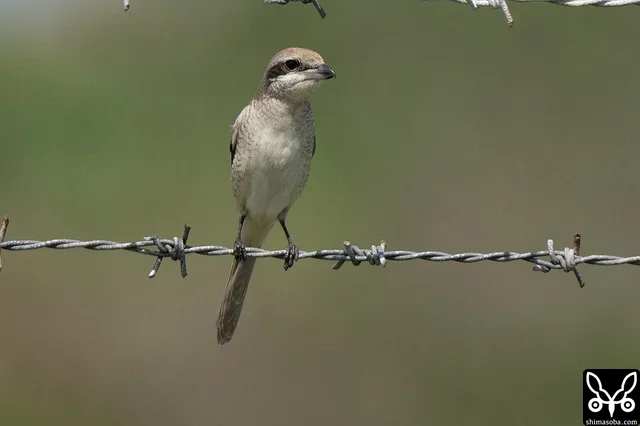
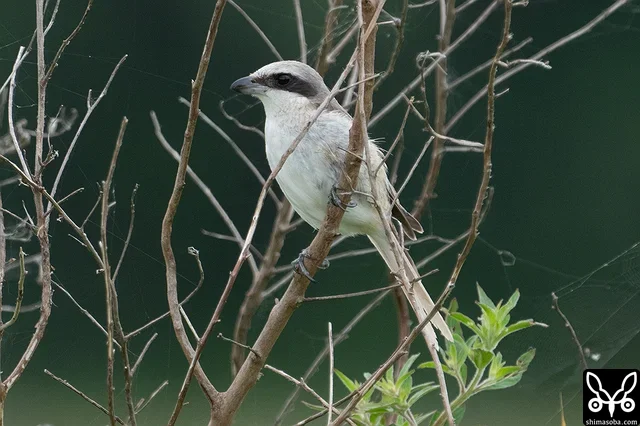
  47. Among the Brown Shrikes wintering on the island, more individuals have begun moving on.
    Isabelline Shrike
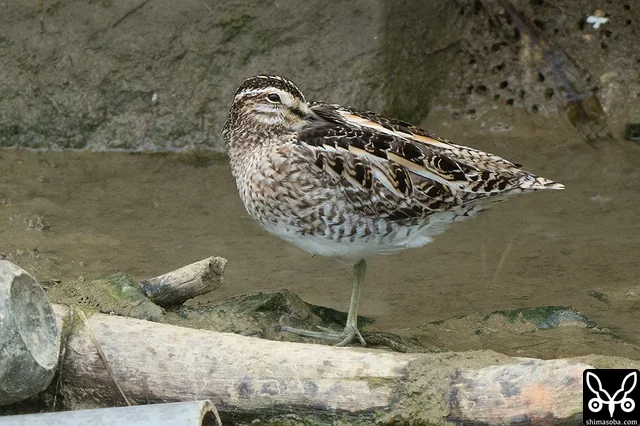
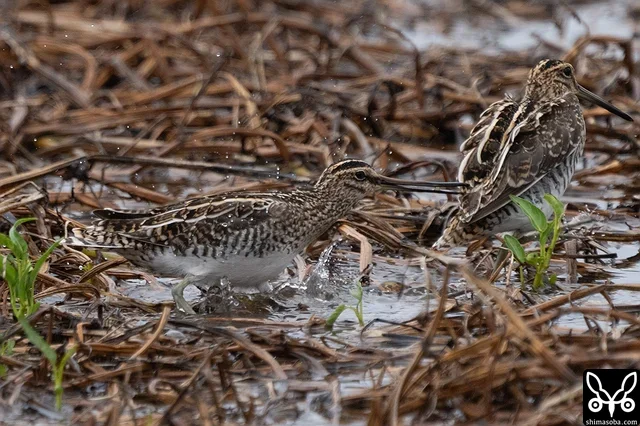
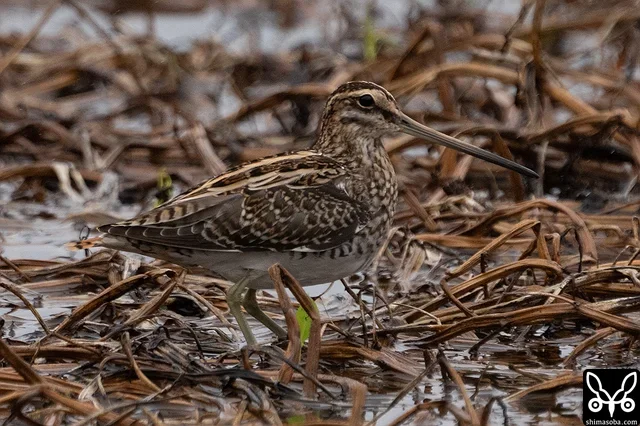
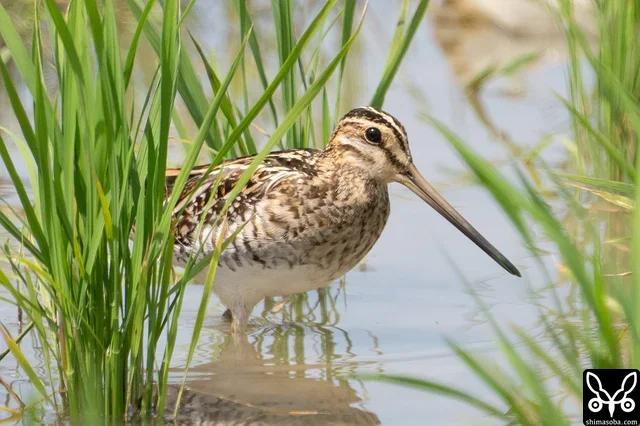
  48. Common Snipe wintering along the river. A small flock of several birds.
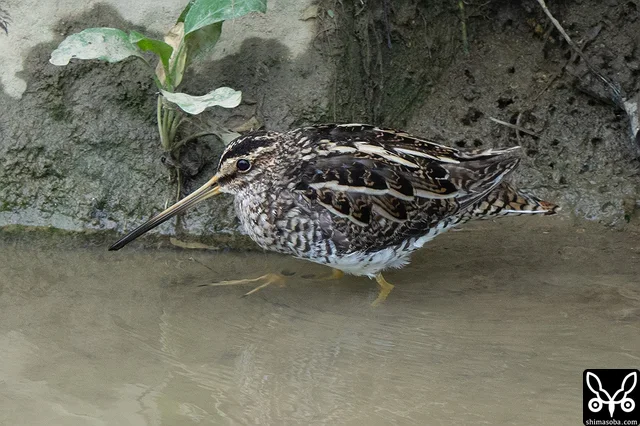
    Common Snipe
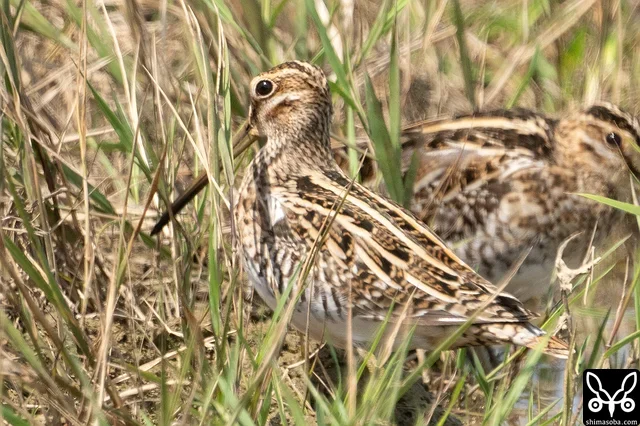
  49. Some individuals are showing advanced moult.
    Common Snipe
  50. Three Common Redshanks that wintered here. They should be leaving soon.
    Common Redshank
  51. As spring approaches, do they fill with energy and start fighting more?
    Common Snipe
  52. Wintering Common Snipe. Several birds are lingering in a small wetland.
    Common Snipe
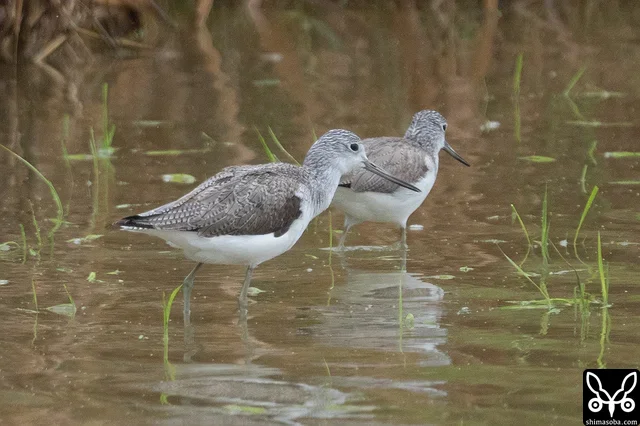
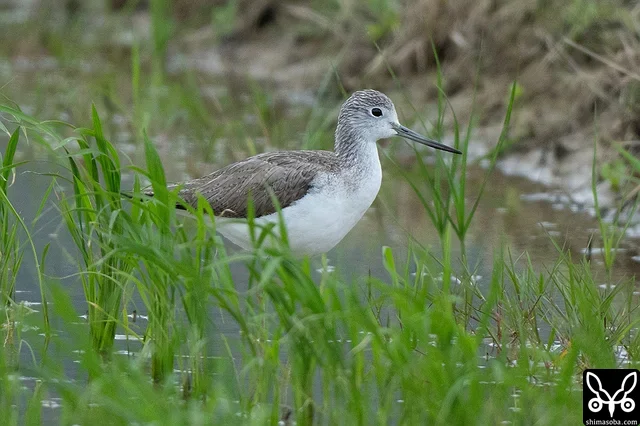
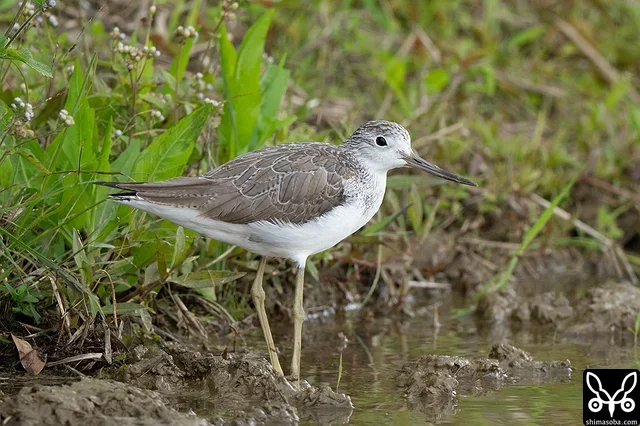
  53. Common Greenshanks on passage are still few, but numbers are definitely picking up.
    Common Greenshank
  54. 7
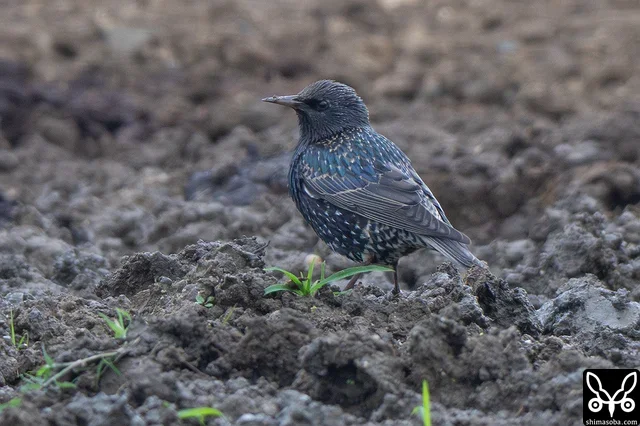
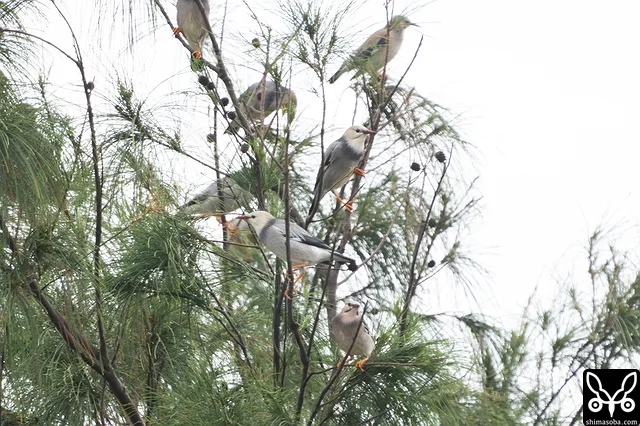
    Common Starling numbers have gradually been dropping. This individual was on its own.
    Common Starling
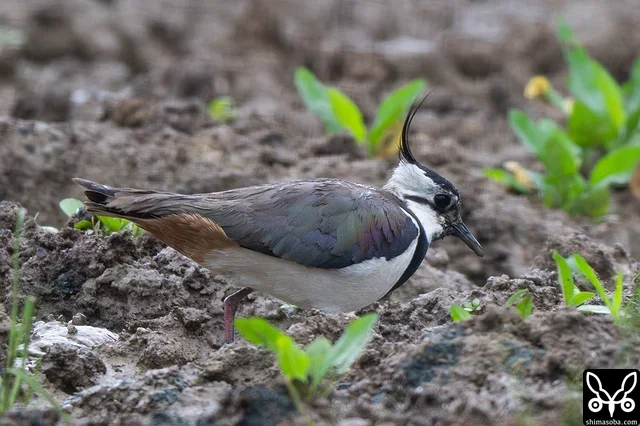
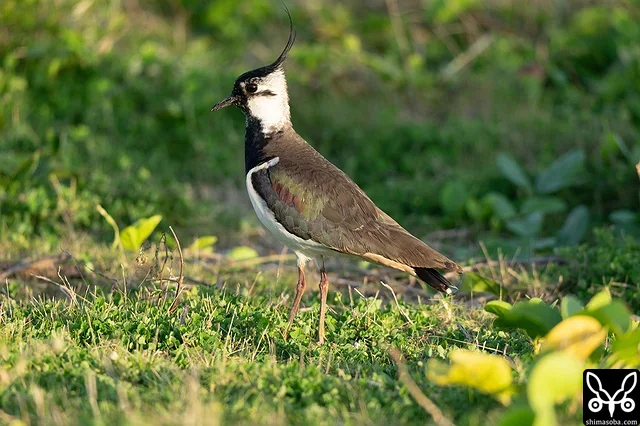
  55. Several Northern Lapwings flew in to the cattle shed.
    Northern Lapwing
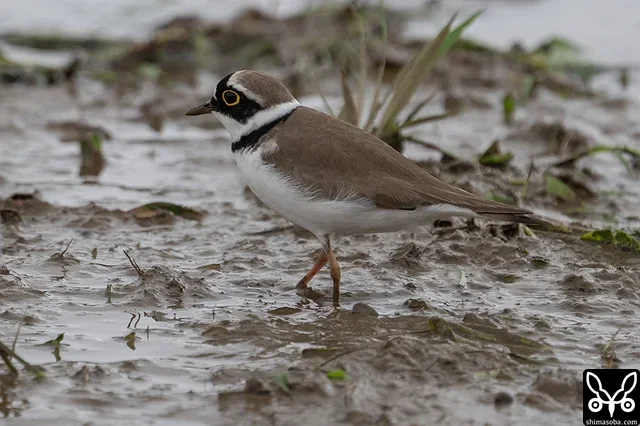
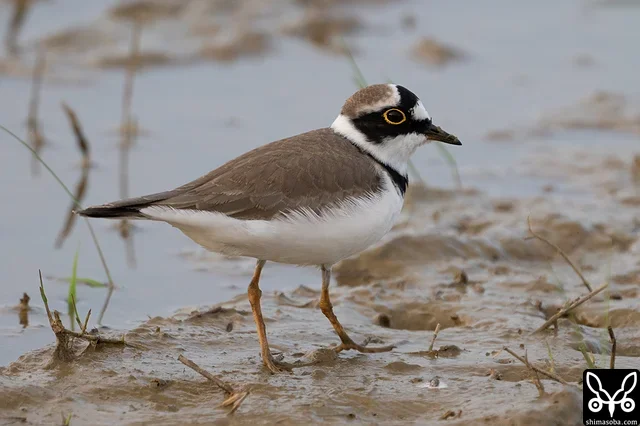
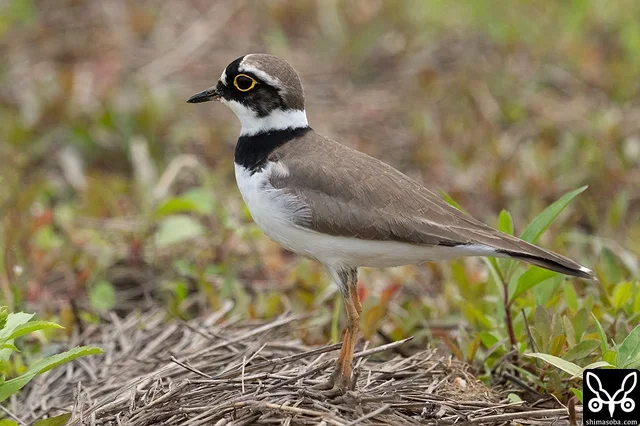
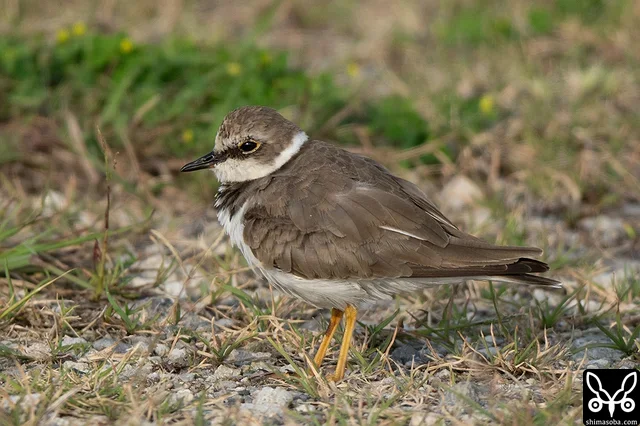
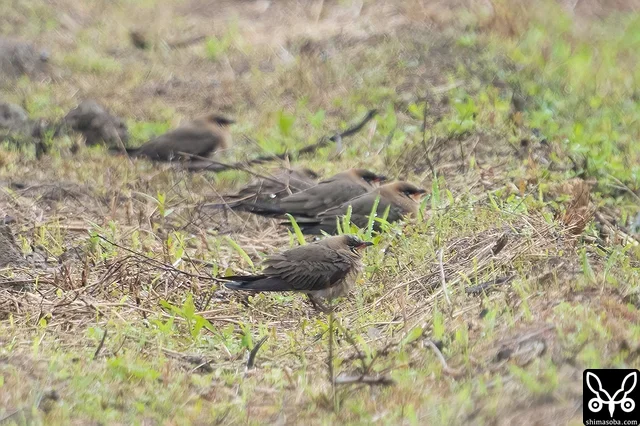
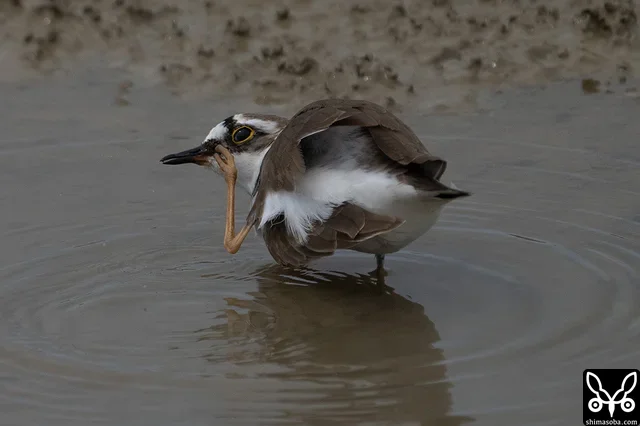
  56. A Little Ringed Plover foraging among the Red-throated Pipits. Mostly in summer plumage now.
    Little Ringed Plover
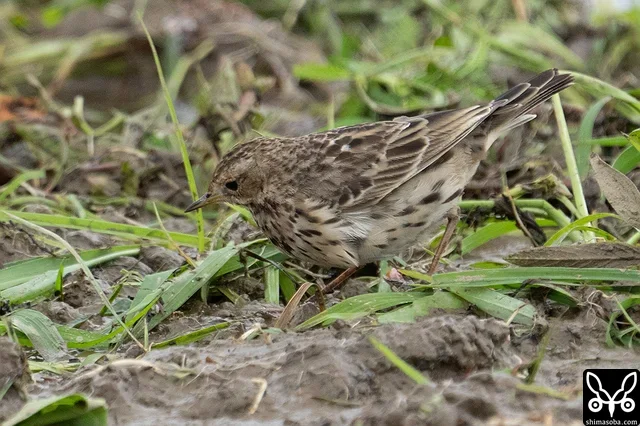
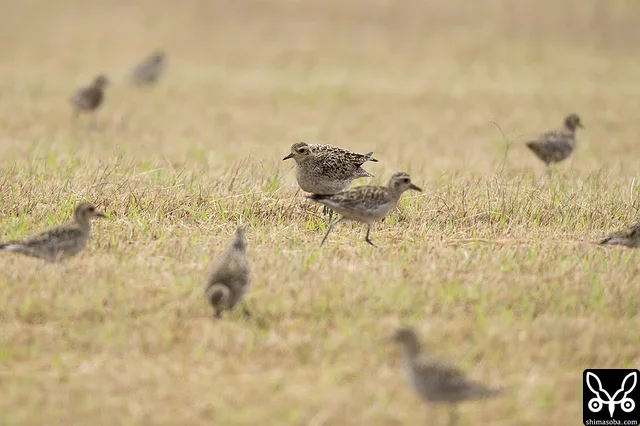
  57. Lots of Red-throated Pipits in the paddies after weeding work.
    Red-throated Pipit
  58. 8
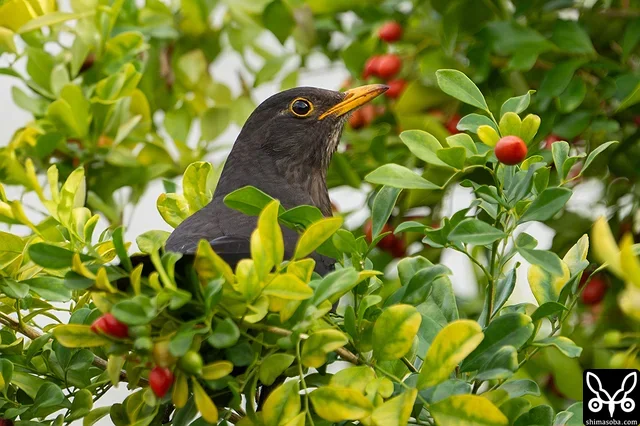
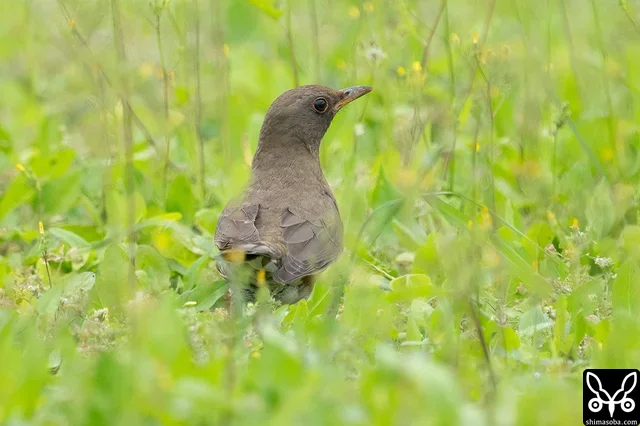
    A Common Blackbird eating the berries of a mock orange.
    Common Blackbird
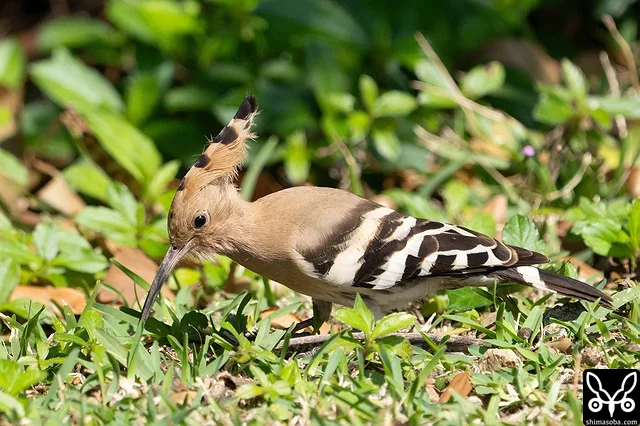
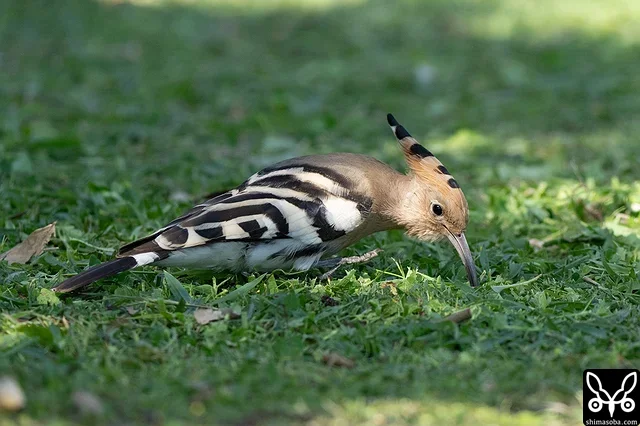
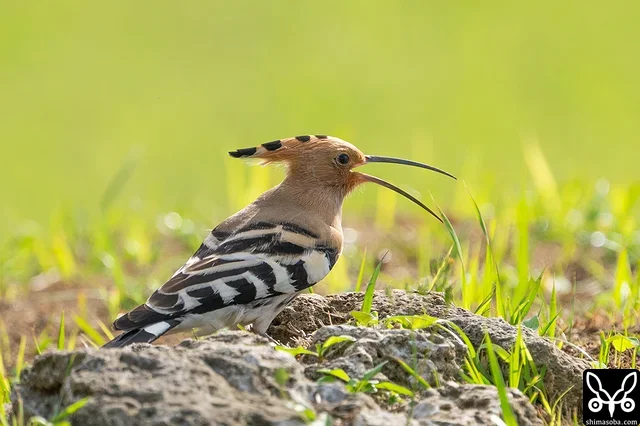
  59. A Eurasian Hoopoe spotted in the grass. As usual, it was feeding on cockroaches.
    Eurasian Hoopoe
  60. The voracious Eurasian Hoopoe spends the whole day moving about in search of food.
    Eurasian Hoopoe
  61. A Eurasian Hoopoe resting on a branch.
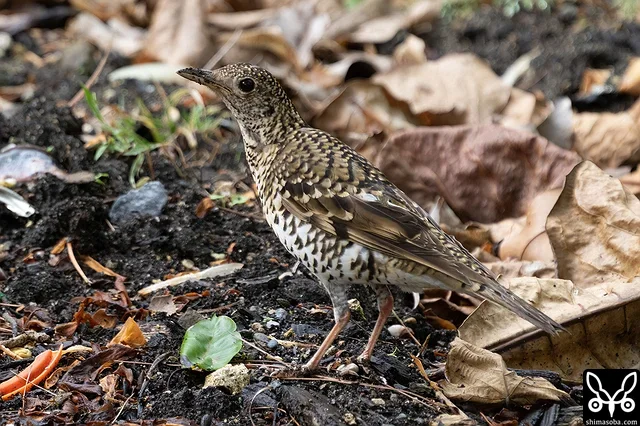
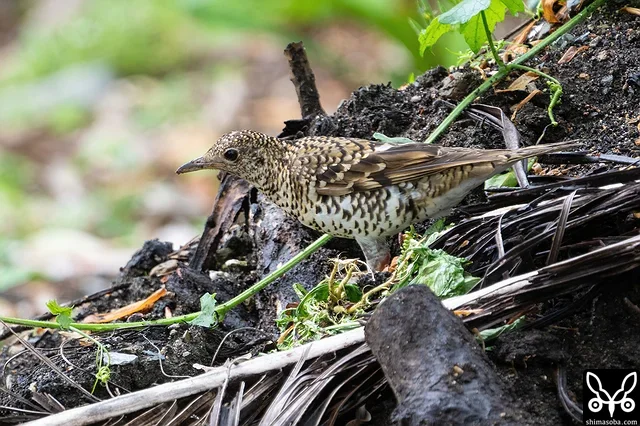
    Eurasian Hoopoe
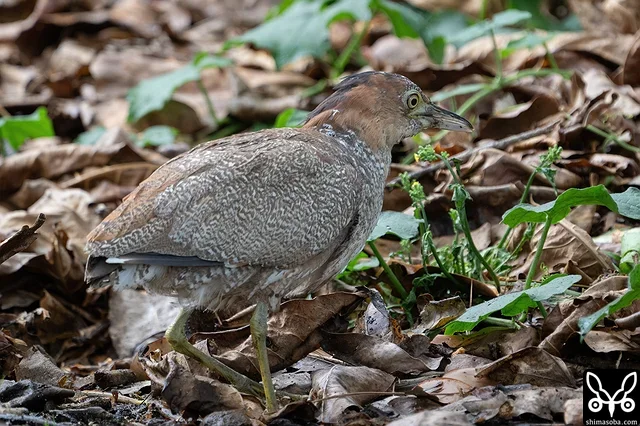
  62. An adult male White-faced Wagtail.
    White Wagtail
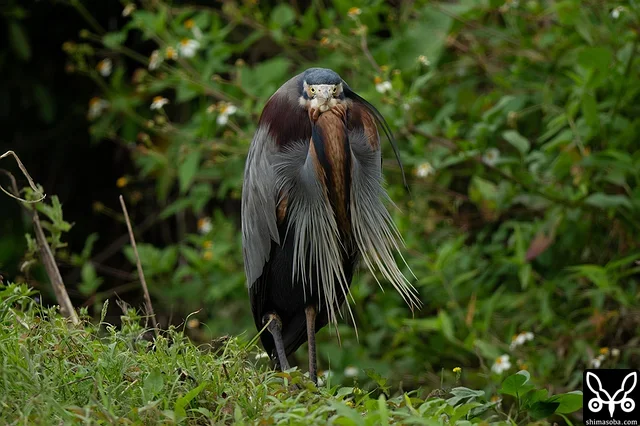
  63. A male White-faced Wagtail. Moving from first-winter to breeding plumage.
    White Wagtail
  64. A female White Wagtail. In transition from first-winter to summer plumage.
    White Wagtail
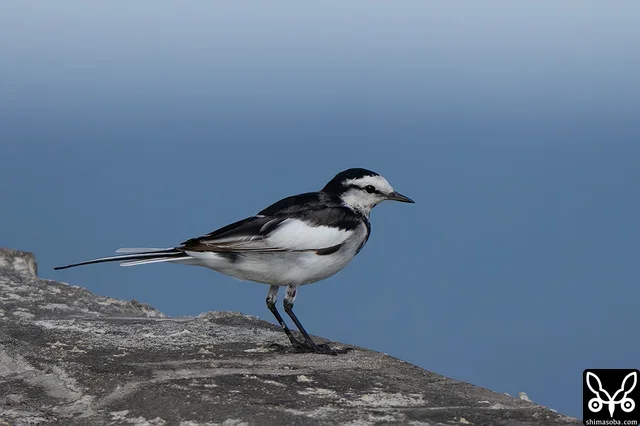
  65. An adult male White Wagtail.
    White Wagtail
  66. 9
    A juvenile Crested Serpent Eagle in the same area as the adult above. Every time the adult spots it, it gets an earful… ^^;
    Crested Serpent Eagle
  67. 10
    A few Common Greenshanks had come down into the rice paddies.
    Common Greenshank
  68. From around late February, Common Ringed Plover arrivals have increased considerably. Already in summer plumage.
    Little Ringed Plover
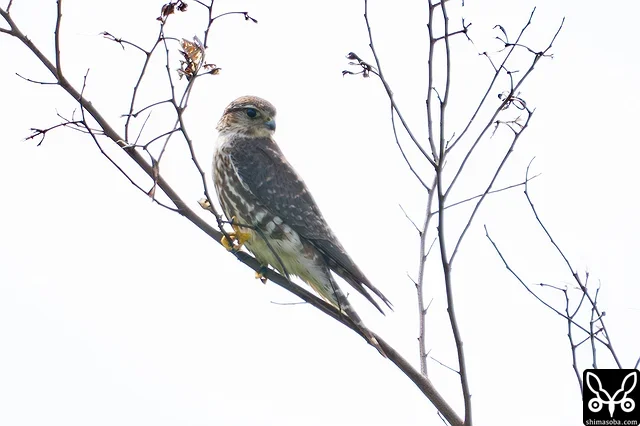
  69. Confirmed a Merlin — a scarce species in the Southwestern Islands.
    Red-footed Falcon
  70. Around six Garganey on the reservoir, moving around together with wintering Mallards, Eurasian Wigeons, and Northern Shovelers.
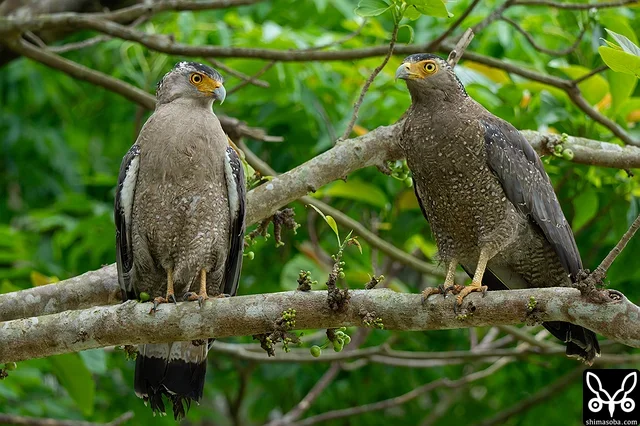
    Garganey
  71. Several Dusky Thrushes perched in scrub along the coast.
    Dusky Thrush
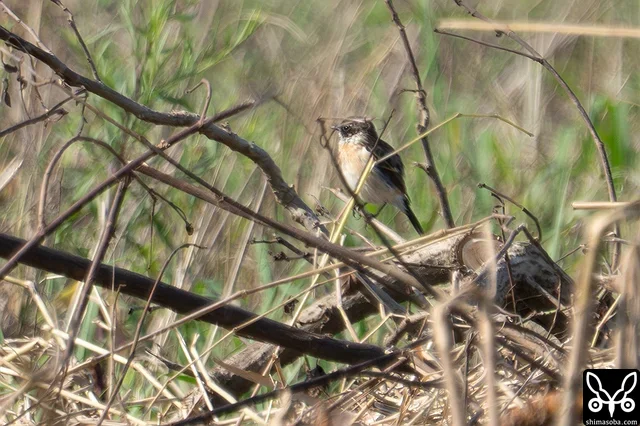
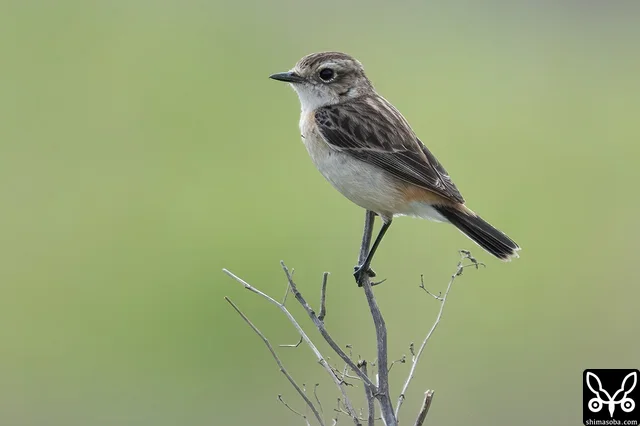
  72. Distant Siberian Stonechat, but in the small-bird world spring still seems a long way off.
    Siberian Stonechat
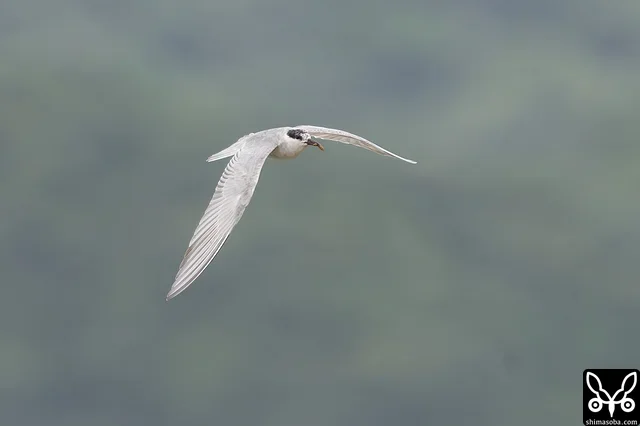
  73. 11
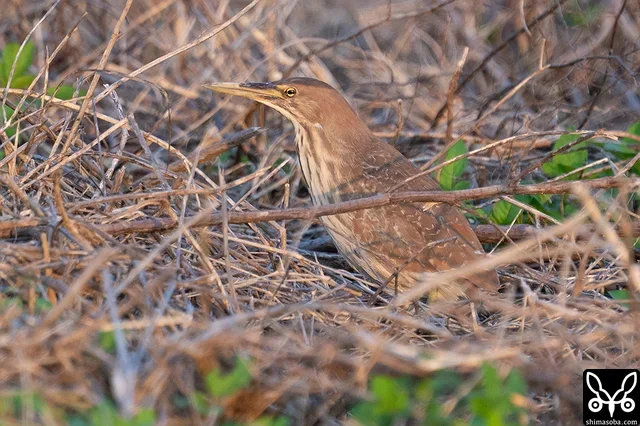
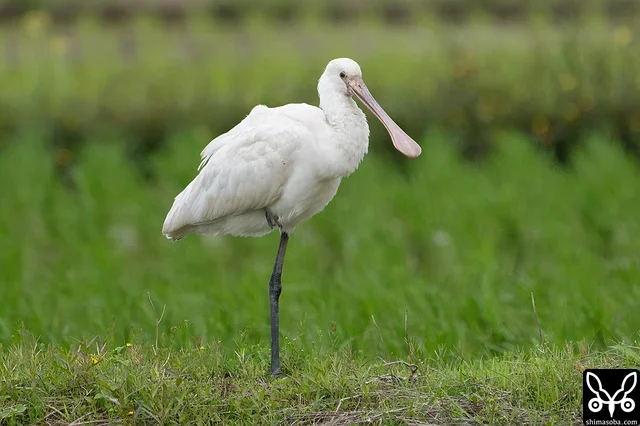
    A Ryukyu Bittern appeared at the paddy bund.
    Yellow Bittern
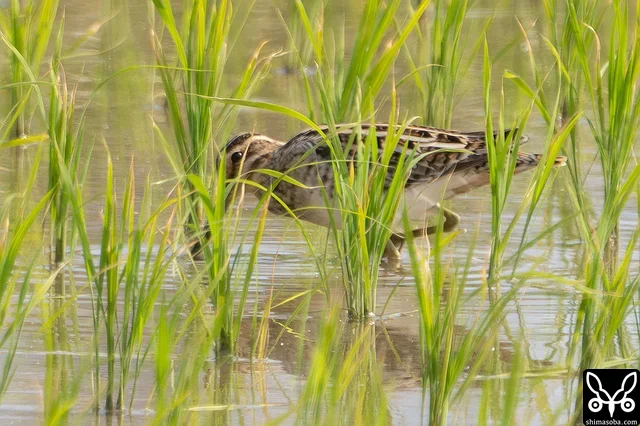
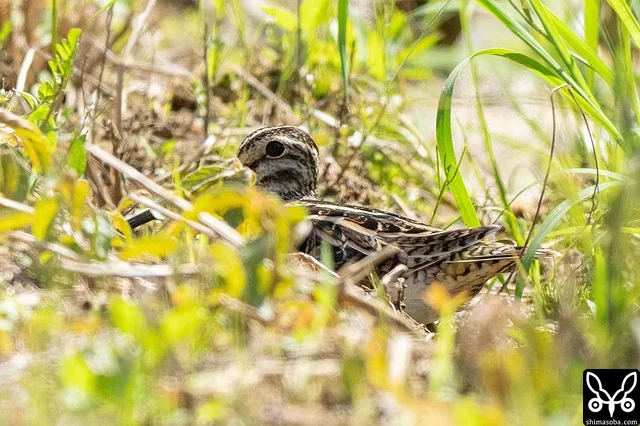
  74. A Common Snipe showing only its upper half.
    Common Snipe
  75. White Wagtails heading north are also passing through Ishigaki Island.
    White Wagtail
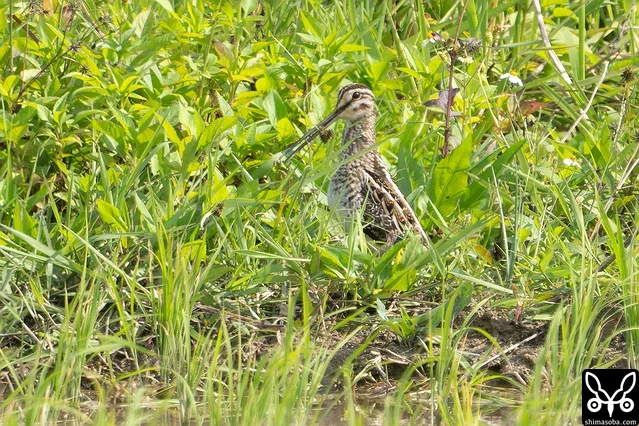
  76. 12
    The overwintering Grey Wagtails are well into their moult, and have started gathering loosely in small groups. Migration must be approaching.
    Grey Wagtail
  77. I was able to observe them up close at eye level.
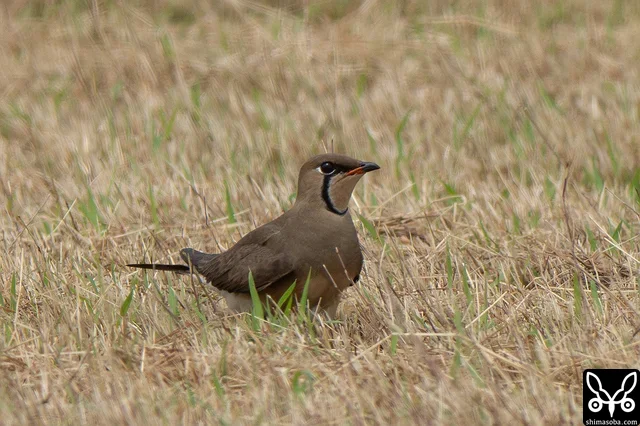
    Japanese Thrush
  78. A flock of five Japanese Thrushes in a small grassland. Completely focused on foraging, not wary at all. Judging by how hungry they seem, they must have just arrived.
    Japanese Thrush
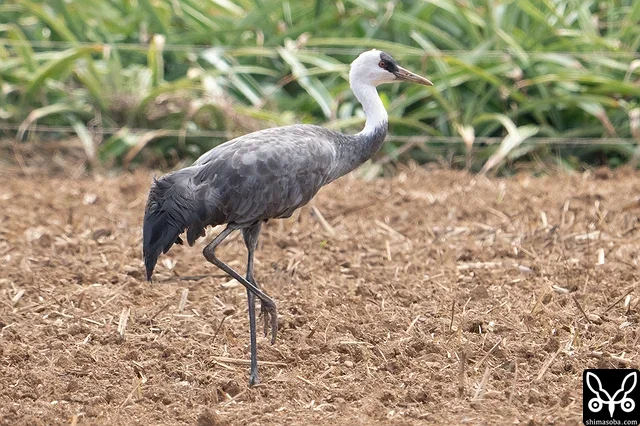
  79. I think a photo of Common Cranes with a pineapple field as the backdrop is something quite rare.
    Hooded Crane
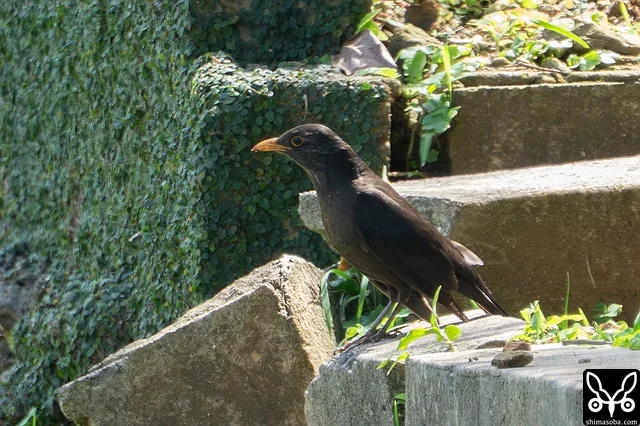
  80. A Common Blackbird turned up in a good patch of habitat. Looks like it may stay a while.
    Common Blackbird
  81. 13
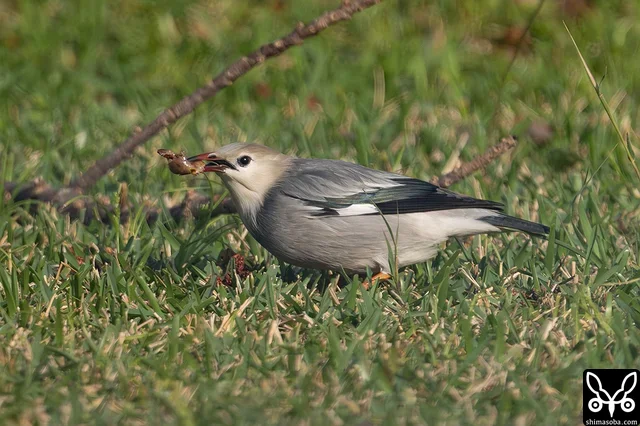
    A male Chestnut-cheeked Starling. A small flock was feeding on fallen Strangler Fig fruit.
    White-shouldered Starling
  82. A Eurasian Hoopoe in the park, foraging at the base of a tree. A Common Blackbird was in the same area, but it got chased by crows and hid in the bushes.
    Eurasian Hoopoe
  83. A Eurasian Hoopoe that has been staying for over a week. It's unusual for one to linger that long on spring passage.
    Eurasian Hoopoe
  84. I thought it was a Naumann's Thrush, but something felt off. It may be a hybrid between Naumann's Thrush and Redwing.
    Hybrid
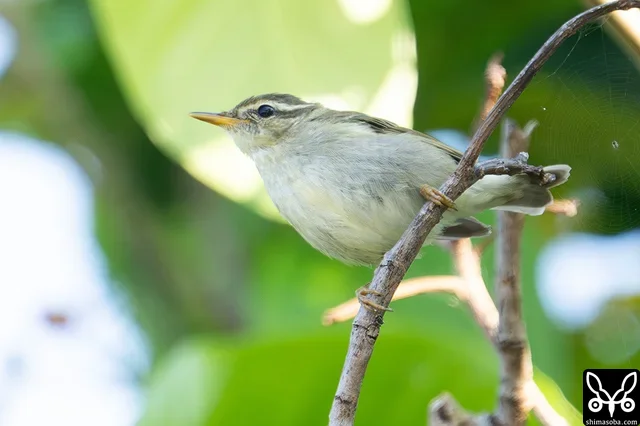
  85. While watching the Eurasian Hoopoe, a Lesser Whitethroat appeared. Two birds were chasing each other.
    Arctic Warbler
  86. A Eurasian Hoopoe at a farm. There was another one, but it was being chased by crows.
    Eurasian Hoopoe
  87. 14
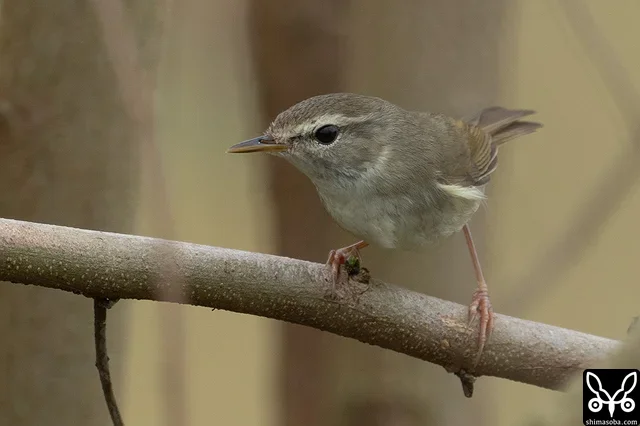
    A Japanese Bush Warbler showing off its call notes and singing practice.
    Japanese Bush Warbler
  88. Another overwintering Common Snipe.
    Common Snipe
  89. The regular Javan Pond Heron was in the regular paddy field.
    Chinese Pond Heron
  90. An overwintering Common Snipe.
    Common Snipe
  91. A few Temminck's Stints arrived together. Still in winter plumage.
    Temminck's Stint
  92. The Little Ringed Plovers are fully in summer plumage now and looking lovely.
    Little Ringed Plover
  93. 15
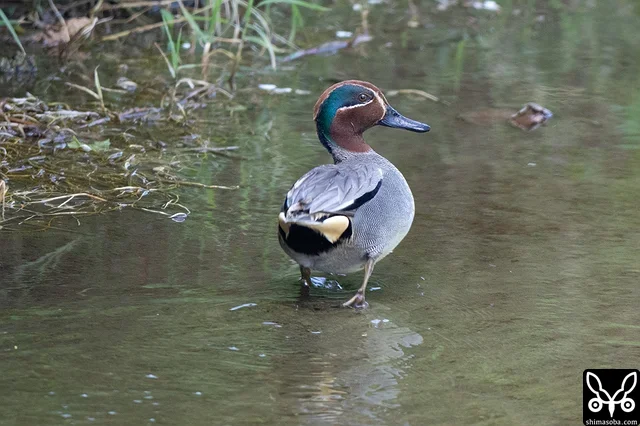
    A pair of Eurasian Teal was in the same waterway as the Common Snipe.
    Eurasian Teal
  94. Two Common Snipe are staying in the waterway at Hikawa.
    Common Snipe
  95. There were plenty of Brown Shrikes around the pastures and hayfields.
    Isabelline Shrike
  96. A Common Snipe transitioning into breeding plumage.
    Common Snipe
  97. In February they came in a sizeable flock, but now they seem to be drifting in in ones and twos.
    Common Snipe
  98. The first Temminck's Stints of the season arrived as a pair.
    Temminck's Stint
  99. 16
    Just one Daurian Redstart. It was in the same grassland as the Little Buntings.
    Daurian Redstart
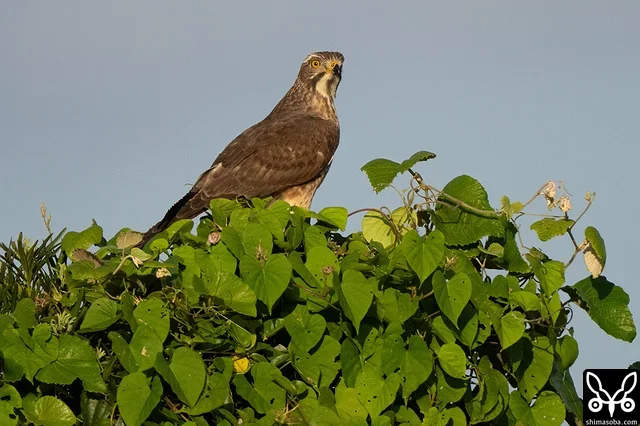
  100. A few Grey-faced Buzzards as well. Some were riding thermals, circling as they gained altitude. Nearly time for the northward migration.
    Grey-faced Buzzard
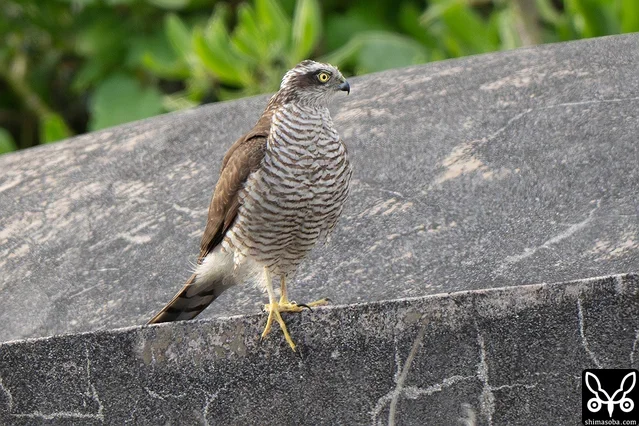
  101. A Eurasian Sparrowhawk was chasing White Wagtails around.
    Eurasian Sparrowhawk
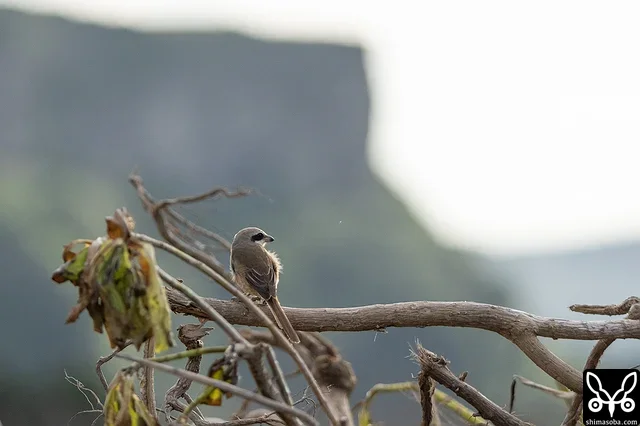
  102. An Brown Shrike with Tindabana — one of Yonaguni Island's most iconic scenic spots — in the background.
    Isabelline Shrike
  103. A few ocularis were also mixed in.
    Eastern Yellow Wagtail
  104. There was a mixed flock of three subspecies of White Wagtail. This is a male leucopsis.
    White Wagtail
  105. Just this one yarrellii.
    White Wagtail
  106. Three Northern Lapwings at a materials yard. They were still there the next day, but by the third day they had moved on.
    Northern Lapwing
  107. 17
    A Common Kestrel, showing no wariness, appeared to have caught a Patanga japonica — Japan's largest grasshopper. As Patanga japonica overwinter as adults, it was already a large individual to prey on.
    Common Kestrel
  108. There were fewer Red-throated Pipits than on the previous visit.
    Red-throated Pipit
  109. A Red-throated Pipit against the backdrop of the Kuroshio Current.
    Red-throated Pipit
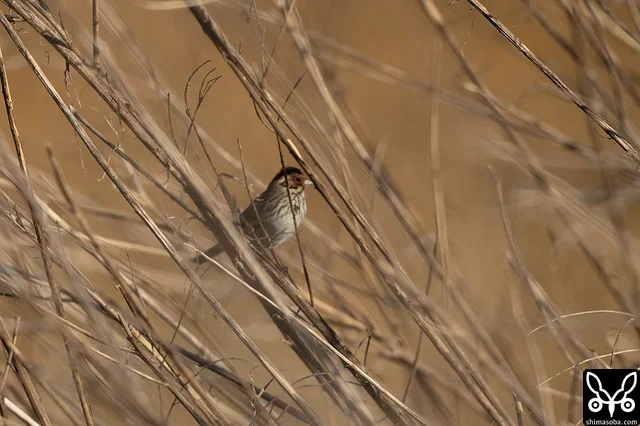
  110. A flock of around 30 Little Buntings confirmed.
    Little Bunting
  111. I checked several rice paddies, but the only snipe I found was this single Common Snipe.
    Common Snipe
  112. A Siberian Stonechat that wintered here. Individuals wintering on Ishigaki Island are few.
    Siberian Stonechat
  113. Pale Thrushes sometimes turn up mixed in with flocks of White-cheeked Starlings.
    Pale Thrush
  114. 18
    A female Ryukyu Crake.
    Malayan Night Heron
  115. Common Snipe numbers are increasing as birds cycle through.
    Common Snipe
  116. 19
    A Eurasian Hoopoe showing no wariness at all. This season it was all relaxed birds.
    Eurasian Hoopoe
  117. A Eurasian Hoopoe looking tired, apparently just arrived on migration.
    Eurasian Hoopoe
  118. Hoopoes were thin on Ishigaki today, but numbers picked up again from the next day.
    Eurasian Hoopoe
  119. A male Ryukyu Crake in strong breeding colours.
    Malayan Night Heron
  120. Slowly driving past the reliable Eurasian Hoopoe spots, I found one perched on a branch.
    Eurasian Hoopoe
  121. 20
    While I was watching the Pacific Golden Plover flock, Oriental Pratincoles dropped in.
    Oriental Pratincole
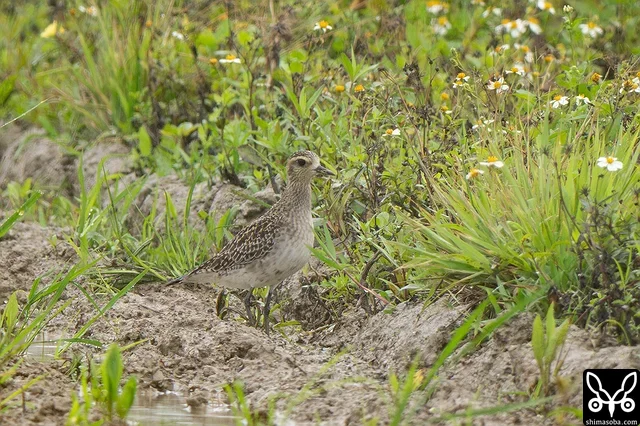
  122. A flock of 60 Pacific Golden Plovers came down onto a pasture. A flock of any bird is a good sight.
    Pacific Golden Plover
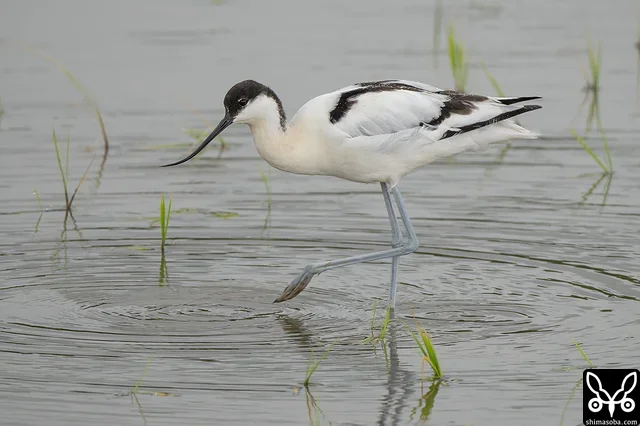
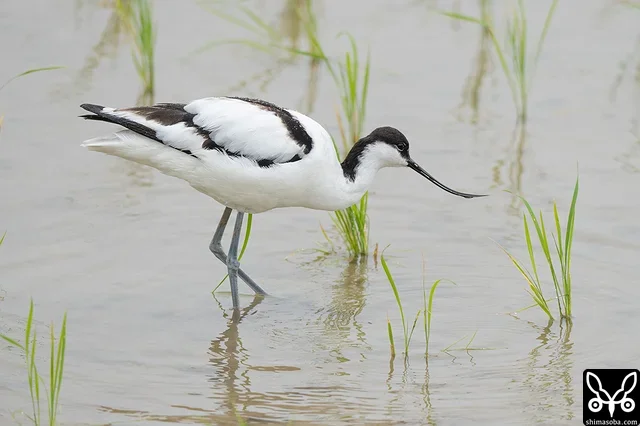
  123. A single Pied Avocet turned up. Also a very relaxed individual.
    Pied Avocet
  124. An unusually wary individual for a Eurasian Hoopoe. In such cases it's best not to press too close.
    Eurasian Hoopoe
  125. A Eurasian Hoopoe with absolutely no wariness, delighting visiting birdwatchers.
    Eurasian Hoopoe
  126. Red-throated Pipits in moult. The stages vary from bird to bird, making it a fun time to observe them individually.
    Red-throated Pipit
  127. The moult progress among the Buff-bellied Pipits looked much the same across individuals.
    Water Pipit
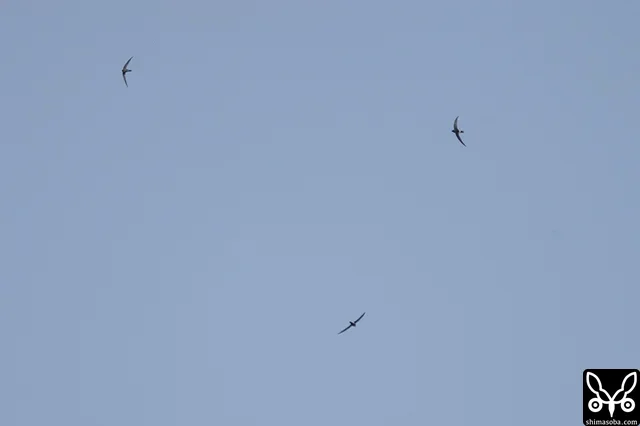
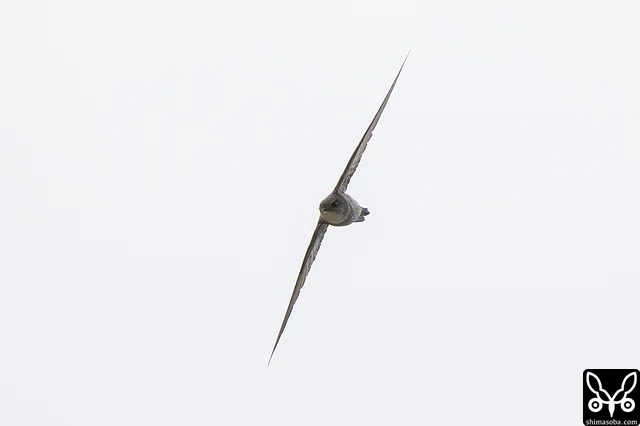
  128. A flock of around ten swifts overhead.
    Pacific Swift
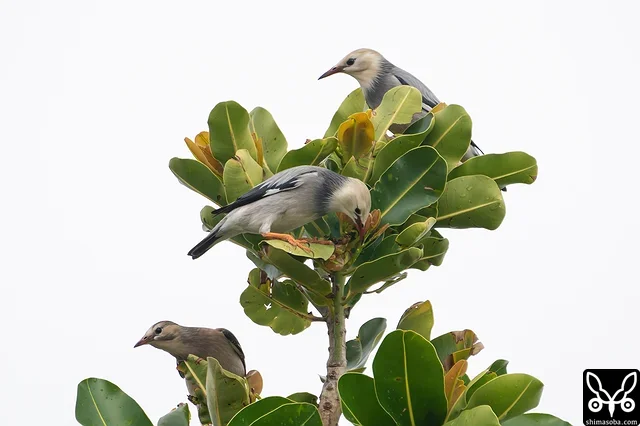
  129. This one was probing its bill into gaps between the leaves of Calophyllum inophyllum. Looking for insects, perhaps.
    White-shouldered Starling
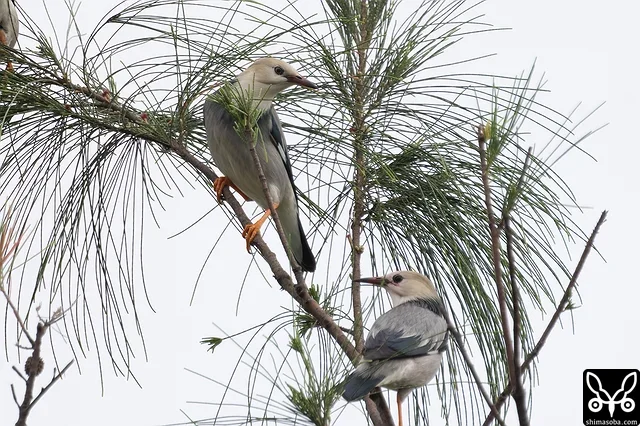
  130. White-shouldered Starlings gathering in ironwood trees.
    White-shouldered Starling
  131. Twenty to forty of them show up at my workplace car park almost every day — quite lively.
    White-shouldered Starling
  132. It was flipping over fallen leaves and eating earthworms and the like.
    White's Thrush
  133. A Japanese Night Heron transitioning from juvenile to adult plumage. This individual was hatched last year.
    Malayan Night Heron
  134. A White's Thrush that paid no attention to me whatsoever. It even treated me to a spot of the tiger dance.
    White's Thrush
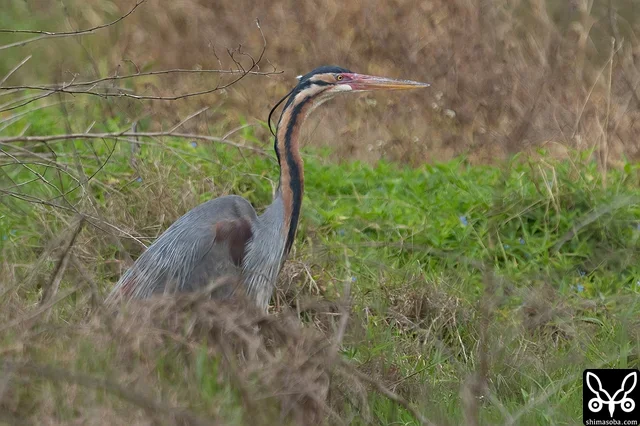
  135. A Purple Heron in breeding plumage. Some of the earlier individuals were already carrying nest material.
    Purple Heron
  136. Eurasian Hoopoes at the reliable spot. There appeared to be around four of them.
    Eurasian Hoopoe
  137. 21
    コチドリも飛来していました。
    Little Ringed Plover
  138. Four Common Snipe resting at the paddy bund.
    Common Snipe
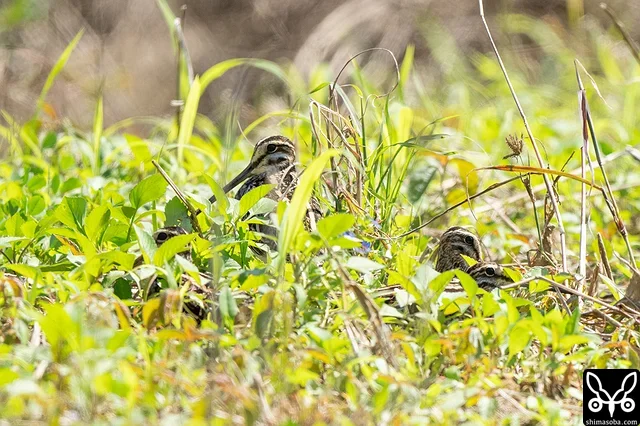
  139. Another Common Snipe that had been hiding right alongside.
    Common Snipe
  140. A nearby Common Snipe apparently convinced it was hidden in the grass.
    Common Snipe
  141. A Eurasian Hoopoe foraging without any sign of concern as a lawnmower carrying a worker roared and trundled around nearby.
    Eurasian Hoopoe
  142. Same individual as above. The Eurasian Hoopoe found a spider in the freshly mown grass.
    Eurasian Hoopoe
  143. A Eurasian Hoopoe at a different location. This individual called with a "jaar, jaar" sound — a rare chance to hear it make something other than its usual "poo poo poo." It was a real shame I couldn't get it on video.
    Eurasian Hoopoe
  144. A Javan Pond Heron that has been staying since last autumn. Still in winter plumage, but I expect the moult will begin before long.
    Chinese Pond Heron
  145. 22
    A Common Snipe hunched down on a paddy bund. Looks exhausted.
    Common Snipe
  146. 24
    A small flock of Long-toed Stints. Numbers should keep climbing. Looking forward to seeing them in summer plumage soon.
    Long-toed Stint
  147. A Common Snipe on edge.
    Common Snipe
  148. 25
    The first Common Greenshanks of the season — a few birds arrived.
    Common Greenshank
  149. The rice is growing fast, and outside the bunds it's getting hard to find them. This is what makes snipe in spring such a headache.
    Common Snipe
  150. This is a really outstanding individual. You don't often get a look at this type.
    Common Snipe
  151. 26
    The female of the same individual as above. The newly purchased FE 400-800mm F6.3-8 G OSS with the SEL14TC teleconverter attached produces sharp results even on distant subjects.
    Crested Serpent Eagle
  152. A pair of Crested Serpent Eagles. The male is on the left. The area where this pair lives is surrounded by farmland, so traffic accidents seem unlikely to be a concern.
    Crested Serpent Eagle
  153. A Purple Heron showing just a hint of breeding plumage.
    Purple Heron
  154. 27
    A Common Snipe moving along a bund in a crouch. It's watching a Black-winged Kite.
    Common Snipe
  155. Not much call for it, but here's a Common Snipe's tail.
    Common Snipe
  156. Adult female Bull-headed Shrike.
    Isabelline Shrike
  157. First Whiskered Tern of the season. Just a hint of summer plumage showing.
    Whiskered Tern
  158. A juvenile Eurasian Spoonbill. Going back and forth between the paddies and the dam.
    Eurasian Spoonbill
  159. Adult male Ryukyu Narcissus Flycatcher. This individual wasn't singing, but it was moving and foraging together with a female as a pair.
    Ryukyu Flycatcher
  160. 28
    A Buff-bellied Pipit that was associating with the Siberian Yellow Wagtail. There is a wintering flock of Red-throated Pipits nearby, but this bird seemed uninterested?
    Water Pipit
  161. Garganey — female (left) and male. The male has changed into his handsome breeding plumage.
    Garganey
  162. Siberian Yellow Wagtail, first-winter transitioning to summer plumage.
    Eastern Yellow Wagtail
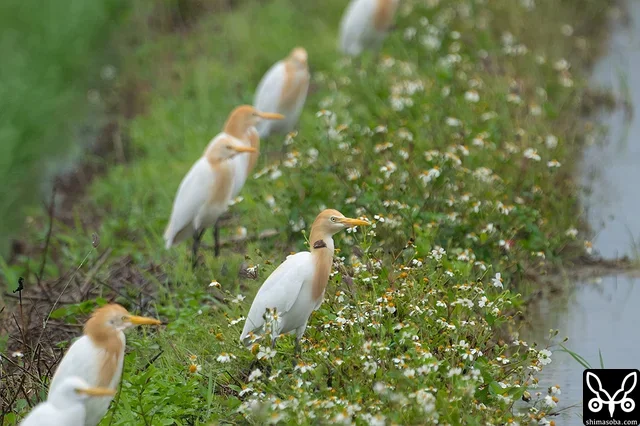
  163. The varying stages of moult in Cattle Egrets make for entertaining watching.
    Eastern Cattle Egret
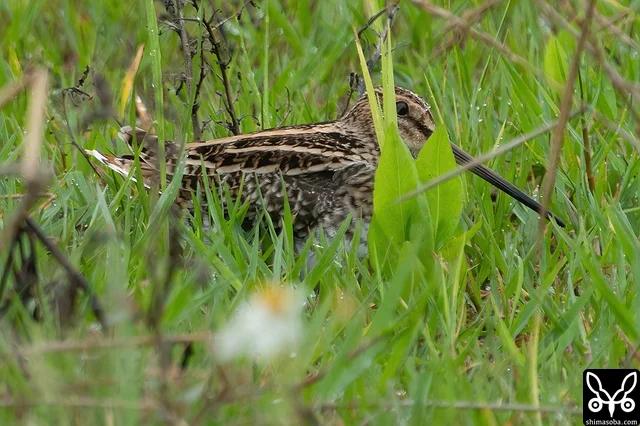
  164. A Common Snipe hiding in the grass. Likely a migrant.
    Common Snipe
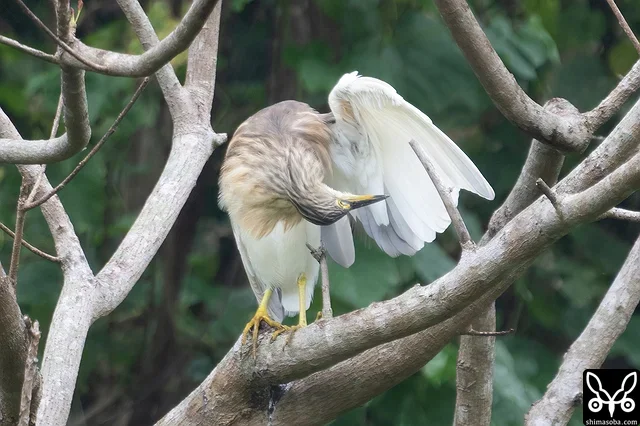
  165. Javan Pond Heron with wings spread. The outermost primary P10 is white all the way to the tip.
    Javan Pond Heron
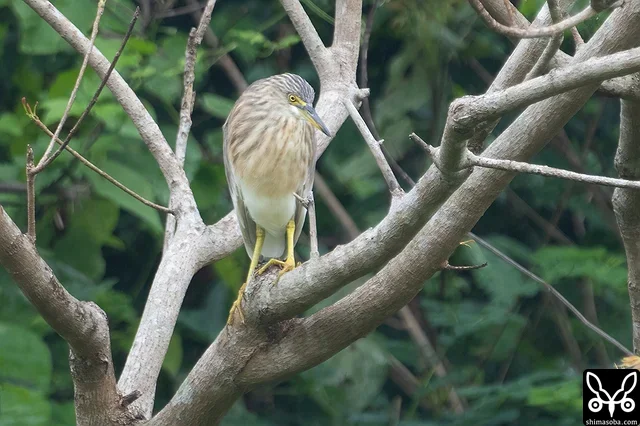
  166. A Javan Pond Heron in winter plumage. Probably a first-winter individual.
    Javan Pond Heron
  167. Chinese Pond Heron in winter plumage.
    Chinese Pond Heron
  168. Oriental Pratincole, mostly in breeding plumage.
    Oriental Pratincole
  169. 29
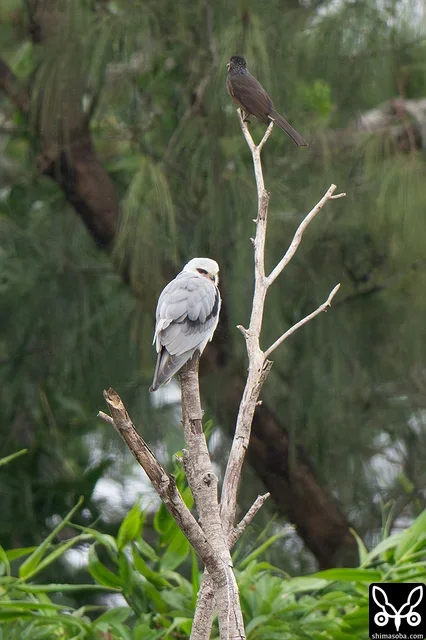
    A Black-winged Kite perched on a prominent dead branch, occasionally calling back and forth with another individual perched nearby.
    Black-winged Kite
  170. The mate of the Black-winged Kite above. Telling the sexes apart in Black-winged Kites is tricky.
    Black-winged Kite
  171. They fly energetically over the paddies without any sign of fatigue — quite a contrast to the waders, which look utterly worn out from their long journey.
    Pacific Swift
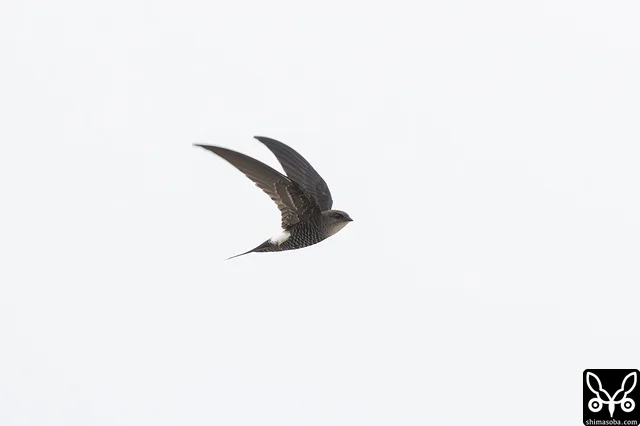
  172. The first Fork-tailed Swift of the season.
    Pacific Swift
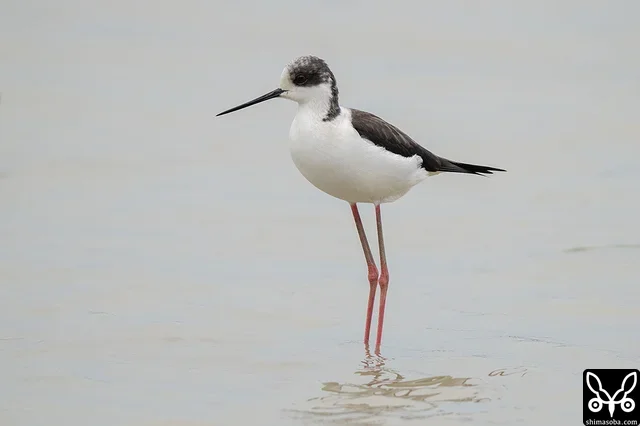
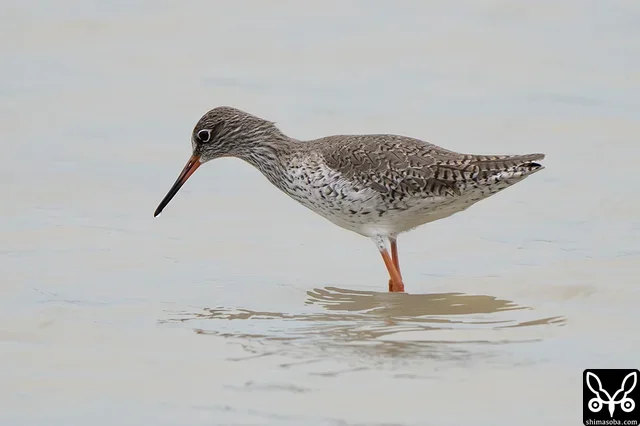
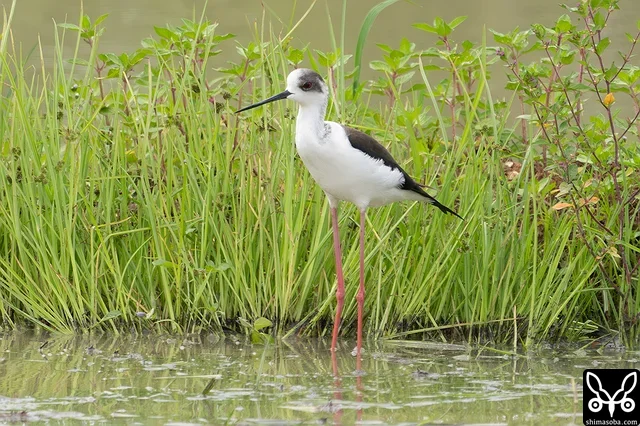
  173. The Common Redshank above foraging alongside several Black-winged Stilts.
    Black-winged Stilt
  174. A solitary Common Redshank. It turned up in a paddy that hasn't been flooded over winter, so it's likely a spring passage bird.
    Common Redshank
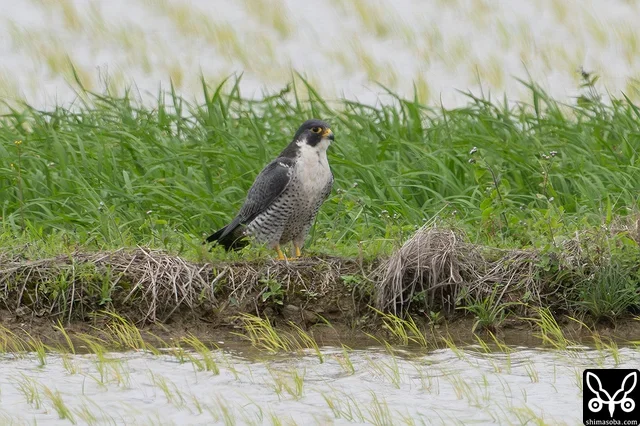
  175. A pair of Peregrine Falcons has been staying for a while. The male was perched nearby too, but it was skittish and flew off.
    Peregrine Falcon
  176. Black-winged Stilts also in the early stages of migration.
    Black-winged Stilt
  177. Wood Sandpipers up slightly in number.
    Wood Sandpiper
  178. This Eurasian Hoopoe was in a sugarcane field. As usual, it was catching cockroaches.
    Eurasian Hoopoe
  179. A wintering Common Snipe.
    Common Snipe
  180. 30
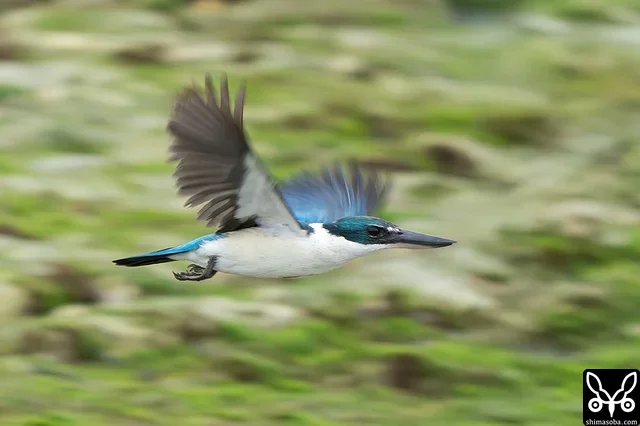
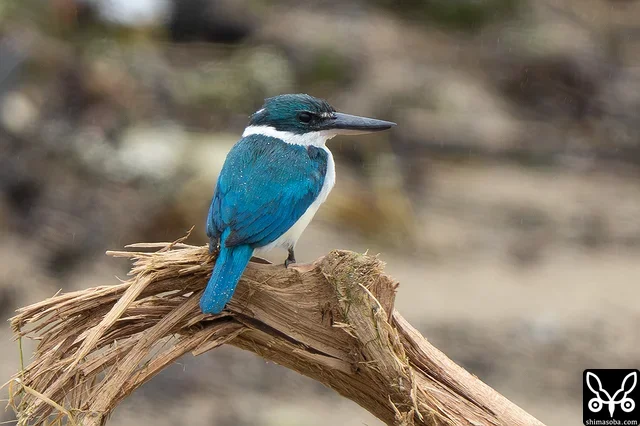
    A Collared Kingfisher flying around right in front of me.
    Collared Kingfisher
  181. It dived from its perch toward a crab — and missed.
    Collared Kingfisher
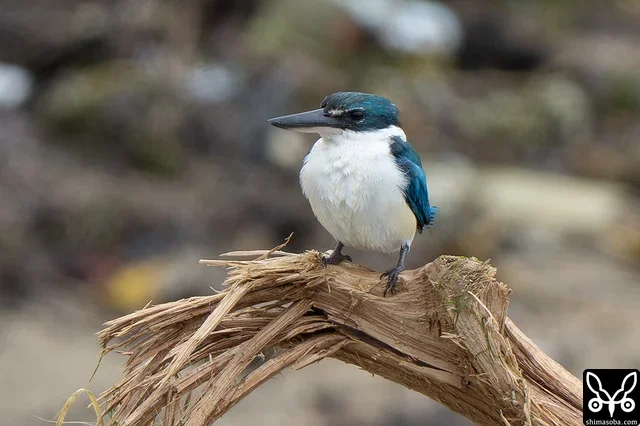
  182. A large driftwood branch that had washed ashore a few days earlier had become a perch for the Collared Kingfisher.
    Collared Kingfisher
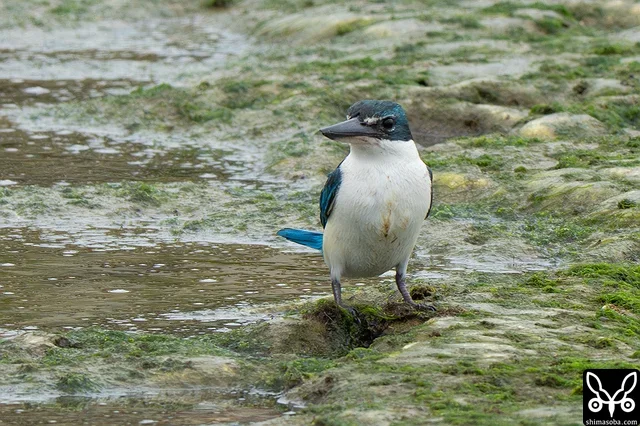
  183. The Collared Kingfisher, which had not been seen for over a month, has returned to Ishigaki Island.
    Collared Kingfisher
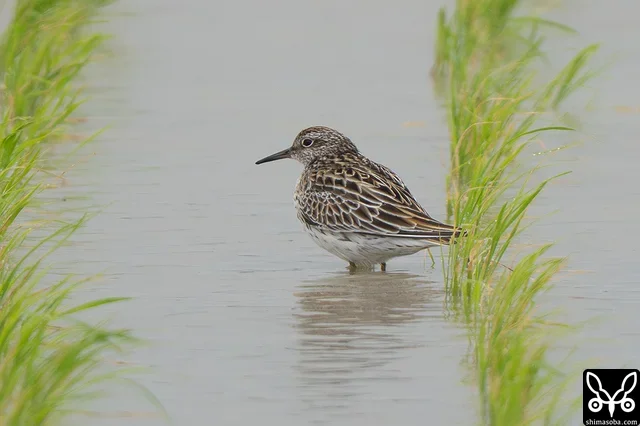
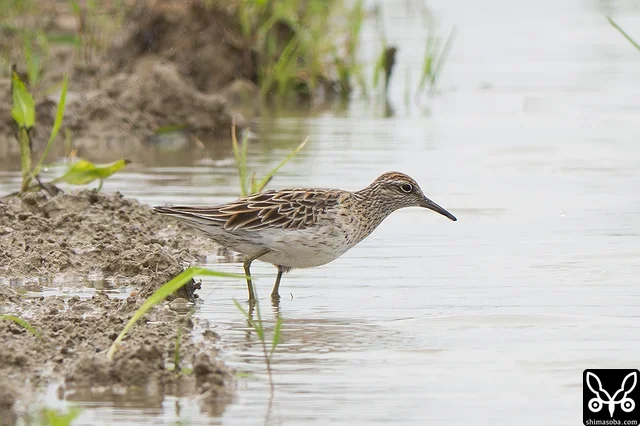
  184. The first Sharp-tailed Sandpiper of the season. Extremely tired-looking — eyes closing, not moving at all — but one night's rest and they bounce back.
    Sharp-tailed Sandpiper
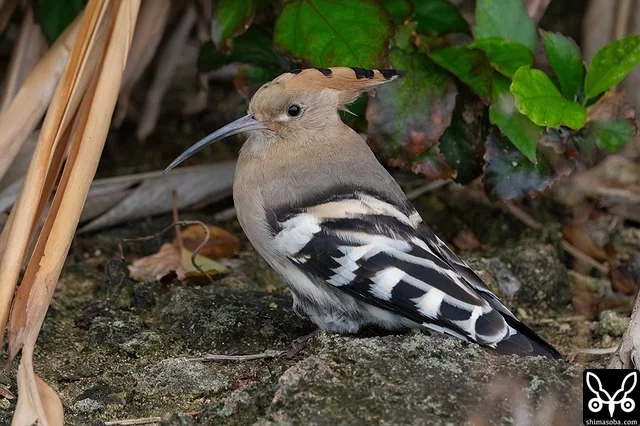
  185. A weary-looking Eurasian Hoopoe. It barely moved even as cars and motorbikes passed right in front of it.
    Eurasian Hoopoe
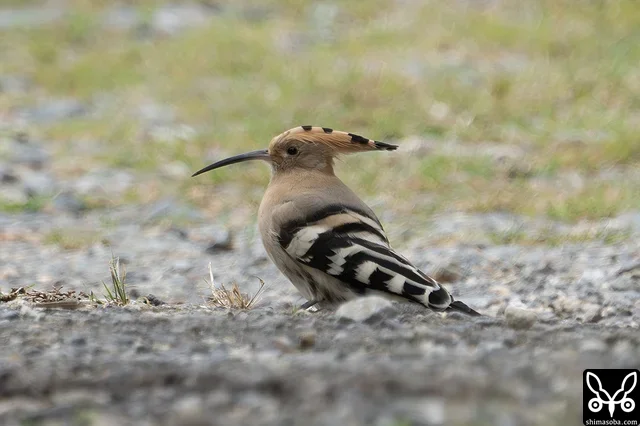
  186. A Eurasian Hoopoe in front of a café. The customers were surprised by the unfamiliar bird.
    Eurasian Hoopoe
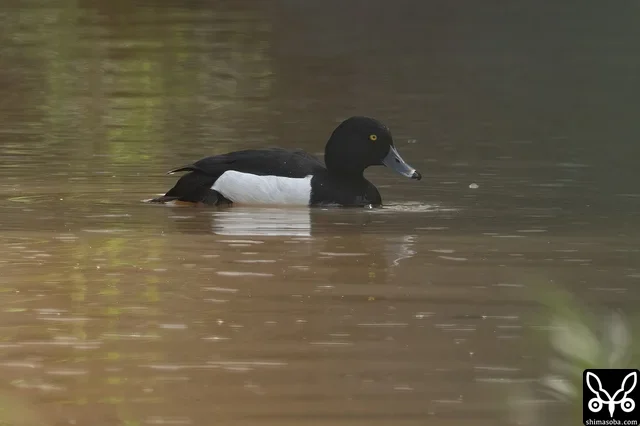
  187. Tufted Duck, male in breeding plumage.
    Tufted Duck
  188. 31
    The male, paired with the individual above.
    Malayan Night Heron
  189. A female Ryukyu Night Heron. She is hunting for earthworms on a lawn.
    Malayan Night Heron
  190. Little Stints arrived too. First of the season.
    Red-necked Stint
  191. A flock of eight Pacific Golden Plovers arrived. I've seen lone birds at odd times of year, but as a spring migrant this counts as my first record of the season.
    Pacific Golden Plover
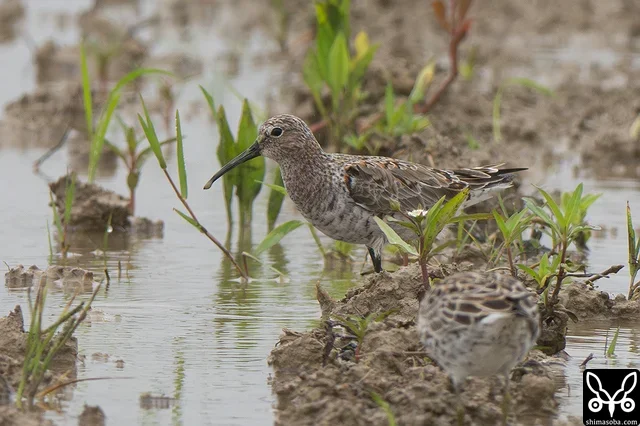
  192. The first Curlew Sandpiper of the season.
    Curlew Sandpiper
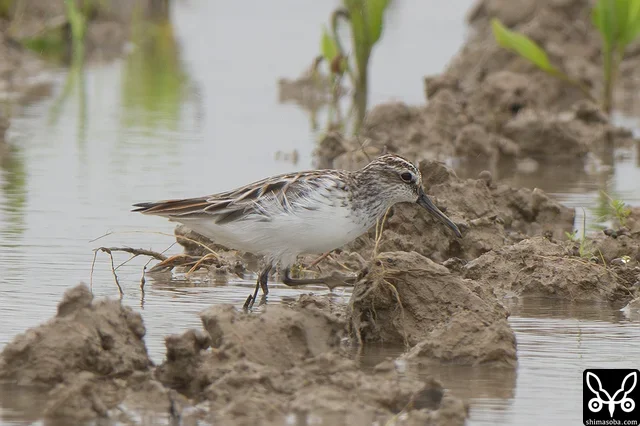
  193. The first Broad-billed Sandpiper of the season.
    Broad-billed Sandpiper
  194. The Sharp-tailed Sandpipers had increased in number.
    Sharp-tailed Sandpiper
  195. The first Pied Avocet of the season. This individual has zero wariness — almost too close to deal with.
    Pied Avocet
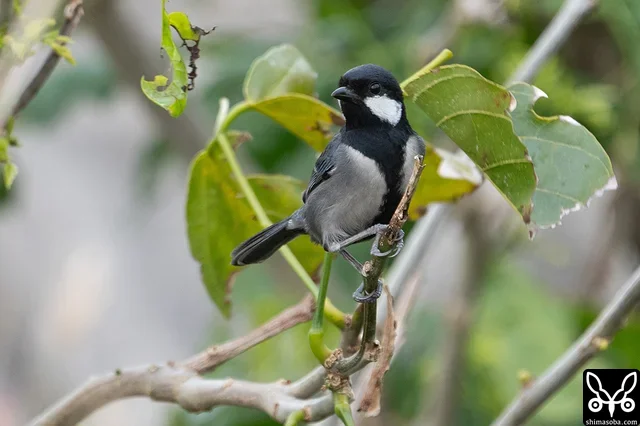
  196. An Ishigaki Tit that was raising chicks kept moving around near the nest while giving alarm calls.
    Ishigaki Tit
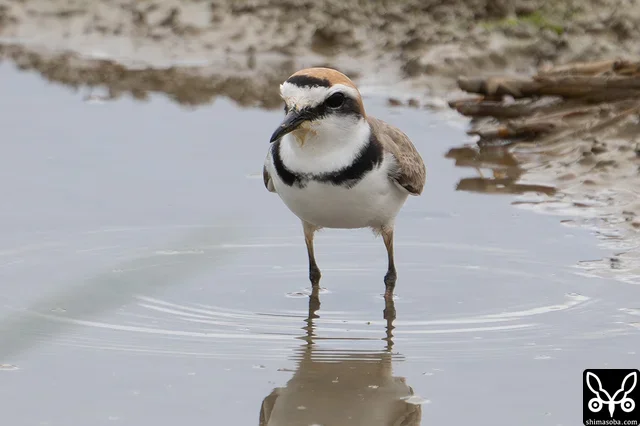
  197. Same individual as above. The breast-band looks like this.
    Kentish Plover
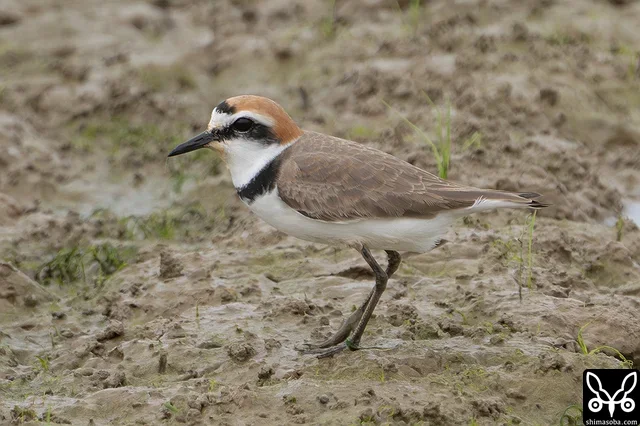
  198. Male Kentish Plover in breeding plumage. Beautiful. The breeding population in Okinawa is considerably paler.
    Kentish Plover
  199. Little Ringed Plover is the most numerous species in the paddies.
    Little Ringed Plover
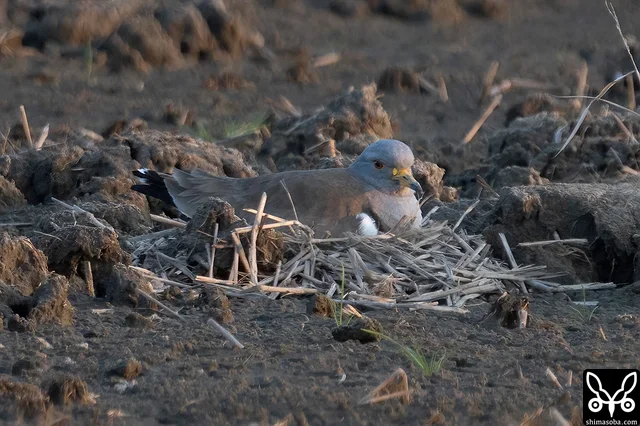
  200. A Grey-headed Lapwing incubating. A female, perhaps?
    Grey-headed Lapwing