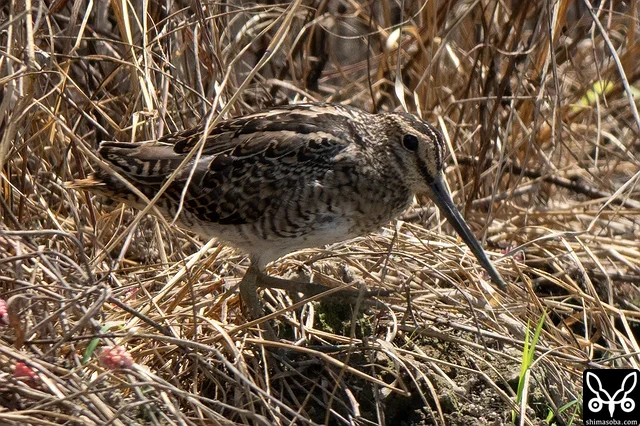
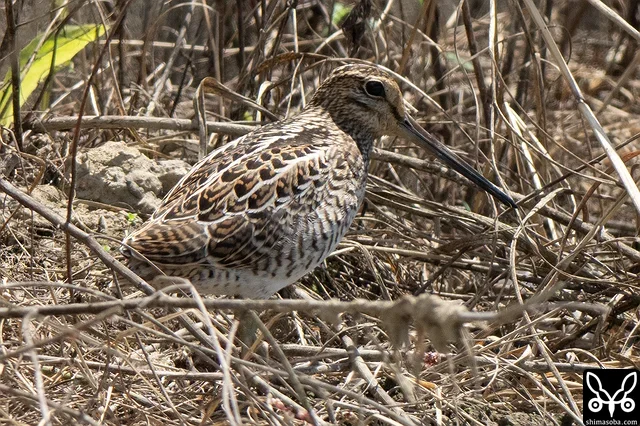
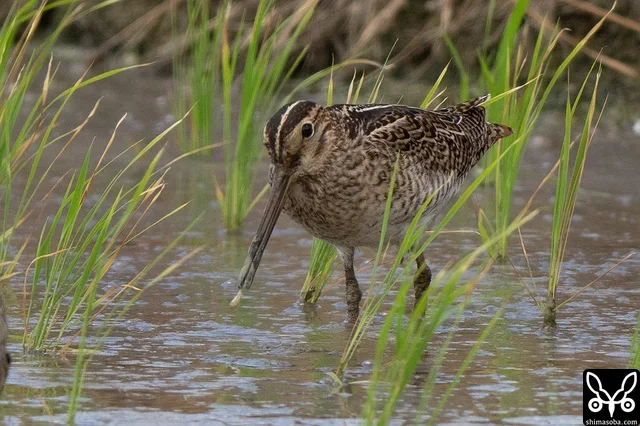
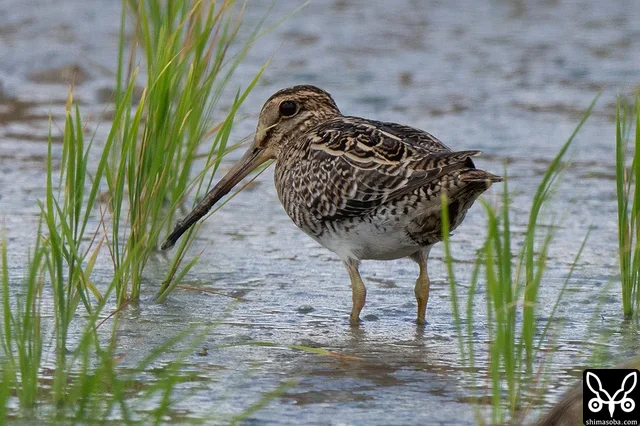
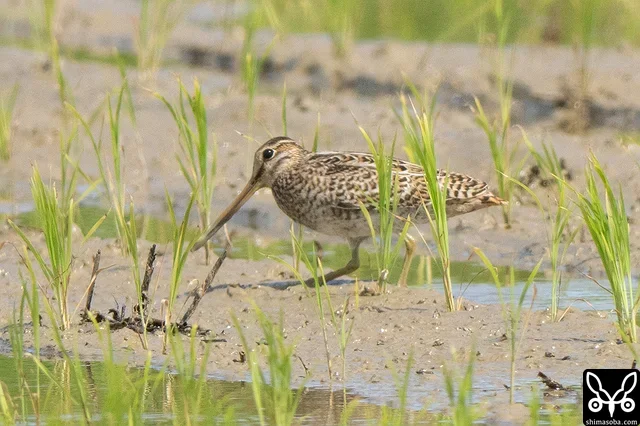
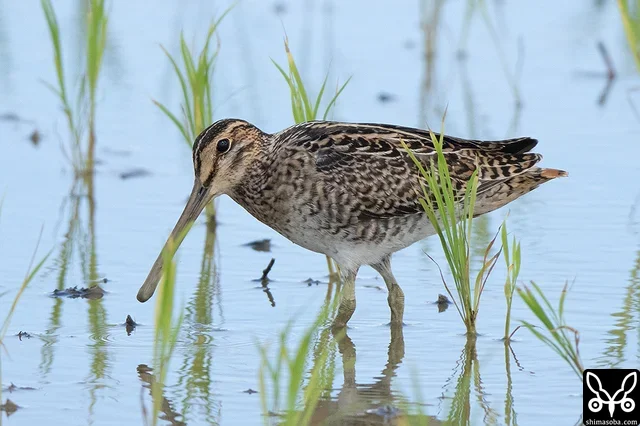
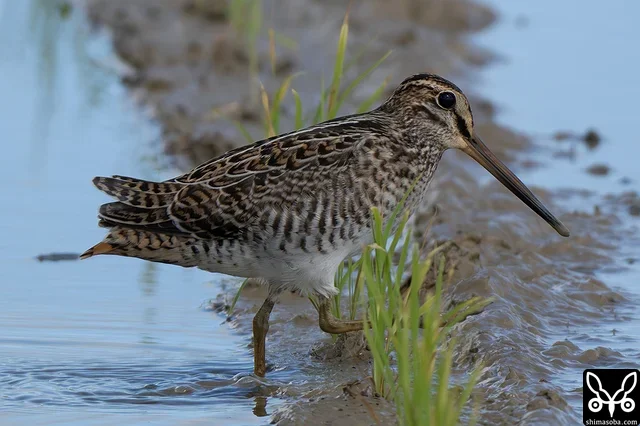
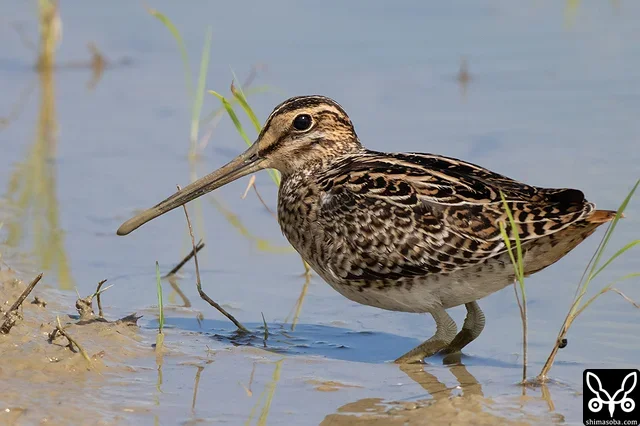
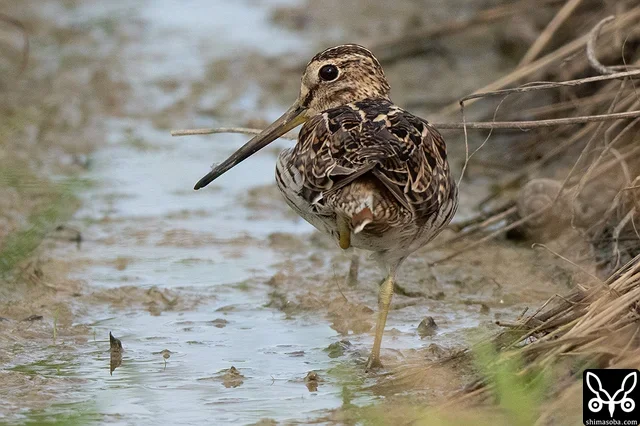
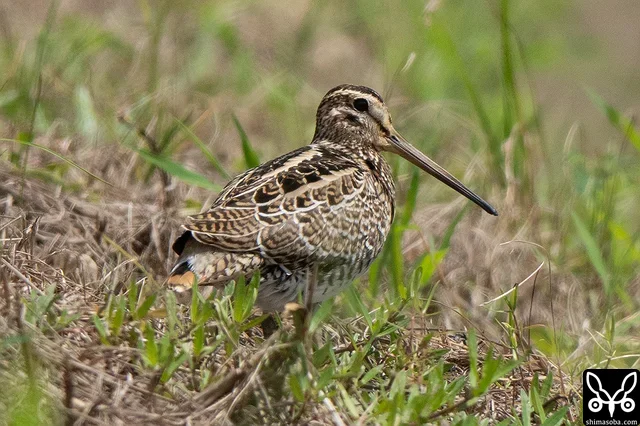
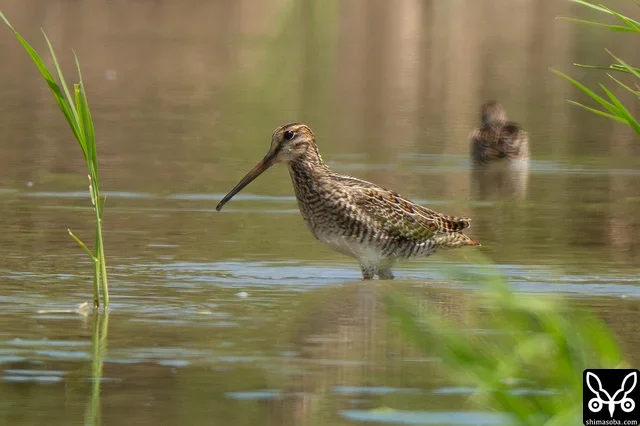
SEASONAL ARCHIVE

Wild Birds of September

When and what wild birds might you see — a timeline sorted by date taken

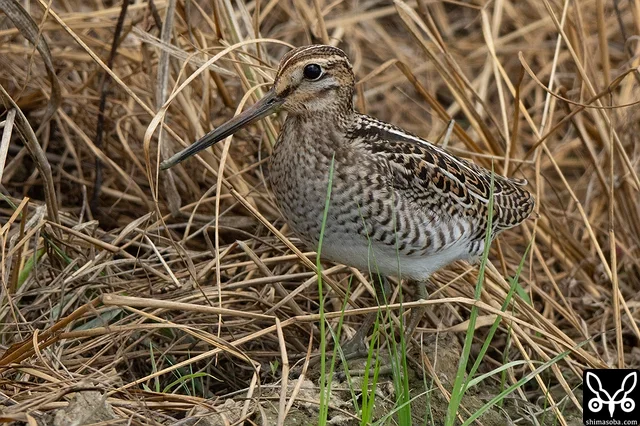
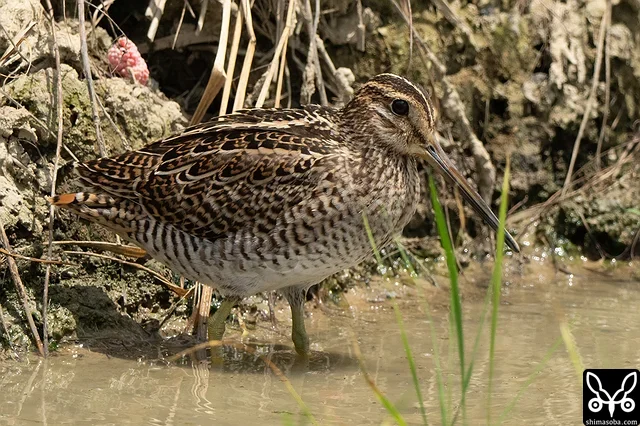
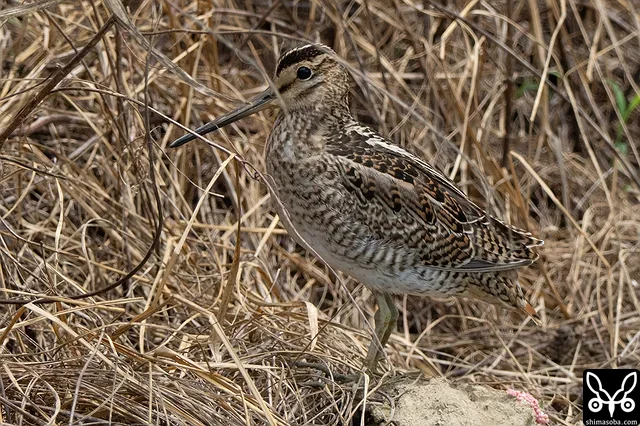
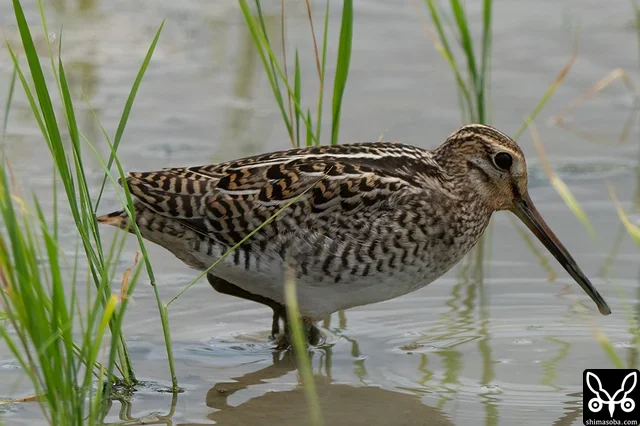
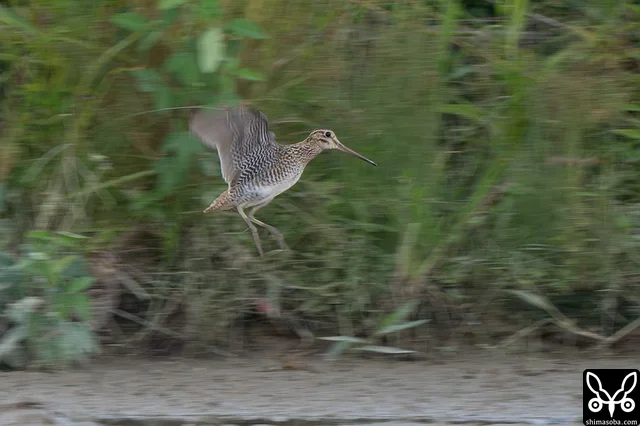
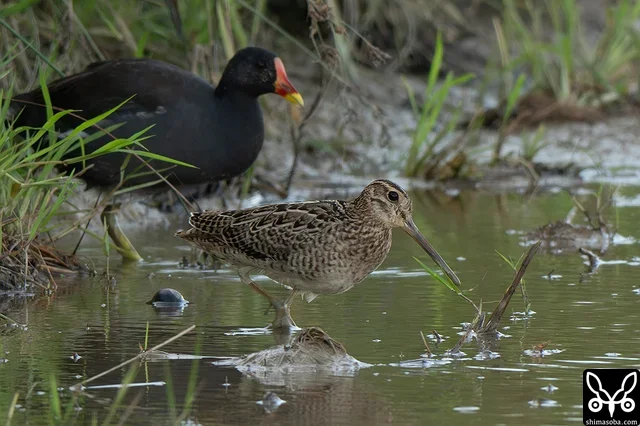
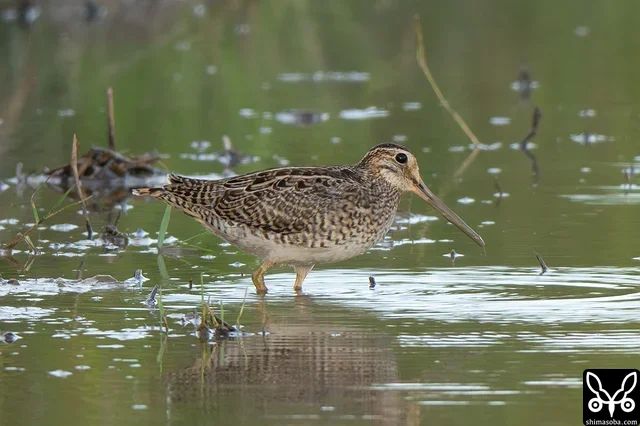
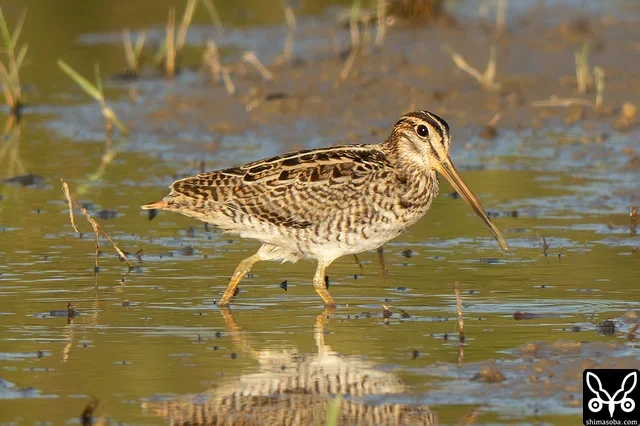
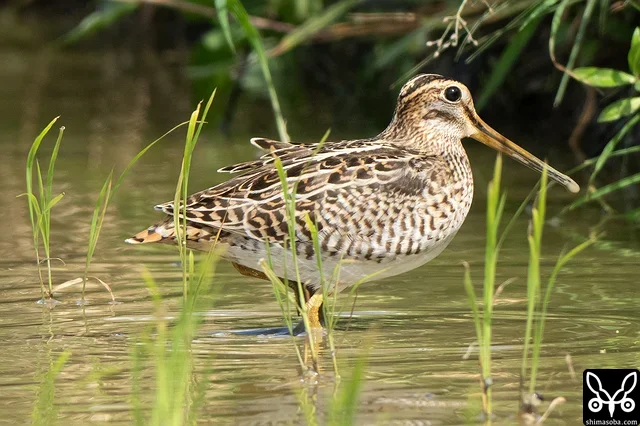
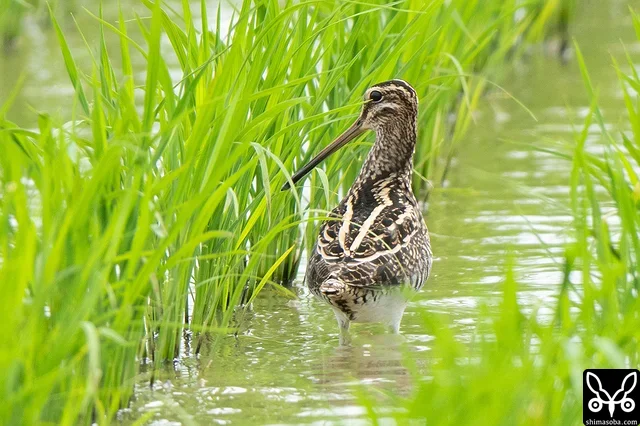
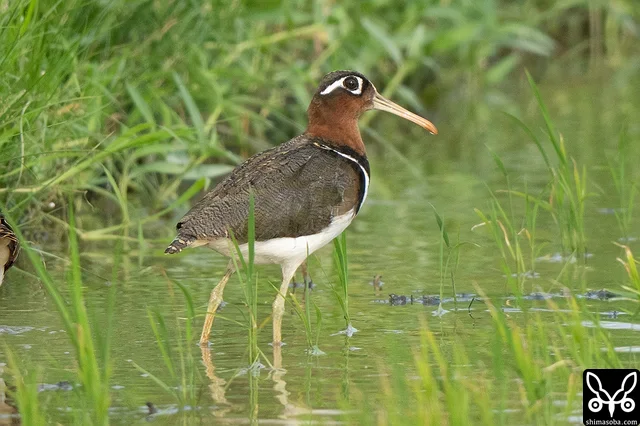
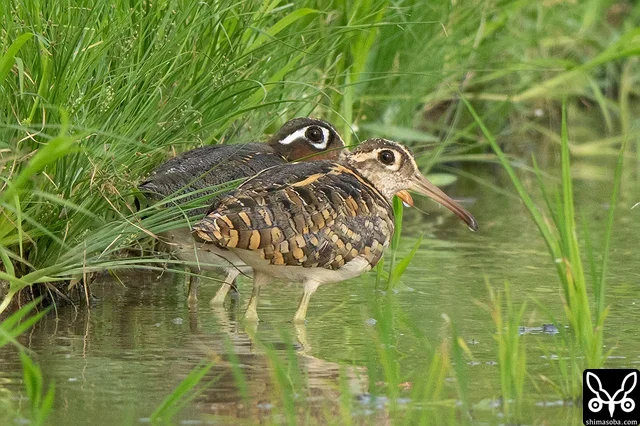
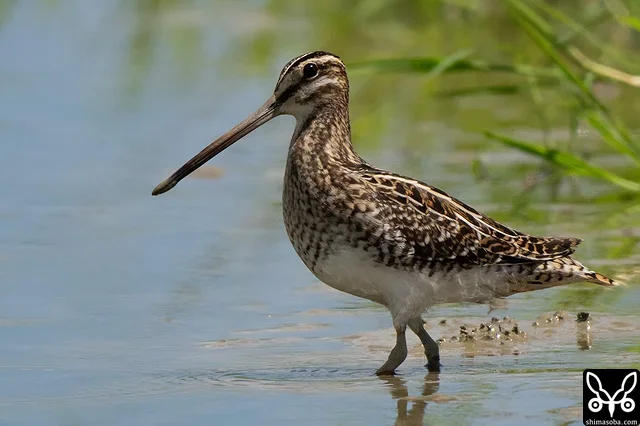
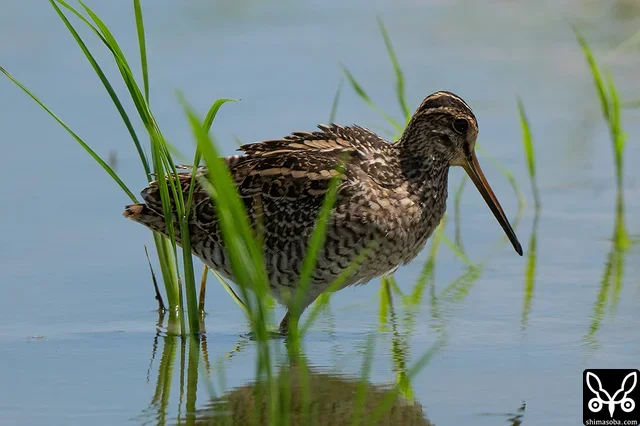
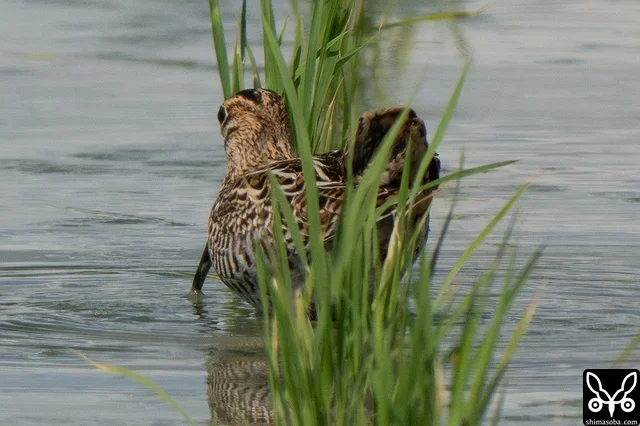
  1. 2
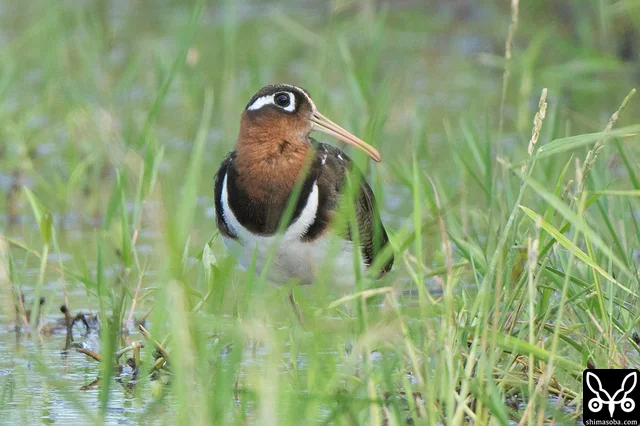
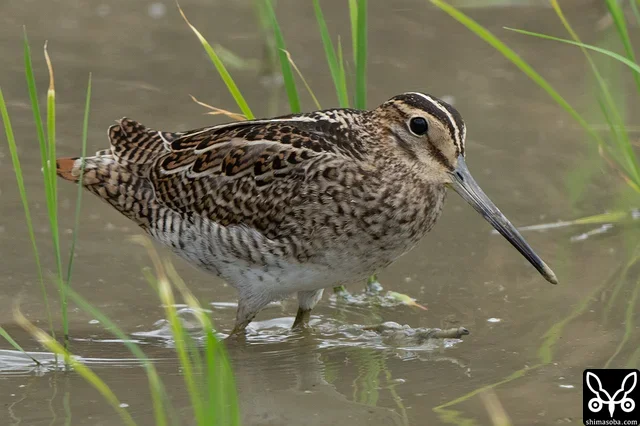
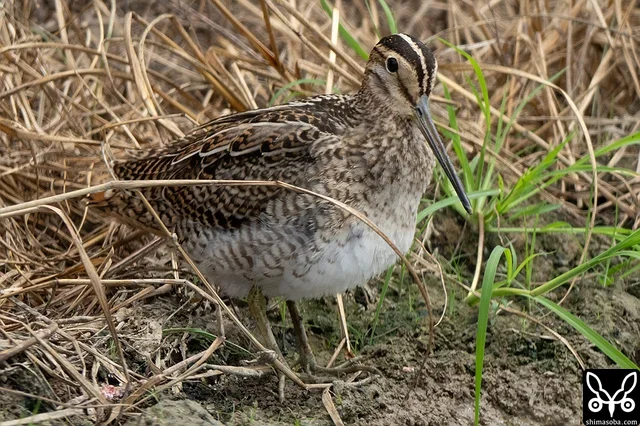
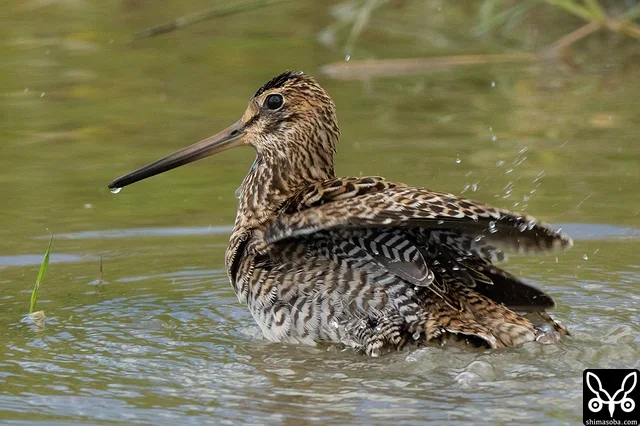
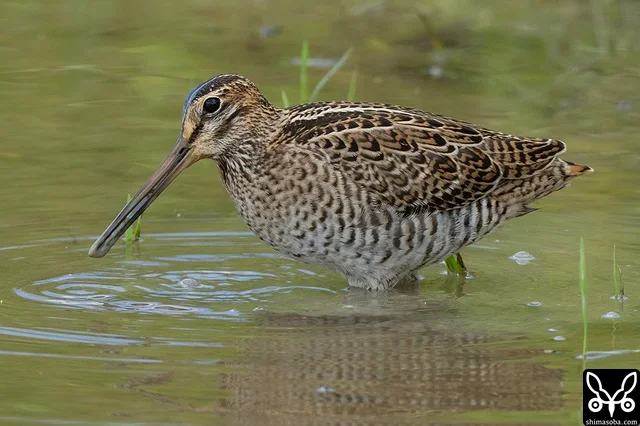
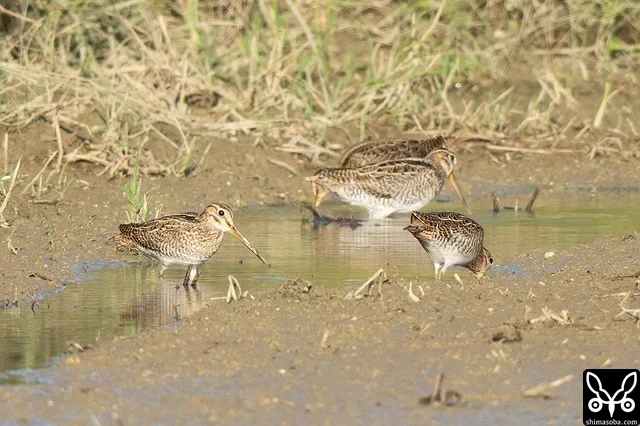
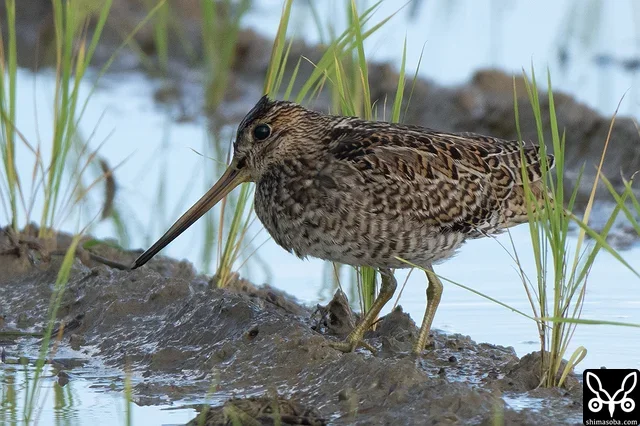
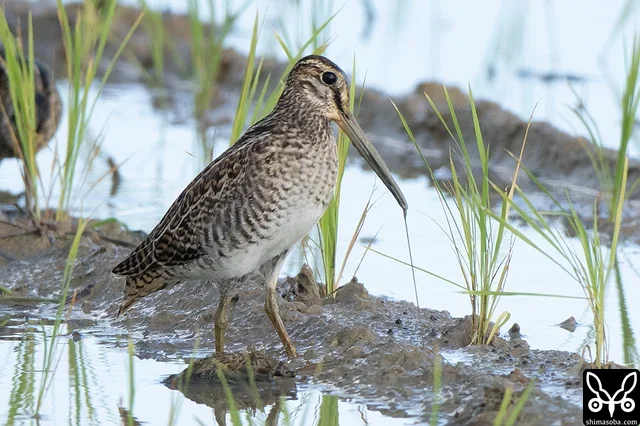
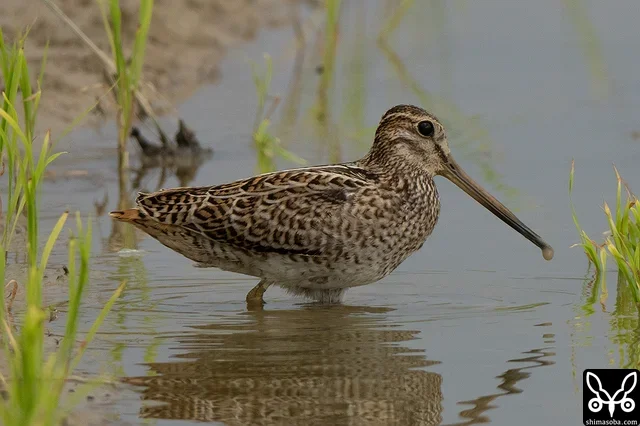
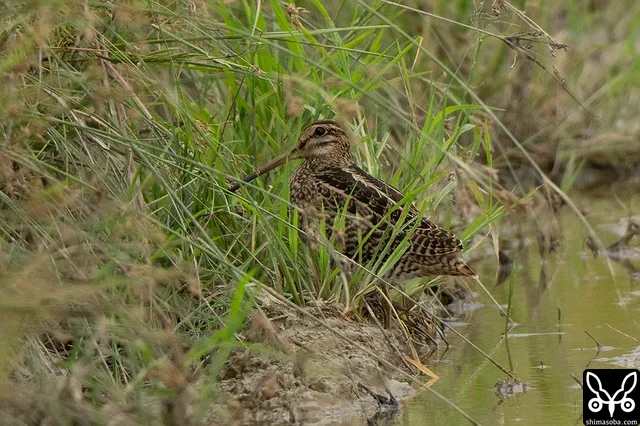
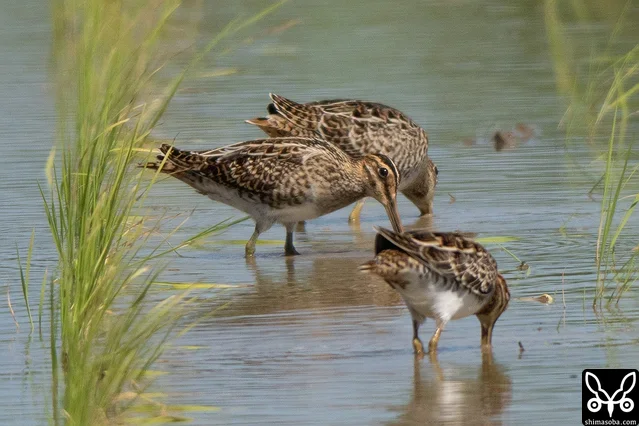
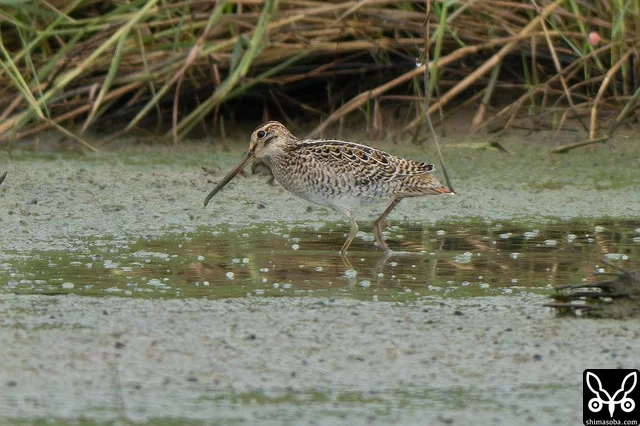
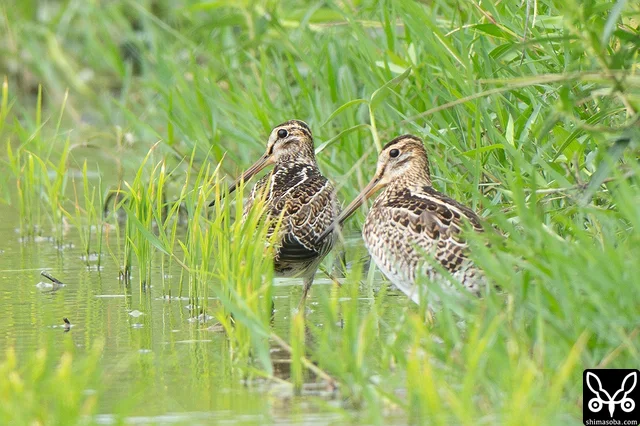
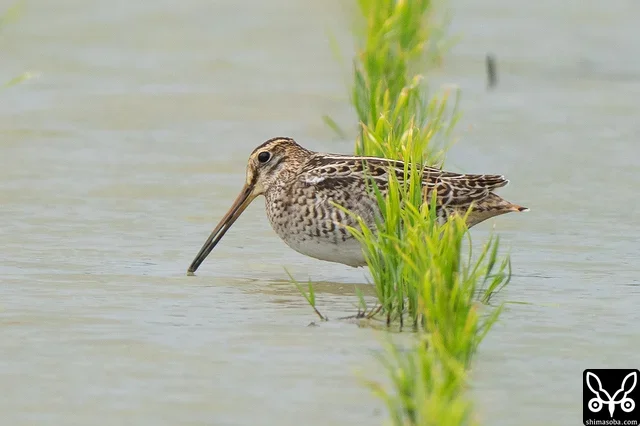
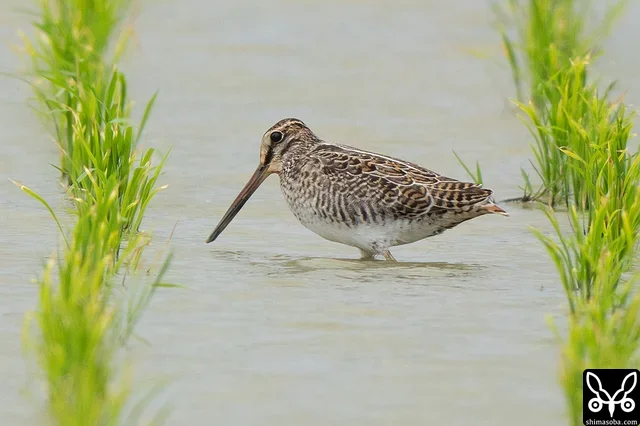
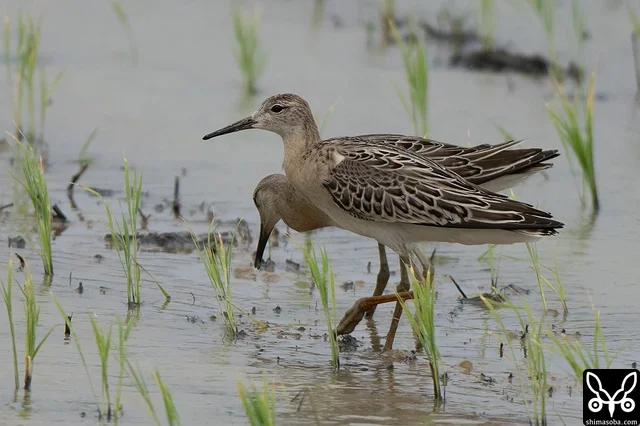
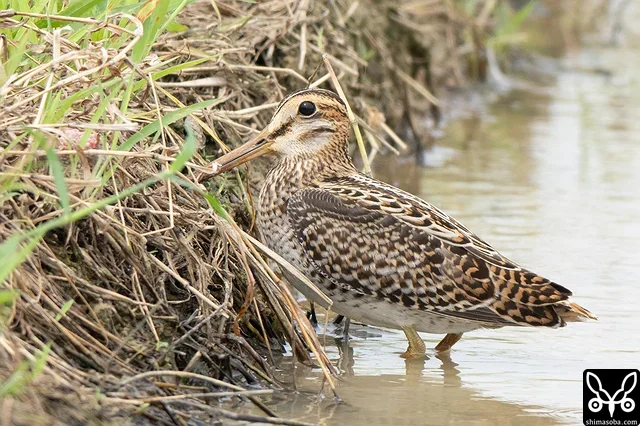
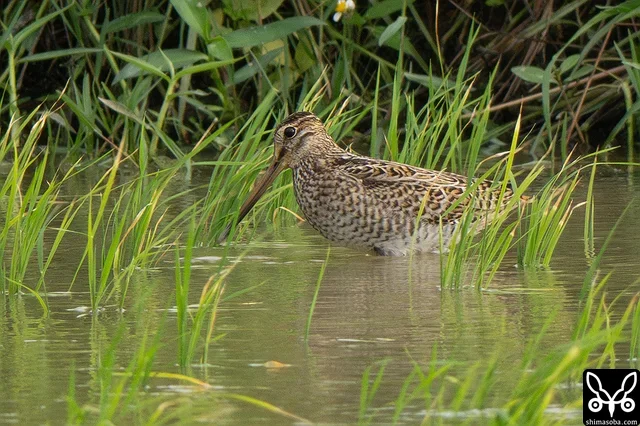
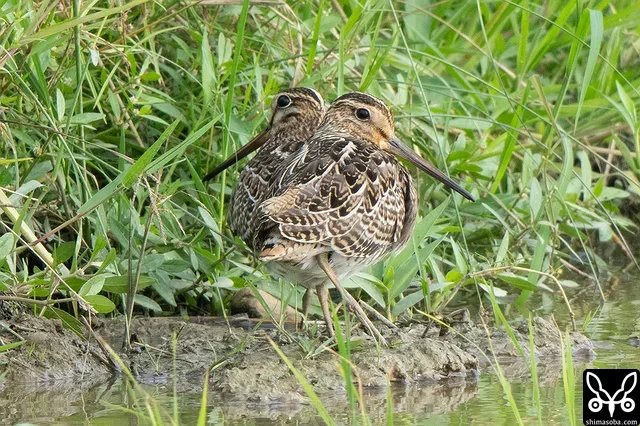
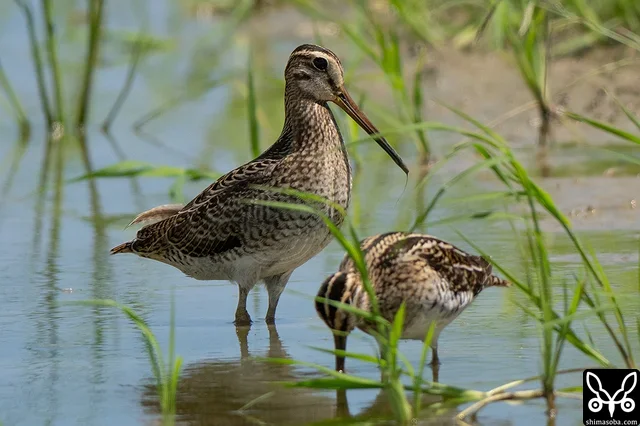
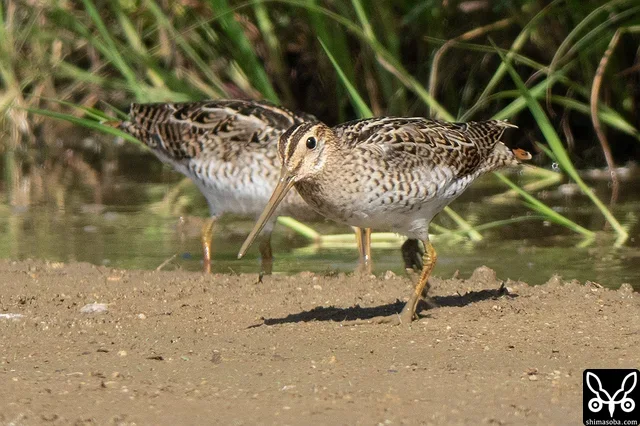
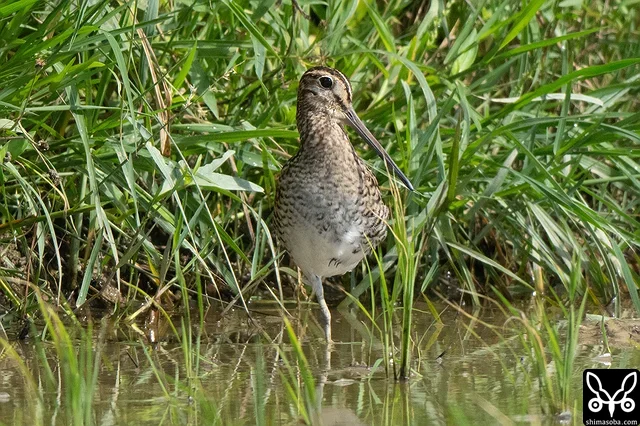
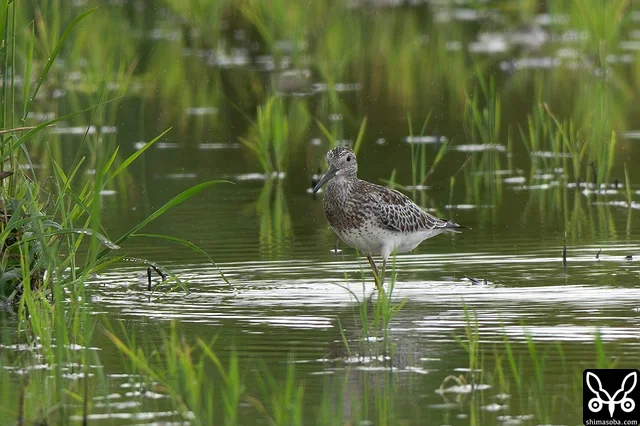
    Two female Greater Painted-snipes were feeding in close proximity. No exclusion behaviour was observed.
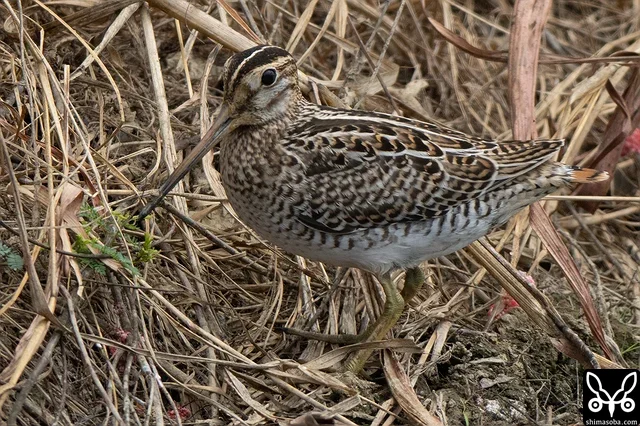
    Greater Painted-snipe
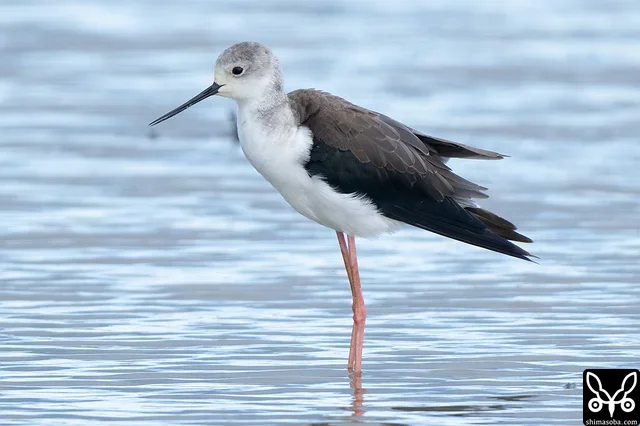
  2. Black-winged Stilt, female in non-breeding plumage.
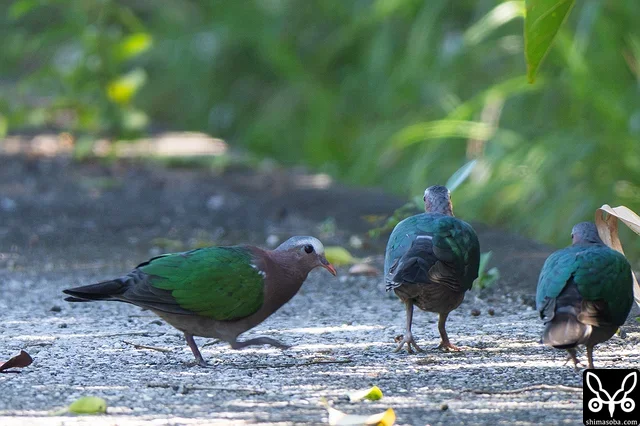
    Black-winged Stilt
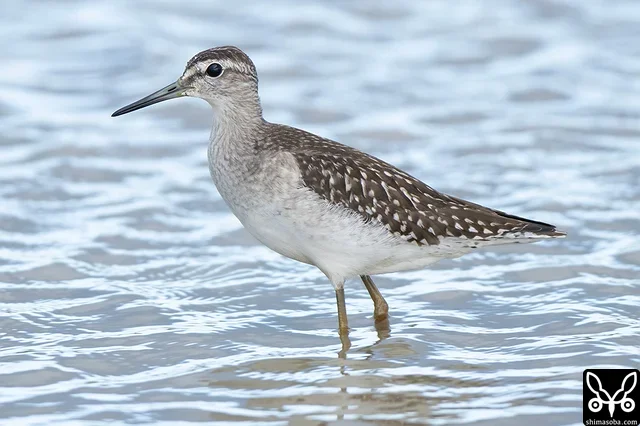
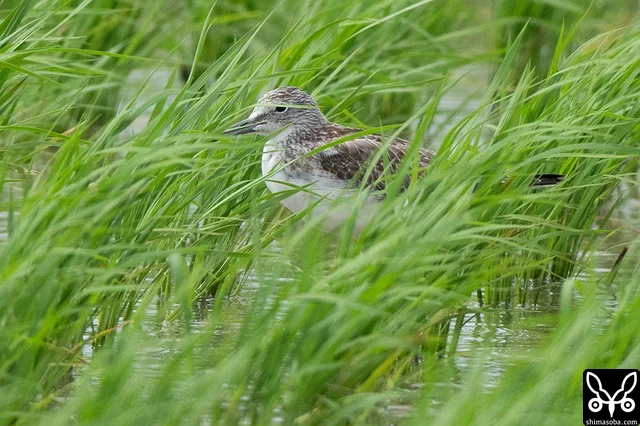
  3. Wood Sandpipers staying in good numbers.
    Wood Sandpiper
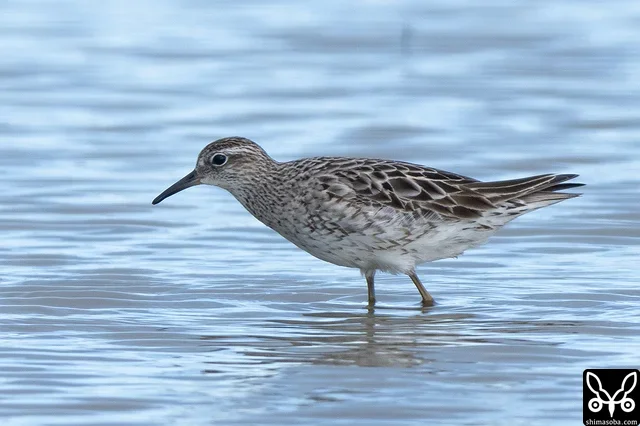
  4. Wood Sandpiper in the process of changing into non-breeding plumage.
    Sharp-tailed Sandpiper
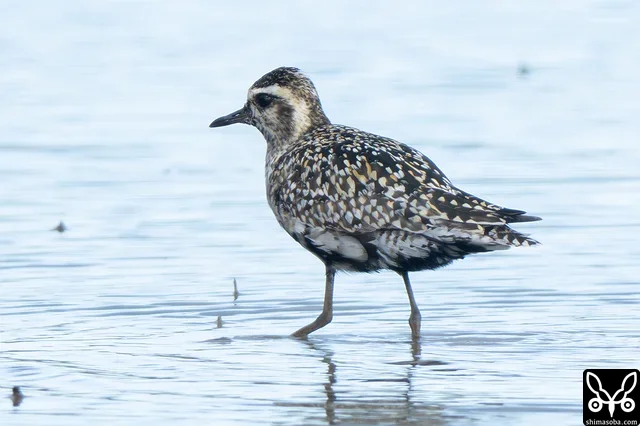
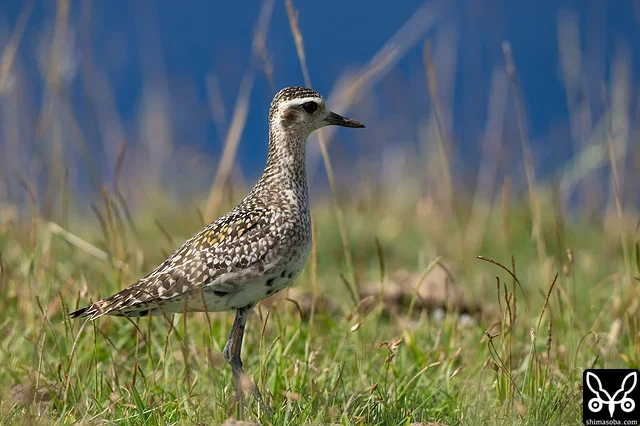
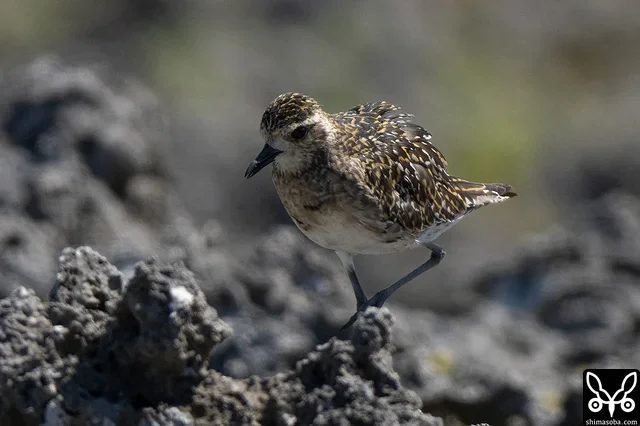
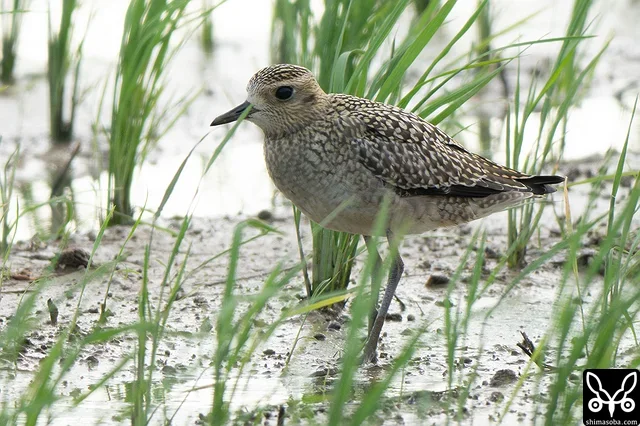
  5. Pacific Golden Plover, transitioning from breeding to non-breeding plumage.
    Pacific Golden Plover
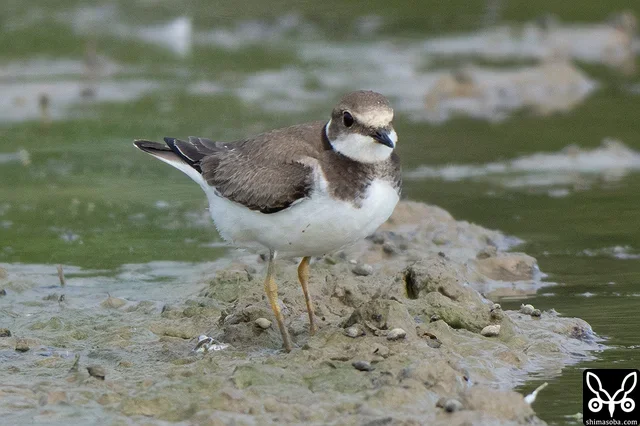
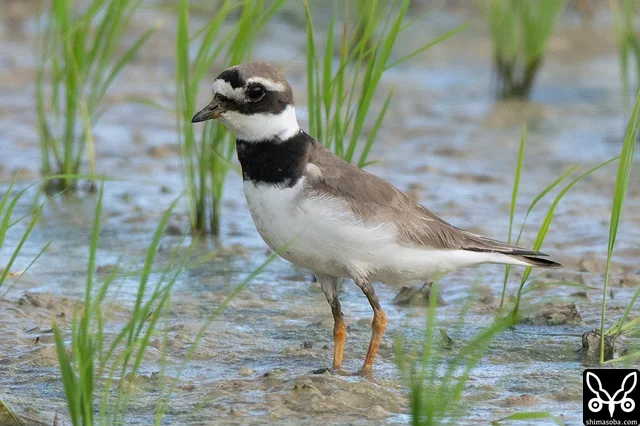
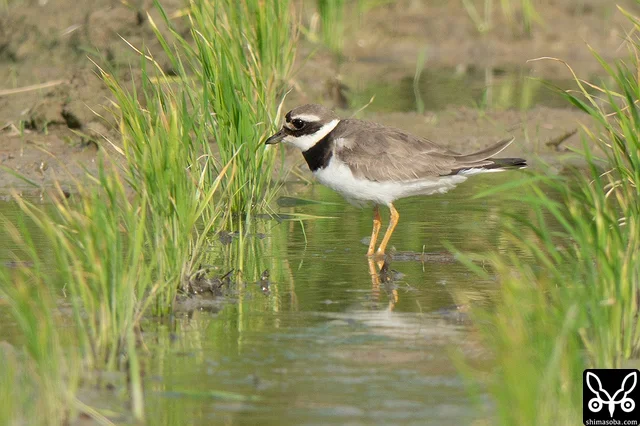
  6. Little Ringed Plovers were staying in rice fields here and there.
    Little Ringed Plover
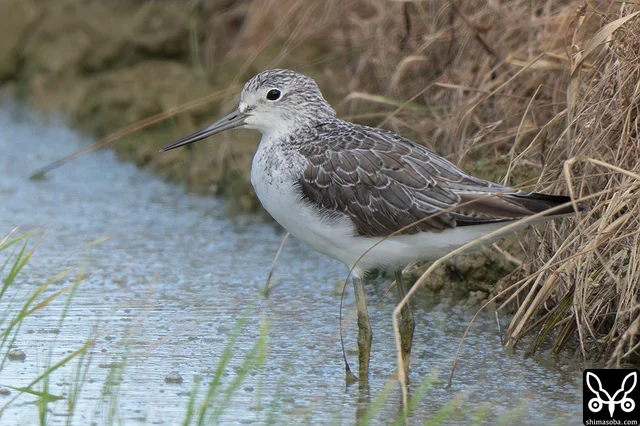
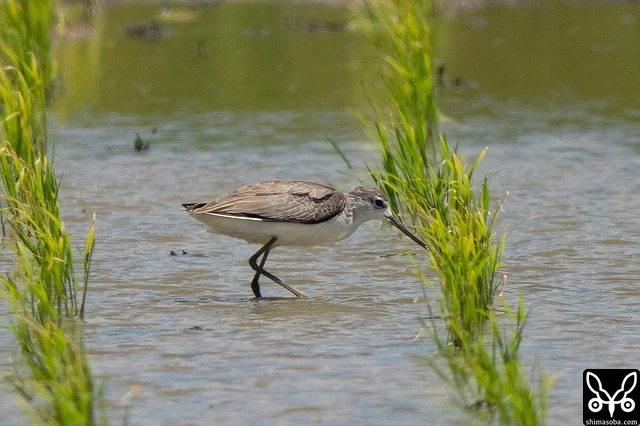
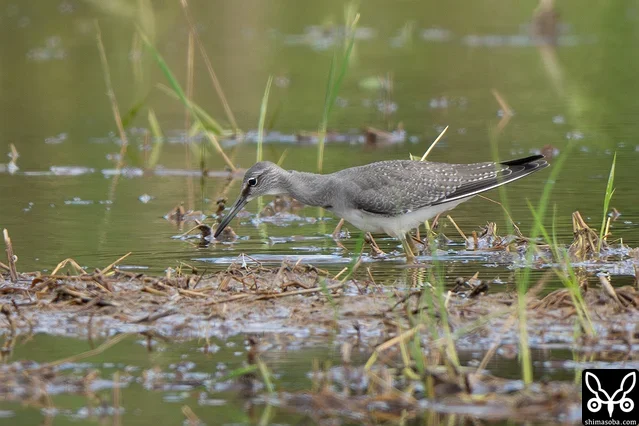
  7. Common Greenshank is also changing into non-breeding plumage.
    Common Greenshank
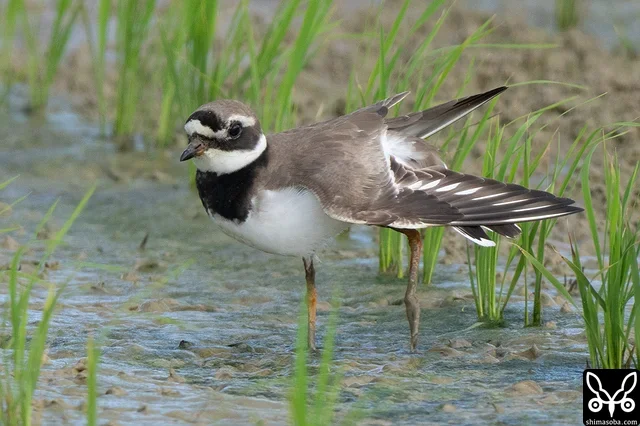
  8. The white wing-bar of the Kentish Plover is conspicuous even in flight and helps with identification from Little Ringed Plover.
    Long-banded Plover
  9. The Kentish Plover was in transition from breeding to non-breeding plumage.
    Long-banded Plover
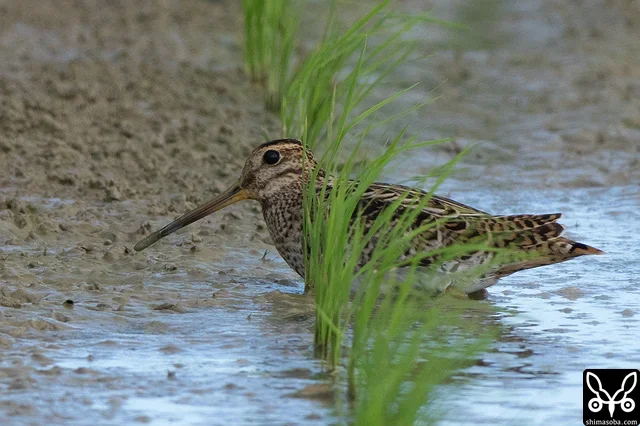
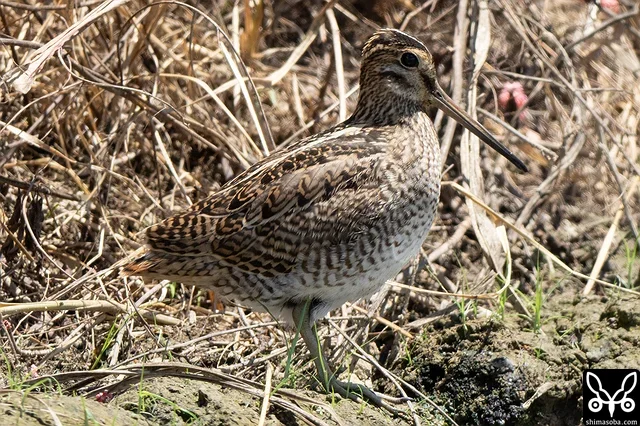
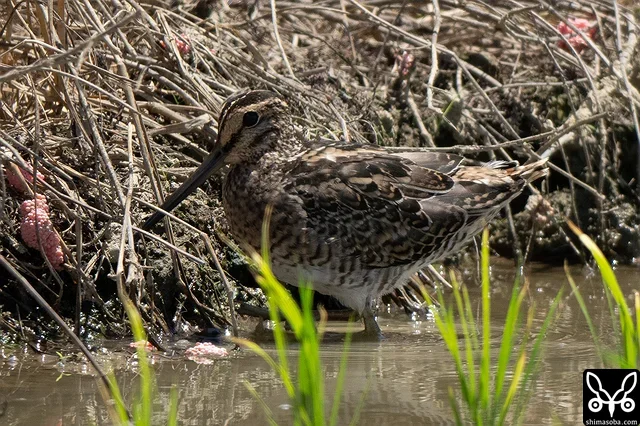
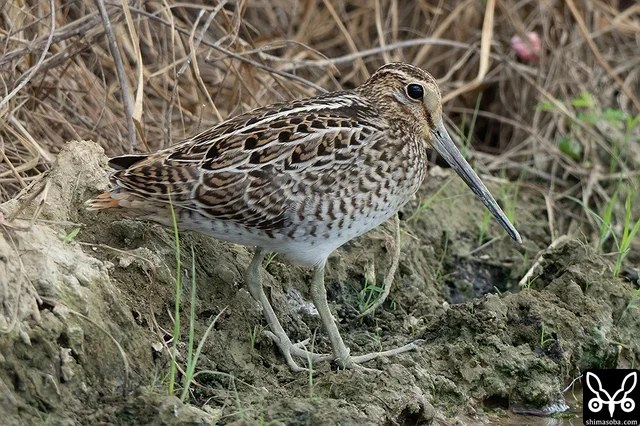
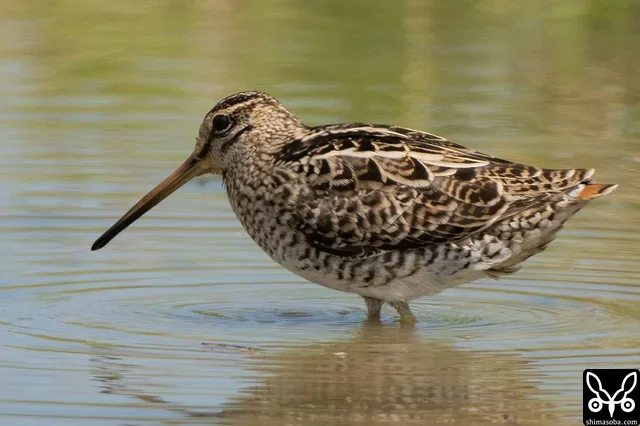
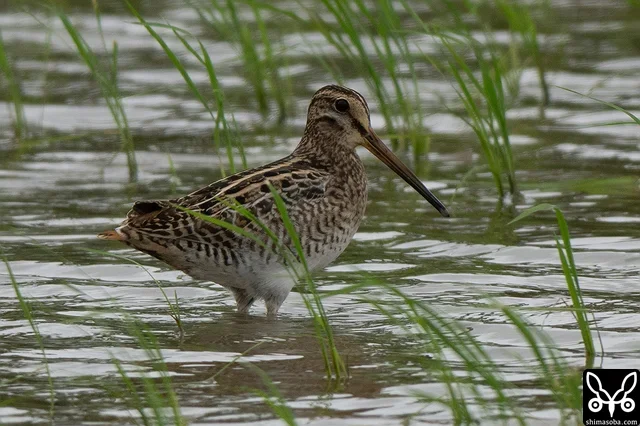
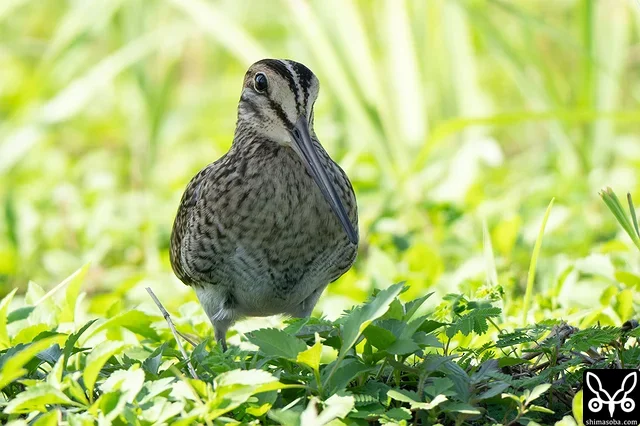
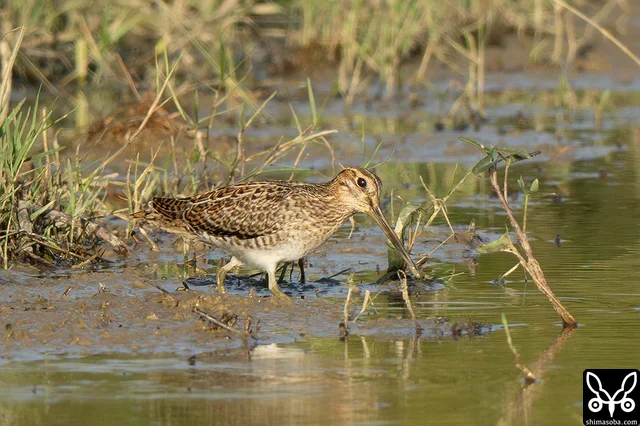
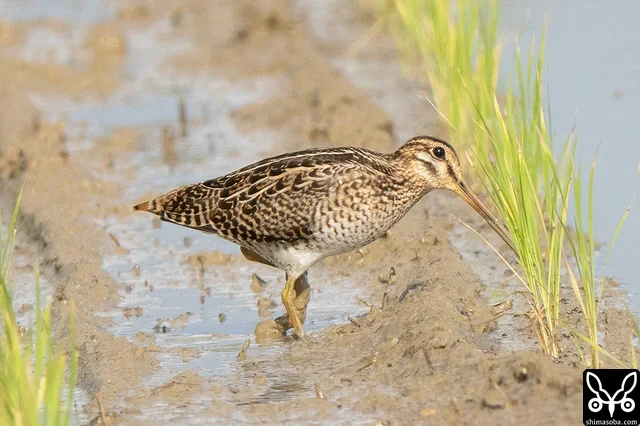
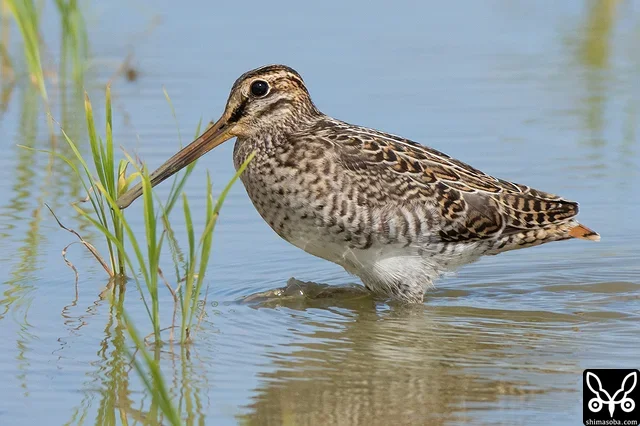
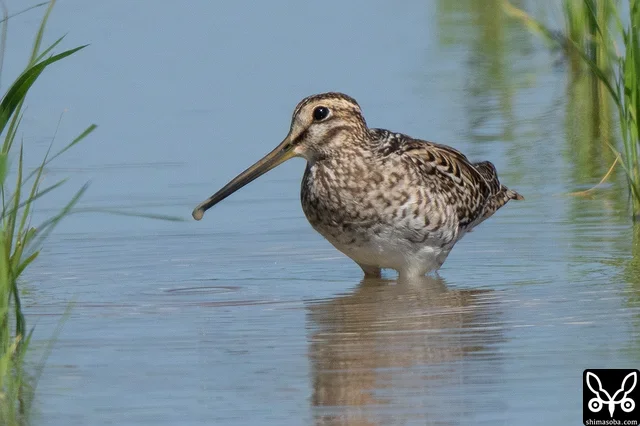
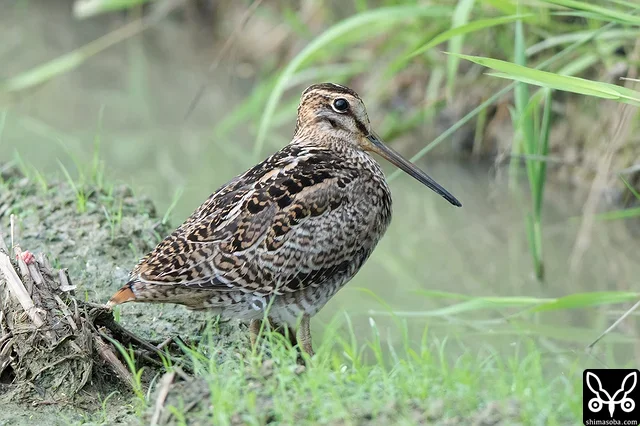
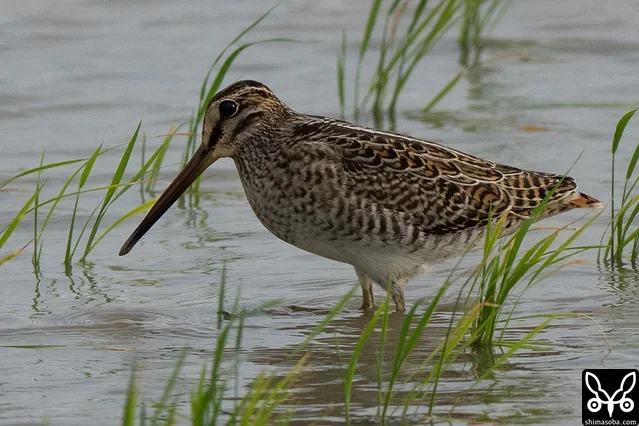
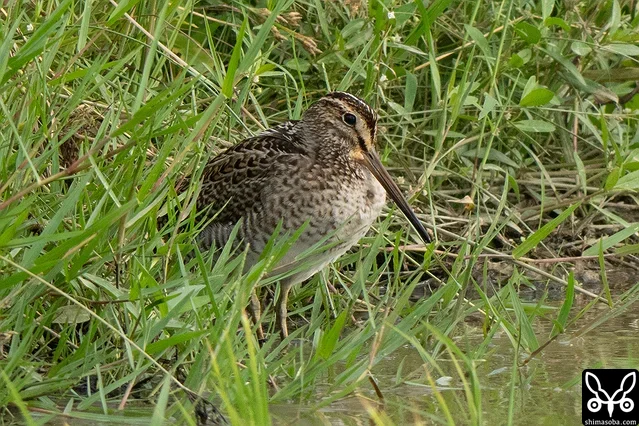
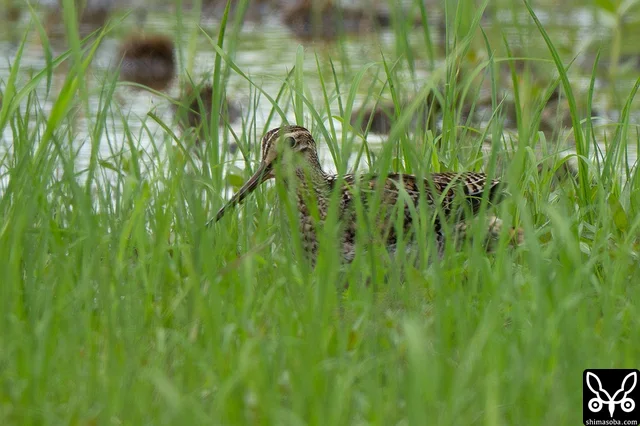
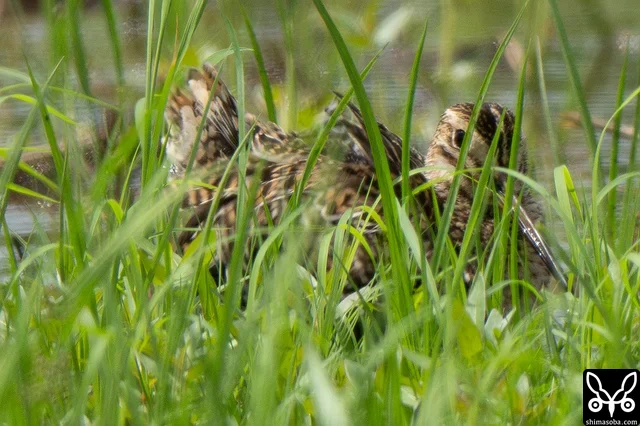
  10. Swinhoe's Snipe, juvenile.
    Swinhoe's Snipe
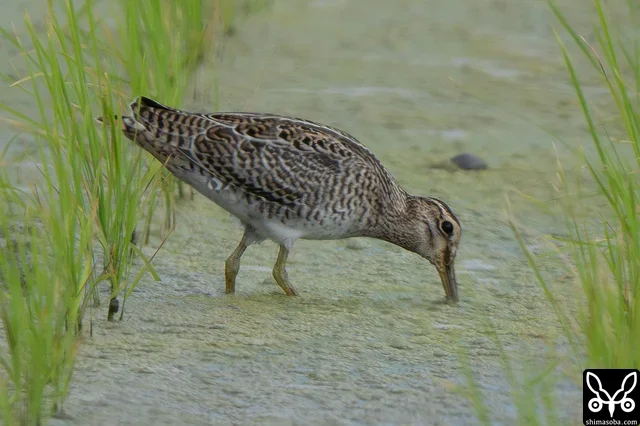
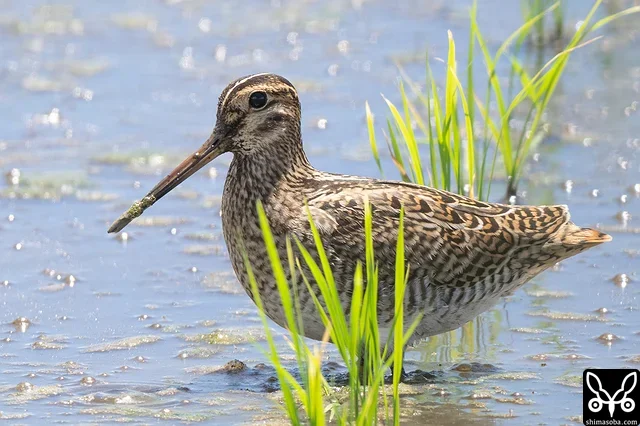
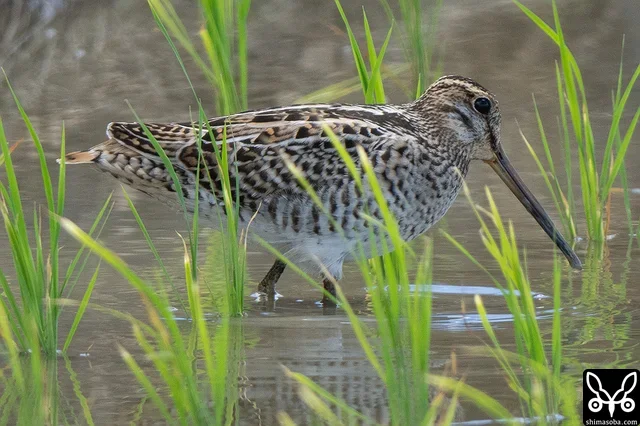
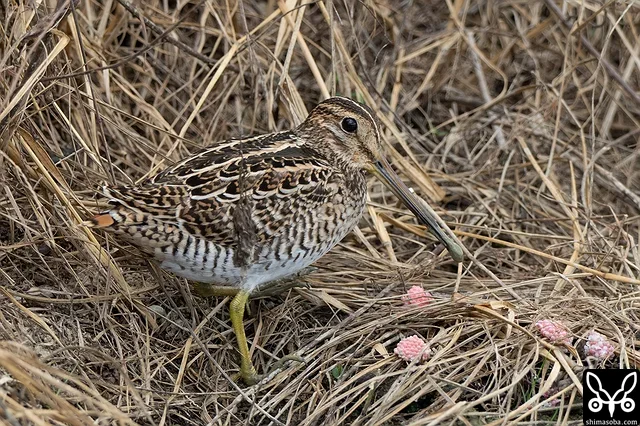
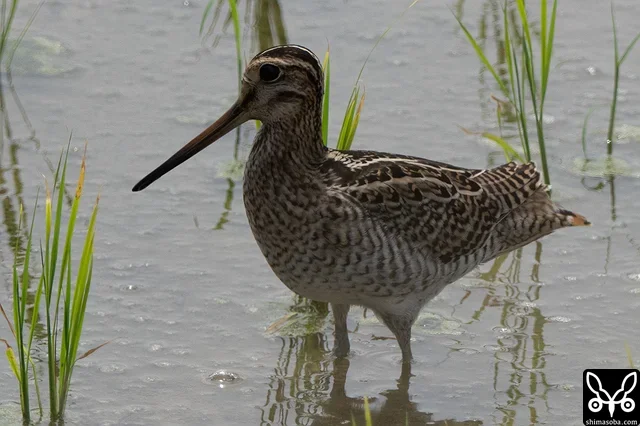
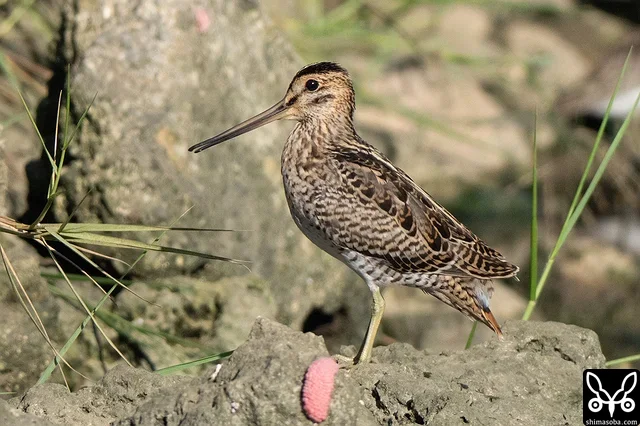
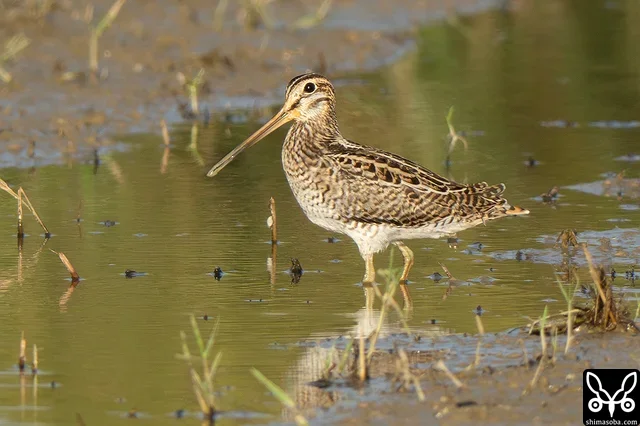
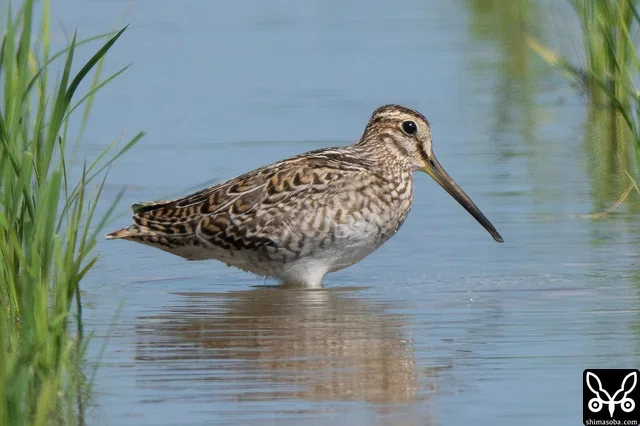
  11. Swinhoe's Snipe, juvenile.
    Swinhoe's Snipe
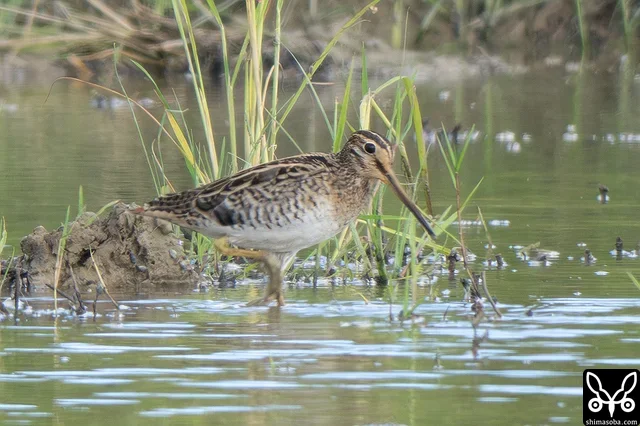
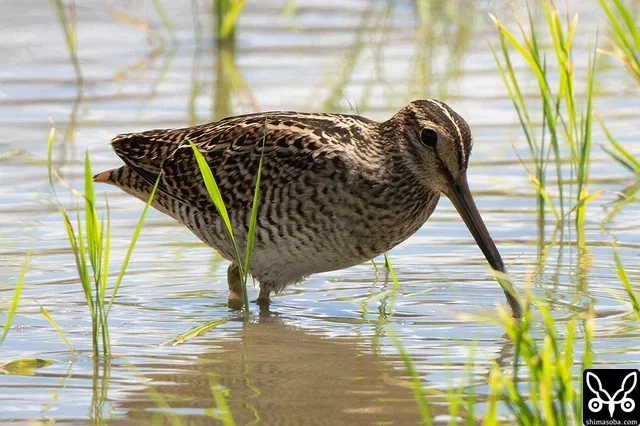
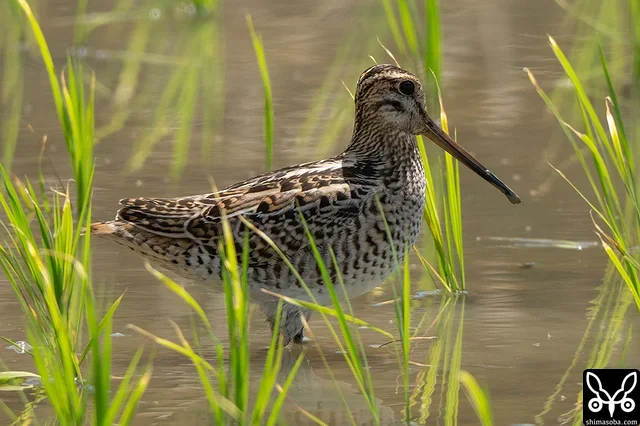
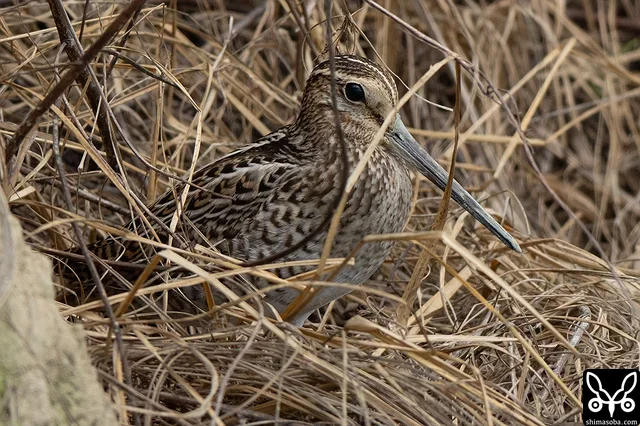
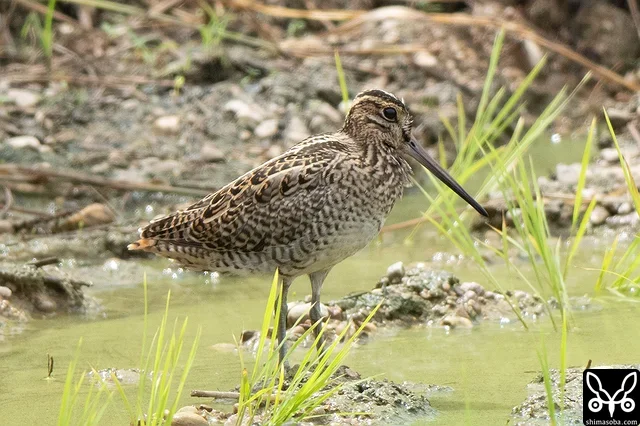
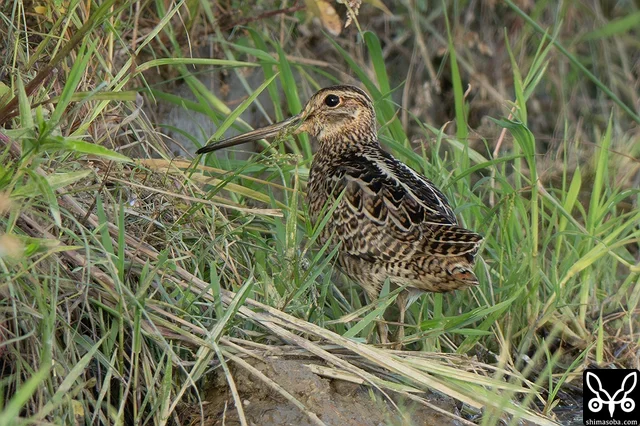
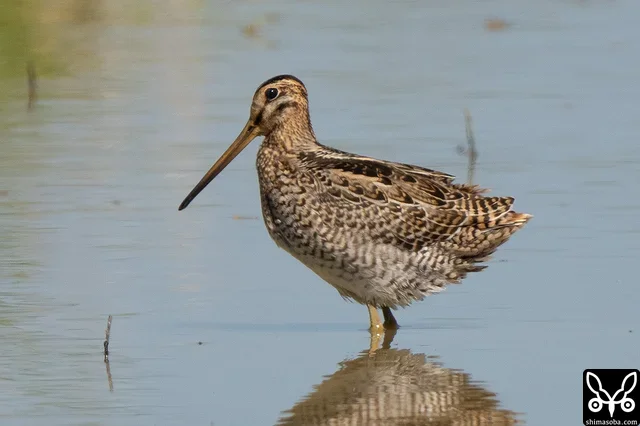
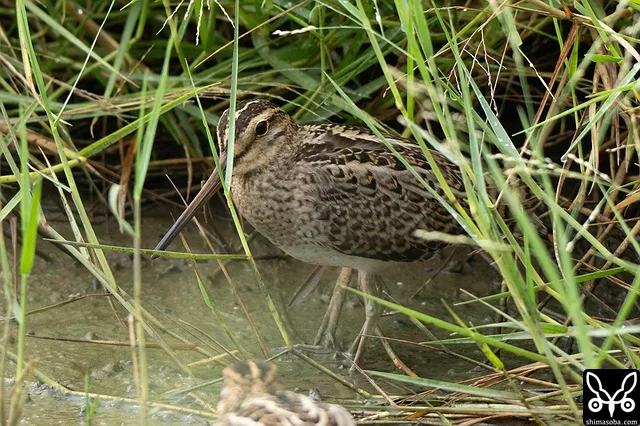
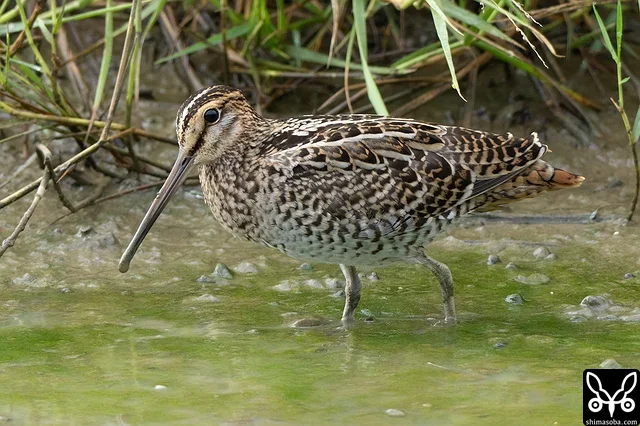
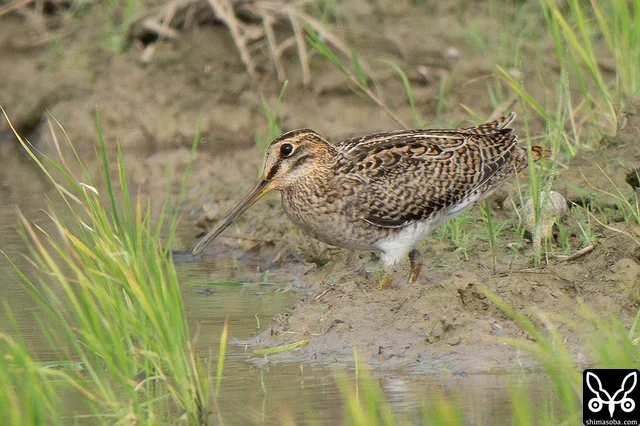
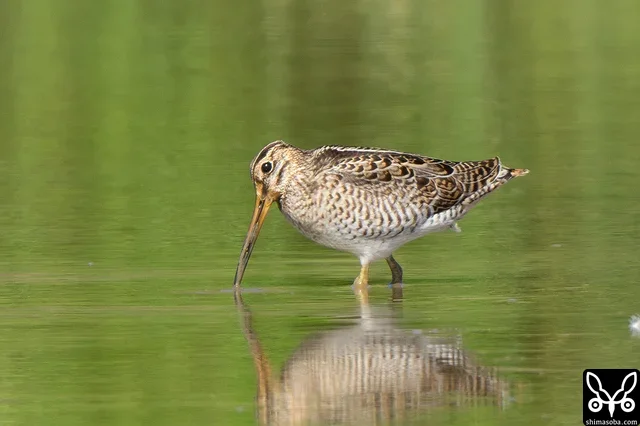
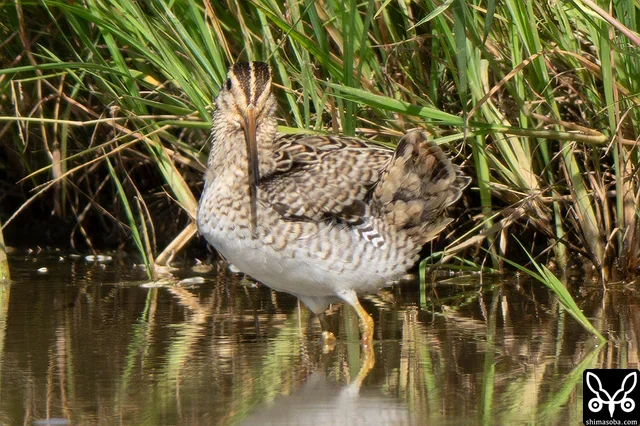
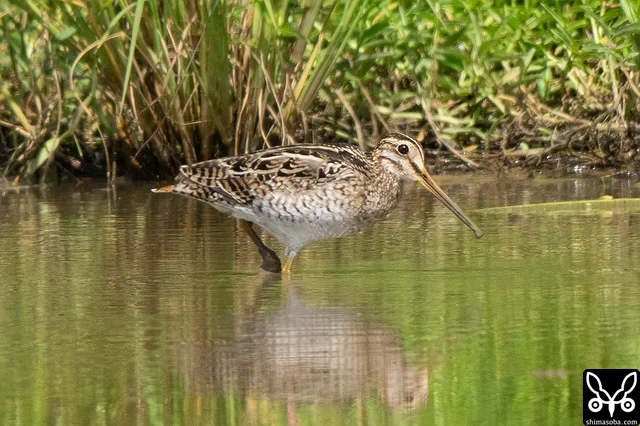
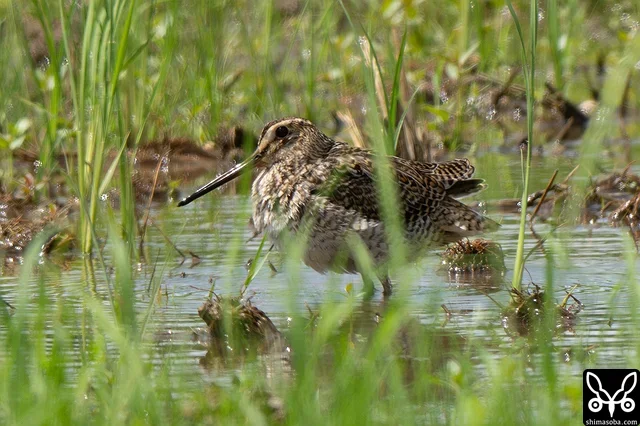
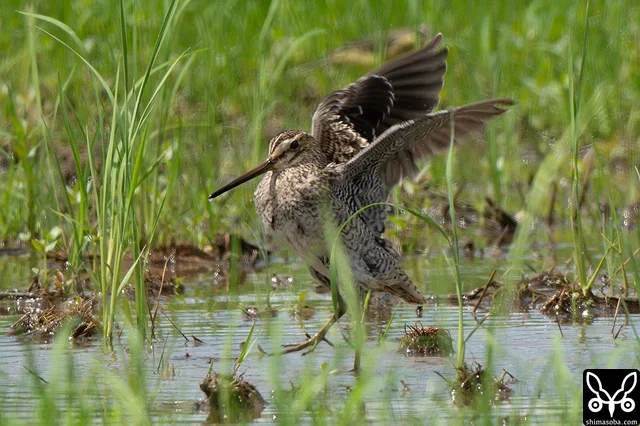
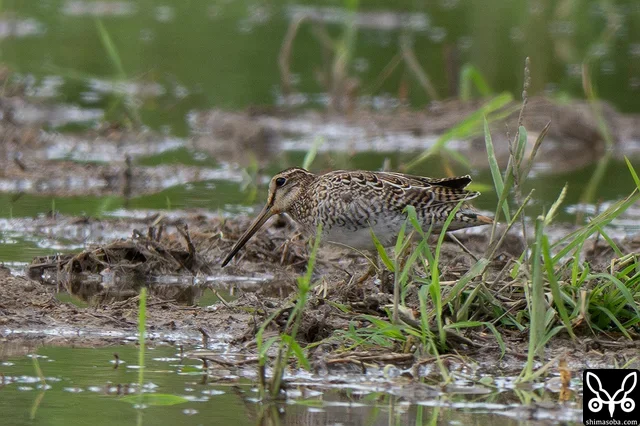
  12. Swinhoe's Snipe.
    Swinhoe's Snipe
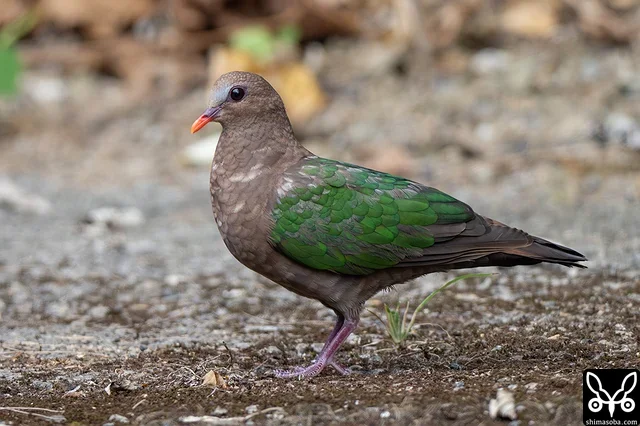
  13. A Emerald Dove appearing in the village. Almost no wariness at all.
    Emerald Dove
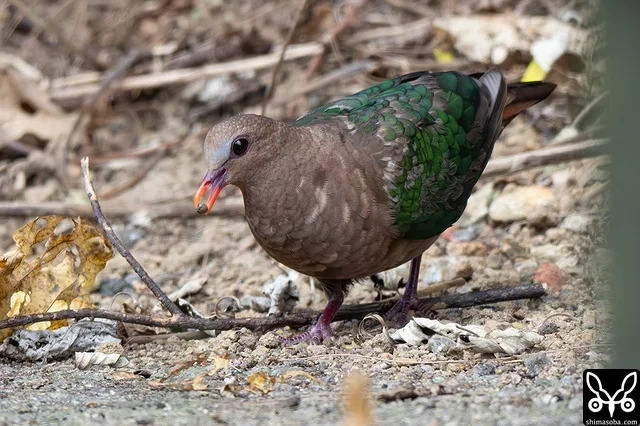
  14. An Emerald Dove eating fallen fruit of Okinawa mallotus on the pavement.
    Emerald Dove
  15. Swinhoe's Snipe, juvenile.
    Swinhoe's Snipe
  16. Swinhoe's Snipe, juvenile.
    Swinhoe's Snipe
  17. Swinhoe's Snipe, juvenile.
    Swinhoe's Snipe
  18. Swinhoe's Snipe, juvenile.
    Swinhoe's Snipe
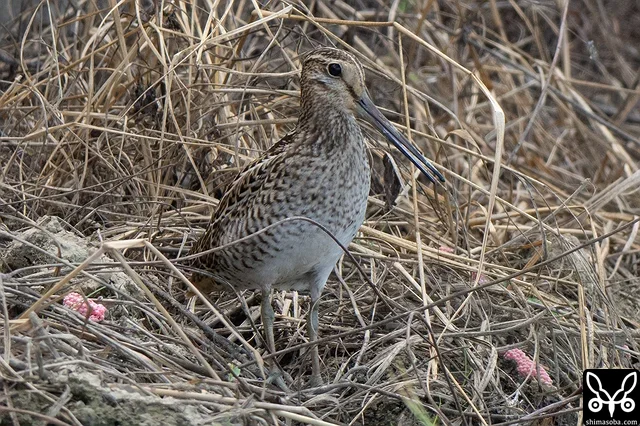
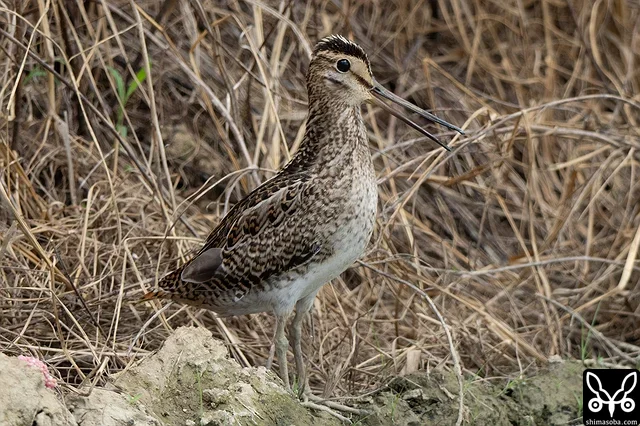
  19. Pin-tailed Snipe, juvenile.
    Pin-tailed Snipe
  20. Swinhoe's Snipe, juvenile.
    Swinhoe's Snipe
  21. Swinhoe's Snipe, juvenile.
    Swinhoe's Snipe
  22. Pin-tailed Snipe, juvenile.
    Pin-tailed Snipe
  23. Swinhoe's Snipe, juvenile.
    Swinhoe's Snipe
  24. Swinhoe's Snipe, first-winter.
    Swinhoe's Snipe
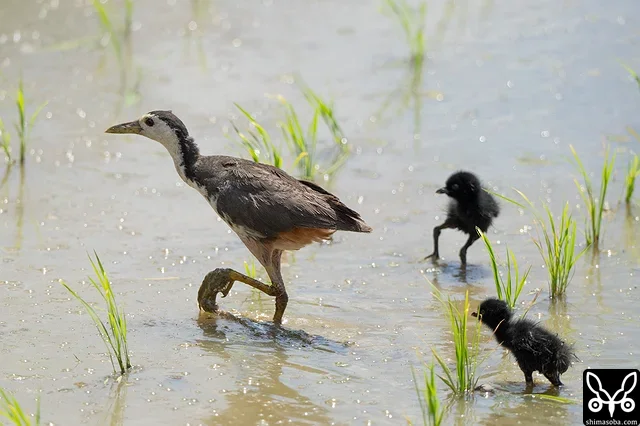
  25. The parent bird, with no wariness at all, came right up in front of me with three chicks in tow.
    White-breasted Waterhen
  26. Swinhoe's Snipe, juvenile.
    Swinhoe's Snipe
  27. 3
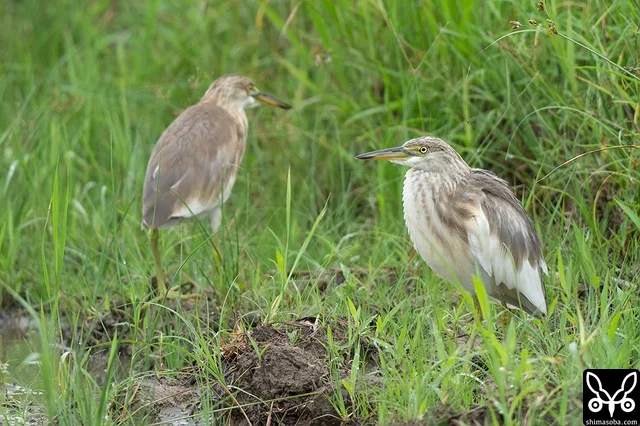
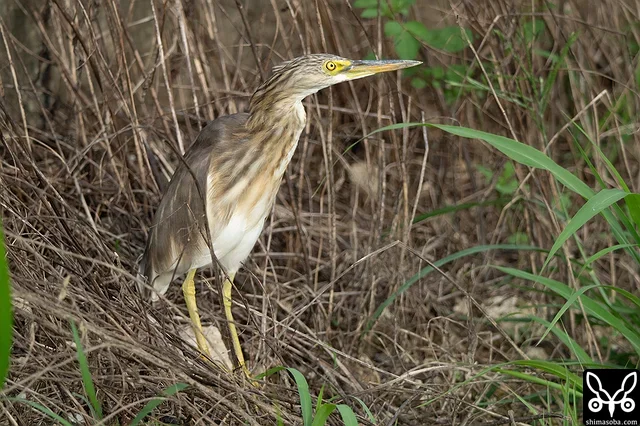
    Two Javan Pond Herons.
    Javan Pond Heron
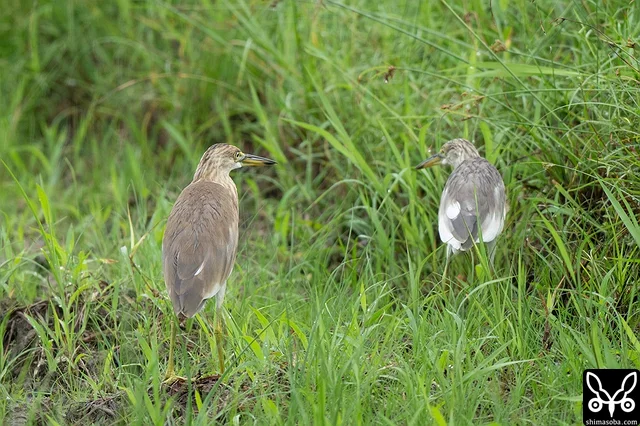
  28. Same Javan Pond Herons, but the colouring on the upperparts is quite different. Could it be a juvenile versus adult difference?
    Javan Pond Heron
  29. Pin-tailed Snipe, juvenile.
    Pin-tailed Snipe
  30. Swinhoe's Snipe, juvenile.
    Swinhoe's Snipe
  31. Pin-tailed Snipe, juvenile.
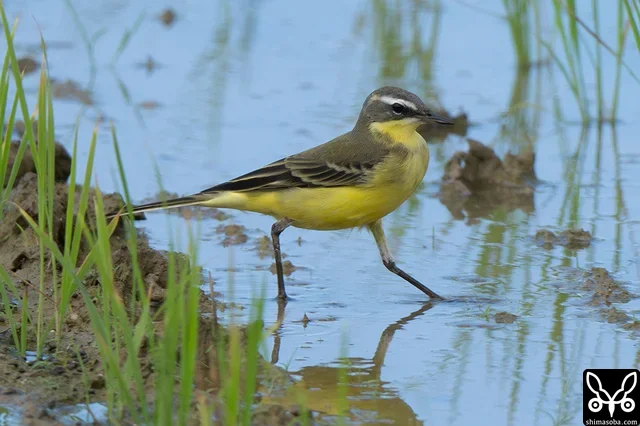
    Pin-tailed Snipe
  32. Swinhoe's Snipe, juvenile.
    Swinhoe's Snipe
  33. Pin-tailed Snipe, juvenile.
    Pin-tailed Snipe
  34. Swinhoe's Snipe, juvenile.
    Swinhoe's Snipe
  35. Swinhoe's Snipe, juvenile.
    Swinhoe's Snipe
  36. Pin-tailed Snipe, juvenile.
    Pin-tailed Snipe
  37. Swinhoe's Snipe, juvenile.
    Swinhoe's Snipe
  38. Swinhoe's Snipe, juvenile.
    Swinhoe's Snipe
  39. Swinhoe's Snipe, juvenile.
    Swinhoe's Snipe
  40. Same individual as above.
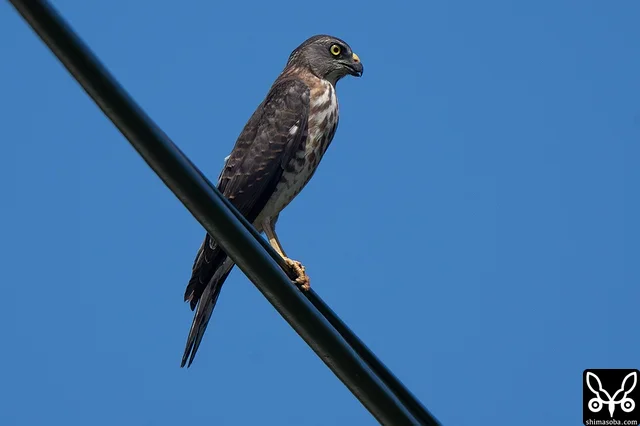
    Pin-tailed Snipe
  41. Pin-tailed Snipe, juvenile.
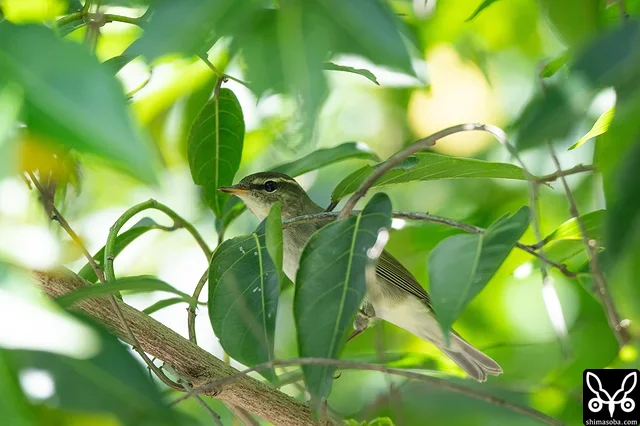
    Pin-tailed Snipe
  42. Sykes's Wagtail, adult winter plumage.
    Citrine Wagtail
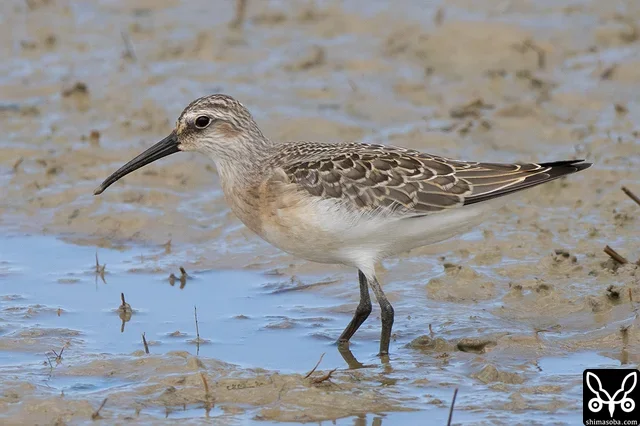
  43. A juvenile Curlew Sandpiper, the first appearance this season. `Adults were first recorded in July <https://shimasoba.com/blog/2512/>`__.
    Curlew Sandpiper
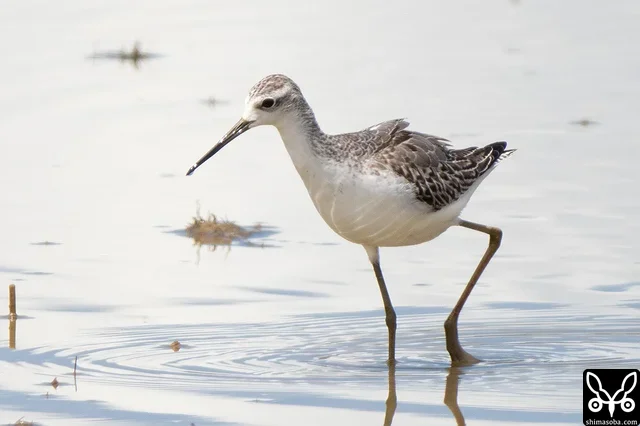
  44. Marsh Sandpiper, transitioning from juvenile to first-winter plumage.
    Marsh Sandpiper
  45. Three Javan Pond Herons made a long stay in the same paddy field as the Chinese Pond Heron.
    Javan Pond Heron
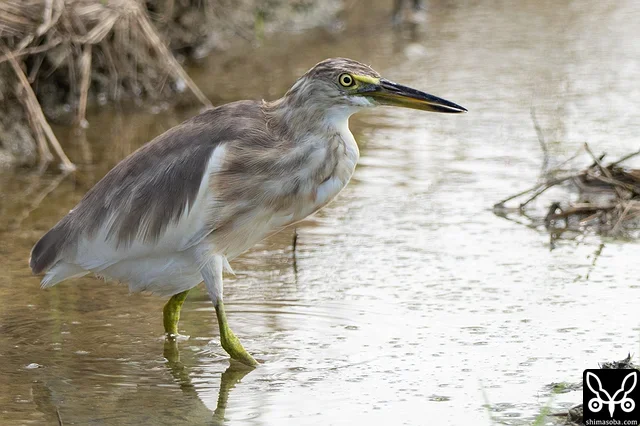
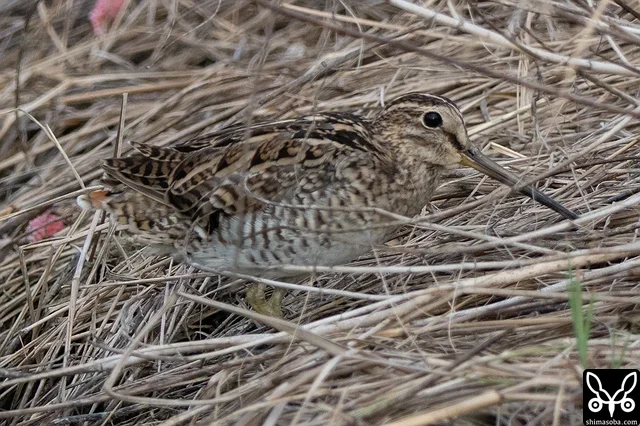
  46. 4
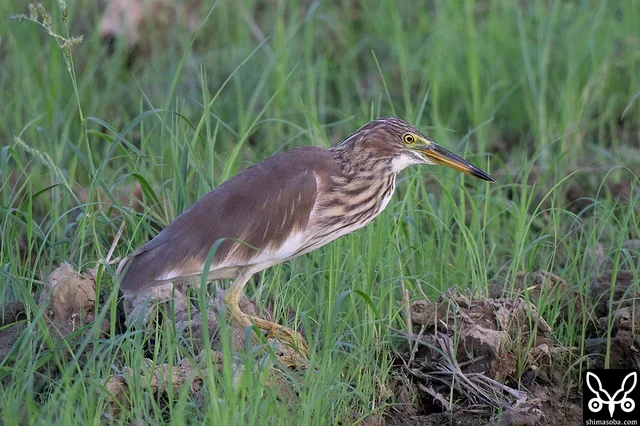
    The first Chinese Pond Heron of the season. It was eating a tadpole.
    Chinese Pond Heron
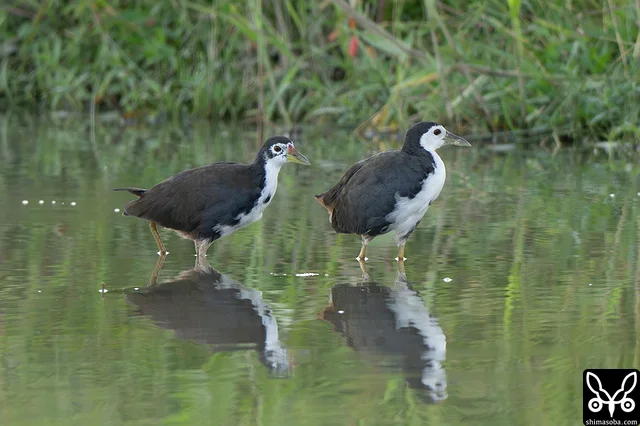
  47. White-breasted Waterhen, male (left) and female.
    White-breasted Waterhen
  48. 8
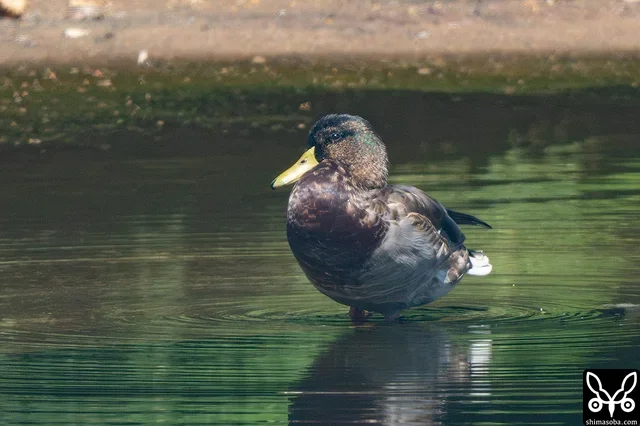
    Subspecies such as Isabelline Shrike and Chinese Grey Shrike turn up, but the subtle differences make identification tricky, especially for females and juveniles.
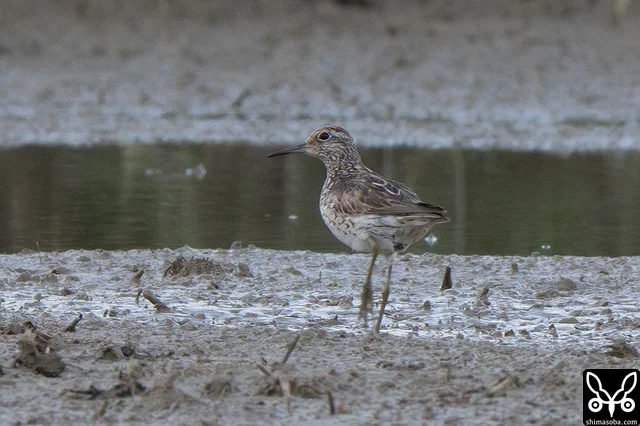
    Isabelline Shrike
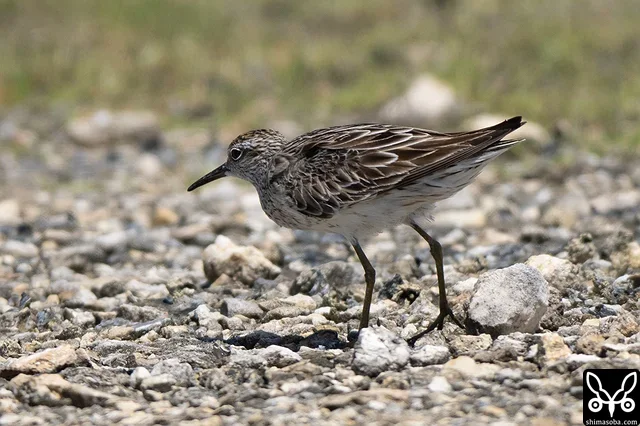
  49. A single Sharp-tailed Sandpiper mixed in with a flock of Pacific Golden Plovers. It looked quite exhausted.
    Sharp-tailed Sandpiper
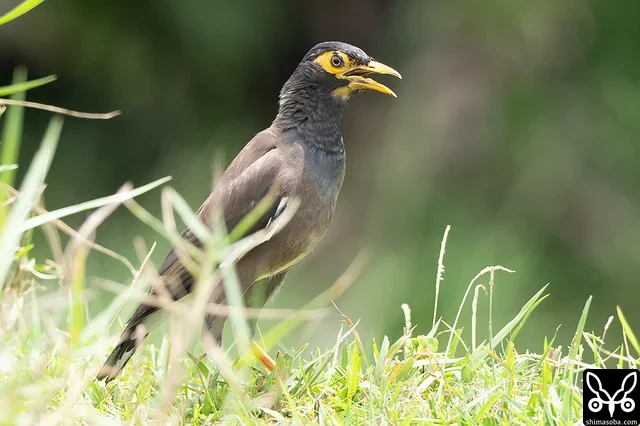
  50. Common Myna numbers are increasing year by year.
    Common Myna
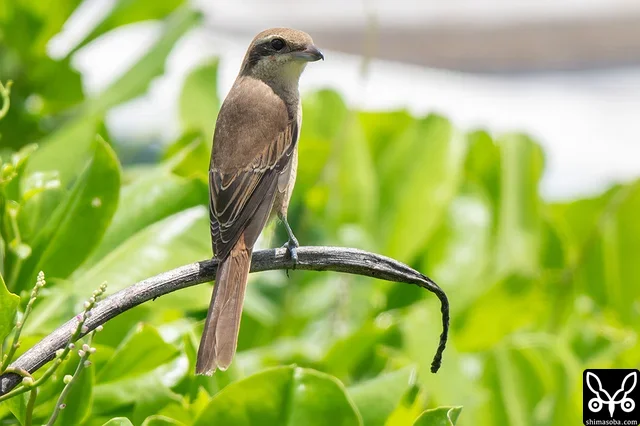
  51. Isabelline Shrike were found in a variety of habitats — farmland, residential areas, the harbour, forest tracks and more.
    Isabelline Shrike
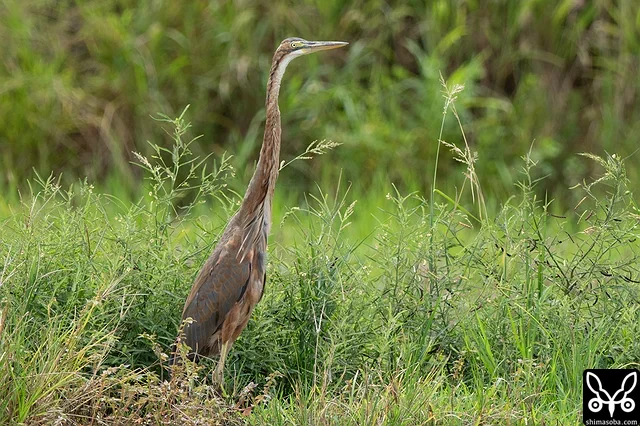
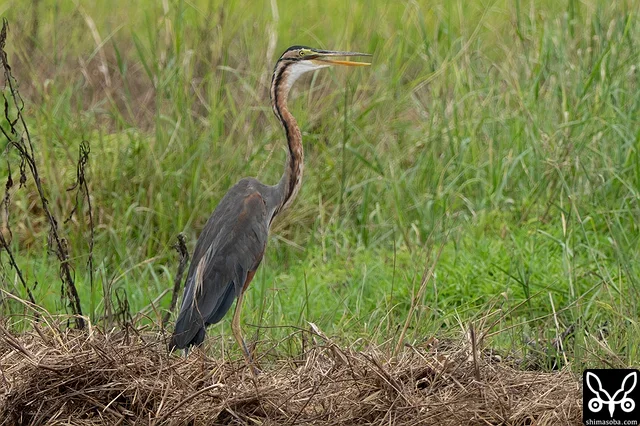
  52. Purple Heron, juvenile. Perhaps because this area wasn't hit by the typhoon, numbers seem high this year.
    Purple Heron
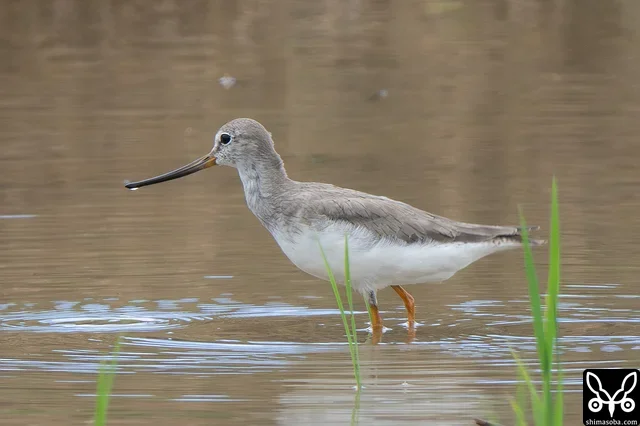
  53. Terek Sandpiper, adult. Every now and then you get one that wanders into the paddies.
    Terek Sandpiper
  54. Purple Heron, adult.
    Purple Heron
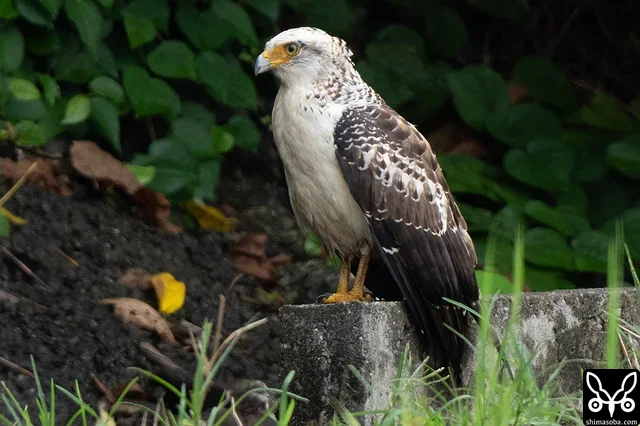
  55. Crested Serpent Eagle, juvenile. When it spotted something in a roadside ditch it would swoop down — practising its hunting on its own.
    Crested Serpent Eagle
  56. Swinhoe's Snipe, juvenile.
    Swinhoe's Snipe
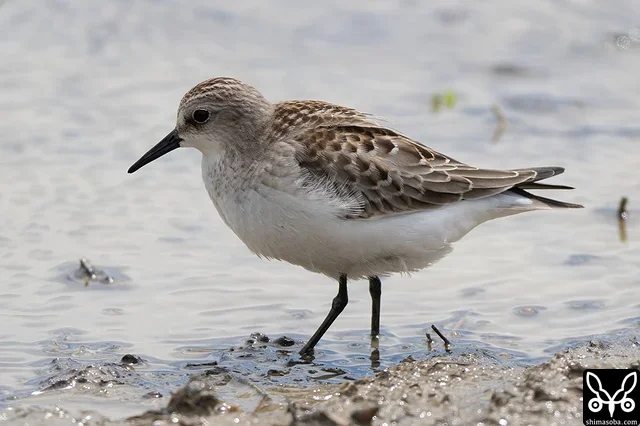
  57. Red-necked Stint, juvenile.
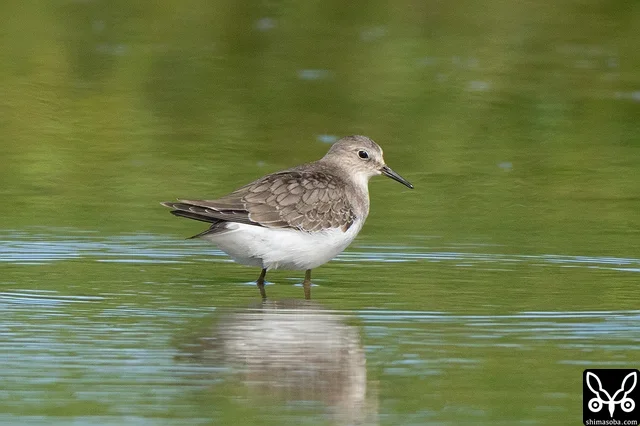
    Red-necked Stint
  58. Red-necked Stint, adult (left), and Long-toed Stint, juvenile.
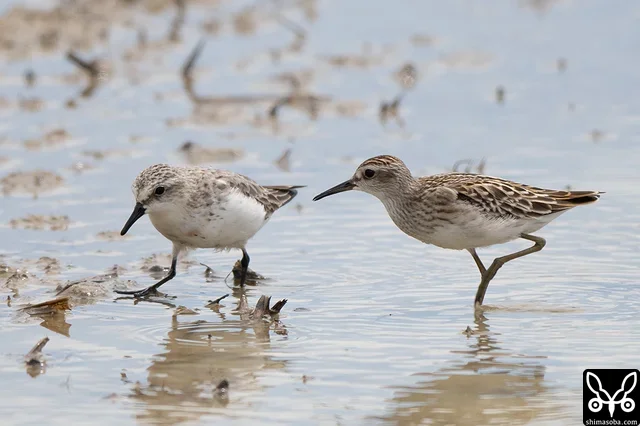
    Red-necked Stint
  59. 9
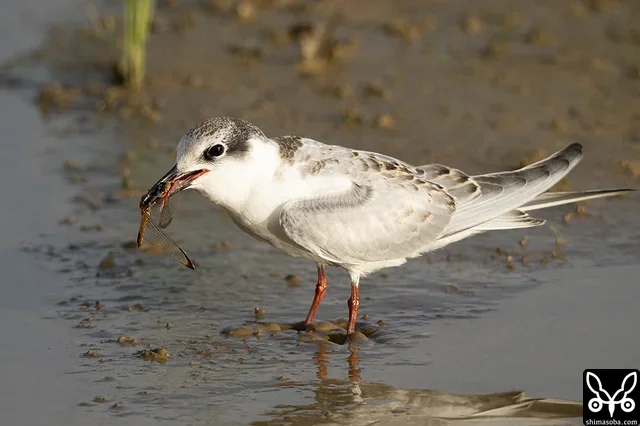
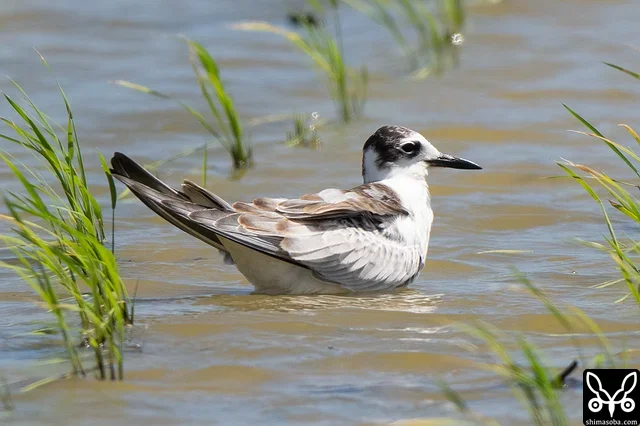
    A juvenile Little Tern had caught a dragonfly.
    Little Tern
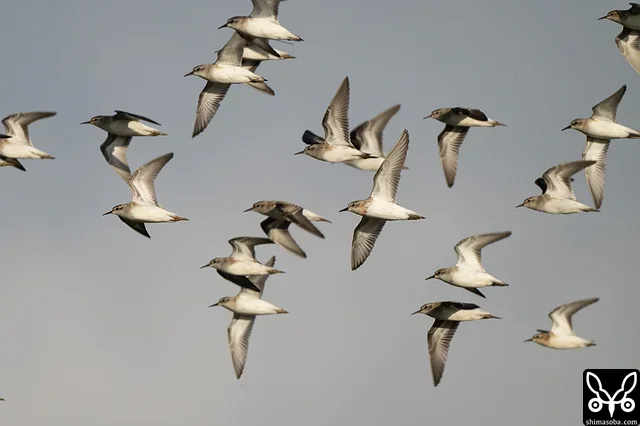
  60. They circled a few times and came back down to the same paddy field.
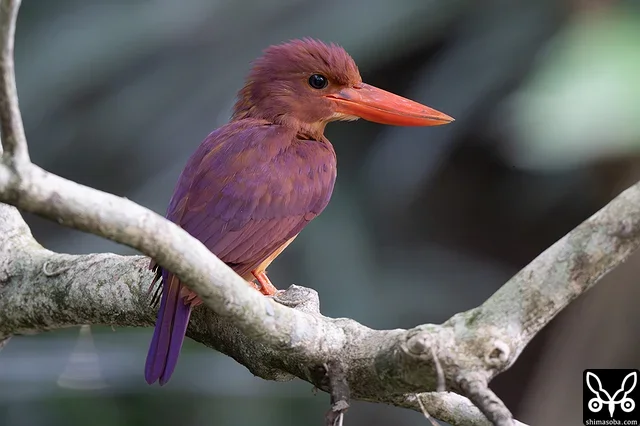
    Red-necked Stint
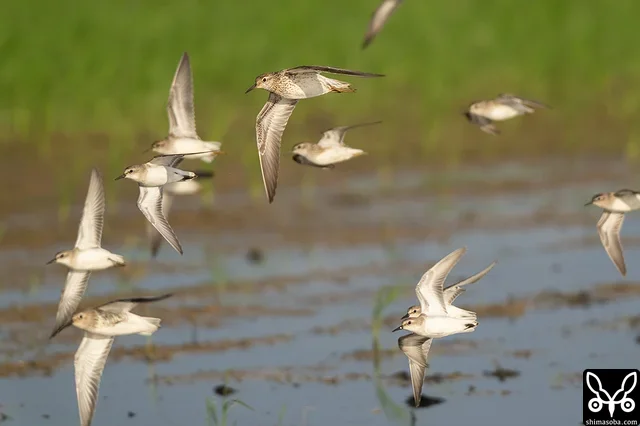
  61. Sharp-tailed Sandpiper and Long-toed Stint, flushed by the arrival of a Common Kestrel.
    Sharp-tailed Sandpiper
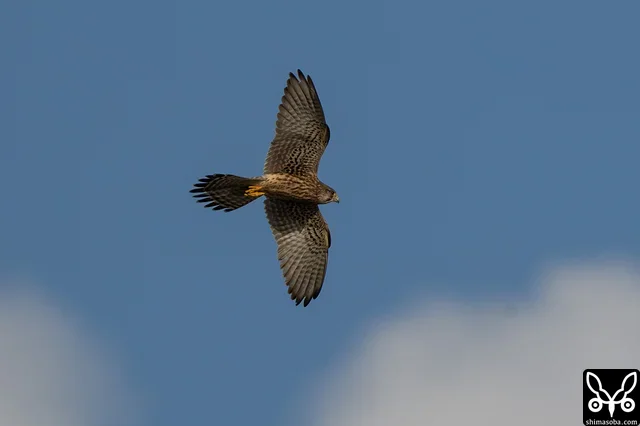
  62. My first Common Kestrel of the season. It was flying along the cliffs facing the sea.
    Common Kestrel
  63. Pacific Golden Plovers were also in, with multiple flocks on farmland and grassland.
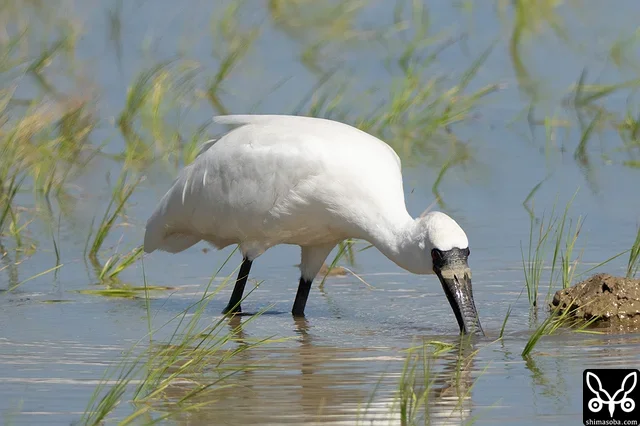
    Pacific Golden Plover
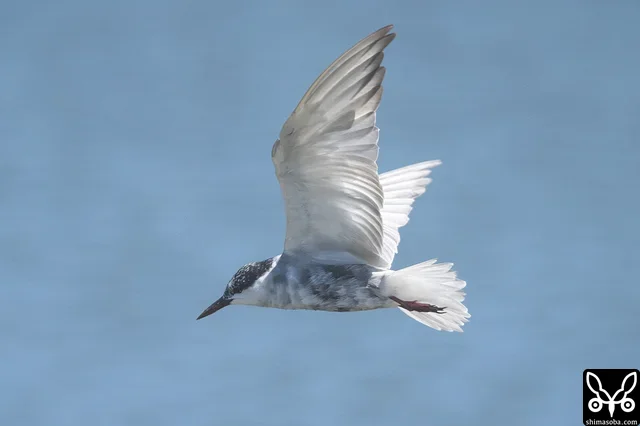
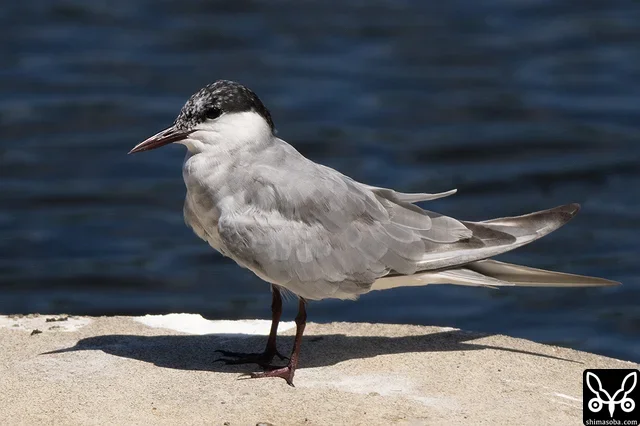
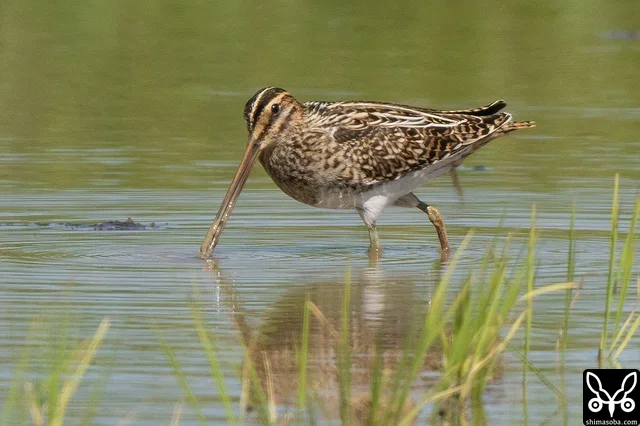
  64. Whiskered Tern at the reservoir.
    Whiskered Tern
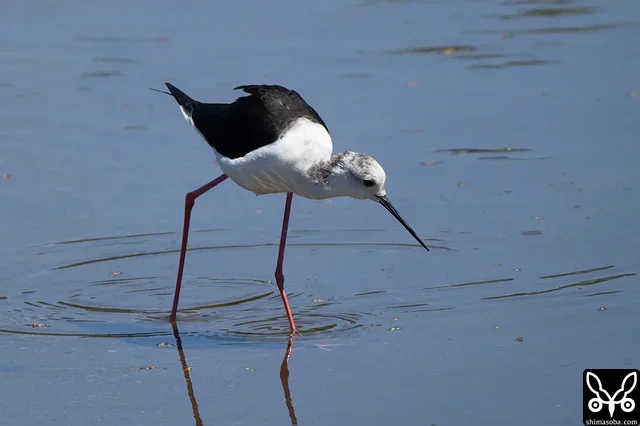
  65. Black-winged Stilt at the reservoir. There are few water sources on Yonaguni Island, and various shorebird species had gathered here.
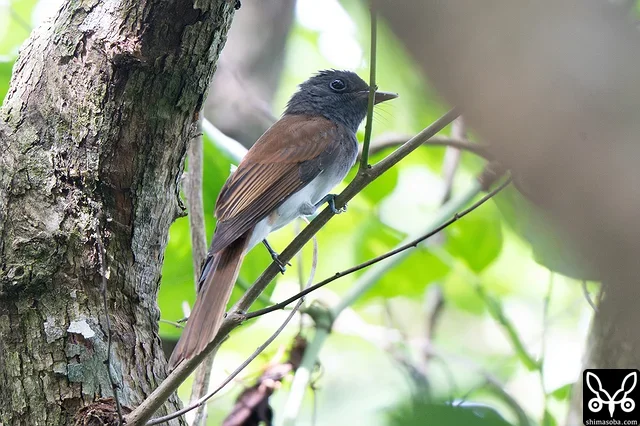
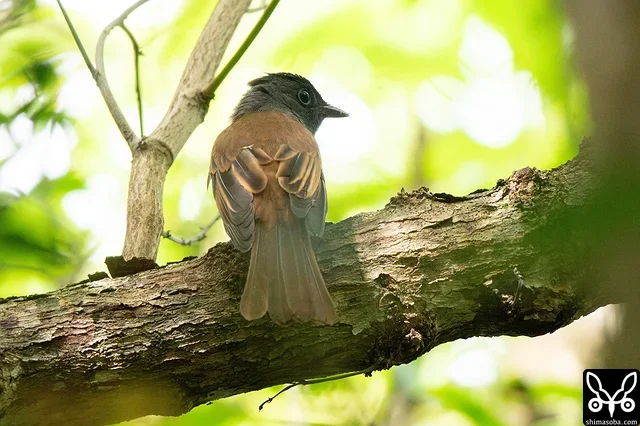
    Black-winged Stilt
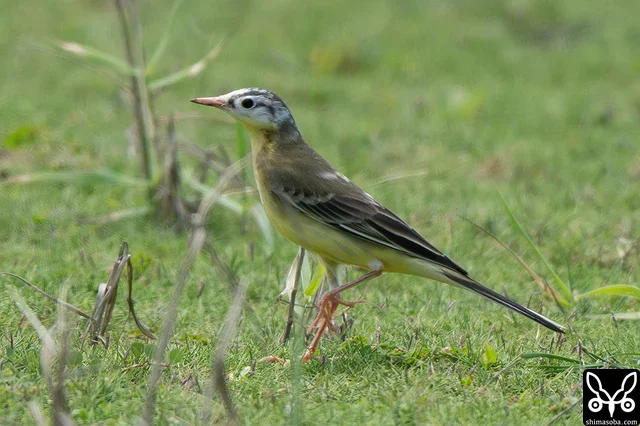
  66. Found a leucistic Eastern Yellow Wagtail. It was in a flock of "Siberian Thrush"-type Eastern Yellow Wagtails, so it's probably that subspecies. When I first spotted it I thought it might be a crazy rare subspecies. ^^;
    Citrine Wagtail
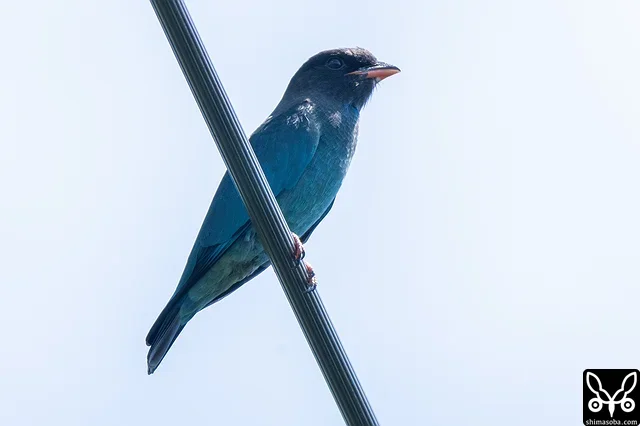
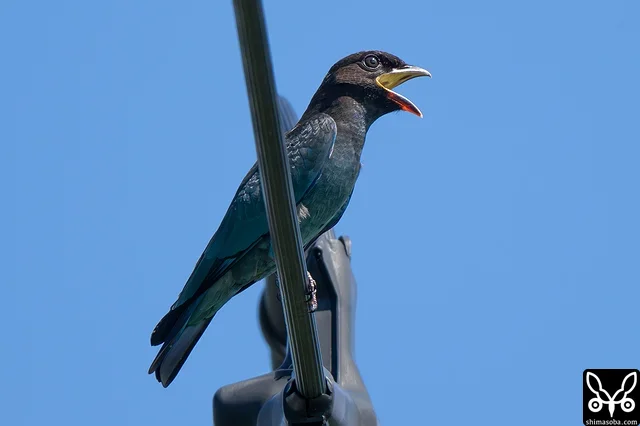
  67. A few Oriental Dollarbird juveniles confirmed. All were juveniles.
    Oriental Dollarbird
  68. This Common Emerald Dove was alone, so I was able to photograph it at close range.
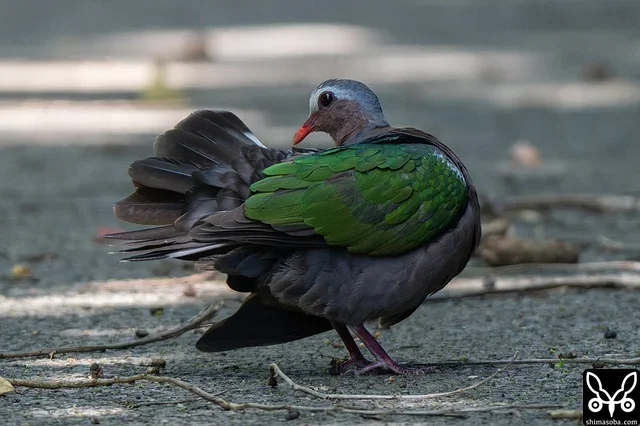
    Emerald Dove
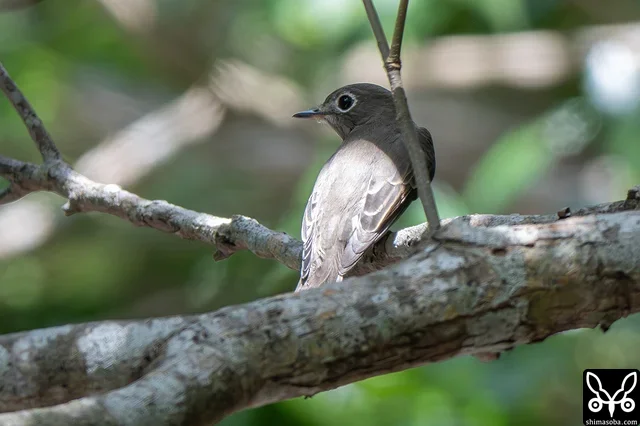
  69. Grey-streaked Flycatcher were coming into Yonaguni Island in considerable numbers.
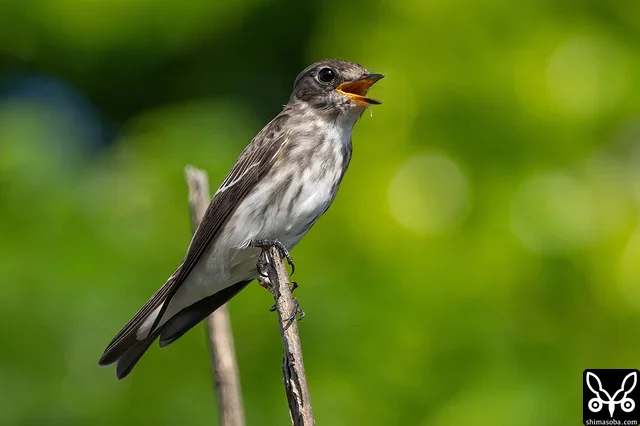
    Grey-streaked Flycatcher
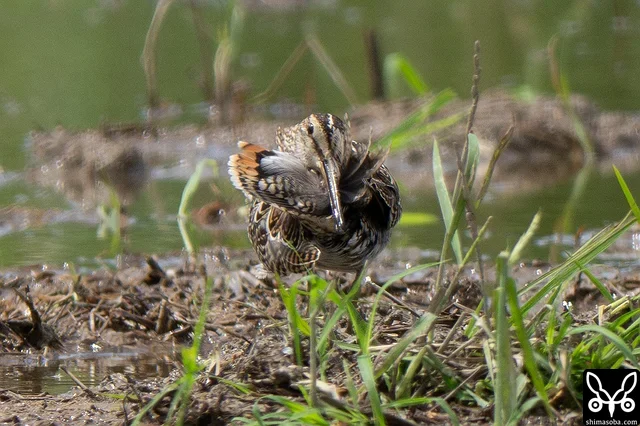
  70. 10
    Swinhoe's Snipe, adult. Birds in winter plumage are starting to appear.
    Swinhoe's Snipe
  71. Nothing but Swinhoe's Snipe juveniles.
    Swinhoe's Snipe
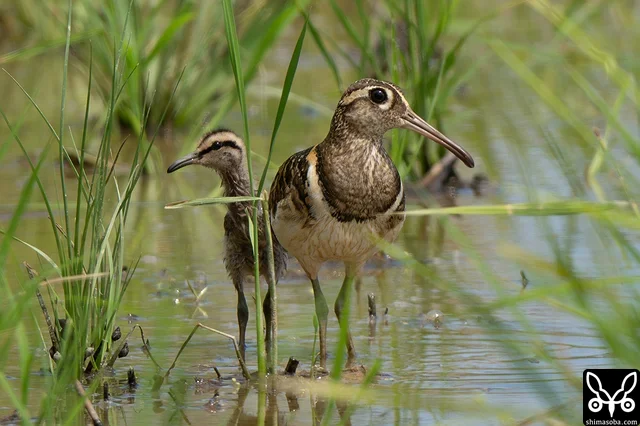
  72. Greater Painted-snipe, male parent with chicks just a few days after hatching.
    Greater Painted-snipe
  73. Another Swinhoe's Snipe, juvenile.
    Swinhoe's Snipe
  74. 11
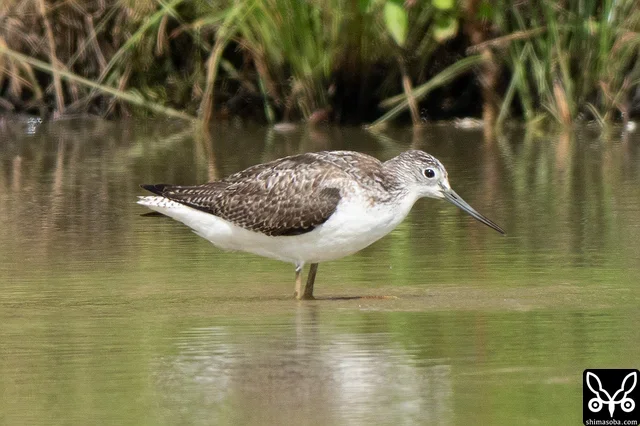
    This is also a juvenile Swinhoe's Snipe.
    Swinhoe's Snipe
  75. A juvenile Swinhoe's Snipe in a waterway. Yonaguni-jima has few rice paddies, leaving the snipe with little suitable habitat.
    Swinhoe's Snipe
  76. A juvenile Grey-streaked Flycatcher. Among the Muscicapa flycatchers, Grey-streaked appeared to be the most numerous, including both adults and juveniles.
    Grey-streaked Flycatcher
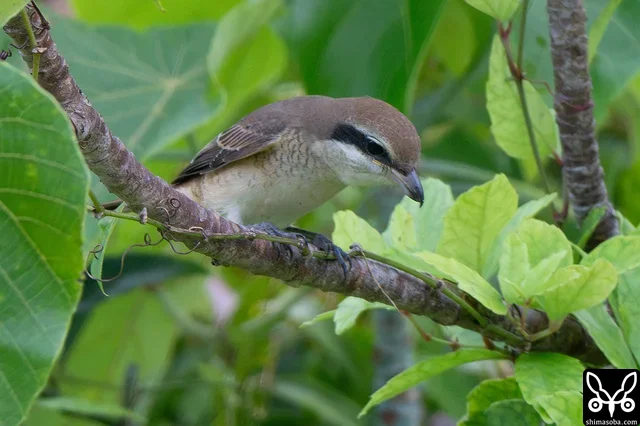
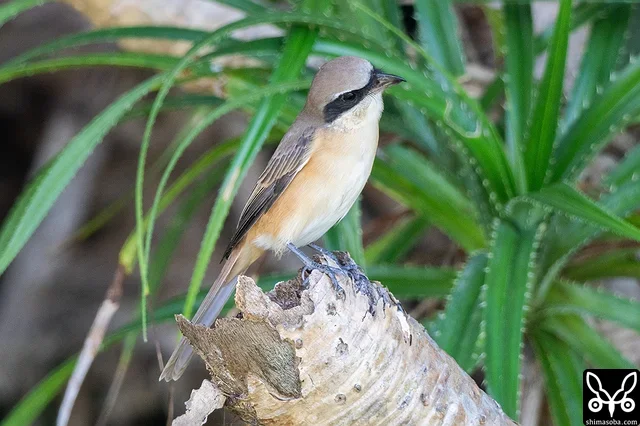
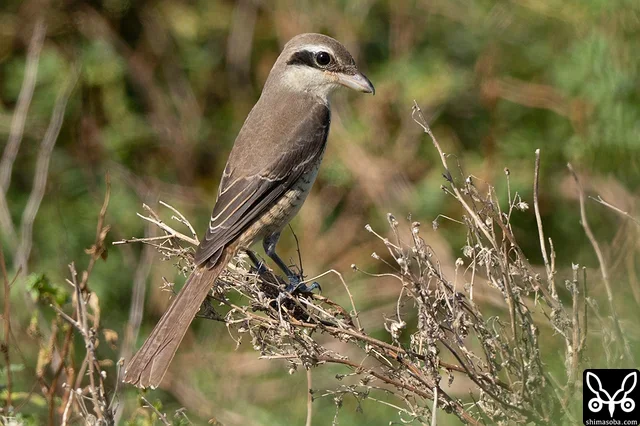
  77. An adult male Brown Shrike. Adult males tend to dominate in the early stages of migration.
    Isabelline Shrike
  78. A Swinhoe's Snipe resting in the shade of a parking lot streetlight.
    Swinhoe's Snipe
  79. An adult female Brown Shrike.
    Isabelline Shrike
  80. 12
    Pacific Golden Plovers resting on rocks along the quayside.
    Pacific Golden Plover
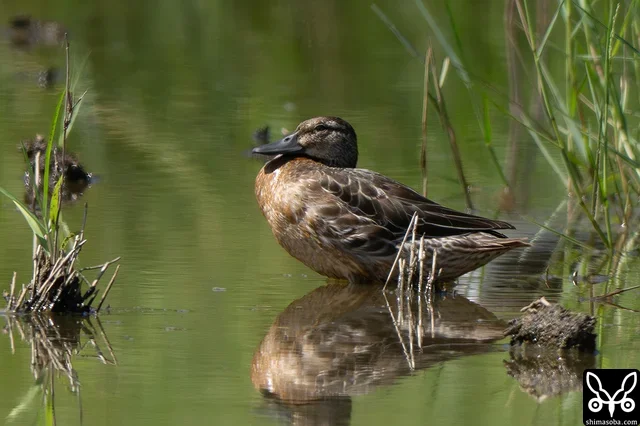
  81. The first duck of the season was a Garganey.
    Garganey
  82. A juvenile Oriental Dollarbird perched on a power line along the forest road.
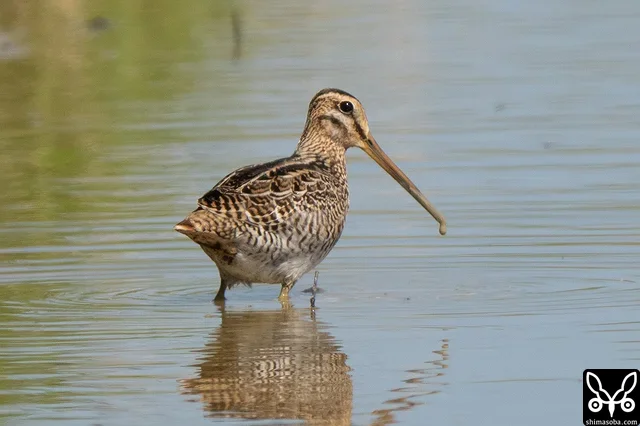
    Oriental Dollarbird
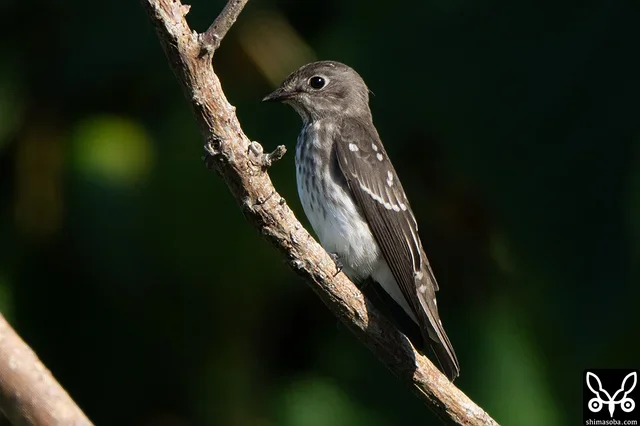
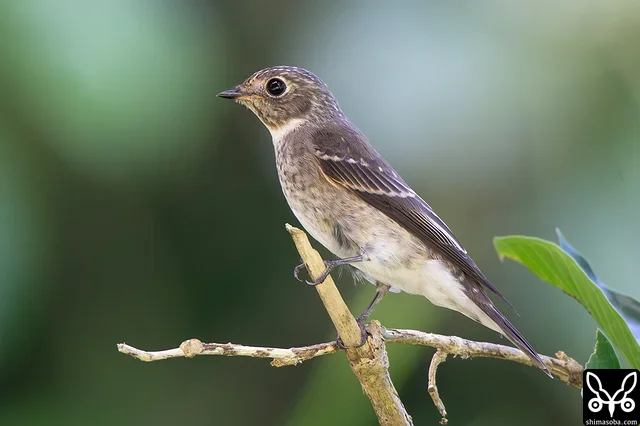
  83. A juvenile Dark-sided Flycatcher. This is the first time I've seen such fresh juvenile plumage.
    Dark-sided Flycatcher
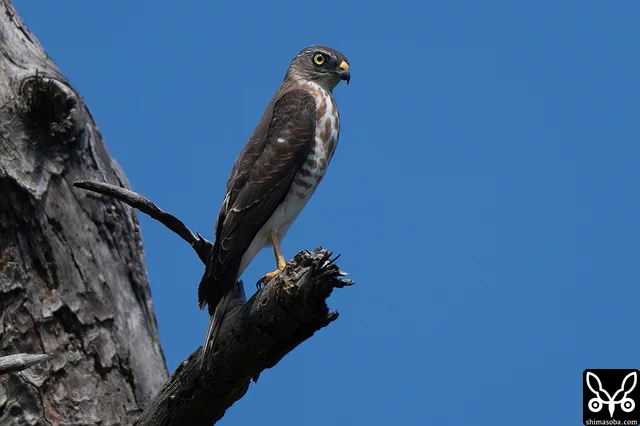
  84. A juvenile Chinese Sparrowhawk. I confirmed several individuals.
    Chinese Sparrowhawk
  85. An adult Brown-breasted Flycatcher. Found it on a dim forest road. Numbers were quite low.
    Asian Brown Flycatcher
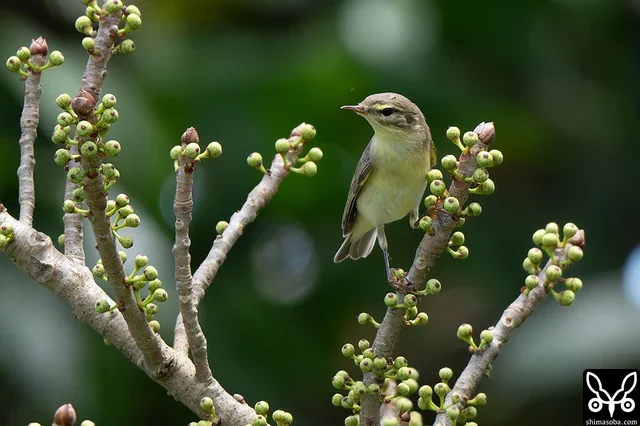
  86. A Dusky Warbler foraging as it moves along the tips of branches in a Cluster Fig tree.
    Kamchatka Leaf Warbler
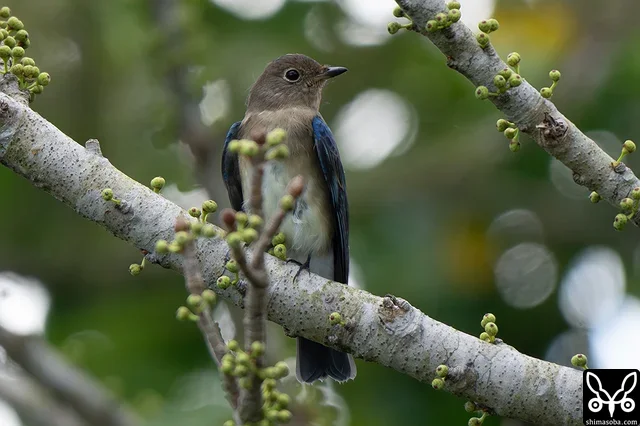
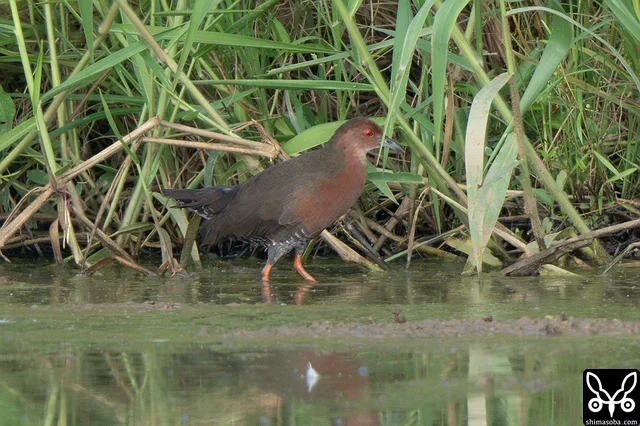
  87. A juvenile Blue-and-white Flycatcher. Rare on Ishigaki-jima, but on Yonaguni-jima I can reliably find them at this time of year.
    Blue-and-white Flycatcher
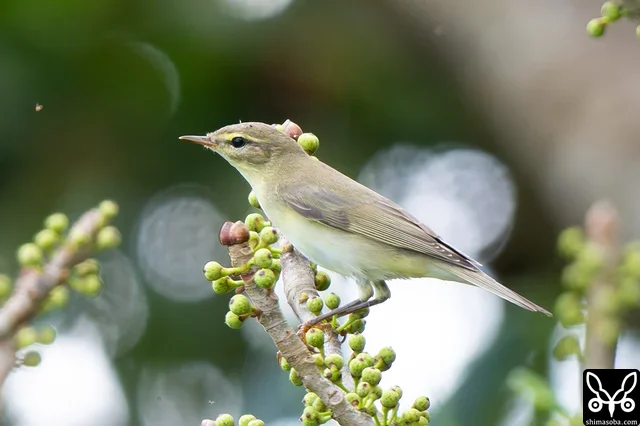
  88. Arctic Warbler makes an appearance. It stands out clearly — obviously different from the other Japanese leaf warblers.
    Kamchatka Leaf Warbler
  89. A Swinhoe's Snipe with tail feathers missing.
    Swinhoe's Snipe
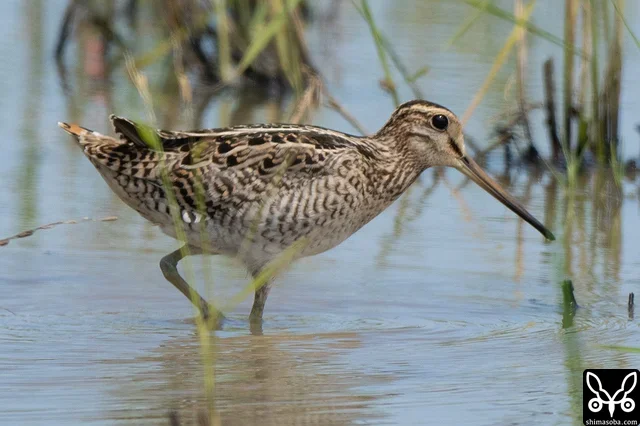
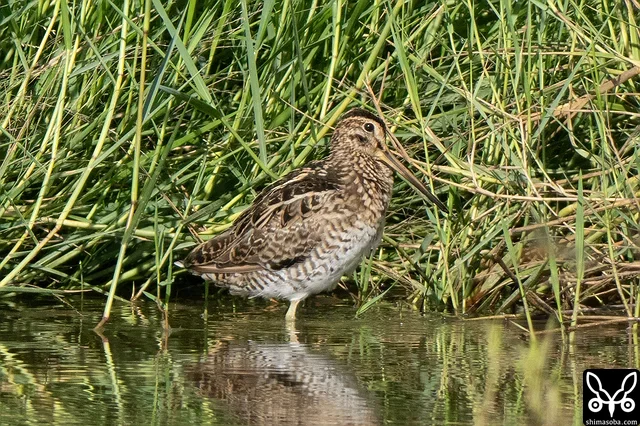
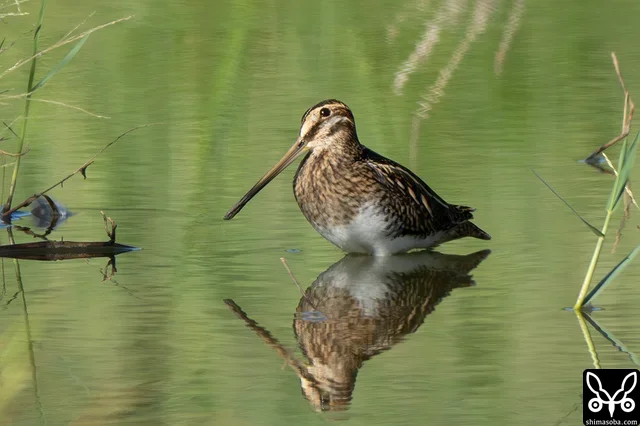
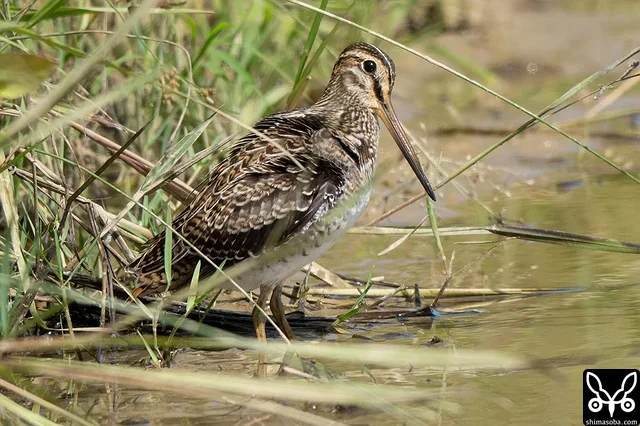
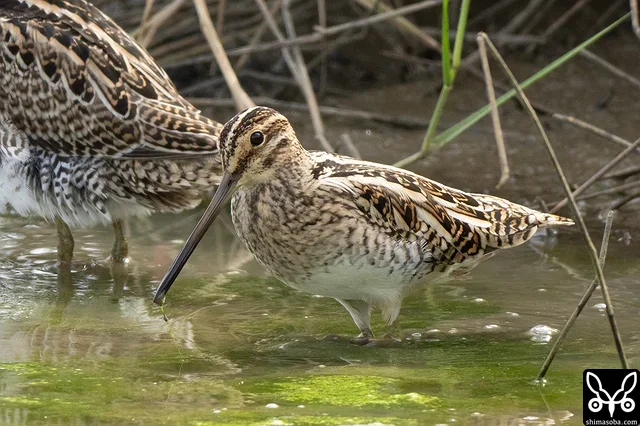
  90. The first Common Snipe of the season was a juvenile.
    Common Snipe
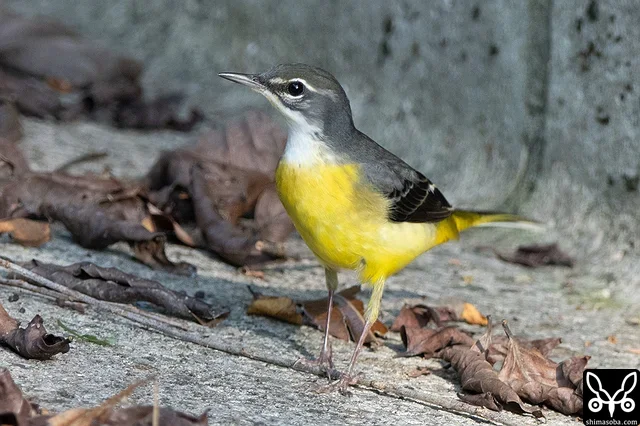
  91. There were many Grey Wagtails along the forest road.
    Grey Wagtail
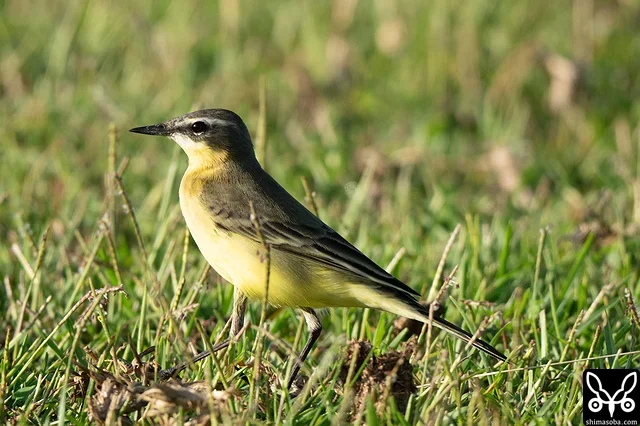
  92. Large numbers of Citrine Wagtails have arrived in the pastures and cultivated fields.
    Citrine Wagtail
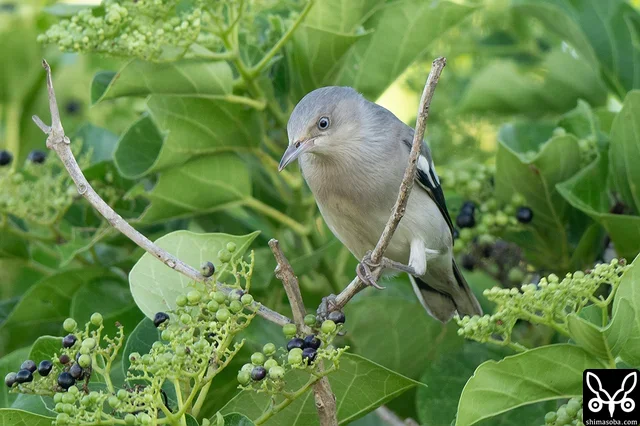
  93. Chestnut-cheeked Starlings were present in flocks — the largest had over 100 individuals, and there were several other groups of around 30.
    White-shouldered Starling
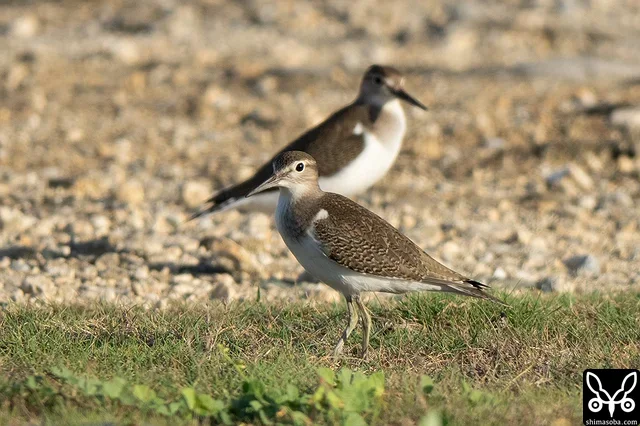
  94. A Common Sandpiper also foraging in the grass.
    Common Sandpiper
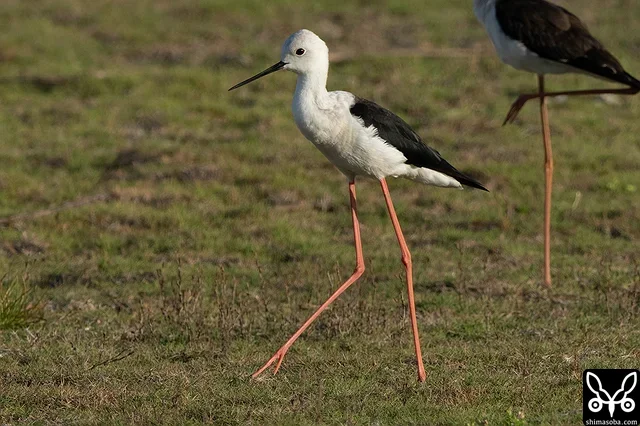
  95. Several Black-winged Stilts were in the grass.
    Black-winged Stilt
  96. 13
    Whiskered Terns could also be observed in grasslands and similar areas.
    Whiskered Tern
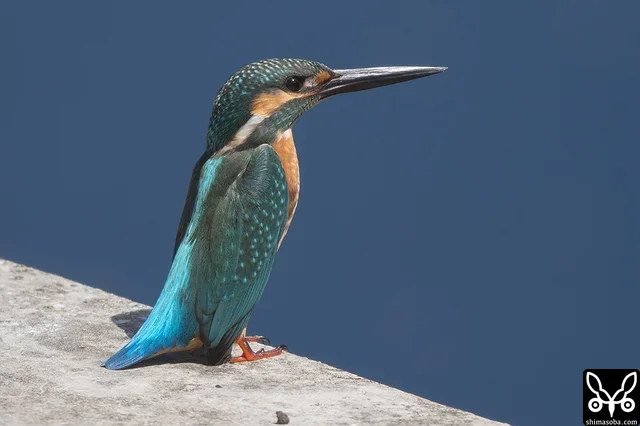
  97. Common Kingfisher at the reservoir. I wonder whether it breeds on Yonaguni Island?
    Common Kingfisher
  98. Chinese Sparrowhawk, juvenile. I also picked out several adults soaring.
    Chinese Sparrowhawk
  99. Encountered small flocks of Common Emerald Dove several times. They are very wary, so photography is a challenge.
    Emerald Dove
  100. I also heard Arctic Warbler calls. Numbers are still low, but wintering birds will be increasing from now on.
    Arctic Warbler
  101. 14
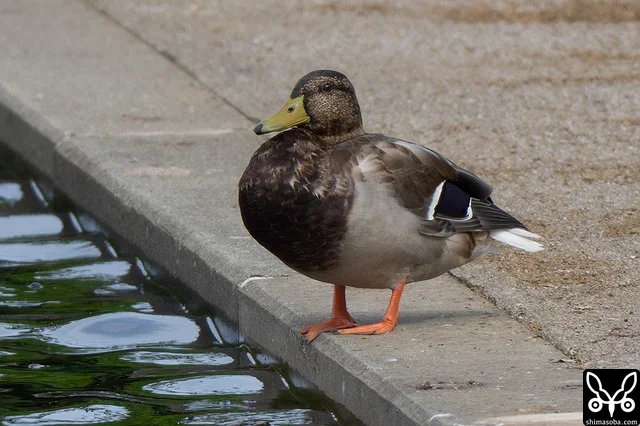
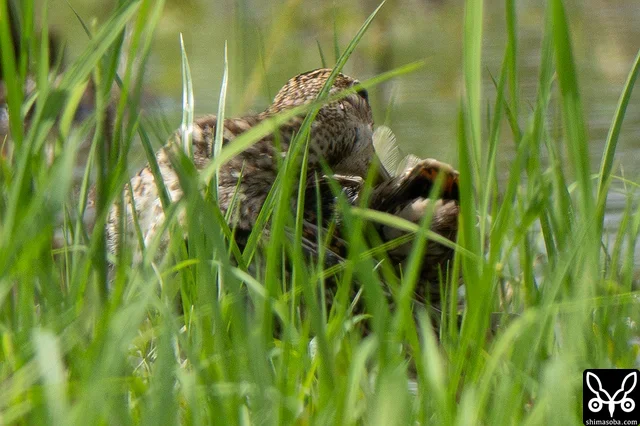
    This Mallard was `observed at the same reservoir last year <https://shimasoba.com/blog/2541/>`_ as well. It may be spending the entire year at this pond, unable to migrate due to some kind of trouble.
    Mallard
  102. 15
    A heavily worn Sharp-tailed Sandpiper.
    Sharp-tailed Sandpiper
  103. The only Pin-tailed Snipe of the day was at the far end of the paddy field — a long way off….
    Pin-tailed Snipe
  104. A Common Moorhen closing in on a Swinhoe's Snipe.
    Swinhoe's Snipe
  105. Yet another Swinhoe's Snipe juvenile.
    Swinhoe's Snipe
  106. Another Swinhoe's Snipe juvenile.
    Swinhoe's Snipe
  107. Swinhoe's Snipe juvenile. This one is still very much in juvenile plumage.
    Swinhoe's Snipe
  108. A large Swinhoe's Snipe juvenile.
    Swinhoe's Snipe
  109. Swinhoe's Snipe juvenile. The scapulars appear to be moulting into winter plumage.
    Swinhoe's Snipe
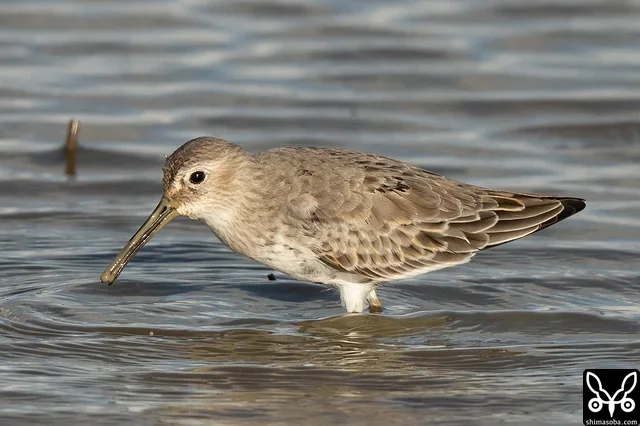
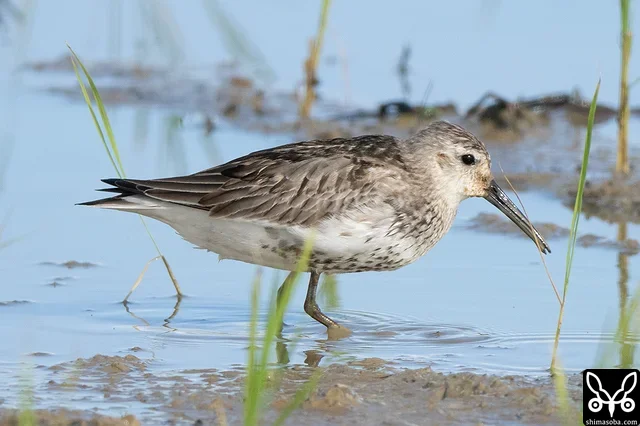
  110. Dunlin juvenile.
    Dunlin
  111. A flock of Swinhoe's Snipe. All juveniles.
    Swinhoe's Snipe
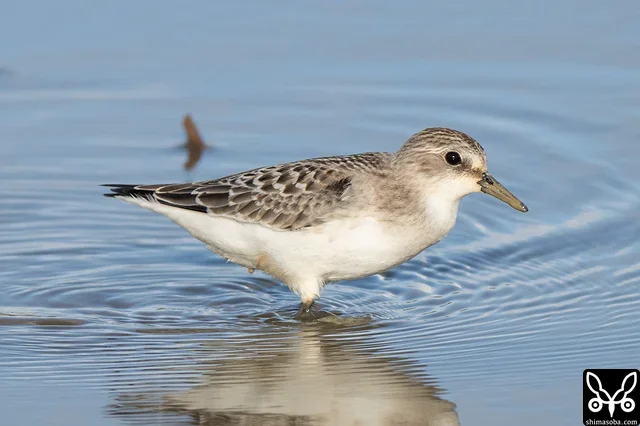
  112. Juvenile Red-necked Stints have finally started to come through.
    Red-necked Stint
  113. 16
    A large-bodied Swinhoe's Snipe. Individuals with this kind of look are uncommon, but one shows up every year.
    Swinhoe's Snipe
  114. Dunlin juvenile. The bill looks slightly shorter than usual.
    Dunlin
  115. A somewhat unusual Pin-tailed Snipe juvenile.
    Pin-tailed Snipe
  116. A Pin-tailed Snipe juvenile carefully pulling an earthworm out of the soil.
    Pin-tailed Snipe
  117. A Swinhoe's Snipe right in front of me. Too close — I froze.
    Swinhoe's Snipe
  118. Swinhoe's Snipes come in all sorts of types, which is interesting. ^^
    Swinhoe's Snipe
  119. Another Pin-tailed Snipe juvenile.
    Pin-tailed Snipe
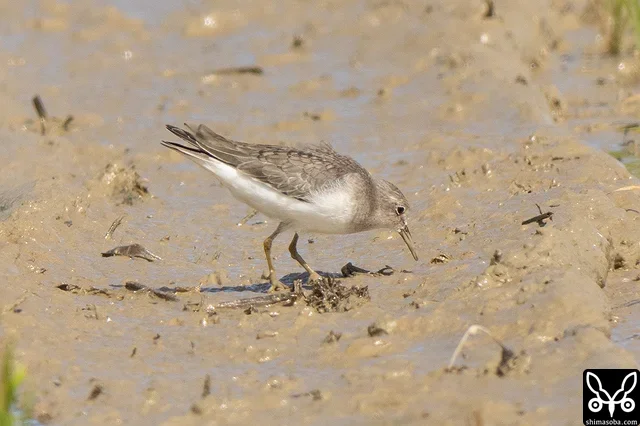
  120. The first Temminck's Stint of the season was a juvenile.
    Temminck's Stint
  121. At this time of year it's all juveniles with Pin-tailed Snipe.
    Pin-tailed Snipe
  122. Pin-tailed Snipe juvenile.
    Pin-tailed Snipe
  123. A Pin-tailed Snipe in the distance. Also a juvenile.
    Pin-tailed Snipe
  124. Only juvenile Swinhoe's Snipes again…
    Swinhoe's Snipe
  125. Yet another Pin-tailed Snipe juvenile.
    Pin-tailed Snipe
  126. There are plenty of Swinhoe's Snipe around.
    Swinhoe's Snipe
  127. A Ruddy Kingfisher on the forest track. An unwarry individual — I suspect the same bird has been returning for several years running.
    Ruddy Kingfisher
  128. 18
    Same individual as above.
    Pin-tailed Snipe
  129. A textbook individual — identifiable as Pin-tailed Snipe at a glance.
    Pin-tailed Snipe
  130. This is a Swinhoe's Snipe. A juvenile.
    Swinhoe's Snipe
  131. Same individual as above.
    Swinhoe's Snipe
  132. Common Snipe (two birds in the foreground) and Swinhoe's Snipe.
    Common Snipe
  133. A Black-faced Spoonbill has been staying here for the past few days.
    Black-faced Spoonbill
  134. This is a Common Snipe. Numbers had been building for several days, but work kept me too busy to get out and see them.
    Common Snipe
  135. 19
    A Mallard turned up for some reason. Feels a little early…
    Mallard
  136. Among a flock of Swinhoe's Snipes, one lone adult Common Snipe.
    Common Snipe
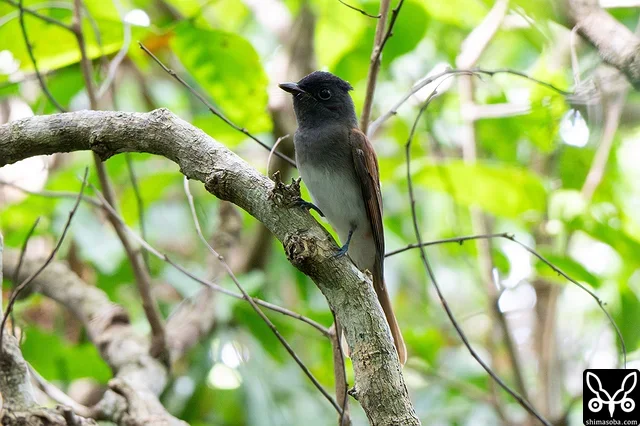
  137. This flock of Japanese Paradise Flycatchers numbered close to ten birds.
    Japanese Paradise Flycatcher
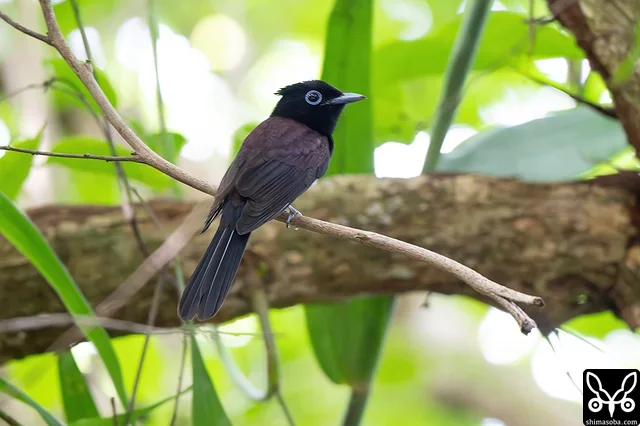
  138. This one is a male Japanese Paradise Flycatcher. I could occasionally hear it singing as well.
    Japanese Paradise Flycatcher
  139. Discovered a flock of Japanese Paradise Flycatchers beside the park car park.
    Japanese Paradise Flycatcher
  140. They were moving around foraging inside a dim, scrubby woodland.
    Japanese Paradise Flycatcher
  141. A Swinhoe's Snipe juvenile that froze because I got too close.
    Swinhoe's Snipe
  142. This one is also a Swinhoe's Snipe juvenile.
    Swinhoe's Snipe
  143. Swinhoe's Snipes in the distance. They were all juveniles.
    Swinhoe's Snipe
  144. Two Dunlins, both juveniles. There are almost no rice paddies on Yonaguni Island, and the second crop wasn't being grown this time either, so waders were scarce. In the irrigation channels there were Long-toed Stints, Black-winged Stilts, Red-necked Stints, and Little Ringed Plovers.
    Dunlin
  145. Swinhoe's Snipe juvenile. Even on Yonaguni Island, all I kept seeing were snipe.
    Swinhoe's Snipe
  146. 22
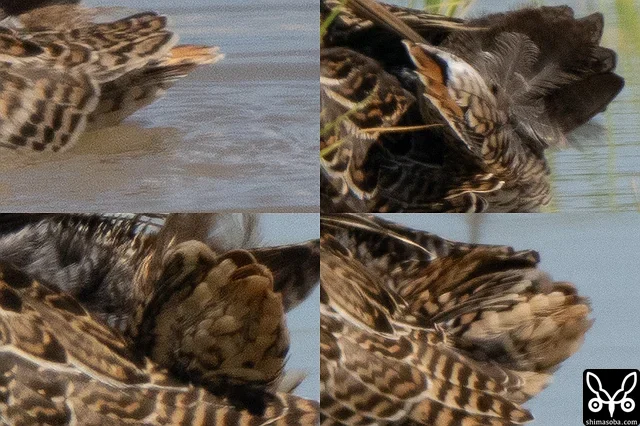
    How the tail feathers of Swinhoe's Snipe appear. Depending on the angle, they are often mistaken for Pin-tailed Snipe.
    Swinhoe's Snipe
  147. How the tail feathers of Pin-tailed Snipe appear. The look changes depending on the angle. For reference.
    Pin-tailed Snipe
  148. A Swinhoe's Snipe that was associating with the individual above.
    Swinhoe's Snipe
  149. Swinhoe's Snipe, juvenile. It's quite dark — perhaps the type commonly seen on the mainland?
    Swinhoe's Snipe
  150. Pin-tailed Snipe (left) and Swinhoe's Snipe. Both are the same individuals as above.
    Swinhoe's Snipe
  151. Swinhoe's Snipe, juvenile.
    Swinhoe's Snipe
  152. Pin-tailed Snipe juvenile.
    Pin-tailed Snipe
  153. Five Ruffs arrived. Counting other paddies as well, around ten are currently staying. That's more than usual for this season.
    Ruff
  154. Swinhoe's Snipe, juvenile.
    Swinhoe's Snipe
  155. Common Snipe numbers are gradually increasing.
    Common Snipe
  156. The first Common Greenshank of the season.
    Common Greenshank
  157. 23
    Same individual as above. Moult has progressed considerably over about a month. Migrating without a foot carries real risks, so it may end up wintering here.
    Pin-tailed Snipe
  158. Yet another Swinhoe's Snipe, juvenile. There are so many different types — great fun.
    Swinhoe's Snipe
  159. The first Pacific Golden-Plover juvenile of the season.
    Pacific Golden Plover
  160. Another Pin-tailed Snipe, juvenile.
    Pin-tailed Snipe
  161. Pin-tailed Snipe (left) and Swinhoe's Snipe.
    Swinhoe's Snipe
  162. Same individual as above.
    Pin-tailed Snipe
  163. Pin-tailed Snipe, juvenile.
    Pin-tailed Snipe
  164. The Javan Pond Heron has been on a long stay since summer. At peak, three birds were present in rice paddies in the same area.
    Javan Pond Heron
  165. A Kentish Plover still present.
    Long-banded Plover
  166. Also a Swinhoe's Snipe, juvenile.
    Swinhoe's Snipe
  167. A female Greater Painted-snipe moved forward in response to the calls of another individual.
    Greater Painted-snipe
  168. Greater Painted-snipe, male (foreground) and female.
    Greater Painted-snipe
  169. Swinhoe's Snipe, juvenile.
    Swinhoe's Snipe
  170. Juveniles make up the overwhelming majority of the Long-toed Stints.
    Long-toed Stint
  171. ` Pin-tailed Snipe adult, missing its left foot, on a long stay since 22 August <https://shimasoba.com/blog/2525/>`__ .
    Pin-tailed Snipe
  172. 24
    Swinhoe's Snipe juvenile.
    Swinhoe's Snipe
  173. The only Pin-tailed Snipe of the day.
    Pin-tailed Snipe
  174. Swinhoe's Snipe (left) and Common Snipe. You can clearly see the size difference.
    Common Snipe
  175. Juvenile Common Snipes have started to show up as well.
    Common Snipe
  176. This Swinhoe's Snipe appeared to have lost the sight in its left eye.
    Swinhoe's Snipe
  177. Little Stint juvenile.
    Marsh Sandpiper
  178. An unwary Common Snipe adult.
    Common Snipe
  179. White-winged Tern juvenile. Perhaps due to the lack of typhoons, no large flocks have appeared this season.
    Whiskered Tern
  180. 27
    Swinhoe's Snipe juvenile.
    Swinhoe's Snipe
  181. Another Swinhoe's Snipe juvenile.
    Swinhoe's Snipe
  182. Same individual as above.
    Swinhoe's Snipe
  183. A Ruddy-breasted Crake appeared while I was watching snipe.
    Ryukyu Crake
  184. Also the first Red-necked Stint of the season — a juvenile.
    Temminck's Stint
  185. Juvenile Common Greenshanks have been increasing too.
    Common Greenshank
  186. Swinhoe's Snipe adult. The only adult of the day.
    Swinhoe's Snipe
  187. First juvenile Grey-tailed Tattler of the season.
    Grey-tailed Tattler
  188. A different Pin-tailed Snipe individual. Also a juvenile, and it was together with the bird above. They look like typical examples of a similar type, so they may be siblings. I would have liked to show a variety of Pin-tailed Snipe types, but these two were the only Pin-tailed Snipes this time.
    Pin-tailed Snipe
  189. Same individual as above. Preening in the grass.
    Pin-tailed Snipe
  190. The needle-like tail feathers are also visible during preening.
    Pin-tailed Snipe
  191. A Pin-tailed Snipe finally squeezed out after scanning through dozens of snipe.

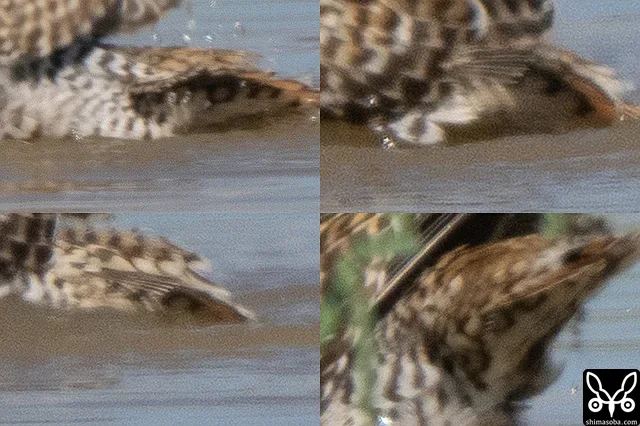
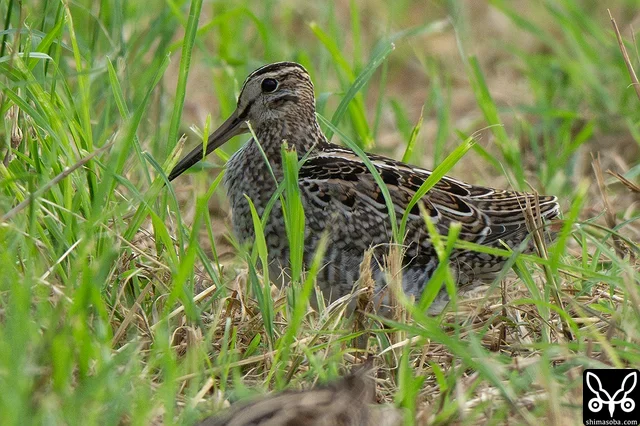
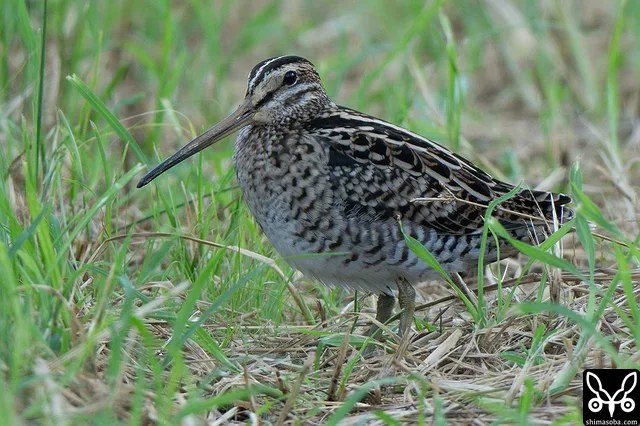
While watching a group of around ten Swinhoe's Snipes, a snipe appeared in the grass. It was a typical Pin-tailed Snipe juvenile, so I followed it with binoculars hoping to get a look at the tail feathers — and it bathed rather sooner than I expected. ^^
    Pin-tailed Snipe
  192. Same individual as above. Wing-flapping after bathing.
    Pin-tailed Snipe
  193. Same individual as above.
    Swinhoe's Snipe
  194. Yet another Swinhoe's Snipe juvenile.
    Swinhoe's Snipe
  195. Same individual as above.
    Swinhoe's Snipe
  196. By this time of year, Swinhoe's Snipe are almost all juveniles.
    Swinhoe's Snipe
  197. A juvenile Swinhoe's Snipe resting in the grass.
    Swinhoe's Snipe
  198. An adult Common Snipe.
    Common Snipe
  199. A juvenile Swinhoe's Snipe that showed little wariness.
    Swinhoe's Snipe
  200. Also the first Great Knot of the season. It was a juvenile.
    Great Knot