Greater White-fronted Goose and Tundra Swan Arrive; More Pied Avocets
A Greater White-fronted Goose has been present for several days now, but for some reason the guide is apparently calling it a Greylag Goose. To me it is clearly a juvenile Greater White-fronted Goose… ^^; A juvenile Tundra Swan has also arrived on its own. On Iriomote, two Tundra Swans and a Siberian Crane are staying as well.
Multiple Pied Avocets have turned up across the island. That day I tallied six birds in total — a group of four and singles at two separate locations. In the paddies, Northern Lapwings, Pacific Golden Plovers, Kentish Plovers, Little Ringed Plovers, Common Greenshanks, Common Redshanks, Wood Sandpipers, Dunlins, Common Sandpipers, Green Sandpipers and Black-winged Stilts are all wintering.
This season I had already confirmed the subspecies leucopsis and ocularis White Wagtails, but this day I was finally able to see the subspecies alba White Wagtail. That is pretty much how it goes every year.
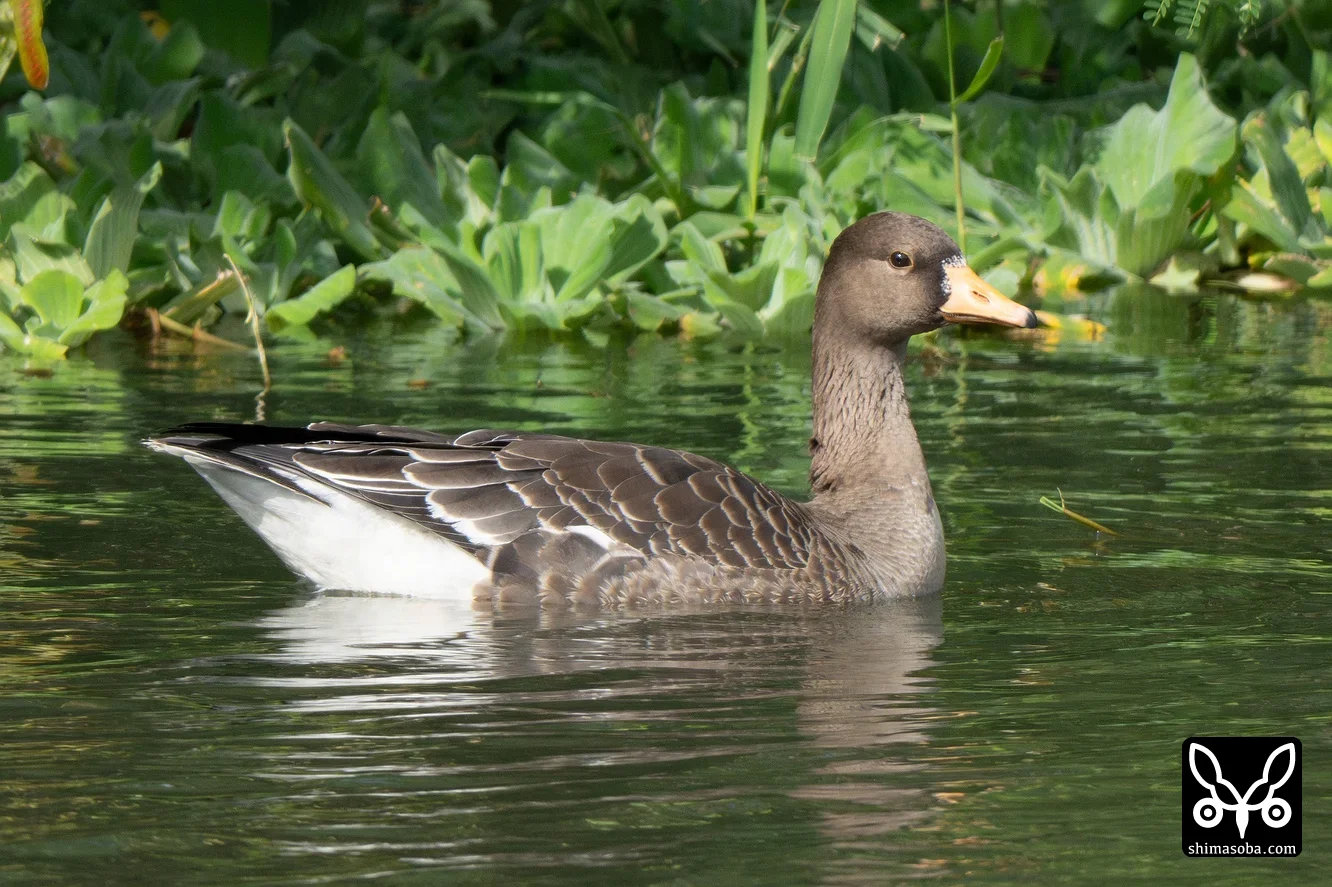
A juvenile Greater White-fronted Goose. Why does it get misidentified as a Greylag Goose?
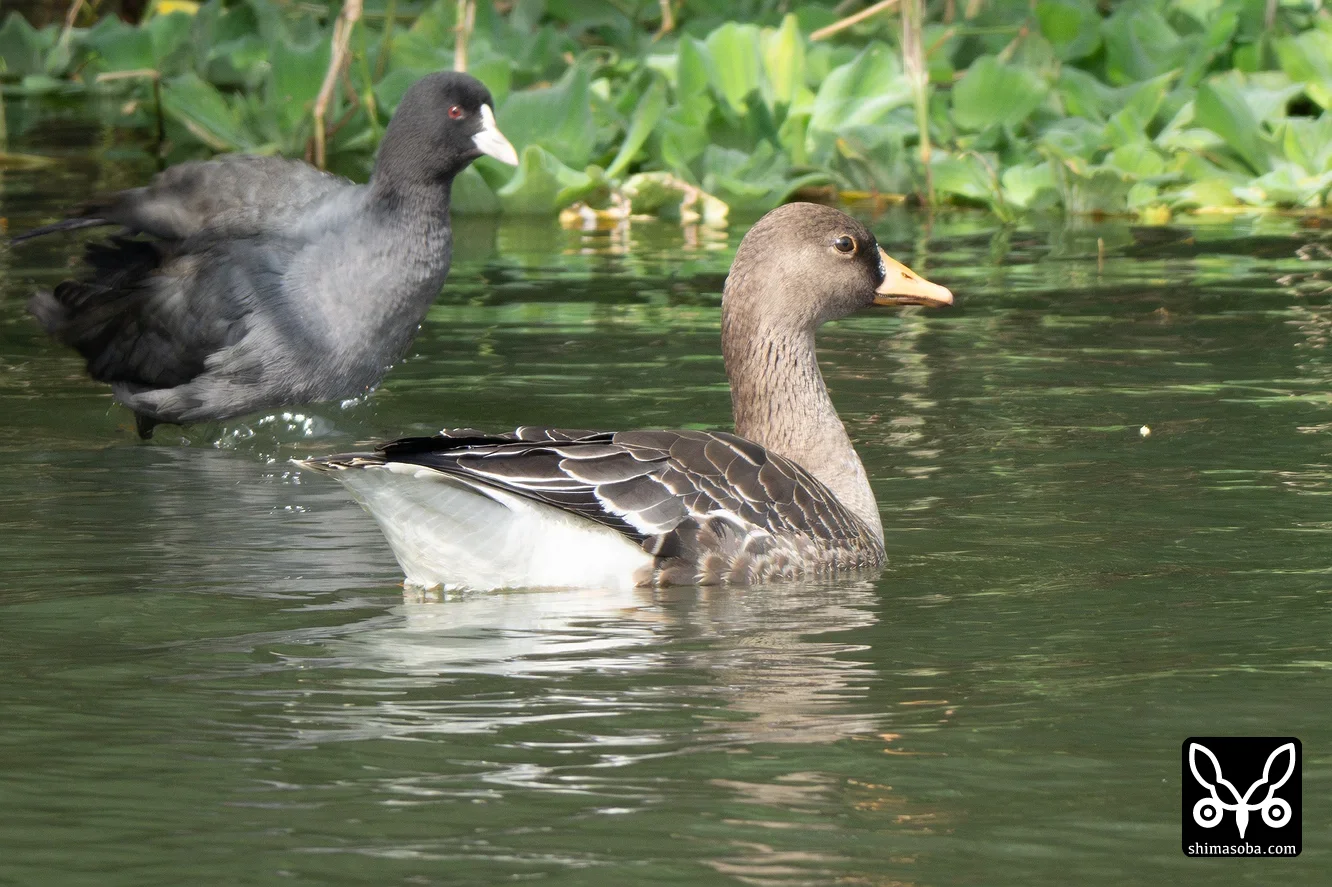
Comparing it with the Eurasian Coot behind, you can tell it's quite a small individual.
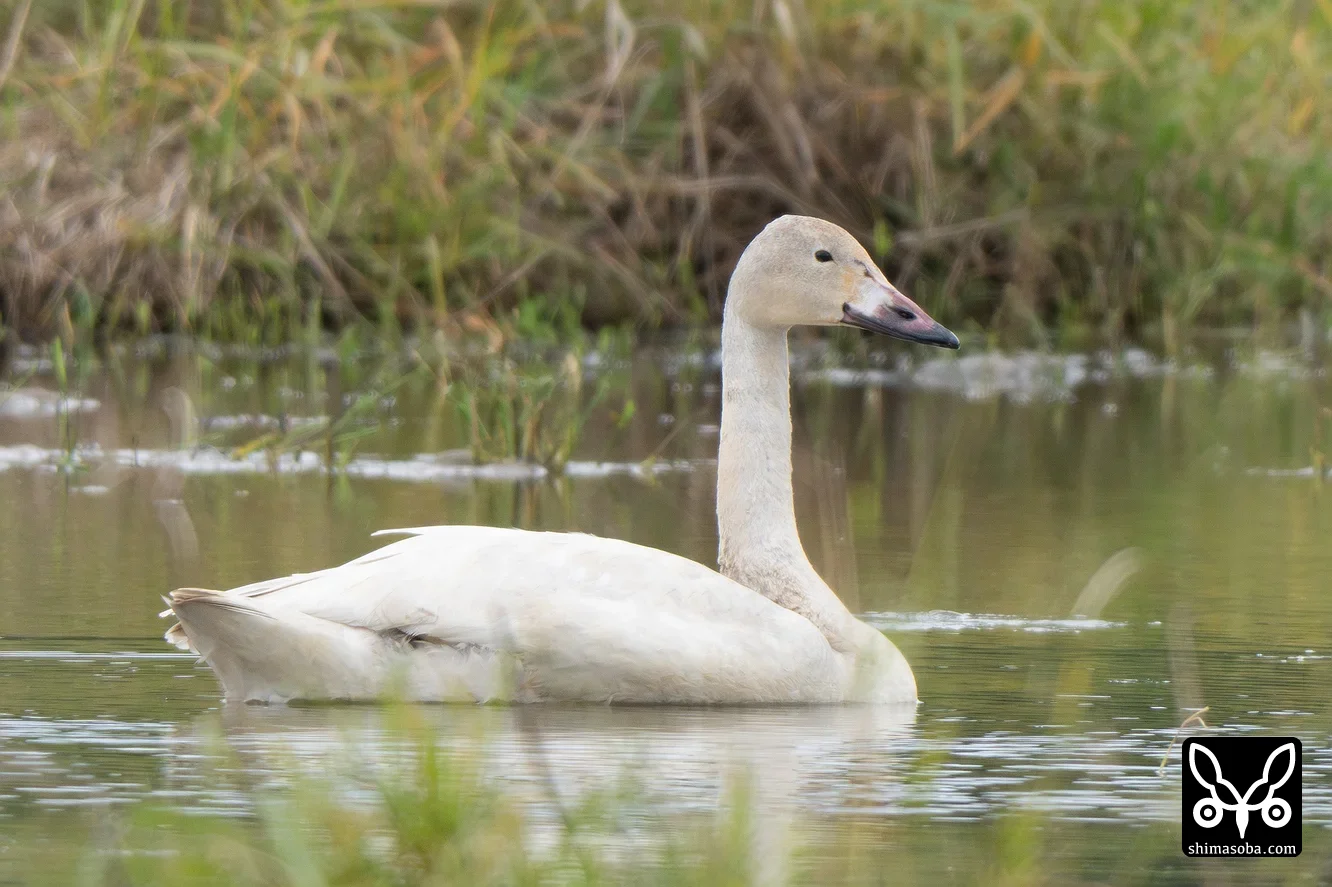
A lone Tundra Swan on arrival.
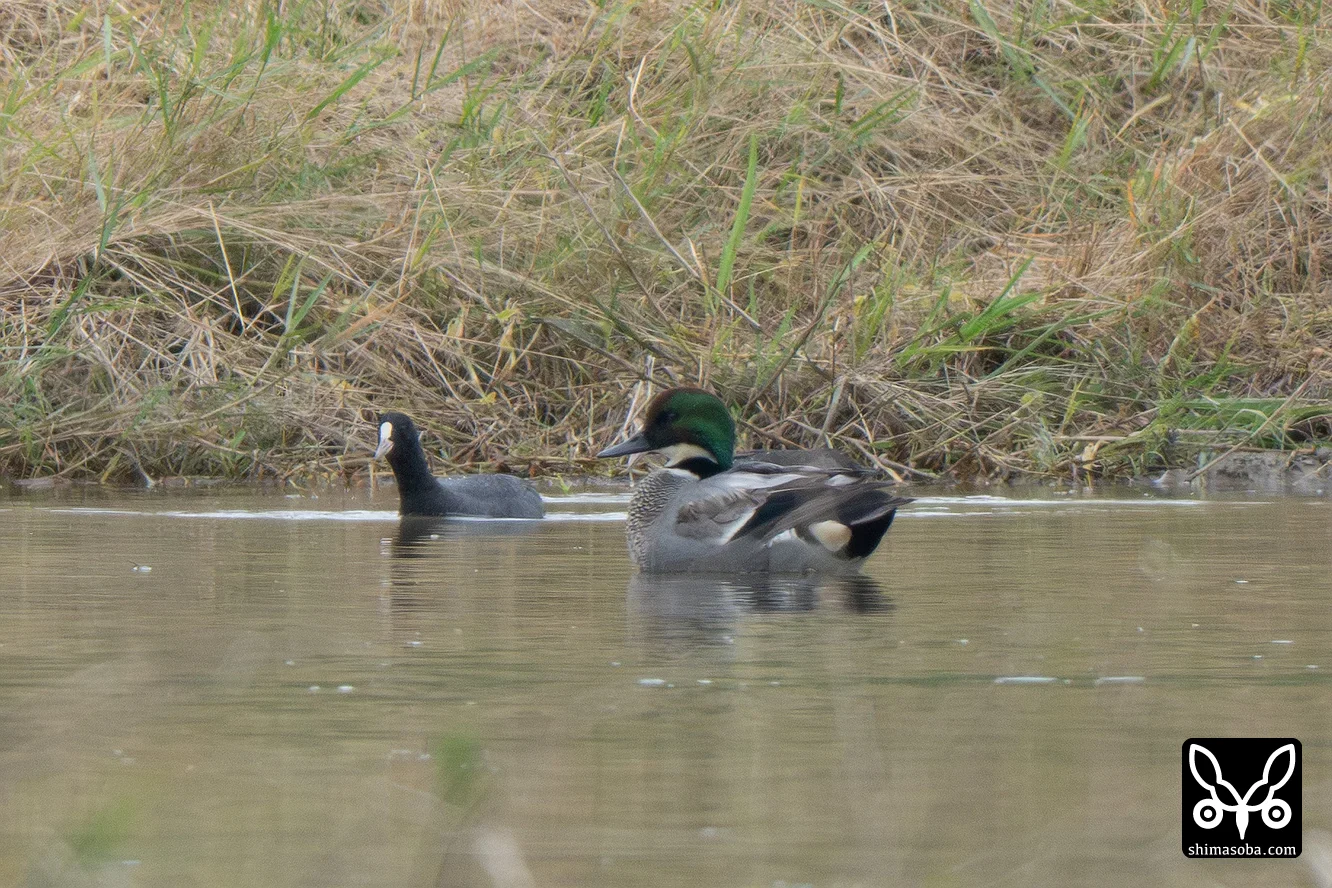
A male Falcated Duck was present. It had come into breeding plumage and looked strikingly beautiful among the rice paddies.
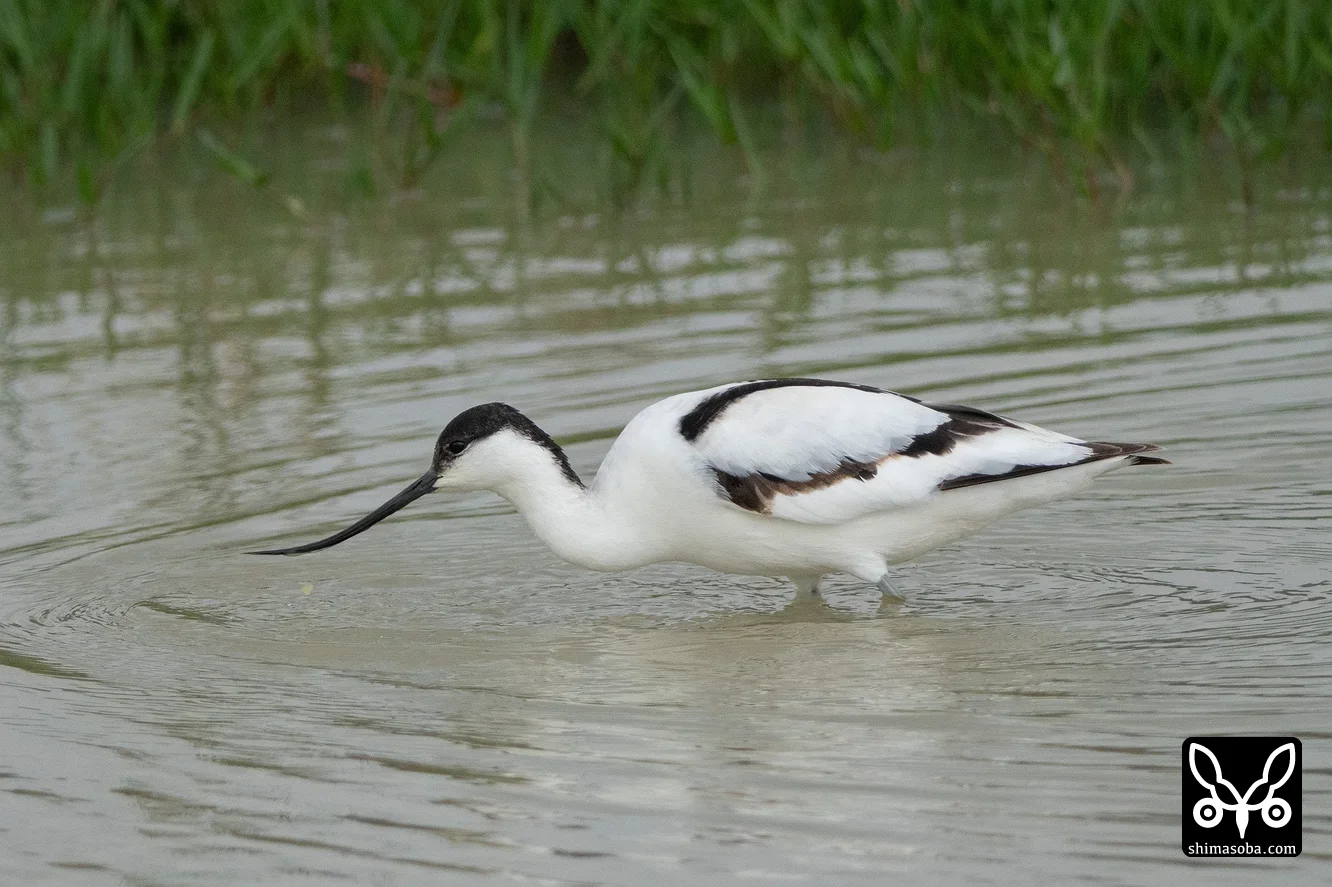
A Pied Avocet moving back and forth between the irrigation channels and the rice paddies.
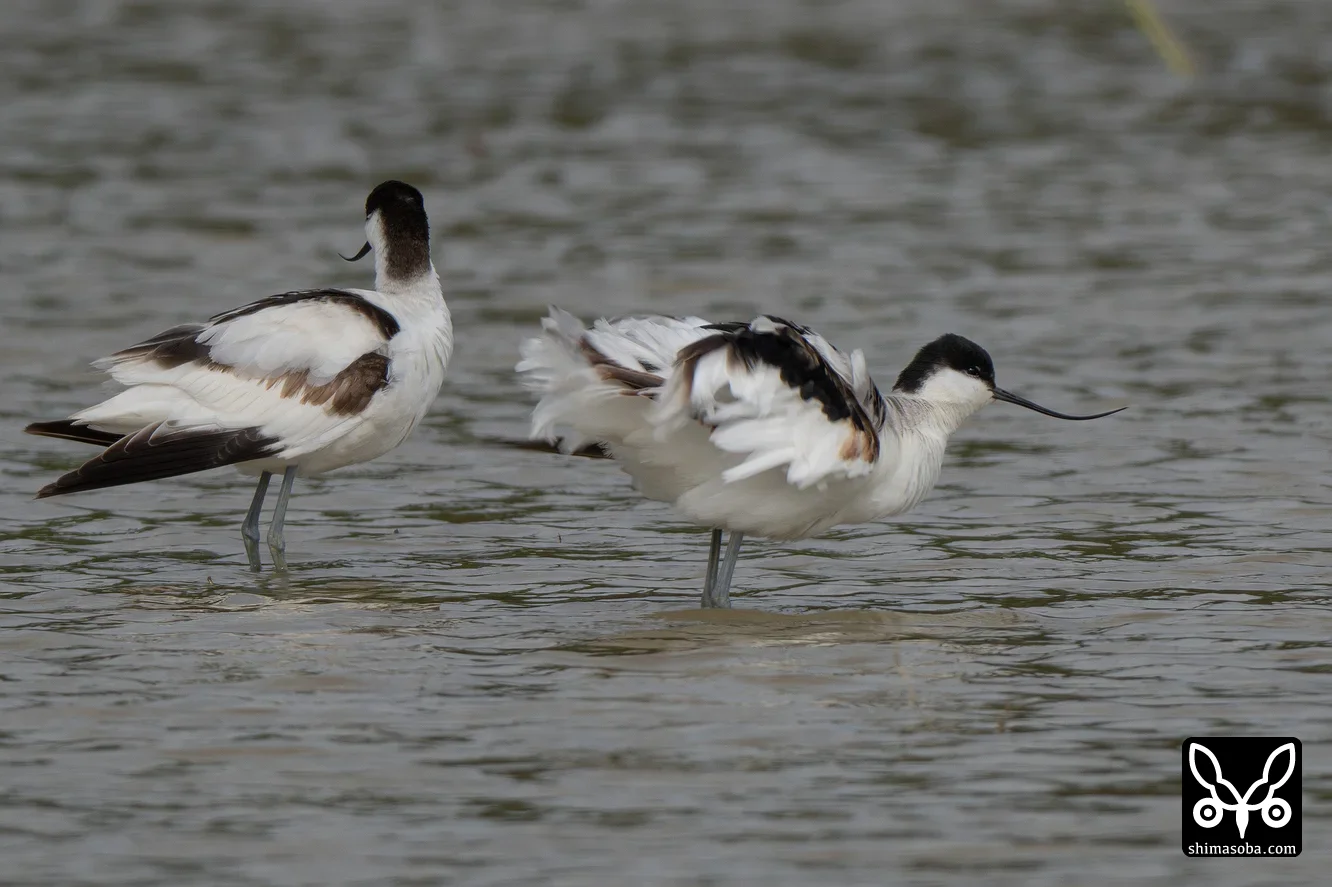
This Pied Avocet was in a different area. Some worn juvenile feathers remain.
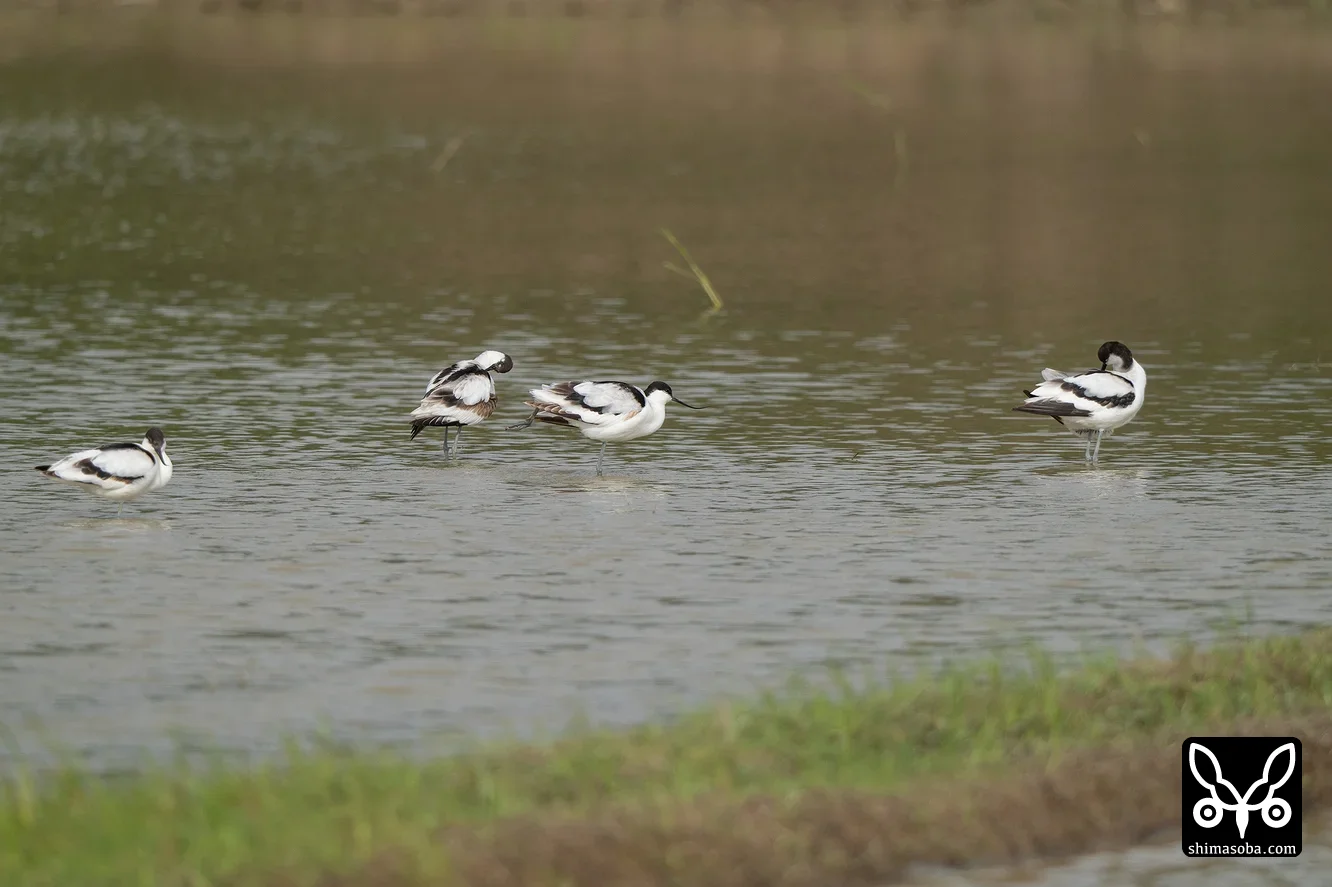
Same individual as above. Four birds were resting together in a tight group.
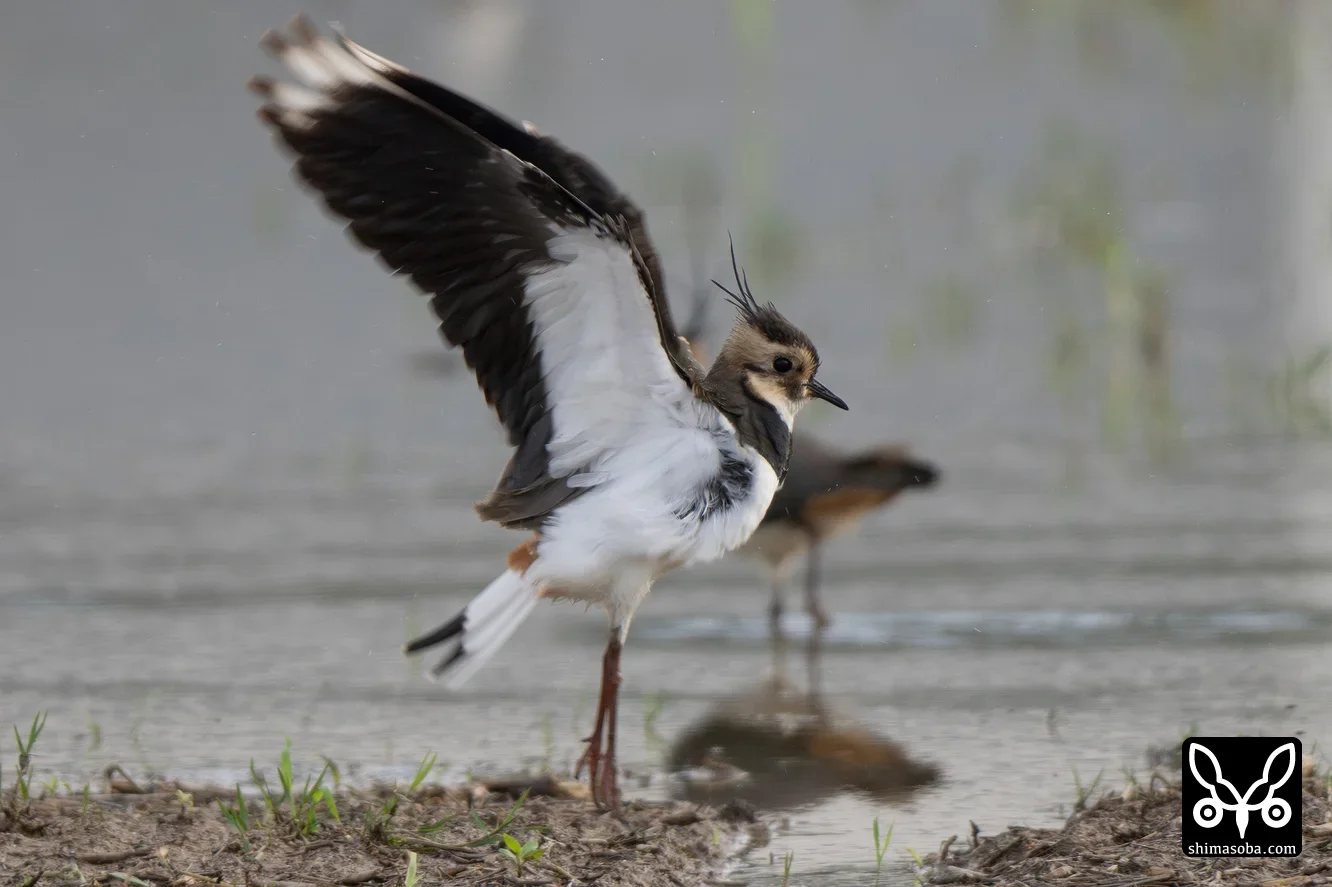
Northern Lapwings in a small flock — all juveniles.
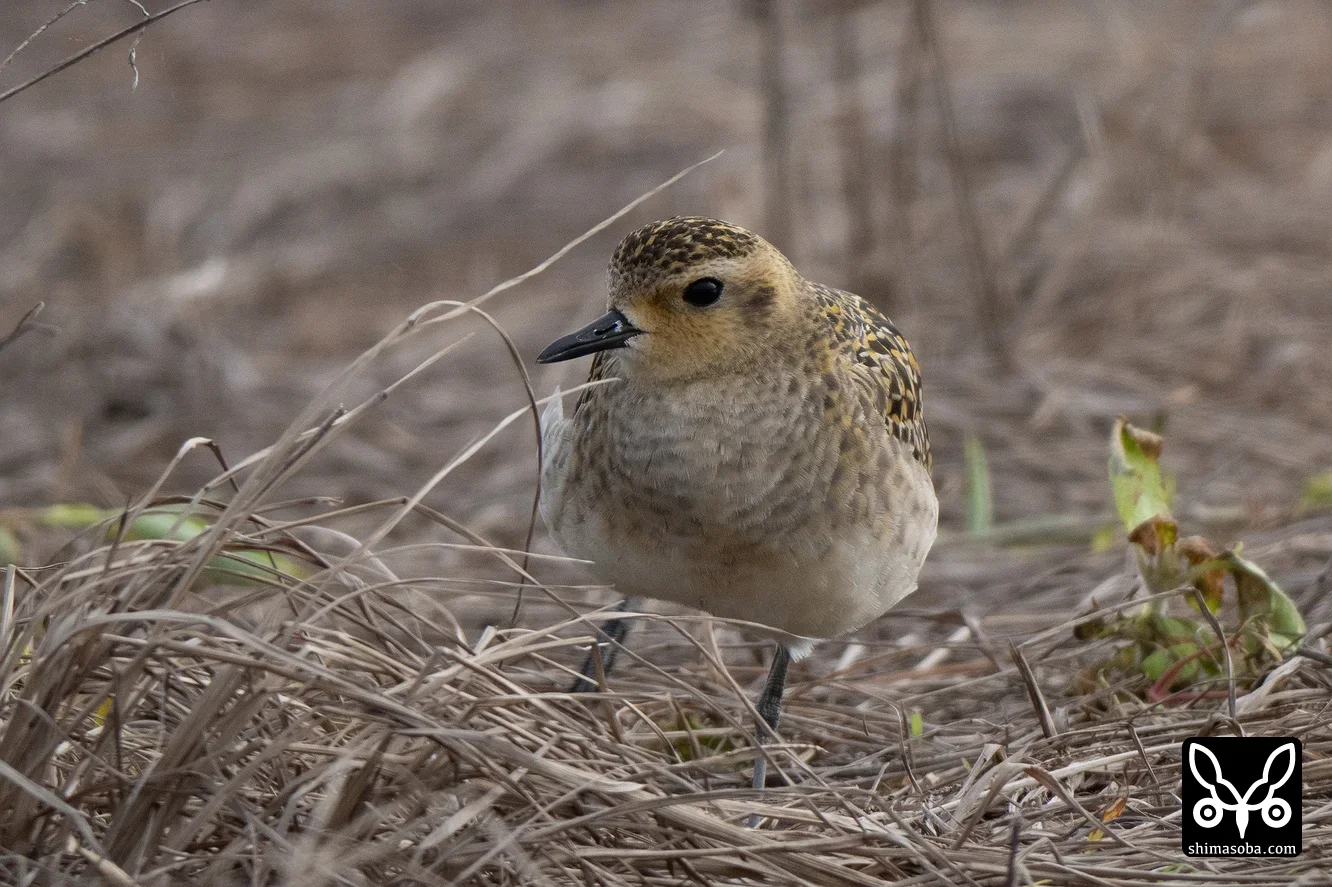
A juvenile Pacific Golden Plover.
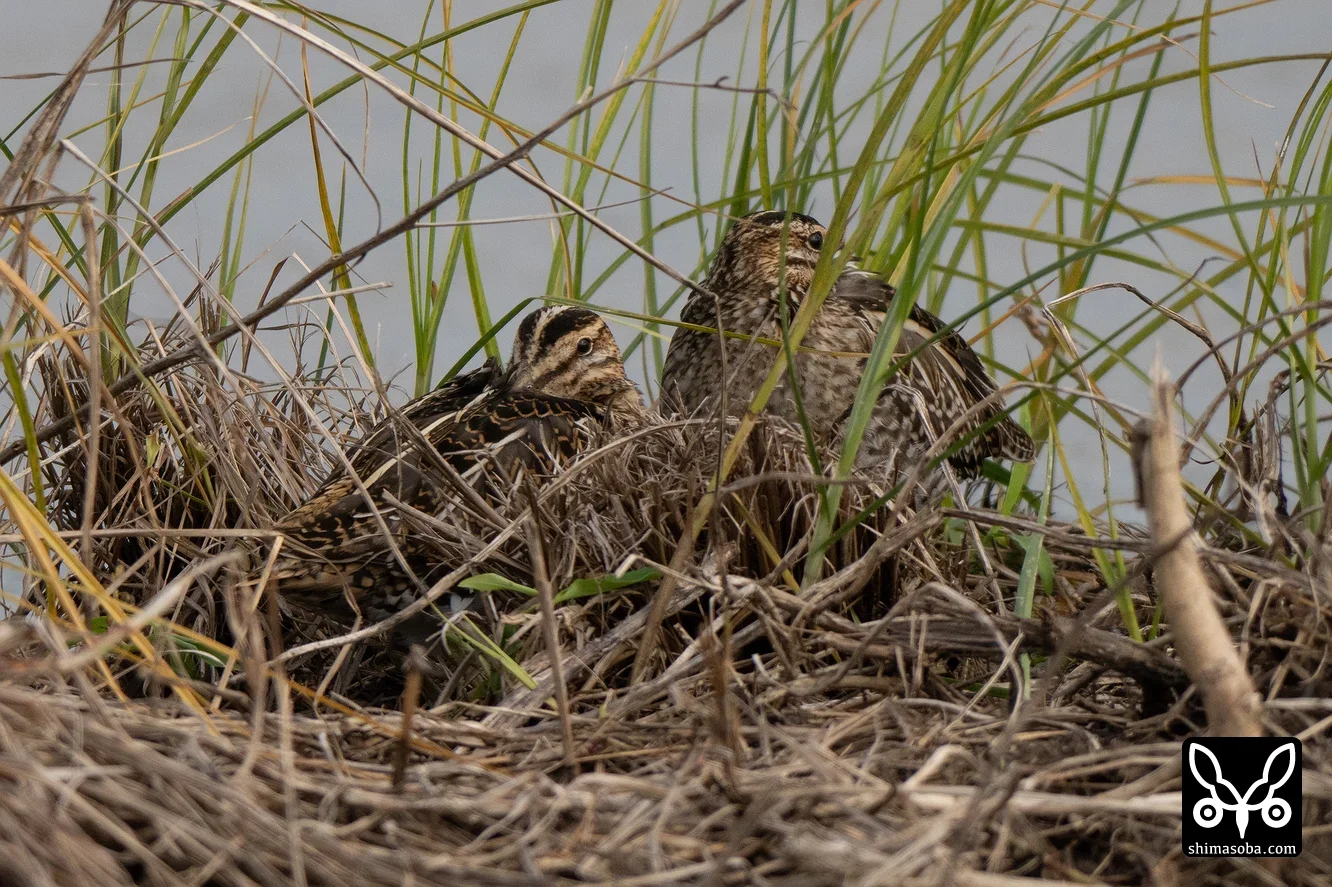
Common Snipe were present like this, about a dozen or so. Unfortunately, no other Gallinago snipe were mixed in.
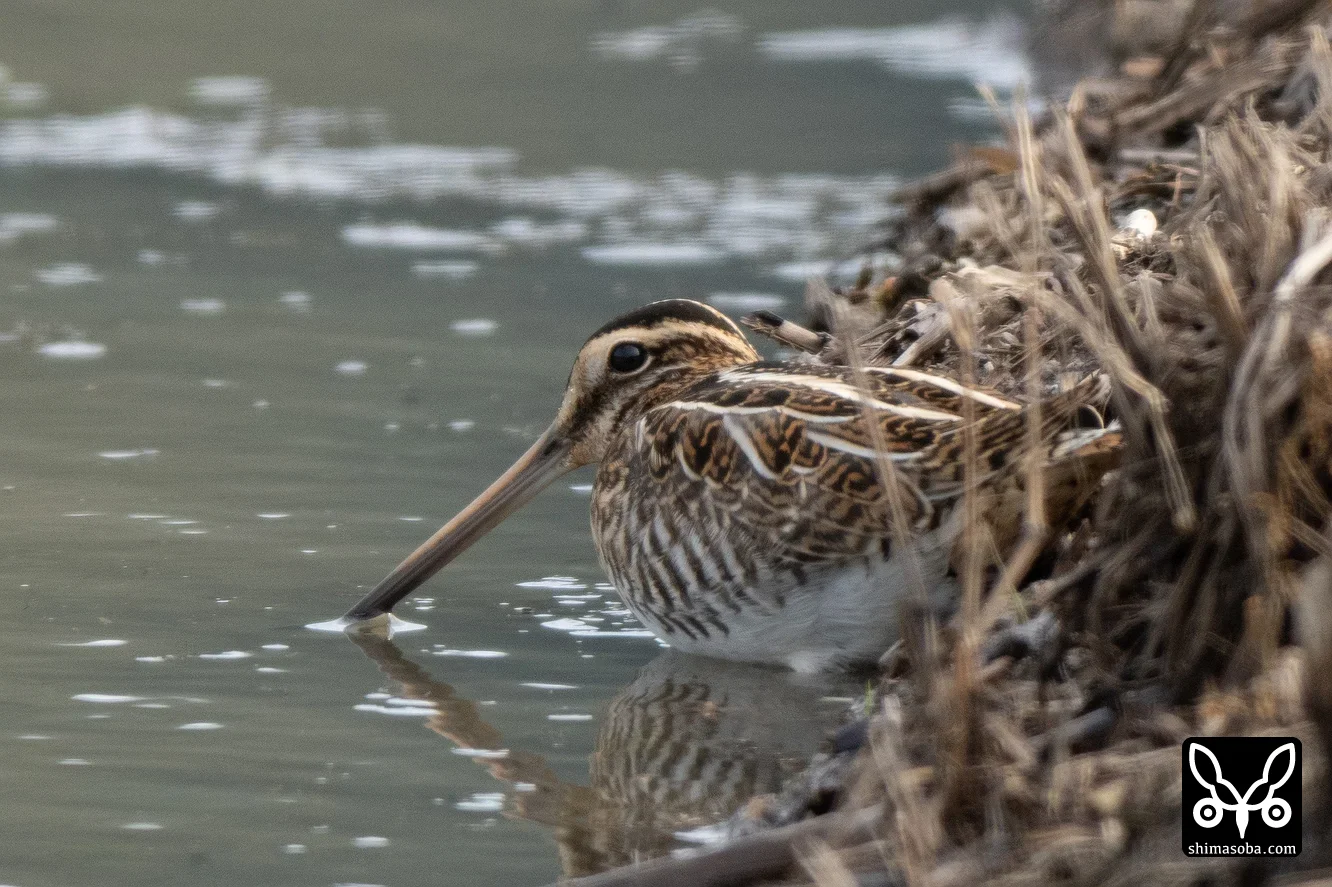
The most beautiful juvenile Common Snipe of the day.
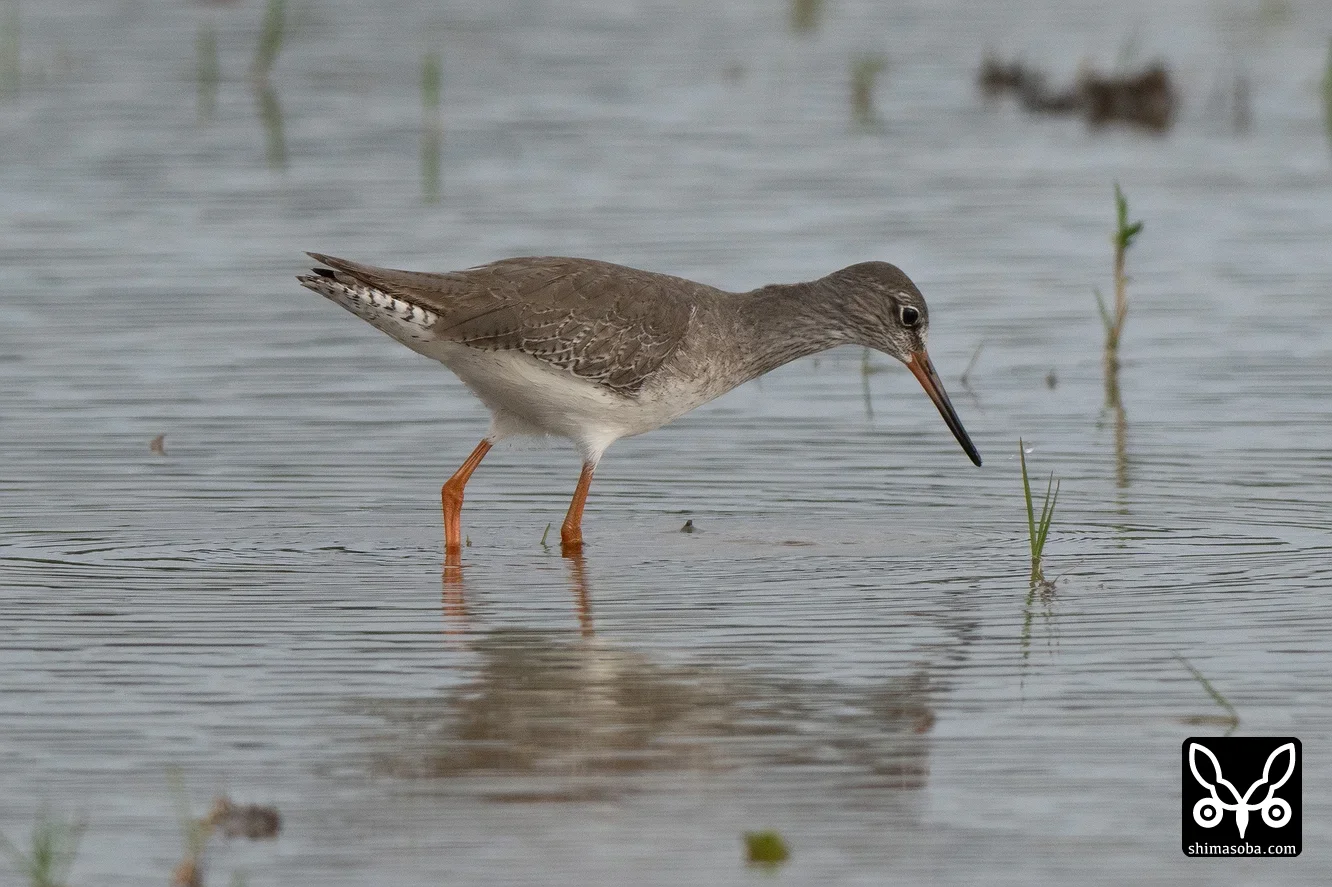
A small number of Common Redshanks are wintering.
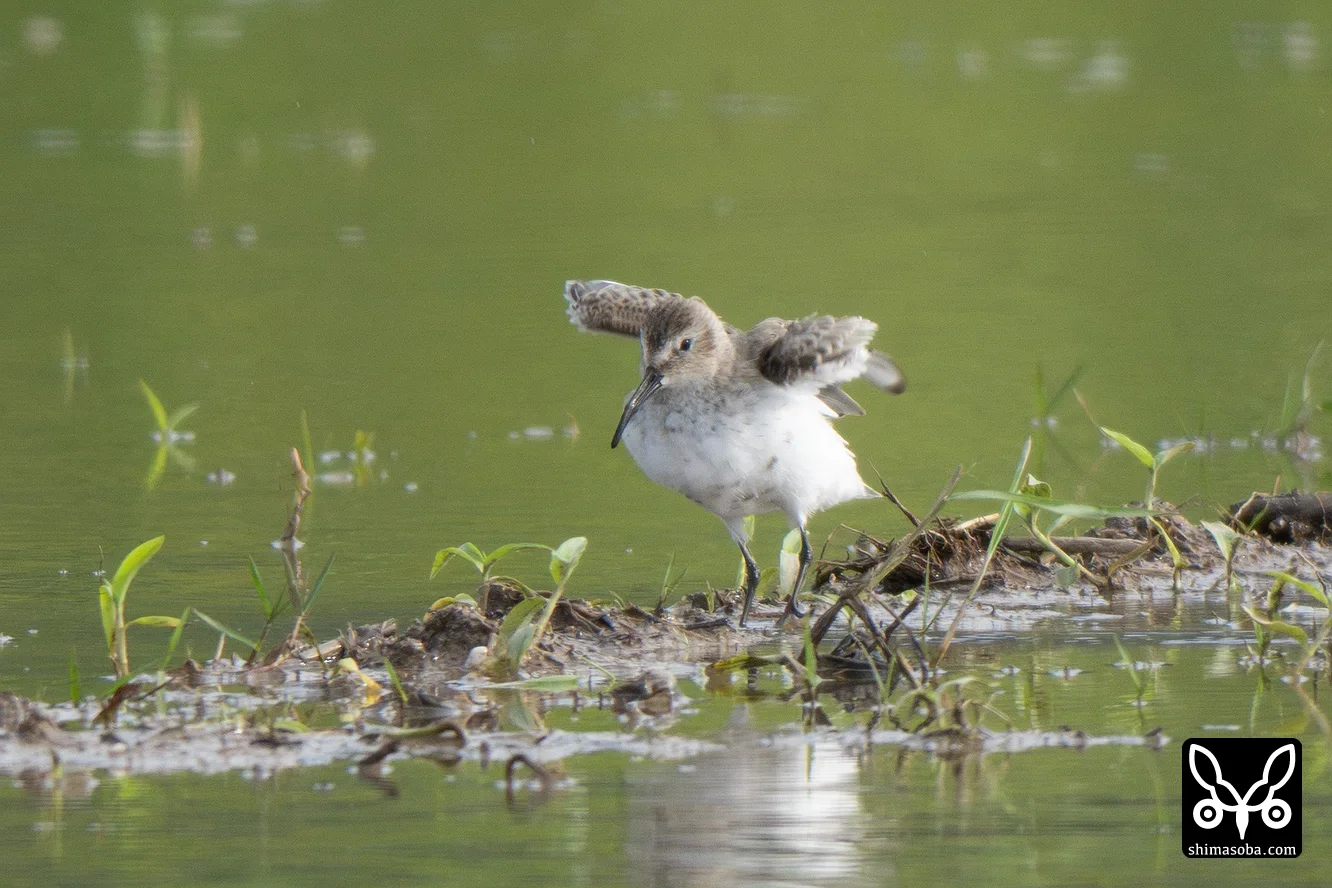
A small flock of Dunlins was in the rice paddies.
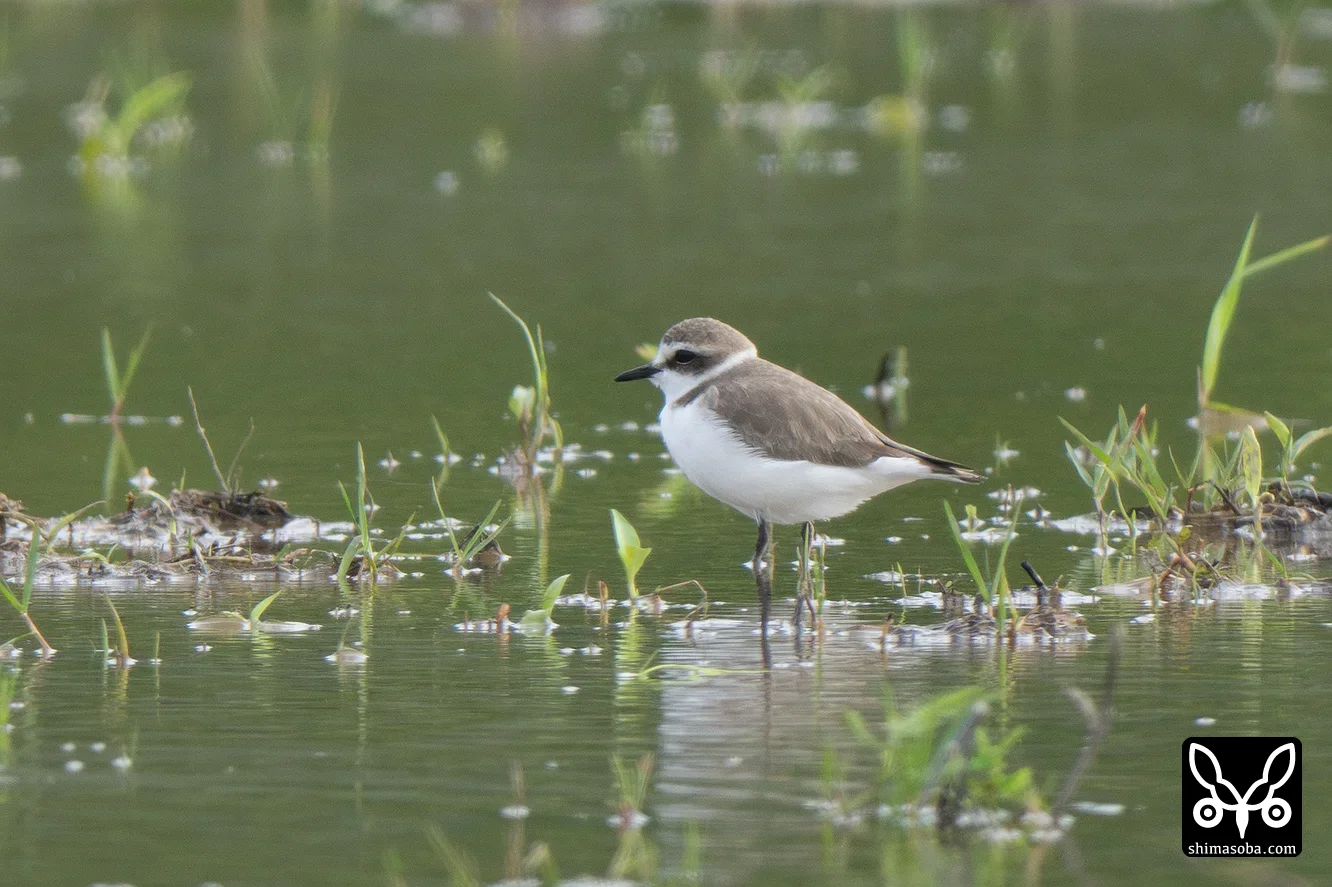
On Ishigaki Island at this time of year, Kentish Plovers turn up in the rice paddies regularly too.
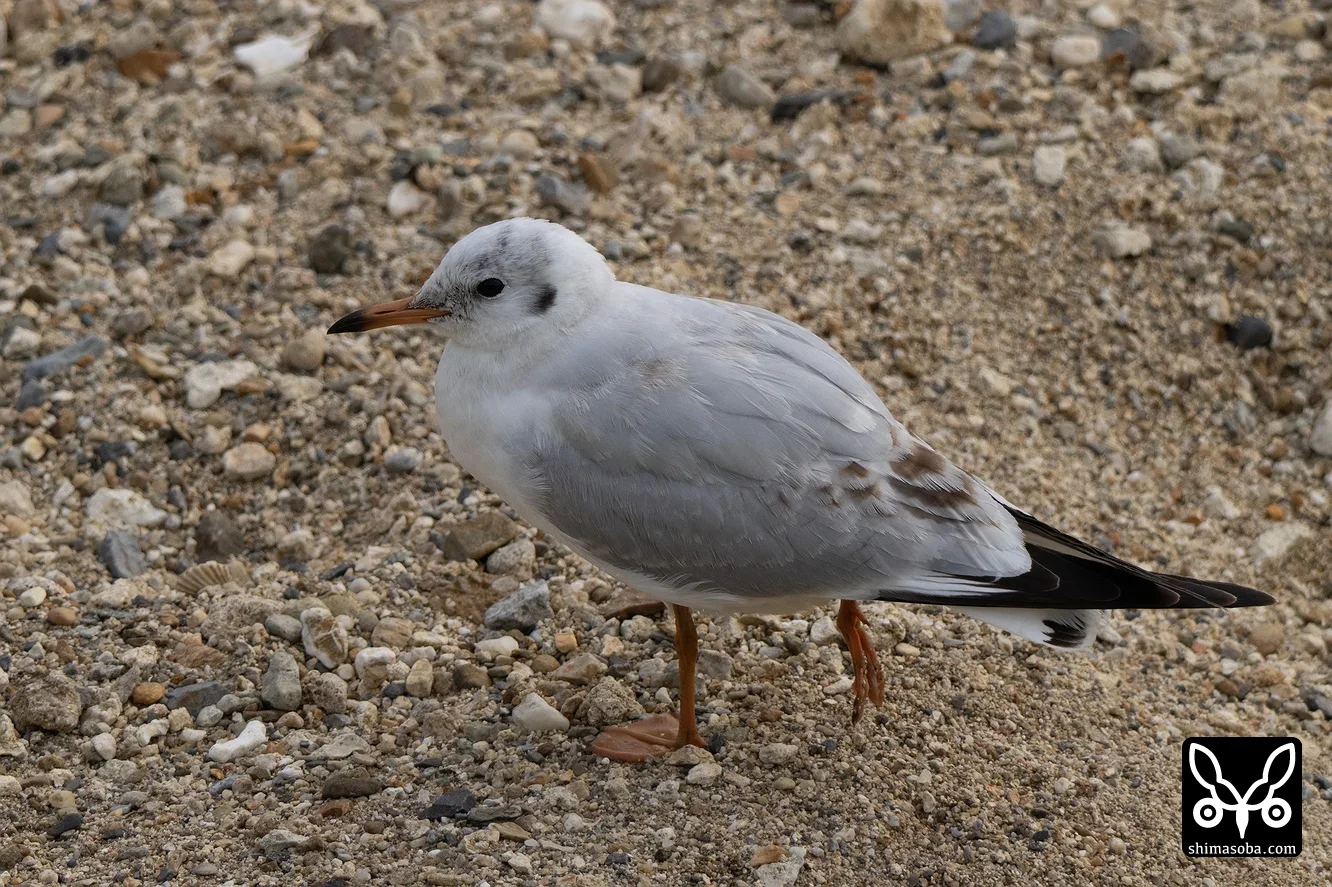
A Black-headed Gull with an injured leg.
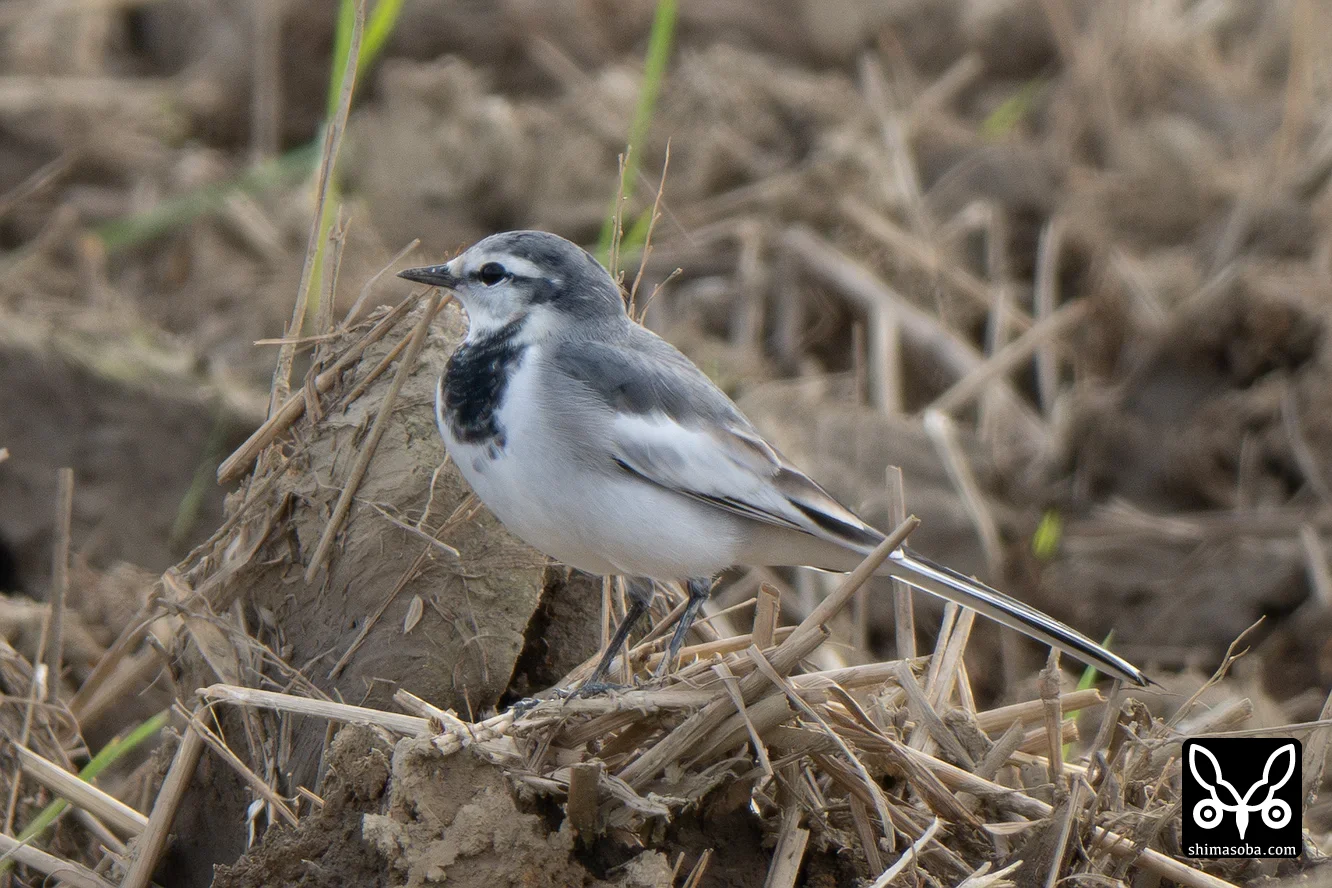
A female of the subspecies White Wagtail has finally appeared.
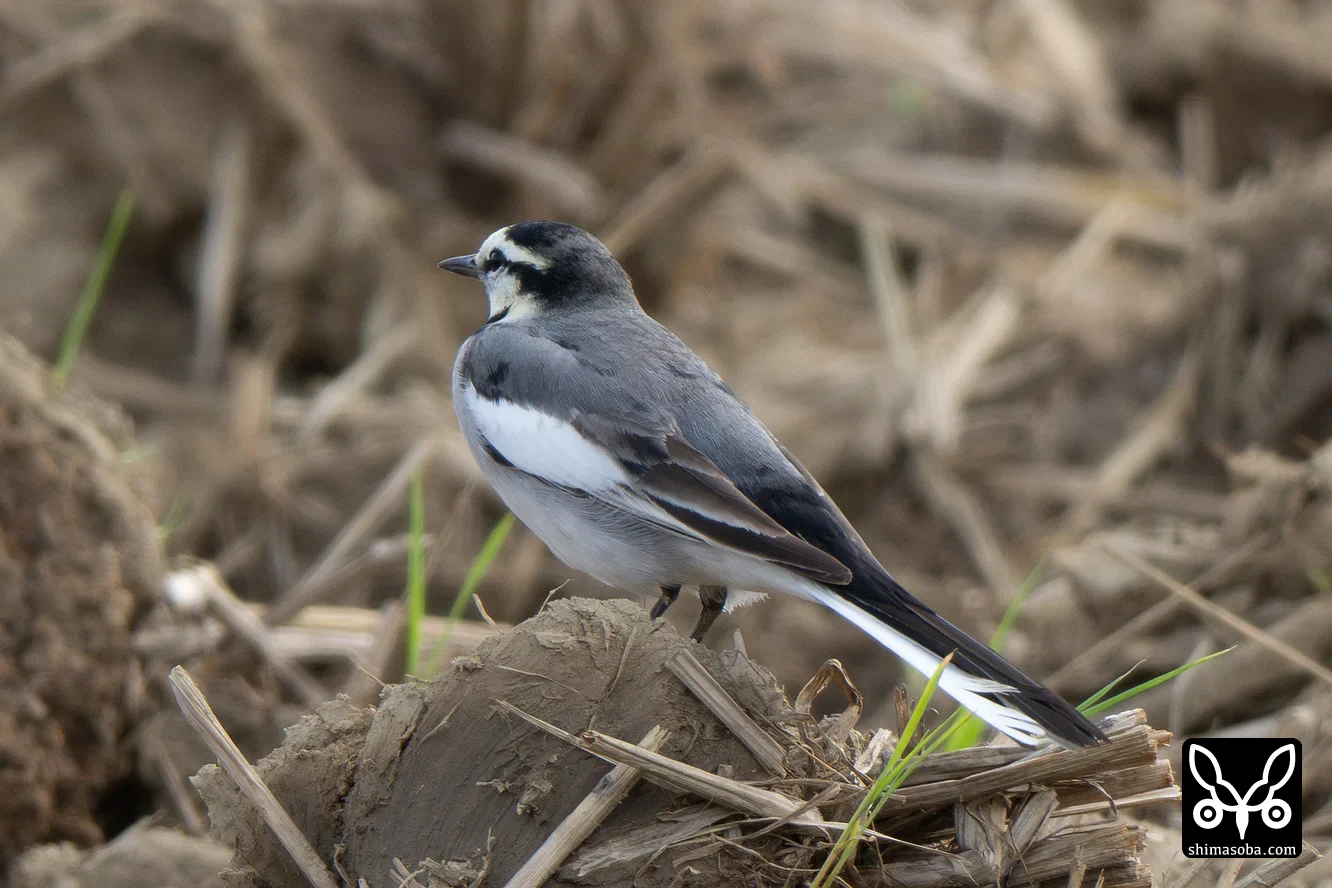
A White Wagtail that was together with the individual above. This one is a male.
Related Posts
- 日本と世界の野鳥名ユーザー辞書 for macOS(Oct. 3, 2020)
- 台風避難のアジサシ類、シギ(July 11, 2015)
- 与根の三角池に今季初のクロツラヘラサギ(Nov. 8, 2016)
- 田んぼで今季初マガン、2羽目コガモなど(Oct. 10, 2020)
- 今季初のクロツラヘラサギ、負傷したアカガシラサギ(Oct. 23, 2020)
- サンコウチョウもうすぐ巣立ち(June 8, 2016)
- 沖縄本島南部でベニバトとシマアカモズ(Sept. 21, 2017)
- Juvenile Black Stork arrives (video)(Dec. 3, 2022)
- Paddy-field waders, Cinnamon Bittern, Eastern Yellow Wagtail, White-breasted Waterhen(May 5, 2023)
- まだいる漫湖のナンヨウショウビン(動画あり)(April 4, 2018)