響灘ビオトープ・久住高原でバードウオッチング
妻の両親と1泊2日の小旅行のついでに少しだけ探鳥。響灘ビオトープでは、入場と同時にチュウヒが飛び、あちこちにホオアカやオオヨシキリ、ヒバリがいました。沖縄ではなかなか見られない鳥たちなので感激。コアジサシも営巣にやって来ていました。あたりは工場に囲まれた場所ですが、建物内の展示も充実して、一日中いたい施設でした。
久住高原でもホオアカやヒバリ、セッカ、モズが大変多く見られました。カッコウやキジ、ホオジロも美しい景色の中で観察できました。
タデ原湿地も行きたかったのですが強風のため断念。
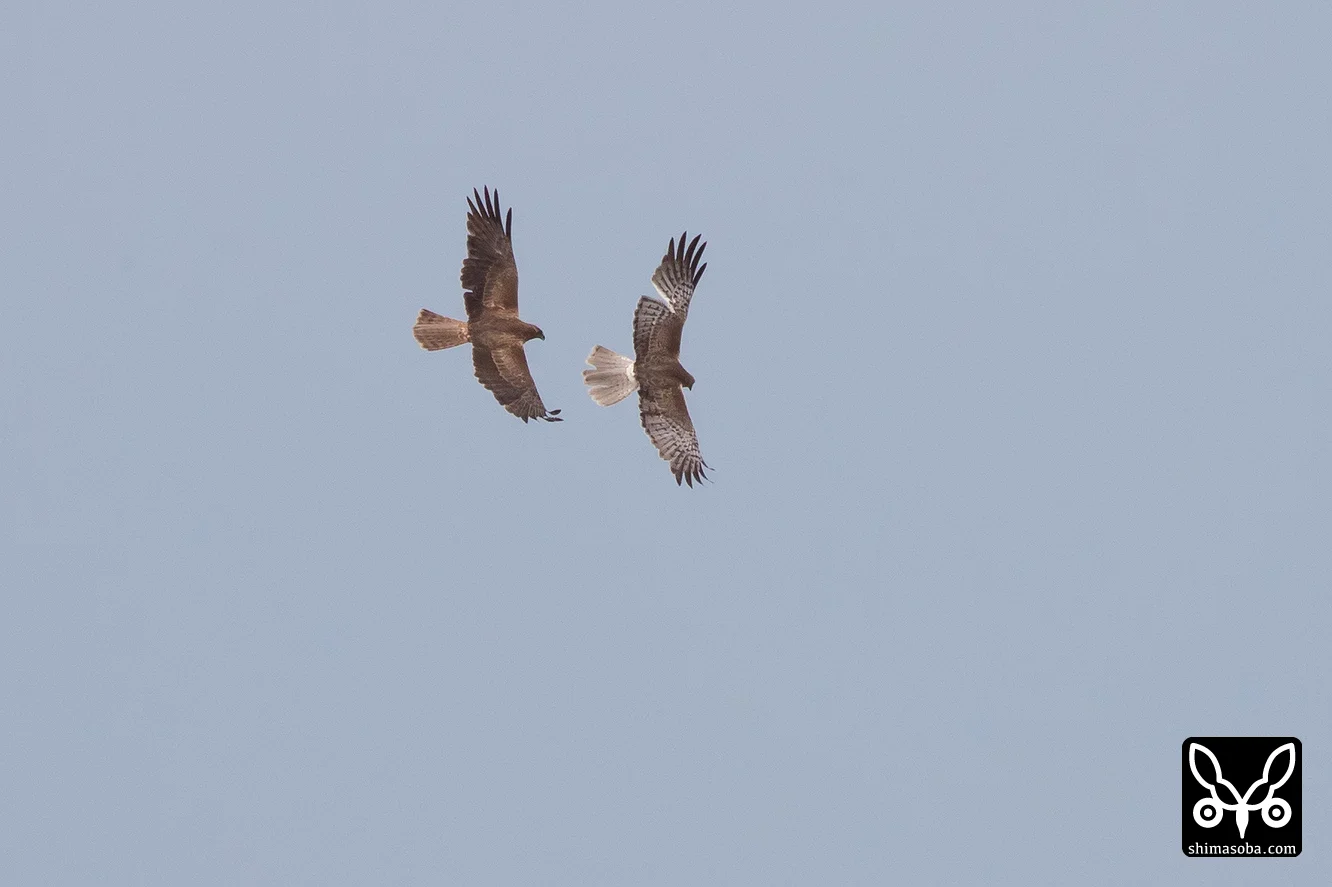
I paid 100 yen to enter Hibiki-nada Biotope and was greeted by two Eastern Marsh Harriers.
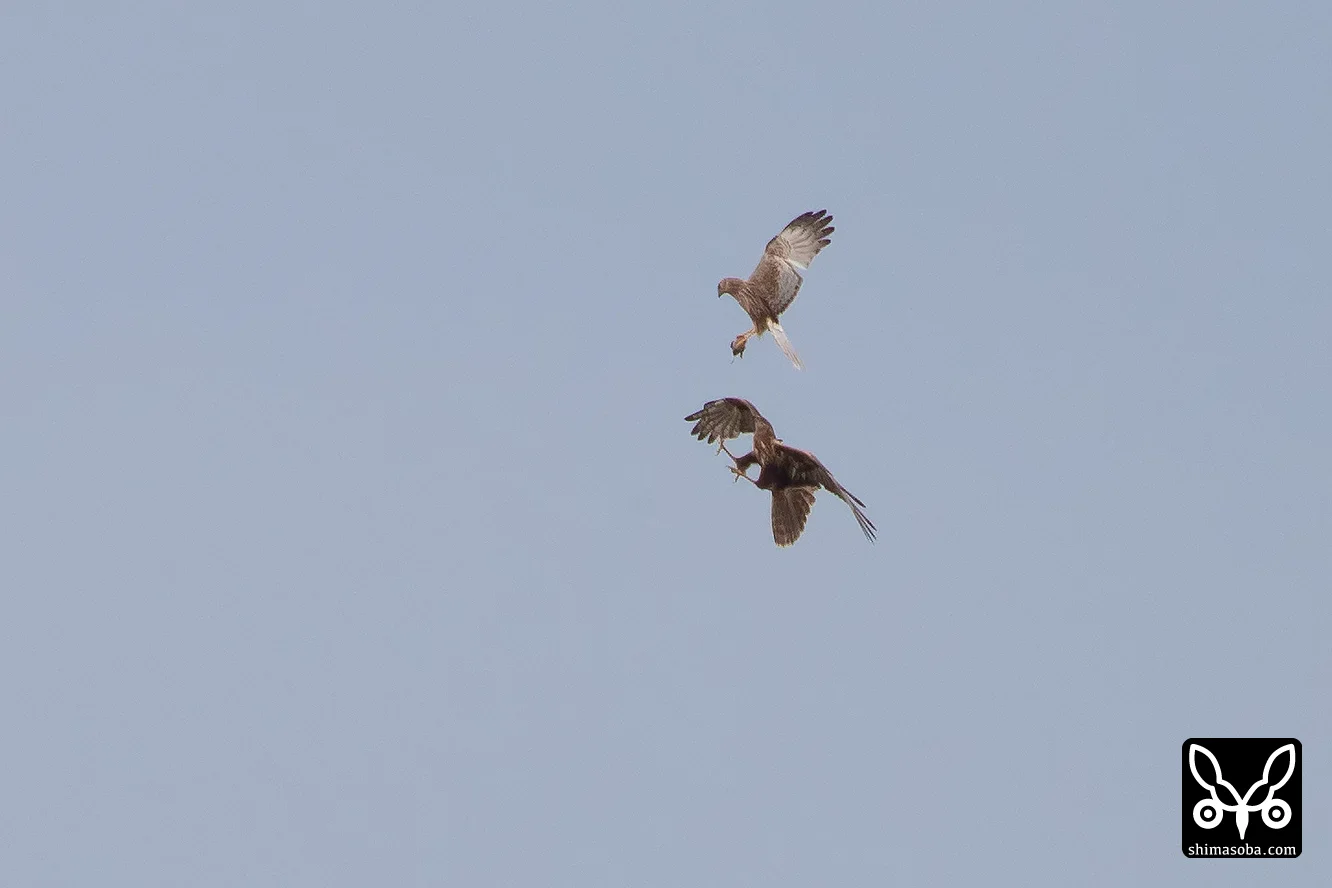
One of the Eastern Marsh Harriers was gripping something in its talons — a mouse or similar prey. Could it be courtship feeding?
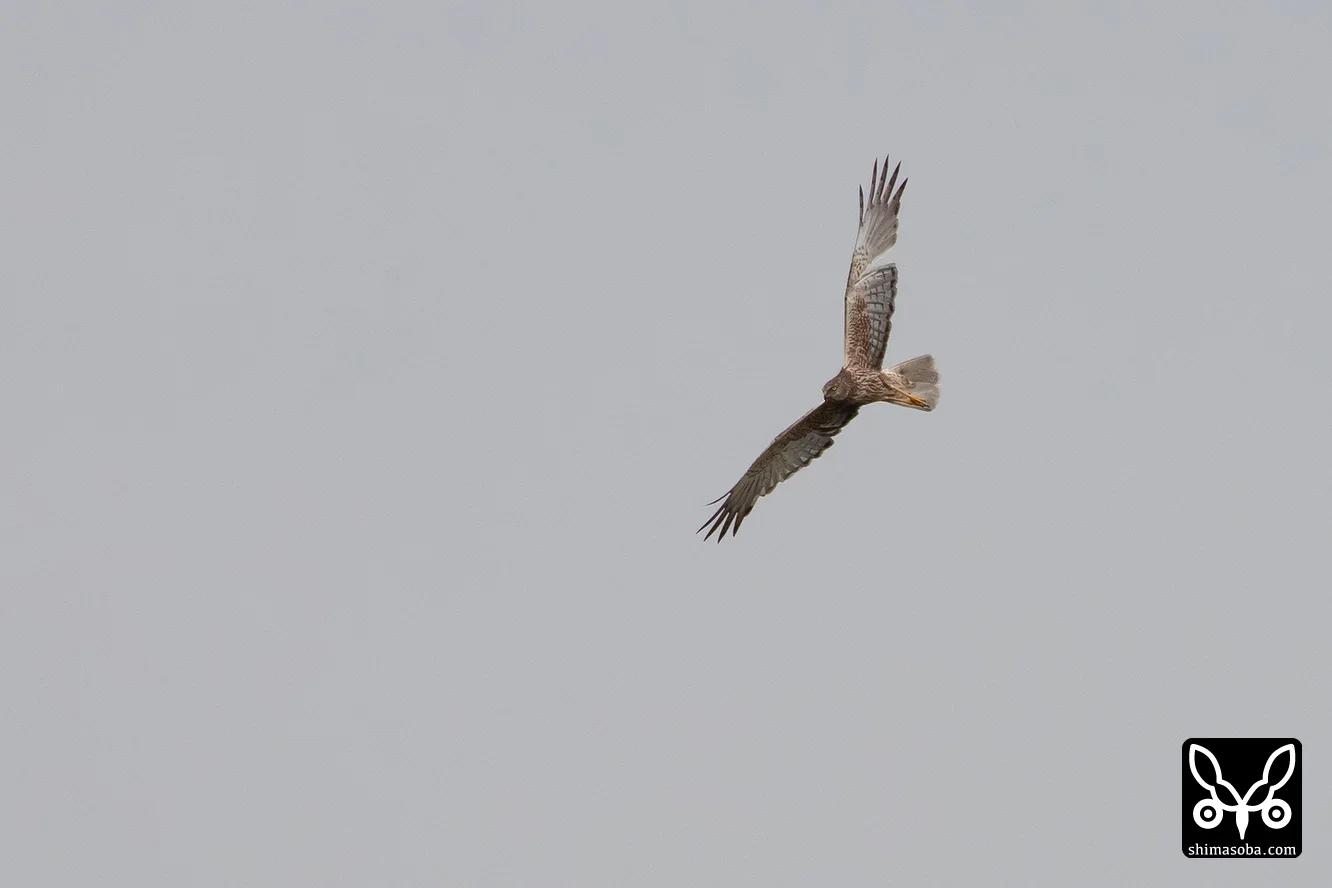
The Eastern Marsh Harriers flew reasonably close, but 400 mm wasn't quite enough.
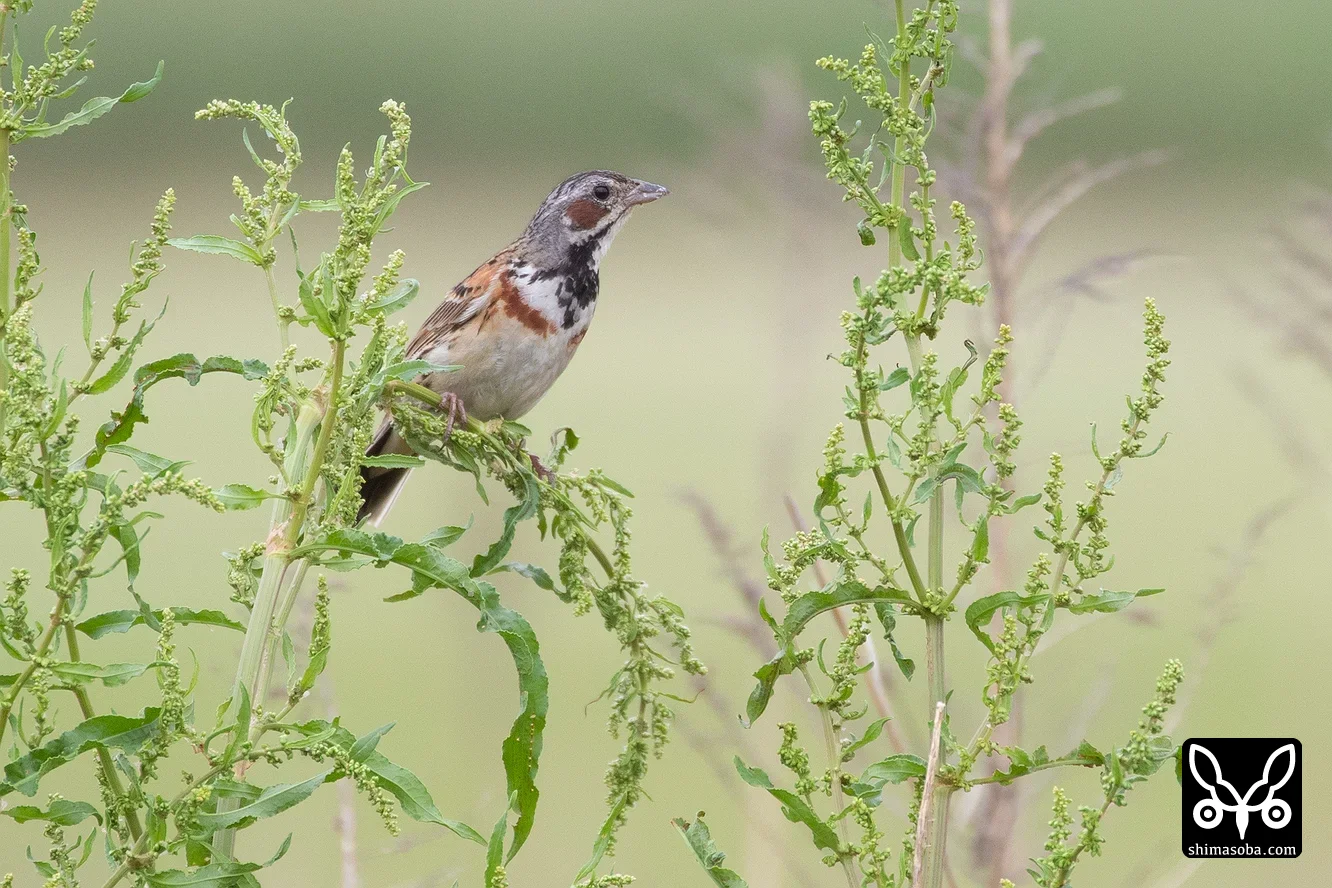
Chestnut-eared Buntings were everywhere.
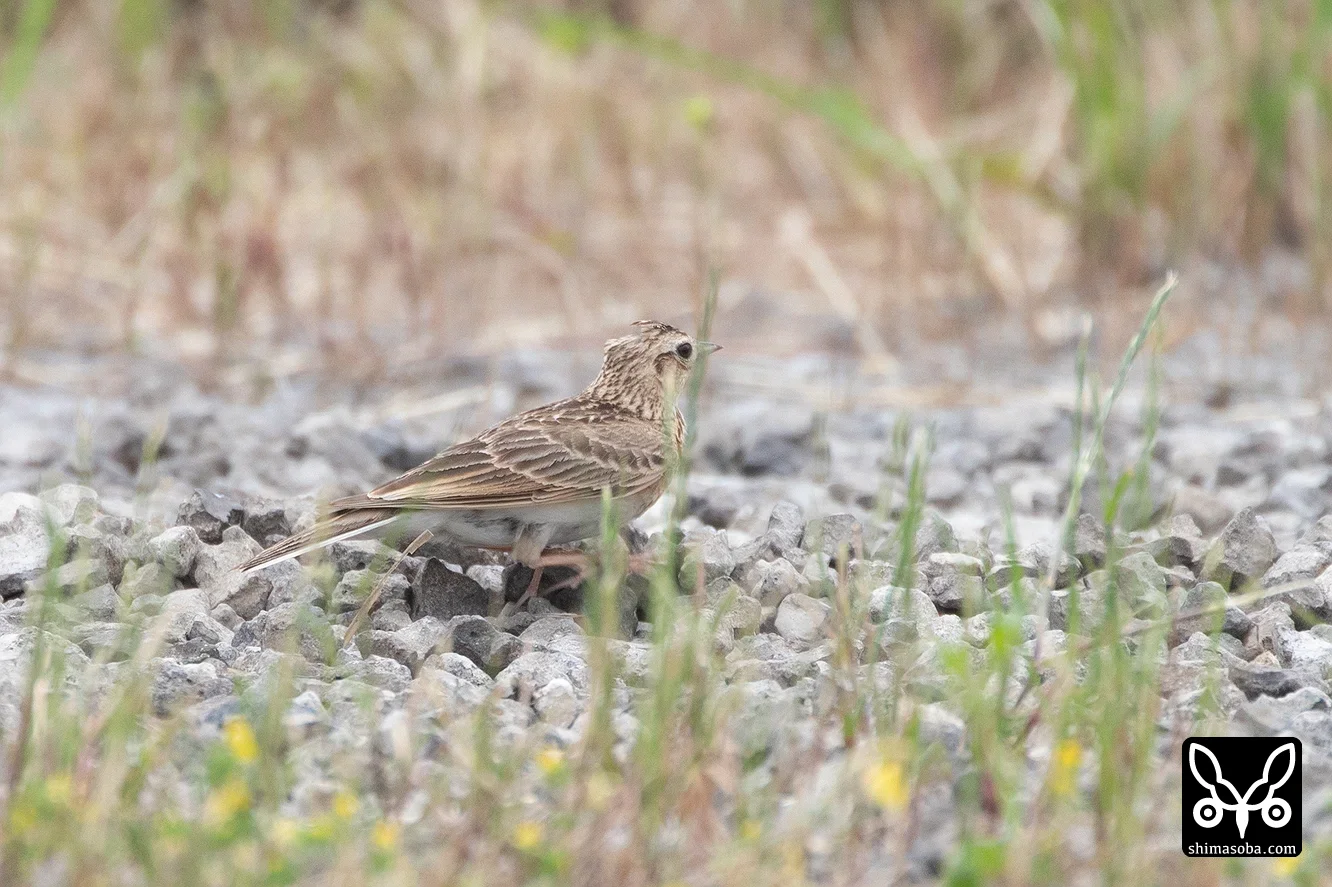
The Eurasian Skylarks looked to be starting the breeding season too. I saw males fighting with each other several times.
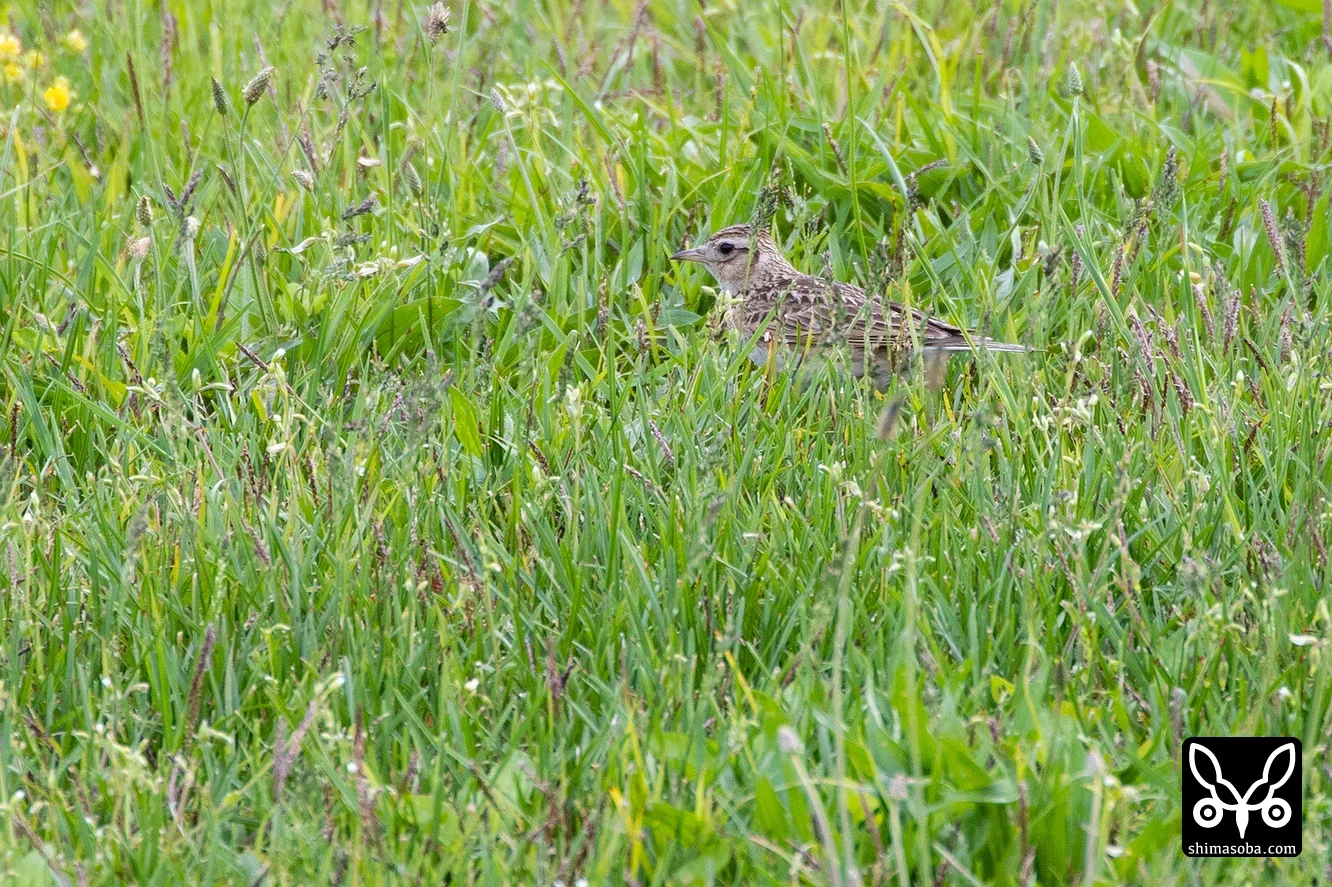
At Kuju Highlands, a Eurasian Skylark was walking right in front of my room.
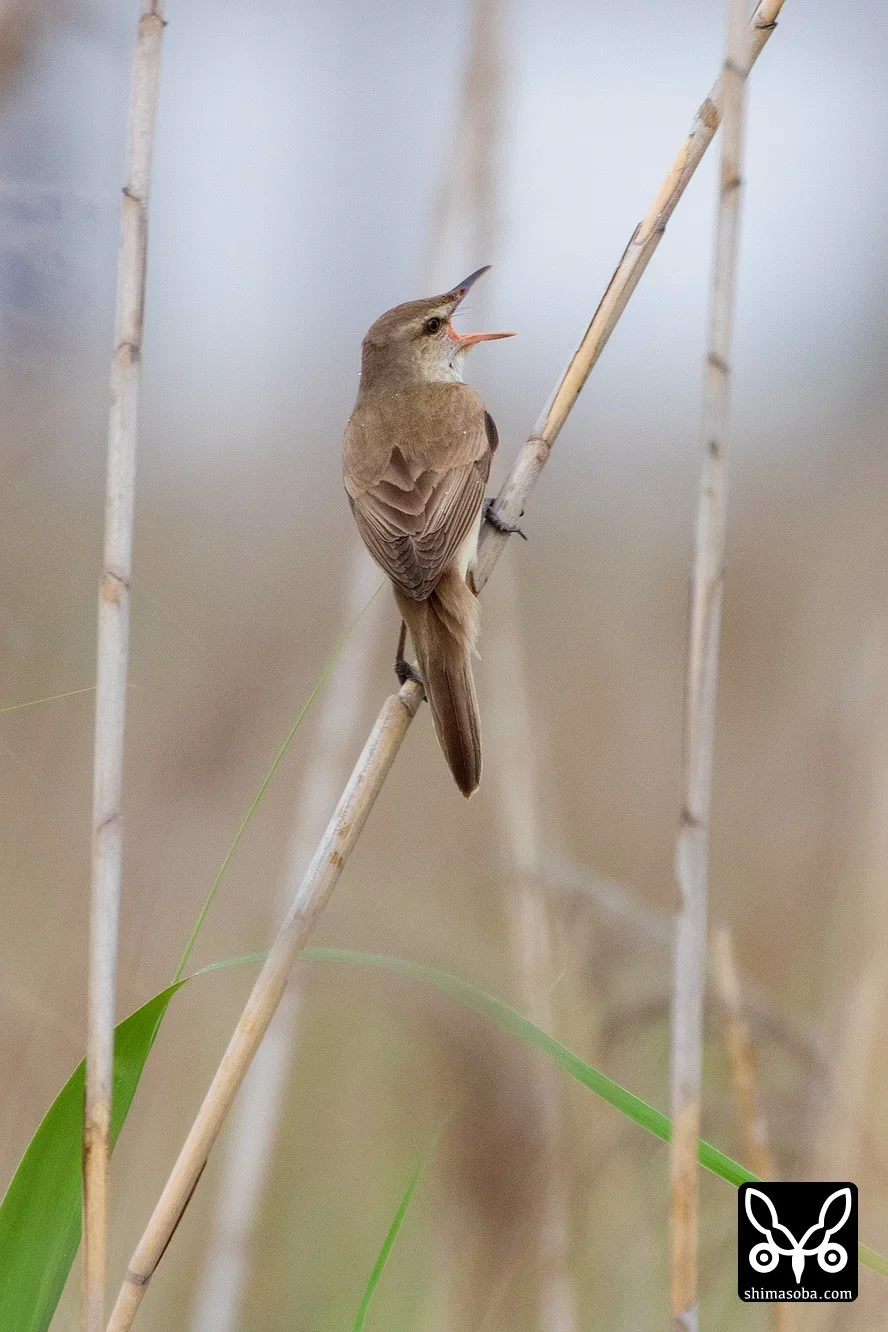
An uncountable number of Oriental Reed Warblers had taken up residence there as well.
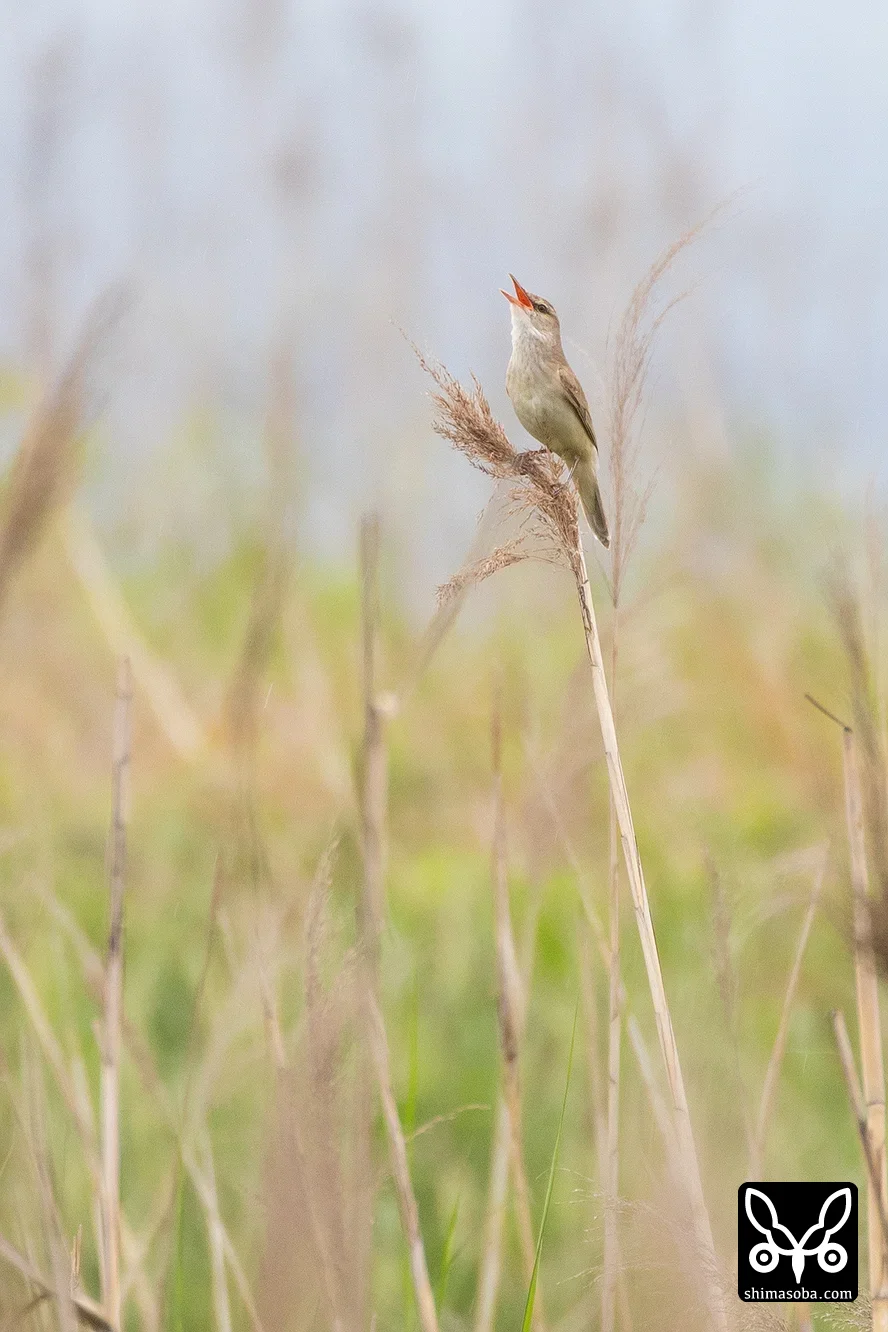
The Great Reed Warbler would hide in the reeds when I got close, but after waiting a while it came out and sang loudly.
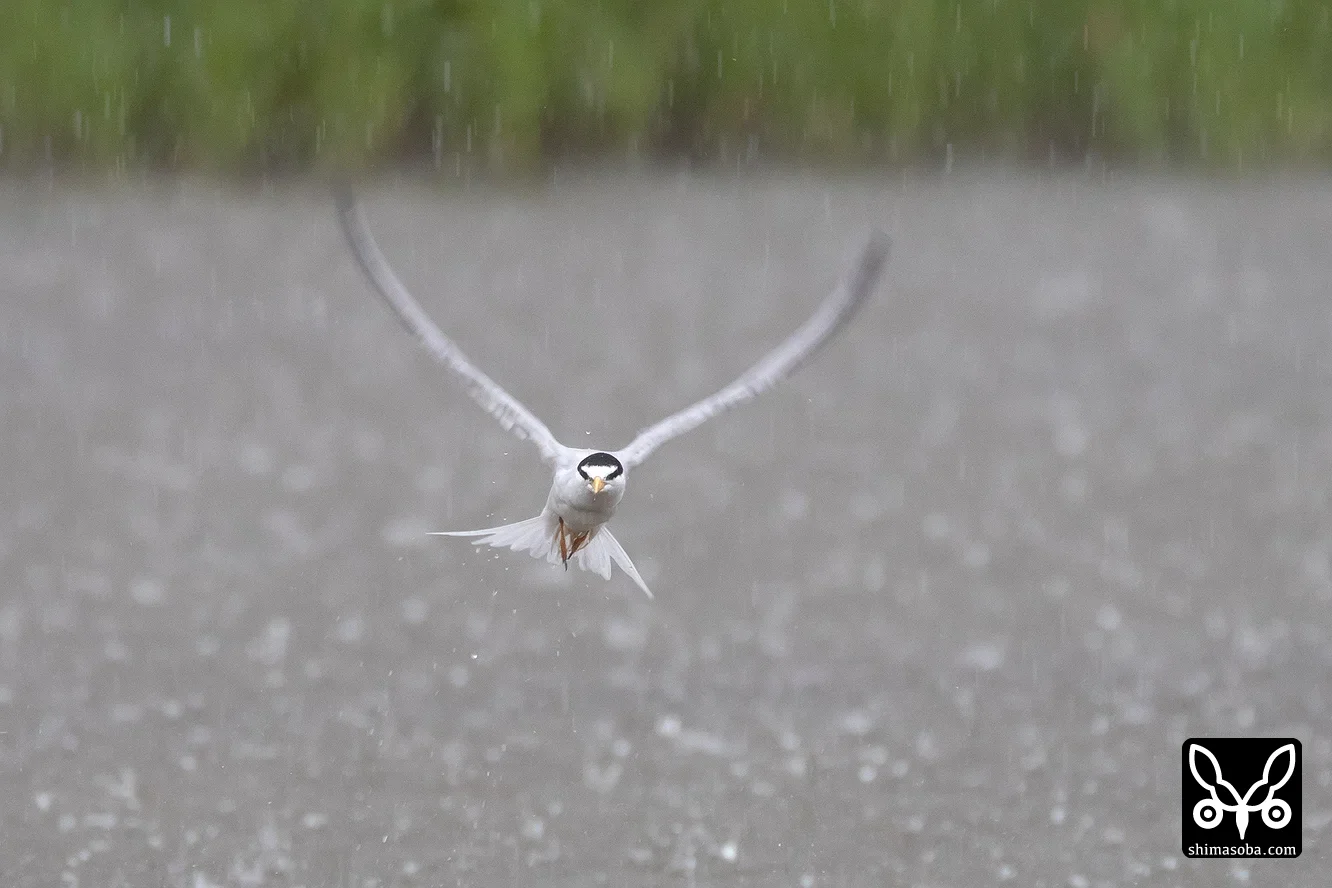
While I was watching the Little Terns the sky turned threatening and I got caught in a downpour. Shot this Little Tern while holding an umbrella. ^^;
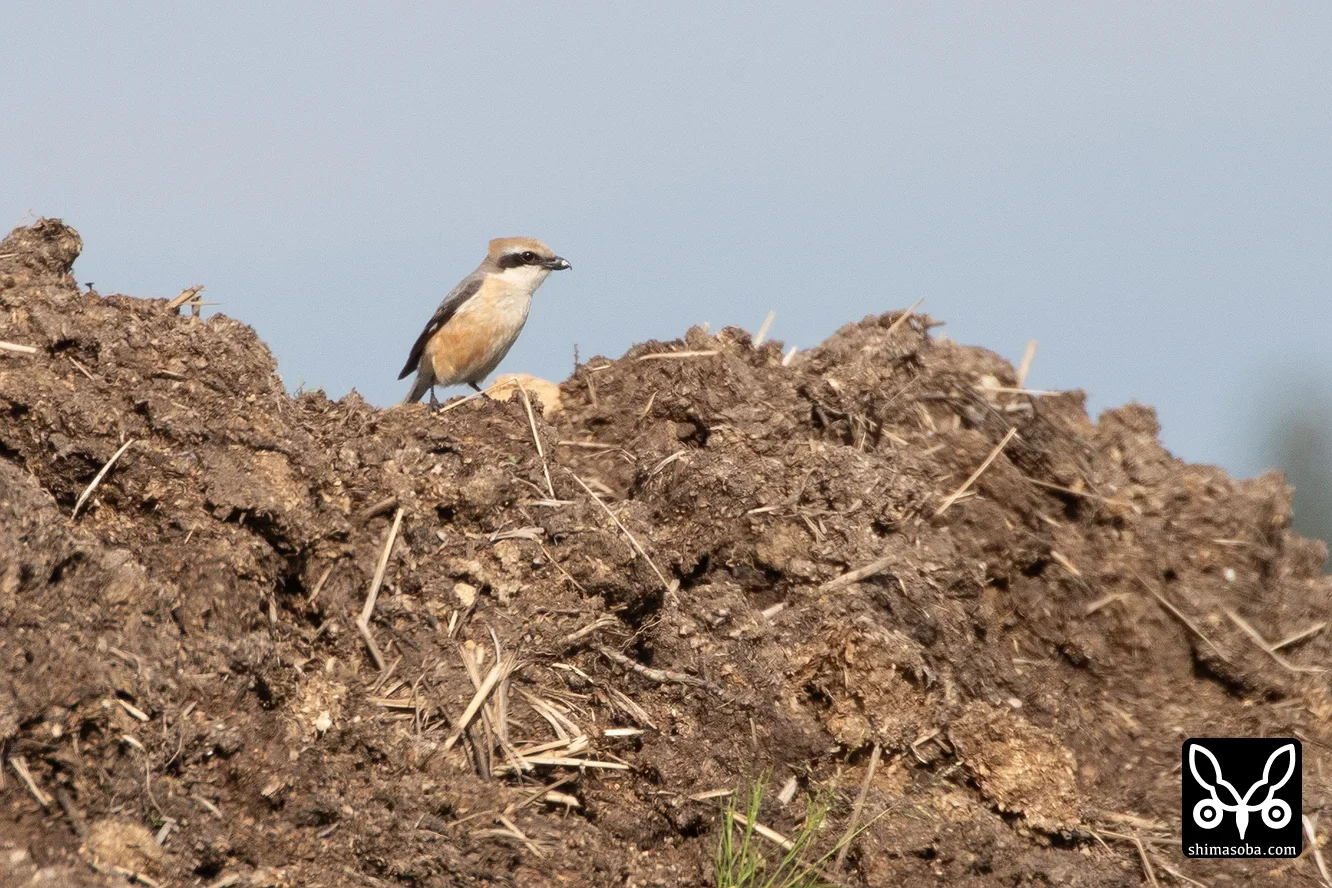
I figured something would be around the compost pile, and sure enough there was a male Bull-headed Shrike.
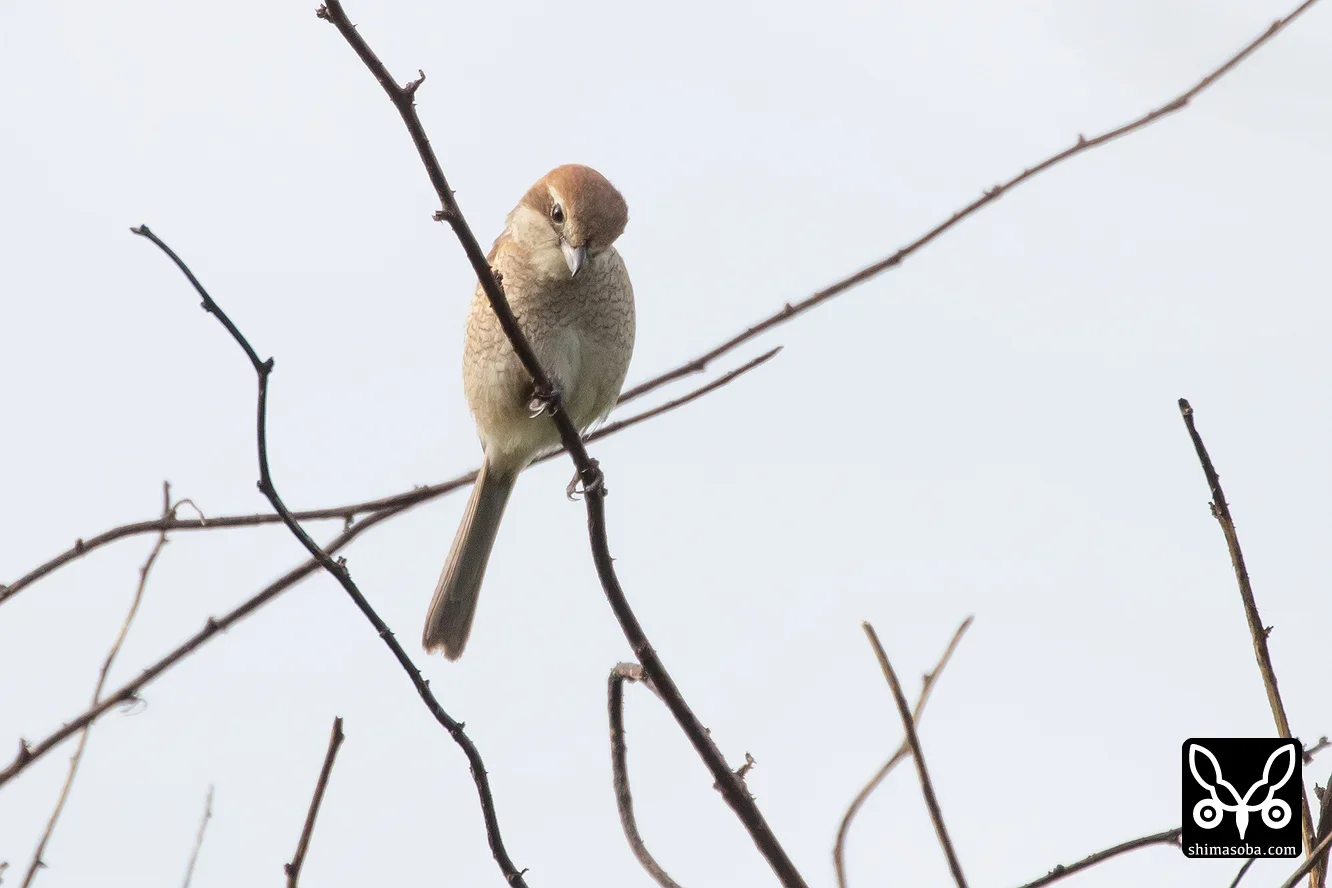
Is this a juvenile Bull-headed Shrike?
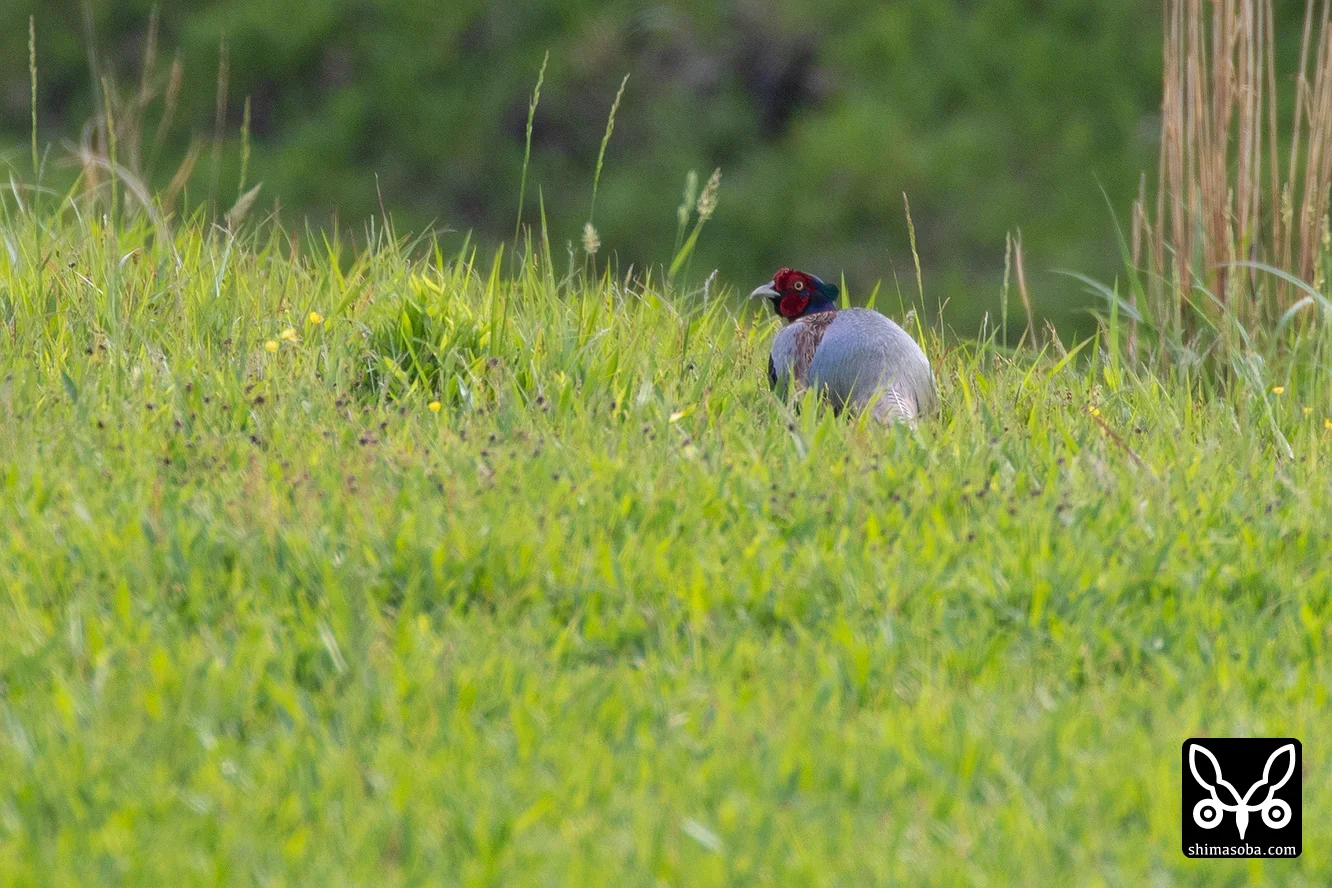
There were quite a few Common Pheasants around as well.
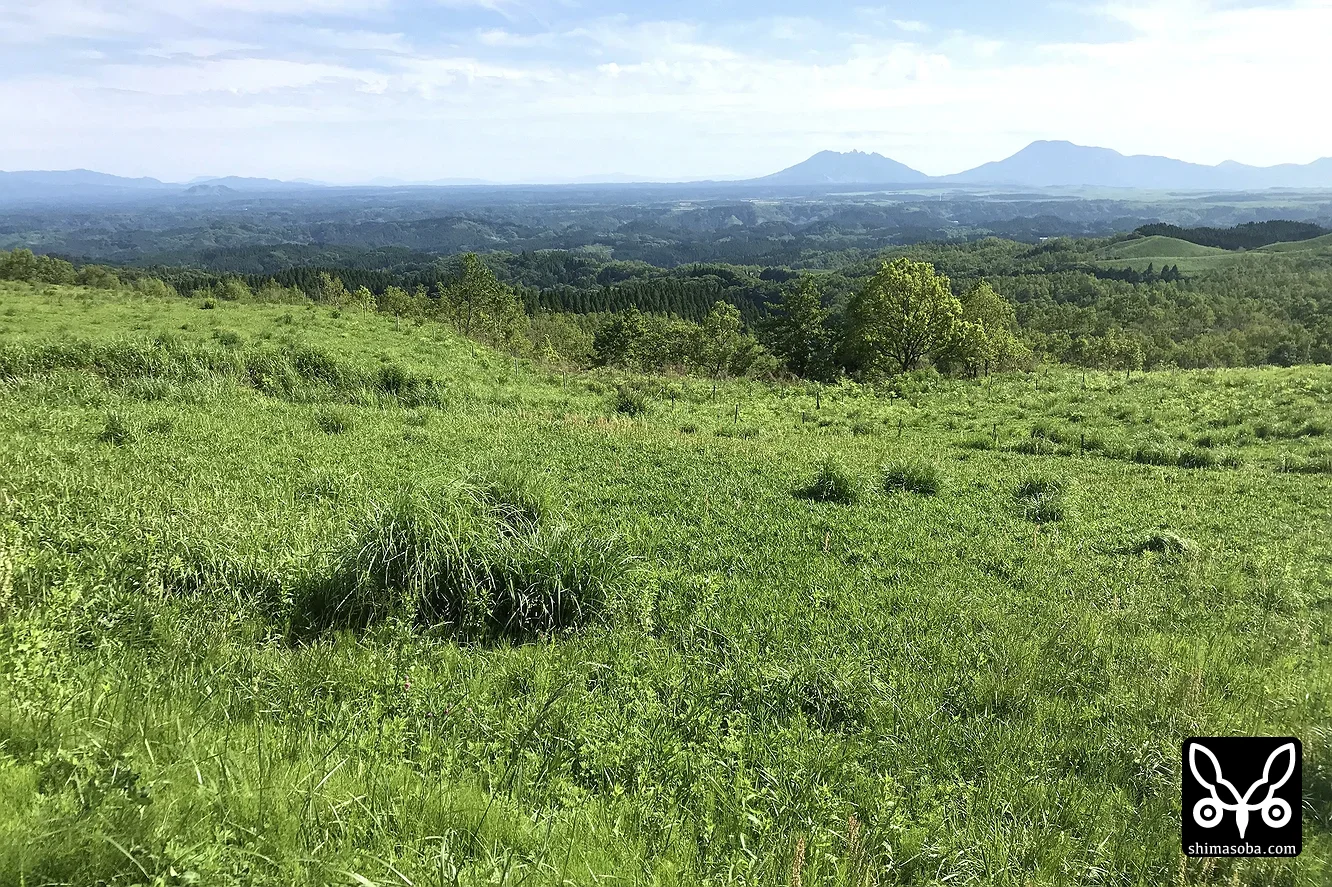
The mountain ridgeline visible in the distance from Kuju Plateau is known as the "Aso Nehan-zō" — the reclining Buddha of Aso. Now that it's pointed out, it does look a bit like Shakyamuni lying on his back.
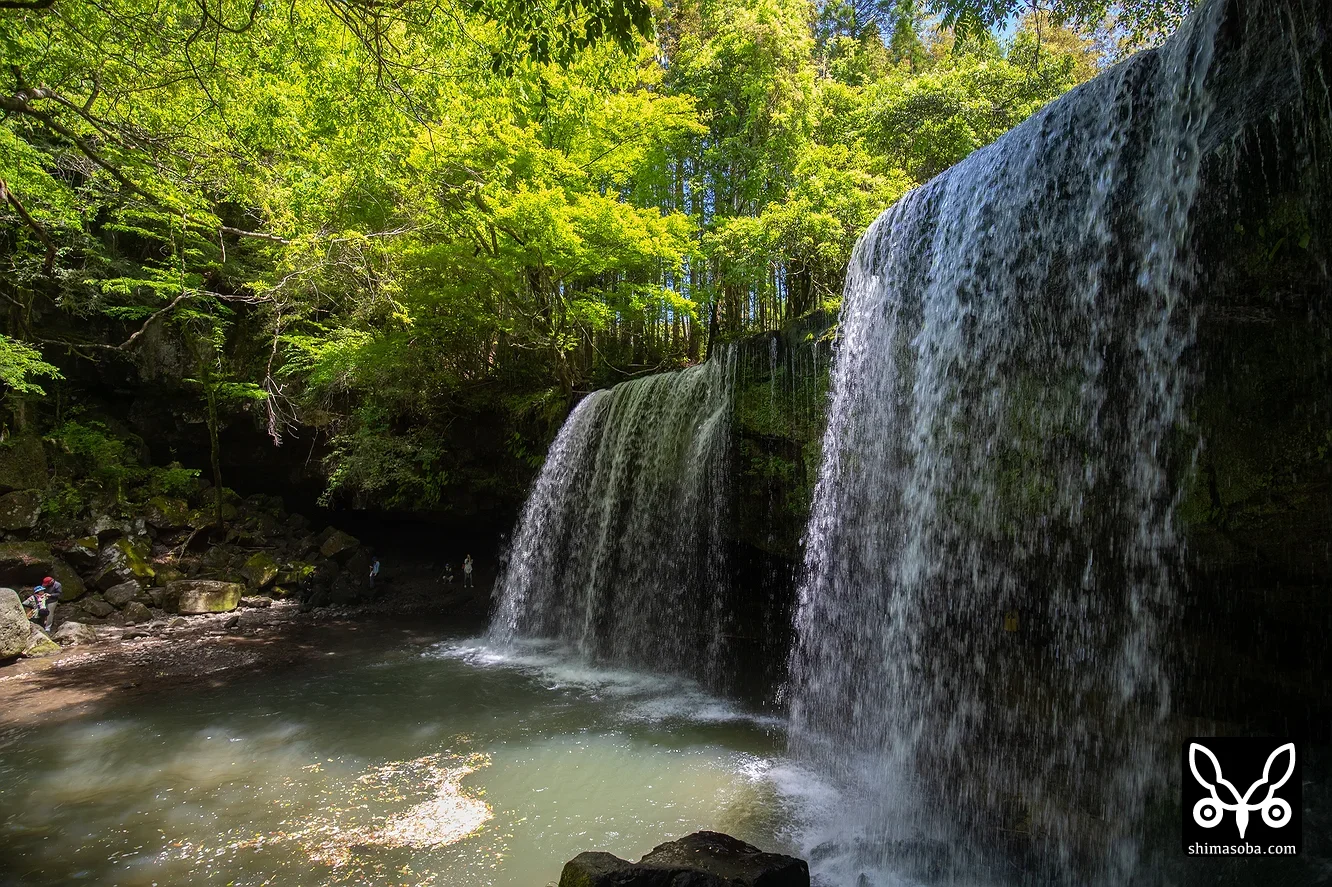
On the way back from Kuju Plateau I stopped to see the waterfall that became famous from the Sokenbicha tea commercials. Quite an atmosphere.
Related Posts
- やっと撮れたツグミ、ジョウビタキ、ウグイス(Feb. 26, 2017)
- アカハラダカ越冬?(Oct. 10, 2014)
- 夏羽のキガシラセキレイ(April 1, 2017)
- アオバズク巣立ち(July 4, 2018)
- 駕与丁公園でバードウォッチング(Jan. 25, 2020)
- 暗色型サシバ、普通のサシバ、チョウゲンボウ(動画あり)(Nov. 27, 2018)
- 石垣島でバードウオッチング(特別編カタグロトビ / 動画あり)(July 26, 2016)
- 芝生のホシムクドリ、草原のクロハラアジサシ、三角池のエリマキシギなど(Nov. 20, 2018)
- やっと撮れたトラフズク(Jan. 24, 2022)
- オオメダイチドリ、ハシブトアジサシ、トウネンなど(June 30, 2021)