シギ、チドリ、秋の渡り始まる
秋の渡りが始まりました。コチドリ15羽とタカブシギ20羽が認められました。
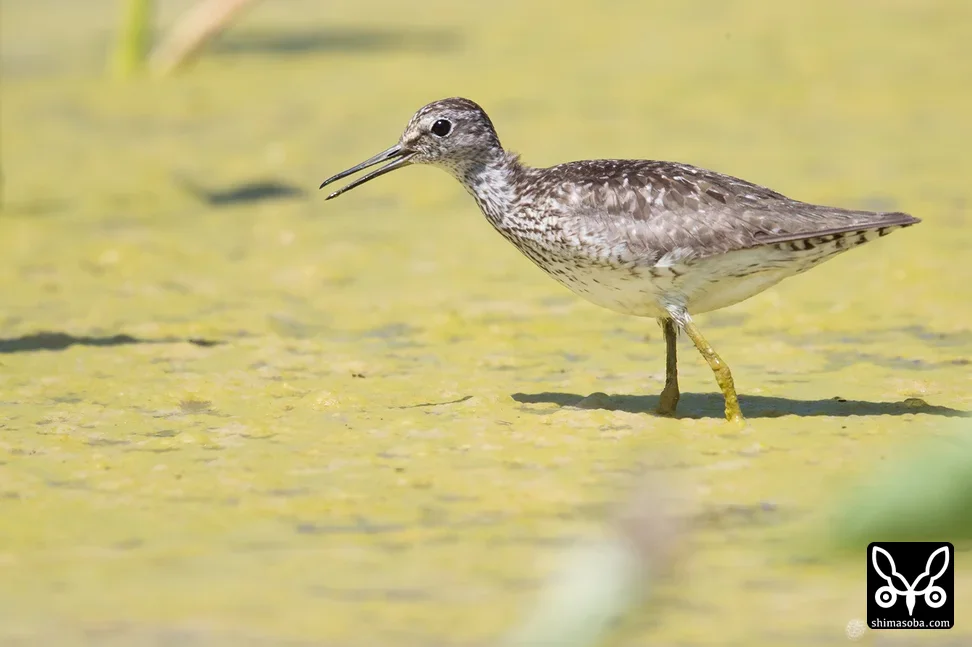
There were about 20 Wood Sandpipers across two rice paddies.
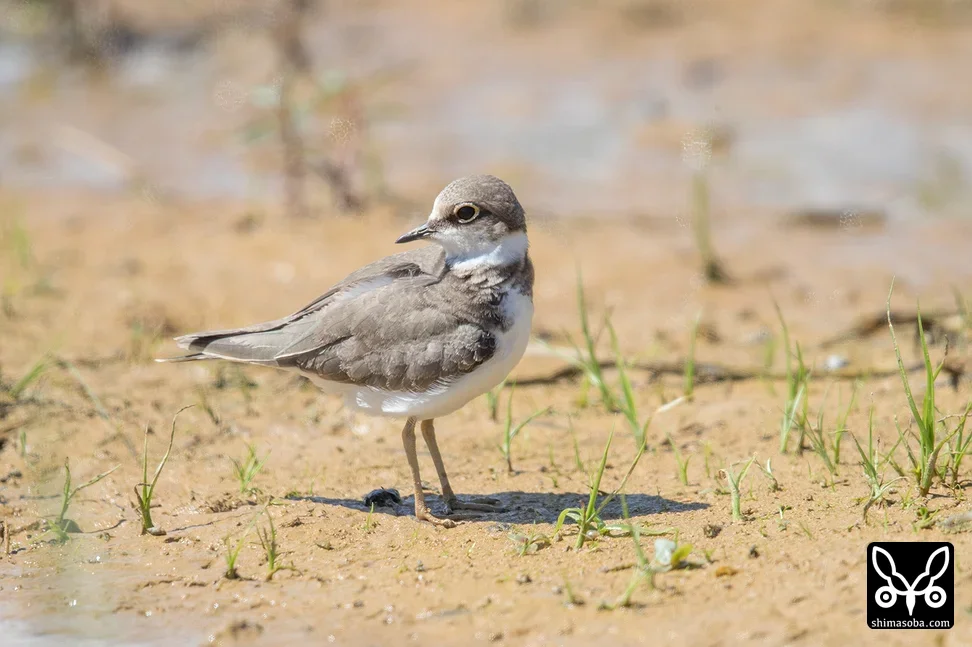
About 15 Little Ringed Plovers.
Categories:
野鳥
GUIDED BIRDWATCHING TOUR
We'll drive you around Ishigaki Island to wherever the birds are showing best that day. Observation is mostly from inside the vehicle, and we keep it to a maximum of 3 guests so everyone can take their time.
秋の渡りが始まりました。コチドリ15羽とタカブシギ20羽が認められました。
There were about 20 Wood Sandpipers across two rice paddies.
About 15 Little Ringed Plovers.
久しぶりにやんばるに夕方から行ってきました。
前から目をつけていた広場の防風林にリュウキュウオオコノハズクがいました。人に慣れているのか、営巣木が近いのか分かりませんが、前から写そうが、後ろから写そうが、下を通ろうが同じ枝にずっと止まっていた。しばらく現場を離れて戻ってみるとやはり同じ場所にいる。営巣かなー?
やんばるの林道を歩くと色々な生き物たちがいました。ホントウアカヒゲやリュウキュウコゲラ、イモリやセミの仲間がいました。
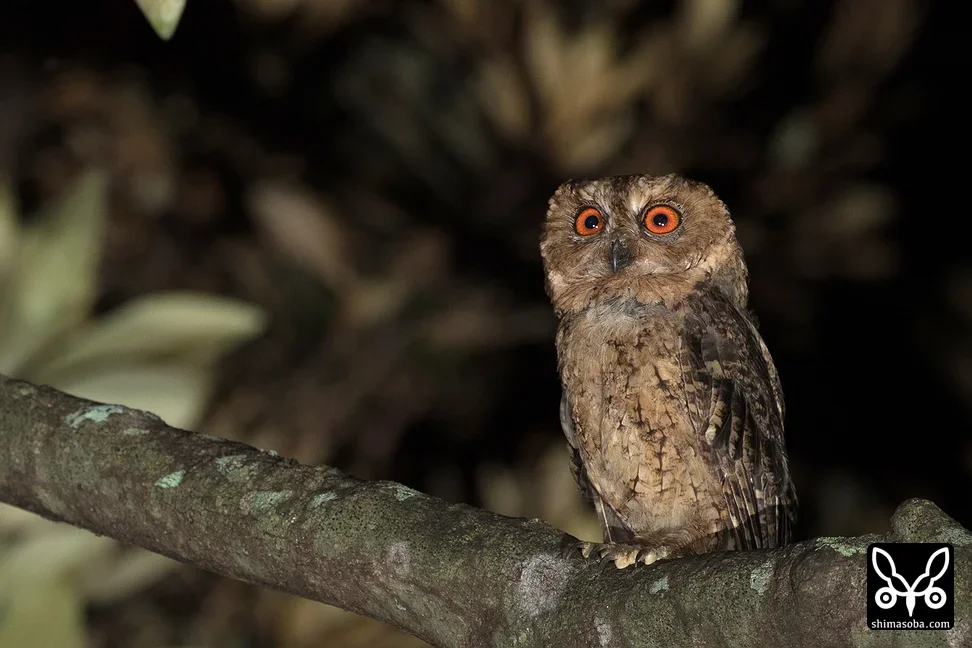
Even in silhouette, the Ryukyu Scops Owl looks different from the Oriental Scops Owl.
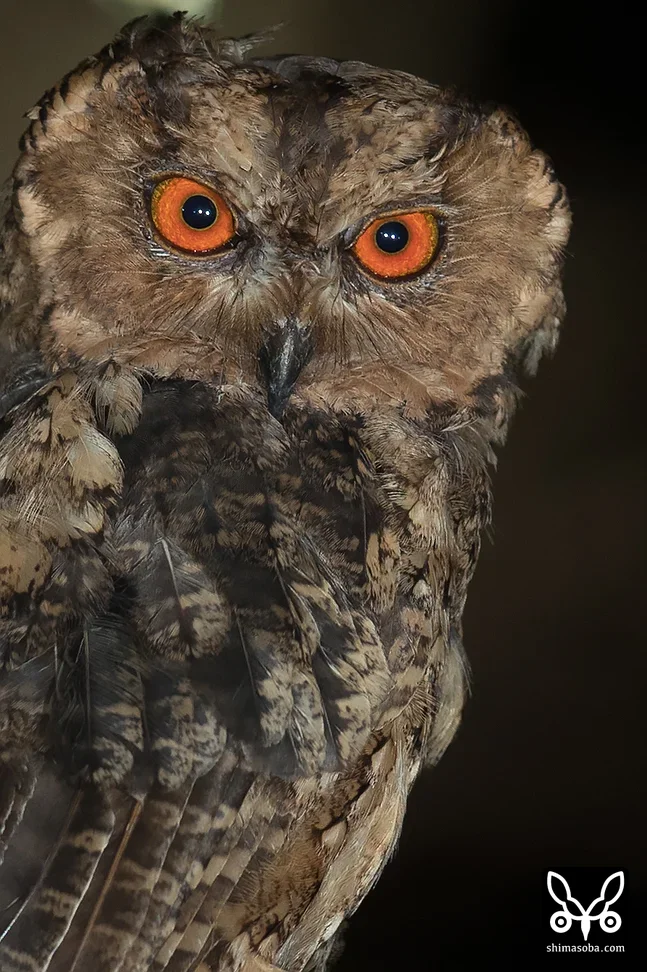
Compared to the Oriental Scops Owl, the Ryukyu Scops Owl has a larger head and a stockier build overall.
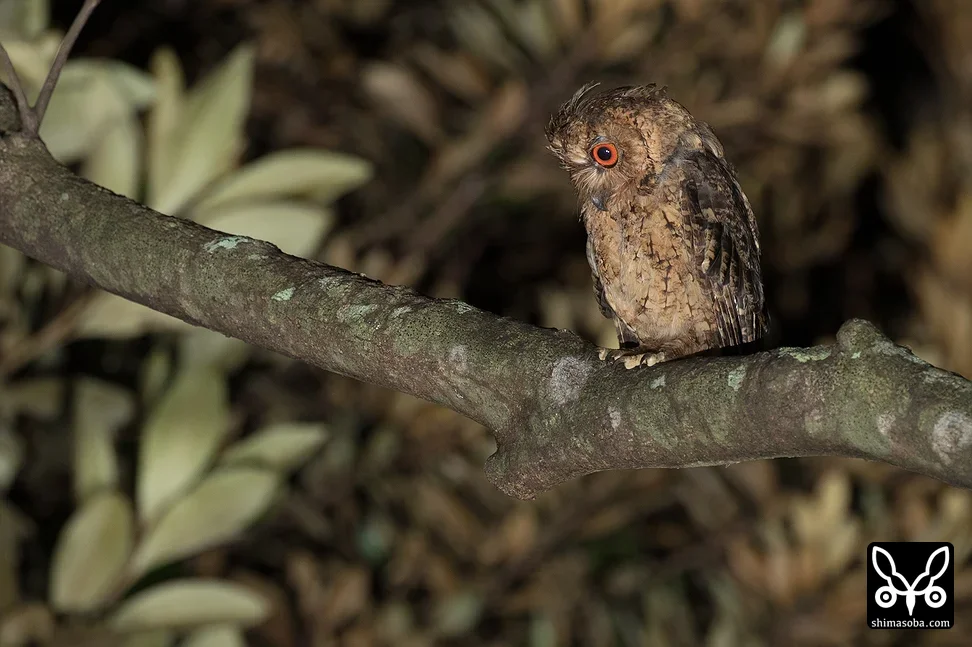
Brown Hawk-Owls were nesting several tens of metres away, and whenever their calls came through, the Ryukyu Scops Owl kept reacting to them.
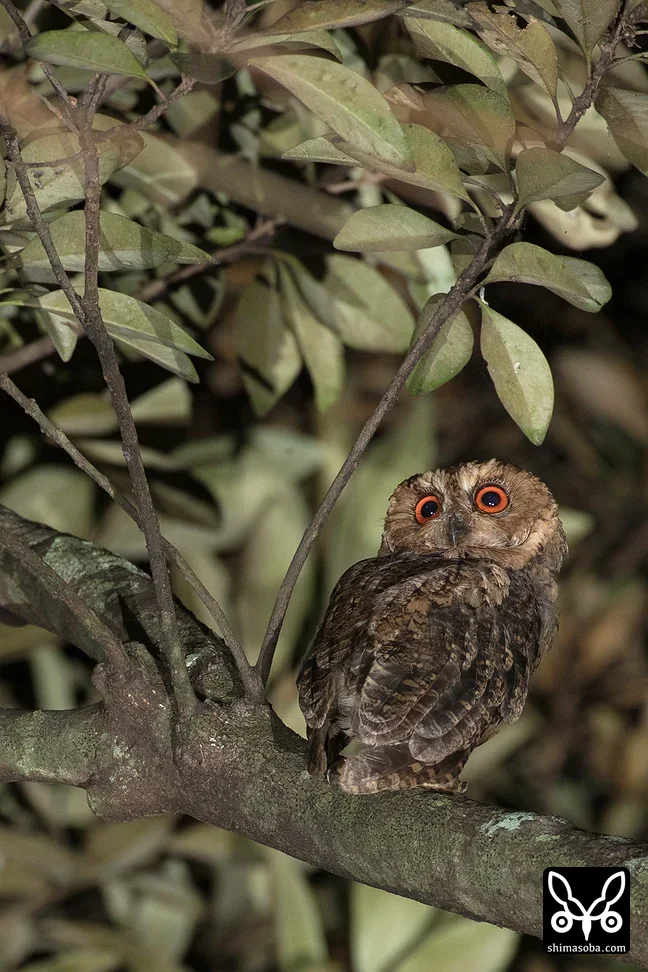
This Ryukyu Scops Owl appears to have no tail feathers — I wonder if something happened to it?
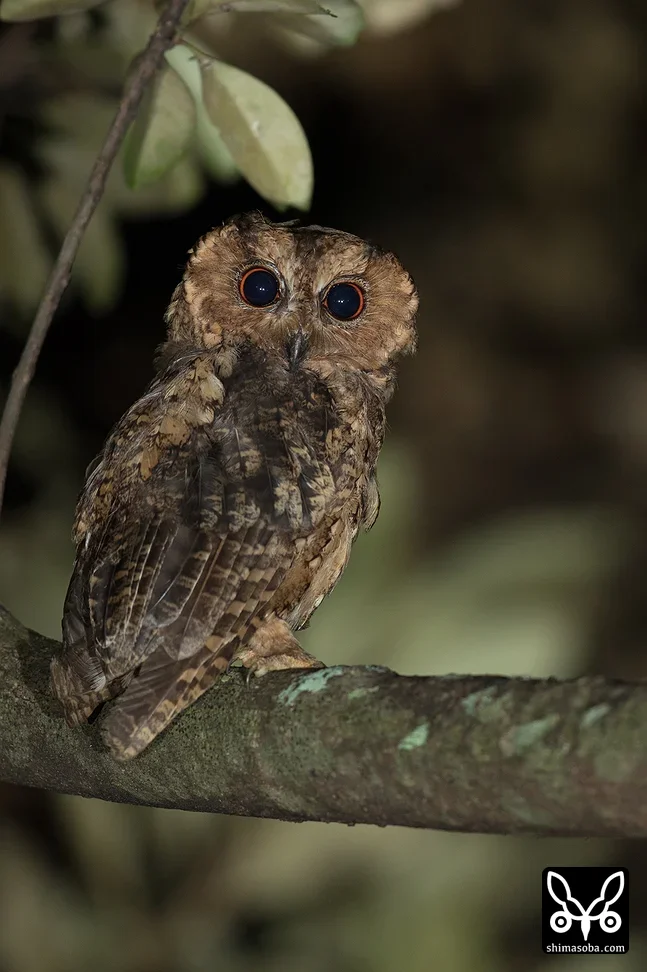
When the light drops, the pupils open up this wide.
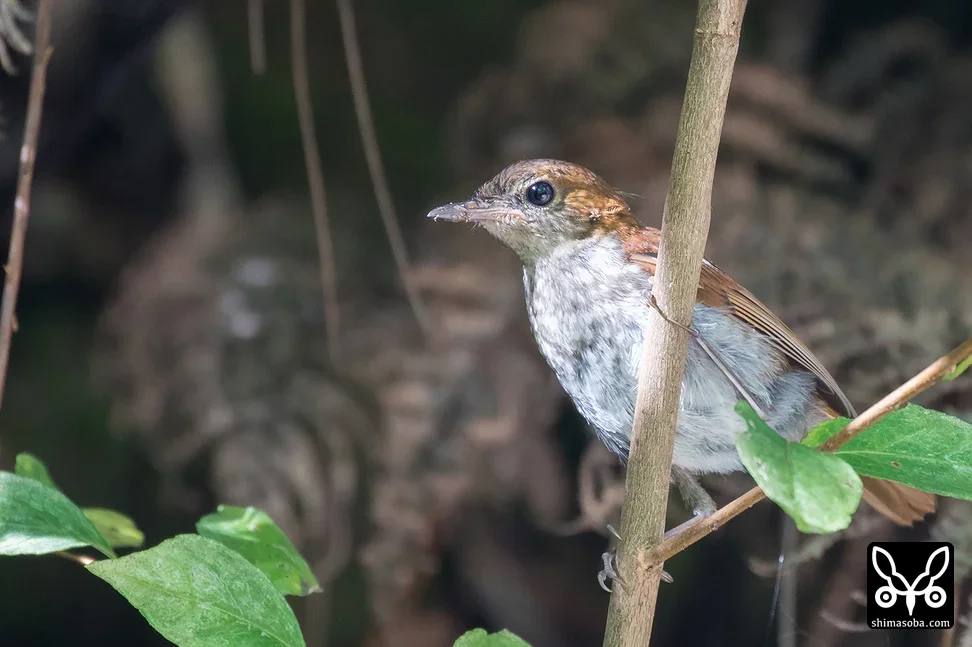
A fledgling Okinawa Robin. It shows little wariness.
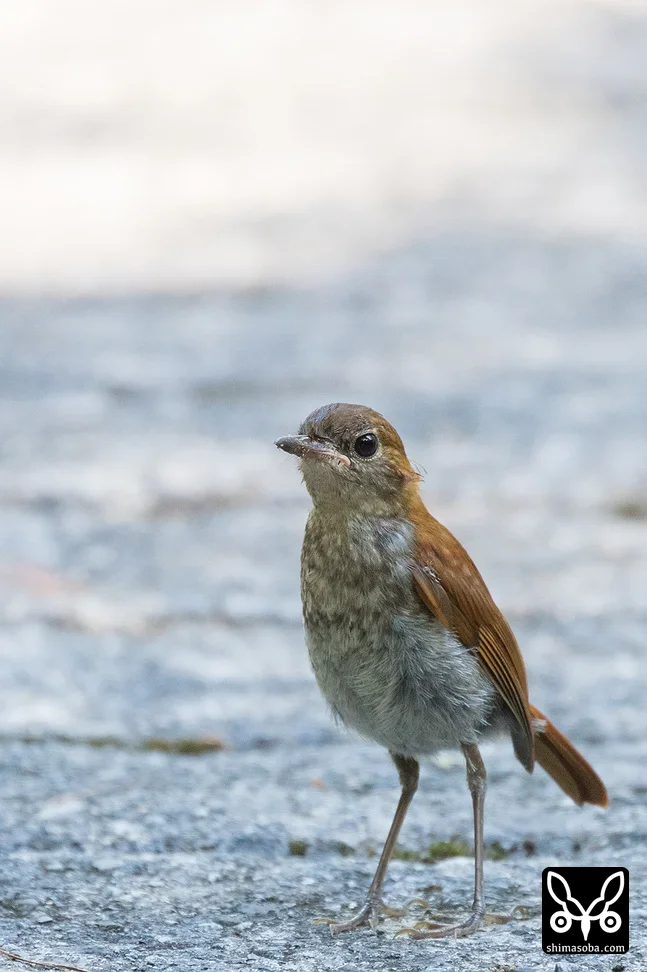
At this time of year, both adult Okinawa Robins and fledglings are out, so I would think the population is at its highest for the year.
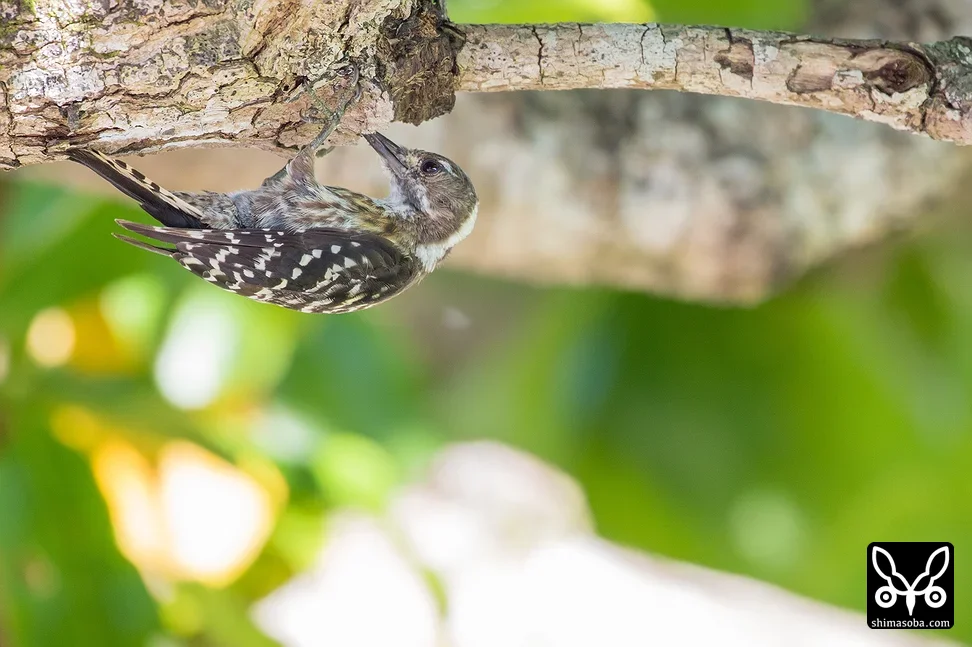
A Ryukyu Pygmy Woodpecker hanging upside down, searching for insects among the Terminalia catappa.
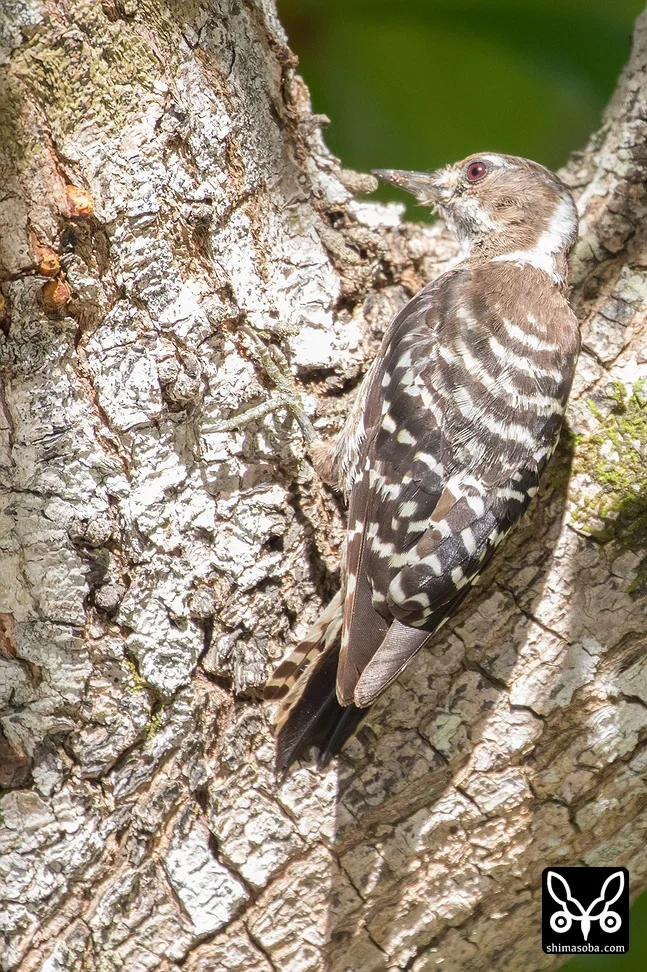
It came as close as about 2 metres at the nearest.
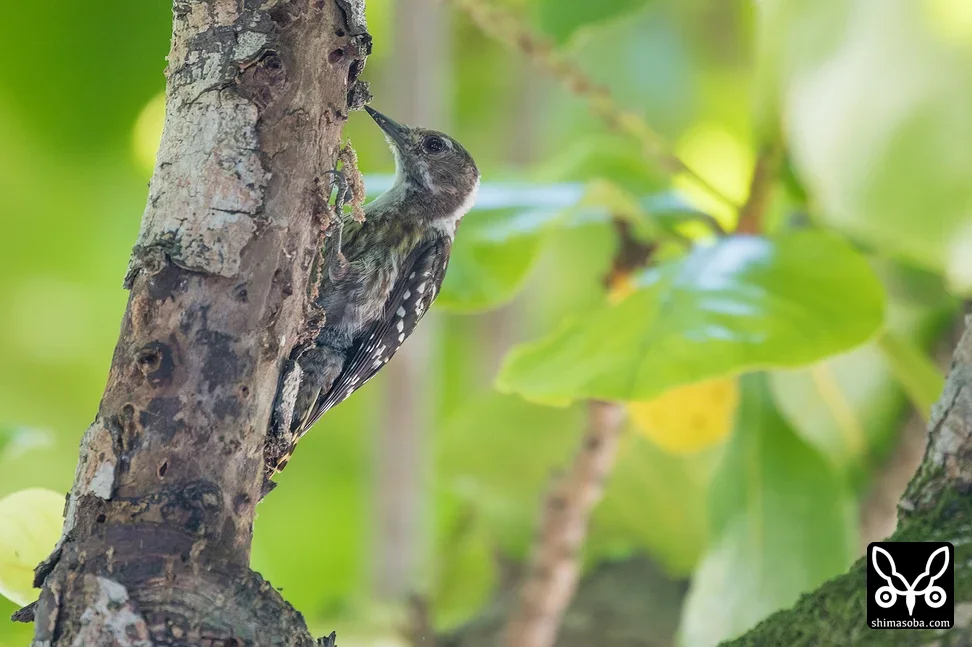
After searching for insects for around 10 minutes, it flew off somewhere.
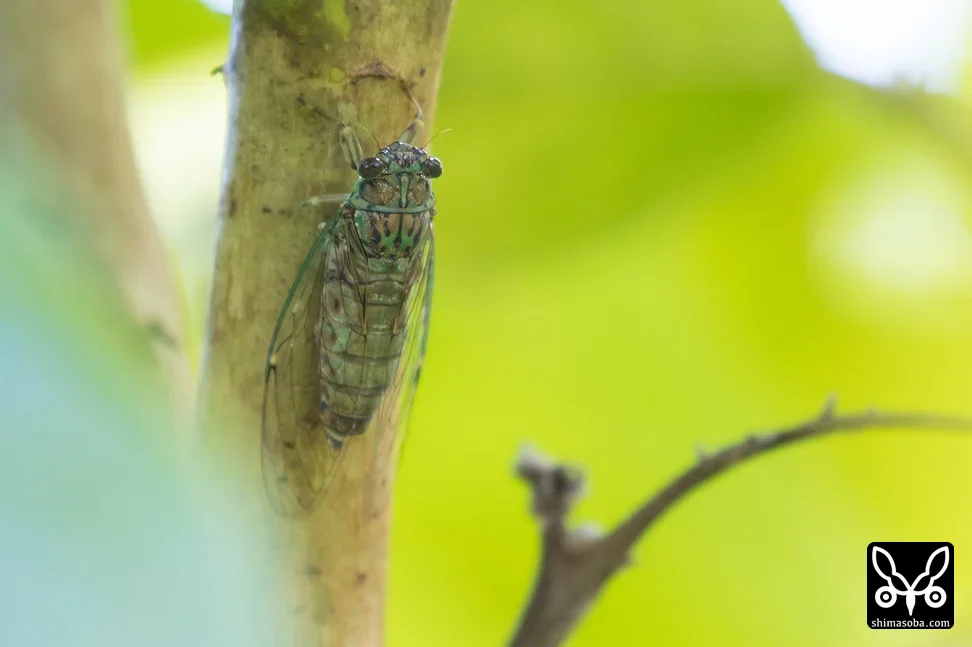
Okinawa Himeharu-zemi?
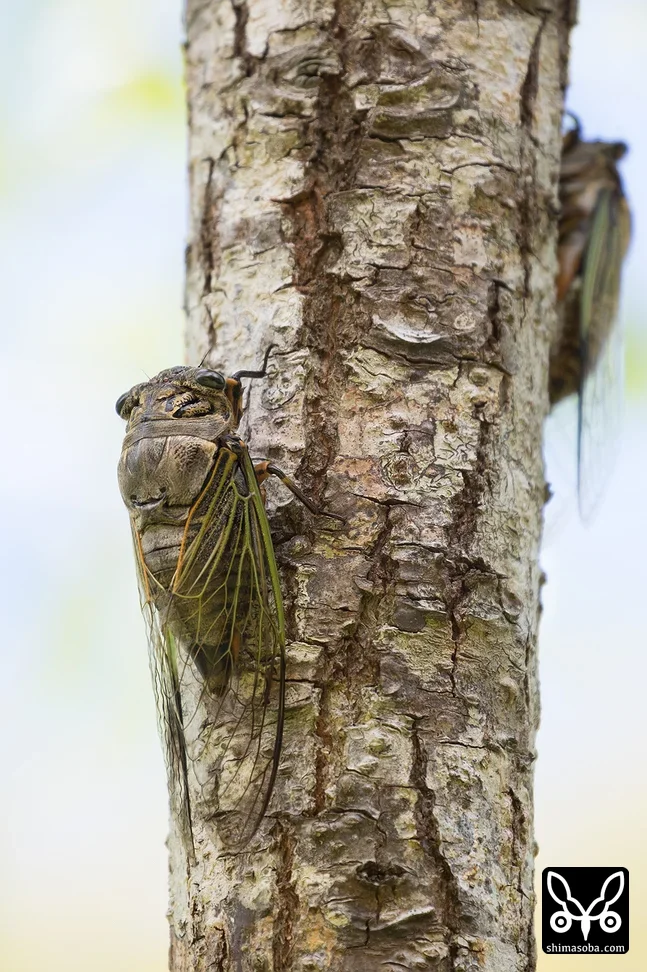
Cryptotympana facialis.
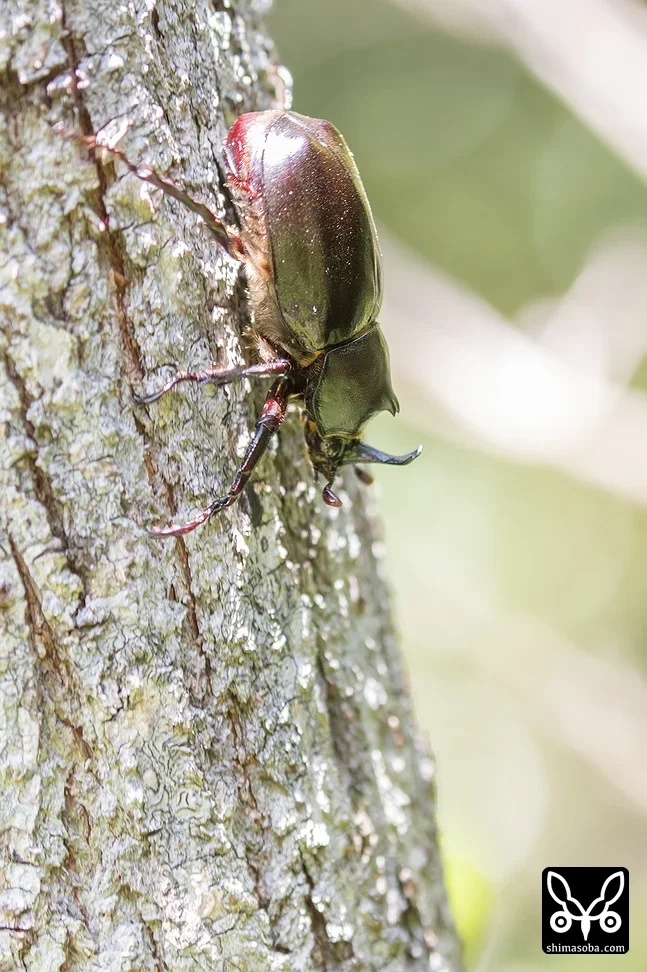
Okinawa horned beetle.
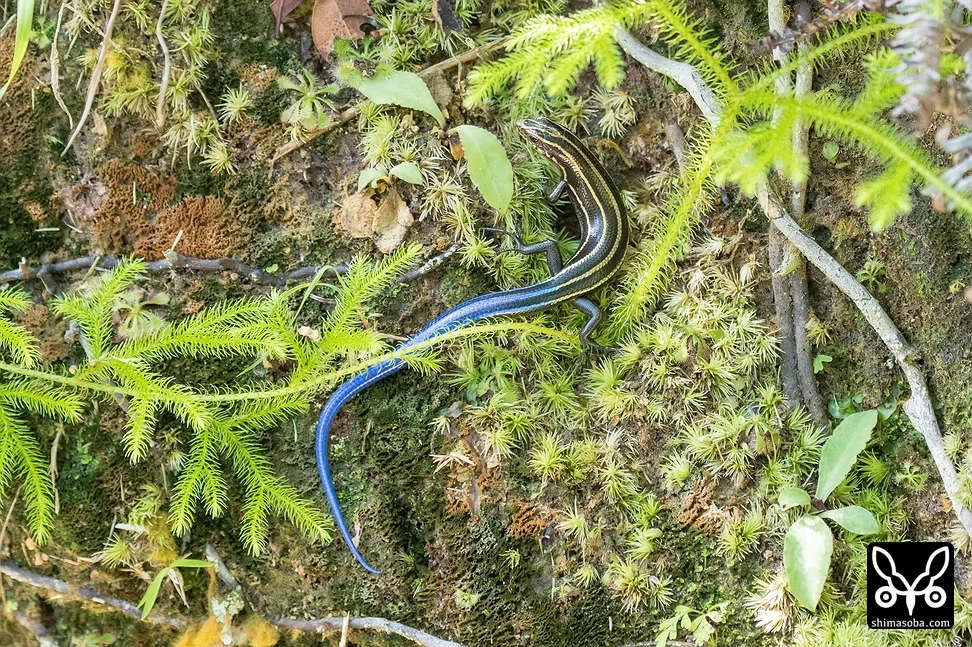
Okinawa skink. The blue tail was beautiful.
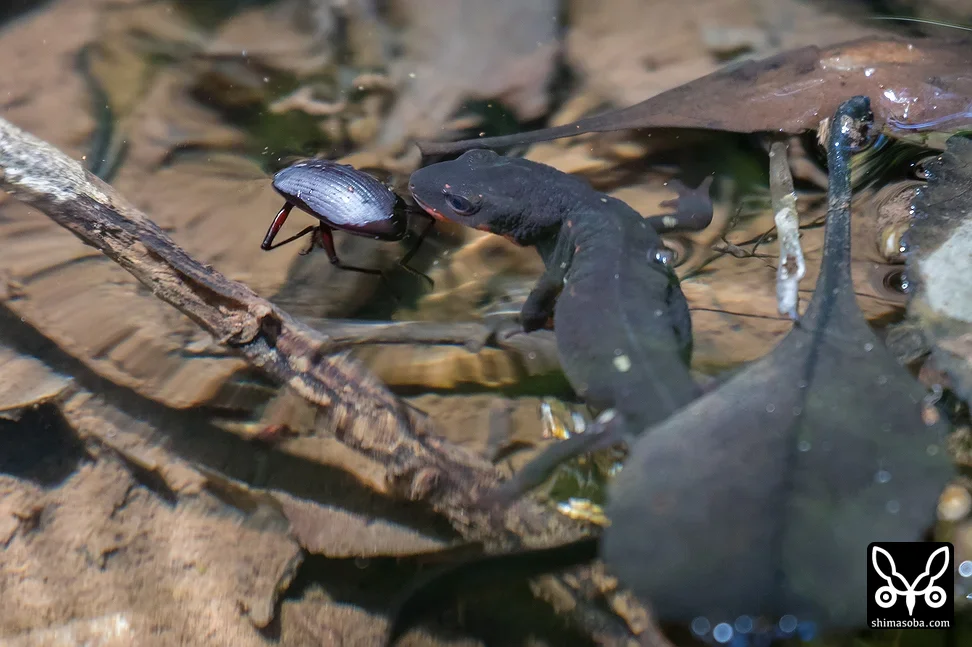
A newt was trying to eat an insect that had fallen into the water.
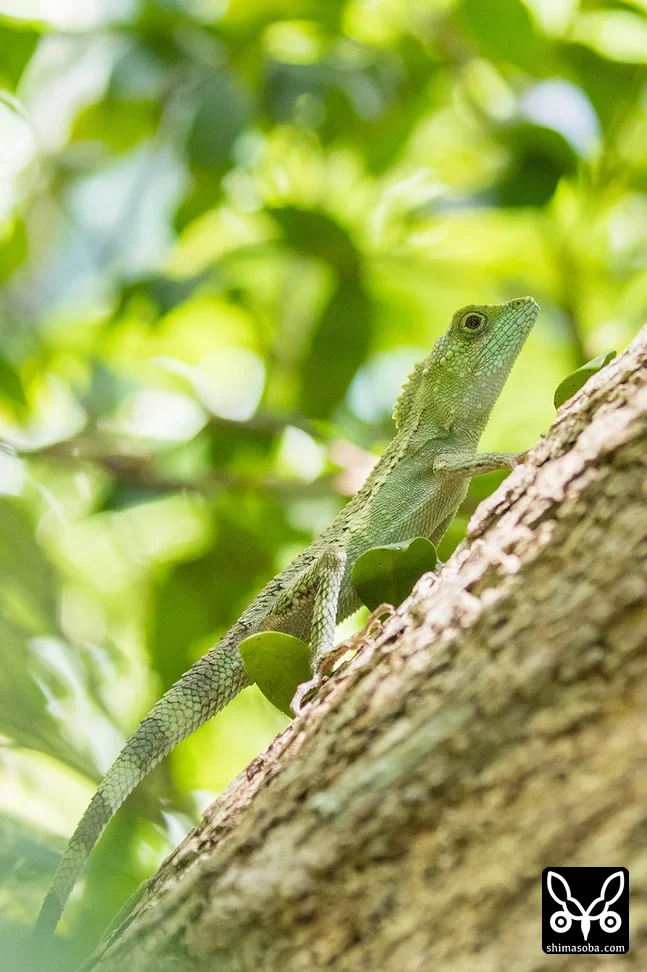
Okinawa tree lizard.
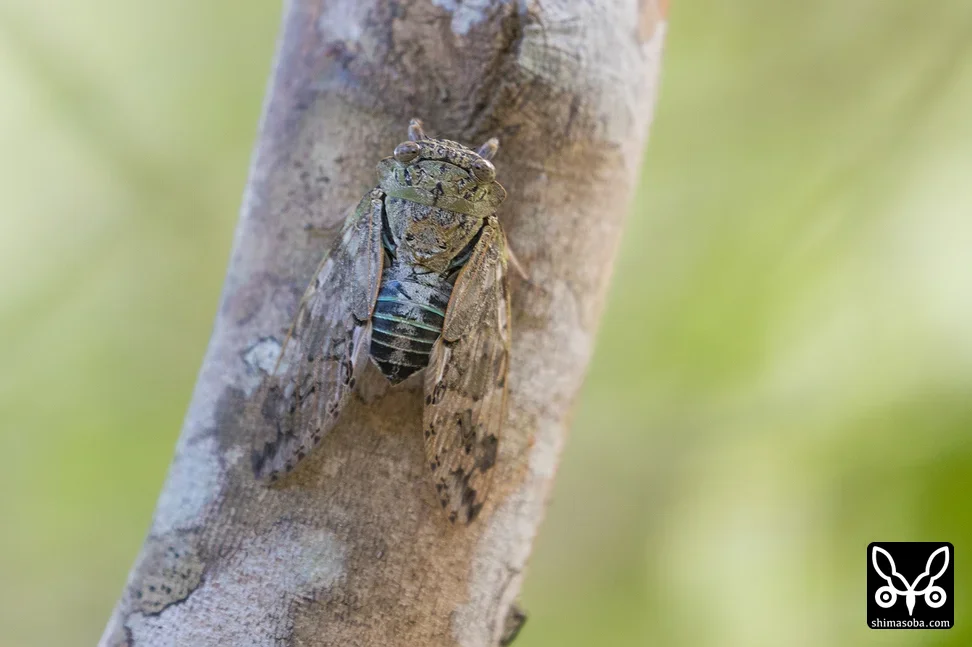
Kuroiwa's cicada?
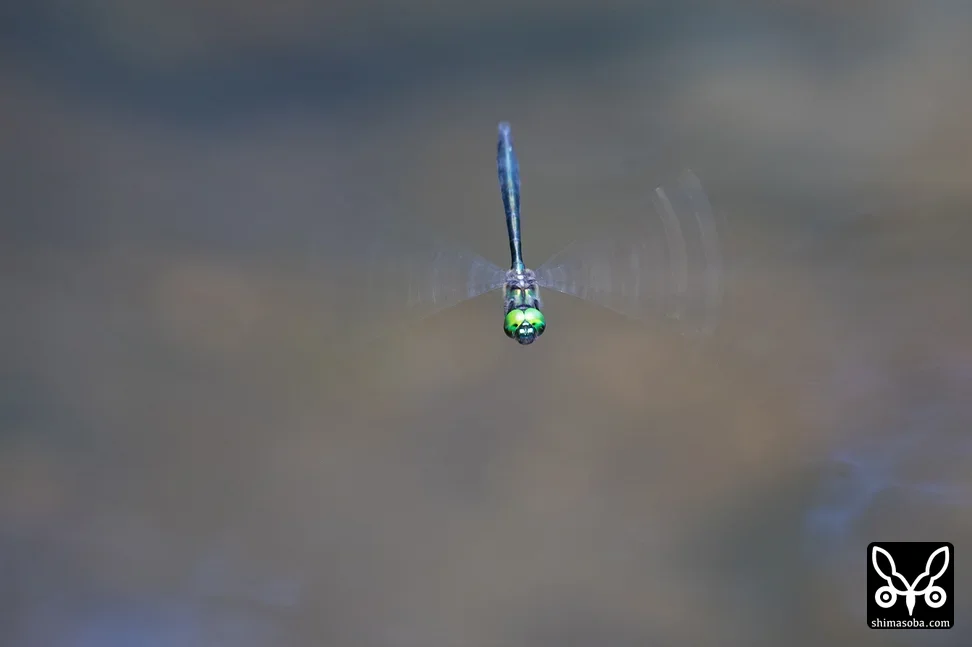
Ryukyu dragonfly?
三角池にクロツラヘラサギが3羽いました。今年の秋の渡りではなく、昨年の越冬からいる個体だと思います。国場川などでもたまに見かけていました。
シギとチドリの早い群れがそろそろ渡ってきていると思いましたが何もおらずでした。^^;
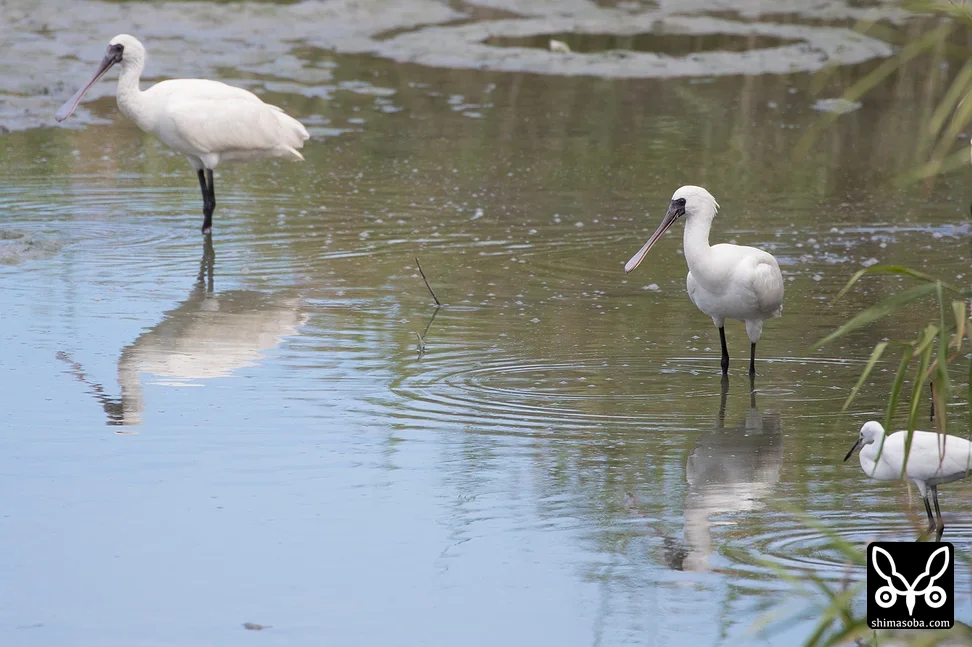
Along with the Black-faced Spoonbill, there were also Little Egrets, Grey Herons, and Black-crowned Night Herons. There seemed to be a lot of juvenile tilapia around, which they appeared to be targeting.
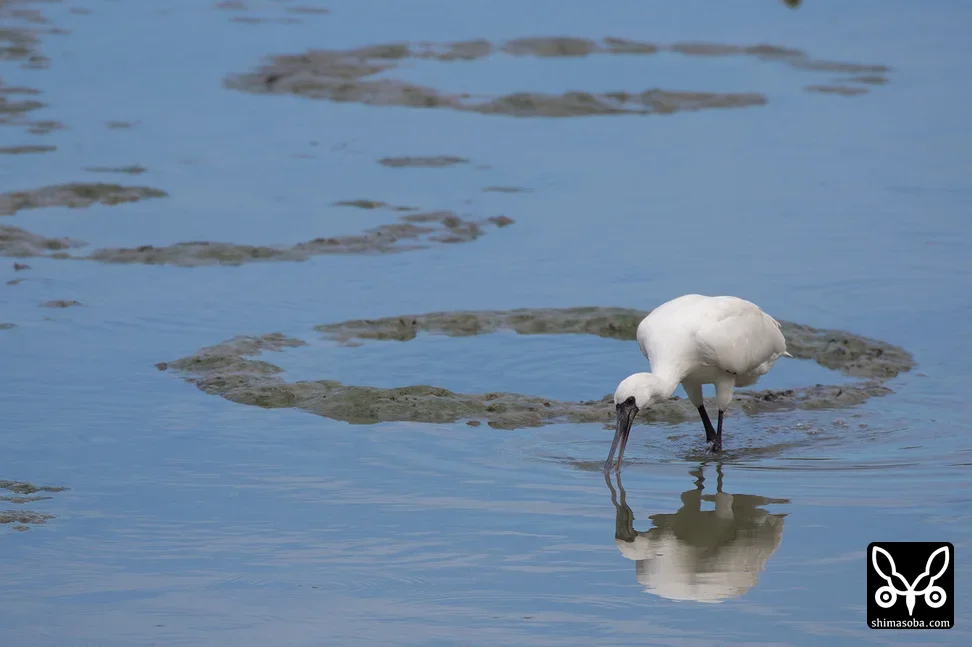
The three ring-shaped marks on the mud visible behind the Black-faced Spoonbill are remnants of tilapia nests. The fry are being eaten by egrets and kingfishers, but their numbers don't seem to be dropping. ^^;
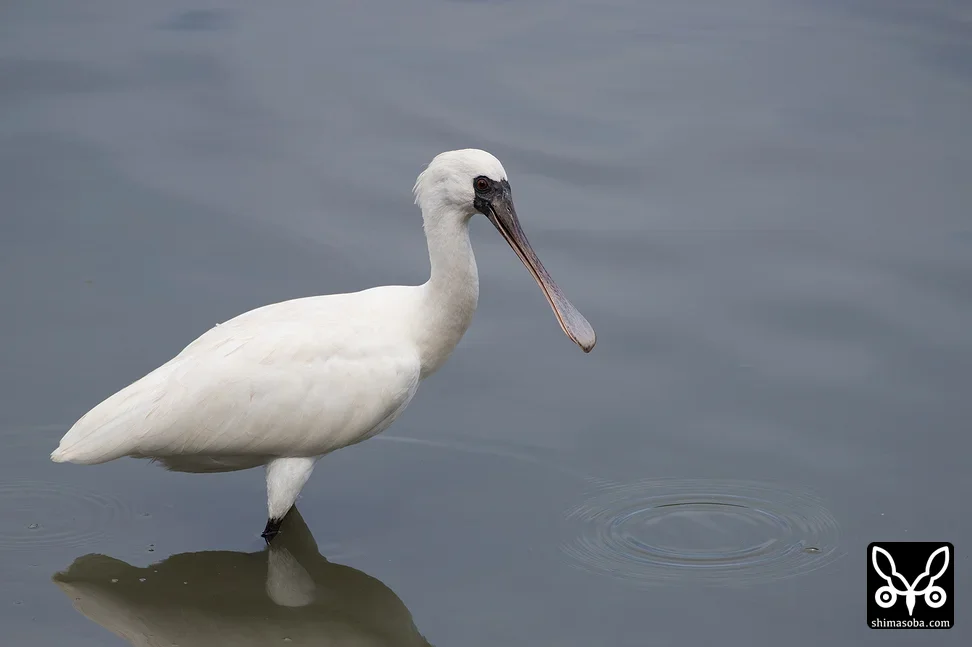
The Black-faced Spoonbill, as usual, coming right up close.
時間がなくてなかなか行けなかったツミの営巣を見てきました。2羽のヒナは、すでに巣を離れて木から木へと飛び回っていた。親鳥が巣へ獲物を持ってくると帰っている。ギリギリ間に合ったって感じです。^^;
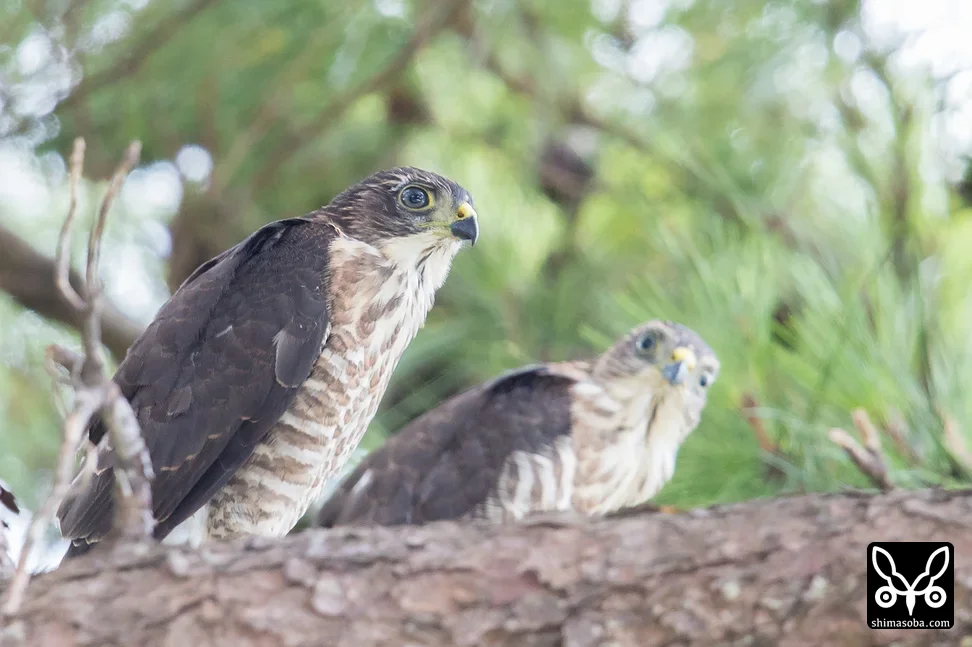
Japanese Sparrowhawk siblings. I think before long they will stop returning to the nest tree and strike out on their own.
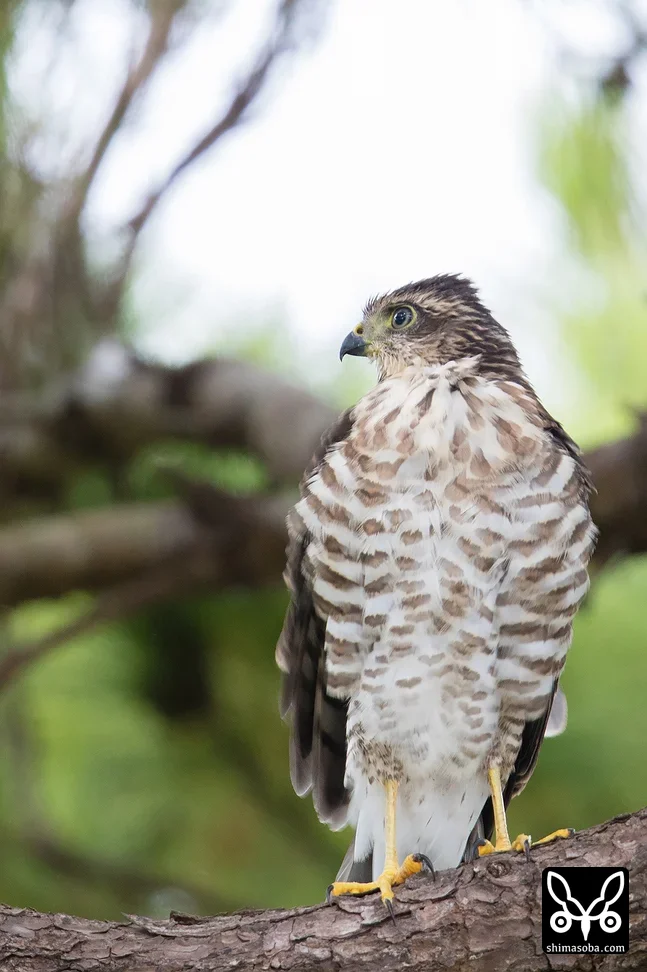
It flew across to the pine tree next door. It moves around with complete confidence.
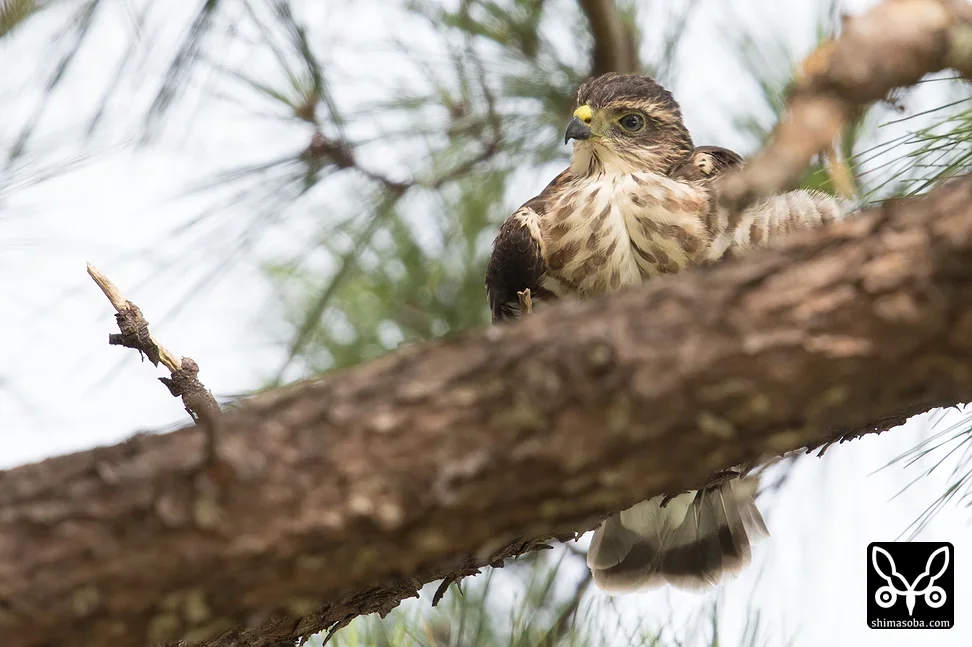
When it gets tired, it perches on a branch for a rest.
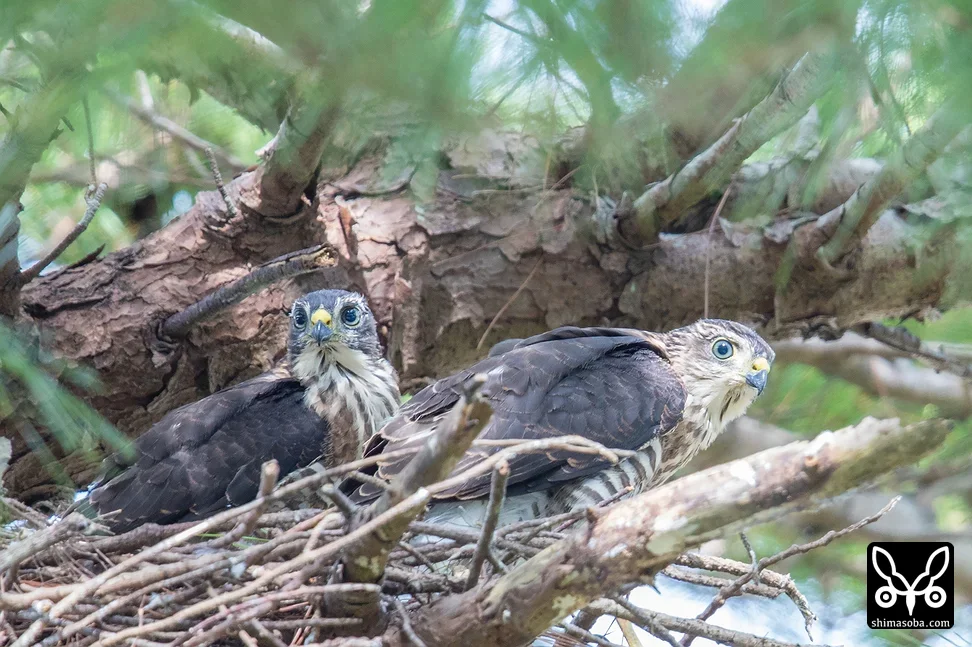
When a parent returns, the chicks come back to the nest and beg for food.
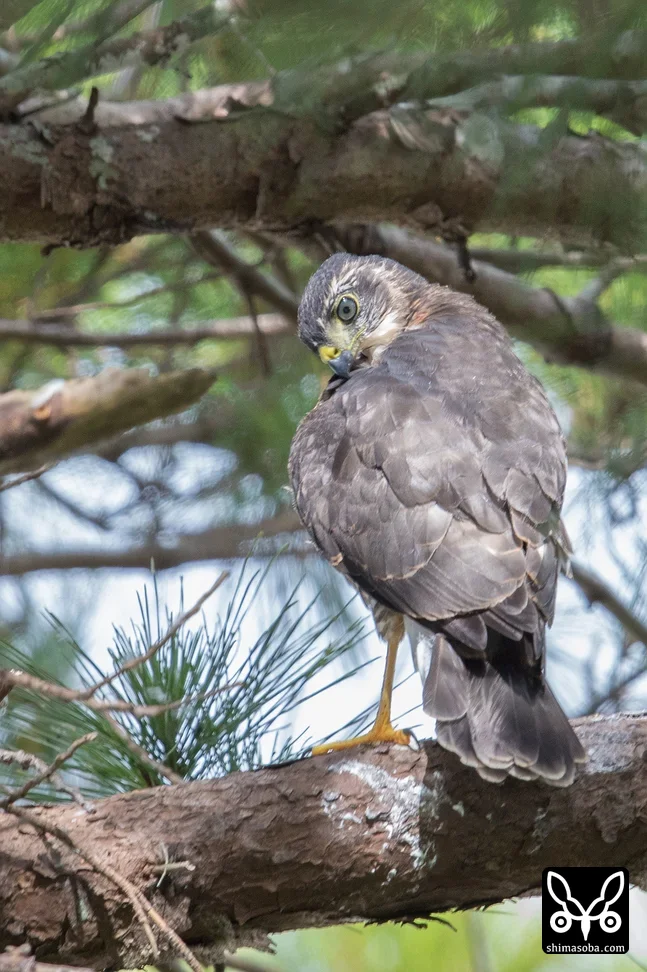
The tail feathers are still short, but they will grow out quickly from here. Once that happens, it will be able to hunt prey on its own.
二十四節気に一つ小暑でした。沖縄では梅雨も2週間ほど前に明け、真っ青な空に積乱雲が高々とのぼる毎日です。
七夕でもあるきょう、チービシで行われた県のアジサシ類の営巣調査に同行してきました。調査は3カ所で行われ巣の数やヒナの成長具合が調べられました。
ベニアジサシとエリグロアジサシは、例年通り順調に営巣していました。ベニアジサシは、1500巣3000羽ほどの飛来で2002年に観光施設が島に入って営巣ゼロになってしまってから過去2番目ぐらいの成績だそうです。
ベニアジサシ、エリグロアジサシとも抱卵中でしたが、孵化1〜2日のヒナがいる巣もあった。エリグロアジサシは、すでに飛べるようになる寸前のヒナまでいました。コアジサシはほとんど子育ても終わっていて数える程度しか確認できませんでした。
また、フラッグ付きのベニアジサシ2羽やエリグロアジサシ1羽、山階鳥類研究所のジオロケーター付きのベニアジサシも撮影できました。
沖縄野鳥の会の会長さんや、何度かフラッグ付きアジサシの件でメイルでやり取りしていた山階鳥類研究所の方とも名刺交換することができました。^^
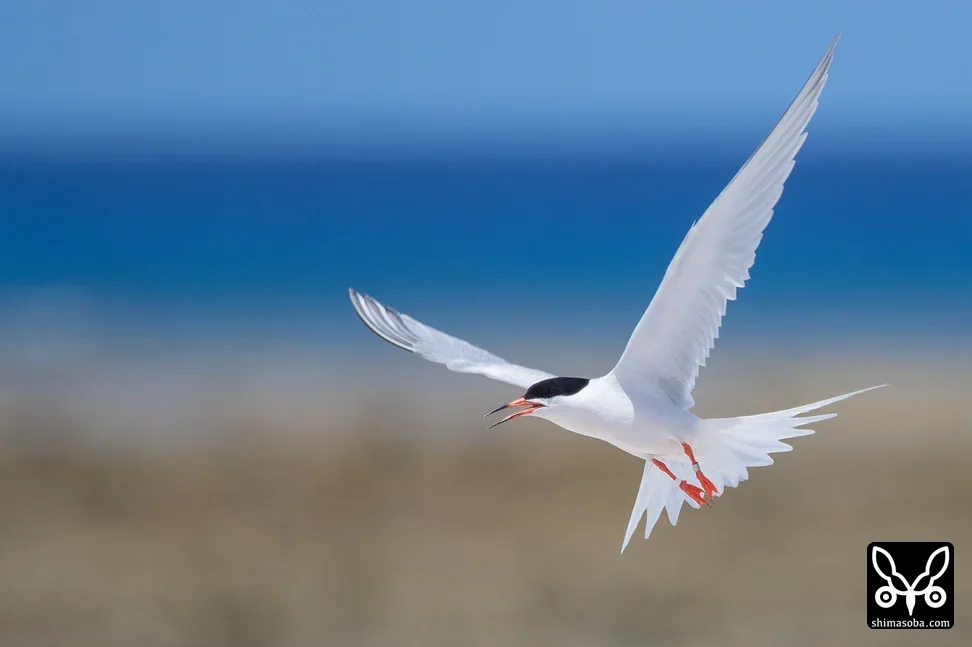
Roseate Terns against the blue sea of Okinawa. You can see the white flag and metal ring fitted in Australia.
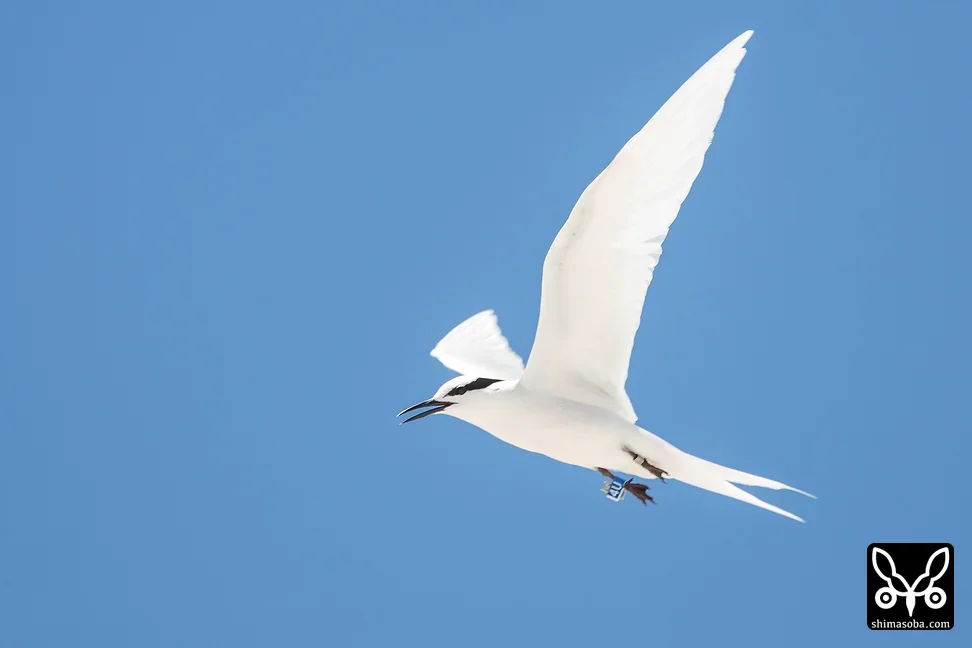
There was a Black-naped Tern carrying a geolocator fitted by the Yamashina Institute for Ornithology. If we can recapture this bird next year and analyse the geolocator data, I think we will be able to get a clear picture of the Black-naped Tern's migration route.
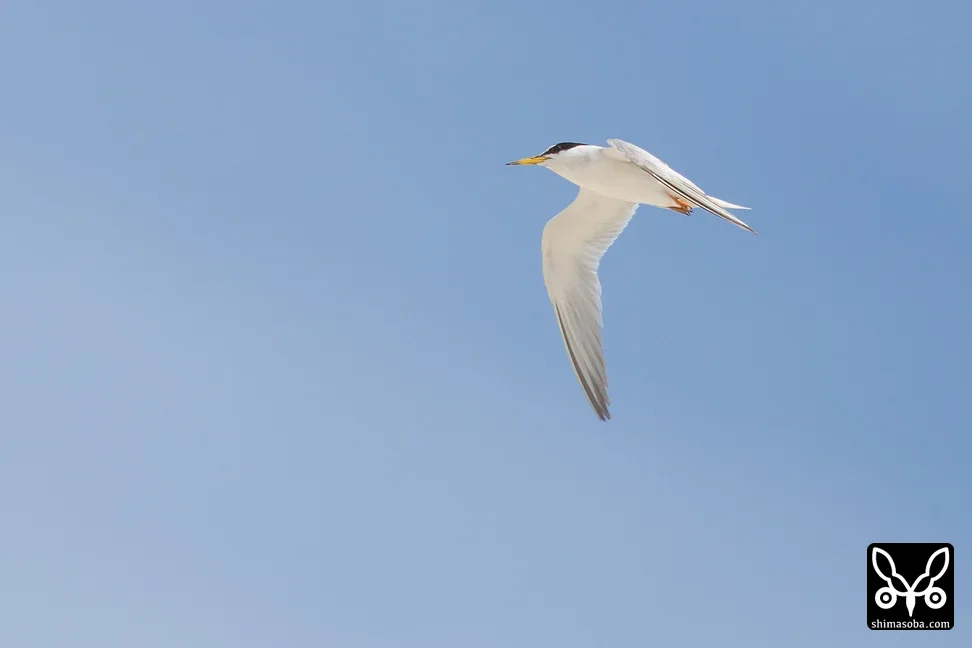
There were only a handful of Little Terns.
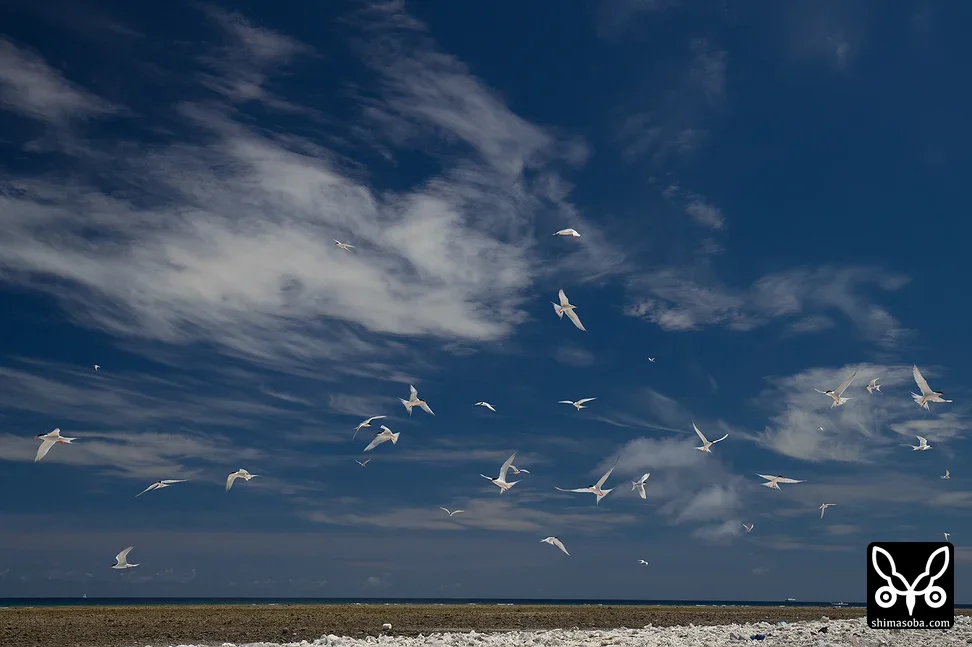
A flock of Roseate Terns.
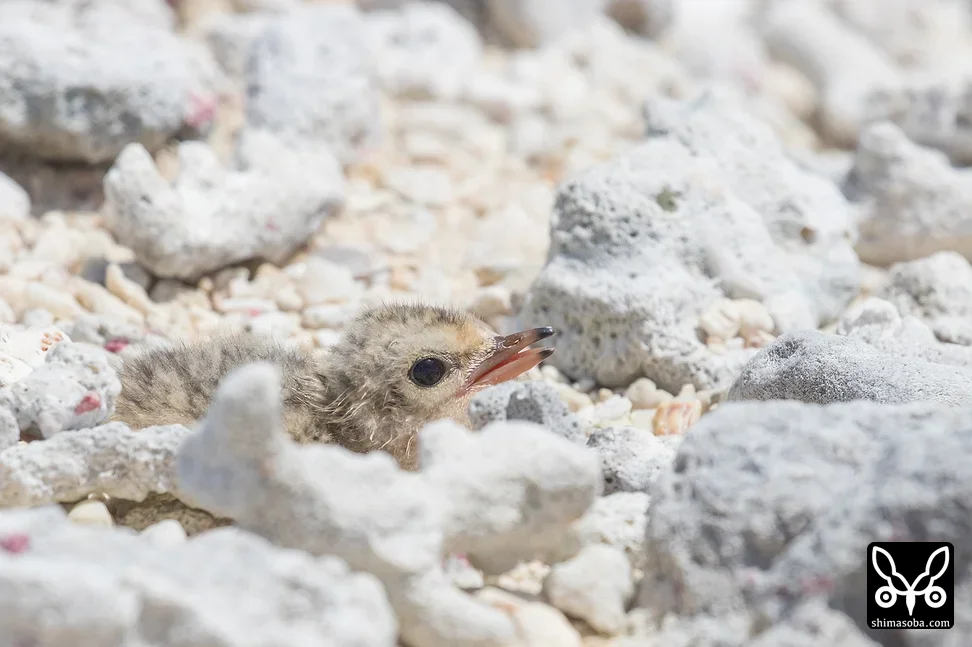
A Roseate Tern chick. It can't have been more than a few days since hatching.
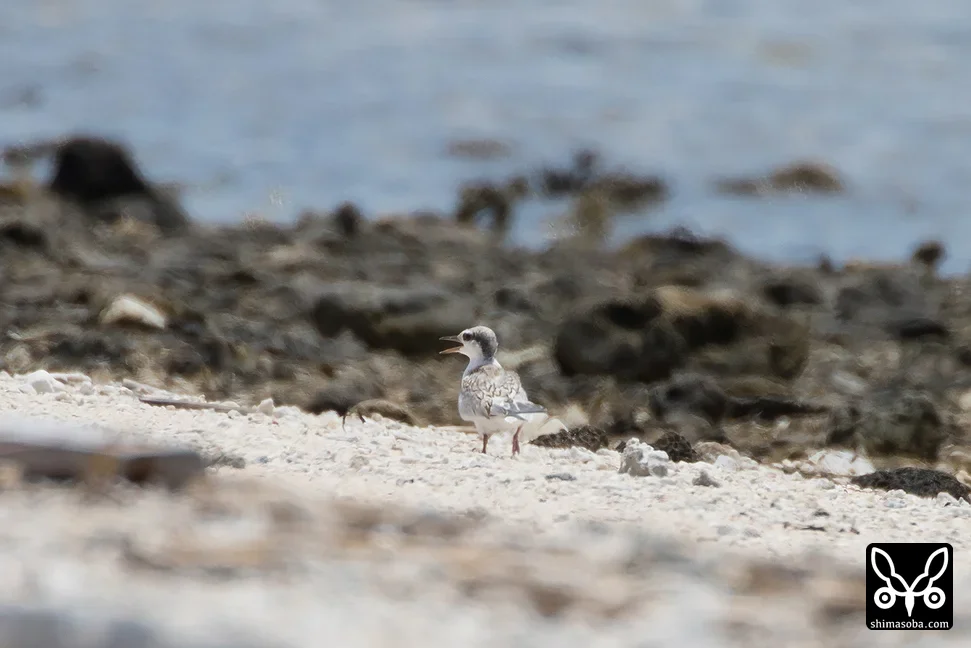
A Bridled Tern chick in the distance. It didn't seem able to fly well yet, but it moved fast on foot. ^^
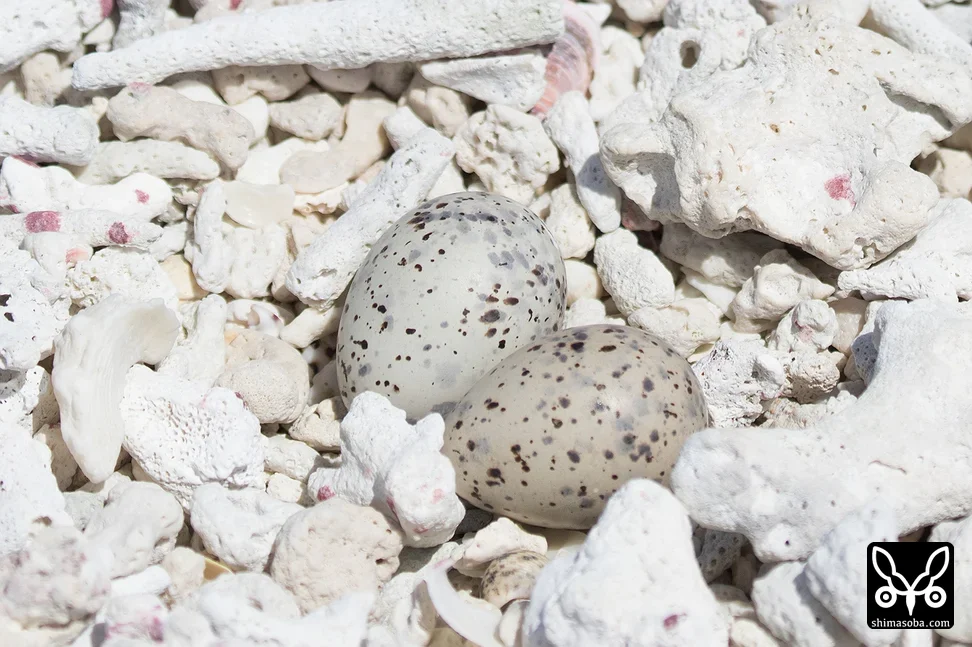
Bridled Tern eggs. For photographing nests and breeding activity, I followed the guidance of the survey team.
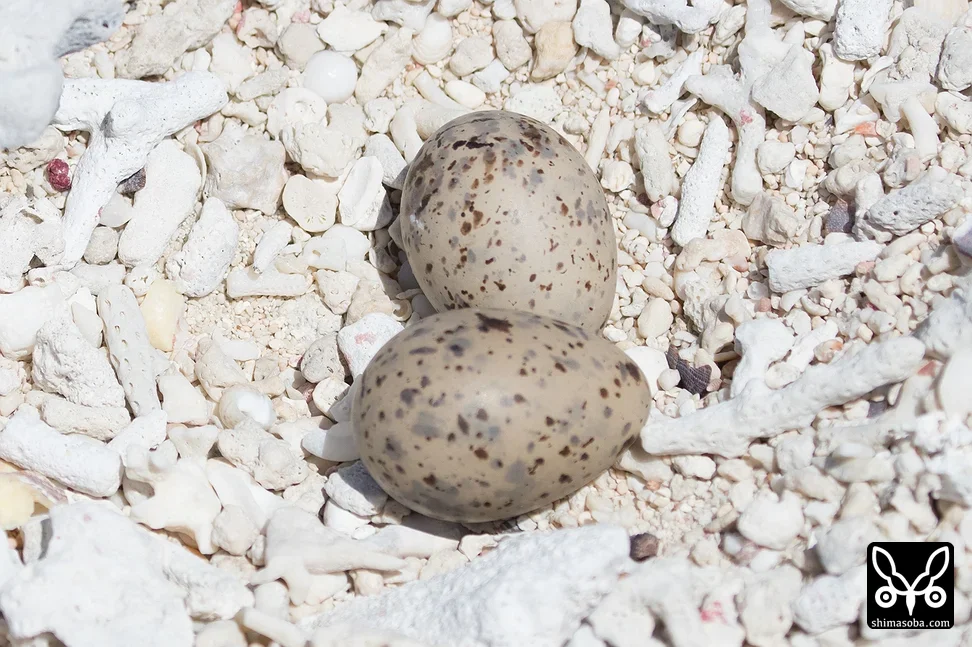
Roseate Tern eggs. The colour looks deeper compared to Bridled Tern eggs. The surveyors can tell from the nest construction whether it belongs to a Bridled Tern or a Roseate Tern.
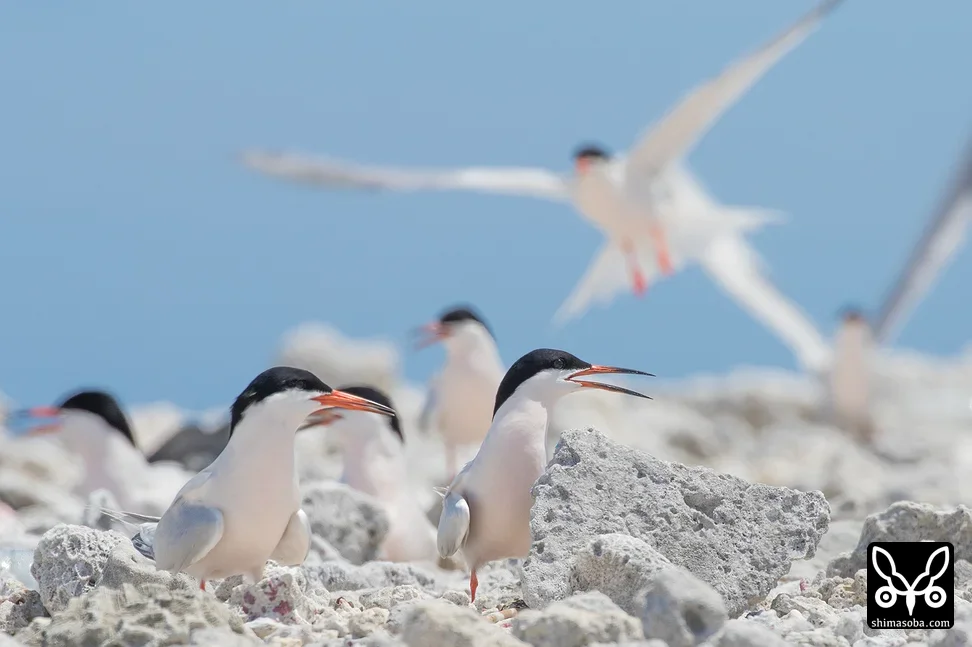
Many Roseate Terns are incubating. Apparently they sit on the eggs not so much to warm them as to keep them from getting too hot in the sun.
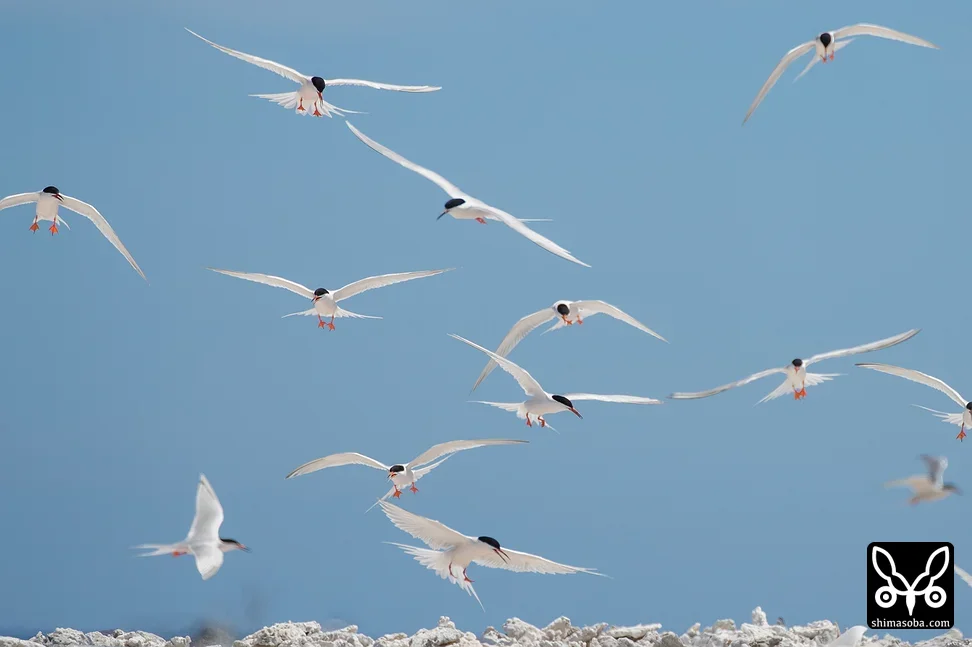
A Roseate Tern returning to the nest. I also watched birds going back and forth between the bathing spot and the nest.
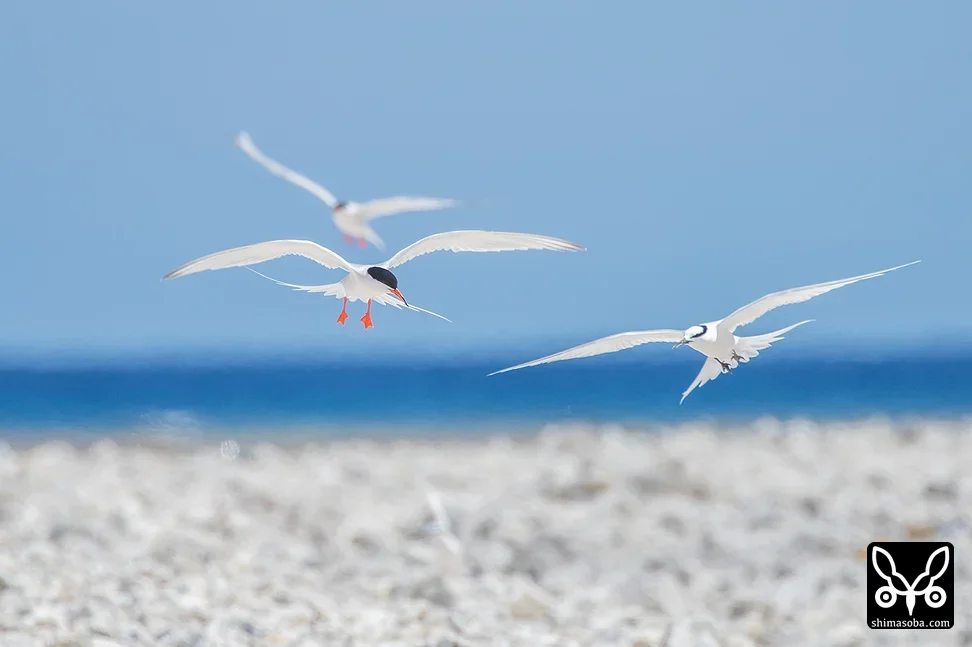
Roseate Tern (left) and Bridled Tern.
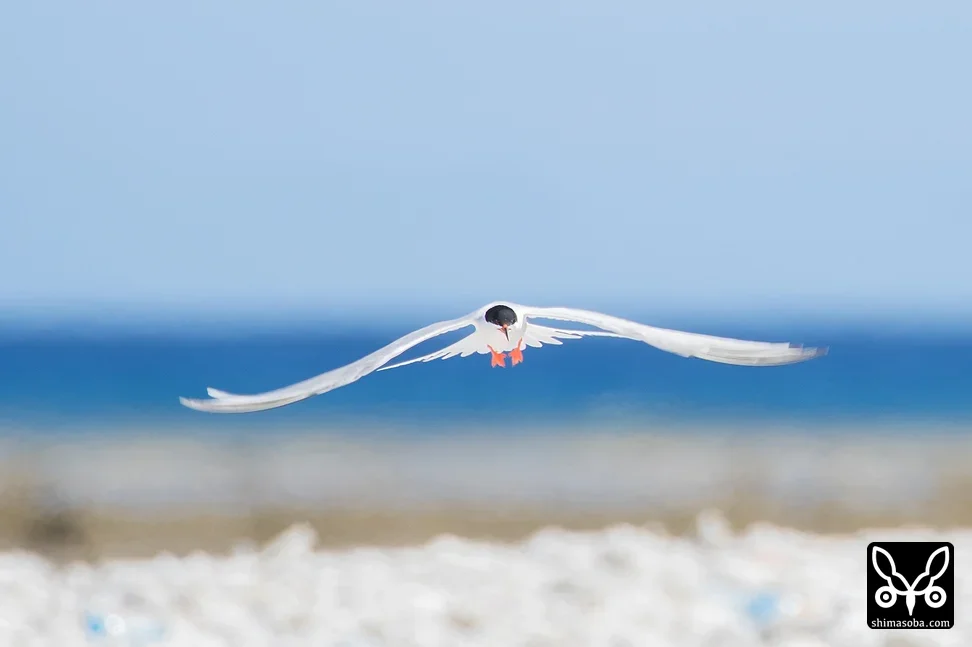
A Roseate Tern flying low.
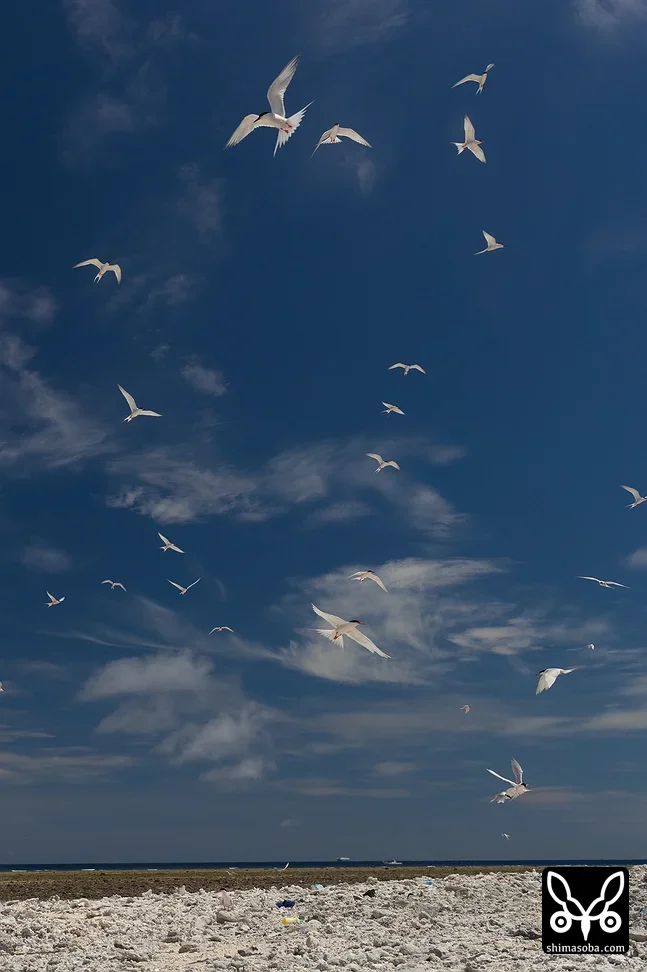
A flock of Roseate Terns. A quintessential bird of Okinawa in summer.
This appears to be a different individual from the Roseate Tern with the white flag shown above. I couldn't read the number, but this one was also banded and released in Australia.
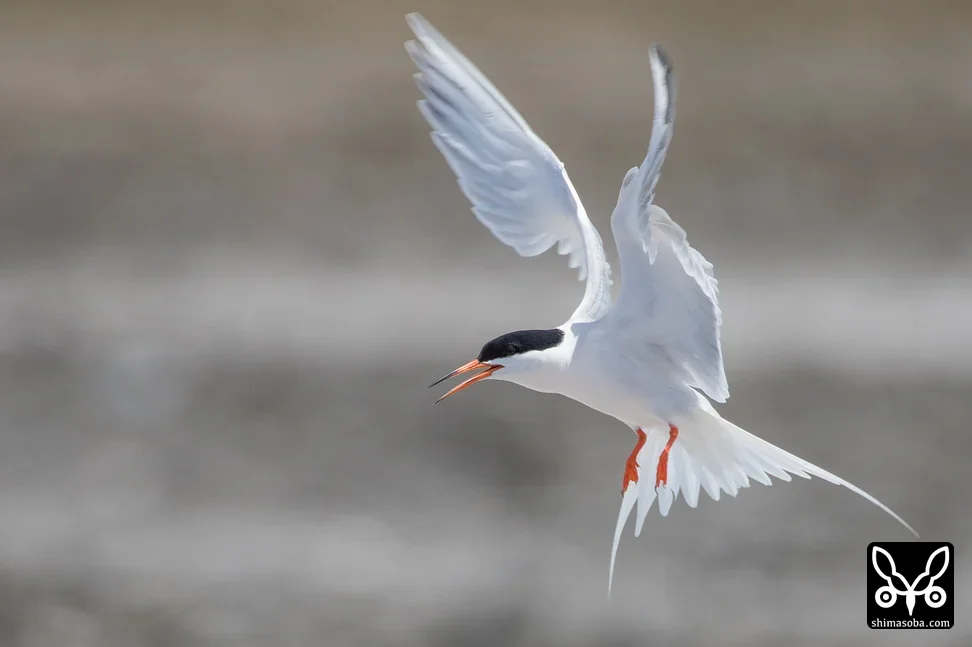
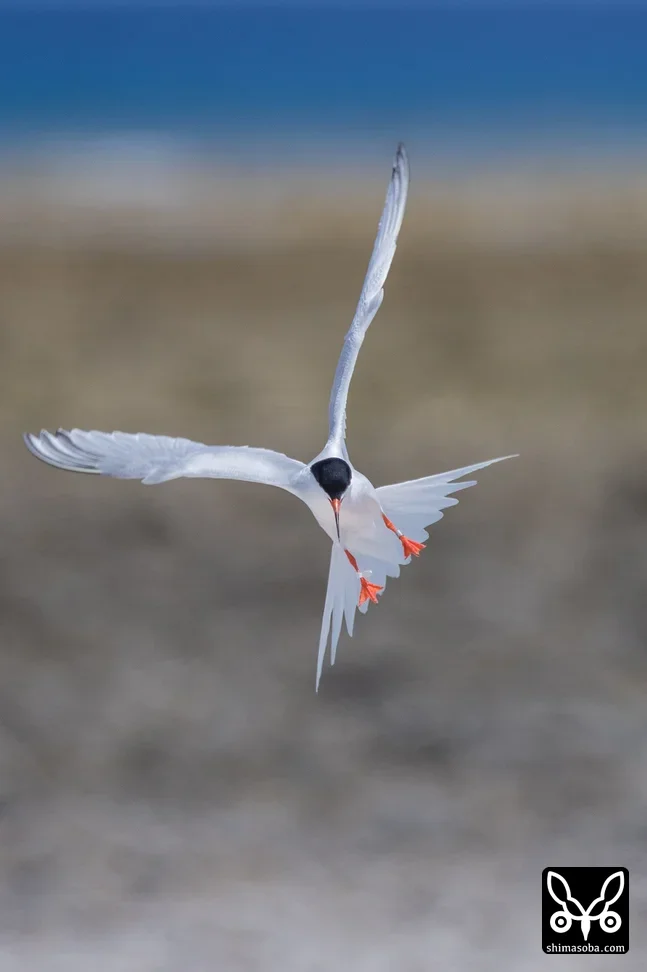
A Roseate Tern — the colour of the bill and feet is striking.
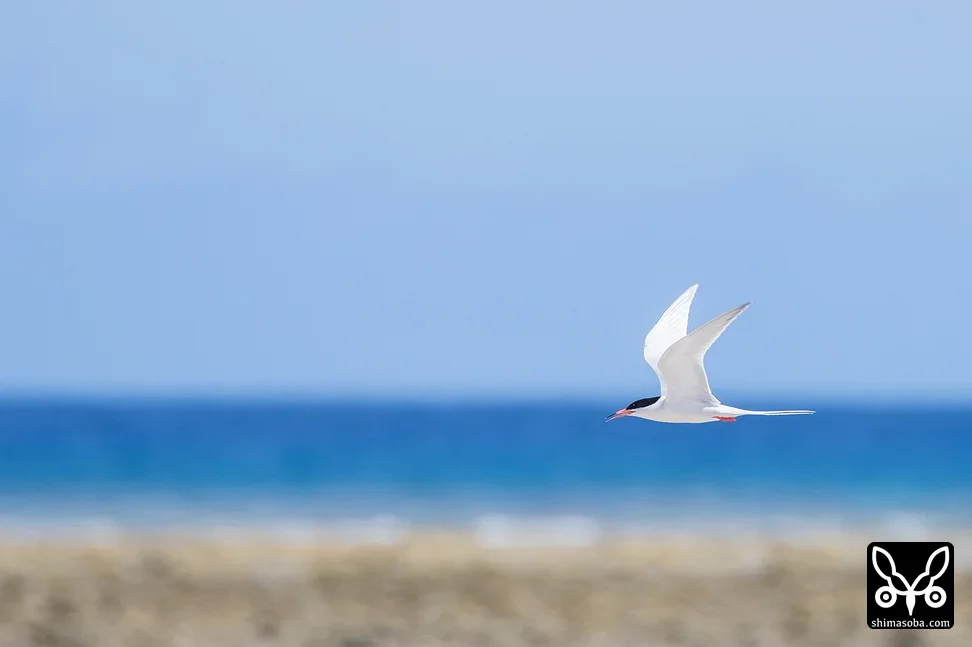
A Roseate Tern flying along the horizon.
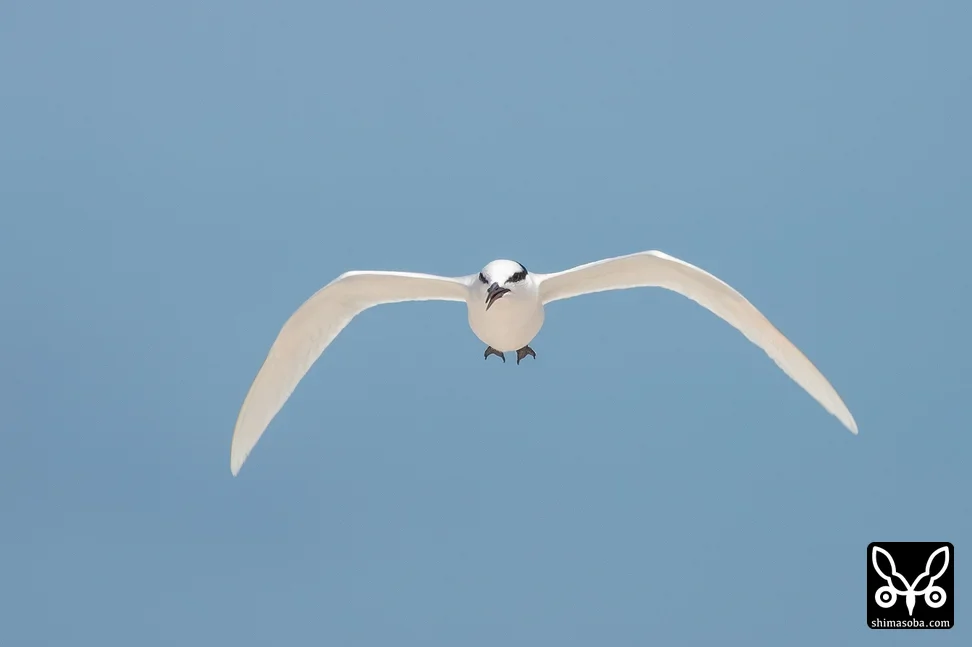
A Bridled Tern came over to have a look.
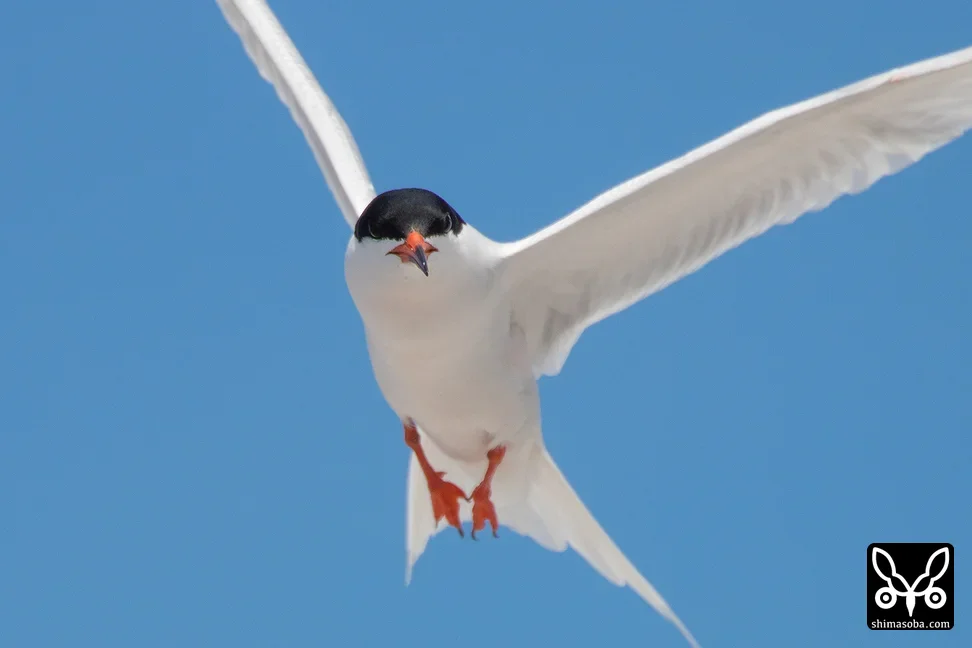
A close-up of a Roseate Tern.
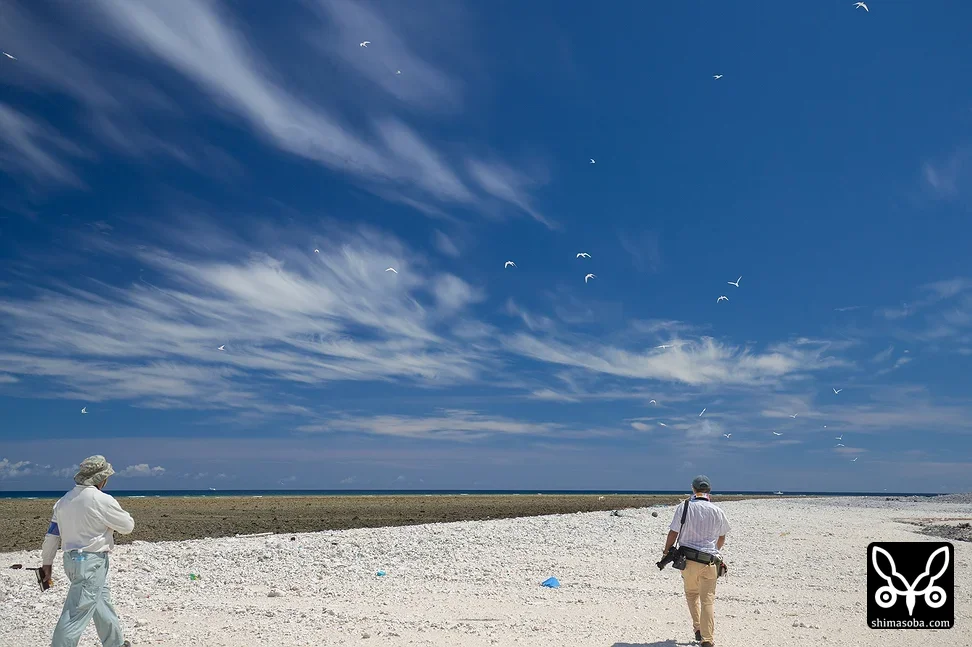
Survey work. Wildlife protection officers carefully record the number of nests and check on their progress.

Press coverage in progress. The two of us can cover a story with two lenses, a pen and a notebook, but the TV crew had a huge amount of gear — looked like hard work.

The sea at Chibishi (Keise-shima) was strikingly beautiful. ^^
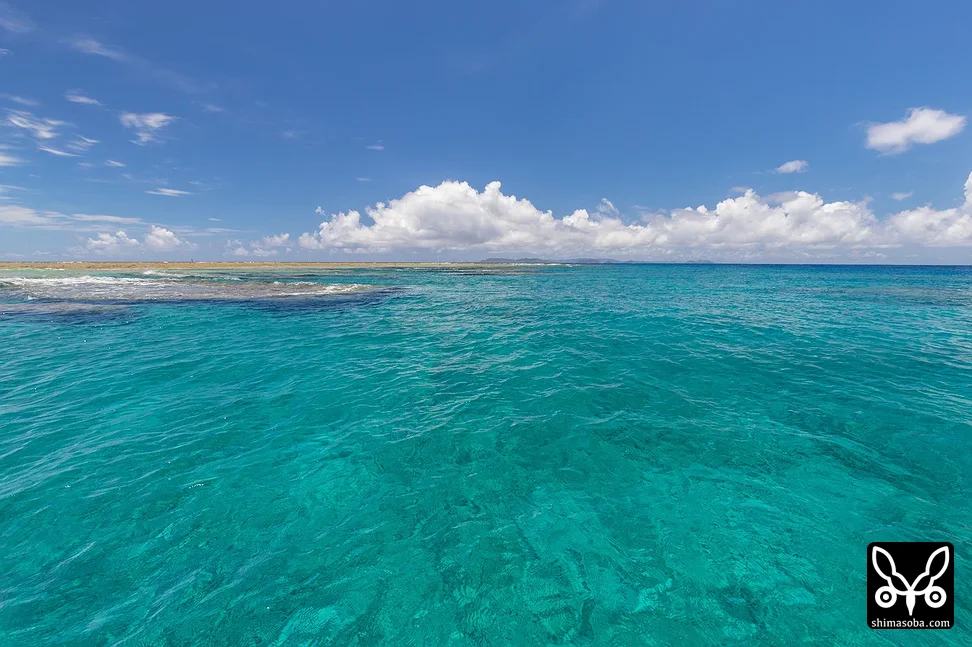
Even so, this was shot with contrast set to linear. I imagine it would come out even more intensely blue if I'd used landscape mode.