アカアシシギのバトル
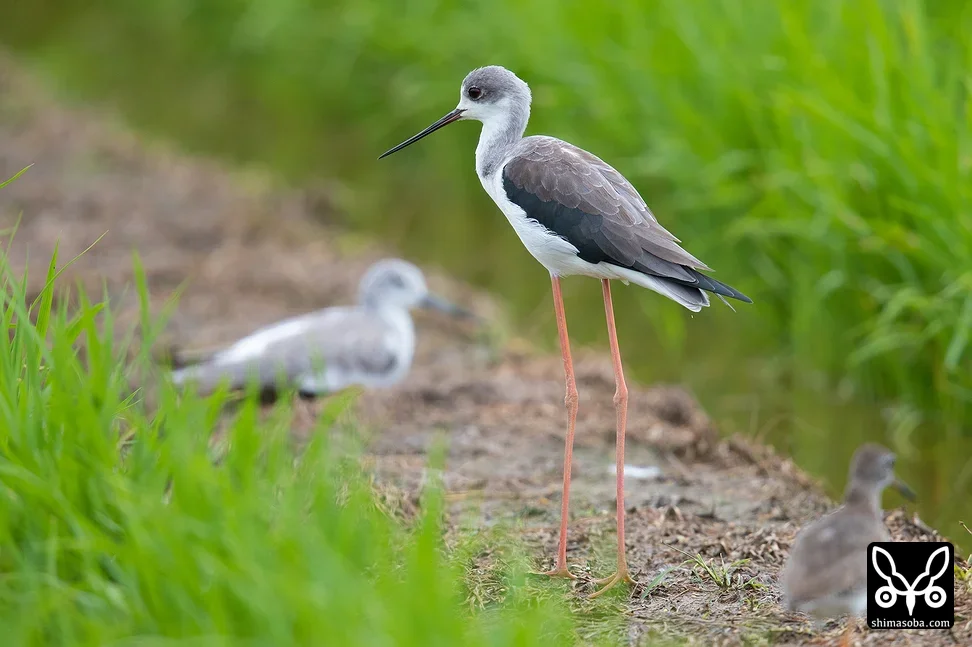
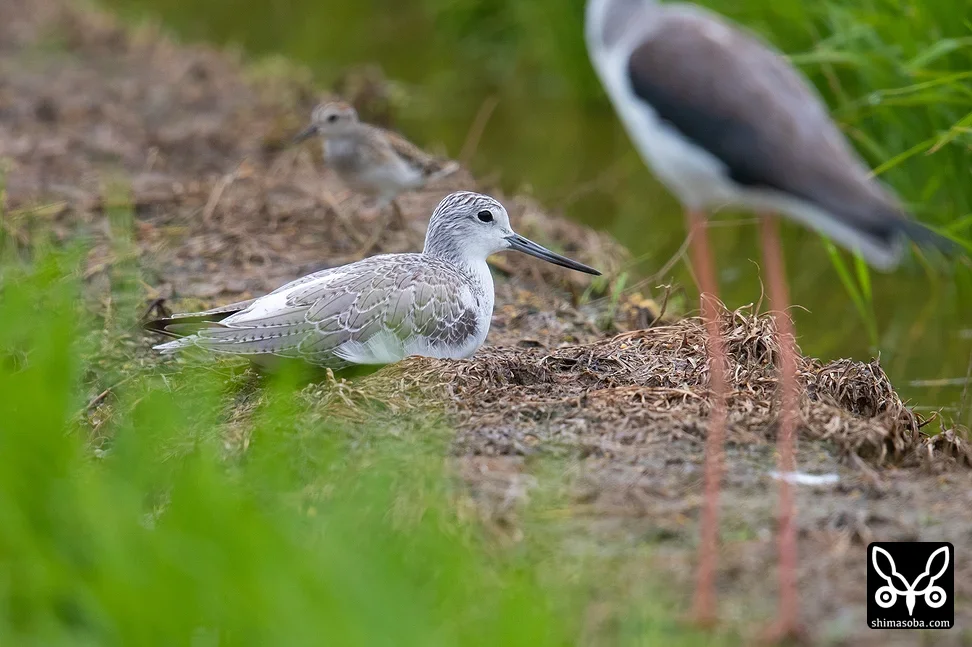
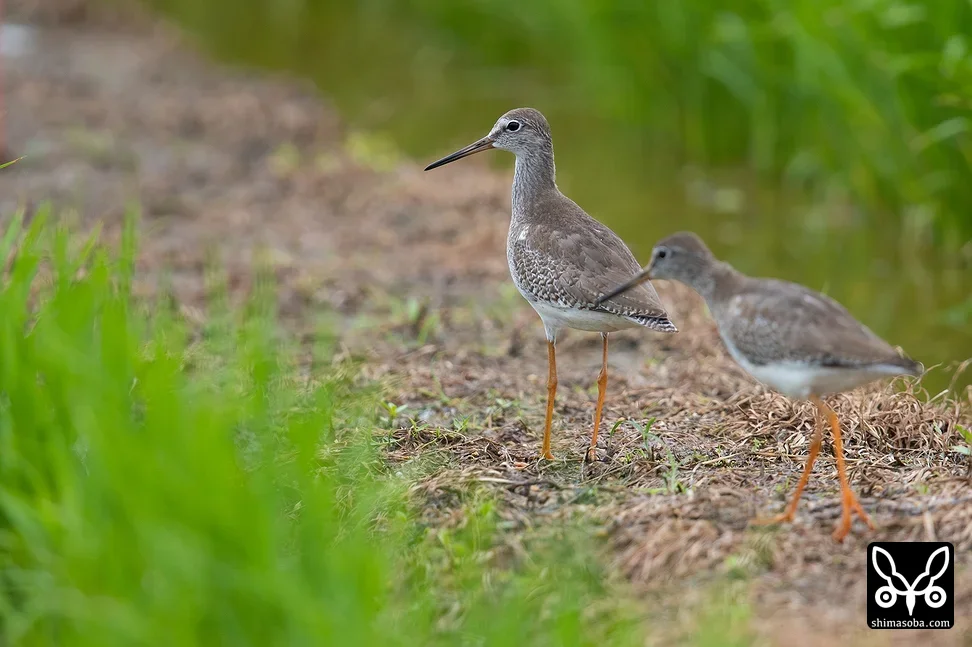
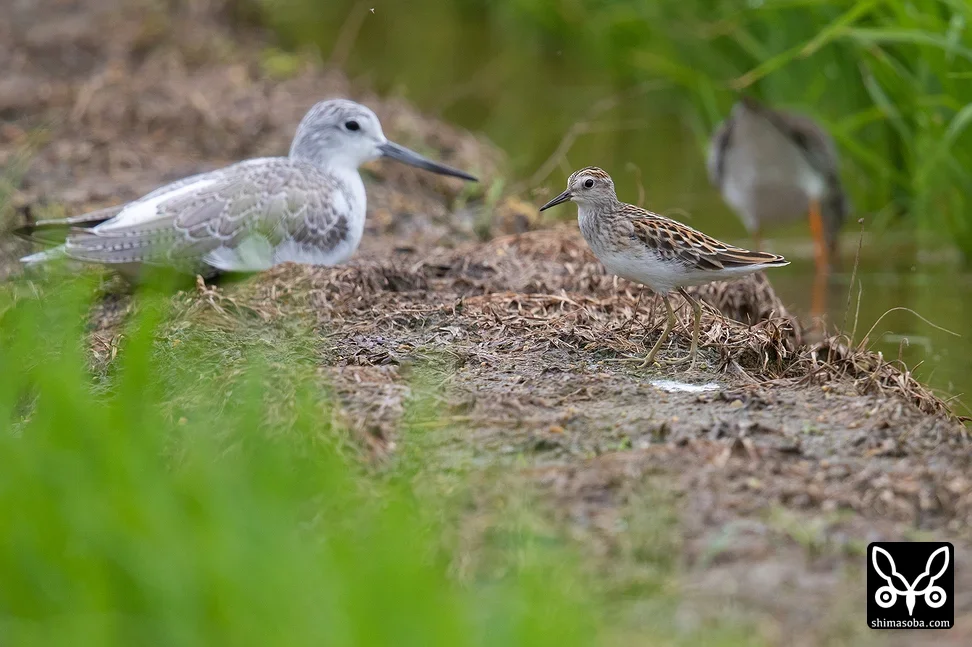
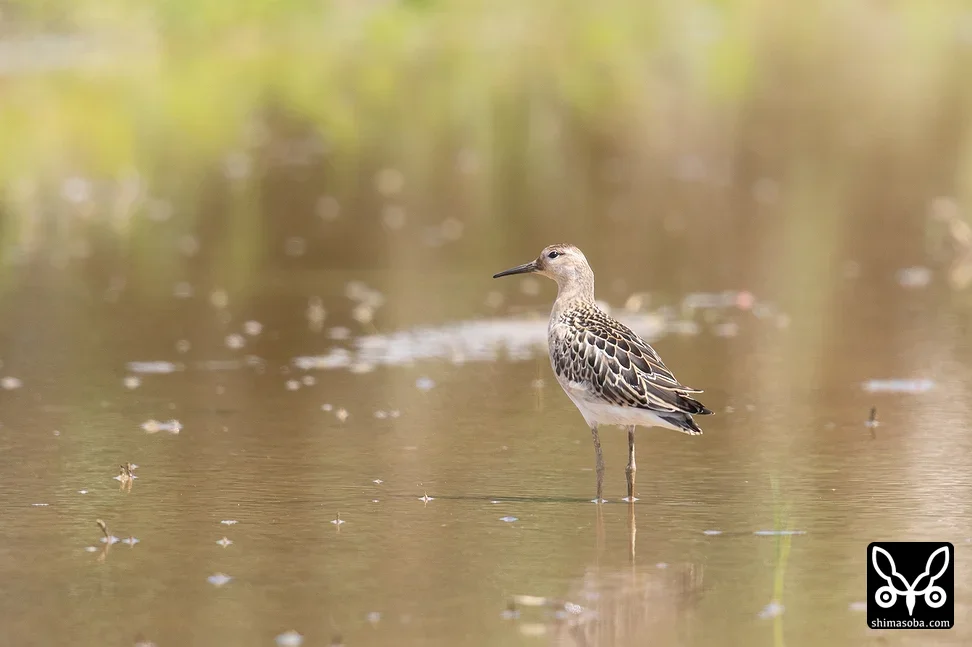
三角池にアカアシシギが10羽ほど入っていました。お互い近づきすぎるとすぐケンカ。^^;
ヒバリシギとアカアシシギはケンカっ早いのか、トラブっている場面をよく見ますね。
One of them flew up onto the other.
It pins the other down around the shoulders with both feet.
The bird underneath fled.
GUIDED BIRDWATCHING TOUR
We'll drive you around Ishigaki Island to wherever the birds are showing best that day. Observation is mostly from inside the vehicle, and we keep it to a maximum of 3 guests so everyone can take their time.
三角池にアカアシシギが10羽ほど入っていました。お互い近づきすぎるとすぐケンカ。^^;
ヒバリシギとアカアシシギはケンカっ早いのか、トラブっている場面をよく見ますね。
One of them flew up onto the other.
It pins the other down around the shoulders with both feet.
The bird underneath fled.
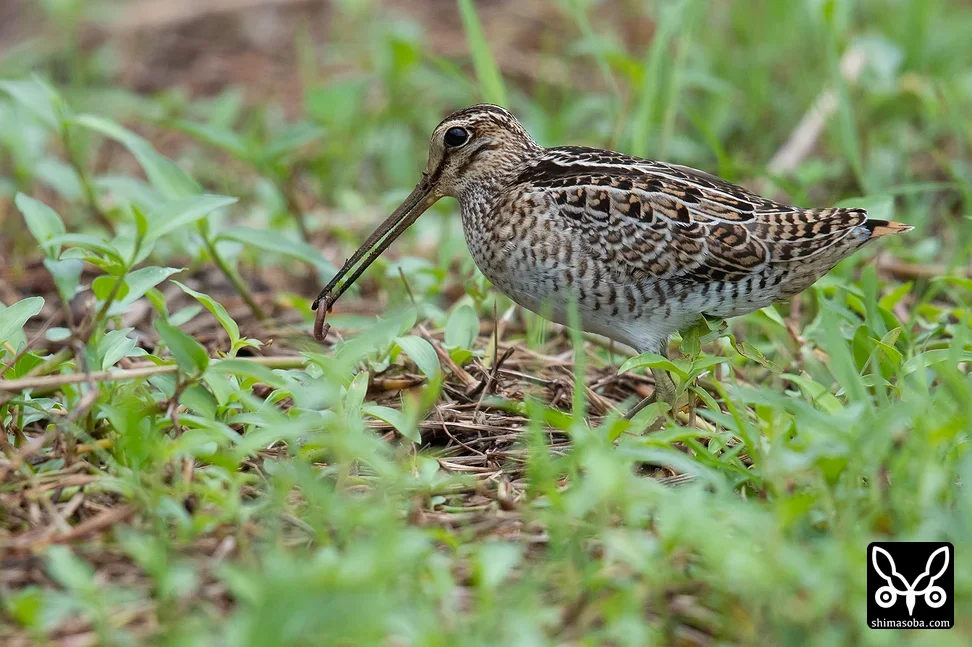
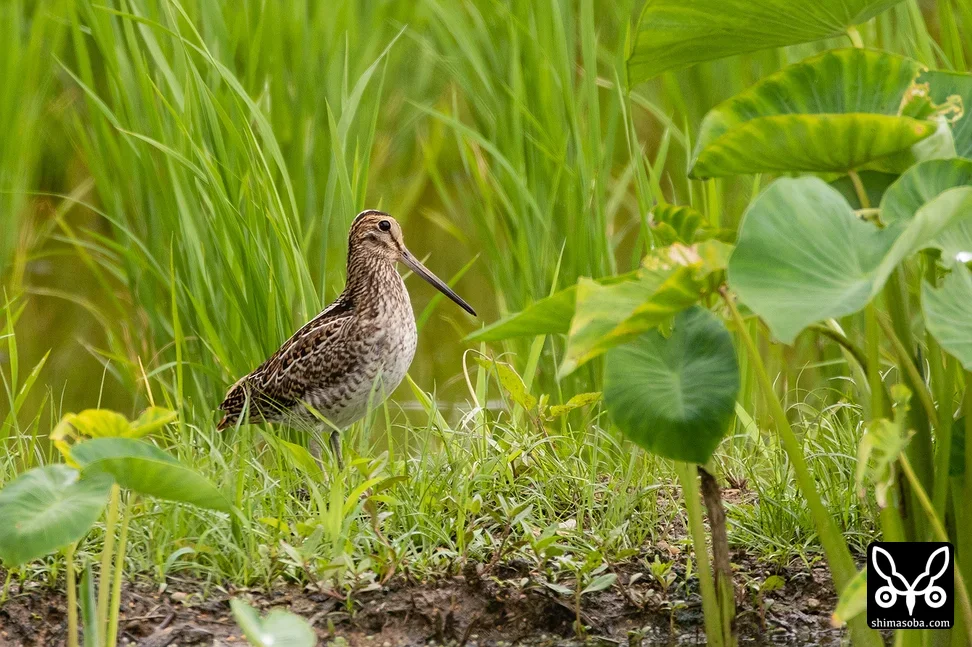
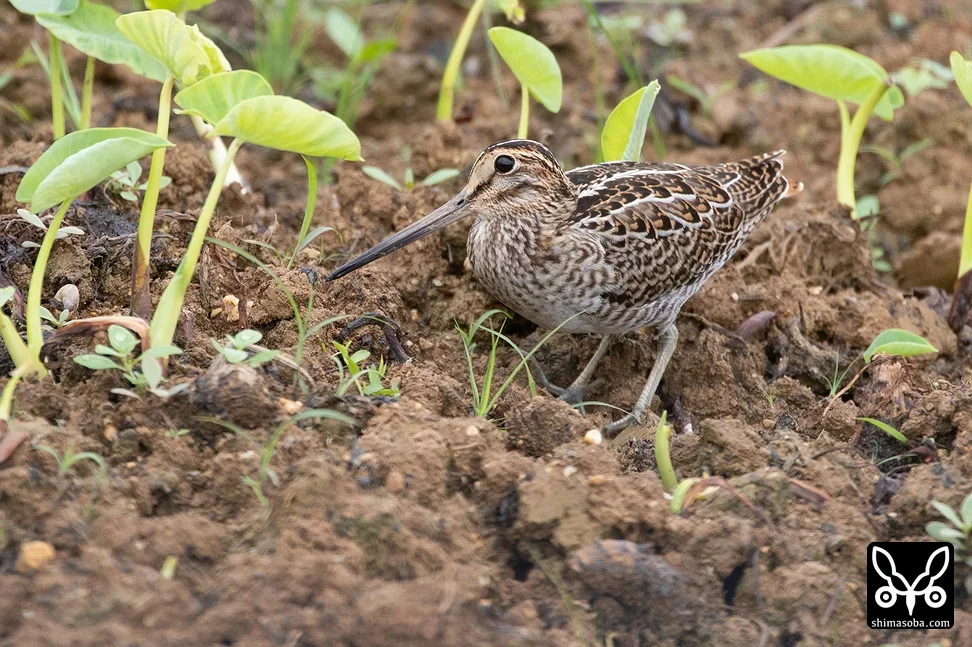
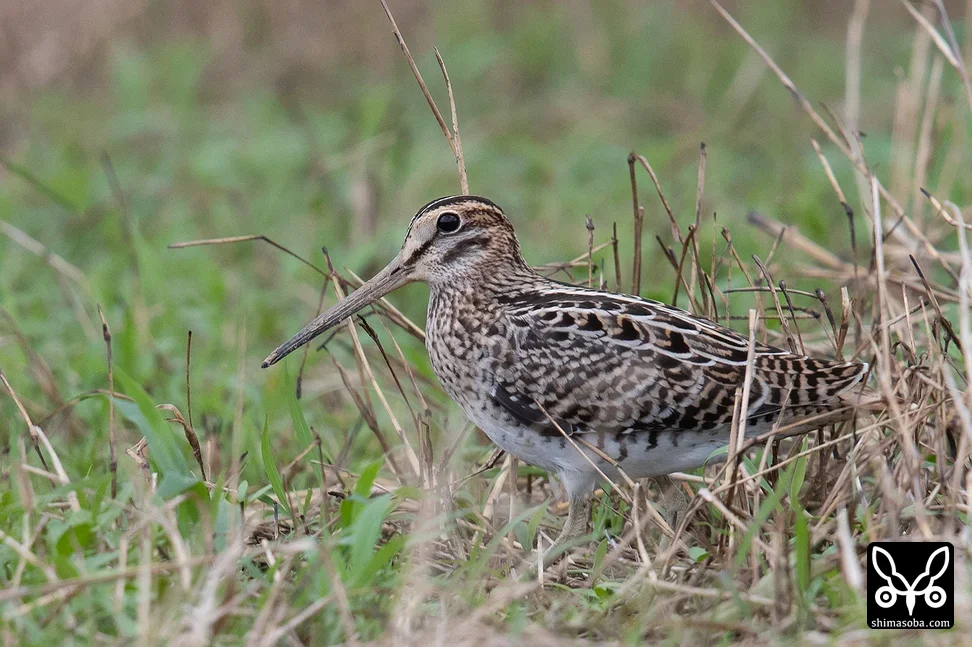
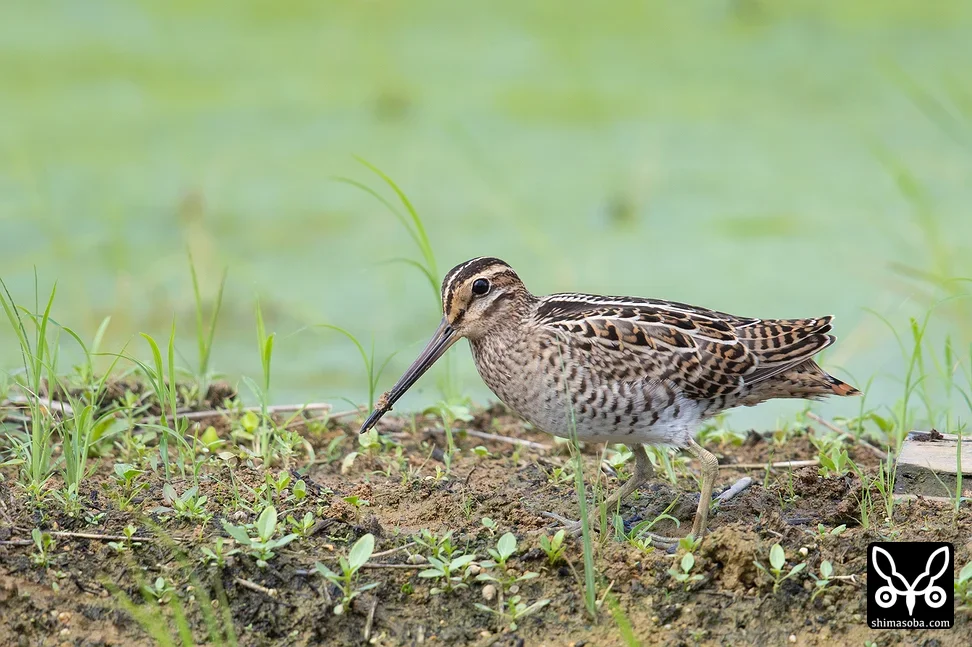
ジシギの渡りも始まったようです。きょうは田んぼにチュウジシギが7羽入っていました。他にもシギ・チドリが渡ってきています。
First Swinhoe's Snipe of the season.
It was threatening a Blue Rock Thrush and hopping about. Very Pin-tailed Snipe-like behaviour.
A Swinhoe's Snipe resting on a paddy bund.
Another Swinhoe's Snipe.
I managed to photograph 5 individuals, but observed 7 in total.
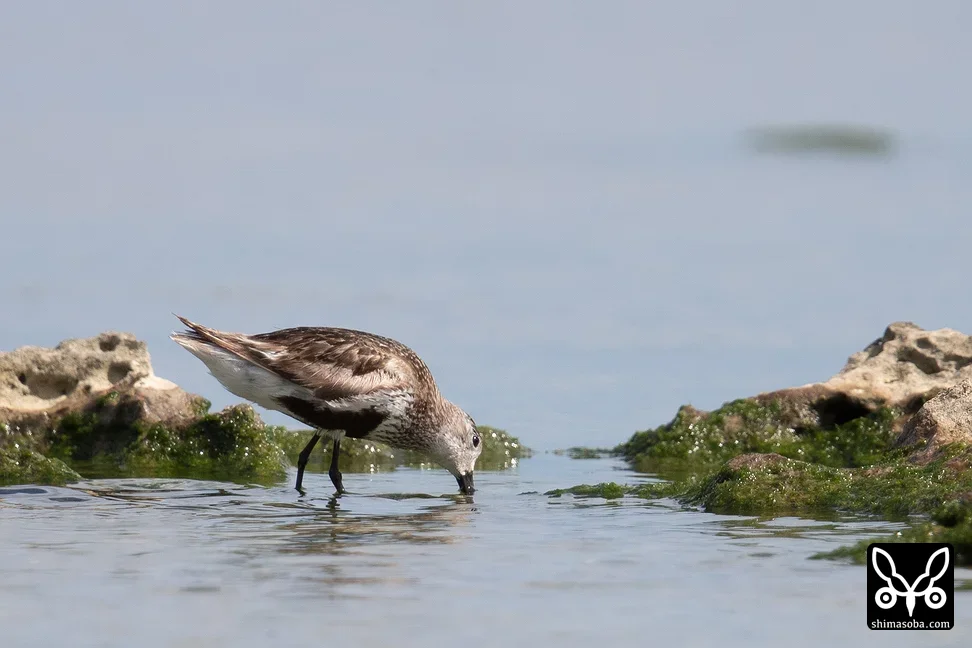
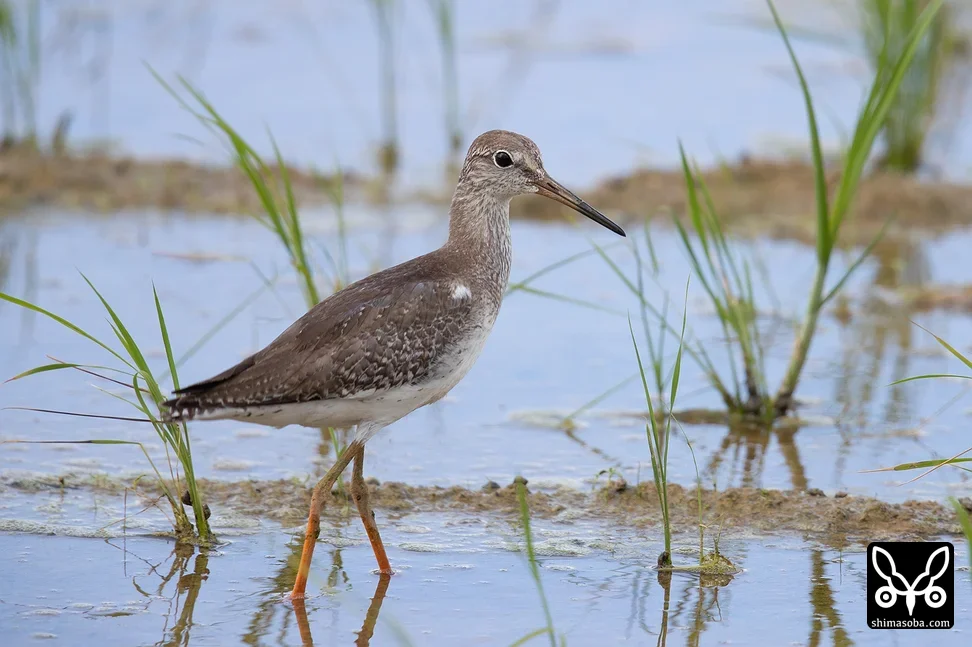
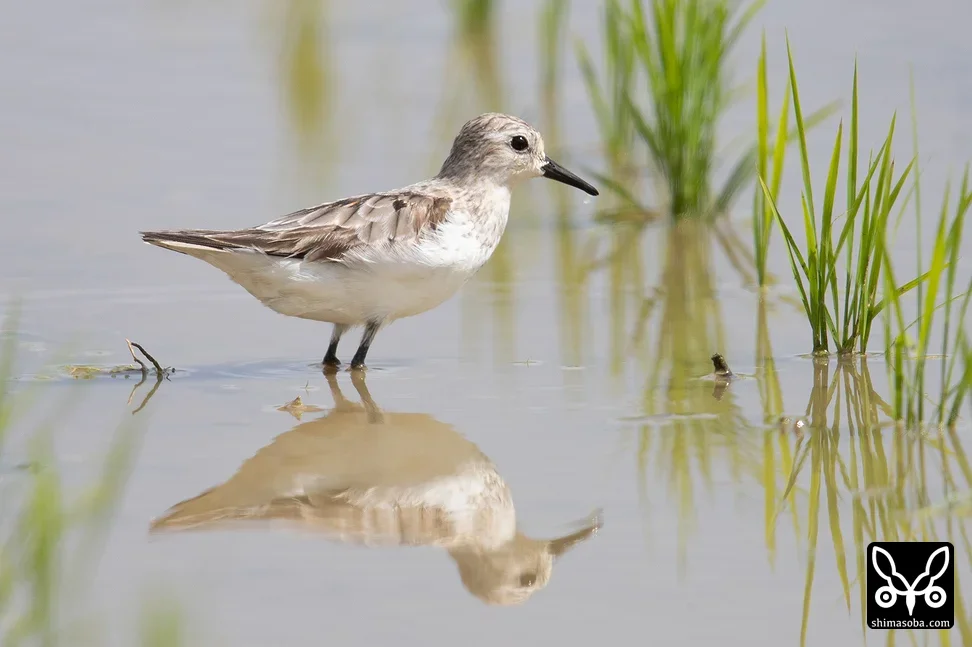
現場では、ヨーロッパトウネンと思っていましたが、写真を見てみるとトウネンでした。残念。
足の長さやくちばしの形状、主翼が尾羽を超えるなど非常にヨーロッパトウネンに似ていますが、夏羽から冬羽へと移行中のトウネン成鳥です。
I was convinced this individual was a Little Stint, but it's a Red-necked Stint. ^^;
Another individual that looks like a Little Stint.
Red-necked Stint in late breeding plumage.
Red-necked Stint moulting from breeding to winter plumage.
And yes, this individual also looked like a Little Stint in the field.
きょうは、立秋。まだまだ暑いですが、近所のローソンでは、おでんの準備をしていました。
野鳥の世界でも秋の渡りが始まり出したようで、海岸にはオオメダイチドリやメダイチドリ、ツバメチドリ、ハマシギ、トウネンなどが数を増やしています。
フラッグを付けたキョウジョシギもいました。フラッグには「WBY」の文字、メタルリングには「TO WILD 2601 AUS 052-7289」と記されていました。オーストラリアはタスマニアで放鳥された個体です。Google Maps で沖縄からタスマニアまでの距離を測ってみたら約7800キロもありました!! 現在、詳細を山階鳥類研究所に問い合わせ中なので、詳しいことが分かり次第、追記します。
三角池には、越夏したクロツラヘラサギが6羽。「E24」と「V08」の足環をつけた個体もいました。E24は足指の付け根がまだ少し腫れているように見えました。
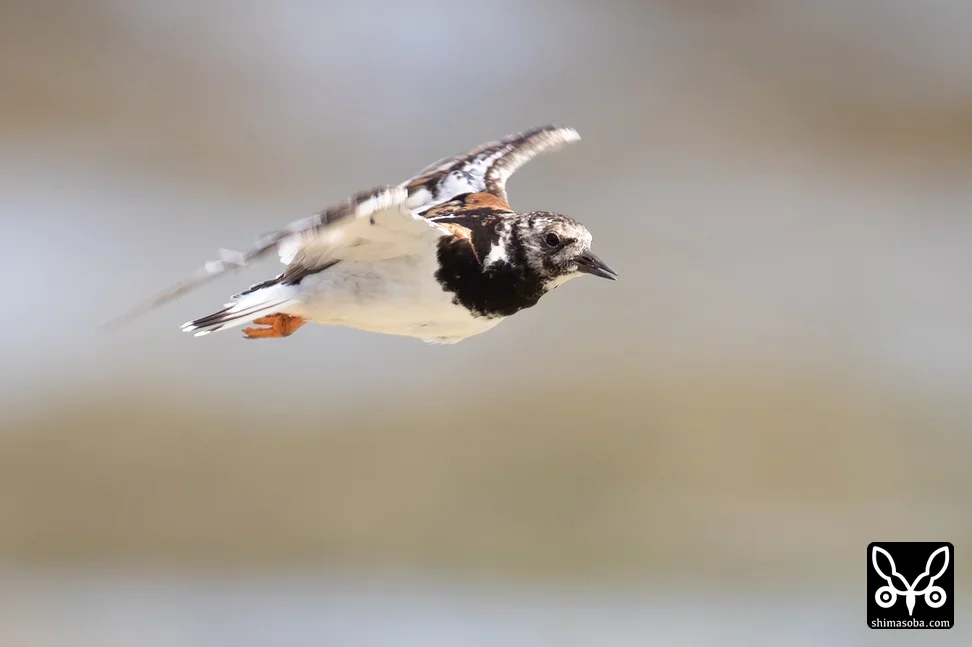
A late-summer-plumage male Ruddy Turnstone with a flag marked "WBY".
When I photographed the metal ring from several angles and read the inscription, it said "TO WILD 2601 AUS 052-7289".
Just one Dunlin. Late summer plumage.
Greater Sand Plover, moult from summer plumage almost complete to winter plumage.
Red-necked Stint, late summer plumage.
Red-necked Stint moulting into winter plumage.
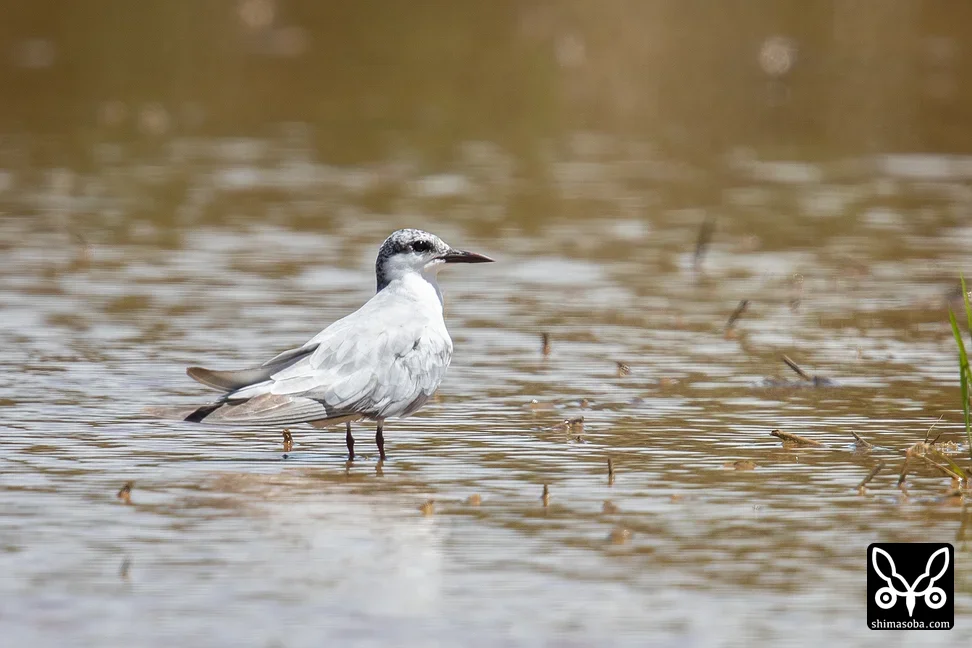
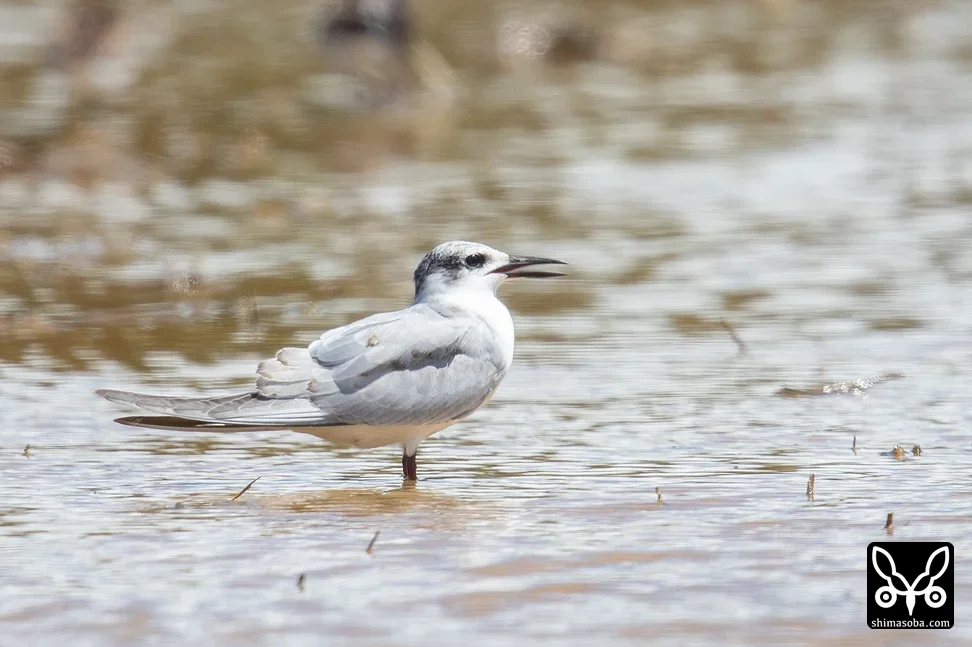
Oriental Pratincole juvenile.
Only one Grey Plover. Too far away, and the heat haze was so bad I couldn't get it in focus. ^^;
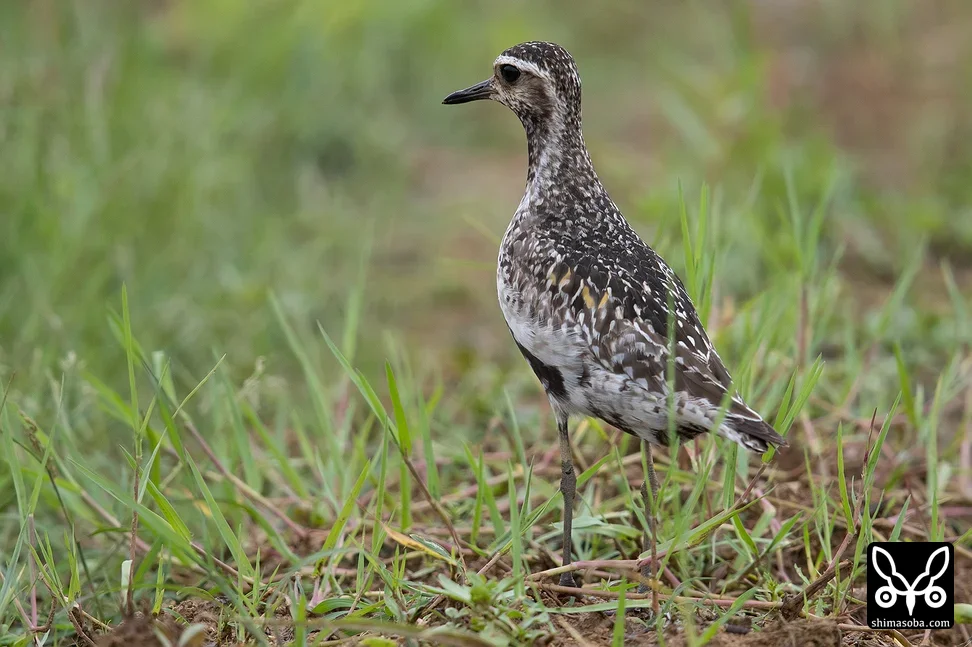
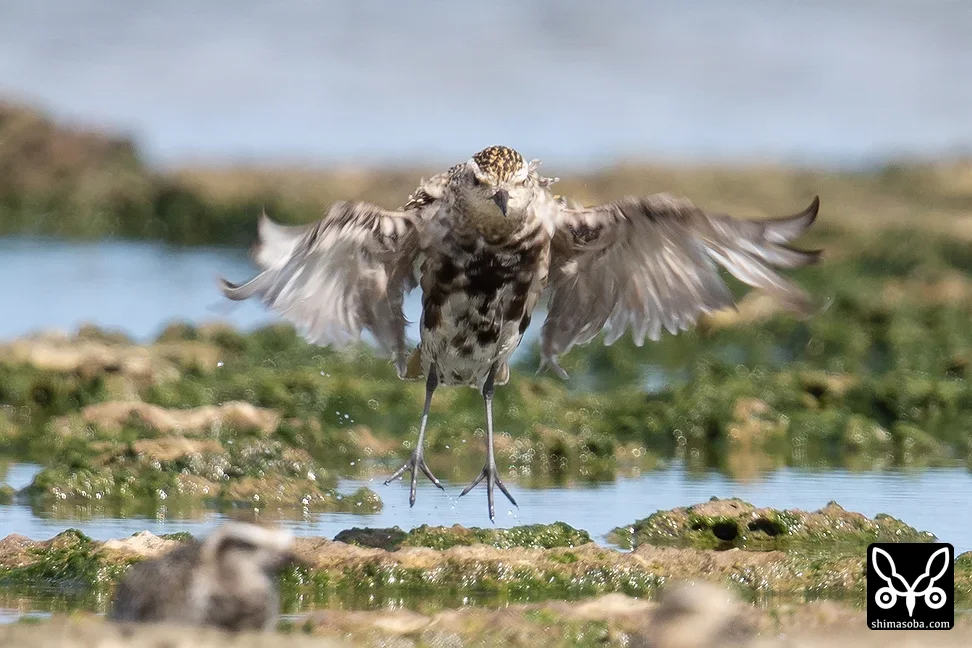
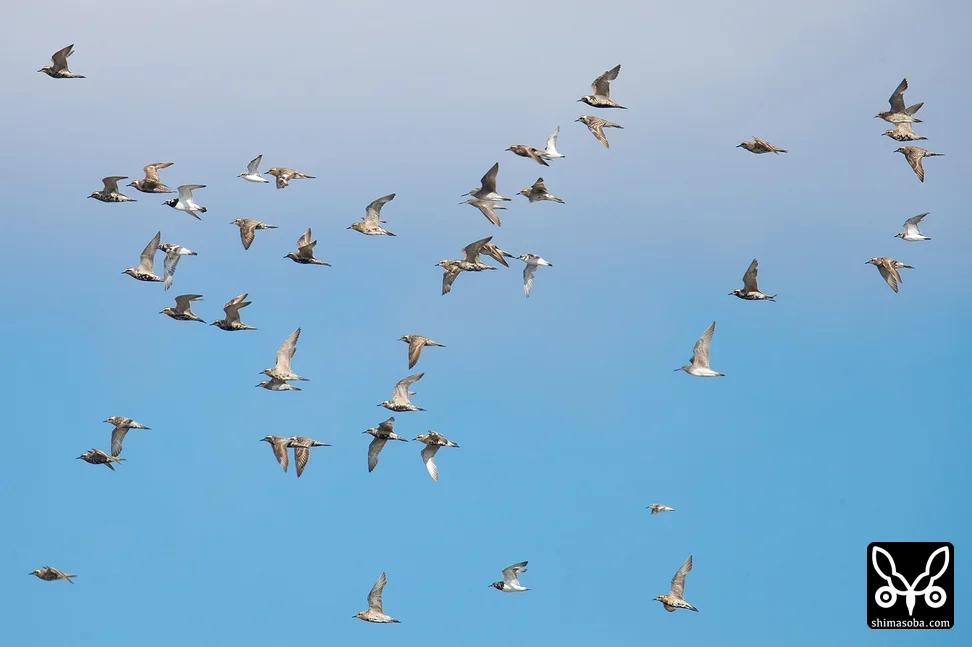
Pacific Golden Plovers in a small flock. They're now being seen on tidal flats and in rice paddies too.
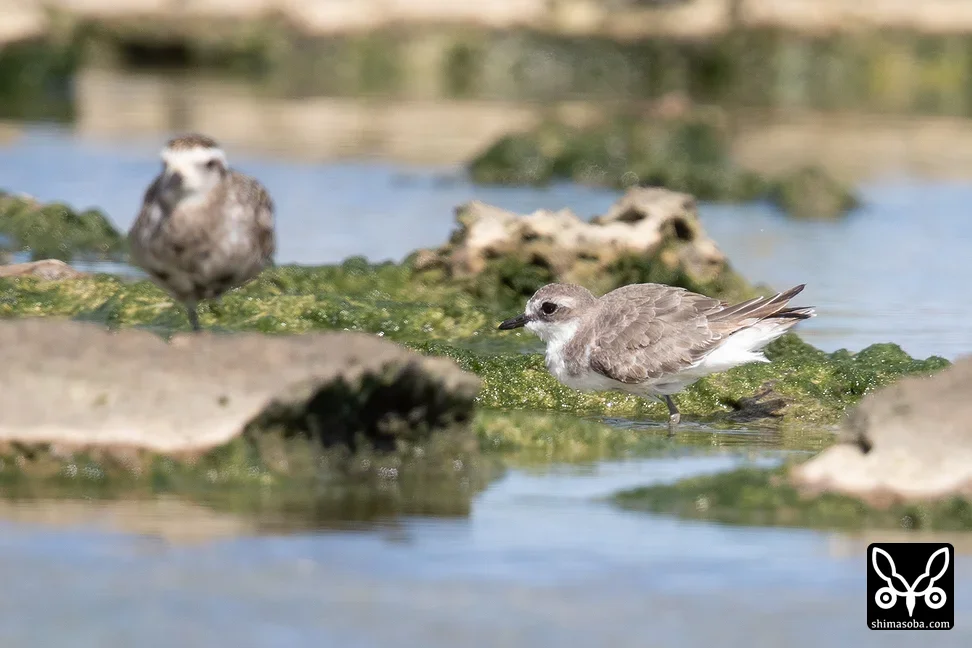
Lesser Sand Plover moulting from breeding to winter plumage.
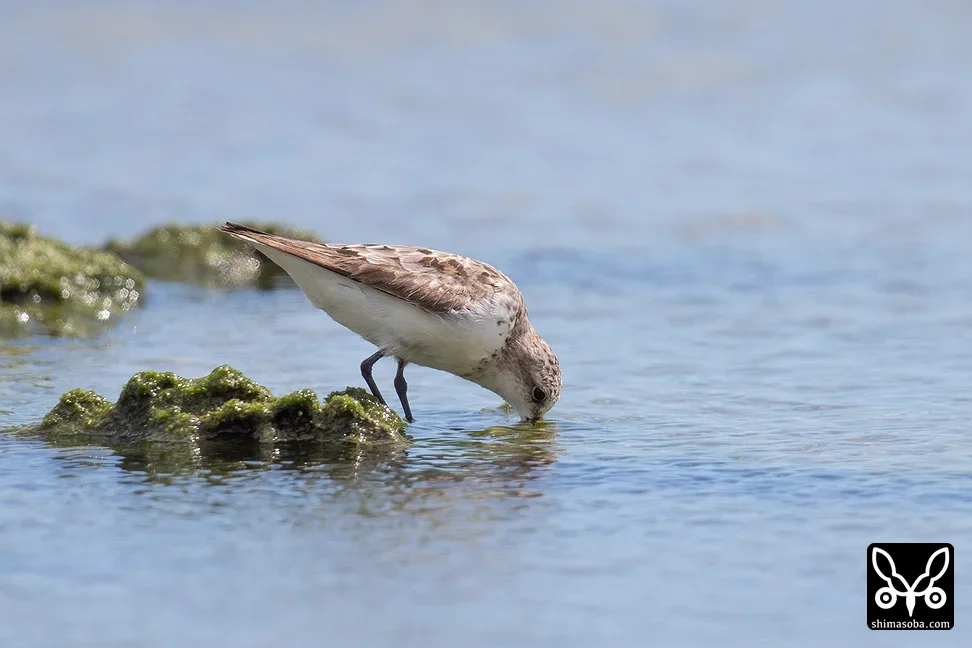
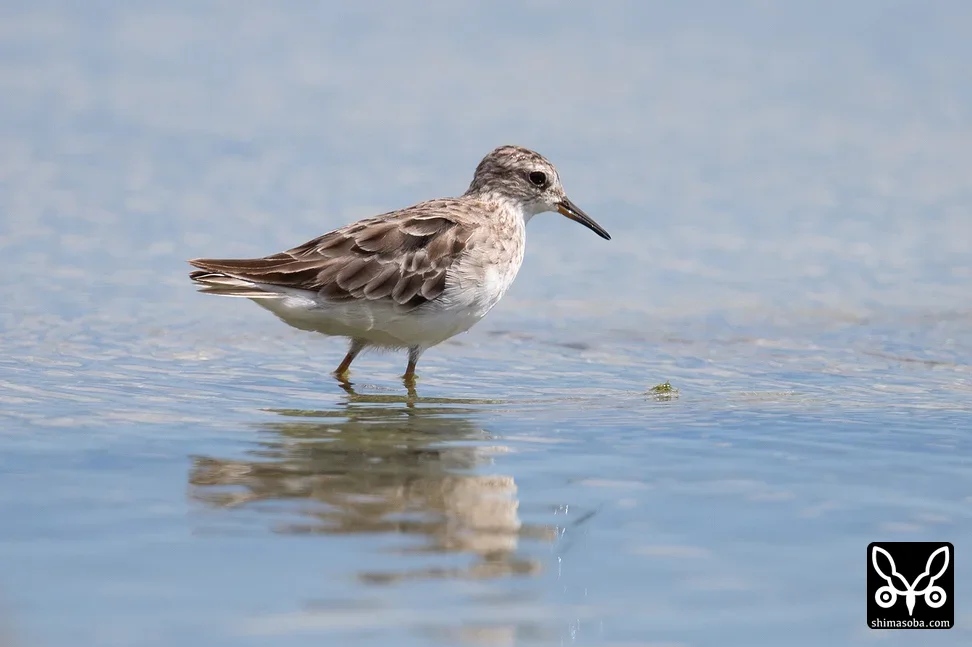
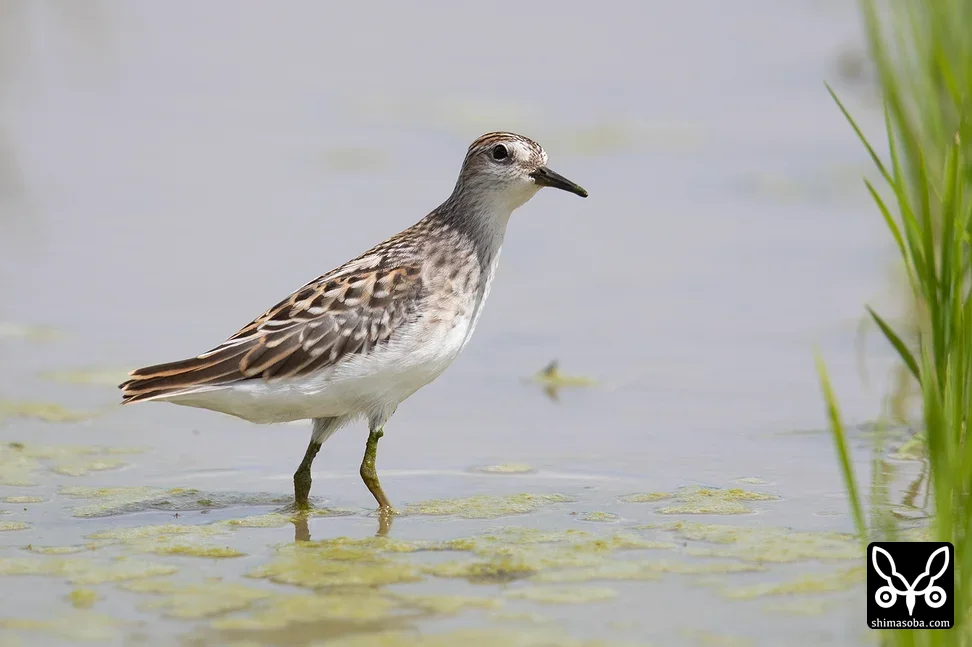
Long-toed Stint is the shorebird of Okinawa, but numbers are still low.
Wood Sandpiper in breeding plumage. Numbers are steadily increasing in rice paddies and irrigation channels.
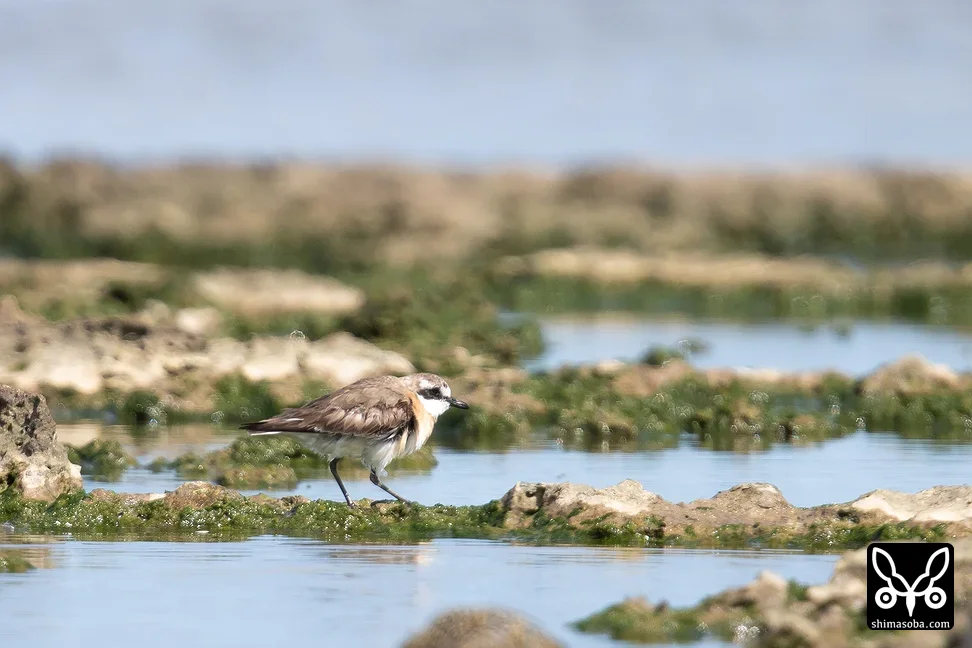
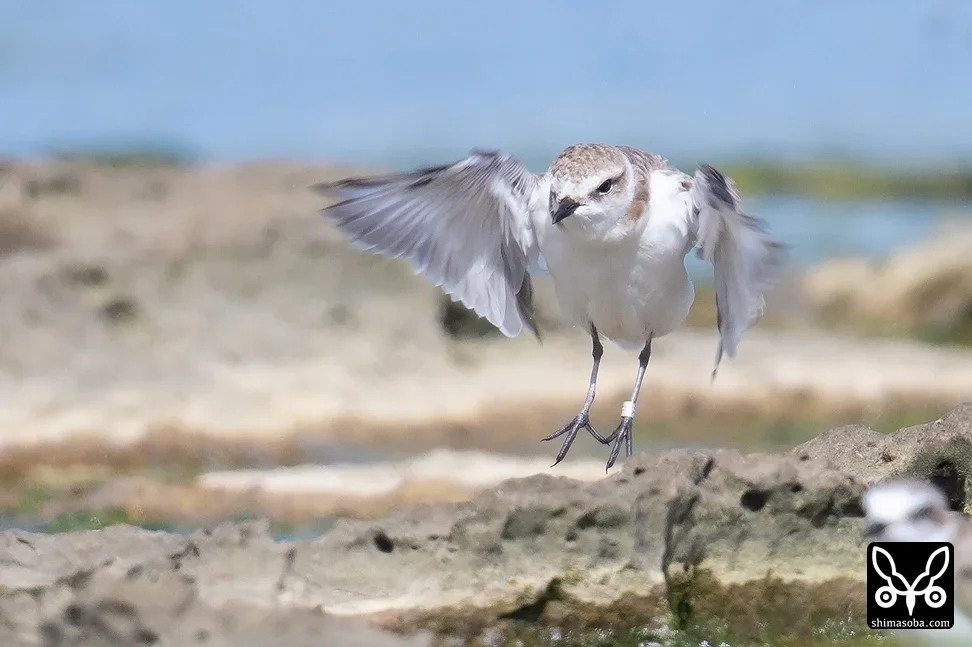
Kentish Plover appears to have finished breeding.
Little Ringed Plover. Late breeding plumage — a hint of winter already?
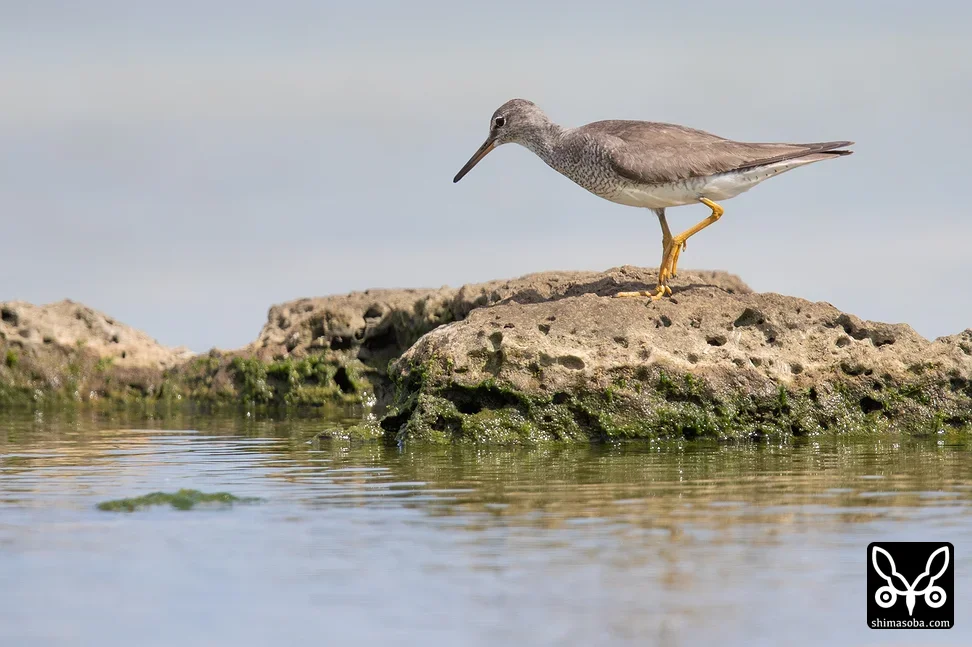
Grey-tailed Tattler in late breeding plumage.
Black-faced Spoonbill
"E24" is still going strong. The right leg it injured around spring appears to have almost fully healed.
久しぶりにやんばるで夜探してきました。リュウキュウコノハズクの巣立ちがピークを迎えているようで7家族20羽の巣立ちビナを見つけることができました。ヒナたちはずいぶん大きくなり、自由に飛び回っていた。
リュウキュウオオコノハズクの餌場では、コノハズクとオオコノハズクのバトルが勃発。もちろんオオコノハズクが勝ち、コノハズクは退散しました。2羽同時に観察すると、図鑑などの数値で見るより大きさがずいぶん違いました。
ヤンバルクイナも7羽ほど確認。なぜか2羽は深夜0時ごろに連れ立って道路を横断していきました。何があったんだろう?
コノハズクのヒナたちは何時ごろまで起きているのか確認しようとある家族を観察していたのですが、あまりにも眠くなり2時ごろまでしか彼らが活動しているのを確認できませんでした。
The facial expression is the same as an adult, but the juvenile plumage is still quite prominent.
It received an Okinawa tree lizard from a parent.
The tree lizard was about the same length as the Ryukyu Scops Owl itself, so it was struggling to swallow it.
Two of them waiting for food from their parents.
Here too, the two were sitting side by side together.
Something seemed to be moving in the grass, so I watched it closely for a while.
When I went to the Ryukyu Eagle-Owl's feeding ground, the usual individual was catching cockroaches and cicada larvae. The Ryukyu Eagle-Owl, which has finished raising its chicks earlier than the Ryukyu Scops Owl and Grey Nightjar, has already begun moulting from around the eyes.
An adult Ryukyu Scops Owl that had strayed into the Ryukyu Eagle-Owl's territory and was being chased off.
A Okinawa Rail sleeping in a tree. I'm not sure if it's the same individual, but it generally sleeps in the same tree.
There was light rain, so Ryukyu kajika frogs were calling here and there.
The next most commonly seen after the Ryukyu kajika frog is the Holst's frog. This is quite a large and impressive frog.
The Barringtonia flowers were in full bloom, drifting a sweet fragrance through the air.